Get Premium
Dark mode theme is available exclusively for premium users. Learn more about the benefits of subscribing.
No fees, cancel anytime.

 Dark Mode Ad-Free Browsing Unlimited Content

 Ad-Free Browsing Unlimited Content Dark Mode
Join 1.2 million Panda readers who get the best art, memes, and fun stories every week!
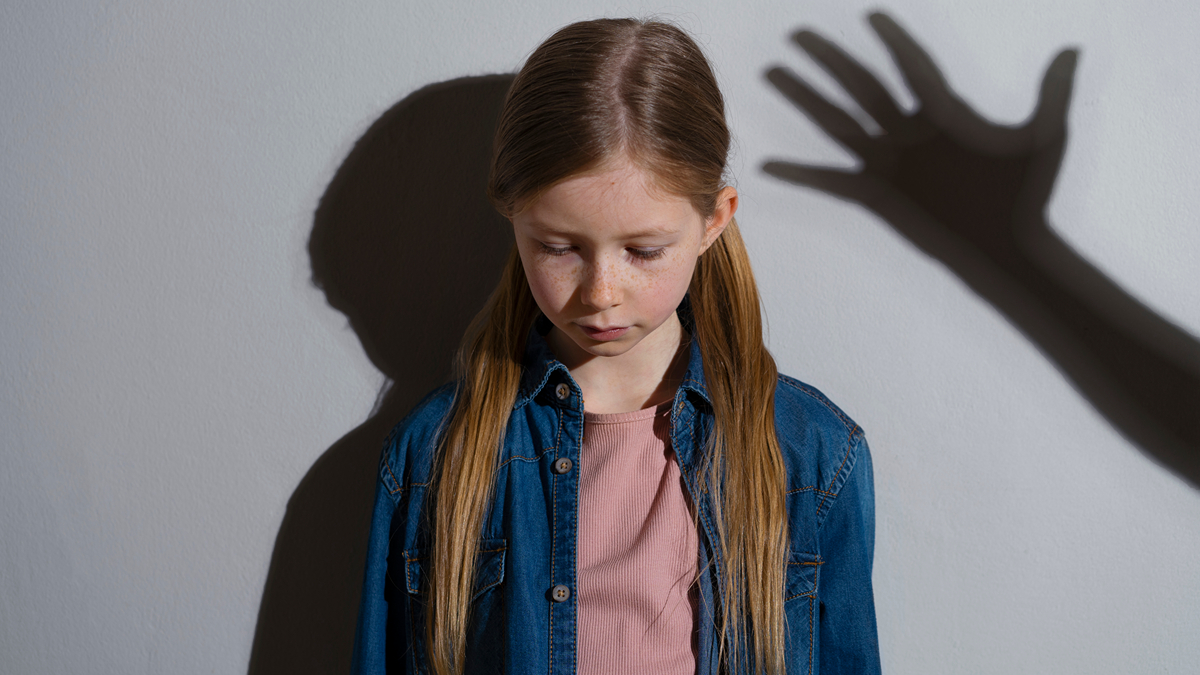
We’re happily playing in my garden, not a care in the world, when her dad’s head suddenly appears over the wall. “Don’t forget you must be back home by 5,” he says in a stern voice. “And go straight to the wardrobe to choose the belt you want.” At not even ten years old, I don’t really understand what that last part means but I can instantly feel the mood shift. She looks scared. I decide to ask my neighbor what her father meant by “choose a belt.”
“It’s my punishment,” she tells me. Apparently, she’d done something that warranted a spanking (or a lashing) earlier that morning. I’m horrified, even though I, like many others, am not immune to the occasional smack on my behind if I ever dare to misbehave. But mine is never with a belt. A flip-flop, maybe. But never a belt.
It wouldn’t be the last time I’d hear my friend’s father telling her to choose a belt for later. And it bothered me every time. Especially because he seemed to always let her stew for hours before meting out the punishment. Decades later, I wonder which was worse: the actual spanking, or the torturous dread of going about her day knowing that there was a leather belt of her choice waiting for her that evening.
According to the World Health Organization, approximately 1.2 billion children aged 0–18 globally face home corporal punishment every year, with around 17% being hit on the head, face, or ears, or repeatedly. Some adults will lead with, “This hurts me more than it hurts you.” Others will argue, “I got spanked as a child and I turned out fine.” But did they really?
 Exclusive Content Ad-Free Browsing Dark Mode Exclusive Content Ad-Free Browsing Dark Mode
























 No fees, cancel anytime