Get Premium
Dark mode theme is available exclusively for premium users. Learn more about the benefits of subscribing.
No fees, cancel anytime.

 Dark Mode Ad-Free Browsing Unlimited Content
 Ad-Free Browsing Unlimited Content Dark Mode
Join 1.2 million Panda readers who get the best art, memes, and fun stories every week!
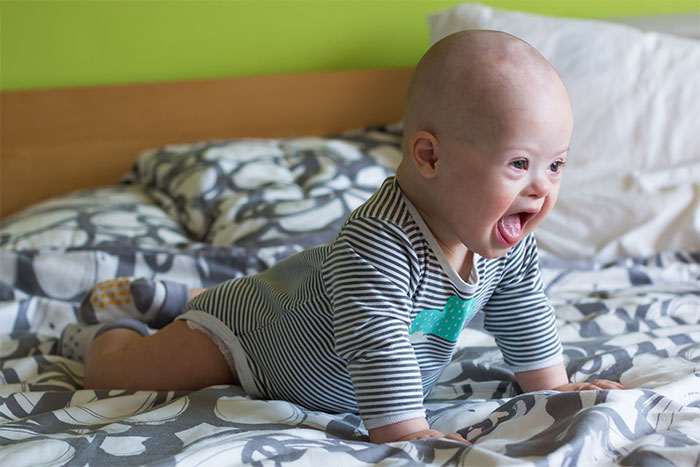
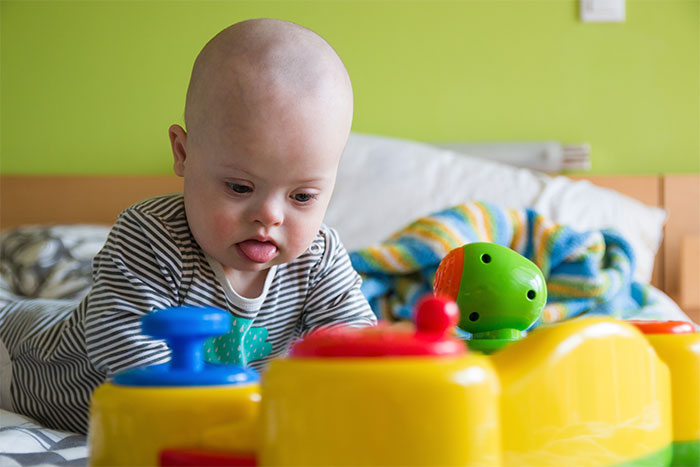
A new baby means a lot of sleepless nights, noise, and worry for new parents. But when a baby has special needs, the amount of work can even double or triple. About one in 700-800 babies in the U.S. is born with Down syndrome, and for many parents, finding out about their unborn baby can be overwhelming and heartbreaking.
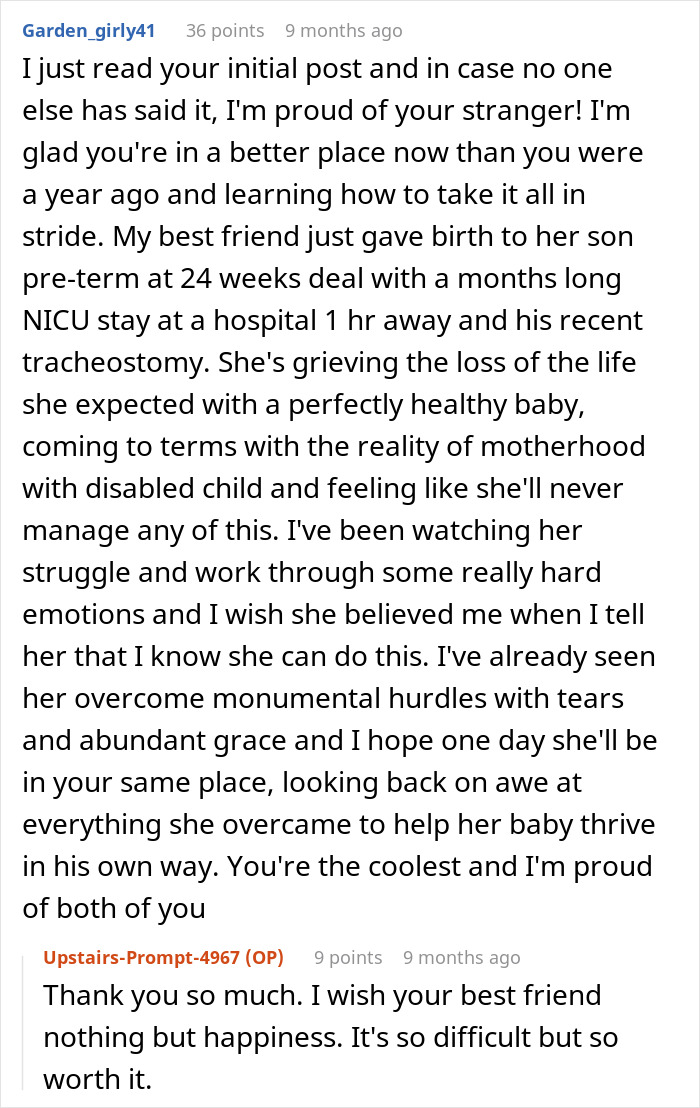
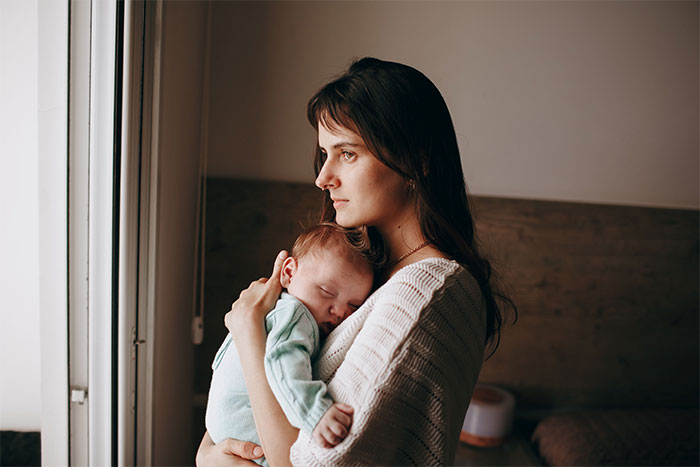
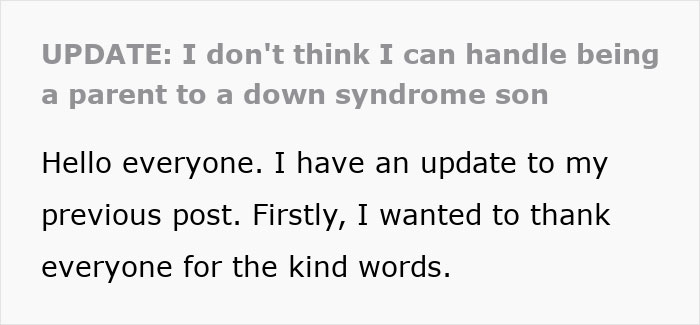
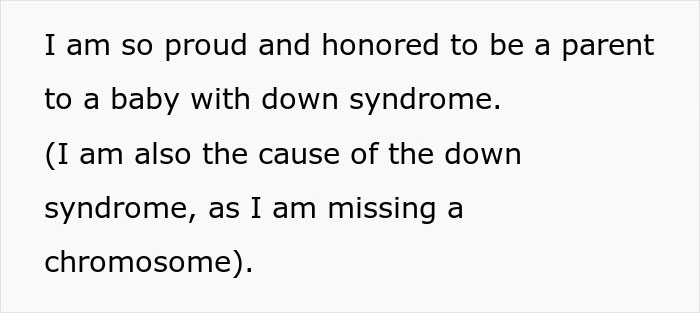
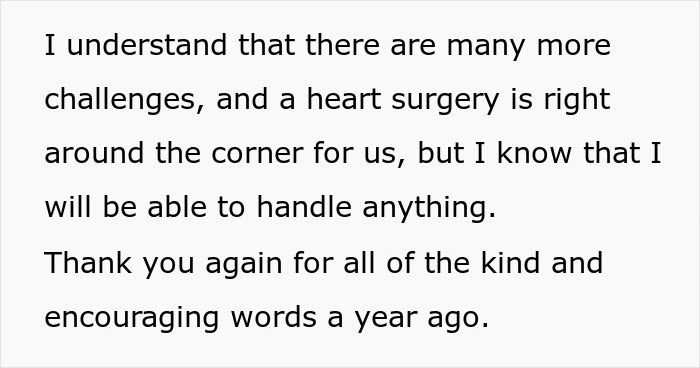
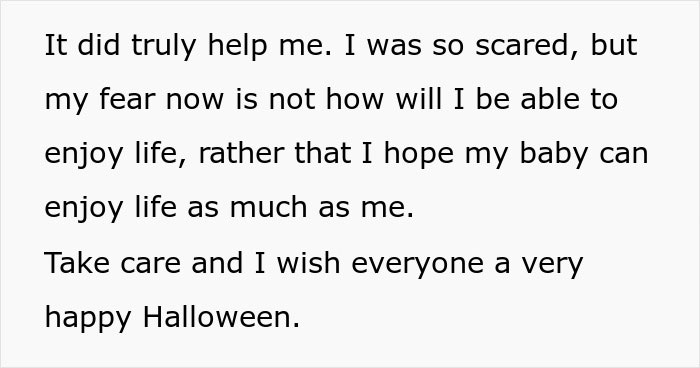
Such was the case with this mother, who posted a raw confession about how she didn’t think she could raise her DS son. “I know it can be rewarding, but I want a life as well,” she wrote with searing honesty. However, a year later, she came back with an update that made many people smile.
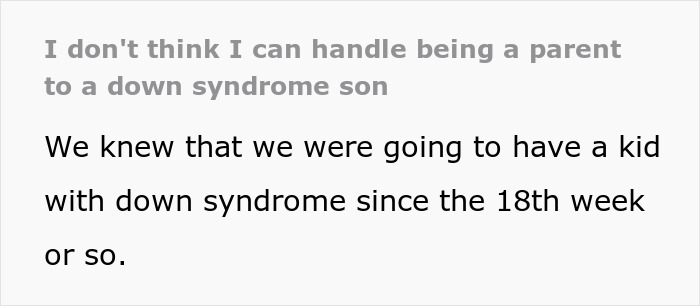
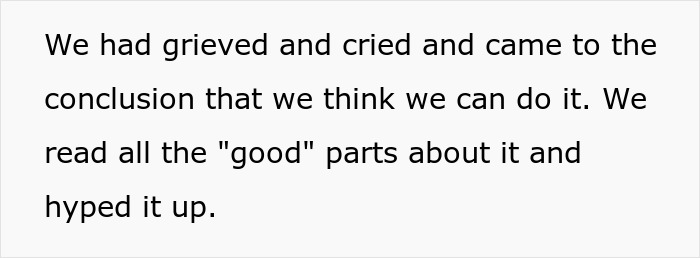
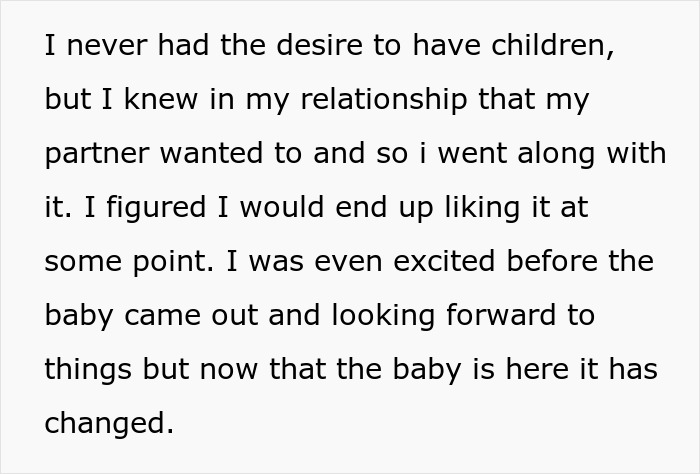
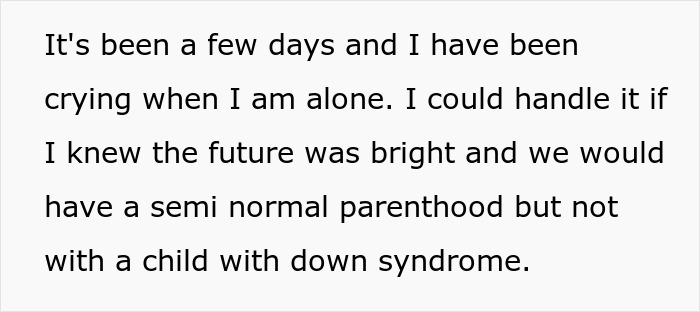
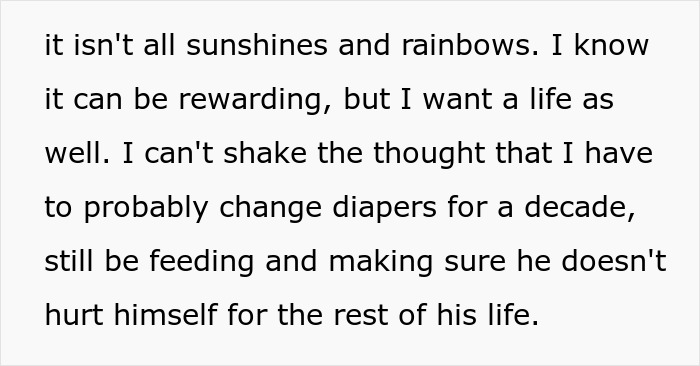
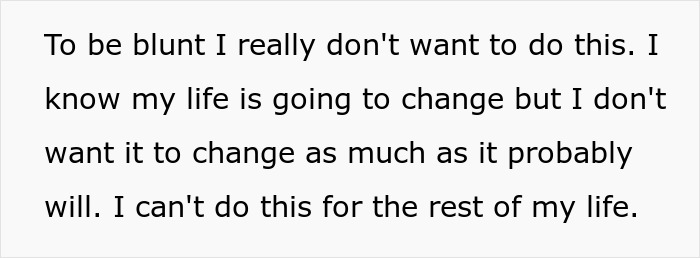
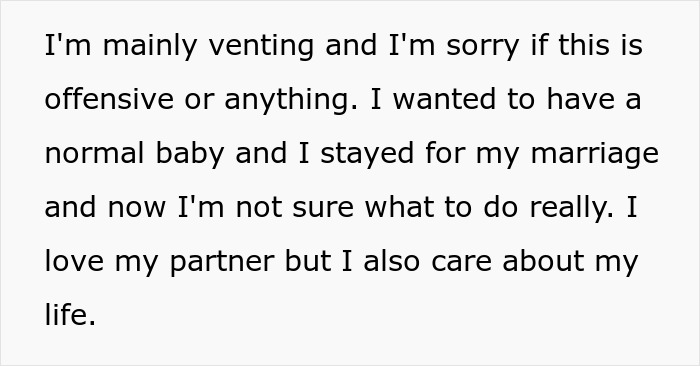
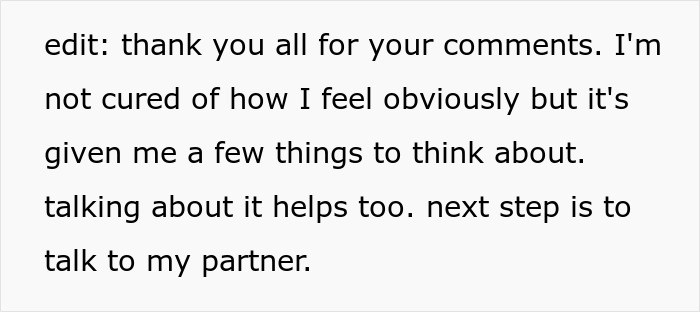
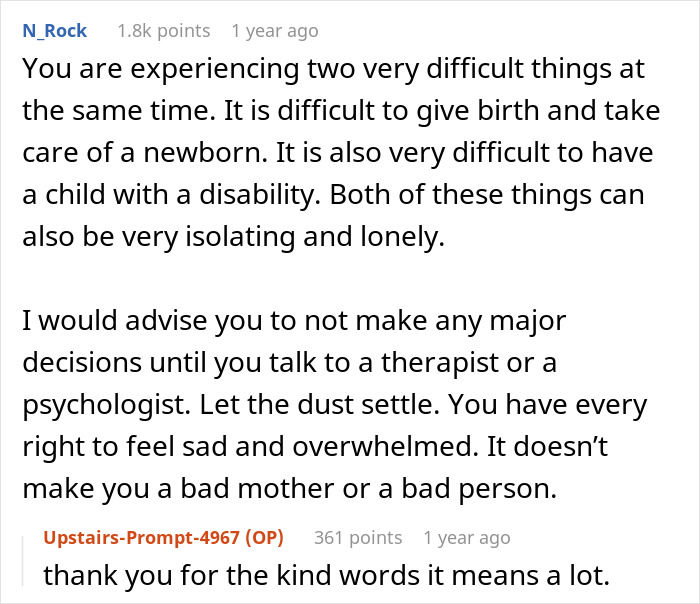
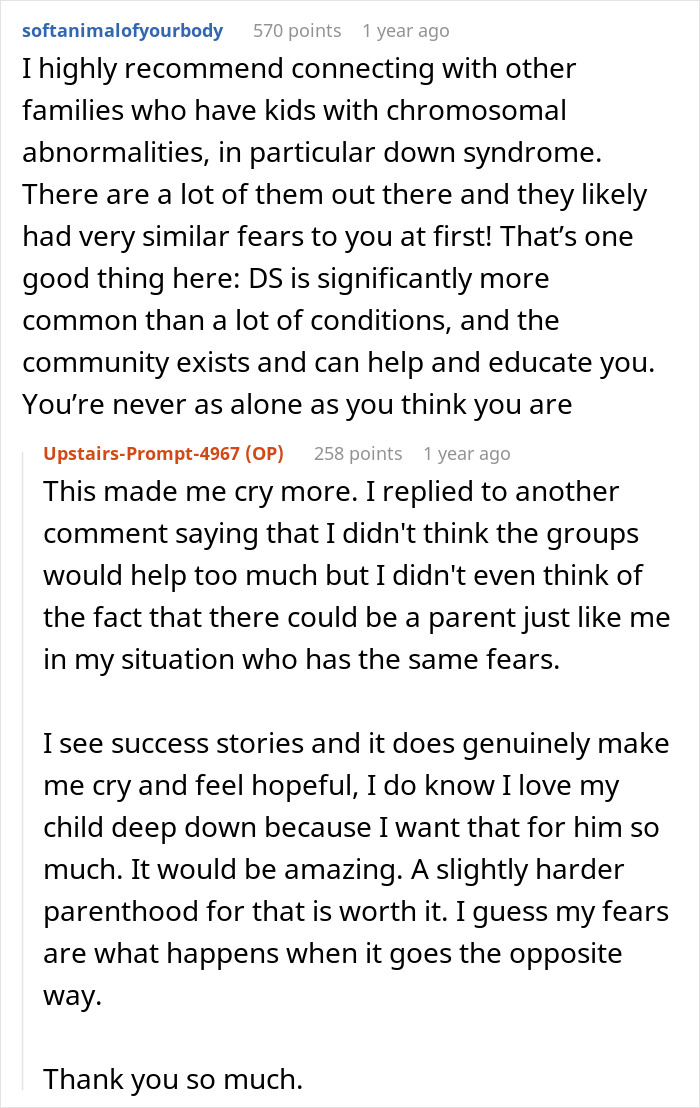
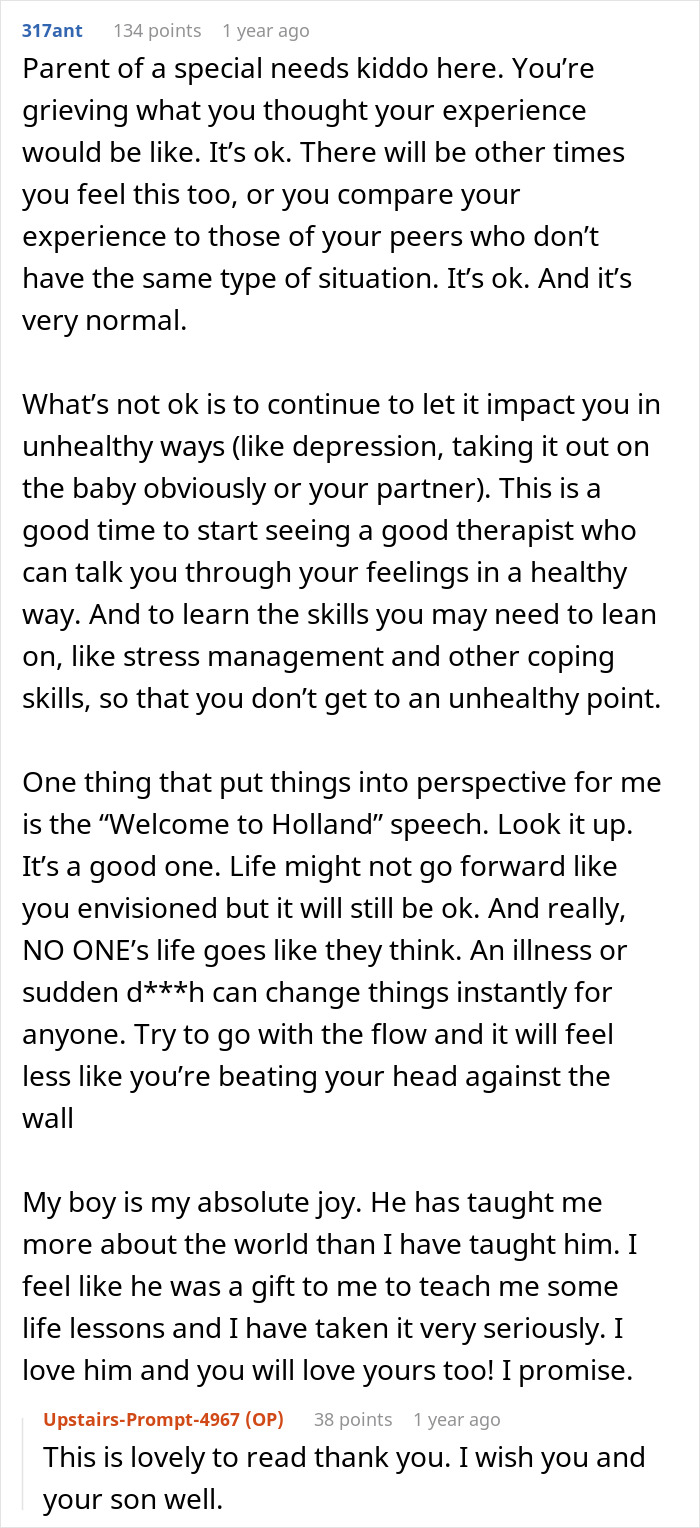
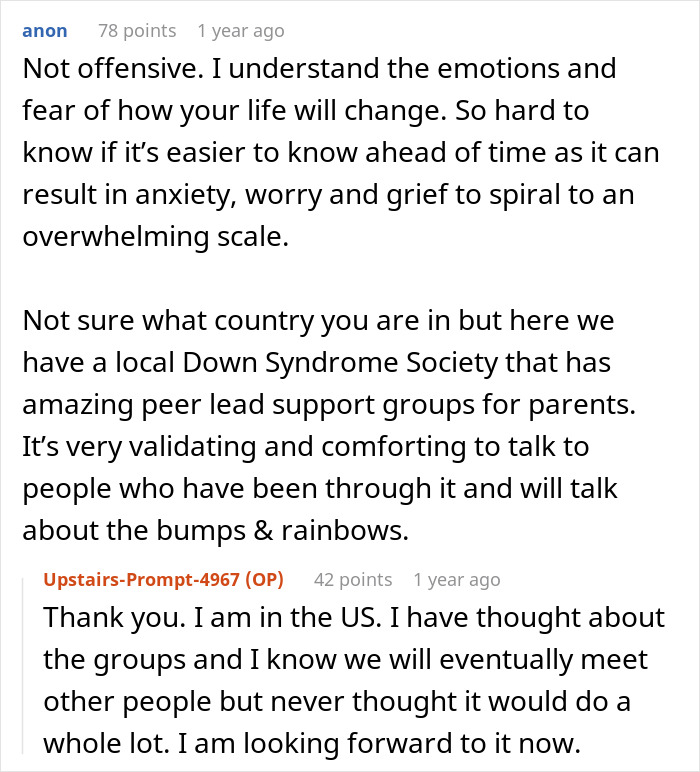
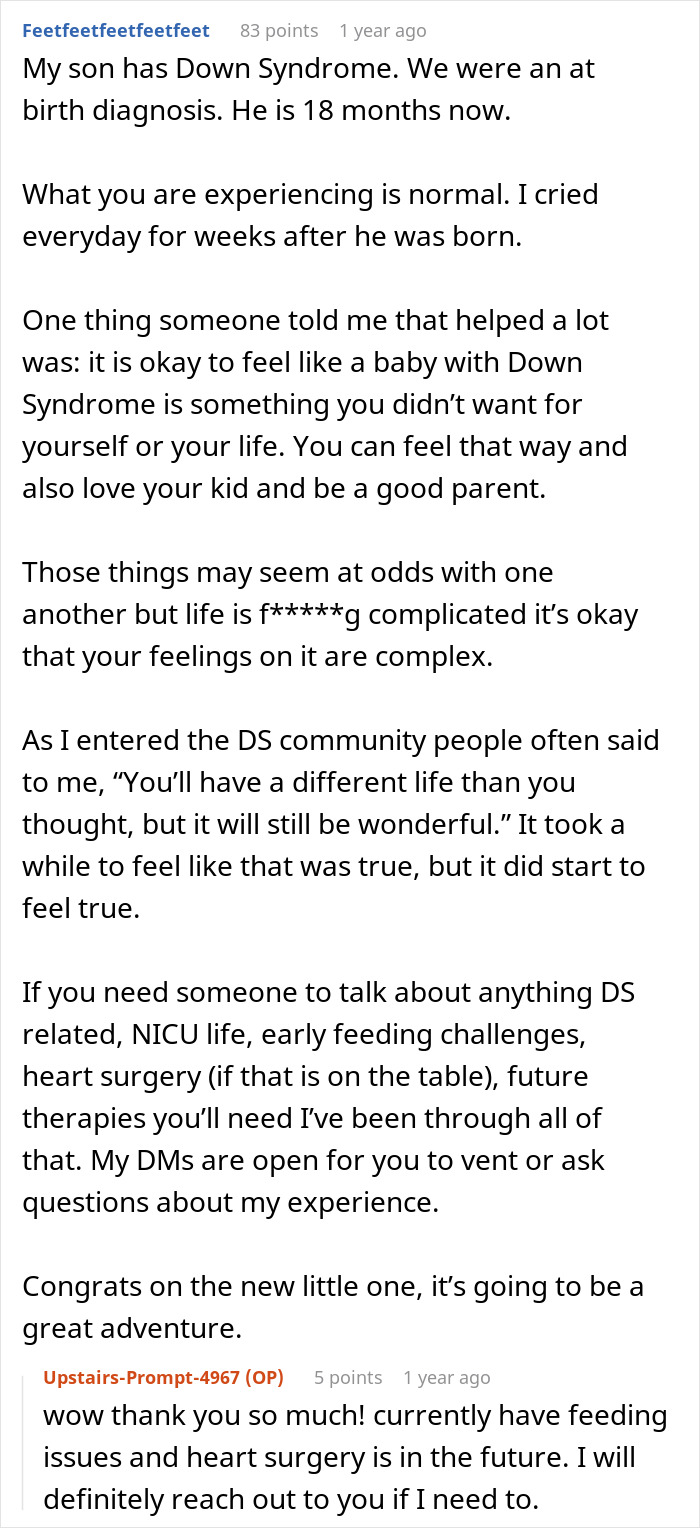
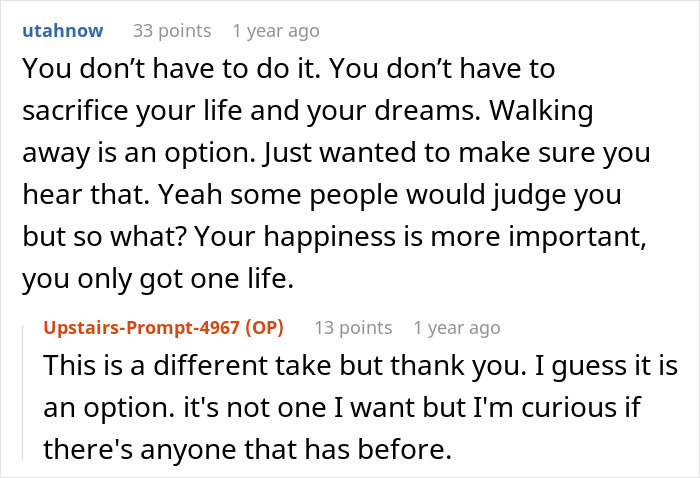
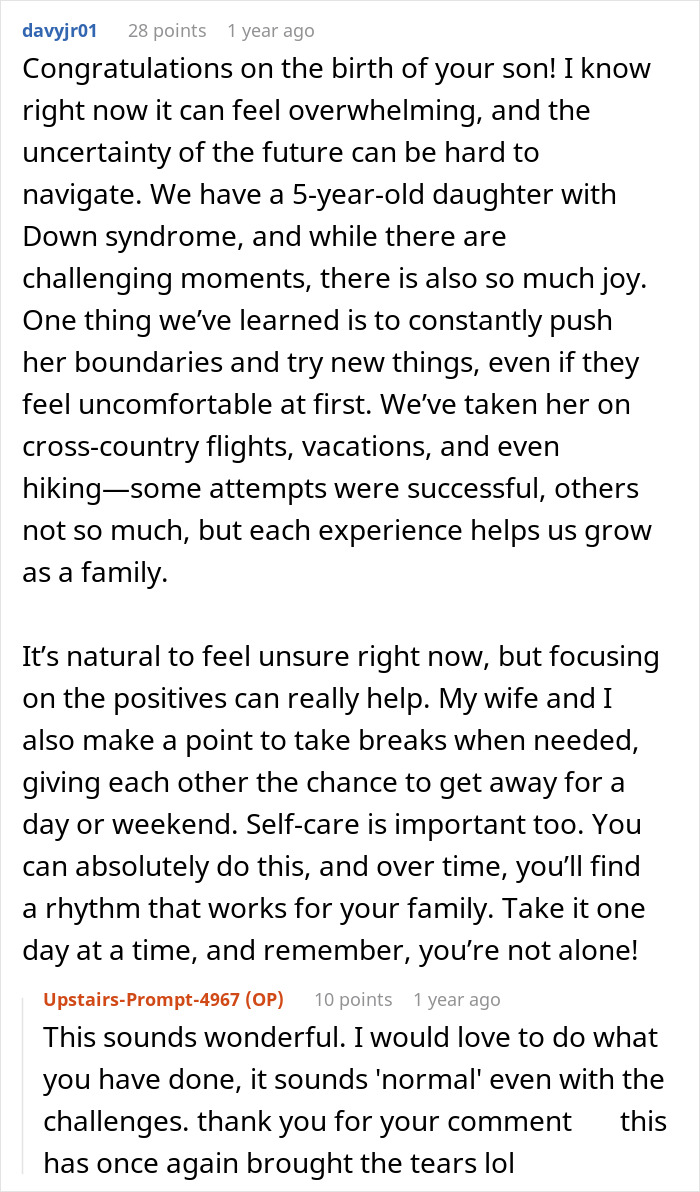
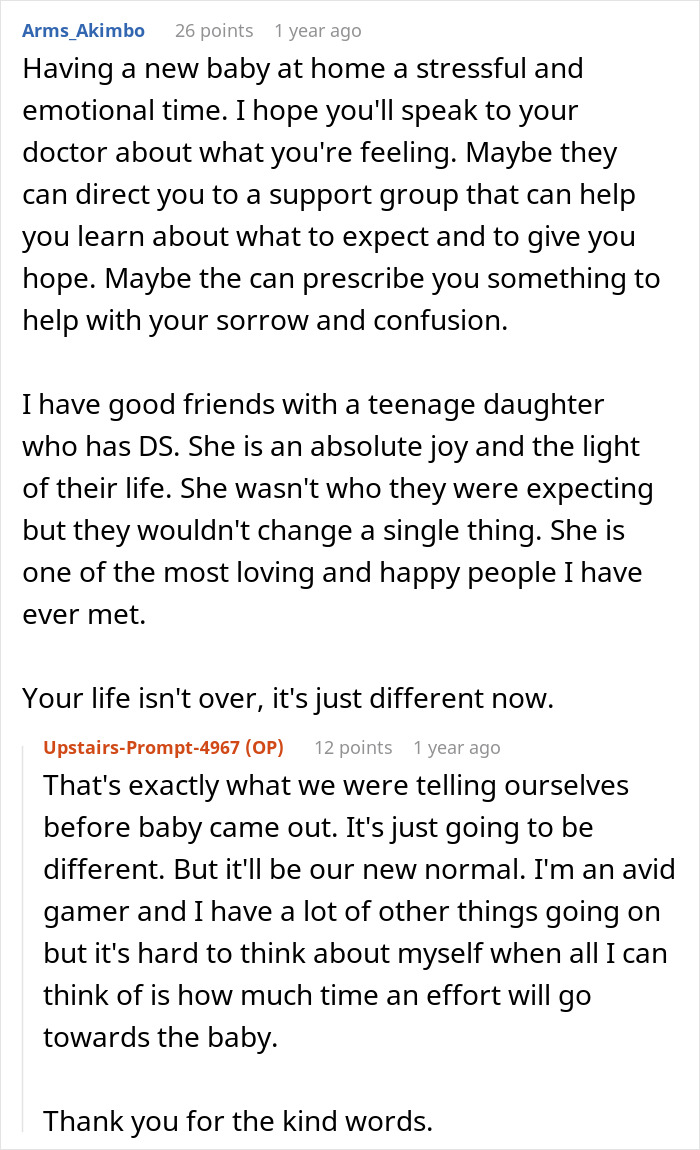
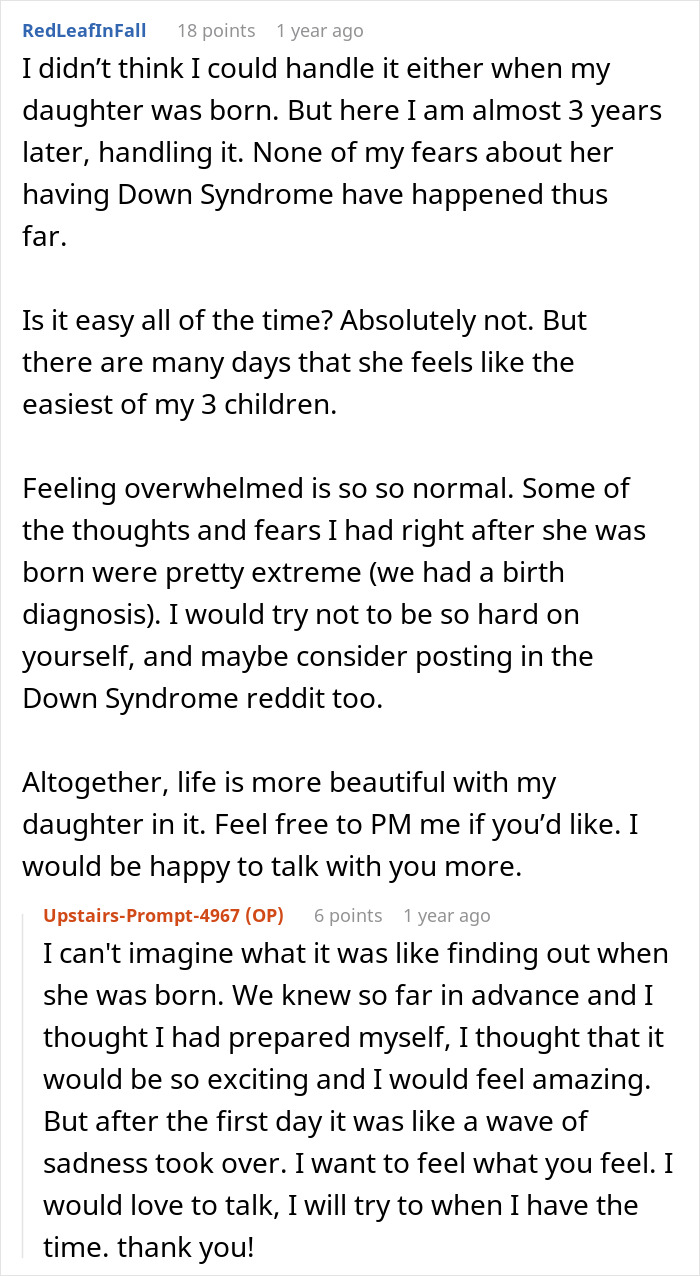
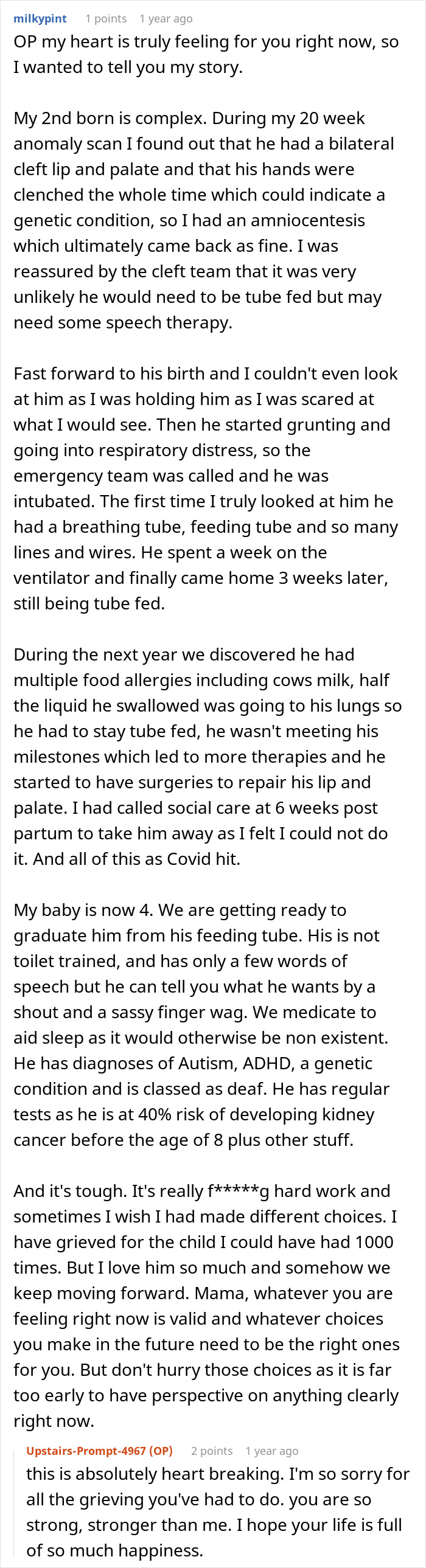
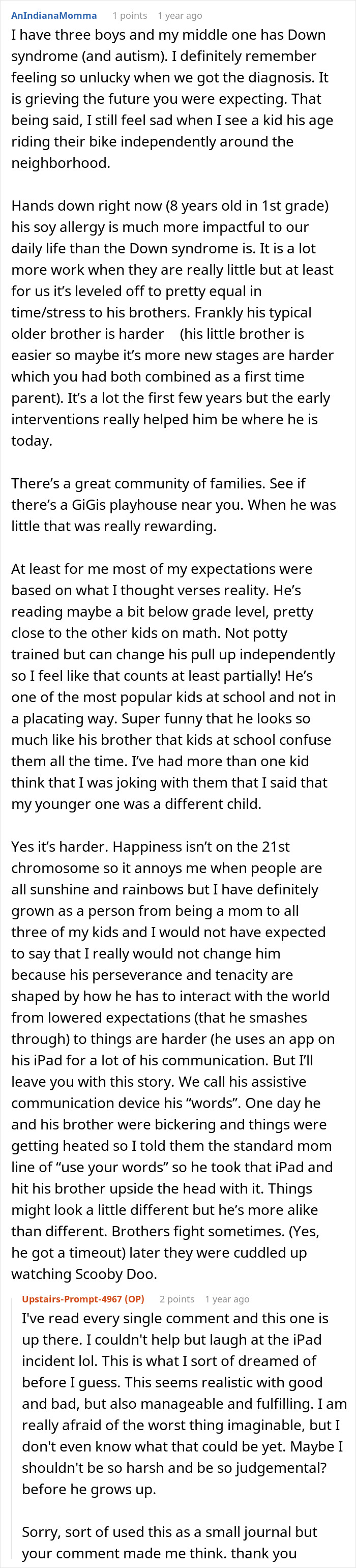
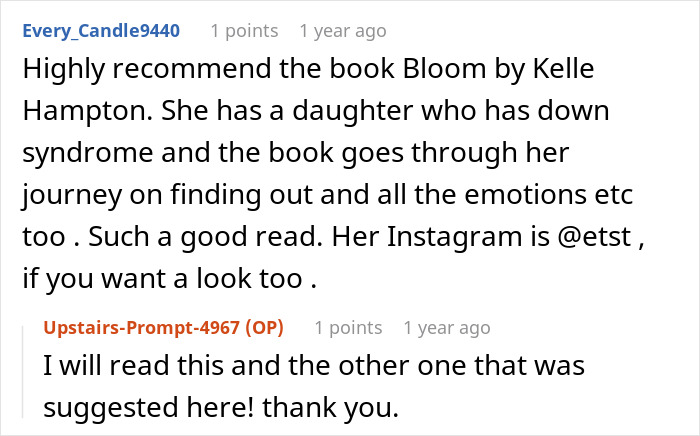
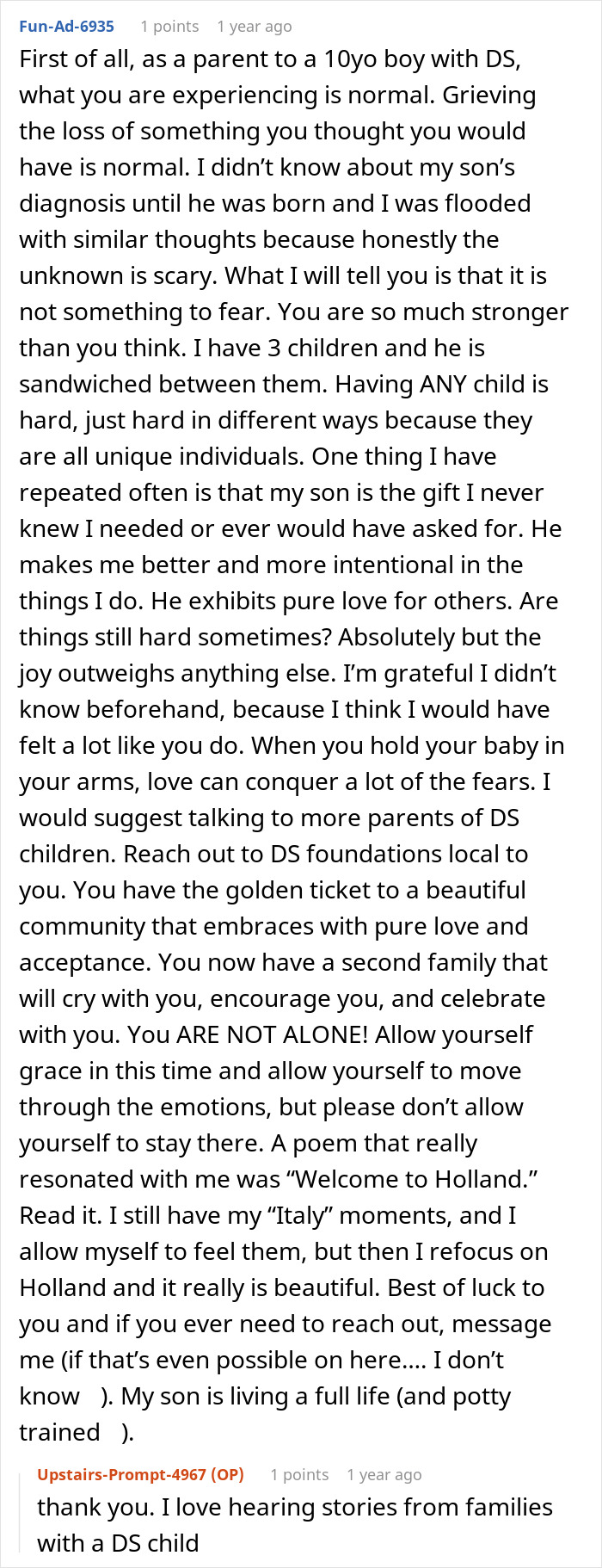
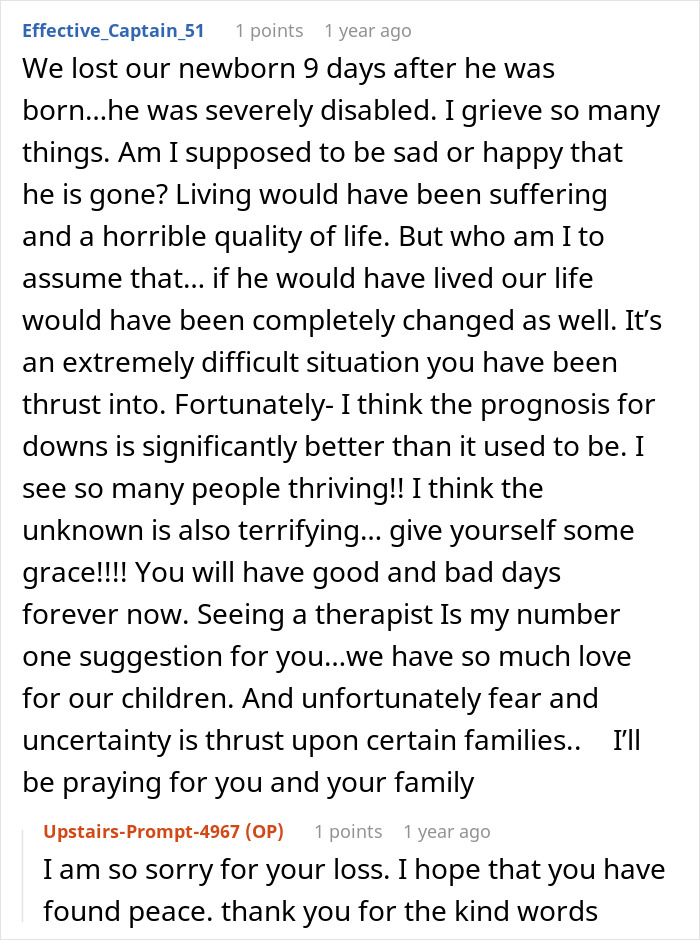
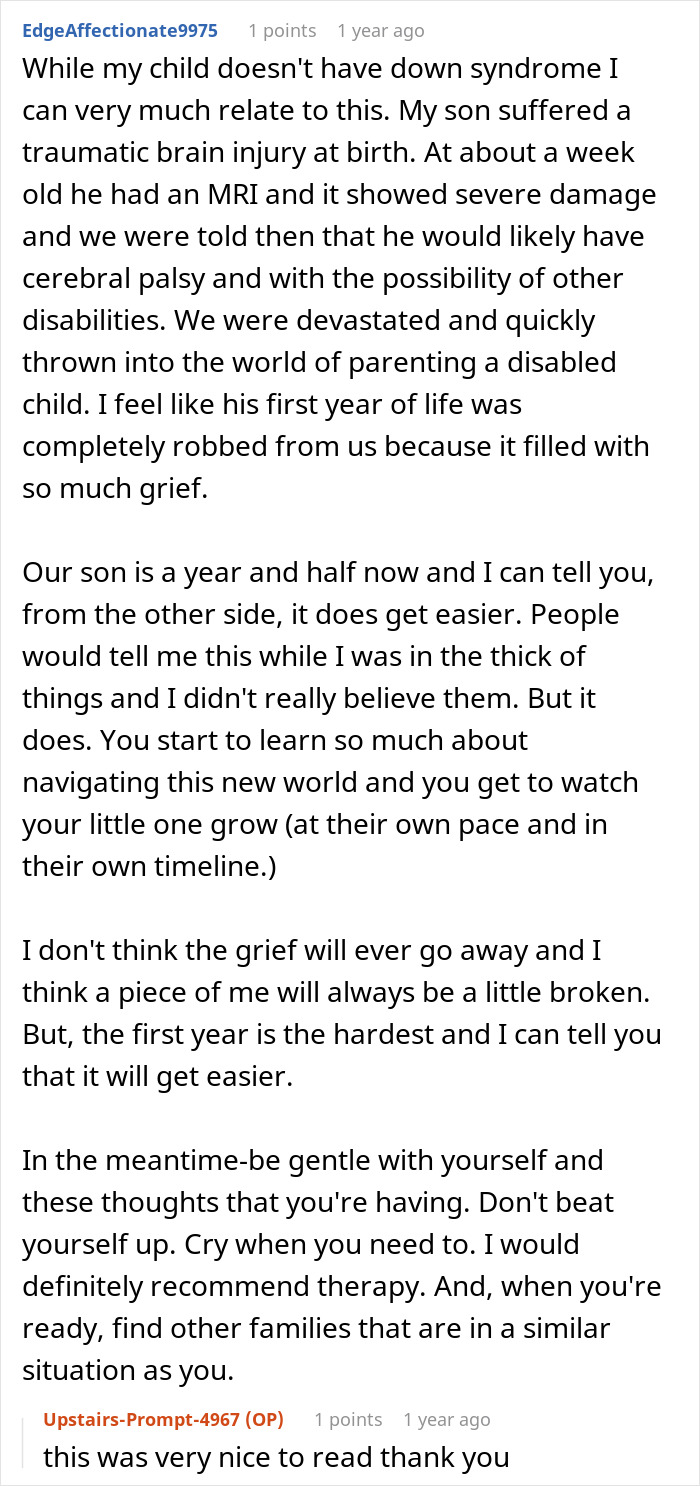
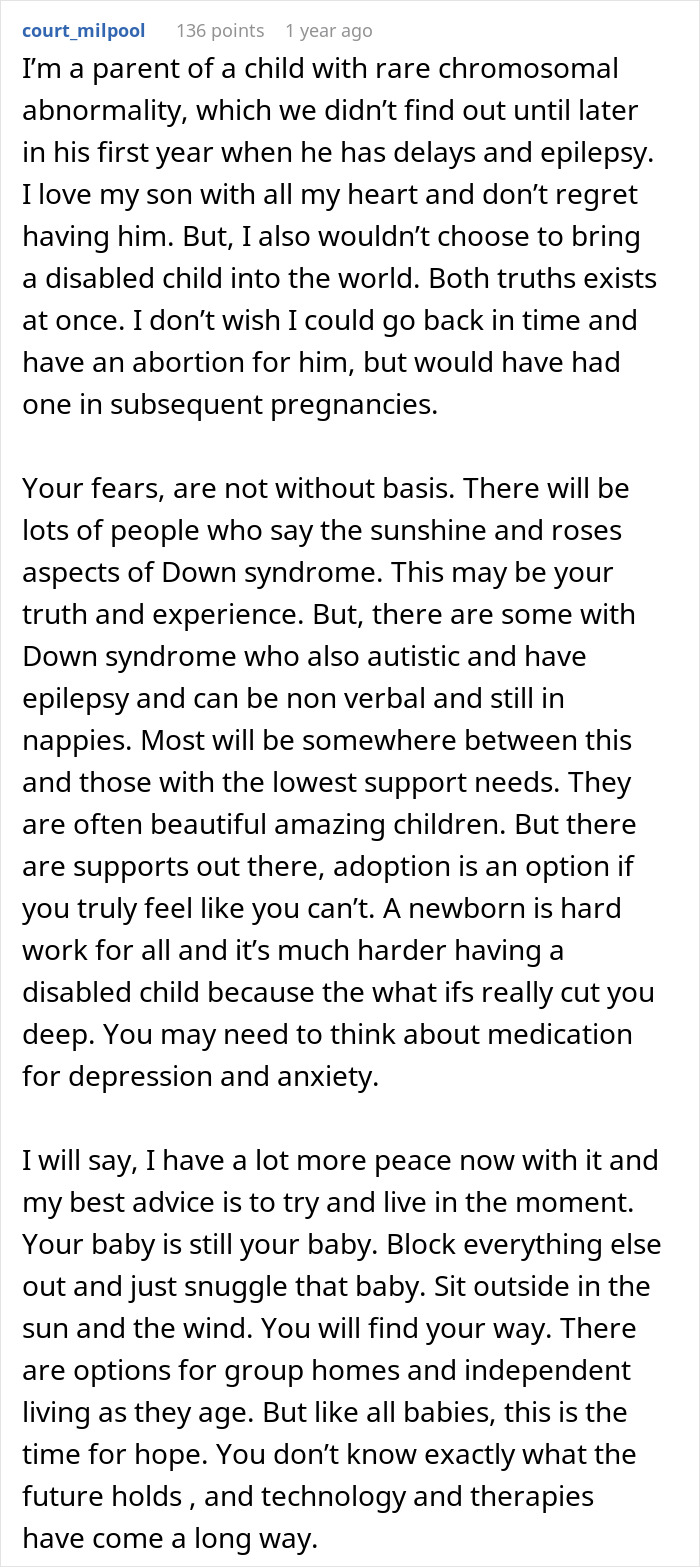
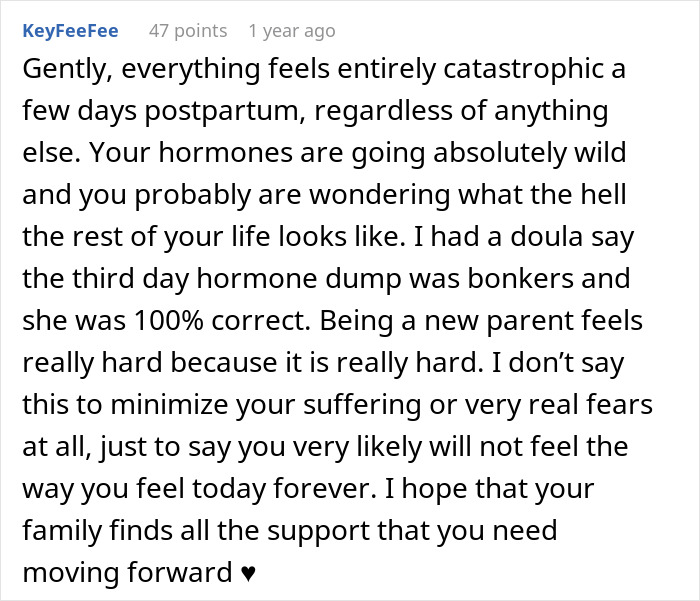
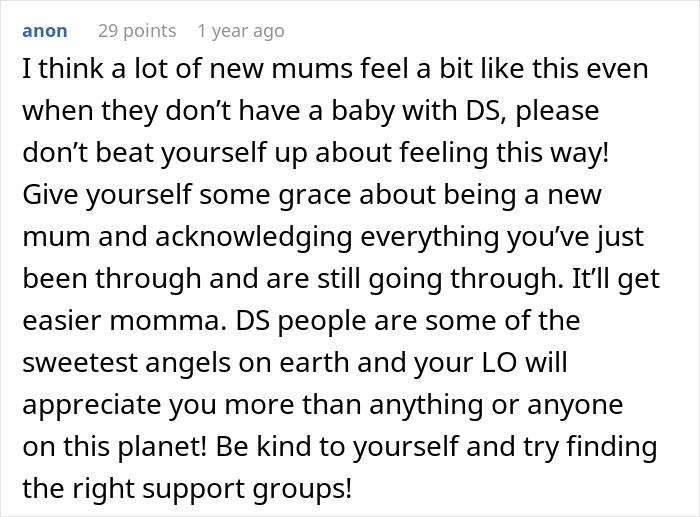
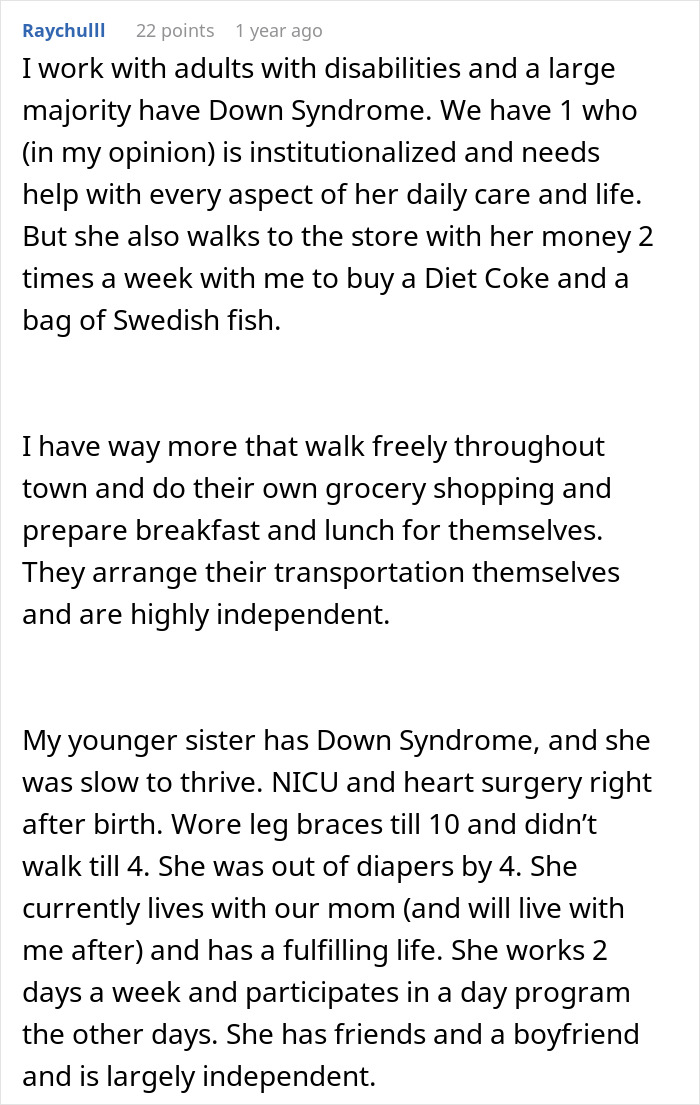
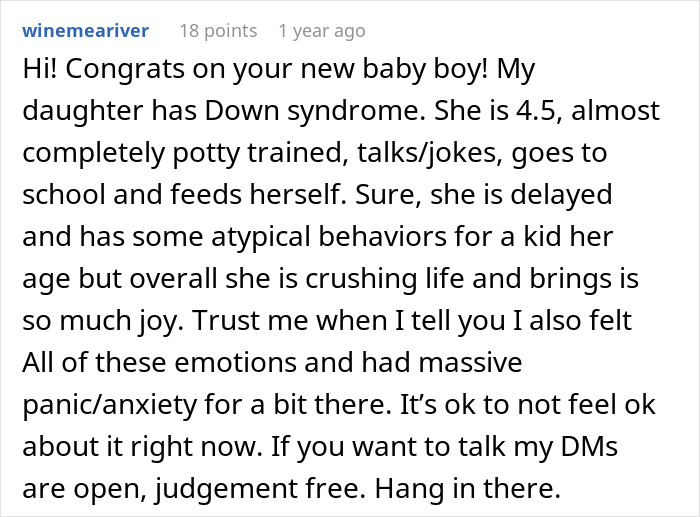
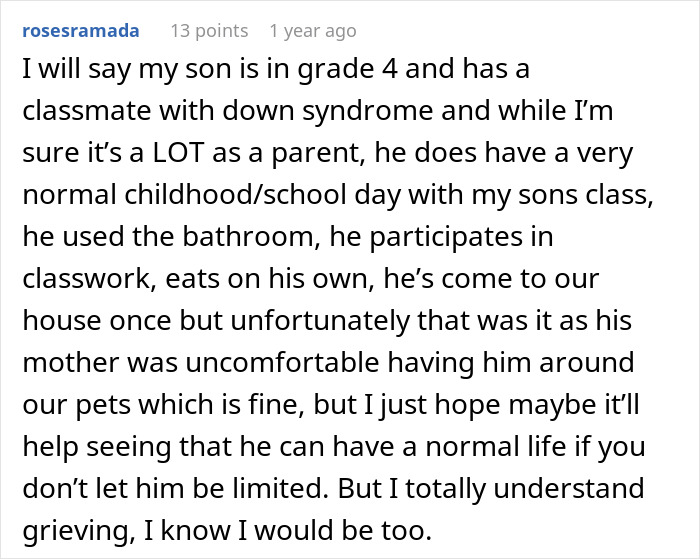
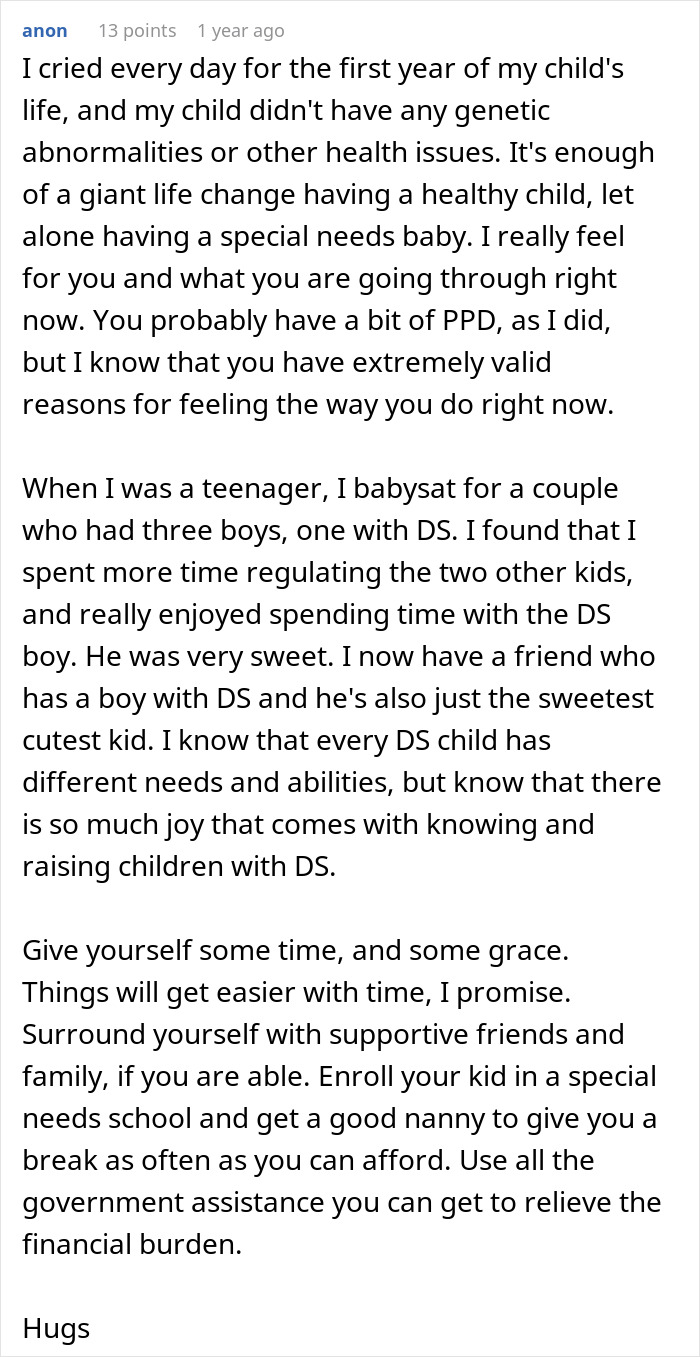
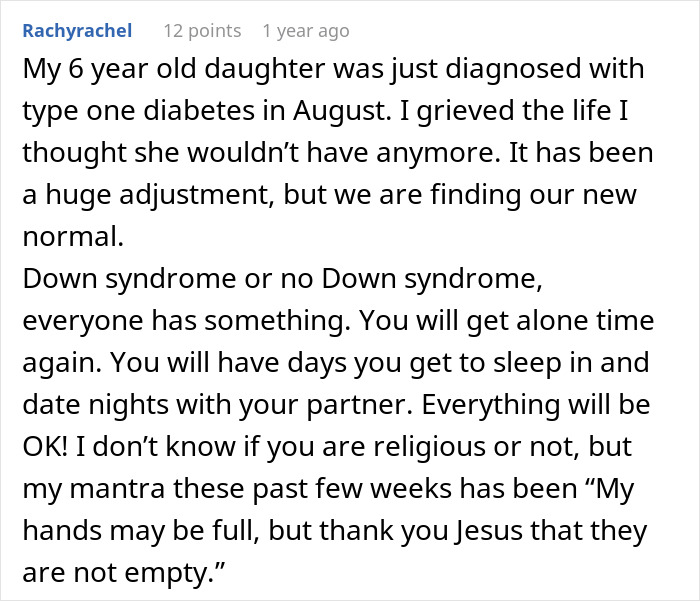
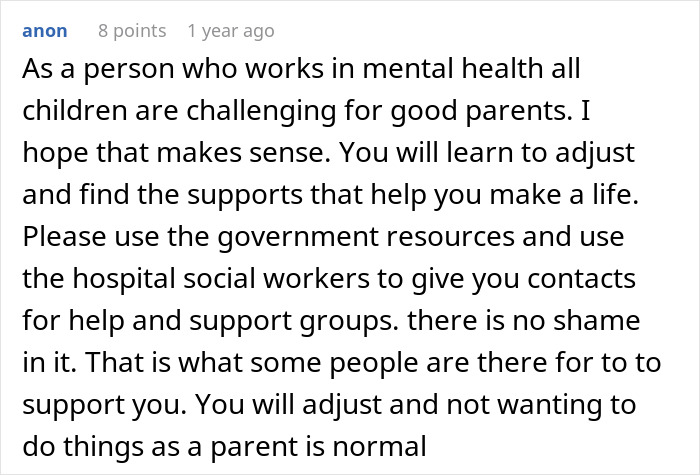
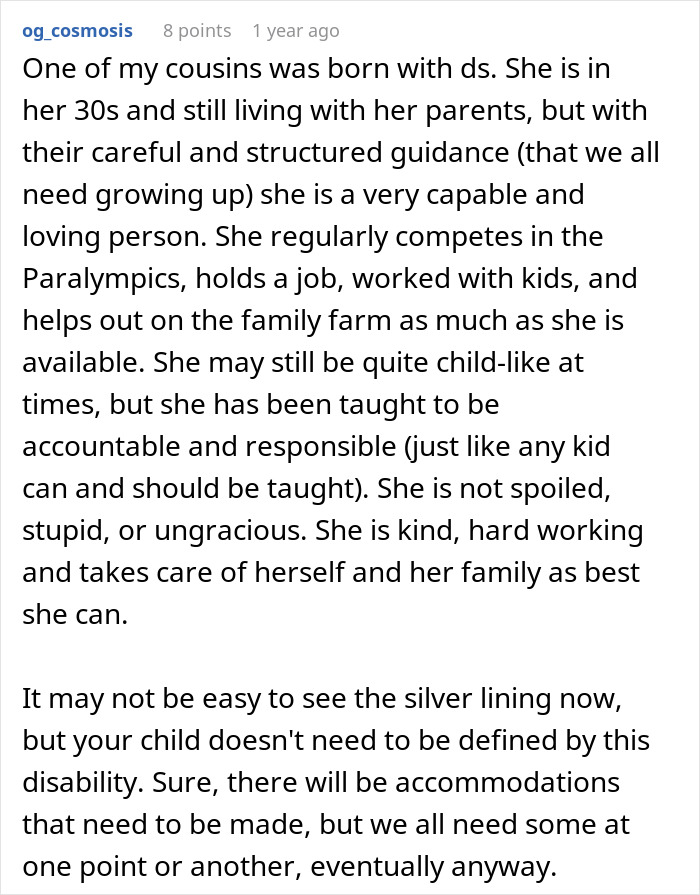

Parents of children with Down syndrome do experience grief. It may be different from the type of grief one experiences with the loss of a family member, friend, partner, or a child, but it is grief nonetheless. As a clinical family counselor who specializes in work with children who have neurodiversities, Samantha French explained on the LowDOWN Podcast, it’s about coming to terms that you’re not going to experience parenthood the way you expected.
“This is a situation where you had an expected life for yourself, and for your child, and then you suddenly learn that your future and your child’s future is going to look different than you thought,” French said. “It’s not that you stop having a life for yourself or your child, it’s just going to be a different life than you imagined.”
As the mother in this story discovered, anger and sadness are the first stages of this type of grief. As time goes by, parents of children with Down syndrome realize they have some control over what they can do.
“They discover resources and supports that help them through that process, give them a clearer idea of what to expect, and what they can do to help their child have the best life possible,” French noted. “But that takes time, and there will still be moments when they may slip back into sadness or even anger.”
Parents can’t help but feel anticipatory grief. They worry about what’s going to happen to their DS child in 20, 30, or even 50 years’ time once they’re gone or unable to take care of them any longer. But even when they’re prepared, they might feel that sadness and anger. This kind of grief is understandable for parents with a child who has Down syndrome, and they shouldn’t feel ashamed or be shamed for feeling that way.
The change in perception that this mother experienced happens for many parents who have a child with Down syndrome. Initially, many parents experience emotional distress after the diagnosis. According to a 2022 study of mothers of children and adolescents with Down syndrome, 40% of mothers experience some sort of detachment, disappointment, or rejection of their child.
Nevertheless, as the child grows, parents’ attitudes change. According to a 2011 study, 99% of parents of children with Down syndrome report loving their children. Only 5% felt embarrassed, and 4% regretted having them. For 79%, having a child with Down syndrome contributed to a more positive outlook on life. What’s more, DS children tend to strengthen marriages: research shows that parents who have a child with Down syndrome are less likely to get divorced by 7.6% compared to other couples.
This shift in attitude is common. According to board-certified medical geneticist and co-author of Fasten Your Seatbelt: A Crash Course on Down Syndrome for Brothers and Sisters, Brian G. Skotko, shock and anger are normal first emotions after a Down syndrome diagnosis, but most parents get over them. “Believing in their child leads to incredible promise and expectations,” he explains.
“There has never been a better moment than now to be born with Down syndrome,” Dr. Skotko adds. “While the science hasn’t changed and the genetics haven’t changed, we as a society have changed and continue to change to accept, include, and value people with Down syndrome.”
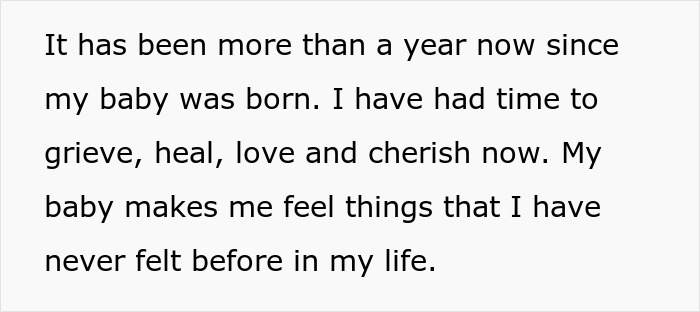
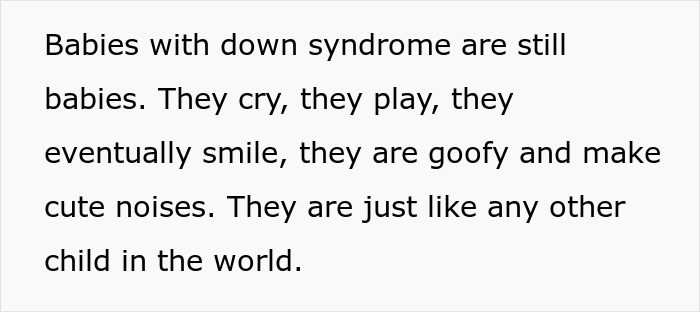


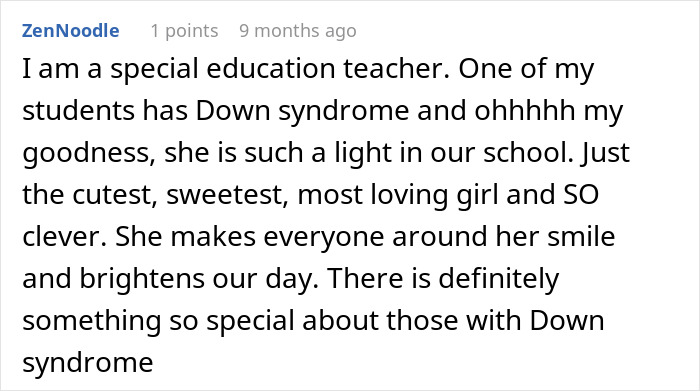
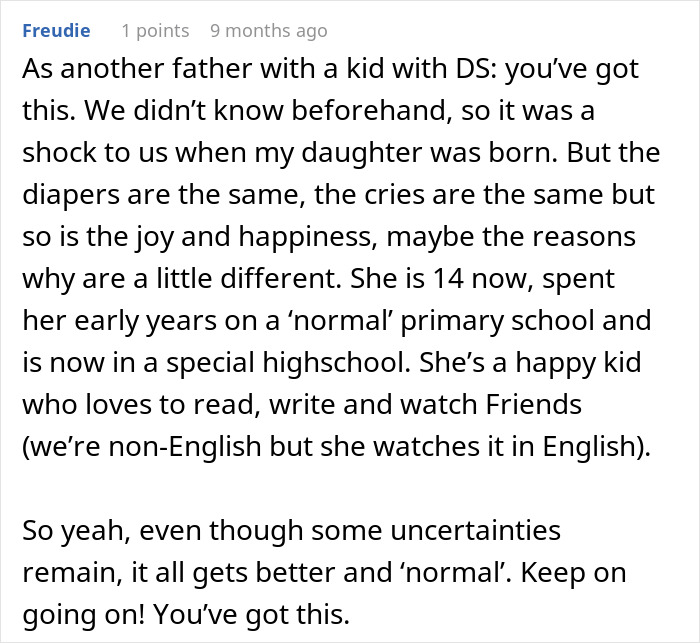
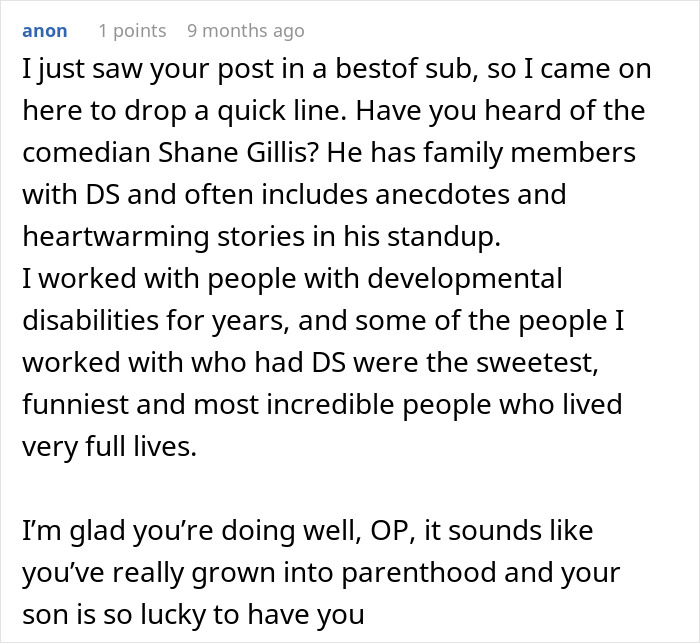
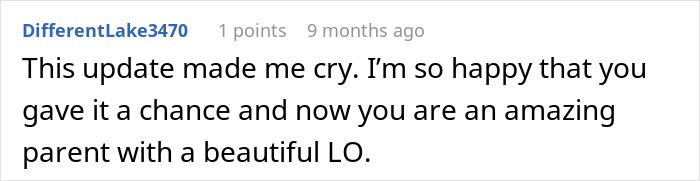

Twenty years ago, as part of teacher training, I had a placement in a Year 3 classroom (7-8 year olds) and met a Down's boy called Jesse. Jesse was not the brightest in the class, but he had the most wicked sense of humour. He was funny, friendly, and a delight to be around. When we went to a swimming lesson, Jesse saved me a seat next to him on the coach. I had a lot of preconceived ideas about Down's people before I met Jesse, and so many of them turned out to be wrong. Jesse, if you're out there, I still remember you, despite remembering almost no one else from the many placements I did as a trainee teacher. I hope you're doing well.
My Uncle had Downs. Of a generation where those babies were either abandoned due to shame, or hidden. My nan kept him pretty hidden which unfortunately reduced (in my opinion) his overall capabilities. After she passed, his world opened up more and he thrived to a degree but he was already in his 40s when she passed. Yes there are additional health challenges and degrees to which downs affects them. But afforded the opportunities they can be amazing. My Uncle had phenomenal physical strenghth, like a pint at the pub, and flirted with me outrageously. He also felt some things very deeply. Perhaps more deeply than most.
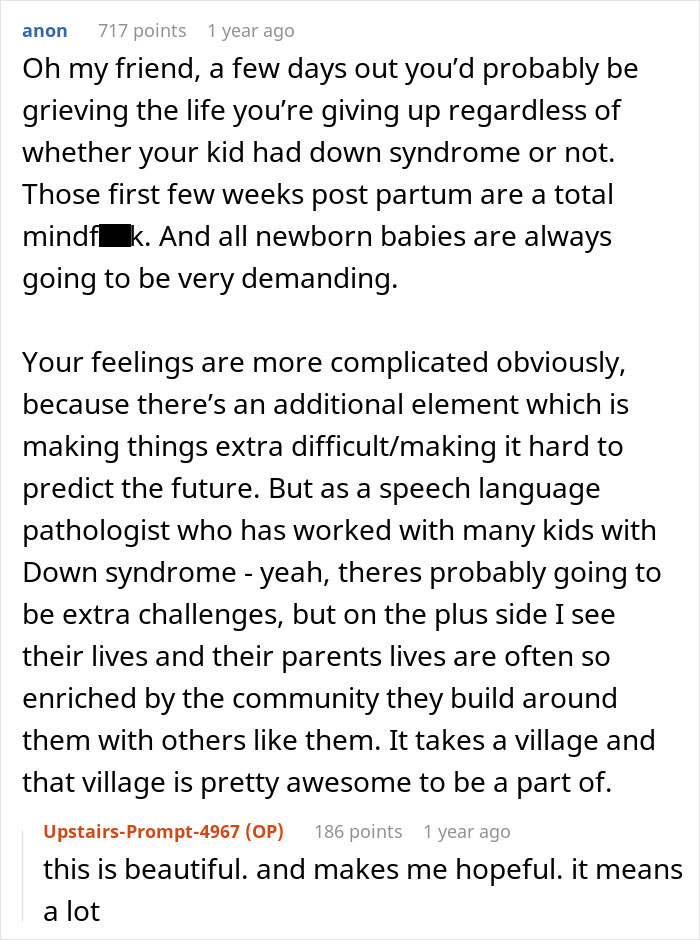
Many people with DS grow up to be happy and kind people, so keep that in mind. Think of it as a super power to bring joy into the world rather than a burden for you. The amount of satisfaction you get from helping others get their needs met as a caregiver is truly a reward. It also helps you realize how strong you really are as a person.
Twenty years ago, as part of teacher training, I had a placement in a Year 3 classroom (7-8 year olds) and met a Down's boy called Jesse. Jesse was not the brightest in the class, but he had the most wicked sense of humour. He was funny, friendly, and a delight to be around. When we went to a swimming lesson, Jesse saved me a seat next to him on the coach. I had a lot of preconceived ideas about Down's people before I met Jesse, and so many of them turned out to be wrong. Jesse, if you're out there, I still remember you, despite remembering almost no one else from the many placements I did as a trainee teacher. I hope you're doing well.
My Uncle had Downs. Of a generation where those babies were either abandoned due to shame, or hidden. My nan kept him pretty hidden which unfortunately reduced (in my opinion) his overall capabilities. After she passed, his world opened up more and he thrived to a degree but he was already in his 40s when she passed. Yes there are additional health challenges and degrees to which downs affects them. But afforded the opportunities they can be amazing. My Uncle had phenomenal physical strenghth, like a pint at the pub, and flirted with me outrageously. He also felt some things very deeply. Perhaps more deeply than most.
Many people with DS grow up to be happy and kind people, so keep that in mind. Think of it as a super power to bring joy into the world rather than a burden for you. The amount of satisfaction you get from helping others get their needs met as a caregiver is truly a reward. It also helps you realize how strong you really are as a person.



 No fees, cancel anytime





29
3