Get Premium
Dark mode theme is available exclusively for premium users. Learn more about the benefits of subscribing.
No fees, cancel anytime.

 Dark Mode Ad-Free Browsing Unlimited Content
 Ad-Free Browsing Unlimited Content Dark Mode
Join 1.2 million Panda readers who get the best art, memes, and fun stories every week!

45submissions
1week left
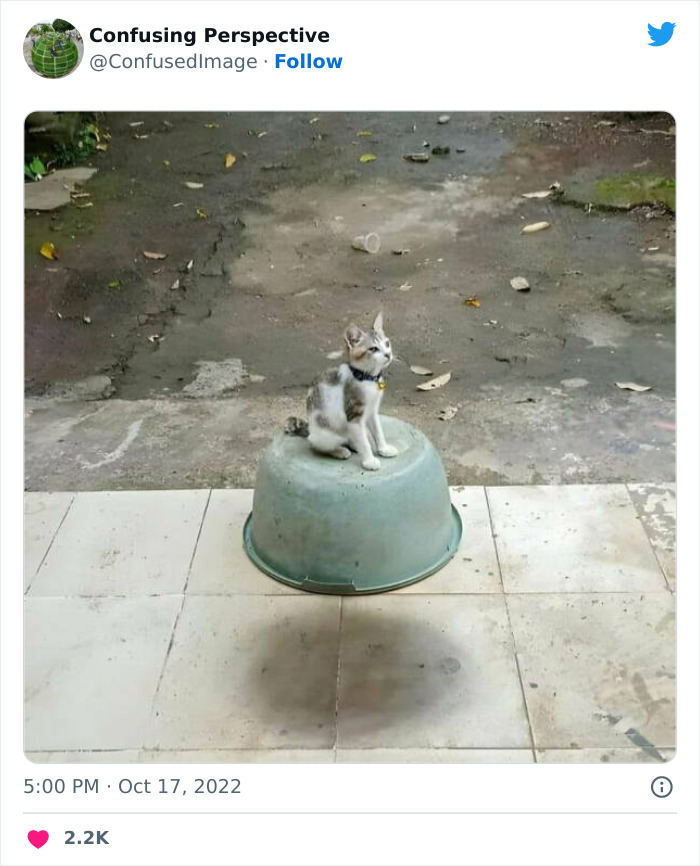
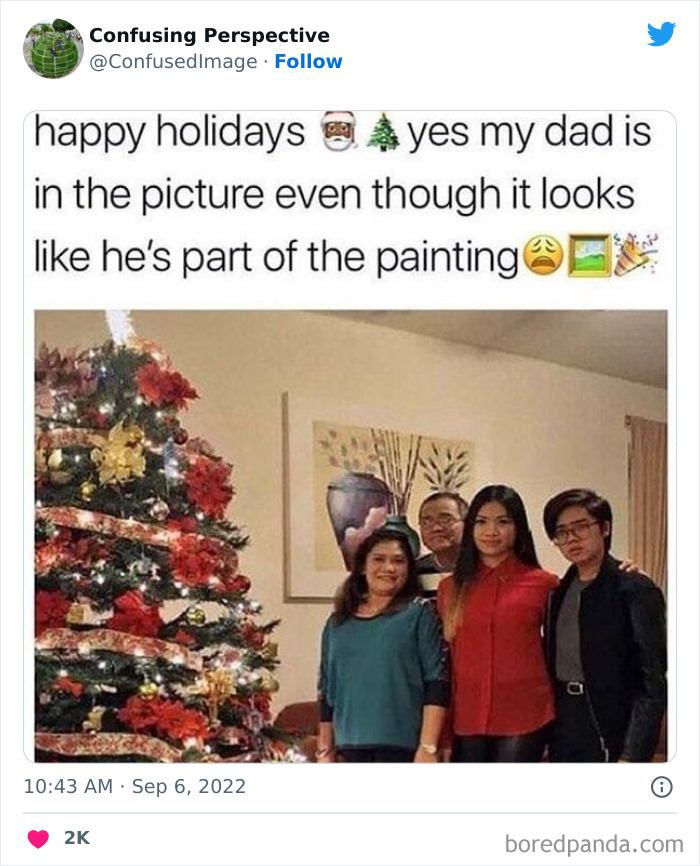
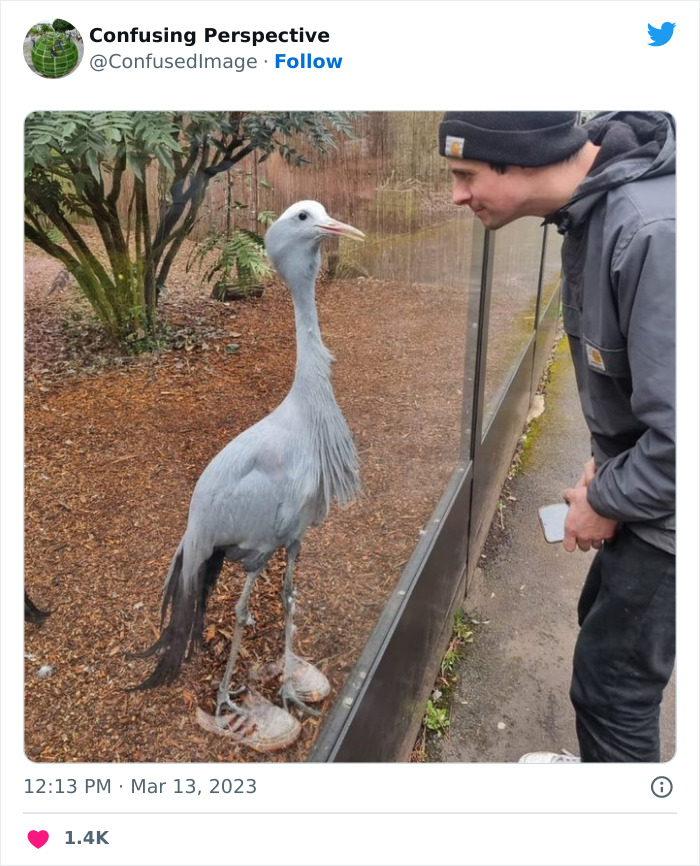
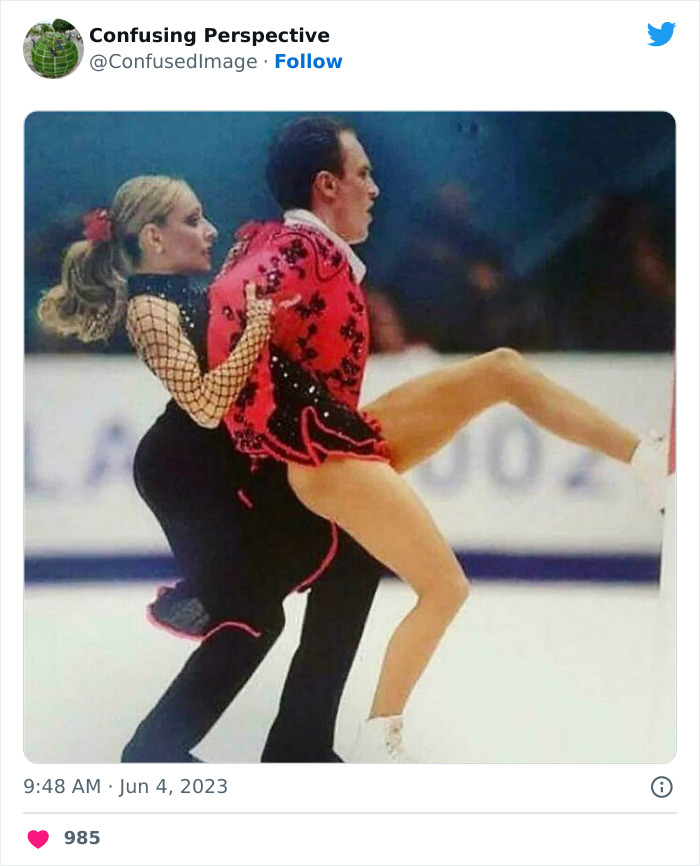
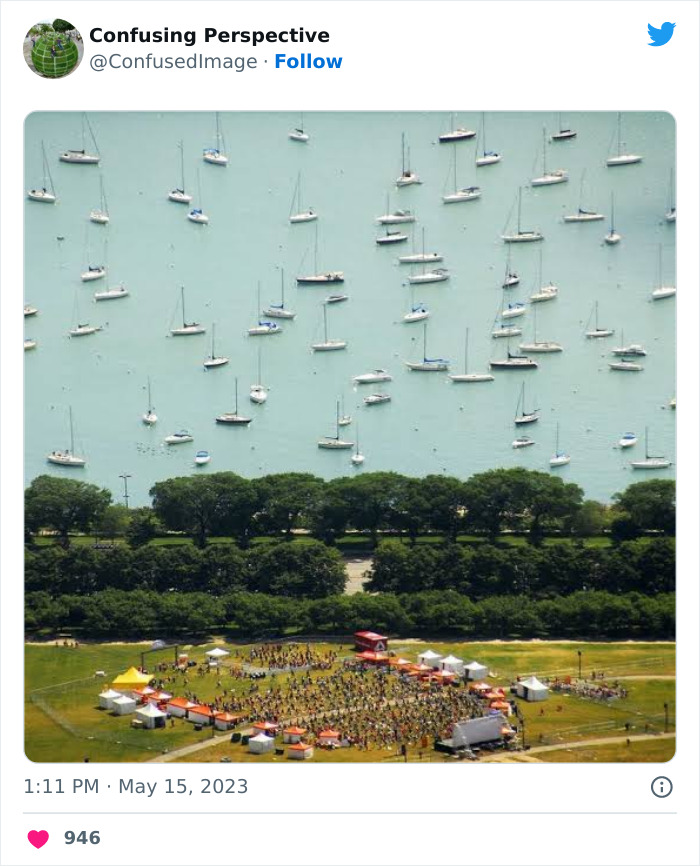
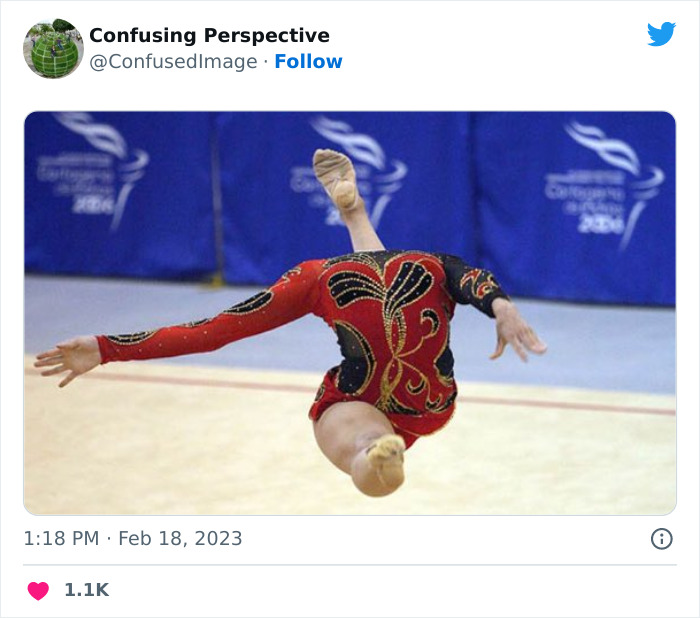
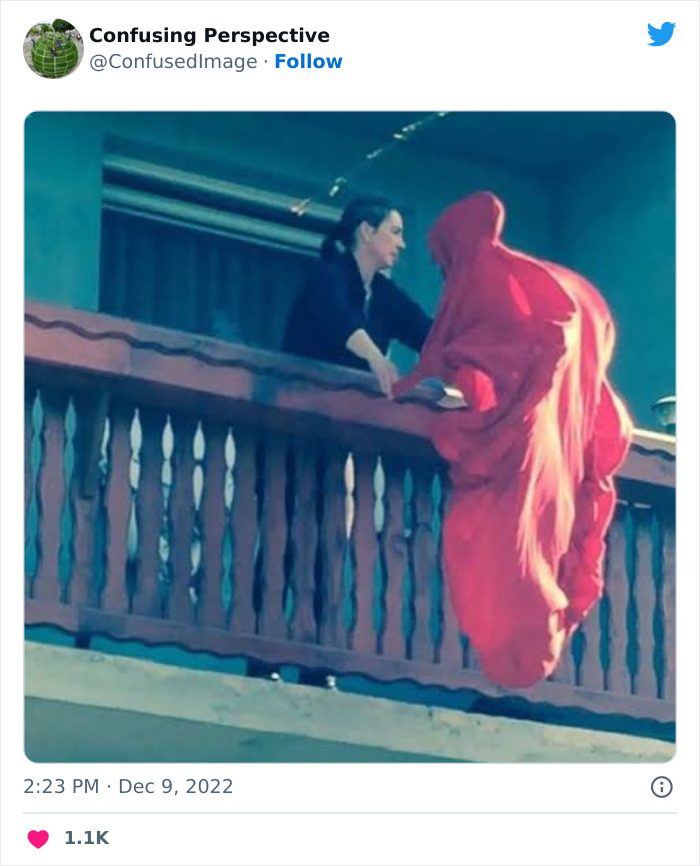
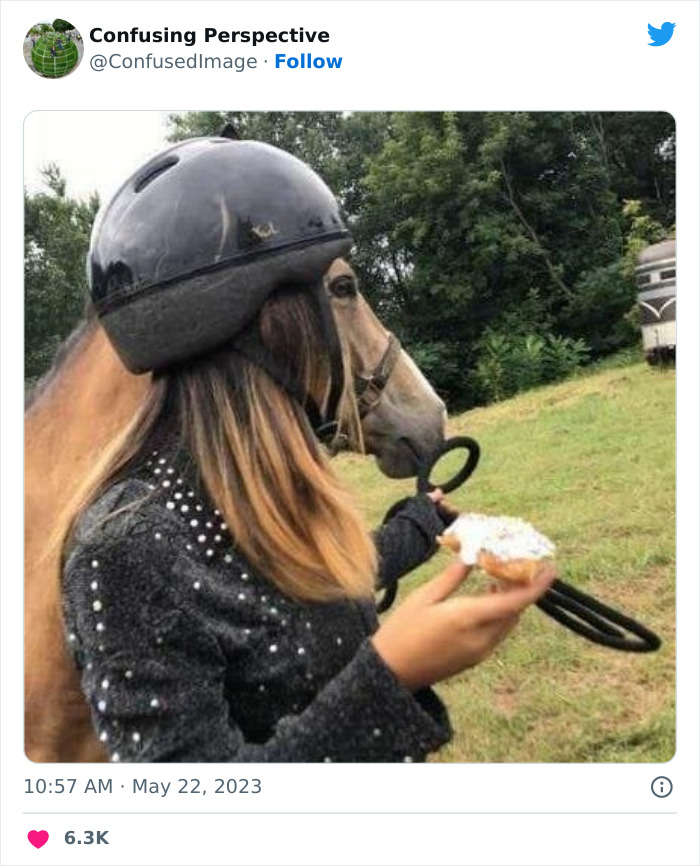
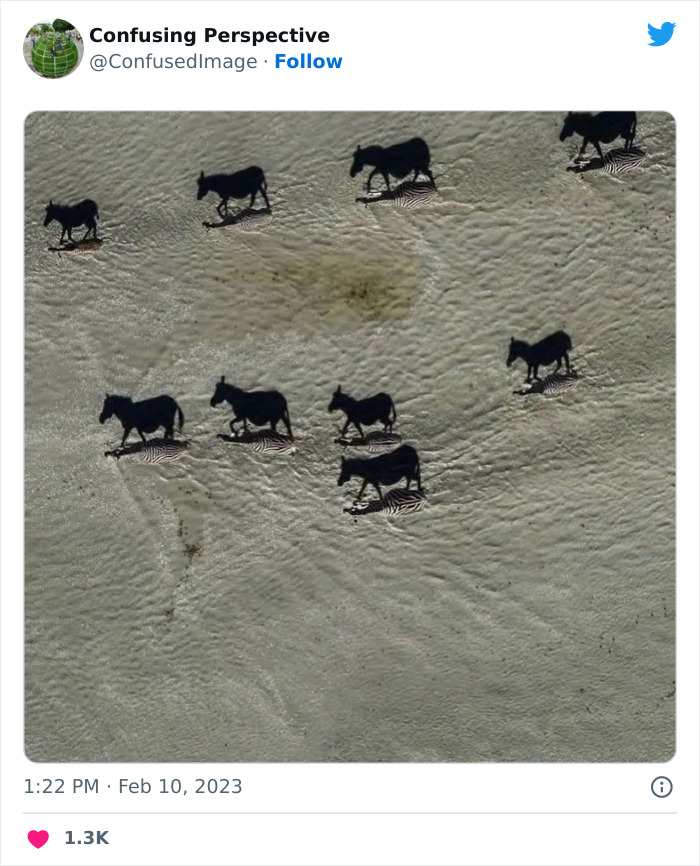
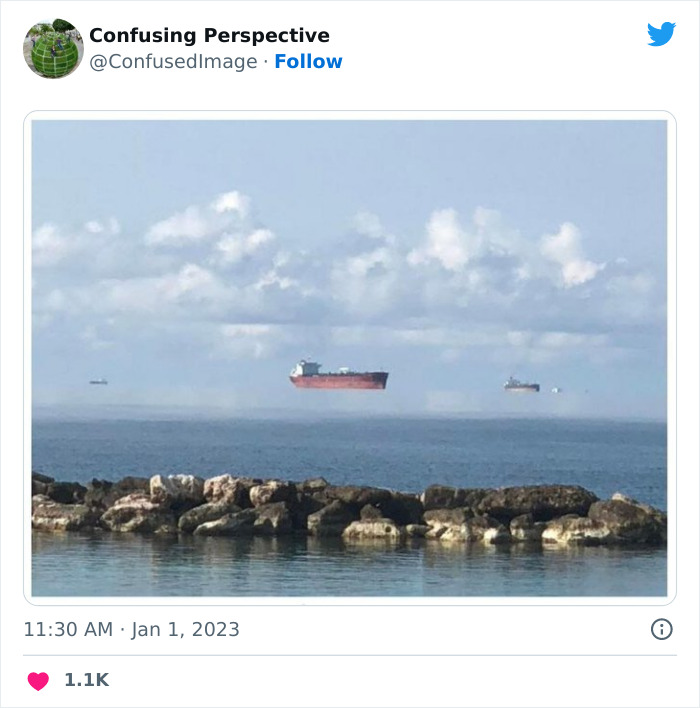
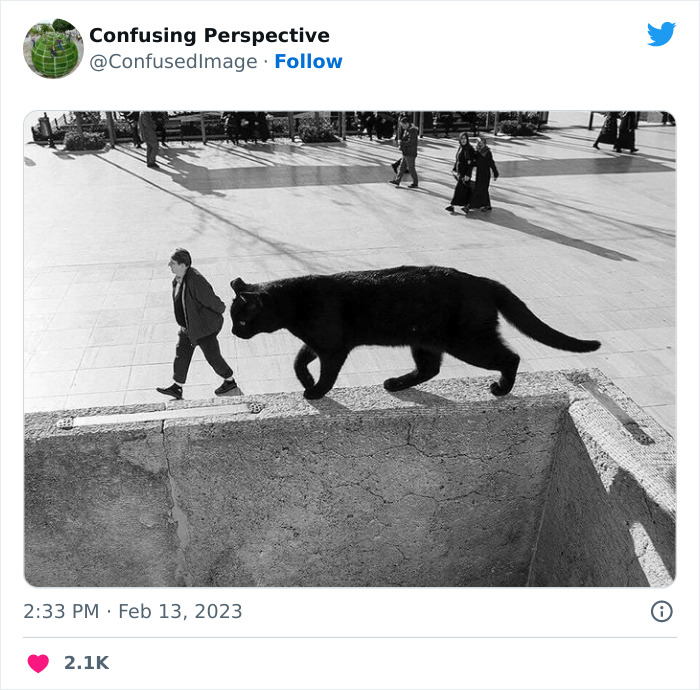
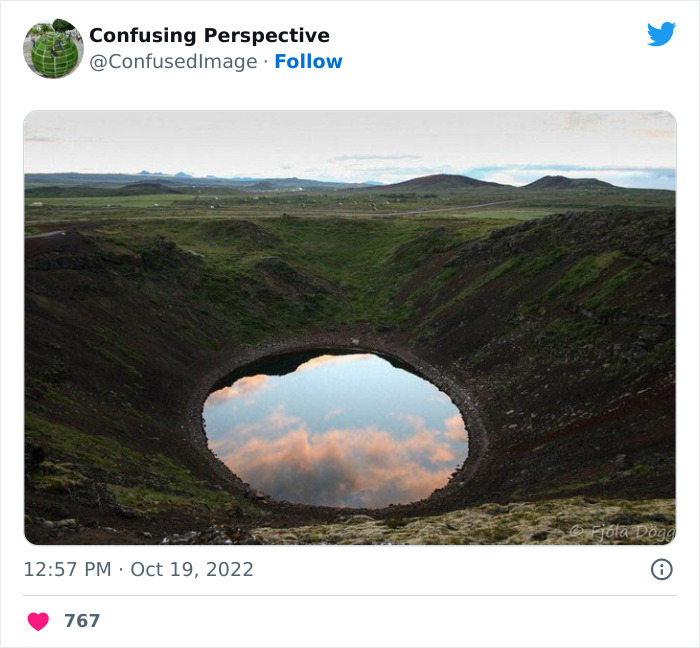
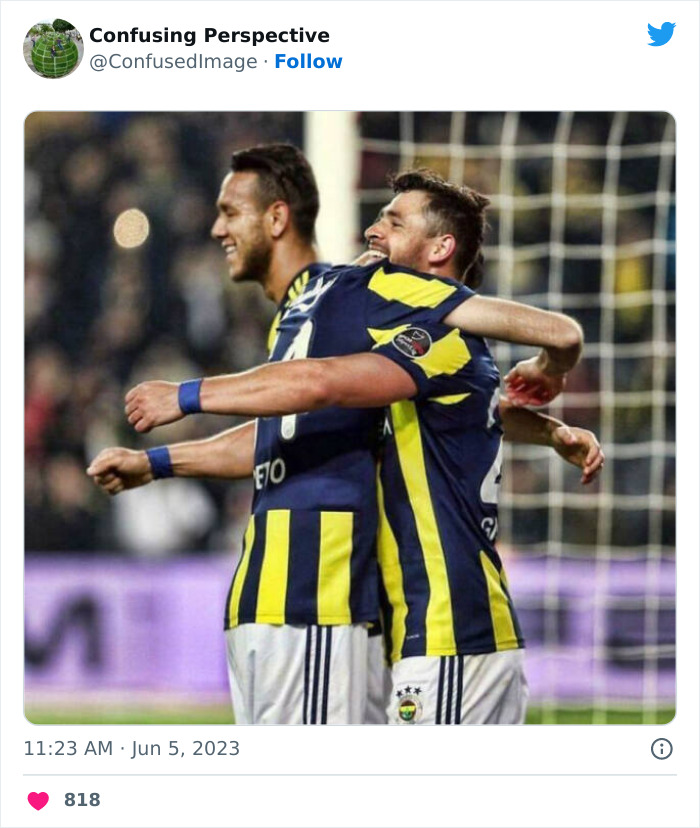
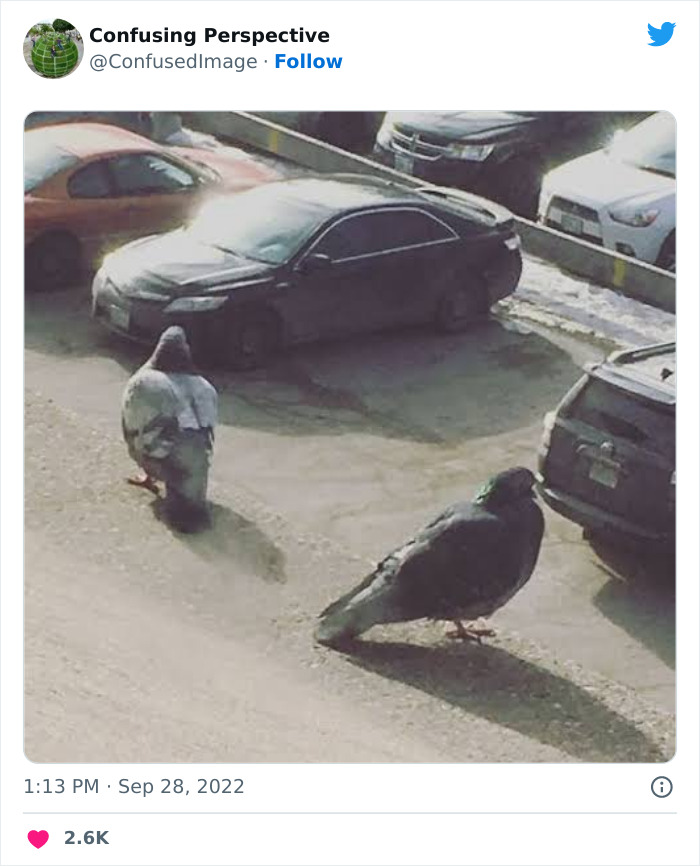
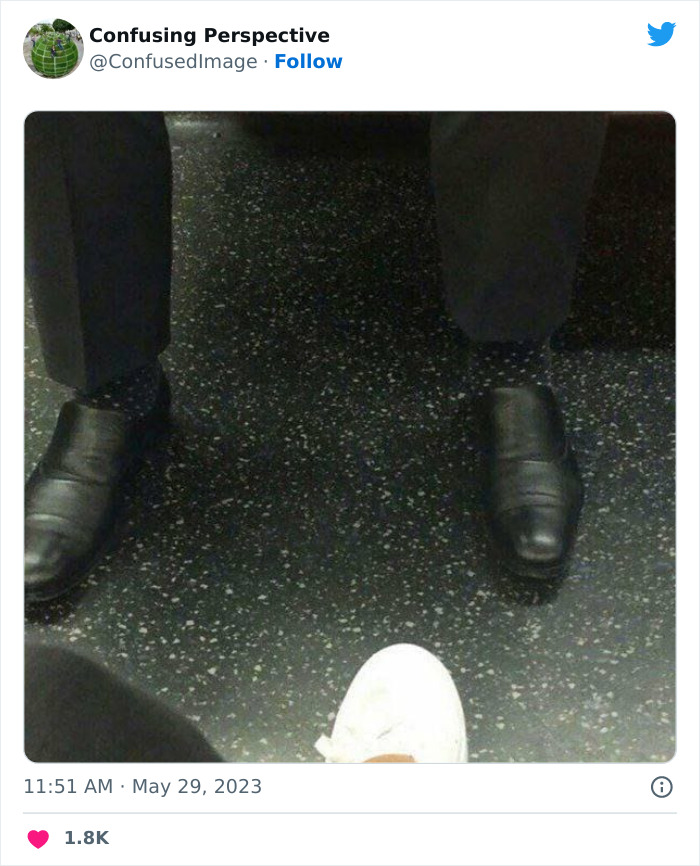
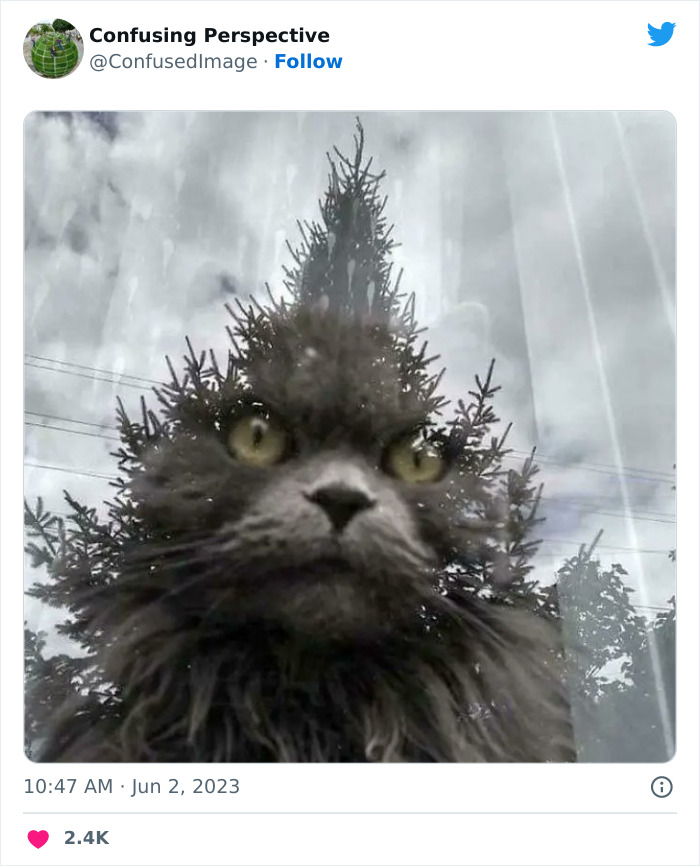
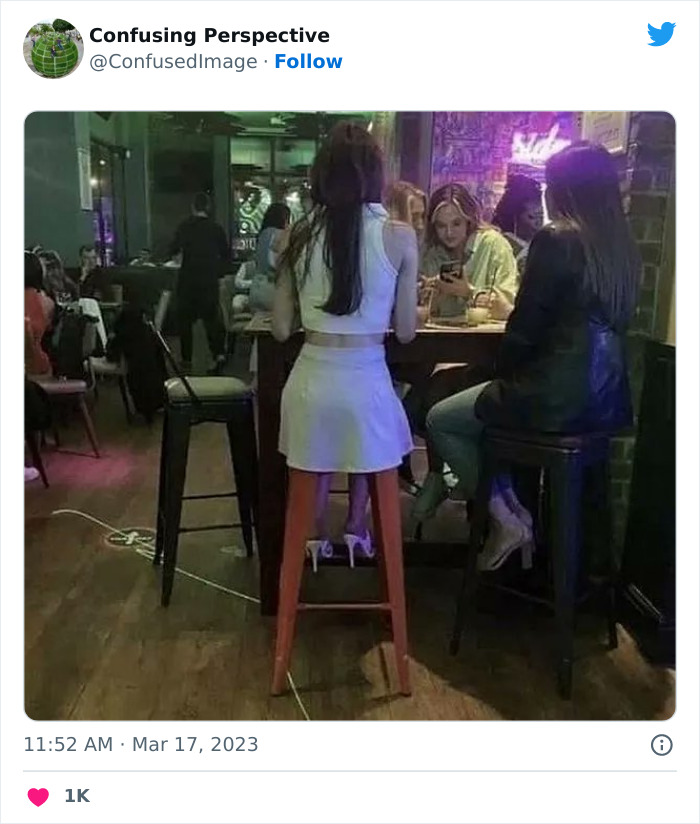
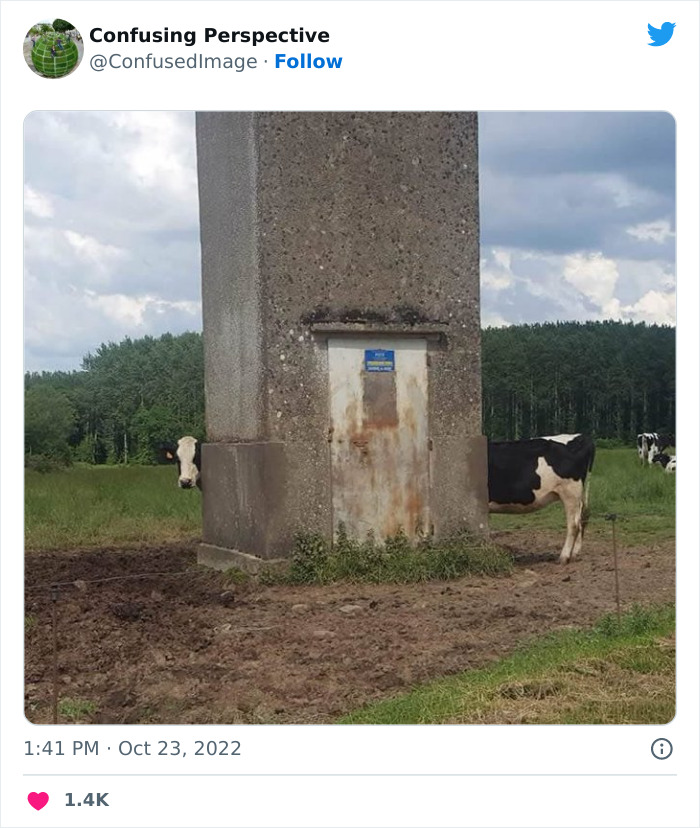
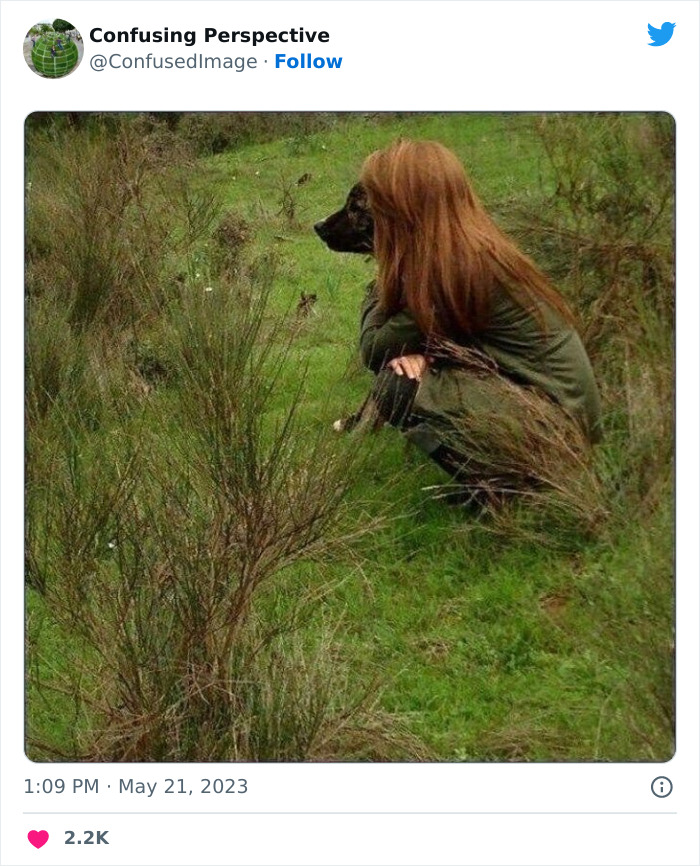
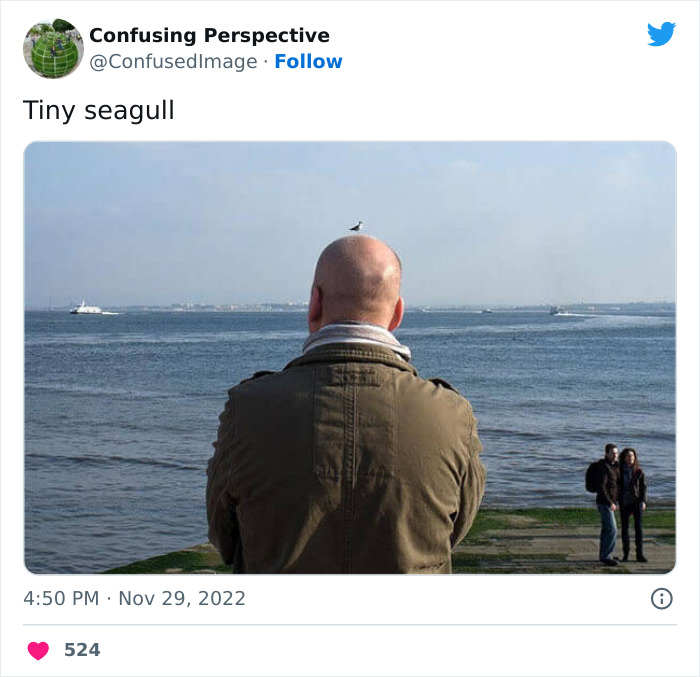
Perspective is one helluva thing. In the case of optical illusions, they will always leave you scratching your head. The same thing goes for well-timed photography which can often make us wonder if our eyes are playing tricks on us.
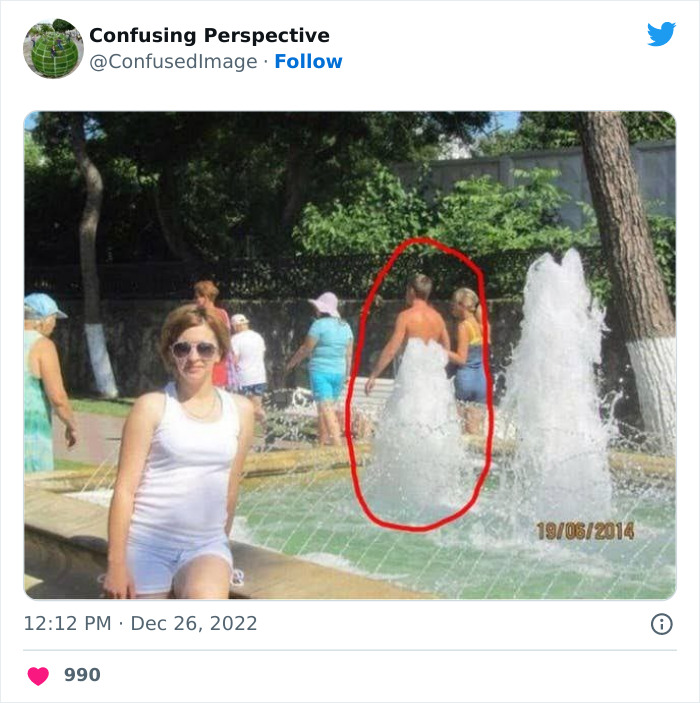
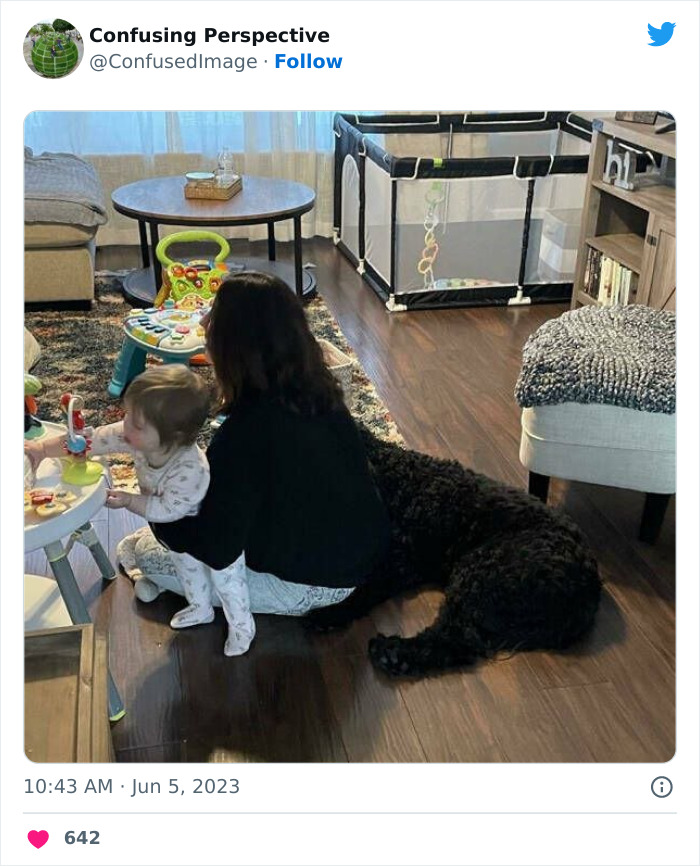
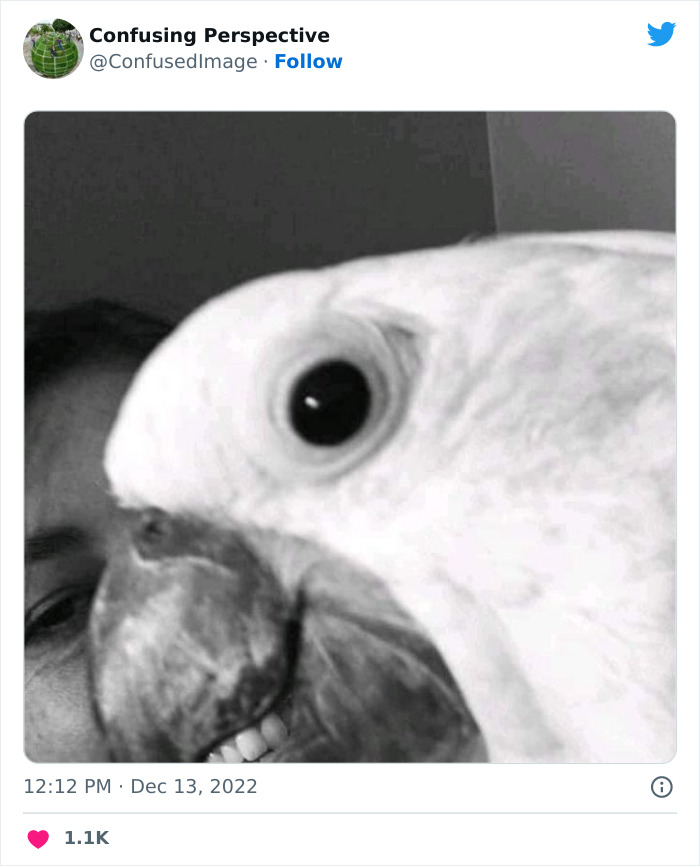
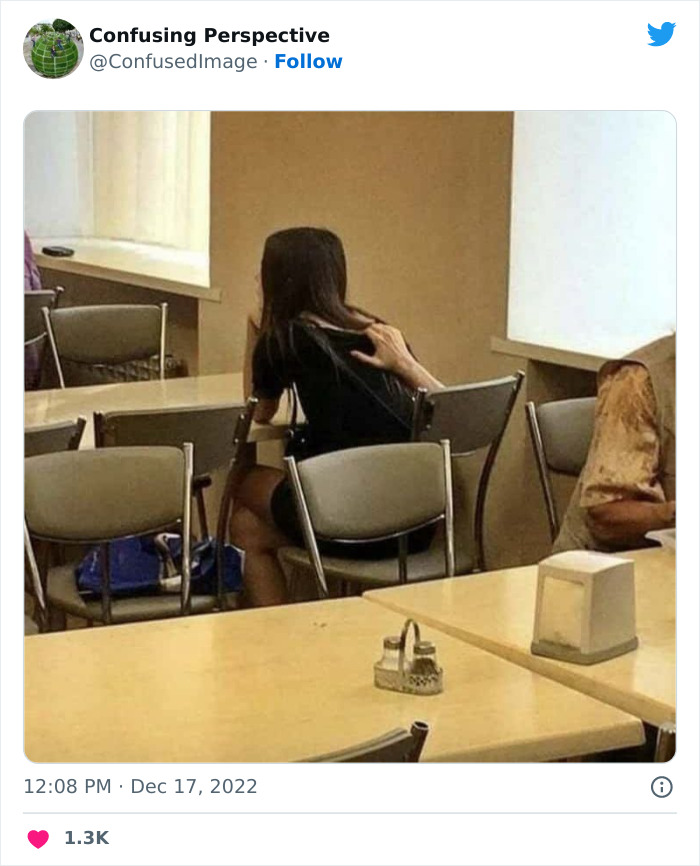
If not for the image-capturing devices, then, there would be no way to tell if it's only us or the whole world is going crazy. But dedicated pages like Confusing Perspective, which boasts 130,000 followers on Twitter, do an excellent job of providing us with enough mind-bending material to remind us of the delightful amusement confusion can bring.
Click here & follow us for more lists, facts, and stories.
This post may include affiliate links.
As far as I can remember, every capital city that I've visited had a place that promised to bend your mind - either with the help of optical illusions or forced perspective photography (a technique that employs optical illusion to make an object appear farther away, closer, larger or smaller than it actually is).
Not too far from the Bored Panda office in Vilnius, Lithuania, there's a tiny Museum of Illusions filled with upside-down rooms, illusions and whatnot to mess with visitors' heads. I wasn't exactly surprised to see that the Copernicus Science Centre in Warsaw, Poland, had some weird perspective-warping rooms for Instagrammable pics, too. The same can be said about New York City, Paris, Barcelona, Amsterdam and other metropolises where one can indulge in lighthearted activities for the brain.
Optical illusions and confusing-as-h**l photos that make us squint, then, are not so different (the best of both worlds are currently being employed in an upcoming, surreal video game called "Viewfinder"). They both make our brains hurt in the most amusing way possible. And both make us ponder if what we see is actually real. Perhaps it's a way for our brains to tell us something Morphius-esque?
According to Mark Changizi, a neurobiologist and the author of 'Expressly Human: Decoding the Language of Emotion', an optical illusion is more than our perception being duped. In his "Perceiving the present" hypothesis, which he published in 2008, Changizi claims that they have an evolutionary purpose.
"Brains have evolved not to simply generate a perception of the scene that probably caused the stimulus that hits your eye, but instead to generate a perception of what that scene will be like in a tenth of a second," Changizi explained to Bored Panda in an email. "That way, by the time your brain has built a perception of the near future, that near future has arrived, and you'll have a perception of the... wait for it... present!"
While the phenomenon of optical illusion can be explained in many different ways, depending on whom you ask; Changizi, however, argues that optical illusions take place in the brief period (or about a tenth of a second) between the moment when light reaches your retina and when your brain processes it into a three-dimensional visual experience
But how is the way our brains perceive the present related to optical illusions, then? Well, according to Changizi, "the stimuli that are illusions have cues within them that suggest what the next moment will be. So, your brain uses those cues to create a perception of the next moment." However, in most cases, an optical illusion is nothing but a static, non-moving image. "In normal life, however, the thing would tend to change as the cues suggest, and you wouldn't get an illusion at all."
No surprise, then, that there are some people who take great pride in coming up with new illusions. In fact, there is an annual international contest, The Best Illusion of the Year Contest, to recognize the most mind-bending visual trickery of the year. First place this year went to an entry titled "Platform 9 3/4s," since its author, Matt Pritchard, cleverly used the famous Harry Potter moment in which the boy runs through the magic wall in the train station to show the magic of anamorphic illusions (no CGI included!).
In the world of artistic creation, whether it's light bouncing off dust in a single moment in time or handmade murals messing with our minds, optical trickery serves as a testament to ingenuity and boundless imagination. Through the deft manipulation of perception and the careful orchestration of elements, they transport us into realms where reality and illusion blend, creating some hilarious Instagrammable moments. Just ask the poor, old Leaning Tower of Pisa which thousands of tourists every year flock to Tuscany to take some seriously hilarious pics.
You might also like: 38 seriously confusing photos that require a second look

































 No fees, cancel anytime