Get Premium
Dark mode theme is available exclusively for premium users. Learn more about the benefits of subscribing.
No fees, cancel anytime.

 Dark Mode Ad-Free Browsing Unlimited Content
 Ad-Free Browsing Unlimited Content Dark Mode
Join 1.2 million Panda readers who get the best art, memes, and fun stories every week!
In today’s digital world, trends move at lightning speed. One day, nobody has heard of something, and the next, it seems like your entire social media feed is filled with it. From dance challenges and relatable memes to wholesome relationship stories, the internet has a way of turning simple ideas into global phenomena almost overnight.
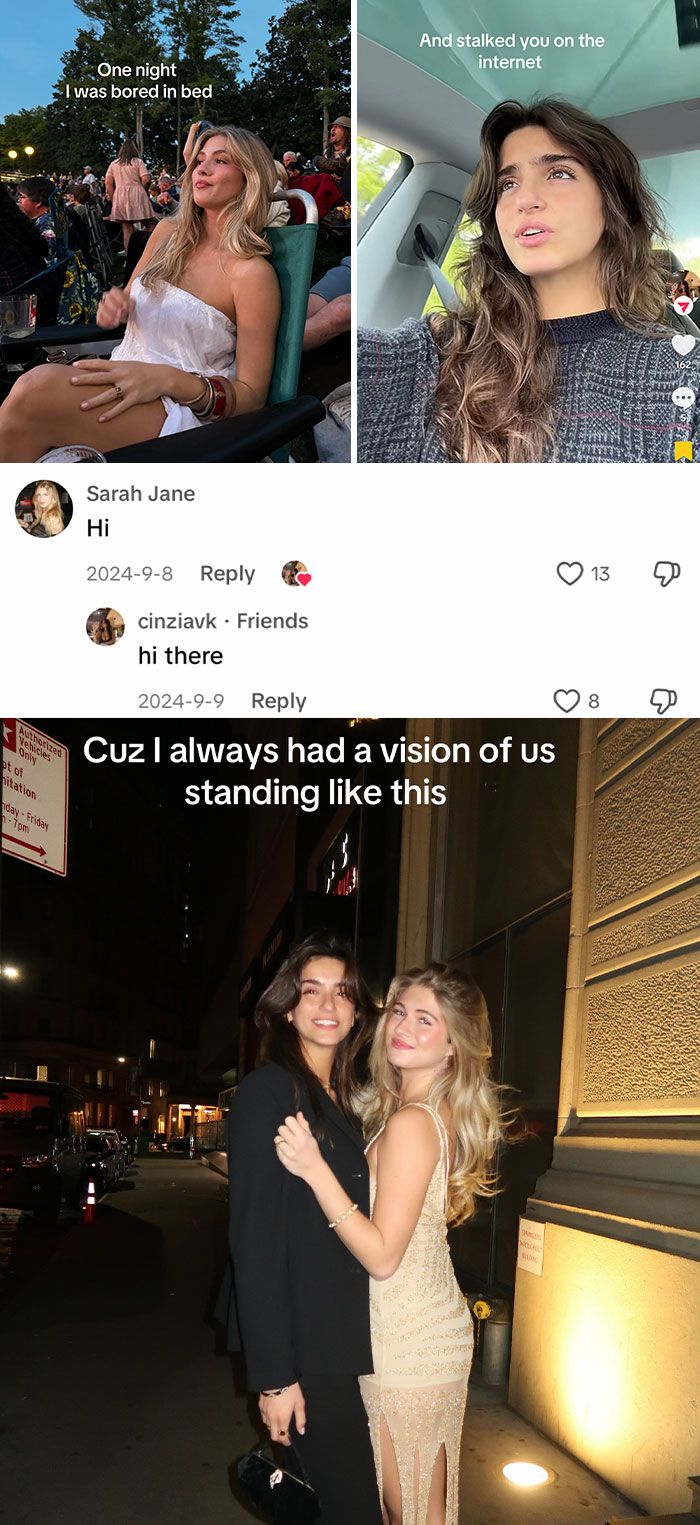
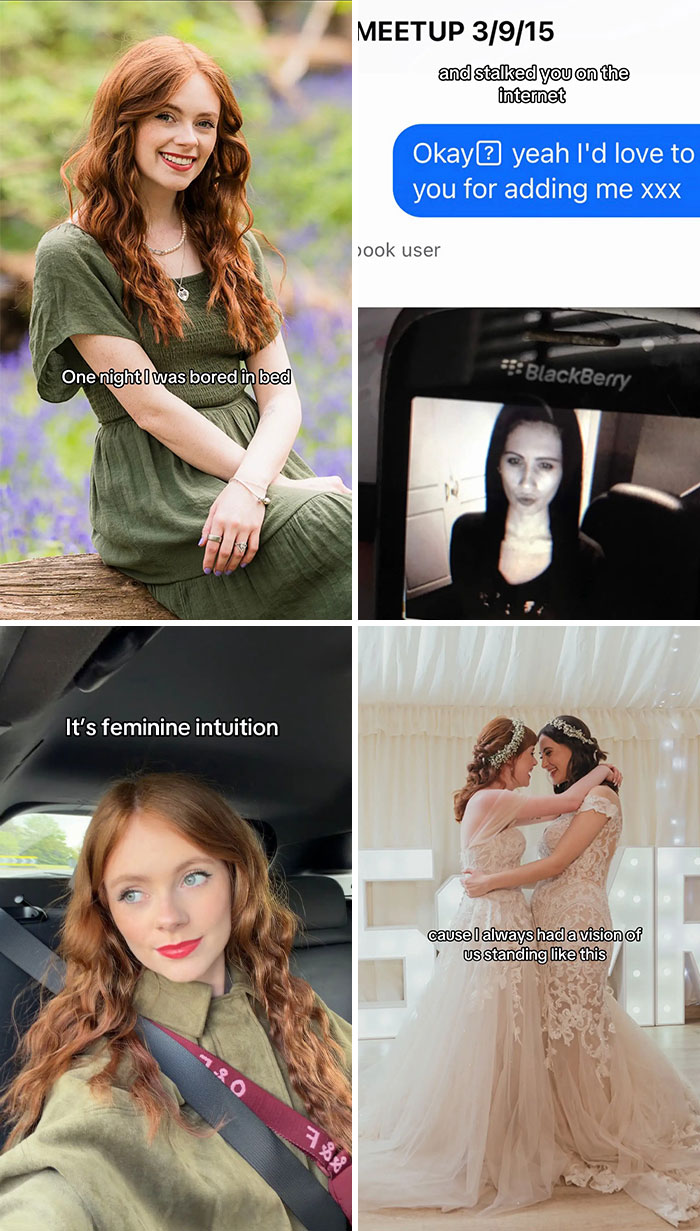
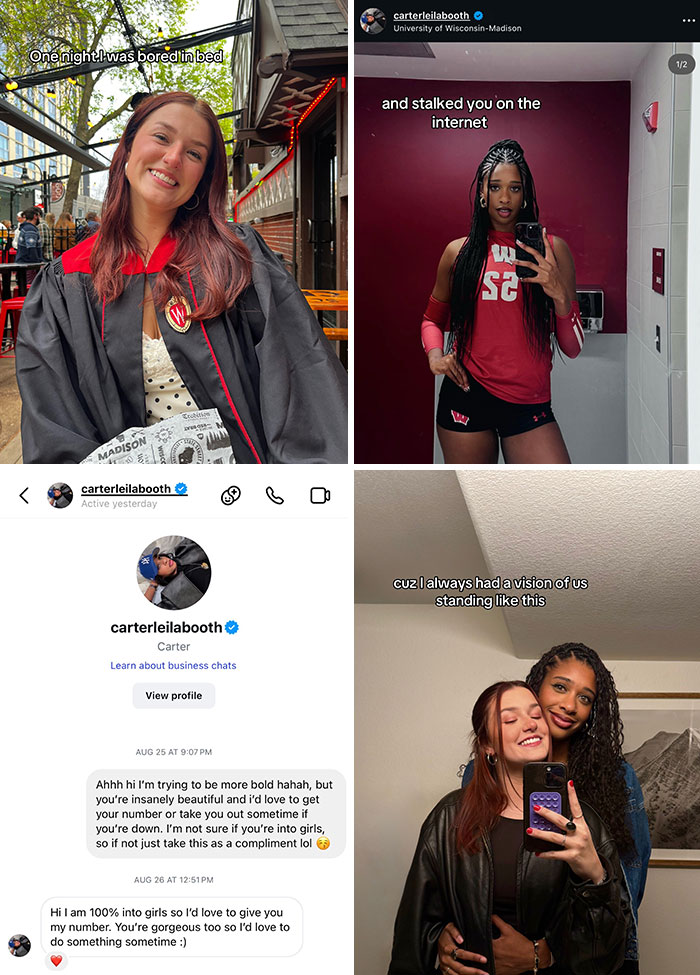
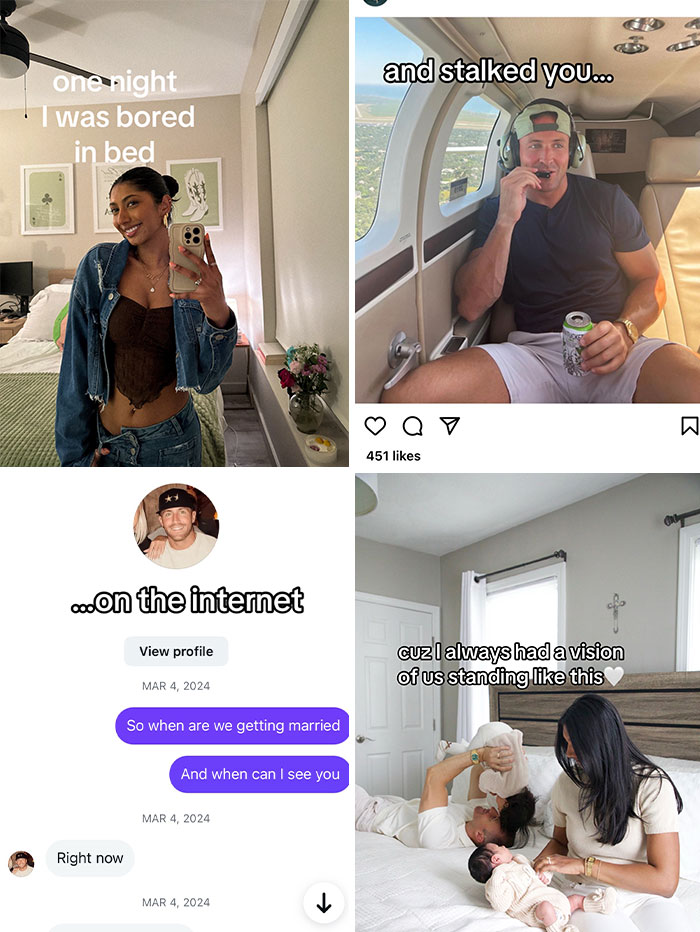
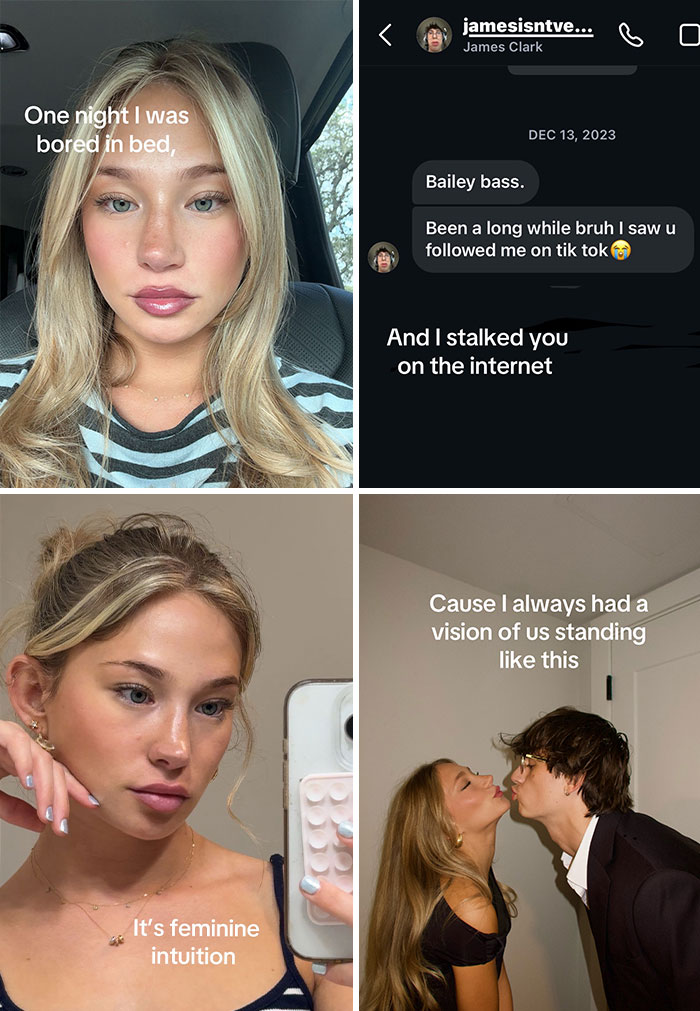
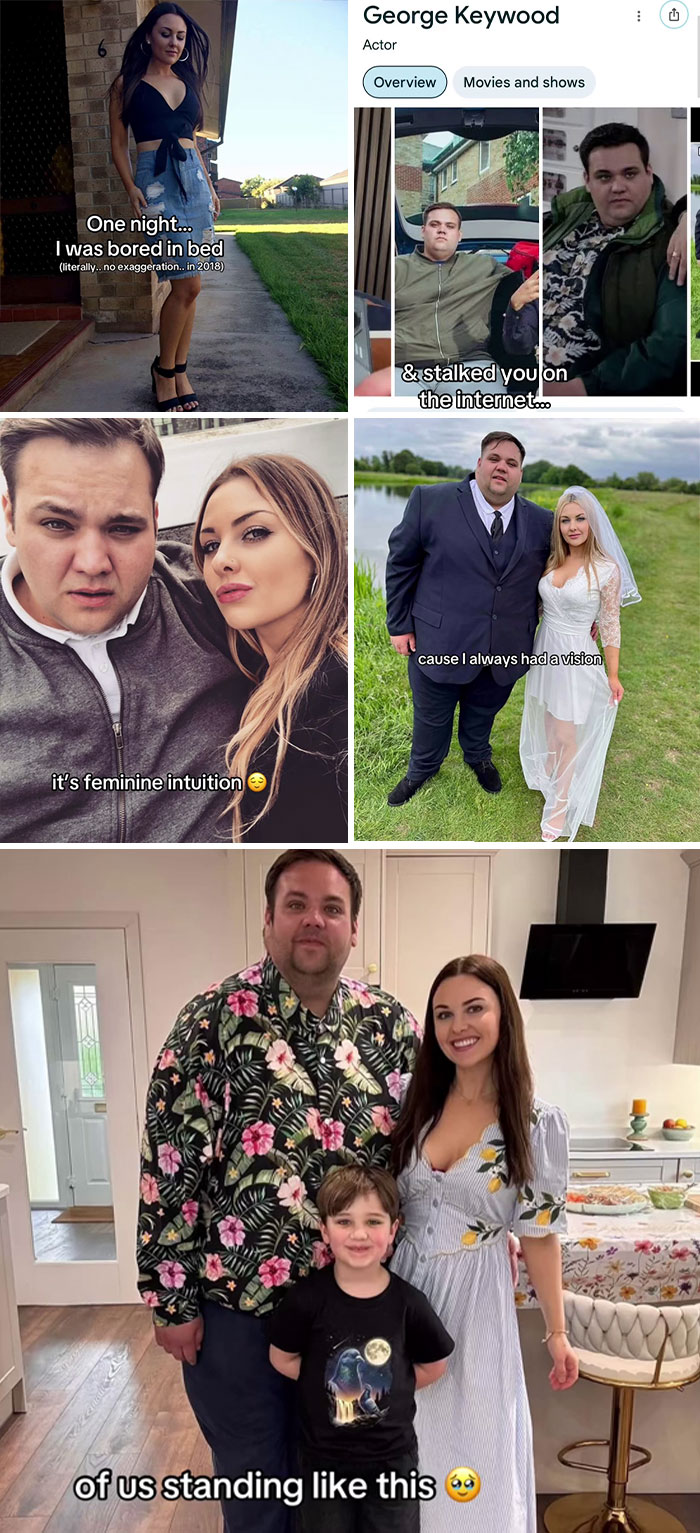
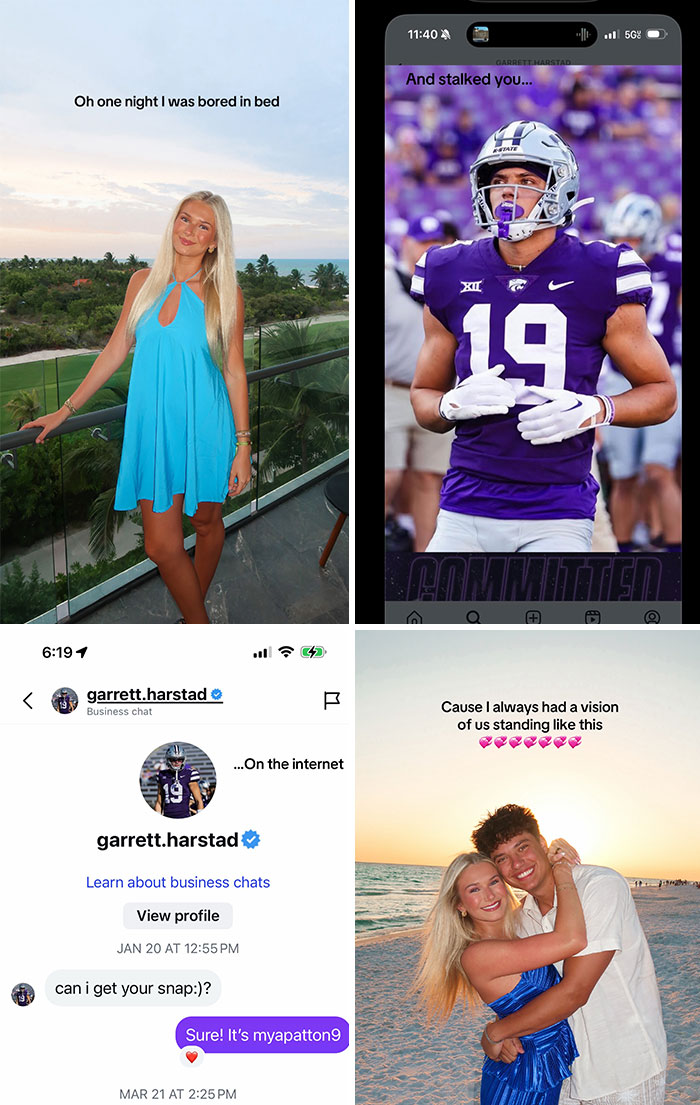
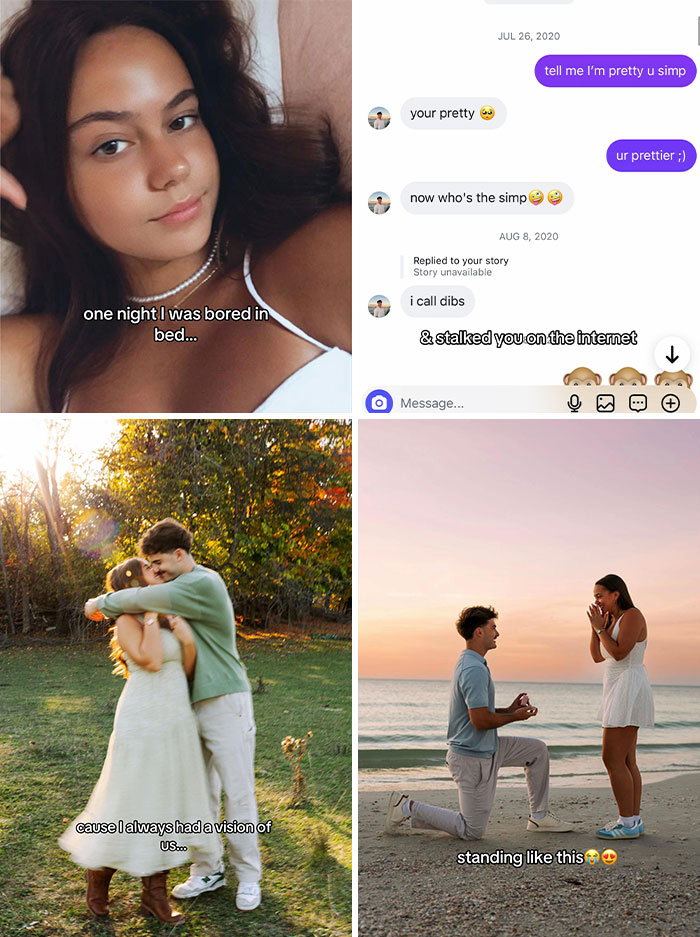
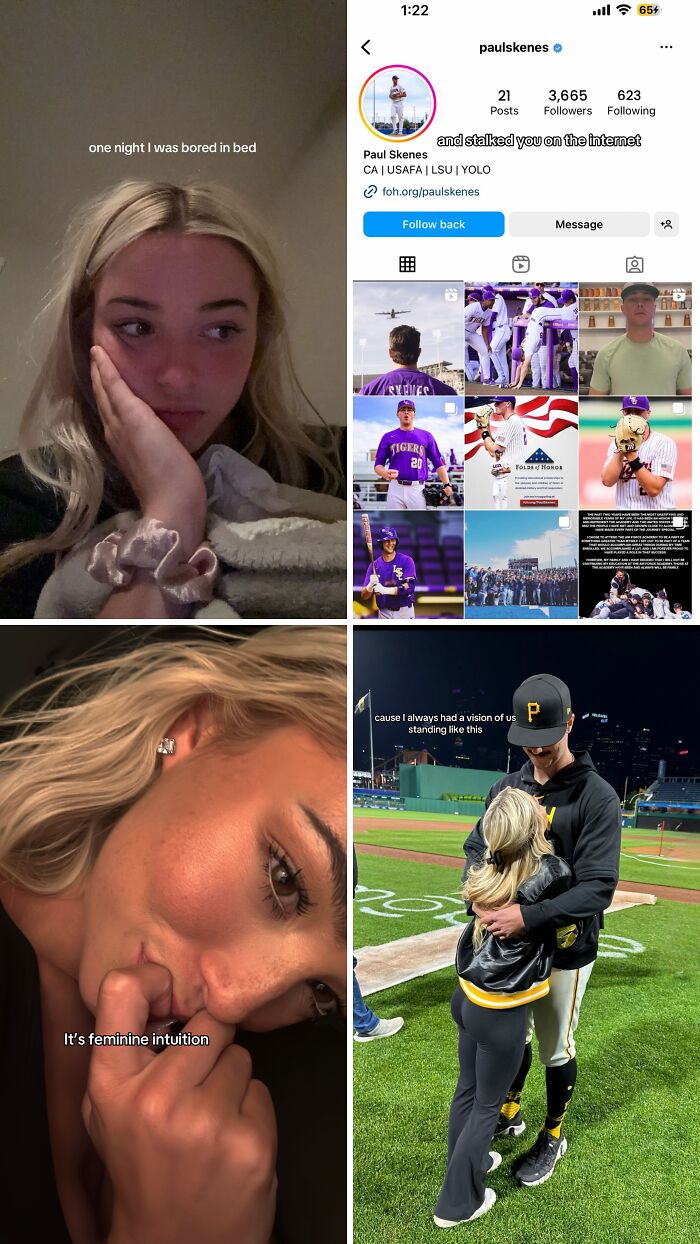
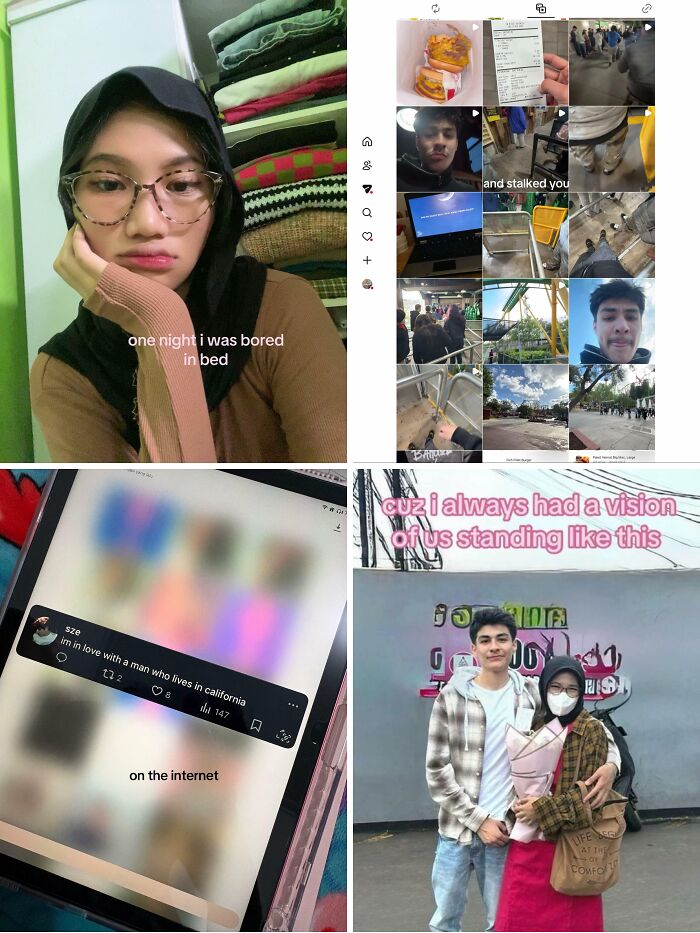
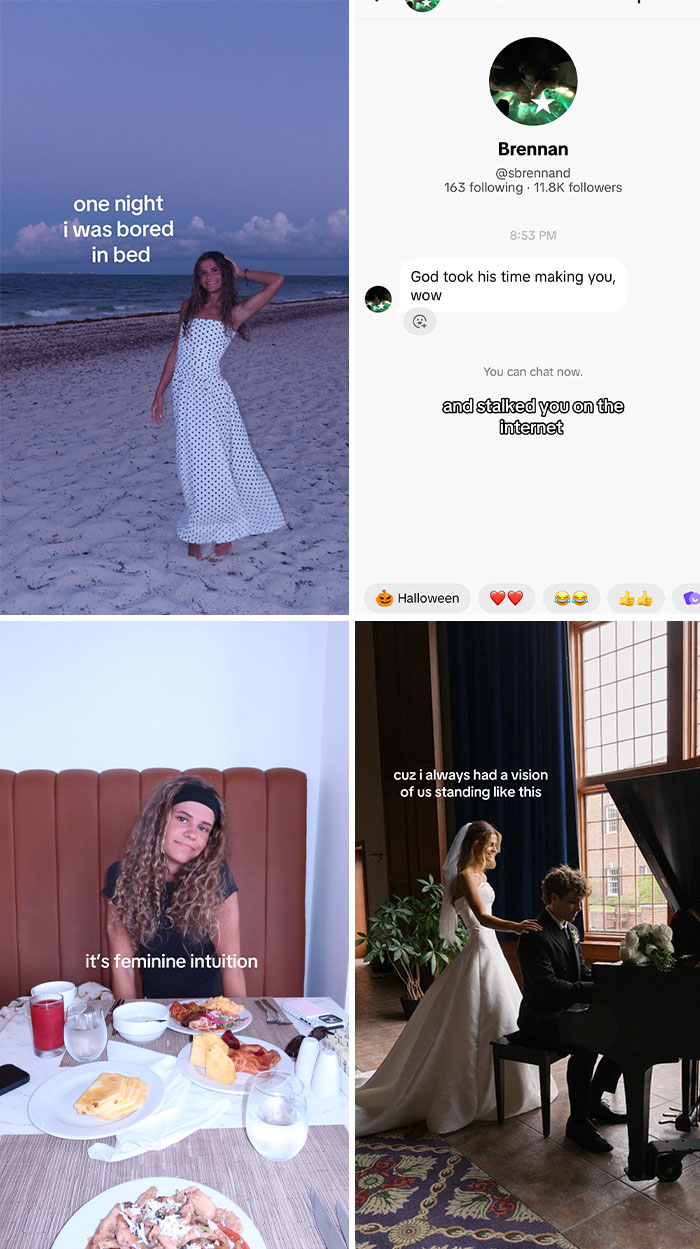
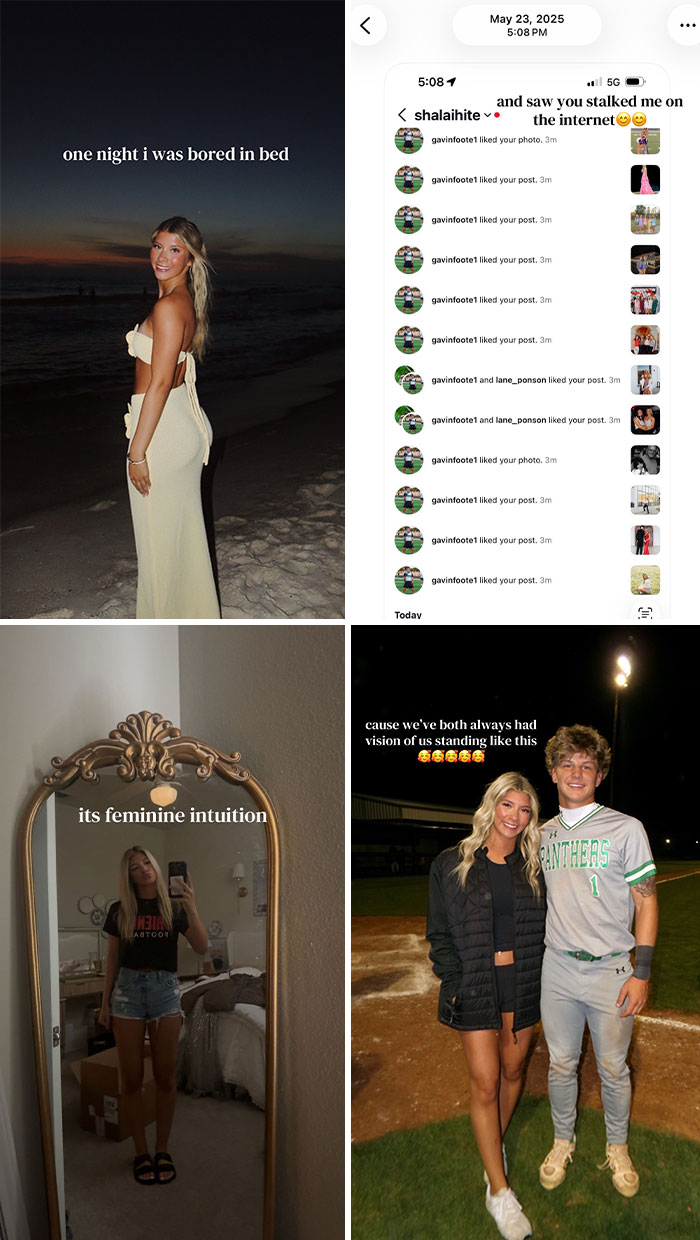
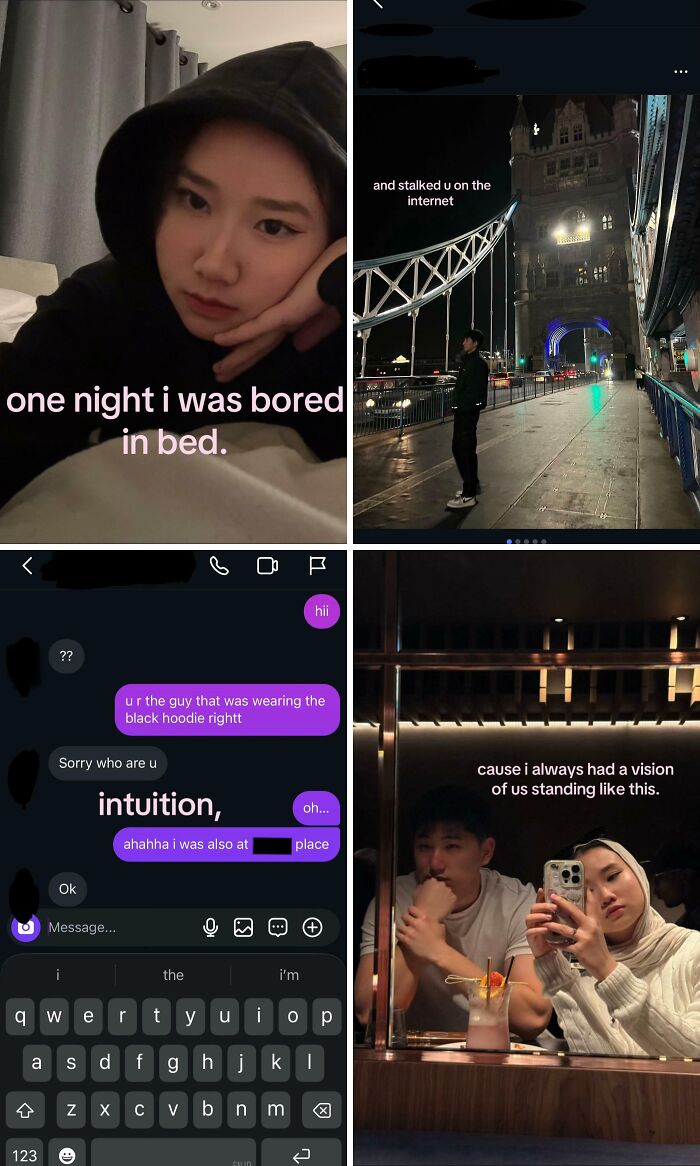
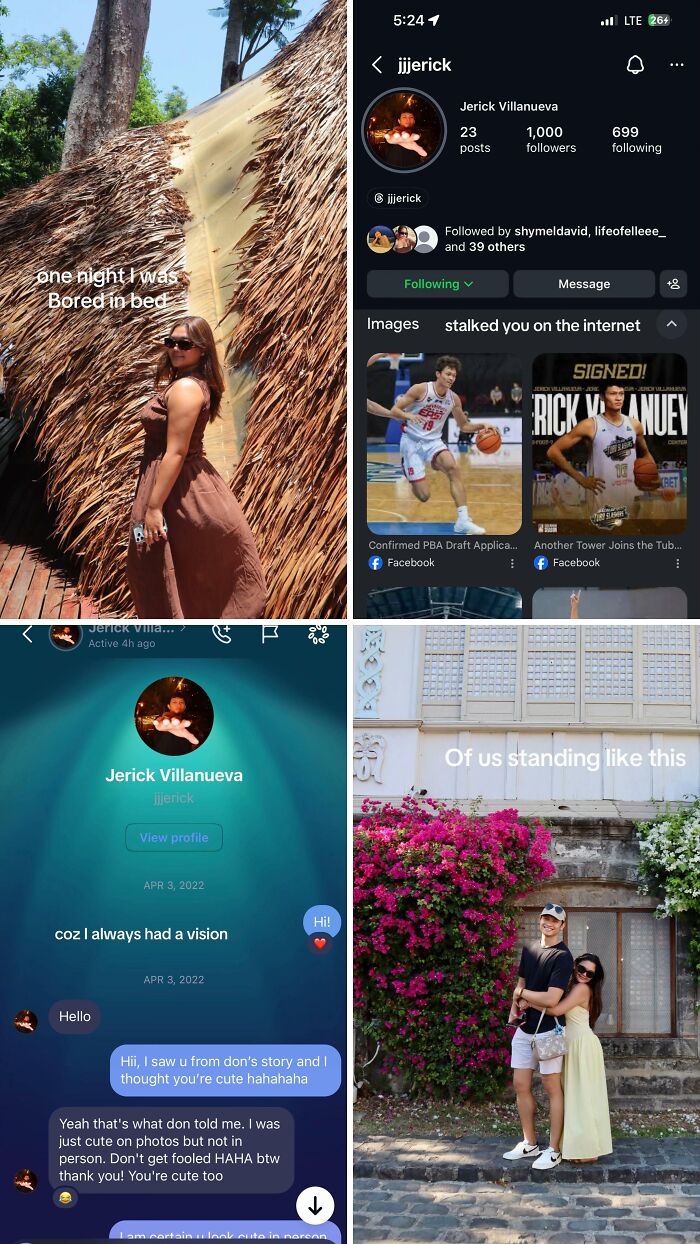
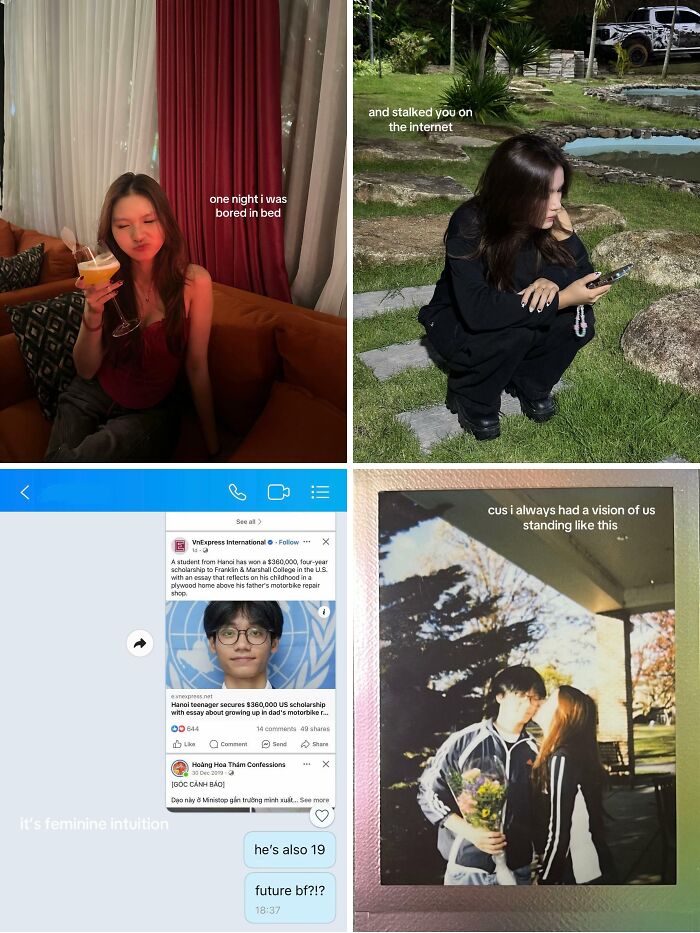
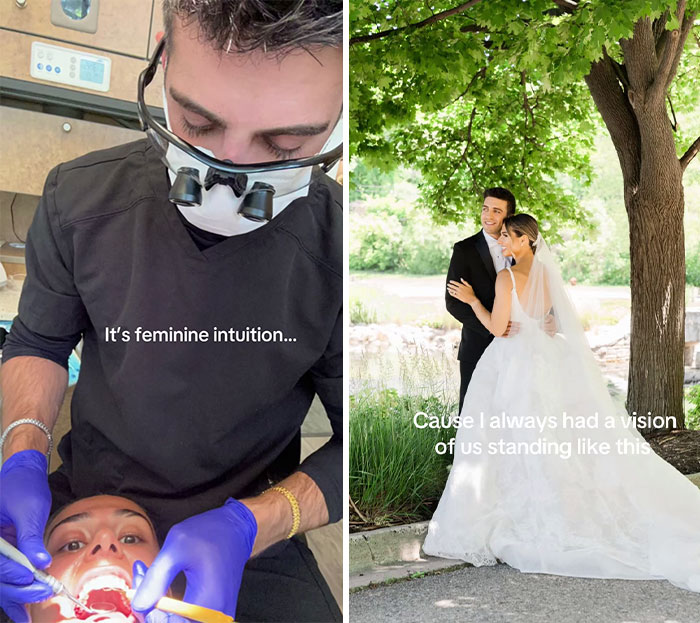
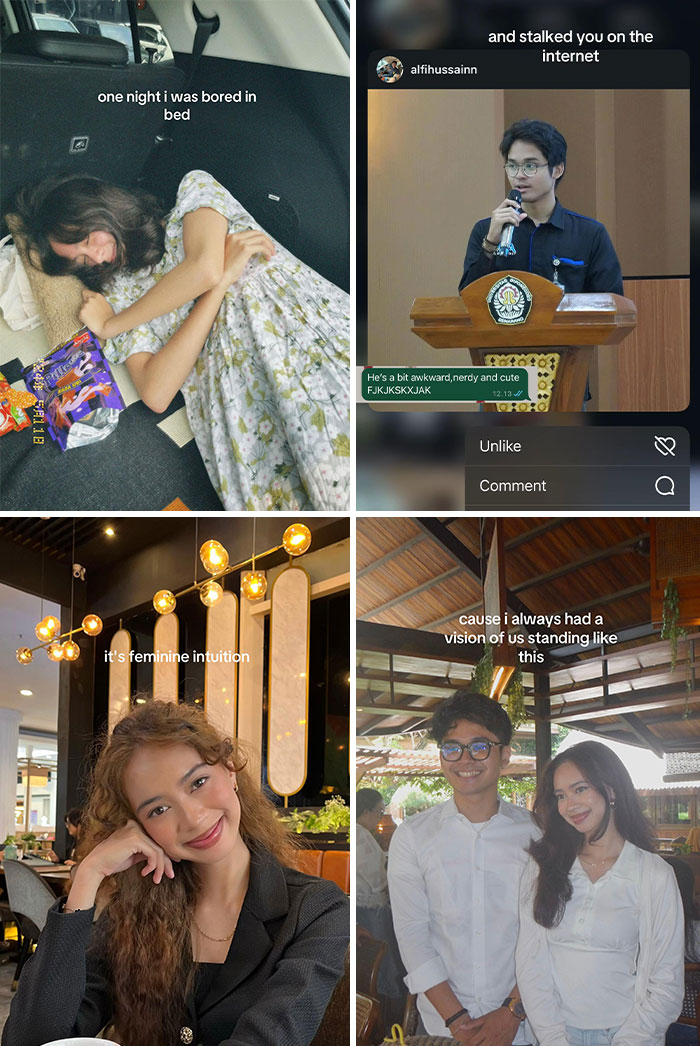
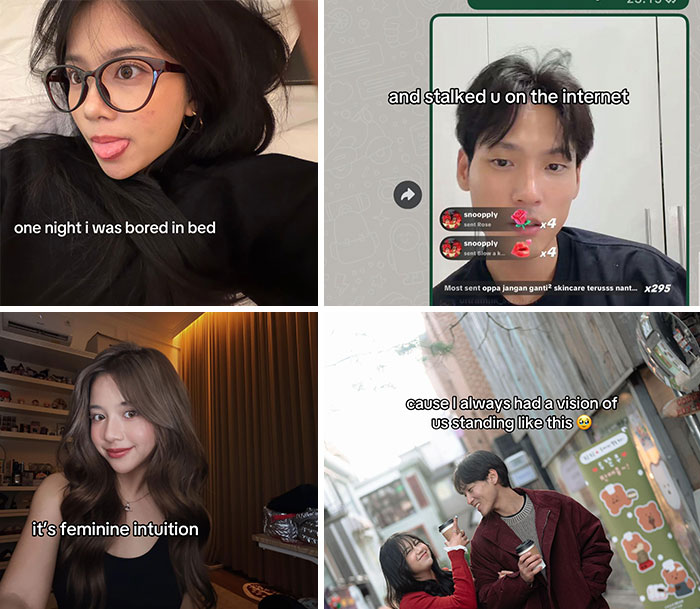
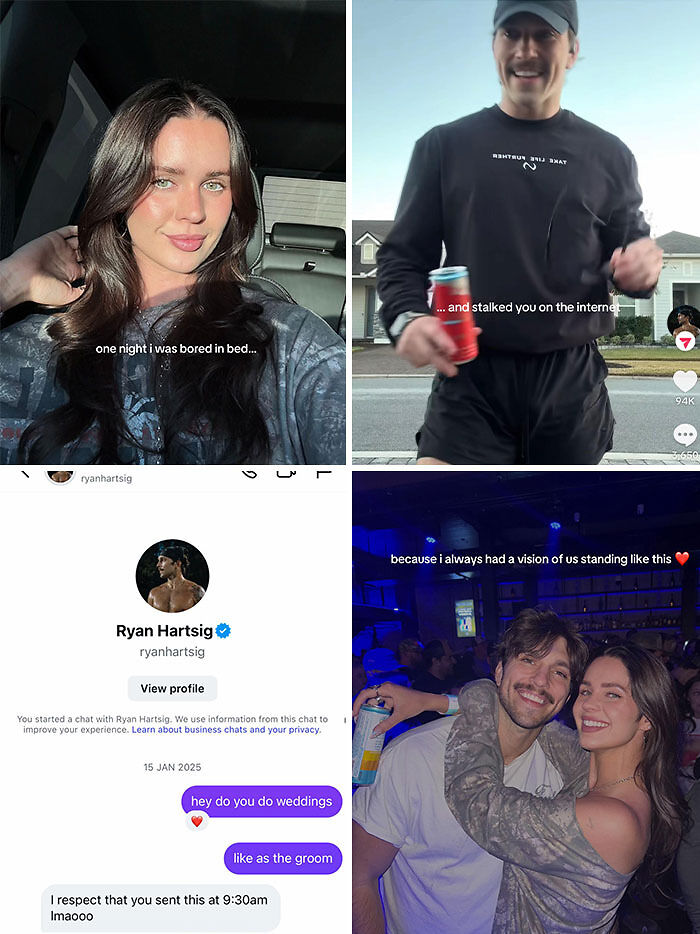
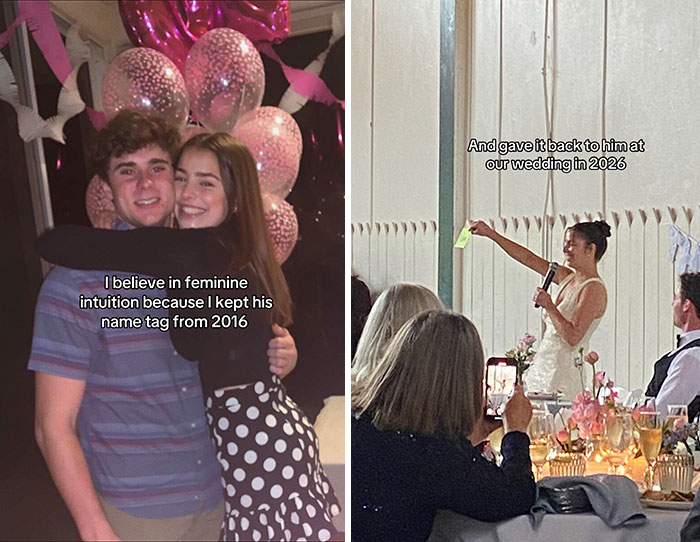
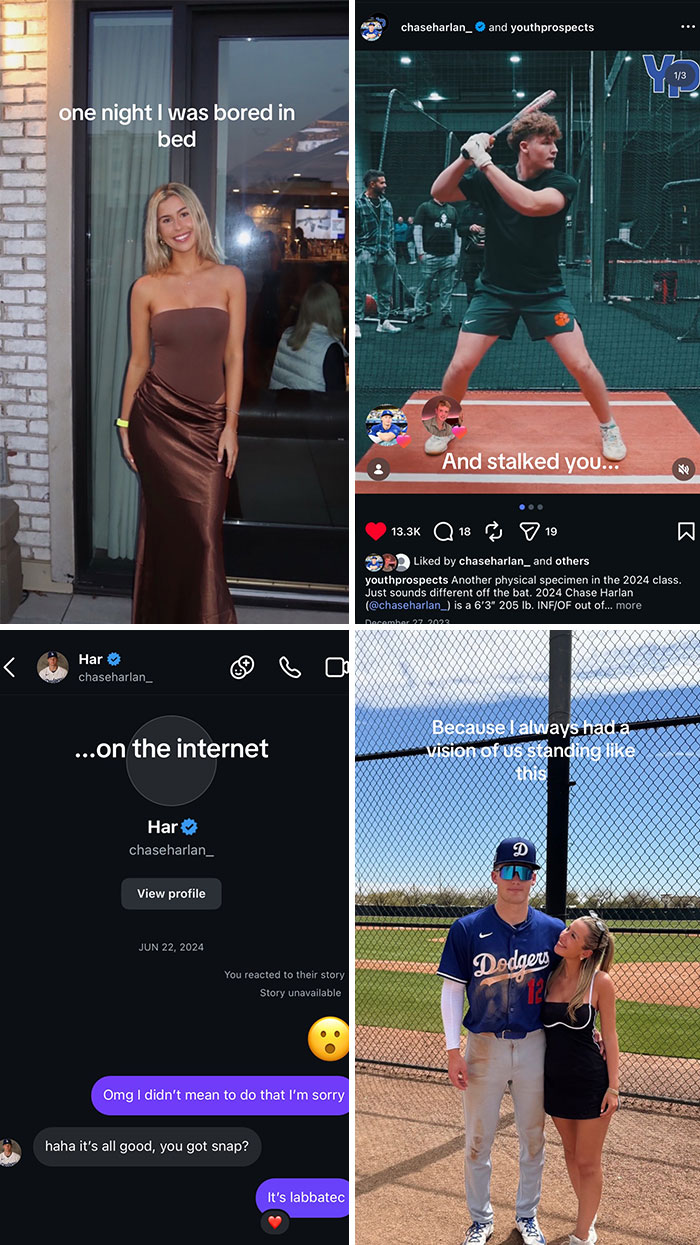
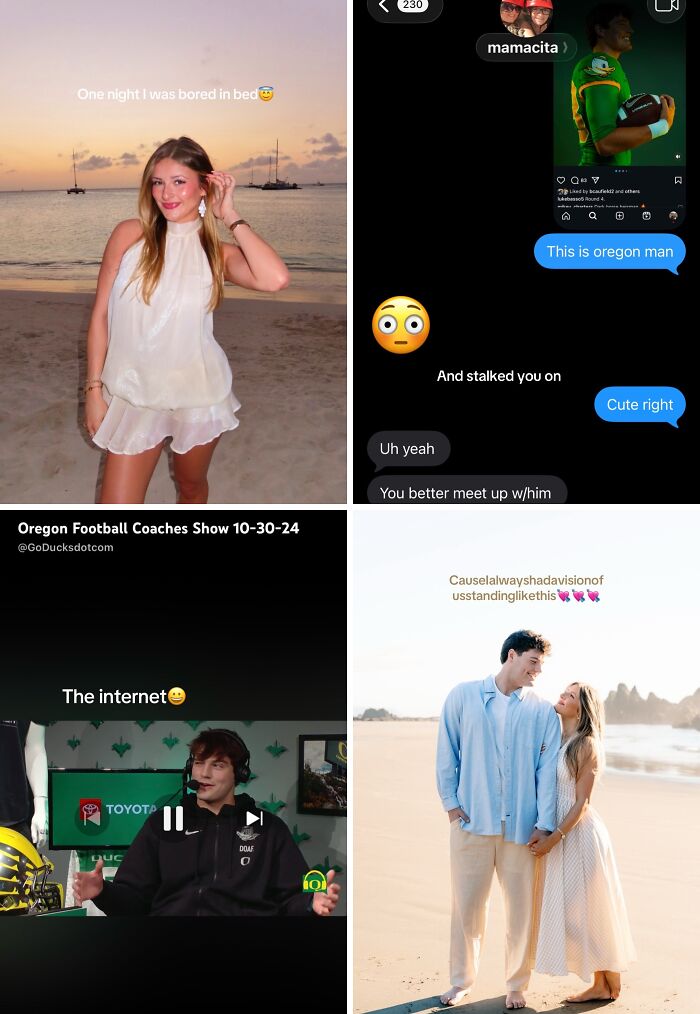
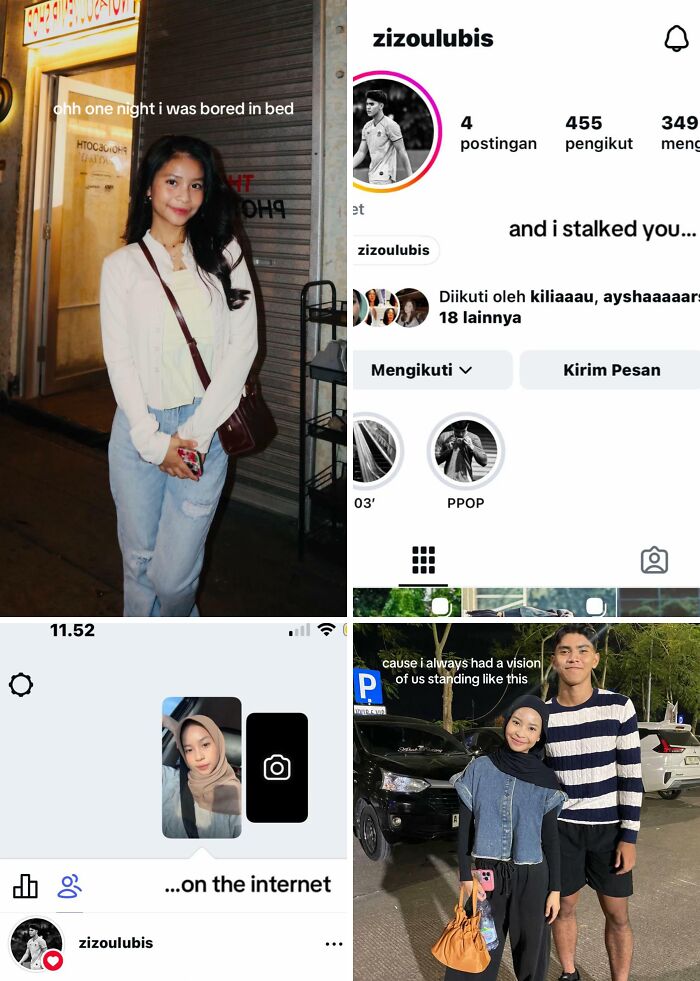
Today, we’re diving into one of those heartwarming trends that has taken over TikTok and Instagram: the "One night I was bored in bed... it's feminine intuition" trend, set to the catchy chorus of Olivia Rodrigo’s hit song "drop dead." The trend revolves around people sharing the moment they first looked up, searched for, or quietly stalked their future partner online—long before they knew where the relationship would lead.
At its heart, the trend celebrates those little moments that seemed insignificant at the time but ended up changing someone's life. So keep scrolling, Pandas, to check out some adorable examples of people who followed their curiosity, trusted their instincts, and somehow ended up finding love.
@siennakeywood The perfect song for our love story
♬ drop dead - Olivia Rodrigo
This post may include affiliate links.
Being in love is one of those experiences that can make the whole world feel a little brighter. Right, Pandas? You know that feeling when a completely ordinary day suddenly seems exciting for no particular reason? A random song on the radio starts feeling like it was written just for you, your phone lights up with a message and you can't help but smile, and somehow even the most mundane moments feel a little more special.
Of course, finding the right person isn't always easy. For every sweet love story, there are countless awkward dates, missed connections, and "what was I thinking?" moments. That's why the people featured in today's post might consider themselves pretty lucky. Somehow, a late-night search, a little curiosity, or a bit of social media detective work led them to their happily-ever-afters. But interestingly, psychology suggests that falling in love isn't entirely fate or destiny. Instead, it's a fascinating mix of biology, life experiences, timing, and circumstances all coming together in just the right way.


Reverse the roles and this isn't wholesome. Actually it isn't wholesome either way.
Of course, that doesn't make love any less magical. In fact, the more researchers study it, the more complicated it seems to become. Take the classic saying "opposites attract." We've all heard stories about the quiet introvert falling for the life-of-the-party extrovert. It sounds romantic, but research tells a slightly different story. Gian Gonzaga, lead author of a study of couples who met through eHarmony, told Business Insider that partners who are similar in broad traits like personality are often more compatible. As he explained, people who share similar dispositions tend to experience daily life in similar ways, making it easier to understand and relate to each other. In other words, having common ground may matter more than having dramatic differences.
Another interesting theory comes from Canadian psychologist Eric Berne, who believed successful relationships operate on three different levels of personality: the Parent, the Child, and the Adult. The "Parent" represents everything we've been taught throughout life. It includes the values, rules, habits, and expectations we absorb from parents, teachers, and society. These influence how we think relationships should work, how we handle conflict, and even how we express affection. When two people share similar values or expectations, it can make navigating a relationship much smoother.
The "Child" side reflects our emotions, instincts, desires, and feelings. It's the playful, spontaneous, vulnerable part of us that wants affection, excitement, comfort, and fun. It's also the part that can feel jealousy, fear, insecurity, or joy. Then there's the "Adult," which represents logic, reasoning, and what we've learned through experience. This is the part of us that evaluates situations rationally, solves problems, and makes thoughtful decisions. According to Berne, the healthiest relationships happen when couples connect on all three levels. They understand each other's values, emotionally connect, and communicate maturely when challenges arise.
Adding another layer to the mystery, Marriage.com explains that falling in love happens when internal biological processes align with the right external triggers. These triggers can include visual attraction, scent, touch, voice, timing, and even the environment where two people meet. Think about it: sometimes you can meet a wonderful person and feel nothing, while someone else instantly captures your attention. Researchers believe this happens because numerous biological and psychological factors must line up at the same time. It's almost like a complex chain reaction where the right cues arrive in the right order.
Scientifically speaking, love involves a remarkable combination of hormones, neurotransmitters, emotions, memories, and social experiences. Dopamine contributes to feelings of excitement and reward. Oxytocin helps create feelings of bonding and trust. Adrenaline can produce those famous butterflies in your stomach. Meanwhile, your brain is also evaluating compatibility, familiarity, attraction, and emotional safety. The result is something that feels effortless on the surface but is actually one of the most complex experiences humans can have. No wonder people have spent centuries trying to understand it.
One of the most influential modern theories of love comes from American psychologist Dr. Robert Sternberg. In 1986, he proposed that love consists of three major components: intimacy, commitment, and passion. Intimacy refers to emotional closeness. It's the feeling that someone truly understands you, supports you, and knows your authentic self. Commitment is the decision to stay together and build a future despite life's inevitable challenges. It's less about feelings in the moment and more about choosing the relationship over the long term.
Passion, meanwhile, refers to physical attraction, excitement, and romantic desire. According to Sternberg, different combinations of these three elements create different types of love. Some relationships are built mostly on passion, while others rely heavily on intimacy and commitment. The strongest and most enduring relationships often contain all three. His "Triangular Theory of Love" remains one of the most widely used frameworks for understanding romantic relationships because it highlights just how multi-layered love truly is. After all, love isn't just chemistry, attraction, or friendship—it's often a blend of all three.
That said, not every aspect of love can be measured in a laboratory or explained through research papers. Sometimes people fall for someone who makes absolutely no sense on paper. Sometimes timing works out perfectly, and sometimes a chance encounter changes the course of a life. Logic, compatibility scores, and scientific theories can help explain parts of love, but they don't capture the entire picture. Human emotions are wonderfully messy, unpredictable, and deeply personal. Perhaps that's part of what makes love so fascinating in the first place. Even after decades of research, there's still an element of mystery that nobody has fully figured out.
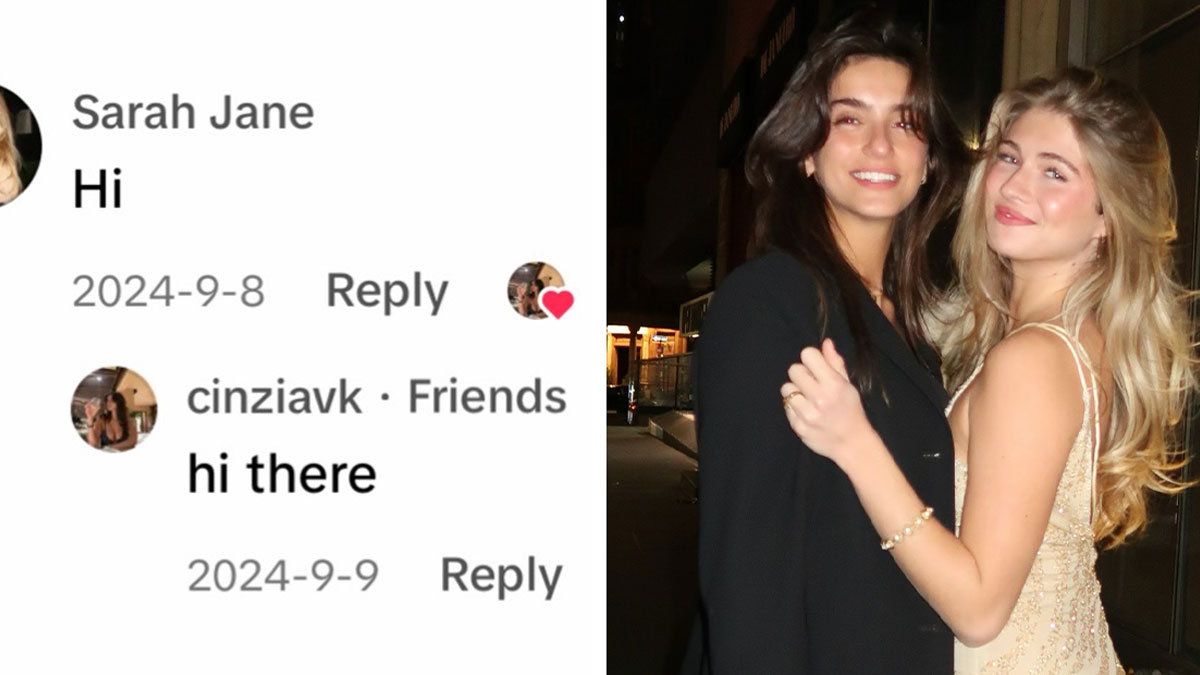
Coming back to today's post, it's amazing to think that a little curiosity and some harmless social media sleuthing eventually led to so many wholesome love stories. What started as a quick profile search turned into engagements, marriages, and lifelong partnerships for many of these couples. So, Pandas, what do you think of these stories? Have you ever looked up a crush online and ended up finding something much bigger than expected? We'd love to hear your thoughts (and, of course, your own love story) in the comments below.


Am I just a cranky old man or is this disturbing in a profound way?

I prefer "grumpy old git" but this sort of dross really does make me wonder whether I crossed a line at some point.
Load More Replies...

Floeckchen: I agree. W-T-F is any of this? 🤷♂️
Load More Replies... Am I just a cranky old man or is this disturbing in a profound way?
I prefer "grumpy old git" but this sort of dross really does make me wonder whether I crossed a line at some point.
Load More Replies... Floeckchen: I agree. W-T-F is any of this? 🤷♂️
Load More Replies...




















 No fees, cancel anytime