Get Premium
Dark mode theme is available exclusively for premium users. Learn more about the benefits of subscribing.
No fees, cancel anytime.

 Dark Mode Ad-Free Browsing Unlimited Content
 Ad-Free Browsing Unlimited Content Dark Mode
Join 1.2 million Panda readers who get the best art, memes, and fun stories every week!
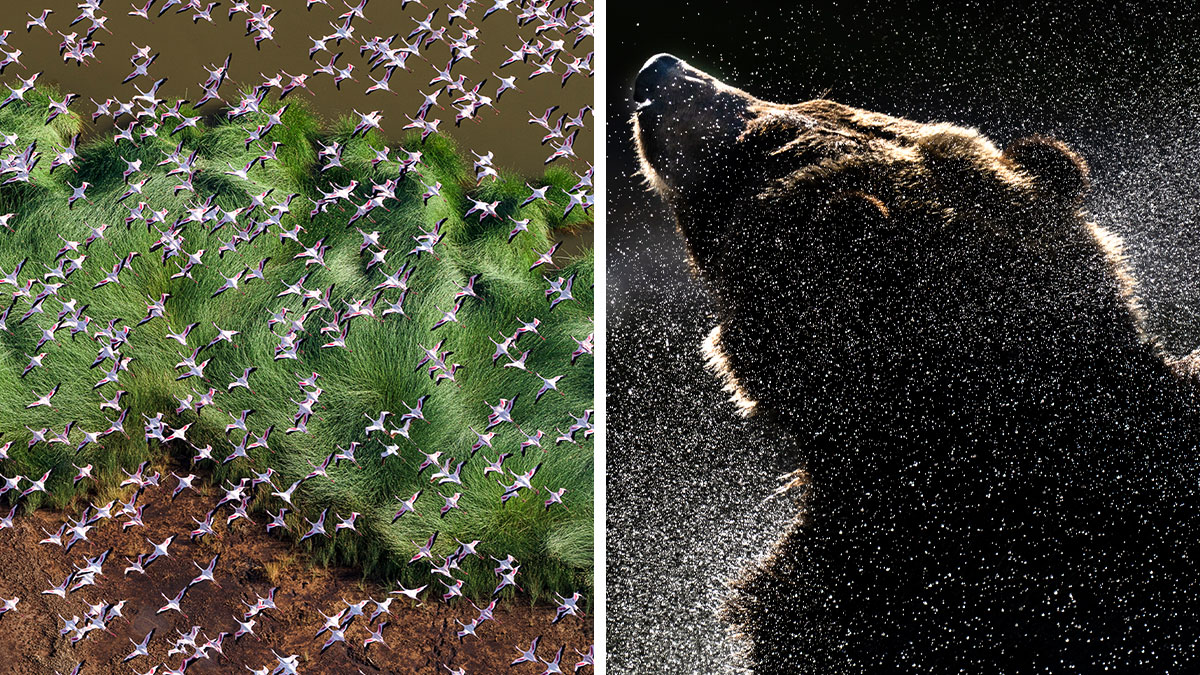
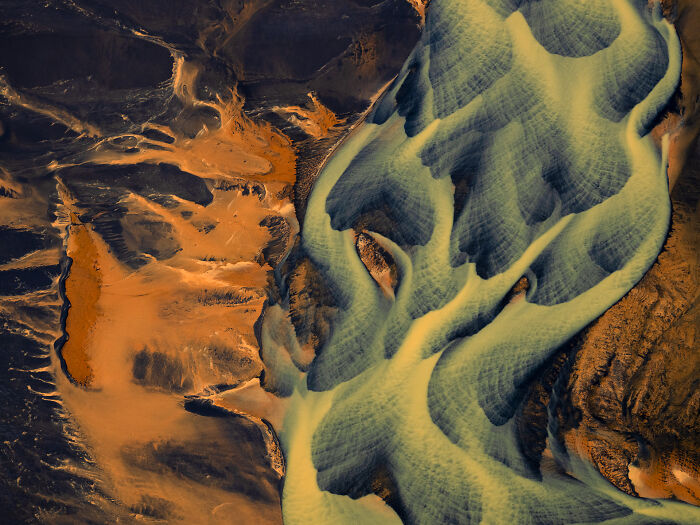
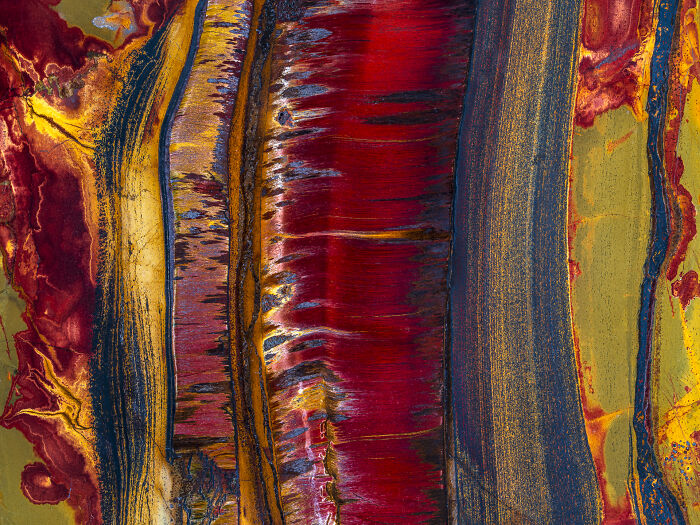
Jon McCormack’s photography is often framed to make you look closer, and then closer again. The Australian-born conservation and natural history photographer grew up surrounded by the stark landscapes of the Australian Outback, where life among sheep, cattle, drought, dust, and open space helped shape his respect for nature’s resilience and fragility. That early attention to the quiet details of the bush eventually grew into a body of work that moves between the microscopic and the monumental, revealing patterns, textures, and hidden structures that often go unnoticed.
In his images, wild places are not treated simply as scenery, but as living systems full of rhythm and connection. McCormack photographs everything from mineral formations, ice, rivers, coastlines, and aerial landscapes to wildlife and remote ecosystems, showing how nature repeats certain shapes and movements across wildly different scales. His first monograph, “Patterns: Art of the Natural World,” explores exactly this idea, tracing Earth’s “hidden geometry” across continents, from microscopic mineral blooms to vast aerial compositions. The book’s release this year coincided with Earth Day (22 April), with all proceeds benefiting Vital Impacts, a nonprofit founded by photographer Ami Vitale.
Scroll down to see Jon McCormack’s photography, and don’t forget to vote for the images that made you pause and look twice.
More info: jonmccormack.com | Instagram | amazon.com
This post may include affiliate links.
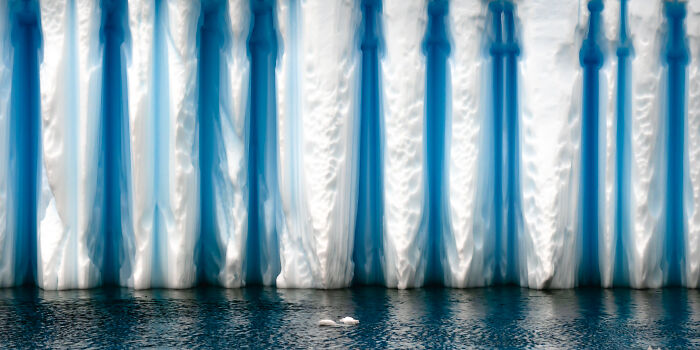
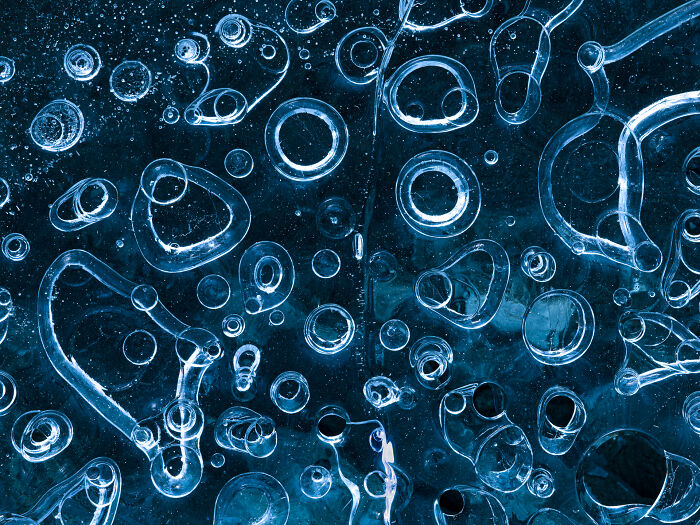
Location: Antarctic Peninsula
Description: “A wind carved iceberg floats near the Antarctic Peninsula. The darker blue ice is older than the lighter ice because it is compressed and contains fewer air bubbles.”
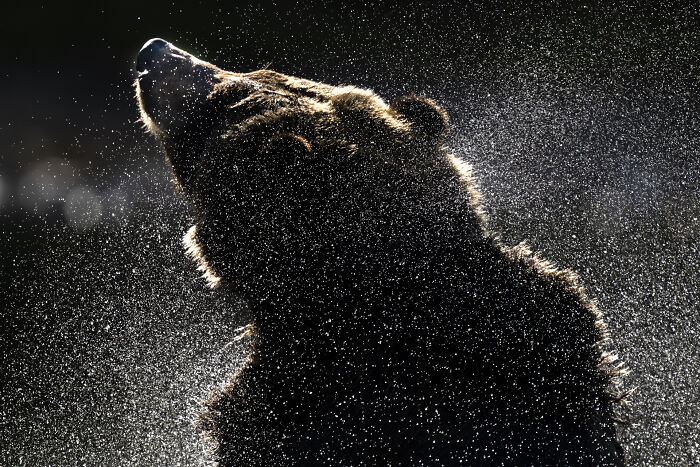
Location: Chilkotin River, British Columbia, Canada
Description: “A grizzly bear shakes off water in the Chilkotin River in British Columbia.”
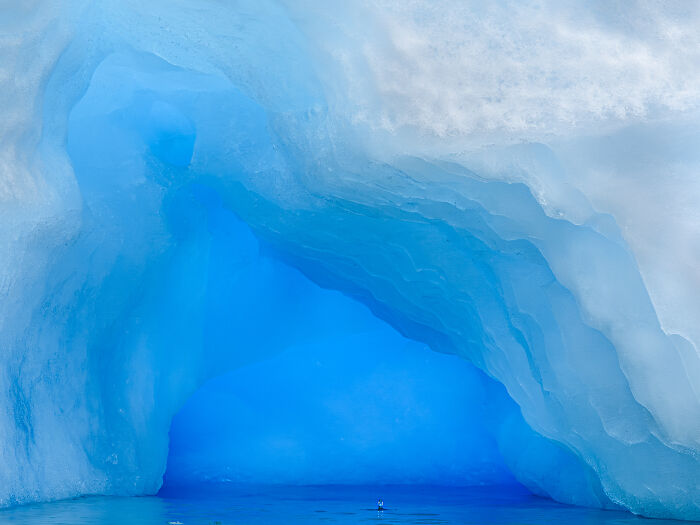
Location: Antarctic Peninsula
Description: “An Antarctic Shag (a form of cormorant) in an ice cave on the Antarctic Peninsula.”
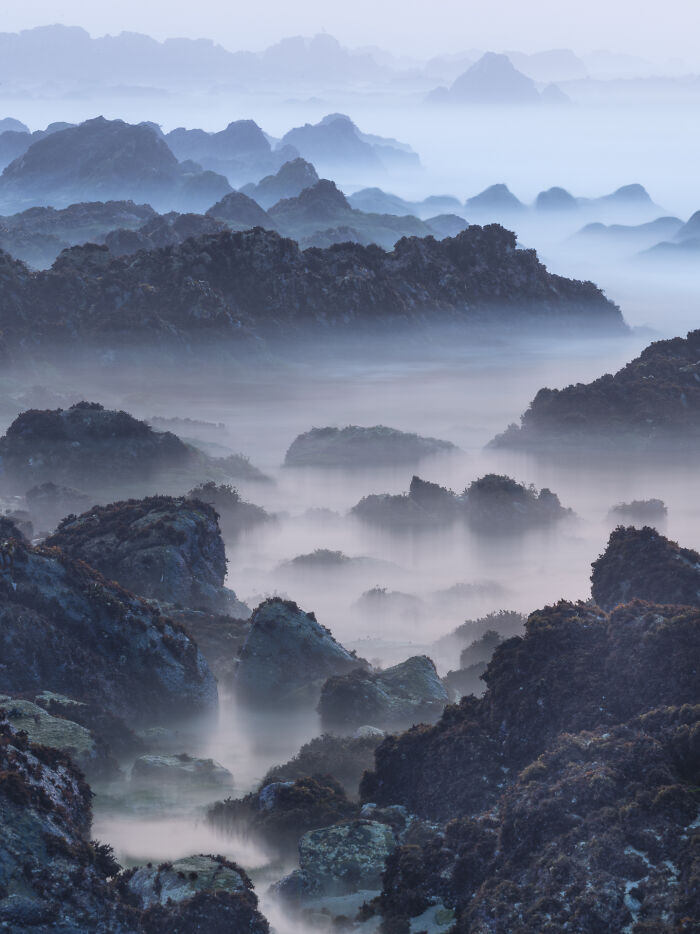
Location: Asilomar State Beach, California, USA
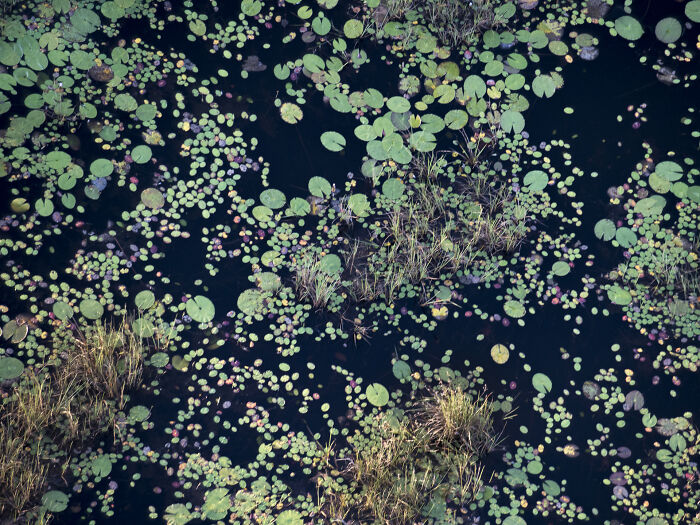
Location: Okavango Delta, Botswana
Description: “Lilly Pads in the Okavango Delta in Botswana.”
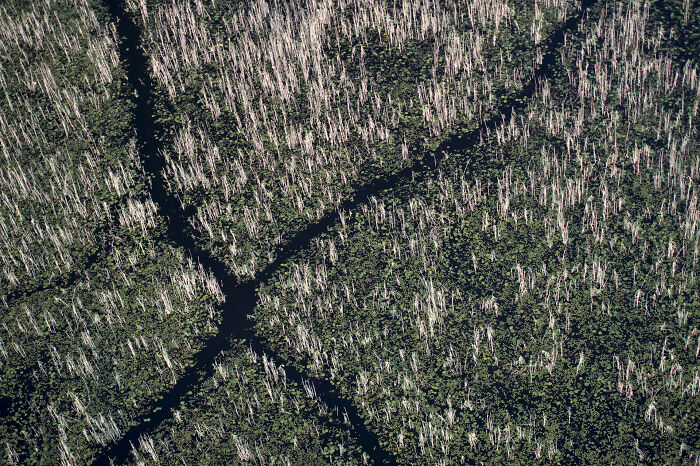
Location: Okavango Delta, Botswana
Description: “Hippo trails in the Okavango Delta in Botswana.”
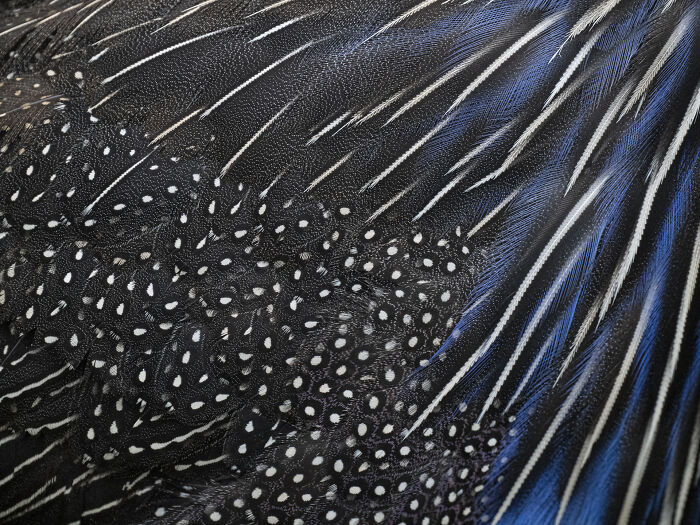
Location: Loisaba, Kenya
Description: Close-up of the distinctive plumage of the Vulturine guinea fowl.
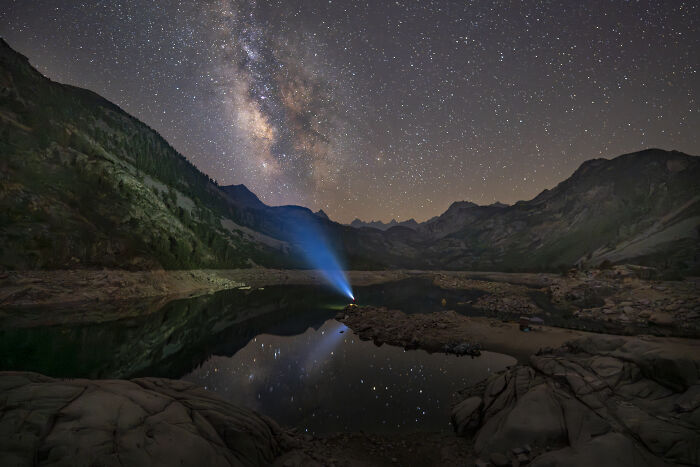
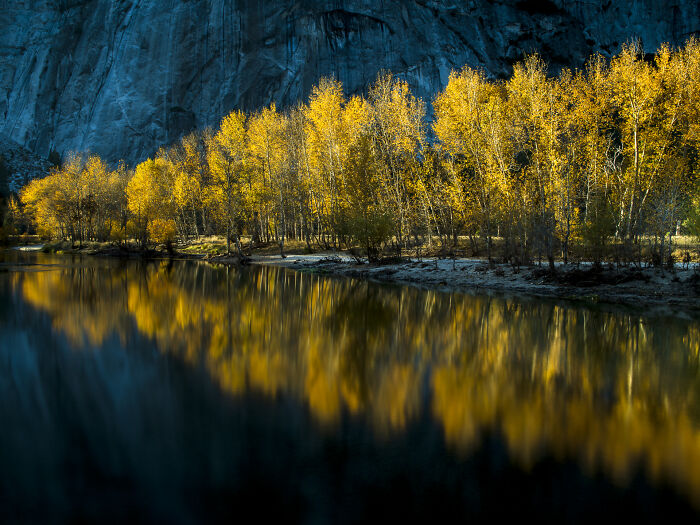
Location: Yosemite National Park, California, USA
Location: Iceland



























 No fees, cancel anytime