Get Premium
Dark mode theme is available exclusively for premium users. Learn more about the benefits of subscribing.
No fees, cancel anytime.

 Dark Mode Ad-Free Browsing Unlimited Content
 Ad-Free Browsing Unlimited Content Dark Mode
Join 1.2 million Panda readers who get the best art, memes, and fun stories every week!
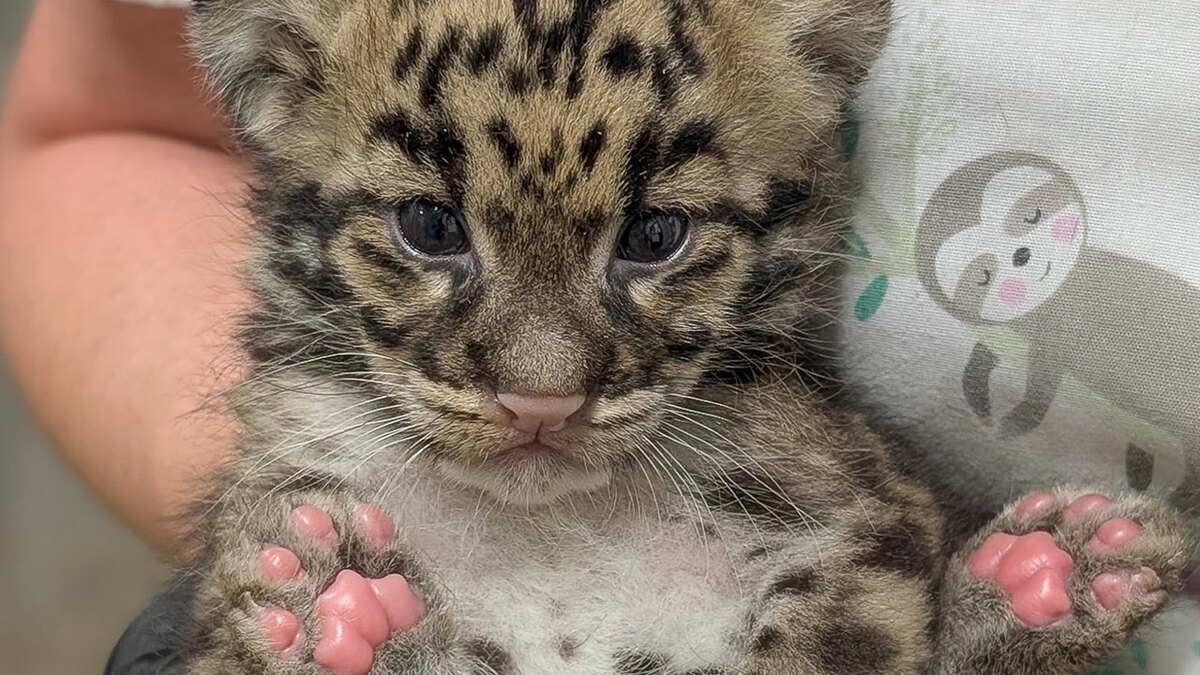
Zoos spend years creating environments where animals feel safe and can settle into habitats that support their health and well-being. For rare and endangered species, their surroundings can matter a lot, which is why a major nearby change can raise questions about how it might affect them.
This is why Nashville Zoo is concerned about the plans taking shape right beside its grounds. The zoo is home to thousands of animals, including some of the country’s rarest species, and its potential new neighbor could pose serious risks to the animals living there.
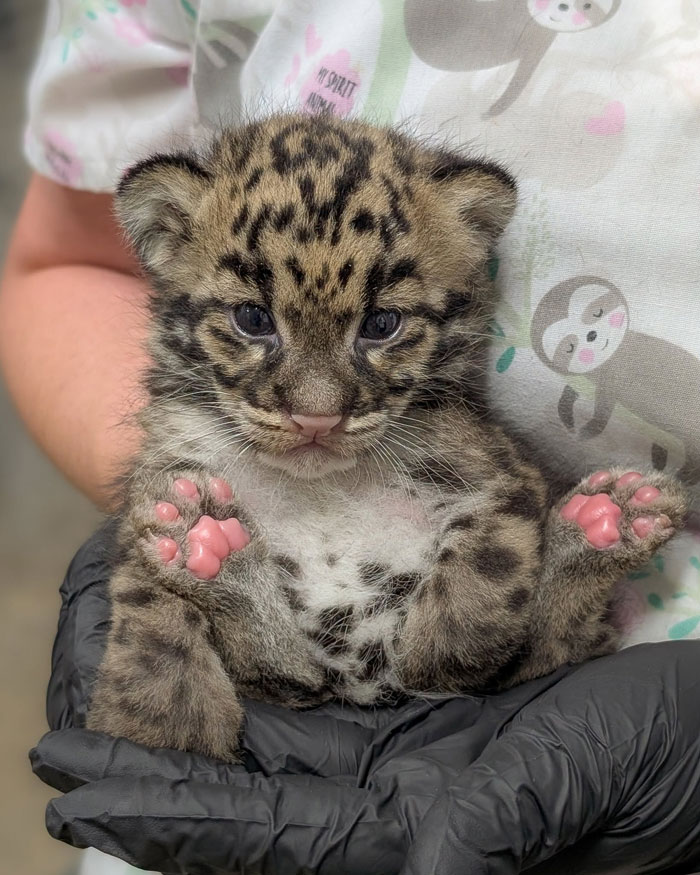
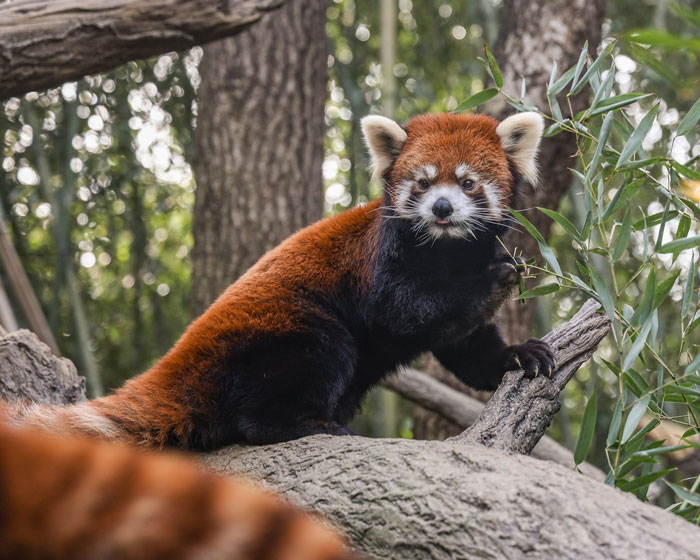
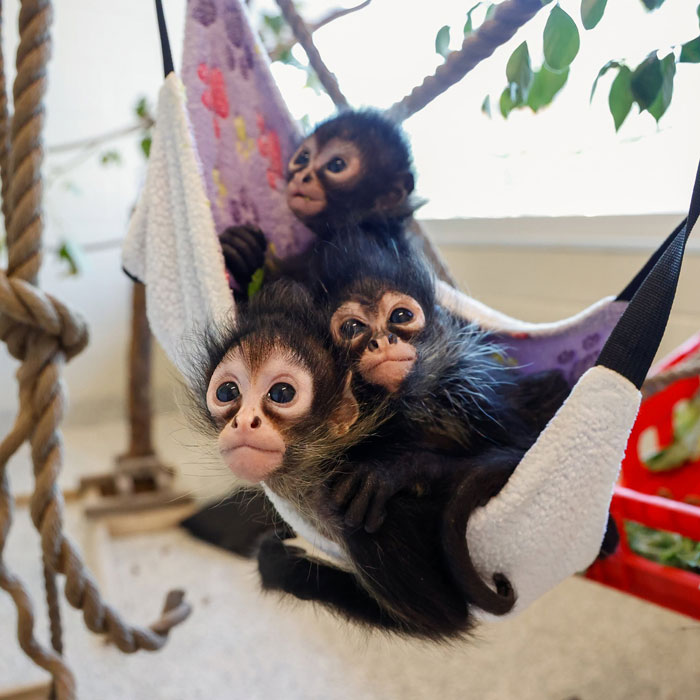
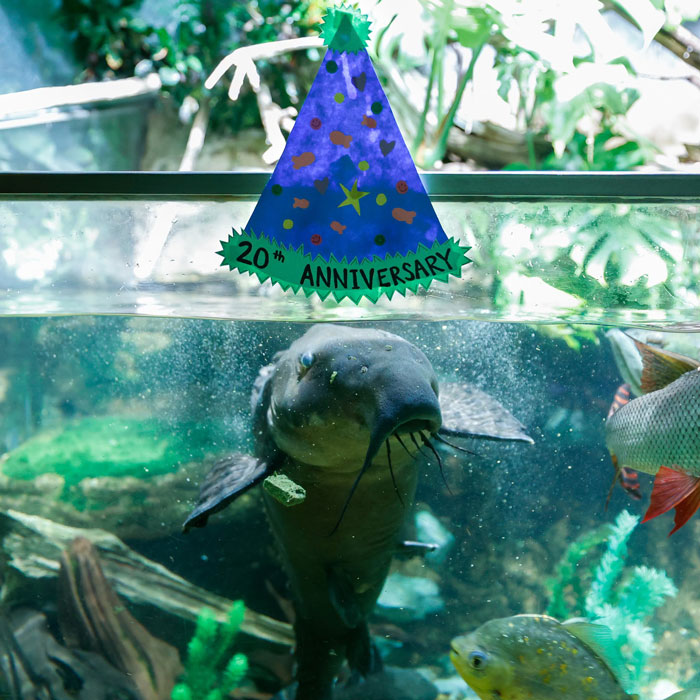
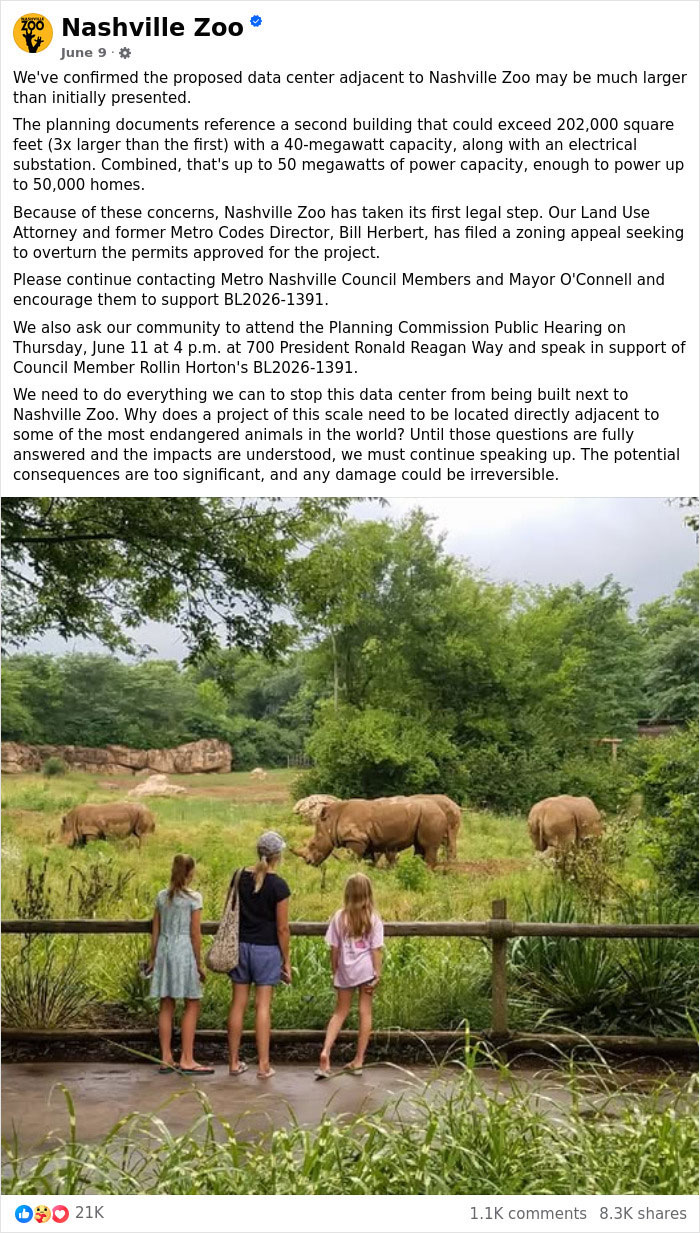
Nashville Zoo is home to around 3,000 animals, and the idea of a huge construction project suddenly appearing beside its grounds has understandably raised some eyebrows. The zoo is quite concerned about its rare and endangered animals, whose habitats depend on a carefully managed environment.
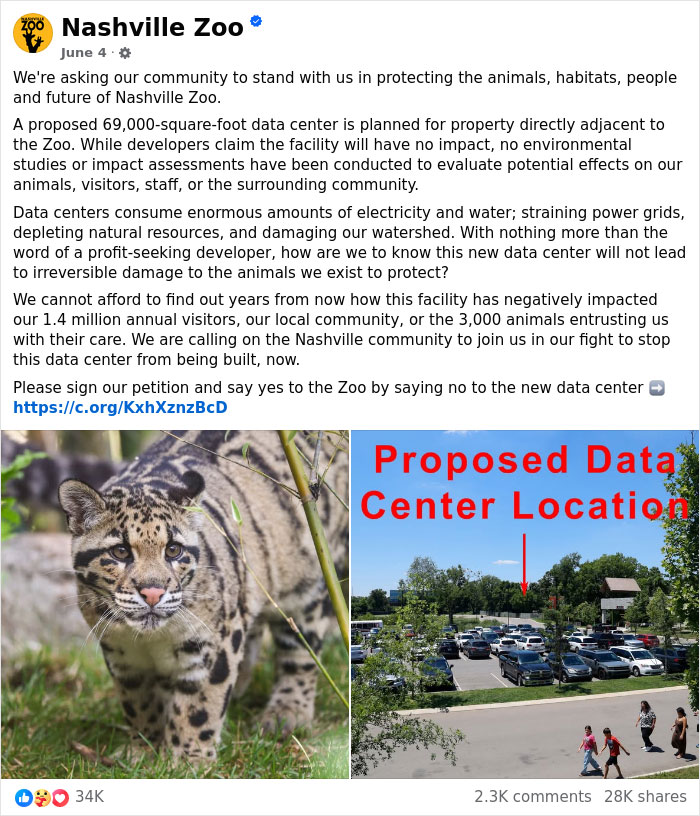
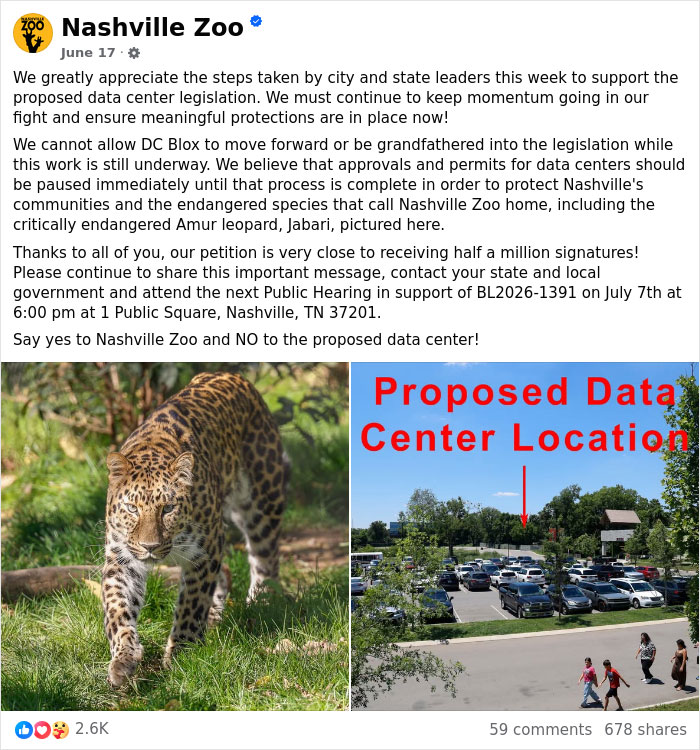
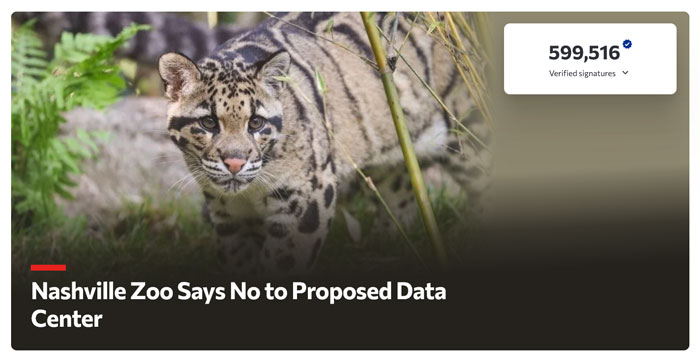
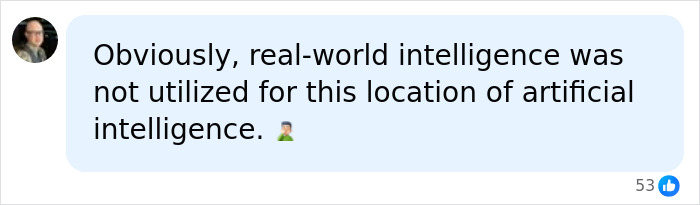
The project is a proposed 69,000-square-foot data center on land right next to the zoo. According to the zoo, the facility could be just feet from some of its most fragile animal habitats, making the location potentially dangerous for the animals living there.
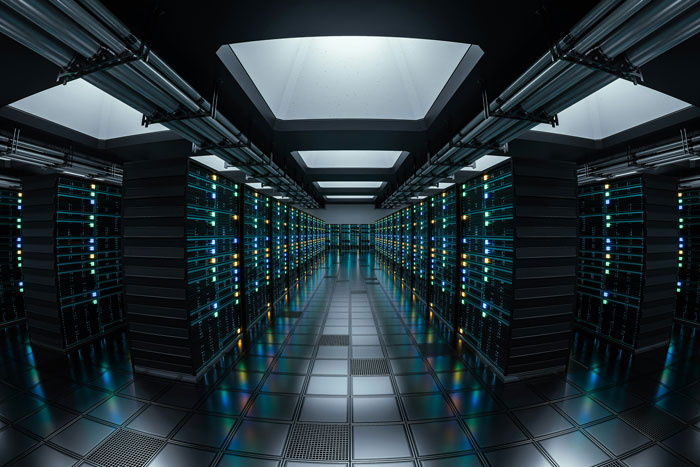
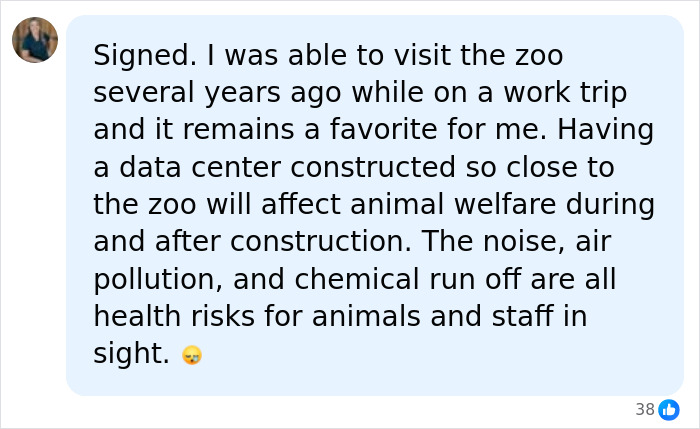
The zoo has also raised concerns about what a technological facility of that size could bring, from bright lights and constant noise to enormous demands for electricity and water. It says the proposed center could require enough power to supply more than 30,000 homes, raising bigger questions about how the project could affect the surrounding area.
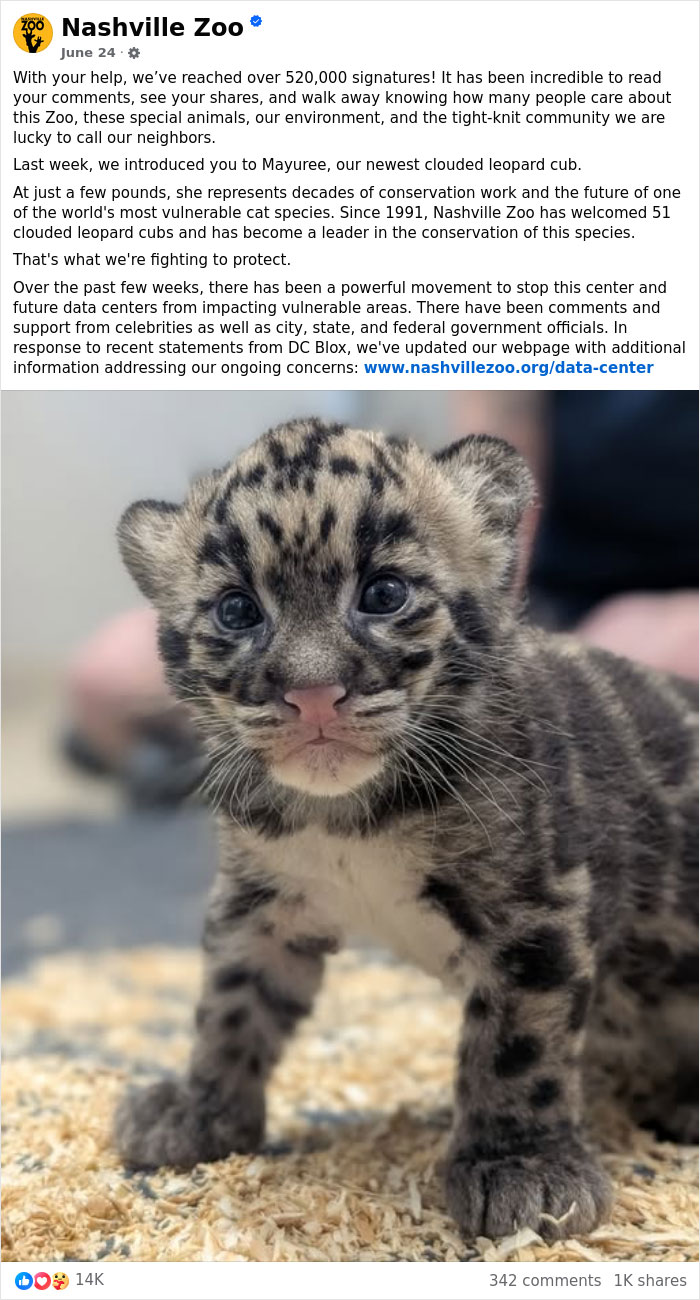
These concerns have now spilled beyond the zoo’s gates. A Change.org petition calling for the proposed data center to be stopped has attracted nearly 600,000 signatures, with supporters urging city leaders to take a closer look at the project and its potential environmental impact.
The petition argues that the community should understand the possible effects on local resources before construction moves forward.
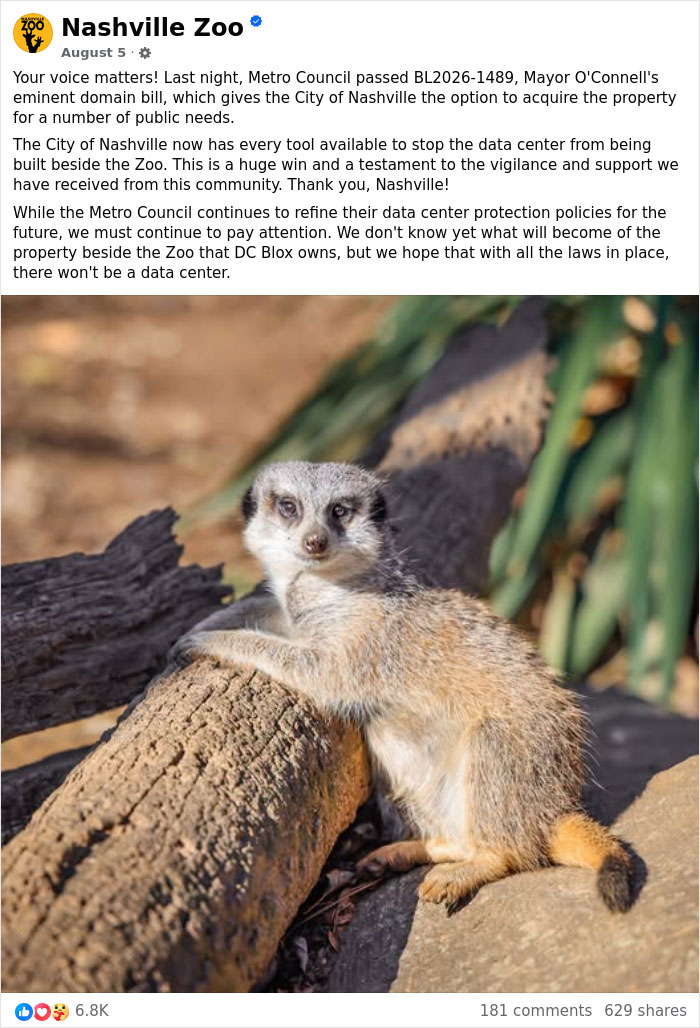
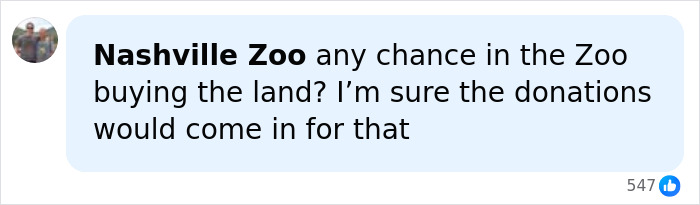
The zoo may also have a little more breathing room than it first appeared. Nashville recently passed a bill allowing the city to purchase the land intended for the data center and potentially use it for public purposes.
For now, the project’s future remains uncertain, but the zoo is making it clear it does not want an AI data center as its animals’ next-door neighbor.
AI data centers are incredibly power-hungry because the computers doing the processing need a constant supply of electricity. The International Energy Agency expects global data center electricity use to more than double by 2030, with AI becoming one of the biggest drivers of that growth.
And because these facilities are concentrated in particular communities, that demand can put high pressure on local power systems.
Computing also produces a lot of heat, which means servers must be cooled continuously. Depending on the system being used, that cooling can require a surprising amount of water. Lawrence Berkeley National Laboratory estimates that U.S. data centers consumed about 66 billion liters of water in 2023, up from roughly 21 billion liters in 2014.
This is why Nashville has started taking a closer look at the proposed data center. A city ordinance passed in July specifically cites concerns including high electricity demand, cooling systems, noise, lighting, and round-the-clock operations, and notes that data centers may not be suitable beside sensitive places such as zoological institutions without proper safeguards.
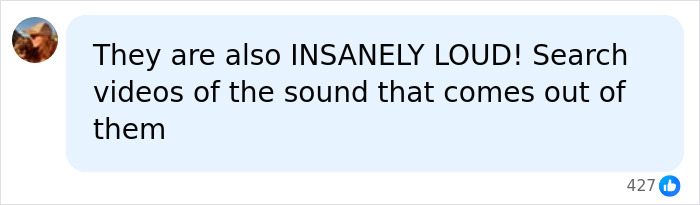
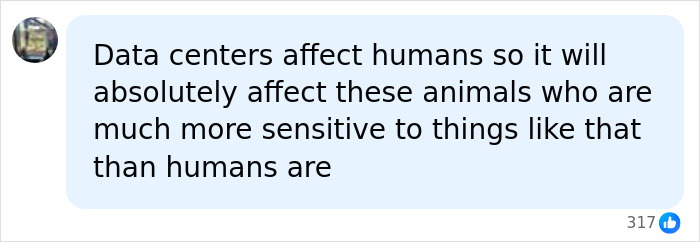
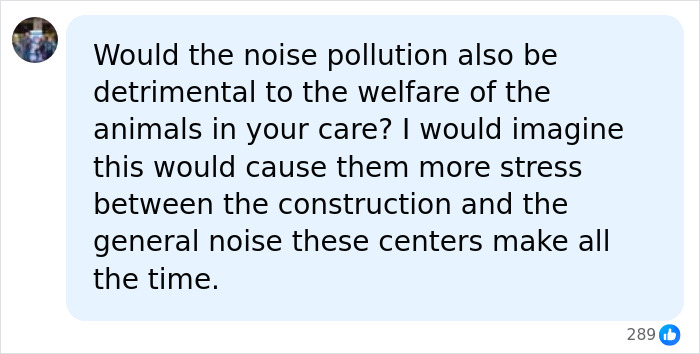
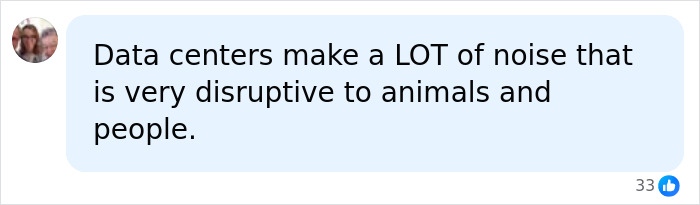
Noise is another concern when a facility that large is operating so close to animal habitats. Data centers rely on cooling equipment and other infrastructure that can create a steady stream of background noise, and research has found that human-generated noise can change wildlife behavior, communication, foraging, and even physiological responses.
And it is not just the noise that could change the environment around the zoo. A large data center can also mean artificial lighting operating through the night, which matters because many animals rely on natural patterns of light and darkness to sleep, forage, and regulate their behavior. According to the National Park Service, artificial light can disrupt these natural cycles and affect wildlife in several ways.
For Nashville Zoo, the concern is what a huge data center could mean for the animals living next door, and even for the community in general.
As AI facilities spread, the big question is how much ecological impact communities are willing to accept, especially when these projects move into areas home to wildlife and fragile ecosystems.
What do you think about the rapid growth of AI data centers? Are they worth the environmental trade-offs? Let us know what you think in the comments.

By entering your email and clicking Subscribe, you're agreeing to let us send you customized marketing messages about us and our advertising partners. You are also agreeing to our Privacy Policy.
Thank you! You've successfully subscribed to newsletters!

Completely unrelated but I've heard the Ukraine has been doing interesting things with drones.

Put those data centers in the lowest population, largest open area states: Wyoming, Montana, Alaska, North + South Dakota, etc. Less people (and hopefully animals) to bother.
Completely unrelated but I've heard the Ukraine has been doing interesting things with drones.
Put those data centers in the lowest population, largest open area states: Wyoming, Montana, Alaska, North + South Dakota, etc. Less people (and hopefully animals) to bother.























 No fees, cancel anytime








41
2