Get Premium
Dark mode theme is available exclusively for premium users. Learn more about the benefits of subscribing.
No fees, cancel anytime.

 Dark Mode Ad-Free Browsing Unlimited Content
 Ad-Free Browsing Unlimited Content Dark Mode
Join 1.2 million Panda readers who get the best art, memes, and fun stories every week!
Stress in the workplace is often framed as a personal struggle, with long hours, demanding managers, and high-pressure deadlines.
But in reality, it's a deeply unequal global experience, shaped as much by geopolitics and oppressive systems as by individual job descriptions.
Most lists of the most stressful jobs focus narrowly on Western professions: executives, lawyers, and nurses. Important roles, but a limited view.
Across the world, entire labor forces operate in conflict zones, informal economies, and authoritarian states, facing lethal conditions, minimal protection, and near-total invisibility.
This list of the most stressful jobs draws on investigative journalism, UN and NGO reporting, and documented labor conditions worldwide.
The ranking accounts for modern warfare, forced labor, natural disasters, and systemic human rights abuses, painting a clearer picture of where workplace stress truly concentrates, yet often goes unseen.
This post may include affiliate links.
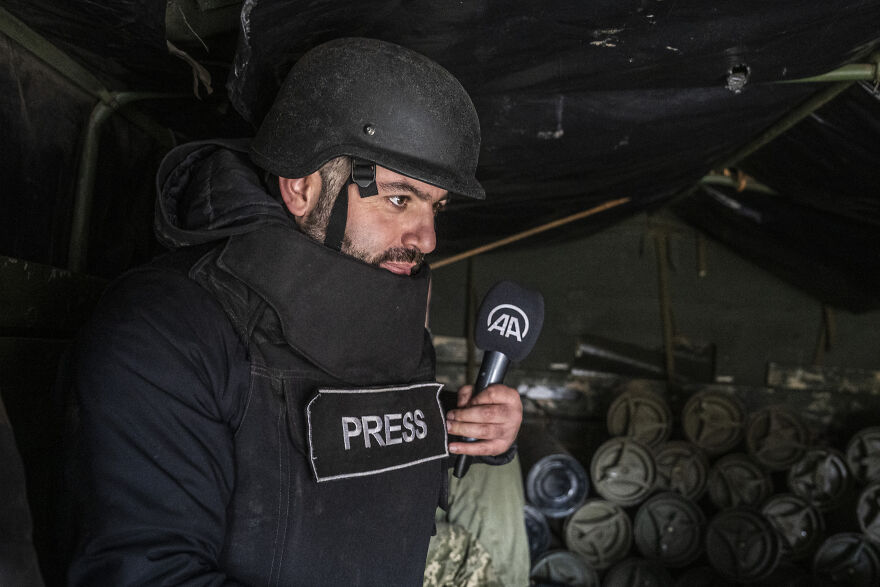
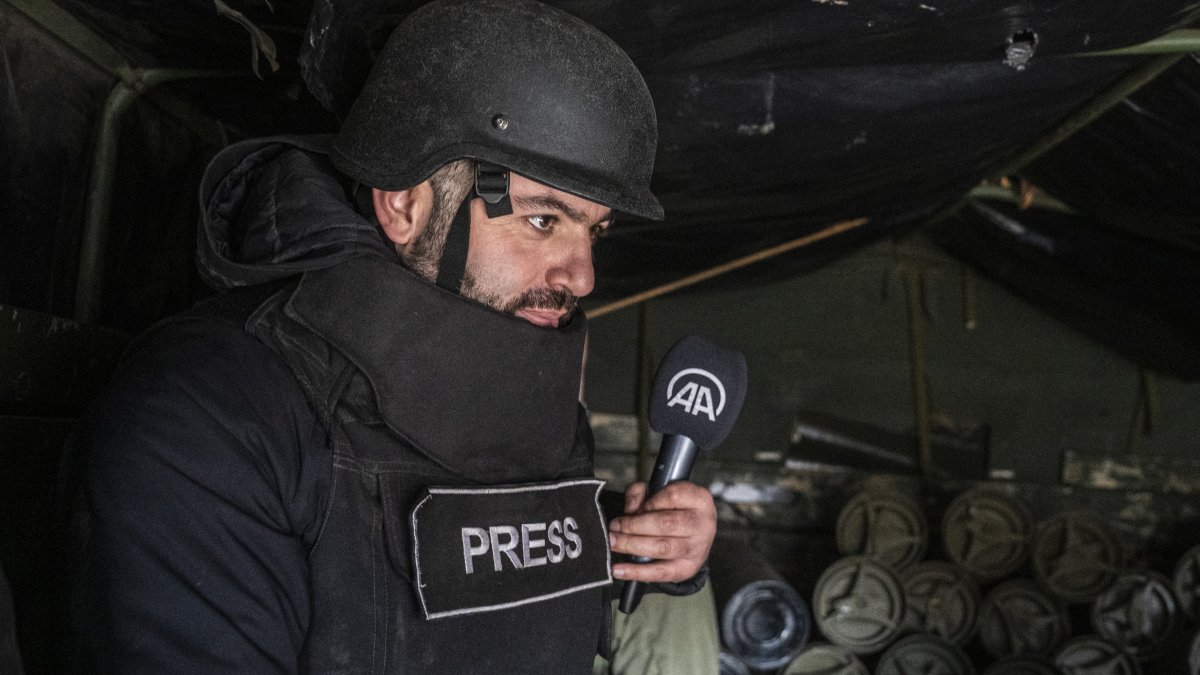
War correspondents in active combat zones, like Ukraine, report in very real danger, facing shelling, drone strikes, and surveillance hits.
Stress is constant and has an immense psychological impact, with ongoing threats and exposure to civilian suffering making it a difficult job to do.
Both full-time and freelance correspondents may lack insurance or evacuation support, without the protection afforded to editors and newscasters abroad. The pressure to report accurately under fire adds cognitive strain that may not be observed until much later, and PTSD is rampant in the industry.
The work of war correspondents in Ukraine is bolstered by free press in Europe and the U.S, but physical danger and emotional burden make it exhausting to perform. War reporting is absolutely one of the most stressful professions.

I just read about a correspondent who after being confined in a tank for hours got a blood clot in his leg that went up to his lungs and k****d him.
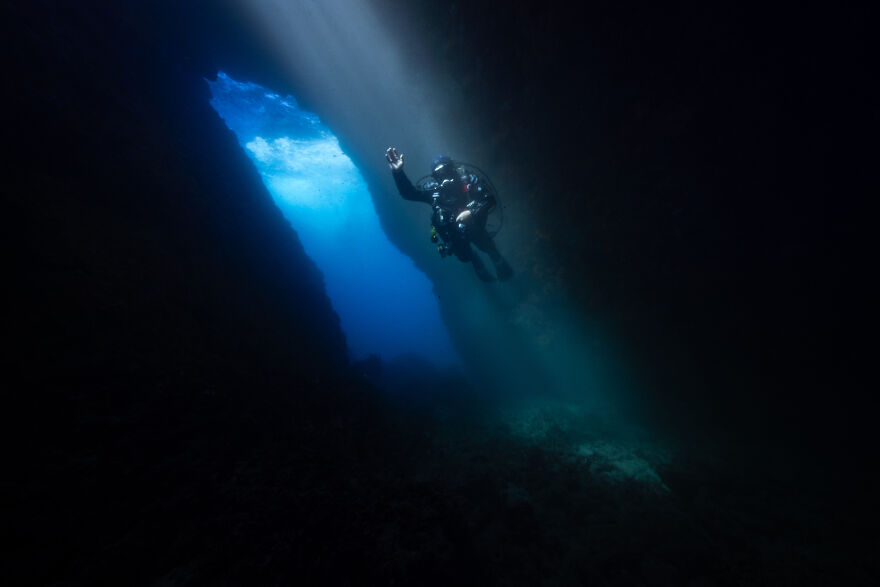
Deep-sea saturation divers work on offshore oil and wind installations, living in pressurized chambers for weeks at a time to perform maintenance at extreme depths.
Most prevalent in Norway’s North Sea sector, this job requires years of specialized training in hyperbaric conditions and the meticulous adherence to safety procedures.
This role ranks among the top 20 most stressful jobs due to the physical danger and mental strain involved. Long-term exposure to pressure can cause decompression sickness, equipment failure can be fatal, and confined living quarters can test psychological resilience.
Extreme stress is amplified by ongoing isolation from loved ones and the need to be constantly “switched on”. A former diver on Reddit described the experience of almost dying in that “bottomless abyss” as “pretty terrifying”.
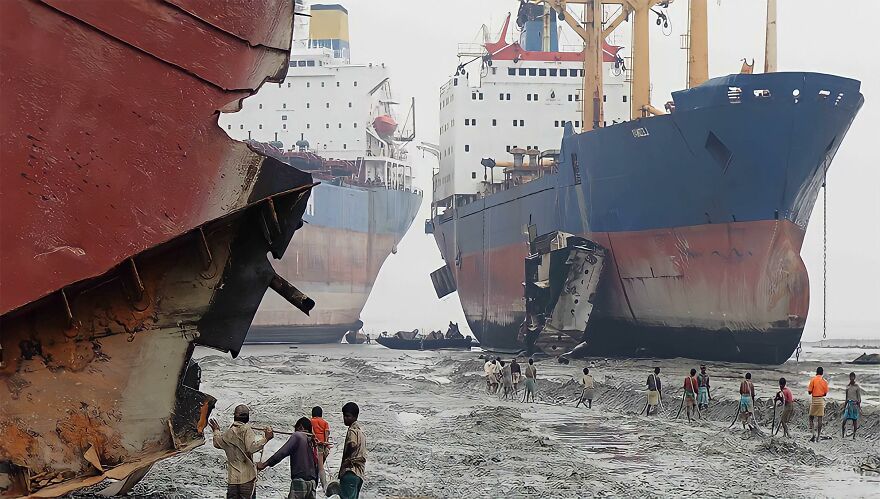
Shipbreaking is a specialist profession that many people have never heard of.
In Bangladesh, workers dismantle decommissioned vessels on open beaches using manual tools and their own hands. They are exposed to asbestos, toxic fumes, heavy metals, and explosion risks, often without safety gear or firm contracts.
Stress is driven by the constant threat of fatal injury, plus economic coercion that makes it difficult to leave. Workers accept danger due to a lack of alternatives, and supervisors take advantage.
Long hours under intense heat compound physical strain, and accidents are frequent. The International Labor Organization brands shipbreaking “a major occupational and environmental health problem”, highlighting how it has grown from an occupation to a cause of injury and death for workers.
On paper, it might seem like one of the least stressful jobs, but live-in domestic workers in countries like Saudi Arabia are primarily migrant women tasked with household duties, childcare, and eldercare.
They often reside in employers’ homes, with few breaks and undefined schedules, and earn low wages for their workloads.
Stress arises from isolation, power imbalances, and minimal legal protection. Employers may withhold wages, confiscate passports, and restrict staff from leaving the house. Exploitative conditions, coupled with cultural barriers, make escape difficult.
Reports from human rights groups highlight cases of abuse and trauma. Former domestic worker Grace Nine, who escaped her employer, described being “abused and exploited without knowing my rights”.
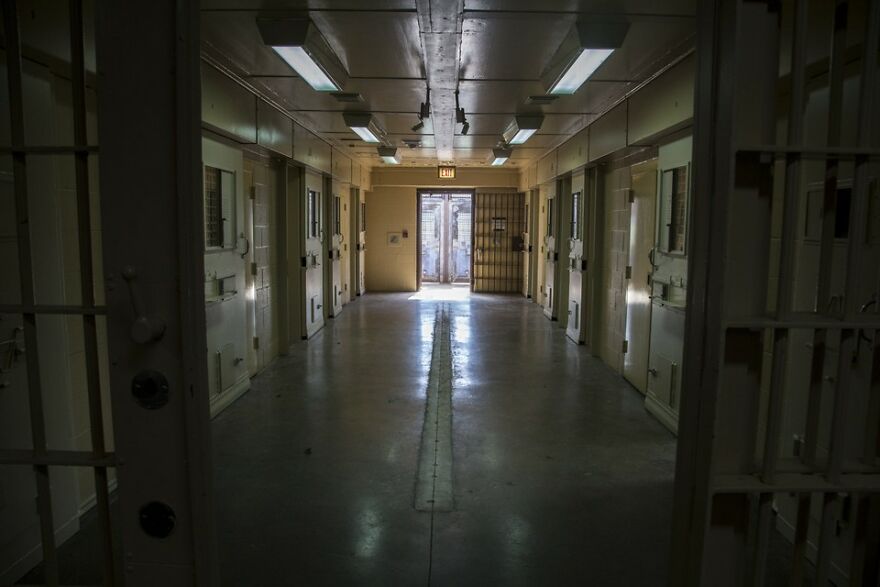
Prisoners take on work in all countries, but certain places, like China, subject them to horrendous working conditions.
Laborers are assigned to work in agriculture, manufacturing, or mining under strict supervision. Labor is compulsory and tied to the progression of individual sentences, and anyone who refuses is punished.
The intense pressure suffered by prison laborers is often overlooked due to their criminal status, but many are coerced, robbed of their autonomy, and ground down by physically demanding jobs behind bars.
Human rights groups have documented systemic pressure and punitive measures for noncompliance, calling for more humane labor laws. Human trafficking advocate Hope For the Future describes Chinese prison jobs as “modern slave labor”.

America has s***e prison labor too. It's in their Constitution. How does that rank?
Crisis social work is one of the most stressful jobs in America because workers handle high-stakes cases involving abuse, homelessness, and severe mental health crises.
They operate in underfunded systems with overwhelming caseloads, which take a toll on their emotional well-being and physically exhaust them.
This role’s intense pressure derives from systemic constraints, mistreatment by co-workers and families, and little mental well-being support. Workers absorb trauma narratives daily, triggering secondary trauma and burnout.
Their decision-making influences real people’s life outcomes, yet resources remain scarce. The US Bureau of Labor Statistics found that 74,000 social worker vacancies are opened each year, underscoring the need for more staff to reduce the current strain.
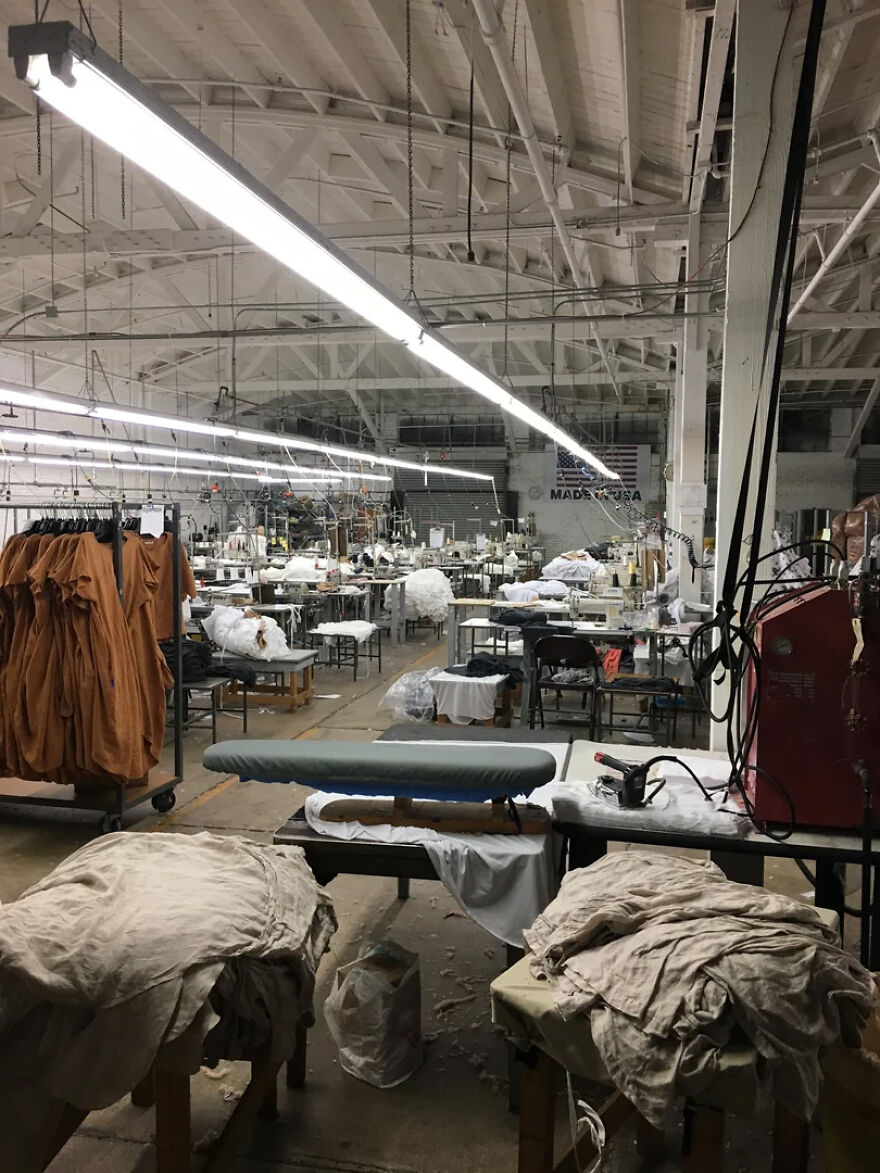
Bangladesh’s garment sector employs millions of people in factories producing clothes for global brands.
However, this big employer tasks workers with fast-paced workloads, long hours, and heat-intensive conditions. They must balance repetitive tasks with strict quotas to ensure job stability and payment.
Stress management here is impacted by production pressure, poor safety measures, and economic insecurity. Although some reforms have been made following past disasters, unsafe structures and limited breaks persist, destroying work-life balance.
Workers, mainly women and children, cope with verbal pressure and wage uncertainty. Amnesty International regularly protests against Bangladesh’s horrific factory conditions, with workers being subjected to “business-related human rights abuses” by business owners.
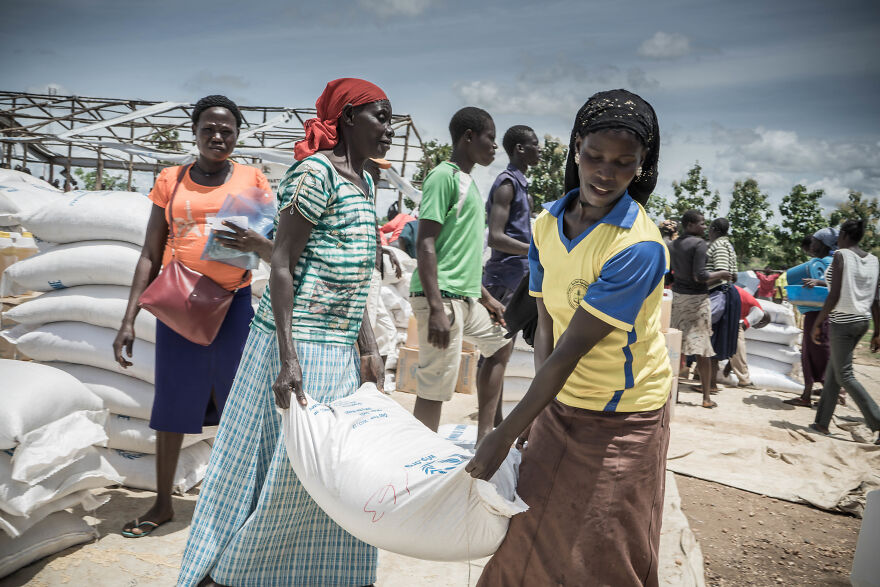
Countries like South Sudan would struggle to survive without humanitarian aid workers, but the profession is routinely overlooked and underfunded.
Key workers deliver food, shelter, and medical assistance amid conflict and displacement. They face ambush risks, logistical breakdowns, and chronic insecurity.
Stress arises from working in dangerous environments while confronting moral dilemmas over limited aid. Burnout and PTSD are common due to long deployments and repeated exposure to suffering.
The erosion of humanitarian neutrality has put aid workers at higher risk of attack or death. OCHA has declared South Sudan “one of the most dangerous countries for humanitarian workers”, cementing this role’s place among the world’s most stressful jobs.
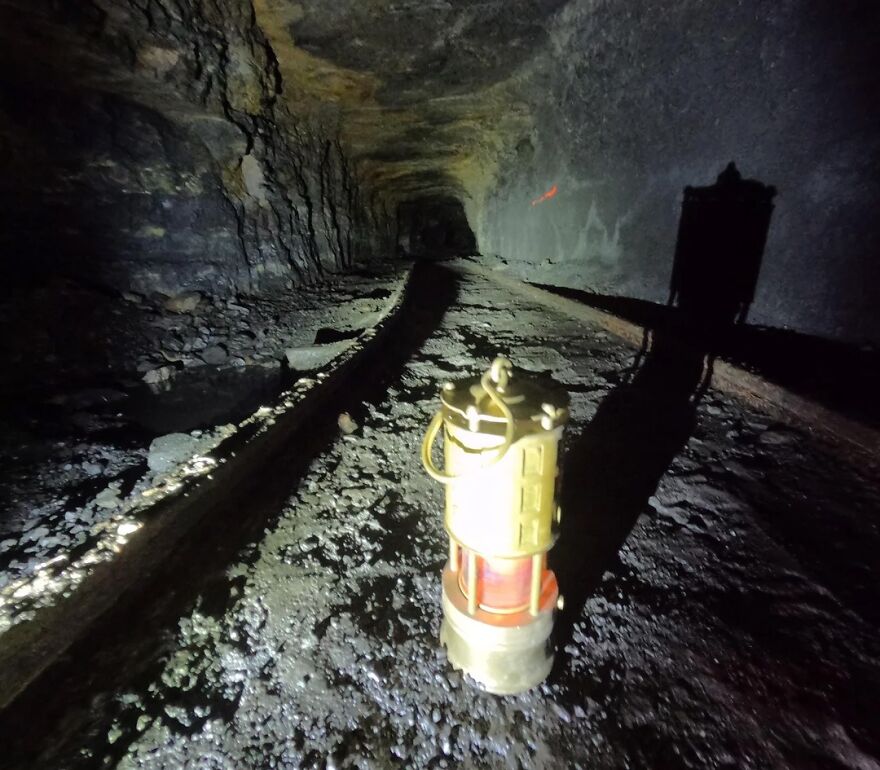
The most stressful job on this list is underground mining, which is extremely dangerous in places like the DR Congo.
Miners spend days underground extracting cobalt and other minerals from unstable shafts, often without safety equipment. Tunnel collapses, toxic dust, and armed extortion are all common.
In these working conditions, stress is existential. Each descent risks death or serious injury, but economic desperation leaves DR Congo workers with little choice.
Fatalities are underreported, and families receive no compensation. Armed groups and corrupt officials commit what Amnesty International calls “grievous human rights abuses”, which destroy entire DR Congo communities. These miners experience untold stress in lethal above and below-ground environments.
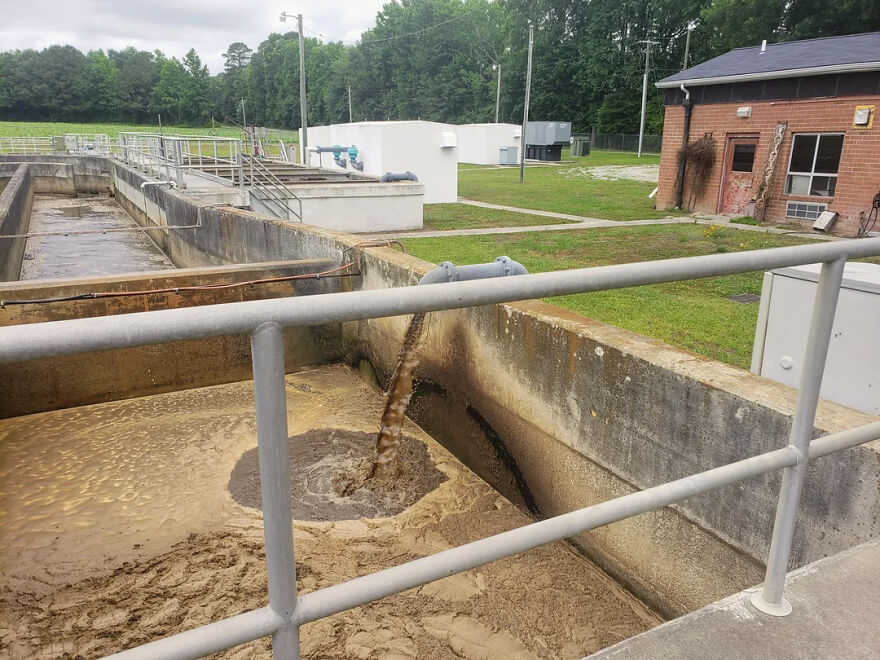
Waste management handlers in countries like Nigeria operate across municipal and informal sectors, collecting and sorting refuse in centers without protective equipment.
They work in urban centers like Lagos, where rapid growth outpaces sanitation infrastructure, creating more unsanitary waste to handle.
This job is stressful because of its high health hazards, worrying toxic exposure, and sociocultural stigma. Handlers put themselves at risk by touching sharp debris, biological waste, and fire, with little institutional support or access to healthcare.
During outbreaks like cholera or COVID-19, risks spike. Economic necessity keeps many in this role despite its dangers and work conditions.
Per the World Bank Group, poor waste management has “major environmental, health, and economic implications” for workers and the Nigerian public.

Dealing with other people's s**t is bad enough, then there is this.
Journalism isn’t inherently considered a stressful job, but journalists working under authoritarian regimes like Belarus face ongoing public safety threats.
Surveillance, censorship, and detention threats all influence the profession, and independent media often report on domestic issues at great personal cost.
Stress is chronic and psychological because every assignment could lead to legal accusations, workplace raids, or family instability. Authoritarian state journalists must navigate digital suppression and the threat of physical attack or imprisonment.
In October 2025, Belarusian journalist Pavel Dabravolski was jailed on charges of treason, sparking national outrage. The lack of press freedom creates an environment where reporting itself is a stressor, driven by fears of retaliation.
In Mexico, agricultural laborers operate under extreme job stress, harvesting crops in high heat while exposed to pesticides and unsafe machinery.
Many are migrants working seasonally with unstable contracts and limited access to healthcare if they suffer injuries. Neglect and mistreatment are rampant in the industry.
Stress is tied to physical exhaustion, wage uncertainty, and climate volatility, which makes the profession more precarious. Heatwaves and droughts can be the difference between being employed or not, and workers often live in crowded temporary housing with poor sanitation.
Fear of job loss or retaliation discourages complaints, especially since most laborers support families. The Business and Human Rights Center has frequently observed how “exploitation is extreme” across Mexico’s agricultural industry.
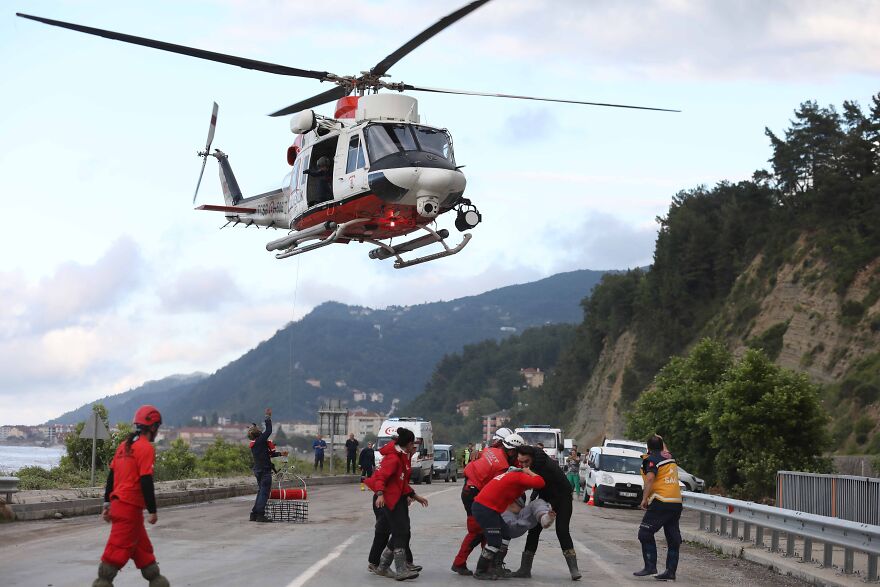
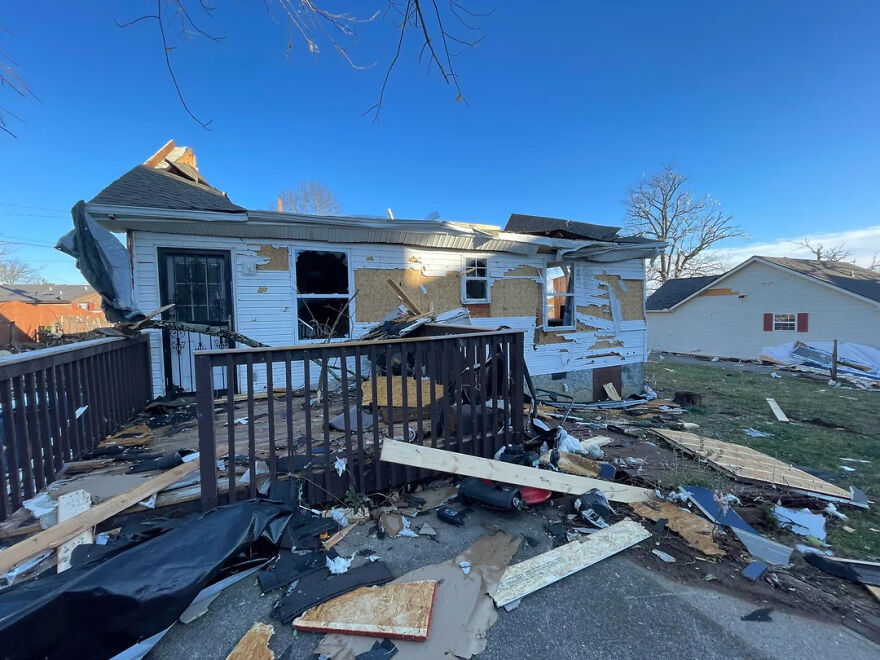
Search-and-rescue workers in Turkey respond to both natural and manmade disasters, but without the resources of emergency response units.
They operate in unstable rubble under extreme time pressure, putting their own lives on the line to rescue people, and jobs often leave them with long-term trauma.
Workers experience stress on long shifts, dealing with life-or-death urgency, visible danger, and emotional exposure to mass casualties. It’s easy to get overwhelmed by the number of jobs, especially with little rest and while navigating aftershocks and structural hazards.
Recovering bodies, especially those of children, leaves psychological scars that the industry regularly ignores. A 2024 study in the Journal of Health Psychology revealed that many workers suffer extreme work-related stress, which shows no signs of letting up.
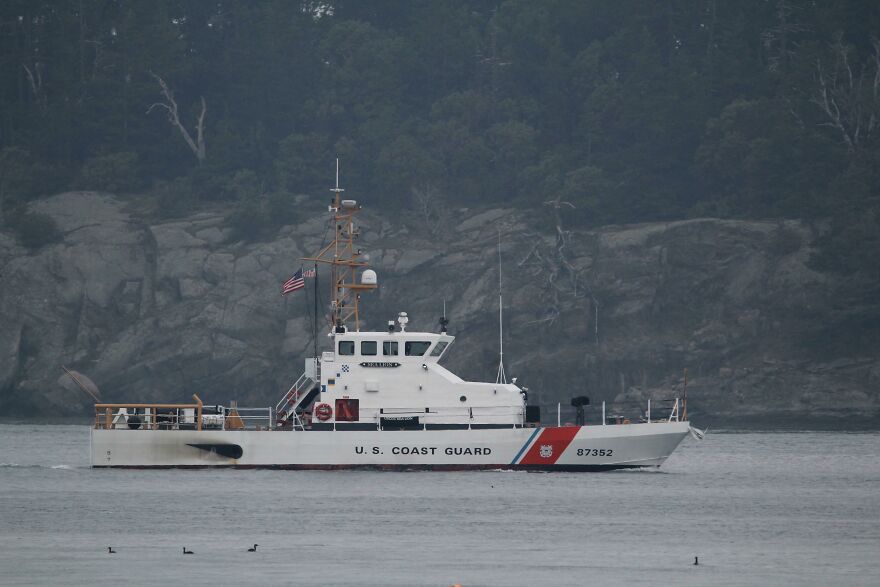
Maritime law enforcement is a highly controversial occupation, and also among the most stressful.
Greece has a particularly prominent coast guard responsible for border security that patrols migration corridors in the Aegean Sea, tasked with search and rescue and border enforcement. Crews confront overcrowded dinghies, drowning, and unpredictable conditions.
Stress here is multifaceted. The coast guard works in dangerous maritime conditions while also enduring moral conflict between enforcement and rescue, as well as political pressure from EU states.
Prolonged exposure to loss of life often contributes to high job stress. Greek maritime security has been widely criticized for certain dangerous practices, so renewed public scrutiny makes every part of the profession a moral and psychological test.
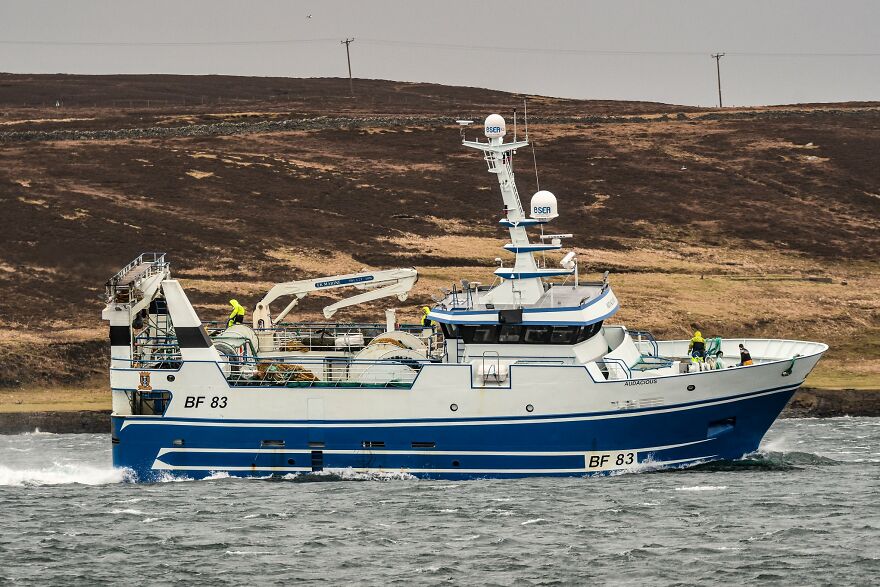
For many, fishing isn’t a hobby; it’s a profession. Unfortunately, commercial fishermen on Indonesia’s distant-water fleets endure storms, persistent exhaustion due to long, unsociable hours, and extended periods at sea away from friends and family. Investigations have even discovered forced labor and abuse on some larger vessels.
Stress in this job is driven by isolation, physical dangers, and exploitation at every stage. Fishermen operate under tight deadlines, though safety standards are poor, and there is little reprieve while “on shift.”
Unsuccessful fishing jobs also result in withheld pay, creating additional stress for people who need to make a living. Human Rights at Sea has criticized “forced labor in the Indonesian fishing industry”, highlighting just how high-risk and high-stress the industry really is.
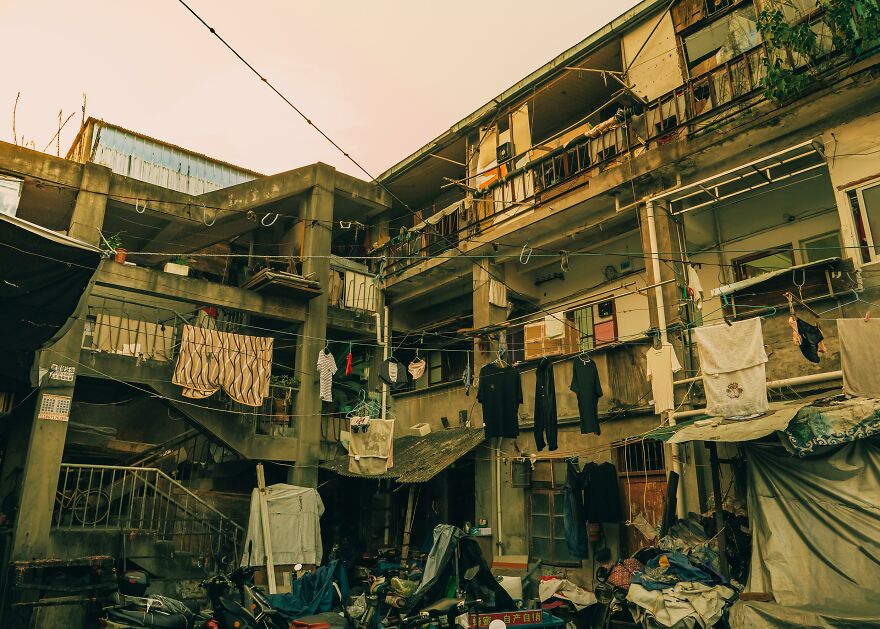
Slum construction is a physically arduous and dangerous job, especially in countries like Brazil.
Workers in Brazilian favelas build and repair housing on unstable terrain with basic tools and, often, no formal contracts. Much of the work is informal, meaning low or no pay and few safety oversight.
This job involves physical risk, unpredictable conditions, and economic precarity. Workers face falls, broken bones, electrical hazards, heat exposure, and occasional violence from local gangs controlling territories.
They often lack insurance and receive no compensation for injuries. The Borgen Project describes “extremely impoverished” favelas “built by their occupants”, highlighting the role’s extremely low occupational safety and health.
Emergency responders are some of the most stressed in the health care field, especially in countries like the Philippines, where typhoons, floods, and landslides are common.
Climate change has increased disaster frequency, keeping responders working around the clock to perform life-saving care at their own risk.
In this job, stress is caused by long shifts, physical danger, and exposure to mass displacement and death. Responders perform evacuations, medical aid, and recovery operations amid damaged and dangerous locations.
Many suffer post-traumatic stress disorder due to the things they witness, particularly when disasters strike their own communities. Per the Philippine Red Cross, emergency responders must ensure a “timely and effective response”, despite unyielding pressure.
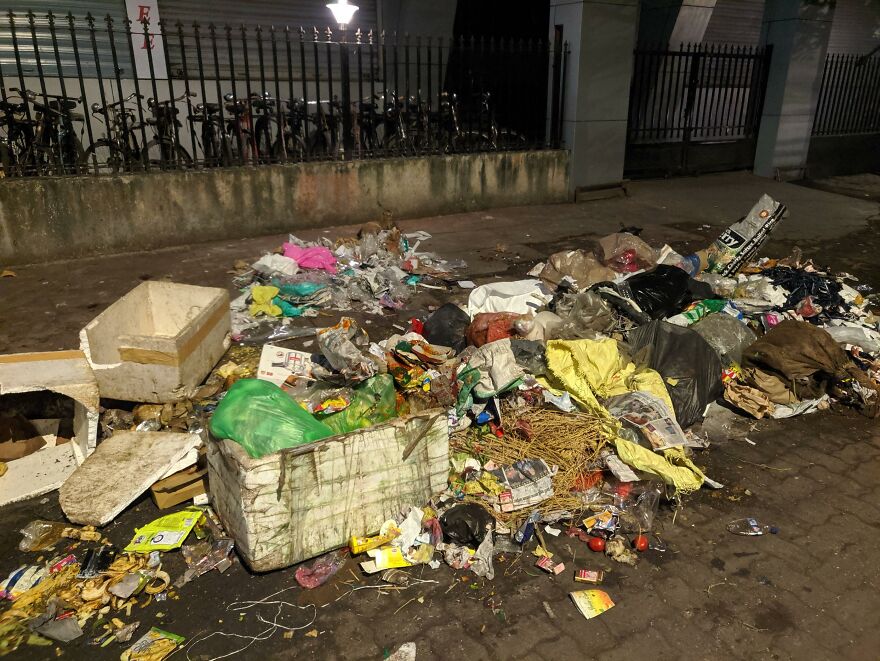
Unlike waste management, waste scavenging isn’t a “mainstream” profession. In India, it’s an informal job that involves sorting through open dumps and landfills to collect recyclable materials for sale to recycling centers. It’s generally very poorly paid and performed by marginalized communities.
Stress stems from unprotected exposure to toxic fumes, medical waste, sharp objects, and landfill fires. A single injury or illness can eliminate income instantly, so many scavengers experiencing pain simply work through it.
Human Rights Watch described manual scavenging as “the worst surviving symbol of untouchability”, and workers remain isolated due to social stigma and discrimination. What they do to survive is unimaginable to most of the world.
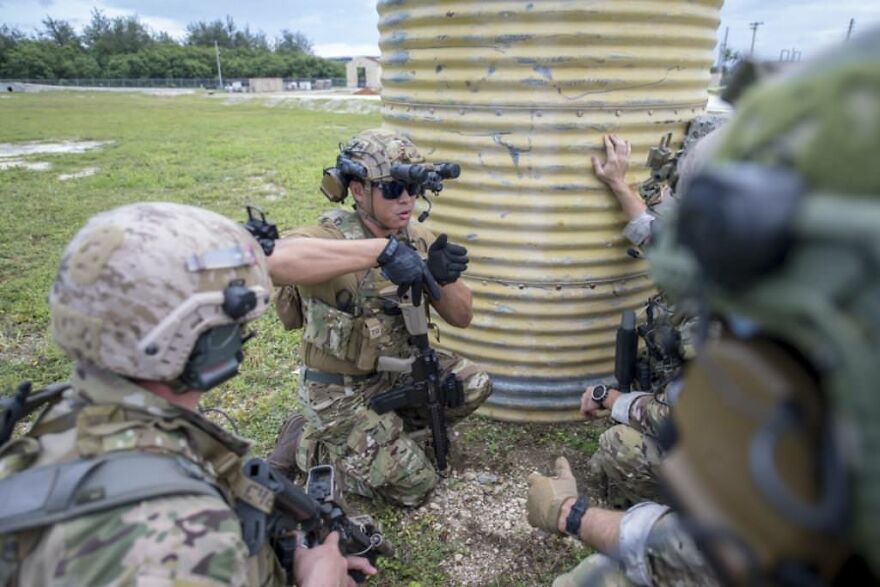
Explosive ordnance disposal (EOD) technicians work to locate and neutralize unexploded bombs and landmines, and in countries like Iraq, they may be left by decades of conflict.
The job requires technicians to remain calm under unimaginable pressure, following simple steps shaped by years of technical training to defuse threats.
Stress is constant, as a single error can be fatal. Incomplete maps and shifting terrain increase uncertainty, requiring workers to keep their wits about them at all times.
In Iraq, EOD units expose themselves to both explosions and armed threats, all while carrying responsibility for civilian safety. EOD technician Michael Long describes the “collective sacrifice” of the trade, with all its hypervigilance, danger, and intensity.
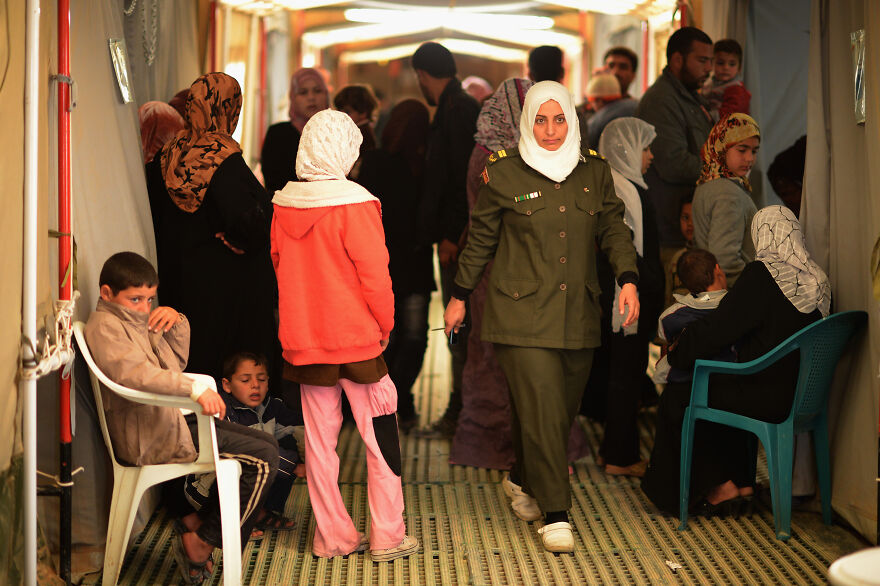
Unlike registered nurses in Western countries, nurses and other care providers in refugee camps do their work with far fewer resources and support.
Nurses in Syria’s refugee camps look after displaced populations facing malnutrition, infectious disease, and lasting trauma. Camps are overcrowded and lack supplies, making the job far more difficult.
These overwhelming daily conditions trigger stress for nurses, with most patients requiring treatment that the camp may not have. It’s a physically and emotionally taxing role, with practically zero benefits, including basics like breaks, relaxation, or a personal life.
Despite this hard work, care remains insufficient for the scale of need. An International Rescue Committee nurse describes difficulties “accessing comprehensive primary healthcare”, which are only exacerbated by prolonged stress and displacement.
The happiest jobs tend to offer autonomy, purpose, and a stable income.
Roles in technology, engineering, education, and real estate consistently rank among the most satisfying, according to workplace wellbeing surveys.

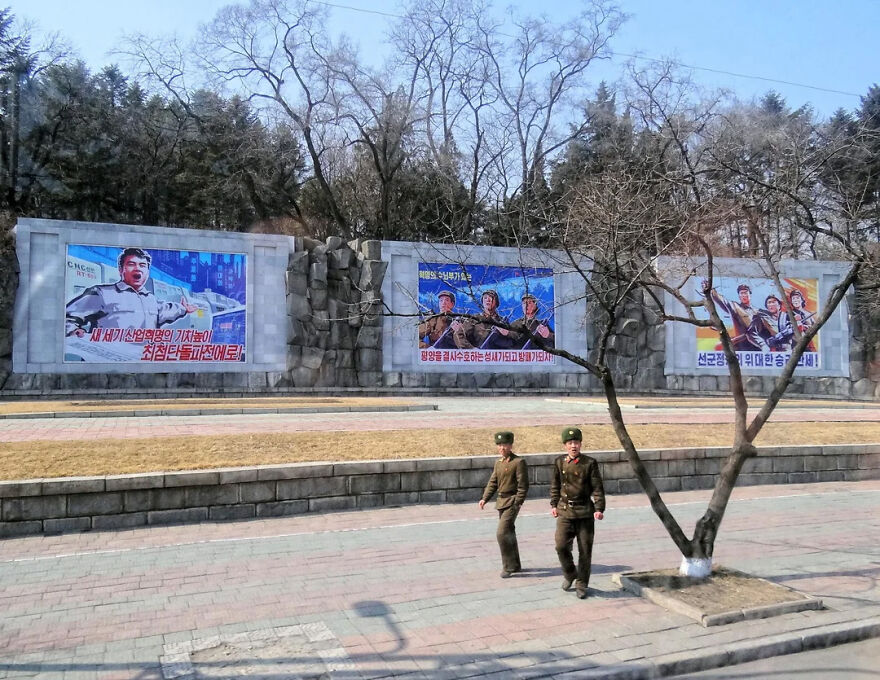
Let's talk about the least stressful and least demanding job in the world - White House staff fact checker.



Let's talk about the least stressful and least demanding job in the world - White House staff fact checker.



























 No fees, cancel anytime