Get Premium
Dark mode theme is available exclusively for premium users. Learn more about the benefits of subscribing.
No fees, cancel anytime.

 Dark Mode Ad-Free Browsing Unlimited Content
 Ad-Free Browsing Unlimited Content Dark Mode
Join 1.2 million Panda readers who get the best art, memes, and fun stories every week!
History doesn’t repeat itself, but it often rhymes. Carefully studying past events and catastrophes can help you avoid making similar mistakes in the future. Well, at least in theory. In reality, it often feels like humanity is doomed to repeat the same blunders decade after decade and century after century.
Bored Panda has compiled a list of stories about the most expensive mistakes in human history from across the internet, including those shared in an online thread started by X user Heisjayy. Read on for a series of lessons that might give you a new perspective on the world.
This post may include affiliate links.
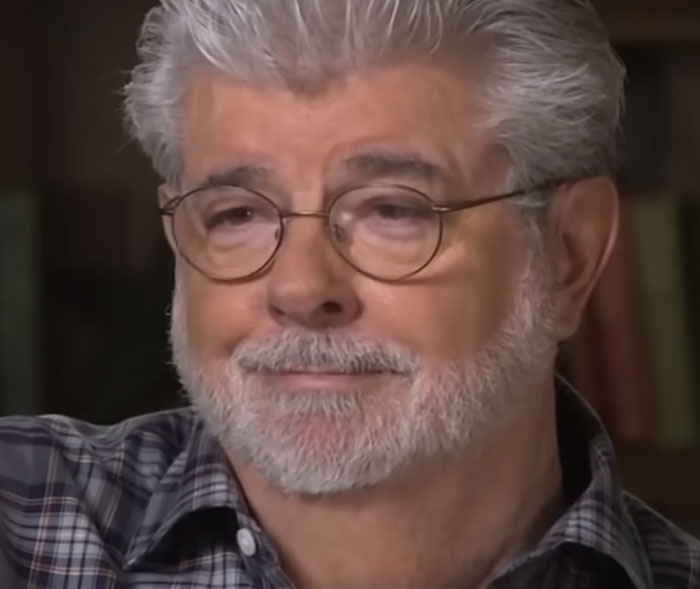 Thinking Star Wars would flop, the studio let George Lucas keep the merchandising and licensing rights in exchange for a lower directing fee. This cost the studio an estimated $27 billion in revenue over the following decades.
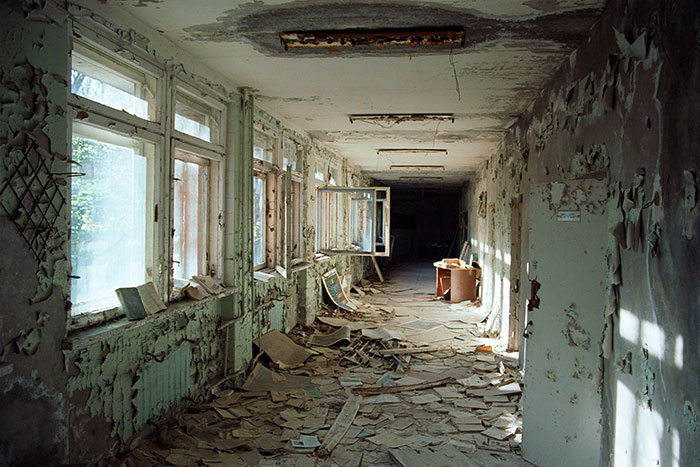 A 1986 reactor test at the Chernobyl nuclear plant went wrong due to a known design flaw and operator error. It remains the costliest accident in history.

It took me many explanation videos and numerous articles before I actually understood a) how an RBMK reactor works and b) what went wrong with that one. It's fascinating.
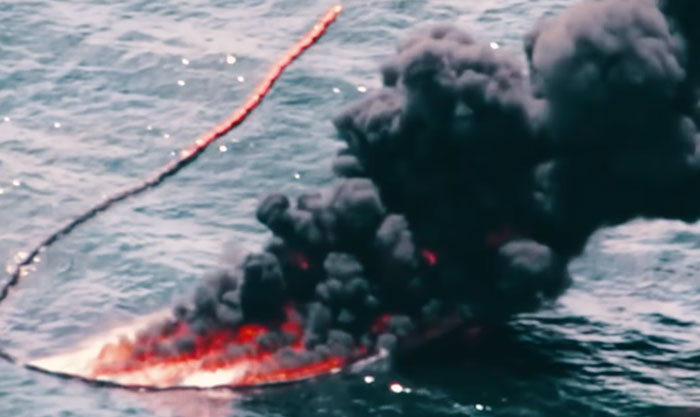 An explosion on BP's drilling rig in 2010 was caused by shortcuts and cheap materials. Cleanup, penalties, and compensation costs reached approximately $65 billion.
It sounds obvious that we can and should learn from the mistakes of others. However, things aren’t as simple. Often, people fail to learn from their own mistakes, repeating the very same behaviors with negative consequences again. And again. And again.
According to Professor Pragya Agarwal from Loughborough University, when it comes to thinking, behavioral patterns, and decision-making, people often repeat mistakes.
“The reason can be found in the way our brain processes information and creates templates that we refer to again and again. These templates are essentially shortcuts, which help us make decisions in the real world. But these shortcuts, known as heuristics, can also make us repeat our errors.”
Agarwal argues that human beings aren’t naturally rational. And they tend to filter out the noise from information overload in order to avoid becoming confused and exhausted.
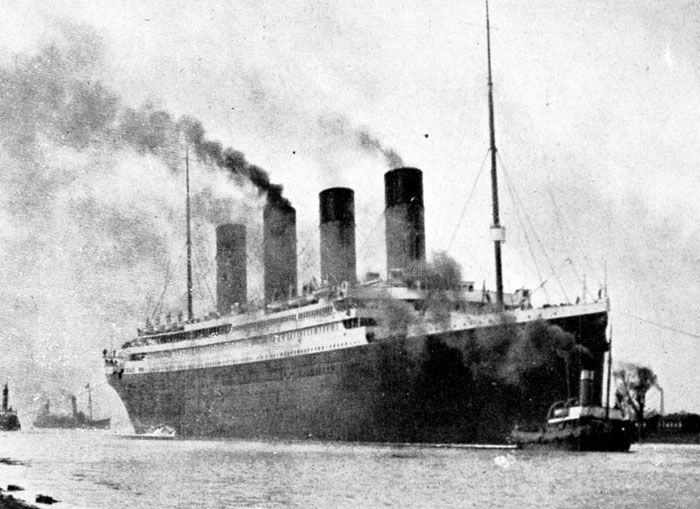 Despite receiving multiple ice warnings, the crew of the Titanic maintained h**h speed in a dangerous area. The disaster cost approximately $7.5 million in 1912 dollars (about $168 million today) and led to the loss of 1,517 lives.
The Titanic is a lesson in how any one mistake could make a difference. Something like 14 things went wrong (I've lost count over the years), and if any one of them hadn't, the ship would not have sunk. Going too fast, not getting the most important ice warning, no binoculars for the lookouts, not enough lifeboats, cancelling the lifeboat drill, not closing off the watertight compartments at the top, sideswiping the iceberg instead of hitting it head on...
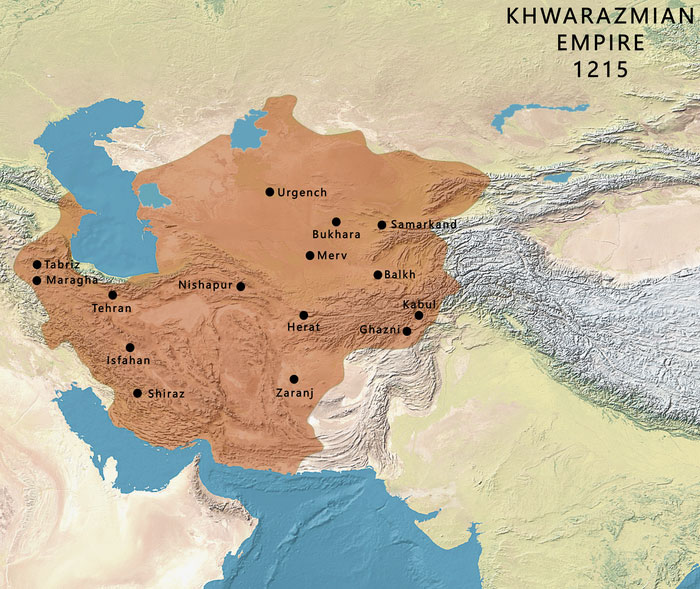 Inalchuq, a governor of the Khwarezmian Empire, executed a peaceful trade caravan sent by Genghis Khan. When Khan sent diplomats to demand an apology, the Shah k****d them too. In response, the Mongols launched an apocalyptic invasion that completely erased the Khwarezmian Empire from the map.
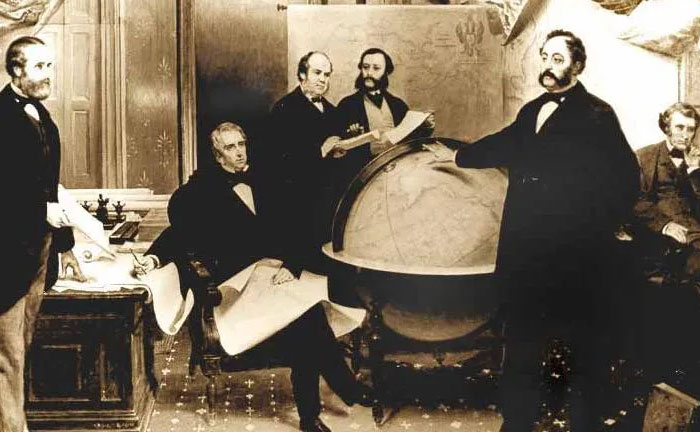 Some historians regard the transaction as a short-sighted blunder by Czar Alexander II, giving up Alaska's rich natural resources, particularly its oil and gas, for $7.2 million - about $125 million (£100 million) in today's money.
The professor notes that people’s brains are lazy, and it takes significant cognitive effort to change the mental shortcuts that they have already built up. So, even if human beings are conscious of repeating the same mistakes, they still tend to fall back on old behavior patterns.
“We only see parts of the world. We tend to notice things that are repeating, whether there are any patterns or not, and we tend to preserve memory by generalising and resorting to type. We also draw conclusions from sparse data and use cognitive shortcuts to create a version of reality that we implicitly want to believe in. This creates a reduced stream of incoming information, which helps us connect dots and fill in gaps with stuff we already know,” Agarwal writes.
 Scotland attempted to establish a colony in Panama to control trade between the Atlantic and Pacific. The project was so poorly planned it bankrupted the nation, losing nearly half of all the money in Scotland at the time. This financial ruin was a primary factor in Scotland joining the Acts of Union with England in 1707.
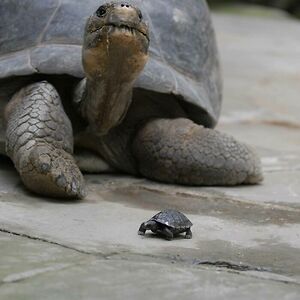
Unrelated, but I've actually been to the castle pictured and yes, it really is that beautiful
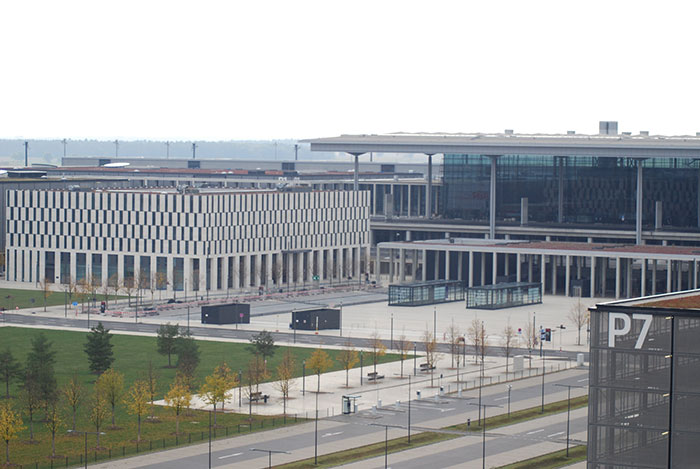 It was slated to open on June 3, 2012. So great was the anticipation, public broadcaster rbb planned to go live for 24 hours covering it. Just before the opening date, inspectors reported some 120,000 defects, including fire safety issues.
 In 2000, Netflix co-founders offered to sell their DVD-by-mail service to Blockbuster for $50 million. Blockbuster's CEO reportedly laughed at the offer. Today, Netflix is valued at over $150 billion, while Blockbuster went bankrupt.

This has been broken down on a number of youtube channels...at the time, Netflix was hemorrhaging money, and the sale price had been wildly overvalued. It was the right decision, at the time...the ones that came after, within Blockbuster's boardroom? Those were the bad decisions.
That’s not to say that we’re completely doomed. We can, after all, change our behaviors and develop new habits.
One thing that we can do is become more comfortable making mistakes in the first place. Feeling ashamed of our failures and hiding them increases the probability that we’ll repeat them.
However, when we don’t beat ourselves up over our mistakes and can accept them in public, we can take in new information that helps us correct them.
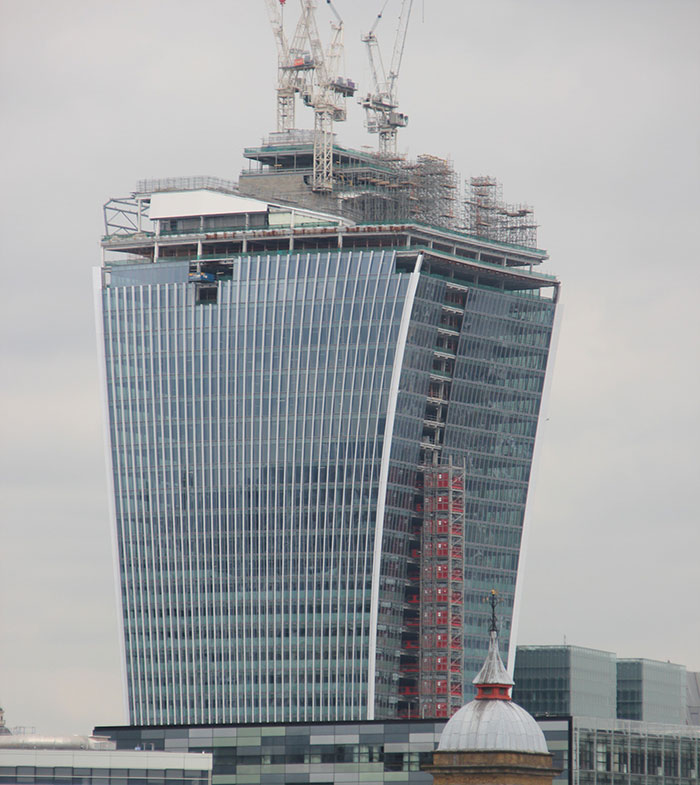 In 2014, it was built in London. As summer came, citizens of London began complaining that the buildings south-facing surface was causing strong rays of sunlight at certain points in the day. The highly concentrated beam was capable of melting tiles.
There is a theory that the architect keeps doing this to f**k with his rich investors...this is the 2nd, maybe even 3rd building that does this...all designed by the same architect.
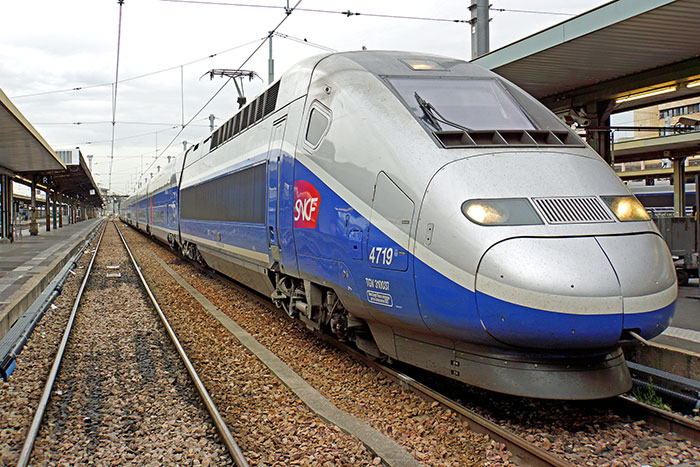 In 2014, the French rail company SNCF ordered 2,000 new trains that were too wide for 1,300 of the country's older station platforms. The cost to modify the platforms was approximately €50 million on top of the $20 billion train order.
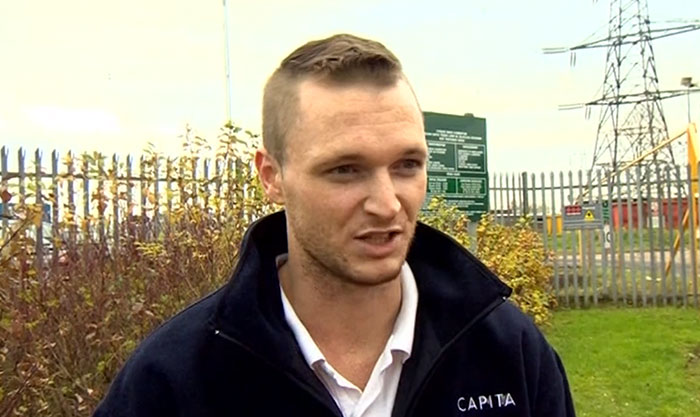 In 2013, James Howells accidentally threw away a hard drive containing 8,000 Bitcoins he had mined in 2009. The drive remains buried in a landfill.
Once you’ve finished reading through this list, we’d like to hear your insights.
Which of these historical moments surprised you the most or gave you a fresh perspective on the world?
What do you personally think were the biggest, most impactful disasters in human history? What do you think everyone can do to really learn from the past and avoid making the same mistakes in the future?
On a deeply personal level, how good would you say you are at learning from your own mistakes? Share your thoughts in the comments down below.
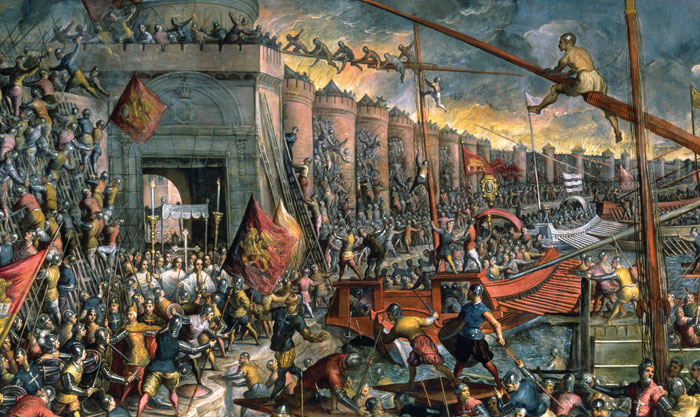 During the Fourth C*****e, the Crusaders became so heavily indebted to Venice that they detoured to loot Constantinople—the greatest Christian city of the East—to pay their bills. This permanently weakened the Byzantine Empire, leading to its eventual fall to the Ottomans in 1453.

Never go up against Venetian / De Medici bankers when your crusad3 is on the line.
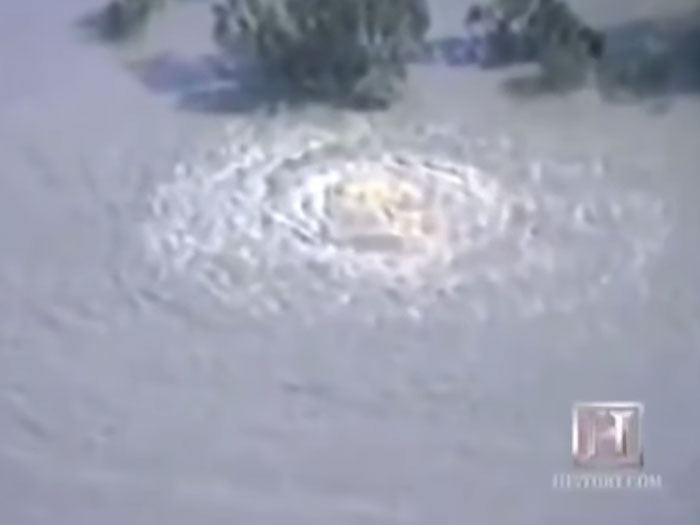 In 1980, a drilling exhibition done by Texaco triggered a cataclysmic series of events that turned an 11-foot-deep freshwater body of water in Louisiana known as Lake Peigneur into a 1,300-foot-deep saltwater lake.

A salt dome trap below Lake Peigneur caused upward thrust of the overlying soil, resulting in the formation of Jefferson Island, located near the southeast side of the lake. On November 20, 1980, an oil rig contracted by Texaco was drilling on Jefferson Island, when the drilling assembly pierced an inactive third level of the Diamond Crystal Salt Company salt mine. The drill hole produced a vortex that drained the lake into the mine, filling the enormous caverns that had been left by the removal of salt.
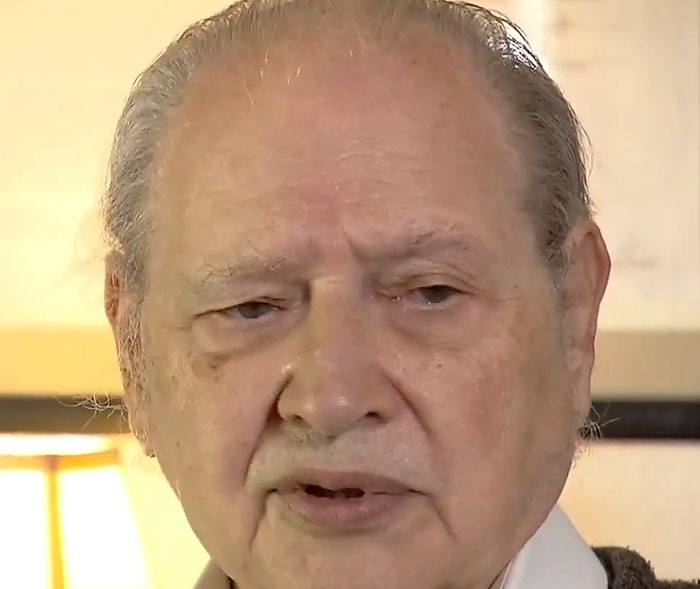 The third co-founder of Apple sold his 10% stake in the company for just $800 in 1976. Today, that 10% stake would be worth hundreds of billions of dollars.
I've recently seen articles that appear to claim that he never actually sold it and still owns that. Or maybe the articles are just repeating statements he made. I find myself skeptical.
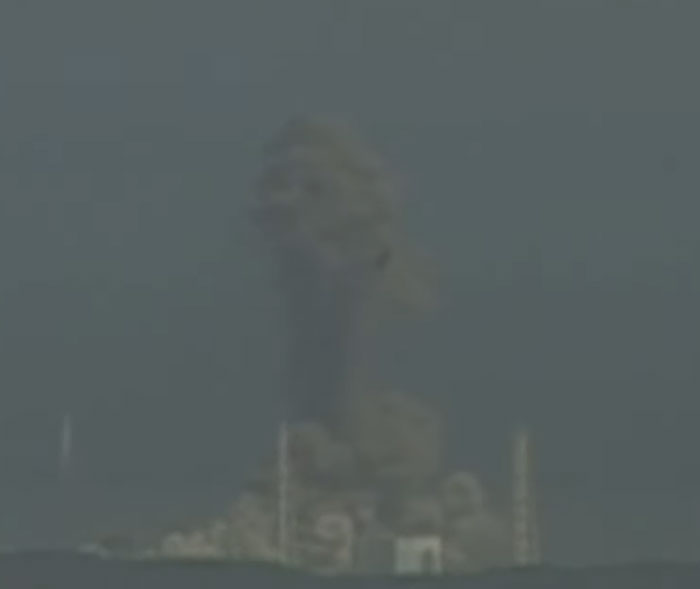 The 2011 disaster was partly caused by negligence, such as placing backup generators in flood-prone areas. Cleanup costs are estimated to exceed $200 billion.
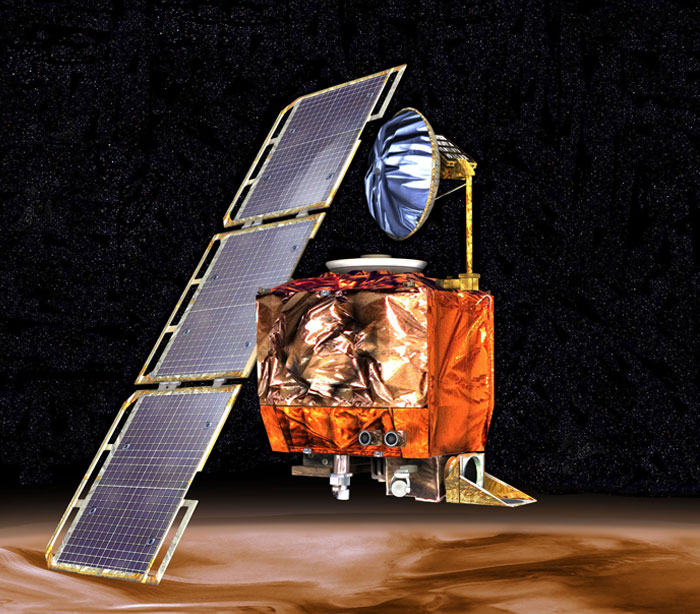 In September 1999, NASA’s 638-kilogram robotic space probe the Mars Climate Orbiter burned up and broke into pieces as it neared its destination after 10 months of traveling. The reason for its failure to touch ground lay with the people who sent it.

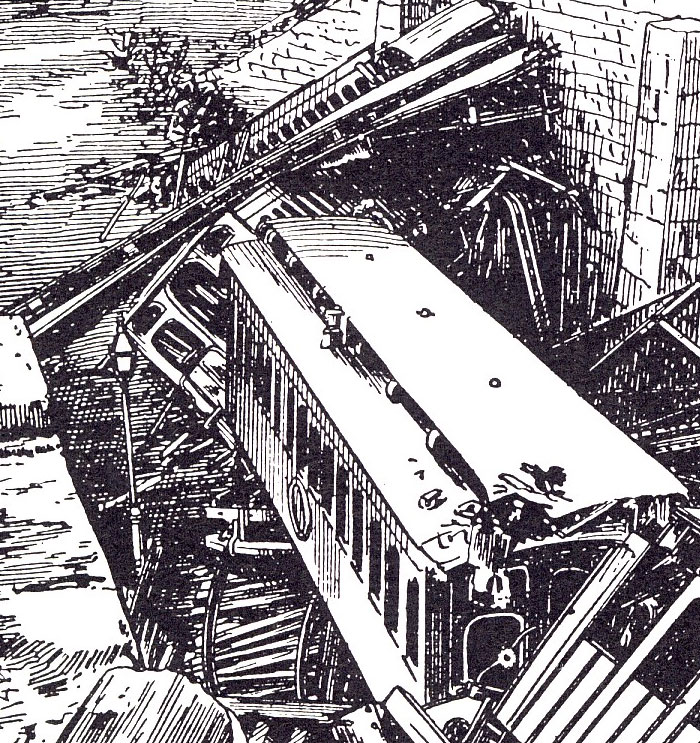 To save money, a railroad hired the lowest bidder, a man named Hewins, who had zero engineering experience. He built a bridge that literally fell apart, ending and wounding over 80 people and leading to major reforms in the "low bidder" process.

The bridge was in Boston, Massachusetts, USA. A morning commuter train, inbound to Boston, was traveling over the Dedham Branch of the Boston and Providence Railroad with about 300 passengers, including several school children. The train consisted of a locomotive, which weighed 32+1⁄2 tons, followed by nine cars: eight passenger cars plus a combination baggage and smoking car at the end. As it reached the Boston end of the Bussey Bridge, the locomotive jarred upward and the engineer looked back and saw that the coupling to the first car had broken, the first two cars had derailed, and there was a cloud of smoke rising—he realized there had been a collapse. The first three cars came to rest on the embankment next to the track, along with the roof of the fourth car, while the body of the fourth car along with the fifth through ninth cars came to rest in the street below the bridge. Twenty-three people were k****d, including one crew member, and over 100 passengers were injured.
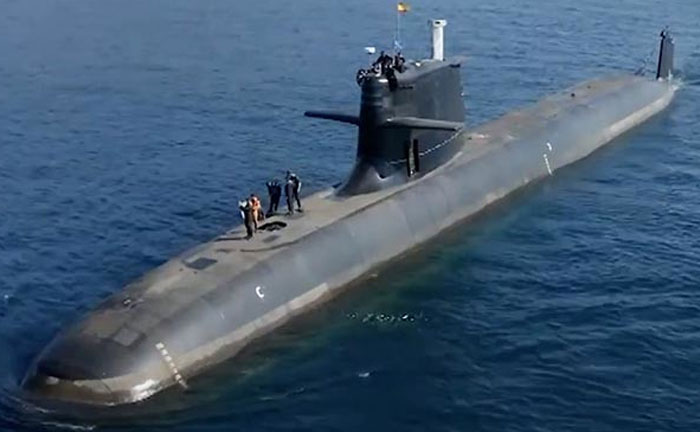 The submarine started production in 2013 as part of a new quartet for the Spanish navy. Ince it’s submerged, the Isaac Peral may never be able to resurface again. The mistake is said to have been a result of a pesky decimal point placed wrongly.
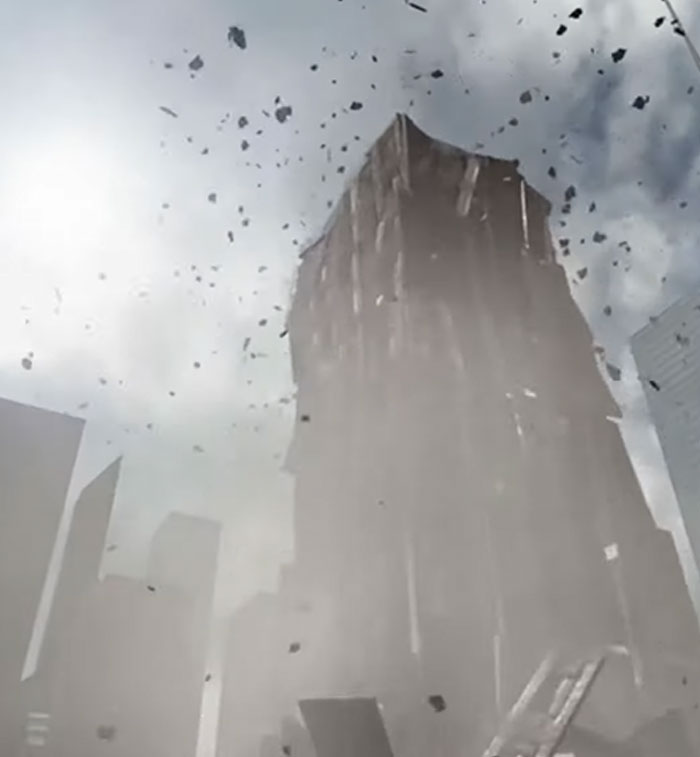 The residential complex consists of 11 new h**h-rise apartment blocks. However, one of the 13-story buildings suddenly collapsed as at 27th June 2009. Luckily, it somehow missed the surrounding blocks. Thus avoiding a devastating domino effect.
 In 2000, at the peak of the dot-com bubble, AOL merged with Time Warner for $182 billion. The deal collapsed as the bubble burst and advertising revenue declined, leading to a record-breaking $99 billion loss in 2002.
 Daimler-Benz acquired Chrysler for $37 billion in 1998, but cultural clashes led to a failed partnership. They sold most of Chrysler in 2007 for only $7 billion.
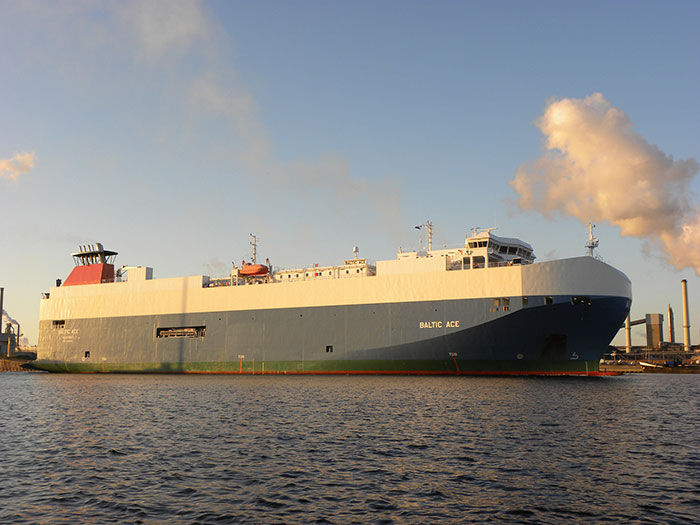 The 23,500 tonne ship was lost 65km off the Dutch coast after colliding with Cyprian container ship the Corvus J. The accident ended 11 of its 24 crew members. Moreover, it sank over 1,400 new cars that were being brought from Japan and Tokyo to Russia.
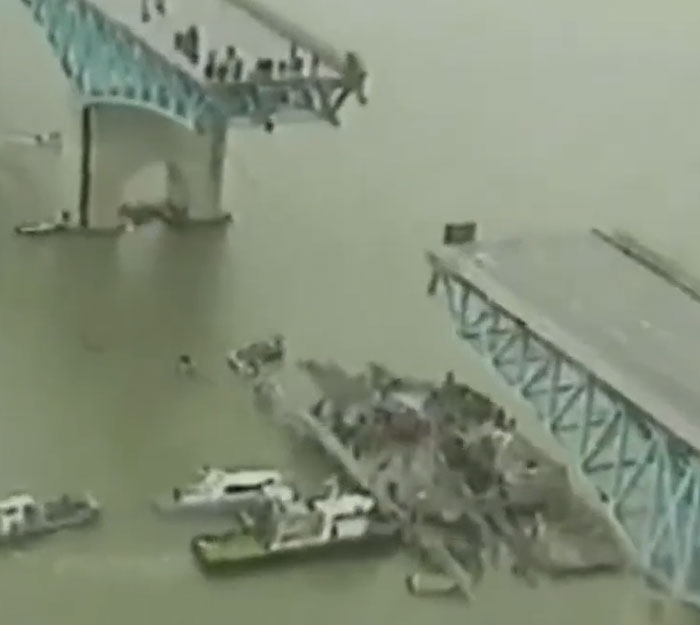 Although the bridge was designed to withstand a maximum of 36.3-tonne weight per car, vehicles weighing 47.3-tonnes were also using the bridge to commute. These combined factors cost the State Council $185,000 in compensation to the victims
'36.3 tonnes per car"? Maybe if those were rail cars? But I don't see any railway tracks in that picture. Hey, BP, your articles are getting awfully sloppy these days. Maybe add a few human proofreaders / editors / fact checkers / sanity checkers.
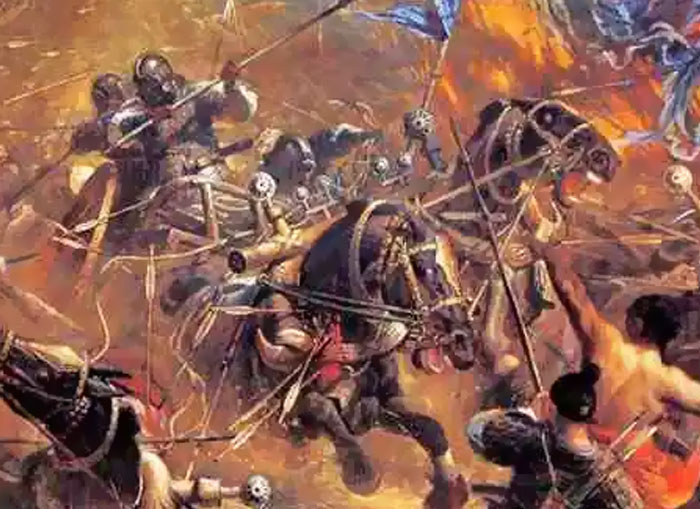 The Tang Dynasty’s Emperor Xuanzong granted massive power and wealth to general An Lushan. Instead of protecting China, An Lushan launched a rebellion that ended millions and ended the Tang Dynasty’s "Golden Age".
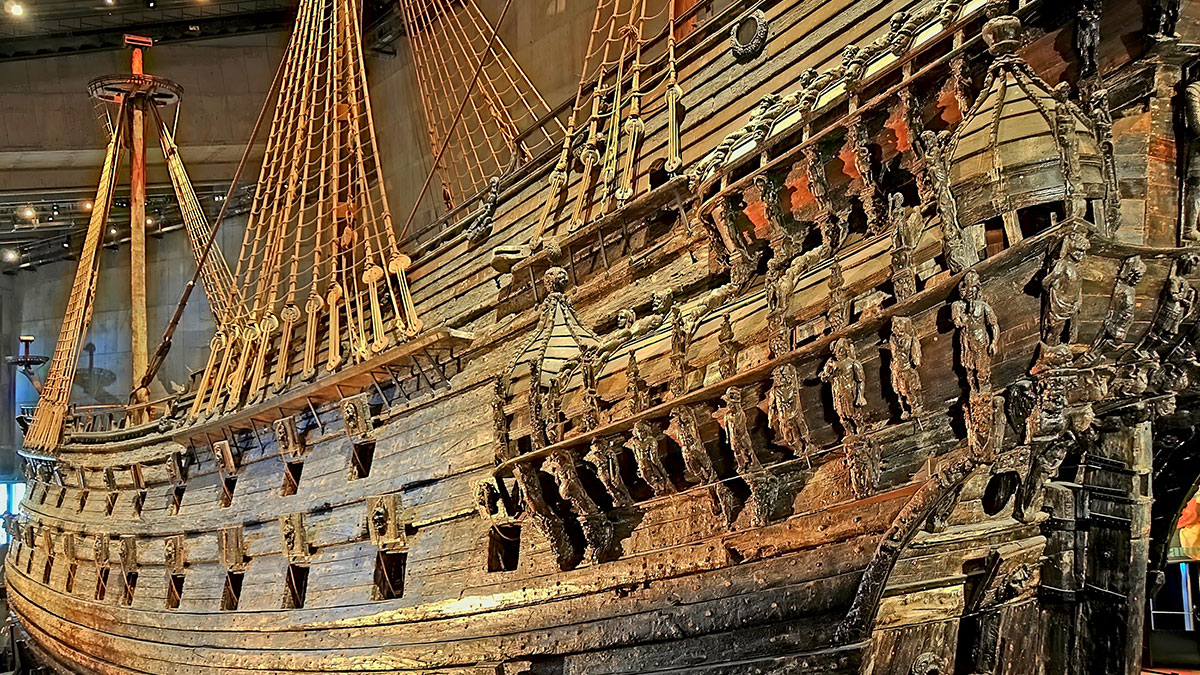
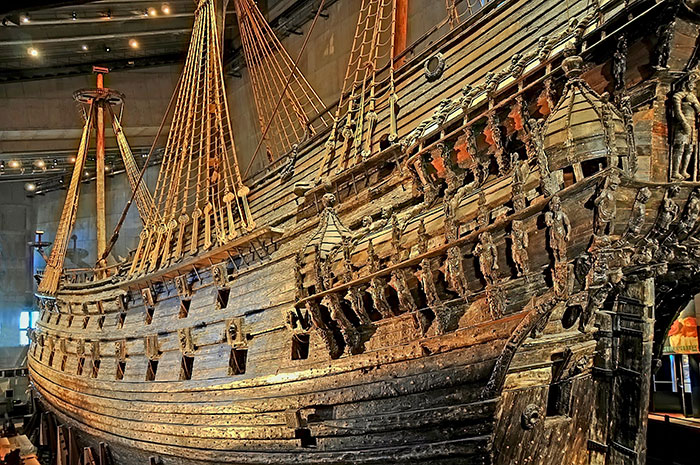 Vasa was the world’s most h**h-tech warship when it set sail.
The story of what happened to the ship has gone down in history: despite being one of the Swedish navy’s biggest achievements
Vasa was the world’s most h**h-tech warship when it set sail.
The story of what happened to the ship has gone down in history: despite being one of the Swedish navy’s biggest achievements

Good idea for an article, but many of these were lacking basic details, or needed further elaborating
Heck, a lot of these are absolutely incoherent and made up of weird fragments instead of actual sentences. Should at least have had locations and dates on every entry, and some basic fact checking / copy editing.
Load More Replies...

And the criminal Union Carbide fellows went picnic. Justice is owned by the rich.
Load More Replies...
I could add another five or so to this. The most expensive mistake I know of was the sack of Troy. Helen, wife of Menelaus, eloped during a diplomatic visit from Troy to Sparta. Menelaus went to Troy and demanded his wife back. When he received the reply "she isn't here" he destroyed the city. She wasn't there, she had eloped to Egypt. Menelaus destroyed the wrong city, and so kicked off 50 years of warfare between the Greek and Persian empires.
Got fed up with the 'Your Princess is in another Castle' ploy, did he?
Load More Replies... Good idea for an article, but many of these were lacking basic details, or needed further elaborating
Heck, a lot of these are absolutely incoherent and made up of weird fragments instead of actual sentences. Should at least have had locations and dates on every entry, and some basic fact checking / copy editing.
Load More Replies... And the criminal Union Carbide fellows went picnic. Justice is owned by the rich.
Load More Replies... I could add another five or so to this. The most expensive mistake I know of was the sack of Troy. Helen, wife of Menelaus, eloped during a diplomatic visit from Troy to Sparta. Menelaus went to Troy and demanded his wife back. When he received the reply "she isn't here" he destroyed the city. She wasn't there, she had eloped to Egypt. Menelaus destroyed the wrong city, and so kicked off 50 years of warfare between the Greek and Persian empires.
Got fed up with the 'Your Princess is in another Castle' ploy, did he?
Load More Replies...






















 No fees, cancel anytime