Get Premium
Dark mode theme is available exclusively for premium users. Learn more about the benefits of subscribing.
No fees, cancel anytime.

 Dark Mode Ad-Free Browsing Unlimited Content
 Ad-Free Browsing Unlimited Content Dark Mode
Join 1.2 million Panda readers who get the best art, memes, and fun stories every week!

Blended families can be beautiful, but let’s be honest, they can also feel like emotional obstacle courses where someone always ends up feeling left behind in the relationship. Especially when one parent starts overcorrecting for one child… and accidentally neglects another.
One young woman turned to an online community after years of feeling like second best in her own home. What started as small sacrifices snowballed into resentment, heartbreak, and finally a graduation day decision that may have changed her relationship with her mom forever.
More info: Raredit
Image credits: The Yuri Arcurs Collection / Magnific (not the actual photo)
Image credits: dimaberlin-1 / Magnific (not the actual photo)
Image credits: serhii_bobyk / Magnific (not the actual photo)
Image credits: pressmaster / Magnific (not the actual photo)
Image credits: LevelRecognize
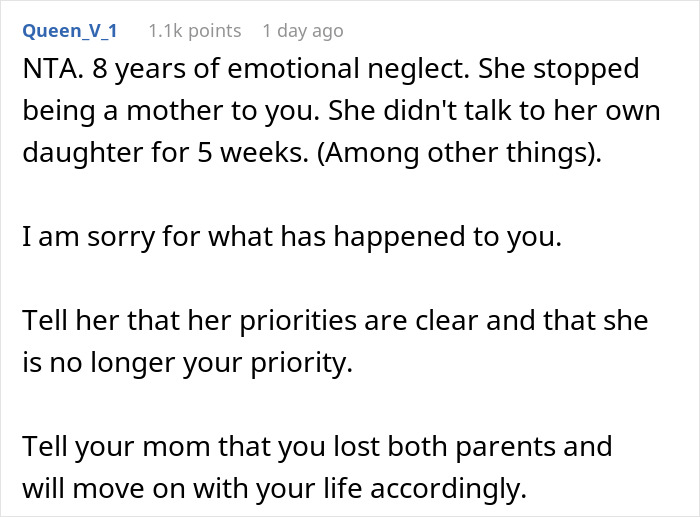
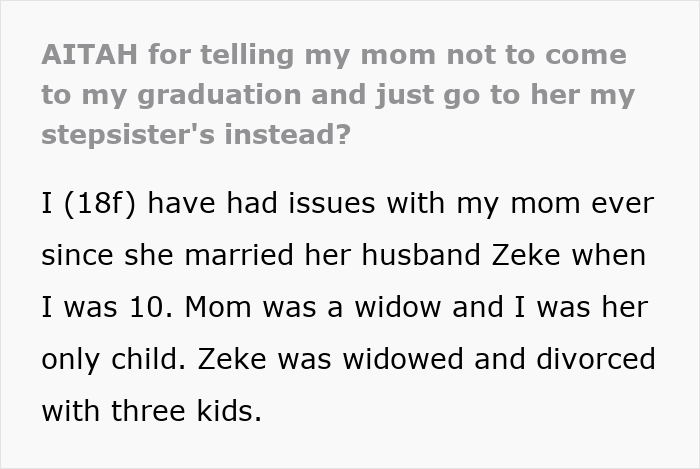
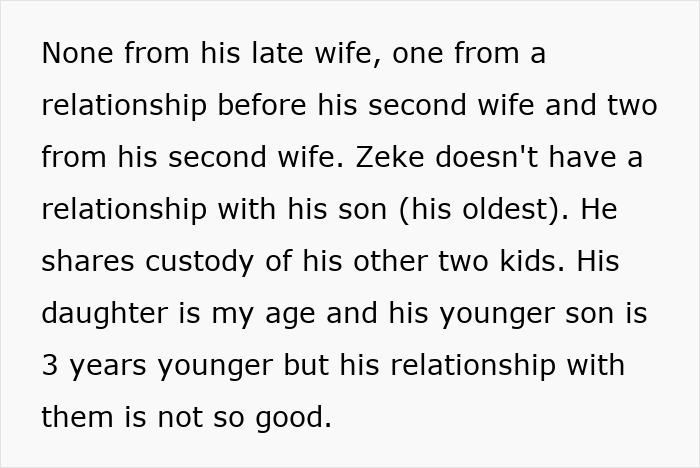
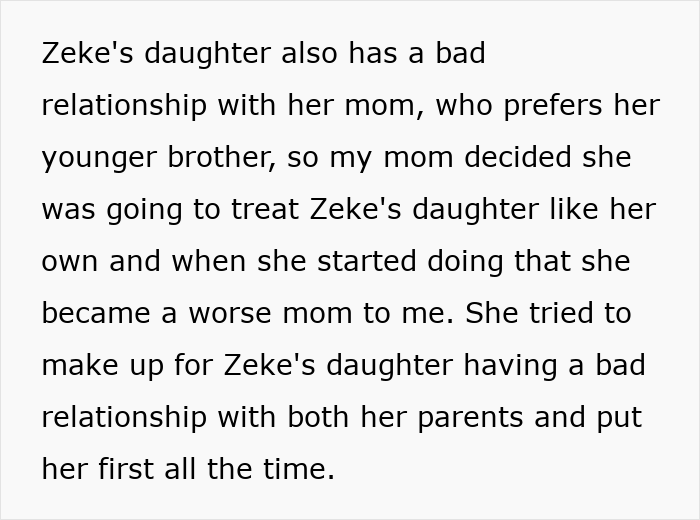
The original poster (OP), 18, says her relationship with her mom took a sharp turn after her widowed mother remarried a man with complicated family dynamics. From the start, OP felt like her mom became more focused on her new stepdaughter, who also had a strained relationship with her own parents.
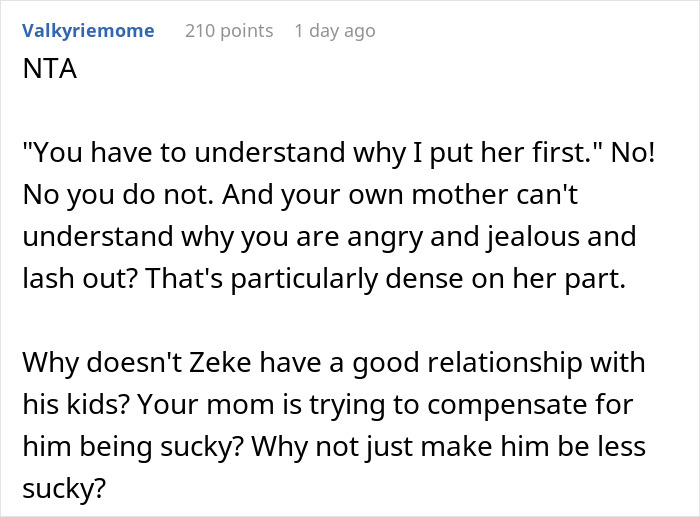
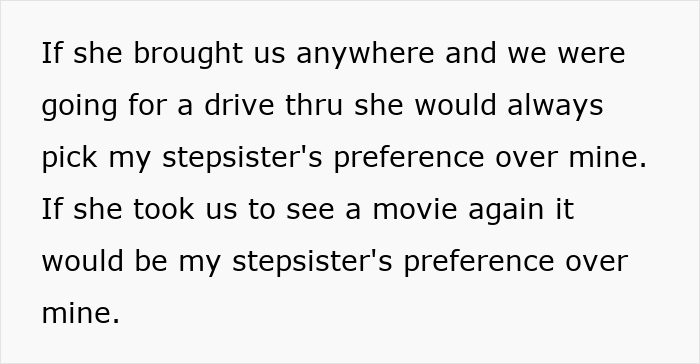
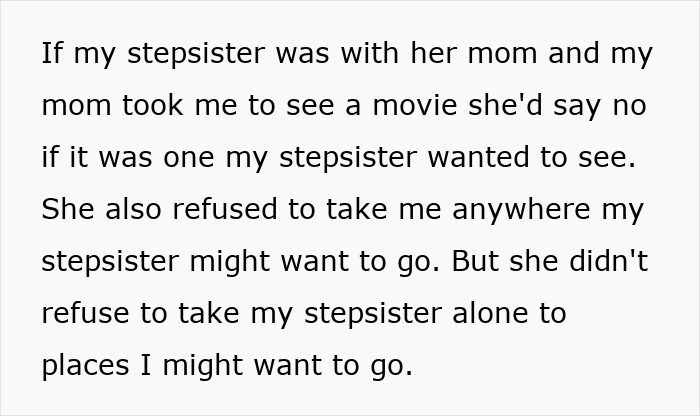
At first, it was small things. Choosing movies, restaurants, or outings based entirely on her stepsister’s preferences, for example. However, over time, she noticed a pattern: even when her stepsister wasn’t around, her mom would avoid doing things she enjoyed if it didn’t align with what the stepsister might want.
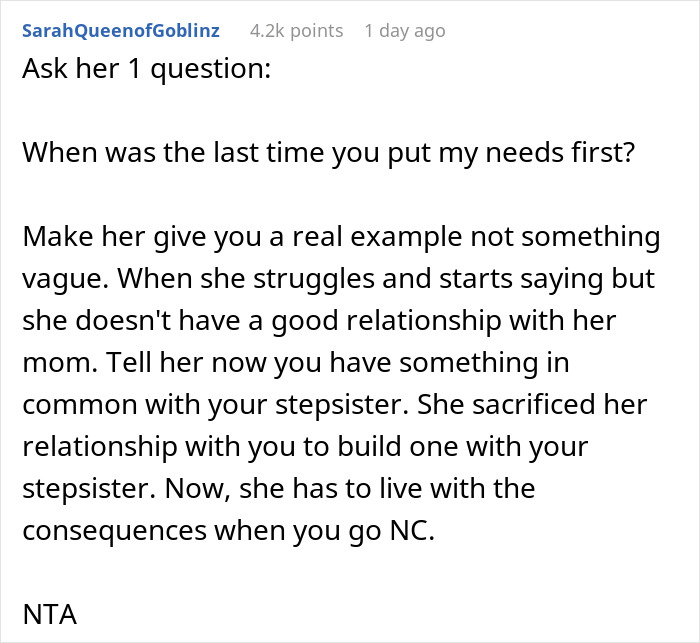
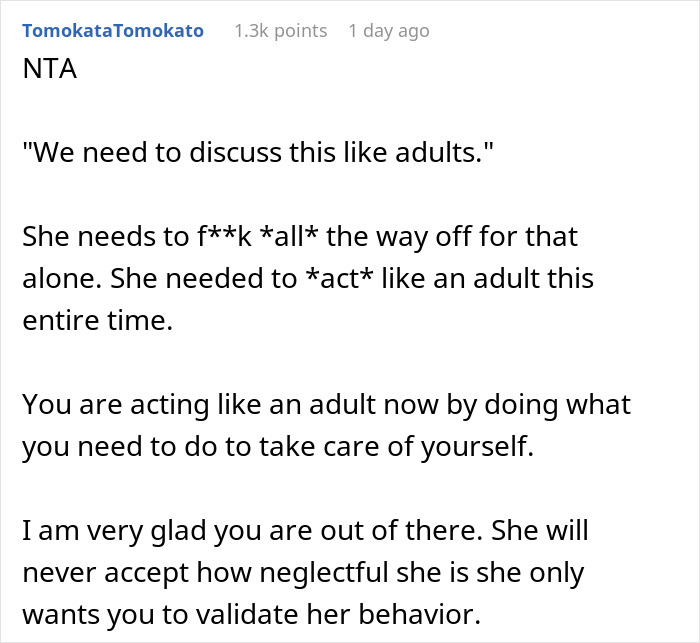
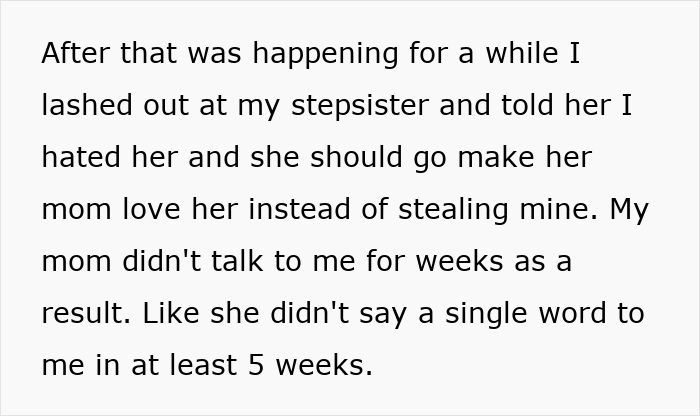
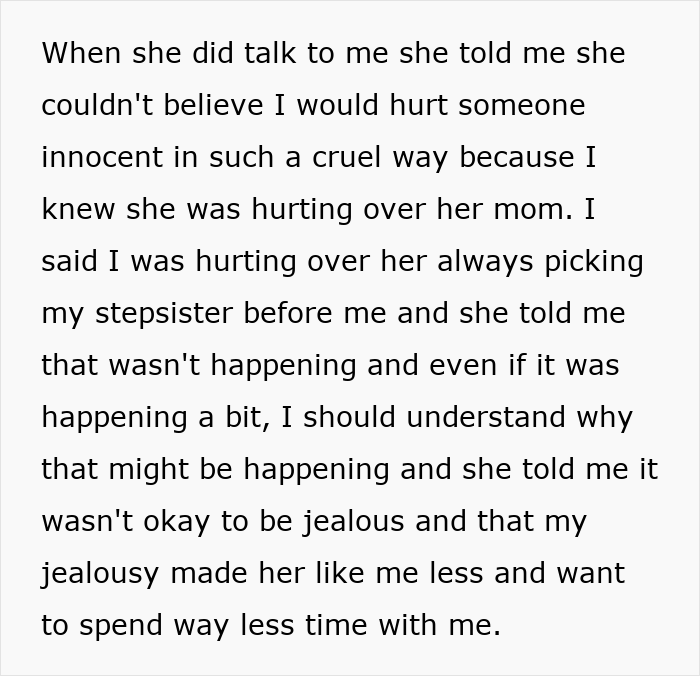
Eventually, the resentment boiled over. OP lashed out, saying hurtful things to her stepsister, which led to weeks of silent treatment from her mom. Instead of addressing OP’s feelings, her mom accused her of jealousy and admitted it made her want to spend less time with her.
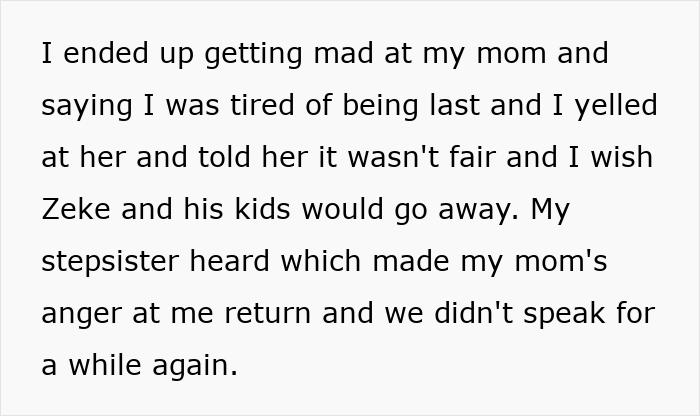
Things never really recovered. Even after a brief attempt to fix things, tensions escalated again when her stepsister destroyed photos of both their long-gone parents. From that point on, any chance of bonding disappeared, and the household settled into a cold, uneasy distance.
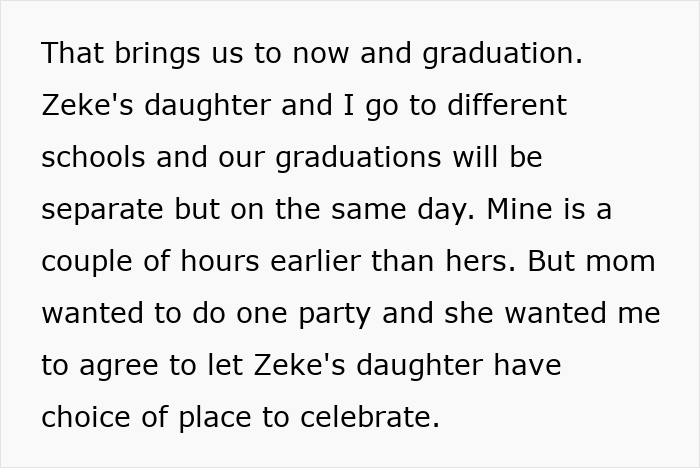
Then came graduation season; the kind of milestone that’s supposed to be all about celebrating you. But when OP’s mom suggested combining celebrations and letting the stepsister choose the plans again, it became the final straw. So… was this a long-overdue boundary, or a step too far?
Image credits: dimaberlin-1 / Magnific (not the actual photo)
Feeling like the “less favored” child isn’t just teenage drama—it can have real emotional consequences. Family psychologists say perceived parental favoritism can lead to long-term resentment, lower self-esteem, and even strained adult relationships. When kids feel overlooked, those feelings don’t just disappear with time—they tend to build.
Blended families, in particular, can create complex emotional dynamics. Experts note that parents sometimes overcompensate for a stepchild’s struggles, unintentionally neglecting their biological child. While the intention may be compassion, the outcome can feel like rejection to the other child involved.
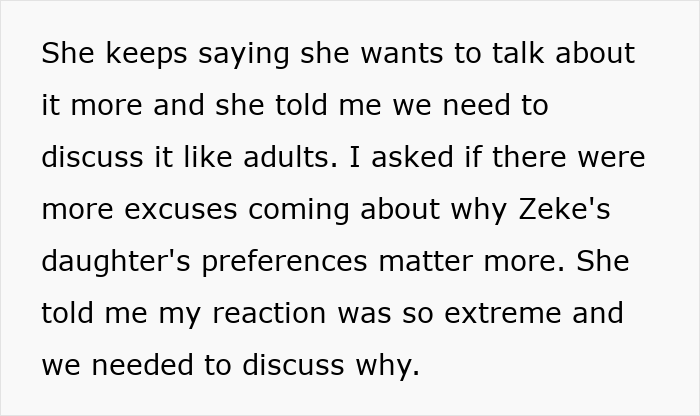
Communication is often where things fall apart. When children try to express hurt but are dismissed or labeled as “jealous,” it can shut down future attempts to connect. Over time, that emotional distance can turn into full-blown estrangement, especially if the underlying issues are never properly addressed.
Then there’s milestone moments—like graduations—which carry huge emotional weight. These are the times when people expect to feel prioritized and celebrated. When those expectations aren’t met, the disappointment can feel magnified, sometimes pushing people to set firm boundaries for the first time.
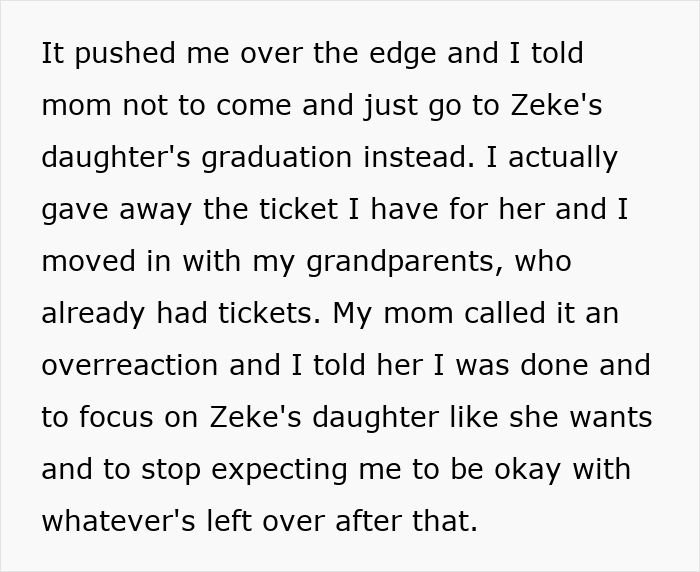
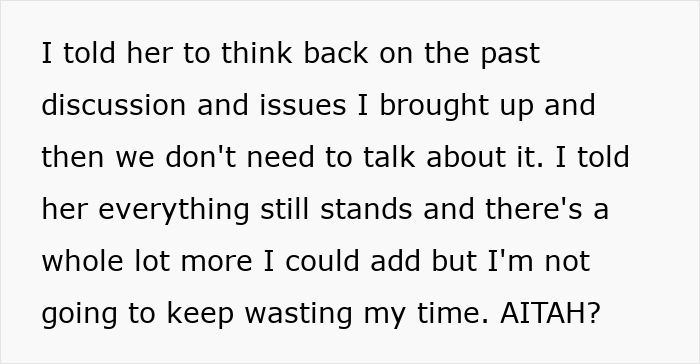
At the end of the day, OP didn’t just uninvite her mom from a ceremony—she drew a line after years of feeling like an afterthought. Whether it was too harsh or long overdue depends on who you ask, but one thing’s clear: this wasn’t just about graduation.
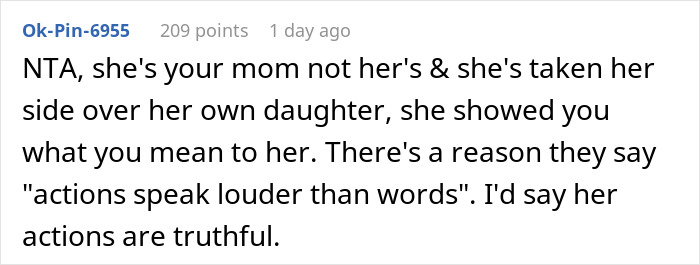
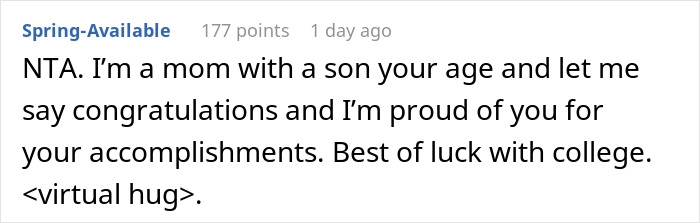
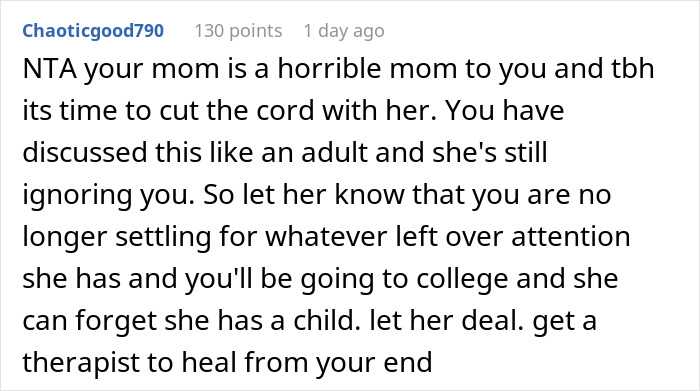
What’s your take? Was OP right to finally put herself first and uninvite her mom, or did she take things too far? Let us know below!




Just tell people you are an orphan. Even when your mother is present, if she argues the point just say that your father died and your mother threw you away.
Just tell people you are an orphan. Even when your mother is present, if she argues the point just say that your father died and your mother threw you away.



























 No fees, cancel anytime









32
5