Get Premium
Dark mode theme is available exclusively for premium users. Learn more about the benefits of subscribing.
No fees, cancel anytime.

 Dark Mode Ad-Free Browsing Unlimited Content

 Ad-Free Browsing Unlimited Content Dark Mode
Join 1.2 million Panda readers who get the best art, memes, and fun stories every week!
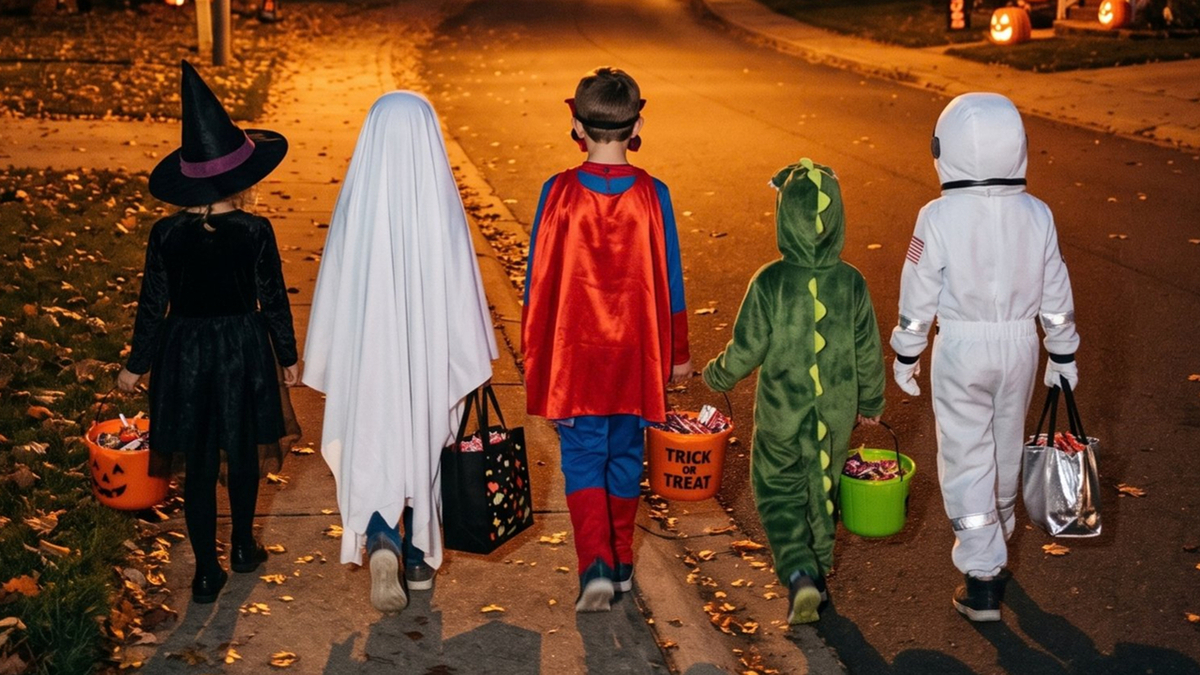
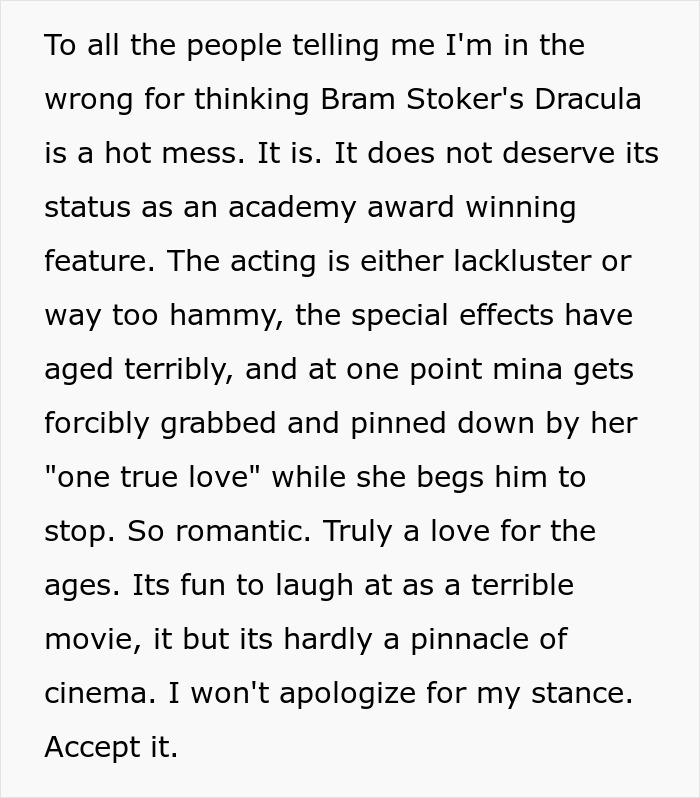
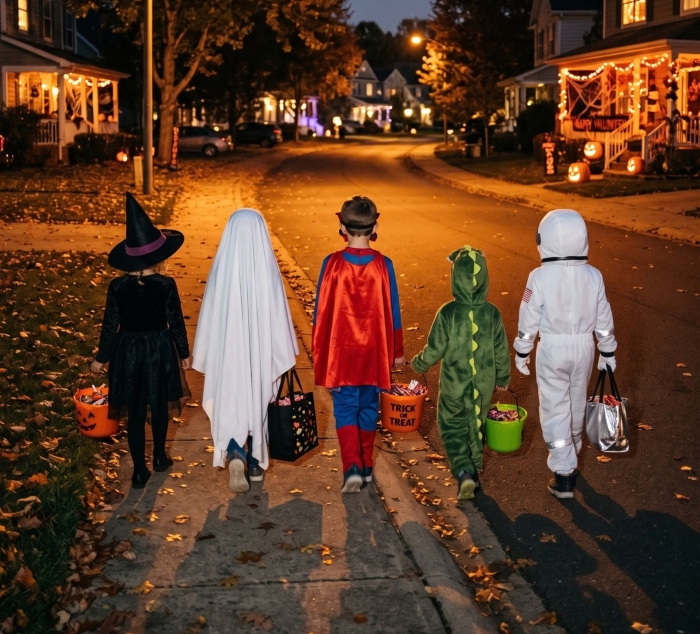
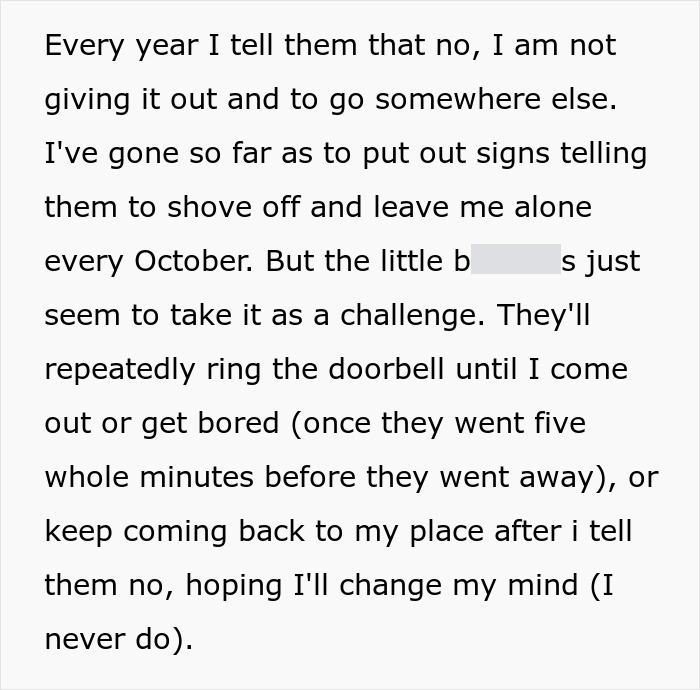
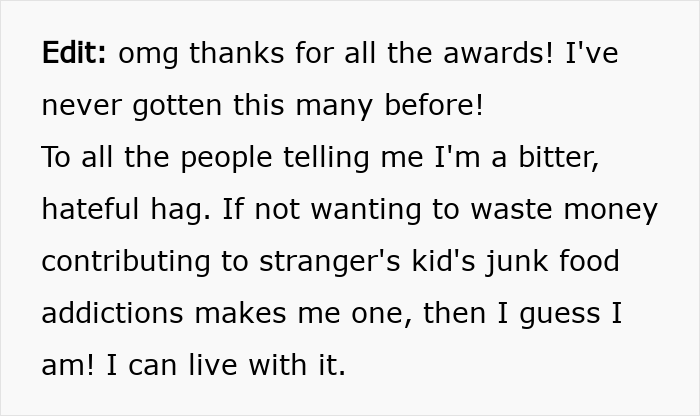
From cobwebs and capes to glowing jack-o’-lanterns and bowls of candy, there’s a lot to love about Halloween. But not everyone is keen on fueling the neighborhood kids with sugar. Some would much rather spend the evening on the couch watching a bad movie than answer the doorbell every five minutes. That was the stance of this woman, who made her position clear every year with a sign telling trick-or-treaters to skip her house.
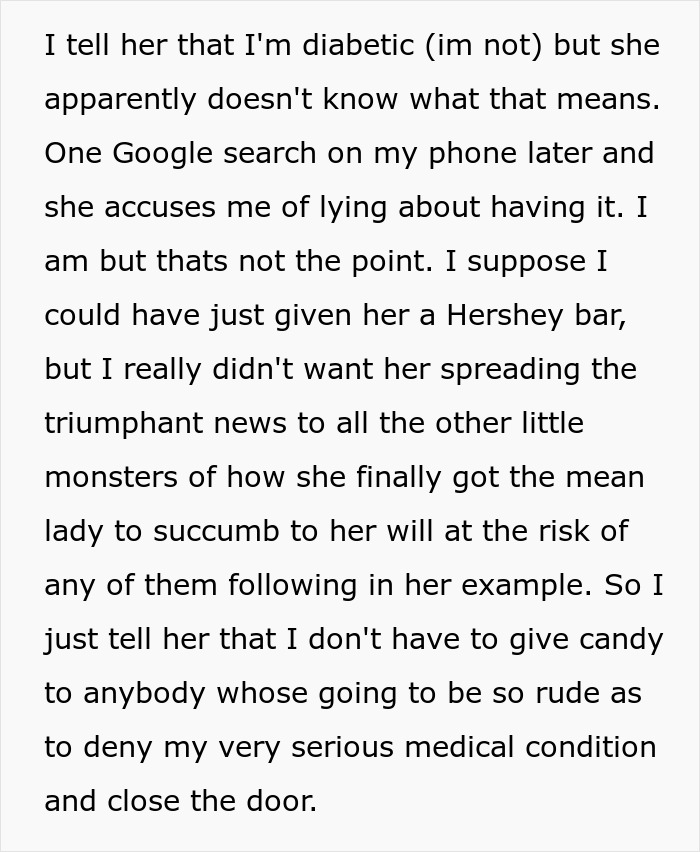
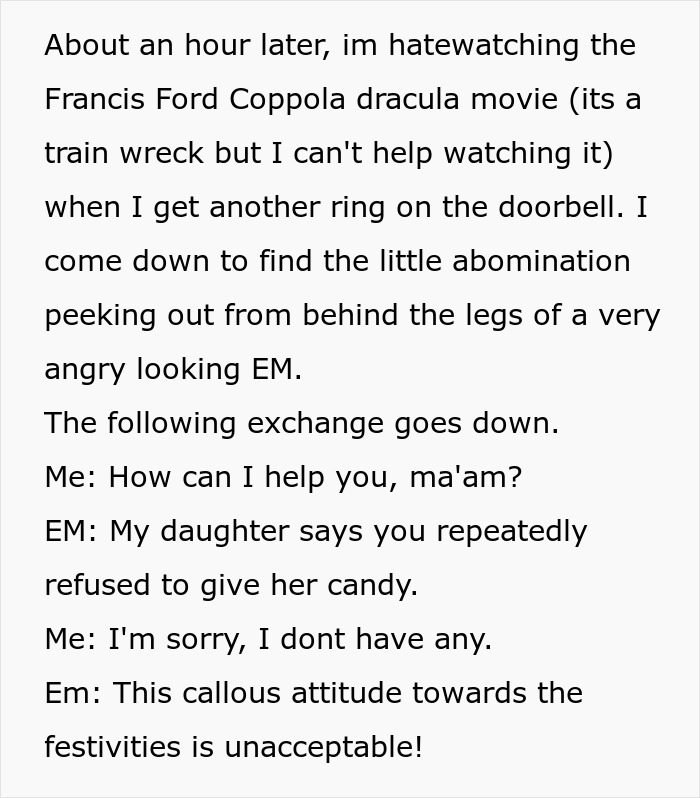
Unfortunately, one young trick-or-treater from a neighboring cul-de-sac seemed determined to change her mind. When she showed up yet again, this time with her Karen mother in tow, what followed was a doorstep confrontation that quickly became a neighborhood spectacle. The horrors that unfolded, however, had nothing to do with Halloween.
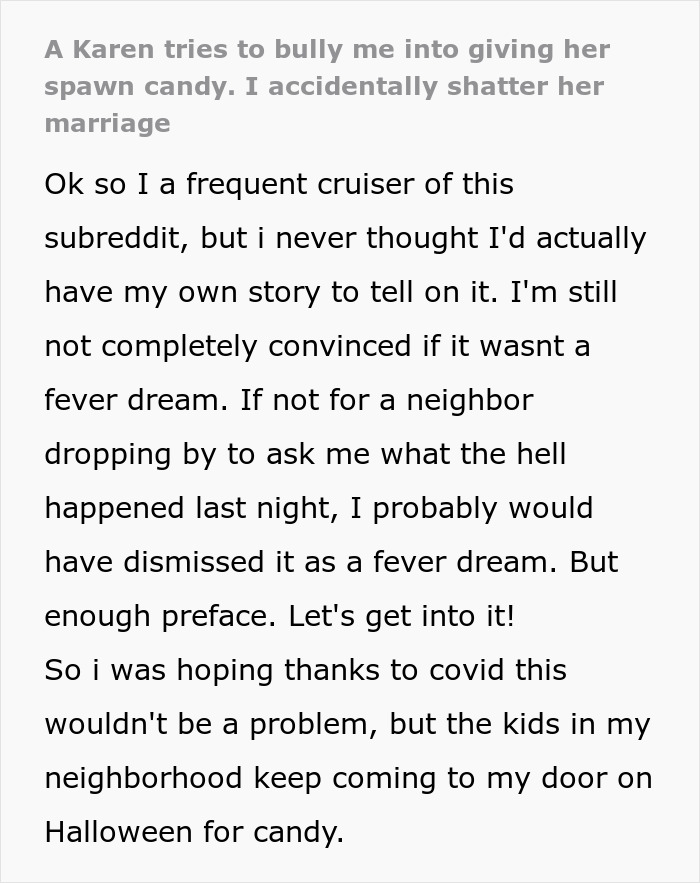
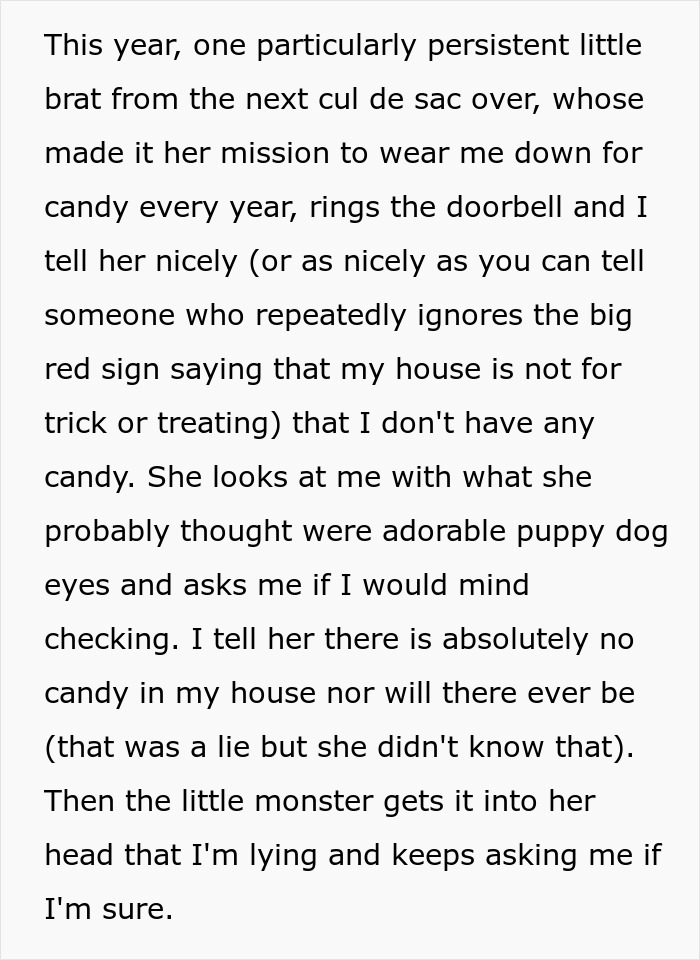
Halloween is a big deal in the U.S., with 74% of Americans planning to celebrate in 2026, according to the National Retail Federation’s annual survey. Of those celebrating, 61% plan to hand out candy, with spending on all that sugary goodness expected to reach around $4.1 billion. With so many households getting involved, it’s easy to see why kids might expect a treat when they head out trick-or-treating. But a popular tradition doesn’t mean every household is obliged to take part.
In fact, even among those who celebrate, expectations differ. PwC’s 2026 Halloween poll found that 79% of baby boomers who celebrate plan to hand out candy, compared with just 50% of Gen Z. Not everyone marks the occasion in the same way, and that’s perfectly fine. As this story demonstrates, the trouble starts when parents treat a neighbor’s decision not to participate as a personal affront rather than a “no” their children need to accept.
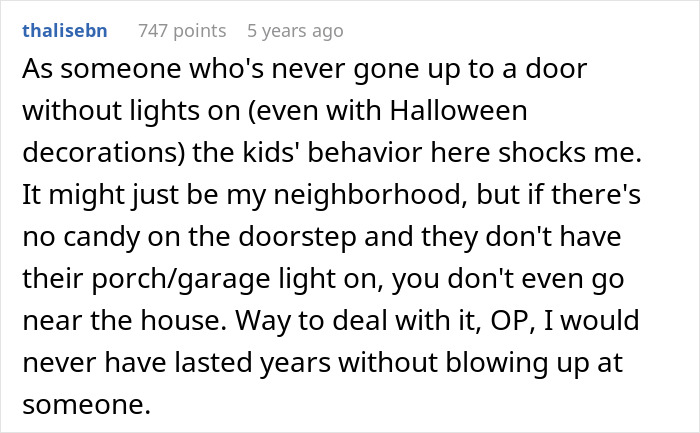
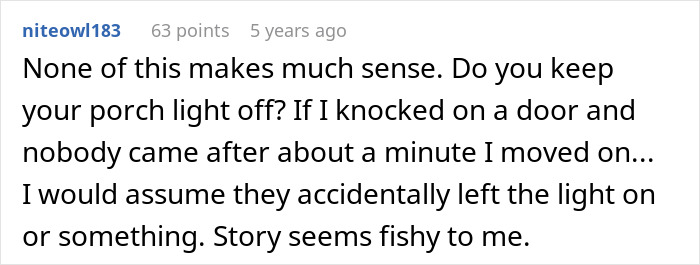
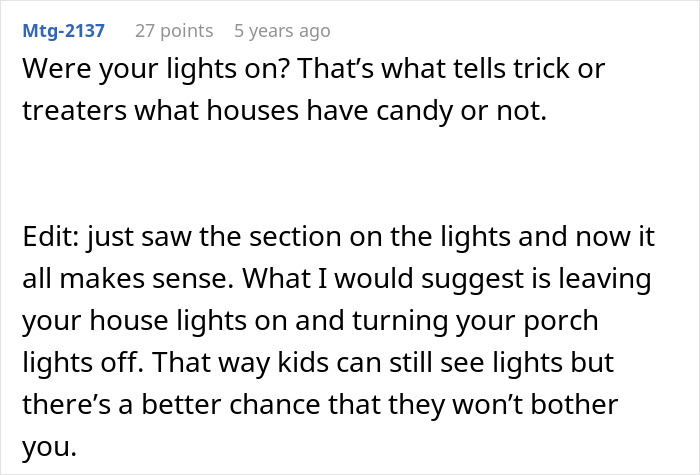
So, what’s reasonable to expect from your neighbors on Halloween? For households sitting the night out, the etiquette is fairly simple. In her guide to Halloween etiquette for Scary Mommy, Samantha Darby notes that a lit porch light is the universal sign that treats are on offer, so anyone who doesn’t want visitors should switch it off. A CBS News etiquette guide makes the same point from the trick-or-treater’s side, advising kids to skip houses that are dark.
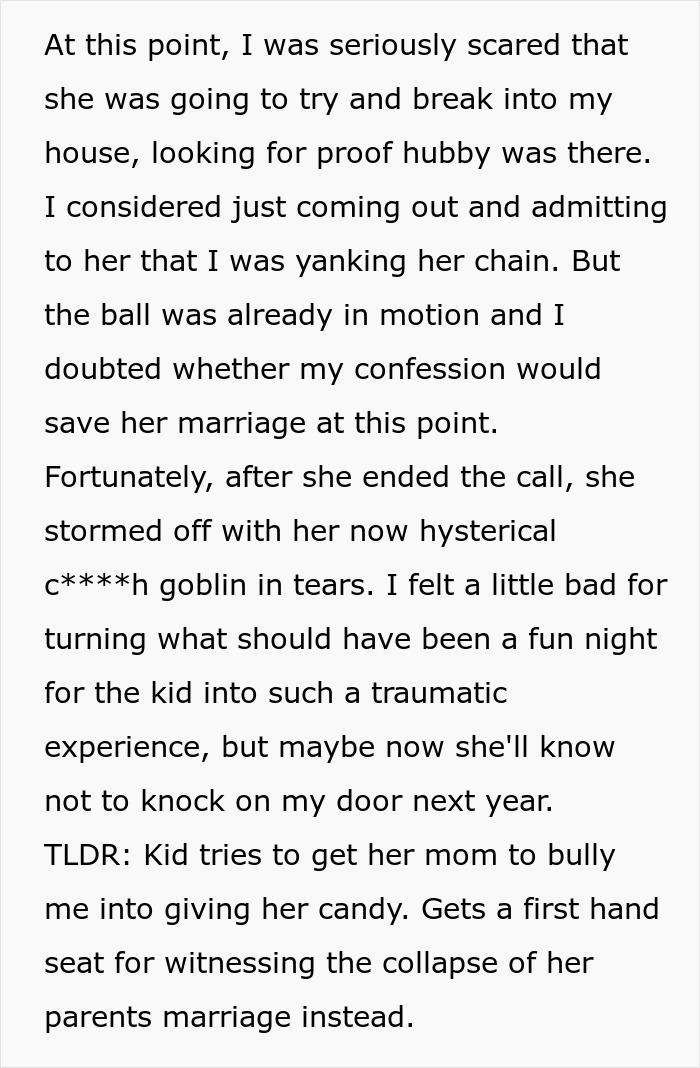
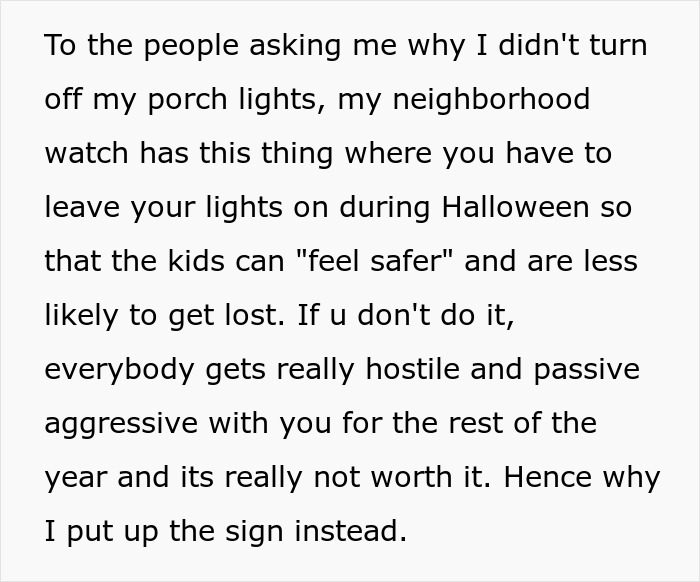
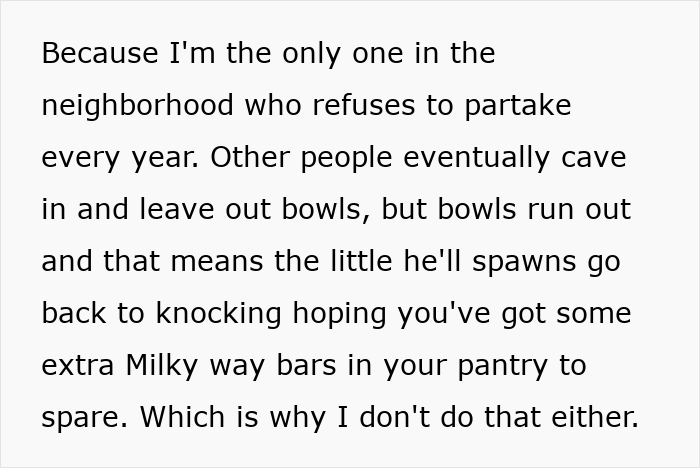
It’s not always that simple, though. The homeowner at the center of this sugar-saturated showdown said her neighborhood watch requires everyone to keep their lights on, so she put up a big sign instead. But even that wasn’t enough to deter the determined kid or her entitled mom.
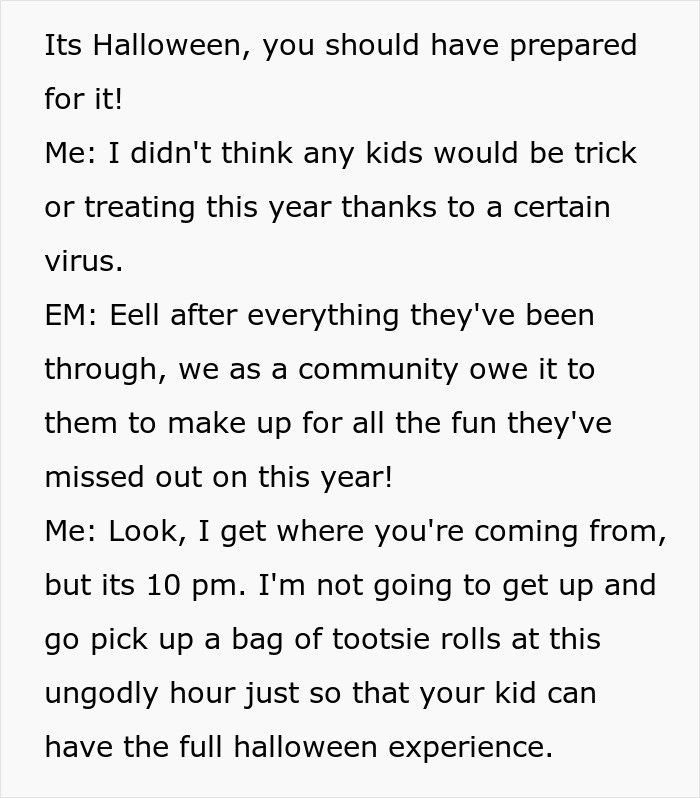
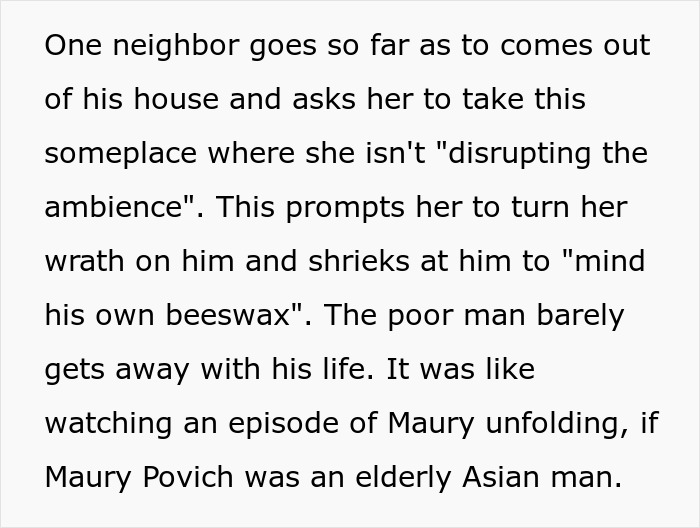
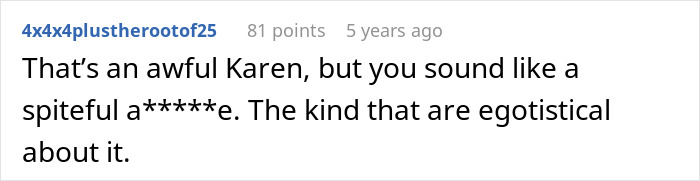
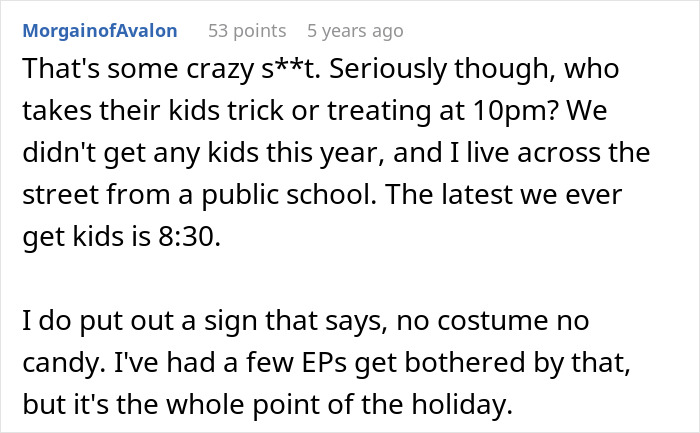
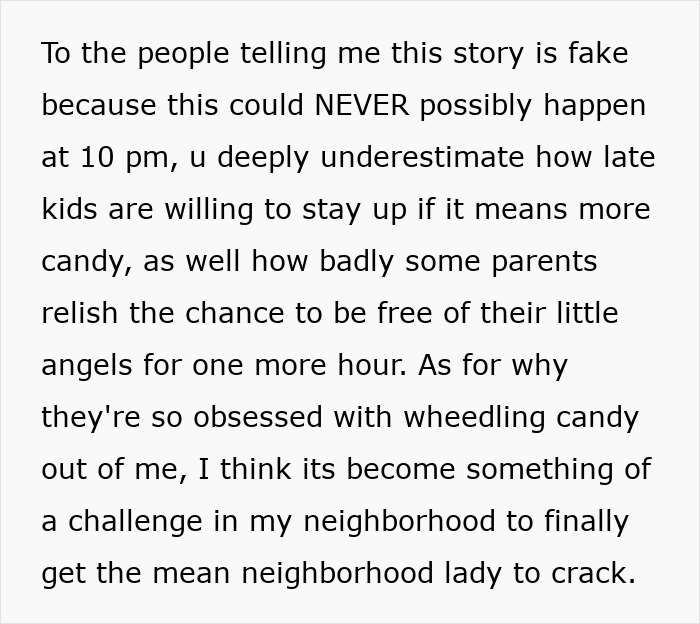
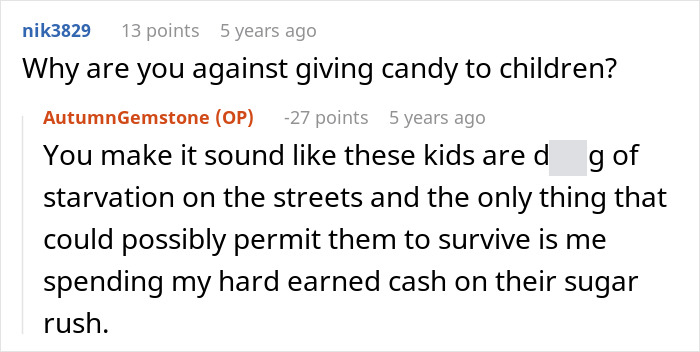
Now, it’s understandable that children might feel disappointed when they don’t get candy at a particular house. But the CBS guide also reminds trick-or-treaters that nobody is legally required to give out candy; neighbors who do are simply joining in the fun. And really, let’s be honest: showing up on someone’s doorstep at 10 p.m. to lecture them about “participating in the community” was never going to end well.
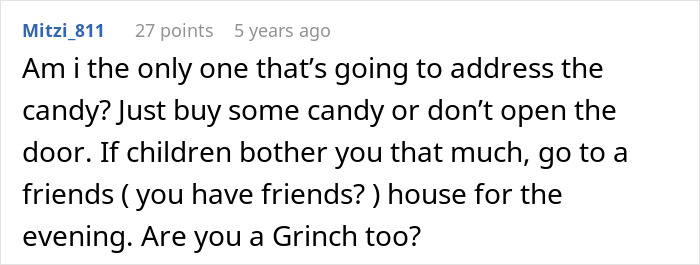
Because, sure, Halloween might be a community tradition, but that doesn’t make it a community obligation. Parents can help their children have a memorable evening without expecting every neighbor to cater to them, and homeowners can be courteous to trick-or-treaters without feeling compelled to hand out candy. The woman had made her position clear, with a sign, year after year. The child had already been told no, in several ways. Instead of using this as a lesson in accepting a polite refusal, her mother turned a denied Hershey bar into a matter of principle.
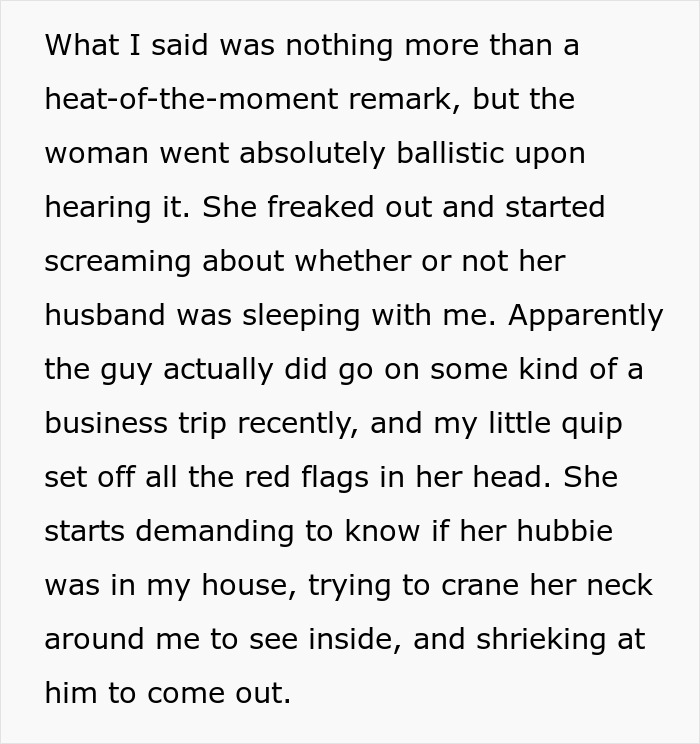
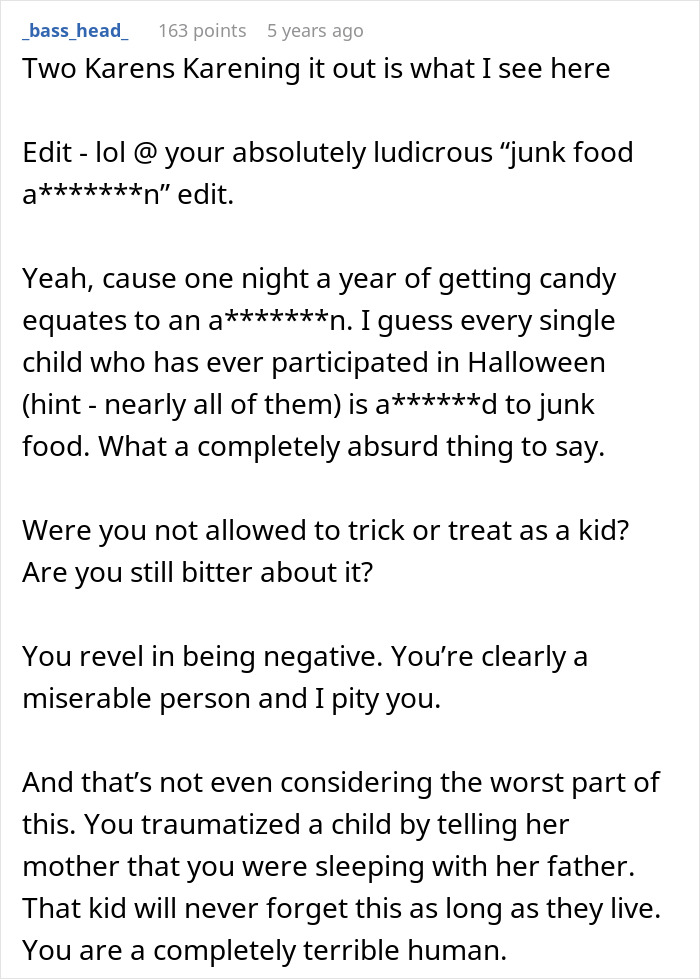
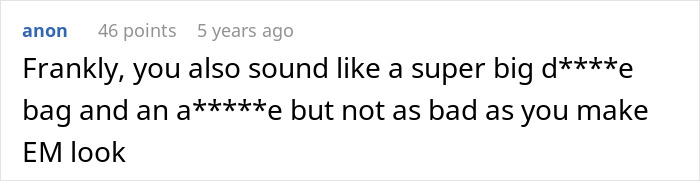
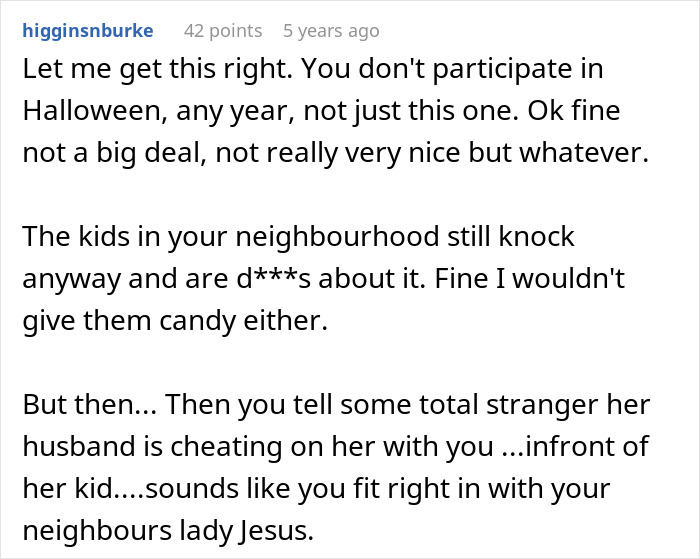
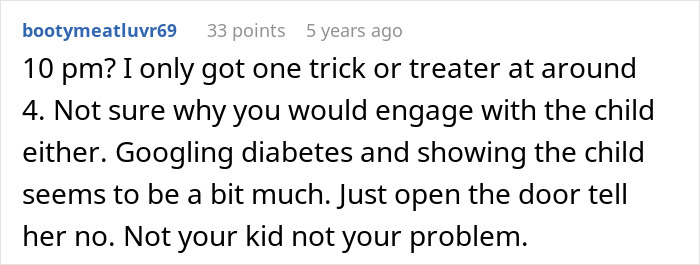
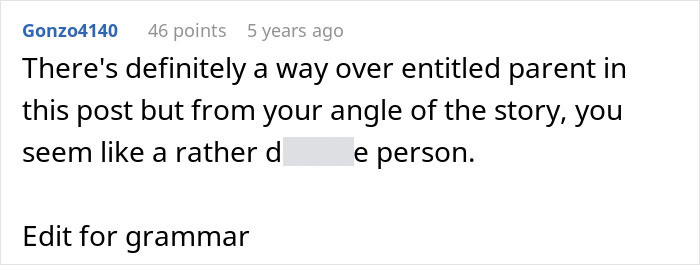
That said, the homeowner didn’t exactly do herself any favors, either. She lied about having no candy, invented a diabetes diagnosis on the spot, and ultimately reached for the most explosive insult she could think of in the heat of the moment. A firm “no” and a closed door probably would have ended things in seconds (although, with some entitled people, it’s hard to say).
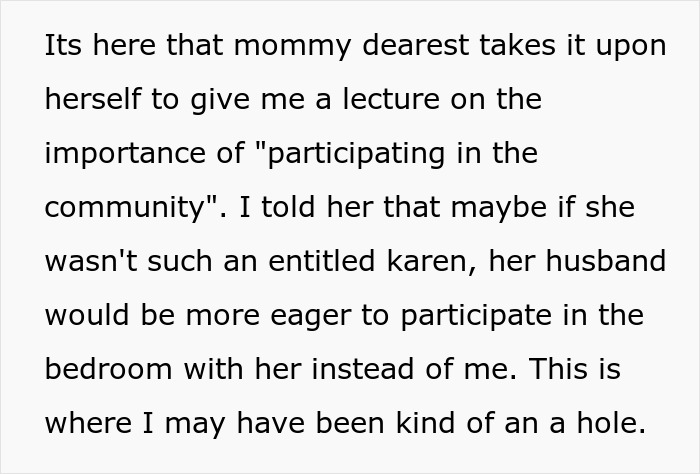
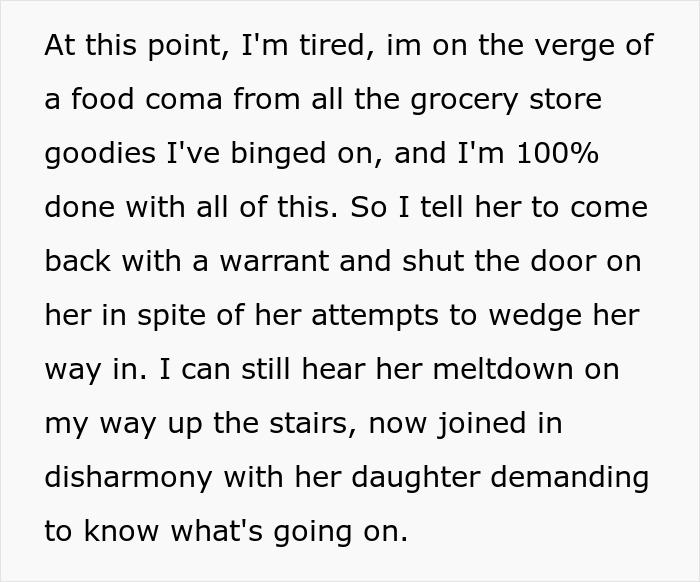
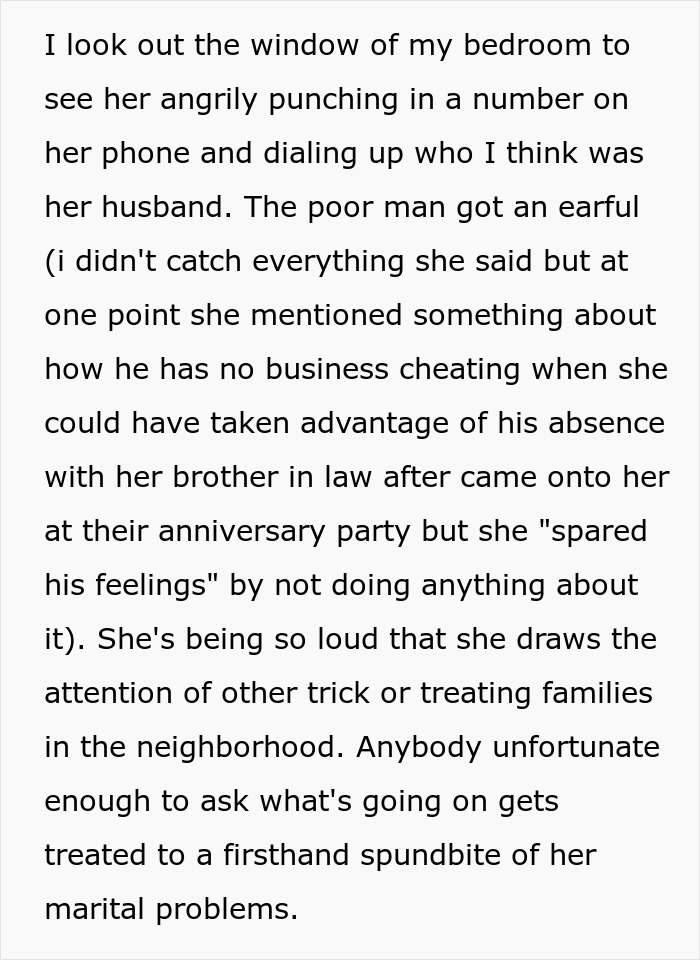
Instead, a throwaway jab lit a fuse on tensions that had clearly been simmering long before Halloween. The husband got an earful, the whole neighborhood heard about the marital drama, and a child was left without extra candy and, by the poster’s own admission, likely a little traumatized. Yikes.
Perhaps the real takeaway from this night of horrors, then, is that courtesy goes both ways. Being disappointed doesn’t entitle anyone to make a scene, and declining to participate certainly shouldn’t lead to a child getting a front-row seat to her parents’ marital problems. A little patience and restraint on both sides might have kept a minor disagreement from becoming a neighborhood spectacle and the stuff of a child’s nightmares. What do you think?
















By entering your email and clicking Subscribe, you're agreeing to let us send you customized marketing messages about us and our advertising partners. You are also agreeing to our Privacy Policy.
Thank you! You've successfully subscribed to newsletters!































 No fees, cancel anytime








31
0