Get Premium
Dark mode theme is available exclusively for premium users. Learn more about the benefits of subscribing.
No fees, cancel anytime.

 Dark Mode Ad-Free Browsing Unlimited Content
 Ad-Free Browsing Unlimited Content Dark Mode
Join 1.2 million Panda readers who get the best art, memes, and fun stories every week!
In a world where tattooing is often associated with heavy shading, dense imagery, and decorative symbolism, my work follows a different path. Through DotsToLines, I have developed a visual language built from line alone.
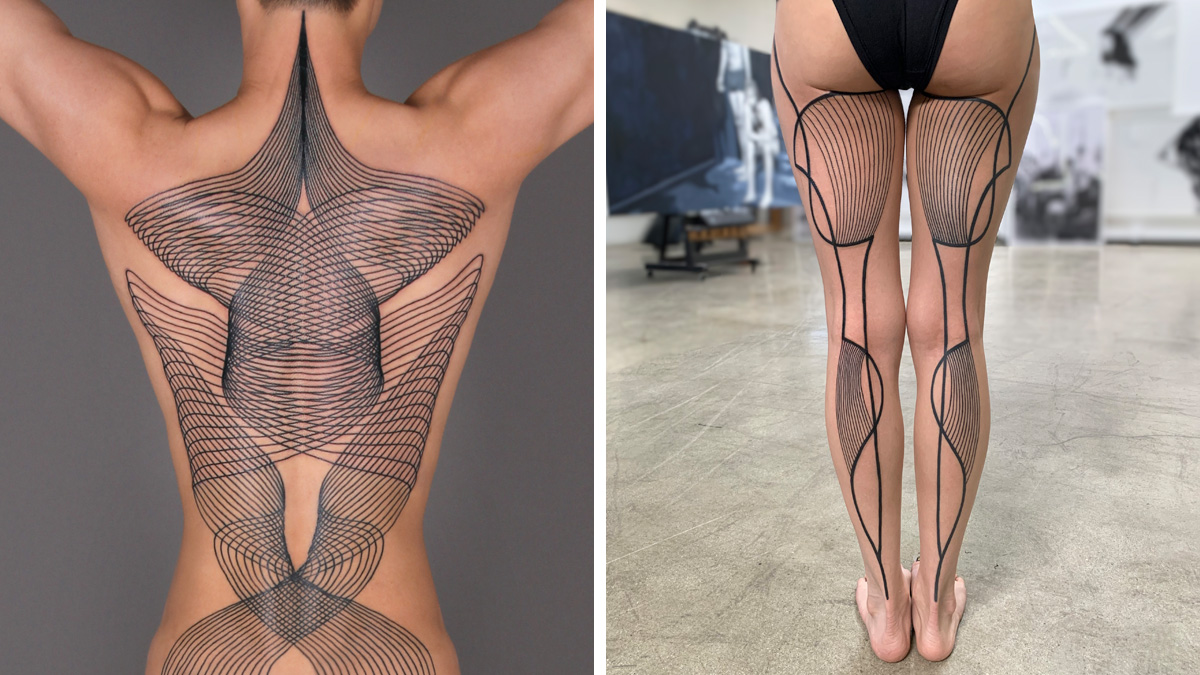
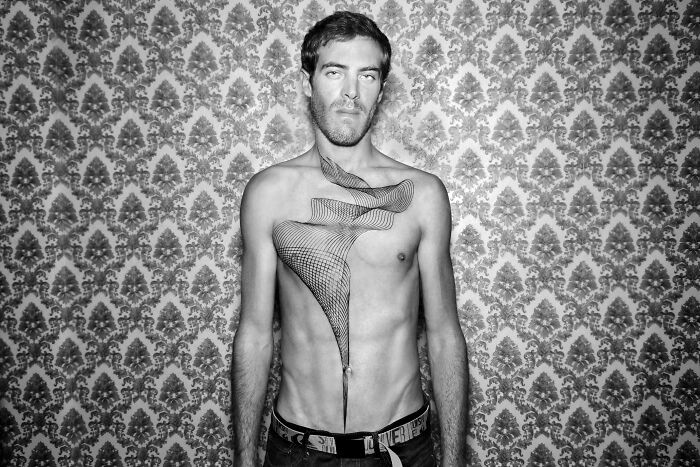
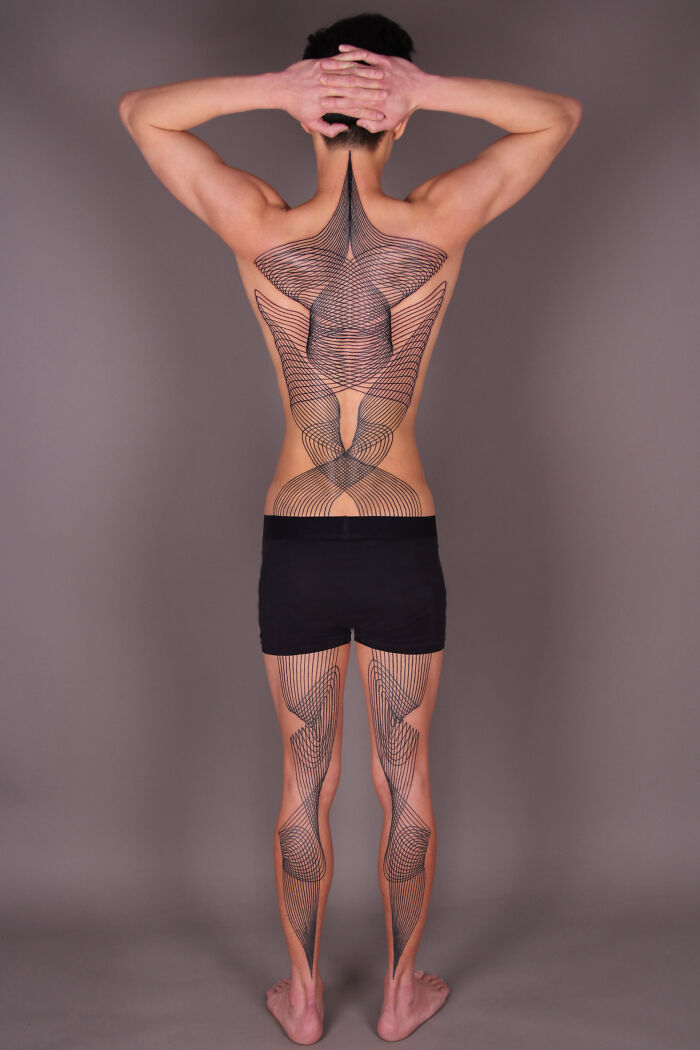
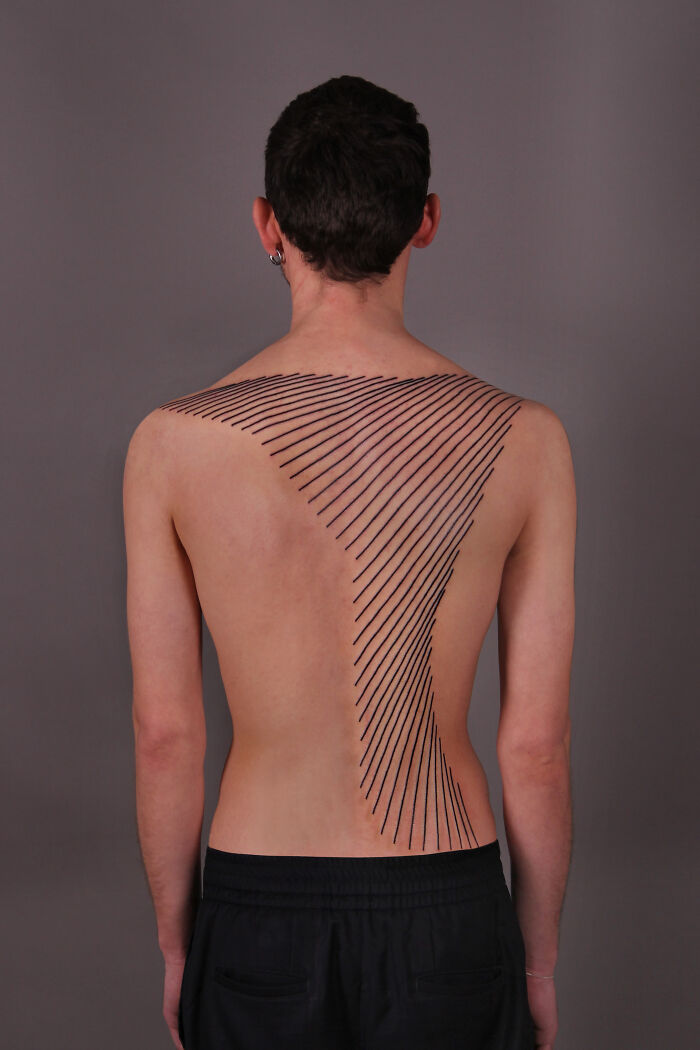
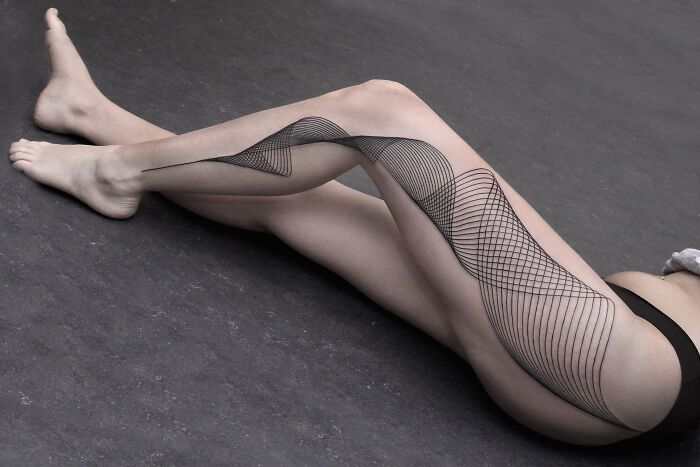
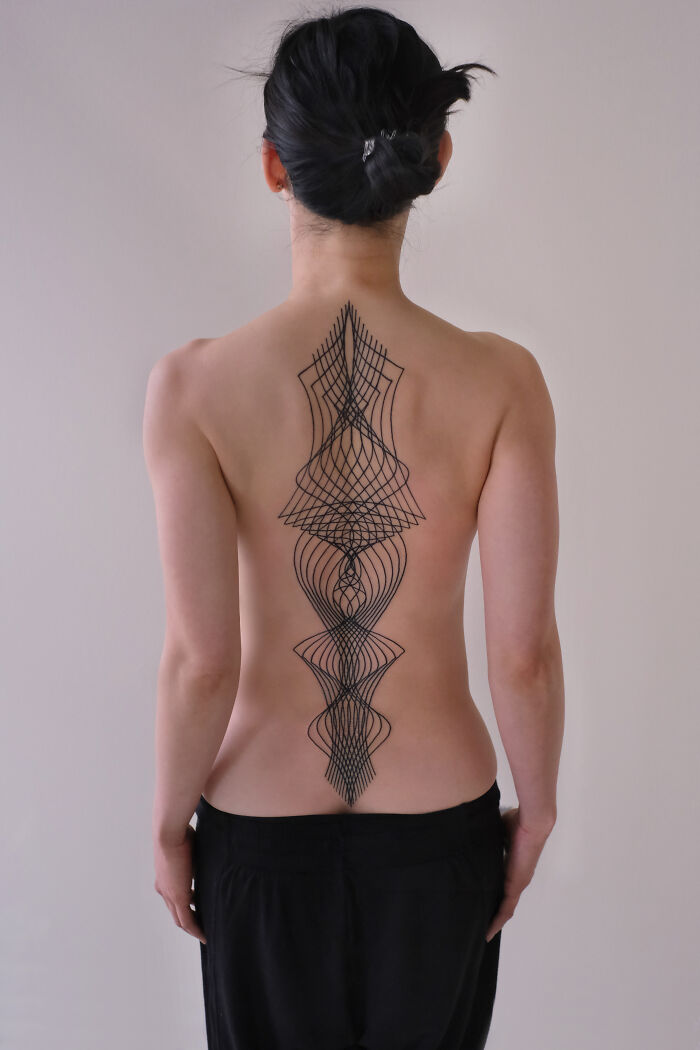
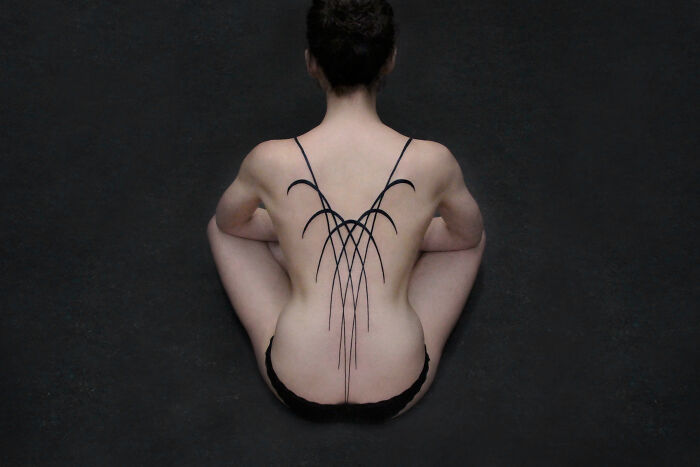
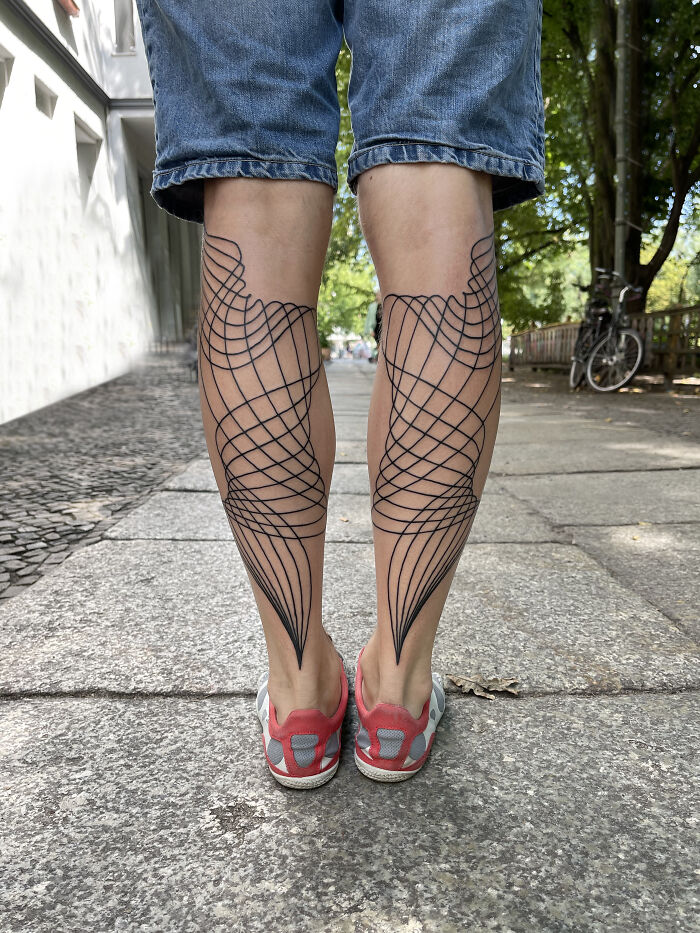
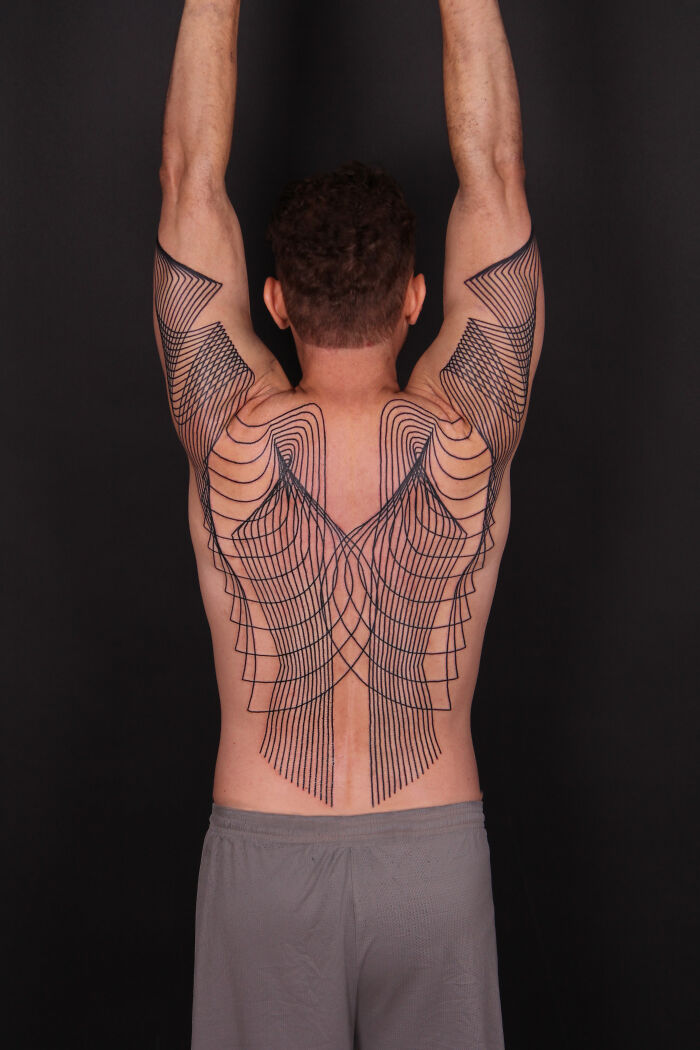
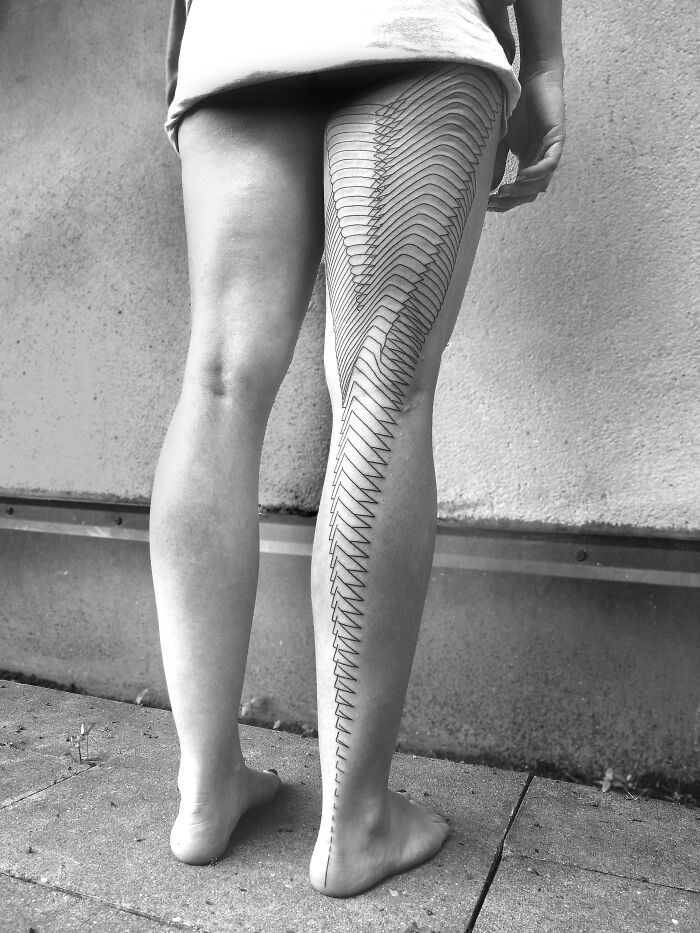
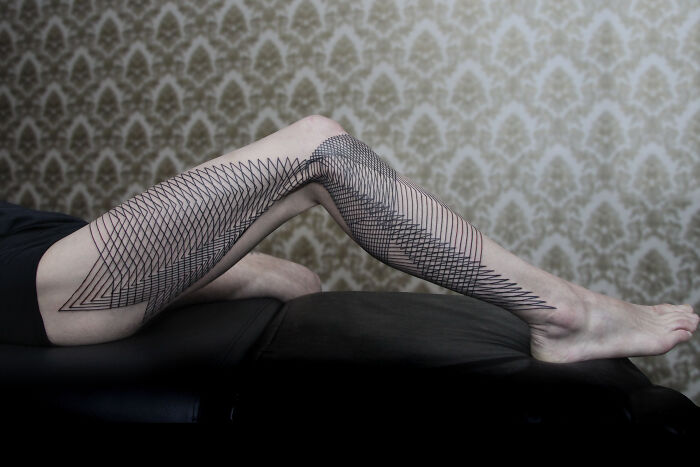
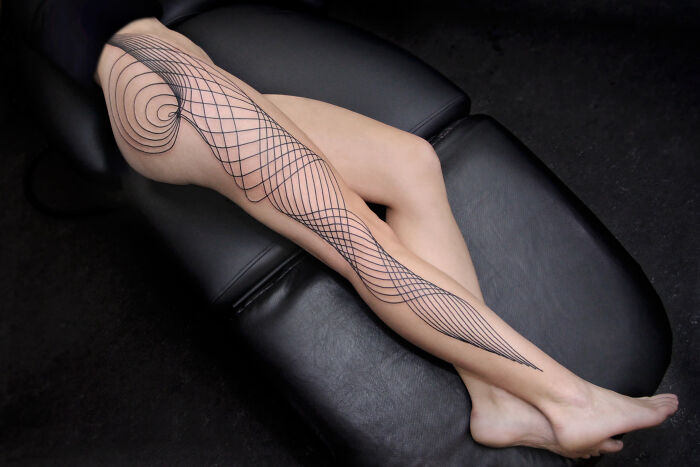
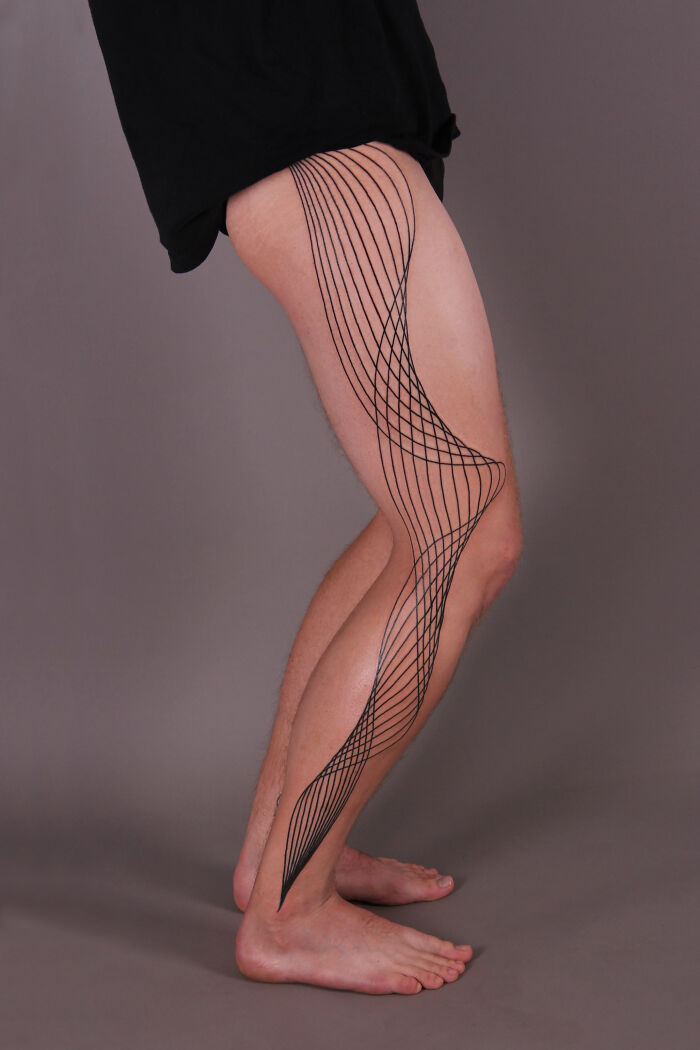
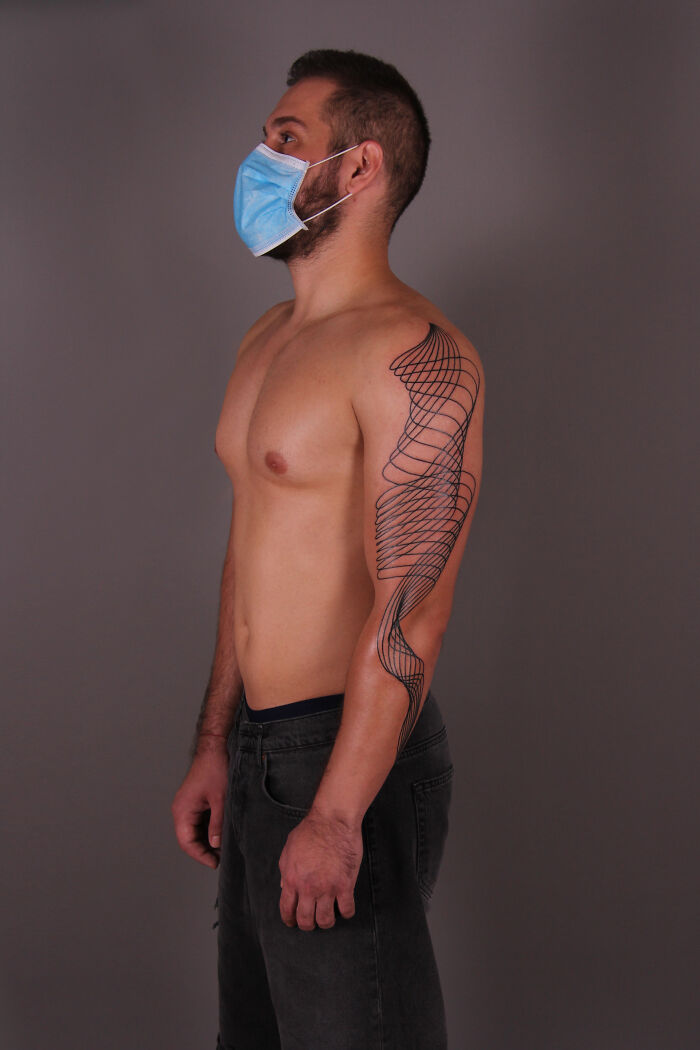
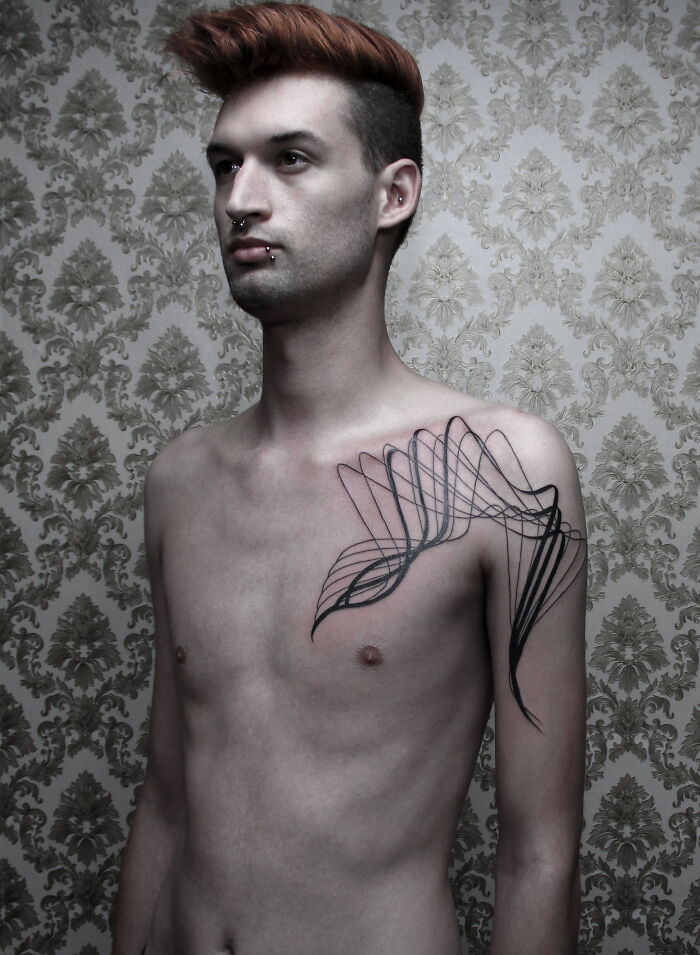
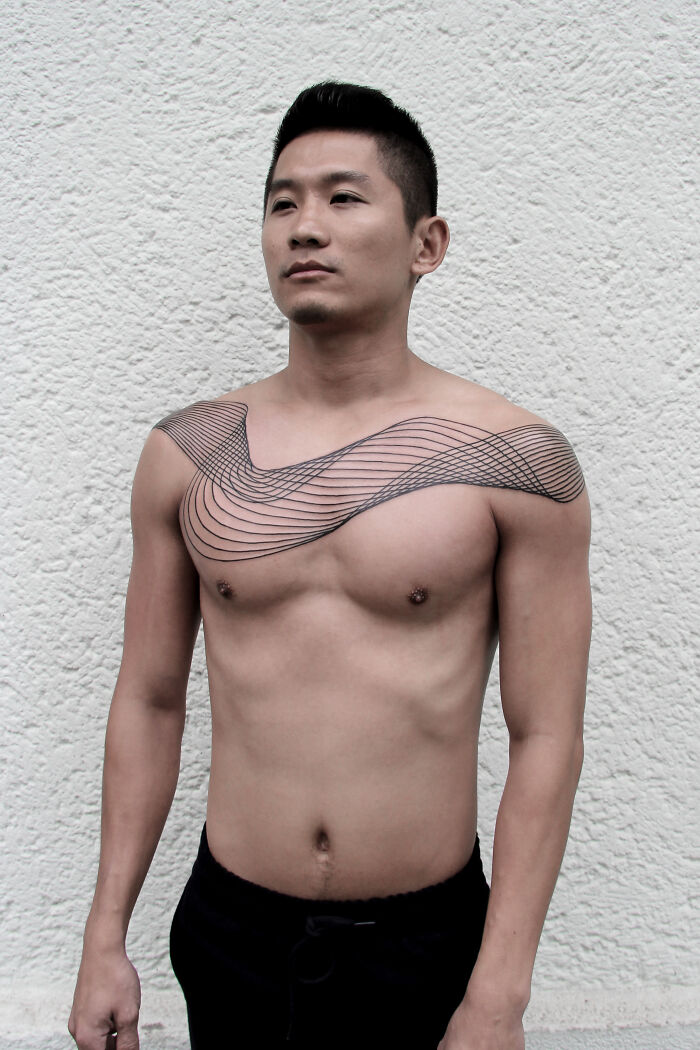
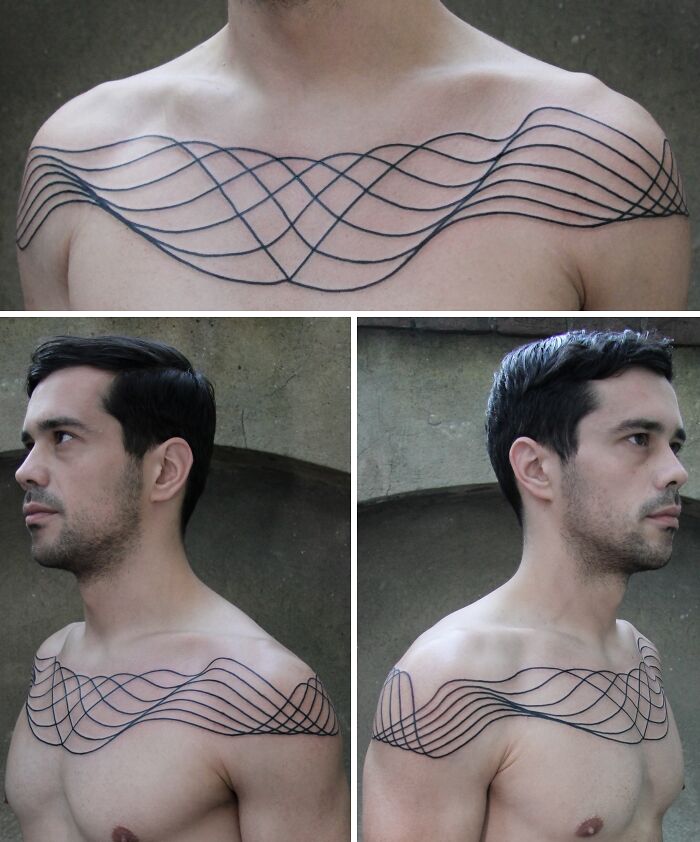
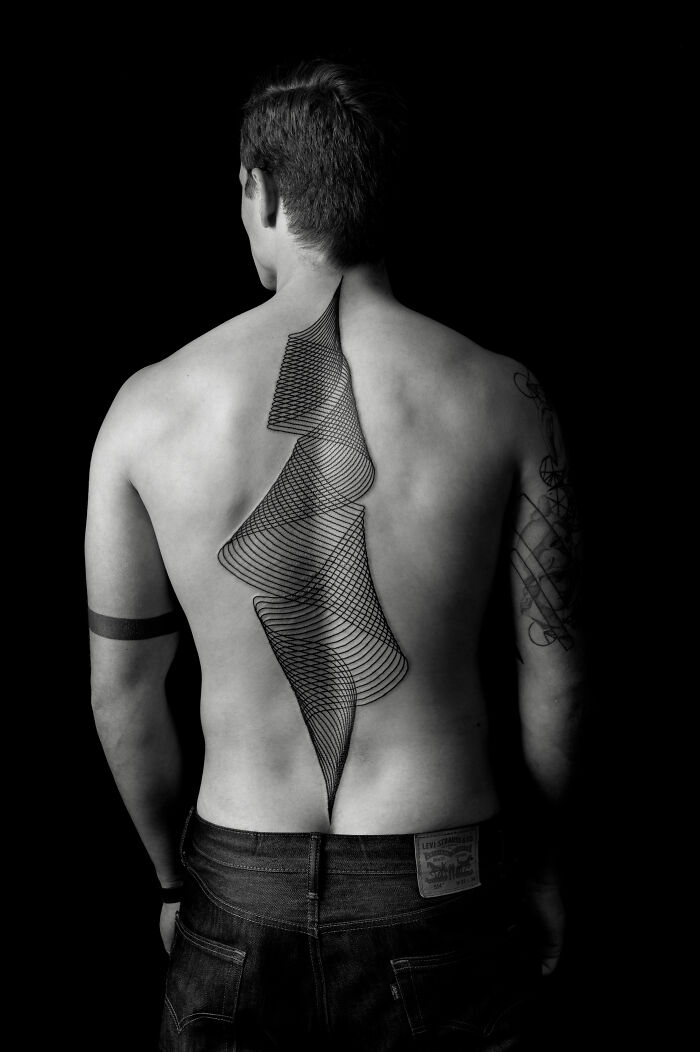
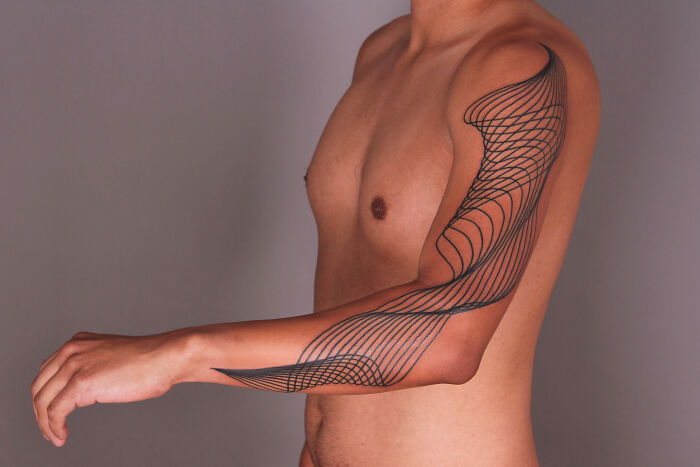
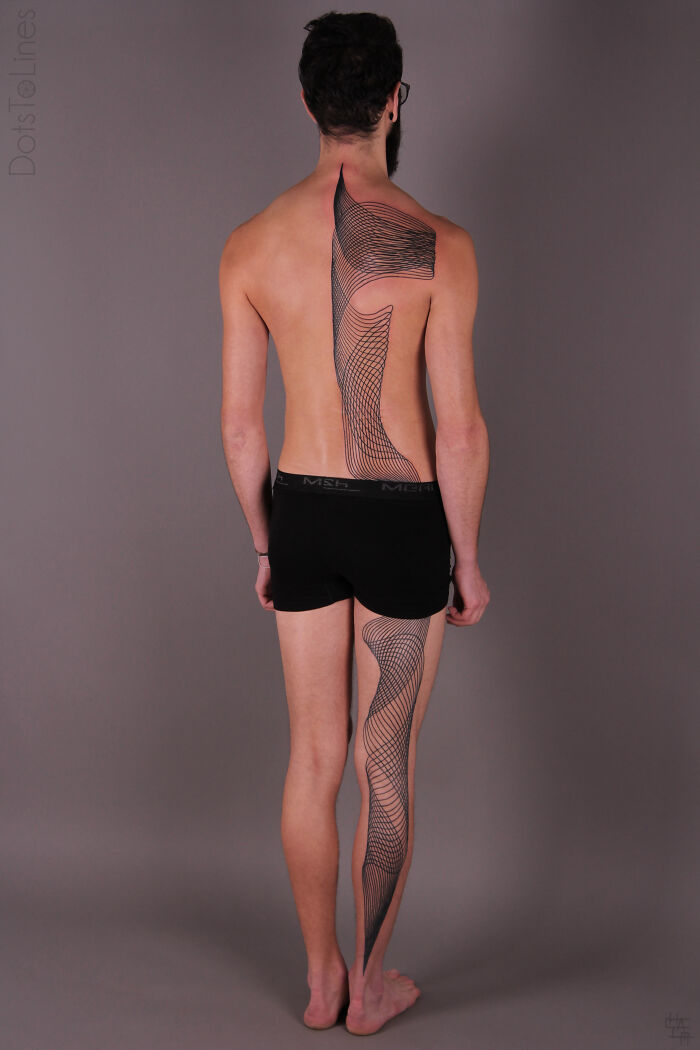
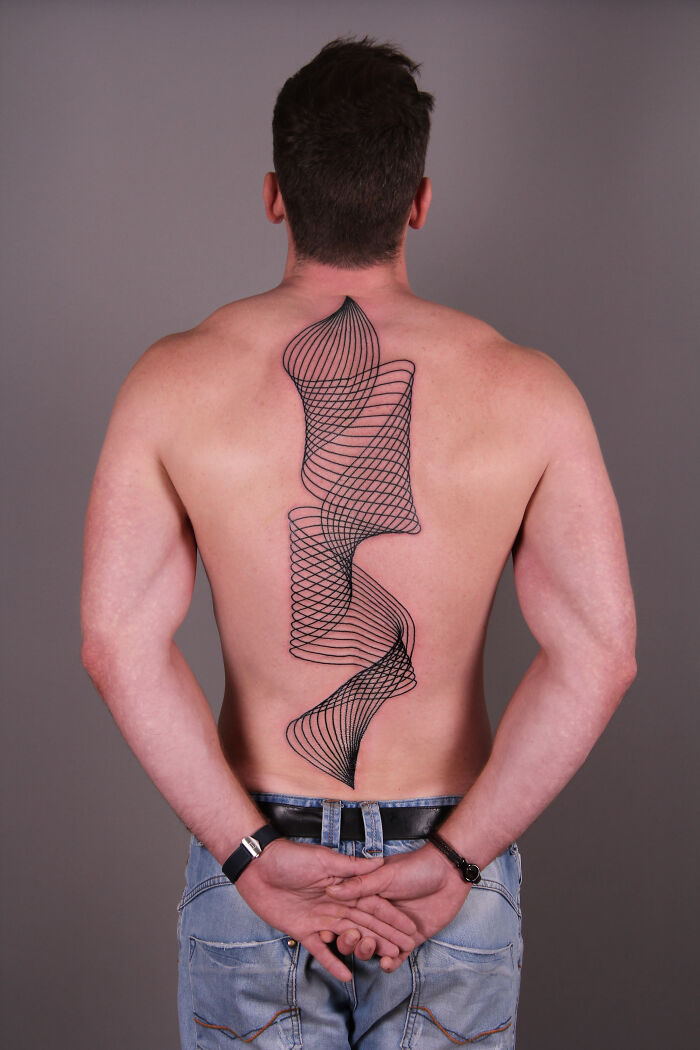
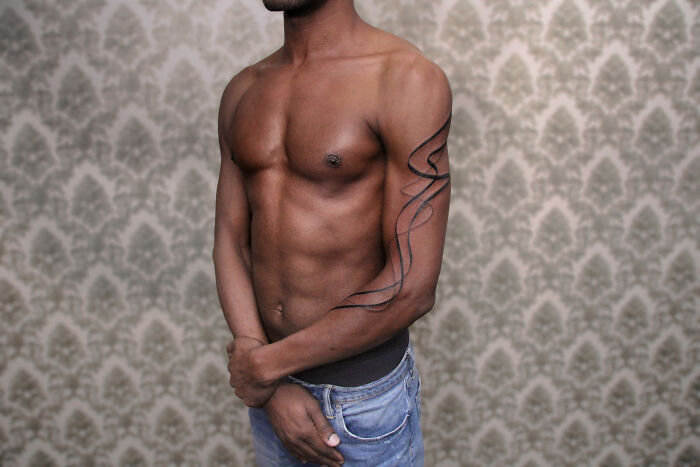
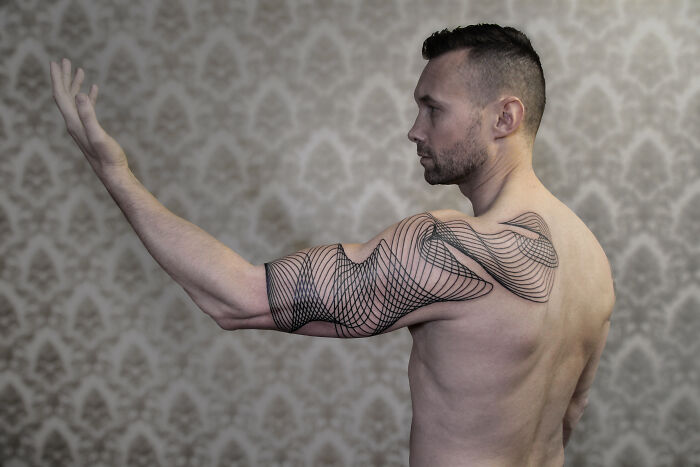
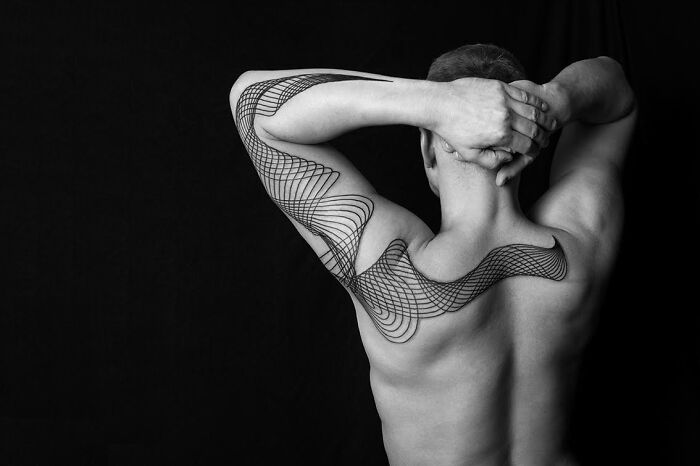
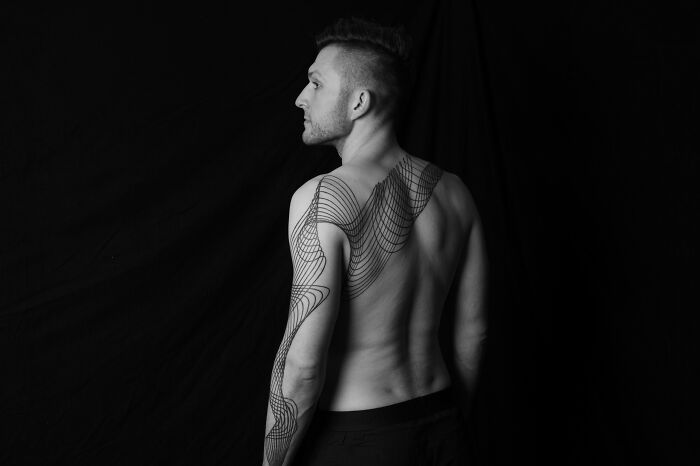
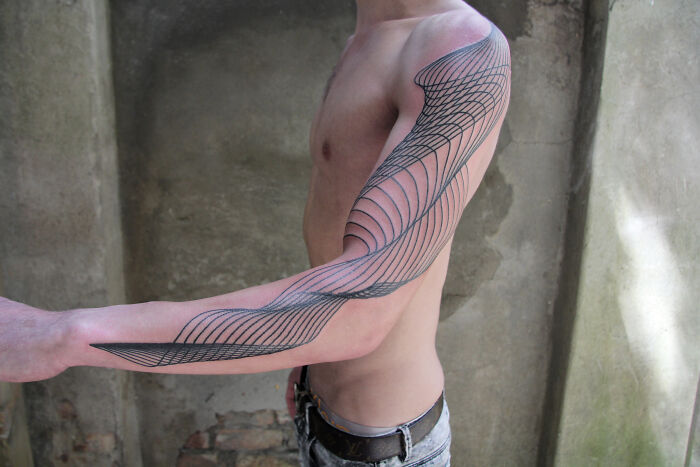
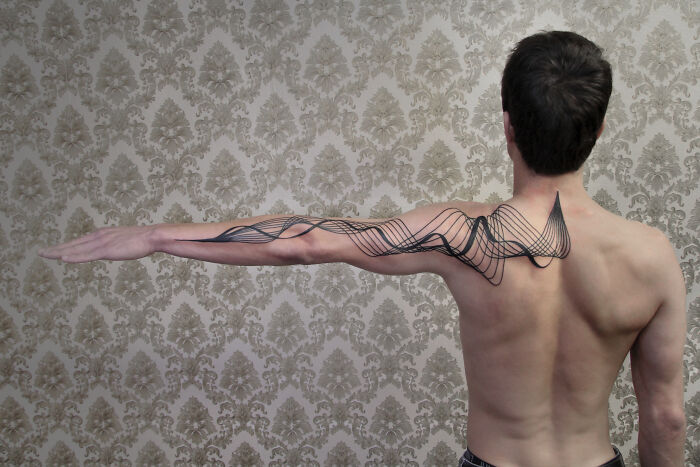
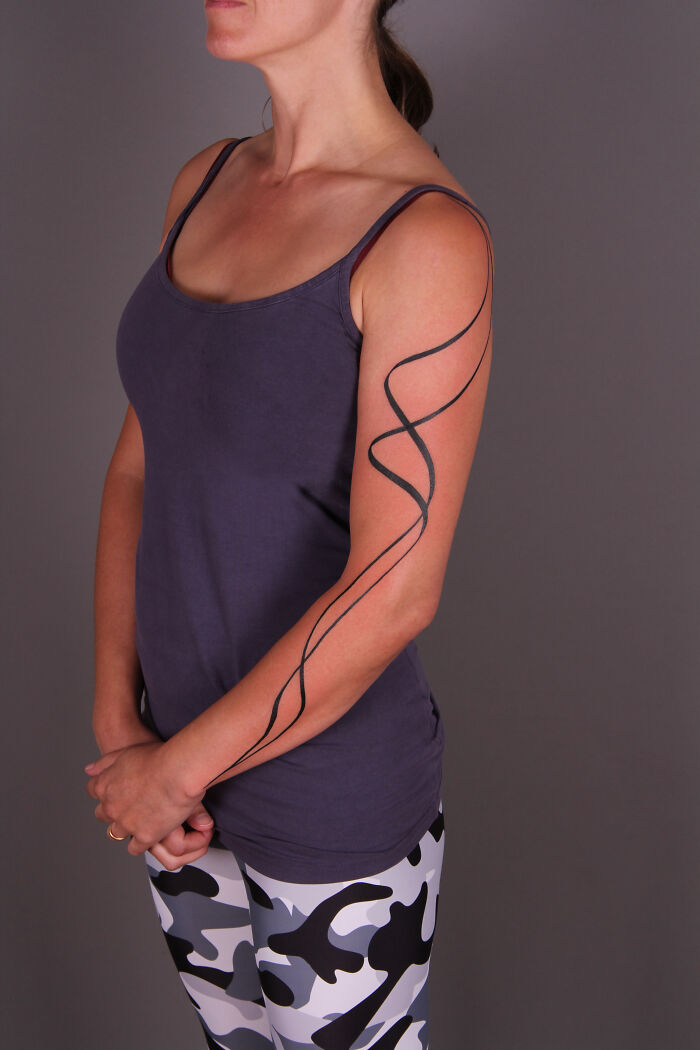
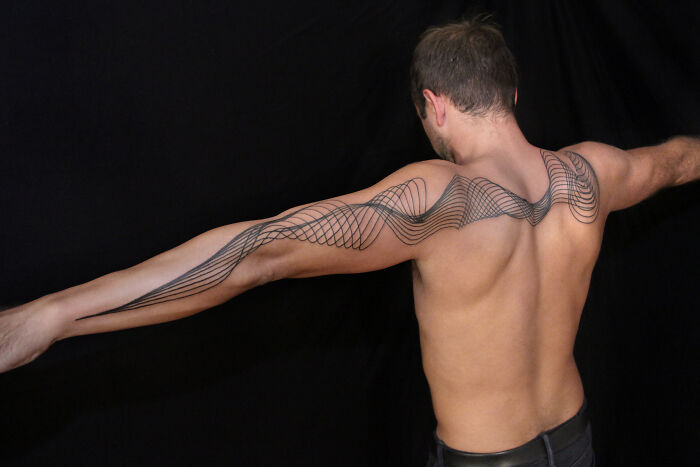
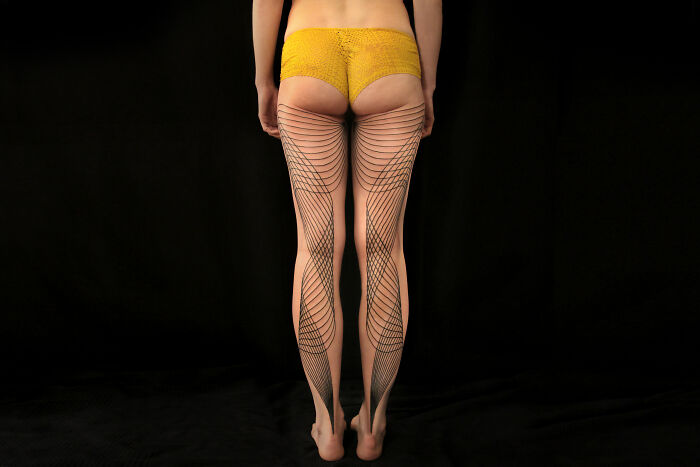
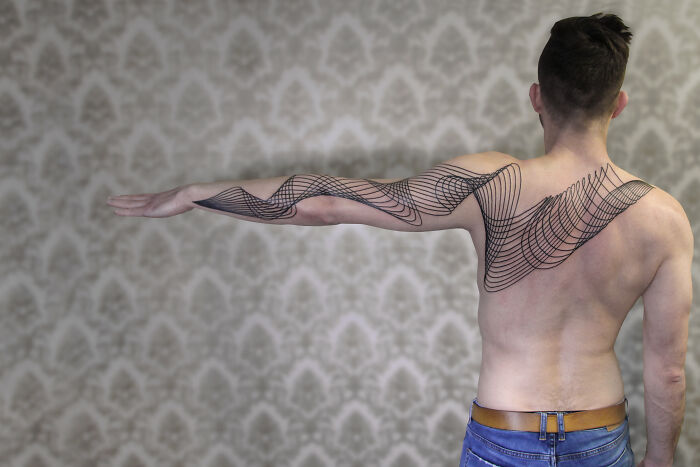
At first glance, these tattoos may appear deceptively simple. Black lines travel across the body, bending, converging, expanding, and disappearing. Yet the simplicity is only visual. Beneath it lies my ongoing exploration of movement, anatomy, rhythm, and the fundamental principles that have shaped tattooing for generations.
More info: dotstolines.com | Instagram | Facebook | youtube.com
This post may include affiliate links.
The lines themselves are not intended to represent specific objects. They are not illustrations of flowers, animals, or symbols. Instead, they function as expressions of motion and energy. Much like a piece of music can communicate emotion without words, these compositions communicate through flow, tension, balance, and space.
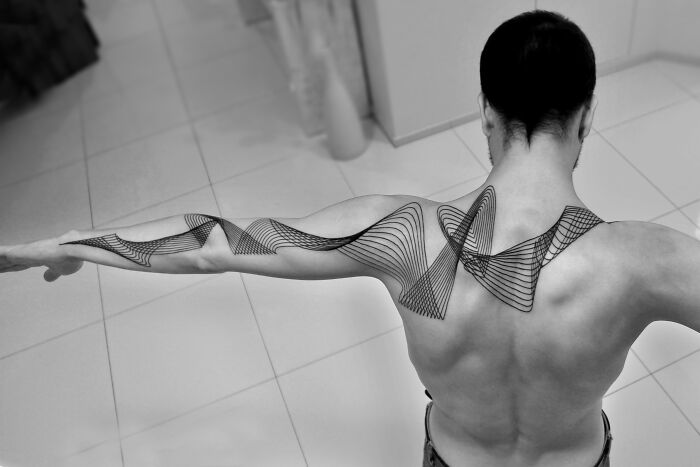
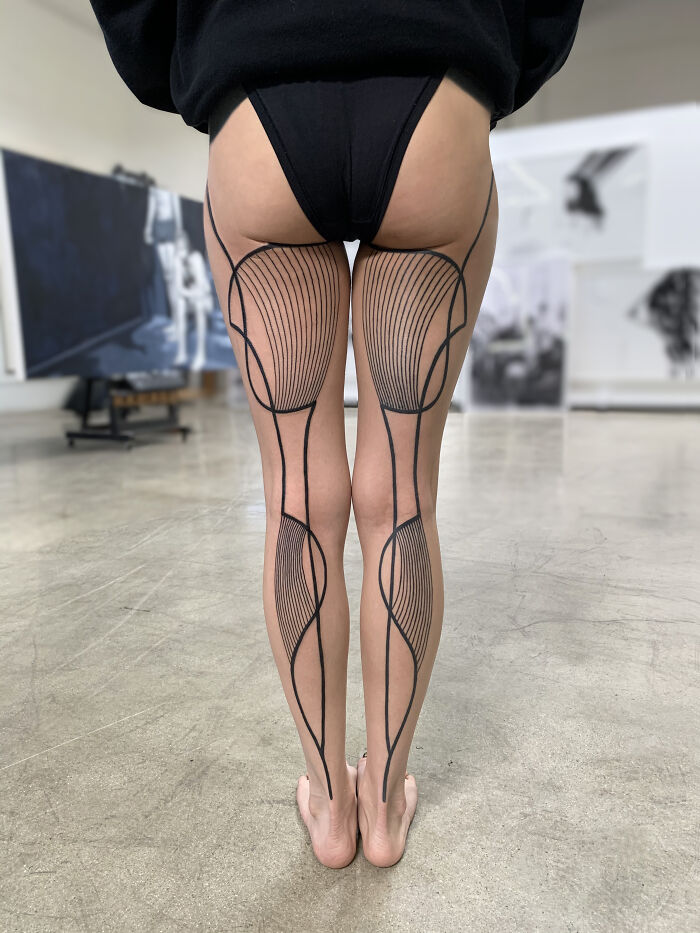
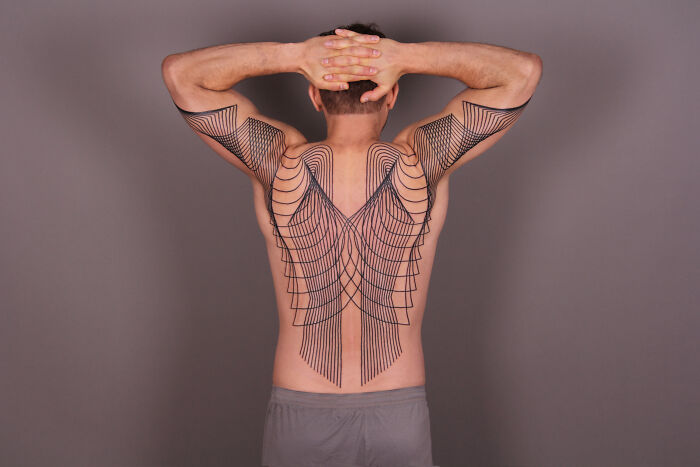
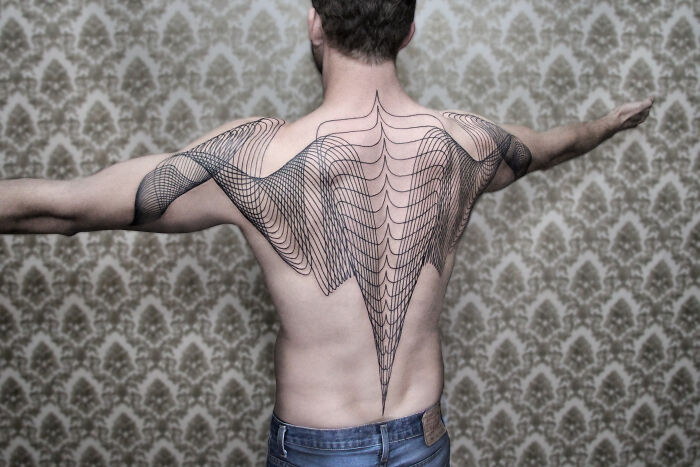
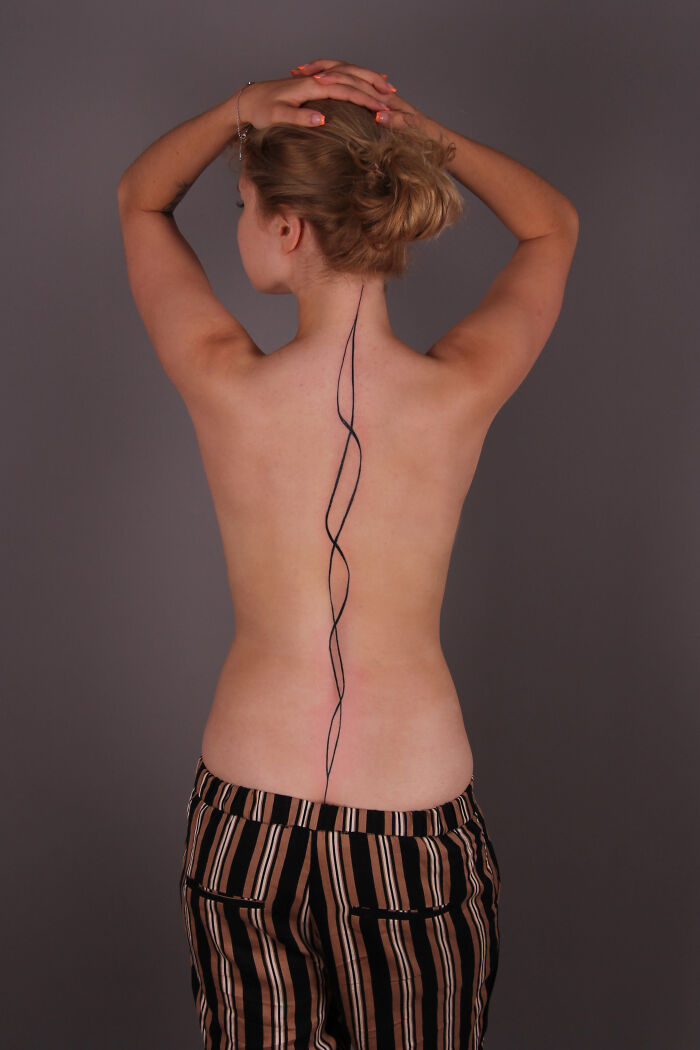
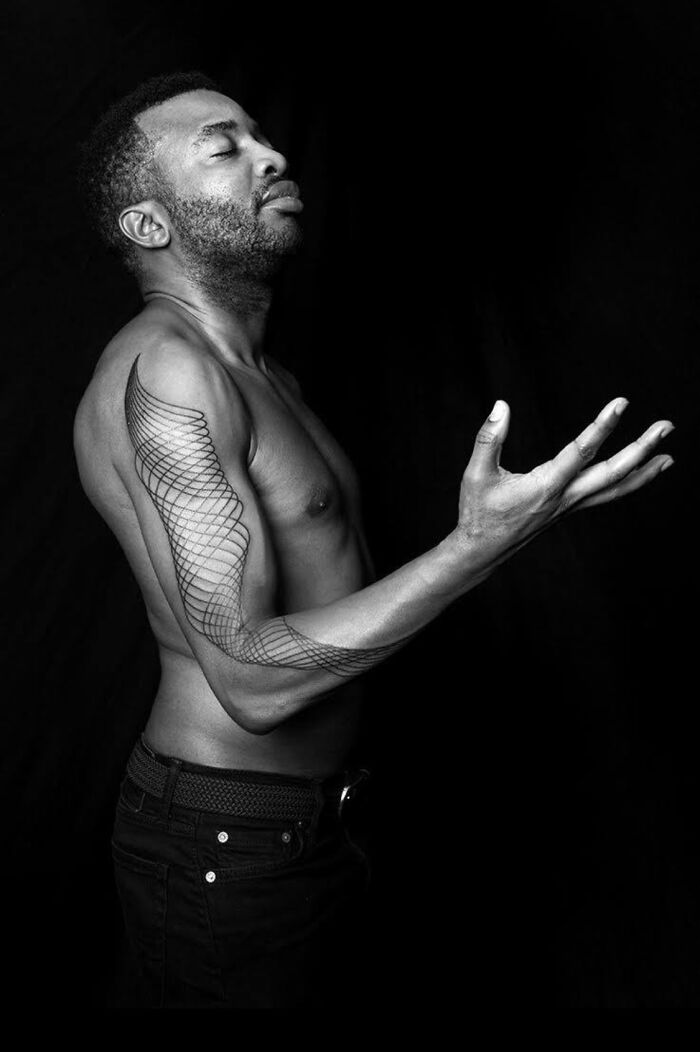
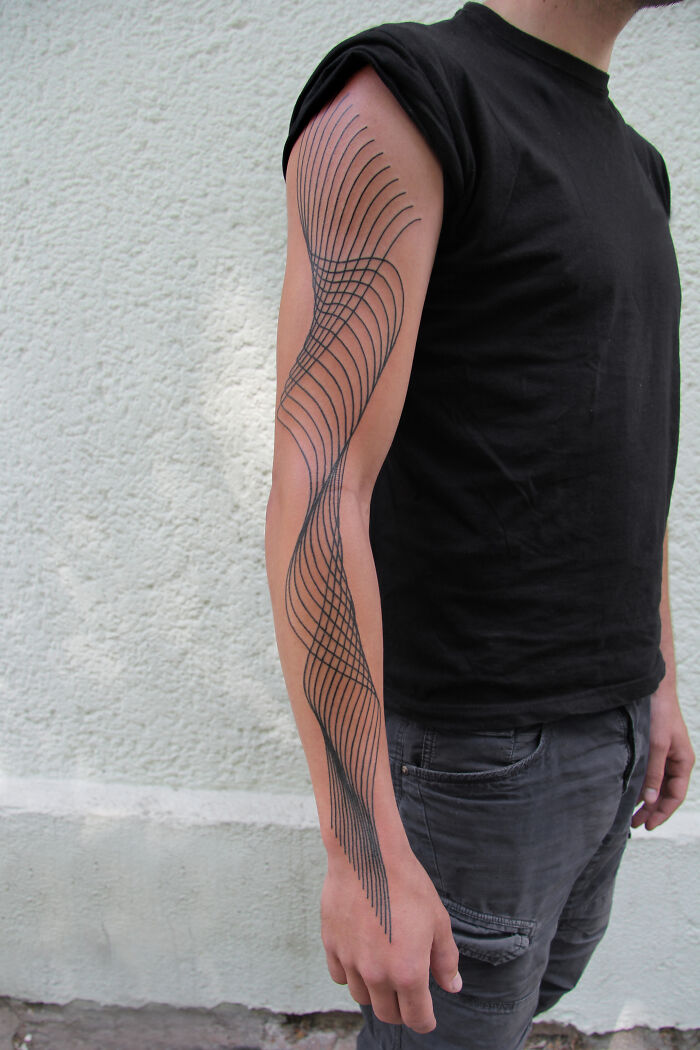
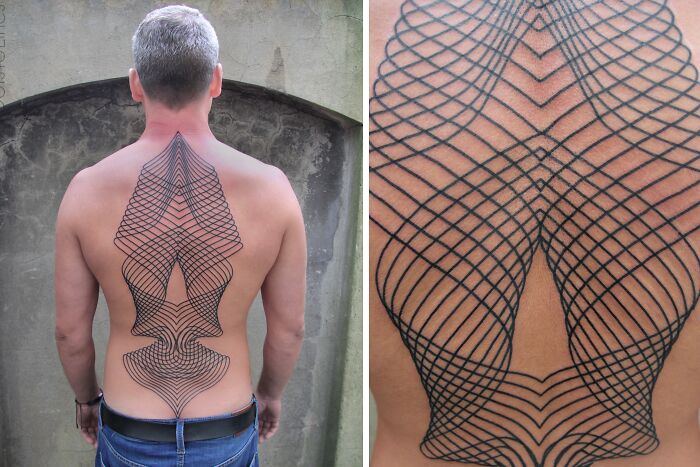
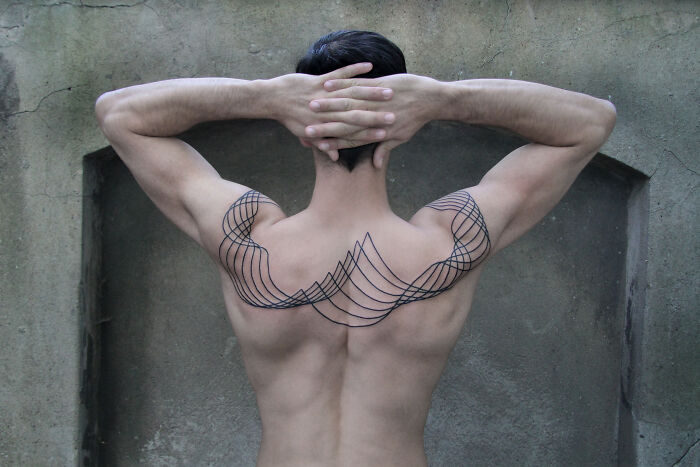
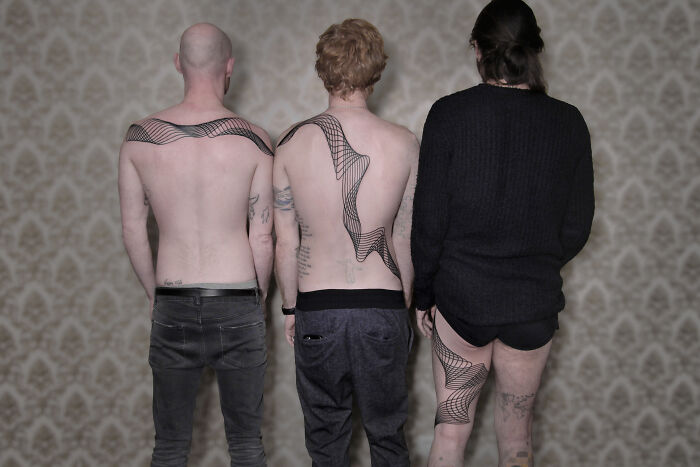
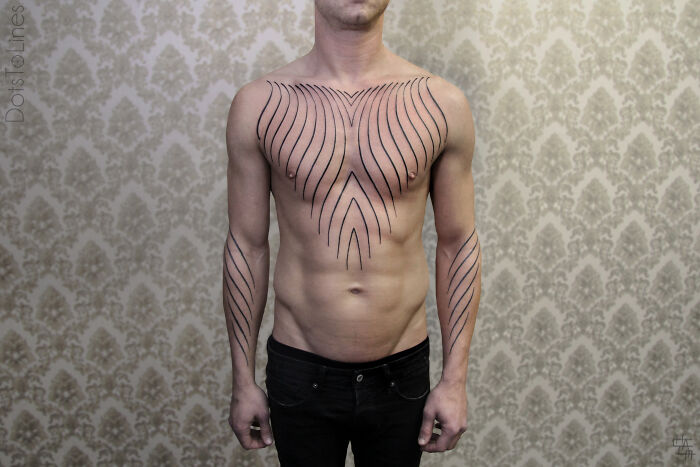
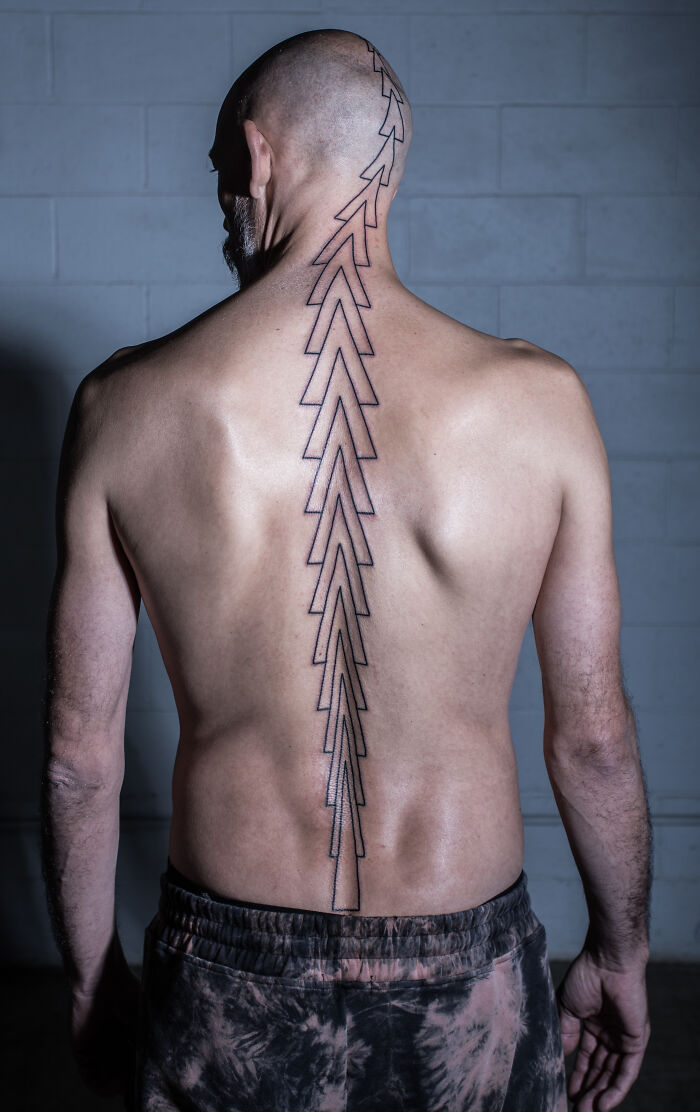
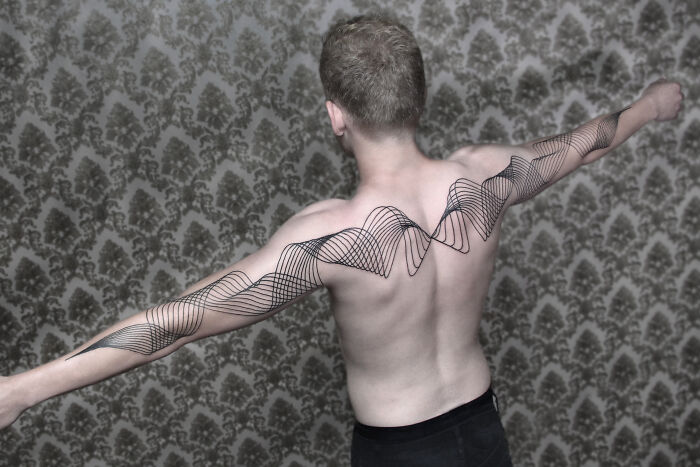
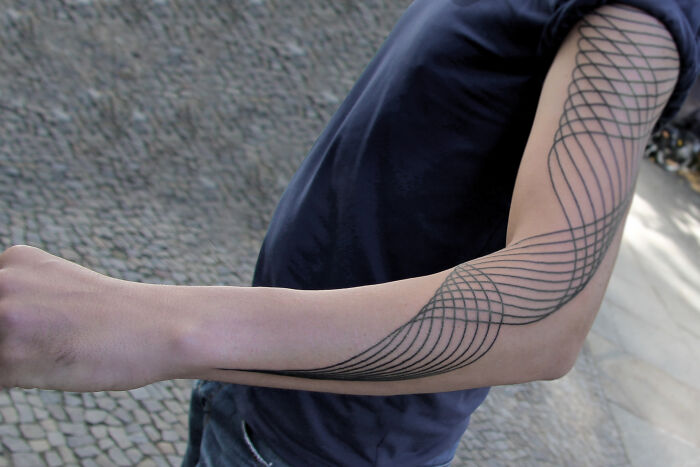
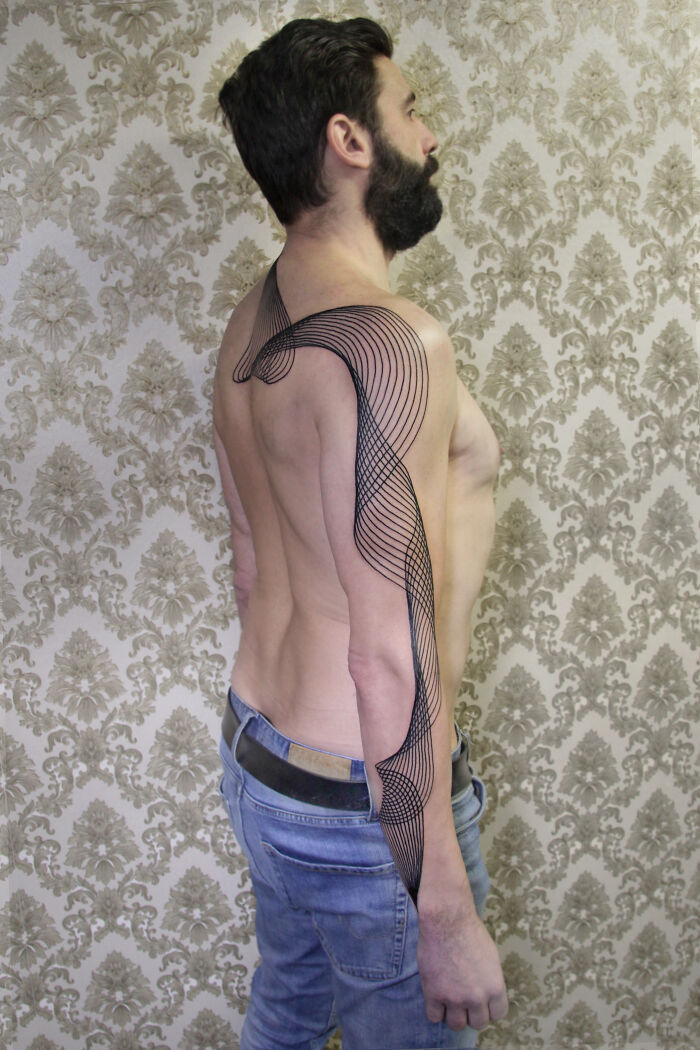
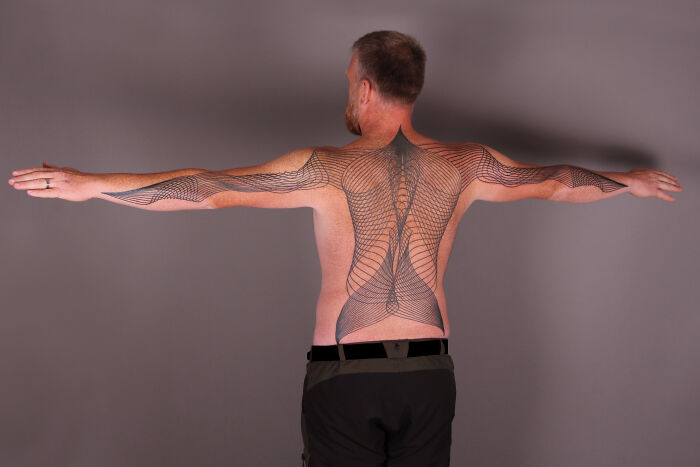
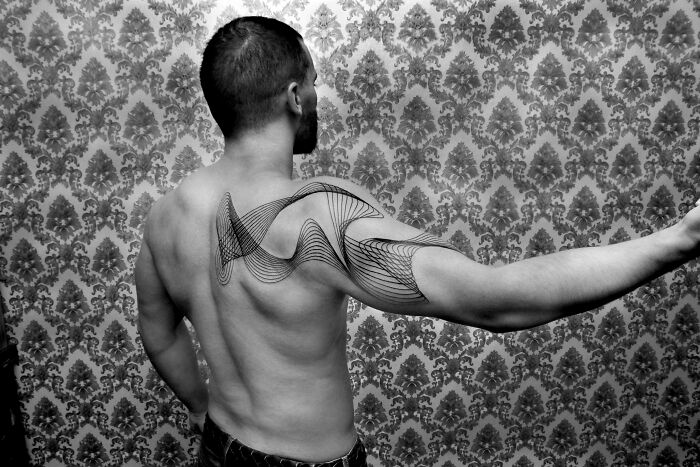
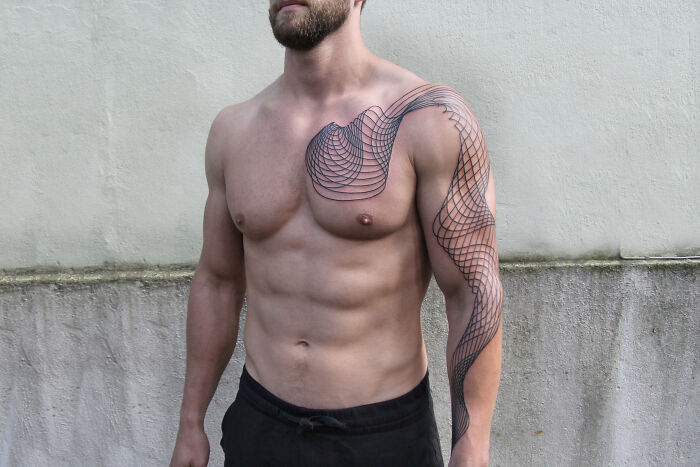
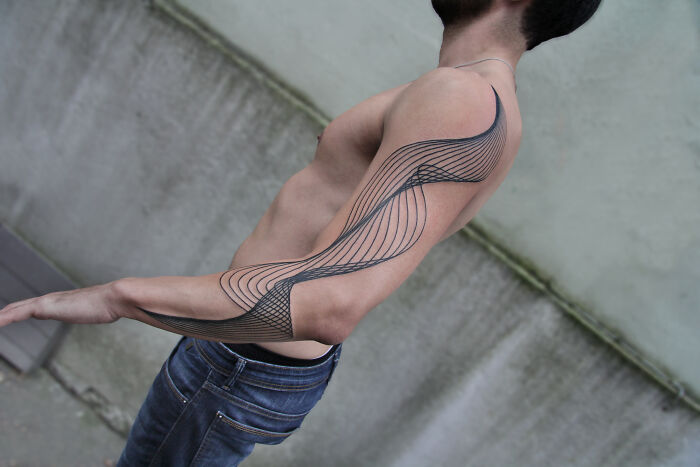
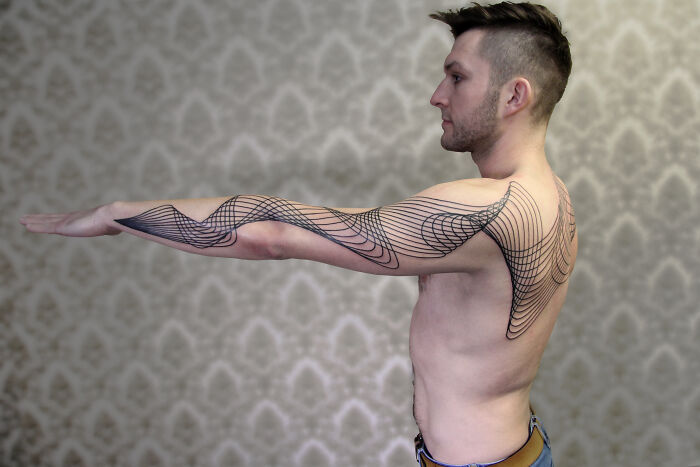
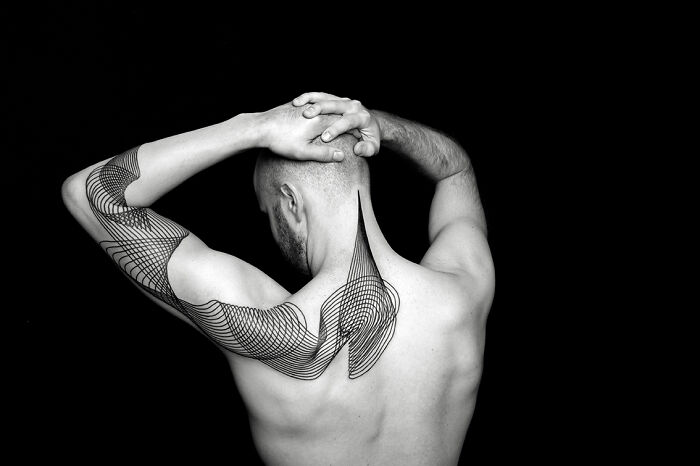
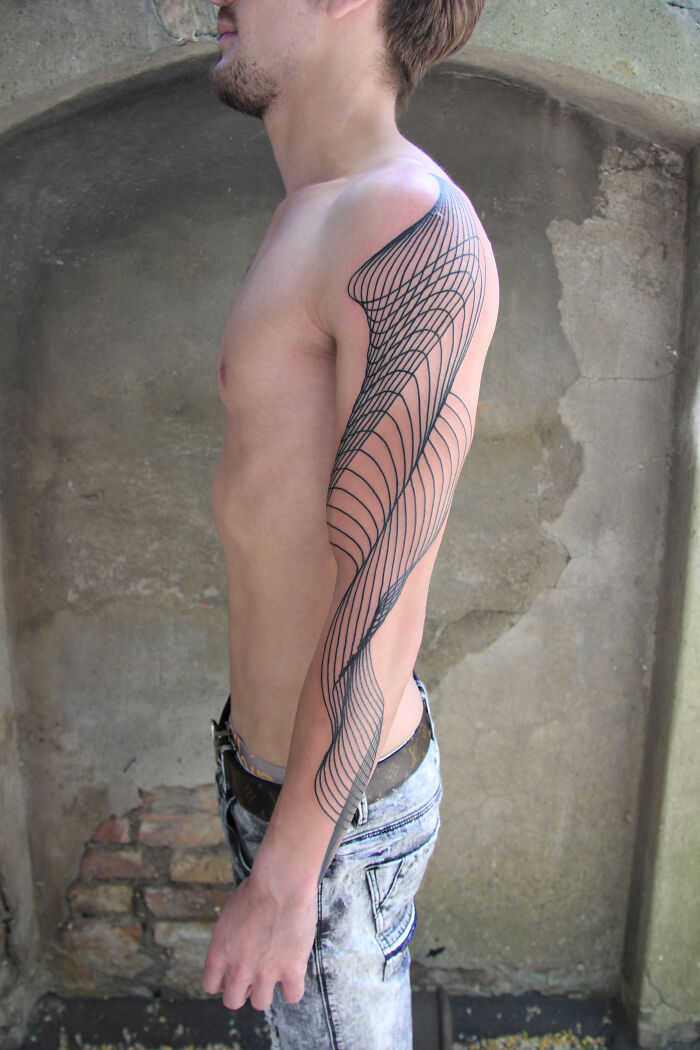
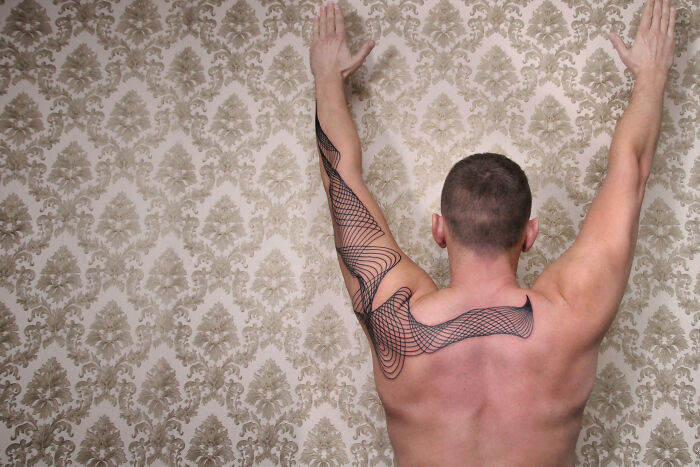
What interests me most is the relationship between the tattoo and the body. Rather than treating the body as a flat canvas, I use its natural structure as an active part of the design. A shoulder becomes a turning point. A ribcage creates expansion. A spine becomes an axis. Muscles and movement continually alter the perception of the composition.
When the wearer changes posture, the tattoo changes with them.
This dialogue between line and anatomy places my work within a contemporary artistic conversation. It draws inspiration from graphic design, architecture, kinetic art, and mathematical systems while remaining unmistakably rooted in tattooing. The body is not merely carrying the artwork; it completes it.
Yet despite their modern appearance, these tattoos remain deeply connected to the traditional laws of tattooing.
For generations, successful tattoos have relied on a number of enduring principles: clarity, readability, contrast, and longevity. These principles remain central to my approach. The compositions use clean black lines with deliberate spacing. Negative space is treated as carefully as the ink itself. The eye is allowed room to travel. The designs breathe.
This balance is essential. Minimalism in tattooing is not simply about using fewer elements. It is about understanding which elements are necessary and which are not. Every line must earn its place.
In many of these pieces, multiple lines travel together, creating visual density without sacrificing openness. The result is complexity achieved through repetition rather than decoration. A single gesture expands into a system. A movement becomes a structure.
The influence of minimalism is evident throughout my work. Like minimalist architecture or contemporary sculpture, I remove everything nonessential until only the core visual idea remains. What is left often feels more powerful than a heavily detailed image because it invites interpretation rather than dictating it.
People frequently see different things within the same tattoo. Some perceive waves, others architecture, sound frequencies, topographical maps, or flowing fabric. None of these interpretations are wrong. The lines remain intentionally open, allowing each wearer to form a personal connection with the work.
Perhaps this is why these tattoos feel timeless despite their contemporary appearance. They avoid trends and references that may eventually become dated. Instead, they focus on universal visual relationships: tension and release, movement and stillness, symmetry and asymmetry, order and disruption.
The result is a body of work that occupies a unique space between fine art and tattooing.
Through DotsToLines, I have spent years developing a visual language that combines geometric precision with organic movement. Working primarily from Los Angeles while maintaining a studio in Berlin, I continue to refine an approach that is immediately recognizable while remaining uniquely adapted to each individual body.
No two pieces are truly alike because no two bodies are alike.
The tattoos shown here demonstrate that a line can be far more than a contour. It can suggest movement without motion, structure without rigidity, and complexity without excess. Through careful placement, disciplined execution, and a commitment to minimalism, I aim to transform the human body into a living composition of rhythm, space, and form.
In the end, the meaning of these lines is not found in a symbol or a narrative. It emerges through the relationship between the tattoo, the body, and the viewer. The lines become a conversation between all three—constantly changing, constantly moving, and never entirely finished.

To me, this is the only tattoo from this page that actually looks like the artist drew the tattoo for the person's body to accentuate the existing lines; the rest look like they were ordered off the shelf.




 No fees, cancel anytime