Get Premium
Dark mode theme is available exclusively for premium users. Learn more about the benefits of subscribing.
No fees, cancel anytime.

 Dark Mode Ad-Free Browsing Unlimited Content
 Ad-Free Browsing Unlimited Content Dark Mode
Join 1.2 million Panda readers who get the best art, memes, and fun stories every week!
Health influencers and nutrition experts have championed a wide range of weight-loss approaches over the years — from the ketogenic diet and liquid-only cleanses to restrictive calorie intake — yet few have achieved the level of mainstream popularity that intermittent fasting enjoys today.
Praised by some as a simple and effective health strategy, the discussion around the practice is never-ending, with one of the most asked questions being: how exactly does it work?
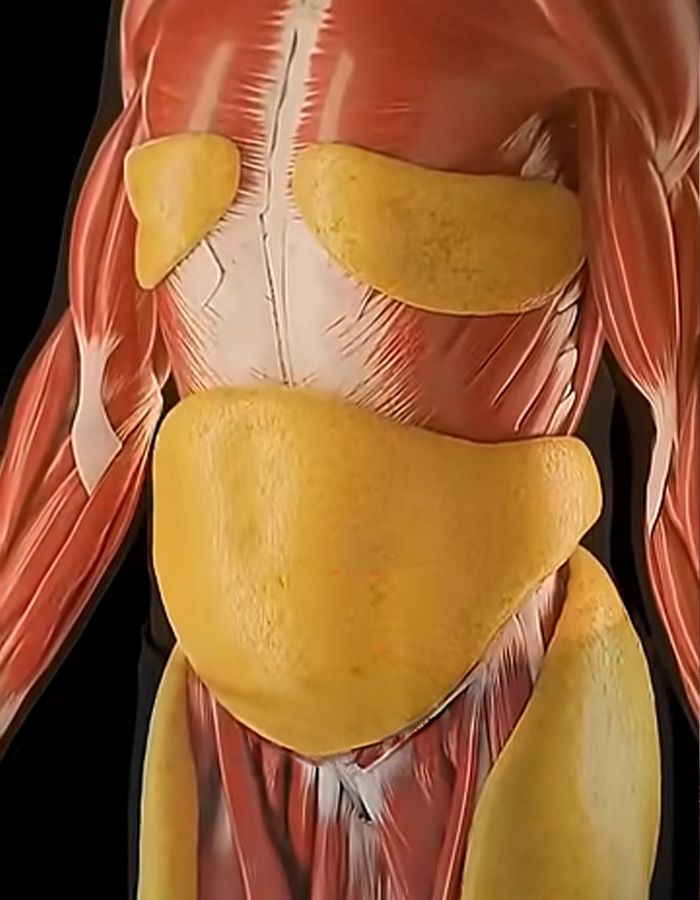
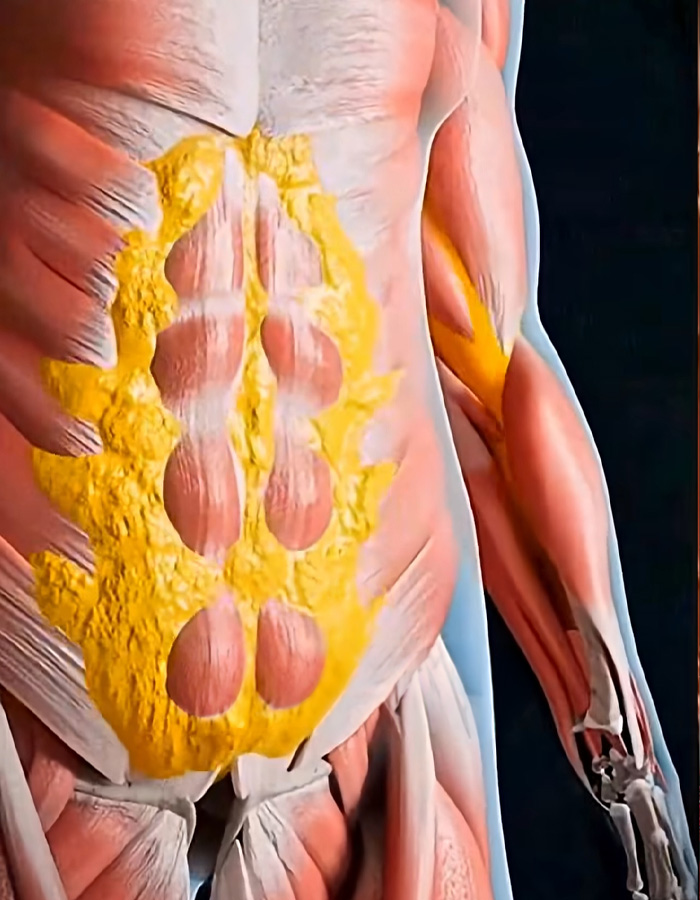
As curiosity around fasting continues to rise, a simulation video from the YouTube channel Wellness Wise takes viewers through the physiological changes that unfold inside the body when it goes 36 hours without food.
The animation offers a detailed look at how the body adapts as it shifts through different metabolic stages before reaching a point where it relies more heavily on stored fat for energy, a process often associated with fat loss.
Image credits: pvproductions/Freepik (Not the actual image)
Wellness Wise has 198K subscribers on YouTube. Their simulation video showcasing the workings of intermittent fasting runs for 56 minutes.
It was posted a year ago and has amassed 28M views as of this writing.
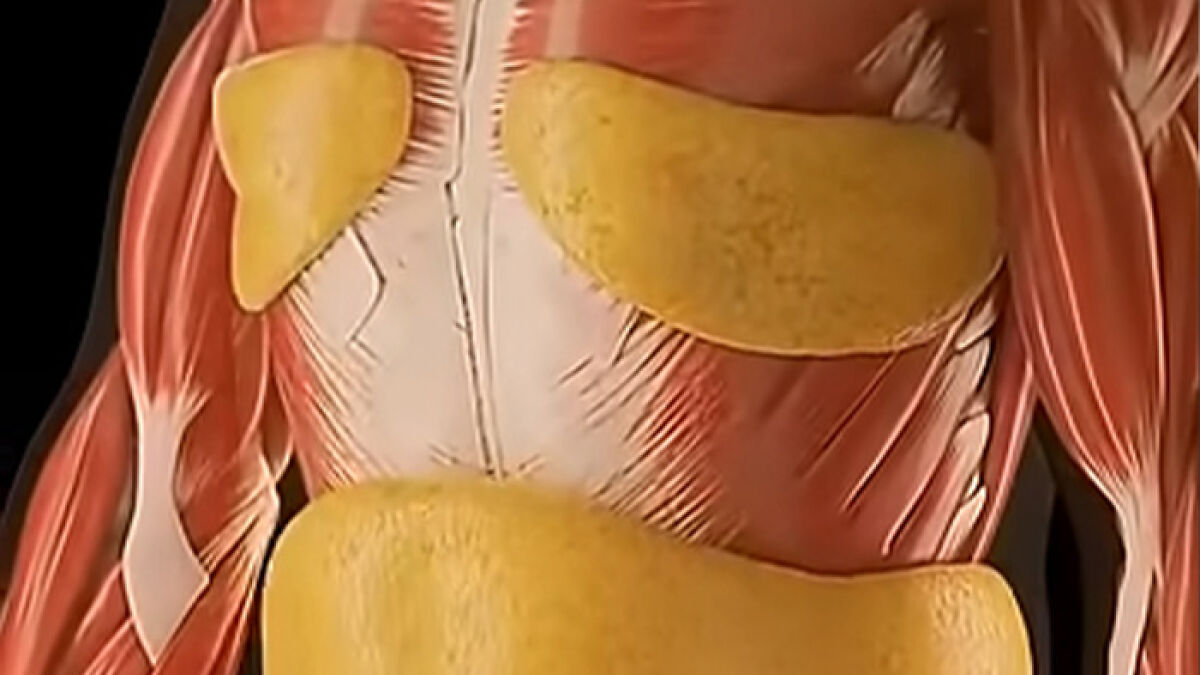
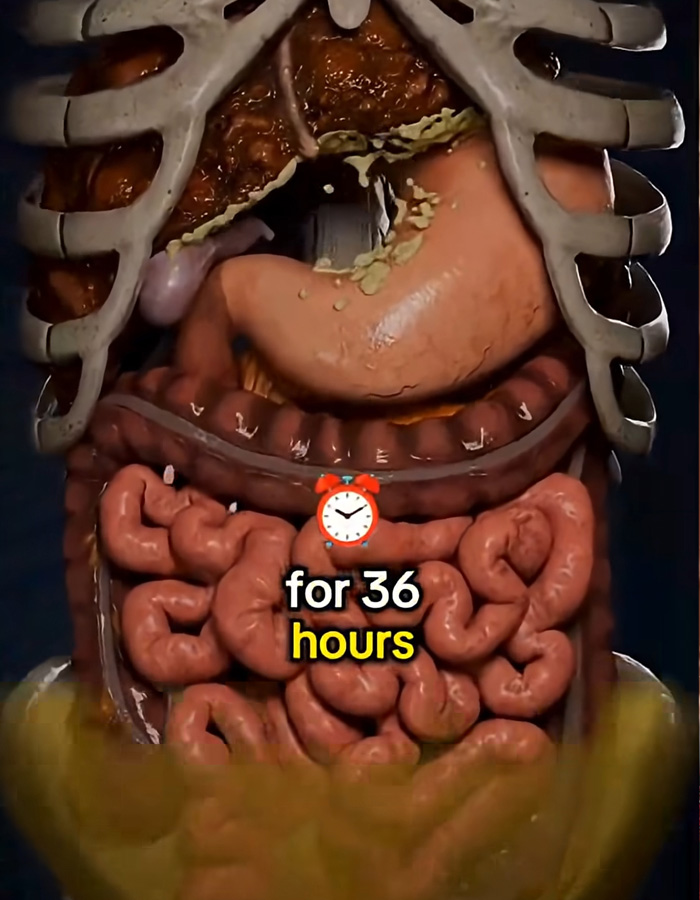
The visuals in the footage are graphic, depicting highly realistic human organs and other internal structures.
“What happens to your body when you fast for 36 hours?” the narrator of the video asks before following up with detailed information.
The video claims that four hours after eating, digestion slows, insulin levels drop, and the body begins using stored energy to function.
Image credits: Wellness Wise/YouTube
Around 8 hours in, it shifts to glycogen (carbohydrate) stores for fuel.
By 12 hours, fat burning begins as the body moves toward ketosis, a natural metabolic state in which it uses stored fat for energy.
After 16 hours, a natural cellular cleanup process called autophagy begins. At 24 hours, repair processes and insulin sensitivity improve. By 30 hours, growth hormone rises, helping preserve muscle.
Ultimately, at 36 hours, autophagy peaks, supporting cell renewal and metabolic reset.
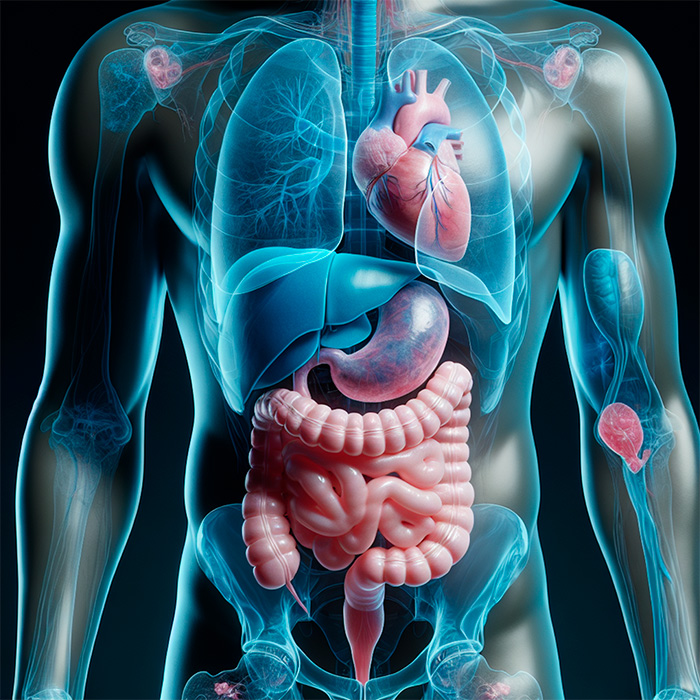
Image credits: olenchic/Pixabay (Not the actual image)
Rishi Sunak, the former UK prime minister, was known for undertaking a 36-hour fast, with a source close to him telling the Sunday Times in 2024 that he consumed only water, tea, or black coffee from 5 pm on a Sunday to 5 am on a Tuesday.
Adam Collins, associate professor of nutrition at the University of Surrey, corroborated that fasting for 36 hours offers significant weight-loss benefits and strengthens “metabolic flexibility” — the body’s ability to switch between fuels.
Intermittent fasting, however, is not 100% safe.
A US-based diet and mental health service provider, The Emily Program, outlined several side effects of the practice.
Image credits: drobotdean/Freepik (Not the actual image)
Excessive hunger pangs, fatigue, low energy, headaches, dizziness, digestive issues, irritability, mood changes, bad breath, and sleep disturbances are among the most commonly reported side effects of prolonged periods without food.
More concerning potential risks include impacts on reproductive health, as well as nutrient deficiencies and malnutrition.
Image credits: qimono/Pixabay (Not the actual image)
There also isn’t an extensive amount of data regarding intermittent fasting.
The Emily Program states: “Current human research is very limited in size and duration, in part because this diet fad is not sustainable.
James Betts, a professor of metabolic physiology at the University of Bath, echoed this sentiment, despite the growing number of supporters who endorse it.
Image credits: Wellness Wise/YouTube
Speaking to The Guardian, he said, “There are a lot of proposed benefits to running on fats. But a lot of the research hasn’t really been borne out in human beings, so we don’t see dramatic benefits, certainly not in the short term.”
Image credits: Wellness Wise/YouTube
A December 2022 study by Kyle T. Ganson, assistant professor at the University of Toronto’s Factor-Inwentash Faculty of Social Work, and his associates explored the association between intermittent fasting and disordered eating among 2,762 Canadian adolescents and young adults.
They surveyed participants on their use of intermittent fasting over the previous 12 months.
Per the study, women showed the strongest associations between intermittent fasting and disordered eating, whereas men showed a significantly weaker correlation.
Image credits: Maksim Goncharenok/Pexels (Not the actual image)
Intermittent fasters, according to The Emily Program, are hard on themselves for breaking their fast too early or eating too late.
Depriving oneself of food for an extended period of time can also lead a person to feel out of control when the eating window arrives, the organization states.
Not achieving expected results within a short time frame can further push a person to eat less while promoting low self-esteem and body image issues.

By entering your email and clicking Subscribe, you're agreeing to let us send you customized marketing messages about us and our advertising partners. You are also agreeing to our Privacy Policy.
Thank you! You've successfully subscribed to newsletters!


The LAST thing Bored Panda should be doing is promoting fad diets. Children read this website, and do you really want that liability should someone fall ill? Besides the absolute stupidity of this nonsense, it’s not safe, it’s not recommended, and it can press internal buttons for folks who could lean into eating disorders. Shame on you, Bored Panda! 😡

I agree 100%. Intermittent fasting has been debunked so many times. It's not WHEN you eat, it's how much you stuff in your cakehole, period.
Load More Replies...
I did intermittent fast for one year to lose weight. Boy did I ever lose BUT blood work after the year showed all my labs were screwed up. Most of them in the "danger" and "severe" scale. My B12 got so low I am now on B12 injections which is itself is no biggie but the reason I'm on such a high dose on injections is the deficiency caused optic/brain nerve damage. The high dose is to, hopefully, stave off blindness. Other medical conditions attributed to the fasting as well I'm just not going to list them all. Eat, people. Good, healthy food that sustains your body and brings good health. Take it from me, it's just not worth it.

If the bible has been telling people to fast for over 2000 years, why do they still exist? They shoulda died out about 2000 years ago. Why do we still have em bothering and threatening us with damnation? They're doing it wrong, aren't they? How can we convince 'em?
The LAST thing Bored Panda should be doing is promoting fad diets. Children read this website, and do you really want that liability should someone fall ill? Besides the absolute stupidity of this nonsense, it’s not safe, it’s not recommended, and it can press internal buttons for folks who could lean into eating disorders. Shame on you, Bored Panda! 😡
I agree 100%. Intermittent fasting has been debunked so many times. It's not WHEN you eat, it's how much you stuff in your cakehole, period.
Load More Replies... I did intermittent fast for one year to lose weight. Boy did I ever lose BUT blood work after the year showed all my labs were screwed up. Most of them in the "danger" and "severe" scale. My B12 got so low I am now on B12 injections which is itself is no biggie but the reason I'm on such a high dose on injections is the deficiency caused optic/brain nerve damage. The high dose is to, hopefully, stave off blindness. Other medical conditions attributed to the fasting as well I'm just not going to list them all. Eat, people. Good, healthy food that sustains your body and brings good health. Take it from me, it's just not worth it.
If the bible has been telling people to fast for over 2000 years, why do they still exist? They shoulda died out about 2000 years ago. Why do we still have em bothering and threatening us with damnation? They're doing it wrong, aren't they? How can we convince 'em?





































 No fees, cancel anytime

















15
6