Get Premium
Dark mode theme is available exclusively for premium users. Learn more about the benefits of subscribing.
No fees, cancel anytime.

 Dark Mode Ad-Free Browsing Unlimited Content
 Ad-Free Browsing Unlimited Content Dark Mode
Join 1.2 million Panda readers who get the best art, memes, and fun stories every week!

“Ma-ma,” “Da-da” — those first tiny words feel like a milestone parents never forget. They’re sweet, emotional, and kind of sacred.
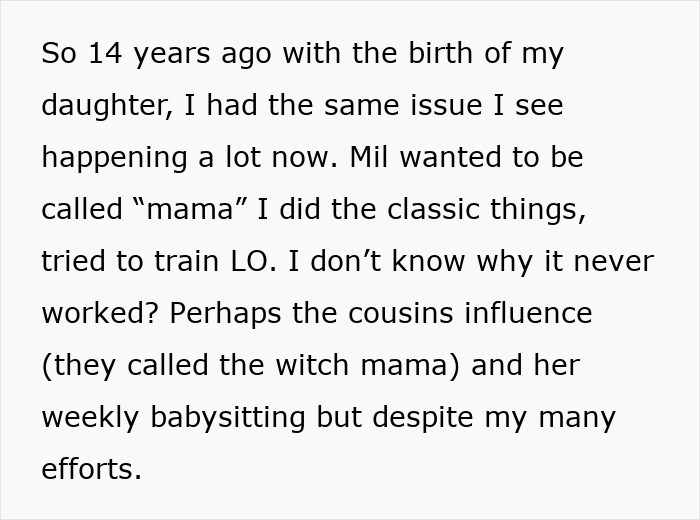
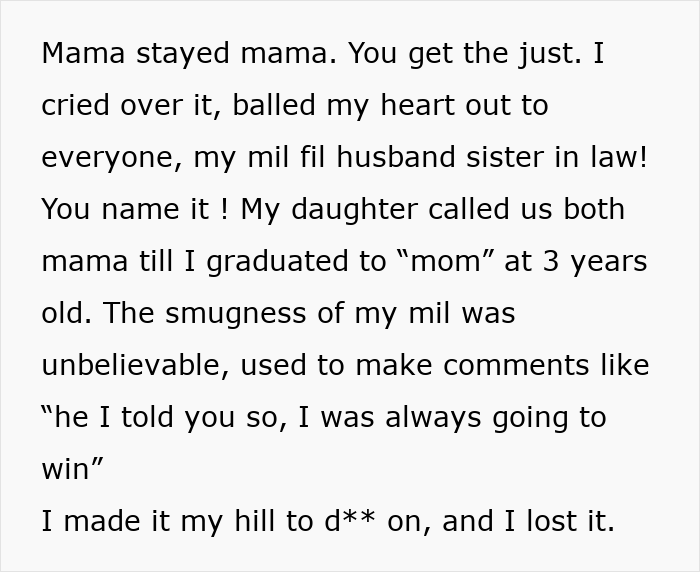
So imagine the shock when one woman realized her mother-in-law had quietly nudged her daughter into calling her “Mama” instead. At the time, the author let it slide to keep the peace… but years later, the truth finally surfaced. And when it did, the payoff was long overdue. Keep reading to see how this family drama came full circle.
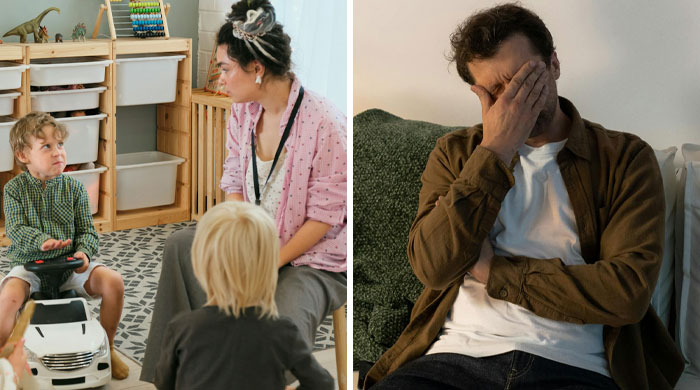
Image credits: Drazen Zigic / freepik (not the actual photo)
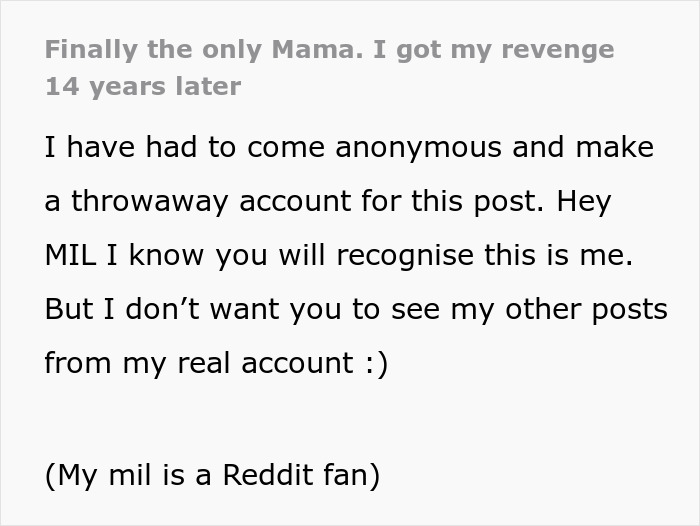
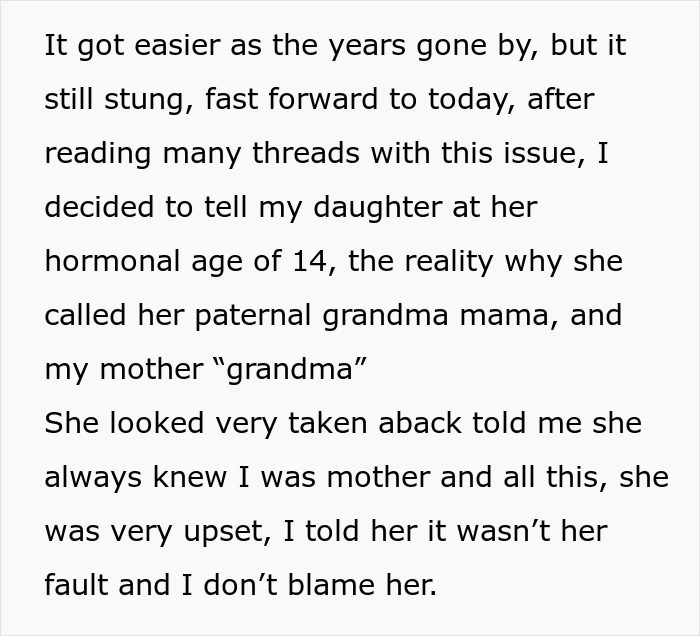
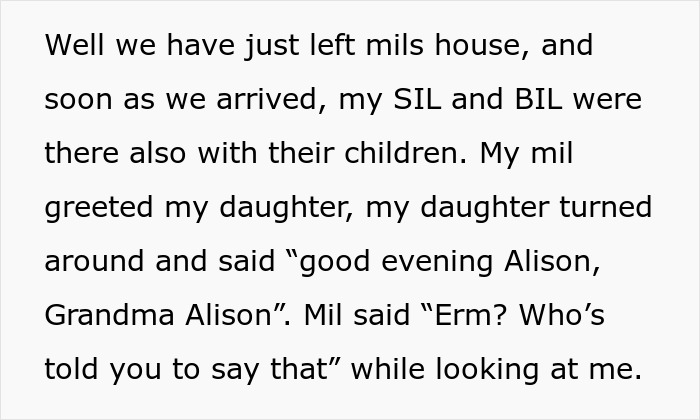
Image credits: DC Studio / freepik (not the actual photo)
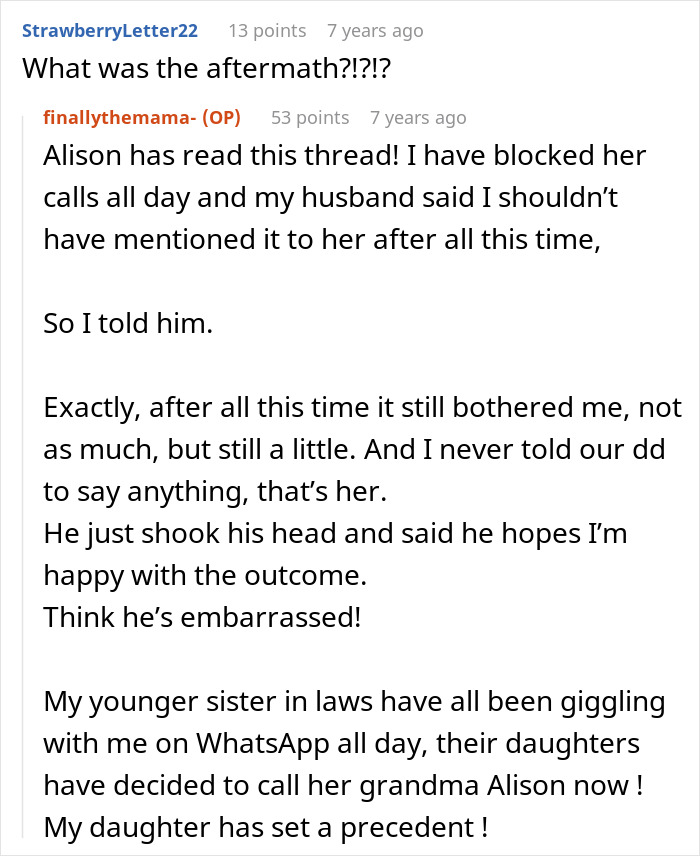
Image credits: finallythemama-
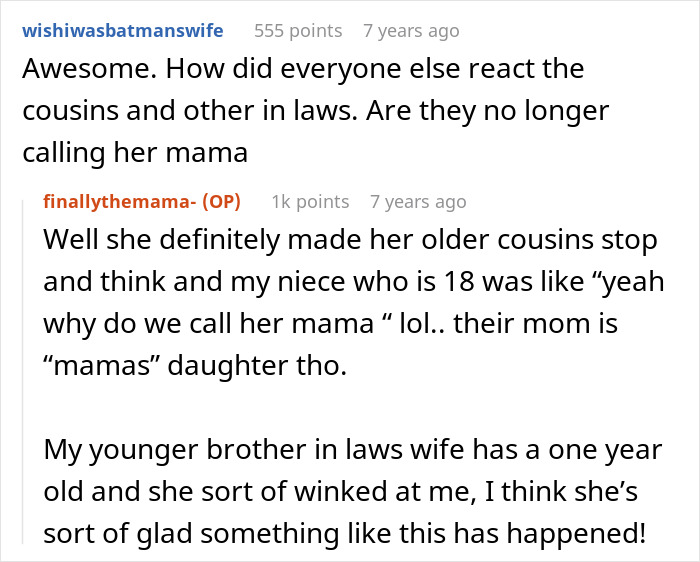
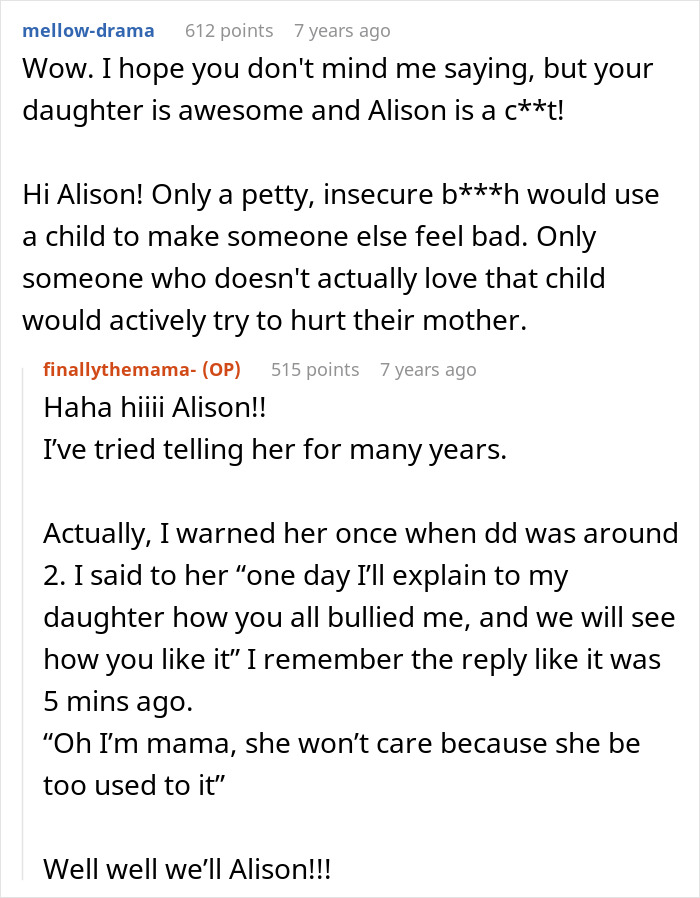
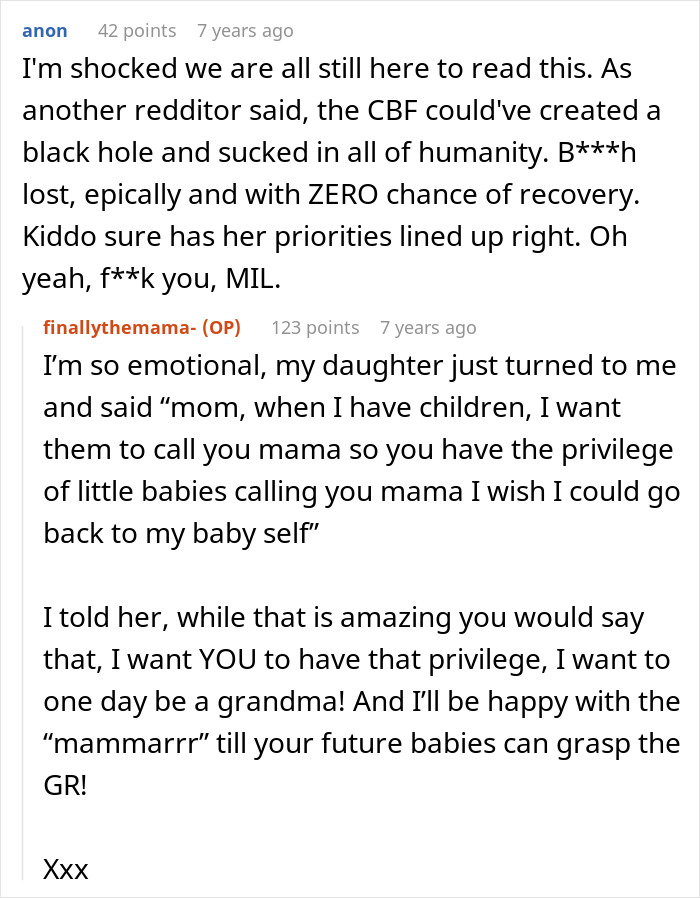
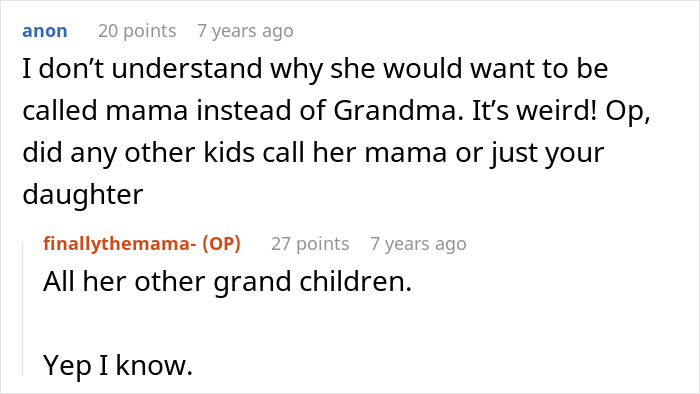
Grandparents: they spoil, they cuddle, they tell the best stories, and sometimes, they push way too far. We all love those sweet moments when grandma sneaks an extra cookie or grandpa lets you stay up past bedtime. Those memories stick with us forever, and there’s a reason: grandparents play a unique role in kids’ lives. From emotional support to being the ultimate playmates, they bring things to the table parents sometimes just can’t.
Research backs it up. Grandparents have a measurable positive impact on children, providing emotional comfort and companionship in ways that help kids thrive. Spending time with grandparents can strengthen resilience, boost happiness, and even help children feel more connected to their family history. It’s not just about spoiling; it’s about shaping lives.
In fact, studies show that these relationships can even help with mental health. A 2016 study from Boston University found that emotional closeness between adult grandchildren and their grandparents can reduce depression—for both generations. Using long-term survey data spanning nearly two decades, the study highlighted how strong intergenerational bonds help everyone feel supported, understood, and happier.
That said, not every grandparent-grandchild relationship is perfect. Even with the best intentions, grandparents can overstep boundaries, clash with parents’ rules, or create tension in the household. What starts as harmless guidance can sometimes become interference, leaving parents frustrated and children confused. Over-involvement, unsolicited advice, or excessive control can make home life stressful rather than joyful. It’s important to remember that good intentions don’t always equal healthy boundaries. Sometimes, grandparents simply don’t realize they are crossing lines.
For instance, a parent may be trying to limit sugar for health reasons, but grandma might ignore that rule and offer a slice of cake anyway. Even if she insists it’s homemade with love, the fact remains that she’s undermining parental decisions. These small acts, repeated over time, can erode a parent’s authority and create tension in the household.
The situation can escalate when grandparents criticize parents’ decisions outright. They may offer advice or “wisdom,” but constant judgment, belittling, or unsolicited opinions can create resentment. Being constantly corrected or belittled can lead to tension between parents and grandparents and even affect the child’s sense of stability. Respectful communication, empathy, and shared understanding are key. Without these, even loving relationships can become toxic, leaving everyone frustrated and exhausted.
Sometimes, grandparents try to insert themselves into the primary role in a child’s life. They may act as though their perspective supersedes the parents’, or assume they know what’s “best” for the child at every turn. This can create confusion for the child and stress for the parents, especially when rules are inconsistent or expectations conflict. Setting boundaries early ensures children understand who is responsible for making key decisions in their life. It also helps grandparents feel respected while maintaining a healthy, cooperative family dynamic.
Toxic behavior from grandparents can seriously affect family life. When they consistently undermine parents, manipulate through guilt, or ignore boundaries, it impacts everyone’s wellbeing. Children may feel caught in the middle, and parents can experience stress, anxiety, and frustration. It’s not just about disagreements; it’s about long-term family harmony and emotional safety. Parents need to recognize signs of overreach and protect their household while maintaining respect for their elders. Recognizing toxic patterns is the first step toward preventing ongoing issues.
So what’s the solution? Honest conversations and firm boundaries are crucial. Parents should clearly communicate rules, expectations, and limits regarding childcare, behavior, and household responsibilities. If repeated discussions don’t work, it may be necessary to limit contact or create structured interactions to protect the family’s wellbeing. Setting these boundaries doesn’t mean cutting off love—it means creating a healthy, respectful environment where everyone can thrive. Prioritizing open communication and mutual respect ensures that grandparents can still play a cherished role without causing conflict or stress.
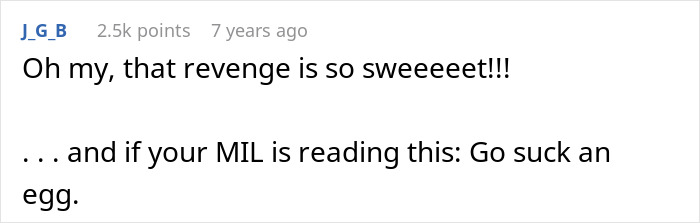
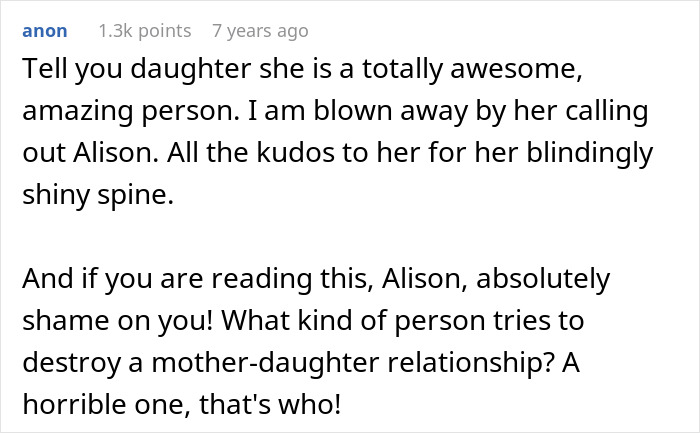
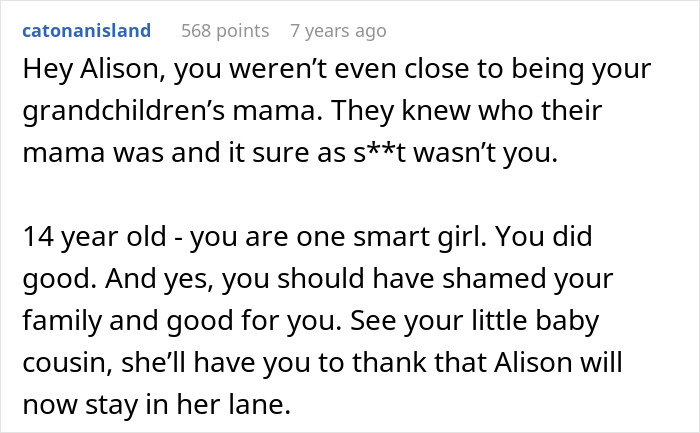
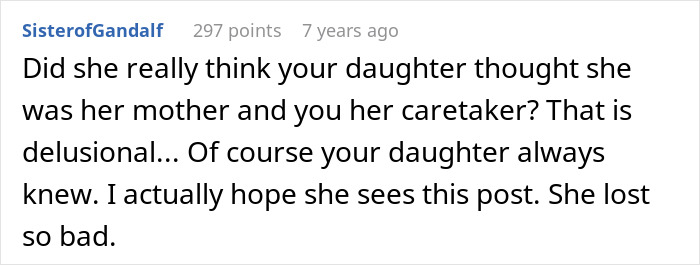
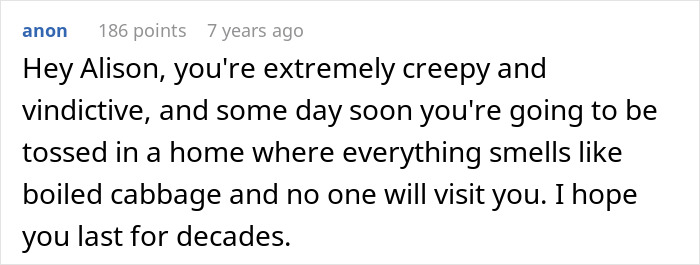
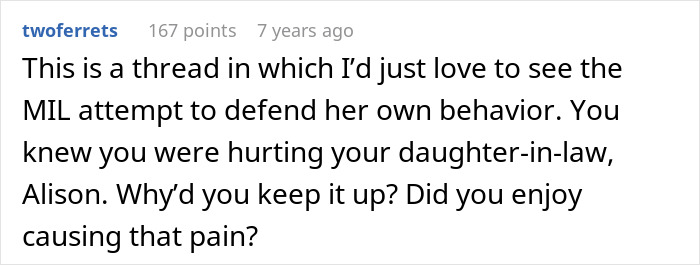
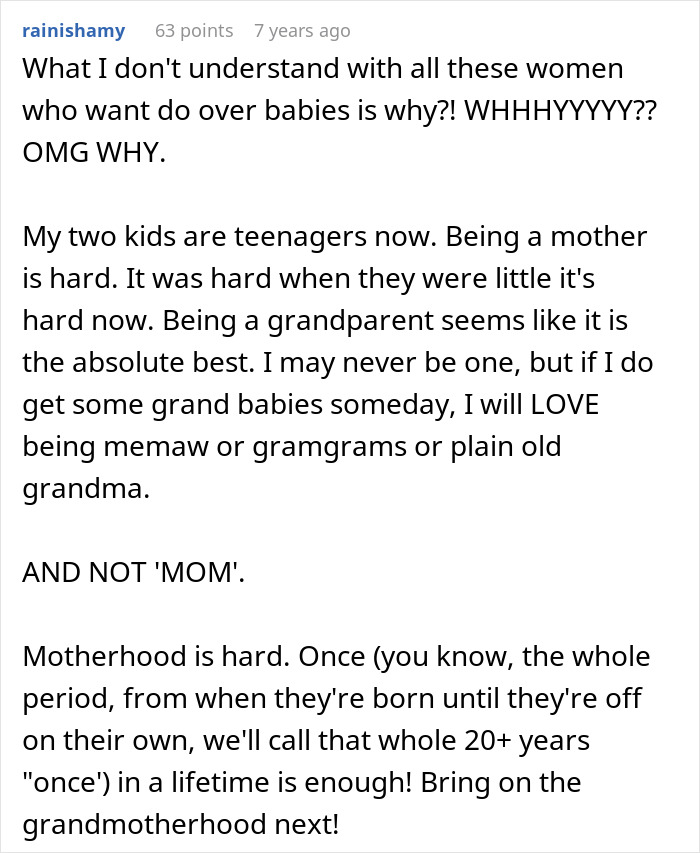
In this particular case, the grandmother clearly overstepped by convincing the child to call her “Mama” for 14 years. You can only imagine how the author must have felt—frustrated, sidelined, and maybe even a little powerless in her own home. After all, that special bond between parent and child was quietly hijacked for over a decade. What would you have done in this situation? Do you think the daughter handled it the right way when she finally corrected the name?









By entering your email and clicking Subscribe, you're agreeing to let us send you customized marketing messages about us and our advertising partners. You are also agreeing to our Privacy Policy.
Thank you! You've successfully subscribed to newsletters!



Im always distracted when people say they balled their eyes out. Bawling your eyes out, and balling your eyes out are two very different activities.

Melon bowlers too. Found that one out the hard way.
Load More Replies...
Sounds more like wish fulfillment than something that actually happened. Mainly due to the truly awful storytelling and grammar. I feel like if it really happened there'd be a coherent story, not whatever this is.

I just need to clarify that this is not how we talk in the UK and it most certainly isn't how we type.
Load More Replies... Im always distracted when people say they balled their eyes out. Bawling your eyes out, and balling your eyes out are two very different activities.
Melon bowlers too. Found that one out the hard way.
Load More Replies... Sounds more like wish fulfillment than something that actually happened. Mainly due to the truly awful storytelling and grammar. I feel like if it really happened there'd be a coherent story, not whatever this is.
I just need to clarify that this is not how we talk in the UK and it most certainly isn't how we type.
Load More Replies...















 No fees, cancel anytime














20
36