Get Premium
Dark mode theme is available exclusively for premium users. Learn more about the benefits of subscribing.
No fees, cancel anytime.

 Dark Mode Ad-Free Browsing Unlimited Content
 Ad-Free Browsing Unlimited Content Dark Mode
Join 1.2 million Panda readers who get the best art, memes, and fun stories every week!

Names are one of those things people can get surprisingly protective about. Forget someone’s name once and it is usually an ordinary social mistake, but when you spend years insisting that you know their name better than they do, and the situation starts looking very different.
A name is not exactly a complicated password, but repeatedly getting it wrong can turn a tiny mistake into a surprisingly persistent source of tension. That is what makes this family story more interesting than a simple case of someone having a terrible memory.
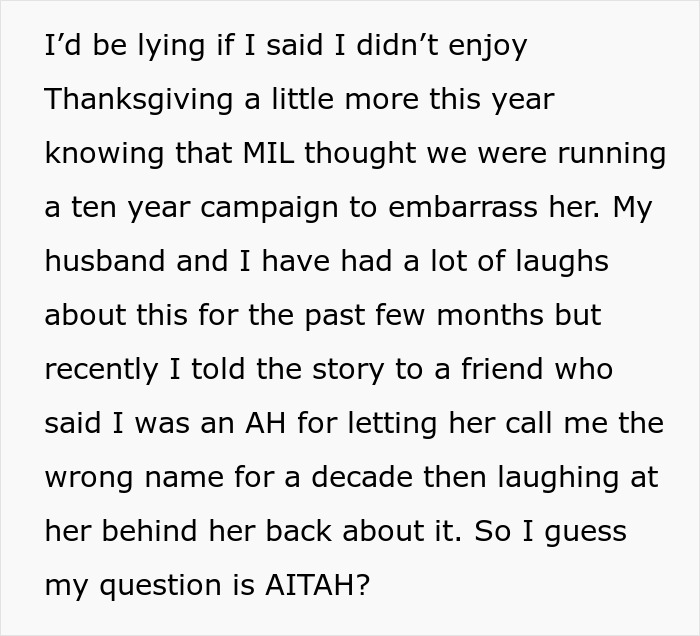
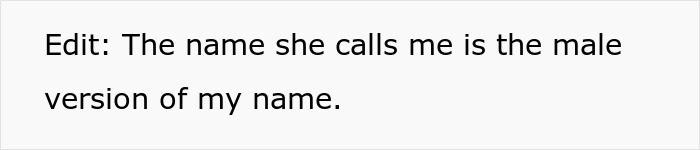
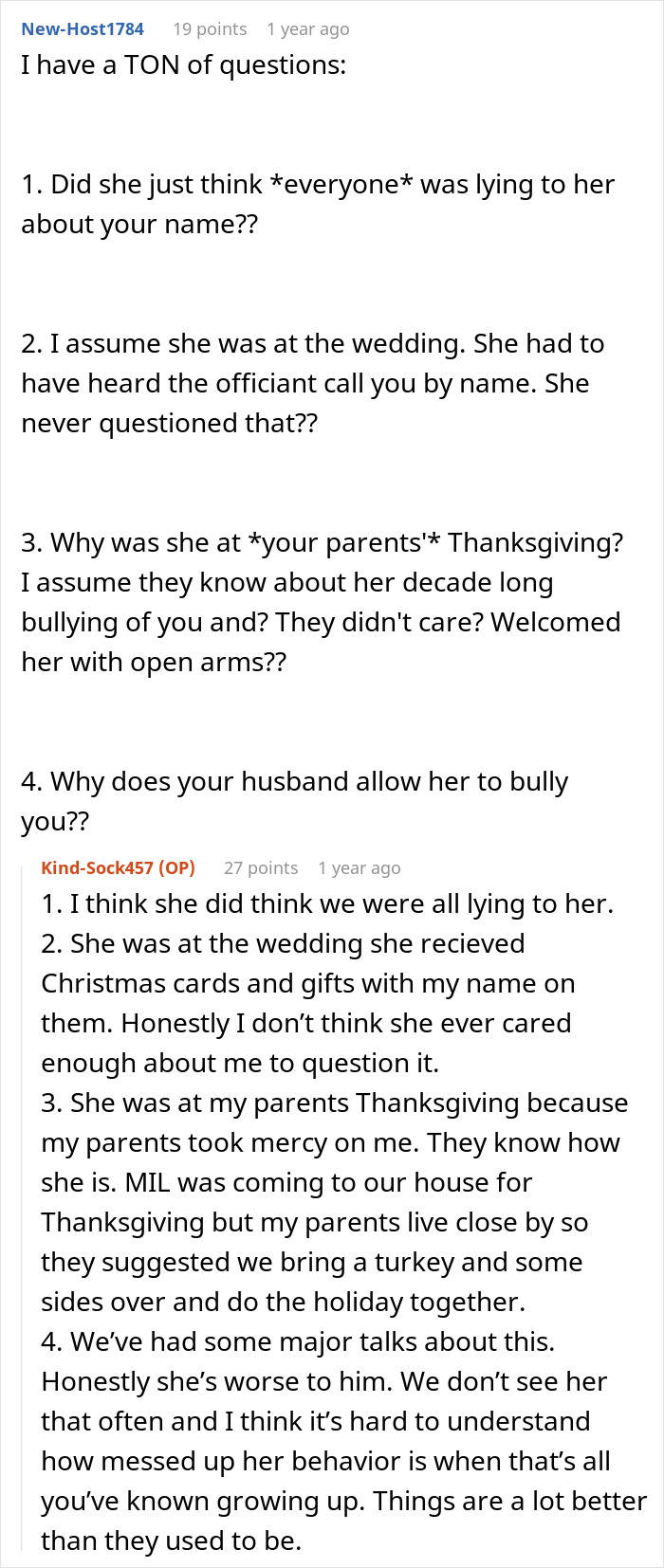
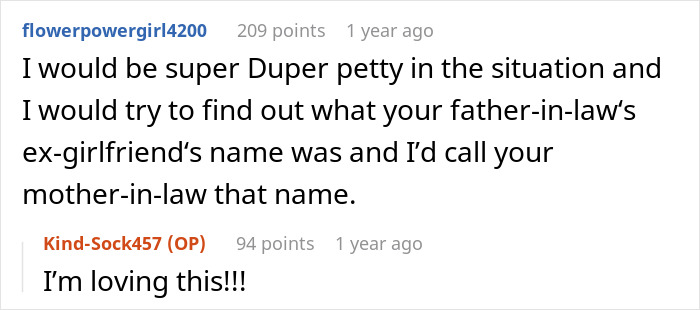
Names are more than convenient labels. The BBC reports that a person’s name can be closely connected to their sense of self and personal identity. That helps explain why repeatedly being called something else can feel more significant than simply hearing a harmless mistake.
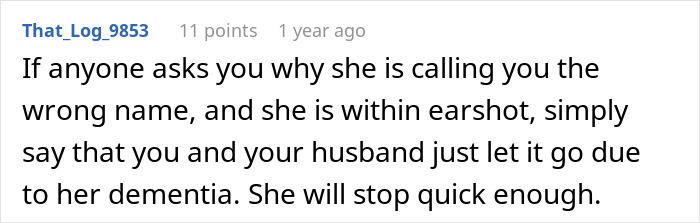
Besides, there’s a difference between accidentally getting someone’s name wrong and continuing to do so after being corrected. Therefore, it’s not unreasonable that a person feels irritated and offended after frequently correcting the person who made the mistake.
The decision to correct someone is also not always as straightforward as it sounds. In fact, Psychology Today notes that people sometimes weigh the social consequences of correcting someone who repeatedly misnames them because relationships have hierarchies, and people may tolerate something they dislike to avoid conflict.
In some cases like this one, it’s more complicated when you’re in the same family because family disagreements rarely stay neatly confined to the two people involved. Instead, this tension can affect everyone around them, and children can feel caught between adults.
To go more in-depth, research on family triangulation has found that children can become aware of conflicts between adults and, in some circumstances, feel caught between competing sides. The issue is not that every disagreement will harm a child, but that repeatedly placing children inside adult tensions can create a burden they were never meant to manage.
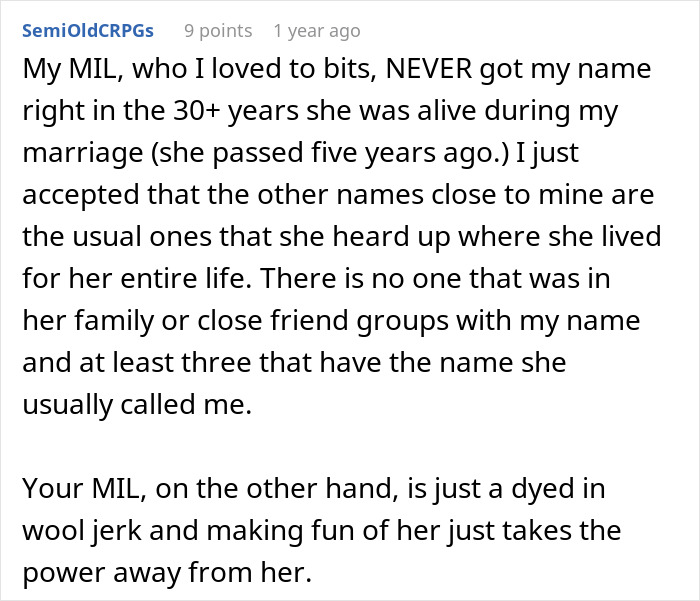
And it’s not only children that get caught in the middle, rather, the spouse caught between a partner and a parent can also occupy a complicated position. Of course, healthy family boundaries do not necessarily mean everyone has to be close. It just means understanding what each person is responsible for and where one relationship ends and another begins.
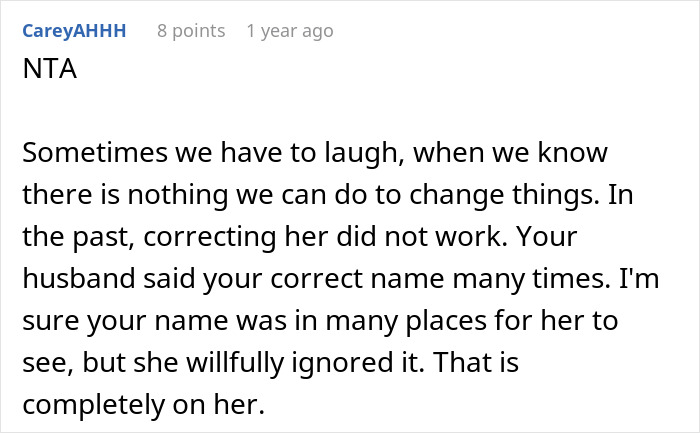
The disagreement over a name may look trivial when isolated from everything around it. But years of repetition can give a small interaction an entirely different meaning, particularly when corrections, authority, family loyalty, and a child’s involvement become part of the same pattern.
Research cannot determine the intentions behind one family’s behavior, but it does show why names can matter, why people may hesitate to challenge repeated misnaming, and why unresolved family tensions can eventually involve far more people than the original disagreement.
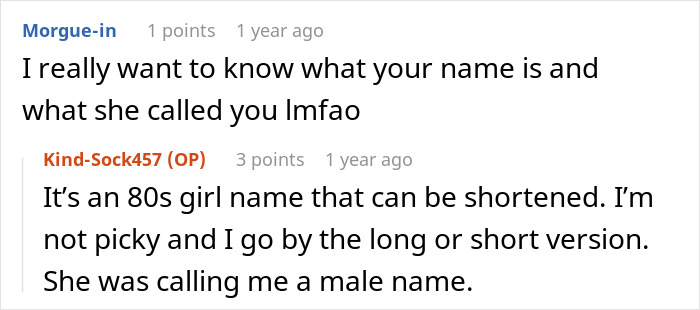
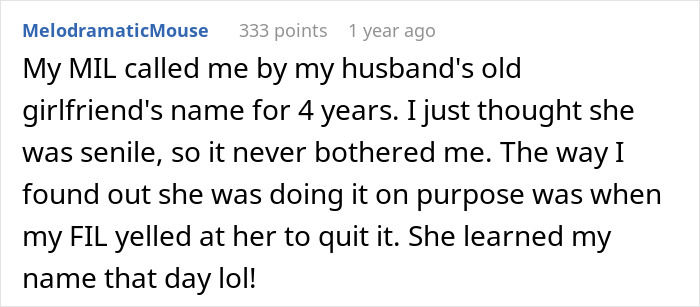
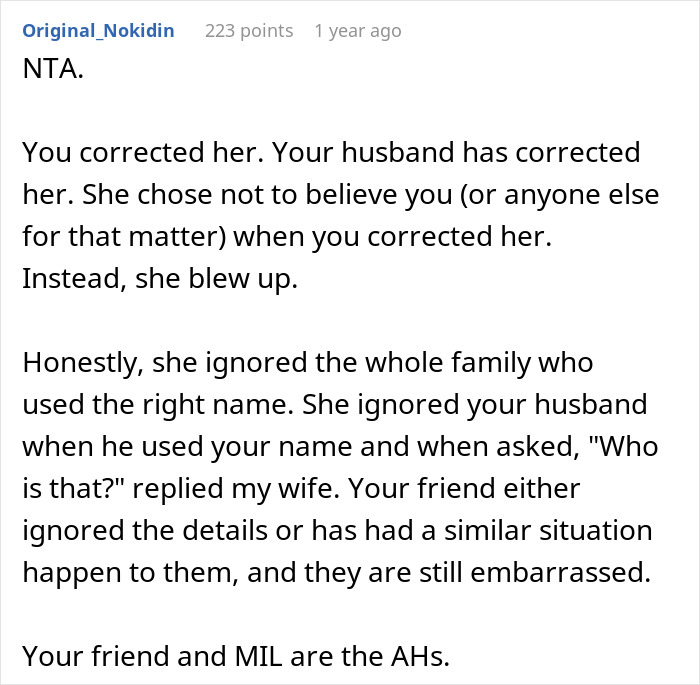
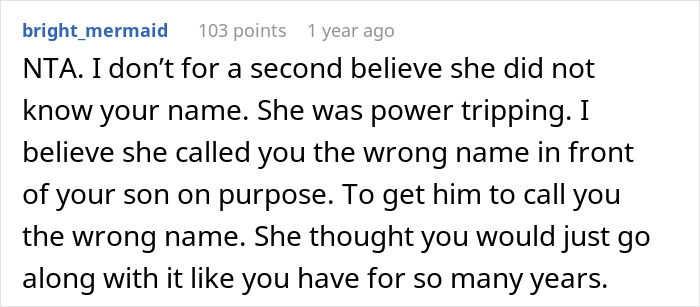
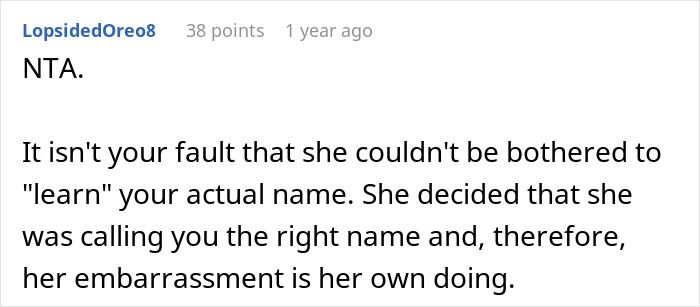
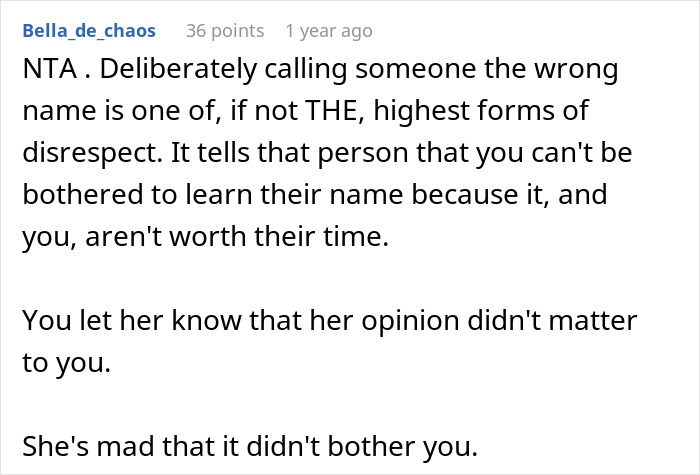
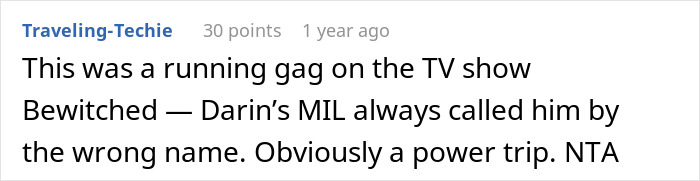
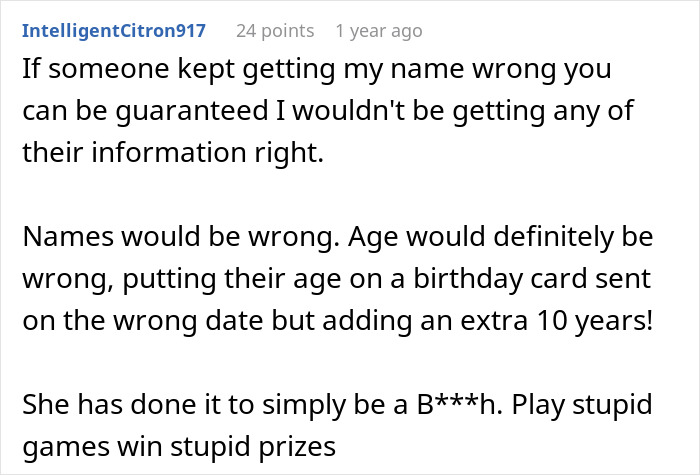
What would you do if you were in the woman’s shoes? How would you react if a family member kept using the wrong version of your name for years? We would love to hear from you!



By entering your email and clicking Subscribe, you're agreeing to let us send you customized marketing messages about us and our advertising partners. You are also agreeing to our Privacy Policy.
Thank you! You've successfully subscribed to newsletters!



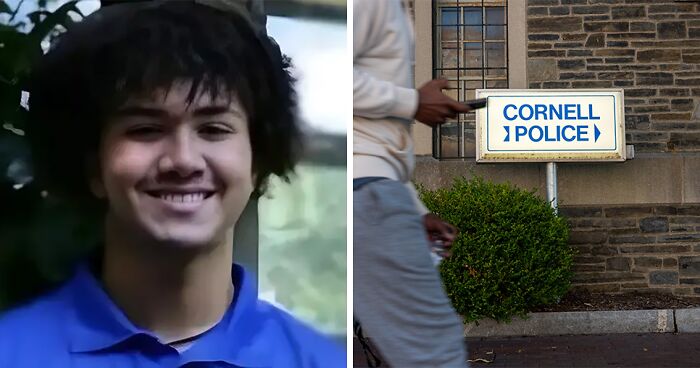
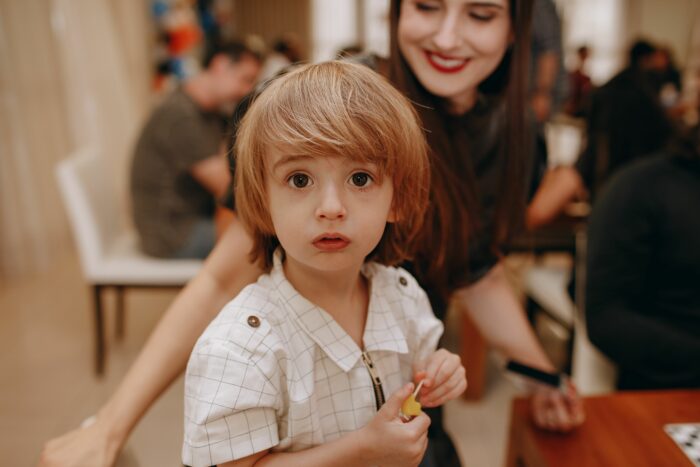
Can I just say the pic they used of the kid was hilarious his shocked face so so funny and perfectly picked … for once !

I’ve met just two people who refused to call me by the name I went/go by. The first was a manager who used a nickname since, “Your name is too long for such a small girl” (?!) Unfortunately, as it was easier, the nickname stuck. I got revenge by telling everyone I was baffled that he constantly misspelled such a short name - he left an ‘e’ out. I still go by the nickname; it IS easier than hearing folks mangle my proper name and I decided to own it, not fight a losing battle. The second refused to call me the nickname because it’s a common male name in French (his 1st language), he insisted on calling me my proper name, which is French, the feminine version. It sounds lovely when pronounced correctly. Nowadays, I make a point of asking people, colleagues, how THEY pronounce their name. Canada has lots of immigrants who suffer stoically through coarse anglicizing. NGL I have really struggled to wrap my tongue around some of them, but it’s so worth it to see them smile.
Can I just say the pic they used of the kid was hilarious his shocked face so so funny and perfectly picked … for once !
I’ve met just two people who refused to call me by the name I went/go by. The first was a manager who used a nickname since, “Your name is too long for such a small girl” (?!) Unfortunately, as it was easier, the nickname stuck. I got revenge by telling everyone I was baffled that he constantly misspelled such a short name - he left an ‘e’ out. I still go by the nickname; it IS easier than hearing folks mangle my proper name and I decided to own it, not fight a losing battle. The second refused to call me the nickname because it’s a common male name in French (his 1st language), he insisted on calling me my proper name, which is French, the feminine version. It sounds lovely when pronounced correctly. Nowadays, I make a point of asking people, colleagues, how THEY pronounce their name. Canada has lots of immigrants who suffer stoically through coarse anglicizing. NGL I have really struggled to wrap my tongue around some of them, but it’s so worth it to see them smile.










 No fees, cancel anytime





35
5