Get Premium
Dark mode theme is available exclusively for premium users. Learn more about the benefits of subscribing.
No fees, cancel anytime.

 Dark Mode Ad-Free Browsing Unlimited Content
 Ad-Free Browsing Unlimited Content Dark Mode
Join 1.2 million Panda readers who get the best art, memes, and fun stories every week!

The tried and true remedy for in-law troubles is a partner who is on your side. Indeed, “being on your side” is typically a basic requirement. Still, as it turns out, some folks are perfectly capable of even messing that up.
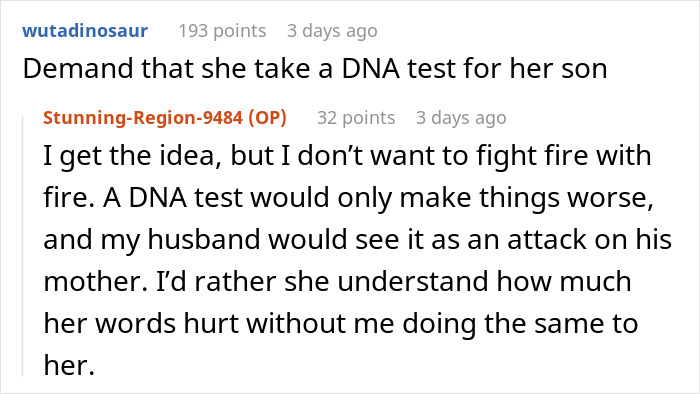
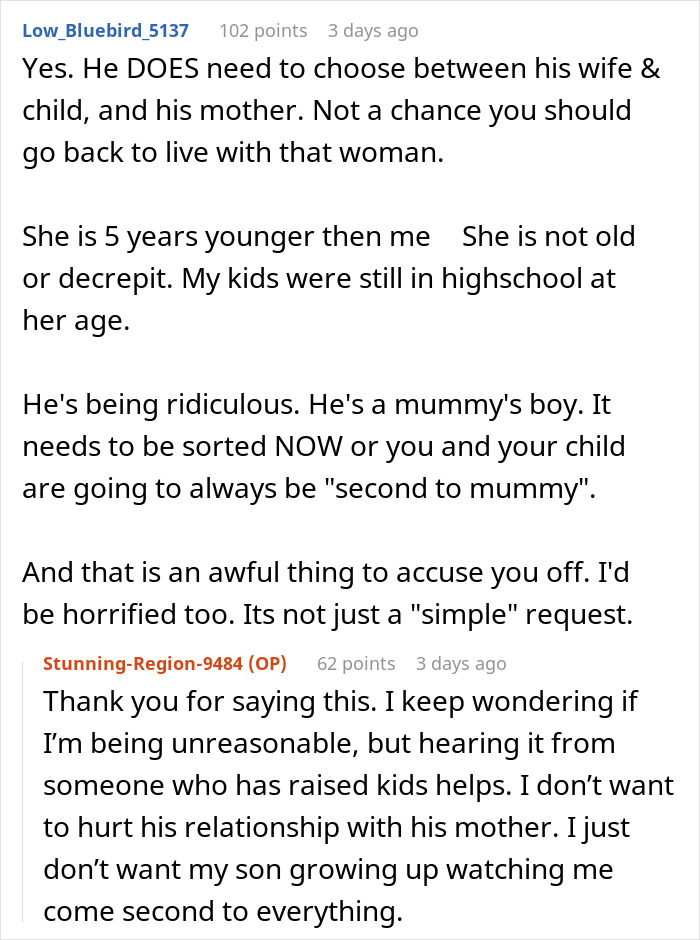
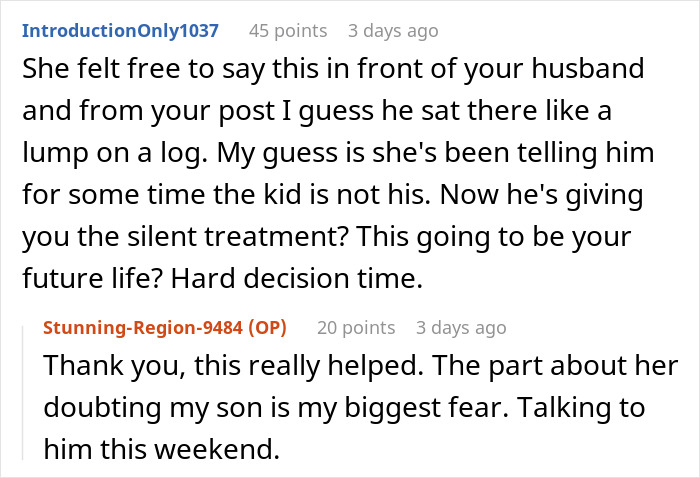
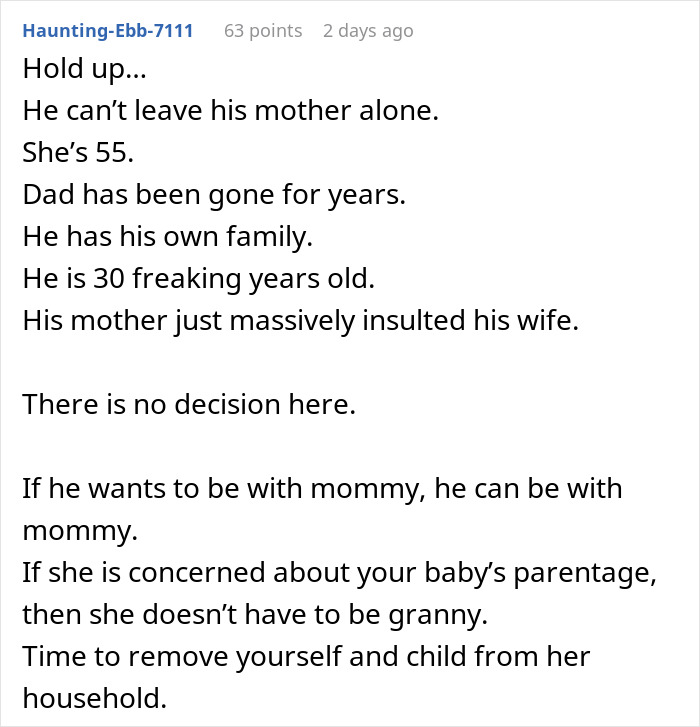
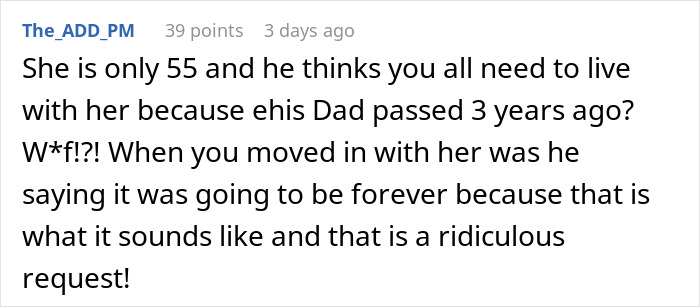
A woman asked the internet if she was actually wrong for putting her foot down on her mother-in-law staying with them, after said MIL demanded a DNA test for her child. As it turns out, even though he “took her side,” her husband thought she should just forgive and forget, while the internet had its own suggestions.
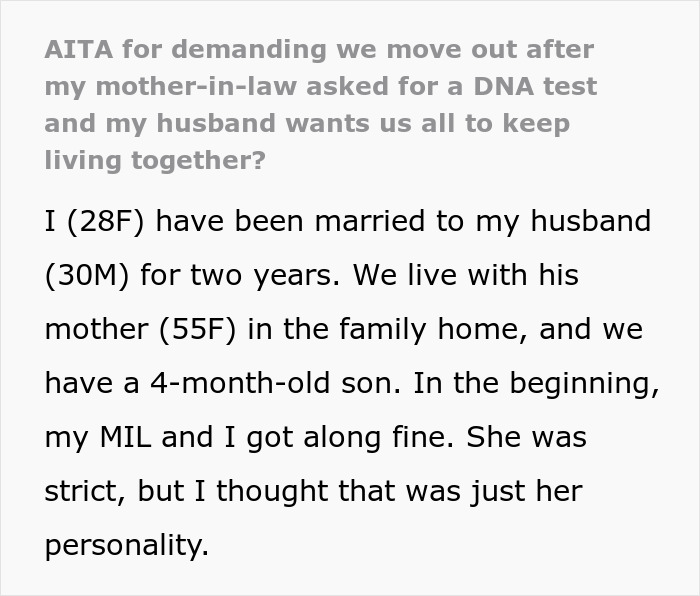
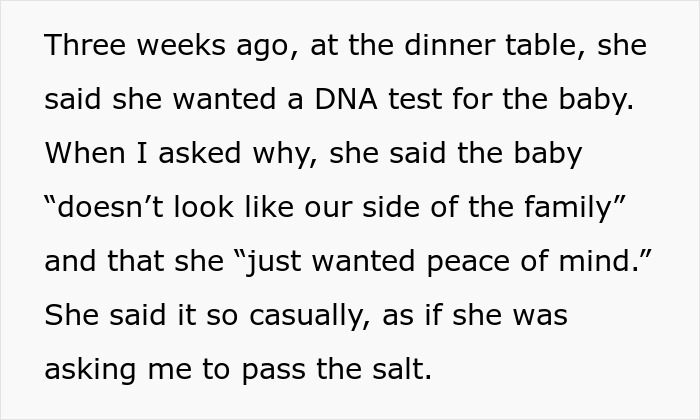
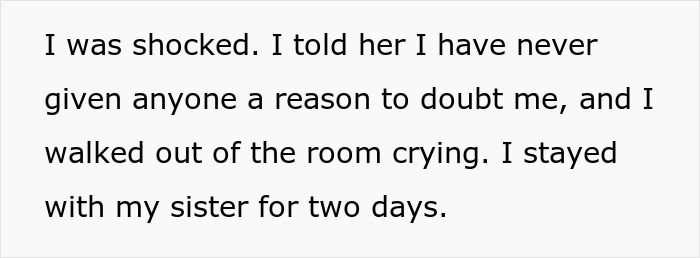
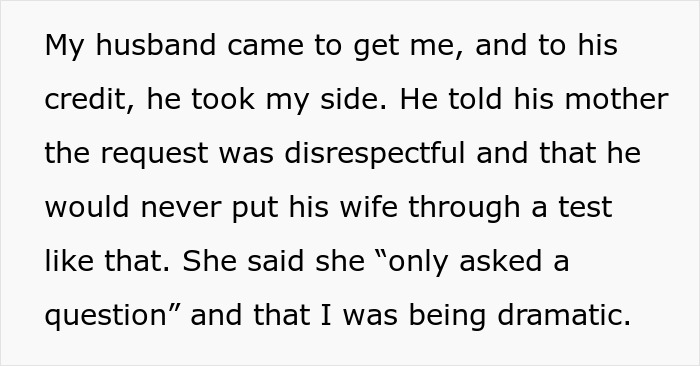
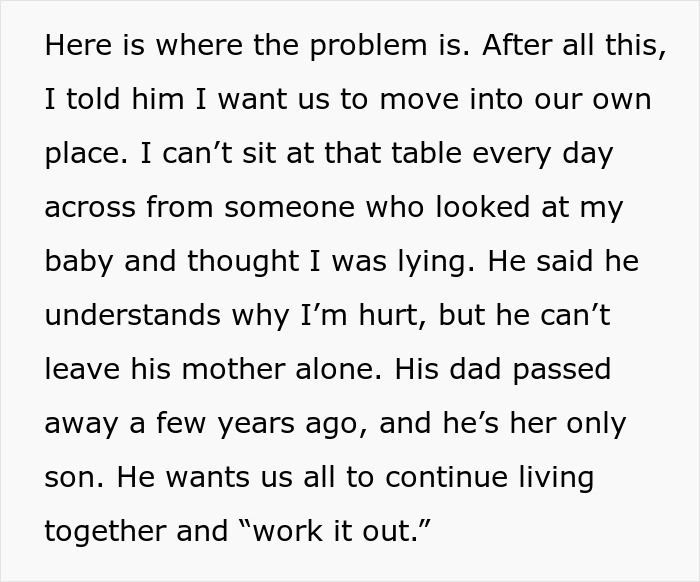
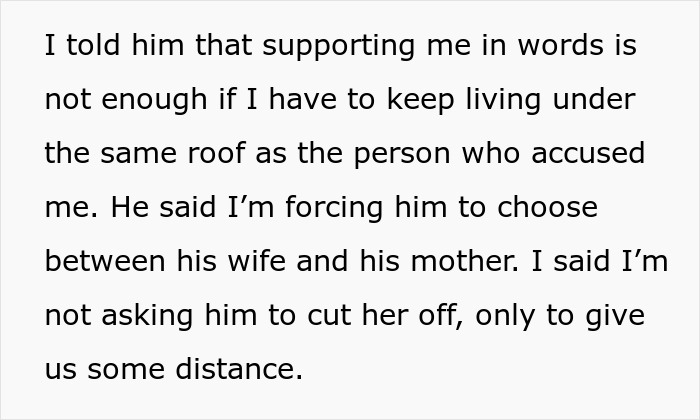
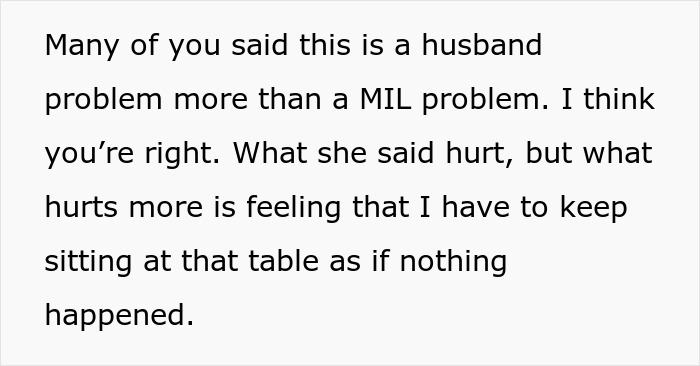
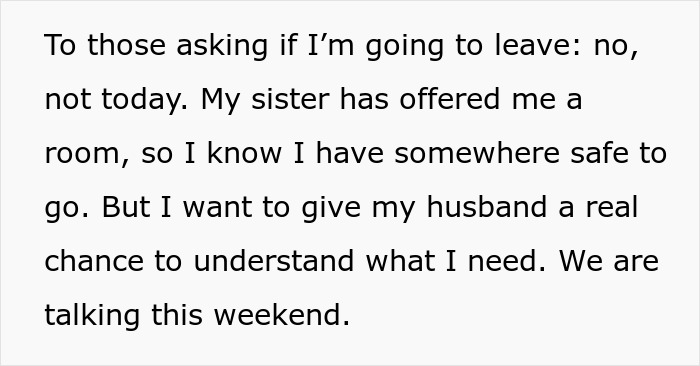
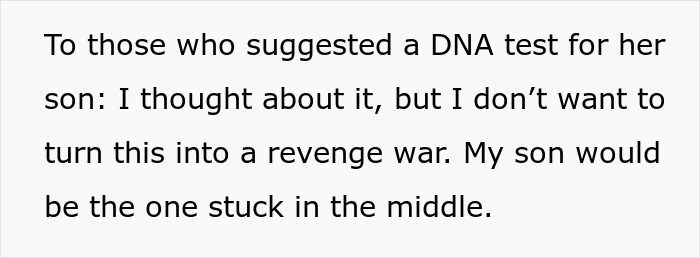
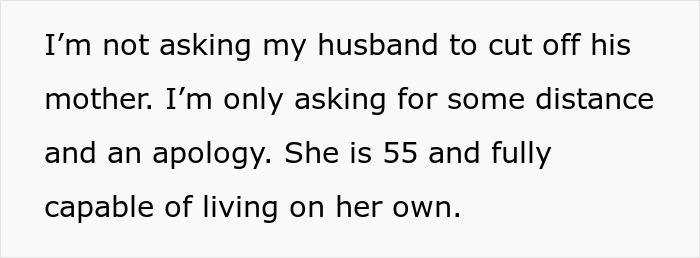

A husband who says all the right words and then changes nothing is one of the most recognizable figures in family drama, and this story shows why the pattern keeps repeating. The dinner table remark about a baby’s looks, the request for a test, the spouse who agrees it was wrong but still wants everyone under one roof. Most readers have watched some version of this play out, so the more useful question is what is actually going on underneath.
The tension is not an internet invention. A 2022 study of American adults, covered by PsyPost, found that both men and women reported more conflict with their mothers in law than with their own mothers, and mothers reported more conflict with daughters in law than with their daughters. The authors took an evolutionary angle, noting that a son’s time, money, and attention are limited, so two women who both care about him can end up competing for the same share without ever saying so. Add a new baby and it is easy to see why a comment about which side of the family the child resembles can feel like a territorial move instead of idle curiosity.
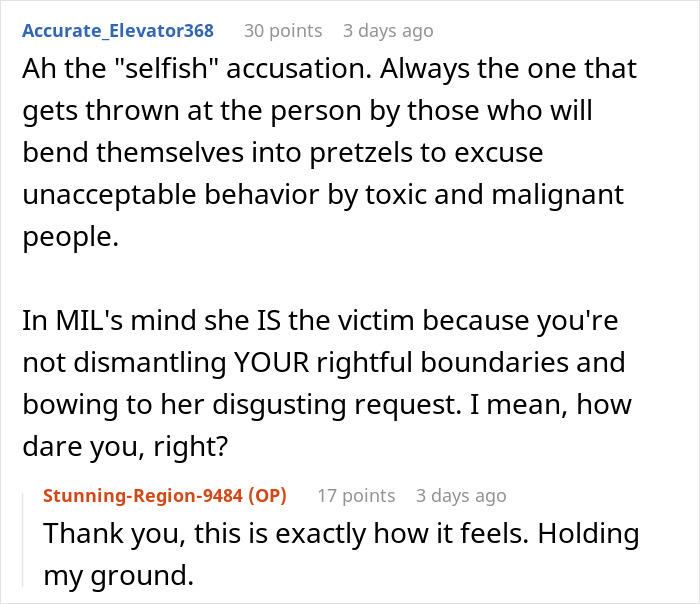
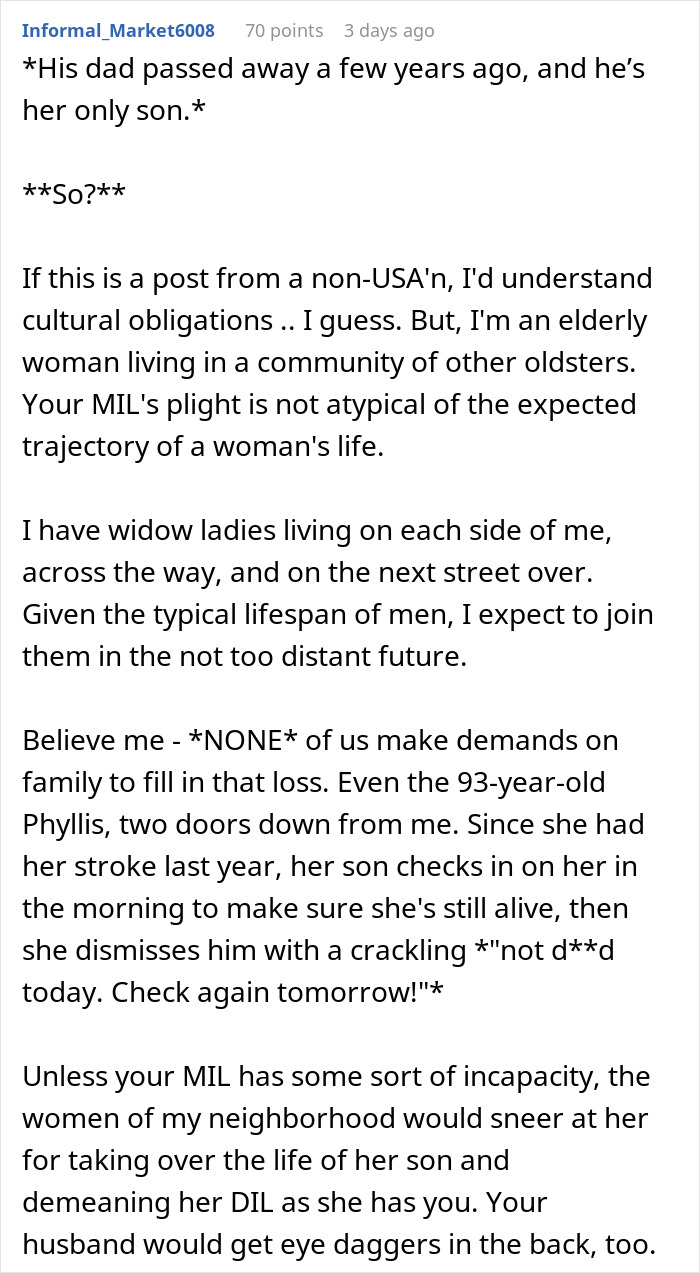
That is the entitled mother in law pattern in a nutshell. She treats her son’s household as an extension of her own, voices doubts as if they were harmless questions, and recasts herself as the injured party when someone objects. The line “I only asked a question” sounds mild, but it quietly shifts the burden onto the person who was hurt, who now has to prove she is not being dramatic. It is also worth remembering that grief can sit underneath this behavior. A woman who lost her husband and now leans on her only son may be afraid of being left behind, and fear often wears the costume of entitlement. Understanding the motive does not make the request acceptable, but it does explain why an apology can be so hard for her to give.
Then there is the manchild, a term used loosely online, so it helps to be precise. It does not mean a man who is lazy or silly. It describes an adult whose emotional loyalty never fully moved out of his parents’ house, so he handles conflict by freezing and hoping everyone calms down on their own. Family therapists have a name for the missing skill, which is differentiation of self. Murray Bowen, who developed family systems theory, treated it as a core marker of maturity, meaning the ability to stay close to your family while still thinking and deciding for yourself. A scoping review in Clinical Psychology Review covering hundreds of studies found ample support for the idea that stronger differentiation predicts better psychological health and better marital quality. Seen that way, a husband who says he understands the hurt but wants everyone to work it out is not necessarily cruel. He may simply be stuck between two loyalties without having learned to rank them.
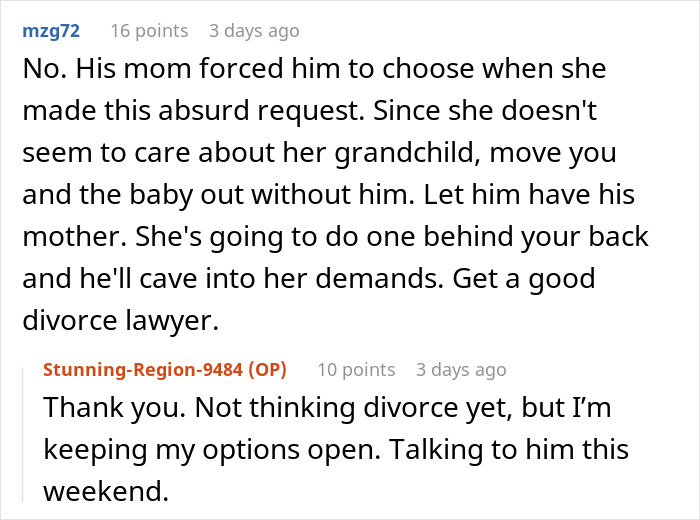
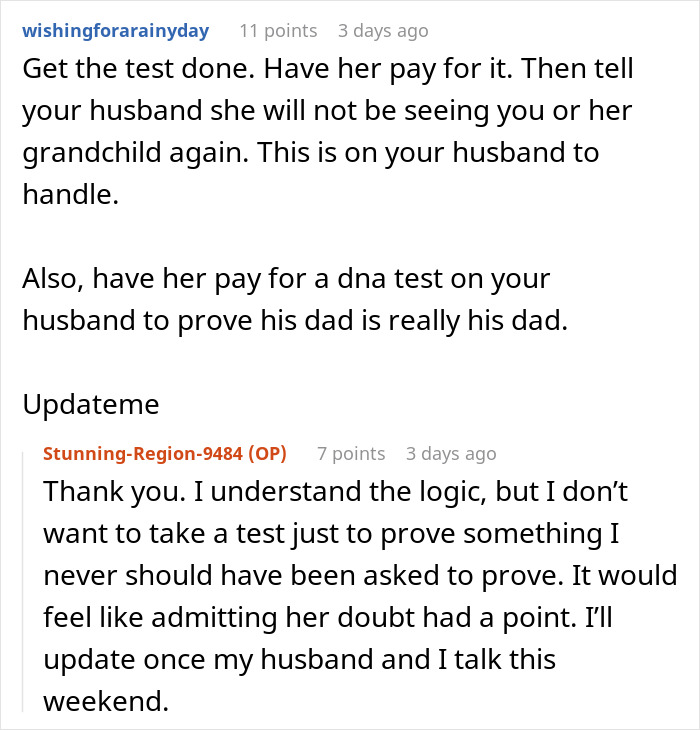
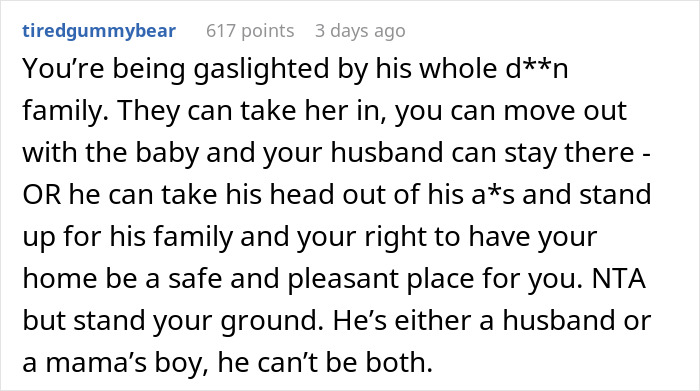
Neutrality has a cost too, which is where most advice on the topic converges. When one person has been hurt and the other will not act, the hurt person is left carrying the price of keeping the peace. A Psychology Today post on in law problems argues that the spouse should take the lead in dealing with his or her own parents. The same message from a daughter in law can come across as an outsider making demands, while from a son it reads as a grown man organizing his own household.
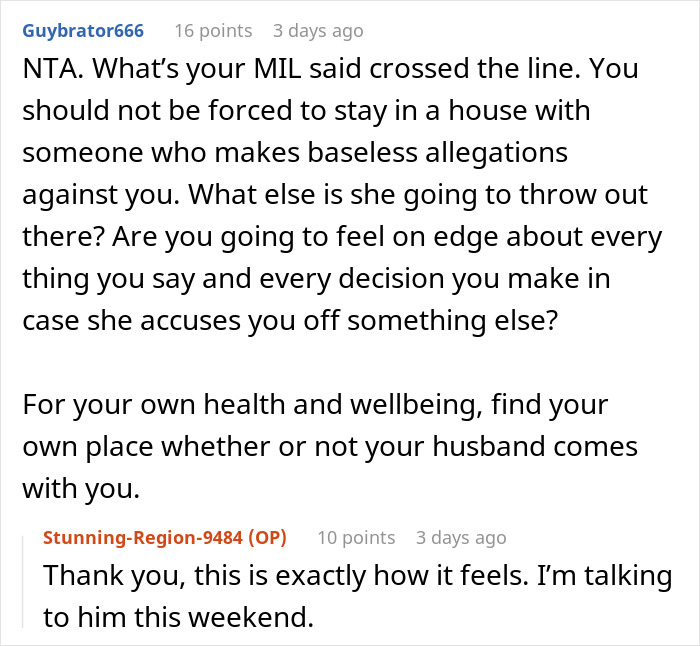
None of this requires a villain. The mother in law may be frightened, the husband may be grieving alongside her, and the wife may simply want a home where she does not dread dinner. A middle ground is easier to picture than it first appears. Moving out is not cutting someone off. Plenty of families keep weekly meals, regular calls, and shared holidays after a move, and a little distance often makes those visits warmer because nobody has to endure each other in between. An apology, a clear rule that doubts about the baby are off the table, and a husband who delivers that message himself would address most of what this story is really about.




By entering your email and clicking Subscribe, you're agreeing to let us send you customized marketing messages about us and our advertising partners. You are also agreeing to our Privacy Policy.
Thank you! You've successfully subscribed to newsletters!
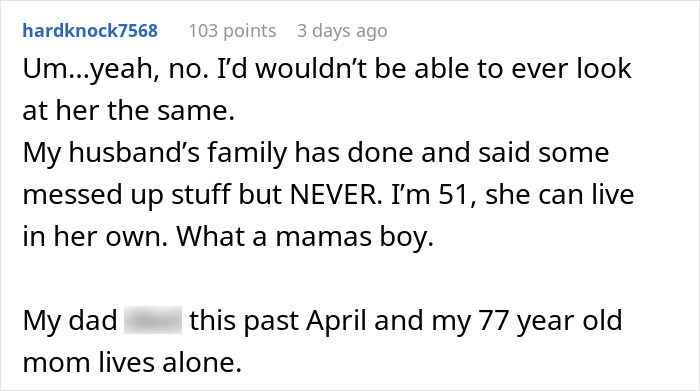
My father died in January, my 90 year old mother is living on her own, so I'm not impressed. A request for DNA testing isn't a simple request, it's literally "I think you're a whóre and you're trying to pass off a bâstard on my family", and if the husband can't see that, she's got a rocky road ahead of her whatever she does.

I'm literally a bâstard and I agree wholeheartedly - that's the only reason MIL wants the DNA test, because she thinks OP is a cheating slút. She all but said that directly to her son's face: "I don't trust your wife, I think she is cheating on you." The fact that OP's husband didn't realize this and/or doesn't care is *almost* worse than MIL's initial demand. Almost.
Load More Replies...
A callous and calculated act by bîtch MiL to drive a wedge between them.This is not about the wife, her morals or the grandson's parentage, this is about her son, she just wants to force the scenario where she gets to have him, and possibly the grandson as well, all to herself.

I can't imagine a scenarios where my sons would have to "choose between" me and their partners, but if they did I would hope they would choose their partners. It would feel really creepy if they chose me!
My father died in January, my 90 year old mother is living on her own, so I'm not impressed. A request for DNA testing isn't a simple request, it's literally "I think you're a whóre and you're trying to pass off a bâstard on my family", and if the husband can't see that, she's got a rocky road ahead of her whatever she does.
I'm literally a bâstard and I agree wholeheartedly - that's the only reason MIL wants the DNA test, because she thinks OP is a cheating slút. She all but said that directly to her son's face: "I don't trust your wife, I think she is cheating on you." The fact that OP's husband didn't realize this and/or doesn't care is *almost* worse than MIL's initial demand. Almost.
Load More Replies... A callous and calculated act by bîtch MiL to drive a wedge between them.This is not about the wife, her morals or the grandson's parentage, this is about her son, she just wants to force the scenario where she gets to have him, and possibly the grandson as well, all to herself.
I can't imagine a scenarios where my sons would have to "choose between" me and their partners, but if they did I would hope they would choose their partners. It would feel really creepy if they chose me!

































 No fees, cancel anytime








29
6