Get Premium
Dark mode theme is available exclusively for premium users. Learn more about the benefits of subscribing.
No fees, cancel anytime.

 Dark Mode Ad-Free Browsing Unlimited Content
 Ad-Free Browsing Unlimited Content Dark Mode
Join 1.2 million Panda readers who get the best art, memes, and fun stories every week!
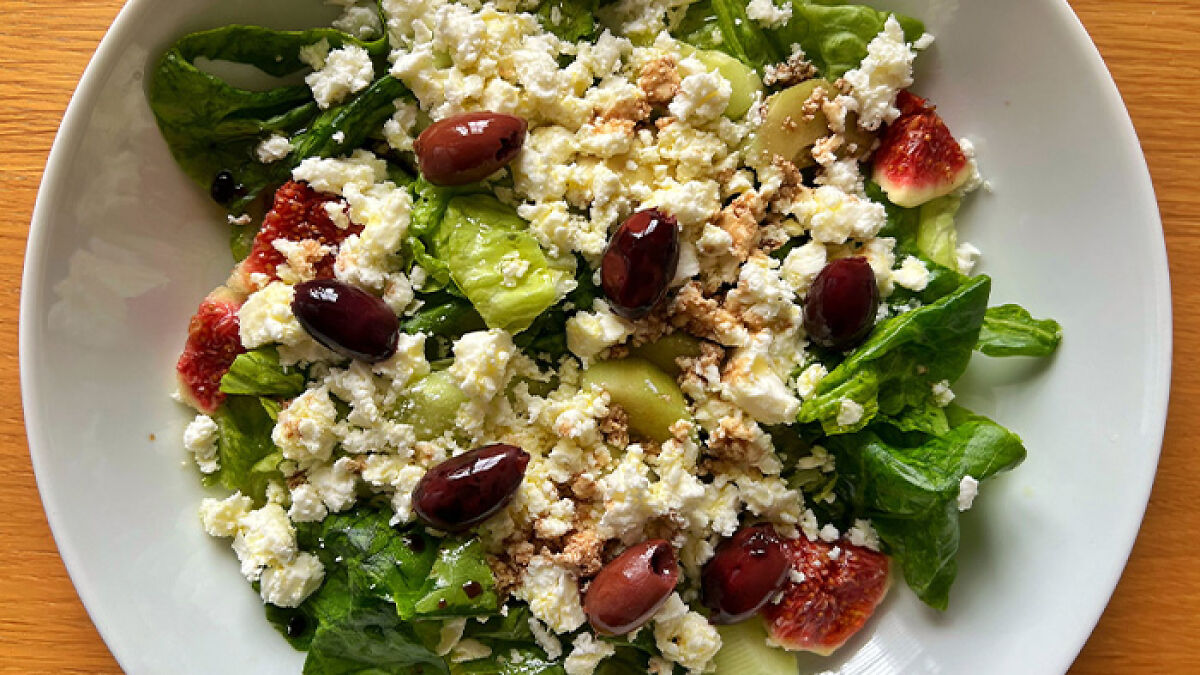
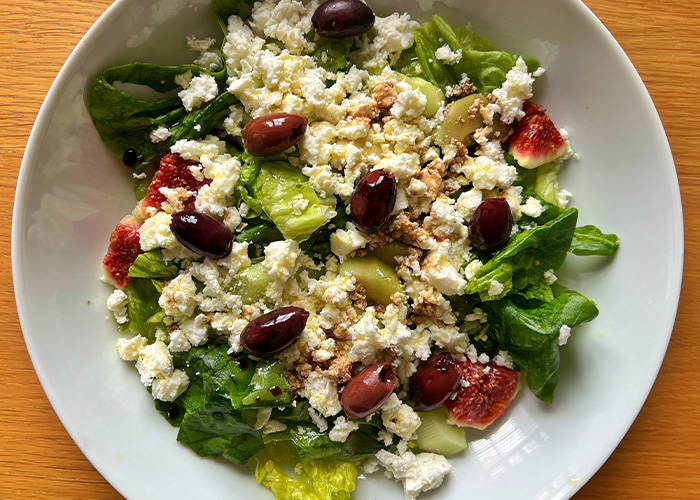
Built around vegetables, fruits, whole grains, olive oil, nuts, and other minimally processed foods, the Mediterranean diet has long been linked to a range of potential health benefits.
But could those benefits be demonstrated in a large-scale scientific study?
Researchers in Spain set out to explore that question, enrolling more than 7,000 people in an experiment that began in the late 2000s.
The participants were divided into different groups, with some following a Mediterranean-style eating plan rich in healthy fats, while others followed a different diet for comparison.
The research was expected to continue for several years, but roughly five years in, scientists made the unexpected decision toend it early.
The reason stemmed from an ethical dilemma that emerged as the study progressed.
The study involved men and women between 55 and 80 years of age who were considered at high risk of heart complications because they were either overweight, smokers, or had diabetes.
Participants were assigned to one of three groups: a Mediterranean diet supplemented with extra-virgin olive oil, the same eating pattern supplemented with a mix of nuts, including hazelnuts, almonds, and walnuts, or a comparison group advised to eat less fat.
The researchers tracked major cardiovascular events, including strokes and fatal heart attacks, among the participants.
During the trial, 96 participants in the olive oil group and 83 in the nut group experienced one of these events, compared with 109 in the control group.
Overall, the Mediterranean diet groups showed roughly a 30% lower risk of major cardiovascular issues than the comparison group.
These results created an ethical dilemma.
With one dietary approach appearing to offer greater protection against serious cardiovascular problems, researchers faced a question over whether it was appropriate to keep the trial running and continue assigning participants to the comparison group.
It was eventually agreed that the study should end early because the benefits associated with the Mediterranean diet had become sufficiently apparent.
Paleoanthropologist Daniel Lieberman recently referenced the study while appearing on Chris Williamson’s Modern Wisdom podcast.
“You know, I probably, I wouldn’t say it’s [the Mediterranean diet] a clear winner, but it probably has the most evidence in its favor of any diet that’s ever been studied,” he said.
The study may have remained largely unquestioned had it not been for a statistical analysis by John Carlisle, an anesthesiologist in England who had developed a knack for identifying unusual patterns in clinical experiment data.
In 2017, he examined thousands of randomized controlled trials, looking for patterns that appeared unlikely to occur if participants had genuinely been assigned to groups at random.
The Mediterranean diet study was among the papers that caught his attention.
Carlisle’s analysis did not prove that anything had gone wrong with the study, but it flagged discrepancies that warranted a closer examination.
His findings soon caught the attention of the New England Journal of Medicine, which had published the study.
The journal contacted the researchers and asked them to examine the concerns surrounding the trial.
That review sent the researchers back to the way participants had originally been assigned to the different groups.
What they found revealed that the randomization process had not been carried out exactly as the original paper had described, setting the stage for a much bigger problem with the study.
@conscious_christina Getting started on any lifestyle change can be intimidating, but if you are looking for a simple way to ease in….just eliminate those ultra processed foods and focus on incorporating more, Whole Foods! I promise you won’t regret it! 🫶🏼🍓🍎🍊🍋🥑🍅🫒🫐🥦🥒🥗🧄🍆🧅🫑🐟🍣🥚##mediterraneandiet##consciouschristina♬ original sound – Christina Z
As the researchers examined their records, they found that the assignment process had deviated from the protocol for a substantial number of participants.
At one study site, people from the same household had been placed in the same dietary group rather than being individually randomized. At another site, an entire village had been assigned to a particular intervention.
Problems were also identified with the use of a randomization table at a third location.
Altogether, the researchers determined that these issues affected 1,588 of the study’s total participants.
That mattered because the original paper had presented the trial as a randomized study in which participants were individually assigned to the different dietary approaches.
Because the original description no longer accurately reflected how part of the trial was conducted, the researchers and the New England Journalof Medicine, which published the study, retracted the paper in 2018.
However, the story did not end with the retraction.
Rather than discarding the data entirely, the researchers changed the language used to describe the findings.
A new analysis was published alongside the retraction, with the researchers retaining the overall finding that participants following the Mediterranean diet experienced fewer major cardiovascular events.
The wording, though, became more cautious.
While the original paper said the diet “reduced” the risk, the updated version described it as being “associated with” a lower risk, reflecting the limitations created by the problems with participant assignment.
Carlisle praised the journal’s response.
“I think that the NEJM editorial team responded very maturely to my paper,” he said.
“They took the possibility of a problem seriously and acted quickly and thoroughly.”

By entering your email and clicking Subscribe, you're agreeing to let us send you customized marketing messages about us and our advertising partners. You are also agreeing to our Privacy Policy.
Thank you! You've successfully subscribed to newsletters!


So a scientific study followed zero rules of scientific studies. They were correct to end ur when a significant portion had adverse medical events, but if they had attempted to publish to get it peer reviewed it would have failed and ended up retracted.

That's not why they ended it early, the AEs were occurring anyway, and not at a level that was worrying. No, it was the fact that with a slightly non-random selection the results were not going to be statistically meaningful. A whole family, as one example, being put on the same diet might make the process of following it easier but fails to account for genetic factors which may pre-dispose them to being more or less likely to develop medical conditions. The anonymisation process was flawed; when that flaw was spotted they realised there was simply no point in continuing the study.
Load More Replies... So a scientific study followed zero rules of scientific studies. They were correct to end ur when a significant portion had adverse medical events, but if they had attempted to publish to get it peer reviewed it would have failed and ended up retracted.
That's not why they ended it early, the AEs were occurring anyway, and not at a level that was worrying. No, it was the fact that with a slightly non-random selection the results were not going to be statistically meaningful. A whole family, as one example, being put on the same diet might make the process of following it easier but fails to account for genetic factors which may pre-dispose them to being more or less likely to develop medical conditions. The anonymisation process was flawed; when that flaw was spotted they realised there was simply no point in continuing the study.
Load More Replies...




































 No fees, cancel anytime























30
2