Get Premium
Dark mode theme is available exclusively for premium users. Learn more about the benefits of subscribing.
No fees, cancel anytime.

 Dark Mode Ad-Free Browsing Unlimited Content
 Ad-Free Browsing Unlimited Content Dark Mode
Join 1.2 million Panda readers who get the best art, memes, and fun stories every week!
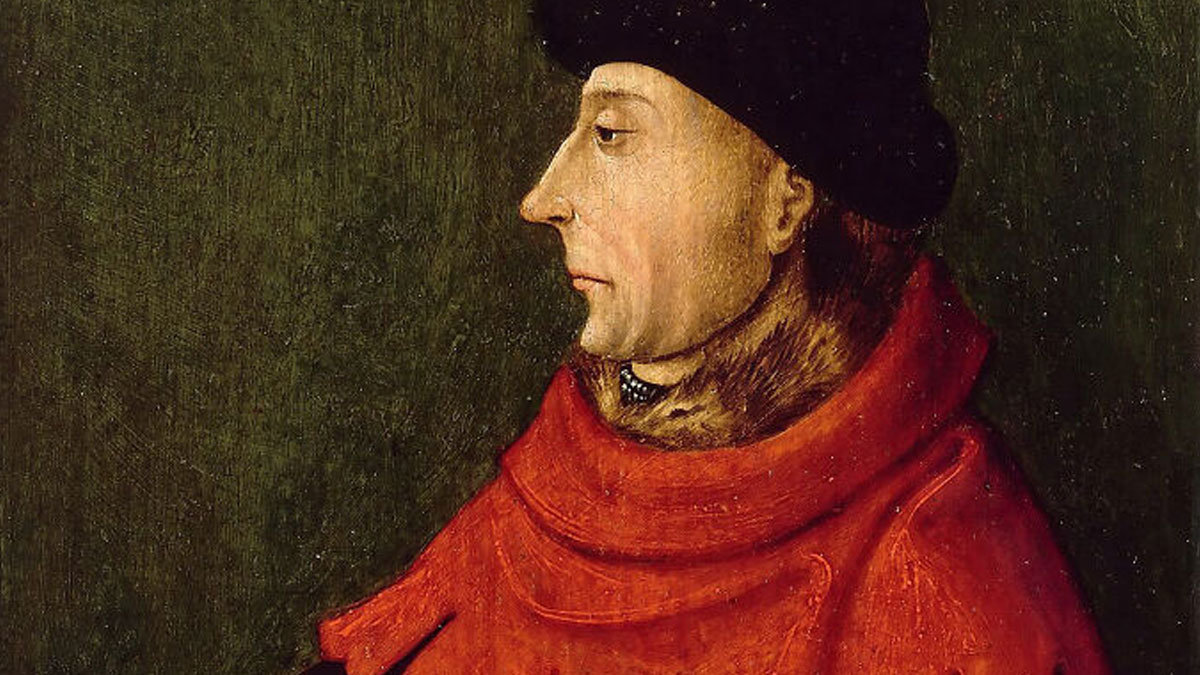
The Middle Ages, usually dated from the 5th to the late 15th centuries, were a period of striking contrasts. Castles rose across Europe, knights pledged their loyalty to their owners, and entire cities grew around bustling trade routes. But daily life was still full of hardship and superstition. It was an era of plagues and pilgrimages, battles and ballads, and the subreddit r/MedievalHistory offers a glimpse into these polarizing times through pictures, artifacts, and captivating stories.
This post may include affiliate links.

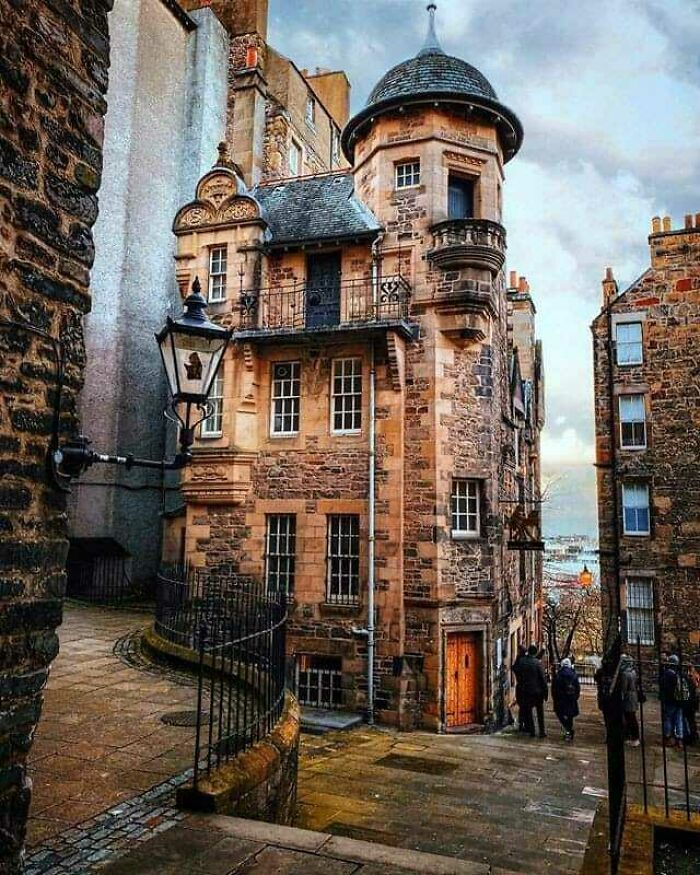
Edinburgh's closes hold many secrets and wonders. Gosh I love that town.

This is one of the most beautiful and relaxing pictures I have ever seen.
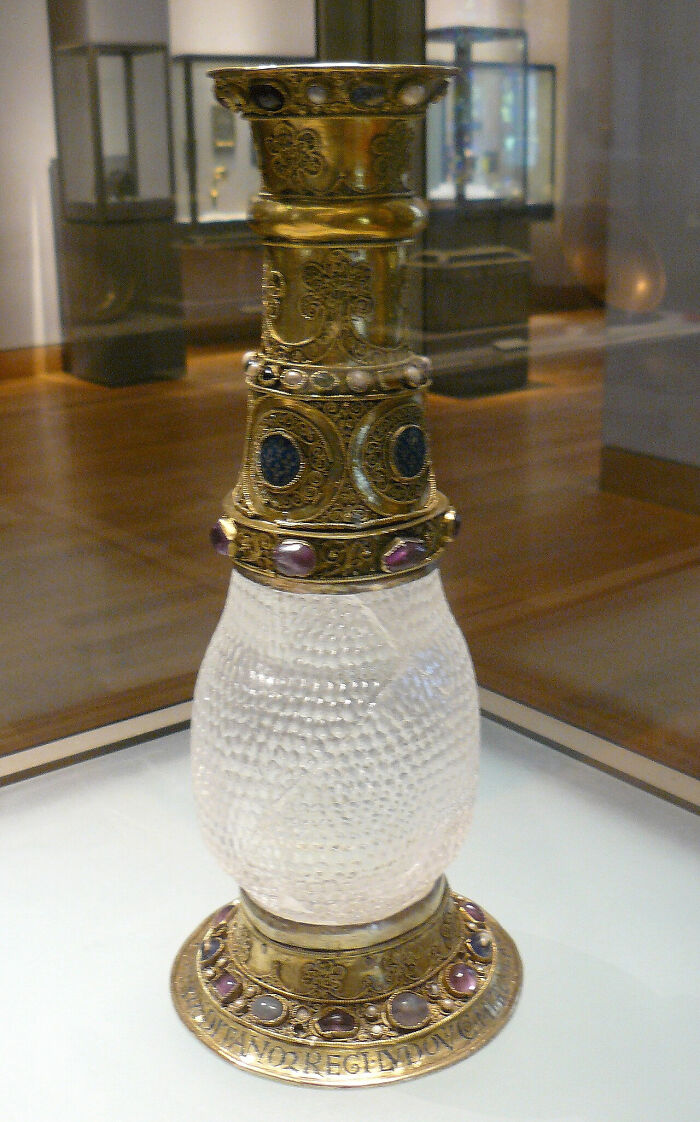
Since she divorced him and married the King of England, I am surprised that this was allowed to remain in France and is at the Louvre and not the British Museum. Said from someone who lives in the Aquitaine currently.
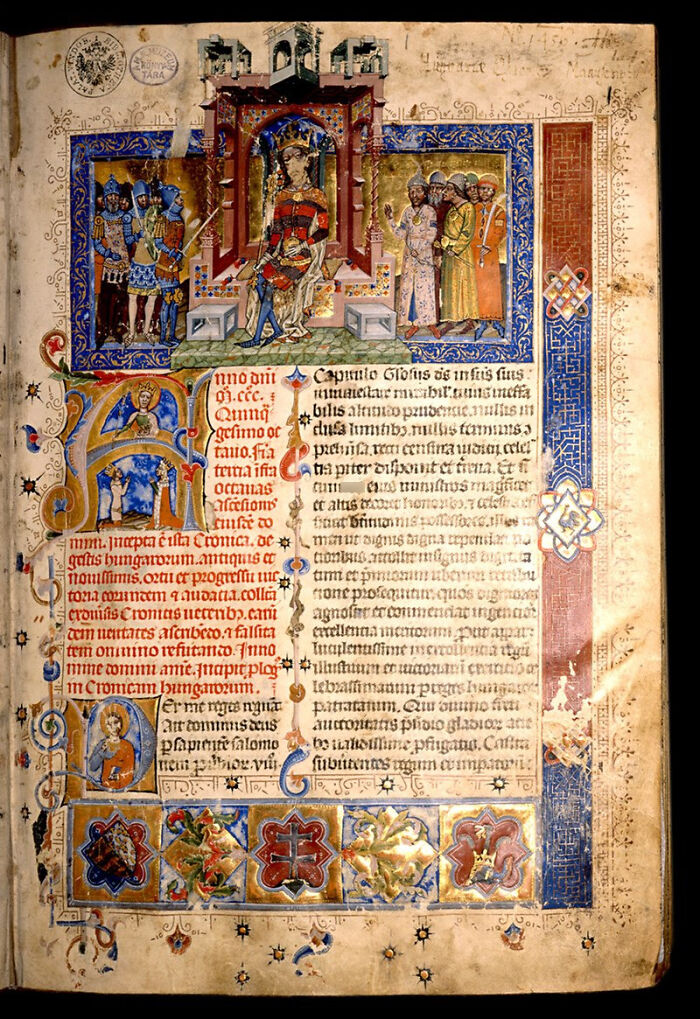
"The Chronicon Pictum or Illuminated Chronicle (Hungarian: Képes Krónika, Slovak: Obrázková kronika, German: Ungarische Bilderchronik, also referred to as the Illustrated Chronicle, Chronica Hungarorum, Chronicon Hungarie Pictum, Chronica Picta or Chronica de Gestis Hungarorum) is a medieval illustrated chronicle from the Kingdom of Hungary from the 14th century. It represents the artistic style of the royal court of King Louis I of Hungary. The codex is a unique source of art, medieval and cultural history."
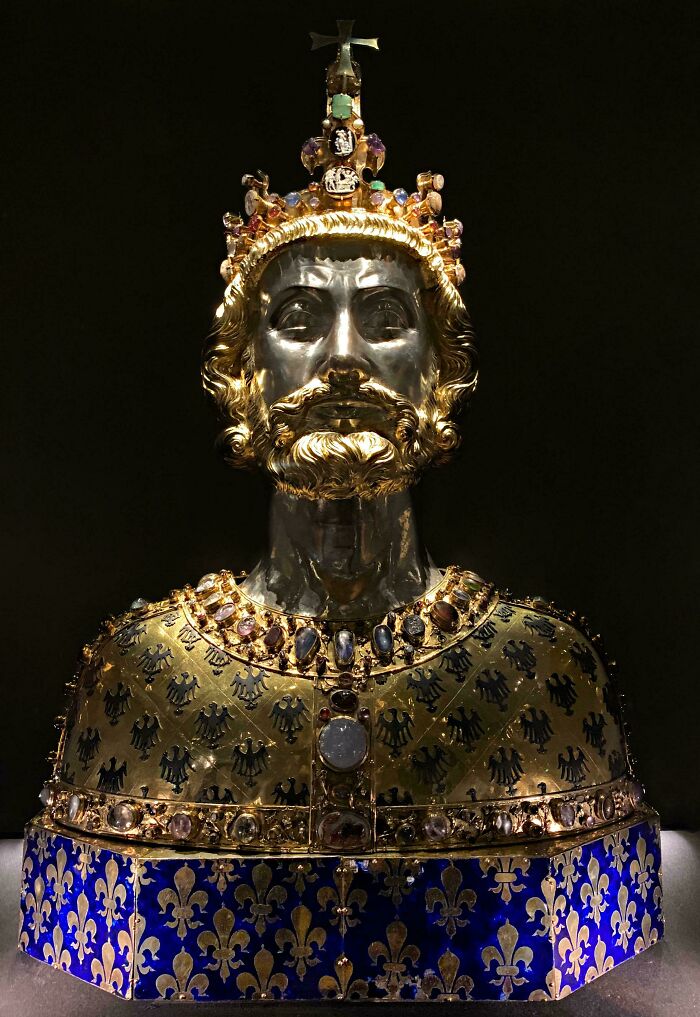
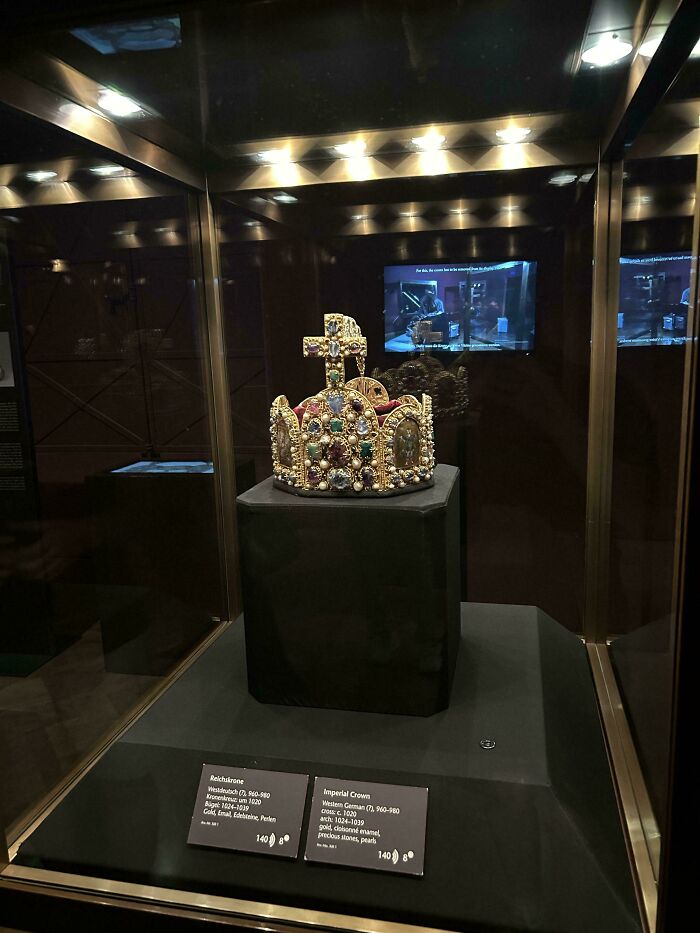
The Imperial Crown of the Holy Roman Empire, Reich meaning kingdom or empire, and krone being evident. I bet that was heavy and extremely uncomfortable, I used to fuss when my mother made me wear a hat to Sunday church!
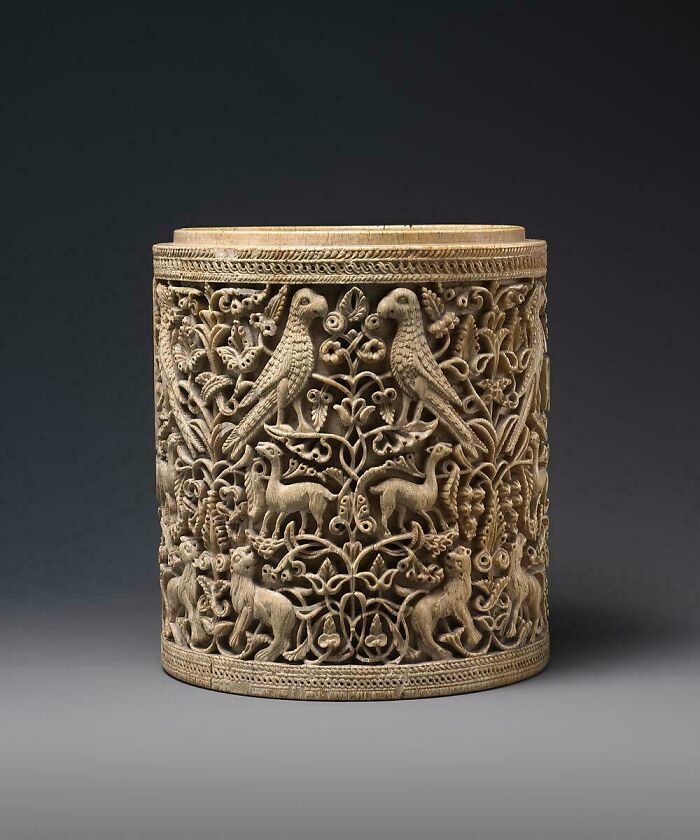
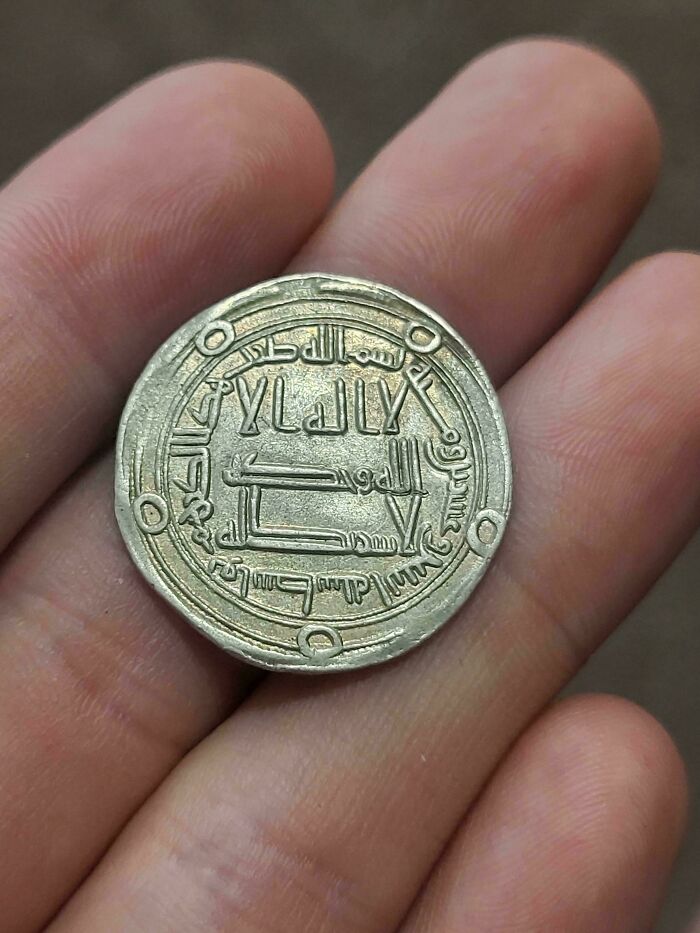
Comment from site that had this photo: "As far as I understand this is incredibly rare as Islam actually forbids picturing animals and humans. Hence, this together with the Lions and the on purpose hidden painted people inside the Al-Hambra are examples of unusual, non-normative luxuries of that time and place."
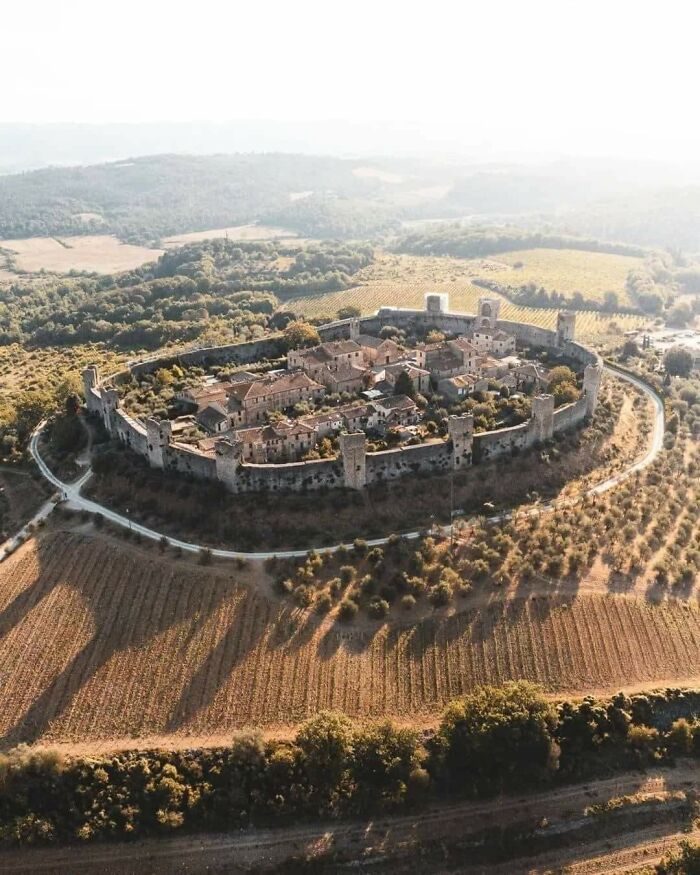
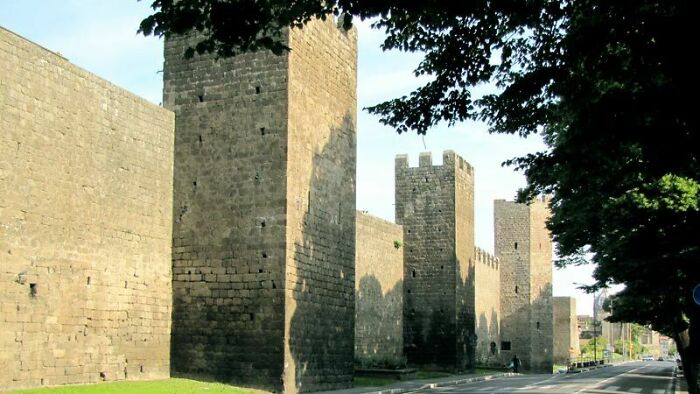
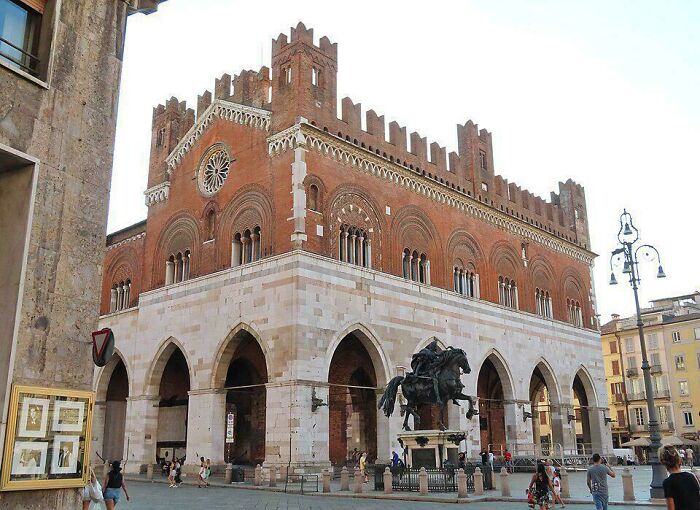
In Italy, about 50 miles North of Rome. In case anyone was wondering.
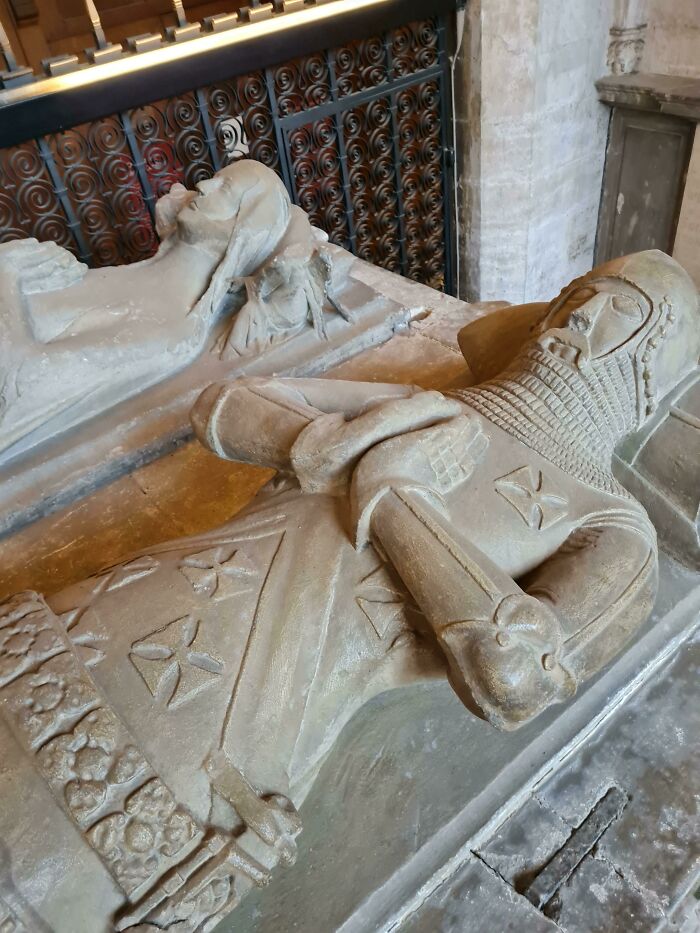
Margaret Mortimer, Baroness Berkeley (2 May 1304 – 5 May 1337) was the wife of Thomas de Berkeley, 3rd Baron Berkeley. She was the eldest daughter of Roger Mortimer, 1st Earl of March, the de facto ruler of England from 1327 to 1330, and his wife Joan de Geneville, Baroness Geneville.[1] for further context. Courtesy of Wiki.
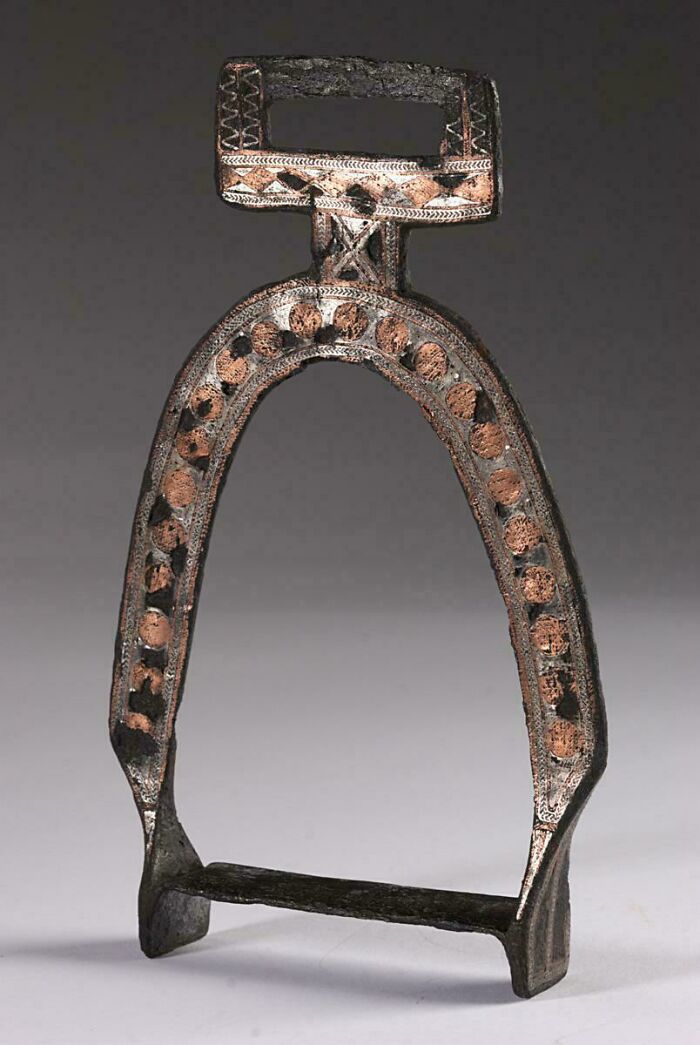
Comment: "Pictured is a stirrup from Lednica lake, is there any particular name for the art style used to decorate this piece? I’ve seen similar decoration on the comb from Lednica lake as well as the axe from Lunow." Response: "Looks like a mix of early Slavic decorative tradition with Norse influence those stamped circles and geometric patterns are common in the Borre/Ringerike style (9th–11th c.) The fact you see it on combs, axes, and stirrups suggests a shared regional design language rather than just one off decoration. Basically, your horse kit, grooming tools, and weapons all carried the same protective motifs."
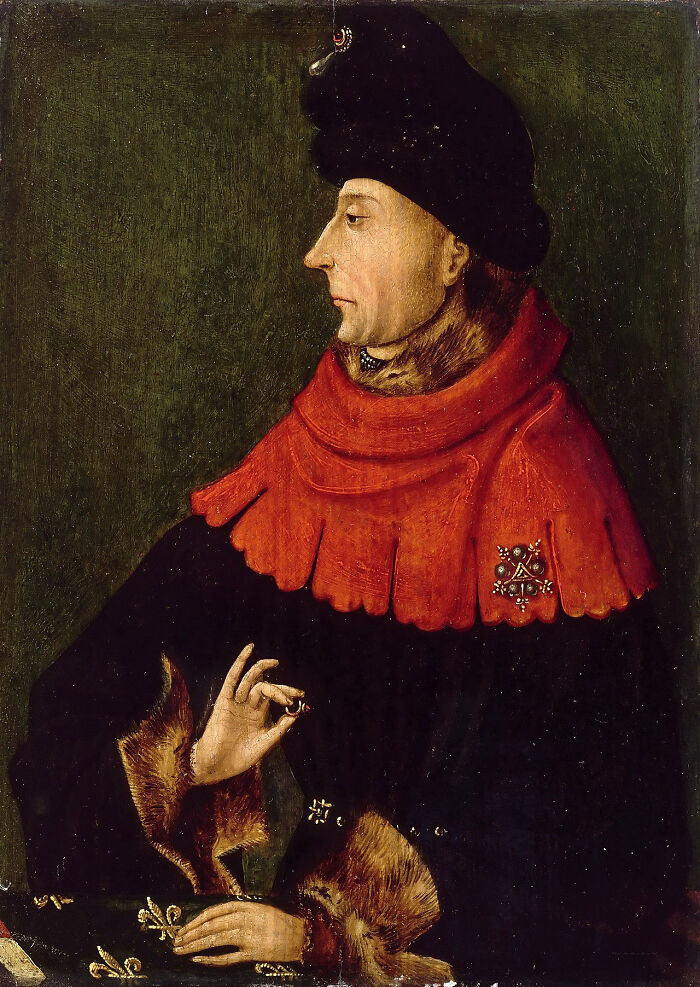
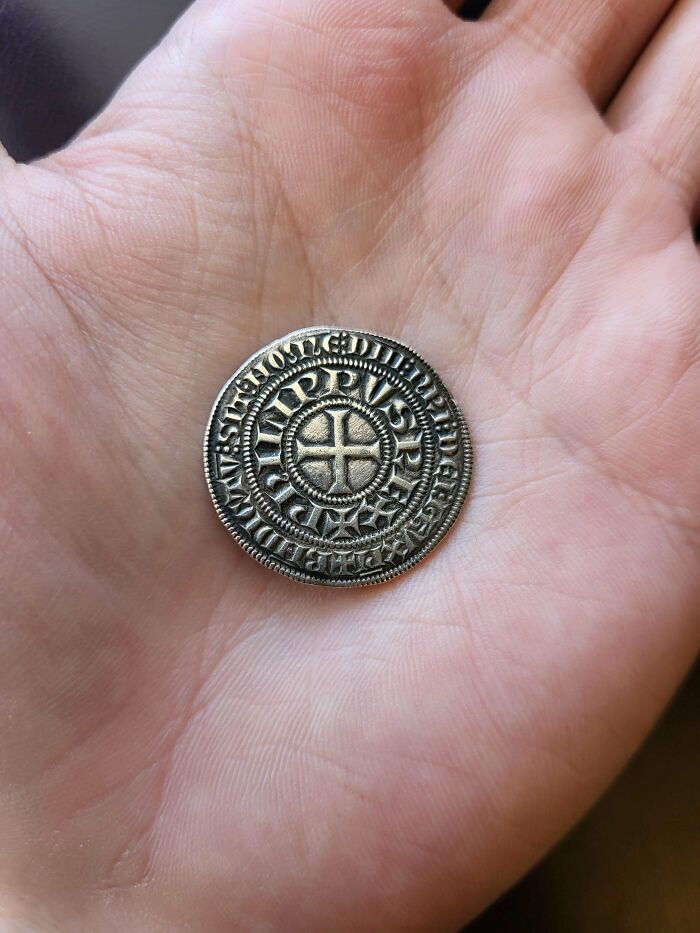
Philip the Fair was the king who forced the excommunication of the Templars, then stole everything he could from them and executed as many as he could find on Friday the 13th. Hardly fair.

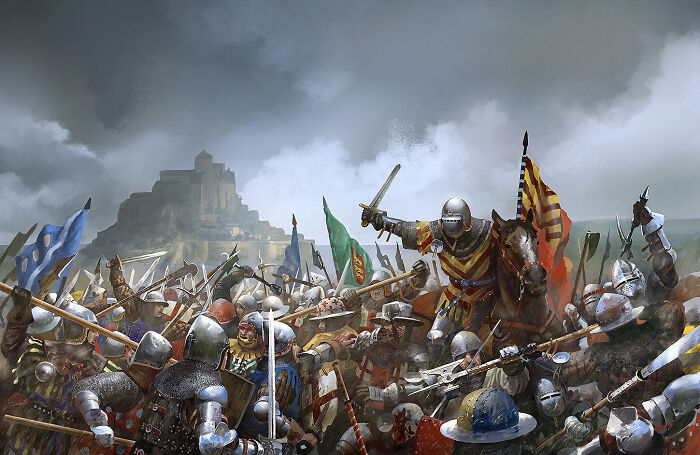
"In the long run this siege lasted nearly 20 years as a target of the English, starting with the invasion of Normandy in 1417. But the most intense period was during its siege in 1424-1425, when hundreds of English troops (even thousands) were mobilized in the Cotentin Peninsula and towns as far as Rouen to surround it. Fortresses were built, one in a village and one on a nearby island. The siege lasted a year, resulting in a decisive French victory thanks to the help of the Bretons who betrayed the English."
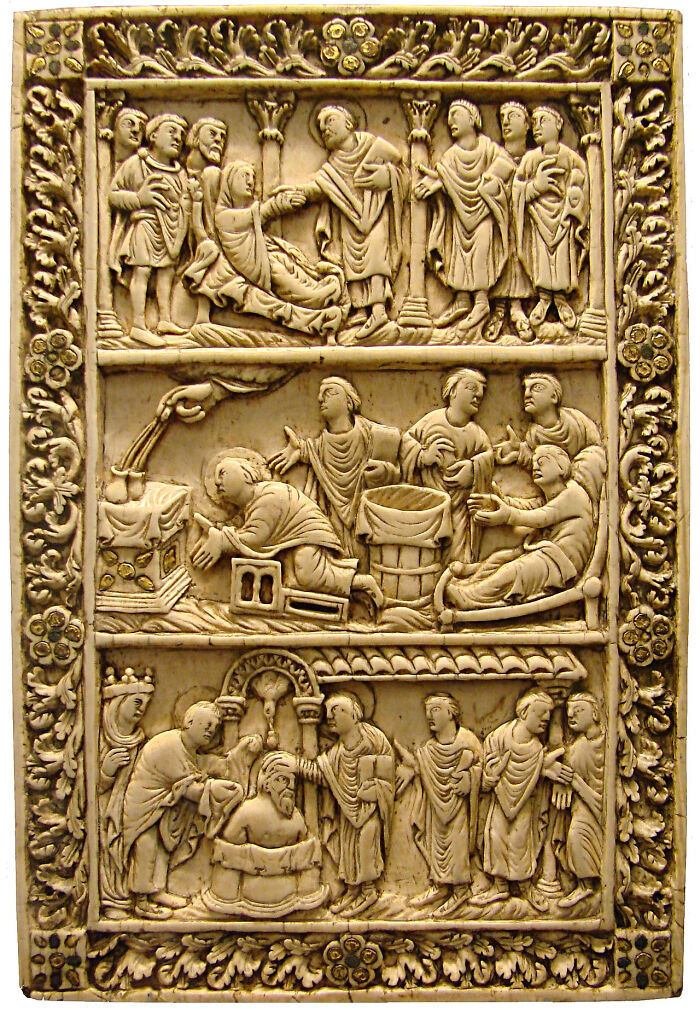
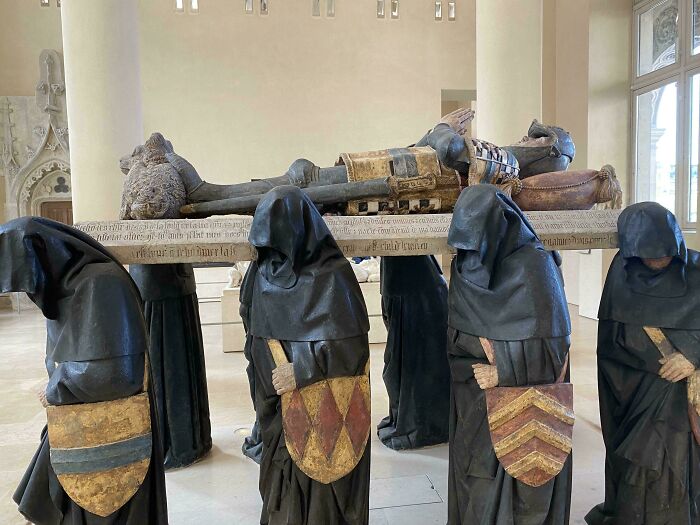
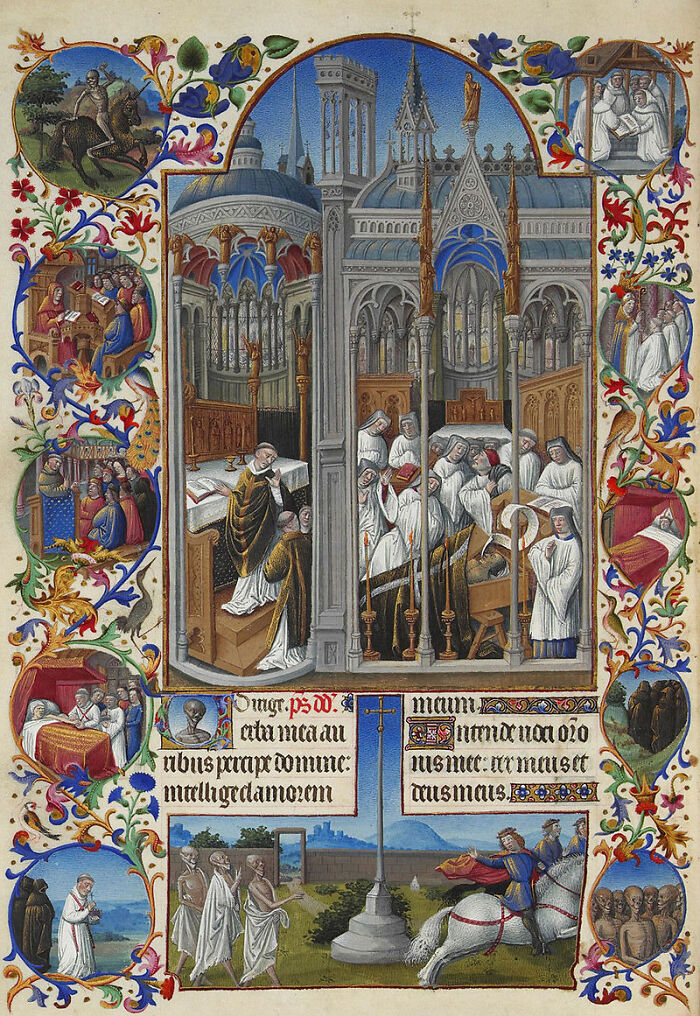
"Raymond Diocrès (died 1084) was a "Parisian university professor and canon" and the subject of a miracle. Diocrès is known for a miracle that took place at his funeral, which was depicted in several artistic works. The story goes that at his funeral Diocrès briefly returned to life, in order to swear to the assembly that God had judged and condemned his soul. One of his students, Bruno of Cologne, upon witnessing this miracle, decided to abandon civil life and become a monk, thus founding the Carthusian order. The funeral of Raymond Diocrès figures in illuminated scenes from the Très Riches Heures du Duc de Berry. Painters such as Vincenzo Carducci, Gregorio Bausá, and Eustache Le Sueur also depicted scenes from Diocrès' life, especially those related to Bruno of Cologne."
"The Bagrationi dynasty is a royal dynasty which reigned in Georgia from the Middle Ages until the early 19th century, being among the oldest extant Christian ruling dynasties in the world. In modern usage, the name of the dynasty is sometimes Hellenized and referred to as the Georgian Bagratids, also known in English as the Bagrations."
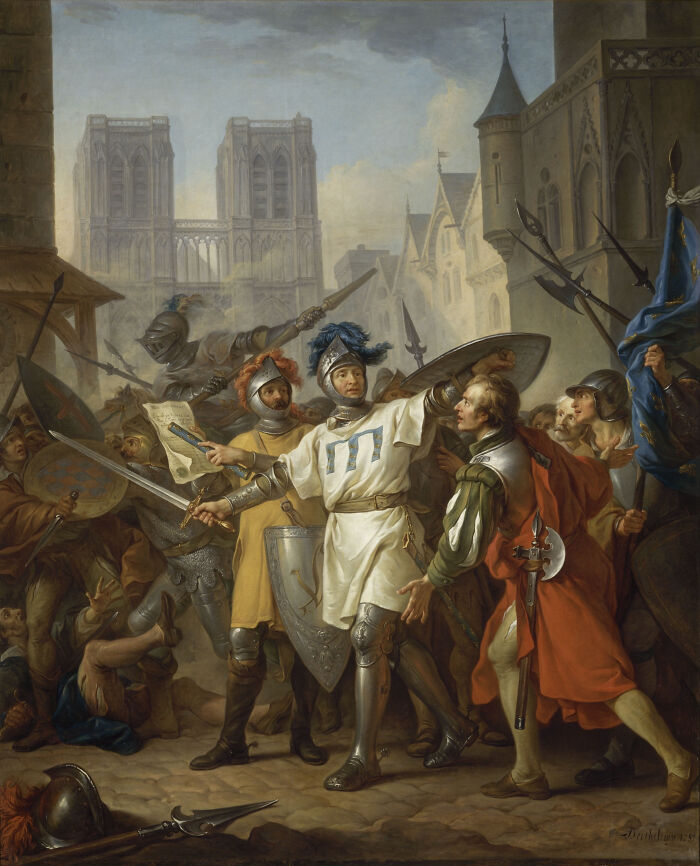
"The siege of Paris of 1435-36 took place during the decisive Lancastrian phase of the Hundred Years' War. The resurgent forces of Charles VII of France, having reversed the tide of the conflict, set their sights on capturing the capital, Paris, which had been controlled by forces loyal to Henry VI of England since 1420." "Charles VII finally entered Paris on 12 November 1437. He was taken aback by the condition of much of the city, having suffered from years of civil war and occupation. He permitted all Parisians who had fled to return, on condition that they pledge allegiance to him. After this siege, Paris would not be occupied by foreign troops for another 400 years, until the army of the Sixth Coalition defeated Napoleon's army at the Battle of Paris (1814)."
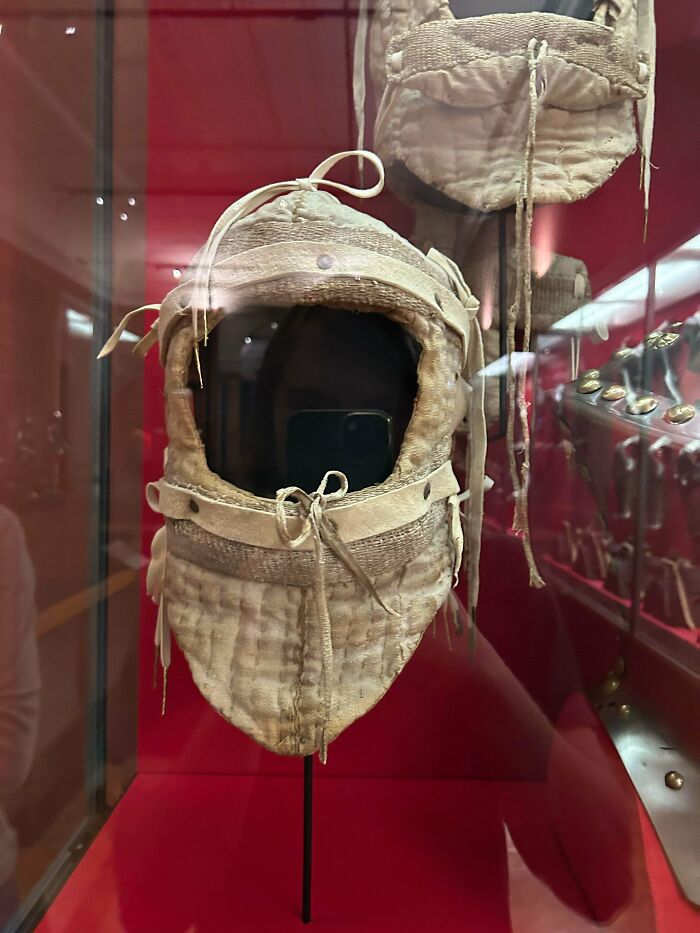
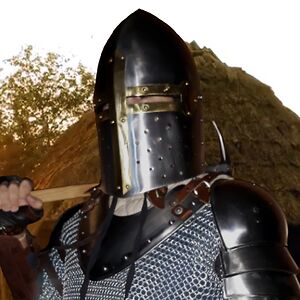
This would have been worn under a visored helmet such as a bassinet. It is to protect against blows to the head. Although a helmet was good at protecting against sharp, pointed weapons and arrows, it did little to protect against blunt trauma. Similarly padded clothing was worn under mail and plate armour to provide protection against blows and chafing from the armour and to keep the wearer warm.


Posts like this are why I continue to come to Bored Panda. I love it. But, please add a save button so I can save posts to come back and read later!!

Conisbrough Castle, a favourite place of mine which is 2 miles from where I live, is a castle initially built in the 11thc. It is quite unique in England, as the central tower is circular with 6 solid butresses forming a hexaginal design. It is also mentioned in Sir Walter Scott's novel Ivanhoe. (https://en.wikipedia.org/wiki/Conisbrough_Castle) PXL_202309...8554d5.jpg 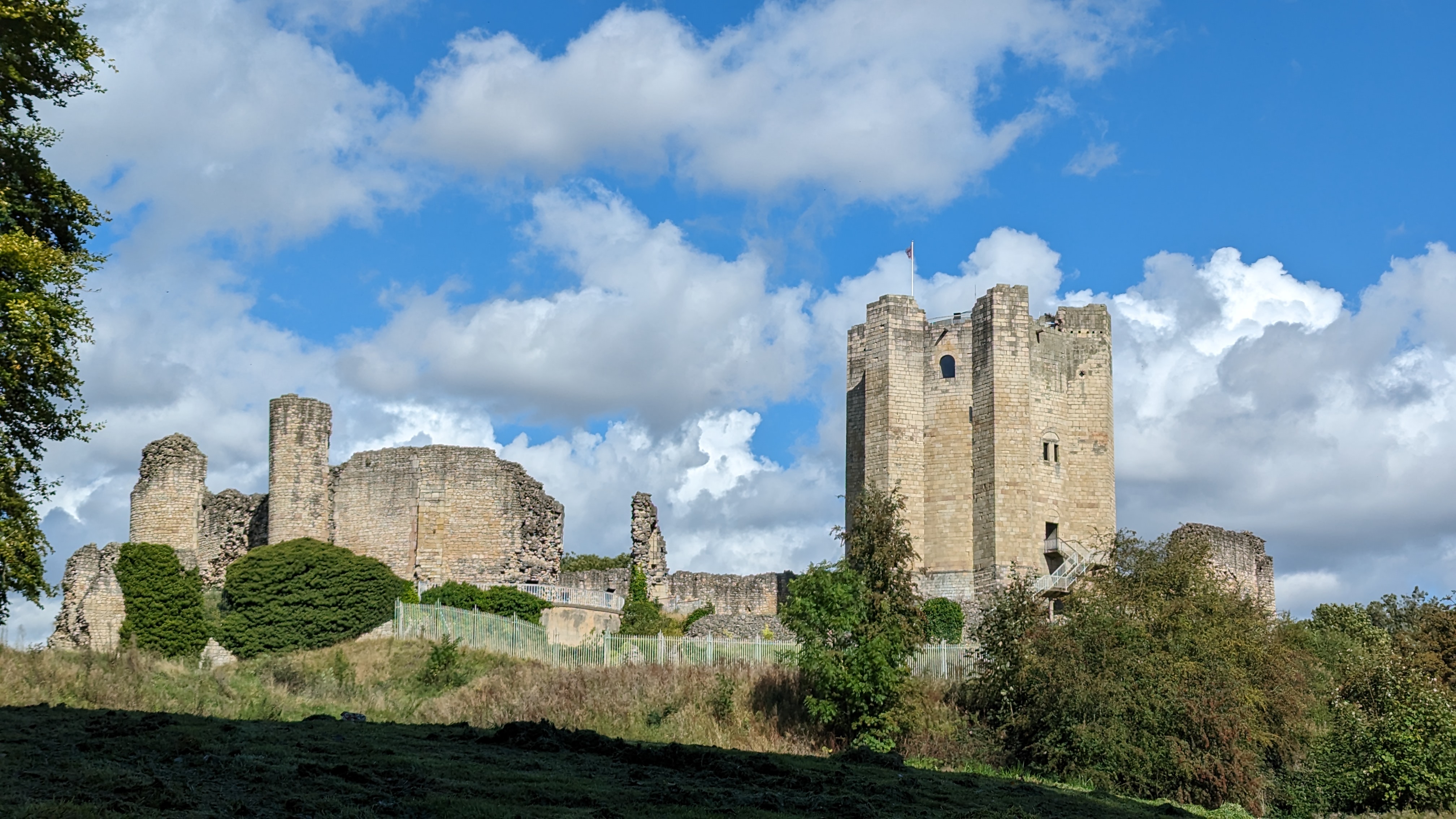
Another favourite place of mine is Colchester Castle, built in the 11thc on the foundations of the Roman Temple of Claudius, which was built between AD49 and AD60. It is now a museum, which houses some really interesting Roman atrifacts, with Colchester being the first major city in Roman Britain. (https://en.wikipedia.org/wiki/Colchester_Castle) PXL_202409...33f2aa.jpg 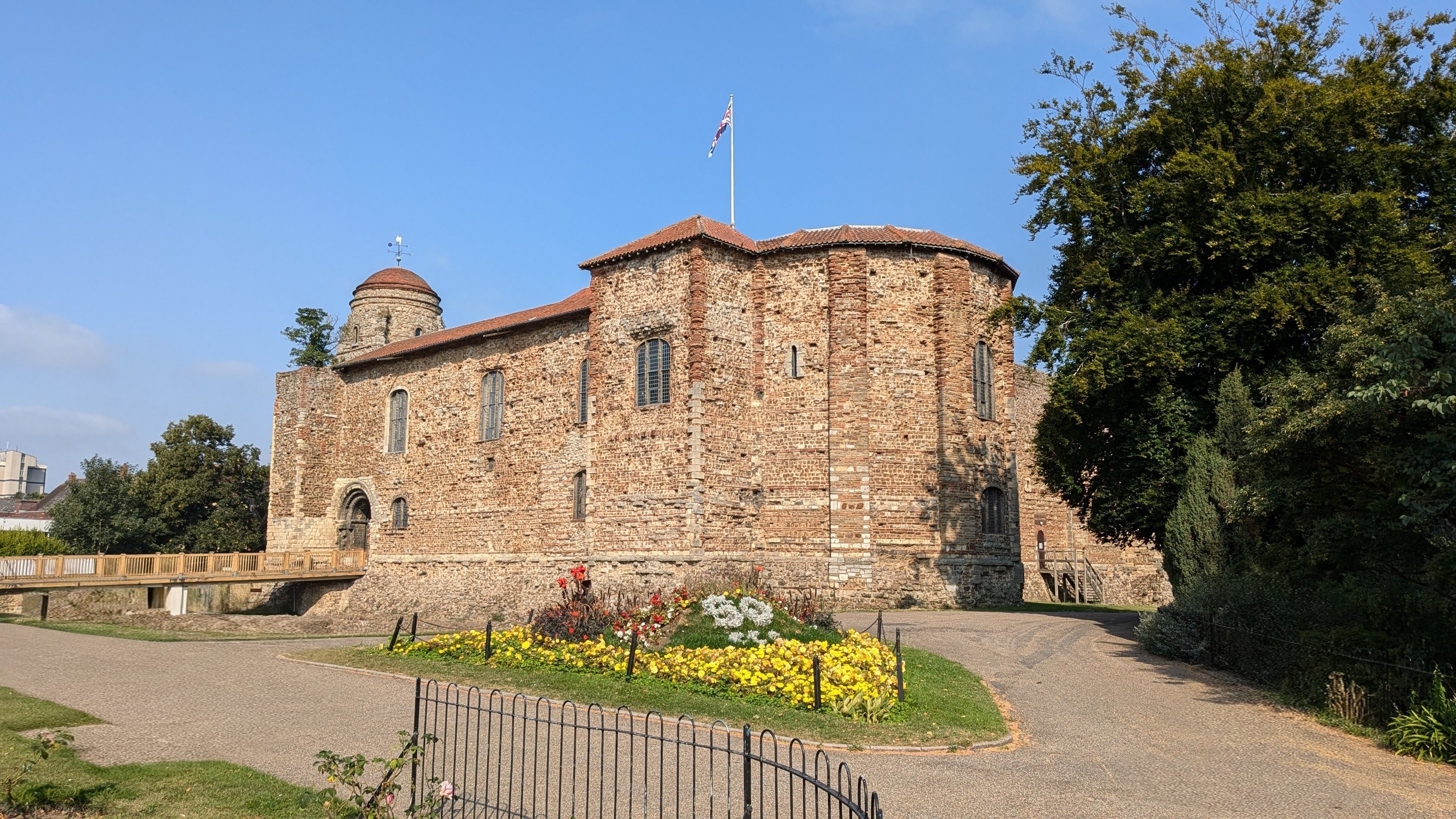

Posts like this are why I continue to come to Bored Panda. I love it. But, please add a save button so I can save posts to come back and read later!!
Conisbrough Castle, a favourite place of mine which is 2 miles from where I live, is a castle initially built in the 11thc. It is quite unique in England, as the central tower is circular with 6 solid butresses forming a hexaginal design. It is also mentioned in Sir Walter Scott's novel Ivanhoe. (https://en.wikipedia.org/wiki/Conisbrough_Castle) PXL_202309...8554d5.jpg
Another favourite place of mine is Colchester Castle, built in the 11thc on the foundations of the Roman Temple of Claudius, which was built between AD49 and AD60. It is now a museum, which houses some really interesting Roman atrifacts, with Colchester being the first major city in Roman Britain. (https://en.wikipedia.org/wiki/Colchester_Castle) PXL_202409...33f2aa.jpg
































 No fees, cancel anytime