Get Premium
Dark mode theme is available exclusively for premium users. Learn more about the benefits of subscribing.
No fees, cancel anytime.

 Dark Mode Ad-Free Browsing Unlimited Content
 Ad-Free Browsing Unlimited Content Dark Mode
Join 1.2 million Panda readers who get the best art, memes, and fun stories every week!
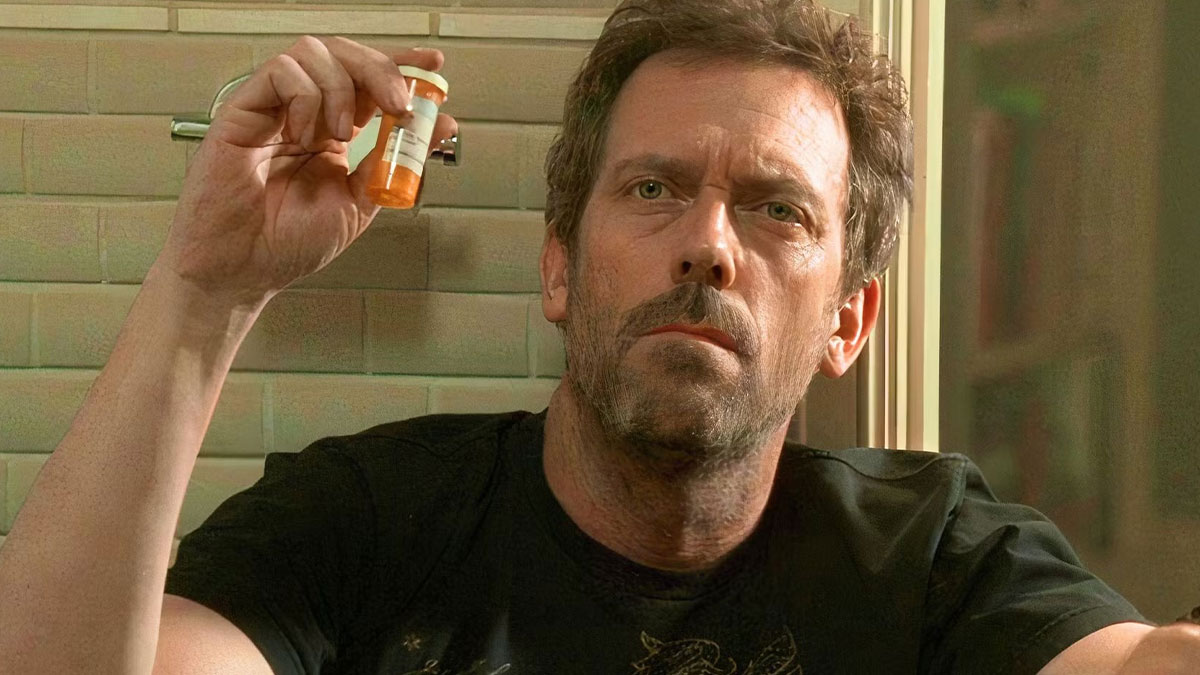
In the past, if you had a question or curiosity about global norms, you’d probably talk it over with friends, family, or maybe a well-informed co-worker. But now, thanks to the internet, you can bring up that same question and get insights from people living all over the world. These online discussions not only spark new perspectives but also paint a broader picture of how different regions handle everyday things.
One such moment recently came from a medicine regulator on TikTok who posed a curious and relatable question: “Why is all medicine in American films shown in bottles, but not in Europe?” Her simple observation quickly caught fire online, leading to a lively back-and-forth across continents. Keep reading to see what the internet had to offer and what this cultural difference says about more than just packaging.
Image credits: Weedezign_photo / Envato (not the actual photo)
Image credits: Polina Tankilevitch / Unsplash (not the actual photo)
Image credits: Haley Lawrence / Pexels (not the actual photo)
Image credits: ally.tom7
Image credits: ally.tom7
@ally.tom7 I don’t know if anyone will find this as interesting as a nerd like me but I don’t talk a lot about my job, here’s the kind of stuff I know a lot about. #healthcare#medicine#patientsafety#fda#ema#pharma#womeninstem#womeninscience♬ original sound – Ally Tom 🍋
Pharmaceutical packaging serves far more than just an aesthetic or logistical purpose. It plays a critical role in protecting sensitive medications during shipping, storage, and distribution. These products often require tightly regulated conditions to maintain their chemical stability and effectiveness. From physical damage to exposure to moisture, or contaminants, the packaging is designed to defend against a range of potential threats while ensuring that patients receive medicine in its safest and most effective form.
The packaging process typically involves three layers: primary, secondary, and tertiary. The primary packaging is the one in direct contact with the medicine: vials, blister packs, sachets, syringes, and bottles. Its core responsibility is preserving the chemical composition and integrity of the medicine while offering dosage control and consumer protection. This layer must also meet strict pharmaceutical compliance and hygiene standards.
Secondary packaging focuses on branding, safety, and usability. It includes cartons and labeled boxes that are often seen on pharmacy shelves or used to organize unit doses. It allows for proper product labeling, displays essential medicine information, and helps pharmacists and consumers identify the product. While not in direct contact with the medicine, this layer is key for handling, instructions, and marketing.
Tertiary packaging is built for transport and bulk distribution. Its function is to protect everything beneath it, both primary and secondary packaging. Materials used here are usually designed to resist environmental hazards like moisture, dust, and physical shock. This layer includes shipping containers, pallets, and protective wraps to ensure pharmaceuticals arrive intact, even across long distances.
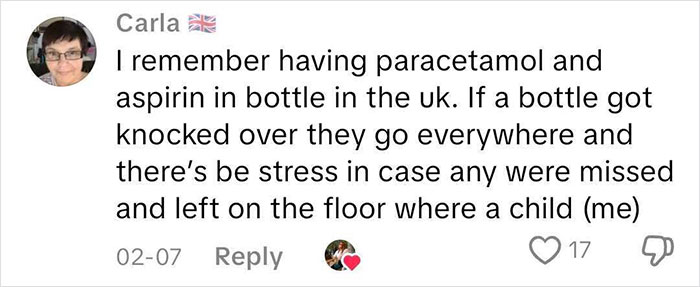
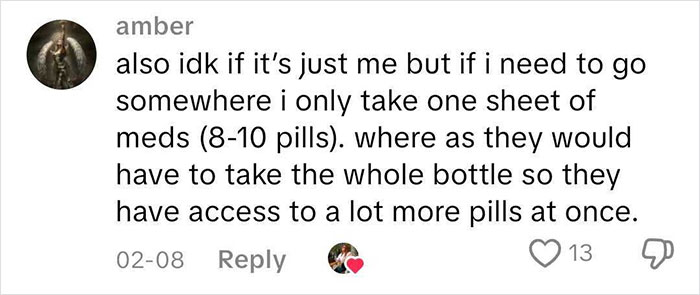
Child safety is one of the primary design concerns in pharmaceutical packaging. Ensuring that medicines aren’t easily accessible to children is vital, especially for medicines with high toxicity or those that resemble candy. At the same time, packaging must remain functional and accessible for adults, particularly seniors or individuals with dexterity issues. Balancing these factors is both a safety challenge and a design opportunity.
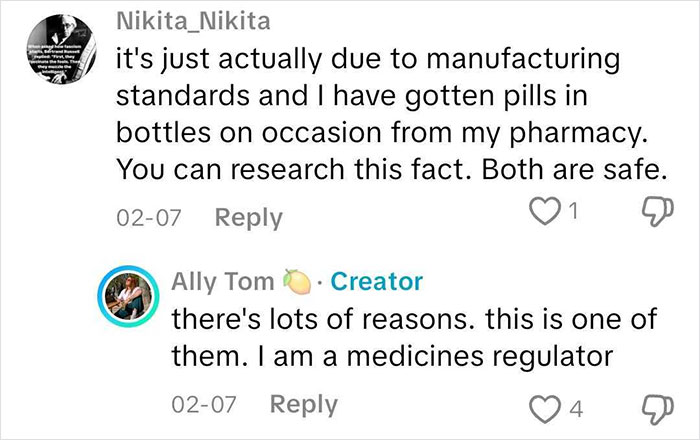
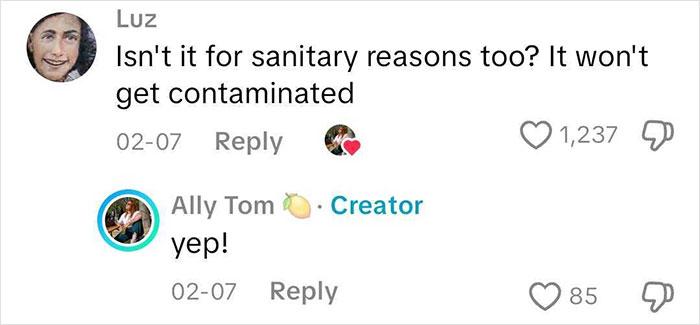
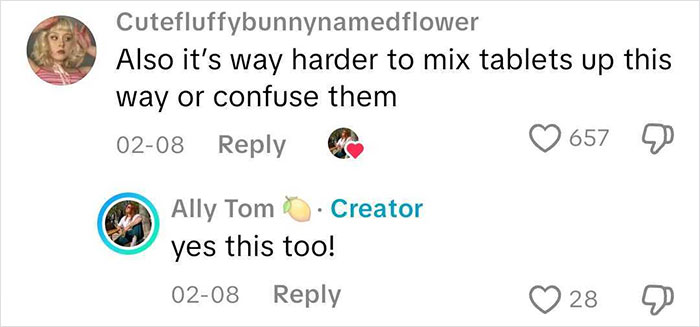
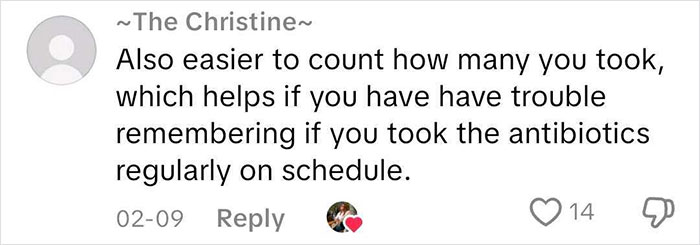
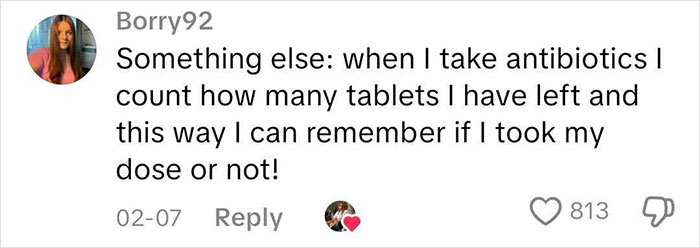
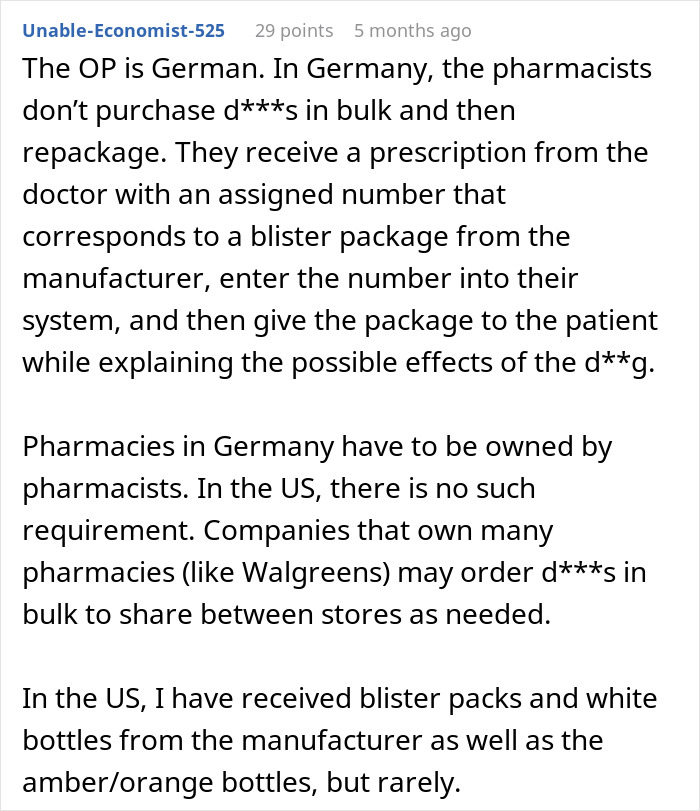
One popular packaging solution is the blister pack, widely used in European markets. Blister packaging seals each pill in its own pocket, reducing contamination risk significantly. The hermetic seals ensure medicines are protected until the exact moment of consumption, maximizing shelf life. Since pills are individually sealed, users can easily track doses, avoid cross-contamination, and manage refill timings with clarity.
Another advantage of blister packaging lies in its child-resistant yet senior-friendly designs. This type of packaging maintains a high safety standard without compromising on convenience or accessibility, which is especially important for over-the-counter and daily medications.
Image credits: Getty Images / Unsplash (not the actual photo)
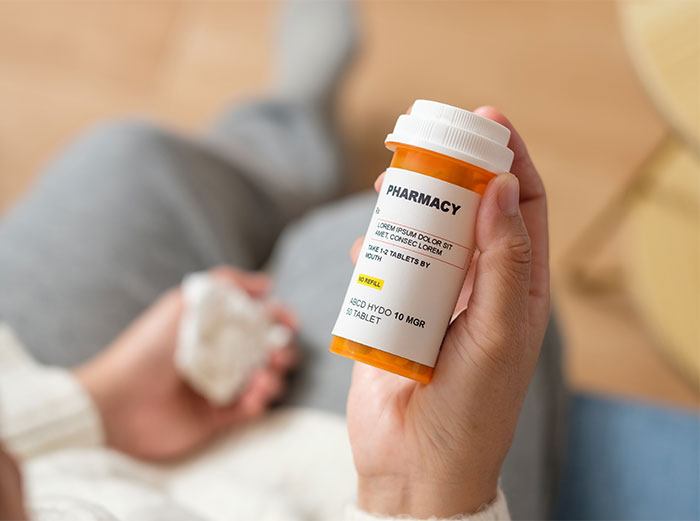
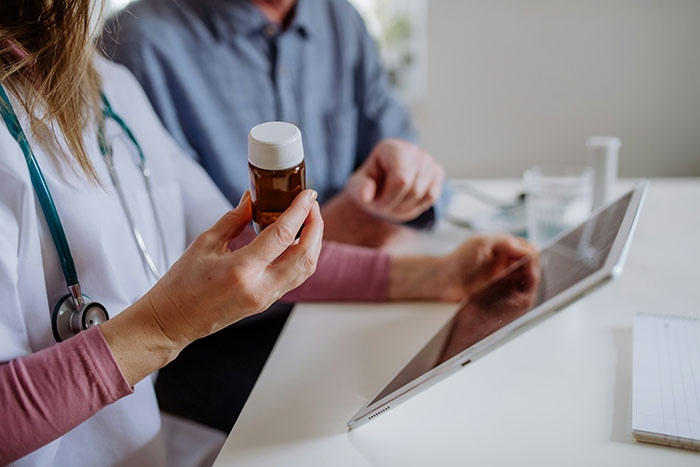
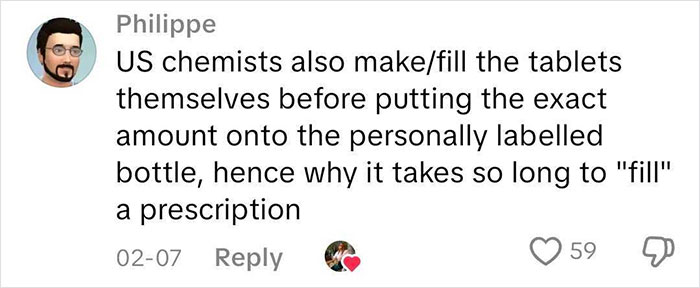
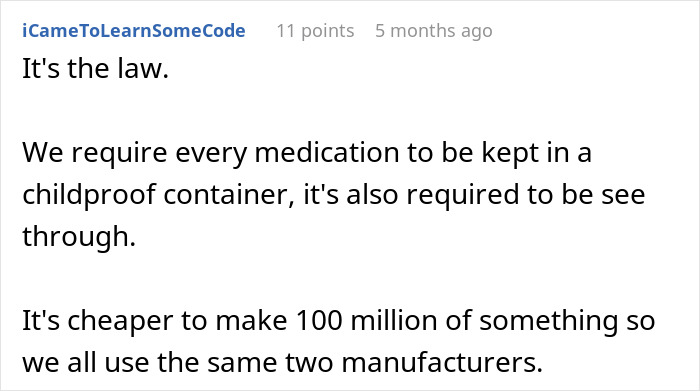
On the flip side, bottle packaging has its own advantages. It’s often quicker for pharmacists to fill, especially for bulk prescriptions, and allows for easier customization of dosage and instructions. Bottles are also familiar to many users and can be more cost-effective for pharmacies. Plus, they’re reusable for certain types of medication and often easier to store in medicine cabinets.
Globally, there’s a noticeable divide in packaging preferences. In the United States, around 80% of oral solid medications are dispensed in bottles, while only 20% come in blister packs. In contrast, Europe sees the reverse, with 85% of such medications packaged in blister formats. This difference stems from cultural habits, regulatory policies, and consumer expectations, but it’s a topic that continues to prompt lively debate, especially online.
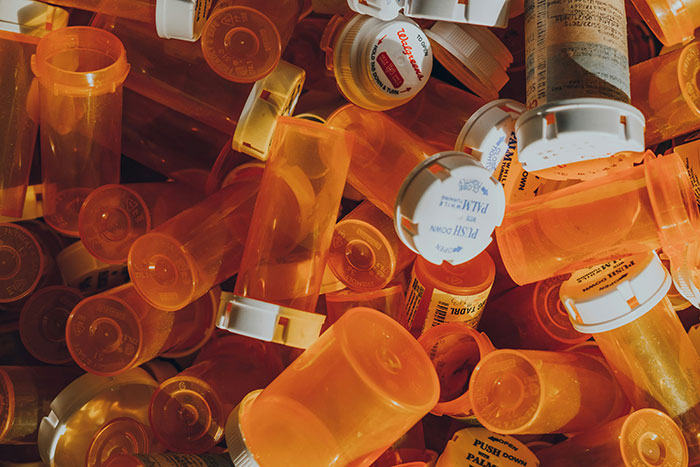
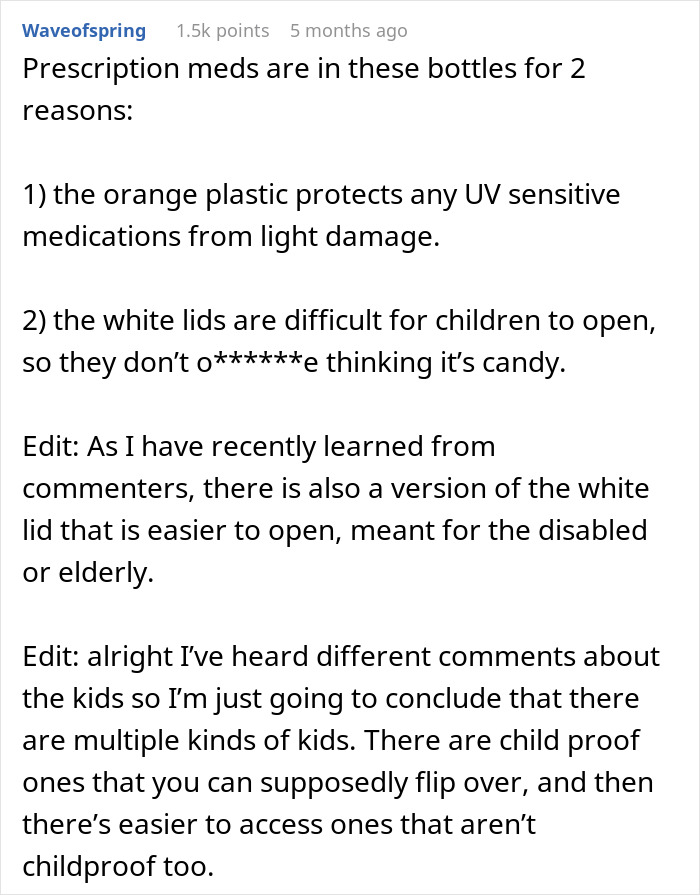
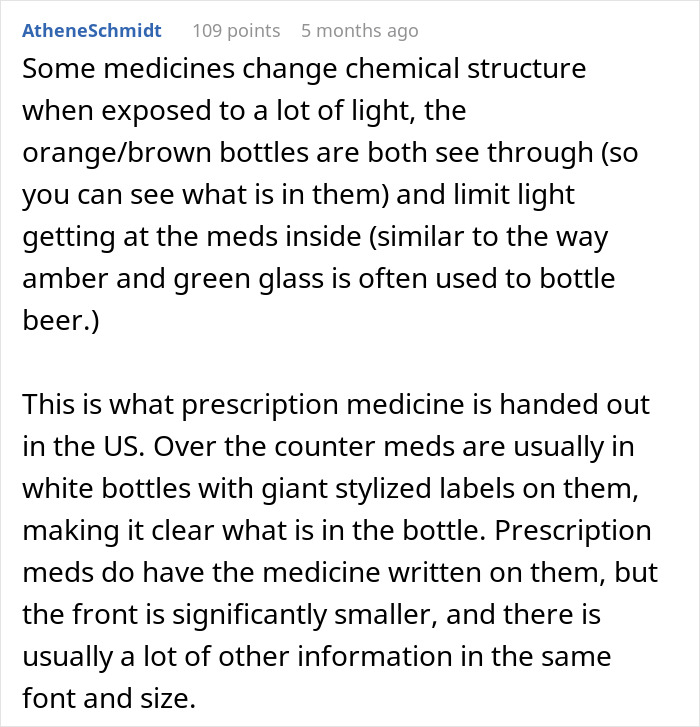
Well, Americans are accustomed to seeing their medications in amber plastic bottles with child-resistant caps. These containers are familiar, easy to store, and versatile, but they also lack the precision and contamination safeguards of blister packs. Moreover, bottles are less effective at protecting each individual pill from environmental exposure.
This video definitely sheds some light on global packaging habits. In your country, how are medicines usually packaged? Do they come in bottles, blister packs, or something else entirely?
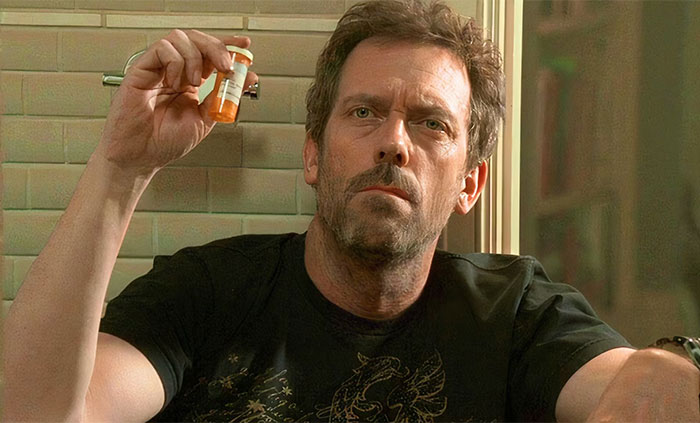
Image credits: Fox
Image credits: Akronitai

By entering your email and clicking Subscribe, you're agreeing to let us send you customized marketing messages about us and our advertising partners. You are also agreeing to our Privacy Policy.
Thank you! You've successfully subscribed to newsletters!

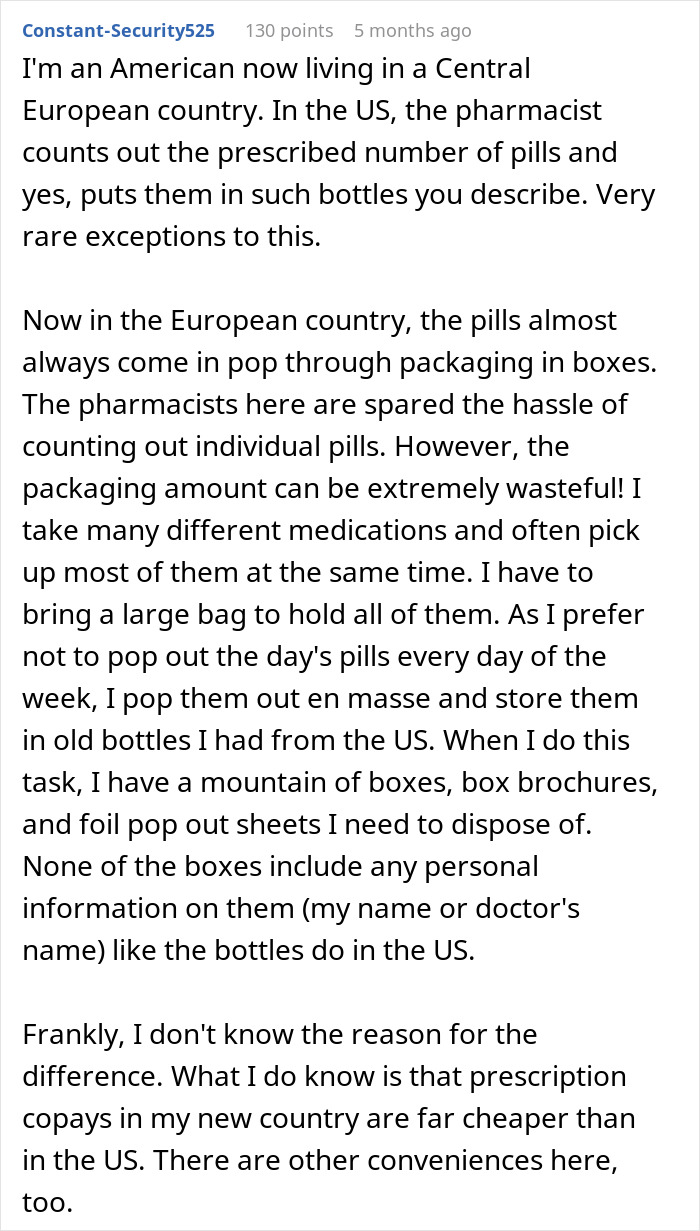
Not just EU and UK use blister packs instead of bottles for prescription medication. Most of the rest of the ‘developed’ world does too. In fact, lots of US meds are popped from the blister packs into bottles, as a lot of meds are shipped in packs. Remember the US is only 3% of the world’s population and pharmaceutical companies ship all over the world

We have blister packs in Canada. It's incredibly important for seniors who will forget to take their pills. But I will say they currently are environmentally unfriendly plastic bubble wrap over some cardboard, can not be recycled.

UK is moving towards recycling - I think you can hand them in at superdrug or similar.
Load More Replies...
On the blister there are tons of important info.. Name of medicine, size (how many miligrams etc) and expire date. You will messed up big time if any chance the medicine is knocked out from table when the lid is off.. Chance you are dunno which one is which then taking one type of medicine 2 tablets because thinking the other one is another medicine. And also the expiration date is clear, so less chance that someone give you expired medicine

That's wonderful, if you can read the info on that blister. The latest iterations here have a page that accompanies the prescription listing it's dosage, frequency of dosage, and possible side effects. I take 4 (prescriptions) per day, I put them into a "daily" pill caddy, AM=vitamin supplements, PM=prescriptions that must be taken at bedtime, one in the bathroom is an inhalant that must be done at noon. I have NEVER spilled my meds while loading the caddy. Also, the expiry date is very plain on the label, I receive mine every 90 days through the mail. No worries about expiration dates. It's not that complicated.
Load More Replies... Not just EU and UK use blister packs instead of bottles for prescription medication. Most of the rest of the ‘developed’ world does too. In fact, lots of US meds are popped from the blister packs into bottles, as a lot of meds are shipped in packs. Remember the US is only 3% of the world’s population and pharmaceutical companies ship all over the world
We have blister packs in Canada. It's incredibly important for seniors who will forget to take their pills. But I will say they currently are environmentally unfriendly plastic bubble wrap over some cardboard, can not be recycled.
UK is moving towards recycling - I think you can hand them in at superdrug or similar.
Load More Replies... On the blister there are tons of important info.. Name of medicine, size (how many miligrams etc) and expire date. You will messed up big time if any chance the medicine is knocked out from table when the lid is off.. Chance you are dunno which one is which then taking one type of medicine 2 tablets because thinking the other one is another medicine. And also the expiration date is clear, so less chance that someone give you expired medicine
That's wonderful, if you can read the info on that blister. The latest iterations here have a page that accompanies the prescription listing it's dosage, frequency of dosage, and possible side effects. I take 4 (prescriptions) per day, I put them into a "daily" pill caddy, AM=vitamin supplements, PM=prescriptions that must be taken at bedtime, one in the bathroom is an inhalant that must be done at noon. I have NEVER spilled my meds while loading the caddy. Also, the expiry date is very plain on the label, I receive mine every 90 days through the mail. No worries about expiration dates. It's not that complicated.
Load More Replies...



















 No fees, cancel anytime





















22
66