Get Premium
Dark mode theme is available exclusively for premium users. Learn more about the benefits of subscribing.
No fees, cancel anytime.

 Dark Mode Ad-Free Browsing Unlimited Content
 Ad-Free Browsing Unlimited Content Dark Mode
Join 1.2 million Panda readers who get the best art, memes, and fun stories every week!
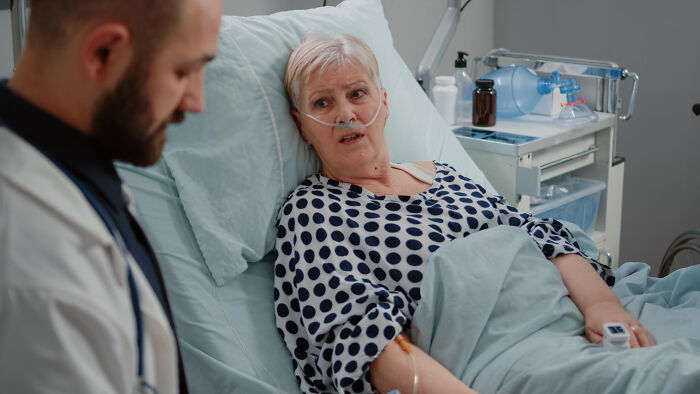
Healthcare is, at its best, one of humanity's greatest achievements. The vaccines, the surgical breakthroughs, the medications that have turned previously life-ending diagnoses into manageable conditions- it’s all changed the world for the better. It has also, at various points, buried research, inflated prices, invented diagnoses, and made us doubt the validity of the Hippocratic oath.
There are things your doctor knows but doesn't have time to tell you, and the system is considerably more complicated than "you're sick, here's the treatment, get better." Some medical professionals from all corners of the hospital are pulling back the curtain, and the view from behind it is illuminating, infuriating, and occasionally just very, very expensive.
This post may include affiliate links.
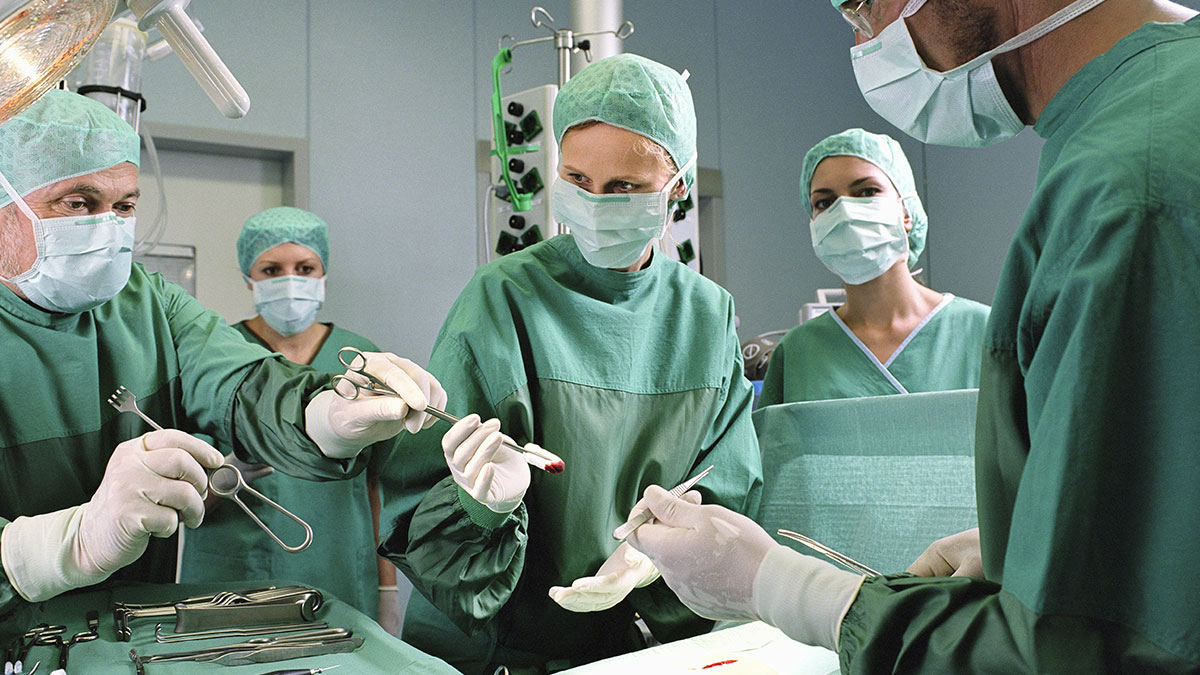
 If you come into triage for a potentially nonemergent case, you will be overlooked because someone somewhere else has a real emergency. Im looking at the ones complaining of a runny nose youve had for 2 days but havent been seen in 3 hours. Go to urgent care, not the emergency room.
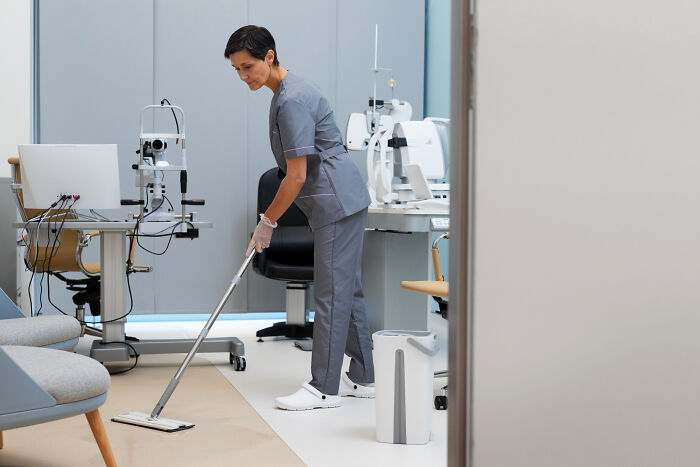 How dirty the hospital really is.

No cleaning process is perfect. If you're in a place where work is actually being done, there will be mess. Doubly so if that place is A) full of sick people, or B) is serving food.
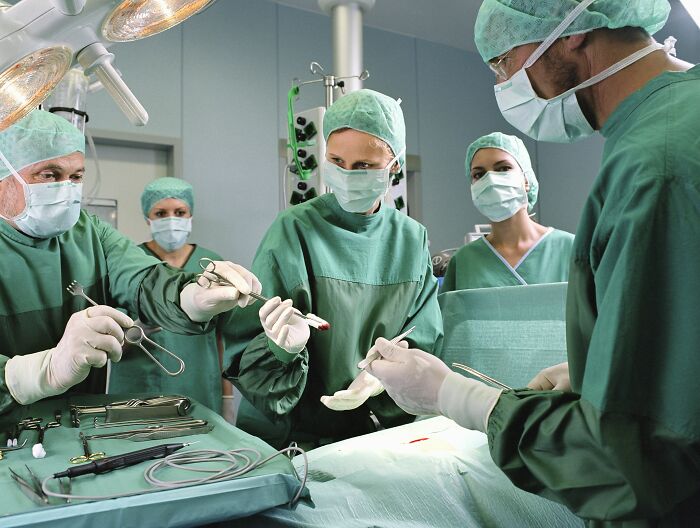 I work in surgery so I think the entire environment is shrouded with mystery since most people have a general anesthetic and those that don’t get enough Versed to forget their experience
I think what would shock a lot of people is exactly how many people are in that room- I think a lot of patients get it in their heads that it’ll be anesthesia, their surgeon and maybe 1-2 other people involved directly in surgery and then a nurse. If you’re in a teaching centre, service dependent- there can be 15 people in the room at times between anesthesia+learner(s), surgeon + learners (fellows, residents, assists, medical students), scrub nurse, 2+ circulators (plus orientating staff/nursing students), med device reps, service workers etc.
Also the things that happen once you’re lights out can be kinda gnarly. If your surgical site is above the neck- they’re stapling the first layer of drapes to your head and face so they don’t slide off.
We totally manhandle people when transferring and positioning but at the same time there is a lot of finesse involved and constant checking and double checking of minute details like the angle of abduction of your arms and whether or not there’s a wrinkle in the sheet you’re lying on. Those tiny things can cause you a significant injury while under anesthesia and unable to move- so we have to be very very attentive to those details on your behalf.

When I had my second knee replacement (after my two hip replacements) it took a few minutes in the. OR before they put me to sleep. Some kind of local, but not full anaesthesia. I had a look around. NEVER MIND THE HORDES OF PEOPLE. An orthopaedic OR looks like a bl@@dy f@cking GARAGE. All stainless steel, neat as could be, but a whole huge WALL OF TOOLS. A bit unnerving
Let’s start with a shocker. A landmark survey by the American Medical Association found that 46% of doctors admit to using Google, Yahoo, and other search engines to research patient care. Search engines rank as the third most consulted medical resource for physicians, sitting just behind professional journals and colleague consultations.
The same tool you use to diagnose yourself with cancer at midnight is also being used by the person who went to medical school for a decade. The medical community is quick to draw a distinction between a clinician's evidence-based search and a patient's self-diagnosis spiral, which is fair. A real diagnosis requires a physical examination, bloodwork, and a complete medical history.
There are things that a search engine cannot provide, and WebMD has never once attempted to gather before telling you that your headache might be a brain tumour. But the next time a doctor dismisses your "I looked it up online" with a slightly condescending smile, it is worth knowing that statistically, there is a reasonable chance they did exactly the same thing before you walked in.
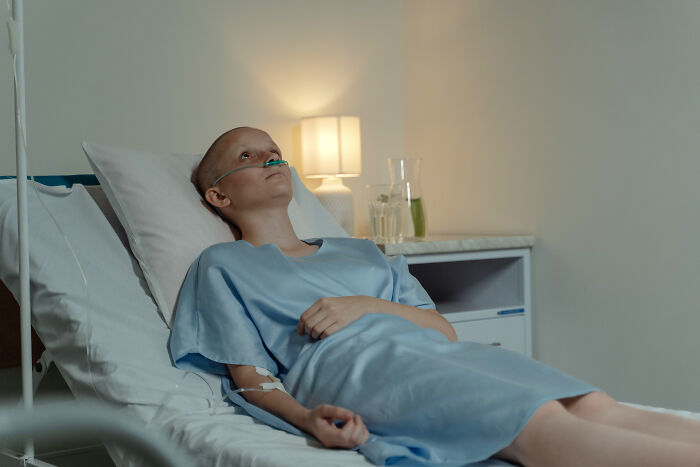 Sometimes the chemo is actually what ends you, not the cancer itself.
 If you die, I’m packing you down to the morgue, wiping down the bed, calling housekeeping to clean your room and bringing in the next patient the same day.
There not a room or bed that someone hasn’t died in.
I hardly expected there to be a bed which no one died in, it is a Hospital.
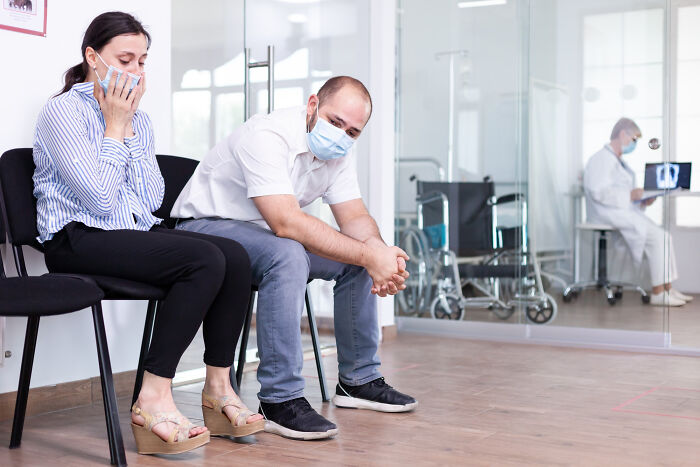 ERs aren't first come first served. The reason you aren't being seen first is because medical staff decided that you were less likely to be gone than the people ahead of you. Broken bones are terrible, but they do not take priority of the guy who's heart isn't beating.
If you have ever been rude to a nurse, this section is for you (also, shame on you). Nurses are legally required to document everything they observe, do, and experience during patient care. According to Verve College, this documentation includes your physical condition, your treatment, and how you behave toward the staff. Every interaction. Every comment.
Every moment of impatience, condescension, or outright rudeness gets noted in a file that follows you through the healthcare system with quiet, permanent accuracy. This is not petty record-keeping. It is a legal requirement that exists to protect both patients and medical professionals, and it serves an important clinical purpose.
But the practical implication is clear. The nurse you snapped at during triage, the one you talked over during a consultation, the one you treated as invisible while addressing only the doctor, they wrote it down. Healthcare workers deal with difficult, high-stakes situations every single day, and they remember, in considerable detail, the people who made it harder. Be kind to the nurses. Full stop.
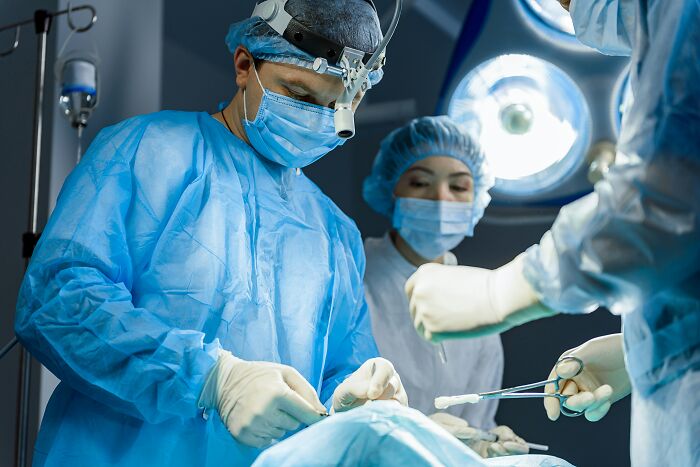 Doctors make mistakes in surgical procedures all the time and nobody ever hears about it. They puncture things they chose the wrong spot for a tube, they forced something that shouldn’t have been forced, etc. either nobody else but doc knows, or most everybody knows what truly happened but for some reason we don’t admit it to patients that complications could have been avoided.
While removing my gallbladder, they stabbed my liver. The HB count pre and post lets me conclude they got a good two liters out of me before making it stop. I read it in the report they tried to refuse to hand to me because "it's for your Doctor" - no, it's for me, and if I want my Doc to read it, I will give it to him.
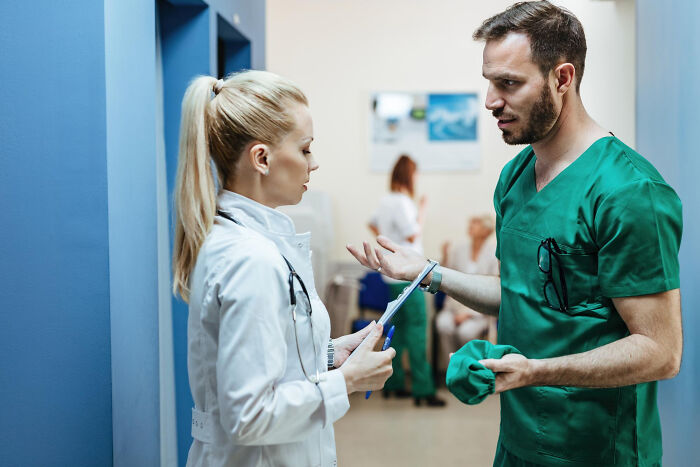 There are often conversations (aka arguments) between MD and nurse that go unseen/unheard. Could be because we believe they are ignoring something that could cause you harm. Could be because they are asking us to do things to you that you have specifically refused or that we believe could cause harm. Could be because the doctor who you praise so much is being verbally a*****e towards the nurses. Could be because the doctor is trying to discharge you before you can even be home alone safely. These interactions happen every single day all day all over the country. I wish that patients knew how hard we fight sometimes to keep them safe from harm.
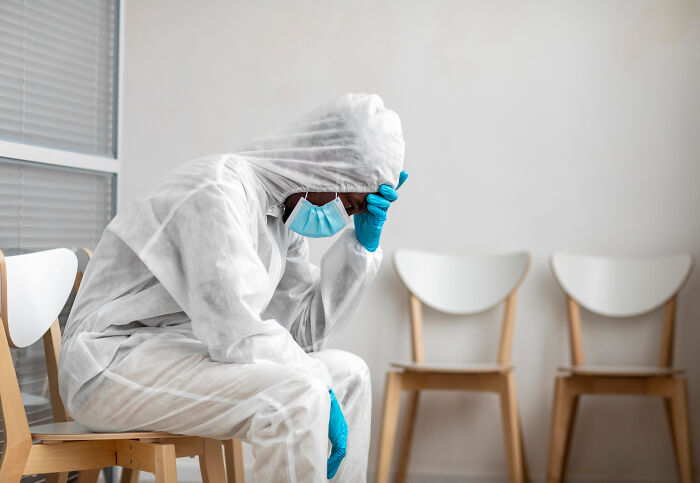 RN here. Hospitals are dangerous. The bugs there are super resistant to antibiotics. Get in, get out as quick as you can. And treat the staff nicely, the staff remember.
A landmark study from Johns Hopkins University will make you sit upright. Medical errors account for over 250,000 fatalities per year in the United States. If that number is accurate, medical mistakes are the third leading cause of death in the country, sitting behind only heart disease and cancer. Ahead of respiratory disease. Ahead of accidents. Ahead of stroke.
The reason this figure doesn't appear on public health posters or dominate national health policy conversations is a complex question of classification and reporting methodology. Medical errors don't appear on death certificates as a cause because there is no standardised coding system for them, which means they effectively disappear from the official statistics.
The Johns Hopkins study worked around this by analysing existing data differently. What it found was sitting in the numbers the whole time, waiting for someone to look at it from the right angle.
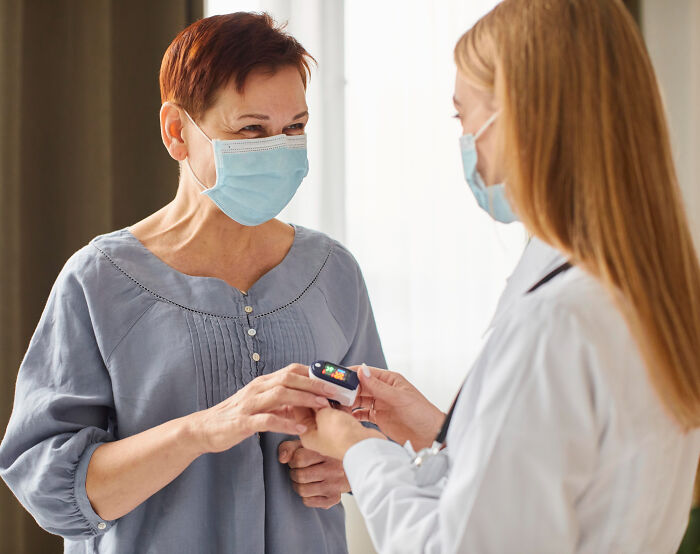 For the other diabetics - hypoglycemia is extremely dangerous in the hospital because of how thinly-spread staff are. We might only be checking in on someone once an hour, and if the patient cannot use the call light to say they’re low (or even detect that they feel low), things can turn ugly quickly. Then there’s also accounting for instances where we are giving mealtime insulin but the person does not eat everything or meal delivery is extremely delayed, doctors throwing random sliding scales at patients and hoping they work, and other significant events taking over when it’s time to give insulin.
I personally shoot to hang around 90-110 at home, but once you’re in the hospital, I’m not going to freak out over a 175. I start to personally get concerned around 200-250 depending on the situation (established insulin use? Steroids? PO status? Need for tight control?).
 I hear so many housekeeping staff say they wanna become cnas and nurses because all they do is sit down.
Then when you see housekeeping make the transition to be cnas, they quit. Same for cnas. Older cnas be talking about how they should have become nurses and just sat all day. Then they become nurses and do the same exact thing.
Things are always greener on the other side of the pasture when you're looking at it from the outside.
 Things I would love to add: They are also expected to fill in roles for other departments that are "short staffed" for example: Social work, house keeping, child life, food service, formula room, bio med, security, distribution, IS, and engineering (who gets off at 2p anyway so we generally hope nothing breaks after that).
Because we are expected to fill these roles to make their staffing issues less troublesome for them, though the opposite can never be expected from these roles for a nurse. Examples, you will never see: a social worker, house keeper, child life specialist, formula room, bio-med, security, distribution, IS, or engineering giving meds, turning patients, feeding patients, ambulating with patients, bathing, or changing a patient.
If the medical error figures are alarming, the misdiagnosis numbers are the part of the conversation that tends to create even more panic. A comprehensive review of diagnostic safety found that medical misdiagnoses lead to an estimated 371,000 deaths annually in the United States. Medical experts say this is tip of the iceberg, because the vast majority of diagnostic errors go completely unreported.
The underreporting is not accidental. Hospitals are not legally required to publicly disclose diagnostic errors in the way they might report surgical complications, which means the full scale of the problem has never been formally counted. What gets reported is what gets studied, and what doesn't get reported effectively doesn't exist in the data.
The 371,000 figure is, by the admission of the researchers who produced it, a conservative estimate derived from the fraction of cases that were documented at all. The actual number, they suggest, is considerably higher. It is a statistic with an iceberg beneath it, and we are only looking at the surface.
 We try to advocate for more for our patients. But in the end the doctors make the decisions.
You wanna yell at someone about your pain, discharge, diet? Yell at the doctor.
That's the problem - the doctor does a flyby and the RN/CNA is right THERE, with the pain/problem. Of course patients bring it up with the nurse (although I don't condone yelling). Page the freaking doctor if it's an issue you can't handle!
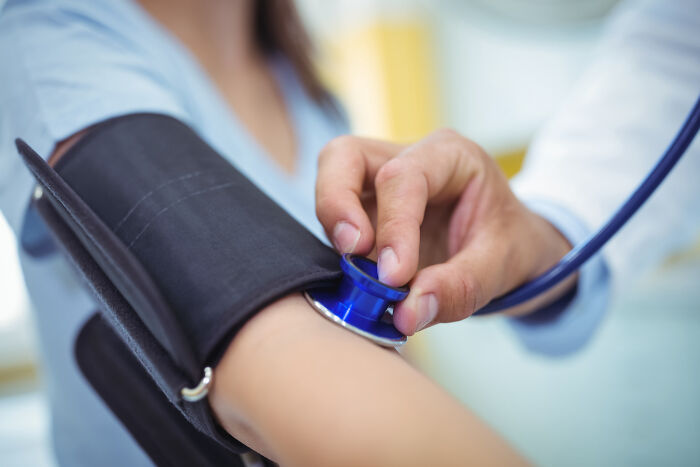 Those blood pressure cuffs & oxygen monitor that goes on your finger doesn't get cleaned often 😩
Just like with practitioners hands, patients can ask to see them cleaned. Cuff doesn't bother me much, I'm surprised with the oxygen sensor because if you don't wipe it, the readings aren't as accurate, so why not wipe it with an antiseptic sheet?
The National Health Service in the UK monitors a category of patient safety incidents they call ‘Never Events,’ serious, largely preventable occurrences that should be functionally impossible if standard protocols are followed correctly. In a single year, NHS data logged 416 Never Events.
The list includes wrong-site surgery, meaning operating on the incorrect arm, leg, or organ. It includes leaving surgical equipment inside a patient's body after a procedure. These are not edge cases or freak accidents. If nothing else on this list gives you nightmares, this is bound to do it.
The medical industry is not populated by villains. It is populated by human beings operating under extraordinary pressure, within systems that are underfunded, overstretched, and designed with competing interests that don't always put the patient first. All we can do is give some grace and drink our vitamins.
Do you know about any other medical secrets that we might need to know about? Share them with us in the comments!
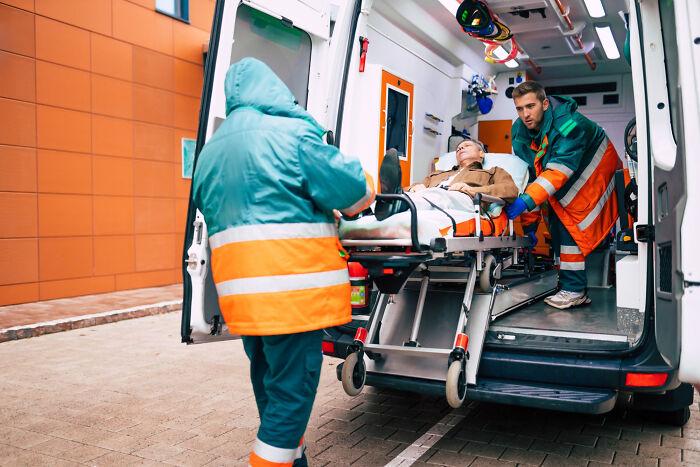 When a critical patient is brought to the ED by ambulance and goes straight to a trauma room… there is a body bag already on the bed, under the stretchy fitted sheet.
 Your nurse has worked 5 hours with no bathroom break, no food, and just ugly cried in the bathroom.
The last time I was in the ER I insisted my nurse take a bathroom break. She was joking about how long it had been and she really needed to pee. I told her I would be fine alone for 5 minutes and I'd rather not see her wet her pants. 😂 But I think a lot of patients don't bother to consider that their caregivers are actual human beings.
 Not only documentation!!!! but where do they expect me to get all of the info on their health history, doctors orders and notes, and recent labs and testing results , and what ur ordered medications are if I don’t sit and look at the chart !?
They solve this problem in the NHS by never looking, even when I start every appointment with, have your read my chart? Sometimes I say I'll wait a minute so you can read the chart, but this is often met with hostility,
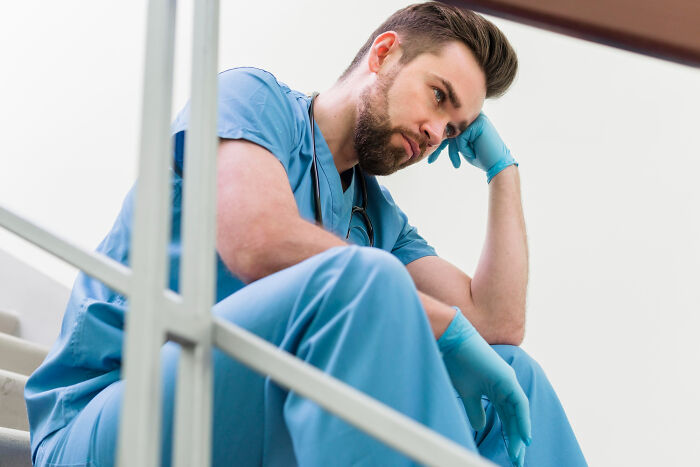 Patients would be uncomfortable if they knew the staff ratios…. Especially on evenings or nights.
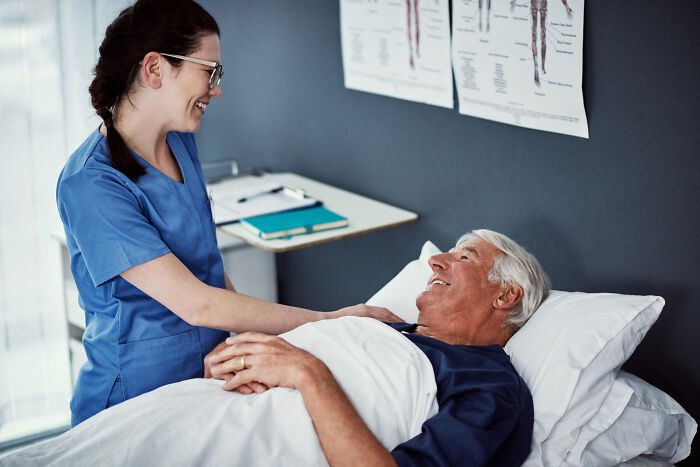 I would also add that every time you a***e a nurse (be it verbally/physically/s******y or otherwise) THAT interaction is also documented word for word and action for action including any witnesses to the incident.
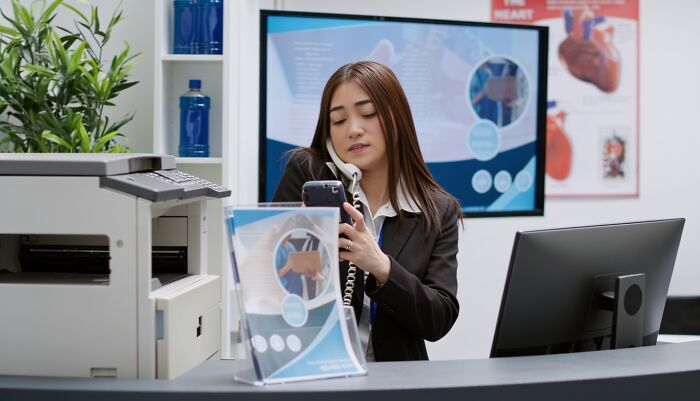 Our charge desk is at the front nursing station and I get soooo annoyed when family members walk up to me and ask for stuff. I get that I don’t seem busy because I’m sitting, but I’ve got 70 things I’m trying to do. Please use the call bell.
 It's less common now that I'm working a specialized ICU but there have been many times during my career where I was giving report to the next nurse and I had to explain that there currently was no plan of care and I'm unsure why the patient is a patient.
There are sometimes when the docs have no idea what's happening.
Also how bad staffing is. We talk about how horrible nurse and PCA staffing is, but I've worked floors at hospitals that had a single mid level provider covering for all non ICU units over night. 1 NP for over 100 patients.
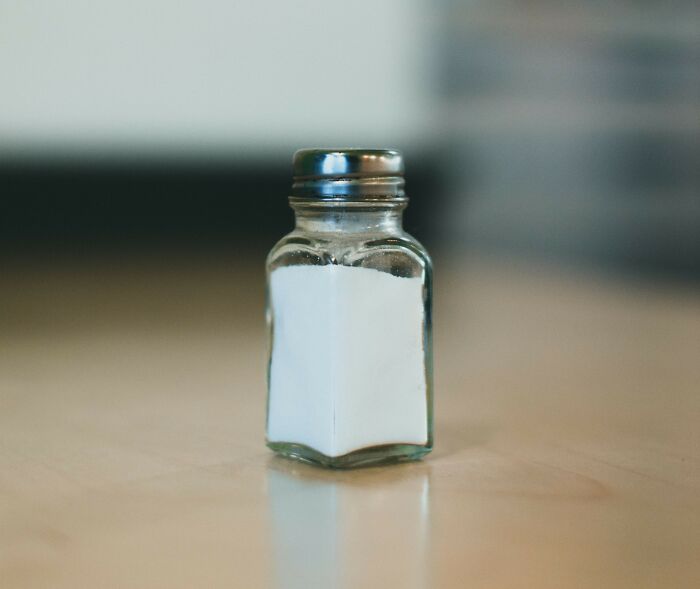 "Sorry sir, we don't carry salt up here. No, no matter how much you raise your voice at me, how hard of a tantrum you throw, it won't make some magically appear, and I'm not about to call nutritional services to bring you up just a single packet of salt. Why don't we have salt? Because a lot of patients that are on a salt-restricted diet also have the ability to walk, and if we kept it out in the open, they'd just take it, and we're in the business of helping our patients get better, not worse. Now, if you're not salt-restricted, I can show you how to order your own food, and I would suggest that you add a seasoning kit to each order, so even if you end up *not* using salt on that specific meal, you'll have some for later in case you forget to order. Make sense? I'll see you in a bit, I'm in the middle of changing a patient's sheets, and I had to stop for 5 minutes to tell you why I don't have salt in a way that'll prevent you from arguing with a nurse."
-----------------------
Side note #1 - As far as ratios are concerned, one of the things that I love about my unit, is that it feels like between management keeping tabs on staffing, and the physical size of our specific unit, they don't have the ability to have dangerous ratios for the nurses. We have a maximum of 20 patients spread across 12 rooms. The closest I've seen us to full capacity would be 18 patients spread across 4 nurses, with a 5th coming in later in the shift. 2 of our patients are essentially residents and have been with us for months. I do know that *if* a nurse gets assigned 5 patients, it's one of those 2. Otherwise, the most I've seen is 4 patients to a nurse. Now, there have been shifts where I'm the only CNA on the floor. Whether that's because we have a surprise need for 1:1 sitters and that leaves only 1 tech on the floor, but about 2/3 of the way through a shift, the house supervisor goes to every unit and see what their staffing needs are, to make sure that if the next shift needs an additional nurse or tech, they call someone in from the float pool or offer overtime. The house soup is usually pretty good at talking to each of the techs to make sure we're not overwhelmed as well, in case the charge nurse of the unit is too busy to keep tabs on us, and they're pretty good at getting us reinforcements if we need it.
Side note #2 - The only thing I like about our charting software is that once you get in to write a note, you literally can't do anything else. Either you're finishing the note, or you're abandoning it and typing from scratch later. Understanding this, I don't have an issue when a nurse redirects a patient to me. "Blind, can you get 22 a pitcher of water?" or "Blind, can you get 27 bed 1 a heated blanket please?" Sure, all day, every day. I also take the time to (re)educate the patient and/or family on how to use the call light, because 4 times out of 5 it's faster than someone getting up and approaching the nurses station.
That I am asked to keep working until nobody needs anything before I can take a lunch break. It’s often 8-9 hours of hard work before I can eat.
Talk to your union rep! They could have a float for meal coverage?
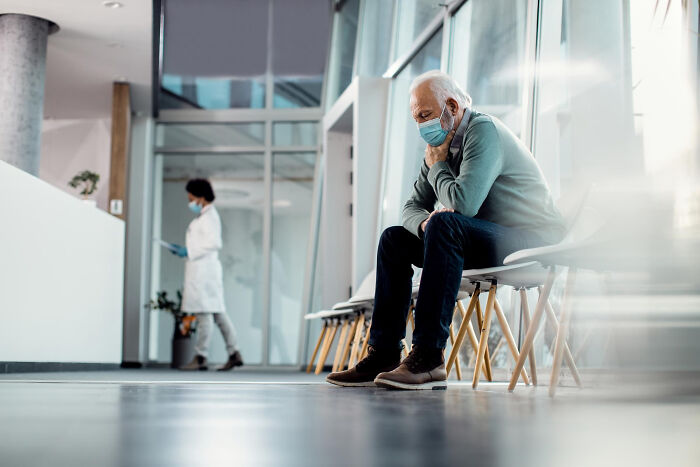 Choosing to stay longer when you’re already advised to be discharged puts you at risk for an unnecessary nosocomial (i.e. hospital-acquired) infection like pneumonia.
In the us, wouldnt that be a reason for insurance to not pay? Not following doctors discharge instructions?
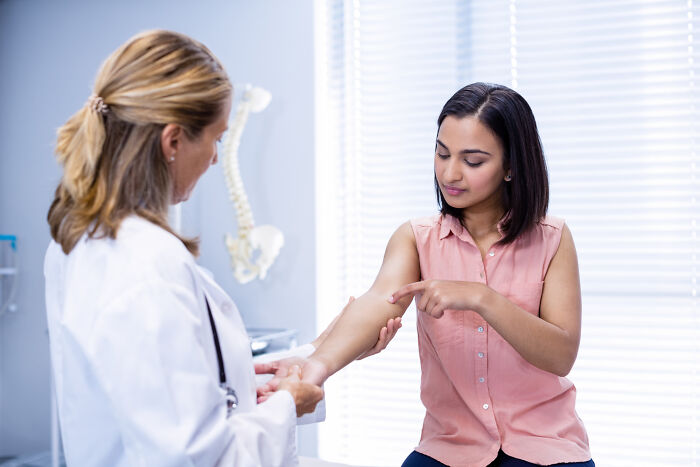 Also we notice when your alarm coincides with your PRN pain relief being due.
 “I needed help and all the nurses were just laughing and playing on those computers!”.
 What you said was very succinct and accurate of what people do in the hospital. It's those moments that we get a laugh out that keeps us sane. If you are not insanely resilient as a healthcare worker the emotional, physical, psychological stress is crushing. The moments of respite makes it manageable so you can be there for your patients and their families to aid in the care team in reaching their goals of returning to either their normal or their new normal life. Thank you for representing us well.

$100,000/year with a 2-year degree ought to help . . . . Just sayin'.
 Also reading documentation. It’s wild how pts/family expect me to be an expert on their personal medical history, but think I’m just f*****g off when I’m reading about it.
No, just listen to what we have to say. We ARE experts about our own bodies . . . .
Many times the morgue shares the back half of the walkin freezer with the kitchen (separated by a wall).
Not a Dr or a Nurse, but my job as a coder makes me aware that if you say something funny, stupid or rude to them, it will be in your chart. Speak accordingly.

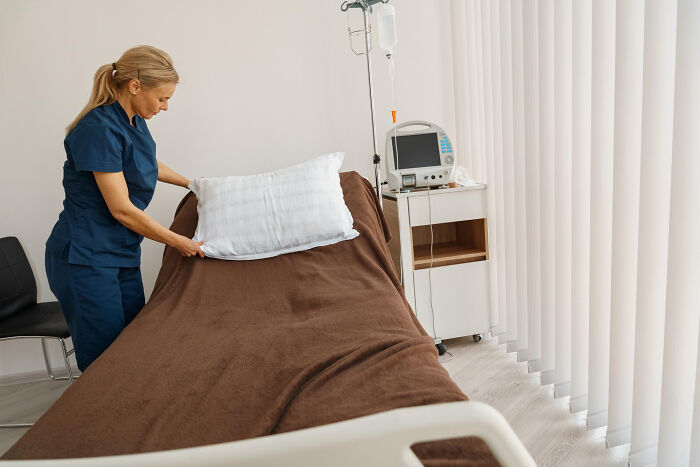 The pillows aren’t replaced between patients. They’re wiped down with bleach wipes and a pillow case it put on
This one seems gross. A pillow isn't meant to be cleaned with a bleach wipe. And aren't pourous surfaces a major way germs are spread?
You guys document every patient and doctor interaction? I know literally no one who does that
Like yea if it involves orders and stuff sure but I’m not documenting every dumb convo I have with a doctor or saying I gave room 21 another box of tissues.
 Patients get into the emergency room with loaded firearms because the hospital authorities are too p***y/cheap to install metal detectors.
Oops just saw a mouse run across the ER floor.
ER's are shockingly enough connected to the outdoors and where can you find mice? Outdoors;
Oh I can add a nice one here , Cardiologists don't know f**k all what to do if you have a non ischemic hart failure (which is roughly 52% of them) all they can do is give you a bunch of different pills that were actually designed for other ailments but happen to have a somewhat positive effect on your blood pressure and hope one of them sticks , they literally throw mud at a wall. Guess how I know.
You're speaking from experience. Are things going okay, now?
Load More Replies... Oh boo hoo. 2-years of college and 6 figures? Cry me a river . . . .

Why are you so triggered? And stop exaggerating; it's so false nobody's going to believe you.
Load More Replies... Oh I can add a nice one here , Cardiologists don't know f**k all what to do if you have a non ischemic hart failure (which is roughly 52% of them) all they can do is give you a bunch of different pills that were actually designed for other ailments but happen to have a somewhat positive effect on your blood pressure and hope one of them sticks , they literally throw mud at a wall. Guess how I know.
You're speaking from experience. Are things going okay, now?
Load More Replies... Oh boo hoo. 2-years of college and 6 figures? Cry me a river . . . .
Why are you so triggered? And stop exaggerating; it's so false nobody's going to believe you.
Load More Replies...

















 No fees, cancel anytime