Get Premium
Dark mode theme is available exclusively for premium users. Learn more about the benefits of subscribing.
No fees, cancel anytime.

 Dark Mode Ad-Free Browsing Unlimited Content
 Ad-Free Browsing Unlimited Content Dark Mode
Join 1.2 million Panda readers who get the best art, memes, and fun stories every week!
Teaching your kids how to act around animals, particularly other folk’s pets is a core part of parenting, but some adults seem to think they will just figure it out all on their own. So the family of people like this have to often suffer the consequences of children who don’t understand an animal’s boundaries or body language.
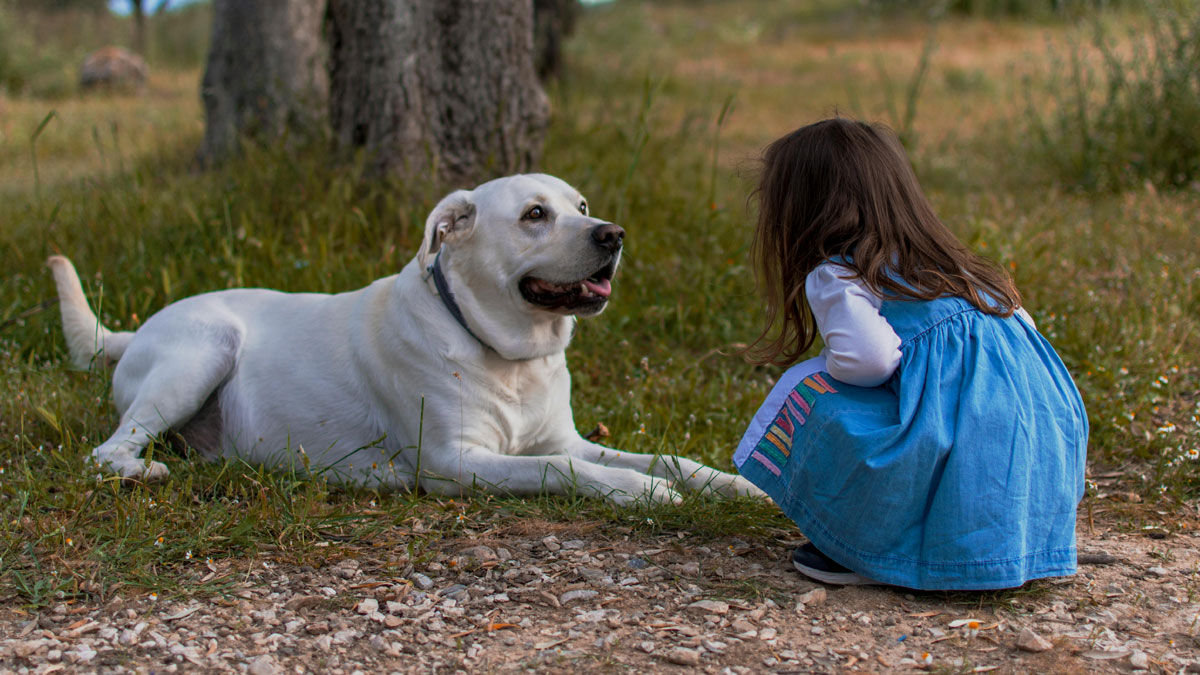
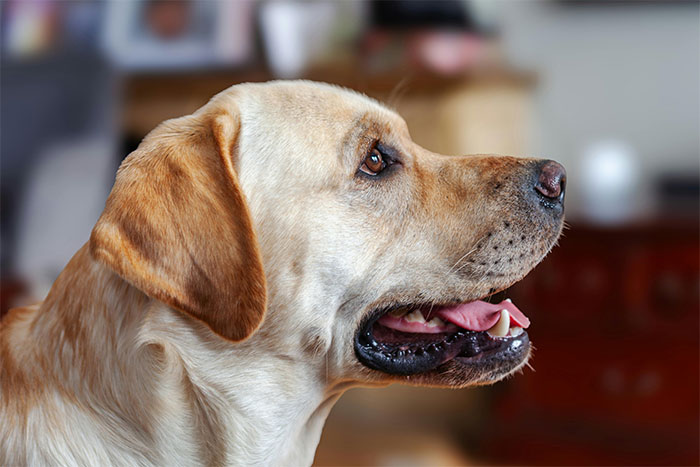
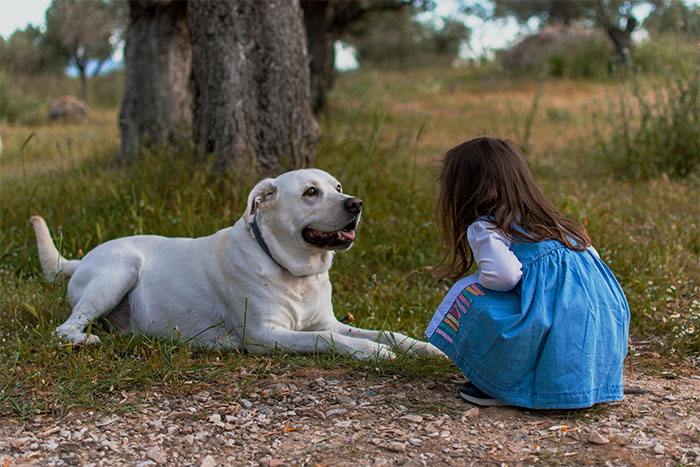
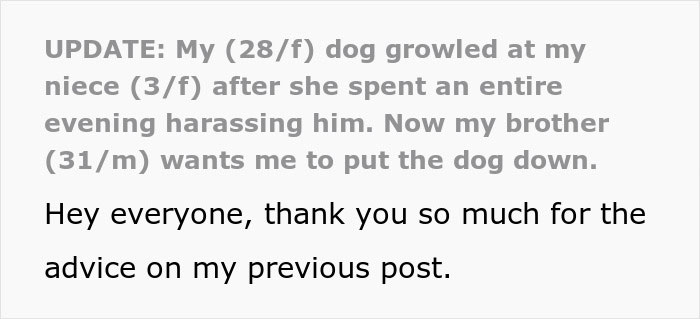
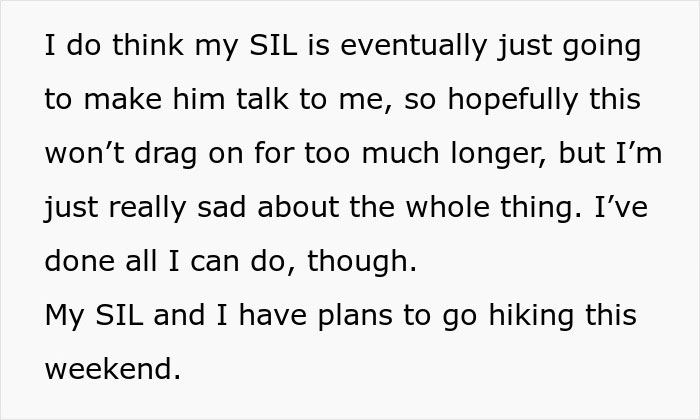
A woman asked the internet for advice after her dog growled at her niece. Despite years of warnings, both from the dog and its owner, the girl’s father insisted that she should just put the dog down. Readers shared their suggestions and thoughts on this piece of family drama.
Image credits: Ar kay / Pexels (not the actual photo)
Image credits: Stephen Chantzis / Pexels (not the actual photo)
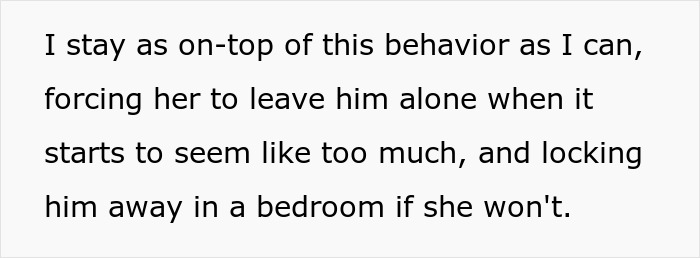
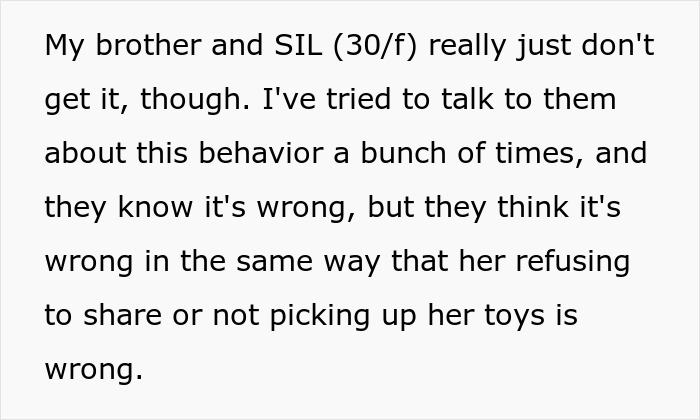
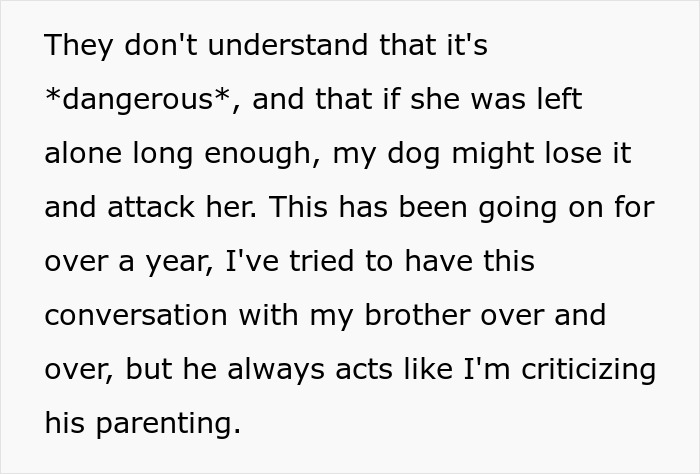
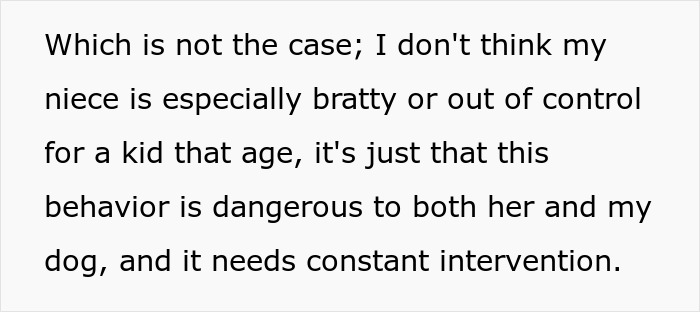
Image credits: Polina Zimmerman / Pexels (not the actual photo)
Image credits: freepik / Magnific (not the actual photo)
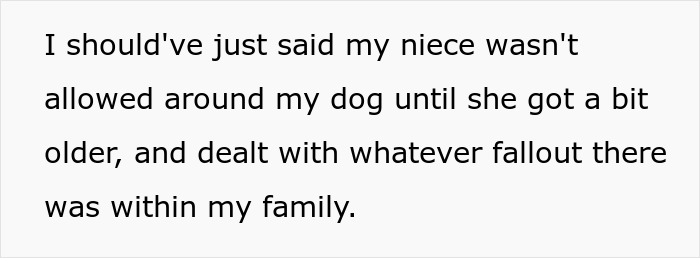
Image credits: MART PRODUCTION / Pexels (not the actual photo)
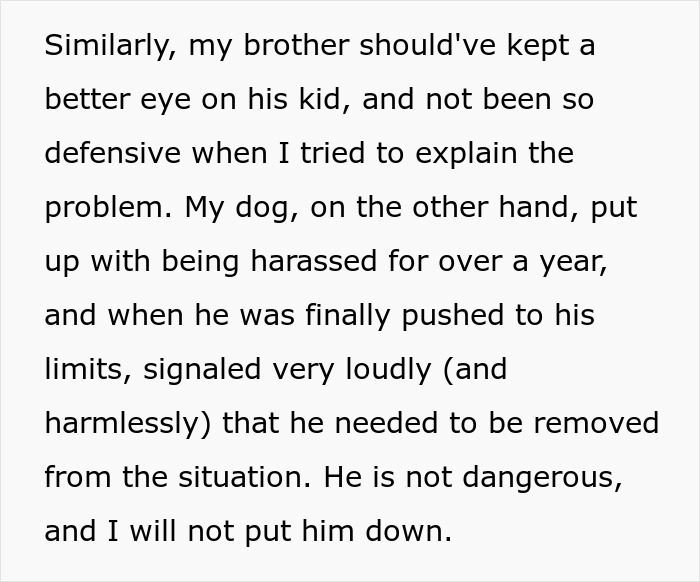
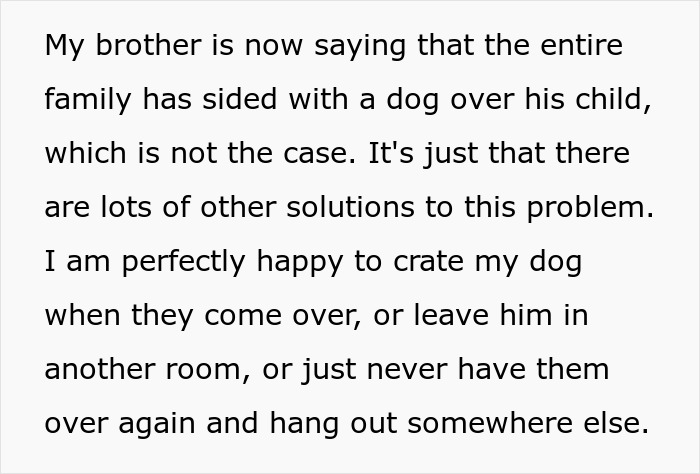
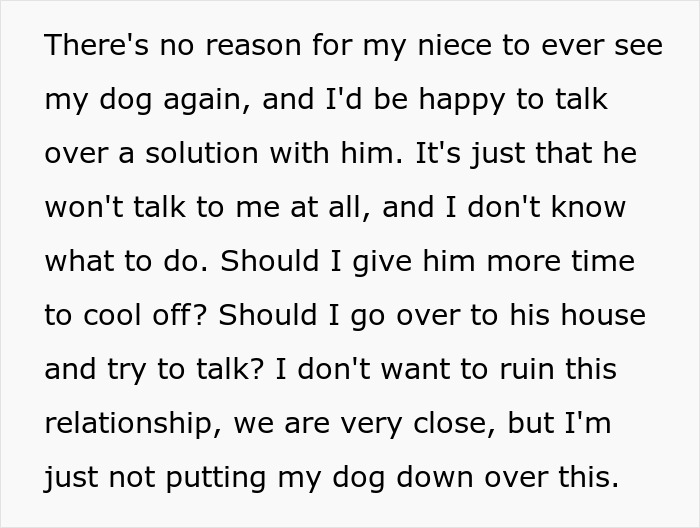
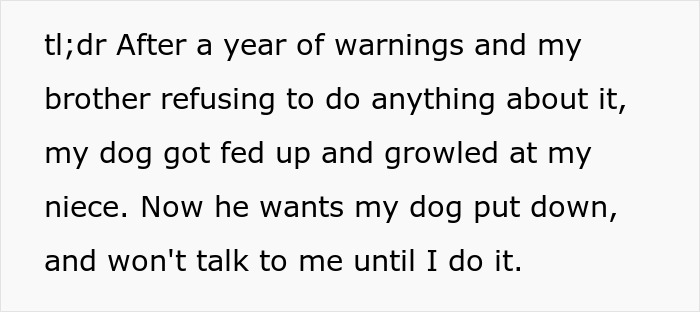
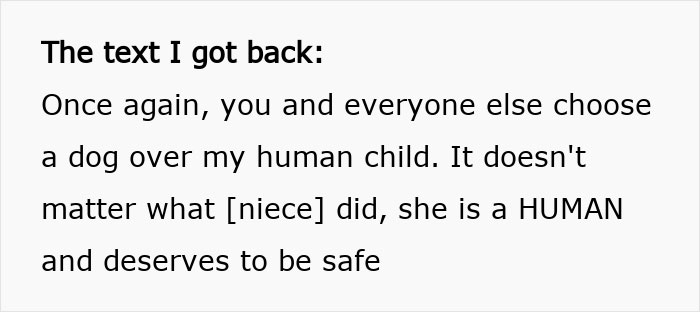
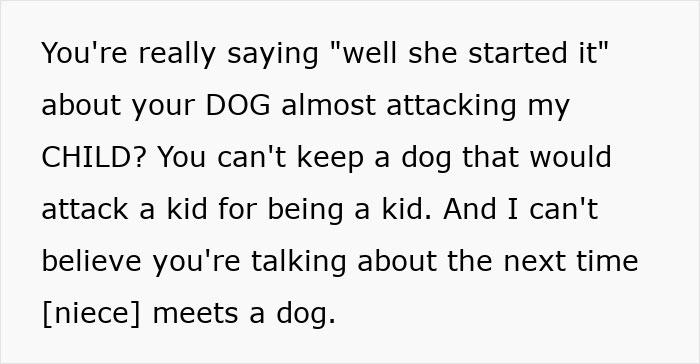
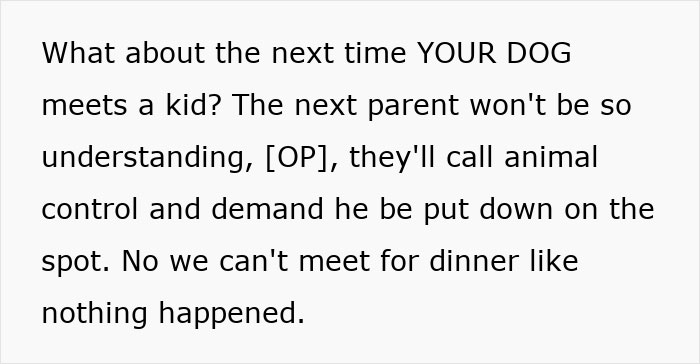
Image credits: throwra_toddlerdog
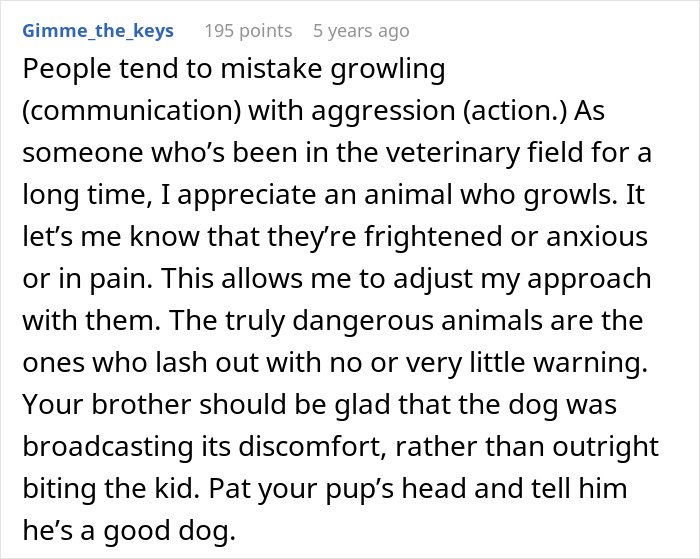
The concept of a “good dog” often does more harm than good because it creates an expectation of infinite tolerance. When we label an animal as a saint or a teddy bear, we inadvertently strip away their status as a sentient being with a biological breaking point. In the scenario we are examining, the owner clearly understood the nuances of canine communication, yet the other adults in the room failed to respect the reality of a living creature. A growl is frequently misinterpreted as an act of aggression when it is actually a vital piece of dog body language meant to prevent a physical escalation. If a person punishes a dog for growling, they are essentially taking the batteries out of a smoke detector. The fire is still there, but now there is no warning before the danger becomes reality. This is why the owner was correct to value the growl as a clear signal of discomfort rather than a sign of a defective temperament.
The breakdown in communication usually starts with how we view animal boundaries compared to human ones. To a young child, a pet often exists in the same mental category as a stuffed animal or a peer who should simply share their toys. Children do not naturally possess the social emotional maturity to recognize when a dog is showing subtle signs of stress. They might not notice the flick of a tongue, the tensing of the jaw, or the way a dog turns its head away to find an exit. To a toddler or a young school age child, these are invisible cues. This is why supervision between dogs and children must be active rather than passive. Passive supervision is being in the same room while looking at a phone or cooking dinner. Active supervision means being close enough to intervene the moment the dog looks uncomfortable.
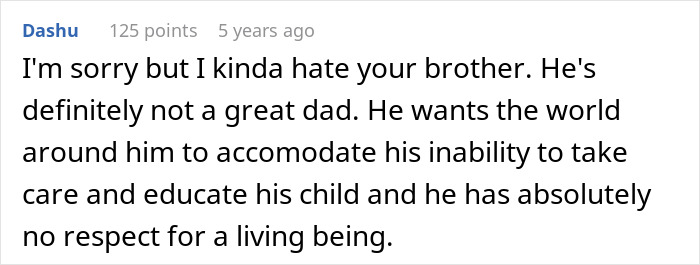
Parents often struggle with this because of a deep seated defensiveness regarding their own children. When someone tells a parent that their child is harassing an animal, the parent often hears a critique of their child’s character or their own ability to raise a polite human. They view the behavior as a manners issue, like forgetting to say please or thank you. However, pulling a tail or yelling in a dog’s face is not a social faux pas but a safety violation. Just as a parent would never allow a child to play with a hot stove regardless of how well behaved the child is, they should not allow a child to test the patience of an animal. The danger is not that the child is a brat, but that the child is a child. Their curiosity and lack of impulse control are a natural part of development, but those traits are incompatible with an animal’s instinct to protect its own body.
There is also a significant misunderstanding of the “bite scale” in the minds of many pet owners and parents. Most people believe a dog is either safe or dangerous with no middle ground. In reality, nearly every dog will bite if pushed far enough, and a growl is the dog’s way of begging for the situation to stop so that a bite does not have to happen. When a parent demands that a dog be put down for growling, they are reacting out of a place of fear and protective instinct, which is understandable. Yet, that reaction ignores the year of tolerance the dog displayed while its boundaries were repeatedly ignored. The dog was not being a menace. It was being a communicative partner that finally had to speak up when the humans failed to manage the environment.
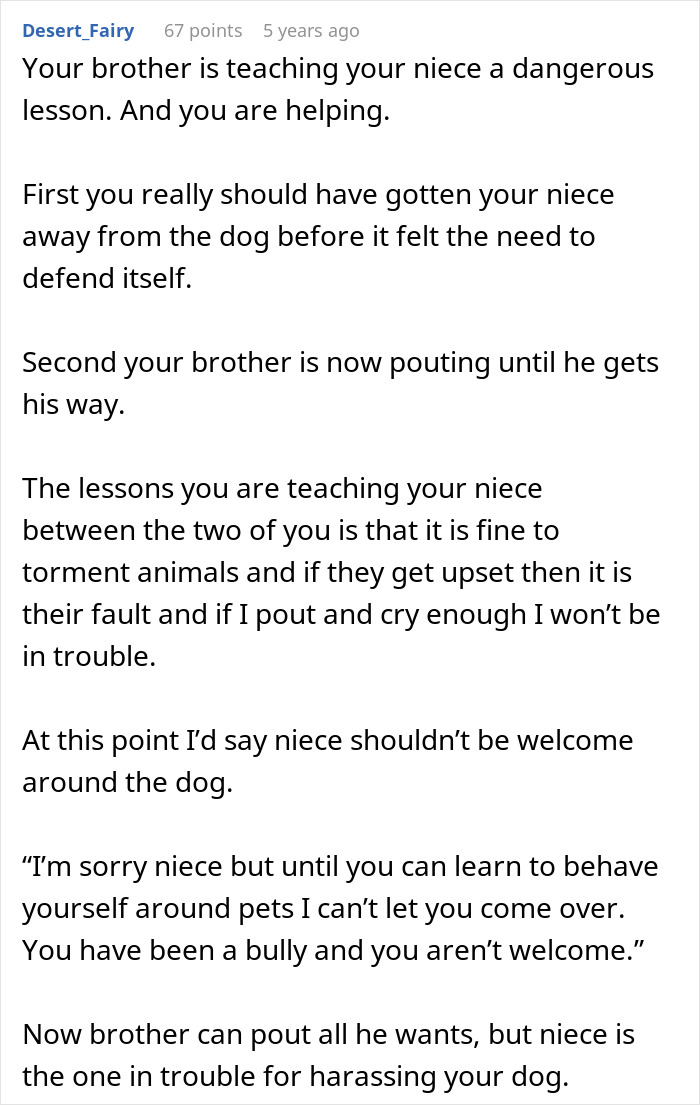
The solution to these conflicts is rarely as extreme as removing the animal from the world. Instead, it involves a shift in how we manage our homes. If a child cannot yet respect an animal’s space, then the two should simply not occupy the same space without a physical barrier like a crate or a baby gate. This is not a punishment for the child or the dog. It is a proactive way to ensure that every interaction remains positive.
By treating animal boundaries with the same seriousness as we treat physical hazards in the home, we create a safer environment for everyone involved. Respecting a dog’s right to be left alone is not about choosing an animal over a child. It is about protecting the child from a preventable accident and protecting the dog from the consequences of human negligence. When we acknowledge that every “saintly” dog has a limit, we are actually being better guardians to our pets and better protectors of our children.
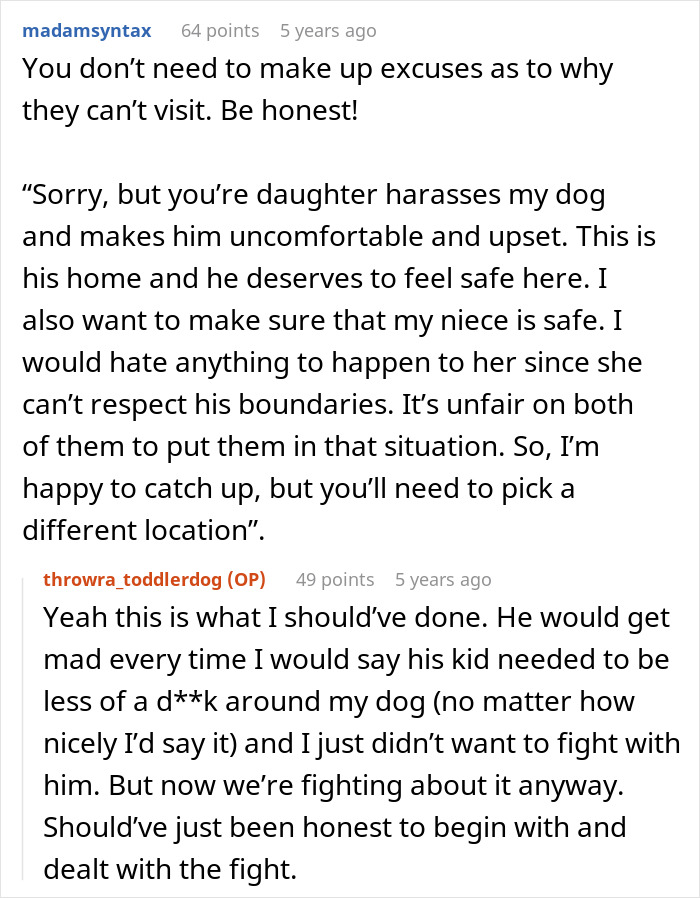
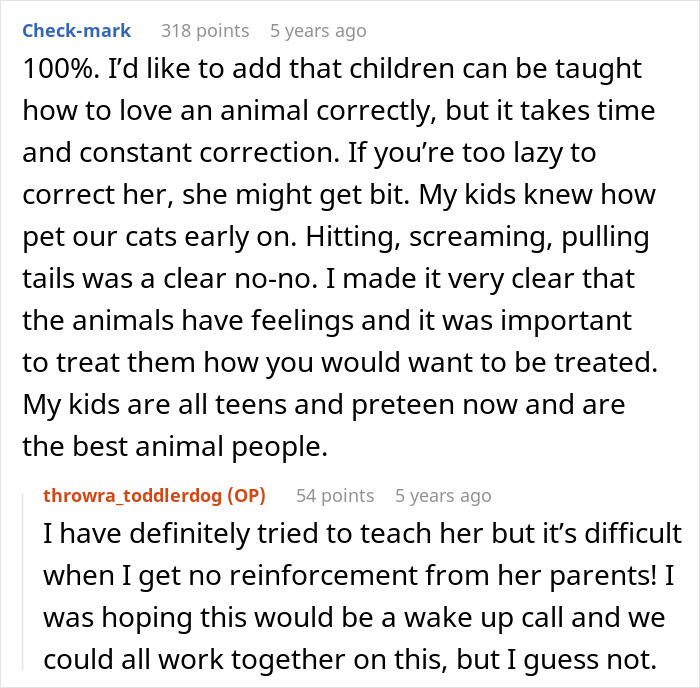
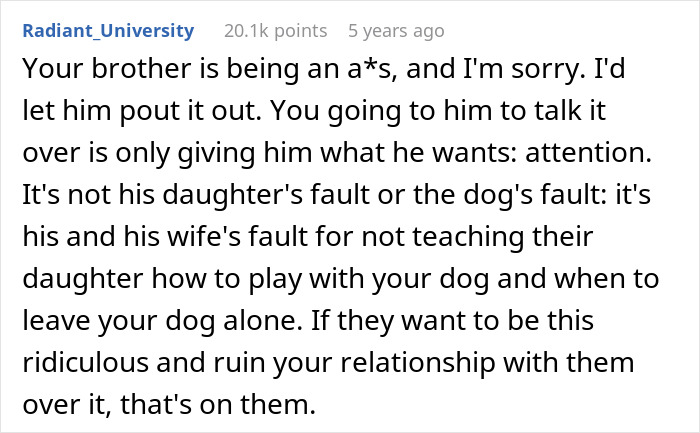
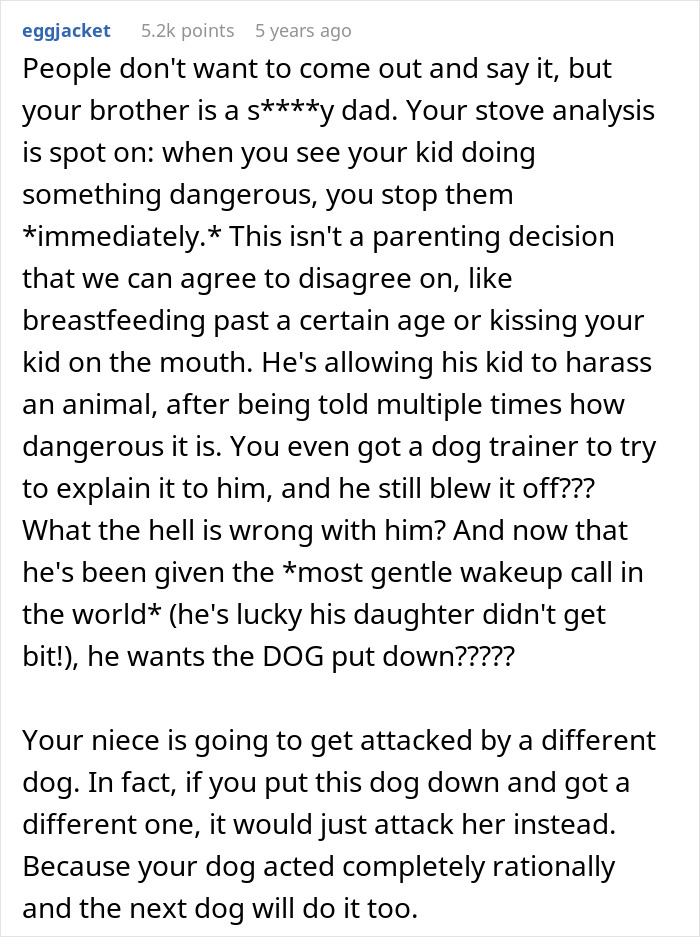
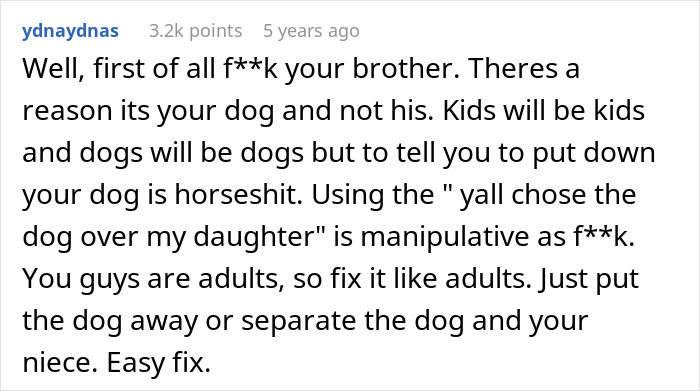
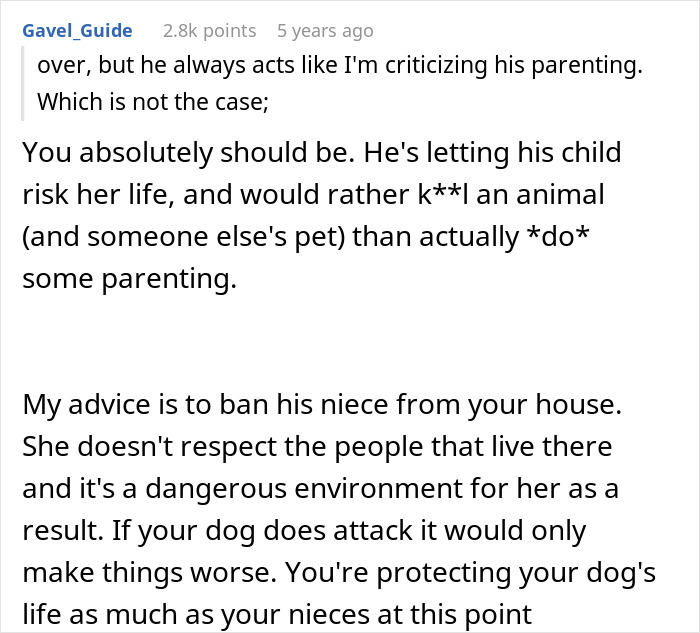
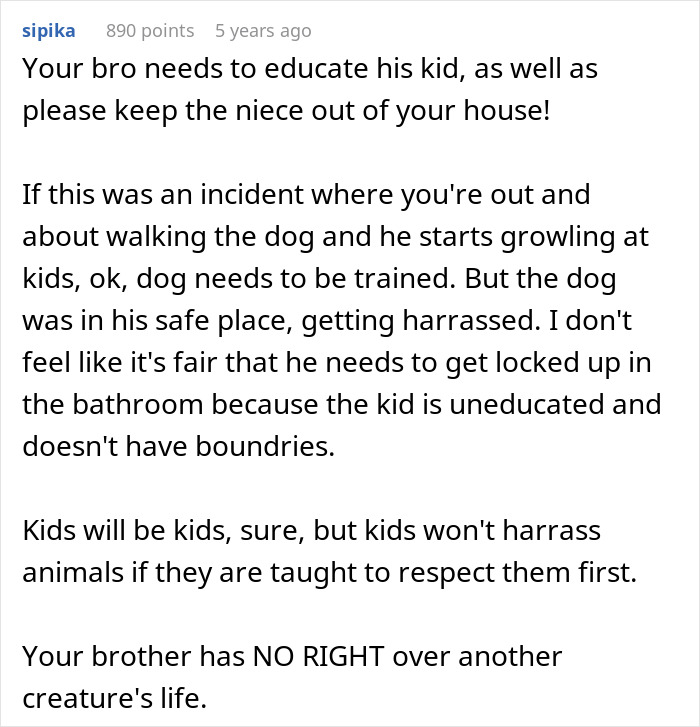

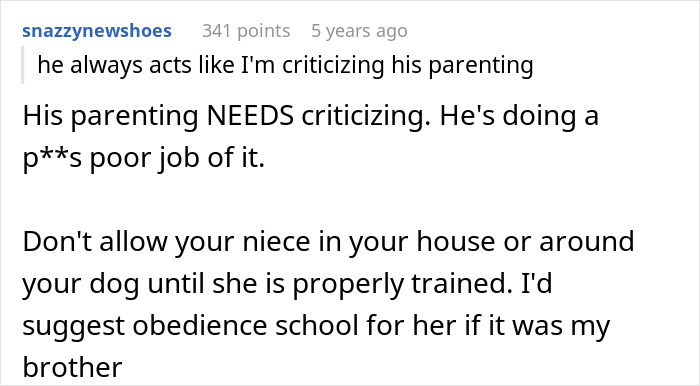
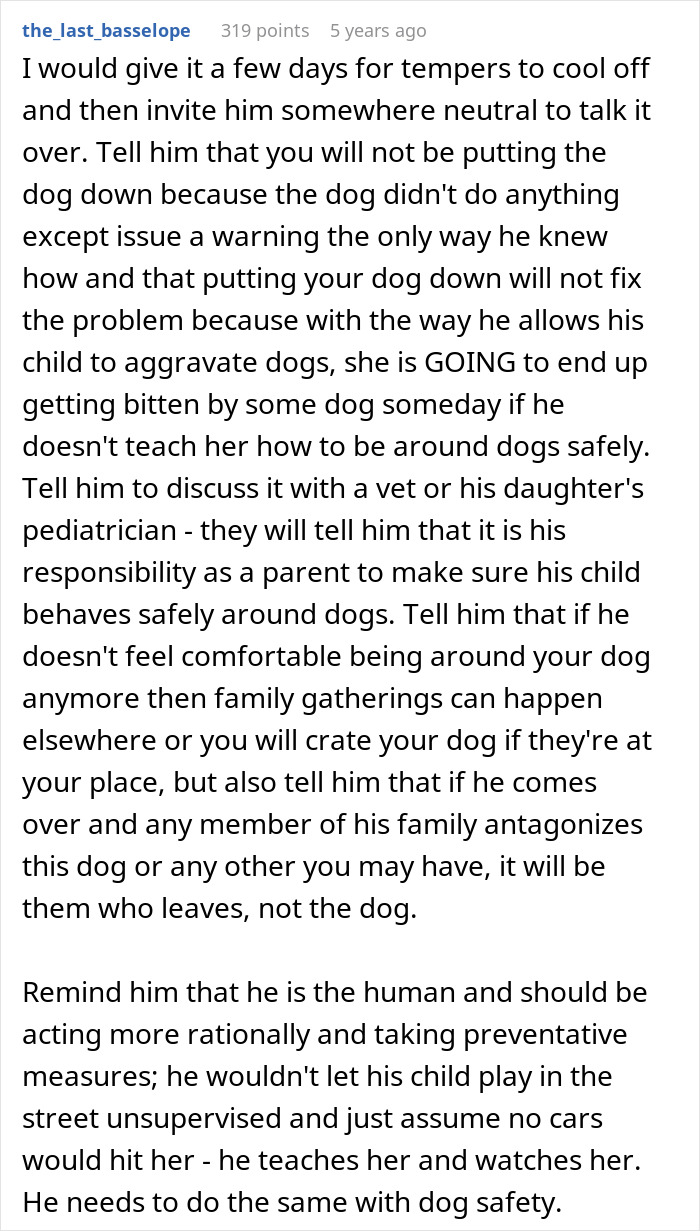
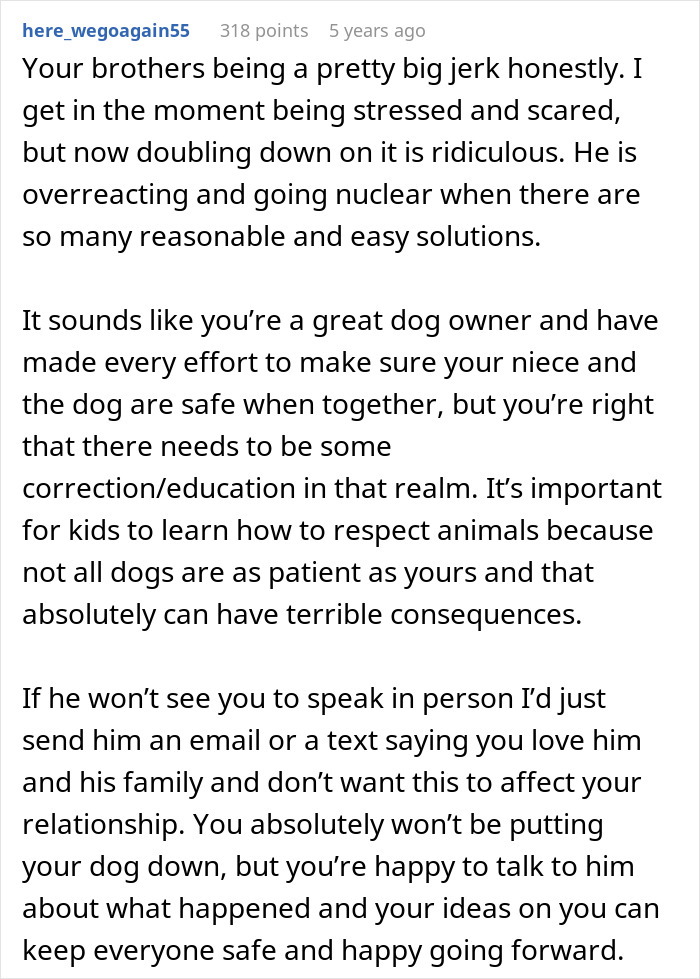
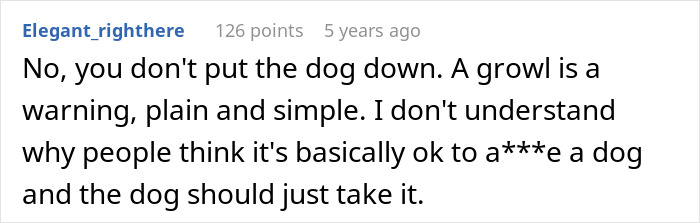
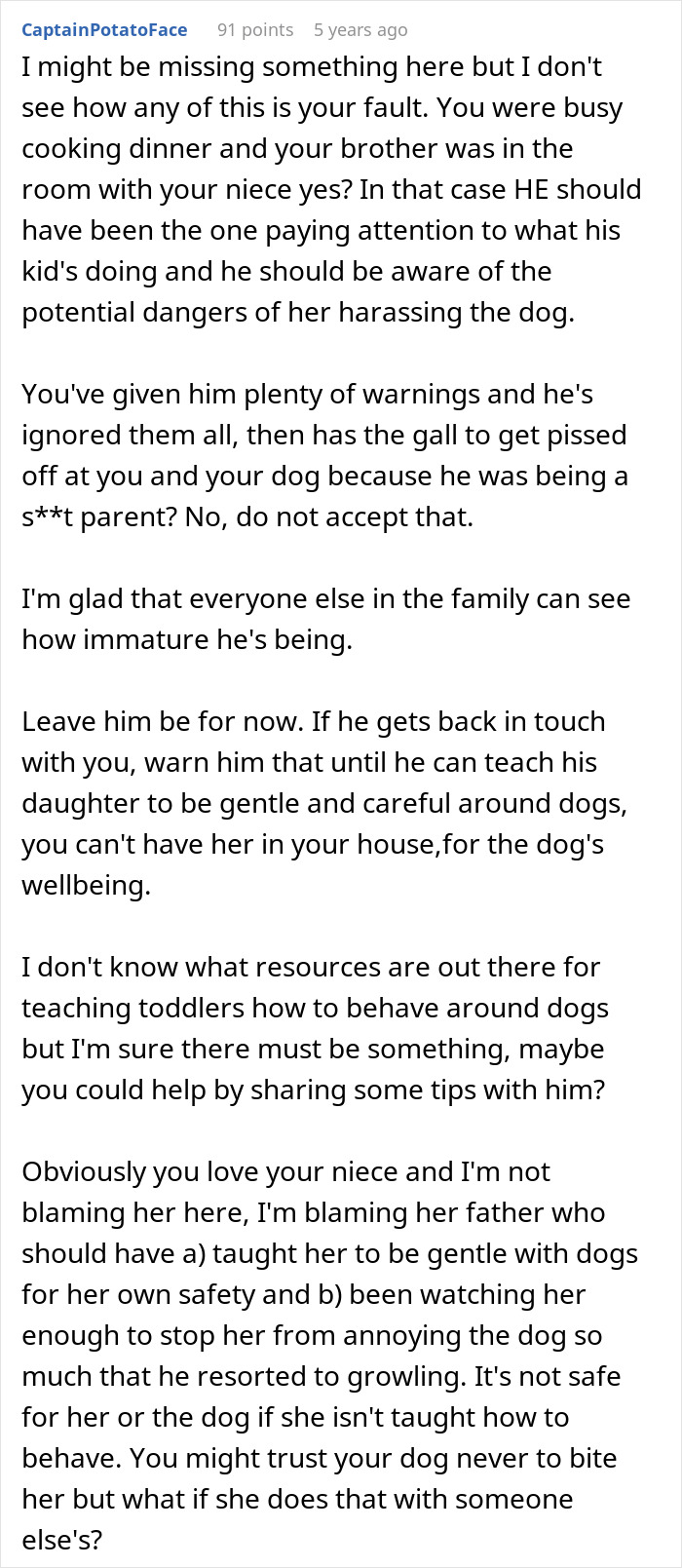
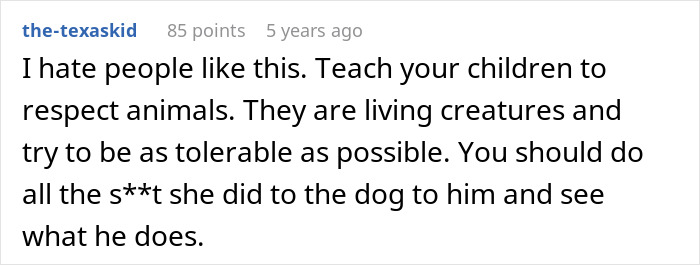
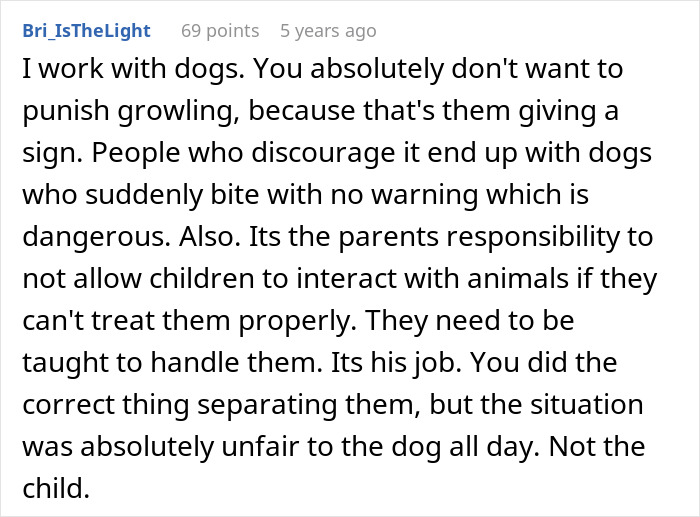
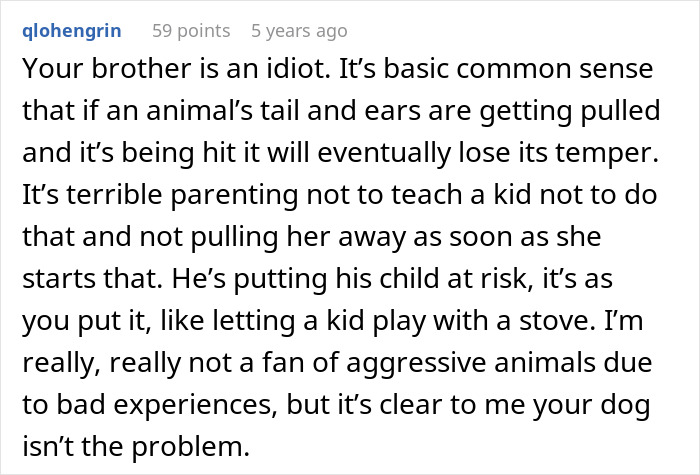

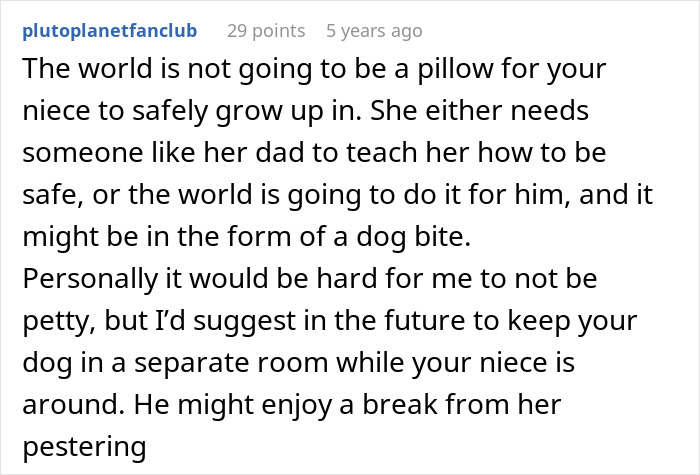
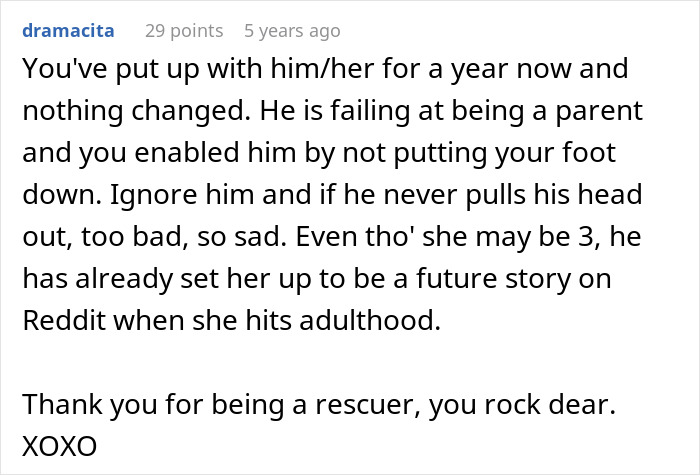
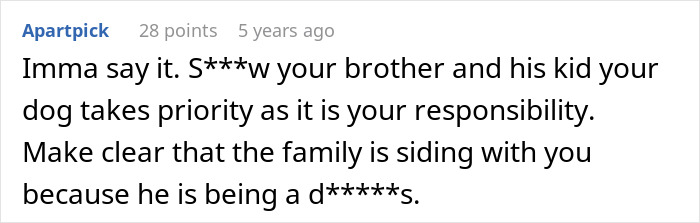
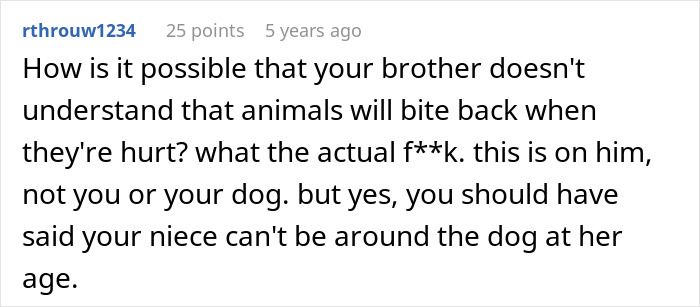
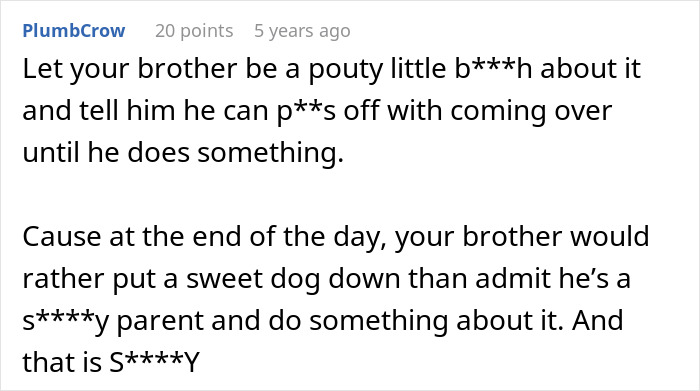
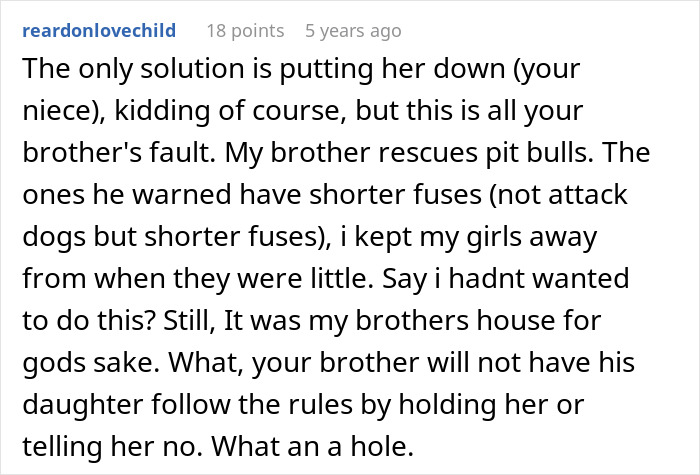
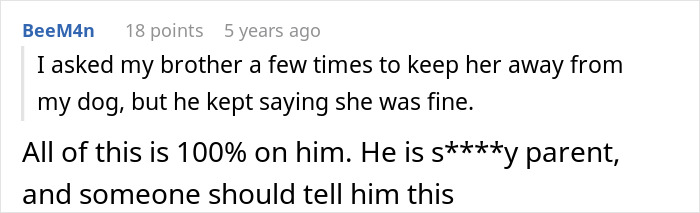
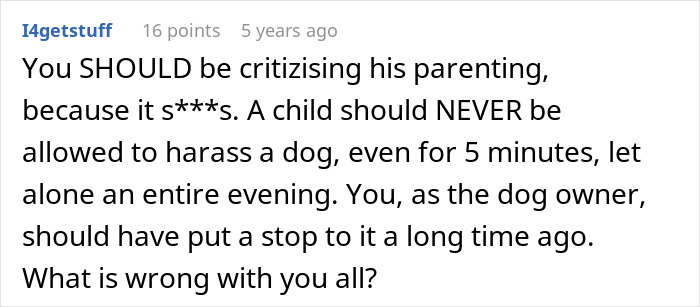
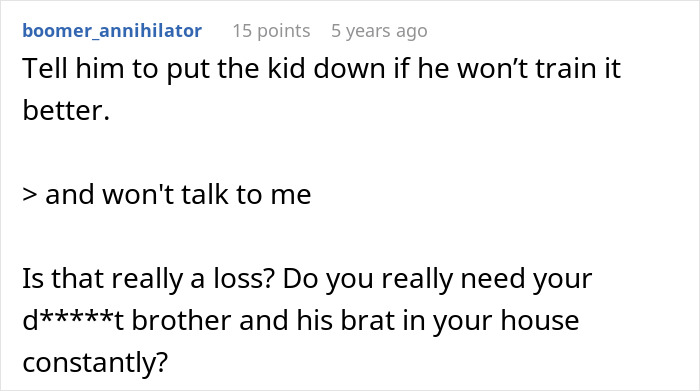
Image credits: Curated Lifestyle / Unsplash (not the actual photo)
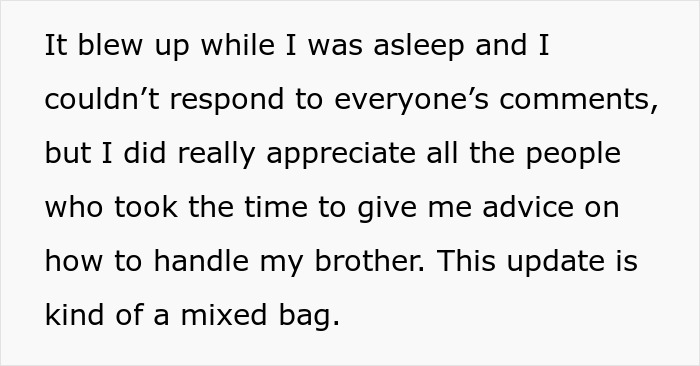
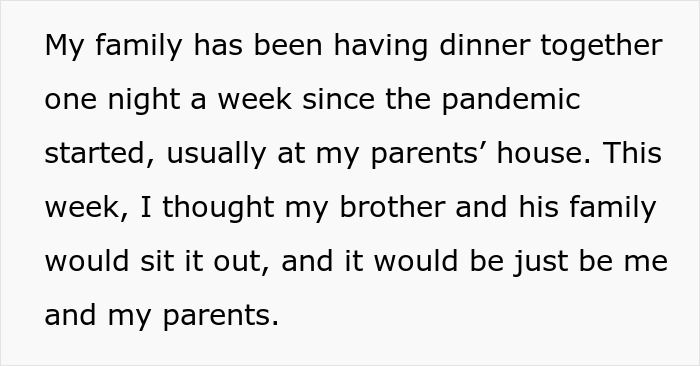
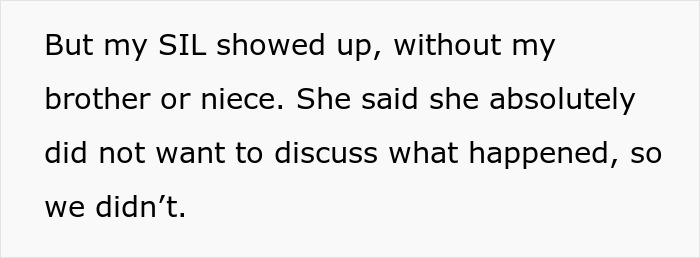
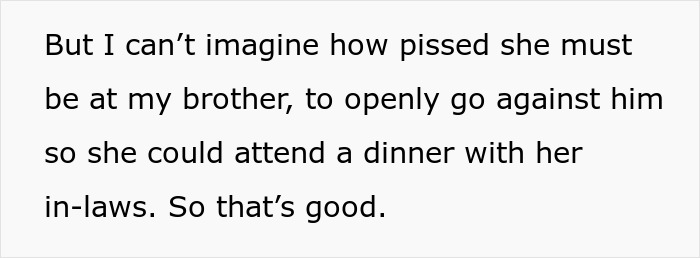
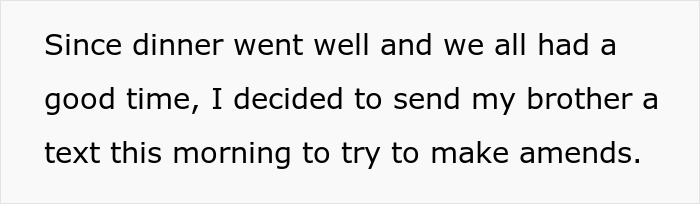
Image credits: Tim Mossholder / Unsplash (not the actual photo)
Image credits: Yunus Tuğ / Unsplash (not the actual photo)
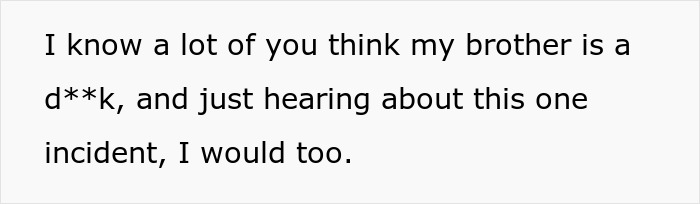
Image credits: Vitaly Gariev / Unsplash (not the actual photo)
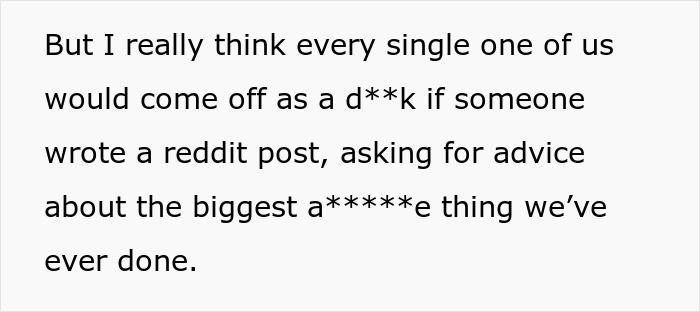
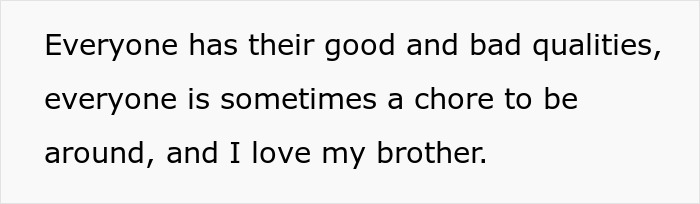
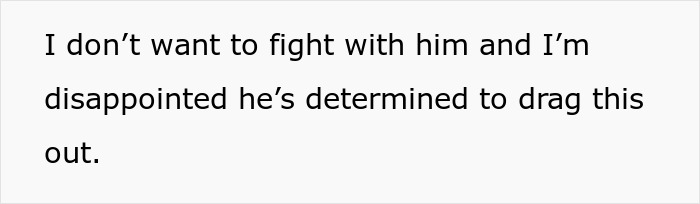
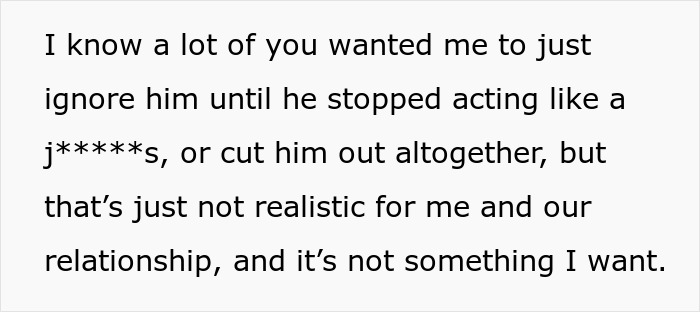
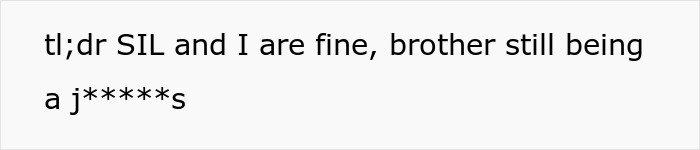
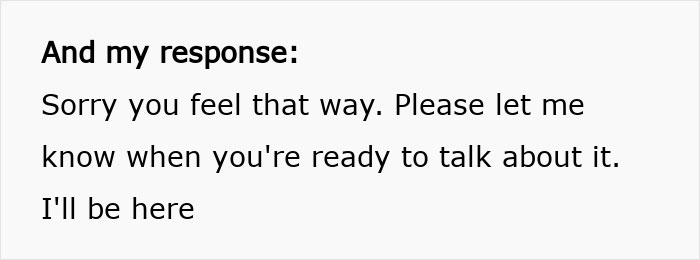
Image credits: throwra_toddlerdog
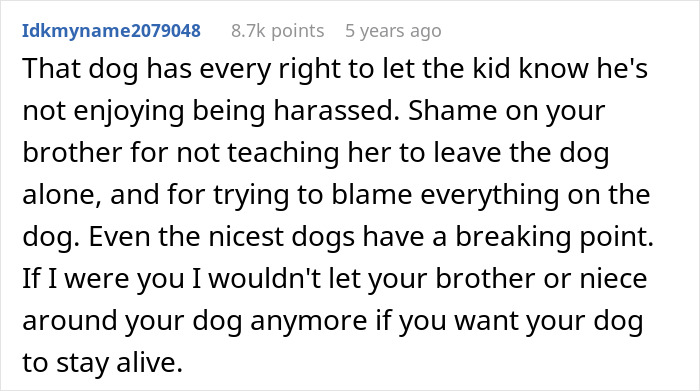
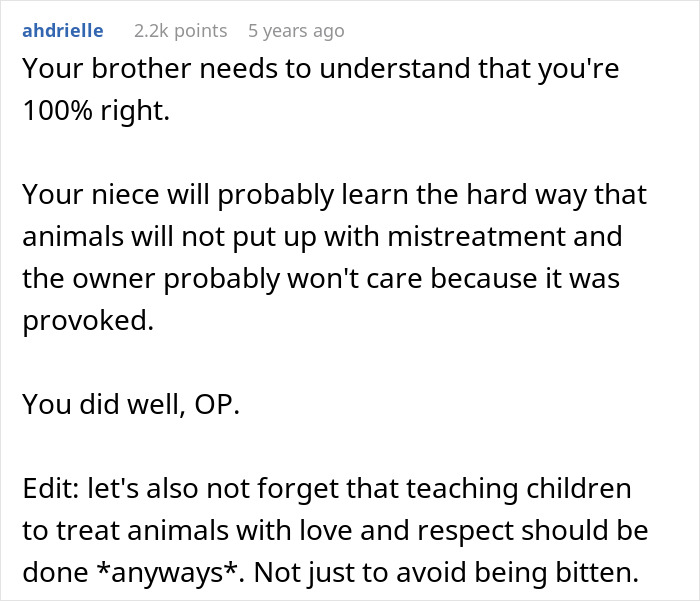
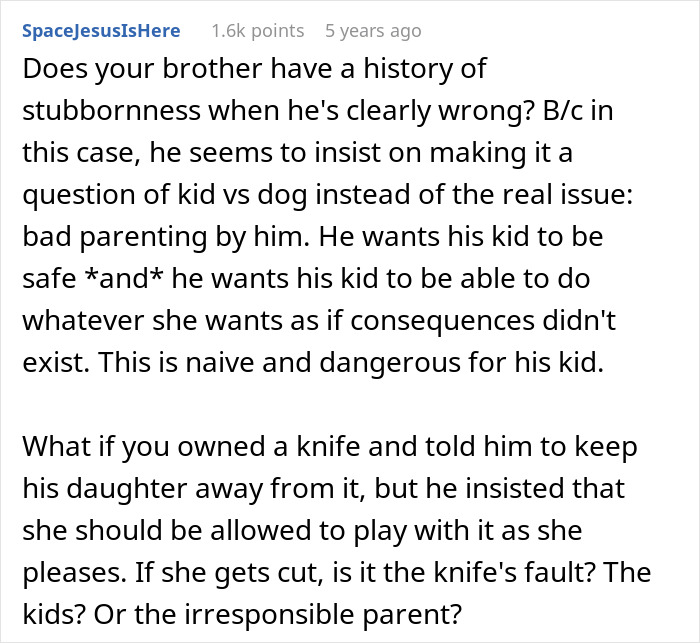
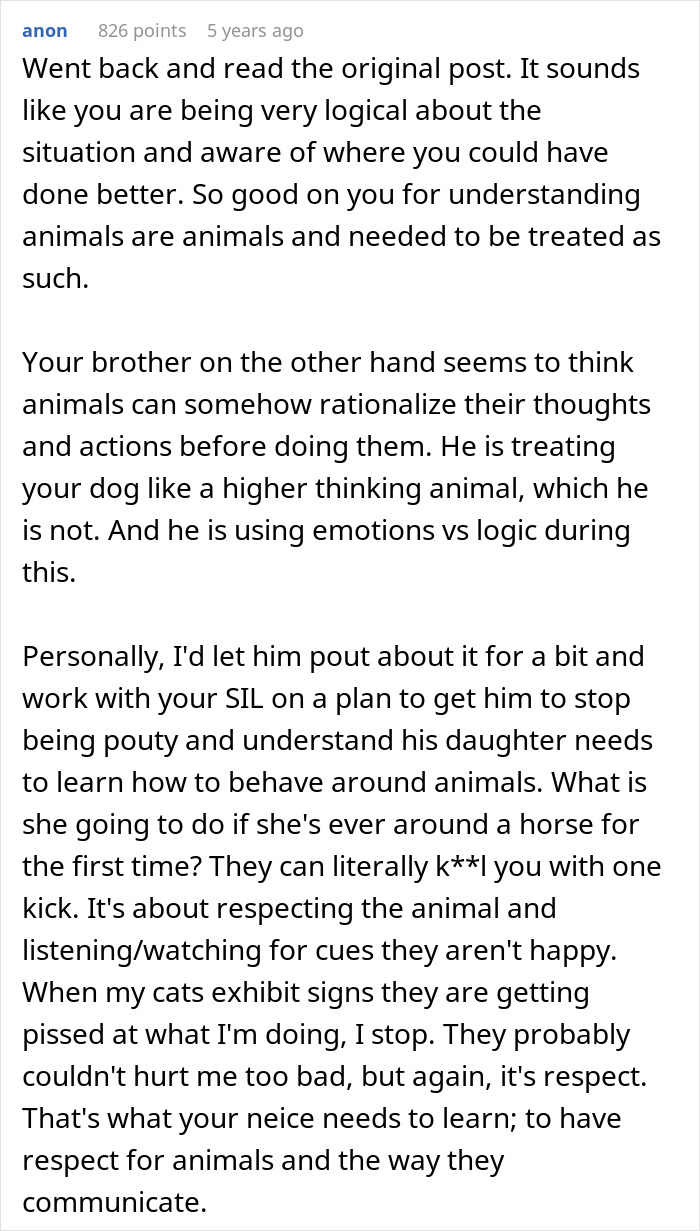

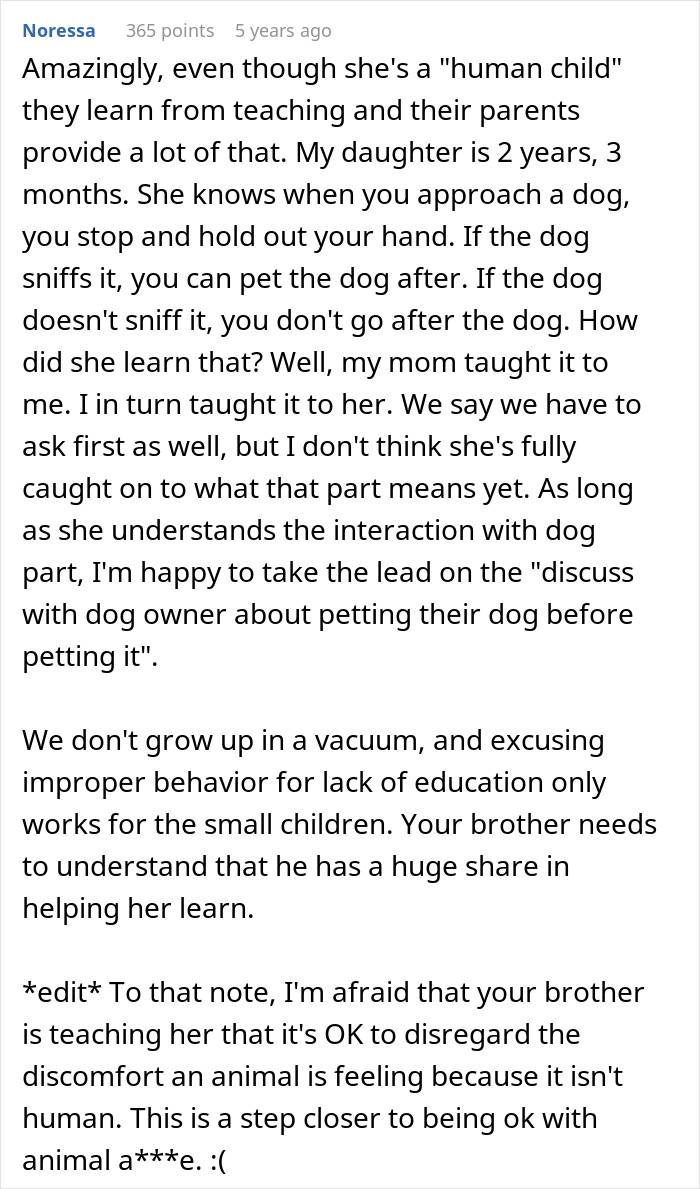
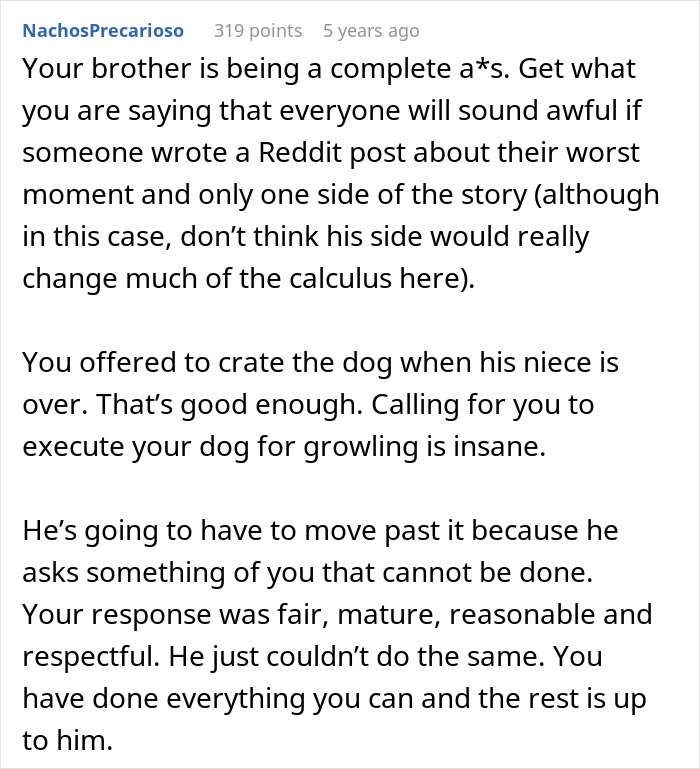
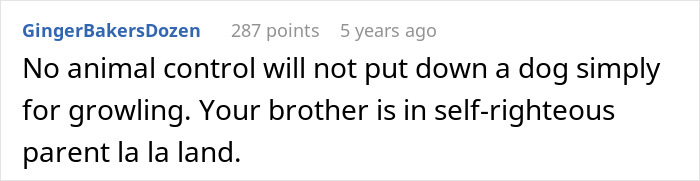
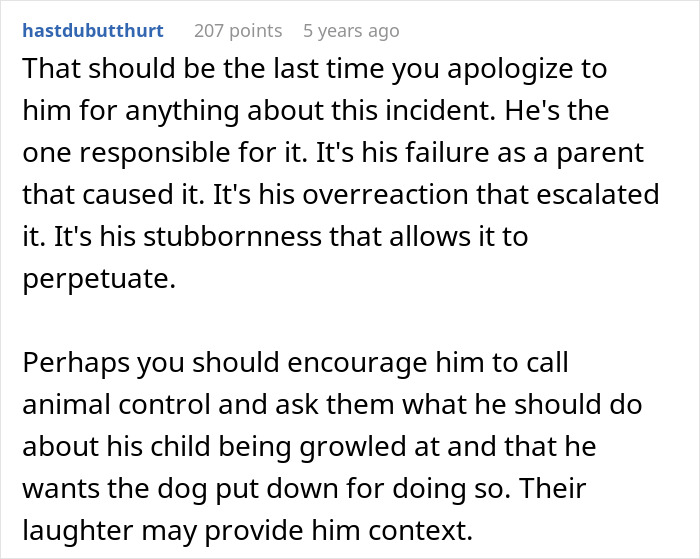


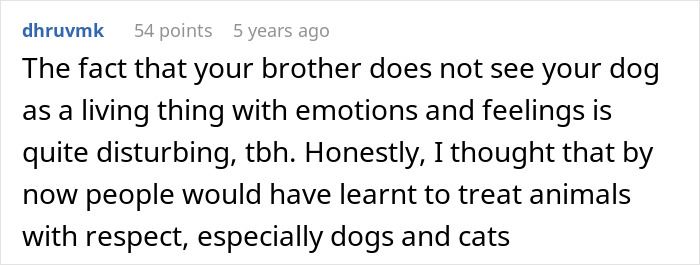
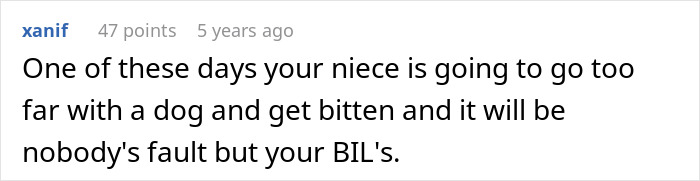
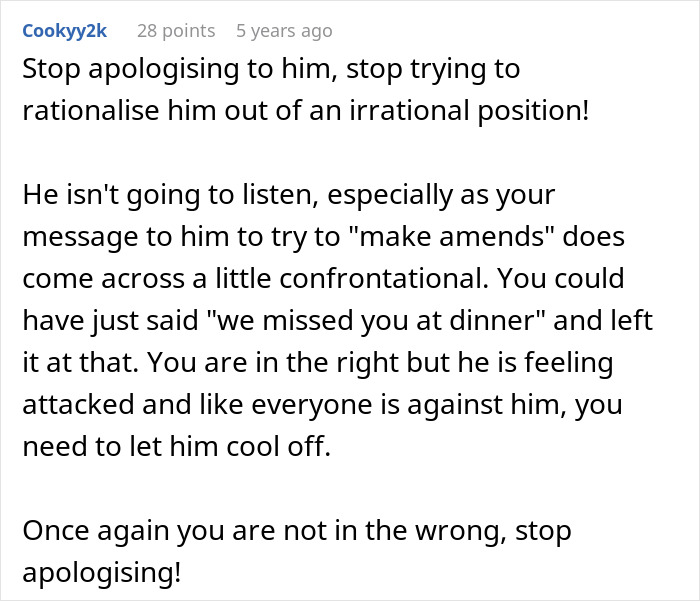
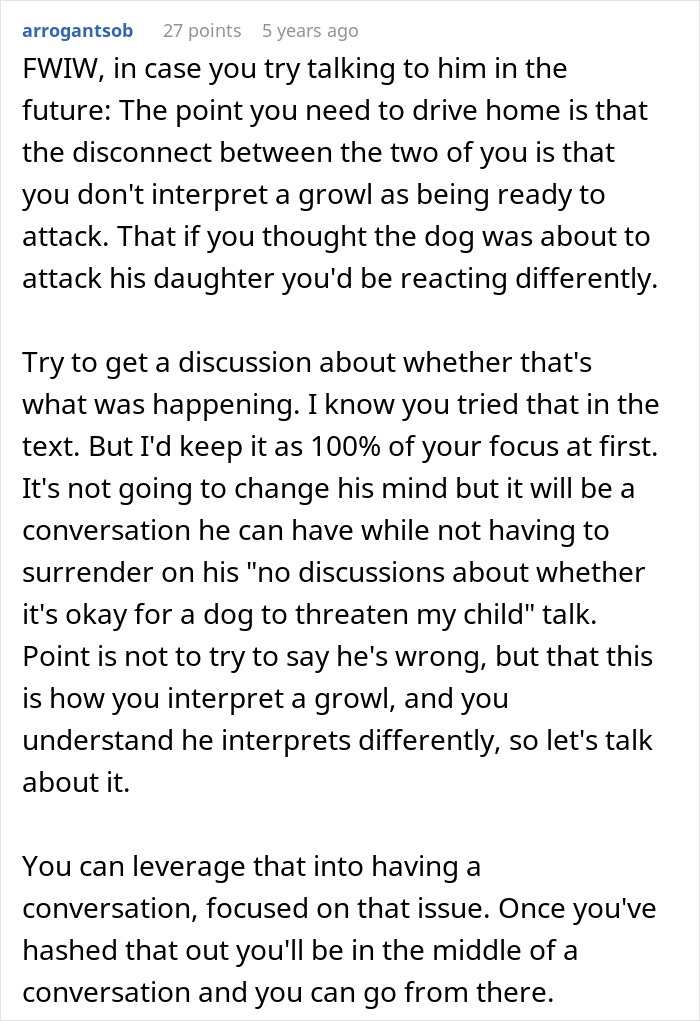
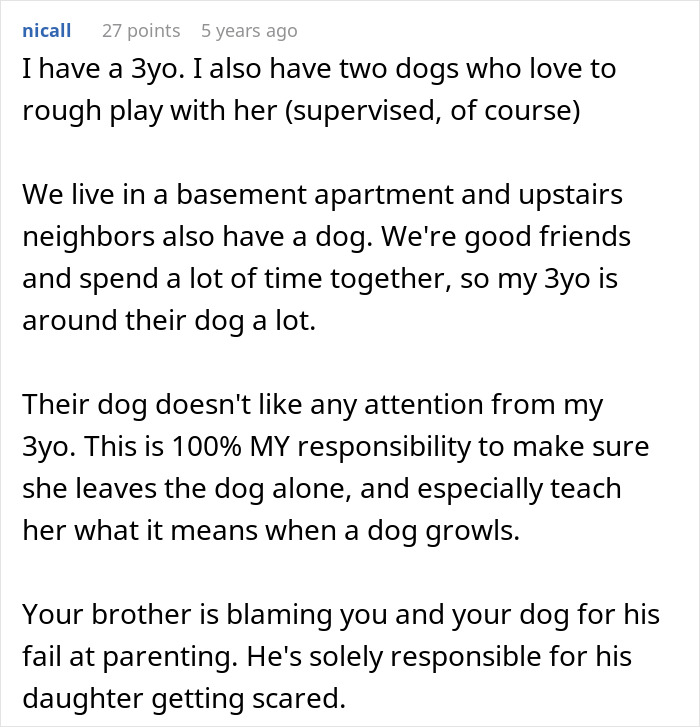
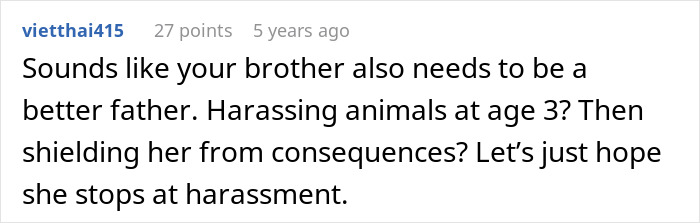
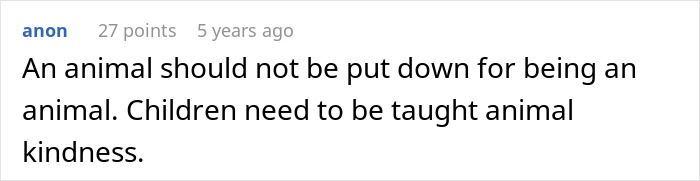
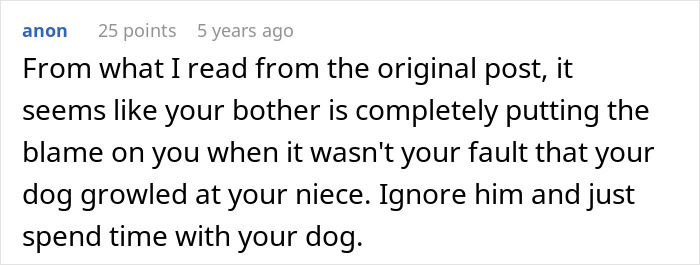
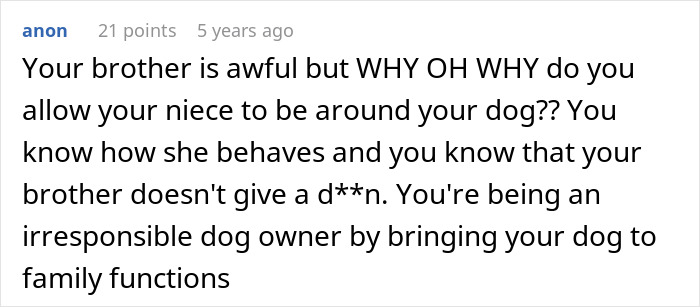


Oh come on! This is a dog, who growled, like dogs do. OP has suggested so many alternatives, which is already a lot, considering the fact that as parents, they should have taught their child better. K*****g a dog over this is INSANE. Yes, the child deserves to be safe, but so does the dog. And this is coming from someone who was absolutely terrified of dogs growing up.

Brother is angry at the wrong person. He should be angry at himself. As a parent, his number 1 job is to protect his children and keep them safe. He didn't do that - not because the dog was bad, but because a 3 year old doesn't know how to treat a dog as a sentient creature and not a teddy bear. He put his daughter in danger by the absence of his parenting.
thats why he's going so hard at her. subconsciously he knows he's the f**k up and his fragile little ego can't handle it
Load More Replies... Oh come on! This is a dog, who growled, like dogs do. OP has suggested so many alternatives, which is already a lot, considering the fact that as parents, they should have taught their child better. K*****g a dog over this is INSANE. Yes, the child deserves to be safe, but so does the dog. And this is coming from someone who was absolutely terrified of dogs growing up.
Brother is angry at the wrong person. He should be angry at himself. As a parent, his number 1 job is to protect his children and keep them safe. He didn't do that - not because the dog was bad, but because a 3 year old doesn't know how to treat a dog as a sentient creature and not a teddy bear. He put his daughter in danger by the absence of his parenting.
thats why he's going so hard at her. subconsciously he knows he's the f**k up and his fragile little ego can't handle it
Load More Replies...












 No fees, cancel anytime












40
32