Get Premium
Dark mode theme is available exclusively for premium users. Learn more about the benefits of subscribing.
No fees, cancel anytime.

 Dark Mode Ad-Free Browsing Unlimited Content
 Ad-Free Browsing Unlimited Content Dark Mode
Join 1.2 million Panda readers who get the best art, memes, and fun stories every week!
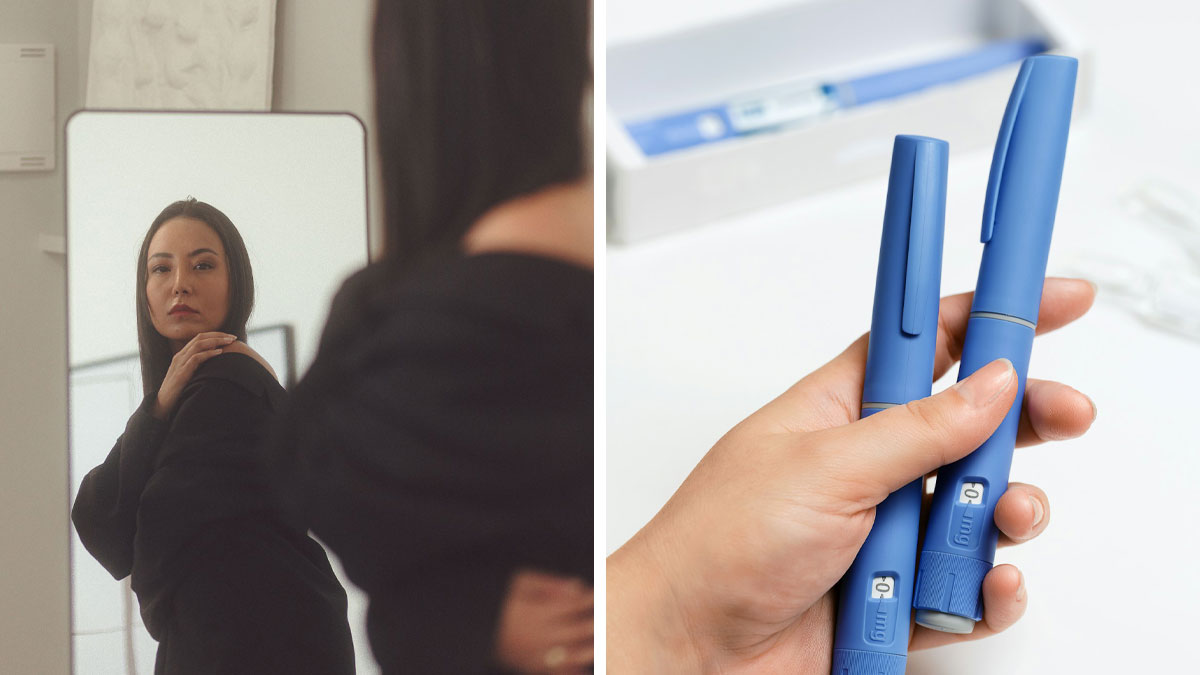
If you’ve ever tried to lose weight, you know how much effort it takes—early mornings, tough workouts, and staying consistent even when progress feels slow. It’s a journey that asks for patience and discipline. But today, there are more options than ever, and not everyone chooses the same path.
With the rise of weight loss medications, many people are exploring alternatives to traditional routines. For some, it can feel like the right step. But the results don’t always come without unexpected changes.
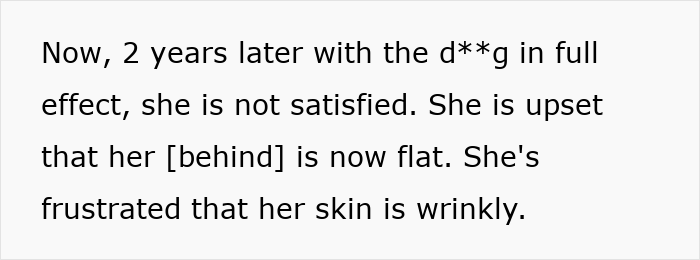
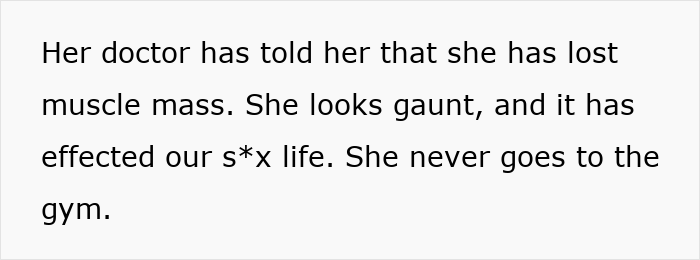
One person shared how their partner chose this route. Over time, the gym visits stopped, daily habits shifted, and the changes became more noticeable—not just physically, but in other ways too. What once felt like a shared understanding slowly turned into something harder to navigate. Keep reading to see how it all unfolded.
Image credits: Brandão Fotografia / Pexels (not the actual photo)

Image credits: Getty Images / Unsplash (not the actual photo)
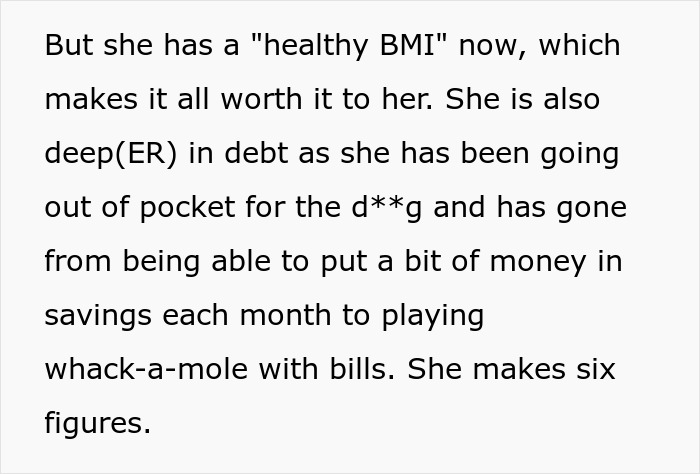
Image credits: Jordan González / Unsplash (not the actual photo)
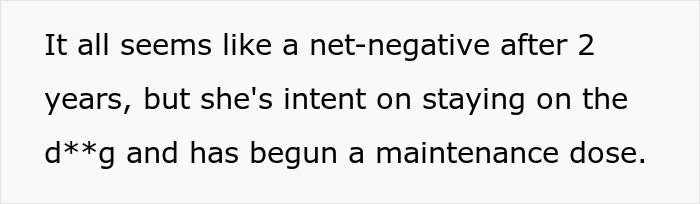
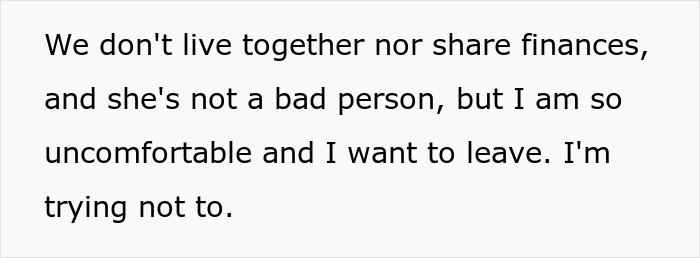
Image credits: Winter-Top-8348
You’ve probably heard the saying, “health is wealth,” and it’s something people take seriously. In 2022, the global health and fitness market brought in around US$4.95 billion, and it’s expected to keep growing at nearly 8.5% per year, reaching US$9.37 billion by 2029. That’s a lot of gym memberships, trendy workout classes, fitness apps, and supplements. Clearly, people are willing to pay for anything that promises a healthier, fitter lifestyle, and the industry is booming because of it.
With so much money and attention flowing into fitness and wellness, it’s no surprise that something new pops up almost every day. From diets that promise instant results to smart equipment and weight loss trends, there’s always a new way to “upgrade” your health. But here’s the catch—not every trend is a hit, and some even spark controversy.
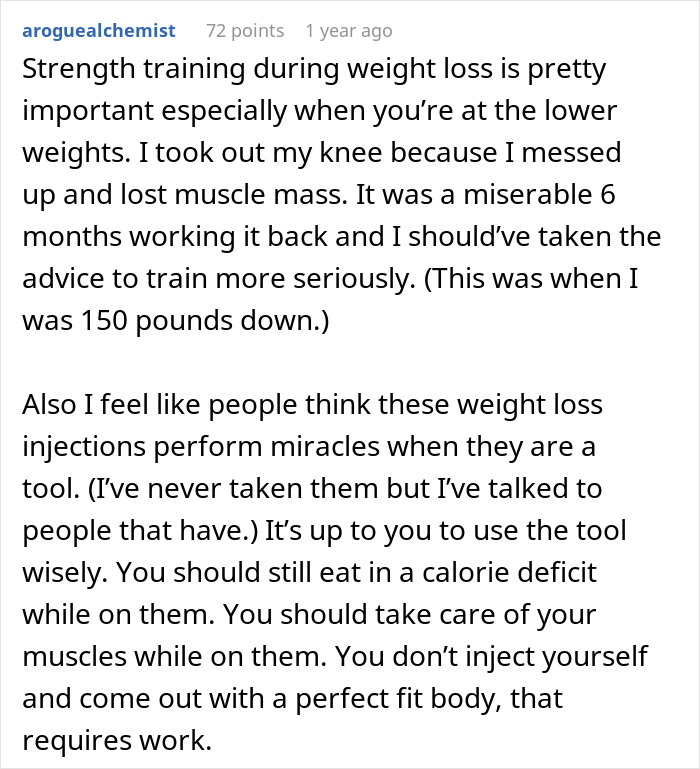
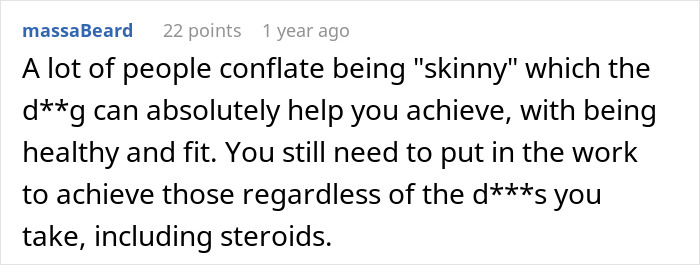
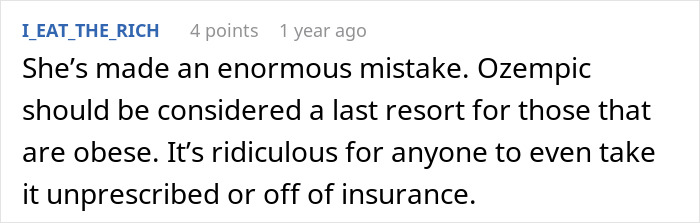
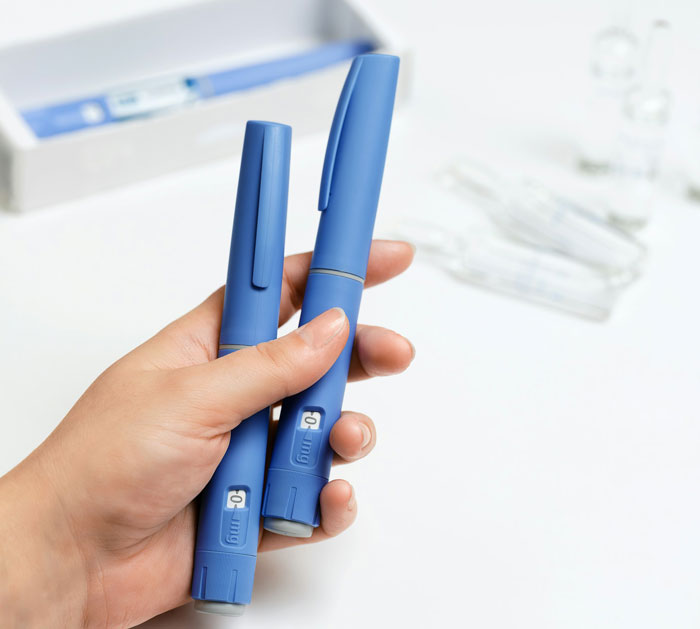
Take Ozempic, for example. Originally approved by the FDA in 2017 for adults with type 2 diabetes, Ozempic is a weekly injection designed to help regulate blood sugar levels. While it wasn’t created for weight loss, some doctors have prescribed it off-label for that purpose, which has fueled much of the recent discussion.
So how does it work? In simple, human terms, Ozempic mimics a naturally occurring hormone in your body that helps control appetite. It sends signals to your brain that you’re full while also slowing digestion so food stays in your system longer. The effect is similar to that experienced by some patients with certain weight-loss surgeries. While its main goal is to manage diabetes, weight loss often becomes a noticeable side effect.
But it comes at a cost. Medications like Ozempic aren’t cheap, ranging from $900 to $1,400 per month, depending on insurance coverage. This suggests that, even for those able to afford it, long-term medication use may strain their finances, and individuals without insurance or with low income could be completely excluded.
Image credits: kaboompics / Pexels (not the actual photo)
This isn’t just about money, either. Because of the high costs and inconsistent coverage, access to these medications is often skewed toward wealthier individuals. People with fewer financial resources or less comprehensive insurance may struggle to get them, even if they could really benefit. In other words, these medications can unintentionally widen health disparities.
Supply issues add another layer of frustration. Both Ozempic and Wegovy were included on the FDA’s medication shortages list in 2023, meaning some people who rely on them for medical reasons (like managing diabetes or severe obesity) simply can’t get them when they need them most.
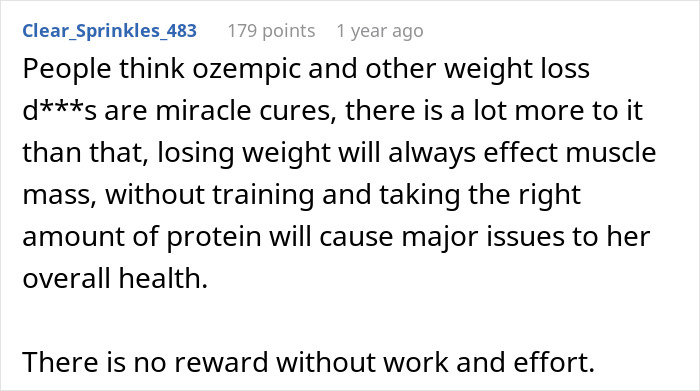
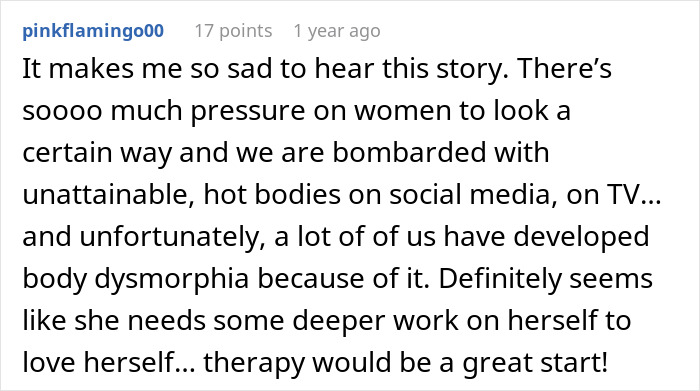
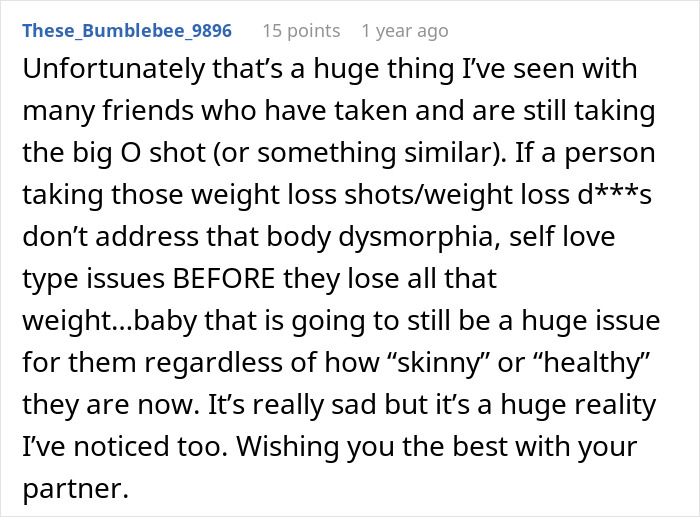
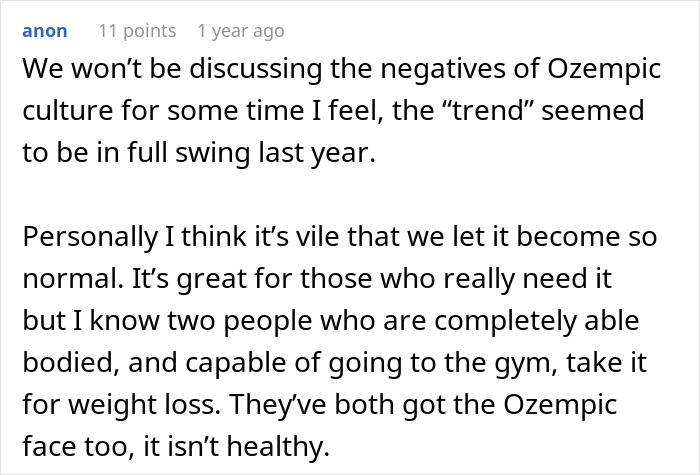
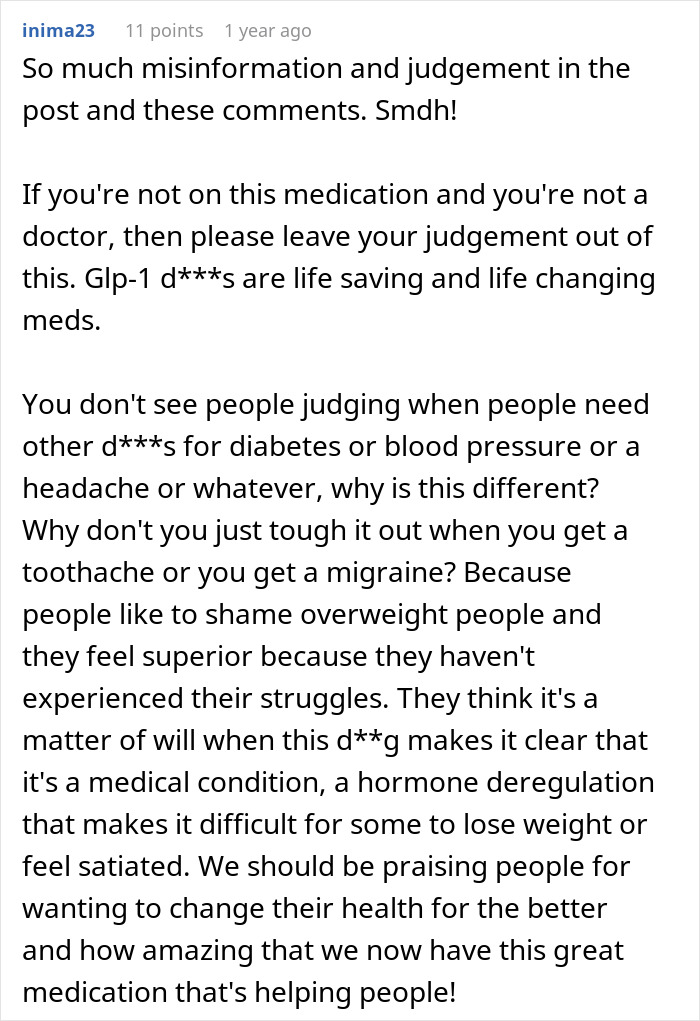
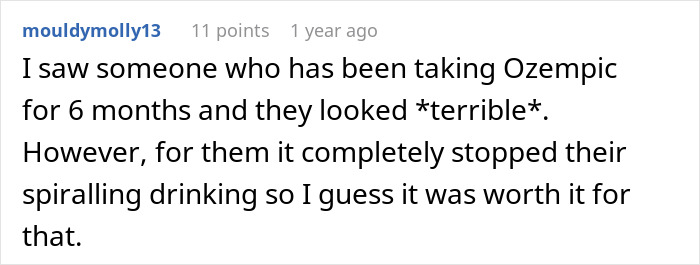
Of course, it’s important to remember that medications like Ozempic aren’t without their challenges. Some people experience side effects such as nausea, upset stomach, or digestive issues. In rarer cases, more serious conditions like gastroparesis can occur, which is when the stomach empties too slowly. Beyond the physical effects, there’s the mental and emotional side to consider. The pressure to achieve a certain body shape, fueled by social media and cultural expectations, can make these medications feel like more than just a health tool—it can become part of a larger conversation about self-worth, confidence, and societal standards.
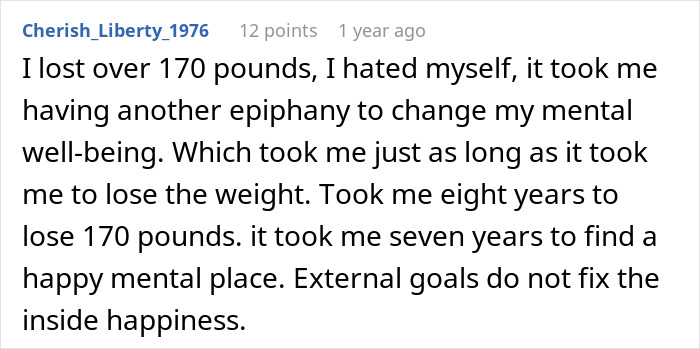
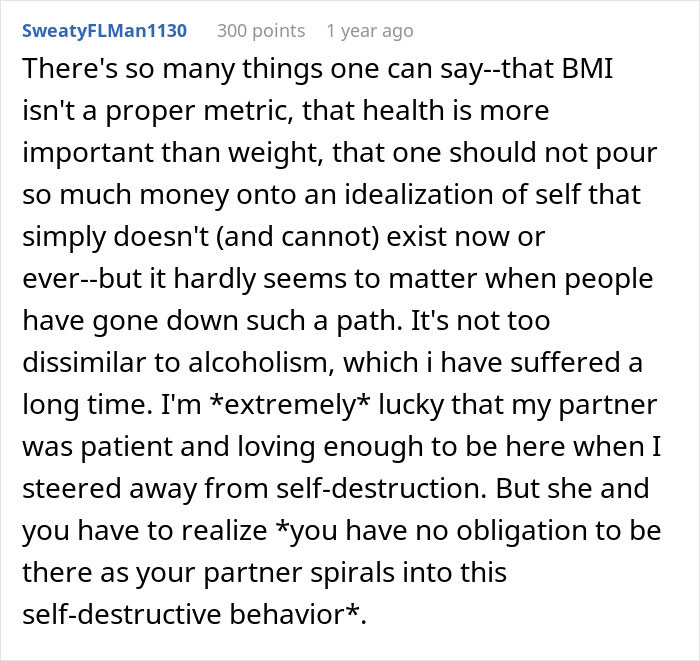
At the end of the day, deciding whether to use a medication like Ozempic is deeply personal. For some, it can feel like a helpful support, offering tangible results after months or years of hard work. For others, the financial cost, the possible side effects, and the emotional weight of the decision can make it a complicated choice. There’s no one right way to approach it, and each person has to weigh what matters most to them—the benefits, the risks, and how it fits into their life and values.
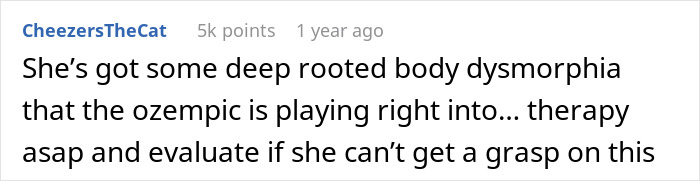
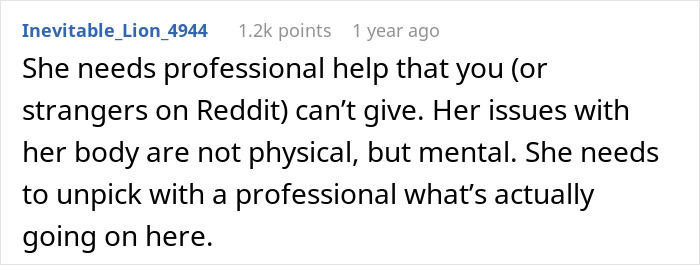
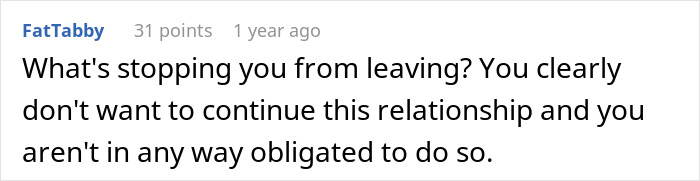
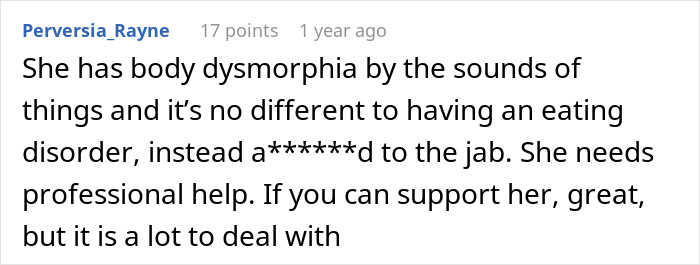
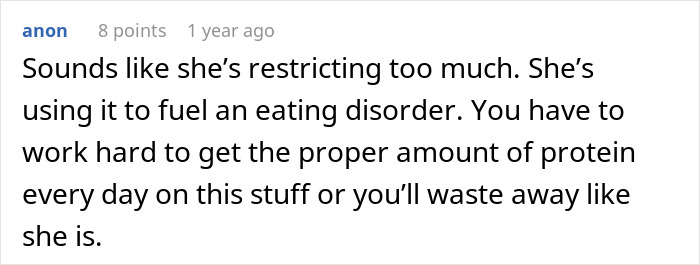
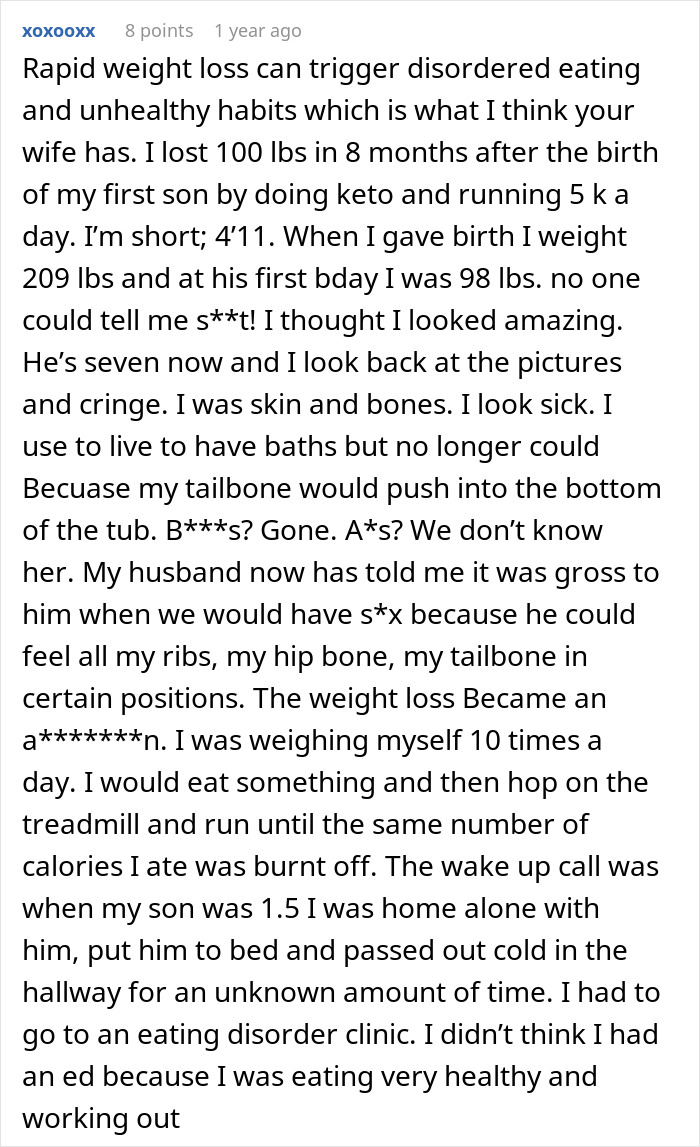
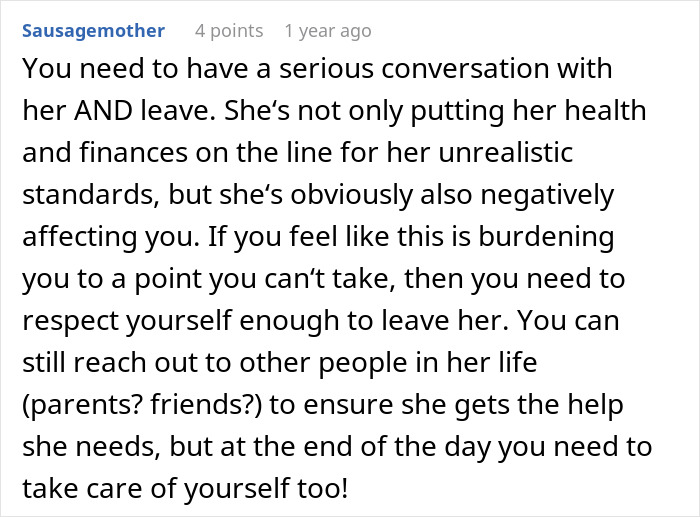
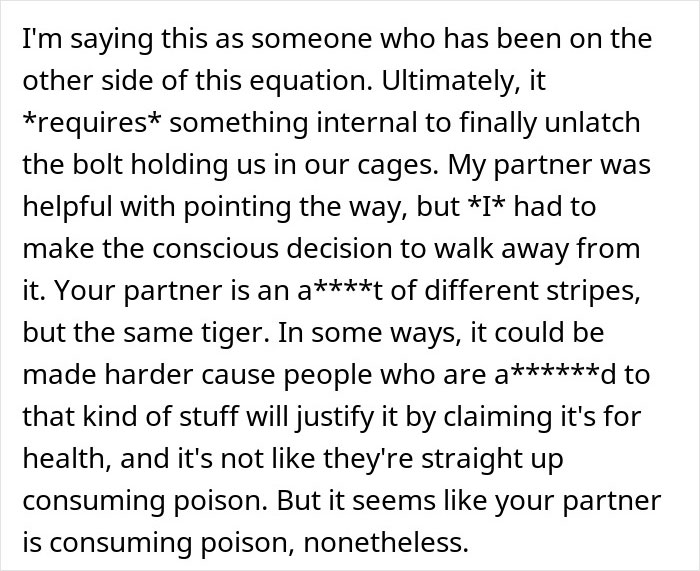
In this case, it appears the woman has become heavily reliant on the medication, and the shifts in her health, appearance, and lifestyle are evidentlyimpacting her relationship. What started as a personal choice for wellness has become more complex, affecting finances, intimacy, and daily life. It’s a lot to unpack, and there’s no simple answer. We’d love to hear your thoughts—how would you navigate a situation like this? How do you balance personal choices, health, and the impact they can have on relationships?







By entering your email and clicking Subscribe, you're agreeing to let us send you customized marketing messages about us and our advertising partners. You are also agreeing to our Privacy Policy.
Thank you! You've successfully subscribed to newsletters!

If she's making six figures it's not the Ozempic that's causing financial problems
If she's making six figures it's not the Ozempic that's causing financial problems





























 No fees, cancel anytime









30
2