Get Premium
Dark mode theme is available exclusively for premium users. Learn more about the benefits of subscribing.
No fees, cancel anytime.

 Dark Mode Ad-Free Browsing Unlimited Content
 Ad-Free Browsing Unlimited Content Dark Mode
Join 1.2 million Panda readers who get the best art, memes, and fun stories every week!
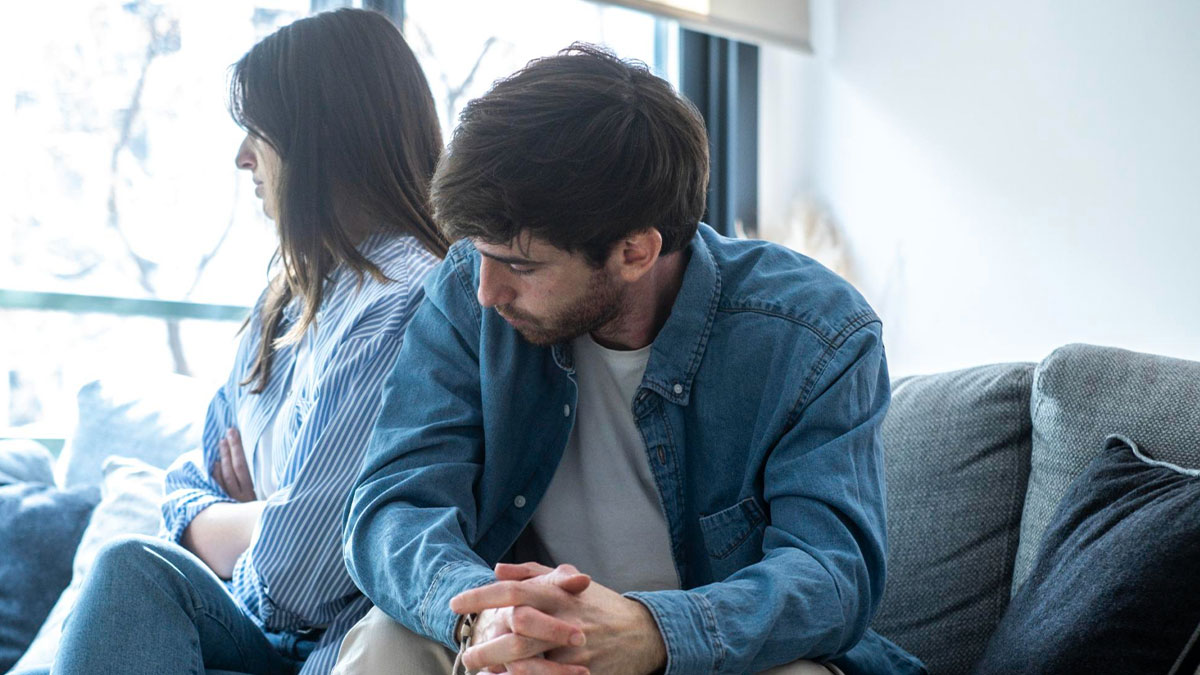
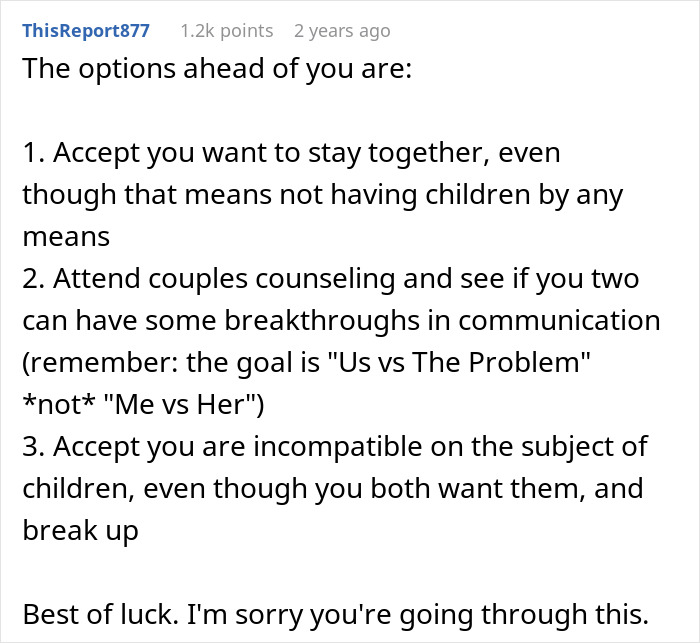
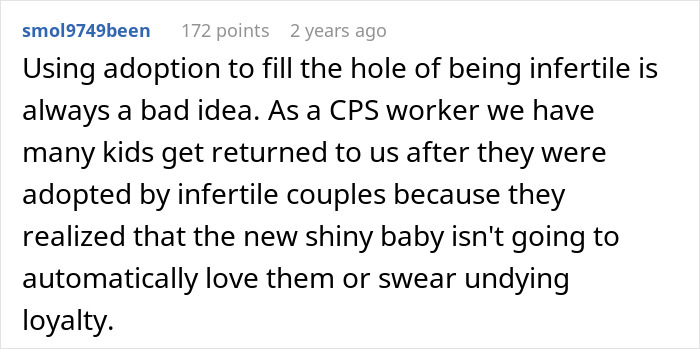
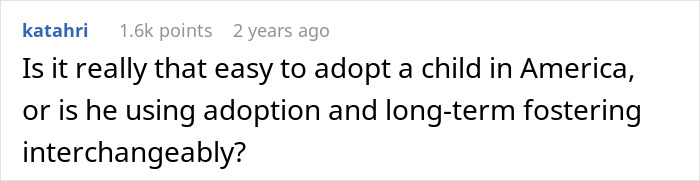
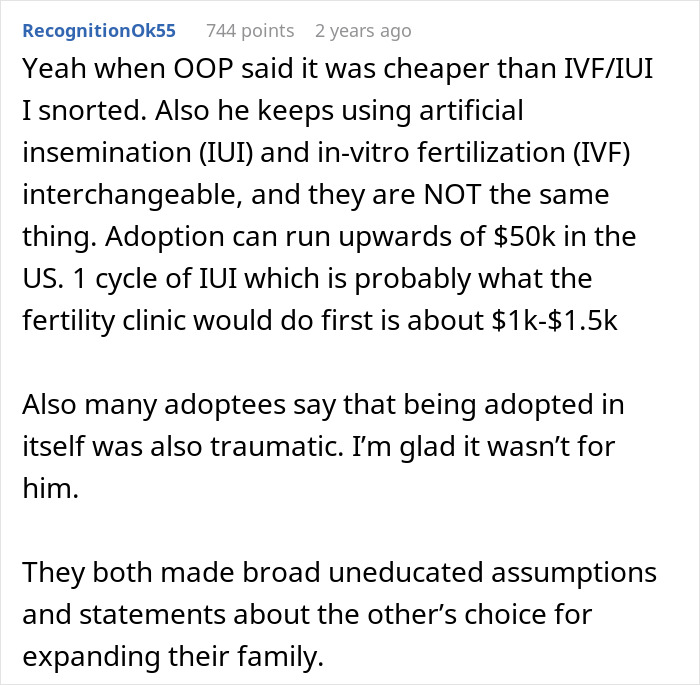
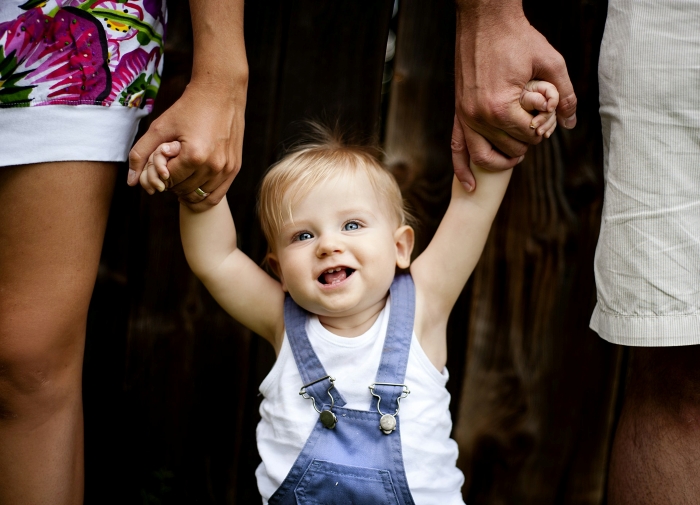
An infertility diagnosis can be crushing for a couple who have always dreamed of having children. According to data from 2018, about one in seven adults in the U.S. experience infertility at some point in their lives. The couple then has a choice to make: do IVF, surrogacy, or adopt.
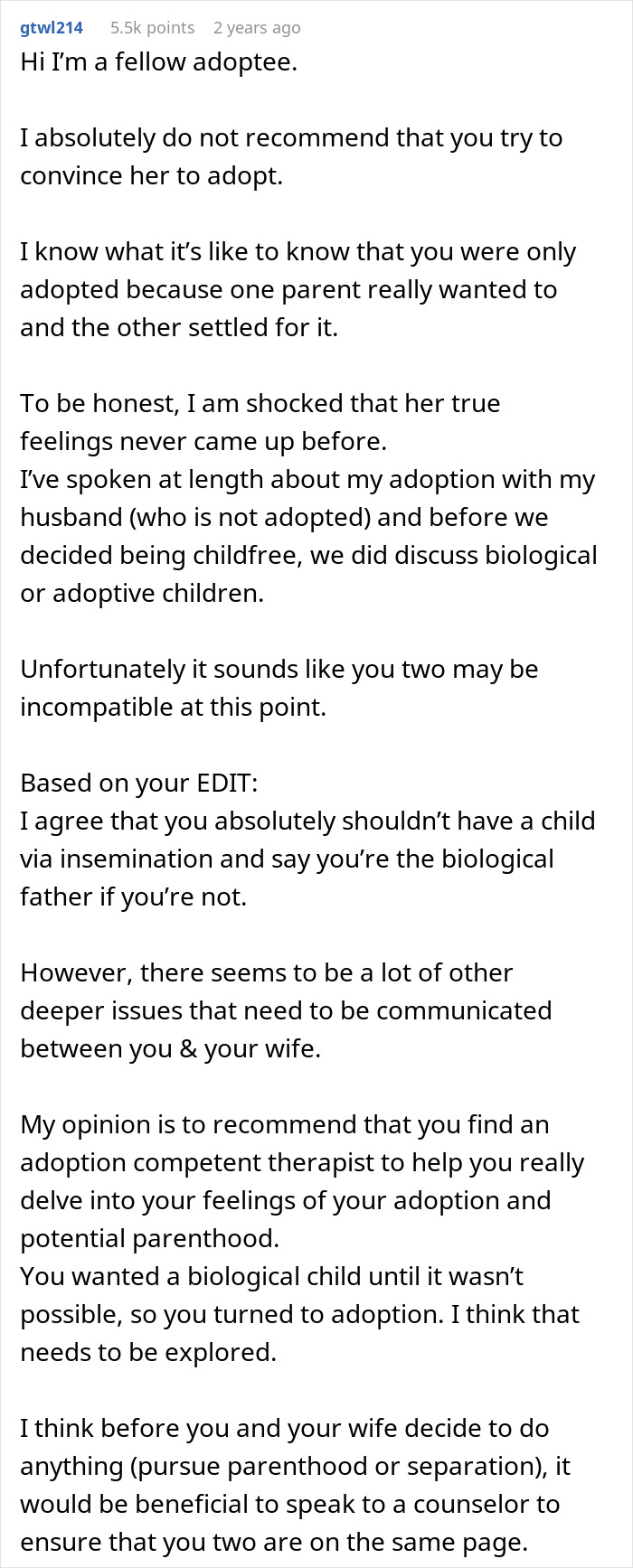
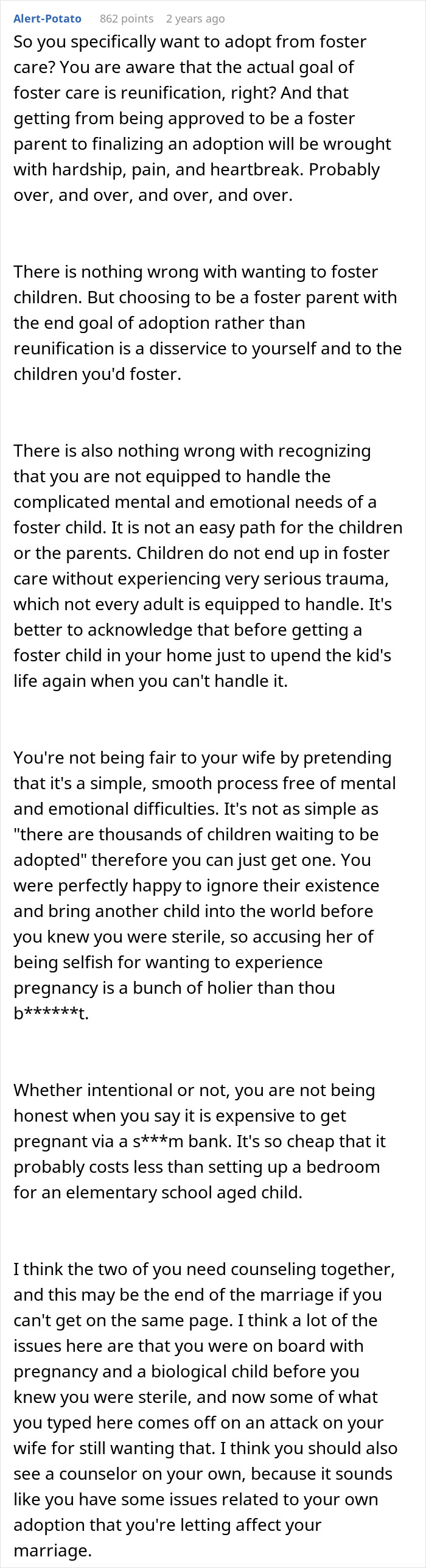
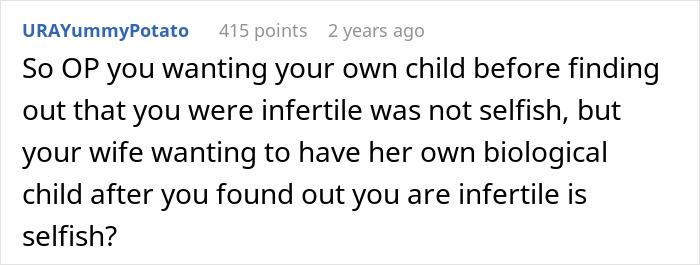
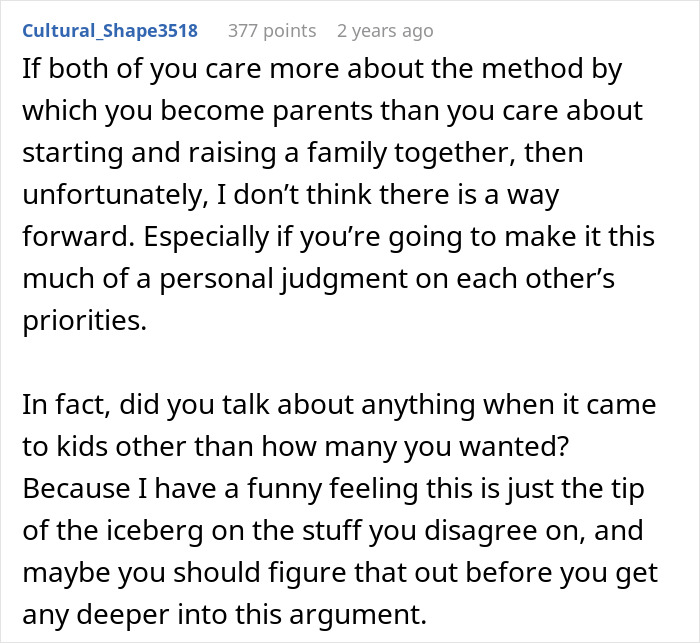
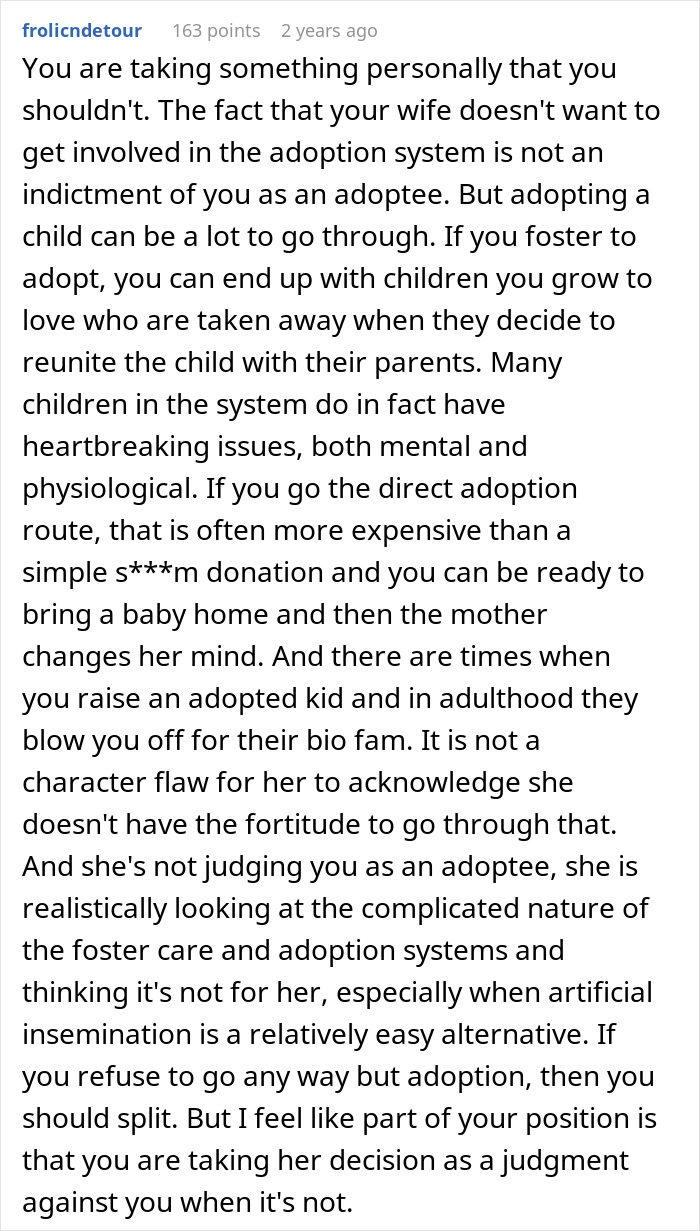
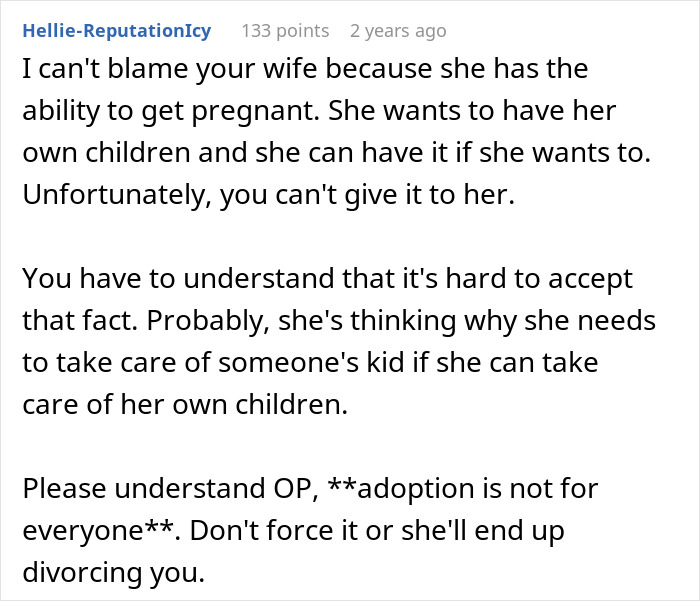
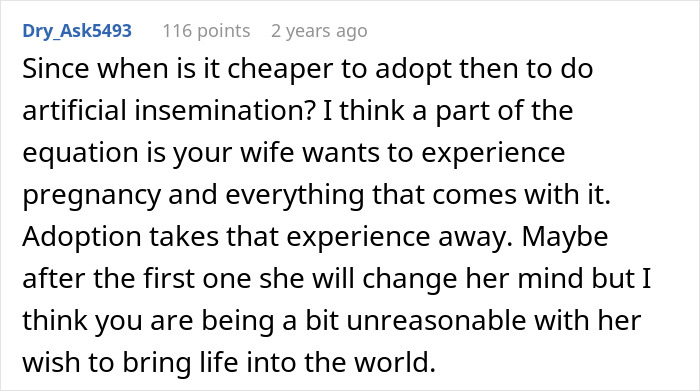
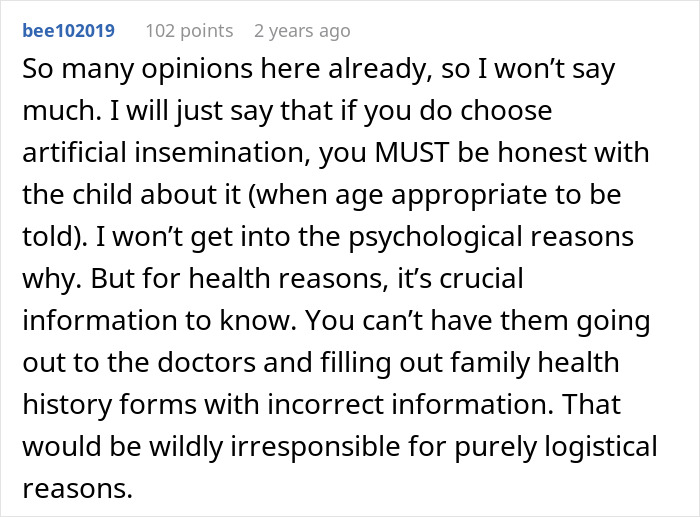
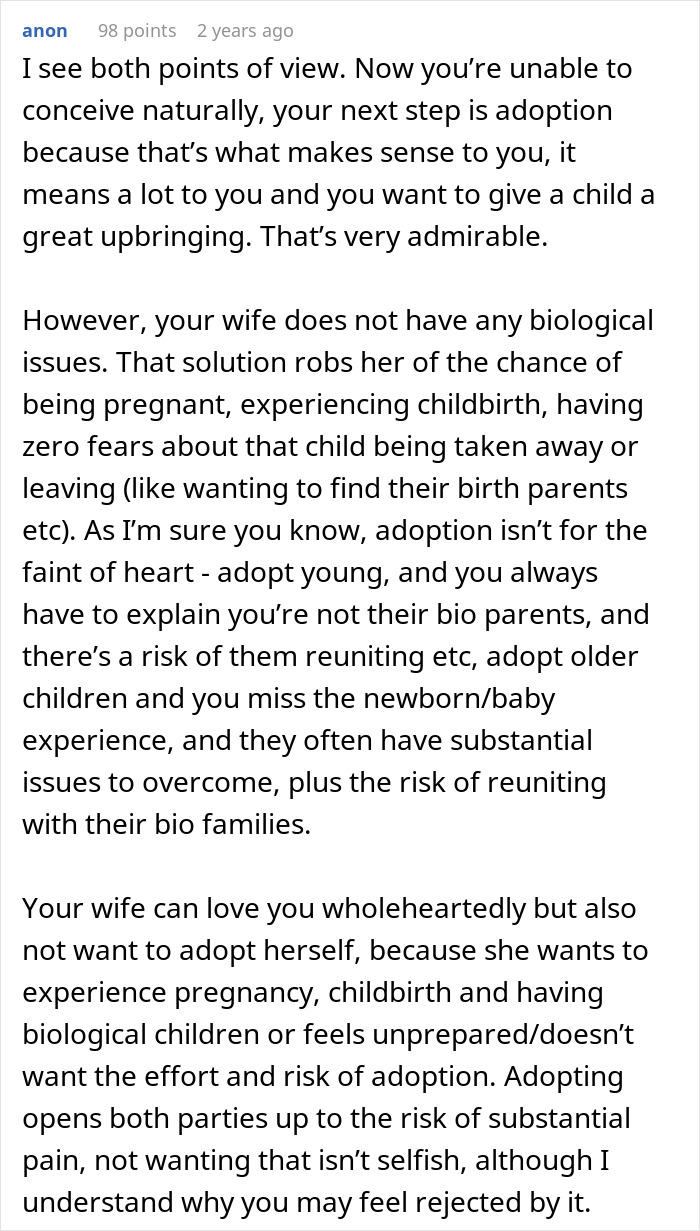
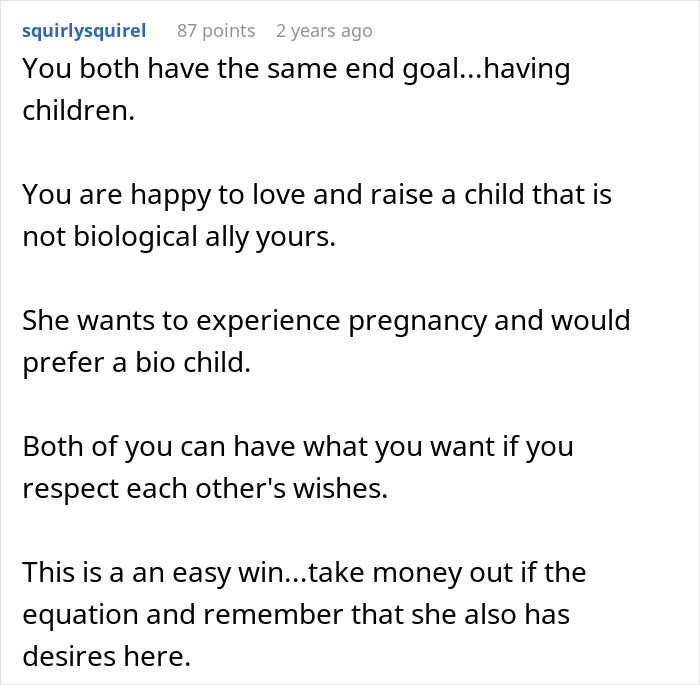
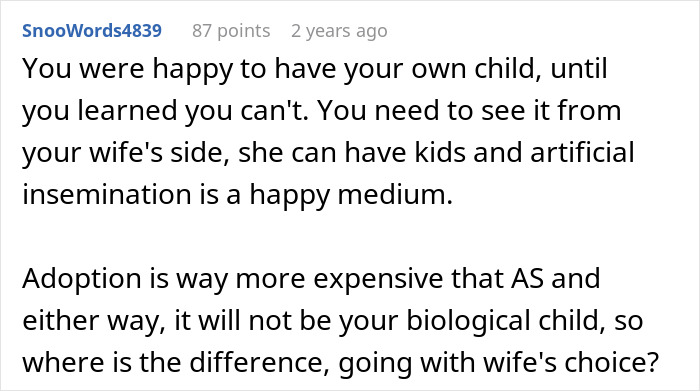
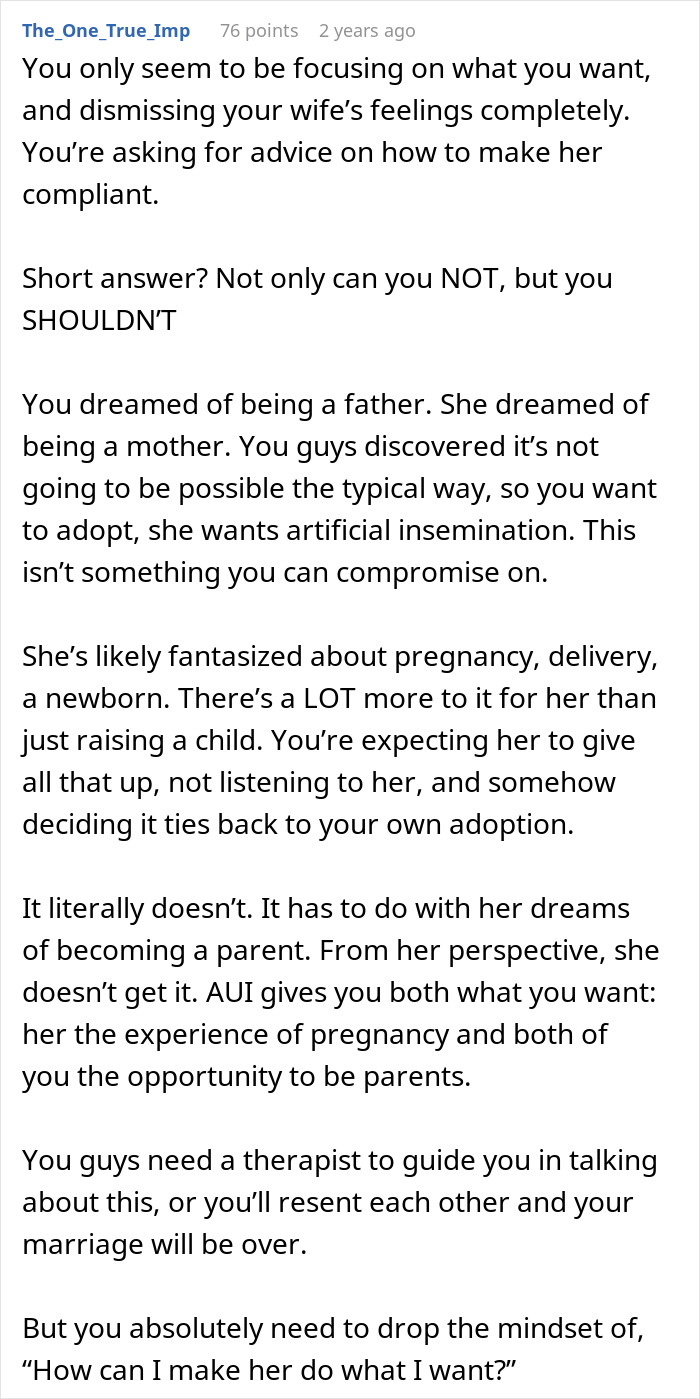
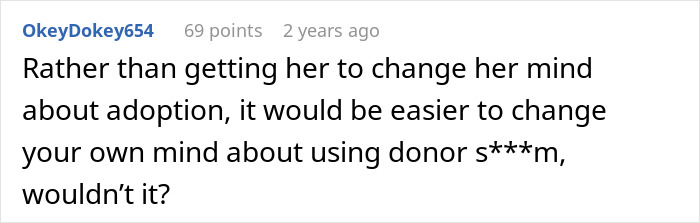
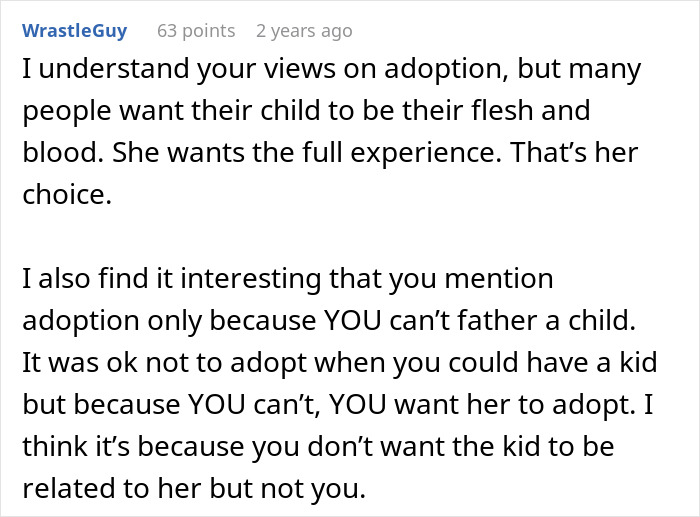
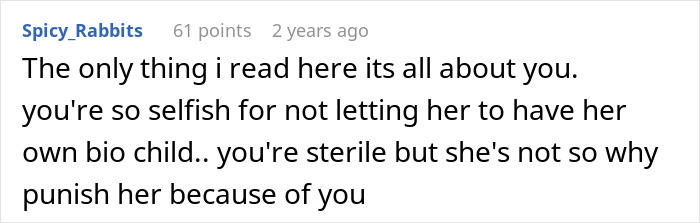
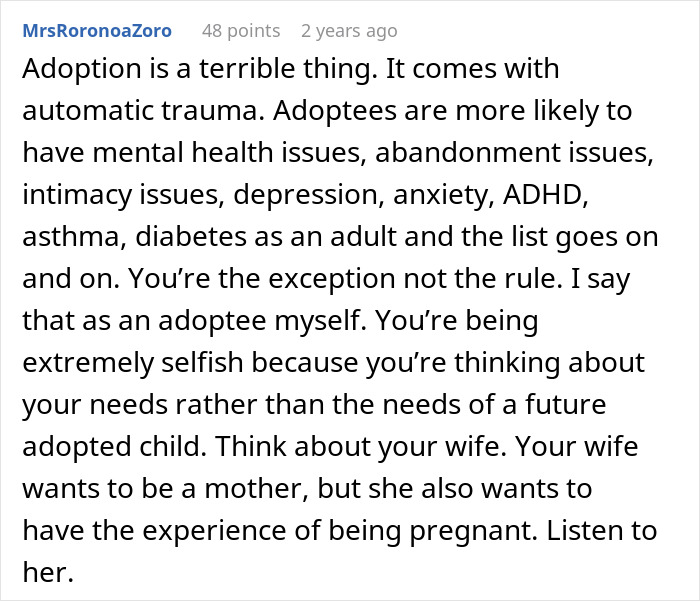
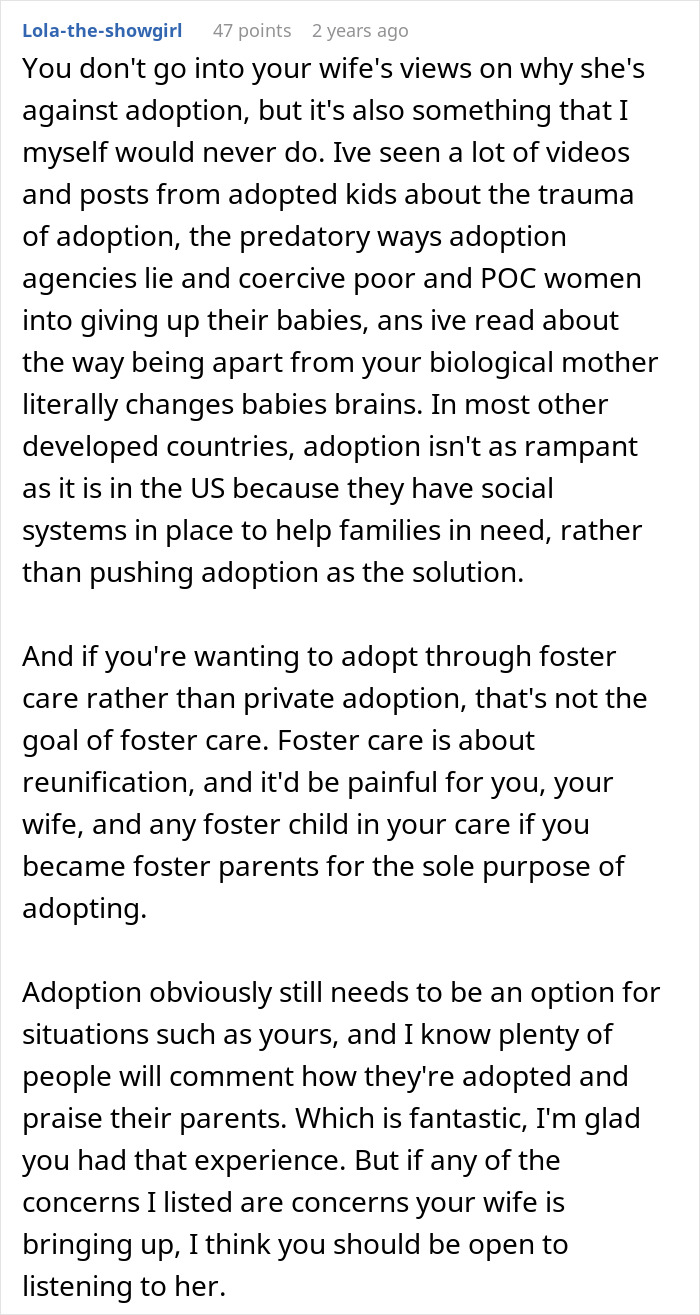
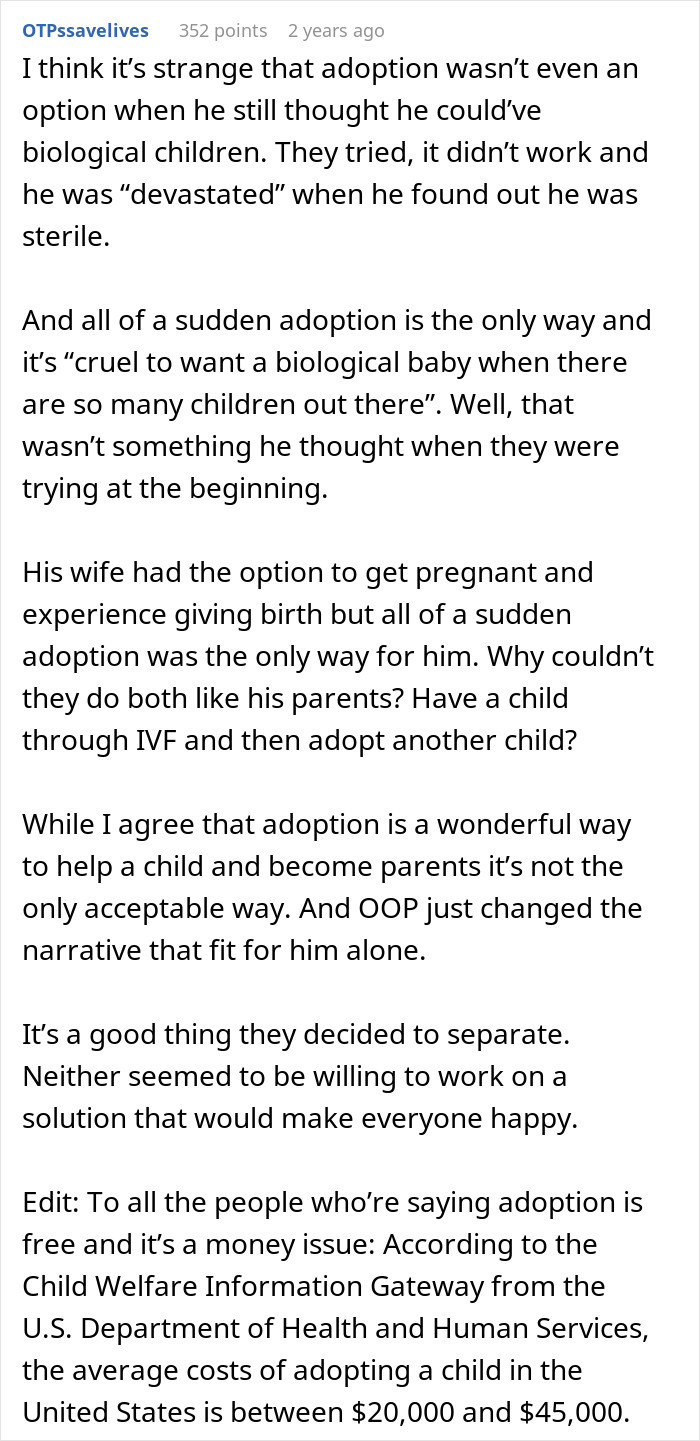
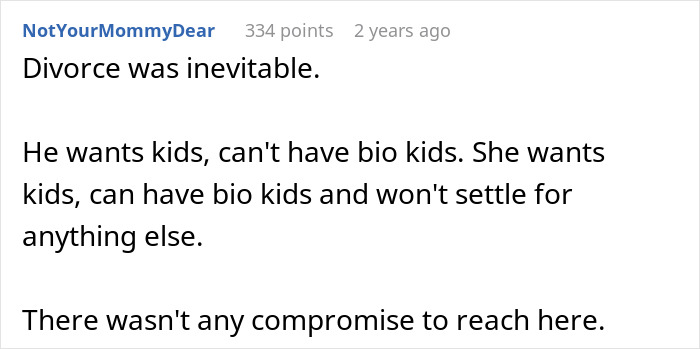
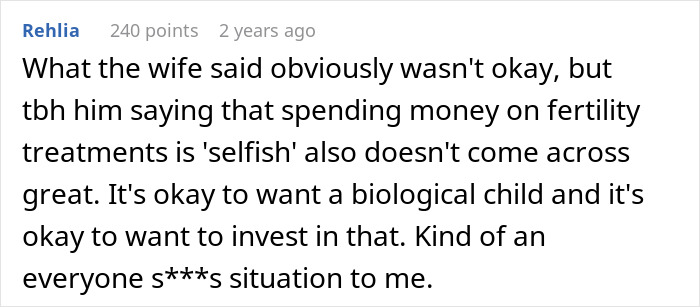
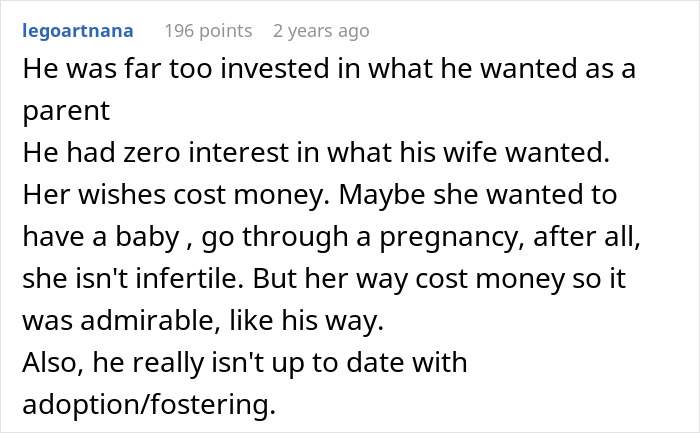
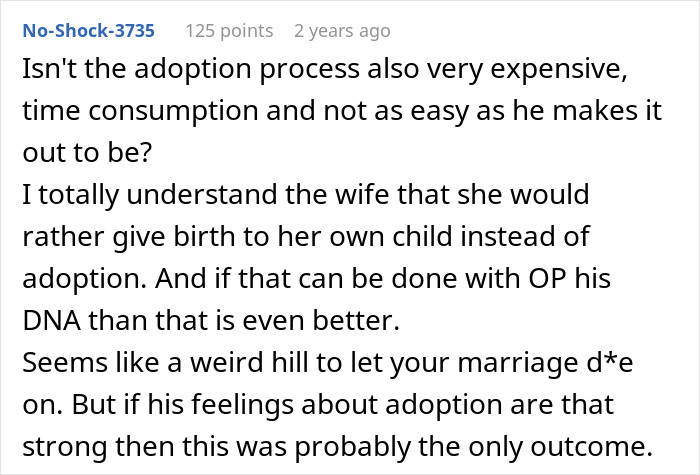
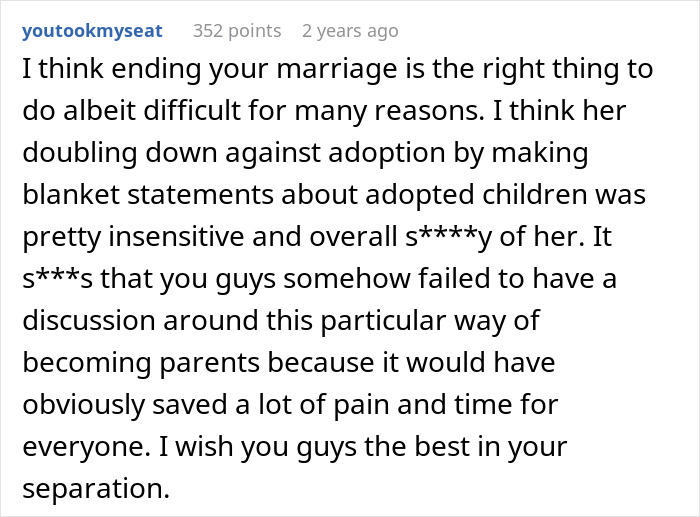
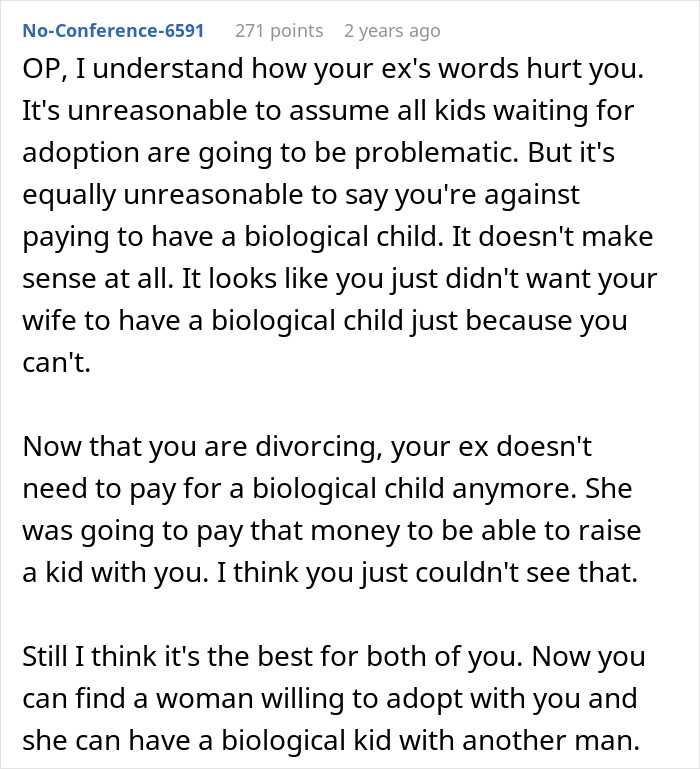
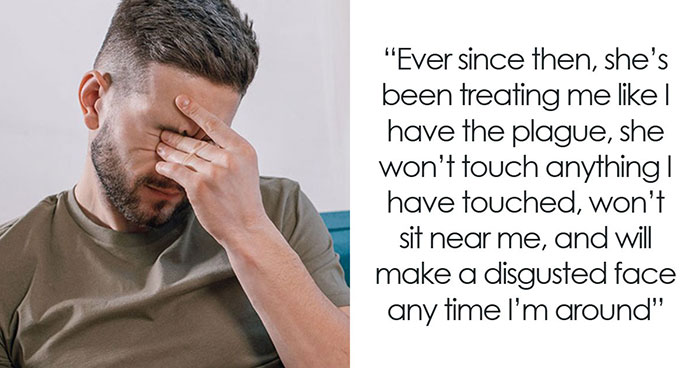
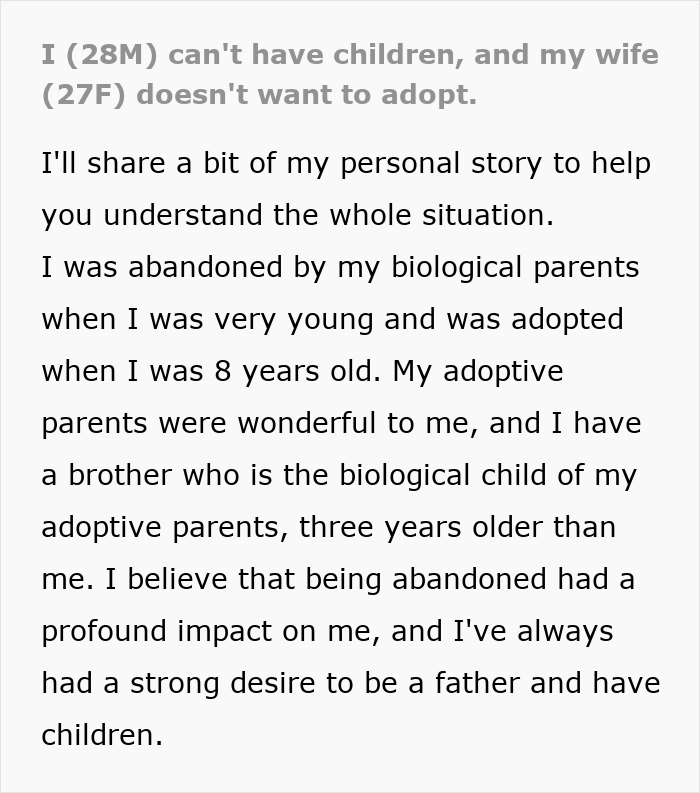
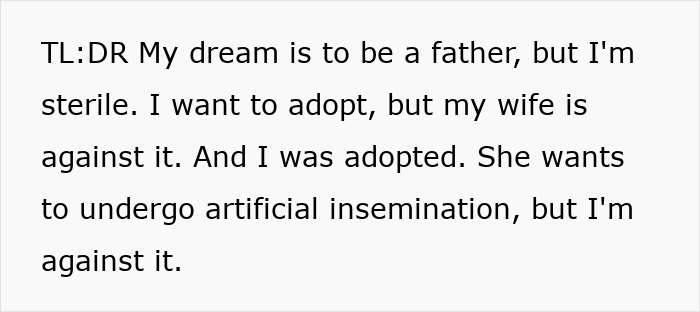
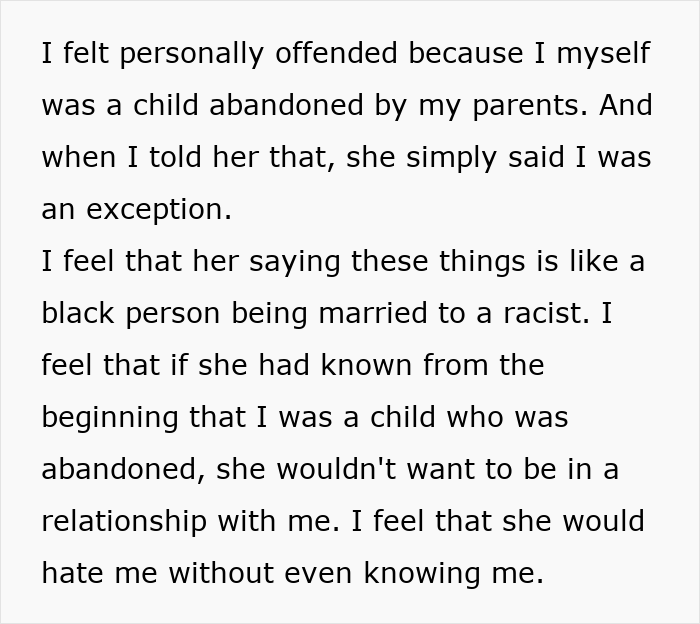
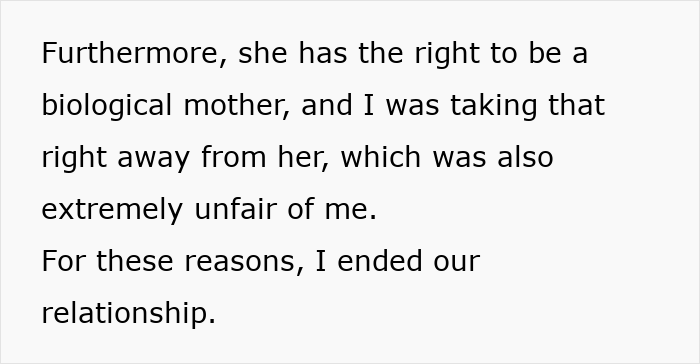
This couple couldn’t agree on what to do. Husband, being an adopted child himself, tried to convince his wife they should adopt. She wanted to do IVF, ignoring his concerns that the child wouldn’t biologically be his. But what shocked him most was her views on adoption in general, and after she revealed her opinion, he started questioning their entire relationship.
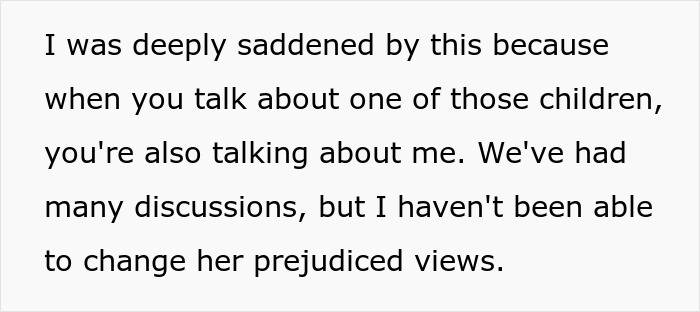
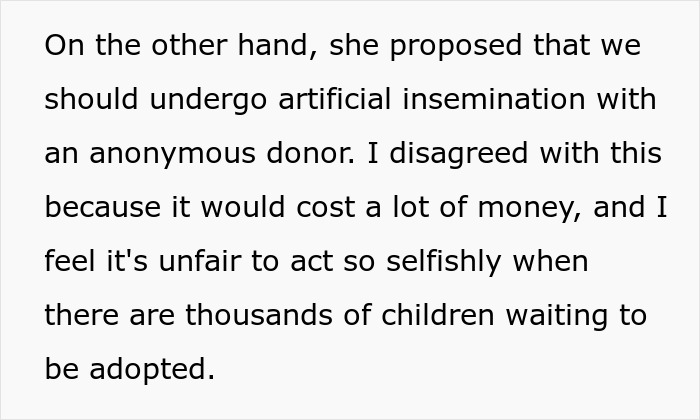
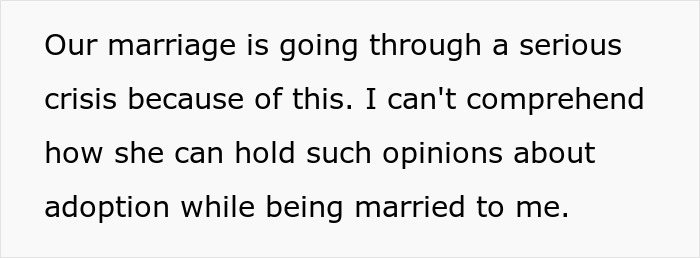
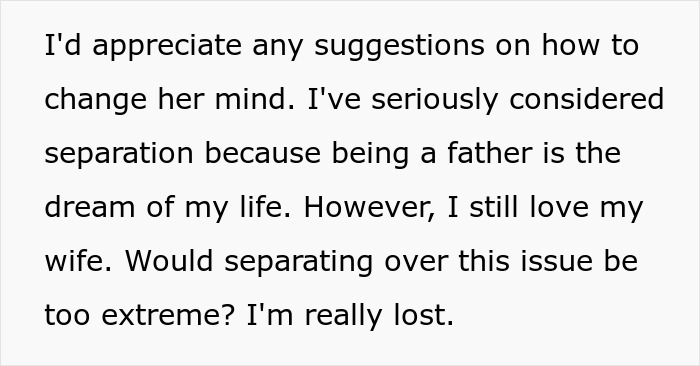
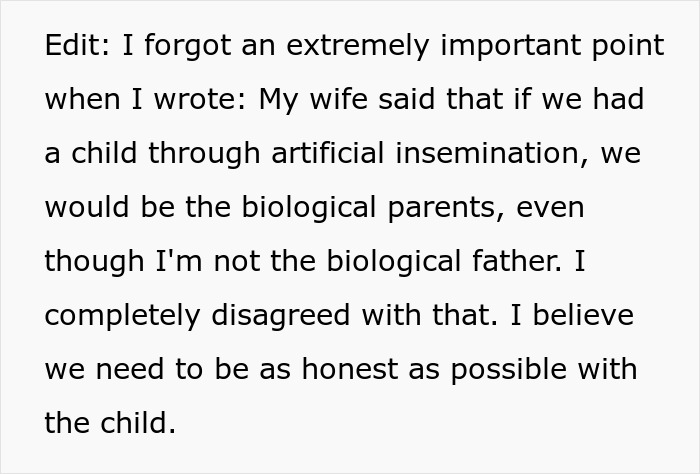
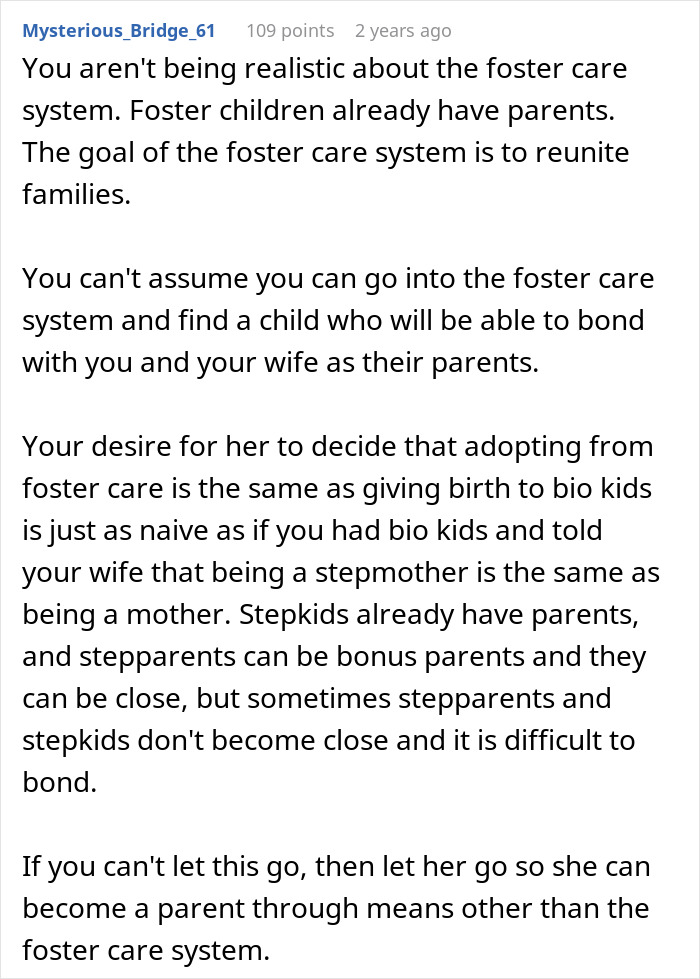
At first glance, adoption seems like an altruistic good deed that helps children get into families that will love and care for them. But not everyone holds that opinion. Some people look at adoption and adoptees with judgment, just like the wife in this story.
Although most Americans report feeling positively about adoption — 49%, according to a 2019 YouGov poll — few have actually considered adopting. Only 24% of survey participants said they are now in the process of adopting or have thought about it. Among the reasons why they don’t think about adoption, people mention the child having emotional or health needs they’re unprepared for, financial shortcomings, and wanting to be biologically related to their child.
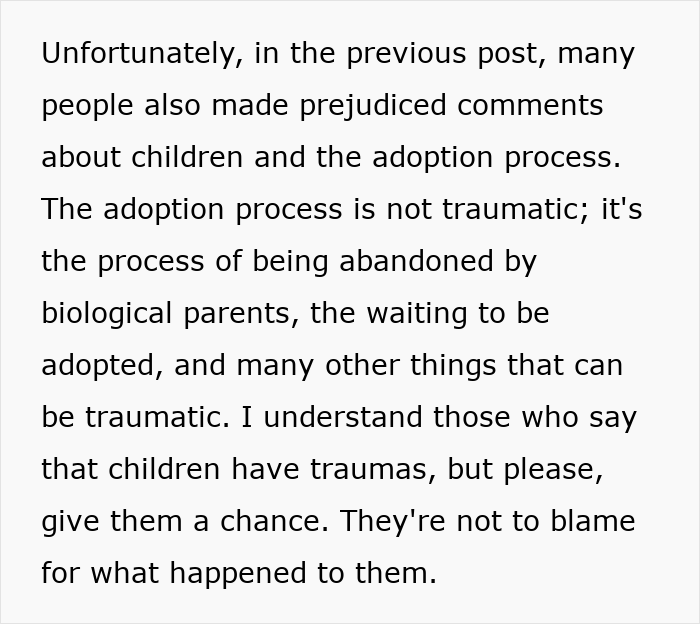
The worst part is that the children can feel that prejudice. According to a 2025 study, 35% of adopted children experience adoption-related stigma, and the most common sources of it are classmates, community, and extended family members.
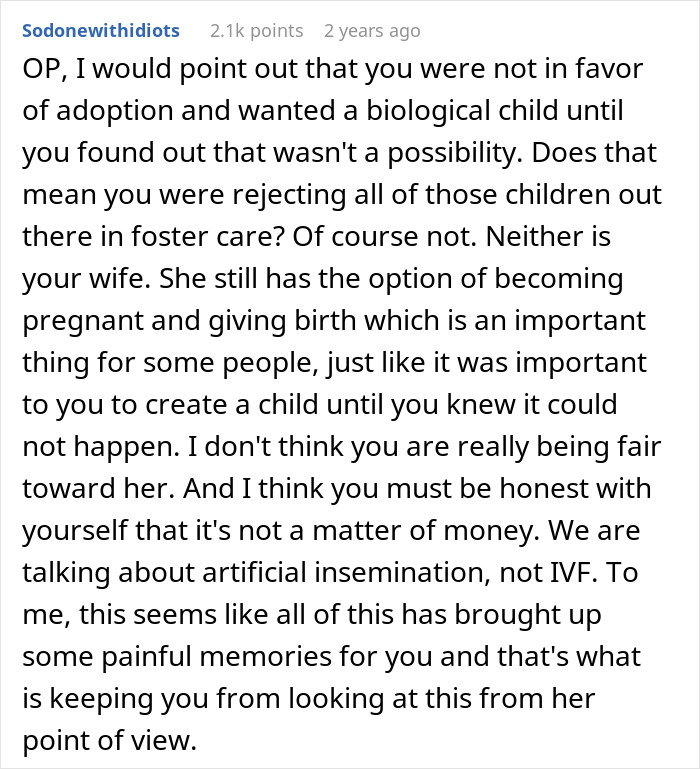
Researchers explain that for many couples, adopting is the “second best” option. As some commenters noted on this story, it was sort of the case for this husband as well. For many parents (and non-parents as well), a child that is not related to them by blood isn’t entirely their child.
In the Western world, bionormativity is the norm, the researchers write, and biological families are the ideal. Even stepparents, stepsiblings, and stepchildren don’t hold the same weight in value as biological ones. However, the reality is that biological parents can sometimes be worse for the child — that’s how many end up in the foster care system.
“Shared genes are not what build a family,” Nebraska Children’s Home Society writes. “Love, respect, commitment, loyalty, strength, and support are the foundations of a family. Families that do not share biological genes are real. Families that do share biological genes are real. All of these families deserve respect and support, point-blank.”
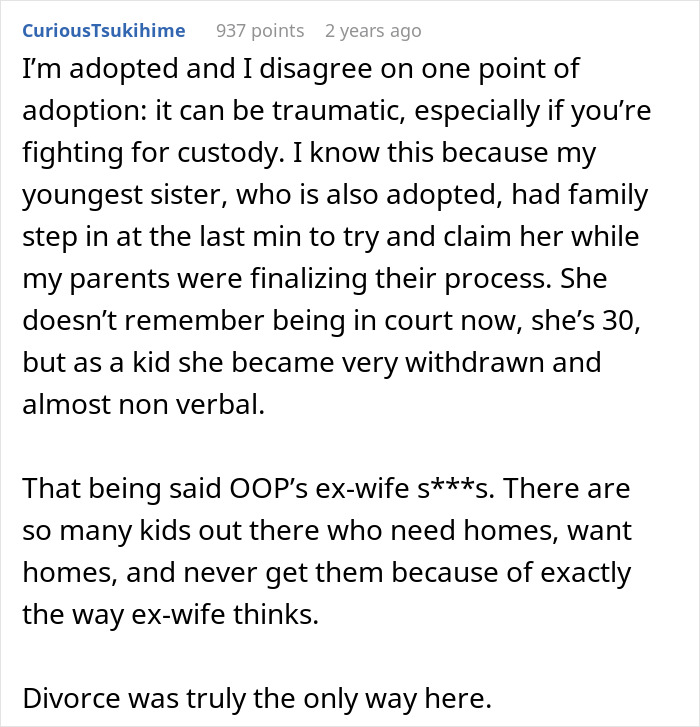
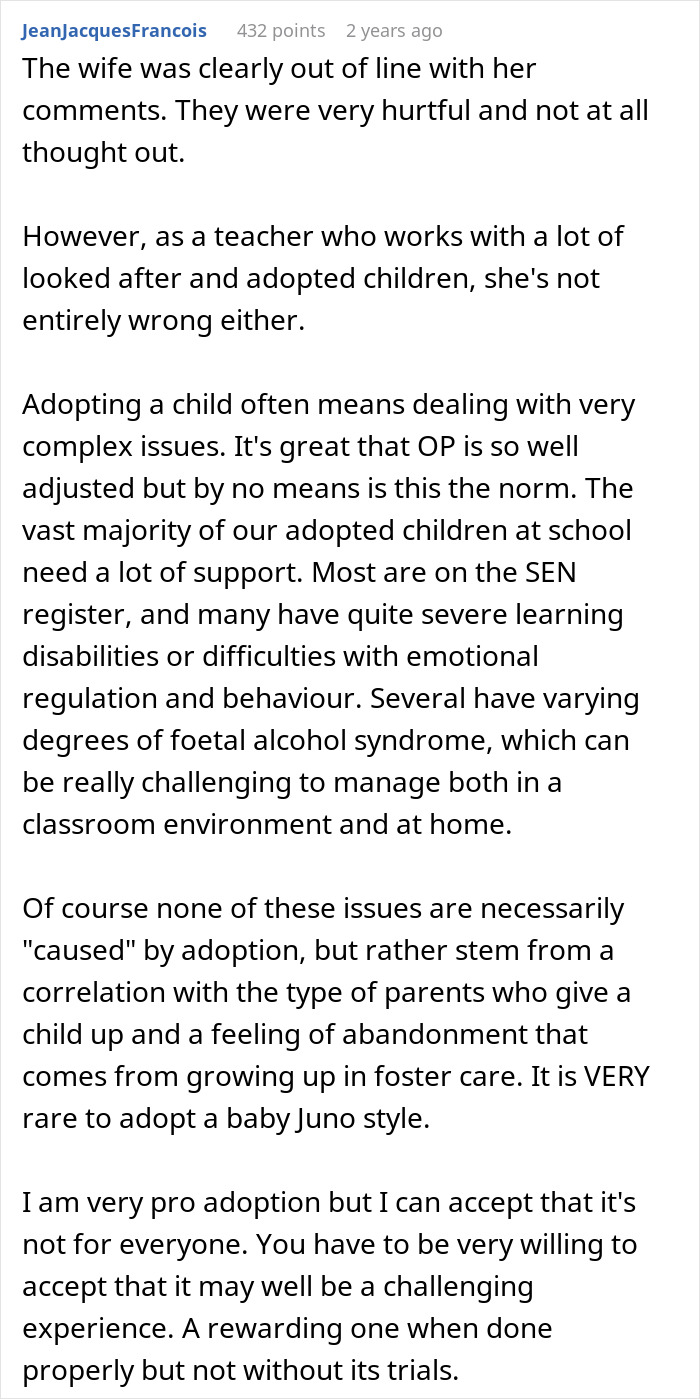
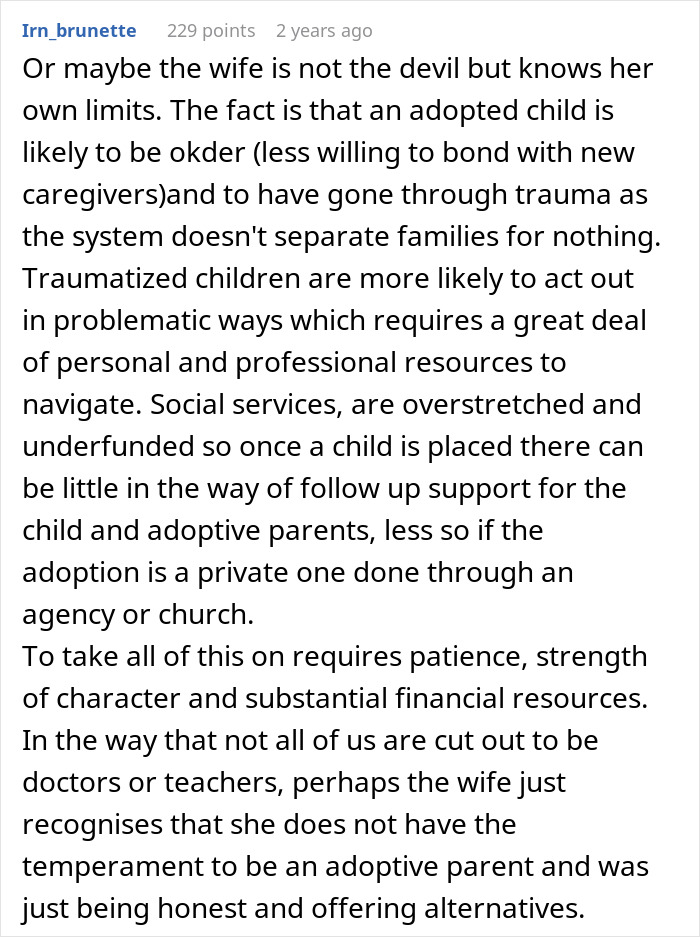
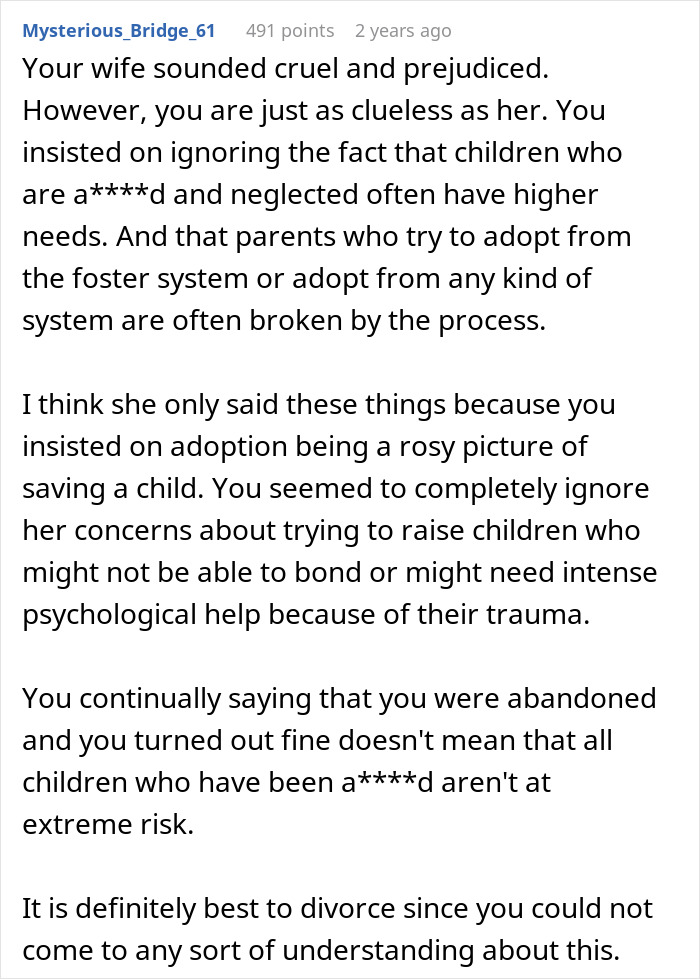
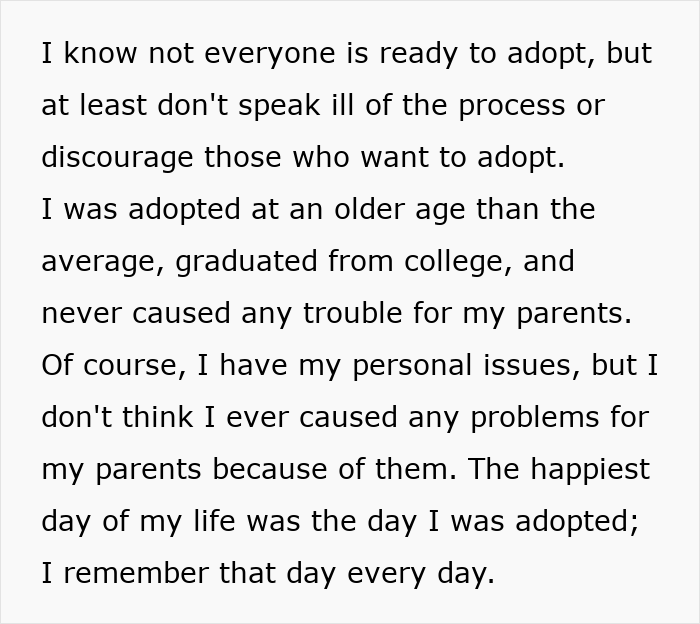
Kids in the foster system are sometimes viewed as “damaged goods,” sometimes having experienced years of trauma, mistreatment, and neglect. But years of research consistently show that the wife is wrong — adopted children are not lost causes. And if her husband isn’t enough of an example, there are studies to back that fact up.
While it’s true that some adoptees have some cognitive and social catching up to do after they get adopted, being accepted into a family is what allows them to lead fulfilling and productive lives and adjust to society properly. Research shows that adopted children are “more vulnerable to various emotional, behavioral, and academic problems than their nonadopted peers.”
However, researchers have called living in stable homes “a powerful corrective experience to early adversity.” Adoptive parents are more likely to seek professional help for the emotional, behavioral, and academic problems of their child than biological parents. That creates a referral bias — more cases of behavioral issues exhibited by adoptees are reported compared to non-adoptees, creating an illusion that they’re more “problematic,” as the wife in this story put it.
As adults, adoptees report similar or better levels of life satisfaction. According to a 2004 study, adoptees reported more similarities than differences to their friend groups. Another Dutch study found that adopted adults were even happier than the general Dutch population, and only 10% had negative feelings about adoption.




By entering your email and clicking Subscribe, you're agreeing to let us send you customized marketing messages about us and our advertising partners. You are also agreeing to our Privacy Policy.
Thank you! You've successfully subscribed to newsletters!



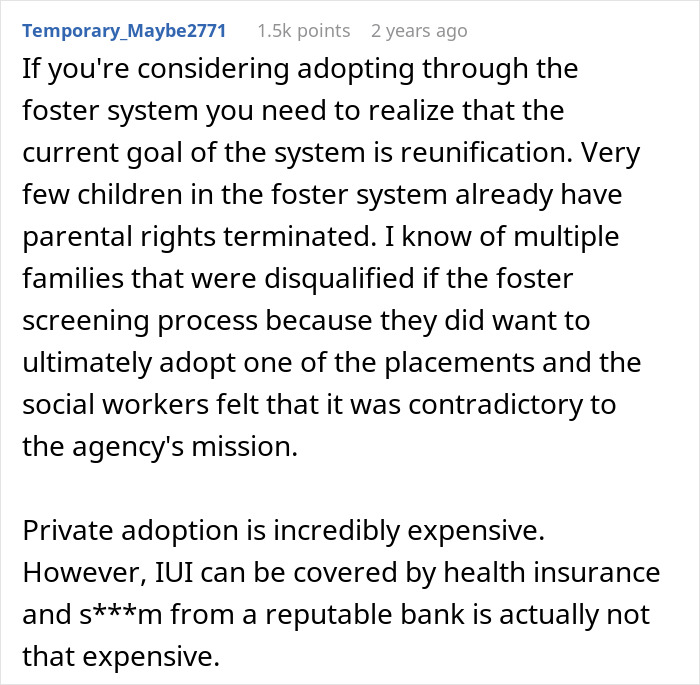
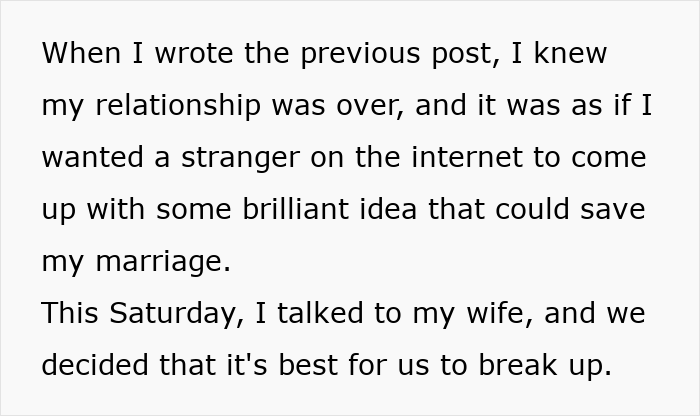
OP didn't want others' opinions, he wanted a way to sway his wife to his side.
OP didn't want others' opinions, he wanted a way to sway his wife to his side.



 No fees, cancel anytime






31
7