Get Premium
Dark mode theme is available exclusively for premium users. Learn more about the benefits of subscribing.
No fees, cancel anytime.

 Dark Mode Ad-Free Browsing Unlimited Content
 Ad-Free Browsing Unlimited Content Dark Mode
Join 1.2 million Panda readers who get the best art, memes, and fun stories every week!

Most conventional relationships have a sort of progression, from casual dating, to a more serious relationship, living together, then, often a proposal of some sort. It’s nice to think that one’s partner is ready for the next step because they are excited to be with you, but sometimes that’s just not the case.
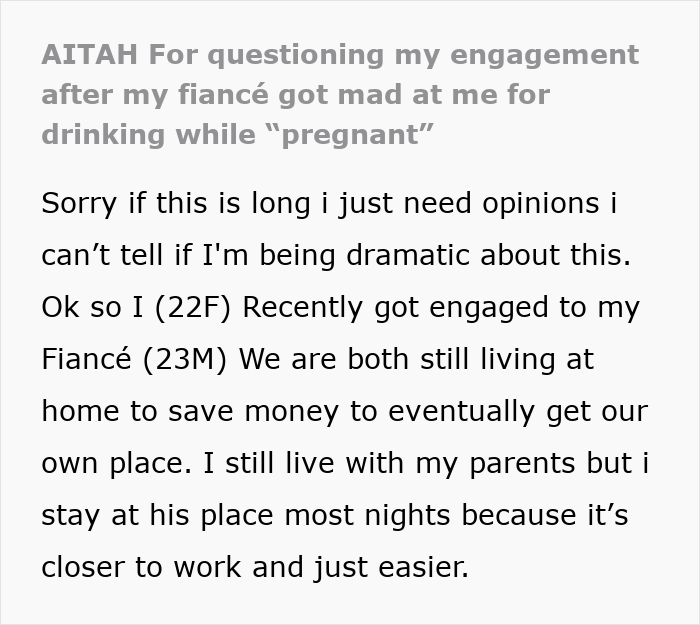
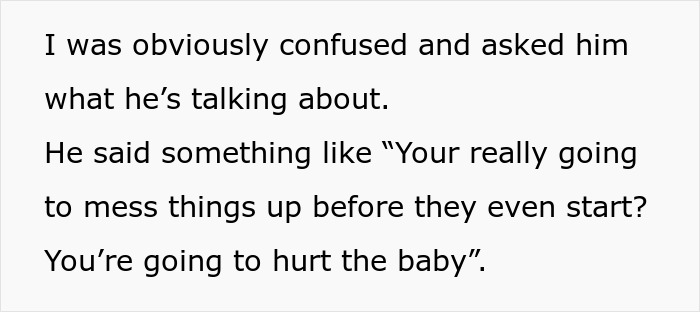
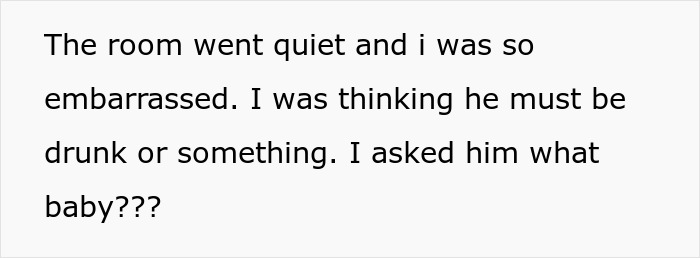
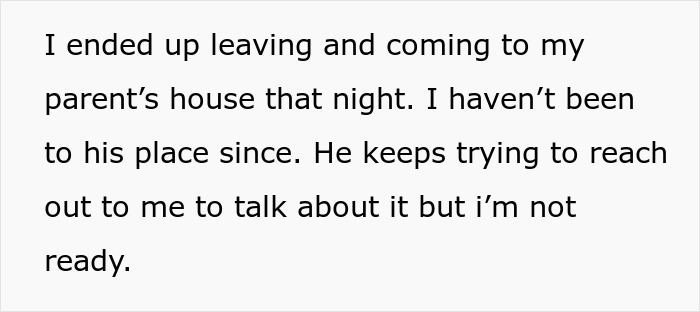
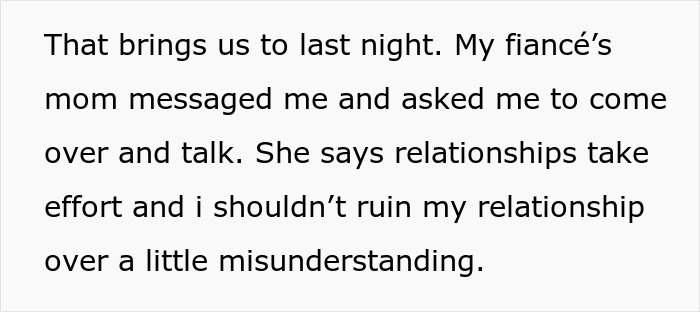
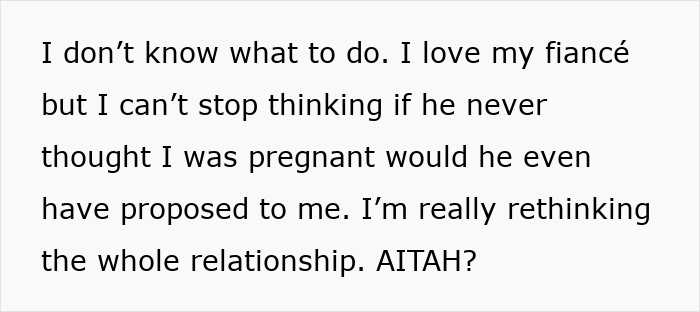
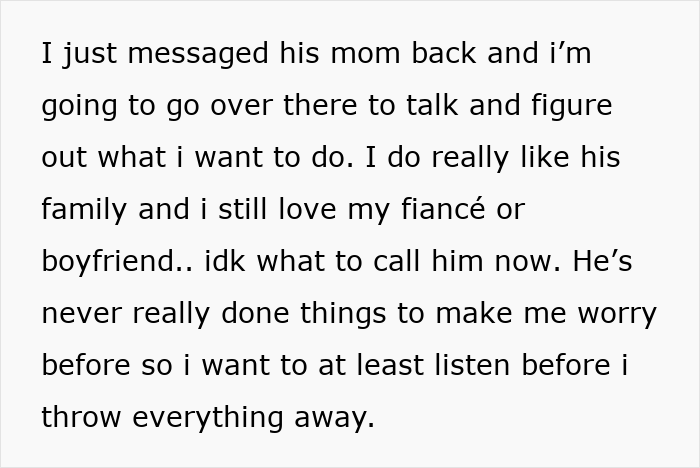
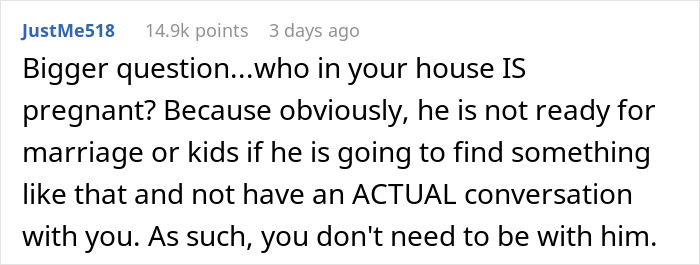
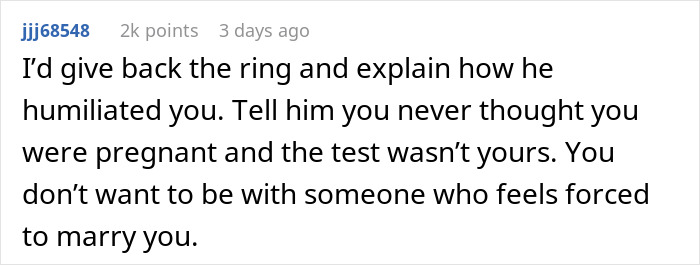
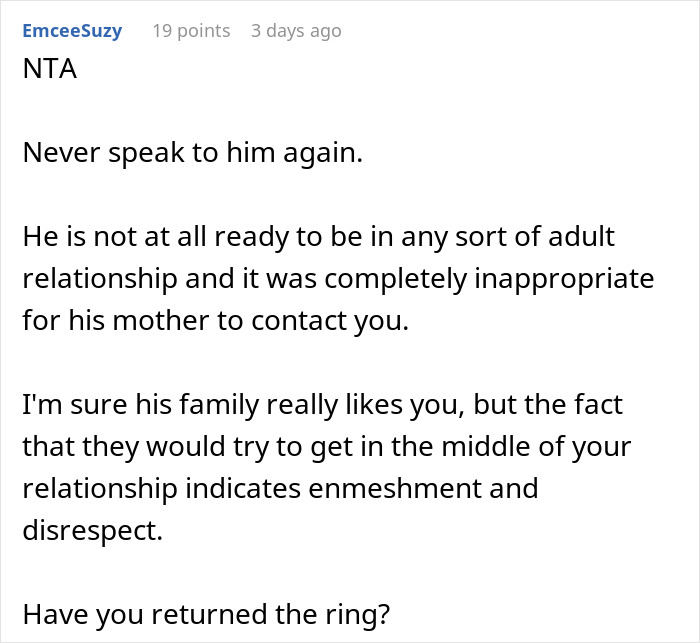
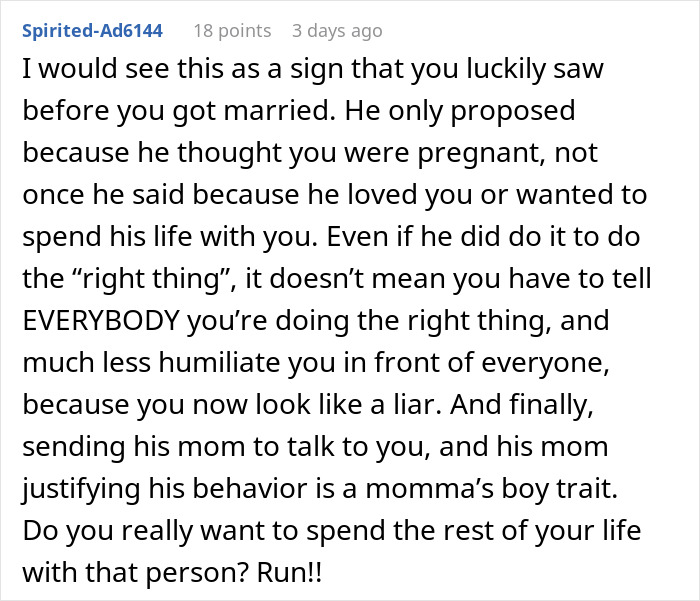
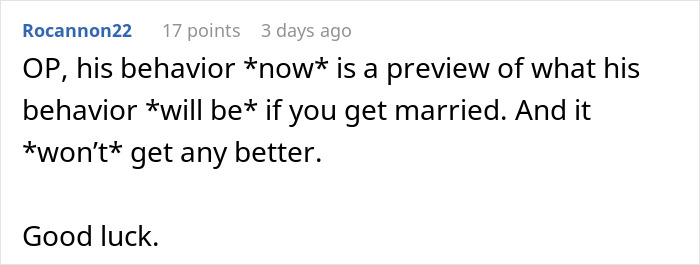
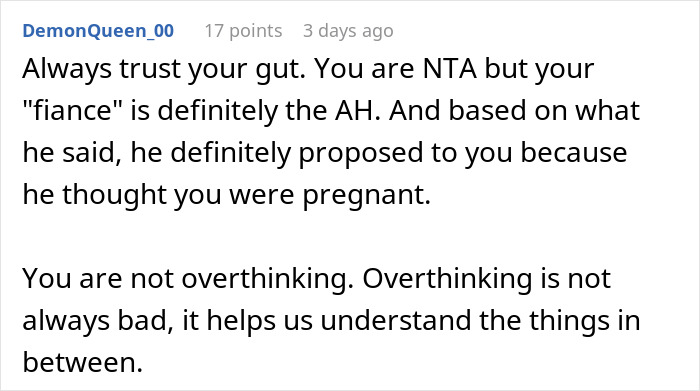
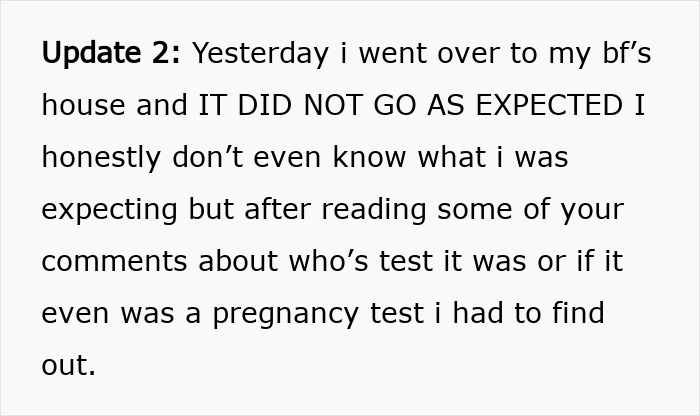
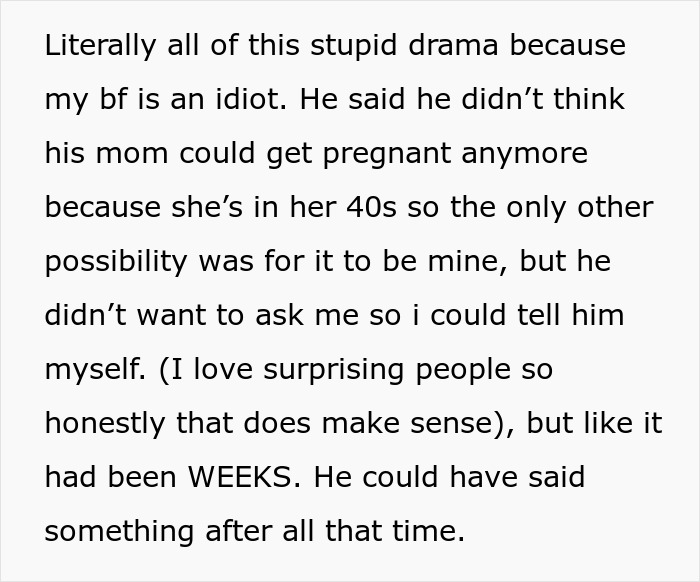
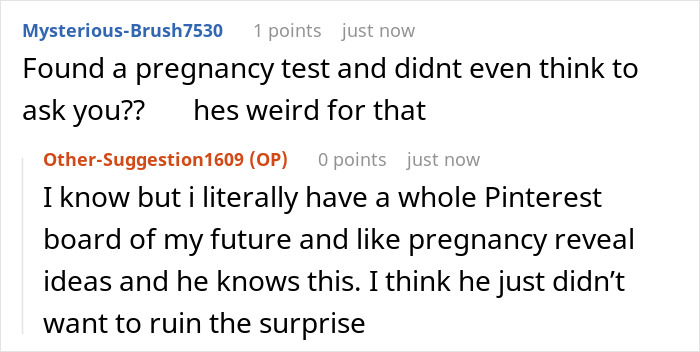
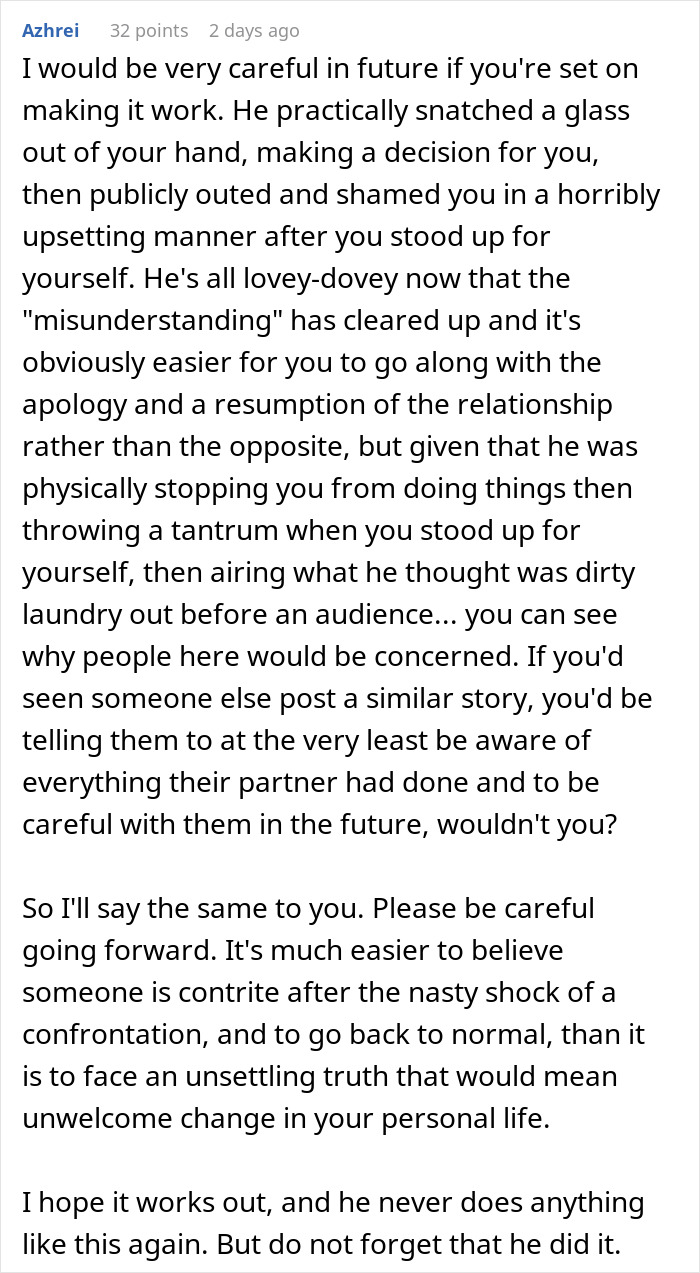
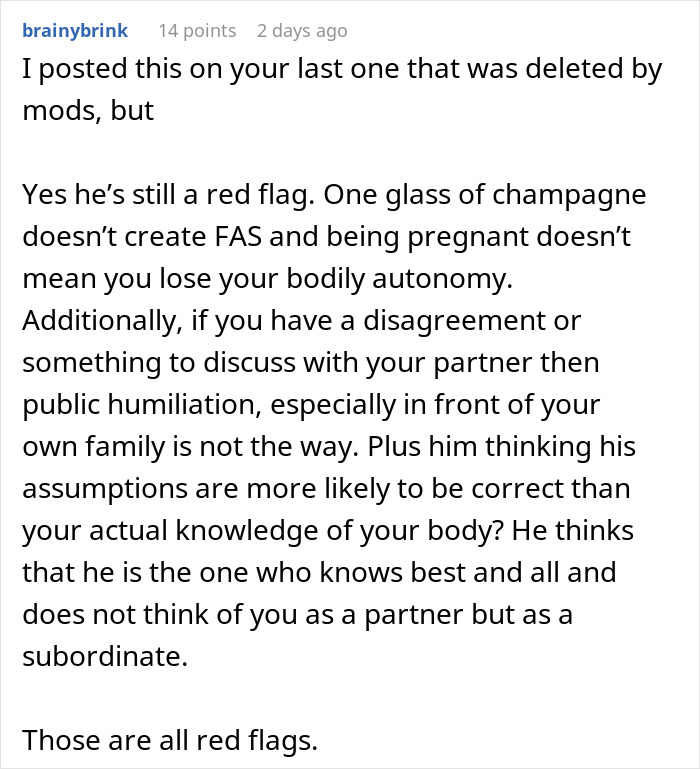
A woman asked the internet if she was wrong for rethinking her engagement and relationship when her fiancé called her out for drinking while pregnant. The catch? She wasn’t pregnant. She later shared a substantial update. We also reached out to her via private message and will update the article when she gets back to us.
Image credits: EyeEm (not the actual photo)
Image credits: EyeEm (not the actual photo)
Image credits: Other-Suggestion1609
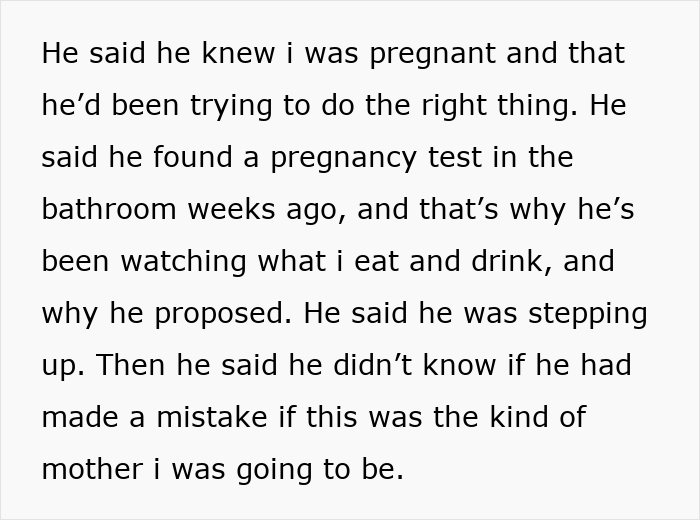
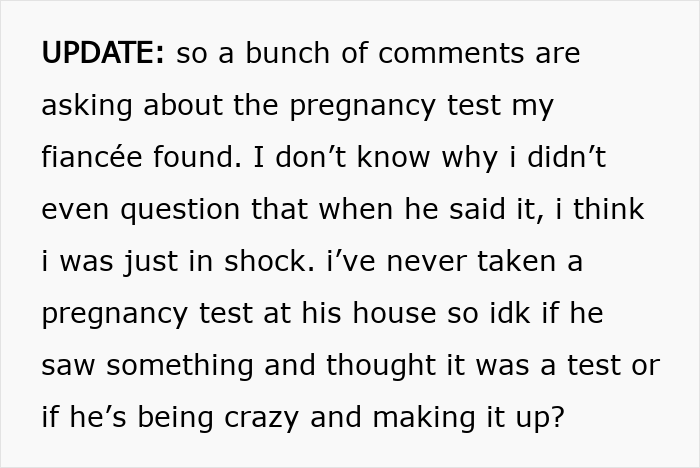
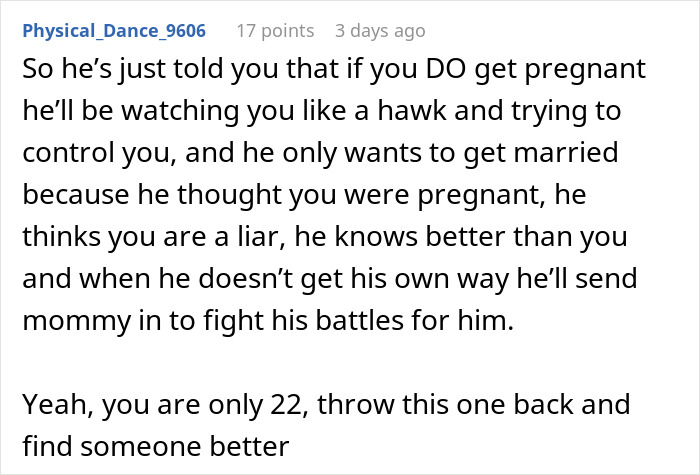
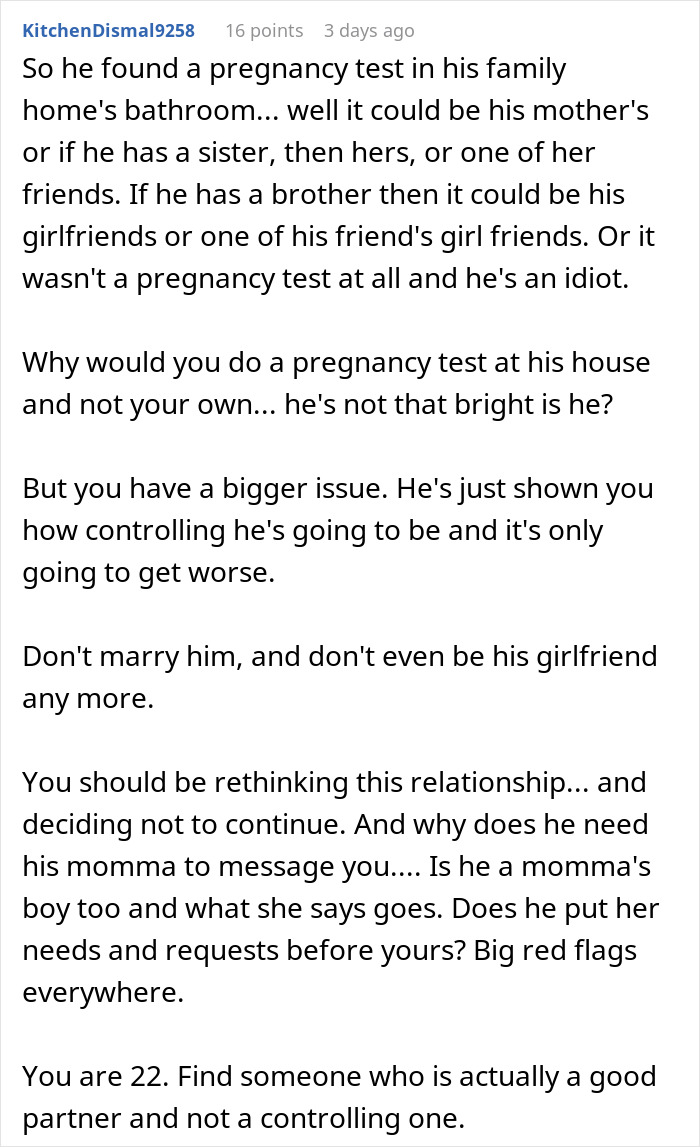
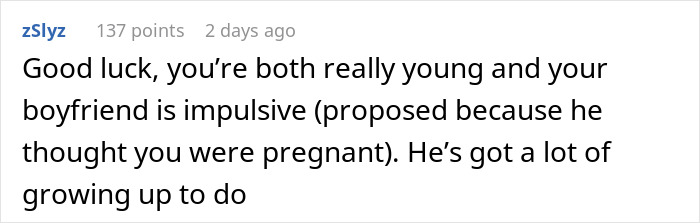
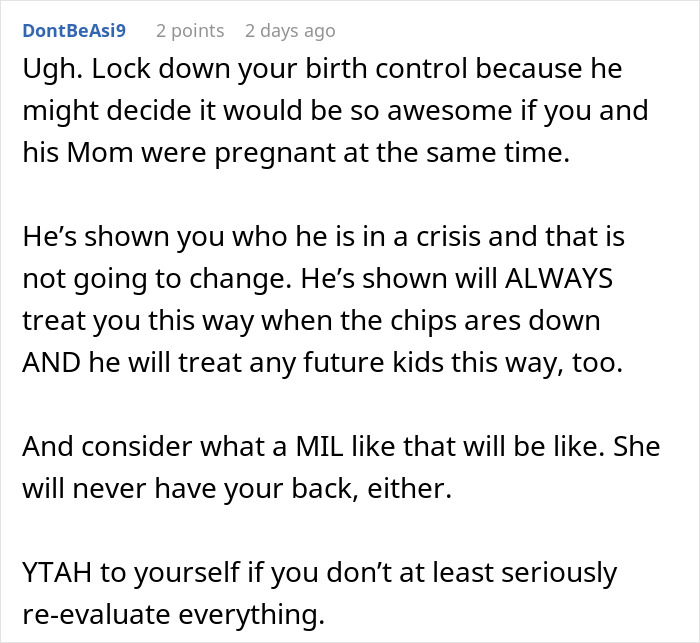
The transition from “dating” to “engaged” is supposed to be a milestone of mutual intent, but as this viral story illustrates, it can sometimes be a byproduct of a phenomenon social scientists call sliding versus deciding. Research by Dr. Scott Stanley and Dr. Galena Rhoades at the University of Denver suggests that couples who “slide” into major life transitions due to external pressures or perceived obligations, rather than making a deliberate, proactive choice, often face higher rates of marital distress. In this case, the fiancé didn’t propose because he felt the relationship had reached its natural peak of maturity, he proposed because he misinterpreted a bathroom discovery as a “positive test” and felt he had to “step up.” This is a classic example of a relationship foundation built on an external crisis rather than internal compatibility. When a commitment is triggered by a “phantom pregnancy” rather than a shared vision of the future, the stability of that bond is statistically much more fragile.
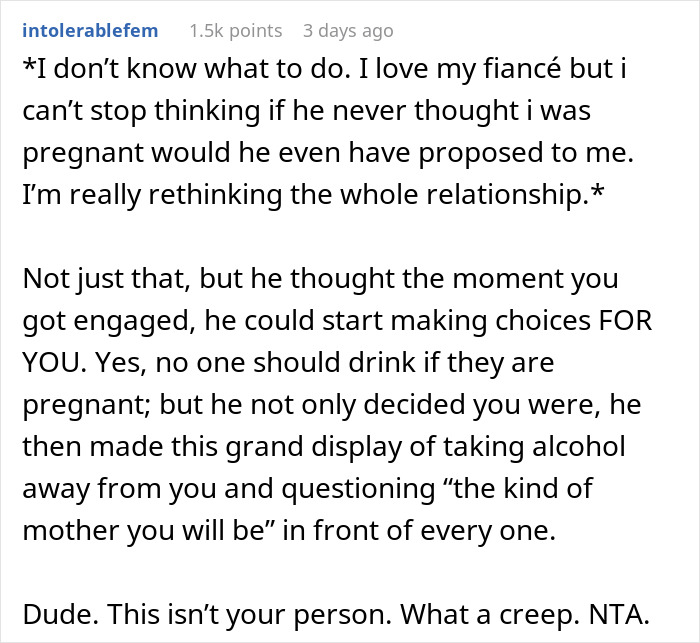
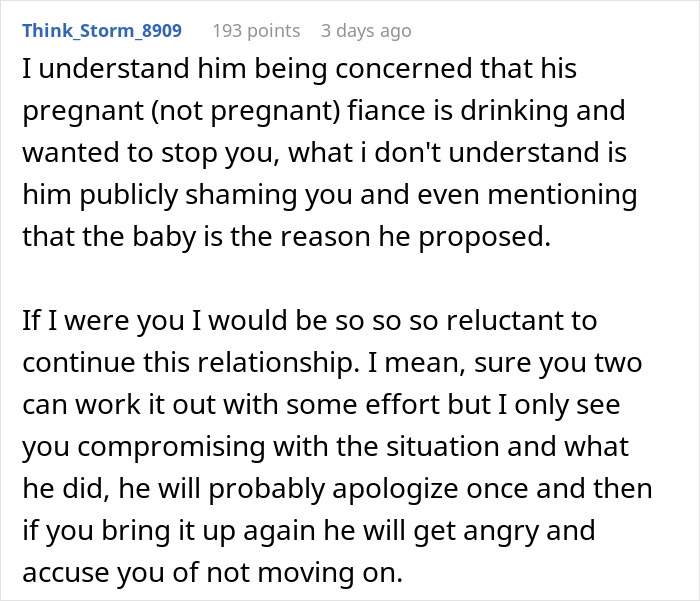
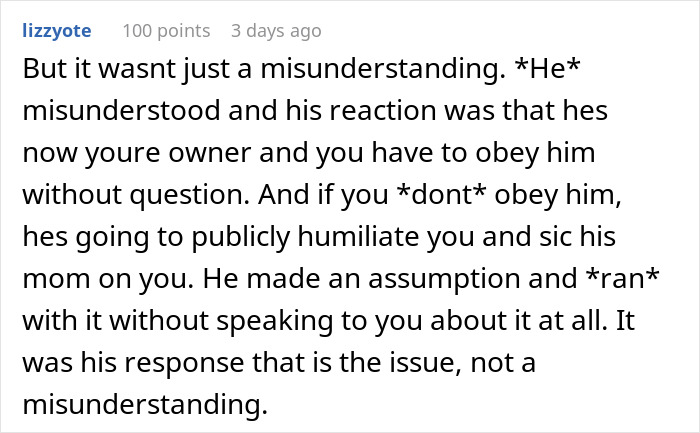
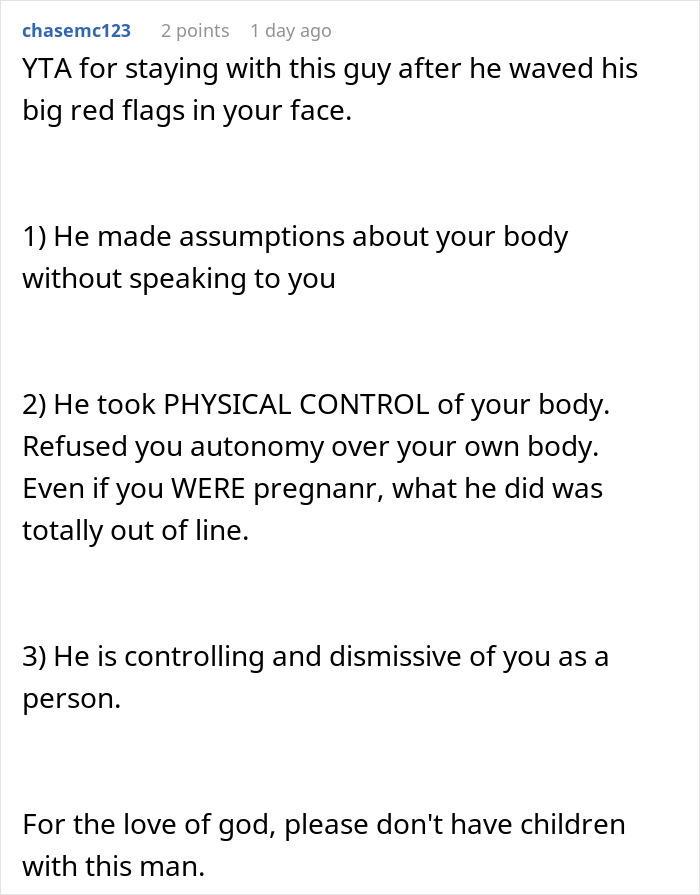
Beyond the motivation for the proposal, the fiancé’s behavior on New Year’s Eve provides a textbook look at what Dr. John Gottman calls the Four Horsemen of the Apocalypse, specifically Contempt and Criticism. When he publicly shamed his partner, calling her “reckless” and questioning what kind of mother she would be, he wasn’t just expressing a concern, he was attacking her character. According to Gottman’s decades of research, contempt, the feeling that one partner is superior to the other, is the single greatest predictor of divorce.
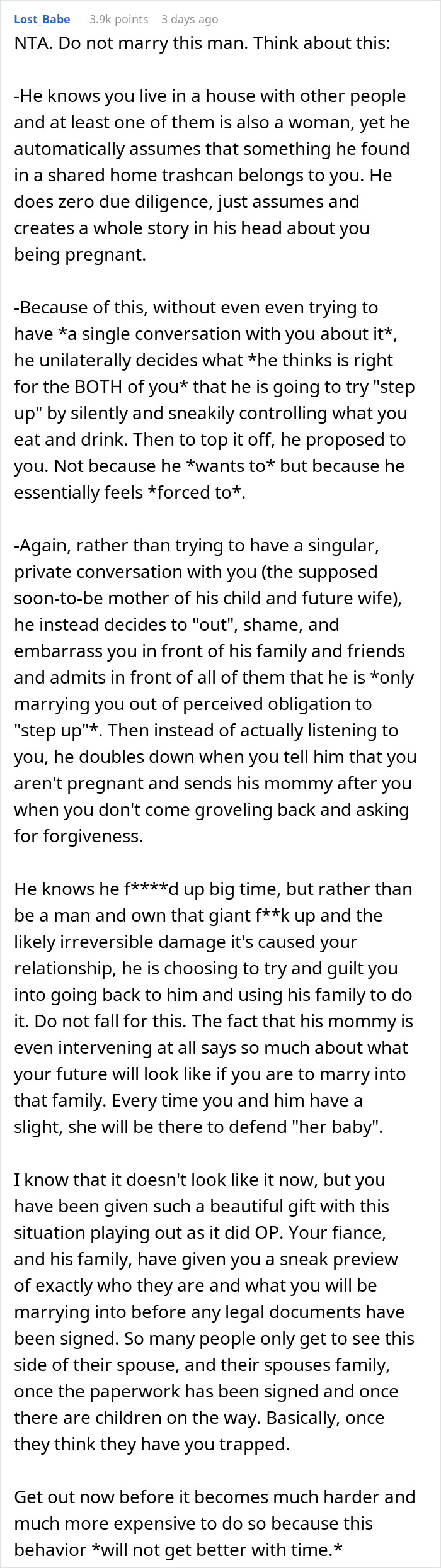
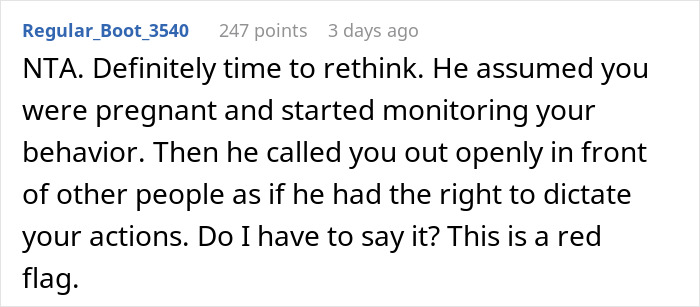
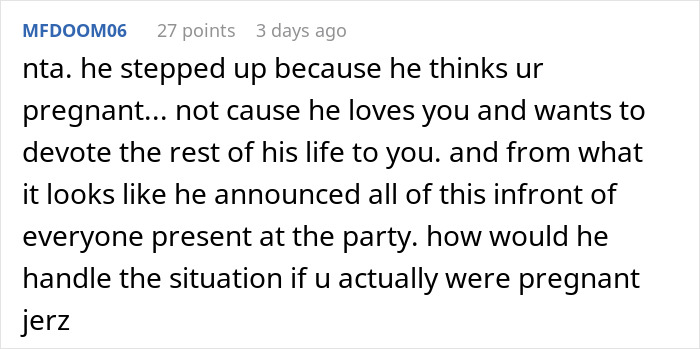
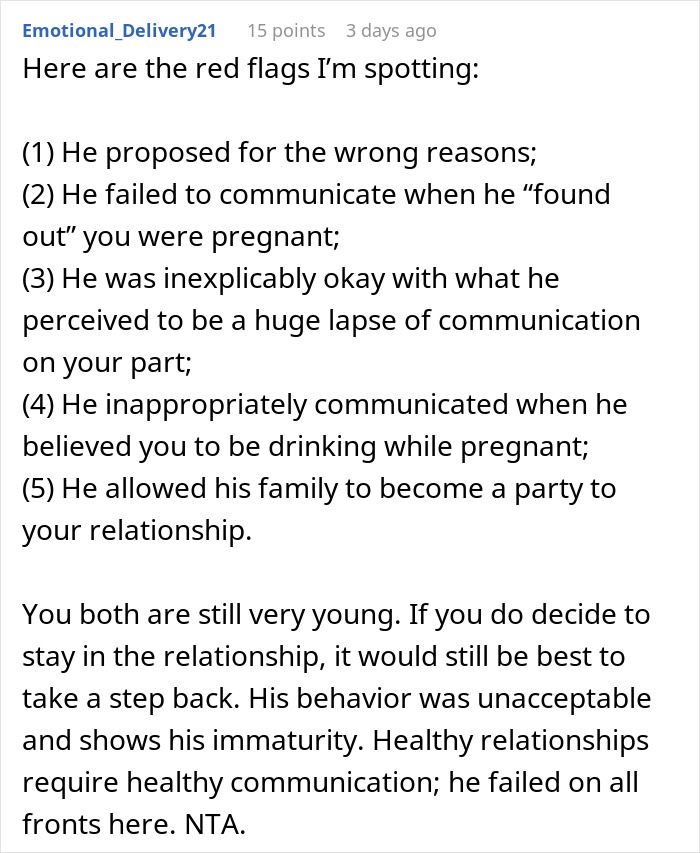
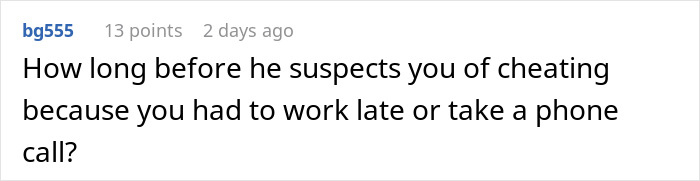
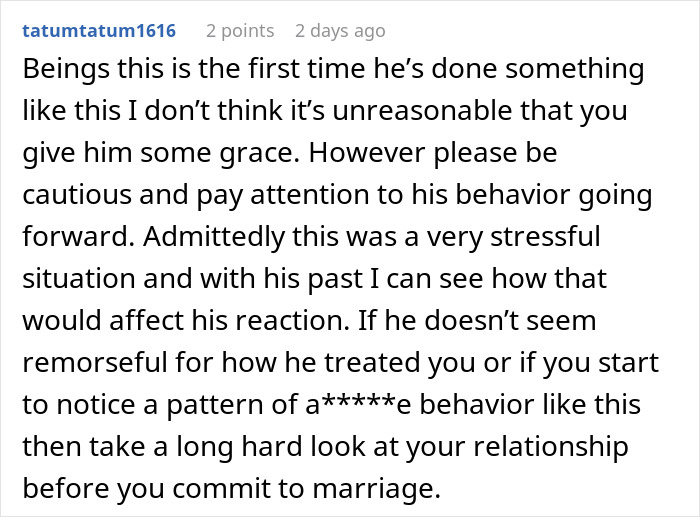
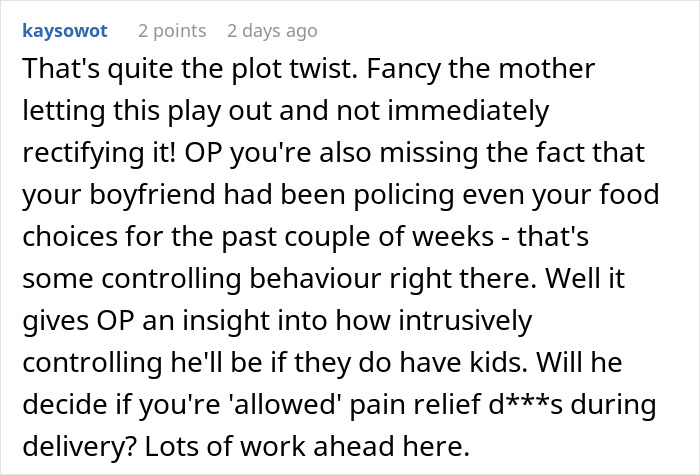
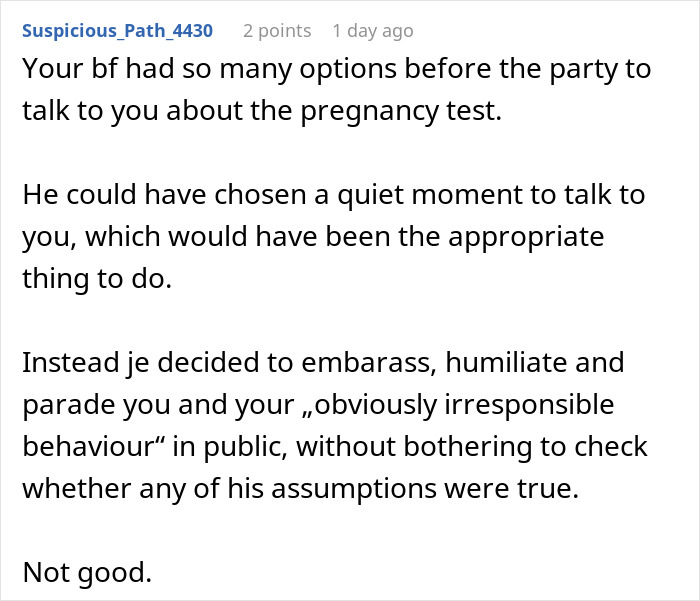
By launching a weeks-long “surveillance state” on her diet and then airing his grievances in front of his extended family, the fiancé bypassed the essential component of emotional safety. A healthy partner addresses concerns privately and with empathy, they do not use an audience to enforce their will or “correct” a partner’s behavior through humiliation.
Image credits: freepik (not the actual photo)
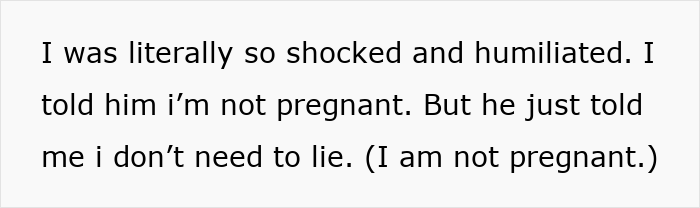
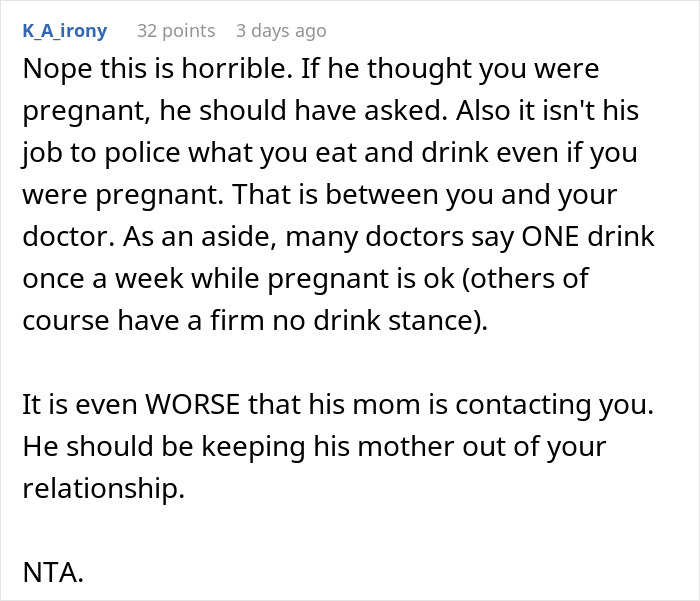
Furthermore, this story highlights a total breakdown in Perceived Partner Responsiveness (PPR), which is a psychological term for how much we believe our partner understands, values, and supports us. When the woman told her fiancé she wasn’t pregnant and he responded by telling her “not to lie,” he effectively severed the trust bond. Studies on relational trust emphasize that for a partnership to survive, both people must believe the other is an “honest broker” of reality. If a partner prefers their own fabricated narrative over your explicit truth, they are engaging in a form of cognitive distortion that makes collaborative problem-solving impossible. The fact that he spent weeks monitoring her without her knowledge is a major violation of the transparency and honesty required for a marriage.
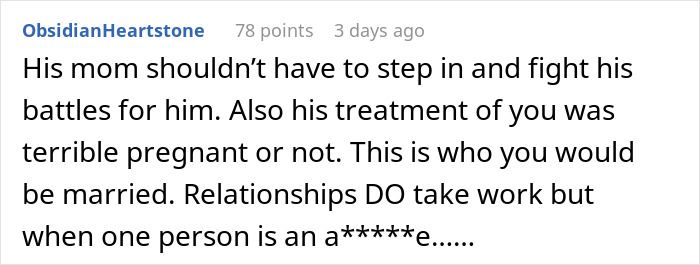
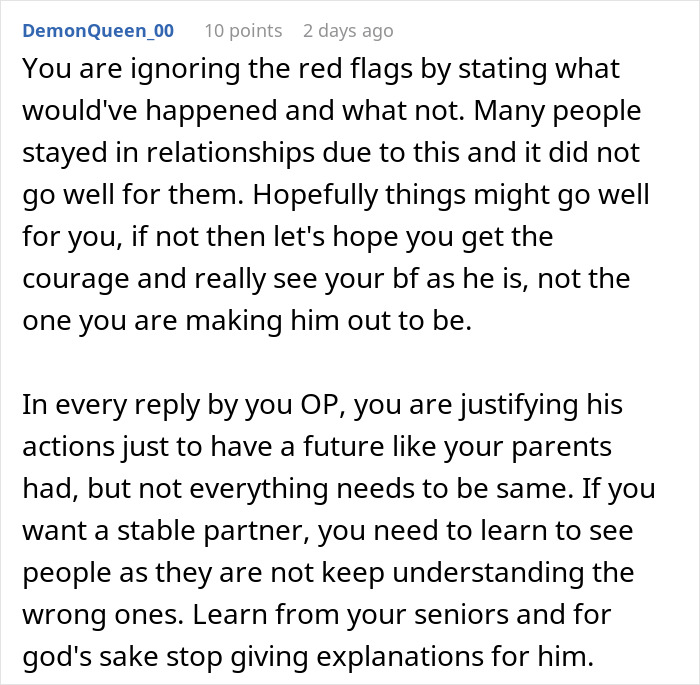
The intervention of the Mother-in-Law, framing the event as a “little misunderstanding,” introduces the issue of differentiation of self. In family systems theory, differentiation is the ability to maintain your own emotional identity while staying connected to your family. A healthy fiancé would have apologized profusely for his own lack of communication, instead, he seems to be hiding behind his mother’s attempts to smooth things over. When a parent minimizes a significant breach of trust as mere “effort” required for a relationship, they are often encouraging the victim to overlook red flags of controlling behavior. For a 22-year-old woman, the question isn’t just about whether she can forgive a mistake, but whether she wants to be tied to a family system that prioritizes “keeping the peace” over truth and respect.
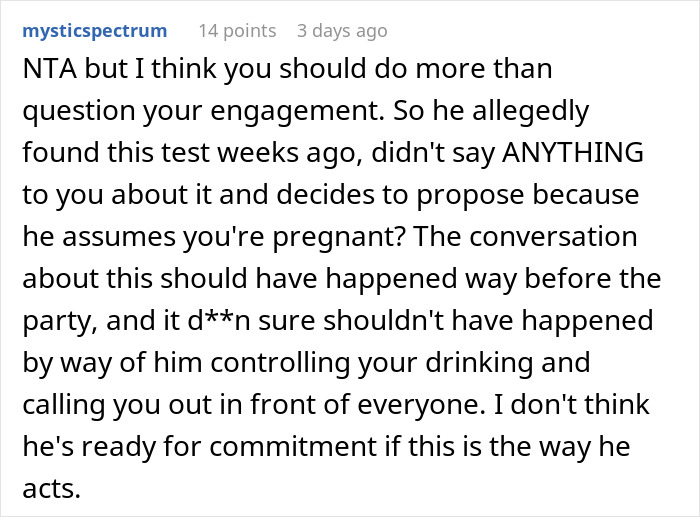
Evaluating whether this relationship is a “lost cause” requires looking at the fiancé’s capacity for self-reflection. If he continues to insist he was “doing the right thing” despite being objectively wrong and publicly cruel, the prognosis is poor. Studies on conflict resolution in young adults show that the ability to take responsibility for one’s actions is a key indicator of long-term success. If he cannot acknowledge that his secret surveillance and public shaming were abusive and unnecessary, he is likely to repeat these patterns. Loving someone is rarely enough to bridge the gap if there is a fundamental lack of respect for a partner’s autonomy.
Image credits: freepik (not the actual photo)
Image credits: freepik (not the actual photo)
Image credits: freepik (not the actual photo)
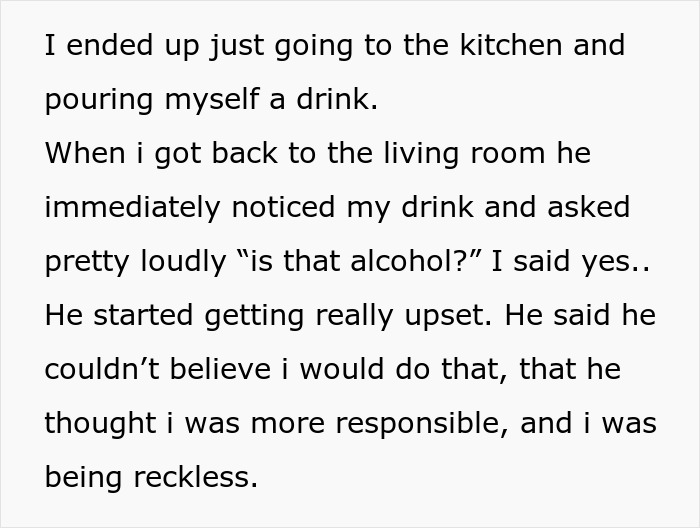
Image credits: Other-Suggestion1609

By entering your email and clicking Subscribe, you're agreeing to let us send you customized marketing messages about us and our advertising partners. You are also agreeing to our Privacy Policy.
Thank you! You've successfully subscribed to newsletters!


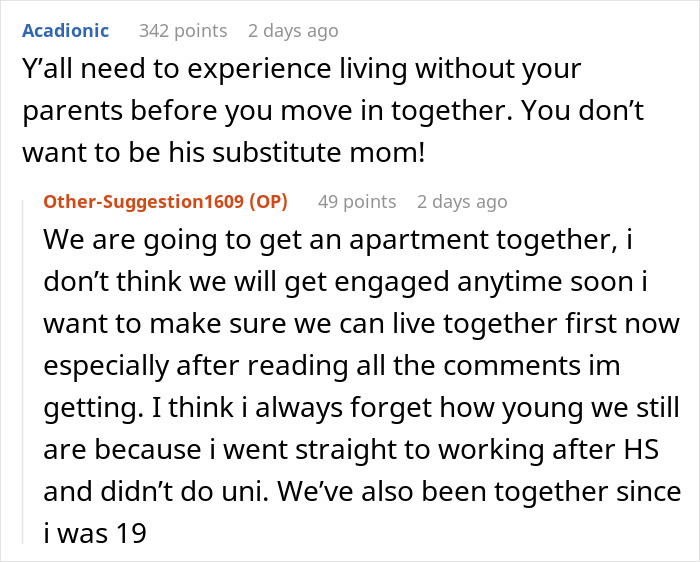
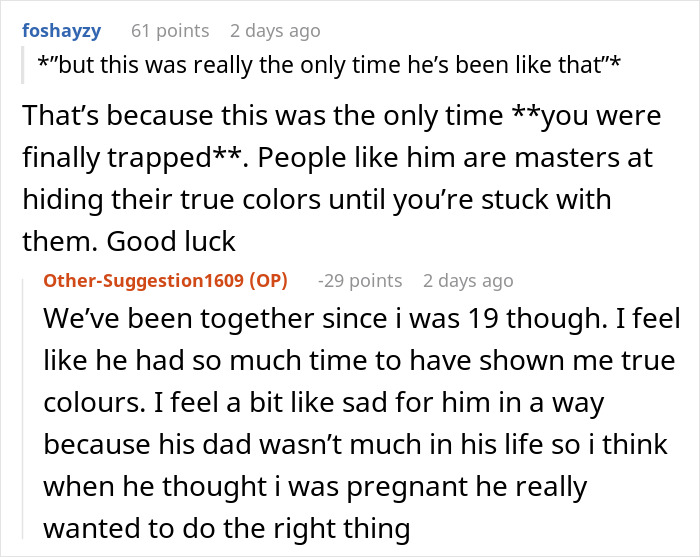
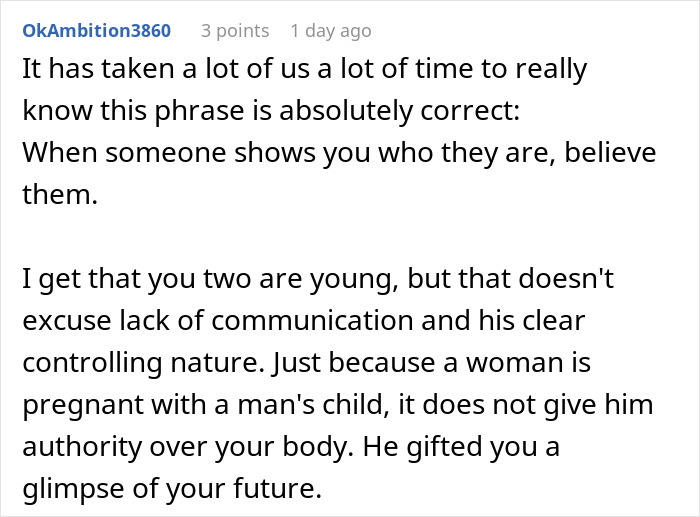
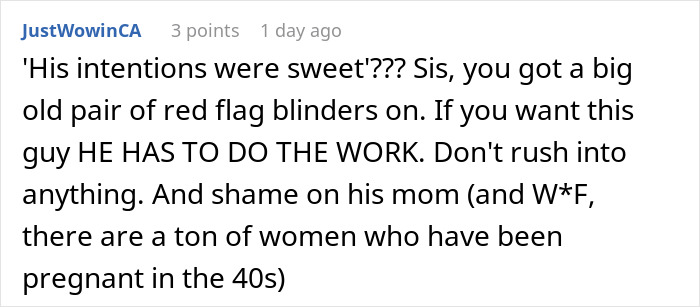
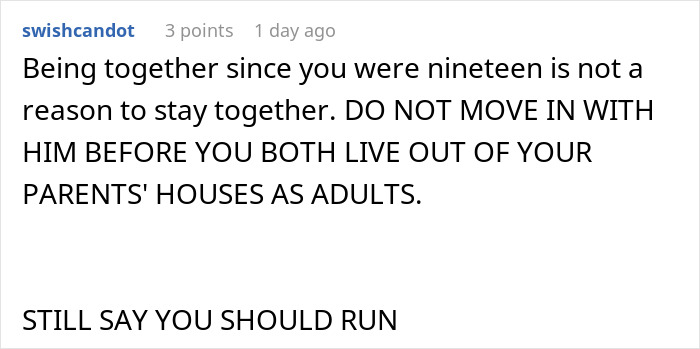
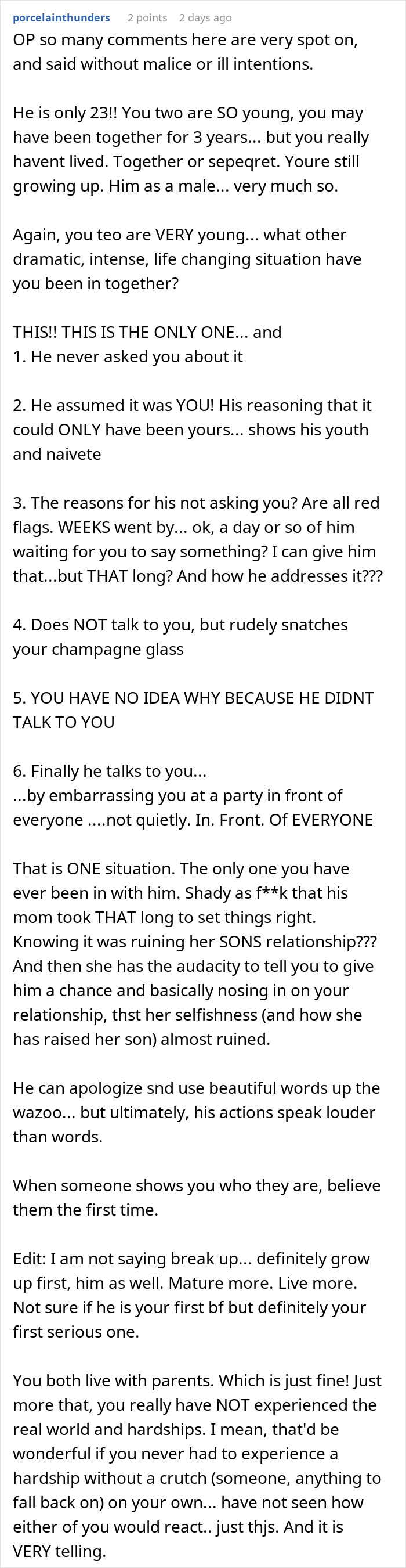
OP, aged 22: "But we've been together since I was 19! He's had so much time to show me his true colors!" --- oh, you sweet summer child.


If there ever was a time for, "Oh you sweet Summer Child..." THIS IS IT. **Why was he rooting around in the garbage to begin with? *** This is the only time he's acted like this, [NO this is the FIRST time you've seen it, and there will be plenty more.] *** We've been together since we were 19*** OK, this is where I step back and realize people have to make their own mistakes.

Wasn’t this terribly depressing to read? 😞 EVERY commenter pointed out how everything he did was wrong, and whenever she replied, it was to DEFEND her shitbird of a “fiancé.” When she said his motivations were “sweet,” I literally gagged. It’s as if everyone knows her BF better than she does, and they’re trying to tell her why staying with him is an enormous error, but her rose-colored glasses are showing her that if her parents who married young and remain so, then she can do it, too! Because they’ve “been together since she was 19” (three years)! Yeah, an eternity. 🙄 She’s got a tough row to h*e in front of it, as he’s NOT gonna improve, and it seems she won’t see him for what he is and he’s gonna take her for a miserable ride. How painful, knowing her future’s gonna blow and no one can get through to her. 😰🥺🫨 That poor, dumb girl. 🥵
Load More Replies...
OP, aged 22: "But we've been together since I was 19! He's had so much time to show me his true colors!" --- oh, you sweet summer child.
If there ever was a time for, "Oh you sweet Summer Child..." THIS IS IT. **Why was he rooting around in the garbage to begin with? *** This is the only time he's acted like this, [NO this is the FIRST time you've seen it, and there will be plenty more.] *** We've been together since we were 19*** OK, this is where I step back and realize people have to make their own mistakes.
Wasn’t this terribly depressing to read? 😞 EVERY commenter pointed out how everything he did was wrong, and whenever she replied, it was to DEFEND her shitbird of a “fiancé.” When she said his motivations were “sweet,” I literally gagged. It’s as if everyone knows her BF better than she does, and they’re trying to tell her why staying with him is an enormous error, but her rose-colored glasses are showing her that if her parents who married young and remain so, then she can do it, too! Because they’ve “been together since she was 19” (three years)! Yeah, an eternity. 🙄 She’s got a tough row to h*e in front of it, as he’s NOT gonna improve, and it seems she won’t see him for what he is and he’s gonna take her for a miserable ride. How painful, knowing her future’s gonna blow and no one can get through to her. 😰🥺🫨 That poor, dumb girl. 🥵
Load More Replies... 





























 No fees, cancel anytime


























31
29