Get Premium
Dark mode theme is available exclusively for premium users. Learn more about the benefits of subscribing.
No fees, cancel anytime.

 Dark Mode Ad-Free Browsing Unlimited Content
 Ad-Free Browsing Unlimited Content Dark Mode
Join 1.2 million Panda readers who get the best art, memes, and fun stories every week!



America is, by most accounts, a great country. Big dreams, bigger portions, and a rock-solid set of beliefs. Which is a wonderful attitude right up until you leave the country for the first time, or talk to someone who has. Then you discover that a significant number of things you assumed were just the universal cost of being alive are, in fact, upon closer inspection, completely made up.
Netizens recently asked Americans to call out the things that get presented as normal but are, stripped of context and examined in daylight, textbook scams. This is the kind of reading that will make you want to immediately audit every recurring charge on your bank statement. You have been warned. The tipping system alone is going to take a minute.
This post may include affiliate links.
 Paying for streaming services, and still having to watch commercials

People dropped cable because of how ridiculously expensive it was getting. Streaming has become the new cable, with the before free, albeit with commercials, network TV now morphing into paid streaming.
 College tuition and textbook prices.

When I was in college late '60's-early '70's, I thought $30 for one textbook was highway robbery!
 Health insurance feels like a scam — you pay premiums for years, and when you actually need help, it only covers a small portion while companies still make record profits.
Shrinkflation is the practice of quietly reducing the size of a product while keeping the price exactly the same, and it is one of the most elegantly dishonest things the consumer goods industry has ever normalized. The Toblerone gets thinner. The crisp packet gets more air. The toilet roll gets narrower, making the roll look like it's been on a diet. Yet, nothing changes on the label. Nothing changes on the shelf.
You just get less for the same money, and the company hopes you won't do the maths. What the thread quickly revealed, however, is that Americans calling this out as uniquely American were in for a humbling realization. Shrinkflation is everywhere. European chocolate bars have been quietly shrinking for years.
Australian biscuit packets have been getting lighter with the same casual confidence. The Cadbury Freddo in the UK has been the subject of national outrage for the better part of a decade as it slowly became a fraction of its former self, while the price did the opposite. This is not an American scam. This is a global scam that America just happens to be louder about, which is on brand.
 The cost of living keeps going up drastically, but wages don’t — everything is getting more expensive, and people aren't being paid more to keep up.
And our Orange TACO Leader doesn't care about inflation cuz he *said* he doesn't. Watch him backtrack on that one at some point. "I never said that!!!" Just like he never said, 13 times, "I will not send you fight and d!e in stupid foreign wars that never end." Oct. 27, 2024, State College, PA.
 Making an account on a job portal so the people you're applying for a job with can sell your information
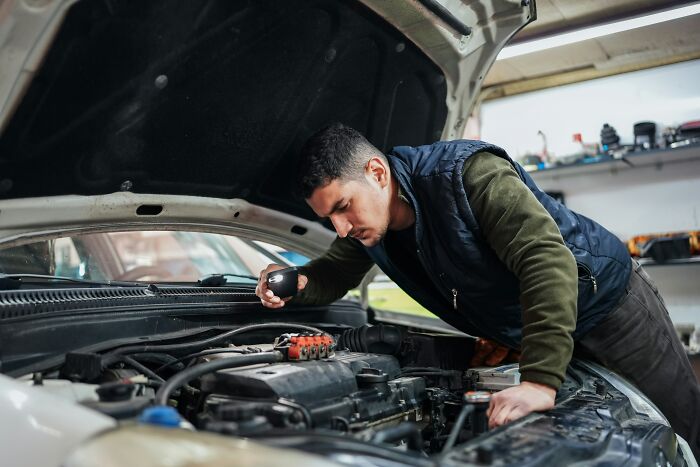 Cars being impossible to fix on your own. Most of us grew with a dad or grandpa or a neighbor that could lift the hood up, tinker around a bit, maybe buy a part and fix the car. New cars are impossible to fix without going to the mechanics and getting screwed over hundreds of dollars.

I can't disagree, but overall the improvements in reliability vastly outweigh the added complexity of fixing them on the rare occasions they do go wrong. I have one old-school vehicle, a 2002 Land Rover, and have had several more modern, but still quite old (like 2008 ish) over the last few years and while I like the fact that I can fix stuff on the old one I don't like the fact that I have to, and quite frequently.
The wage gap problem is another one that arrived in the thread as a uniquely American complaint and promptly revealed itself to be a universal condition. In the Eurozone, annual consumer prices climbed to 3% in April, while Indeed's wage tracker shows year-over-year growth in posted wages of just 2.3%.
Which means that across Europe, workers are also being paid less in real terms than they were the year before, with the gap between what things cost and what people earn quietly widening. The particularly insidious thing about a cost-of-living crisis is how gradually it happens. It's not one dramatic moment where everything becomes unaffordable.
It's a slow accumulation of small increases: first the grocery bill, then the rent, the energy, and the insurance. Each is individually manageable, but collectively crushing. By the time most people notice the number, they've already been absorbing it for months. The scam is the sustained, structural gap between what labor is worth and what it's being paid, dressed up as just the way things are.
 The fact that police are legally allowed to lie to you is honestly terrifying when you really think about it.
ID yourself if they ask and then shut up. Pretty simple, yet people rarely do that.
 Healthcare insurance is a scam where you give money to a corporation who decides when, where, or how you receive healthcare & has every interest to not pay out in the 1st place.
 Baby gear. I had my first baby in the early 200s and my last baby in the early 2020s. You don’t need a wipe warmer. Or baby food maker. Or crazy expensive stroller. Or the owlet. Or a Velcro swaddler. Or video baby monitors. Or a bumbo.
It’s ridiculous and wasteful.

A 800 year age gap between siblings is quite extreme ^^ - Joke aside, babies and parents survived without all that stuff before, it's just stuff marketed playing towards parents wanting the best for their baby
This one is genuinely staggering when you see the numbers side by side. In the United States, real estate agents typically take a commission of 5% to 6% of a home's sale price. In the UK, the average estate agent fee sits at around 1.42%, with a ceiling of about 3.5% at the high end.
On a $500,000 home, the American model produces a commission of up to $30,000. The UK model produces somewhere around £7,000 on an equivalent property. For the same service. The same phone calls, the same viewings, the same paperwork.
The American real estate commission structure has been so thoroughly normalized that most sellers hand over tens of thousands of dollars without a second thought, because that's just what you do when you sell a house. It was, until very recently, largely non-negotiable and rarely explained in terms of what it actually costs relative to the rest of the world.
A landmark legal settlement in 2024 began to challenge the structure, which suggests that even within the US, the penny is finally, slowly, dropping. The rest of the world has been watching this particular line item with considerable bewilderment for years.
 Real estate agents taking around 6% of a home sale for what can be just a few days of work feels excessive.

In the UK you can also have fixed fees, generally between £500-£1700. Although, these are usually payable up front and also if they don't sell your property. Or, you could just sell your house without using an estate agent at all.
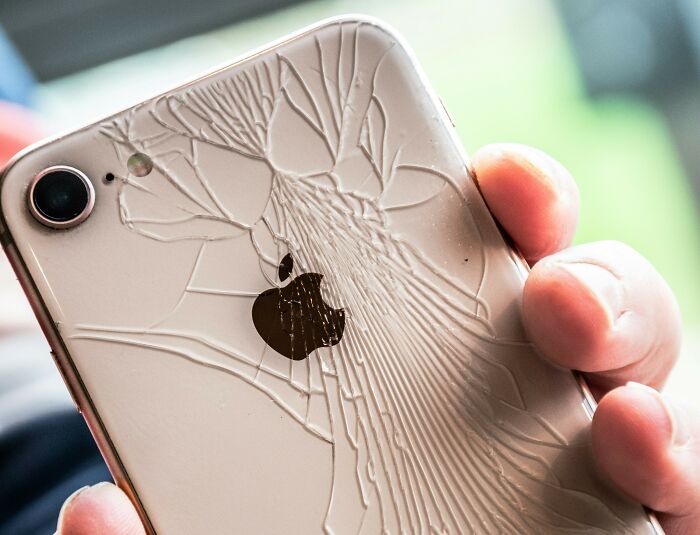 It feels like companies design things to break — using cheaper materials so parts wear out quickly, and then forcing you to replace the whole product instead of fixing it.
In the United States, police are legally permitted to lie to you during an investigation or interrogation. This is not a grey area or a loophole. It is a long-established, court-sanctioned practice that allows law enforcement to claim they have DNA evidence that doesn't exist, tell you a co-conspirator has already confessed when they haven't, or produce fictional video footage of an alleged crime.
The courts have repeatedly upheld this as legal, and it remains permitted in almost every state. It is also, not coincidentally, one of the leading causes of false confessions in the American criminal justice system.
In the European Union, this is explicitly prohibited. Germany, Denmark, and Finland ban deception in interrogations outright, with any confession obtained through trickery rendered inadmissible in court. In England and Wales, the Police and Criminal Evidence Act strictly forbids officers from lying about evidence or misrepresenting what a co-defendant has said.
The underlying philosophy is entirely different. EU law treats the presumption of innocence as something that must be actively protected rather than something a suspect has to defend against. The American approach treats an interrogation room as a place where the rules of honesty apply to everyone except the people running it.
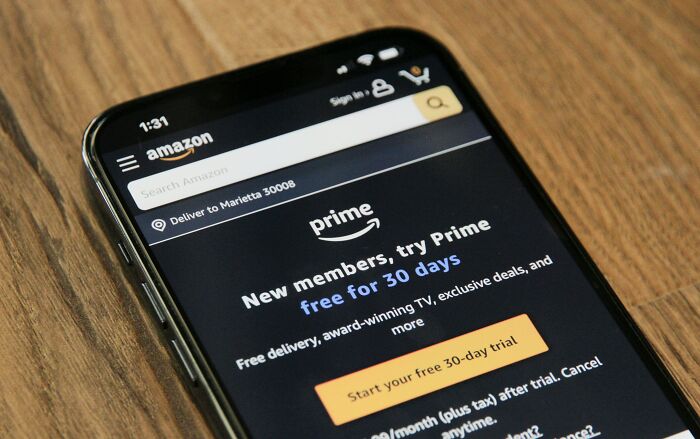 Canceling a subscription is way harder than it should be — you end up spending hours getting transferred or put on hold until you just give up.
The “make them continuously jump through hoops until they give up” strategy. Often used by health insurance companies.
 Gym memberships requiring access to your banking info, then making it nearly impossible to cancel. I refuse to give gyms like that my business and stick to municipal pool facilities like YMCAs that will let you pay per visit or use a punch card.
 Micro transactions in games. People used to be outraged over it, and now I constantly see "well they have to make money somehow".
I don't mind micro transactions for pure cosmetics - But if they lock progression or more powerful equipment behind a wall it gets very scummy. Or if they pull a Gaijin Entertainment and make their games frustrating on purpose to sell the solution to make them less frustrating
Buried under all these entries of righteous indignation, you will find that many of these things are not exclusively American. Shrinkflation is global. Wages failing to keep up with inflation are a Eurozone problem as much as an American one. The scam, in many cases, is not uniquely made in the USA. It is just significantly, unmistakably, characteristically louder there.
What America does have that most other countries don't is a particular cultural gift for presenting systems, however extractive, however arbitrary, however transparently invented, as natural law. The tipping culture, the real estate commissions, the police interrogation tactics, the healthcare billing system that charges different prices to different people...
None of these things were inevitable. All of them were choices. And the rest of the world, watching from a distance with varying degrees of bewilderment, has largely figured that out already. It just took an online thread for some Americans to catch up.
Is there something else that you think is a crazy injustice that shouldn't be accepted as normal? Share your thoughts in the comments!
 Anything airlines charge above and beyond the flight ticket - luggage, seat selection, charges for not checking in within a set window in advance of the flight.
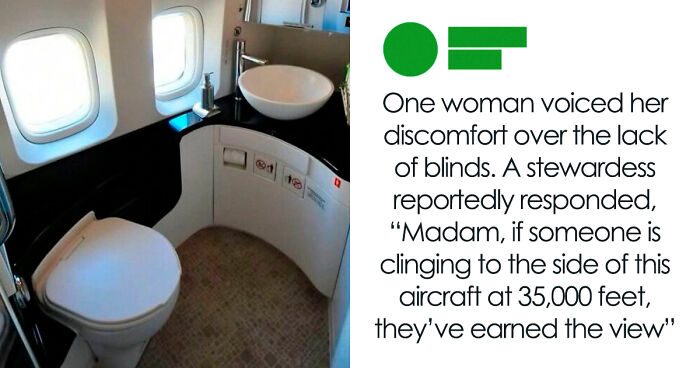
Ryanair. The CEO, Michael O'Leary,has stated publicly that he would charge for using the toilet if he was allowed to.
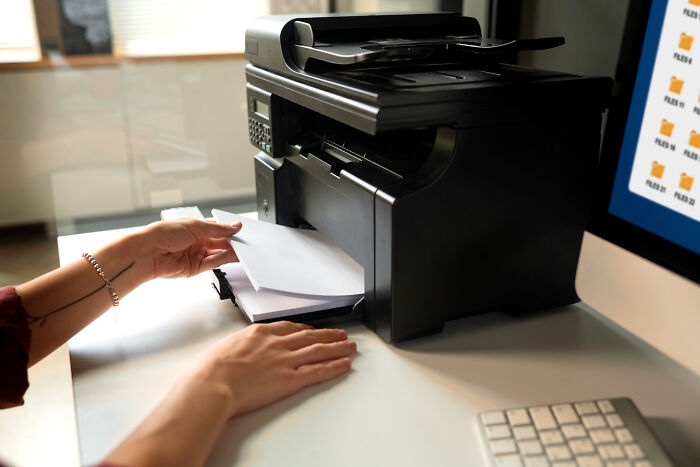 Printer ink. You can basically buy a whole new printer for cheaper than a set of ink cartridges, and the printers often come with ink. Ink is one of the most expensive liquids on Earth by volume, and manufacturers lock you into their brand with chips or “smart” cartridges that magically stop working even when there’s ink left. It’s a subscription scam disguised as office equipment.
And that's why I bought a very low end HP printer - No fancy exclusivity tech installed and there are off brand catridges available
 Concert venues charging you $17 for a water AND then asking if you would like to tip 15,20 or 25%. Bro just let me bring my own water in.
 Getting charged a 'facility fee' at the doctor on top of your co-pay — sometimes anywhere from $50 to thousands of dollars — makes it impossible to budget for a visit.
 Meal delivery services. I’m fairly well off financially but refuse to use them. It’s insane how many people do. People will actually pay like $30 for a 10pc McNugget meal that gets to you like 20-30mins after it was made so it’s cold.
 Convenience stores. Nothing convenient about paying $9 for peanuts.

You are paying for the convenience. They wouldn't charge as much if people didn't pay it.
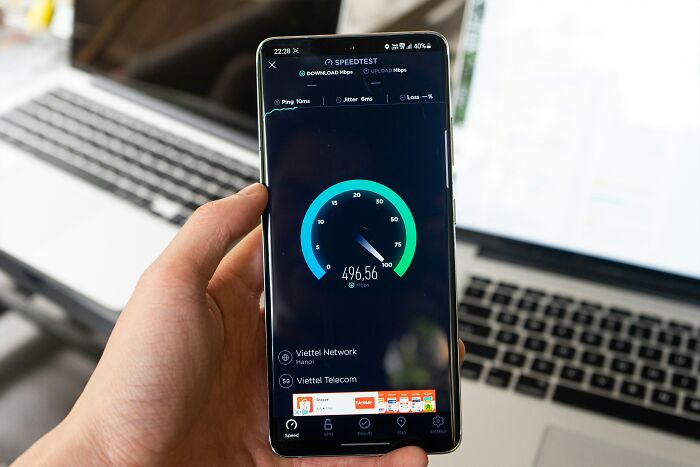 Data limits. There is nothing that requires anyone to have data limits. It's just an arbitrary system designed to get more money out of you.

If you spend enough time arguing on the phone with Verizon customer service, you can get an actual unlimited data plan for less than what their "Unlimited" Plan costs.
The fact that you can't own anything anymore. 20 years ago you could buy Adobe, Word, etc., and it was yours to keep; now everything is on subscription. You rent Word for five years, and now it's $500. Everything is designed for rent now and not ownership, from home prices being out of reach to these basic software programs.
 Having a job. You bring in thousands of dollars of value a day after expenses, and then they pay you like $100 lol
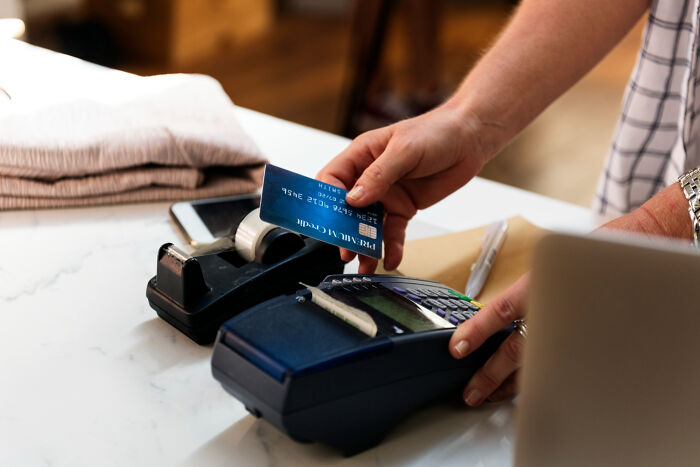 Being charged extra for using a debit or credit card is ridiculous — it's already your money, or you're already paying interest to use it.
Not that ridiculous. It costs the vendors money to process credit transactions.
 bottled water. Do people realize if you do the math Bottled water casts more per gallon than gasoline
 Pet rent.
A lot of apartments now charge "pet rent" and it's ridiculous. $20/ month per pet sounds cute, but when you have two well behaved cats, that's $480/ year in pet rent.
I live there three years, so that's $1440 in pet rent, non refundable, on top of the $400 per pet deposits I paid.
It's absolutely ludacris. If anyone should pay additional rent it's kids. They're destructive AF.
Lastly, "Gun show loopholes. You can pay $10 to get in, and a lot of sales happen with basically just a handshake. Someone I know was able to buy a rifle at 10 years old after a quick conversation and no real oversight. How is that allowed?
Credit card transaction fees are a 1-3% tax on the entire economy, and it costs like $10 to execute a million of those transactions for those companies. I'm a software engineer. I know what kind of effort goes into this on an ongoing basis, and it blows my mind away the kind of margins that these guys get away with

The standard APR is now what people where jailed as 'usuary'. Usury is the crime of charging excessively high interest rates on loans, often considered unfair and exploitative. In many jurisdictions, it is illegal to charge interest rates above a certain legal limit, and those who do can face serious legal consequences. I have an over 800 credit rating and I get highly insulted when I get solicitations for APR of 24.99% .
Wireless companies charge 'upgrade fees' even when you're re-signing with them and committing to pay them more every month.
 Restaurants make us pay hefty amounts for food which has become so sub par. We're forcibly charged for those renovations we never asked for. Why are chips/fries not included.
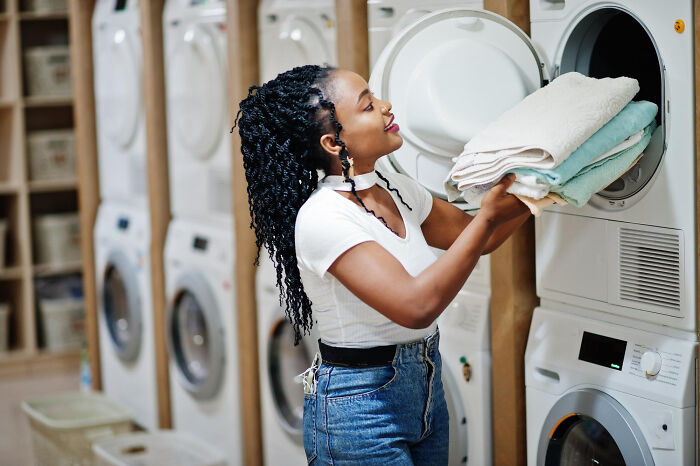 Laundry cards. They’re tied to a specific laundromat, the amounts that you’re forced to deposit are intentionally misaligned with the price of the machines. You will never get the full amount back without hassle

Your credits at McDonald's don't work at Burger King. It's a sick, sad world indeed.
 Any interest-bearing loan whatsoever, but especially mortgages and car loans.
Probably easier to just say the entire economic system we operate under though.

Do you expect to borrow money at 'no interest'? Or are you able to save up the entire cost of a house or car before you buy it. If the rates are usurious then don't participate. Credit unions are much fairer.





















 No fees, cancel anytime