Get Premium
Dark mode theme is available exclusively for premium users. Learn more about the benefits of subscribing.
No fees, cancel anytime.

 Dark Mode Ad-Free Browsing Unlimited Content
 Ad-Free Browsing Unlimited Content Dark Mode
Join 1.2 million Panda readers who get the best art, memes, and fun stories every week!

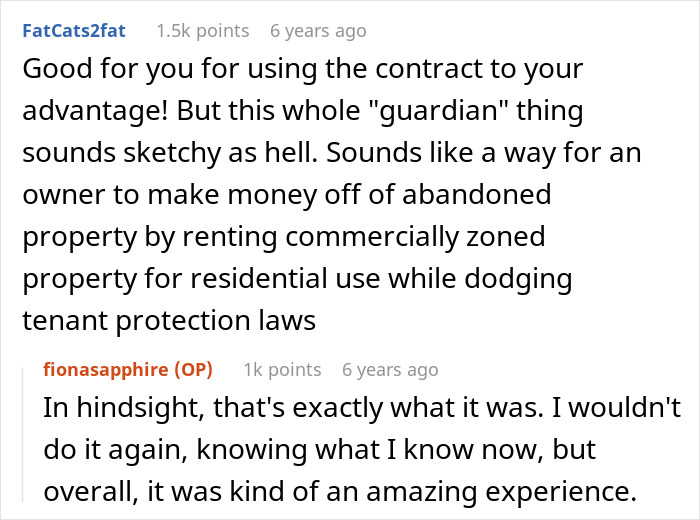
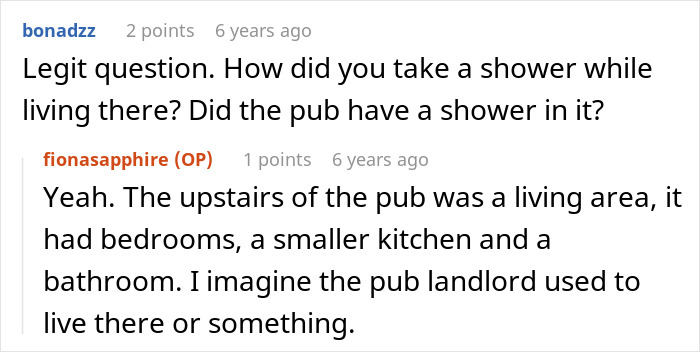
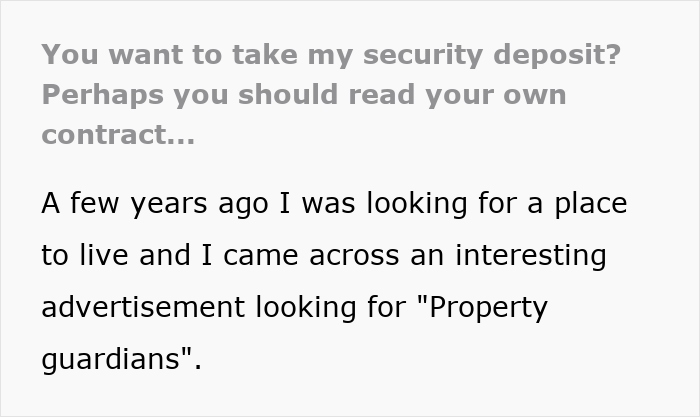
Living in a closed pub for a few hundred pounds a month sounds like the sort of housing deal that comes with a catch hidden in microscopic font. Property guardianship is, in fact, built around a trade-off, and here’s how it works. People get relatively cheap accommodation while their presence helps protect an otherwise vacant building from trespassers, vandalism and deterioration.
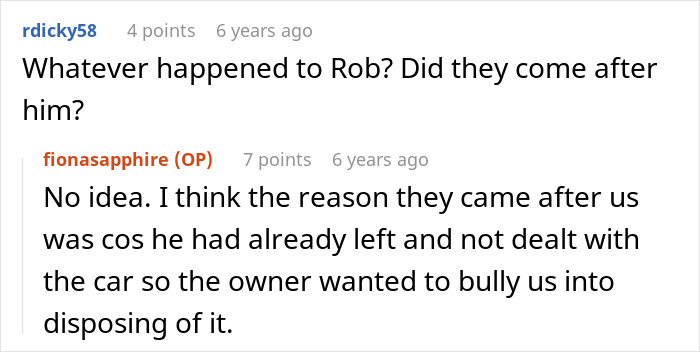
The concept can involve some seriously unusual homes. And this poster gladly took up a recently closed pub being offered to guardians. For years, the setup was surprisingly comfortable, until a mysterious abandoned car appeared on the property and the company managing the guardians decided the former occupants should somehow pay for it.
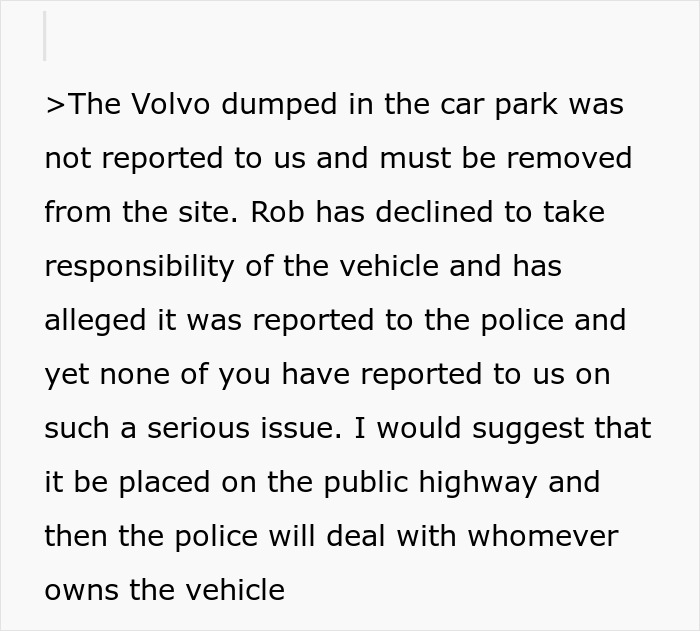
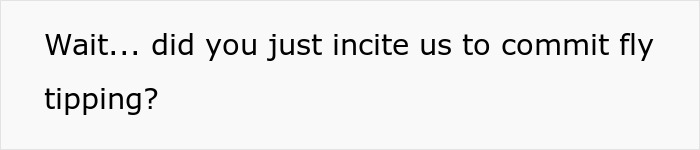
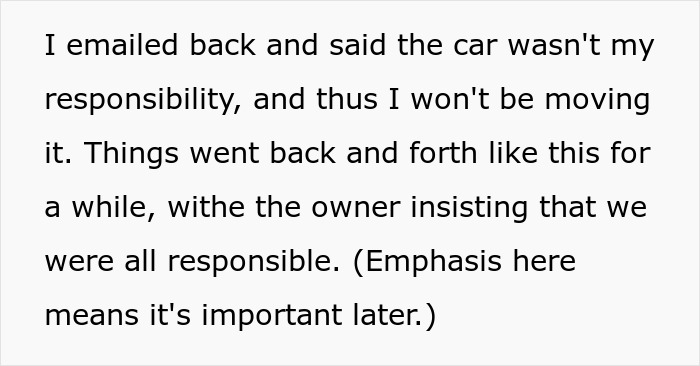
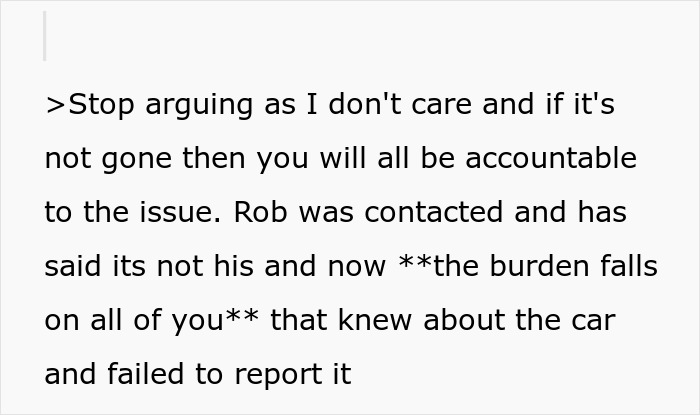
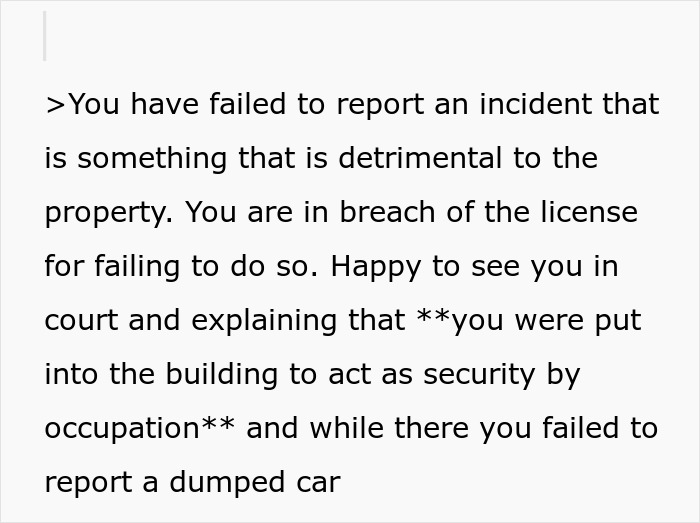
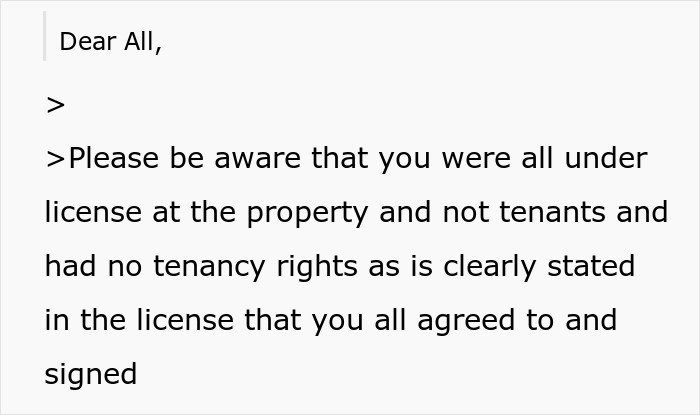
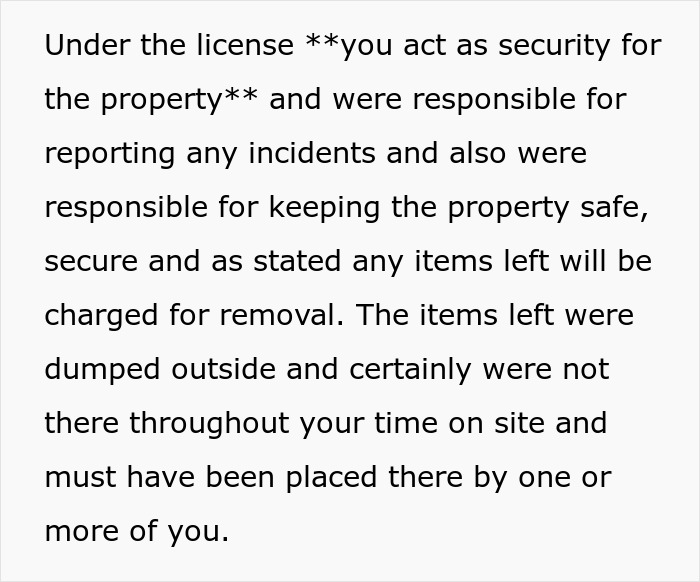
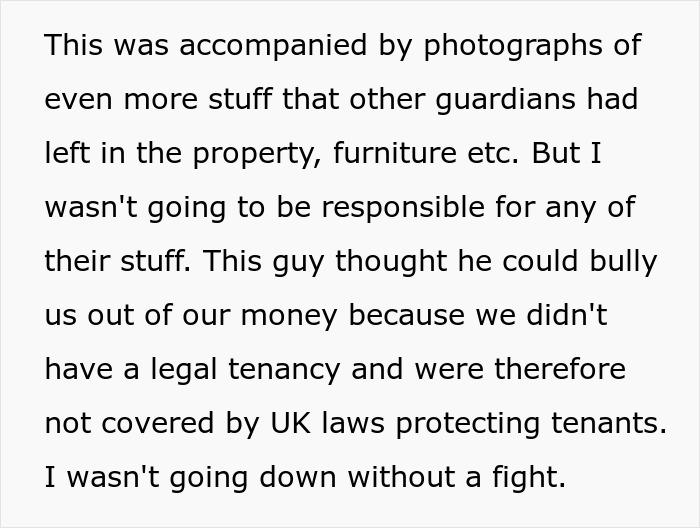
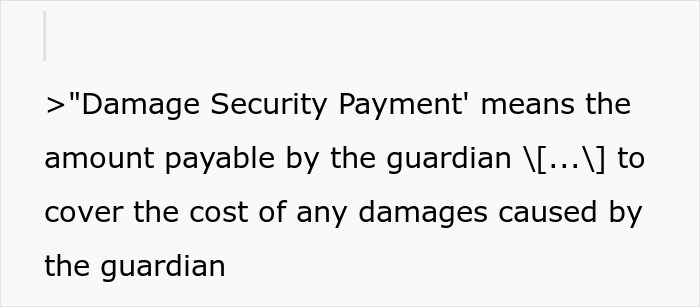
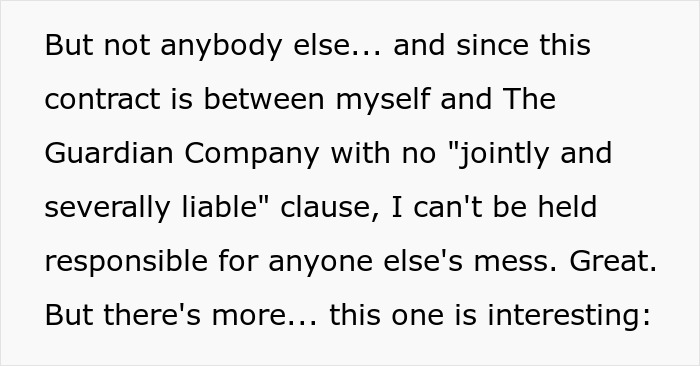
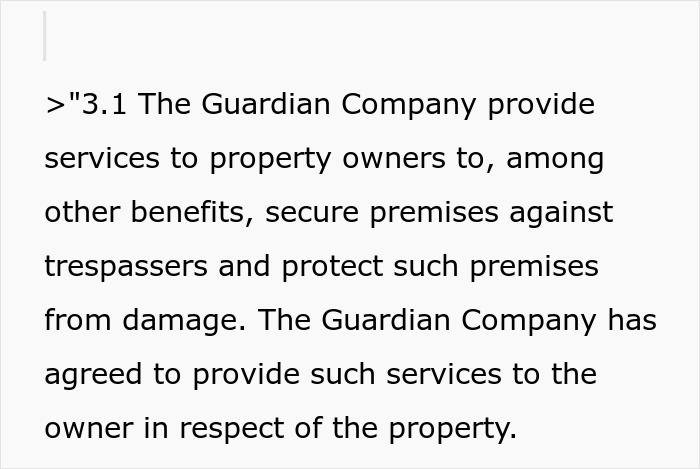
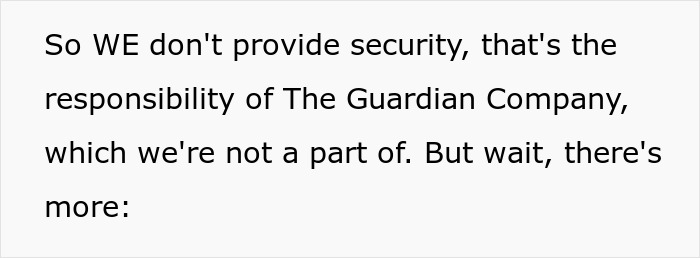
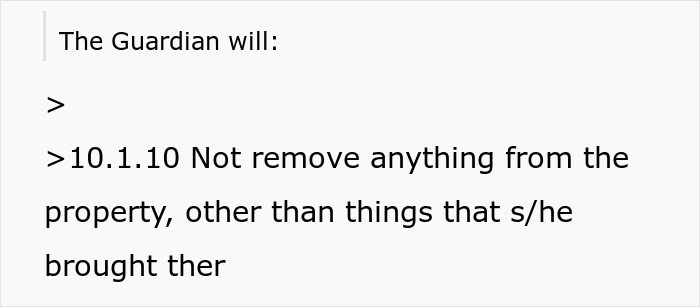


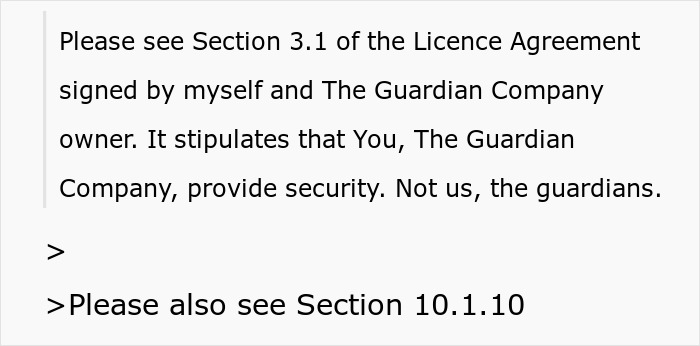
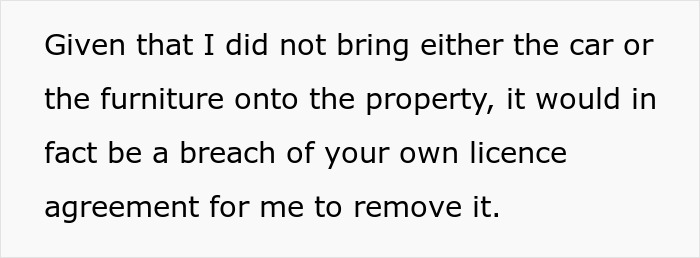
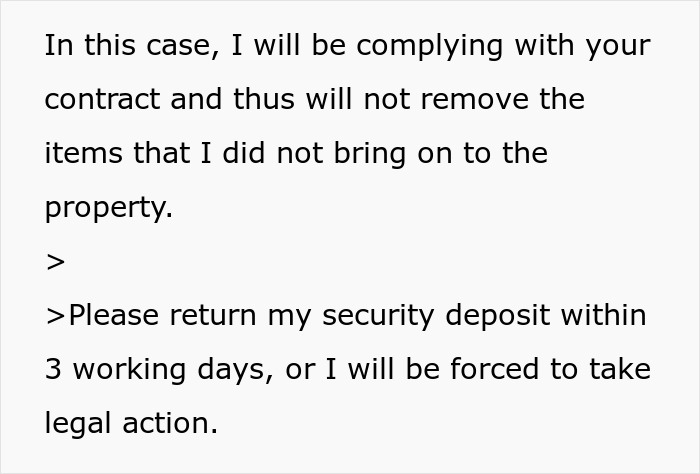

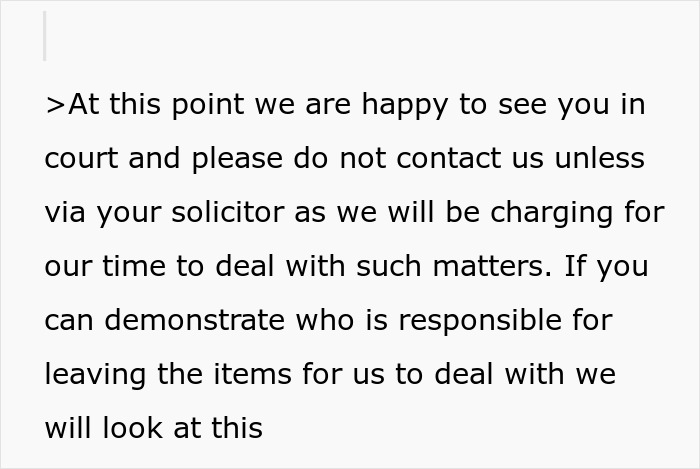

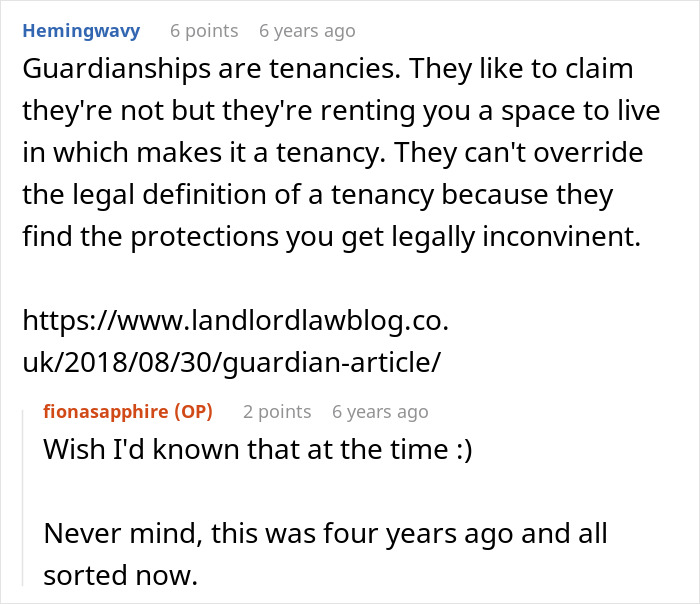
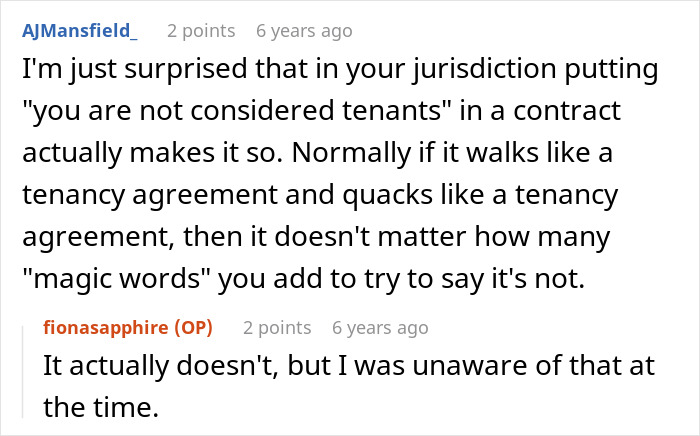
The biggest distinction in property guardianship is that guardians usually aren’t conventional tenants. Whitegates explains that most arrangements use a license to occupy, which generally provides fewer rights than a tenancy. That difference can affect everything from security of tenure to repairs and deposits, making the paperwork particularly important before moving into one of these properties.
However, calling something a “license” doesn’t automatically make it one. Shelter explains that courts look at how the arrangement actually works rather than simply accepting whatever label appears at the top of a contract. If someone has exclusive possession of a specific space for a period of time and pays rent, there can be circumstances in which the arrangement is legally a tenancy despite being described as a license.
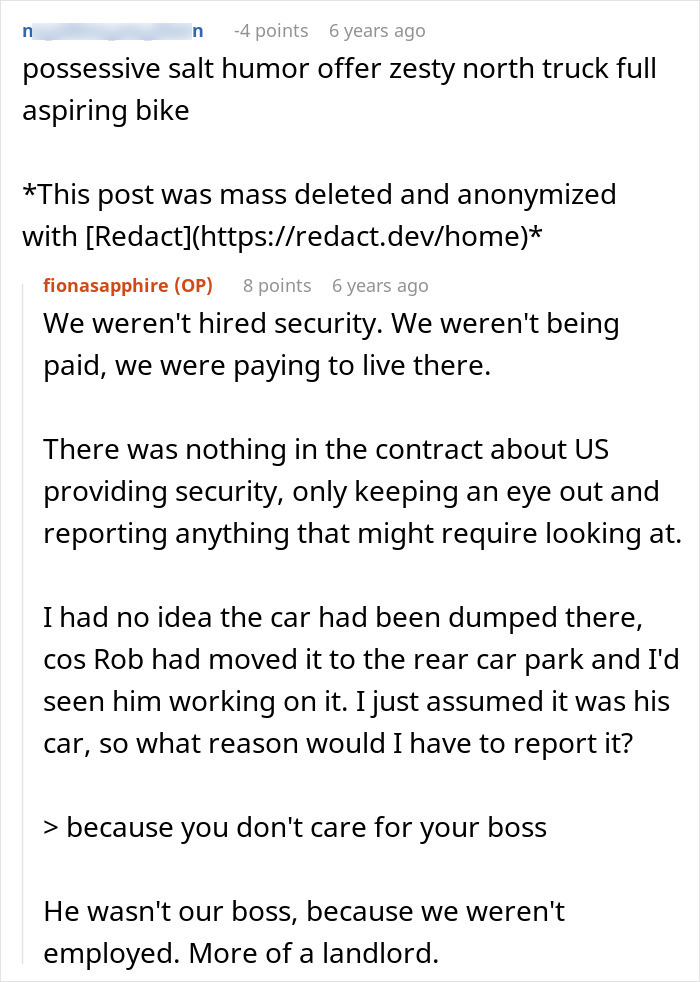
Also, SQUASH says a guardian’s primary responsibility will usually involve protecting the property by occupying it, reporting problems and preserving its security. However, guardians should not generally be required to undertake security functions beyond occupying the property or perform essential electrical, plumbing or gas work.
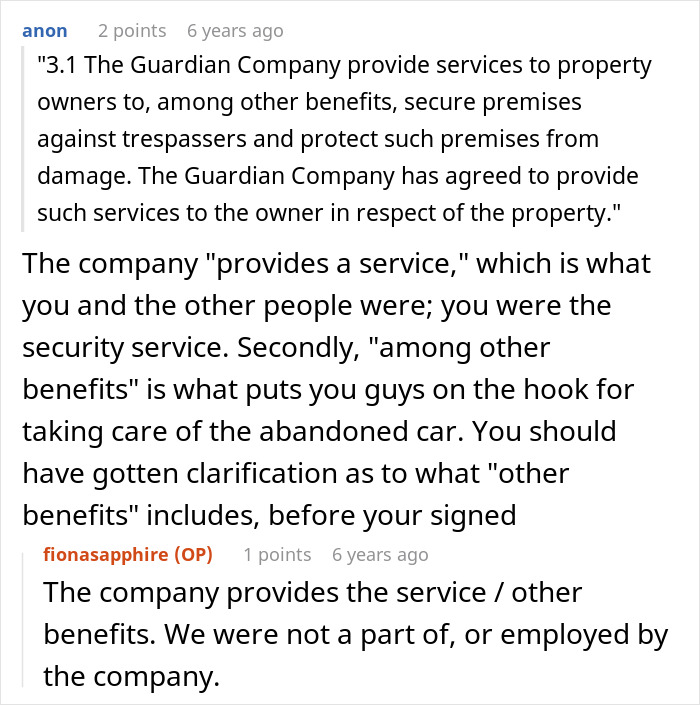
A contract might require guardians to report broken windows, leaks, trespassing or other threats to the building, while the guardian company itself remains responsible for providing the wider service to the property owner. In other words, because the person is there to help keep the building occupied and secure doesn’t necessarily mean they are now personally responsible for everything that happens on the premises.
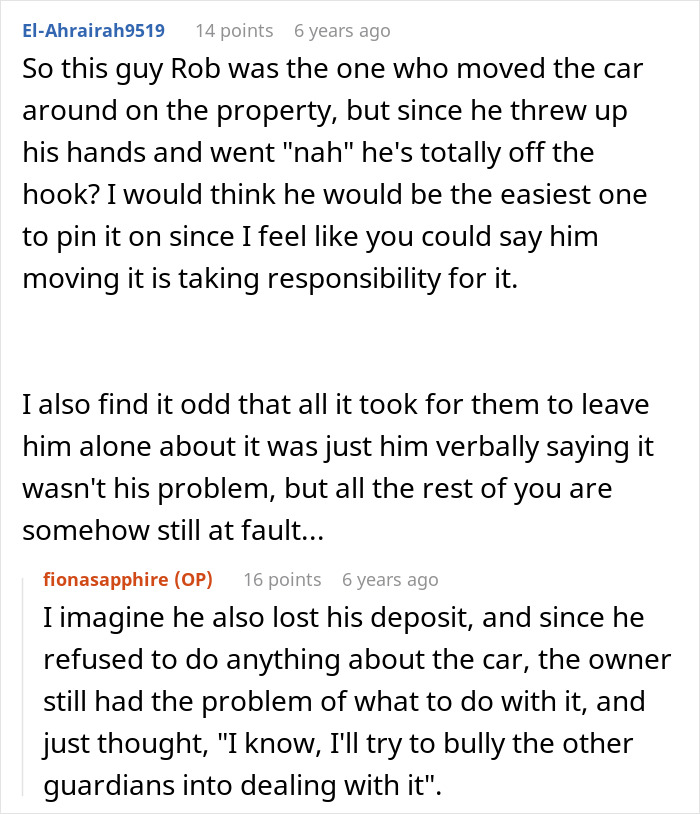
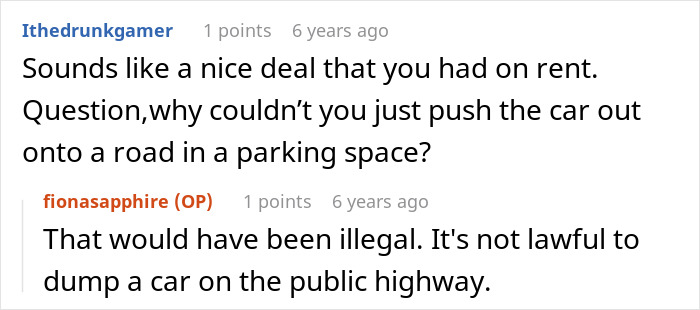
An abandoned car sitting on private land isn’t quite as simple as pushing it onto the nearest public road and hoping someone else deals with it. That matters because property guardianship can blur who counts as the “occupier” for practical purposes. When something unwanted turns up, the answer to whose problem it is therefore depends heavily on the agreement and the circumstances rather than simply whoever happens to be living there.
Property guardianship agreements can contain specific obligations covering things such as guests, security procedures, reporting problems and maintaining the property. Top Cashback recommends that potential guardians carefully examine these conditions before signing because responsibilities can vary significantly from one agreement to another.
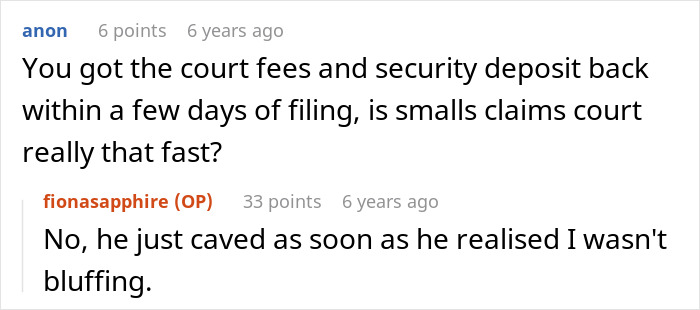
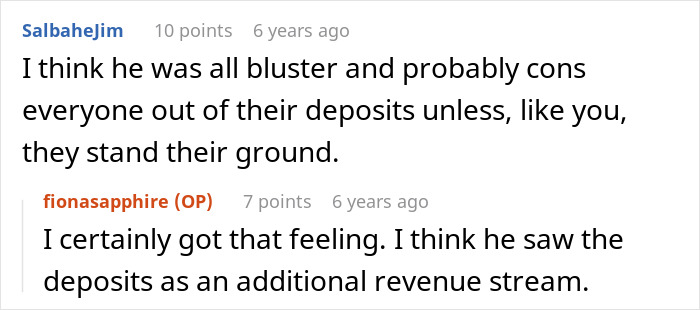
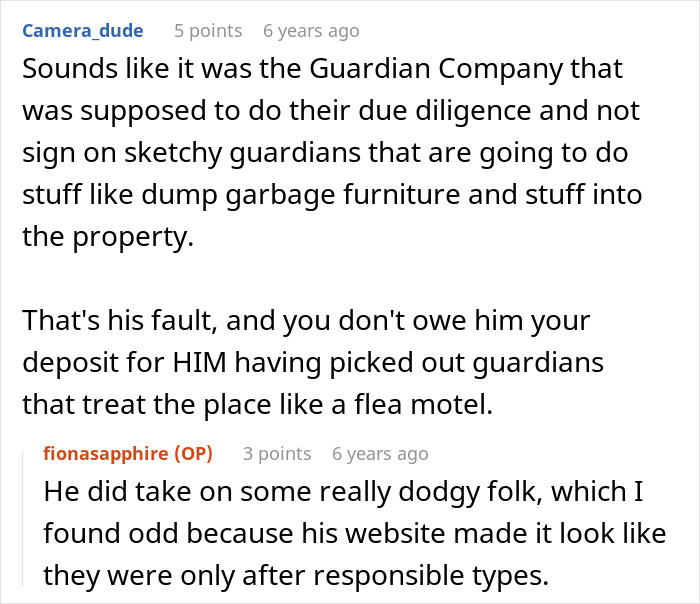
The broader lesson is that unusual housing arrangements can create unusual contractual disputes. A guardian may have fewer rights than a conventional tenant, but that doesn’t mean they have no rights or that every demand made by a guardian company is automatically enforceable.
As Nearly Legal points out, some contractual terms can potentially be unenforceable under housing, landlord-and-tenant or consumer law, which is why disputes involving guardianship often come down to the exact agreement and the reality of how the property was occupied.
What do you think about this situation? Do you think the guardian company was genuinely trying to enforce the contract, or was it trying to bully the guardians into paying? We would love to know your thoughts!




By entering your email and clicking Subscribe, you're agreeing to let us send you customized marketing messages about us and our advertising partners. You are also agreeing to our Privacy Policy.
Thank you! You've successfully subscribed to newsletters!


























 No fees, cancel anytime











40
0