Get Premium
Dark mode theme is available exclusively for premium users. Learn more about the benefits of subscribing.
No fees, cancel anytime.

 Dark Mode Ad-Free Browsing Unlimited Content
 Ad-Free Browsing Unlimited Content Dark Mode
Join 1.2 million Panda readers who get the best art, memes, and fun stories every week!
When many people think of medieval history, a pretty grim picture comes to mind. At best, we picture knights, castles, and grand tournaments. At worst, it’s poverty, plagues, and tankards of stale ale. Yet the period, lasting roughly from around 500 to 1500, was far more complex—and often far more colorful—than popular culture gives it credit for.
That’s exactly what r/MedievalHistory is here for, celebrating medieval history “in all its shapes and colors.” We’ve gathered some of their most fascinating recent posts below. From remarkable art and artifacts to astounding architectural wonders, they might just make you see the Middle Ages in a whole new light.
This post may include affiliate links.
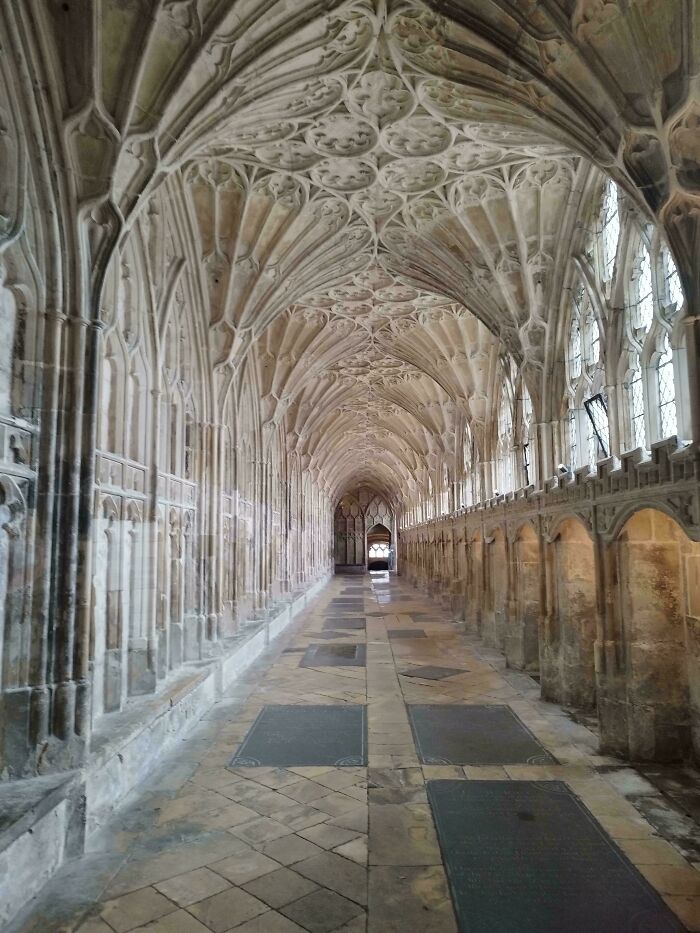
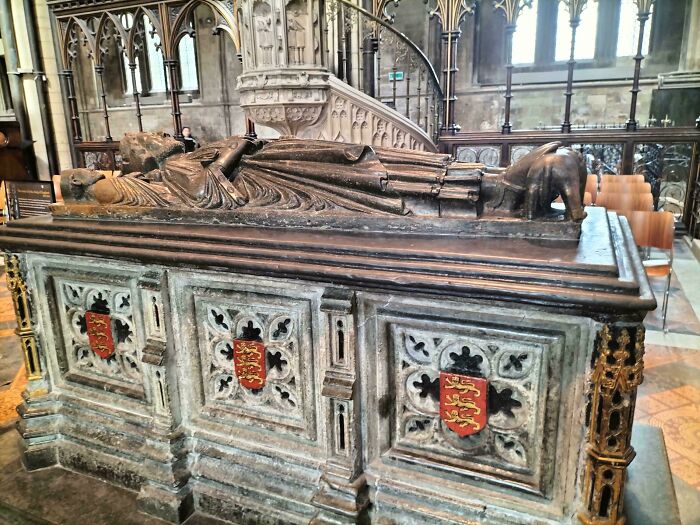
really beautiful and a real masterpiece and this was used in the Harry Potter movies

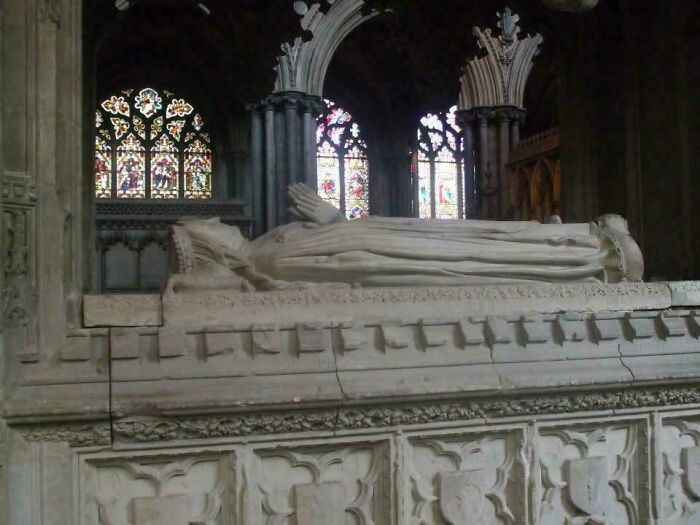
Downvoted because: (1) There is no single "oldest" vaulted ceiling because arch and vault technology was independently invented and refined by multiple ancient cultures. (2) The oldest *known* stone and brick barrel vaults date back over 6,000 years to early civilizations in ancient Mesopotamia and Egypt (c. 4000 BC), while prehistoric corbelled stone vaults (such as beehive tombs) appeared even earlier in various regions. However the Gloucester cathedral may be the oldest known example of a *fan vault*, which is what this image shows. (--Thank you for using Kanyak's Editing Service. Insert coin here [].)
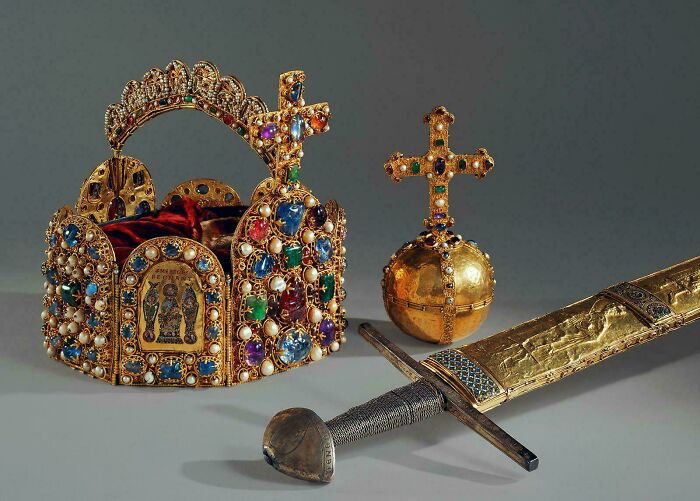
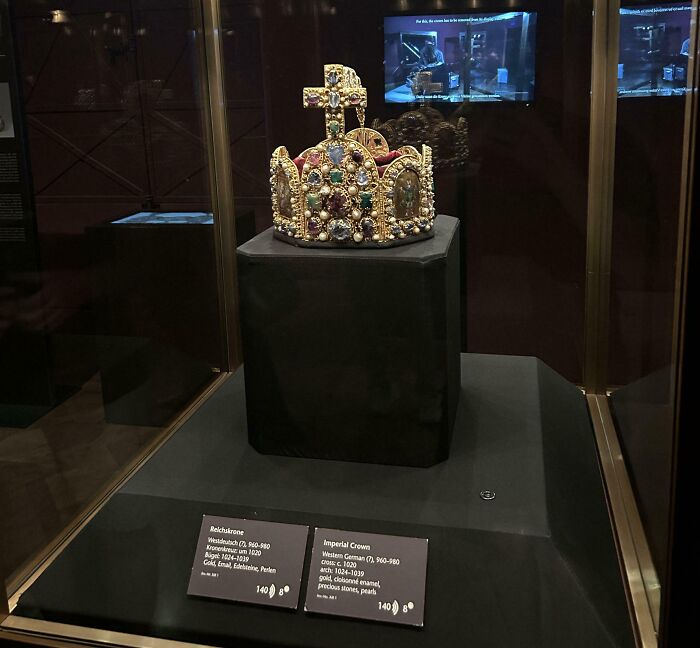
The Imperial Regalia of the Holy Roman Empire is the only complete set of regalia from the Middle Ages to have survived. For centuries, it played an important role in the coronation of Roman kings and emperors. Today, it can be seen in the Imperial Treasury in the Hofburg in Vienna.
The Imperial Crown was originally made for the coronation of Otto the Great and later modifications were made under Conrad II. Its octagonal shape references the Palatine Chapel of Aachen Cathedral. Made of gold, the crown is decorated with 240 pearls and 120 precious stones, including sapphires, emeralds and amethysts. Four enamel plates depict Christ in Majesty between two cherubim, as well as the biblical kings David, Solomon and Hezekiah, alongside the prophet Isaiah.
The Imperial Orb symbolises the emperor's earthly rule under Christ's dominion. It most likely dates from the late 12th century, during the reign of Henry VI. The sapphire in the centre of the cross features a Merovingian monogram.
Also known as the Sword of Saint Mauritius, the Imperial Sword was made for the coronation of Otto IV in 1198 AD. Its scabbard depicts Roman kings from Charlemagne to Henry III, and it was presumably made for Emperor Henry IV.
If dates aren’t your thing (don’t worry—you’re not alone), it might help to think of the medieval period as the roughly thousand years between the fall of the Roman Empire and the Renaissance. That in-between position is also where the period got the name some still use today: the Middle Ages.
According to Medievalists.net, the label can be traced back to the 17th century, when some writers used the Latin equivalent of the term to describe what they saw as a “disappointing” era between the Roman Empire and their own “new golden age.” Wanting to cast the preceding centuries in an unfavorable light, they often portrayed them as “a time with no learning, no culture, and no progress in civilisation.”
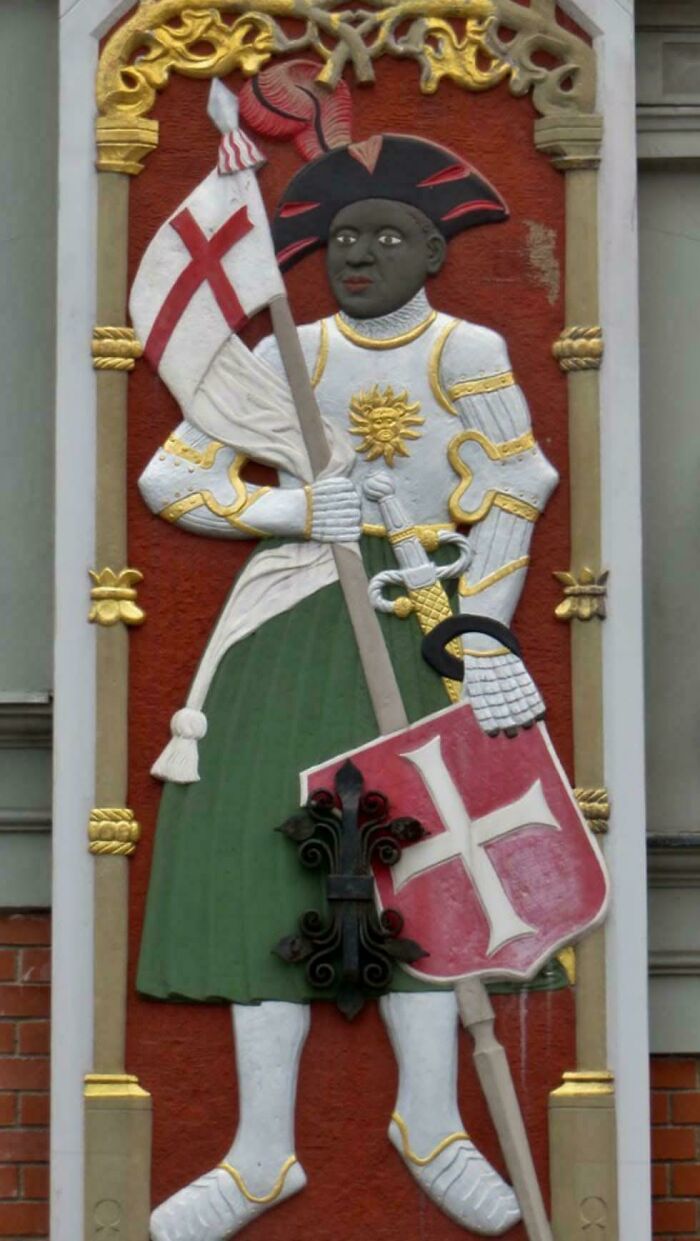
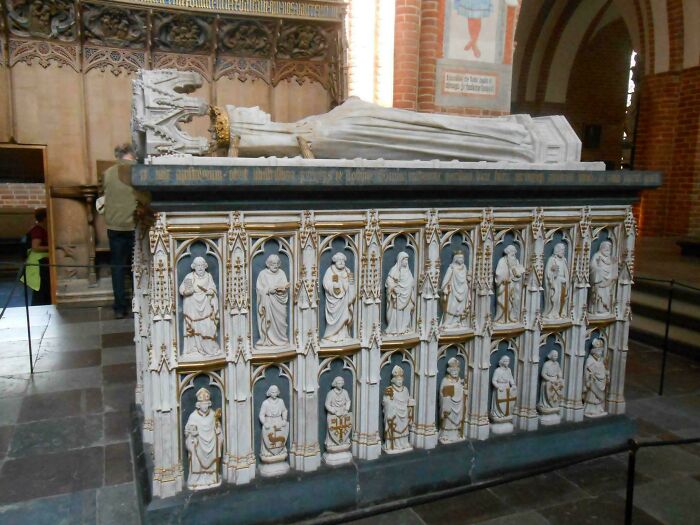
Raimundo de' Cabanni, also called Raimundo da Campania (died October 1334), was a Neapolitan and Corcian knight of black African descent.
Born in sub-Saharan Africa, in the Sahel region, Raimundo was sold by pirates to Raimondo de' Cabanni, dean of the royal kitchens. This Raymond, recognizing the boy's abilities, freed him, baptized him, gave him his name, and named him heir to both his property and his office.
The first document mentioning Raymond is dated 6 February 1305. It is recorded that Robert, Duke of Calabria, son of King Charles II, granted an annual pension of 20 ounces to Raimondo on the occasion of his marriage to Philippa of Catania, the nanny of Robert's second son, Louis.
Raimondo, being an "extremely daring man", asked for and received the skill and knighthood on the occasion of his wedding. On 25 February 1311, Robert, now king, confirmed the pension he had granted six years earlier and at that time Raimondo was a member of the court family.
Through royal favors and connections, he acquired a palace in Naples near Porta della Fontana, in the royal Castel Nuovo neighborhood. He also acquired several crown claims, such as Minervino, Mottola and Pantano di Foggia, as well as other claims from Charles of Calabria in the land of Otranto. A document from 1324 shows him and his wife as co-owners with another couple of castles of Cercepiccola, Sassinoro, San Pietro Avellana, Rocca del Vescovo, San Giuliano and Pacile. Other properties are known from the division carried out by his widow and children after his death. Raimondo died in October 1334. He received a lavish funeral and was buried in the Santa Chiara complex, the resting place of the Angevin kings.

To really be Neapolitan, he used to stand with a white guy and a pink guy. /ice cream related joke

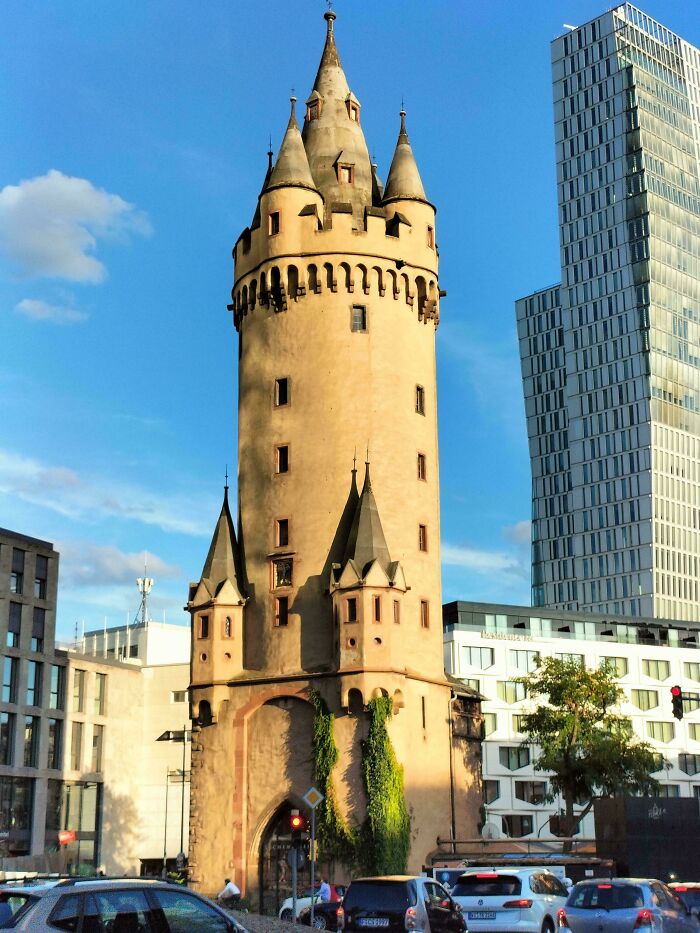
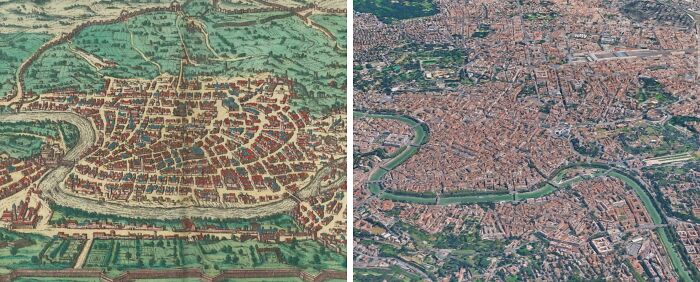
It's incredible how they managed to build that in the middle of the city centre, ox carts dodging all the volume of modern traffic and complex one way systems...
Many historians now avoid the label “Dark Ages” for much the same reason. But that image of the medieval world as a millennium where “nothing happened” proved surprisingly persistent. As Frances and Joseph Gies wrote in Cathedral, Forge and Waterwheel: Technology and Invention in the Middle Ages, “Even today the popular impression remains to a great extent that of a millennium of darkness, a thousand years when ‘nothing happened.’”
Fortunately, historians have spent decades challenging that picture—and many of the most familiar ideas about the Middle Ages simply don’t hold up.

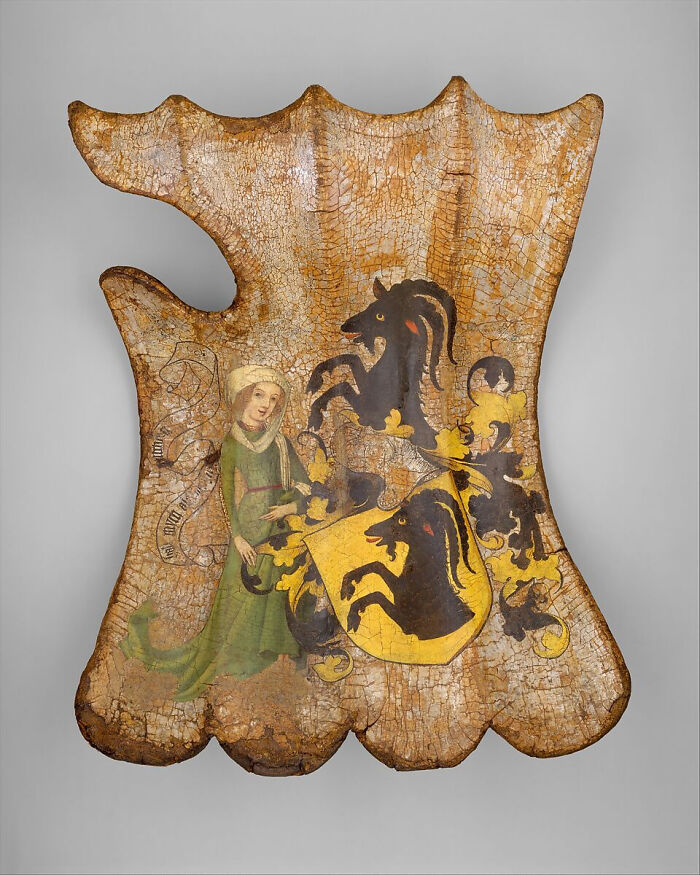
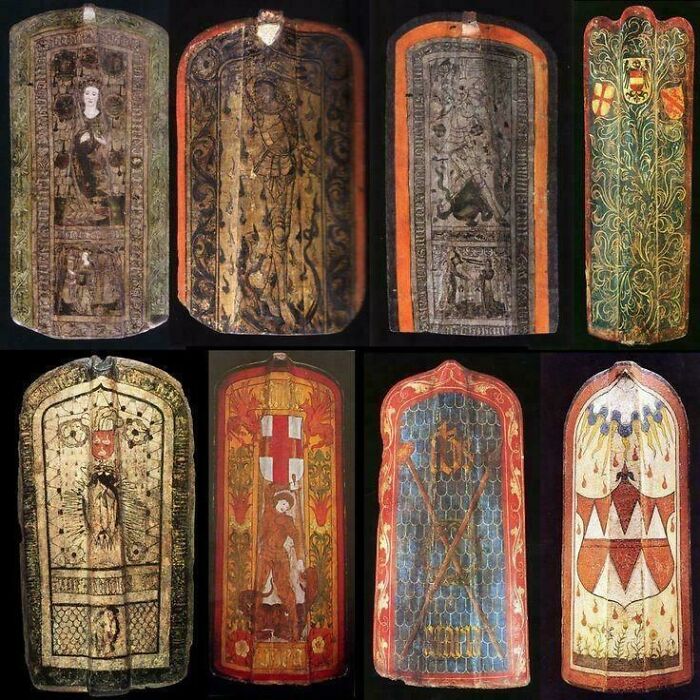
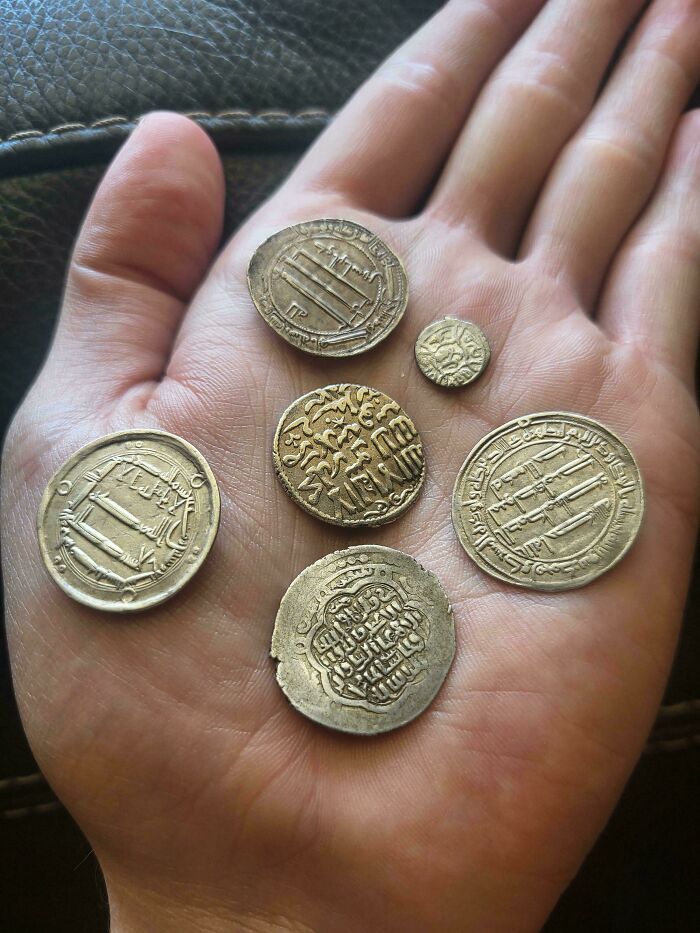
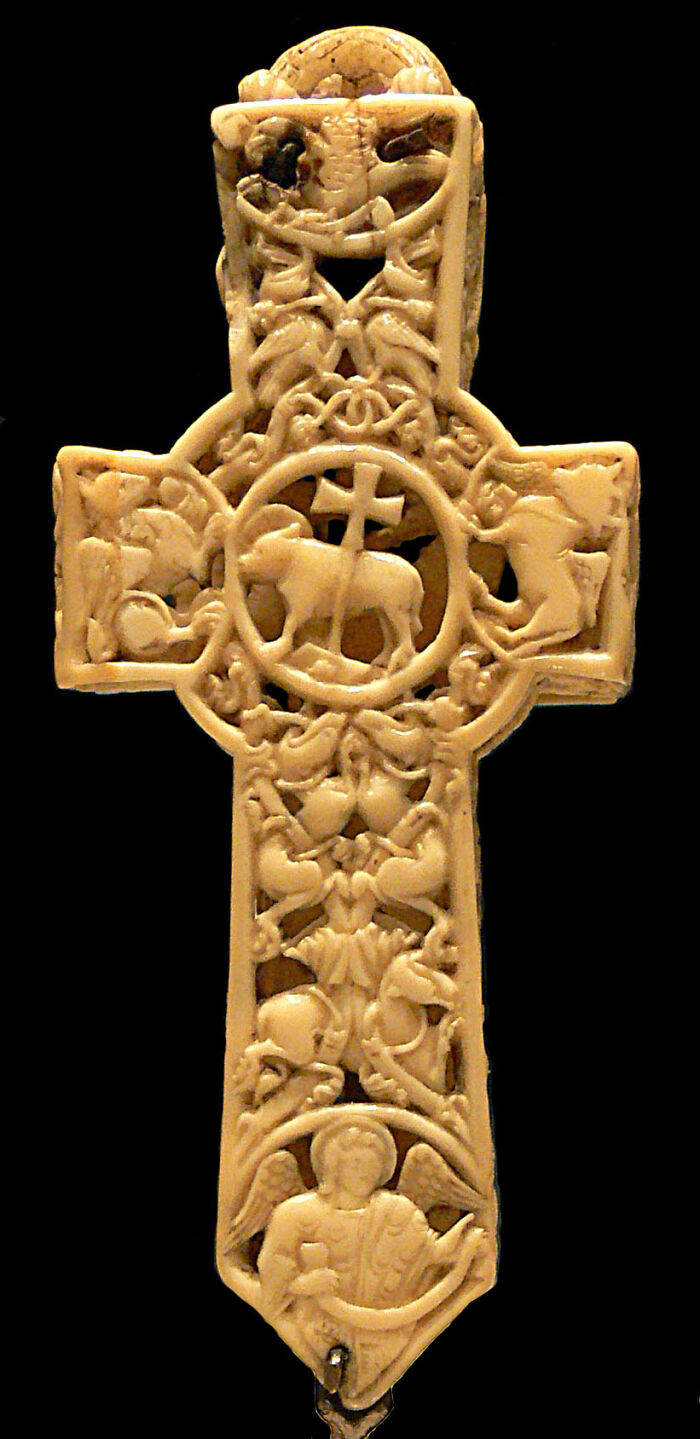
This one is my favourite here. Anyone know of there is reason to believe artifacts like this might have inspired William Morris in his textile designs?
Take the notion that medieval people never bathed. While hygiene varied from place to place and over time, regular washing and even public bathhouses were common in many medieval towns. As Katherine Harvey wrote for History Extra, “only a tiny number of medieval people were truly filthy. Even fewer actually wanted to be dirty.”
Or consider the idea that medieval people believed the Earth was flat. Spoiler: they did not.

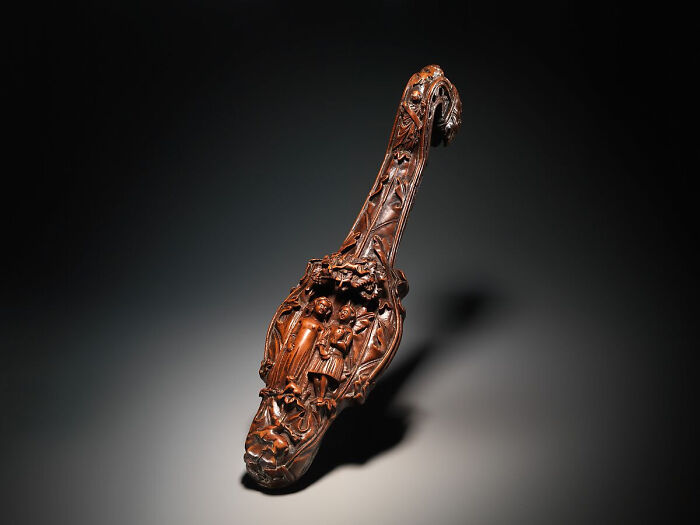
"This is the most elegant example of three extant small European stringed instruments dated to the early fifteenth century. Originally the instrument would have been strung with five gut strings, but whether it was played with a bow or plucked with a plectrum or fingers, remains unclear. The carved imagery on the back relates to courtly romance".

Of course the Middle Ages were anything but dark ages for Byzantium.
Frances and Joseph Gies explain that “To the average educated person, the most surprising news about medieval technology may be the fact that there was any.”
Contrary to stereotypes, many technologies that transformed everyday life were first developed or greatly improved during this period. Some were monumental, like the flying buttresses of Gothic architecture. Others were quieter though no less revolutionary, the kinds of things we take for granted today yet also couldn’t live without—eyeglasses or mechanical clocks, for example.
I see they cleared out the tents first. Much more interesting is the section to the right, it's proper wonky (sorry I can't attach pictures)
Beyond ingenious engineering, medieval creativity has its own rich story—and it’s not just the wonderfully wonky cat illustrations that occasionally go viral online, either. The period produced dazzling illuminated manuscripts, intricate metalwork, breathtaking cathedrals, richly woven textiles, and exquisitely crafted everyday objects.
It’s something that’s hard to miss in this list: far from being drab or unsophisticated, the medieval world was often remarkably colorful, creative, and technically accomplished.
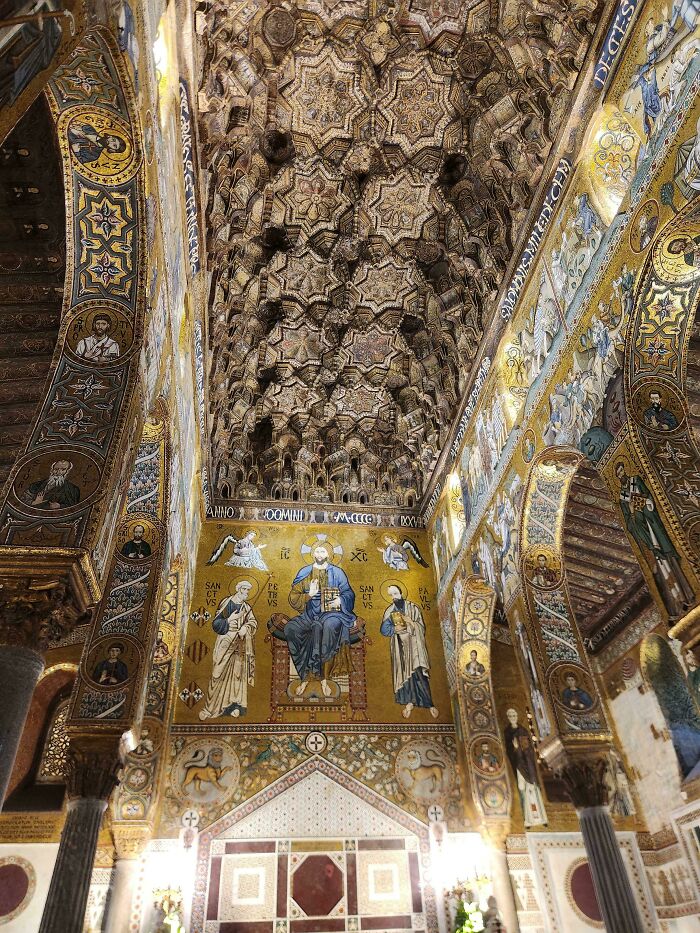
The church, much like that of Sicily itself, is characterized by cultural diffusion of the many groups that have settled the island over the ages. Comissioned in the 12th century by the Norman King Roger II, this church blends elements of Arab, Byzantine and Norman design.

That’s what makes communities like r/MedievalHistory so fascinating. Dedicated to sharing “the latest developments in Medieval History,” the subreddit is full of remarkable artifacts, breathtaking architecture, fascinating discoveries, and beautifully preserved works of art. Spend a few minutes scrolling, and it’s hard not to come away with a richer appreciation for the medieval world “in all its shapes and colors.”
Upvote your favorites and let us know which ones you found most interesting. And if you’re looking for a little medieval humor, check out these medieval history memes next!
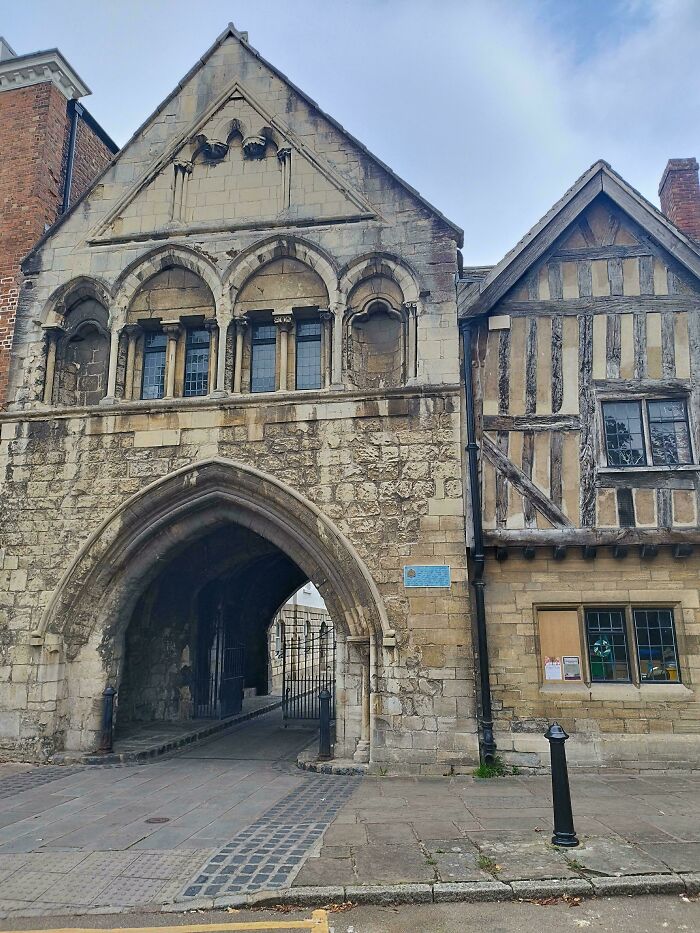
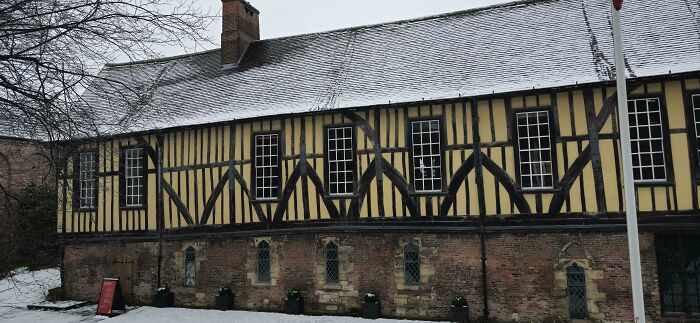
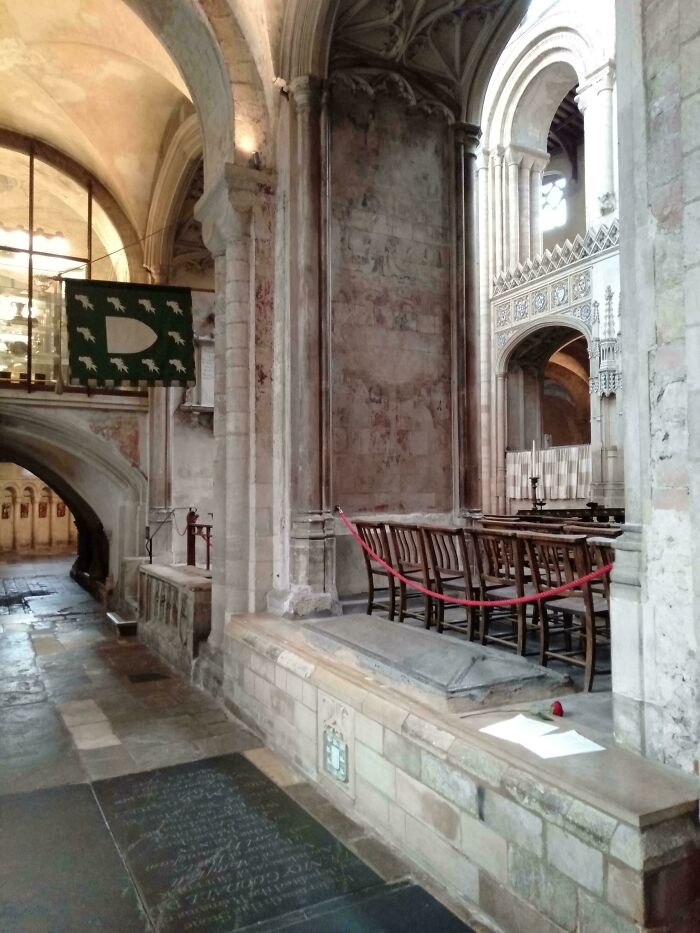
Originally called the Guild of Our Lord Jesus and the Blessed Mary. The current name dates from 1581
Just thought this was cool and wanted to share
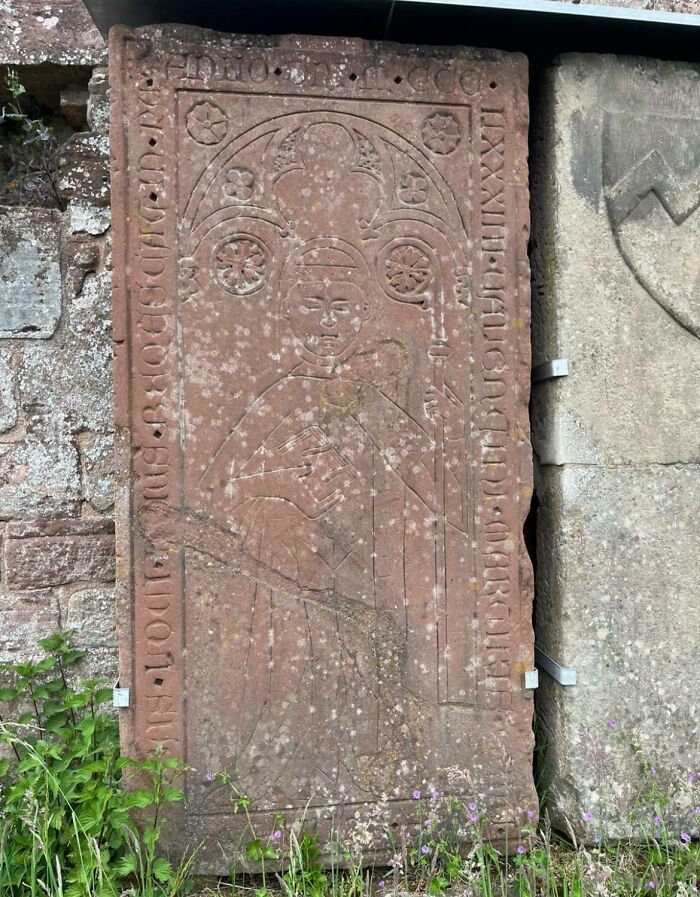
"Abbot Konrad* died on St. Valentine's Day 1384" *of the Wörschweiler monastery in Germany.
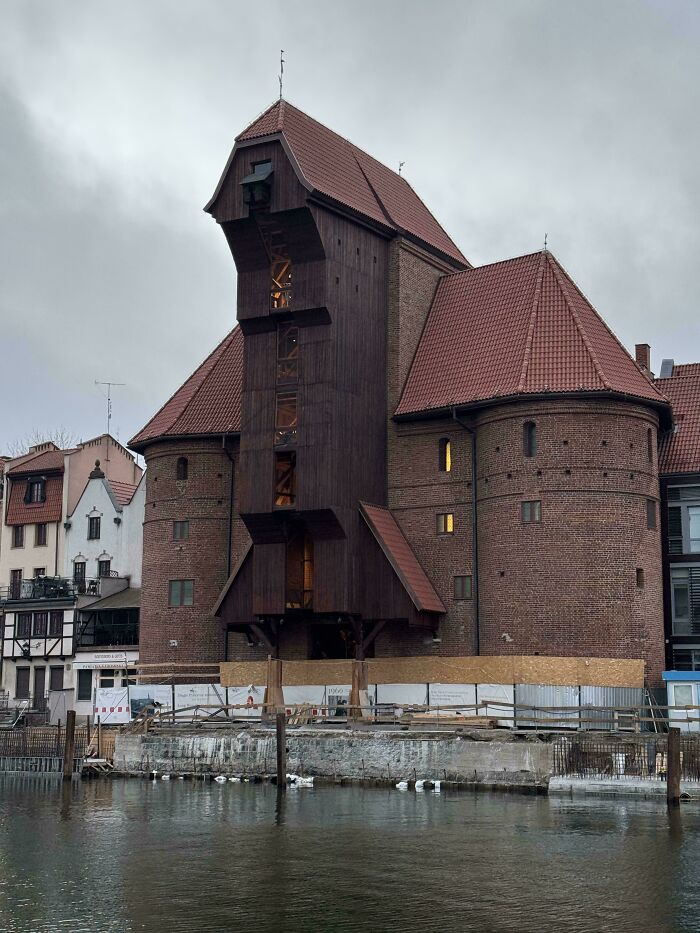
The Żuraw crane in Gdańsk, Poland, dates to the 15th century and is one of the largest surviving medieval port cranes in Europe. It functioned both as a cargo-lifting device and as part of the city’s fortifications.
Unlike later mechanical cranes, the Żuraw relied on large human-powered treadwheels. Workers walking inside these wooden wheels generated the force needed to lift heavy goods, often several tons.
From what I understand, similar treadwheel cranes were used across medieval Europe, particularly in port cities involved in long-distance trade networks such as the Hanseatic League.
I’d be interested in any sources or further reading on how efficient these cranes were compared to other lifting technologies of the period.
• Encyclopaedia Britannica – “Crane (machine)”

The same sort of treadmill system was used to raise the counterweight in a trebuchet catapult. The method seems to be suited to lifting very heavy loads. So, it's not a matter of energy efficiency so much as the ability to do the job at all. btw, the 'original' crane was destroyed in 1945 (the war and all that). This is a replica. I used the term 'original' like that because I suspect that very little of the original timber had survived in use by 1945. It was a working machine and would have needed frequent repairs and replacement parts fitted over the centuries.
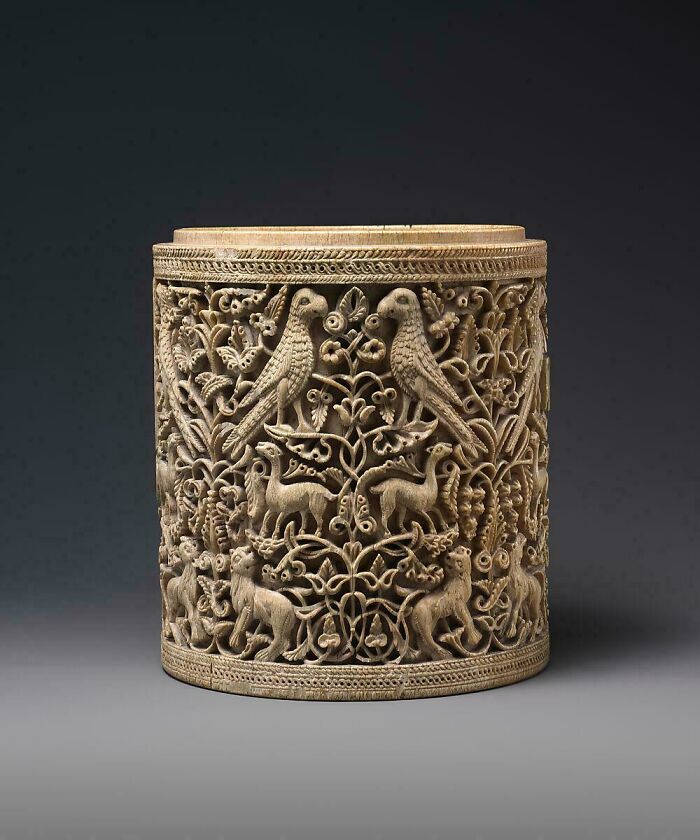
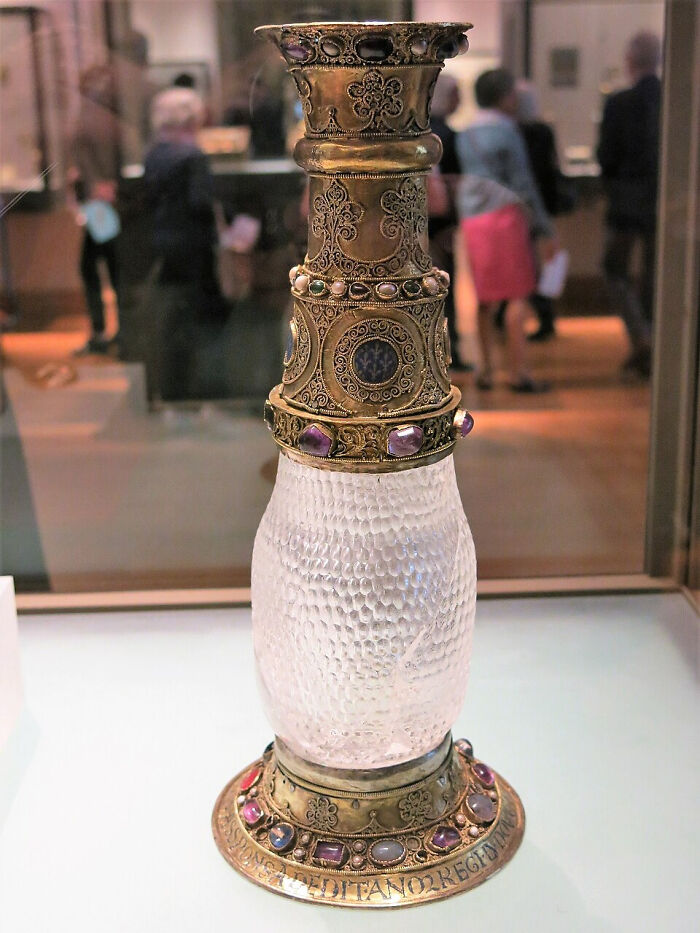
This is a vase owned by Eleanor of Aquitaine which she gave as a wedding present to her first husband King Louis VII of France in 1137.

She later married England's king, Henry II, and after a while tried to overthrow him.. It's said that this caused a little coolness in the marriage.
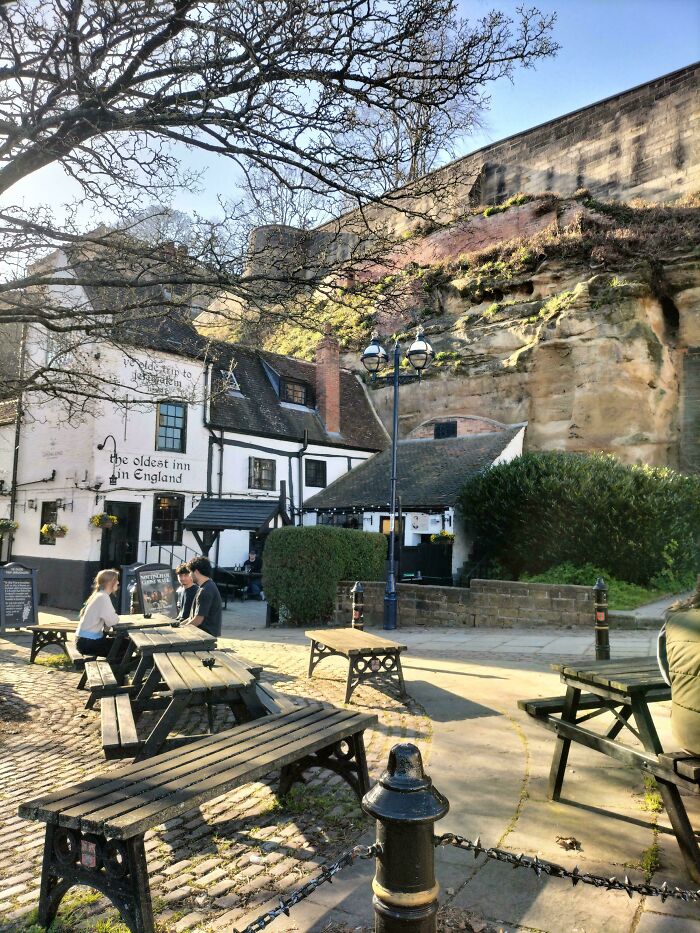
Those are indeed the walls of Nottingham Castle and the place is well worth a visit. But: the actual castle proper was destroyed in 1651. (The Scots had been doing that sort of thing for centuries - castles are a problem when they're not in *your* hands, you see). Link follows.
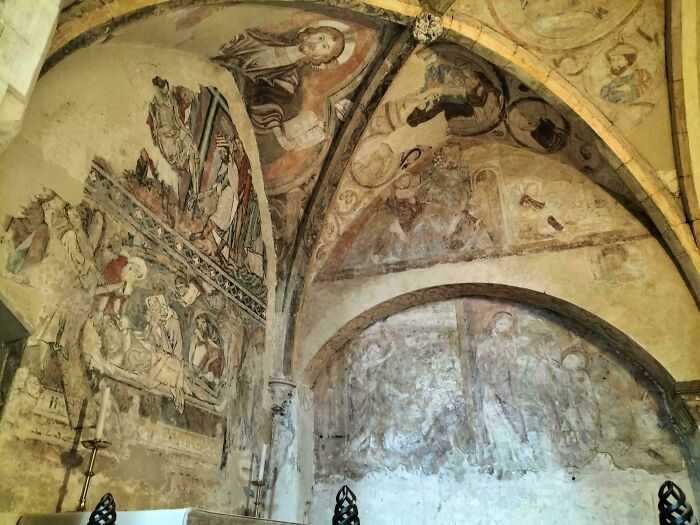
Churches used to be colourfully decorated here in the UK. Then we had the 'Wars of the Three Kingdoms' (aka the English civil war, only it was more than that) and Cromwell's lot took over. They were religiously opposed to such things - destroyed not just the painting and whatnot, but a lot of statues and so on. I seem to recall that a lot of the vandalism was done during the wars.
I read that the Cumans settled the in the Kingdom of Hungary to avoid Mongol invasion. I'm curious as to how Cuman modern day Hungarians are today, as well as any other parts that the Cumans settled.
Thanks for reading!
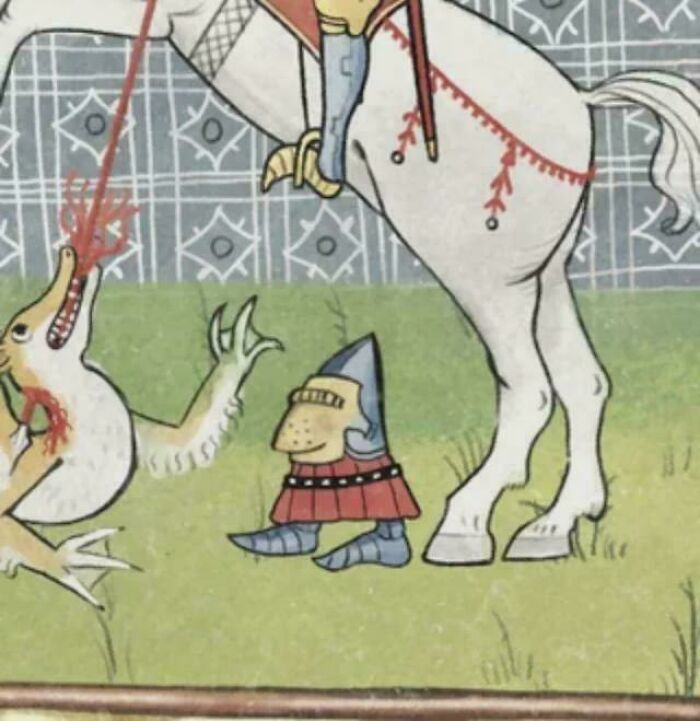
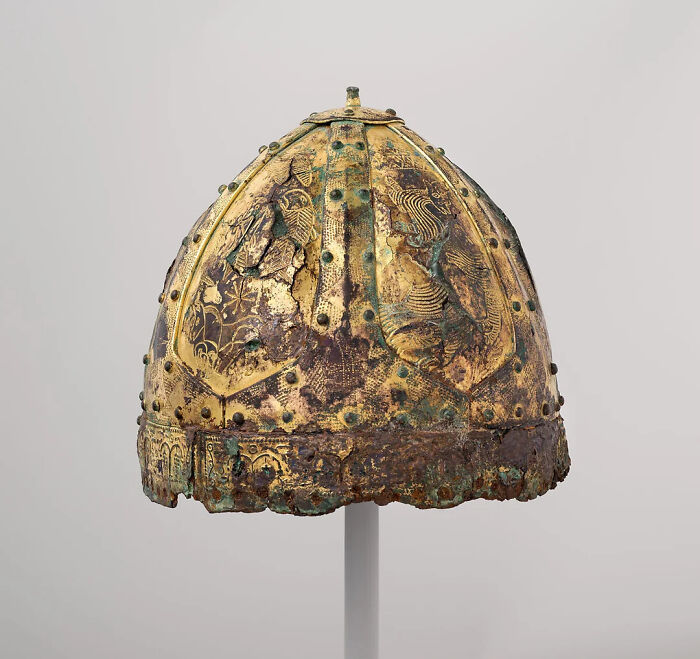
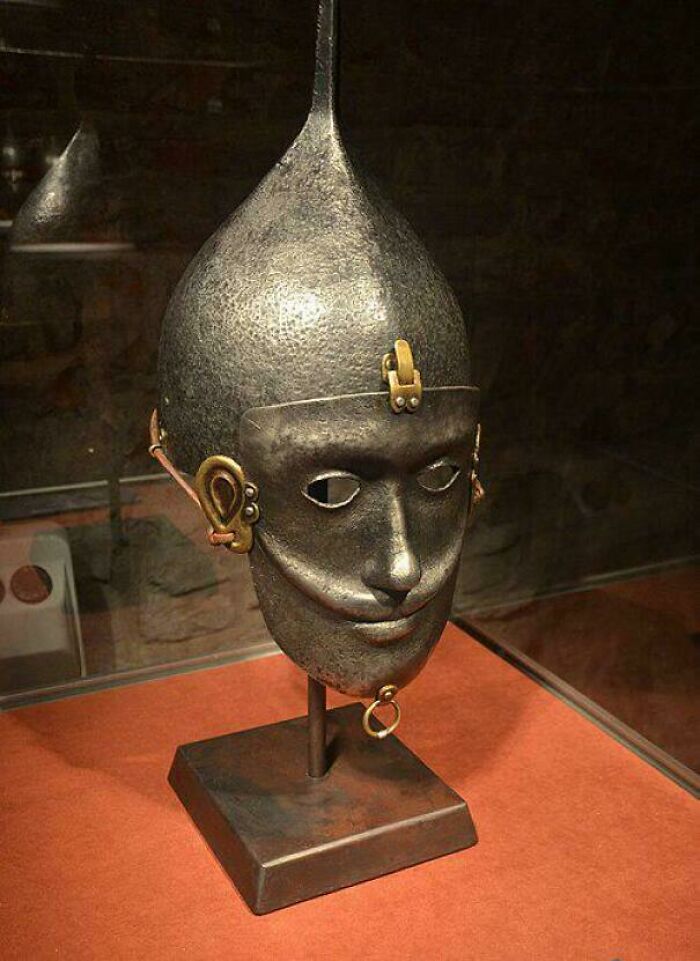
Whatever is behind the helmet shows through the eye holes and forms a side eye effect
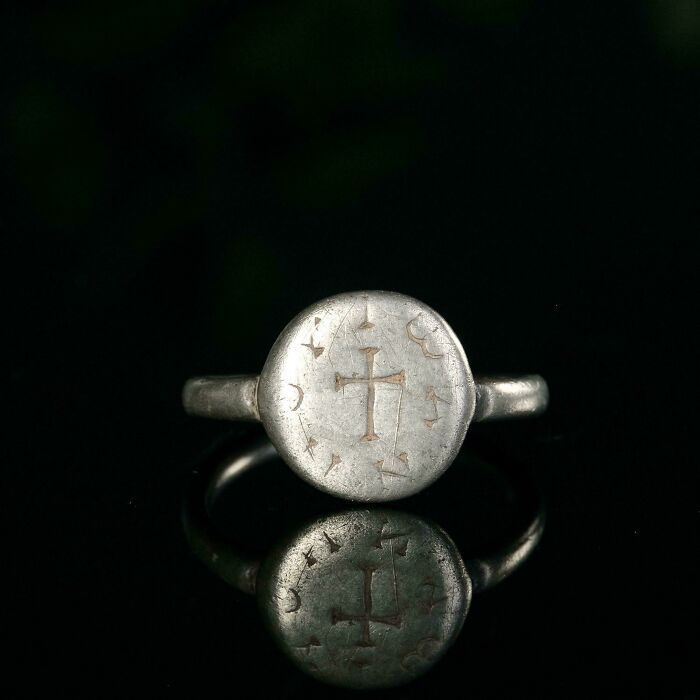
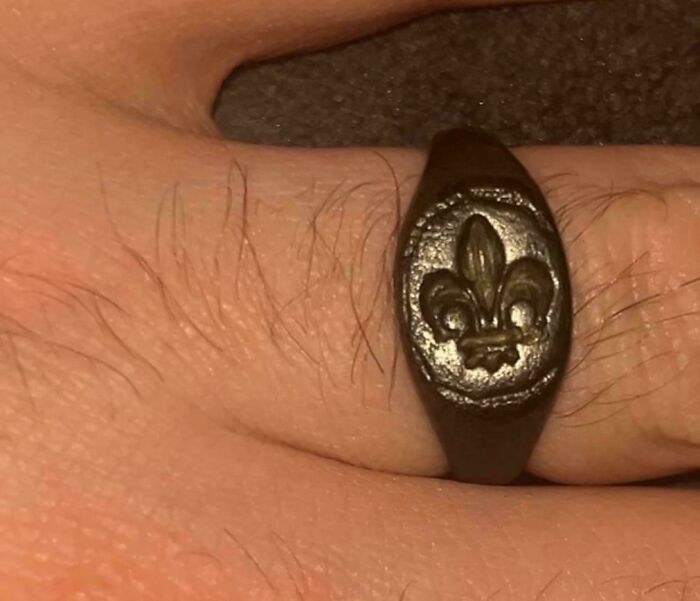
Greets everyone, since you all liked the last ring I shared, I thought I’d post another special piece from my collection. This is a genuine Crusader-period silver seal ring, dating to the 12th–14th century. The bezel shows a central Latin cross surrounded by symbolic letters and a crescent. Rings like this were likely worn by knights or clerics, serving both as personal devotion and as a functional seal.
We must be nearing the end of the list and we're running out of "Medieval" stuff.
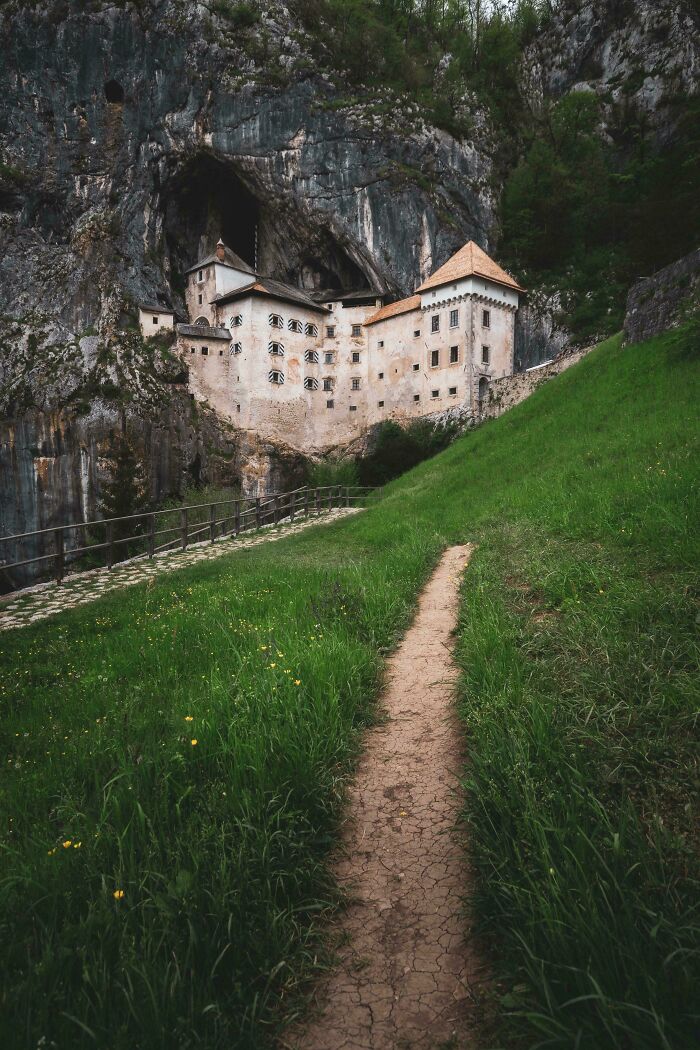
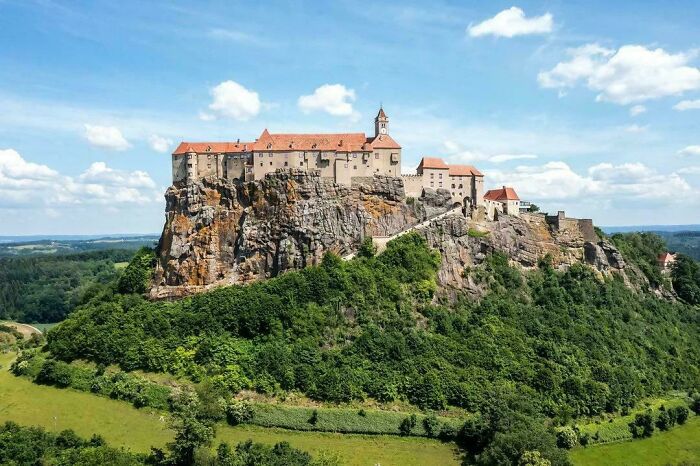
For example, this castle (located in modern day Austria) would be incredibly difficult to conquer using conventional means. If I was some kind of medieval commander tasked with taking this fortress, I’d distract the defenders with probing attacks along its main entrance, ideally at night. While this is happening, I’d send some specially trained operatives to scale the cliffs on the left side of the image above, entering the castle through one of the windows. These operatives could then do anything from attacking key leaders to potentially opening the castle’s main gate, to poisoning water supplies.
This takes me to my main question: did medieval armies have any form of special operatives that could perform specialized tasks in order to further a main effort?
Castles like that would get besieged. Usually, the only way you could take them would be paying someone on the inside to turn traitor and let you in. Given the location of this castle, taking it with direct military force would have been very very hard. One practical method involved using a trebuchet to demolish the main gates - but you had to get the thing set up somehow. Link follows.
Hi everyone,
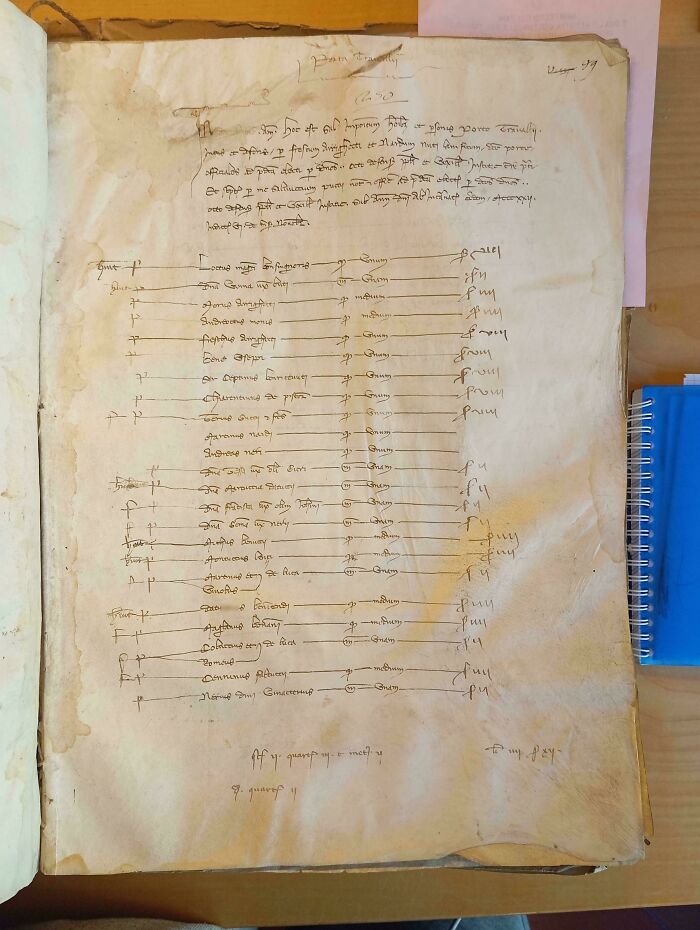
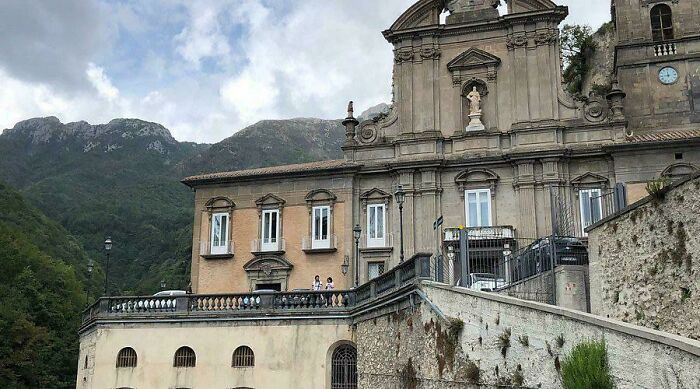
I just wanted to post here to share my great hope -- and anxiety -- of potentially exploring the contents of the most extensive collection of medieval charters in South Italy.
The briefest of backstories: La Trinita della Cava is a Benedictine abbey nestled in the hills just north/northwest of Salerno, a little ways down the Italian coast from Naples. Like most events from this era, the story of its foundation is disputed. Tradition holds that Alferius, a disillusioned monk whose pedigree included service to Guiamar, Prince of Salerno and an extended stint at Cluny, "founded" the abbey around 1010-1011, when he and a couple of other monks retreated to a cave in the hills to undertake the hermetic way. A surviving foundation charter exists from 1025, leading some to hold the belief that the abbey was simply founded by the Lombard Salernitan princes for political reasons. Personally I have a feeling it was a bit of both.
The abbey thrived in the latter half of the 11th century under the invading Norman rulers, who were eager to win the favor (and wield the power) of the local church, becoming great patrons of abbeys like Cava and Montecassino, granting them huge amounts of land and churches across South Italy (even in Sicily) in the process. The foundation of the Kingdom in 1130 only cemented their status.
While there's lots to admire about the abbey, its claim to fame in the modern era is the survival of a dazzlingly extensive collection of medieval charters, including investitures, legal cases, marriages and births and deaths, etc.
And to make a long story only slightly shorter, I reached out to the abbey to arrange a visit while I'm in the area later this month, hoping to conduct a little independent research there. I'm waiting anxiously for a reply, so to abate that anxiety, I decided to post this. It isn't really working.
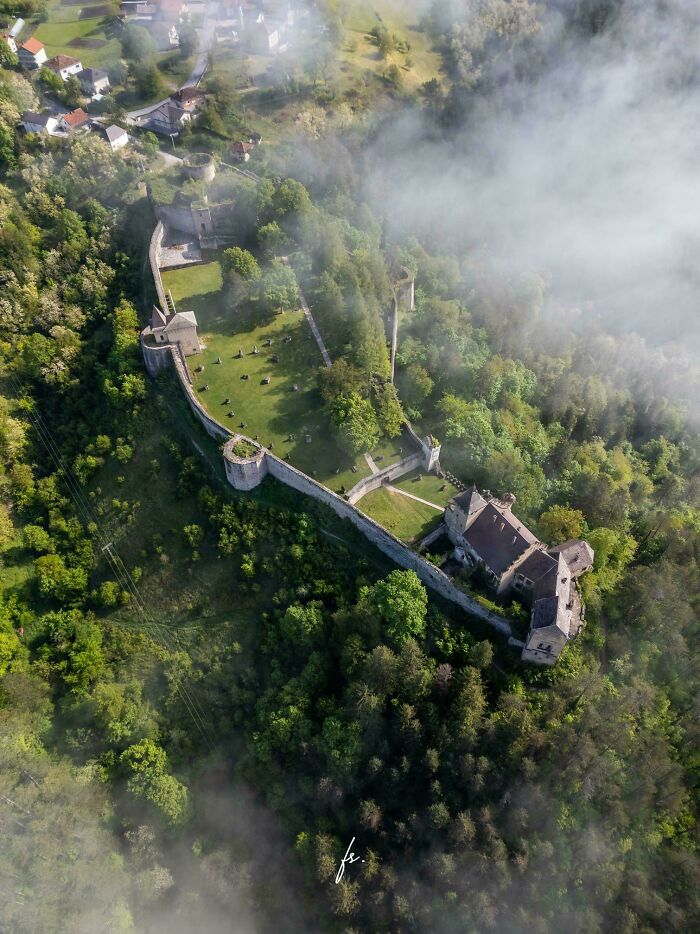
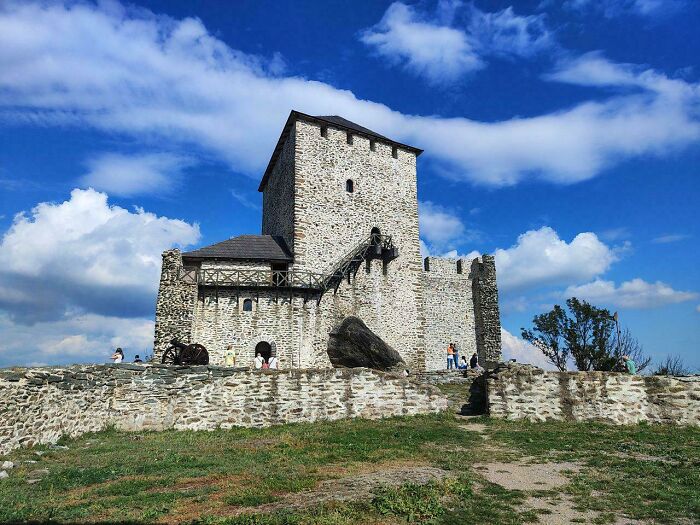
Ostrožac Castle is a haunting hilltop fortress above the Una River where medieval ruins, Ottoman history, and surreal modern sculptures collide in one strangely unforgettable place. The image is taken by me.
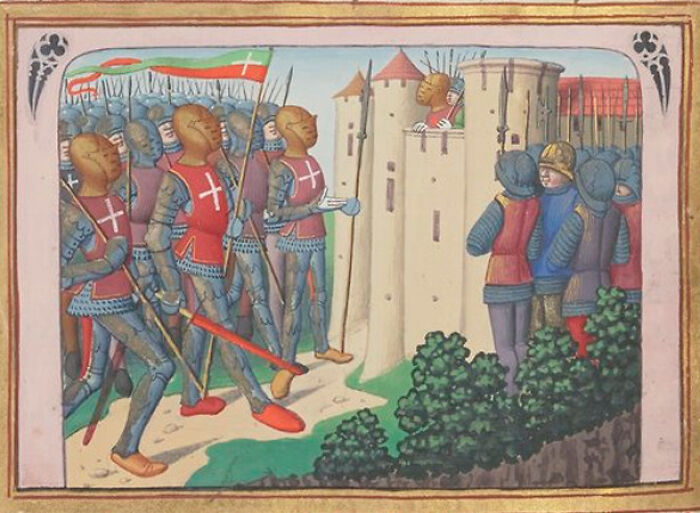
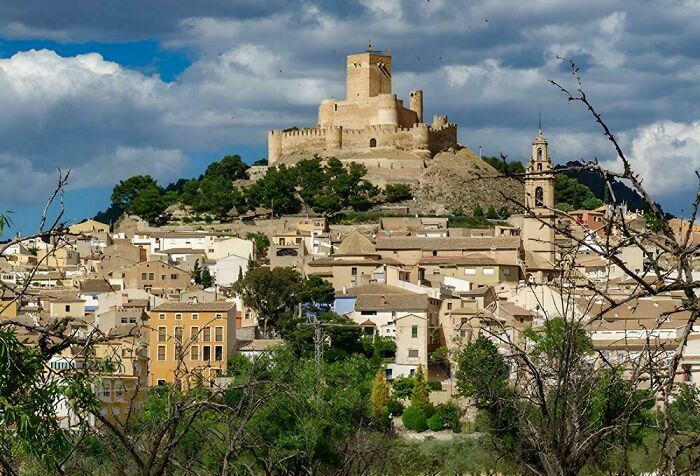
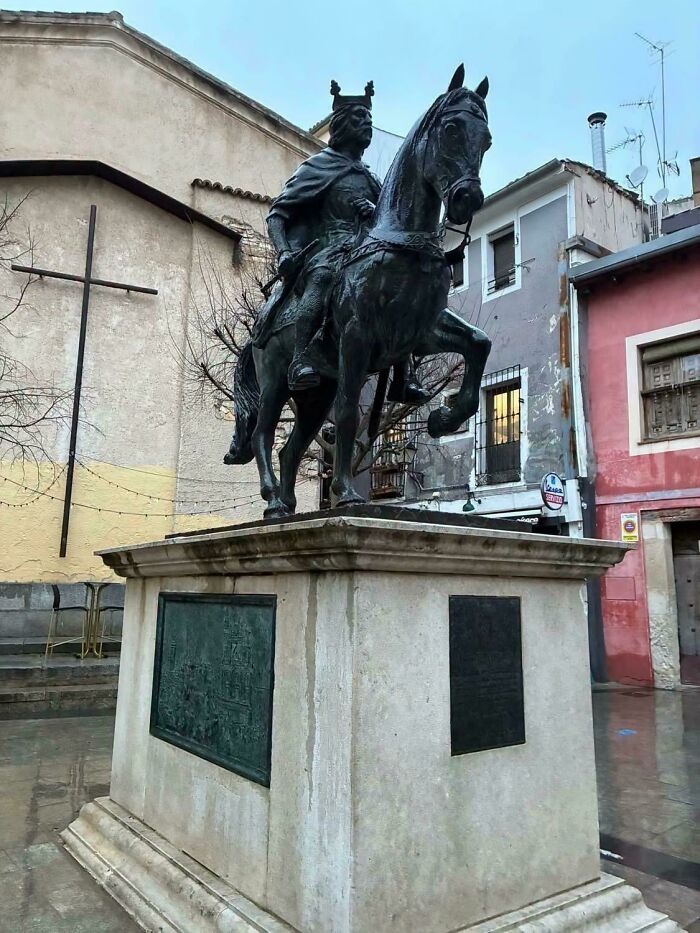
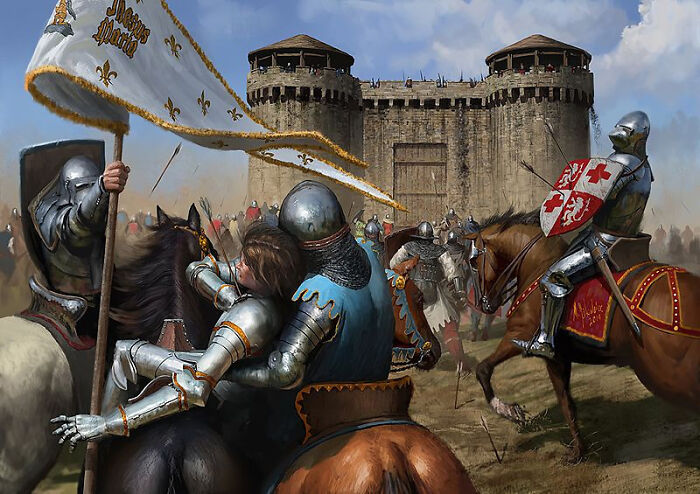
According to Rafael De Julian Alcalde: On St. Matthew's Day, September 21, after having besieged the city since the Epiphany.
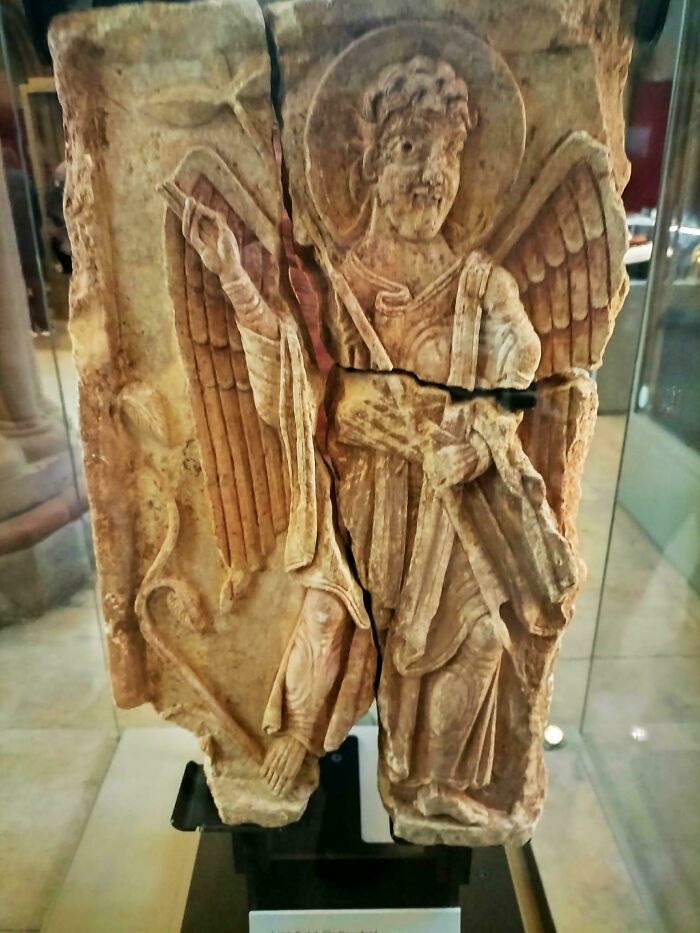
Angel Gabriel. It was found in 2003, and the sainted statue is considered of really significant European importance.
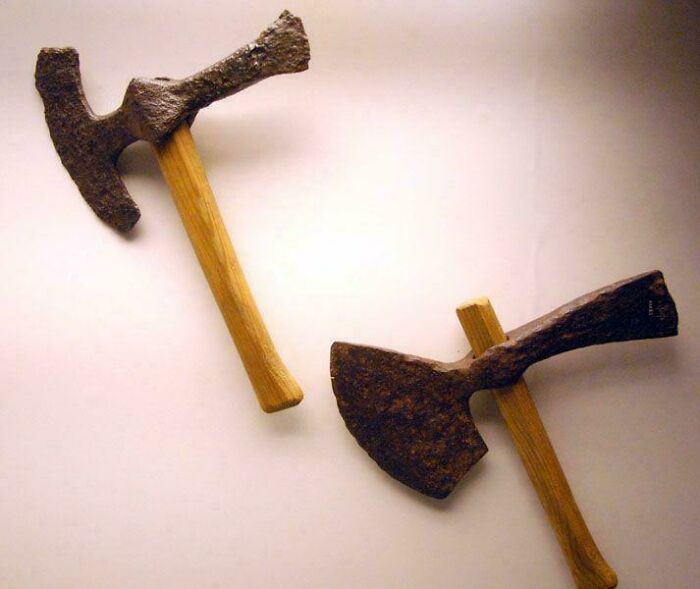
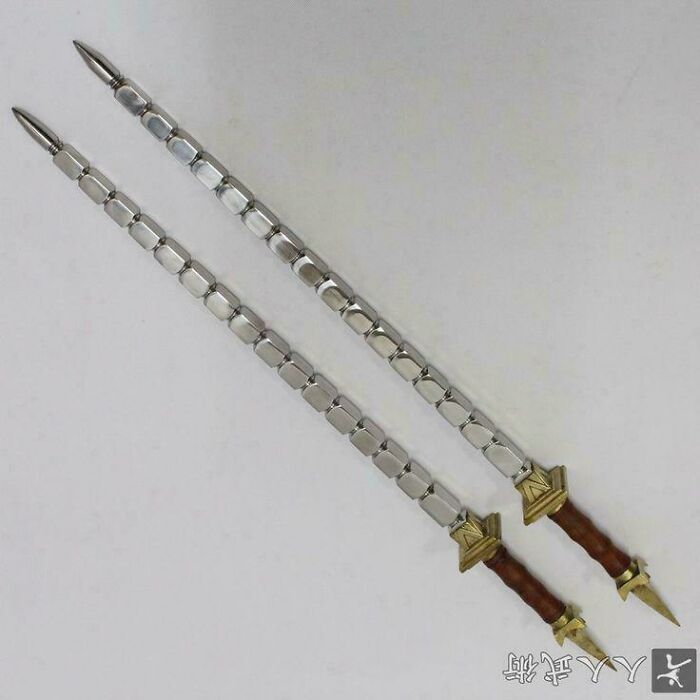
Yes, but not this one. Early ones would have had sharp protrusions to cause maximum damage. A bian was a club held by a horse rider, like a polo stick without the mallet.
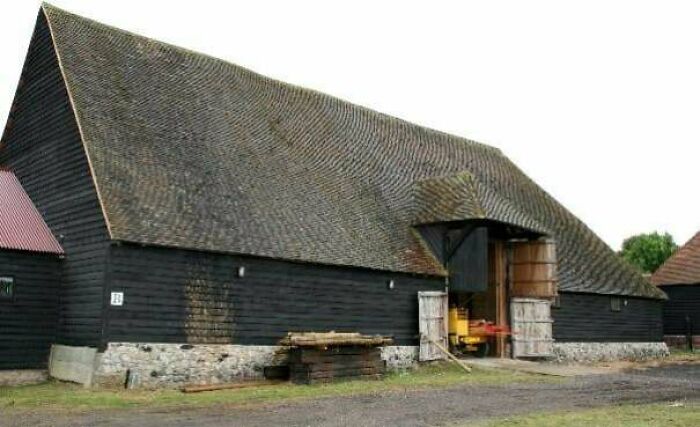
This seems to be Faversham Abbey Minor Barn dating to around 1425/26. The abbey was founded in 1147. Links follow.
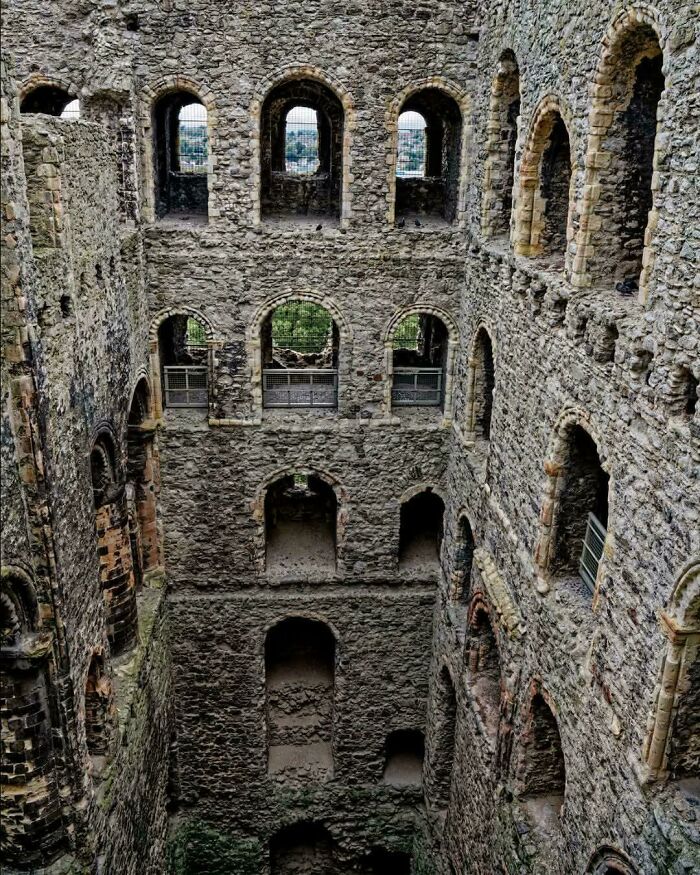
There is the notion that old medieval castles such as the famous Norman keep in Rochester, UK, (finished construction in 1127) ought to be restored to their former glory.
It would undeniably boost tourism, it would give people a much better visual insight into these kinds of historical structures, it would make a 30 minute visit looking at ruins potentially an hour or two looking at a fully fitted and furnished fortress.
Historical castles that changed hands through wealthy owners such as Hever castle (not too far from Rochester) preserved their historical interiors for the public to enjoy to this very day.
Rochester wasn't so fortunate, despite being a far more significant structure historically it obviously didn't have the same treatment as a stately home or as a fortified manor to be stewarded and occupied over the centuries.
I would say that it's clearly a case by case basis. Not every castle needs full restoration, leave lesser castles as ruins as reminders of the passage of time and their dereliction. As symbols of the old ways passing away, replaced by the new. There's a certain charm to a crumbling ruin.
But castles in a town centre of particular importance, like at Rochester, could benefit from restoration. Where most of the shell of the building remains; restoration surely comes into the conversation.
John Ruskin (writer, art critic) was a key voice in conservation. In his book The Seven Lamps of Architecture (1849), he argued that trying to restore old buildings was essentially a lie — you couldn’t recreate their original spirit, only damage authenticity.
William Morris, inspired by Ruskin, founded the Society for the Protection of Ancient Buildings (SPAB) in 1877.
And thus, since the 19th century, UK conservation has generally followed the principle of “conserve, don’t reconstruct” (inspired by William Morris and the SPAB movement). The idea is to respect the castle’s current form as a record of its history, rather than “resetting” it to one moment in time.
Pre-1800s: Restoration/rebuilding was normal, often romanticised.
Mid-1800s: Growing criticism (Ruskin).
1877: William Morris & SPAB establish the conservation ethos formally.
20th century onwards: Conservation (stabilisation, minimal intervention) becomes the standard UK heritage approach.
However there are some exceptions to this conservation ethos that have come up before or since:
The Great Tower of Dover Castle was restored with furniture, banners, and decoration.
Carcassonne in France.
Warwick castle.
Malbork castle in Poland.
Among others.
In conclusion, should this old conservation ethos that dates back to the mid 19th century be reexamined? The errors of old private restorations, that often mistakenly introduced inaccurate architectural features, are in the past.
We now have an opportunity to selectively restore structures in an informed and careful manner under modern frameworks that respect these remains. Doing so could boost local economies and great a sense of awe, wonder, and connection to history that a ruin cannot.
I think the conservation ethos has protected the UK’s heritage brilliantly for 150 years — but we might be reaching a point where selective, carefully justified restoration could add real cultural and educational value. It doesn’t have to be all-or-nothing.
What are your views?
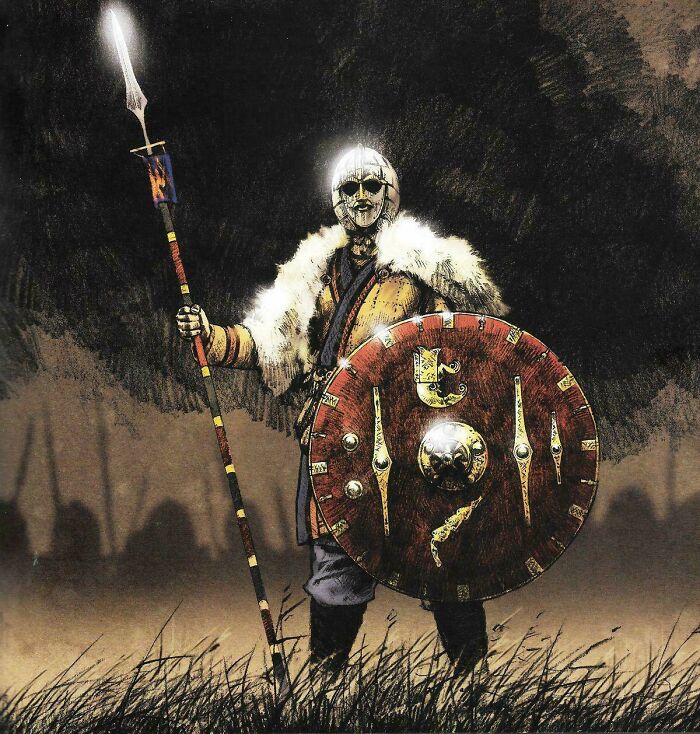
An imaginative reconstruction of how he might have appeared, based on the assumption that the Sutton Hoo helmet really was his. Link follows.

































 No fees, cancel anytime