Get Premium
Dark mode theme is available exclusively for premium users. Learn more about the benefits of subscribing.
No fees, cancel anytime.

 Dark Mode Ad-Free Browsing Unlimited Content
 Ad-Free Browsing Unlimited Content Dark Mode
Join 1.2 million Panda readers who get the best art, memes, and fun stories every week!
29submissions
1week left

A good map is worth a thousand words. A bad one, on the other hand, is just one, and usually a pretty ugly one.
If you've been on Bored Panda long enough, you probably know that we have a soft spot for cartography. After all, we've already covered it here, here, and here.
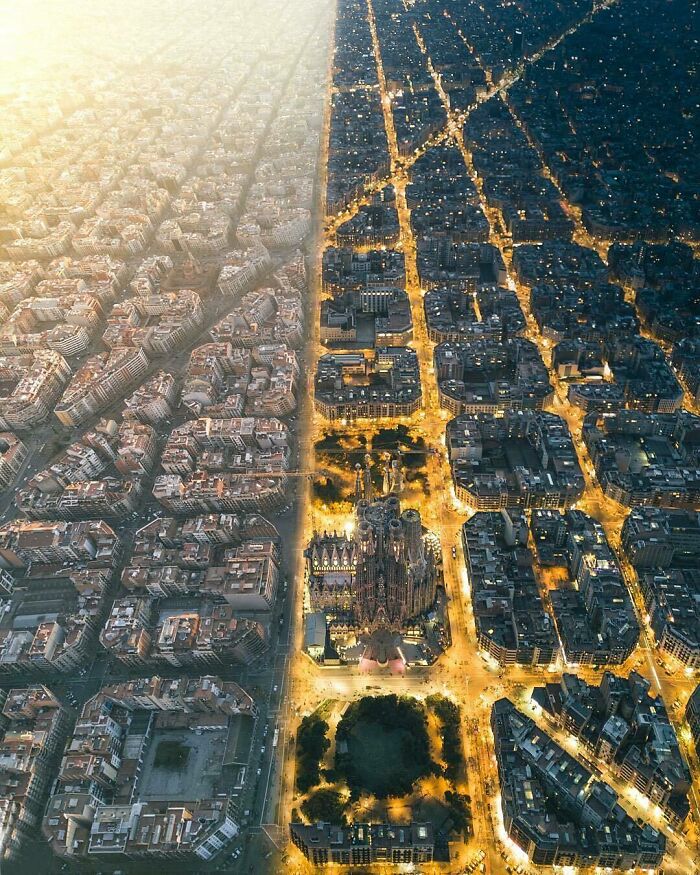
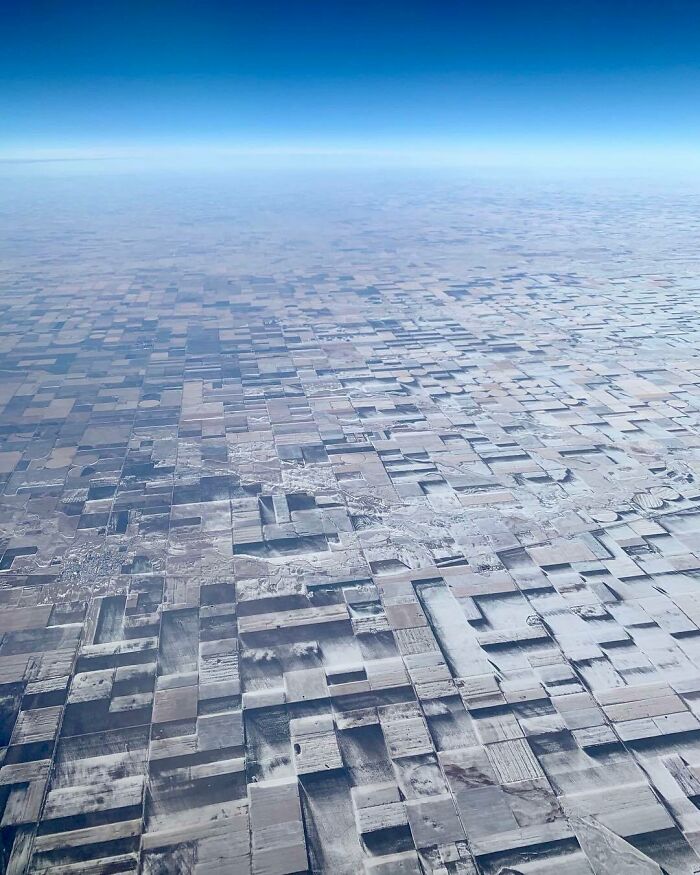
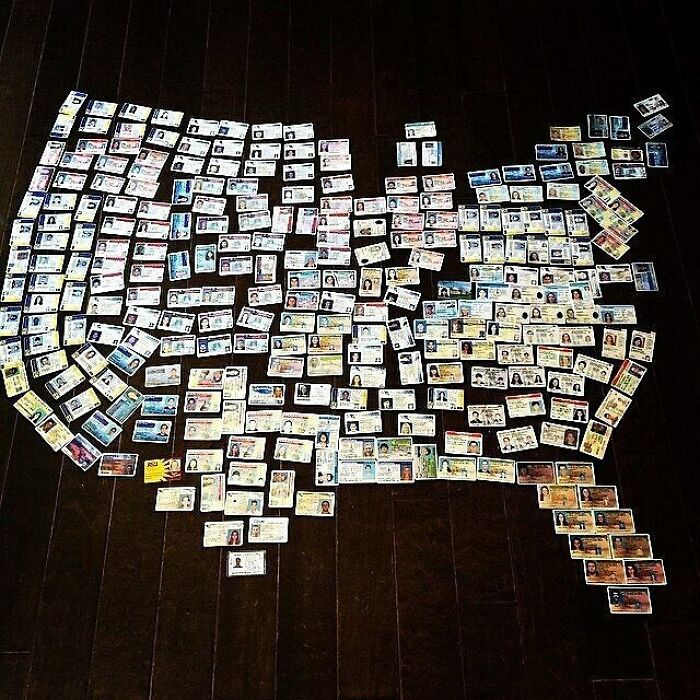
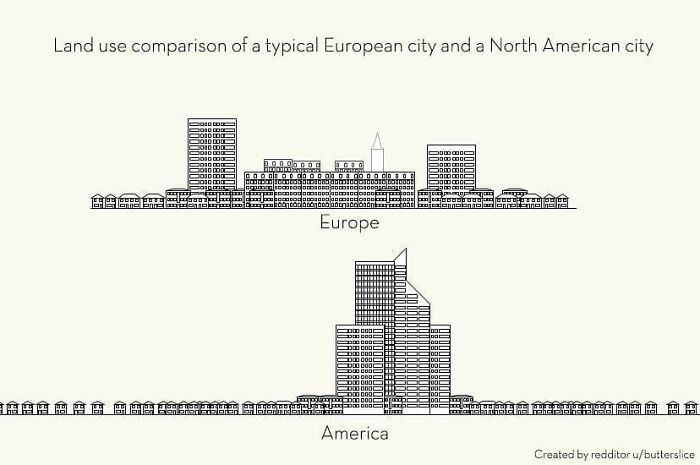
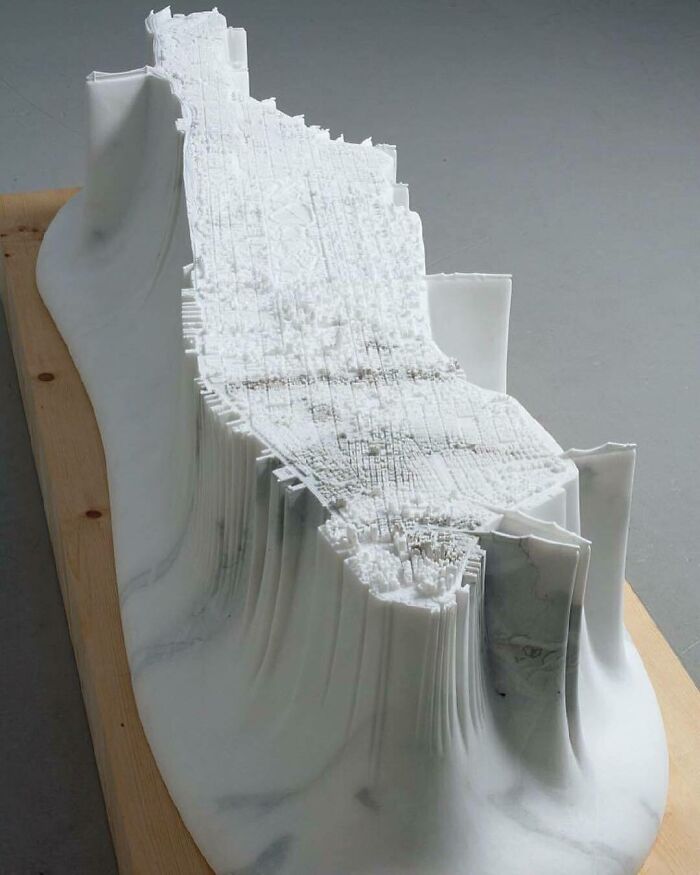
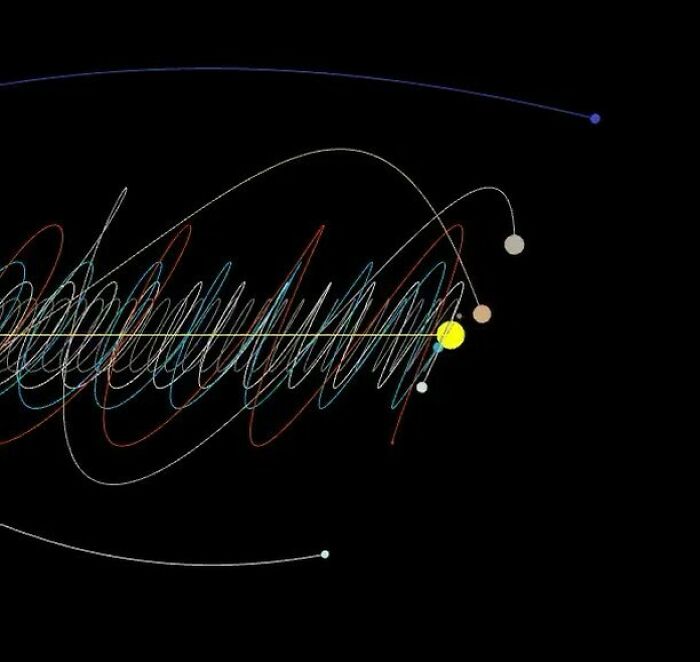
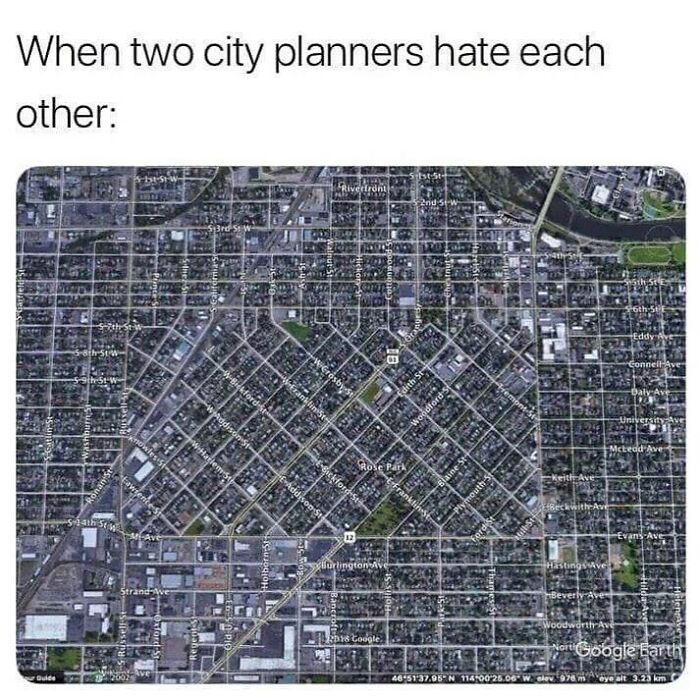
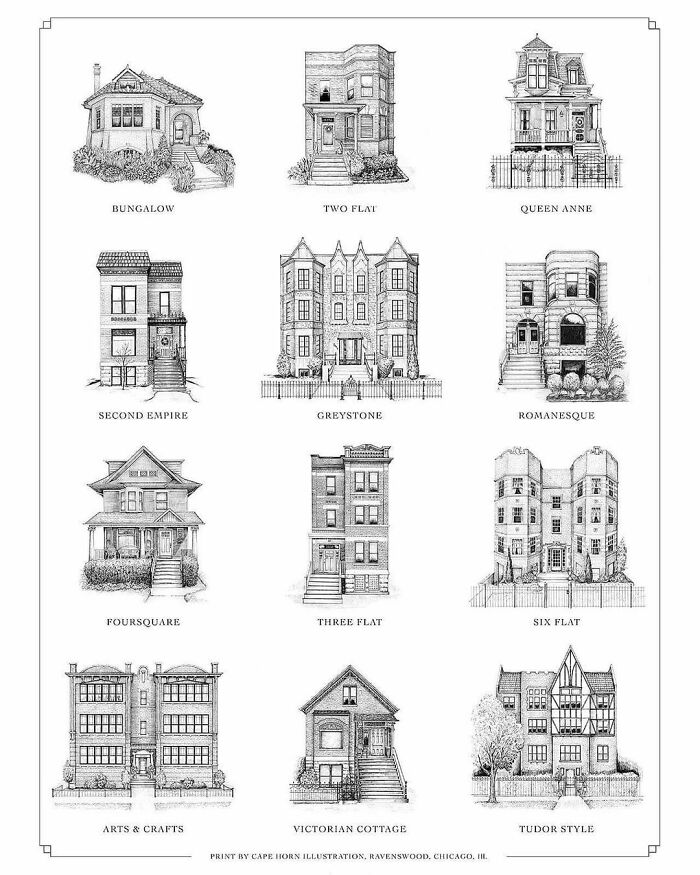
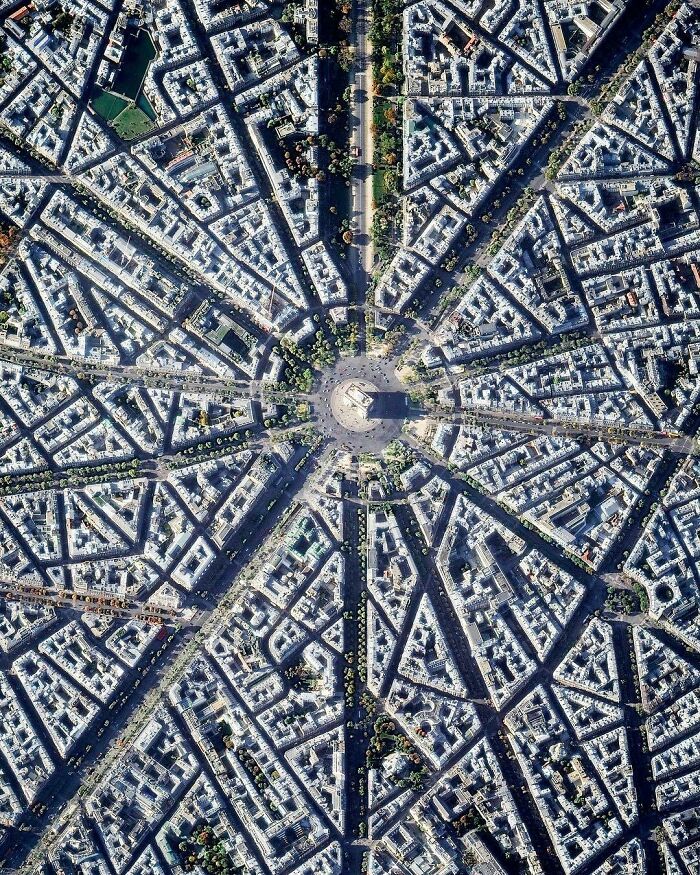
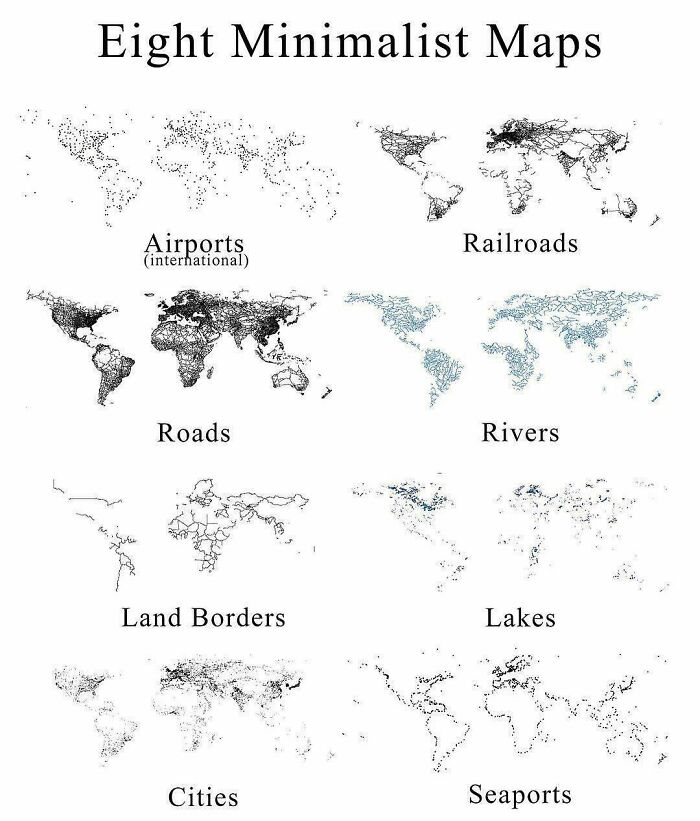
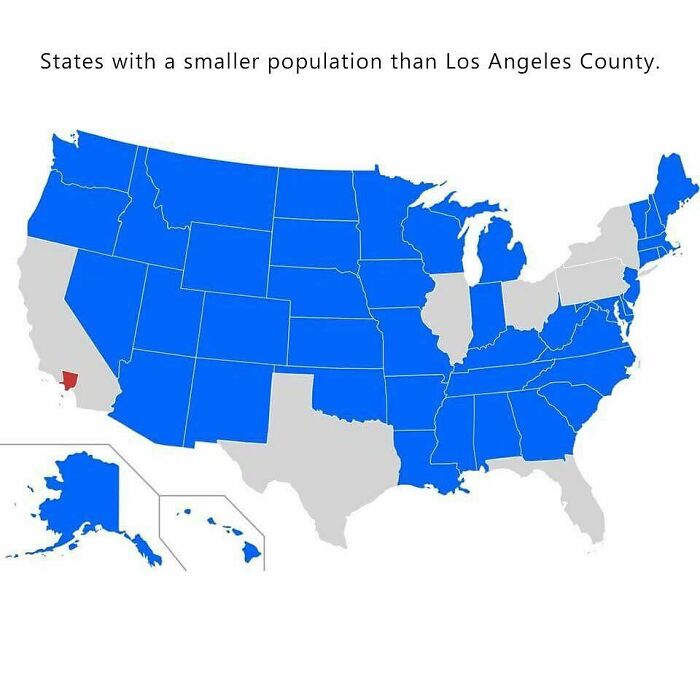
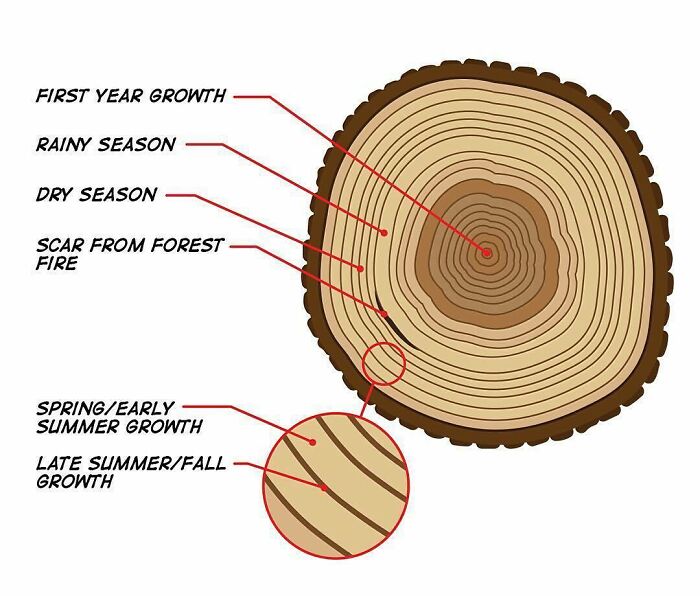
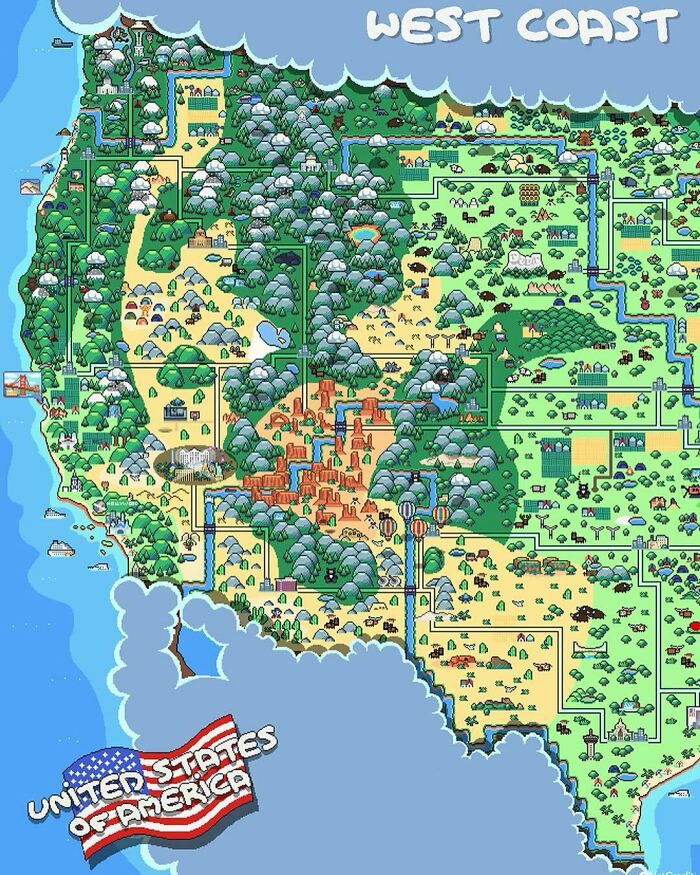
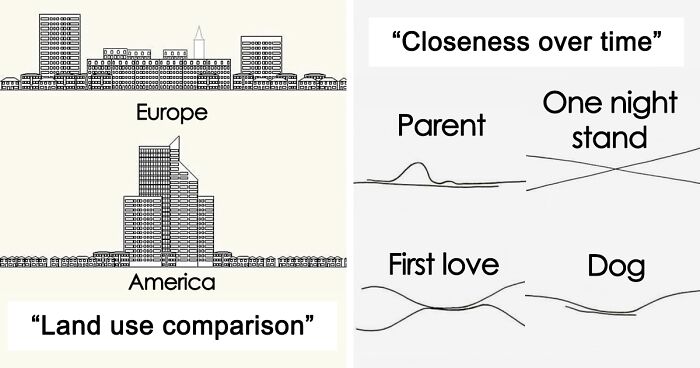
So when we discovered the social media project 'A Map A Day', we knew we had to make a publication about it too. Run by a cultural geography and tourism student, it regularly shares all sorts of geographical oddities that challenge the way you see the world.
Continue scrolling and see for yourself!
More info: Instagram | Facebook
Click here & follow us for more lists, facts, and stories.
This post may include affiliate links.
The evolution of maps has taken a long road. We, humans, have documented our surroundings for thousands of years, in the form of cave paintings, stone tablets, religious maps, printed maps, and the multi-layered digital maps of modern day.
From ancient Babylon, through the Renaissance, and into the present, mapping history offers a fascinating look into the collective psyche of each period.
The Imago Mundi (more commonly known as the Babylonian Map of the World) is considered the oldest surviving world map.
It is currently on display at the British Museum in London and dates back to between 700 and 500 BC. It was found in a town called Sippar in Iraq. The carved map depicts Babylon in the center with places like Assyria and Elam nearby, all surrounded by a “Salt Sea” forming a ring around the cities.
Outside the ring, eight islands or regions are carved into the tablet. The map is accompanied by a cuneiform text describing Babylonian mythology in the regions depicted on the stone.
The medieval maps, on the other hand, seem to have been dominated by the church, reflecting the ecclesiastical dogmas and interpretations of Scripture
But during the late Middle Ages, a great deal of enthusiasm was generated by the travels of Marco Polo in the 1270s and 1280s.
New information about faraway places, and the stimulation of interest in world maps, promoted their sale and circulation and it was evident that Marco Polo’s experiences inspired the desire for exploration in many.
Progress in other areas such as navigation, ship design and construction, instruments for observation and astronomy, and general use of the compass helped to improve existing map information, as well as to encourage further exploration.
Eventually, geographic knowledge was profoundly increased during the 15th and 16th centuries as Columbus, da Gama, Vespucci, Cabot, Magellan, and others made their discoveries, gradually transforming the world maps of those days.
Arguably the most important aspect of postmedieval maps was their increasing accuracy. It was made possible by continuing exploration.
Another significant characteristic was a trend toward artistic and colorful rendition, for the maps still had many open areas in which their creators could indulge their imagination. Interestingly, many maps of this age have become sought out collectors' items.
A reformation of cartography that evolved during the 18th century, however, popularized scientific trends and more accurate detail, thus replacing all the monsters, lions, and swash lines with factual content.
Soon the only decorative features were in the cartouche and around the borders. The map interiors contained all the increasing information available, often with explanatory notes and attempts to show the respective reliabilities of some portions.
If earlier mapmakers chased quick, profitable output based on information obtained from reports of travelers and explorers, the new French cartographers were scientists, often men of rank and independent means.
For expensive ventures, such as the triangulation of two degrees of a meridian to determine the Earth’s size more accurately, they were even subsidized by the king or the French Academy. Similar trends were emerging across all over Europe.
During the past few decades, there has been a growing interest in the automation of mapping processes, and considerable progress was made in this area.
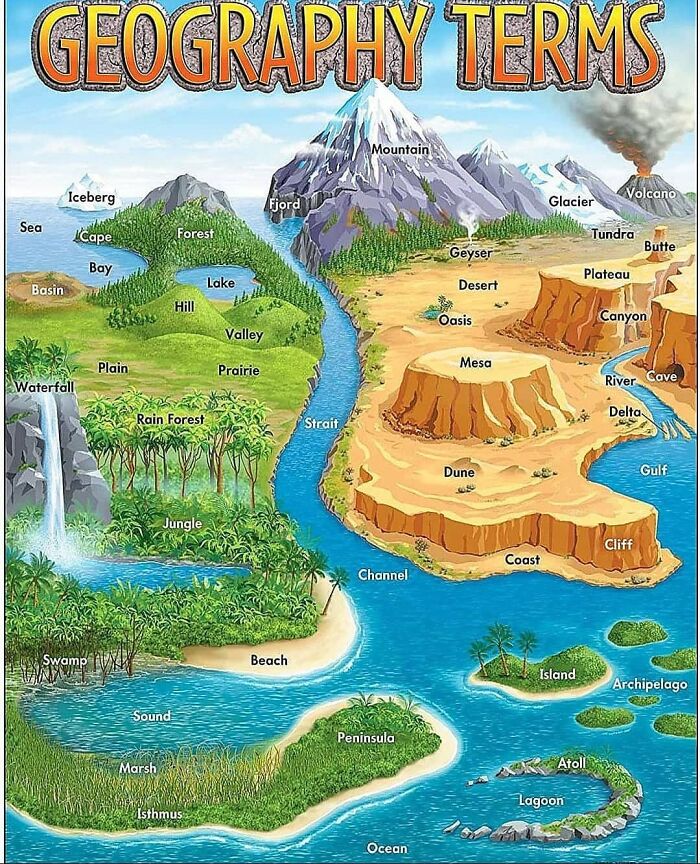
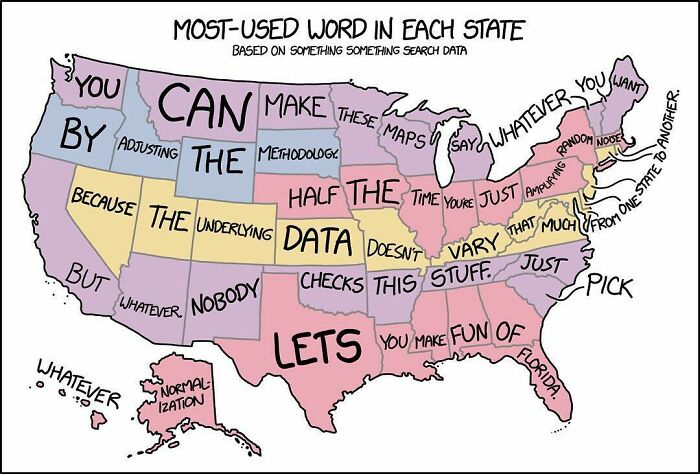
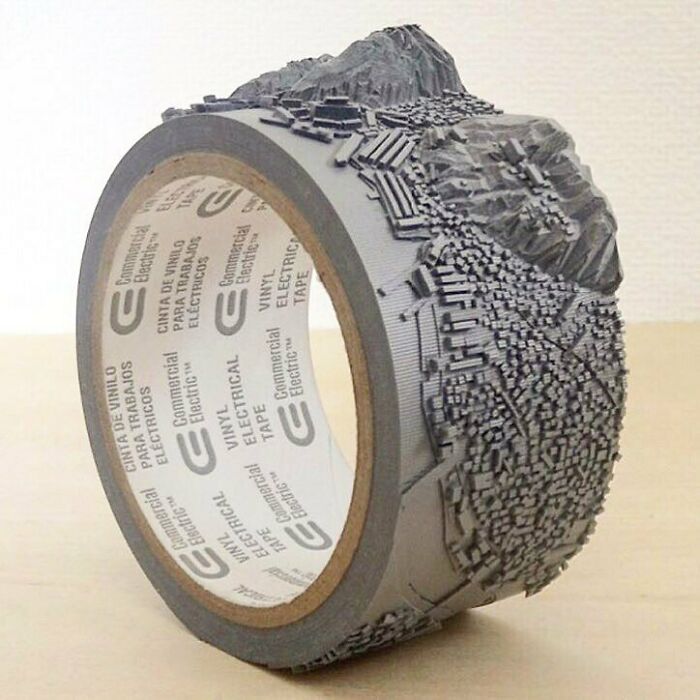
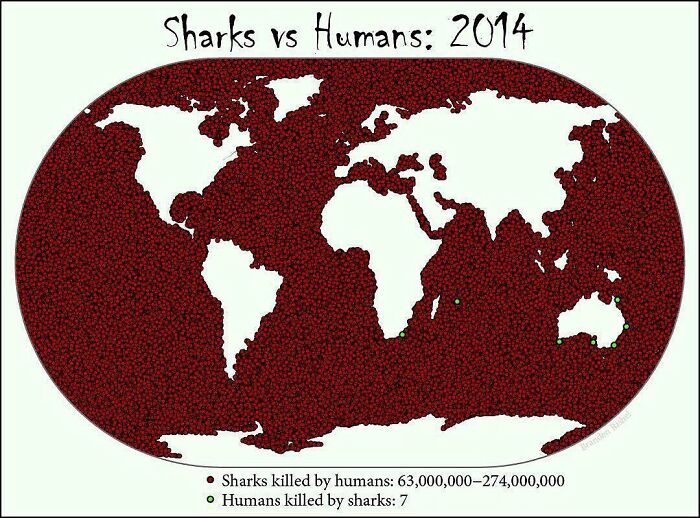
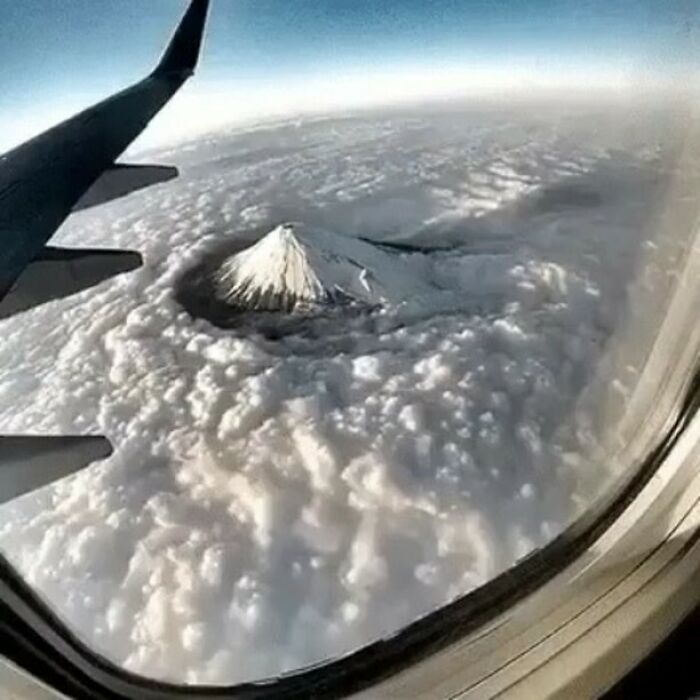
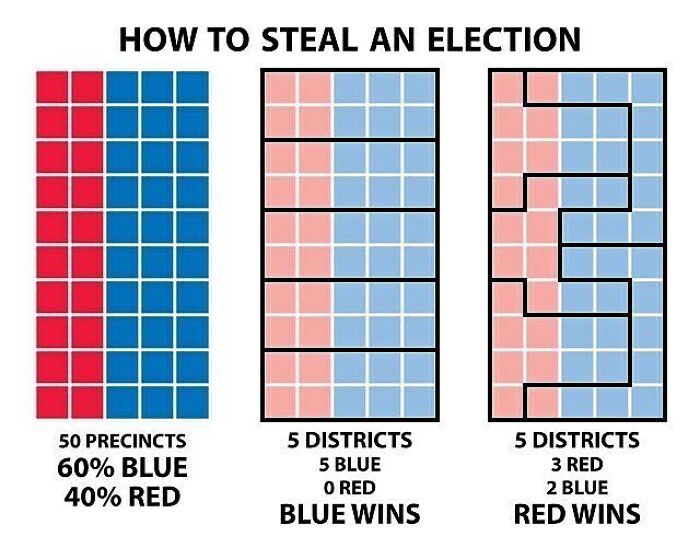
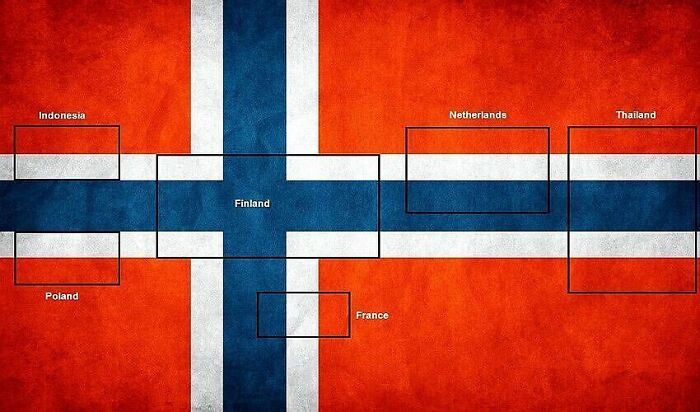
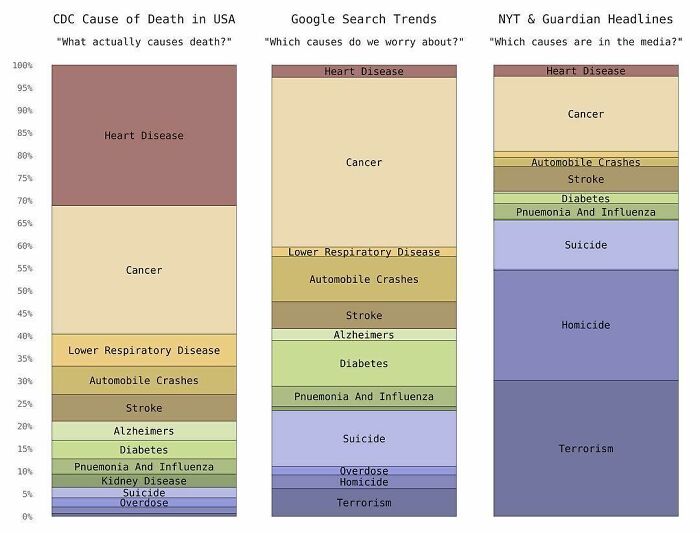
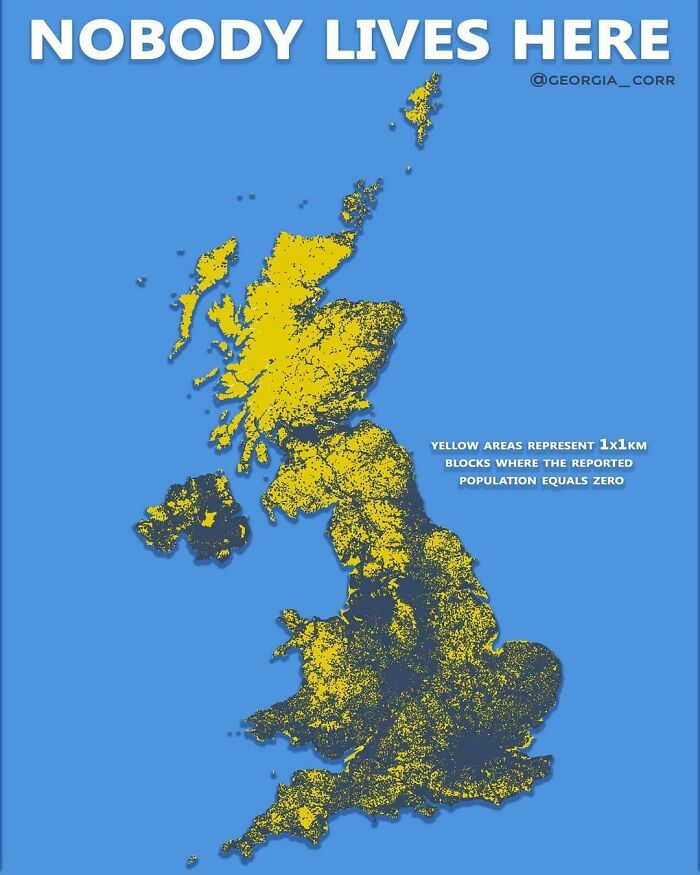
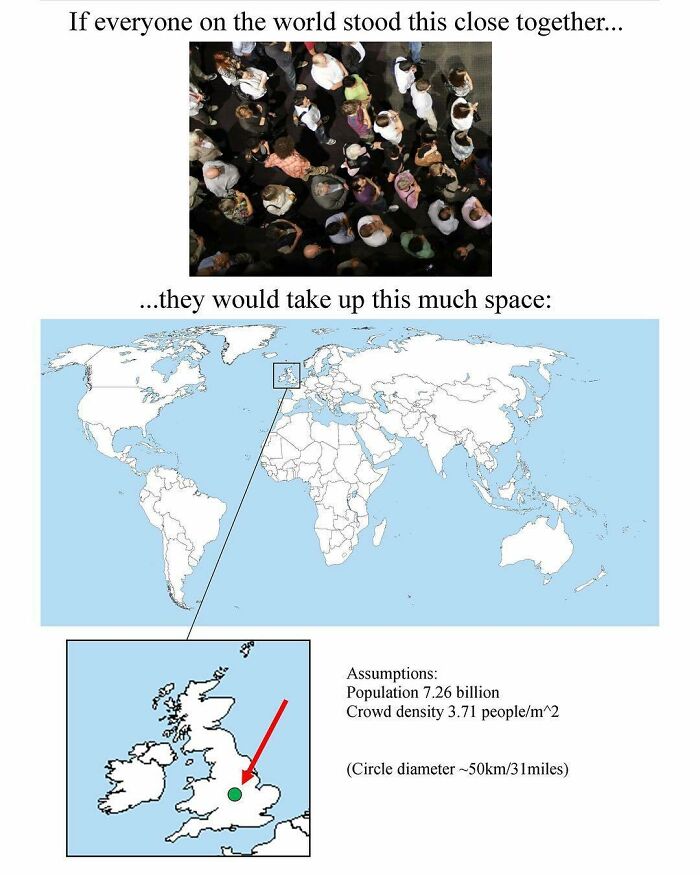
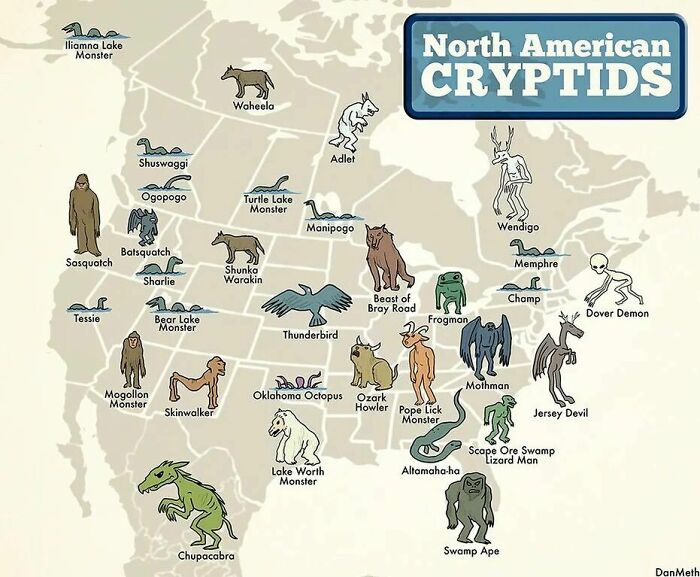
But as we can see from the pictures, there's still plenty of creativity going into making maps.
You might also like: Google Earth: 49 odd things people found by zooming in




























 No fees, cancel anytime