Get Premium
Dark mode theme is available exclusively for premium users. Learn more about the benefits of subscribing.
No fees, cancel anytime.

 Dark Mode Ad-Free Browsing Unlimited Content
 Ad-Free Browsing Unlimited Content Dark Mode
Join 1.2 million Panda readers who get the best art, memes, and fun stories every week!
27submissions
1week left

History is important, especially in times when some people are attempting to rewrite it right in front of our eyes. As Mark Twain once said, "History never repeats itself, but it does often rhyme." So, we can learn something from it: whether what to avoid, what really matters and stands the test of time, or how people's everyday lives looked a hundred years ago.
This time, we've got you a compilation from the dedicated online group on Facebook aptly named Historical Photos. Boasting over 400k members, it's just the right place to appreciate our history through pictures. Whether they're colored or black and white, perhaps you'll see a slice of the past you've never seen before!
Click here & follow us for more lists, facts, and stories.
This post may include affiliate links.
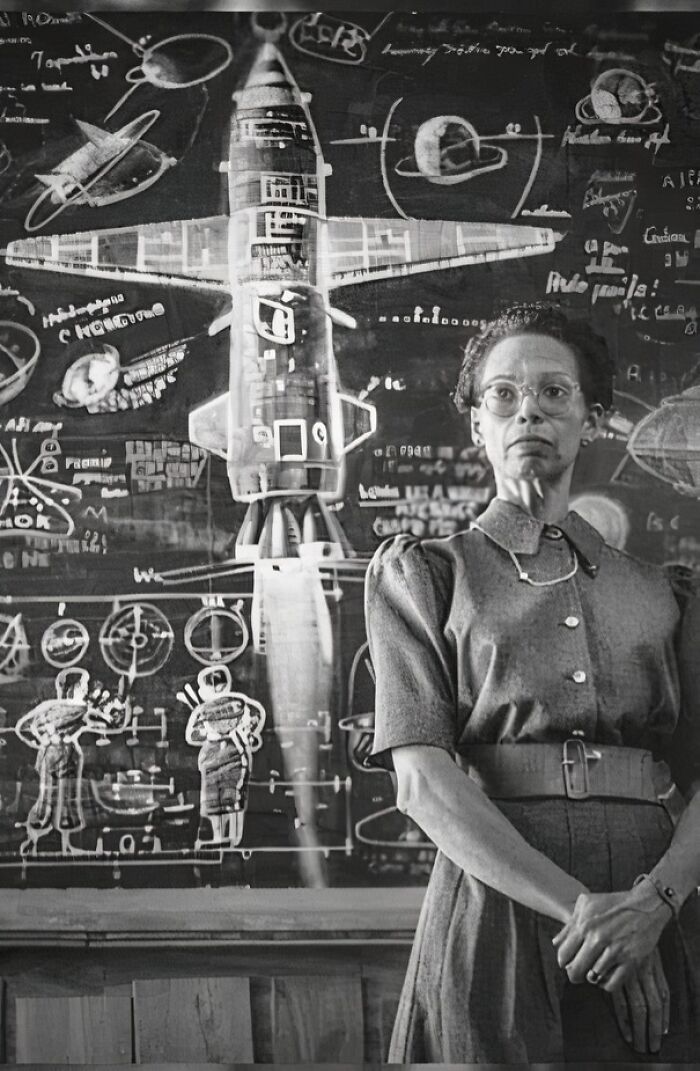
Her precise calculations helped ensure the success of the Mercury and Apollo space missions, including the historic Apollo 11 moon landing. Her life and work were immortalized in the film "Hidden Figures."
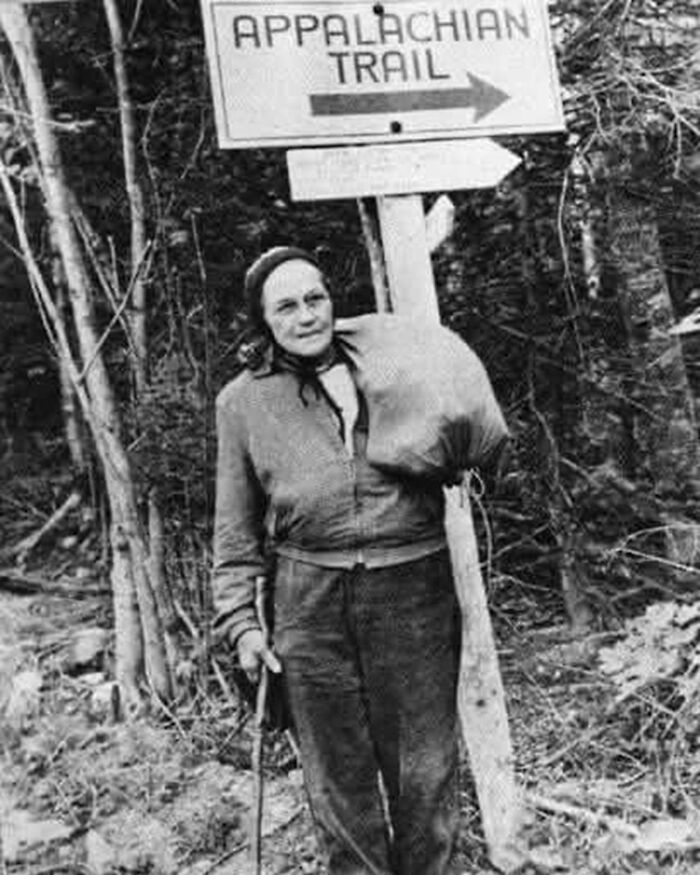
In 1955, Gatewood became the first woman to hike the entire Appalachian Trail solo and in a single season, starting from Mount Oglethorpe in Georgia and finishing at Mount Katahdin in Maine.
A farmer’s wife from Ohio and mother of 11, Gatewood—affectionately known as “Grandma Gatewood”—embarked on her journey with little more than determination and a deep resilience forged through hardship. Having endured years of domestic abuse before finally escaping her marriage, she found solace and strength in nature. Her trek was more than just a physical challenge—it was an act of liberation.
Unlike today’s well-equipped thru-hikers, Gatewood traveled light. She wore simple Keds sneakers, carried a homemade denim sack, and relied on her foraging skills and the generosity of strangers along the way. Her feat was so extraordinary that she completed the entire trail again in 1960 and later section-hiked it in 1963.
Her remarkable journey not only brought national attention to the Appalachian Trail but also inspired countless future hikers. For those of us in New England, where the trail culminates at Maine’s rugged Mount Katahdin, her story serves as a reminder of the endurance, grit, and adventurous spirit that define both the Appalachian Trail and those who dare to walk it.
It's hard to imagine that schools weren't always like they are today; maths, geography, and English weren't always the default subjects. The same goes for history. We might think that American history as a subject was always taught in schools.
However, some historians say that the official beginning of history as a subject is the 19th century when historians began working in universities and colleges as professors. Since then, the subject of history has had many tweaks and changes. Perhaps the most notable began around 1960 when historians started including women, minorities, and working people in the subject.
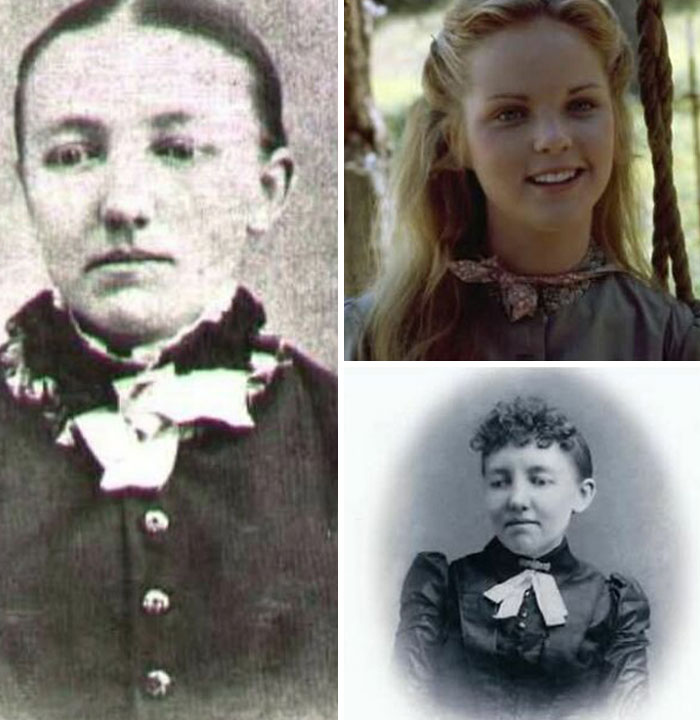
Little did they know, Mary’s story would forever be tied to the pages of literature through her younger sister, Laura. Mary was a quiet and obedient child with a sharp mind and an insatiable curiosity. She loved reading, sewing, and writing poetry, and her world was full of warmth from her family and the playful moments shared with her sisters, Laura, Carrie, and Grace.
However, everything changed in the summer of 1879 when Mary fell gravely ill at the age of 14. Intense fevers left her bedridden, and when the fever finally subsided, she discovered a new, devastating reality: she had lost her sight. Her family, although supportive, couldn’t change the fact that the disease had left her blind. Her sister, Laura, became her eyes, reading to her, describing the world around them, and helping her continue her studies. Despite this dramatic shift, Mary remained determined to overcome the challenges that came with her blindness.
In 1881, Mary enrolled in the Iowa College for the Blind, where she spent seven years studying literature, mathematics, science, and even learning practical skills like weaving and broom-making. She became a cultured, independent, and resilient woman. After graduating in 1889, Mary returned to De Smet, where she lived with her family, finding joy in music, reading, and sewing. Though she never married, Mary found fulfillment in her simple life, surrounded by her loving family. After her mother’s passing in 1924, Mary continued to live with her sisters until her passing in 1928. Though her life was overshadowed by her sister Laura’s fame, Mary’s legacy lives on in the pages of *Little House on the Prairie*, where her spirit remains alongside her beloved sister.
Yet history as a subject was also alive in ancient Greece. Today, we call Herodotus the Father of History because he was the first to publish a comprehensive history of the Western world, titled "Histories." In it, he wrote about the Greco-Persian wars. Interestingly, Herodotus was also called the Father of Lies.
He traveled a lot and supposedly interviewed everyone from Egyptian priests to Babylonian farmers, making him experienced and sophisticated for his time. But he also had a knack for decorating history with juicy elements to make the read more interesting. Like when he claimed that there were giant ants the size of foxes in Persia (he probably meant marmots, which lived in the Himalayas).
Step into a 1950s hospital, and you might have found a room filled with iron lungs—a sobering testament to the polio epidemic. These cumbersome contraptions helped polio-stricken patients breathe, a lifeline amid a terrifying health crisis.
The iron lung was both a marvel of medical engineering and a harrowing sight. Patients, many of them children, would spend days, months, or even years encased in these metal chambers. For the families, it was a beacon of hope; for the patients, a cumbersome reality.
Thankfully, the advent of vaccines has relegated iron lungs to the annals of history.
Nevertheless, modern historians and archaeologists have proved that some of Herodotus's "history" is accurate. Like the existence of Egyptian ships called barides. For many years, historians thought they were bogus. Until 2019, when they discovered the remains of an actual baris ship in the Nile.
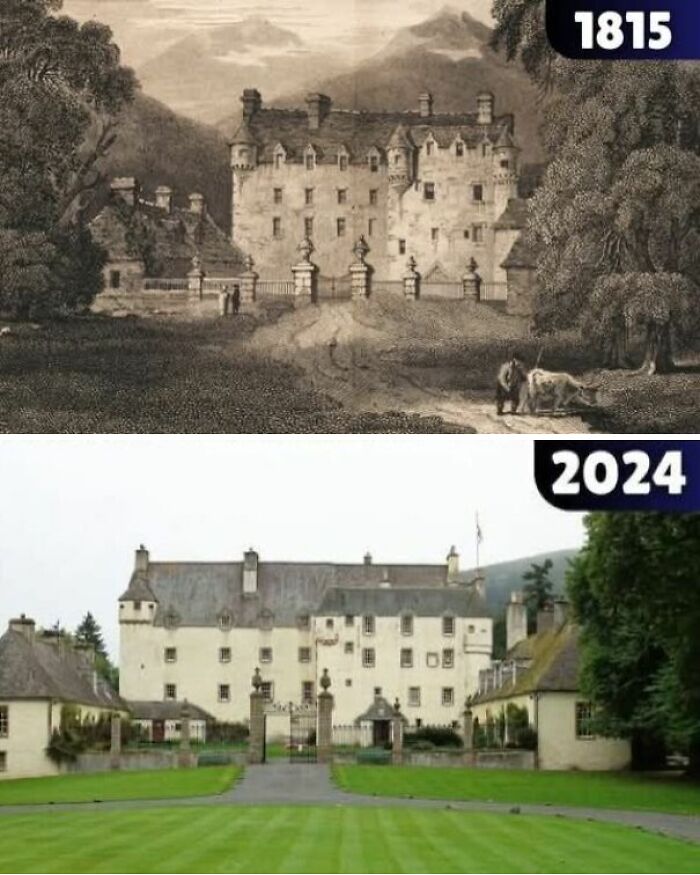
Originally a royal hunting lodge, Traquair has been visited by 27 Scottish Kings, and it dates back to 1107.
Why is it important that we study history? Some historians say that reflecting on the past helps us understand the present better. In the school year of 2022-2023, history was the 23rd most popular subject nationwide. 31,443 people graduated with a history degree between those years.
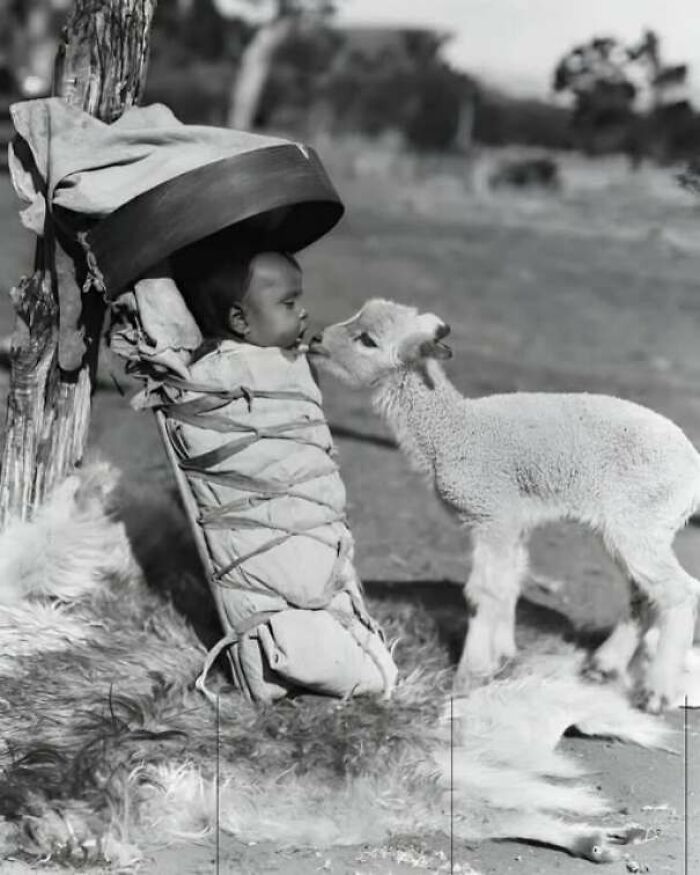
The cradleboard, made of wood and leather, was a vital part of the Navajo culture, designed to keep the infant secure and comfortable, while also offering protection as the mother worked or traveled. The scene, which shows the baby peacefully being approached by a lamb, illustrates the deep connection between the Navajo people and the animals that played a central role in their daily lives, from livestock to spiritual significance. The Navajo, whose territory spans across Arizona, New Mexico, and Utah, have always had a profound relationship with the land and animals, which is reflected in their traditional art, culture, and beliefs.
This photograph, taken at Wind Rock, a location in the northeastern part of the Navajo Reservation, not only captures a fleeting moment but also preserves a glimpse of life during a time of transformation for Native American communities. In the early 20th century, the Navajo people, like many indigenous groups, were facing challenges such as forced assimilation policies, land displacement, and the impacts of modernity on their way of life. Despite these challenges, the Navajo remained resilient, maintaining cultural traditions, including the cradleboard and the nurturing of their young in an environment where they were surrounded by nature and family.
The image stands as a testament to the beauty of Navajo traditions and the intimate, yet often overlooked, moments that define a culture. This photograph is a reminder of the enduring strength and connection of the Navajo people to their heritage and land, captured through the lens of a photographer who was able to witness and document this quiet yet profound interaction between child, nature, and animals. The year 1930 marked a pivotal time for Native American communities, and images like this one offer valuable insights into the resilience and enduring cultural practices of the Navajo nation."
At a time when long-distance travel was a challenging and daring feat, Bales' solo journey was both a personal adventure and a testament to the growing spirit of independence among women. Her journey was not just about the miles; it was a statement of strength, perseverance, and the freedom that motorcycles offered during that era.
Vivian Bales believed her Harley Davidson was the "key to the whole United States," a sentiment that reflected her belief in the power of mobility and the open road. As she crossed the diverse American landscape, she encountered people, places, and experiences that illustrated the vastness and variety of the country. Her trip symbolized the growing fascination with motorcycles as a means of exploration and self-expression, and she became a symbol of adventure and empowerment for women at the time.
Her journey was well documented in the press, and Bales' story was widely celebrated, adding to the allure of both motorcycling and the emerging role of women in activities traditionally dominated by men. Today, her incredible ride remains a milestone in the history of motorcycling and a shining example of the spirit of adventure and determination.
As it's not the most popular degree, people like to say that it's not practical. Especially in comparison with STEM degrees, which are a better guarantee of a stable career. History teacher and digital creator Steve Heimler says that teenagers need to study history in order to learn how to think.
Heimler explains how some people are almost pre-programmed to think that the world and its processes can be explained in simple terms. But almost no issue is black and white; only dictators and news pundits reduce the complexities of the world in terms of good vs. bad.
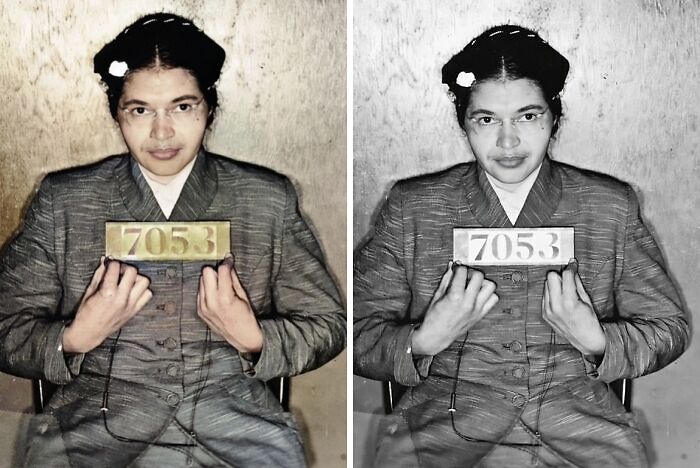
Arrested after the Bus Driver moved the Colored Only Sign behind Parks to allow Standing Whites to sit and Parks refused to stand - and stood her ground.
Parks was charged with a violation of Chapter 6, Section 11, segregation law of the Montgomery City code, although technically she had not taken a white-only seat; she had been in a colored section. Edgar Nixon, president of the Montgomery chapter of the NAACP and leader of the Pullman Porters Union, and her friend Clifford Durr bailed Parks out of jail that evening.
The United States Congress has honored her as "the first lady of civil rights" and "the mother of the freedom movement"
"There are a thousand competing explanations for any given event and all of them have some merit, although some have more merit than others," Heimler argues. "We need people in this world who are capable of thinking in nuance and complexity, and it's the study of history that will deliver such a posture of mind to you," he adds.
He suggests looking at the world as if it were a person. When we meet someone, we want to know where they grew up, what their childhood was like, where they went to school, etc. Then we feel we can understand what kind of person they are better. The same with the world: the more we know about its past, the better we can understand its present.
What's more, according to Heimler, history also teaches us humility. Or, in his own words, "History teaches me that I am not the biggest deal that there is." In the words of historian Sam Wineburg, learning history allows us to see the world outside of our own image. "Mature historical understanding teaches us to do the opposite: to go beyond our own image, to go beyond our brief life."
You Might Also Like: 49 things people said that were too stupid to forget



































 No fees, cancel anytime