Someone once wowed the world by inventing a desktop device that allowed people to print black-and-white documents from the comfort of their own homes. It was a technological breakthrough and not long after, parents were proudly printing photo-quality images for their children's endless school projects.
Today's kids will never know the struggles of paper jams, running out of ink, or dodgy connections going down. They're printing toys, fidgets, and even their own building blocks from scratch. It's all thanks to yet another technological breakthrough in the form of 3D printers. But it's not a hobby reserved for children.
Houses, hearts, prosthetic limbs and food are among some of the incredible creations being 3D printed around the world. From amateurs to experts, everyone is jumping on the bandwagon with their brilliant designs. Dozens of online communities have popped up, serving as virtual 3D printing galleries. Bored Panda has paid a visit to a bunch of them, to select the most awe-inspiring examples of innovative creativity.
This post may include affiliate links.

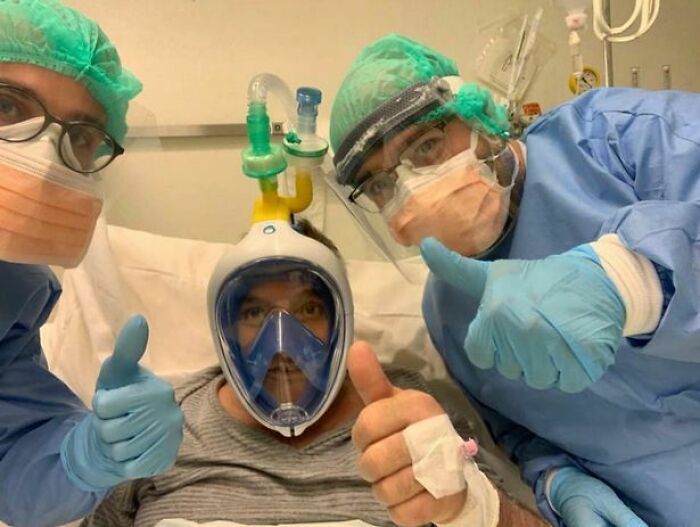
Italian Guy Designed A 3D Printable Valve To Turn Scuba Mask Into A Ventilator Mask. And It's Free!
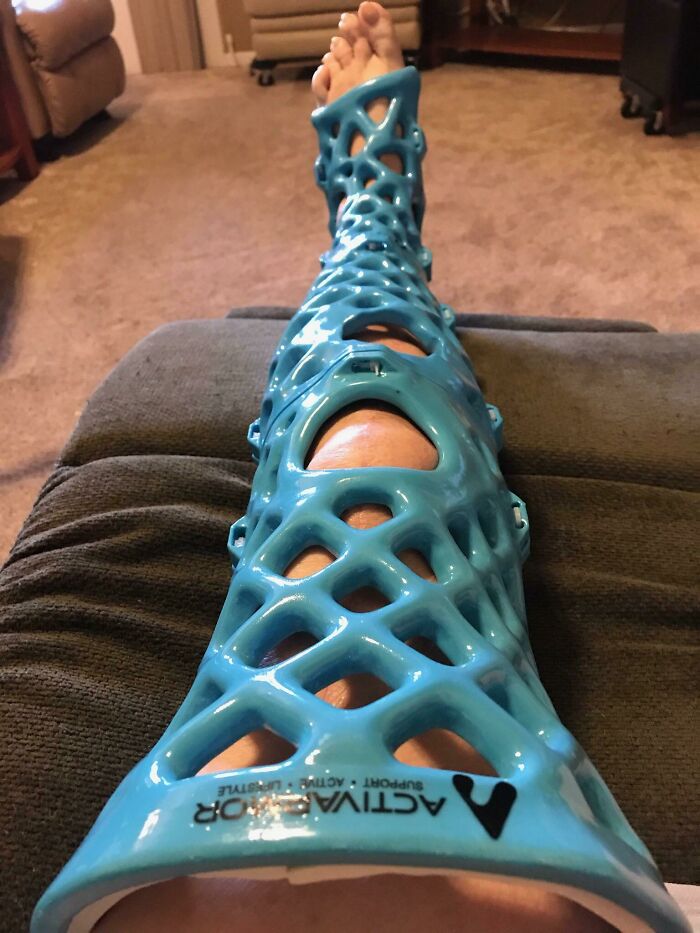
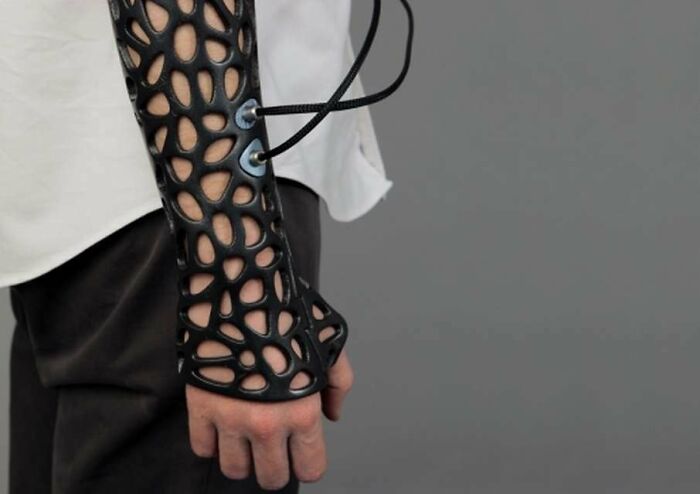
My Moms 3D Printed Cast. She Can Take A Shower With It!
It might seem like 3D printers only entered the scene fairly recently but they've actually been around since the 80s. The first one was invented by a guy called Chuck Hull back in 1984. The seed had been planted a few years earlier when, in 1981, Dr. Hideo Kodama of the Nagoya Municipal Industrial Research Institute published a paper detailing a rapid prototyping system.
"His idea involved using a UV light to harden photosensitive polymers layer by layer," explains Snapmaker.com. "Unfortunately, Dr. Kodama failed to file the full patent requirements before his one-year deadline, and his groundbreaking concept was never officially credited as the first patented 3D printer."
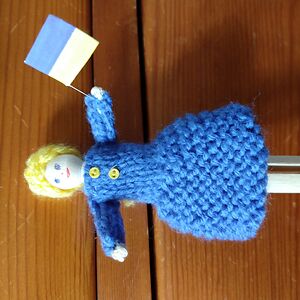
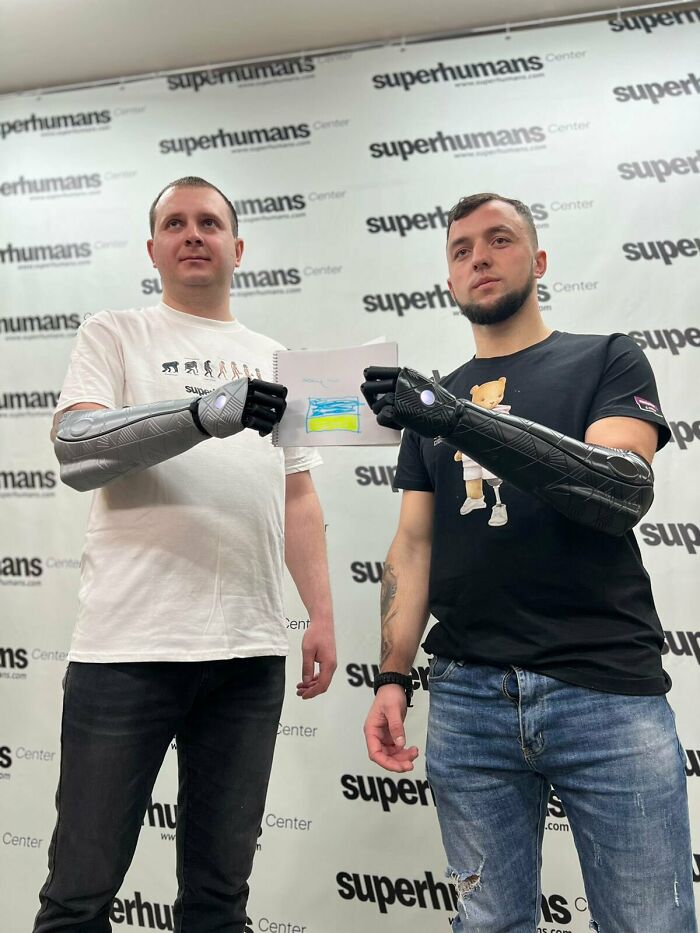
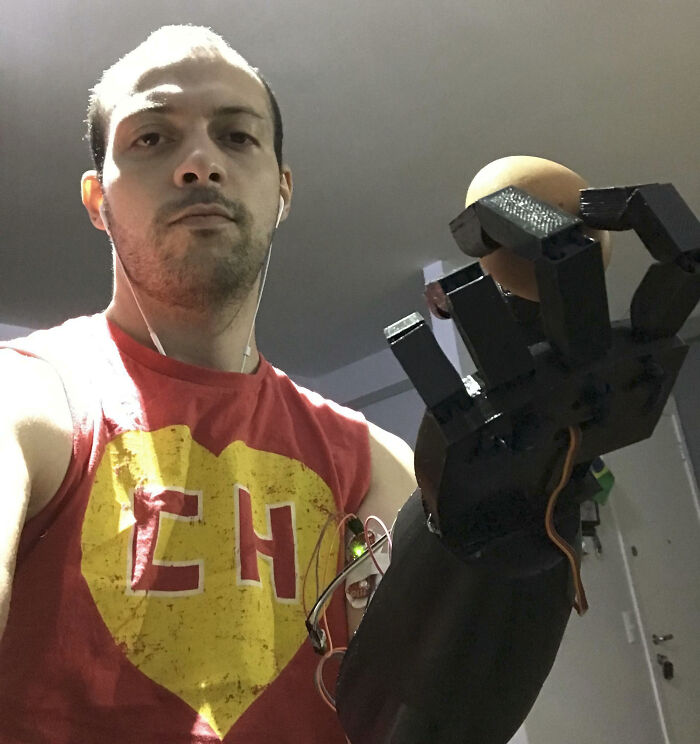
Ukrainian Soldiers Andrii And Vitalii Received Their 3D Printed Bionic Arms Today
I'm Kinda Liking This 3D Printing Thing
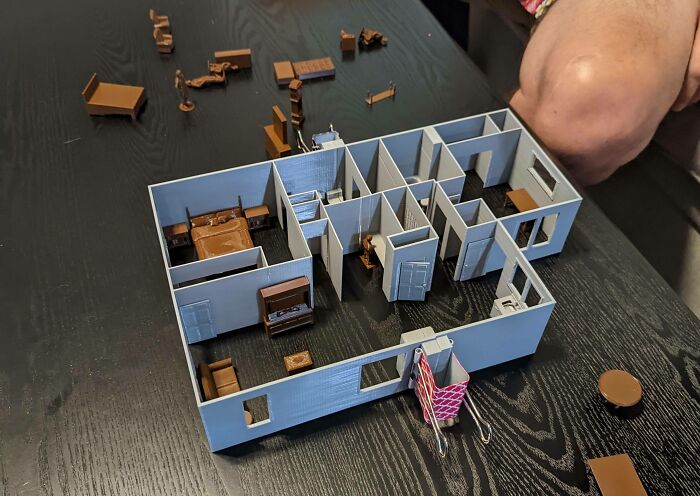
My Dad Is Moving Into A New Condo And 3D Printed The Floorplan And Scale Models Of His Stuff
Hull, an American engineer, won the race in 1984, when successfully filed a patent for a process he called Stereolithography (SLA).
"Hull’s machine used a UV laser to trace shapes into a vat of liquid photopolymer resin, curing it into solid plastic layer by layer," the site explains, adding that Hull didn't just invent the hardware; he also co-created the .stl file format. The pioneer later went on to found 3D Systems, one of the largest additive manufacturing companies in the world.
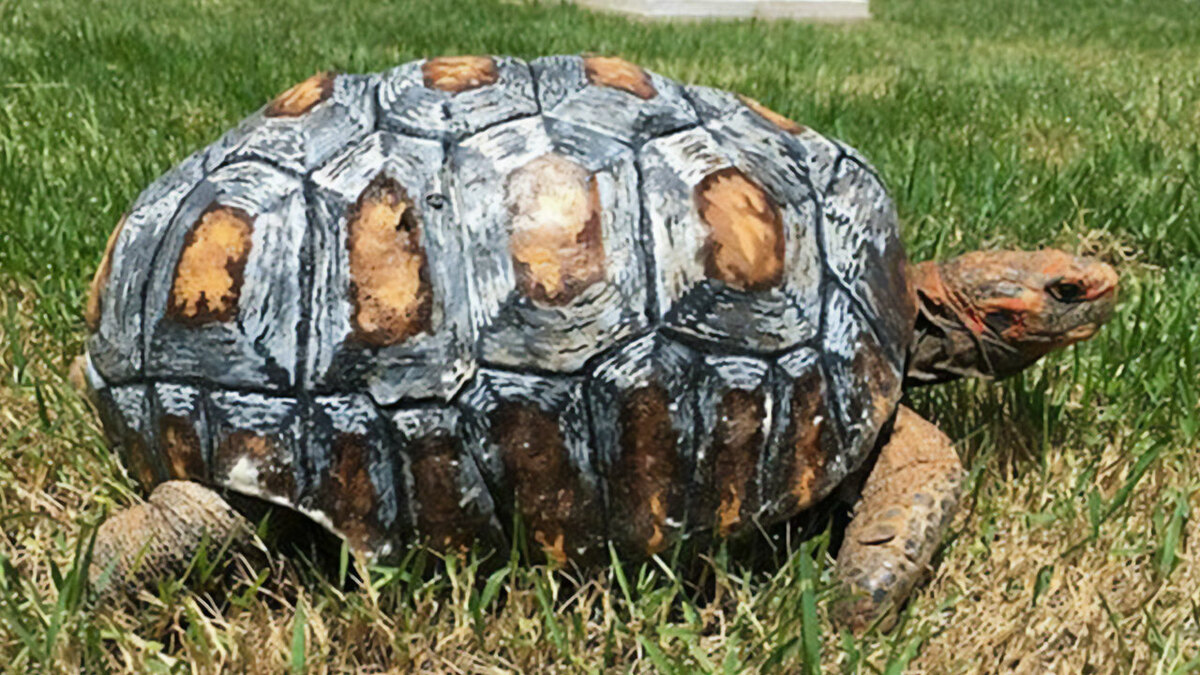
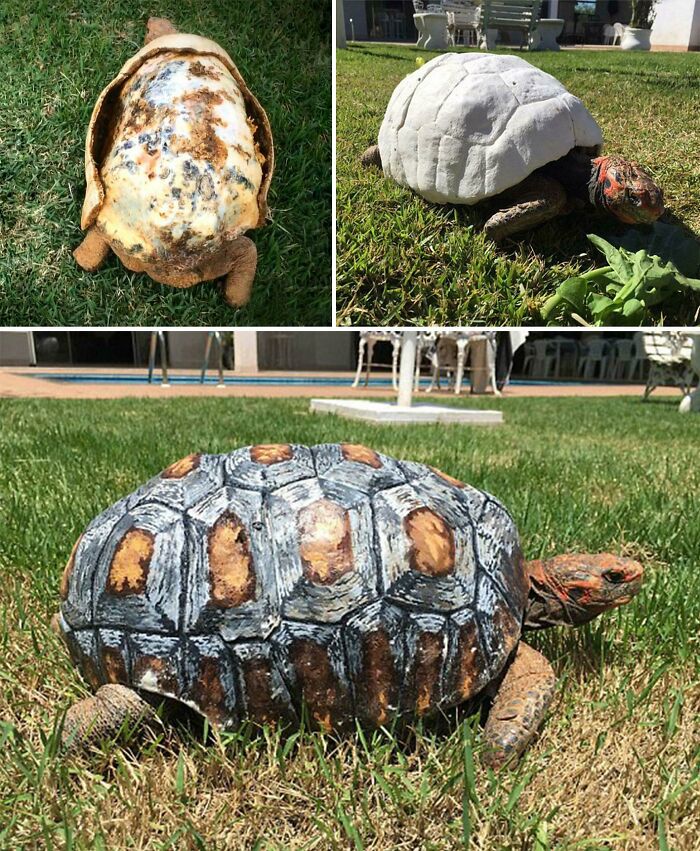
Injured Turtle Who Lost Its Shell In Fire Receives World's First 3D Printed Shell
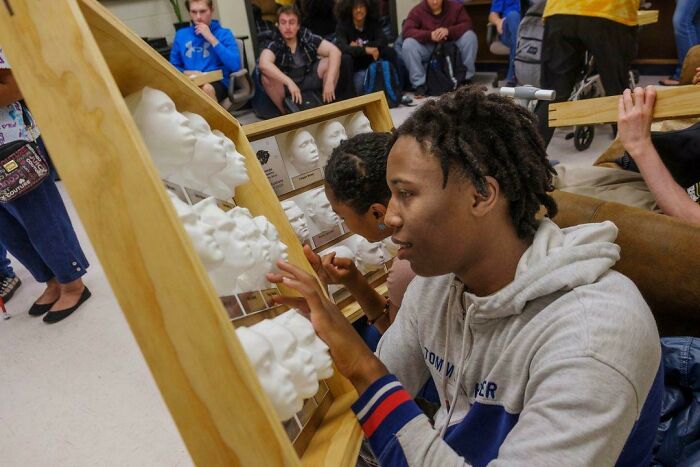
Blind Student Feels 3D Printed School Yearbook For The First Time
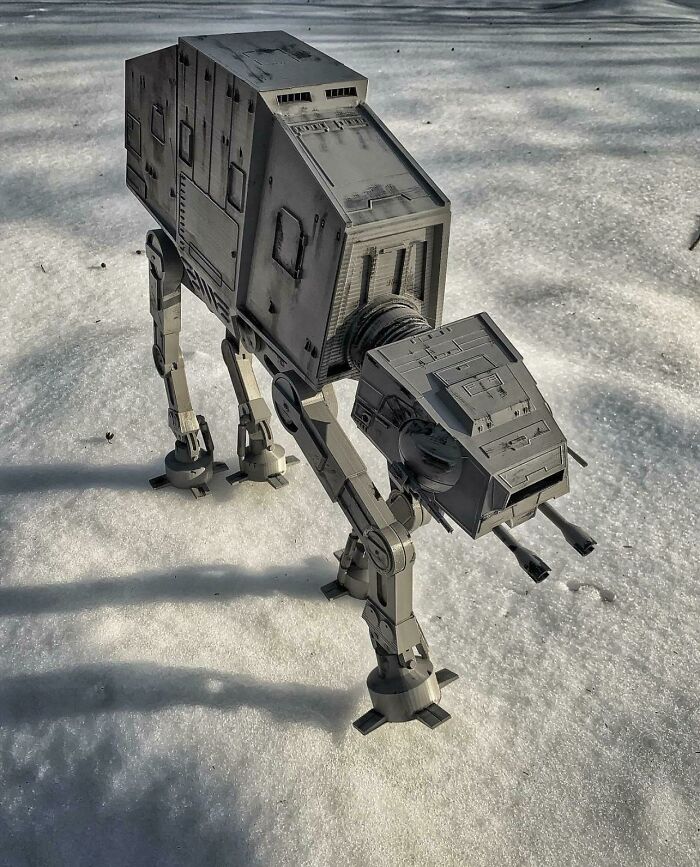
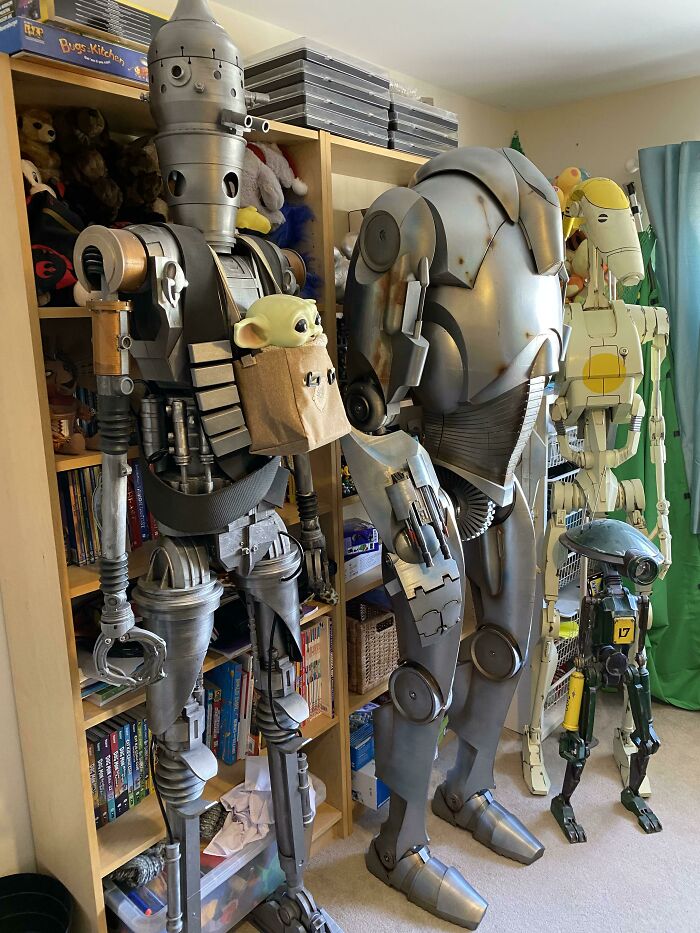
3D Printed Lifsized Star-Wars Droids
Someone called Scott Crump came along in 1989 and decided to turn 3D printing on its head a little bit. At a time when SLA was using liquid resin and lasers, Crump introduced and patented Fused Deposition Modeling (FDM).
"FDM melted a continuous spool of thermoplastic filament and extruded it through a heated nozzle, building the object layer by layer," explains Snapmaker, an innovative printer manufacturer. "Crump founded Stratasys, and FDM quickly became the most widely recognized form of 3D printing."
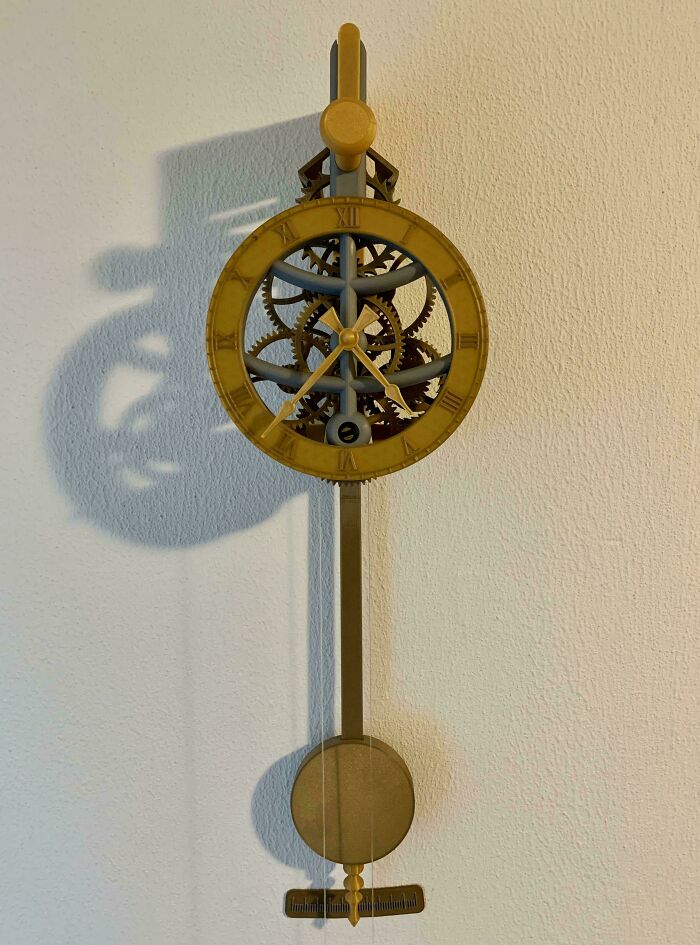
3D Print Pendulum Wall Clock
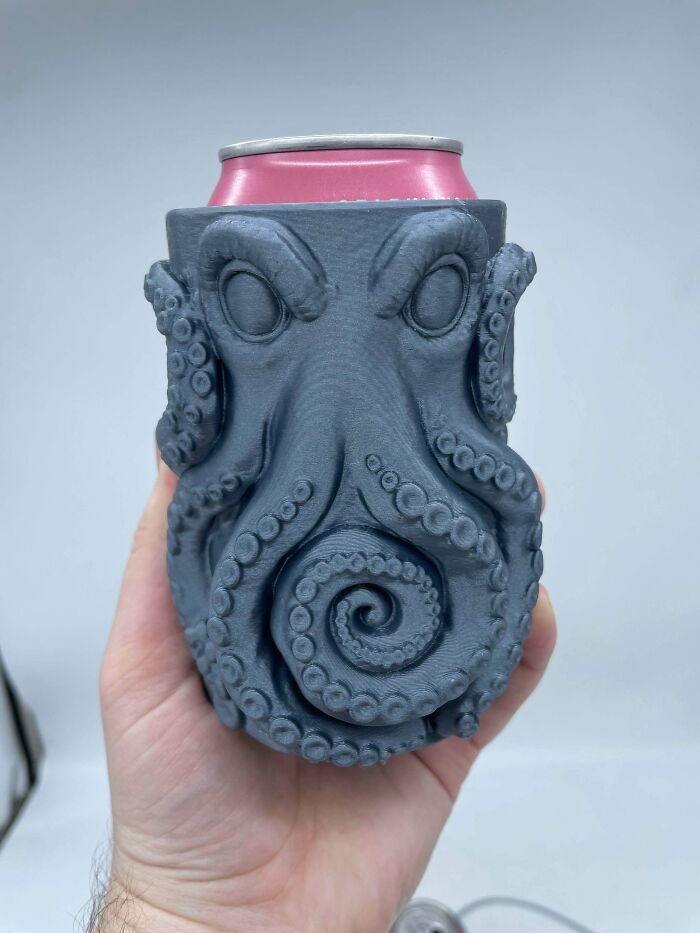
Octopus Inspired Can Coozie I Digitally Modeled And 3D Printed
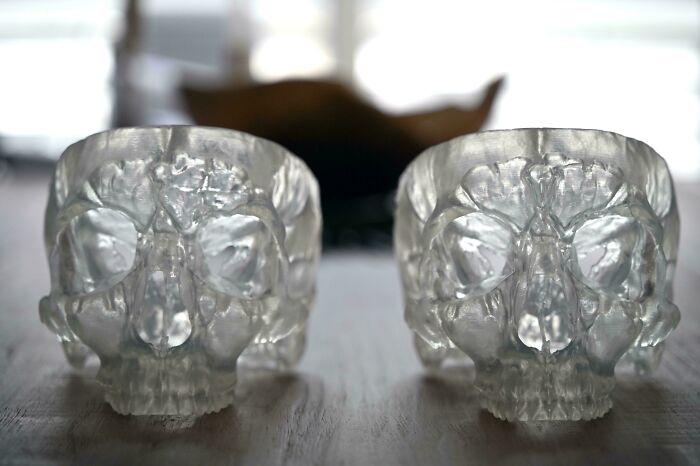
Surgeon Let Me Keep The 3D Printed Skulls Made For My Fracture Operation - Before (L) And After (R)
Nowadays, ordinary people and even school children, have access to 3D printers. But in the early days, the machines cost a fortune, and were pretty much reserved for automotive and aerospace engineers who needed rapid prototyping.
Today's 3D printing hobbyists have Dr. Adrian Bowyer to thank. In In 2005, he launched the RepRap (Replicating Rapid Prototyper) project at the University of Bath. Bowyer was on a mission to create an open-source 3D printer that could print most of its own components, making everything much more accessible to the general public.
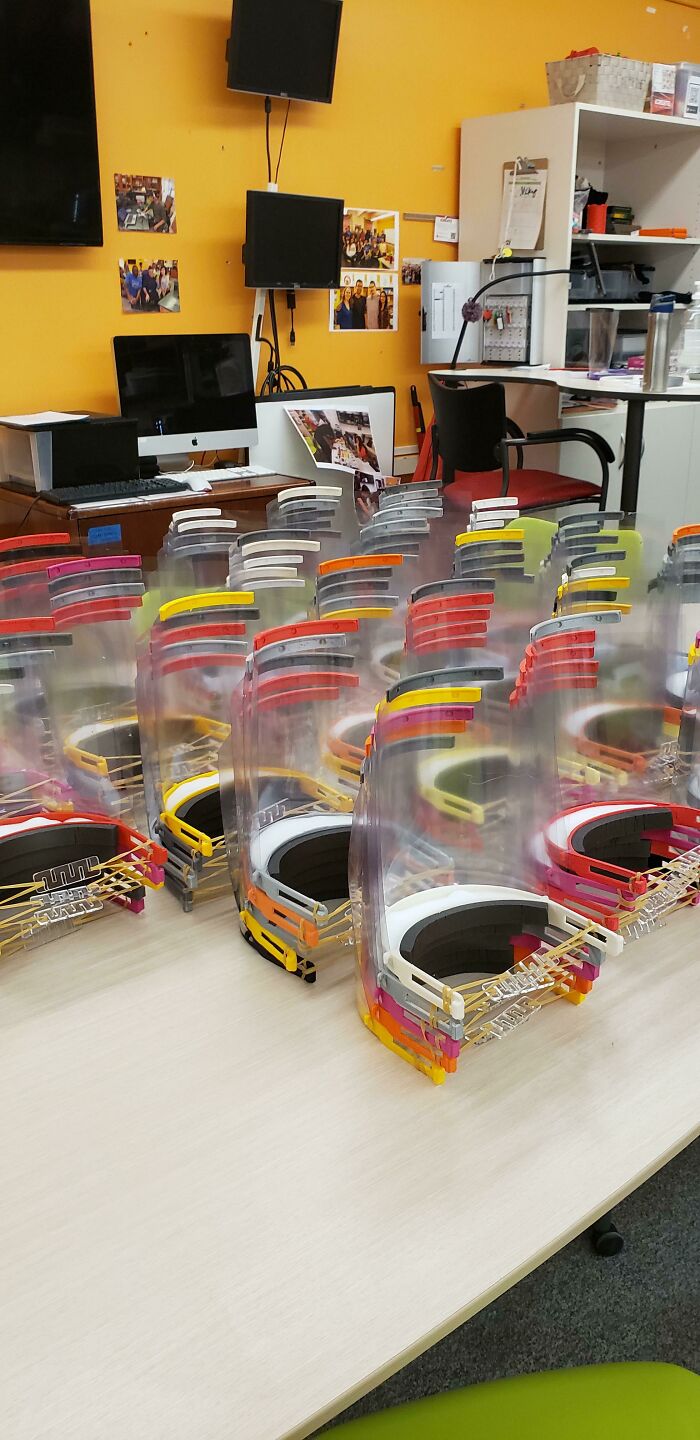
Call To Action For Those With 3D Printers!
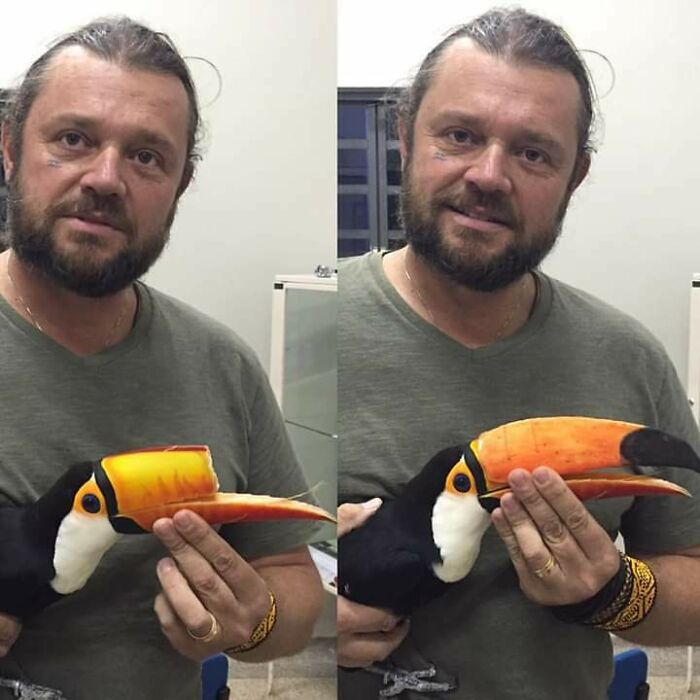
Toucan With A Reconstructed Beak Done Throughout 3D Printing
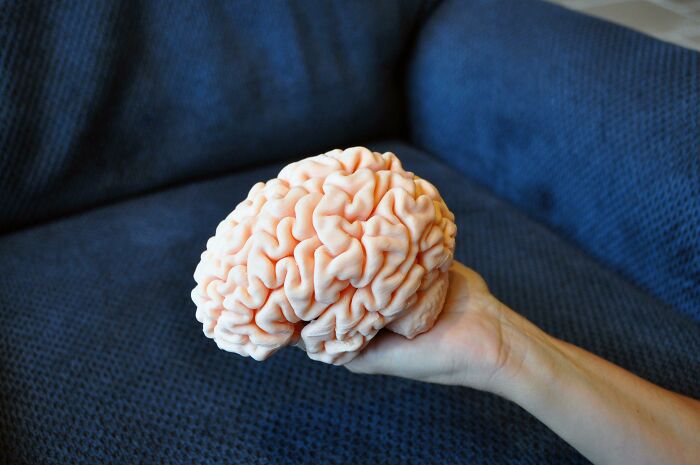
I 3D Printed My Son's Brain Using Data From His Mri
"The true catalyst for the desktop 3D printing boom occurred in 2009 when the original FDM patents filed by Stratasys expired," reveals the site. "Suddenly, startups and open-source communities could legally build, innovate, and sell affordable FDM 3D printers. The technology moved out of the corporate warehouse and into the garage."
And now we see people's amazing creations all over the internet, and in listicles like this one.
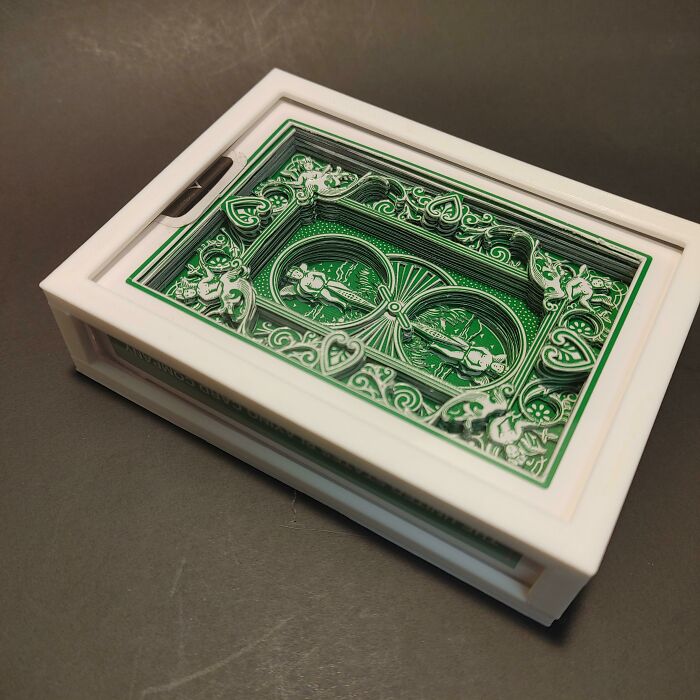
I Make 3D Art By Cutting Playing Cards With An Xacto Knife
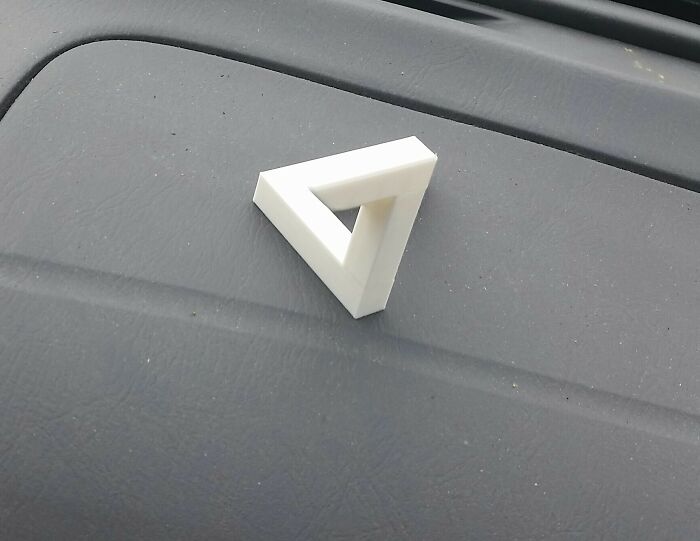
I Used My 3D Printer To Violate The Laws Of Physics Today
When Your Kid Wants A Toy That Doesn't Exist, But You Have A 3D Printer And Some Paint
The first object ever 3D printed back in the 80s was a small, solid plastic eye wash cup. It was Chuck Hull's test piece while he was developing his UV resin hardening system. And like the technology, 3D printed creations have come an incredibly long way.
In a few short years, 3D printing has changed face of medicine in more ways than one. And helped to save lives...

This 3D-Printed Cast Uses Ultrasound To Heal Broken Bones 40% Faster
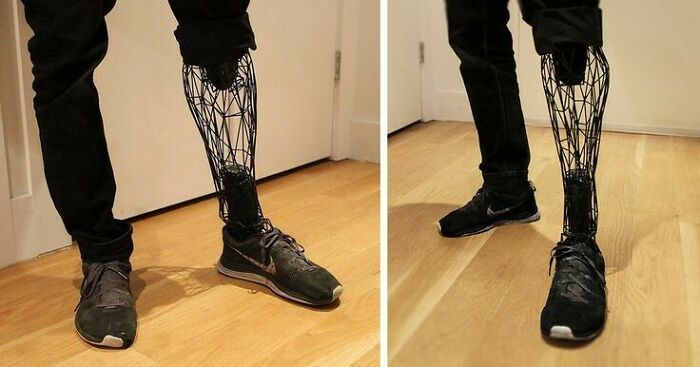
3D-Scanned And Printed Exo Prosthetic Leg Made From Titanium, Designed By William Root
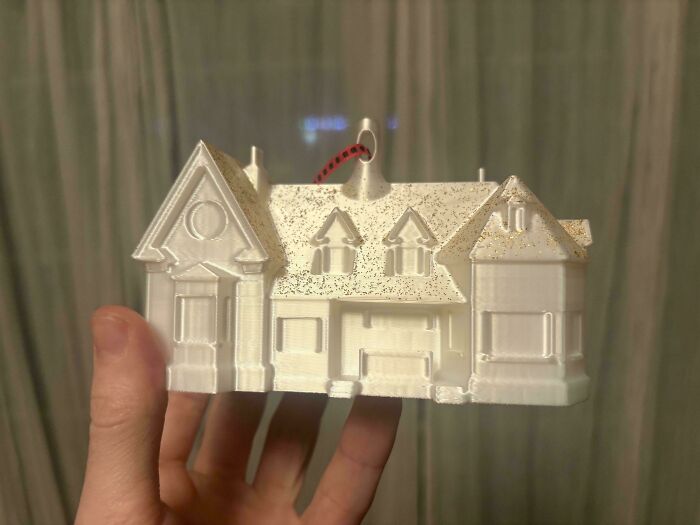
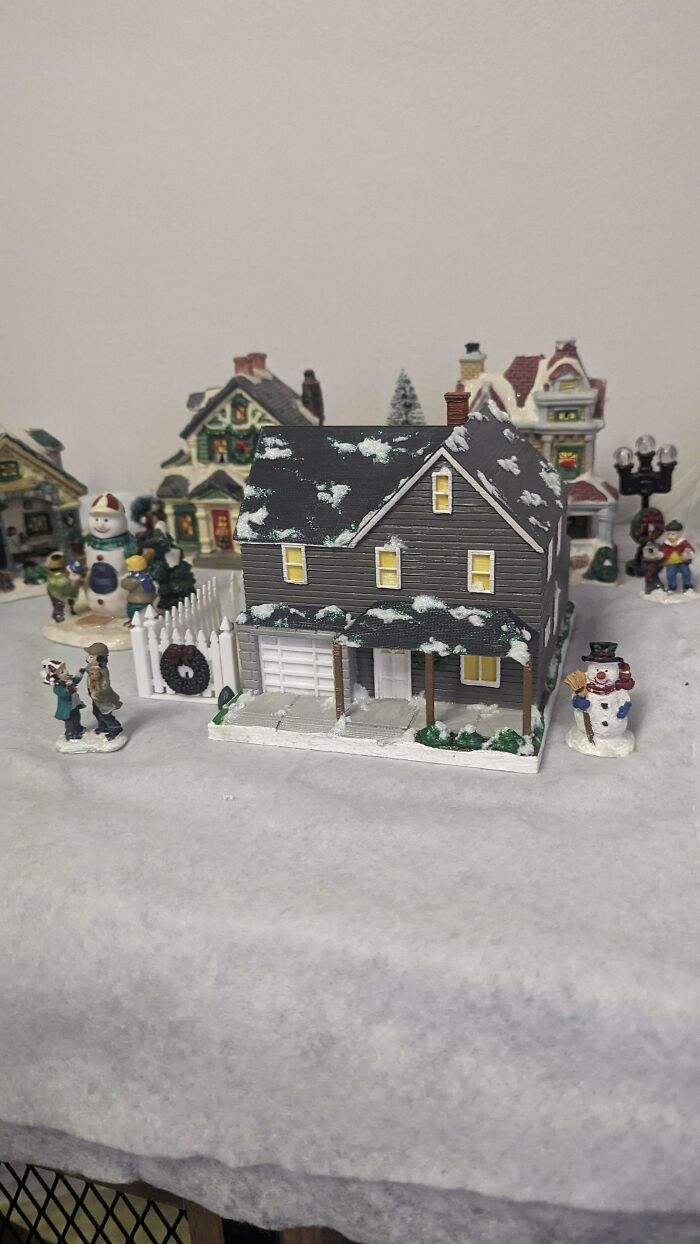
I Modeled And 3D Printed My Grandma’s House As A Christmas Ornament. Hope She Likes
In 2011, baby Kaiba Gionfriddo was born prematurely in America, and suffered from tracheobronchomalacia. It's a congenital condition that causes the windpipe to collapse. Surgeons performed a tracheostomy and put the infant on a ventilator. But little Kaiba continued to stop breathing almost daily. This would cause his heart to stop.
Doctors were worried, and his family was devastated.
A Year Ago I’d Never Used Cad Or Seen A 3D Printer. Made This From Scratch, Proud!
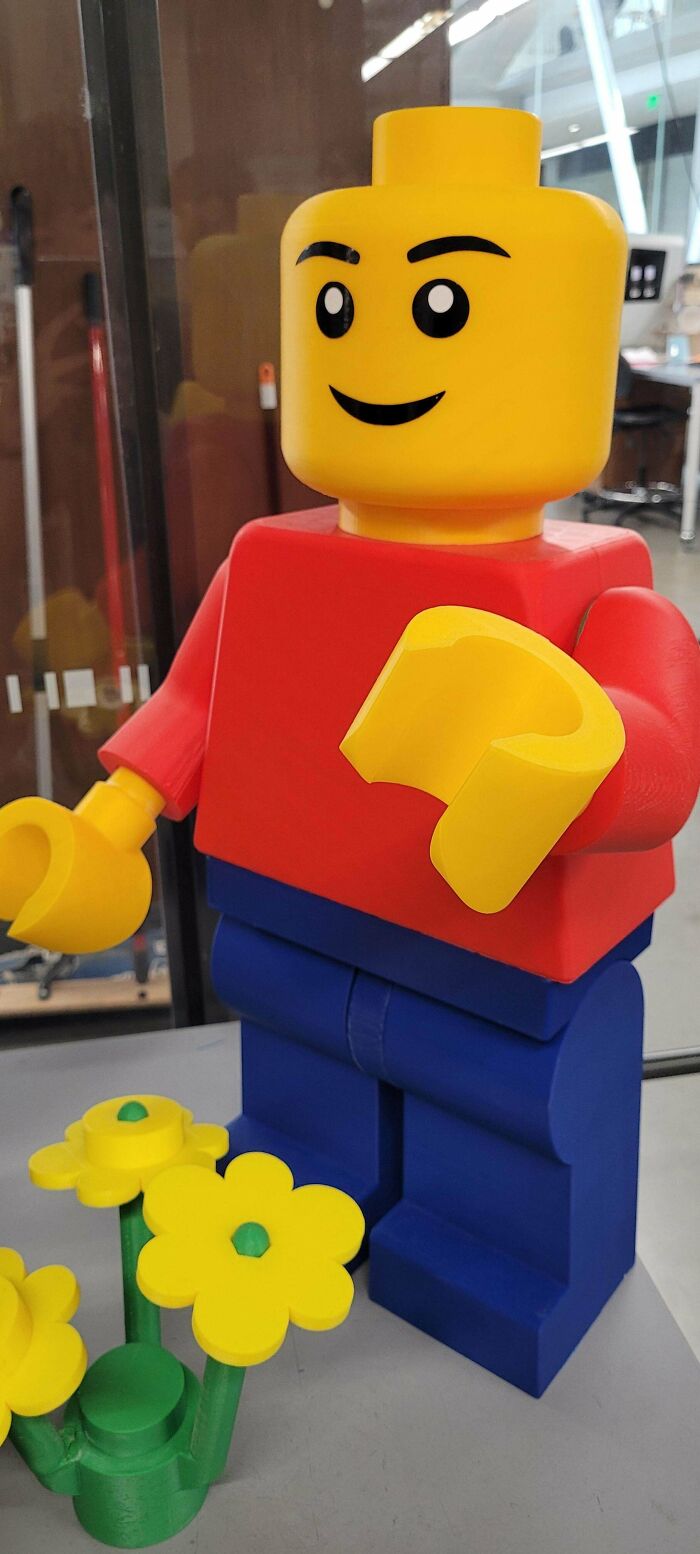
[oc] 3D Printed LEGO Minifigure And Yellow Flower At Engineering Education And Research Center (Eer)
Starting To Get The Hang Of This 3D Printing
Enter 3D printing...
"His caregivers 3D printed a bioresorbable device that instantly helped Kaiba breathe," reports the Medical Futurist. "After the operation, Kaiba’s trachea gradually reconstructed itself. His body reabsorbed the inserted splint. A year later, the tube was also removed without causing any harm."
Blood vessels, bones, prosthetic limbs, heart valves, ears, noses, synthetic organs, and even skin, are just a few of the incredible creations popping out of 3D printers in this day and age.