Get Premium
Dark mode theme is available exclusively for premium users. Learn more about the benefits of subscribing.
No fees, cancel anytime.

 Dark Mode Ad-Free Browsing Unlimited Content
 Ad-Free Browsing Unlimited Content Dark Mode
Join 1.2 million Panda readers who get the best art, memes, and fun stories every week!

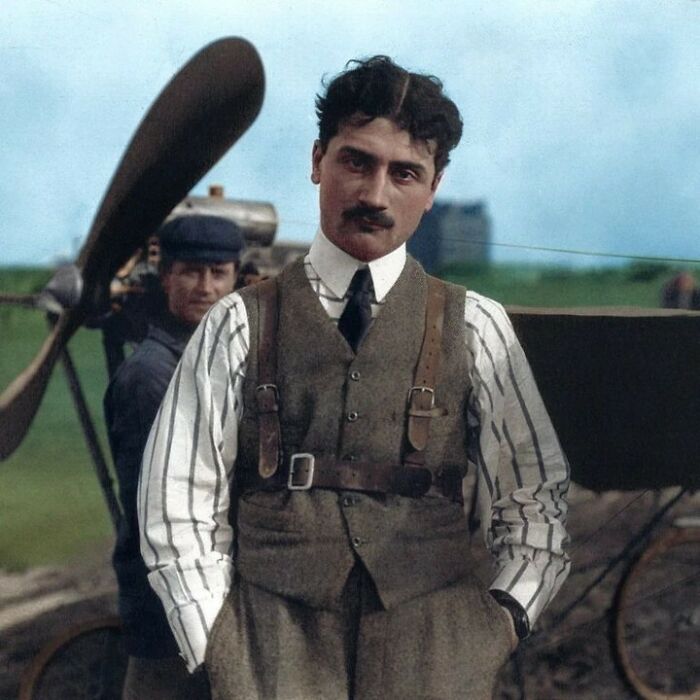
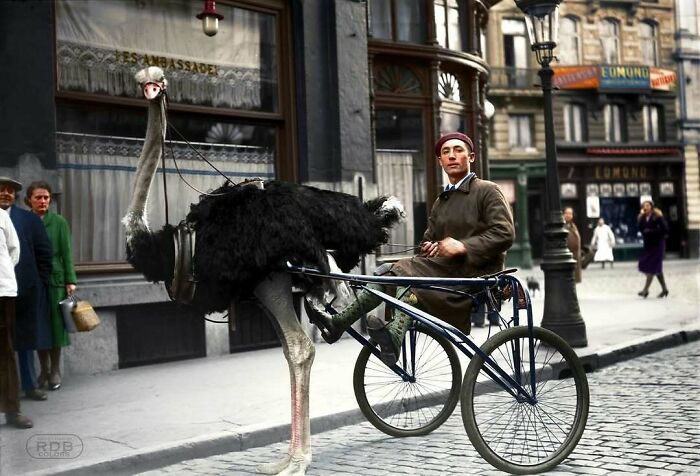
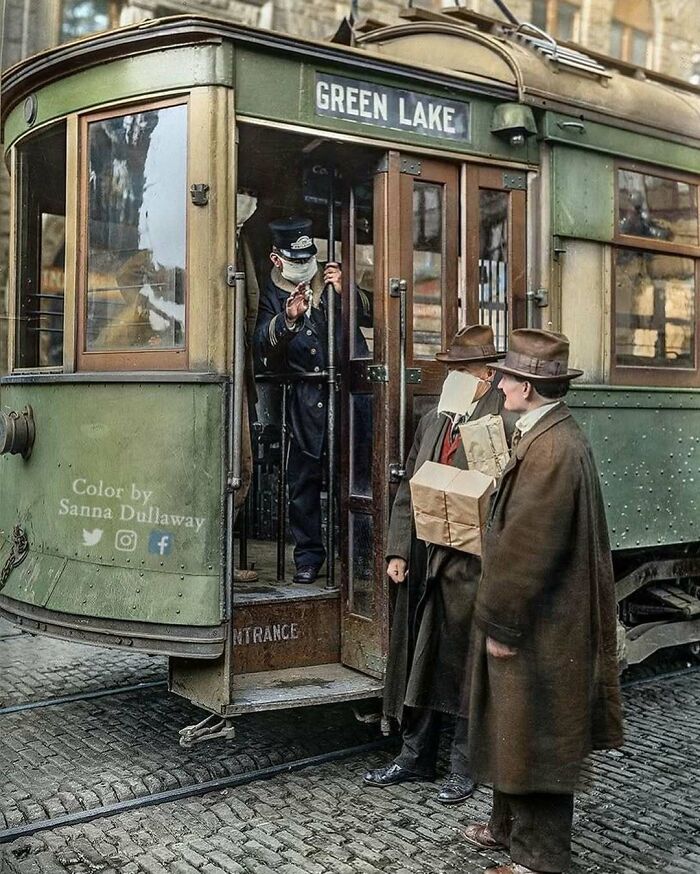
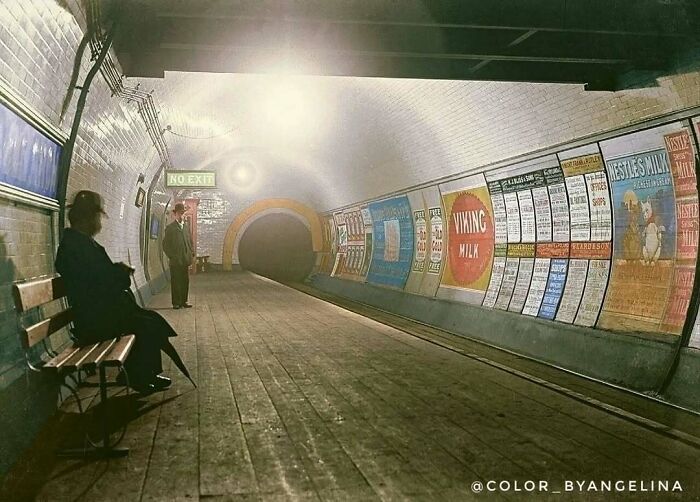
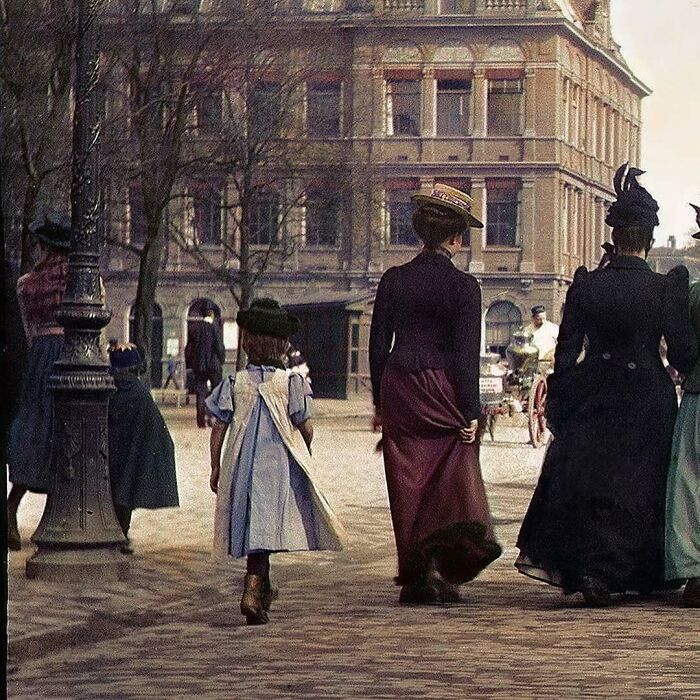
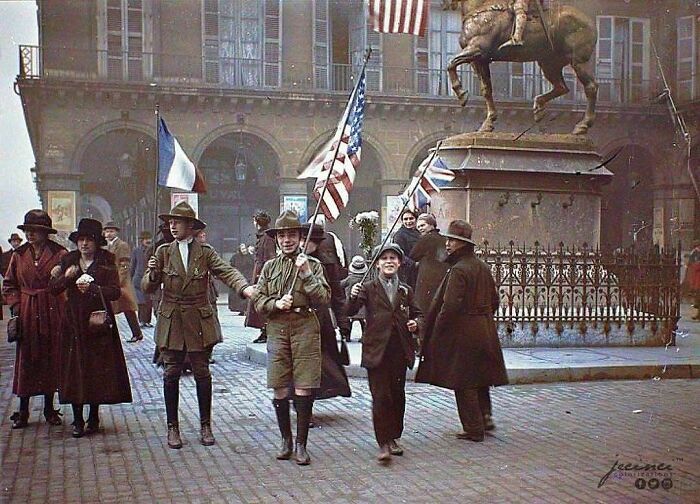
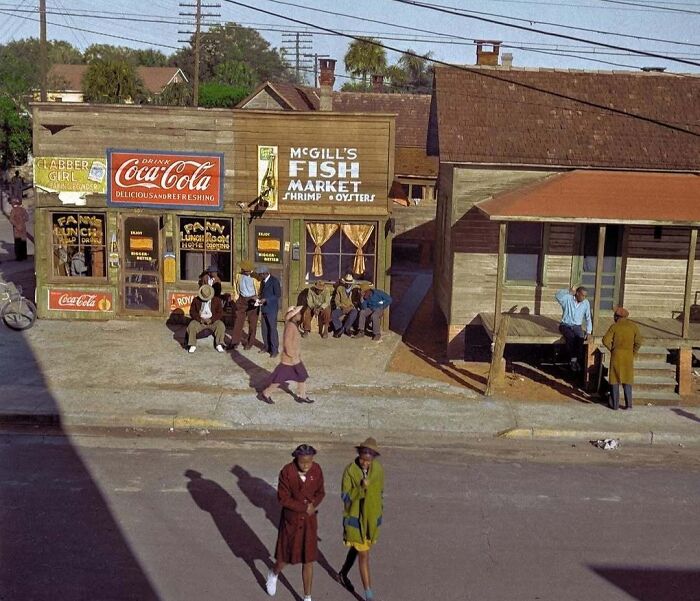
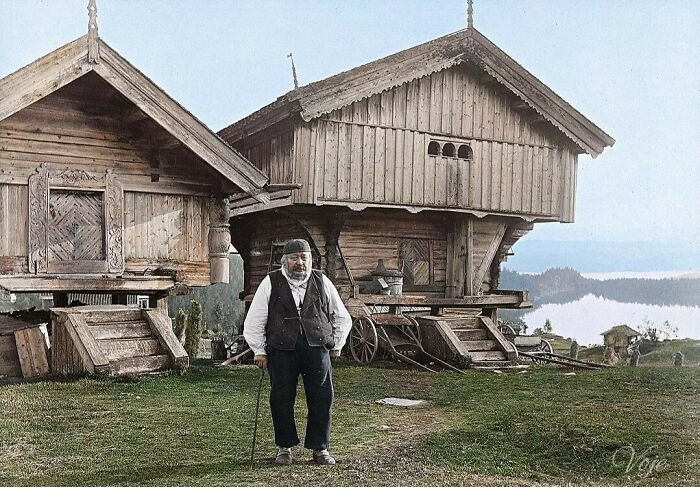
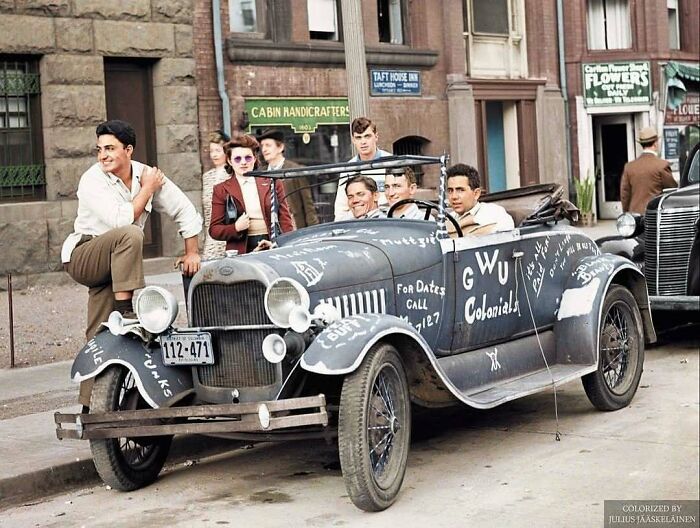
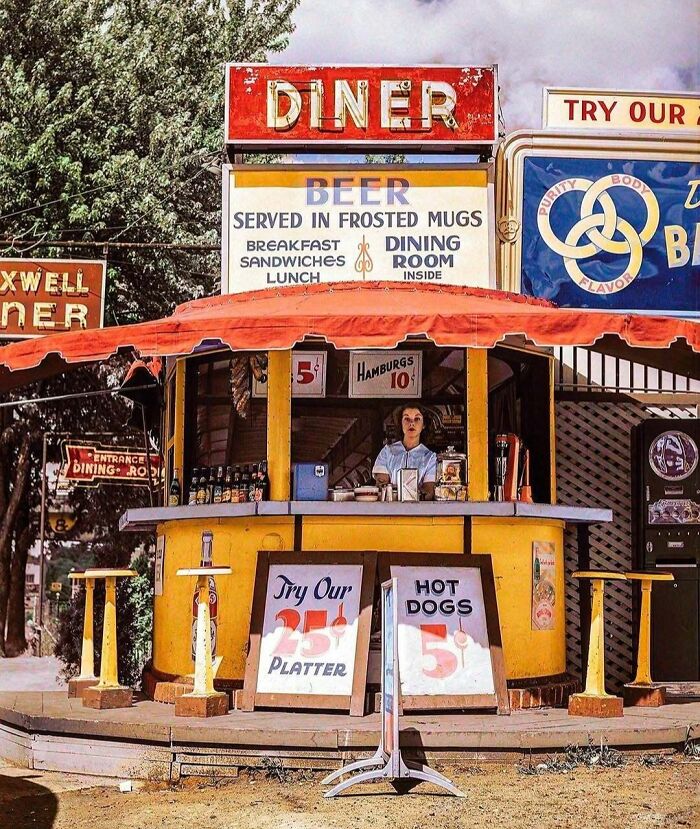
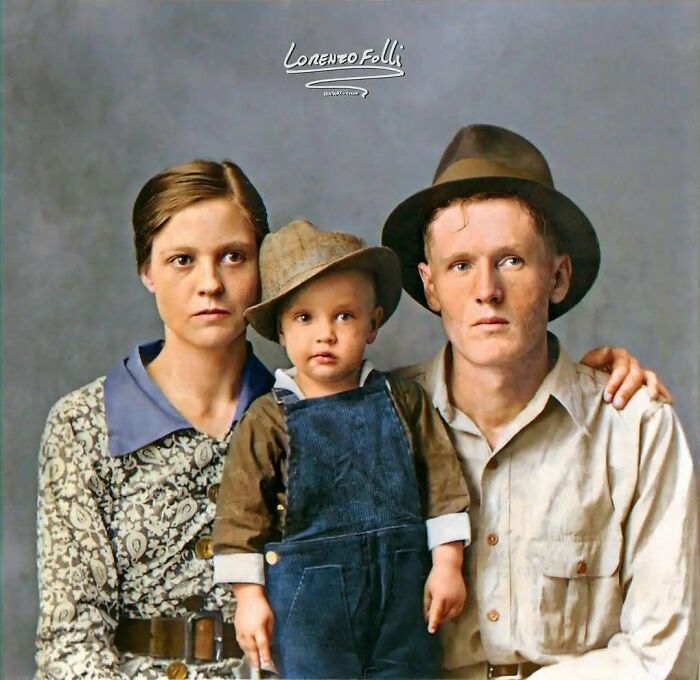
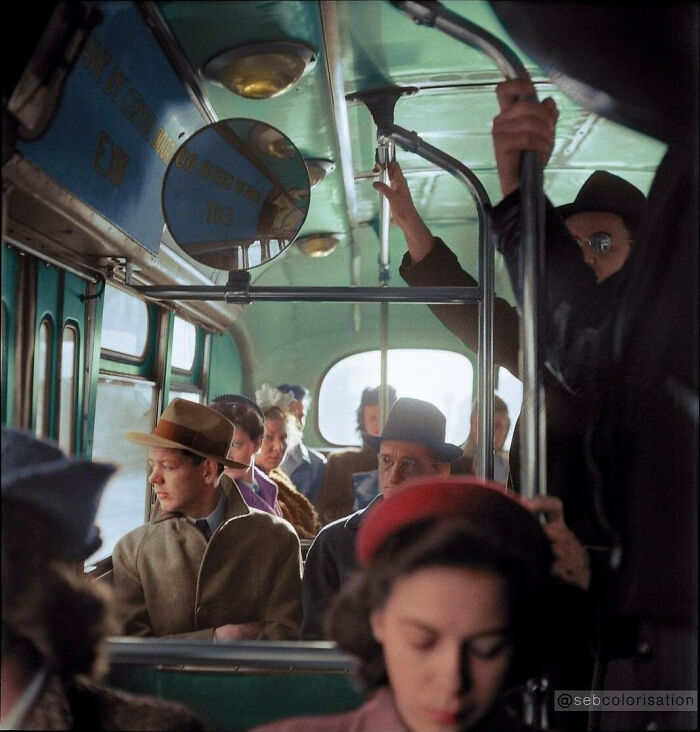
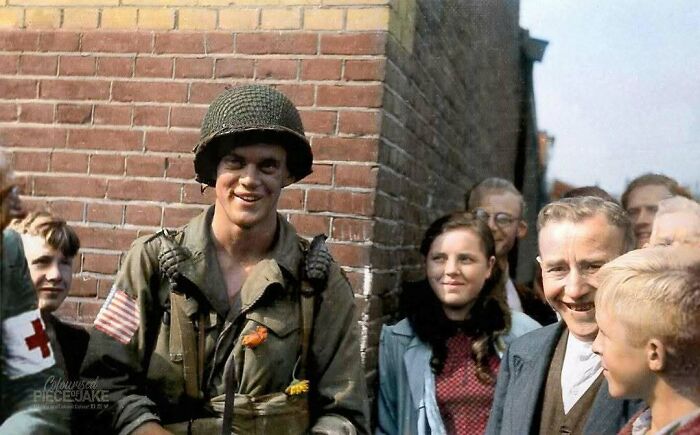
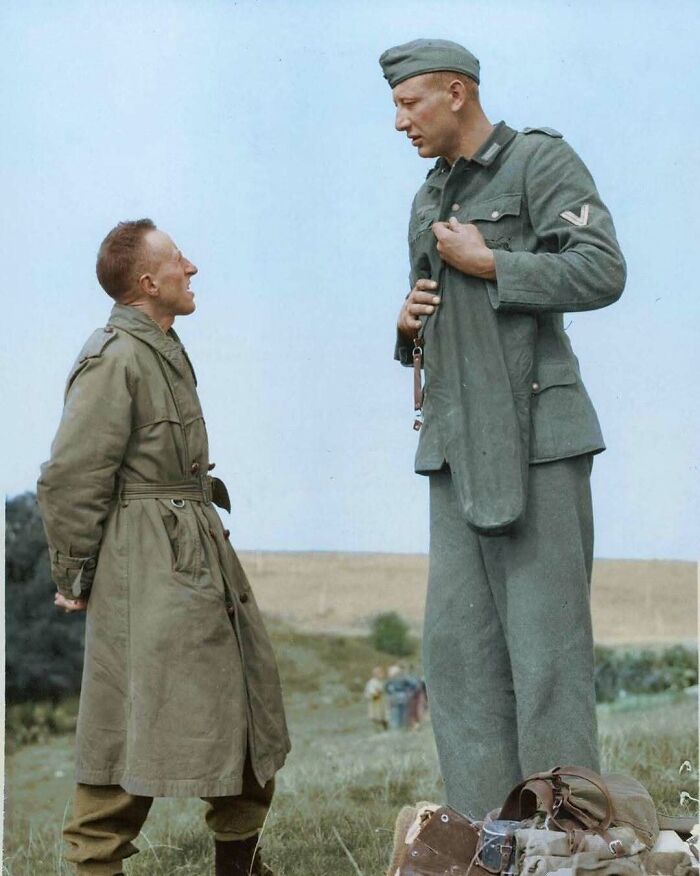
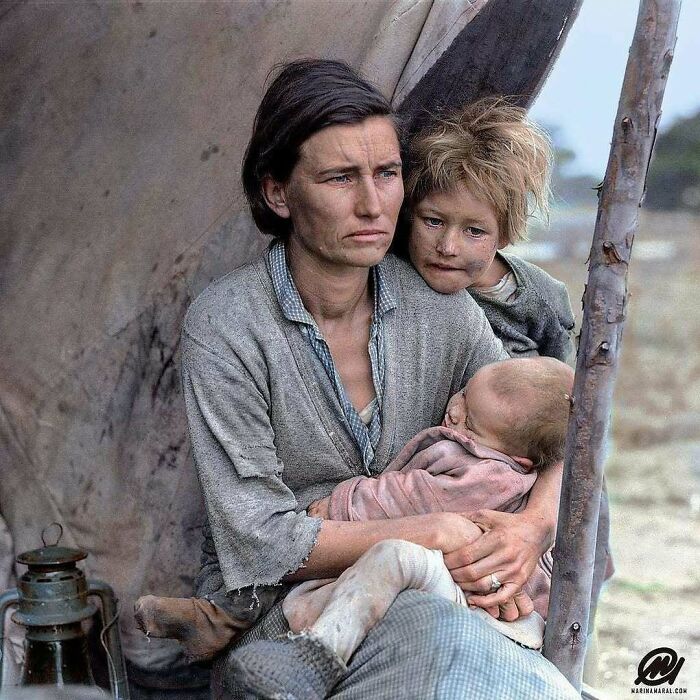
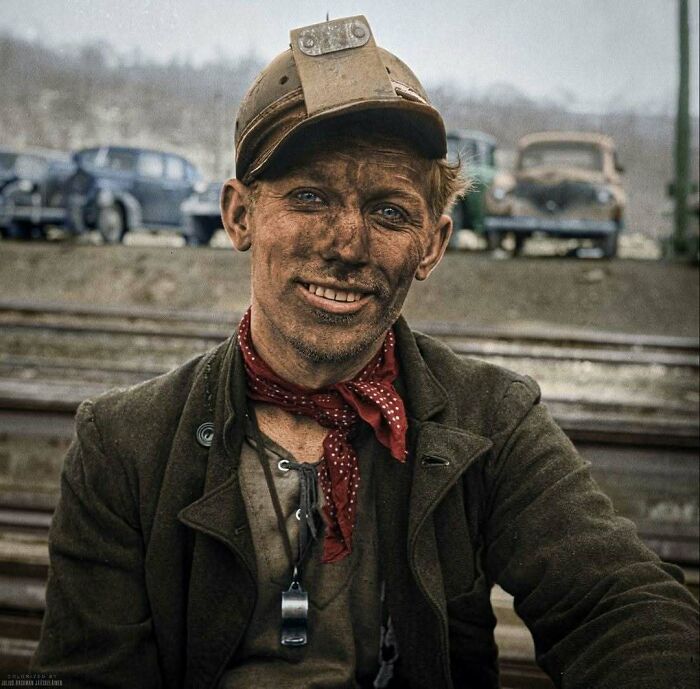
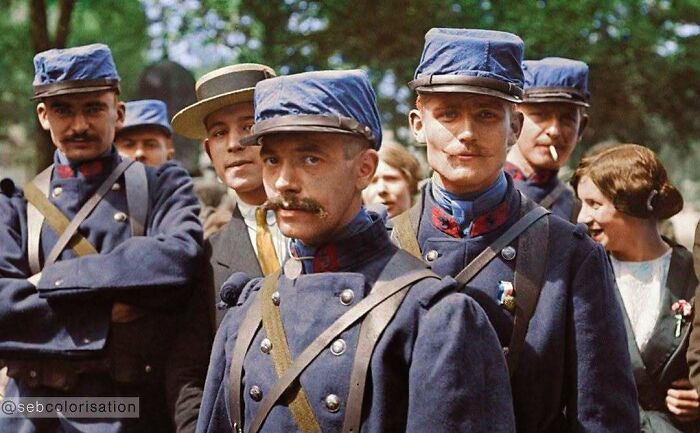
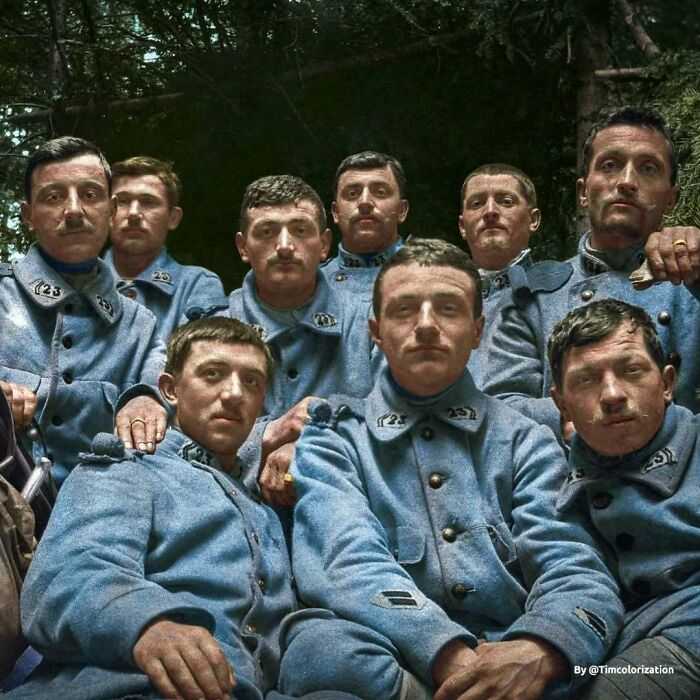
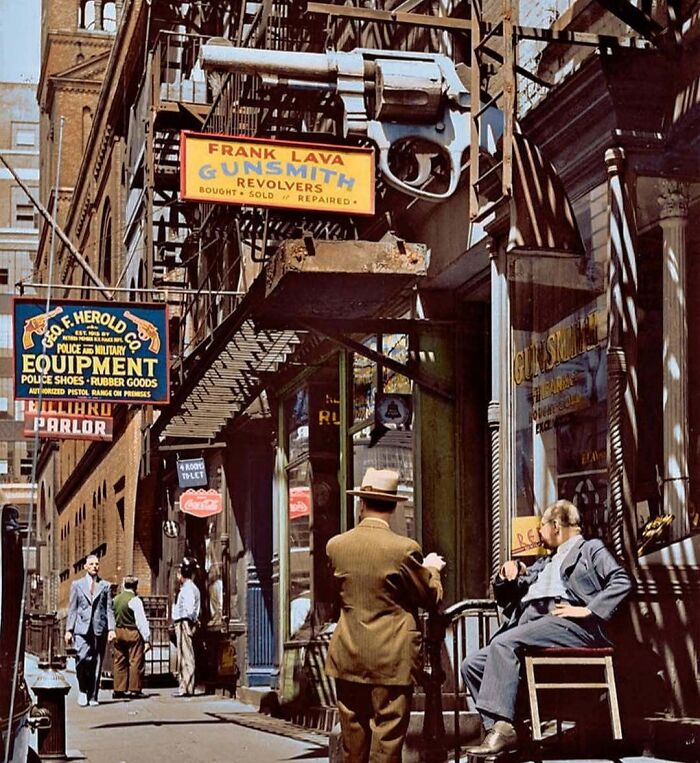
“Black and white” is such a strong indicator of how old a pic is that our brains basically interpret anything in those monochrome colors as “from a long time ago.” However, people out there have been hard at work “colorizing” old images to show what things may have actually looked like.
So we’ve gathered some of the coolest colored old photos from these dedicated Instagram pages. Get comfortable as you scroll through, upvote your favorites and be sure to share your thoughts in the comments section down below.
More info: Coloursofyesterday | Coloredhistoryrepublic
This post may include affiliate links.

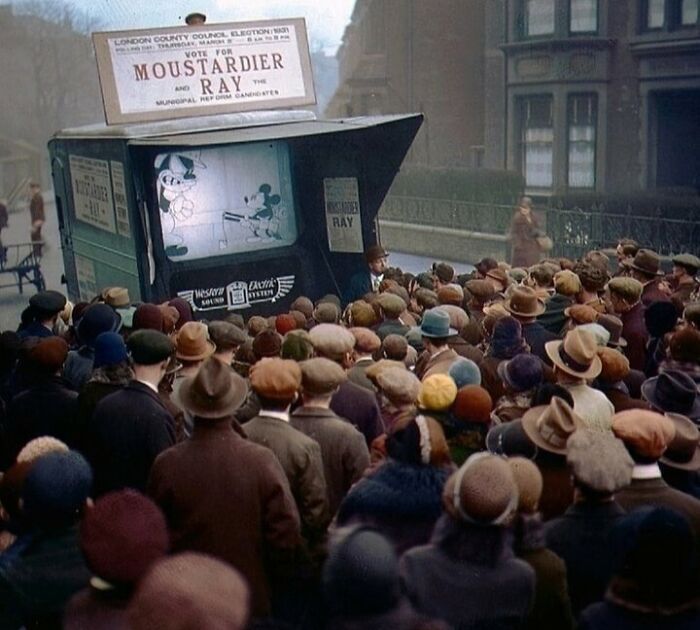
"We are Montague Moustardier and Sir William Ray and we approved this message." Link follows.
Turns out colorizing old photographs is a much older art than most people realize, and it did not start with a computer. Back in the 1840s, when daguerreotypes and tintypes were the only game in town, studio artists were already dabbing tiny brushes loaded with powdered pigments onto portraits, adding a pink flush to cheeks or a soft blue to a dress.
This was known as hand coloring and it was widespread before color film ever existed. For families who wanted something more lifelike than gray tones, this was often the only option available, and it stayed popular well into the twentieth century through photo studios that offered hand tinted portraits as a standard service.
That approach eventually evolved into oil based tinting, where colorists used transparent dyes on glossy prints, then it evolved again once digital tools entered the picture. When Photoshop showed up in 1991, artists realized the same layering logic from analog tinting could be recreated with color layers, brushes, and adjustments like hue and saturation.

Suddenly a colorist could tweak an image endlessly without ruining the original print. This digital shift made the whole process faster and far more forgiving, though it still relied entirely on a human eye and a whole lot of patience. The real game changer showed up more recently, and it came from artificial intelligence rather than an artist's steady hand.

It's astonishing how history repeats itself and we had to fight the exact same battles almost exactly one hundred years later.

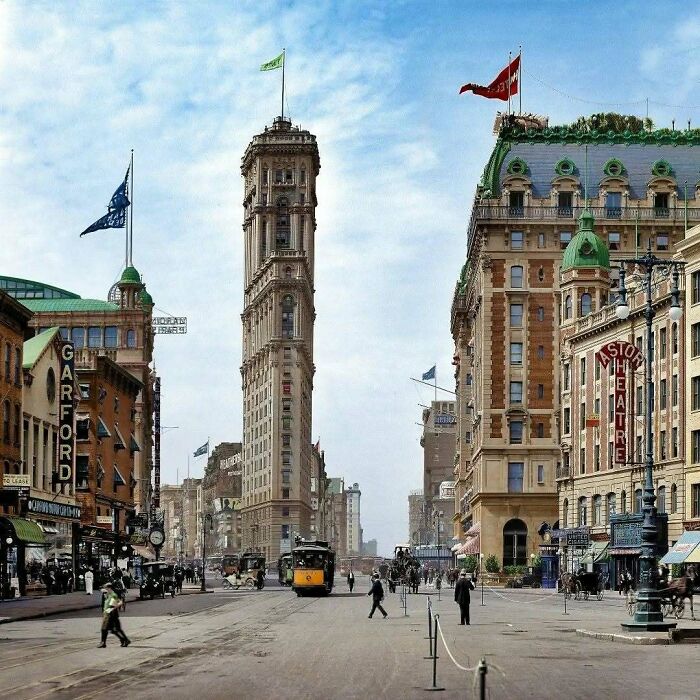
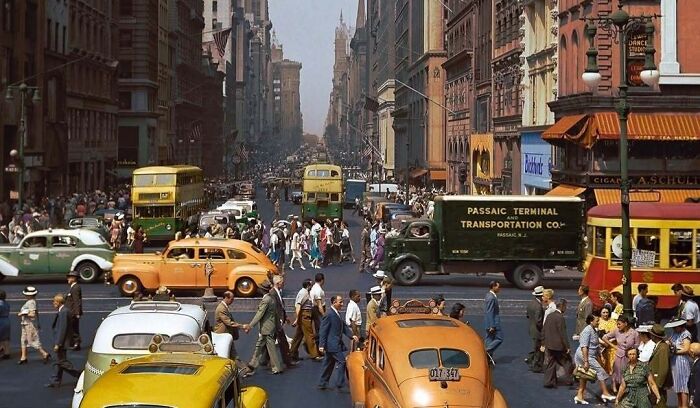
In the middle is the fabulous "Flat Iron" building. The Flatiron Building (originally the Fuller Building) is a 22-story, 307-foot-tall (93.6 m) steel-framed triangular building at 175 Fifth Avenue in the Flatiron District neighborhood of Manhattan in New York City, New York, US. Designed by Daniel Burnham and Frederick P. Dinkelberg, it opened in 1902. The building sits on a triangular block formed by Fifth Avenue, Broadway, and East 22nd Street—where the building's 87-foot (27 m) back end is located—with East 23rd Street grazing the triangle's northern (uptown) peak. The name "Flatiron" derives from its triangular shape, which recalls that of a cast-iron clothes iron. (thank you Wiki)
Neural networks trained on millions of color photographs learned to recognize patterns the same way a person would, picking out skin, foliage, fabric, sky, and countless other textures, then predicting what colors those elements probably had.
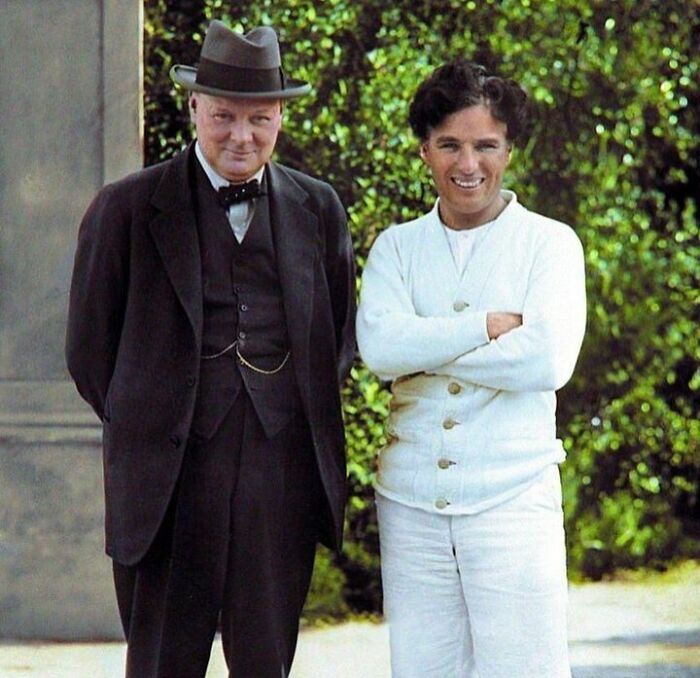
There's an ironic bit of Churchill history behind this picture. Having recently been booted out as Chancellor of the Exchequer, Churchill was in the US in 1929 to make a bit of money by touring North America and charging high fees for giving lectures. One of his stops was Hollywood, where he was put up by William Randolph Hearst at San Simeon and met movie stars. The tour was quite successful and Churchill made quite a lot of money. He invested heavily on the New York Stock Exchange---just in time to see his fortune get wiped out by "Black Tuesday", the Wall Street Crash of 29 October 1929.
In simple terms, one part of the system tries to add believable color while another part critiques the result, and the two go back and forth until the output looks convincing. It is a strange little rivalry happening entirely inside a computer, and it is responsible for a lot of the colorized photos floating around the internet today.
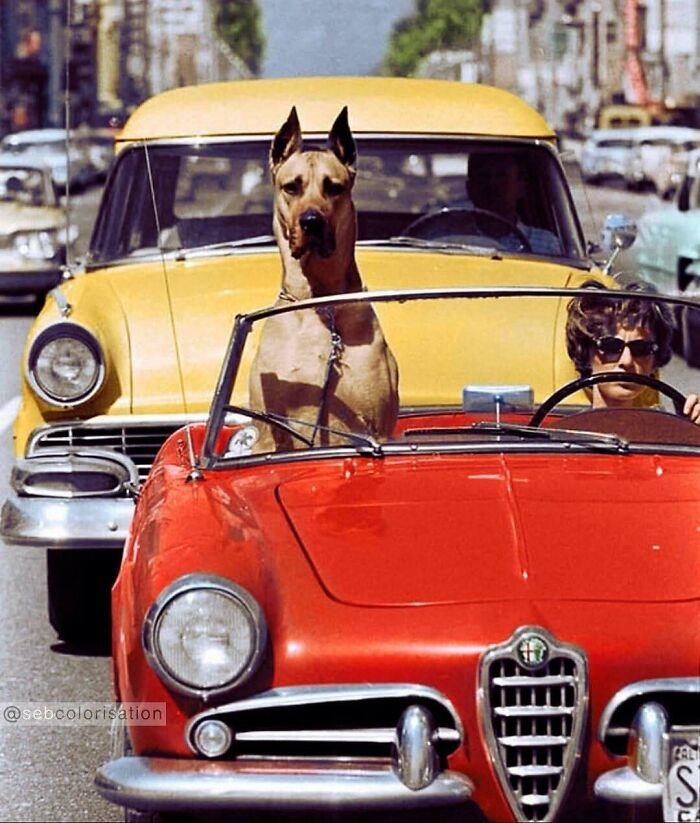
In the front is an Alfa Romeo. Behind it is a 1956 Ford Station Wagon. (A gold 1960 or so Chevrolet Corvair peeks in from the left.) Anybody have more information on the Alfa Romeo?
Here is the part that might surprise you though. Even with all that computing power, AI colorization is still mostly educated guesswork. A neural network has no idea what color a specific soldier's uniform actually was or what shade of red a particular vintage car came in. It only knows what colors tend to show up in similar looking objects across its training data.

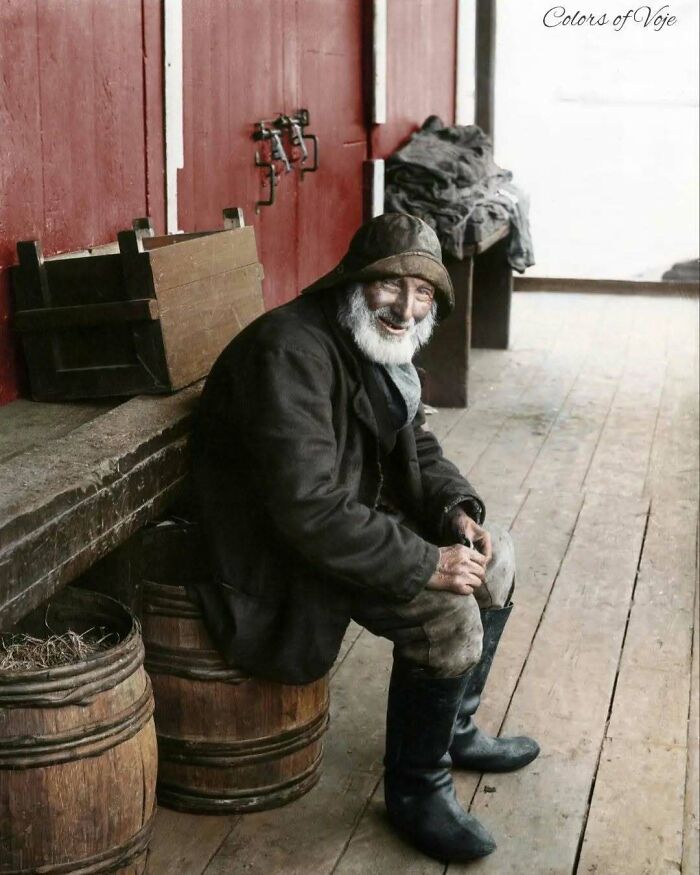
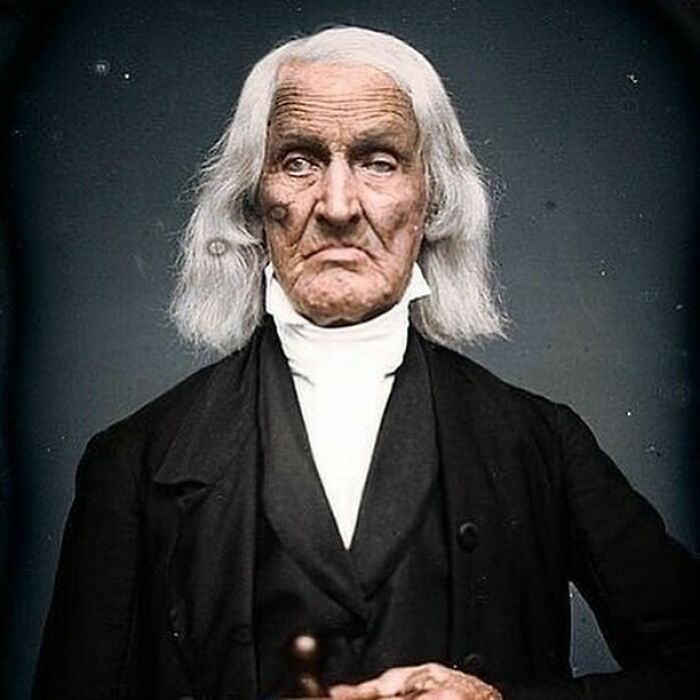
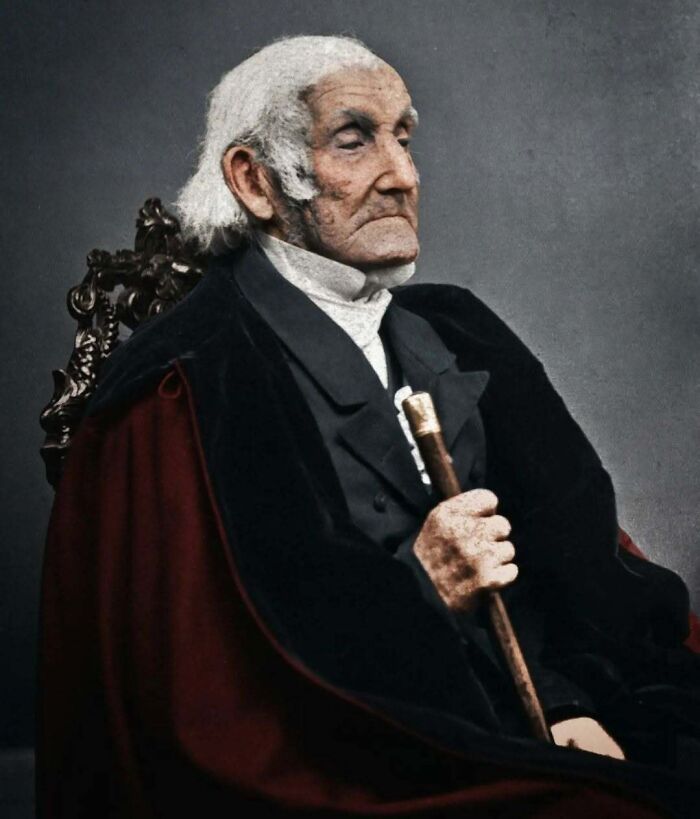
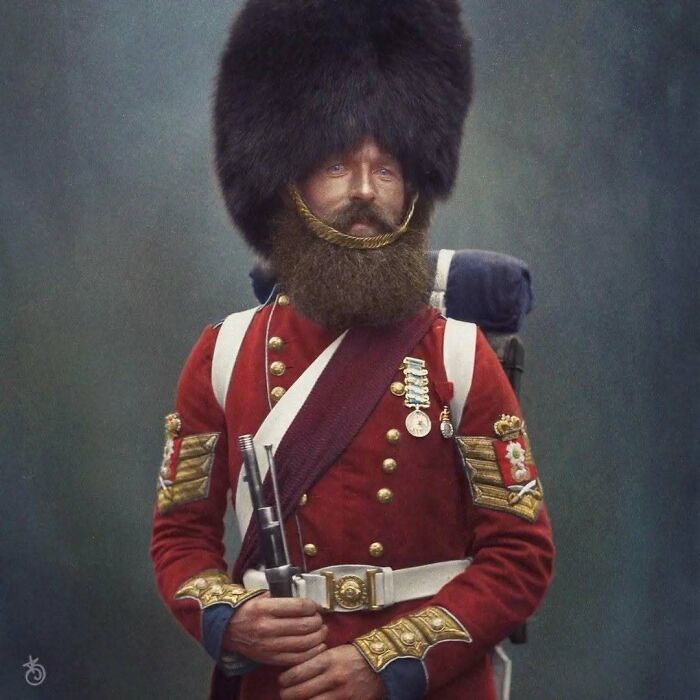
From the original entry: “This photograph was taken in 1854 making it likely that he was at least 96 years old at the time of this photograph.”
That is exactly why the best colorizers, human and AI assisted alike, do actual historical research before finalizing an image. They dig into old catalogs, uniform regulations, painted portraits from the same era, and even surviving fabric samples to nail down colors that are historically accurate rather than just visually pleasing. Skipping that step is how you end up with a Victorian gentleman wearing a shade of purple that did not exist yet or a 1920s car painted a color no factory ever produced.
Restoration usually comes first too. Scratches, faded patches, and torn corners get cleaned up before any color gets added, since feeding a damaged image into a colorization tool tends to produce messy, unnatural results. Once the photo is repaired, colorists layer in tones gradually, often comparing their work against known color photographs from the same period or region to keep things believable.
From original: “Rev. Daniel Waldo was 101 years old at the time of the photo and he died on July 30th, 1864, not long after this image was taken from injuries received falling down a flight of stairs in his home in Syracuse, New York. Waldo was originally drafted into the Continental Army in 1778 at the age of 16 for a month’s service but decided to enlist in the Army. He was eventually captured and taken prisoner in March 1779 and kept in a Sugar house prison. After his release by exchange, he went back to his hometown in Windham, Connecticut to work on a farm. Following the war, Daniel Waldo attended Yale College and graduated in 1788. He went on to become a pastor of a church and married Mary Hanchett, having 5 children with her. At the age of 96, on the 22nd December 1856, he became the chaplain of the House of Representatives.”
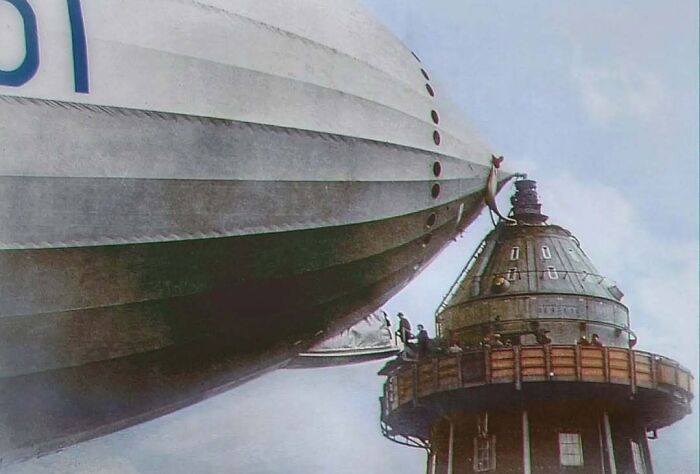
Think about this.... The peak on the Empire State Building was originally intended to be a similar Zeppelin Mooring Mast. 101 stories above the ground. Nope.
Even lighting matters here, since a black and white photo taken in harsh midday sun needs different color choices than one taken indoors under soft lamp light. What makes colorized photos so captivating is that they collapse the emotional distance we naturally feel toward old black and white images. A grainy gray photo can feel like ancient history, almost fictional, while the same image in color suddenly feels like it could have been taken last week. Suddenly the past does not look so distant.
The people in it start looking like actual people who laughed, worried, celebrated, and lived full complicated lives long before any of us showed up. That small shift in perception, more than any technical trick, is probably why these colorized image accounts have become so popular in the first place.
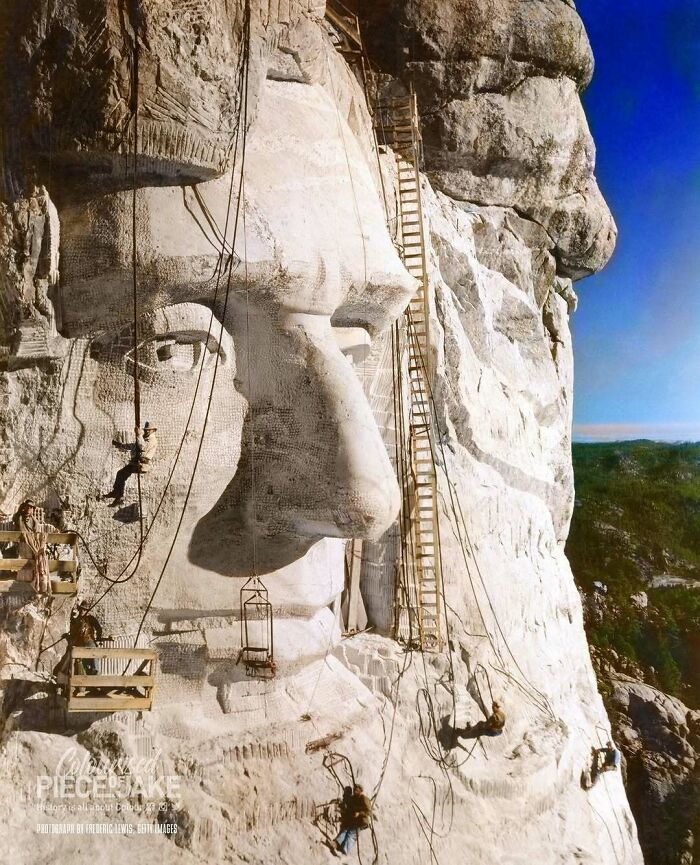
"The Six Grandfathers (Tȟuŋkášila Šákpe) was named by Lakota medicine man Nicolas Black Elk after a vision. “The vision was of the six sacred directions: west, east, north, south, above, and below. The directions were said to represent kindness and love, full of years and wisdom, like human grandfathers.” The granite bluff that towered above the Hills remained carved only by the wind and the rain until 1927 when Gutzon Borglum began his a*****t on the mountain." <-- Wiki Diki
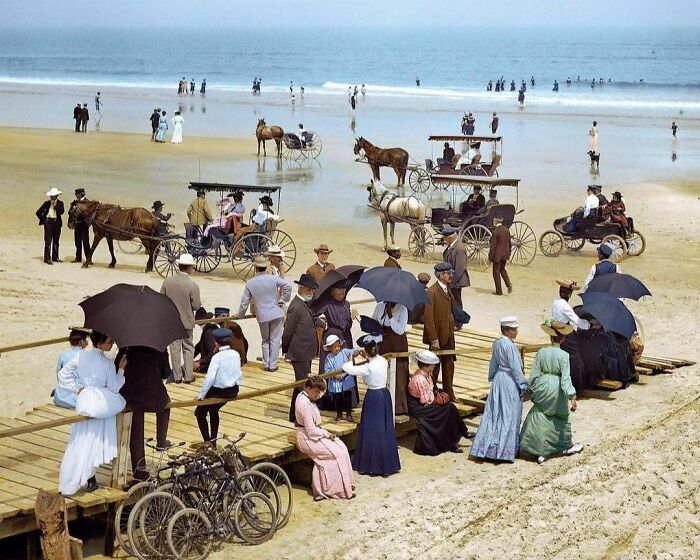
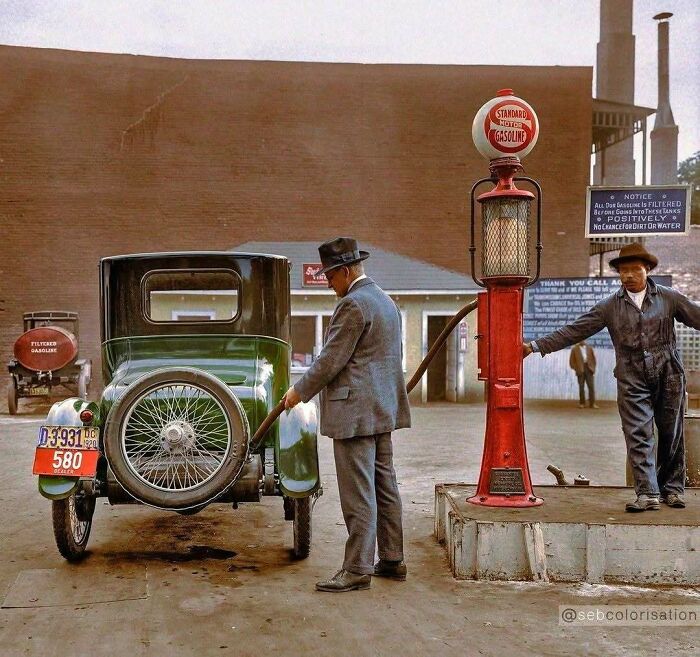
Horseless carriage driver over at the right is scoping out the beach as a possible venue for stock car racing.
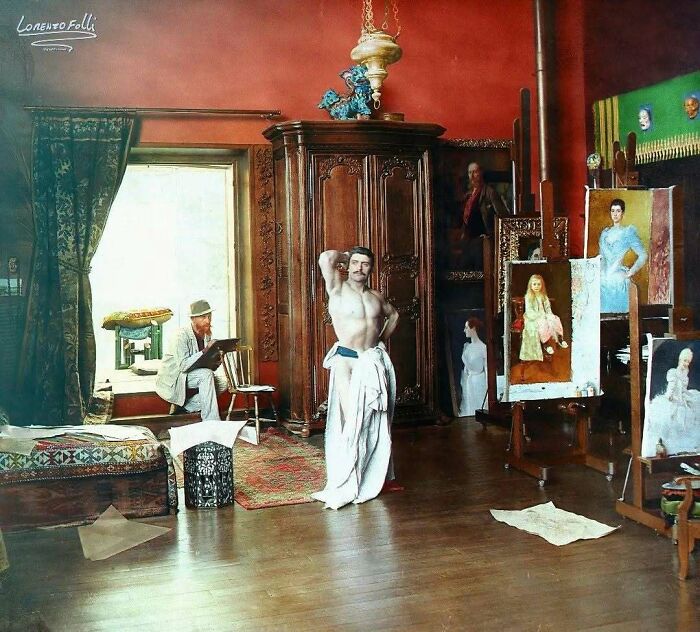
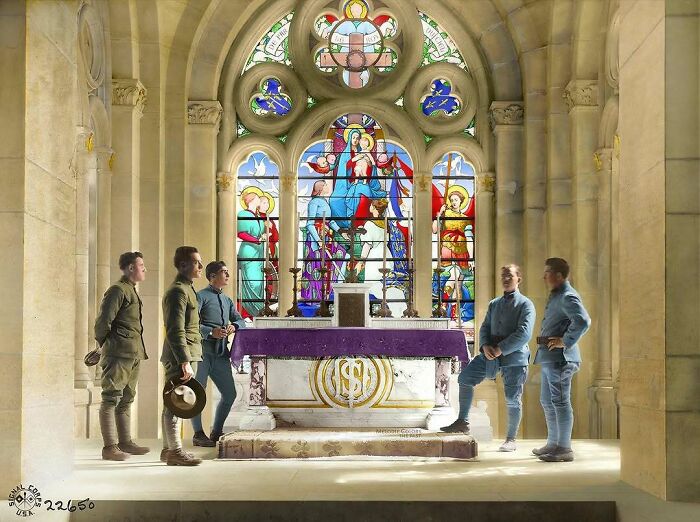
From original site —> “Maurice Dériaz was a popular bodybuilder and strongman at the time, appearing regularly in health and fitness magazines, and he also served as a model for several of Gustave Courtois' paintings.”
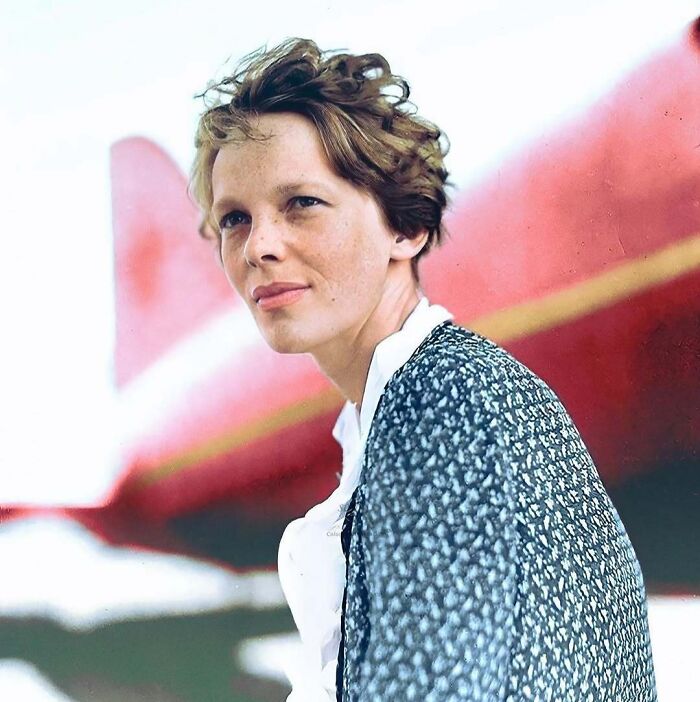
From original site —> “Amelia Earhart, best known as the first female aviator to fly solo across the Atlantic Ocean, and for disappearing over the Pacific Ocean while attempting to become the first female pilot to circumnavigate the world, photographed in front of her Lockheed Vega 5B plane in 1932.”
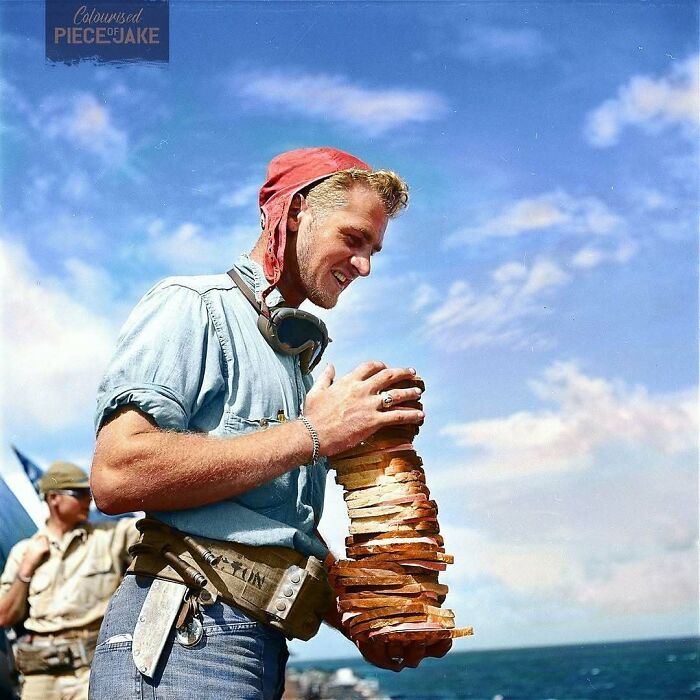
Actual caption from original article --> "A US Navy crewmember on the flight deck of the USS Monterey carrying a stack of sandwiches. Photograph taken at the start of the Battle of Saipan in June 1944."
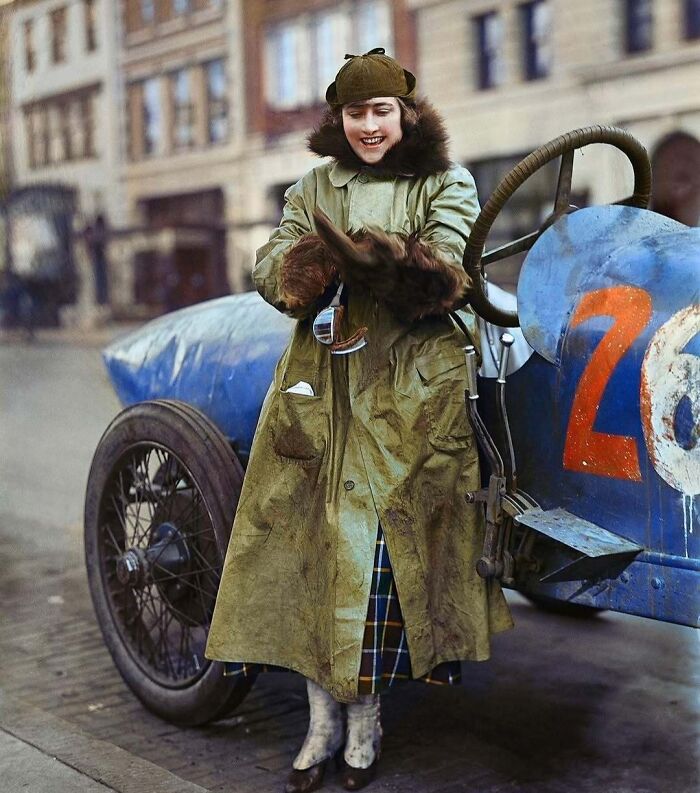
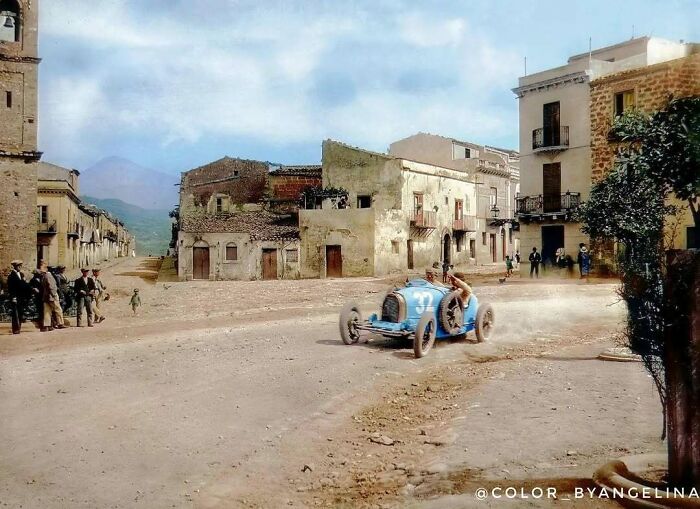
Eleanor Blevins (1892-1972) of Lincoln, Nebraska. Blevins was also an actress and made more than 24 films between 1913 and 1916. She also was one of the first women auto racer This car that Blevins drove throughout her racing career was called the Stutz Weightman Special, produced by William “Wild Bill “Weightman. It was equipped for high speeds and featured a special aerodynamic modification with a boat tail design. The vehicle was a right-hand drive model and prepared for land speed races as well.
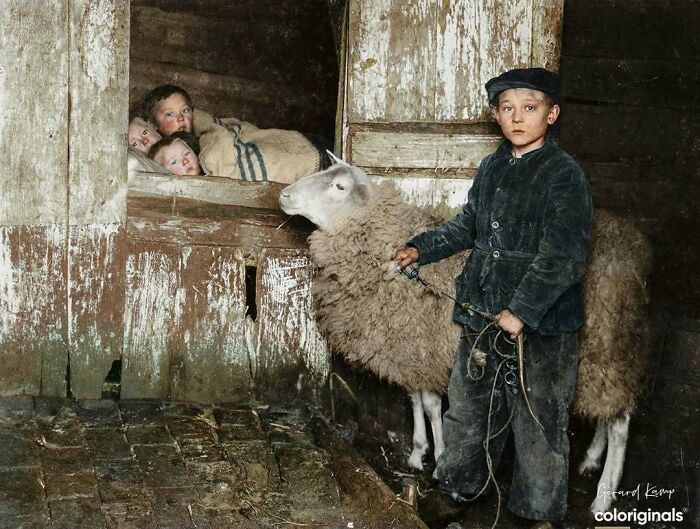
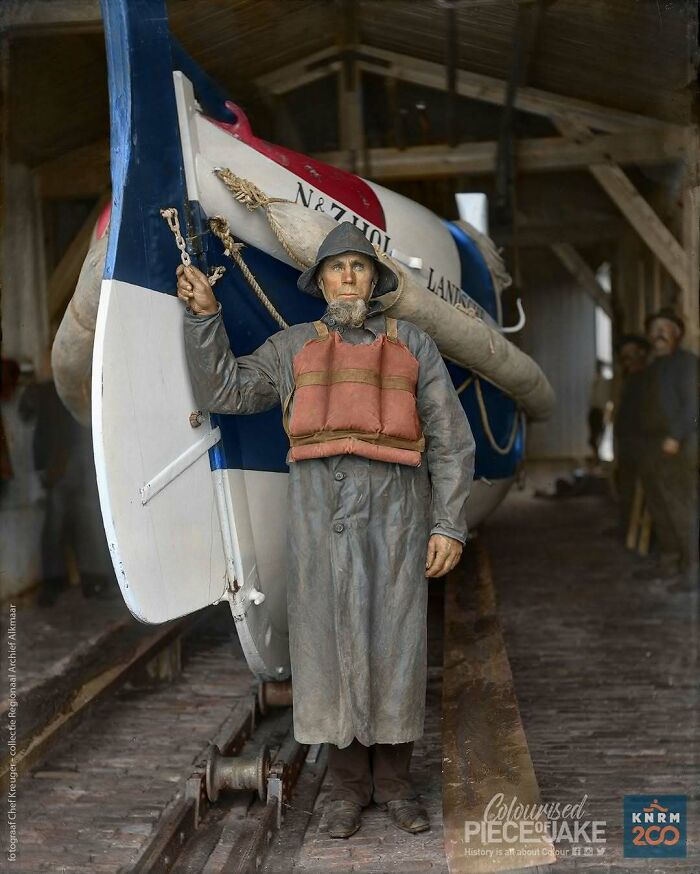
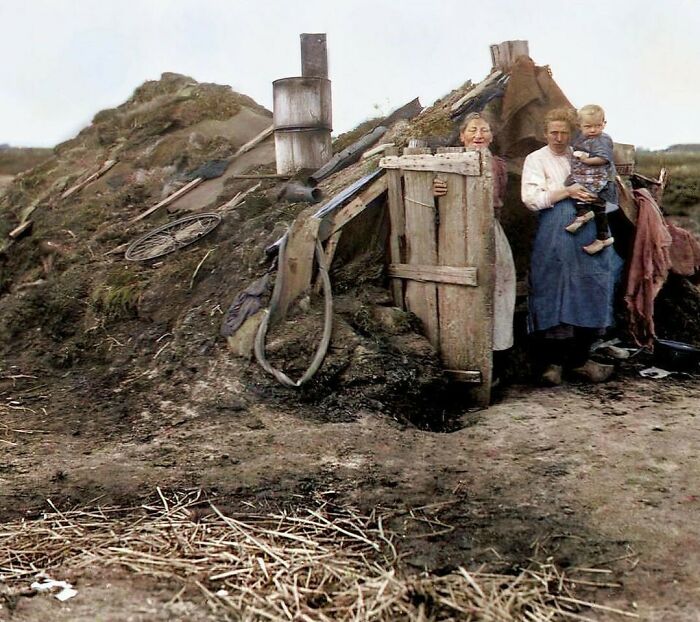
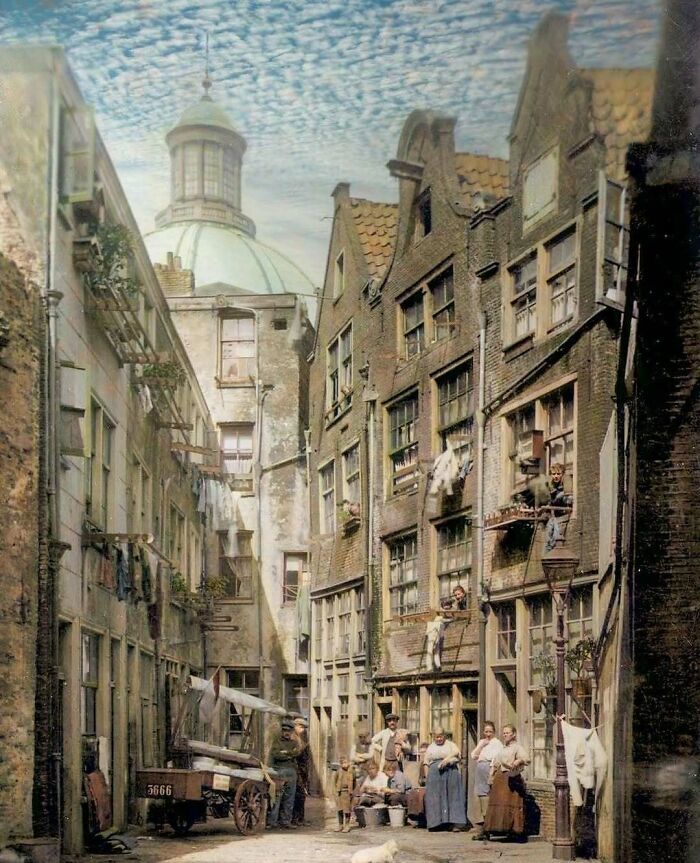
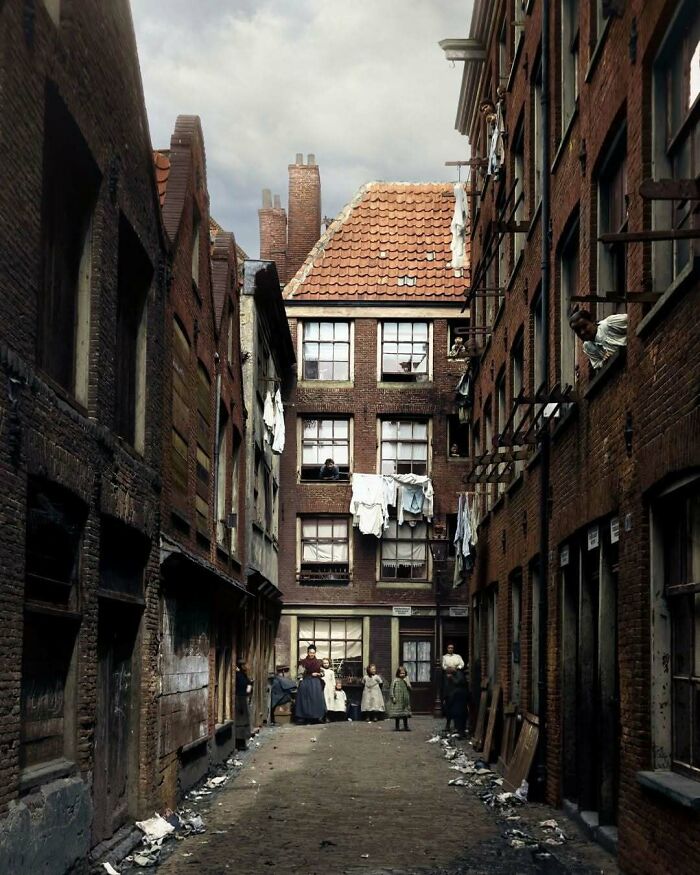
The 1901 Dutch Housing Act had formally banned turf huts, but enforcement was weak and replacement housing scarce, so they persisted until the 1960s. People in the cities were living in single rooms and attics and postponing marriage until post-war programmes finally provided housing for everyone. But that took 20 years.
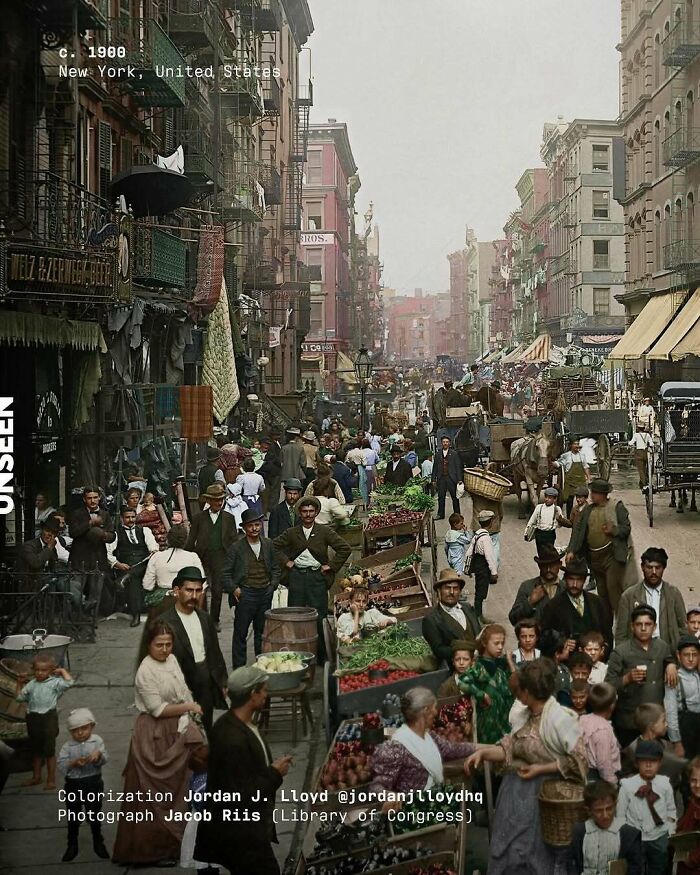
🎶 O, they're dancing in the streets in Little Italy 🎶 - Stephen Bishop
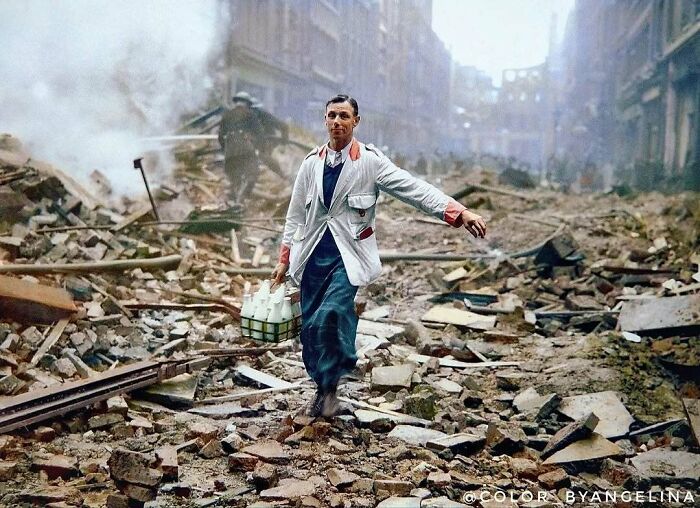
From original post: "While the photograph was taken on a destroyed street following a German bombing raid, the "milkman" was actually the photographer's assistant. Fred Morley explained that he did this because he wanted to photograph the desolation that took place during the Blitz but to get around the government's censorship of demoralizing images, he added an element of normalcy to the photo e.g. a milkman continuing his duties."
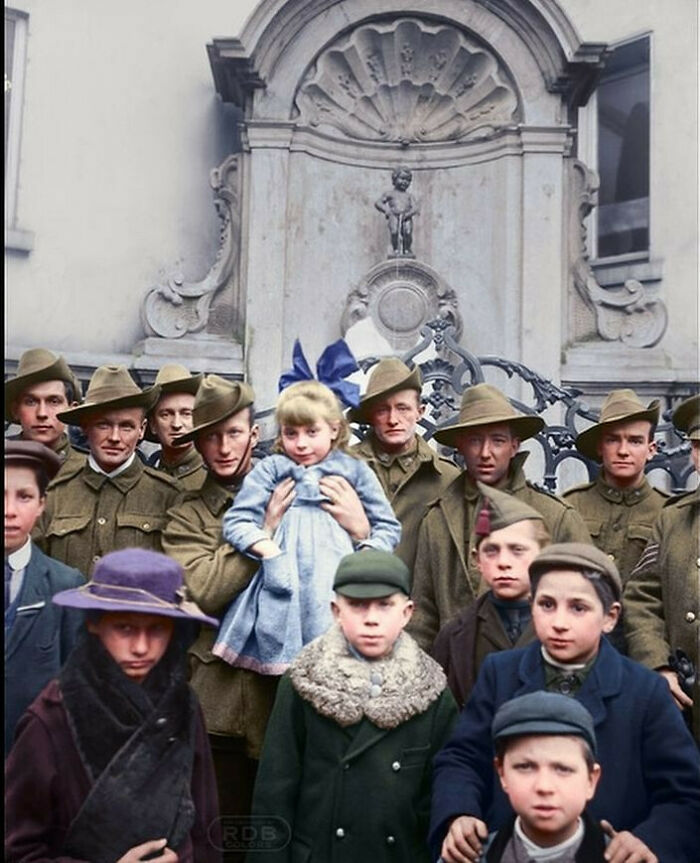
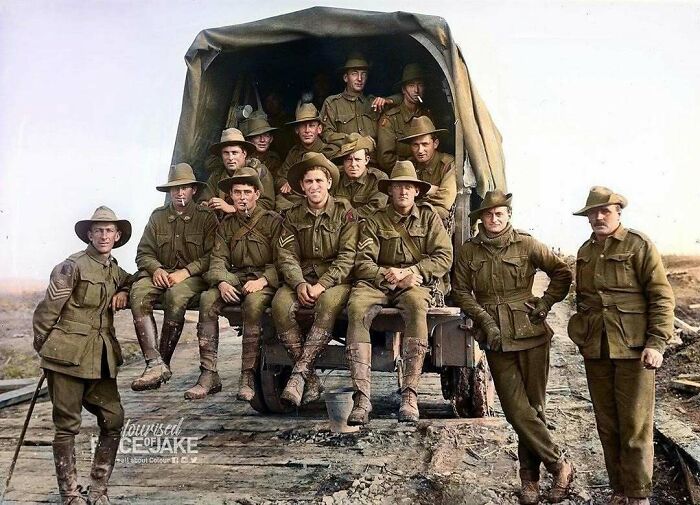
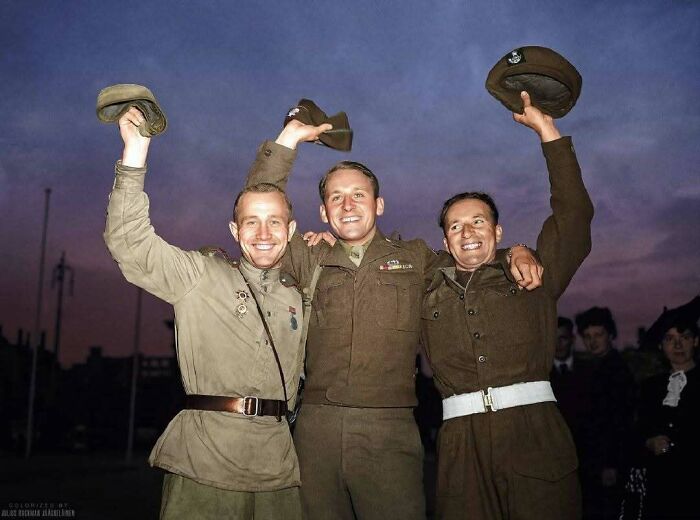
Some serious side-eye from the Brit at the right. "I have a bad feeling about this."

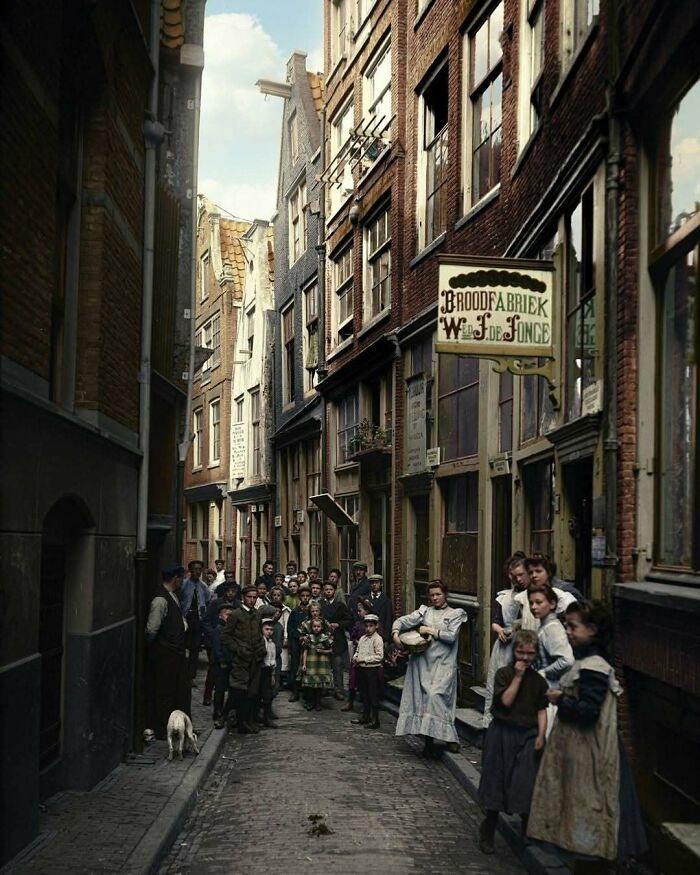
Many seem a bit over-saturated. But lovely to see so much of Amsterdam!
I was getting a lot of Kodachrome/Eastman 5247 vibes from the renderings. I really liked them TBH.
Load More Replies... Many seem a bit over-saturated. But lovely to see so much of Amsterdam!
I was getting a lot of Kodachrome/Eastman 5247 vibes from the renderings. I really liked them TBH.
Load More Replies...


























 No fees, cancel anytime