Get Premium
Dark mode theme is available exclusively for premium users. Learn more about the benefits of subscribing.
No fees, cancel anytime.

 Dark Mode Ad-Free Browsing Unlimited Content
 Ad-Free Browsing Unlimited Content Dark Mode
Join 1.2 million Panda readers who get the best art, memes, and fun stories every week!



The great sci-fi writer Arthur Clarke once wrote, “Any sufficiently advanced technology is indistinguishable from magic,” and he was largely right. For example, can you accurately describe how your smartphone works? Frankly, I find it difficult. No more than, say, a medieval “wizard” could describe “the workings” of a crystal ball.
However, modern science sometimes confirms facts so incredibly fantastic that they seem straight out of the pages of some sci-fi bestseller. And yet, these facts are absolutely true. Okay, here’s a collection of such facts, compiled for you by Bored Panda!
This post may include affiliate links.
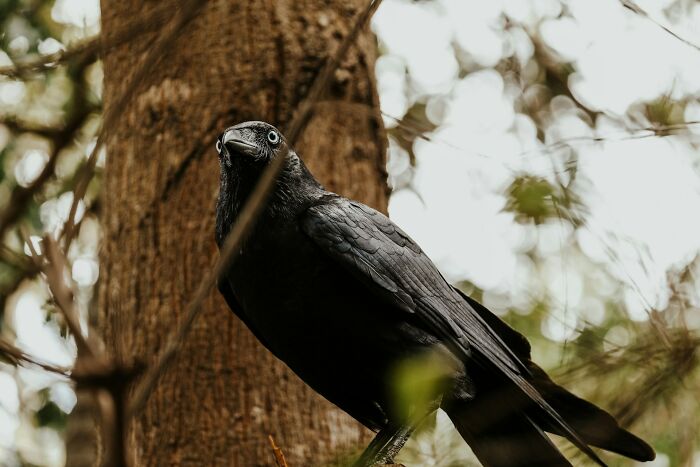 Crows hold a grudge for 17 years, longer than their lifetime. This is because they pass down information about dangerous people to their children.
 Women's n*****s have holes in them that absorb our babies' saliva during breastfeeding and our bodies detect the vitamin levels of our babies. Based on those results our bodies begin to produce extra of the nutrients that our babies are lacking.

Which is why it's so important and vital for nursing mothers to keep taking prenatal vitamins.
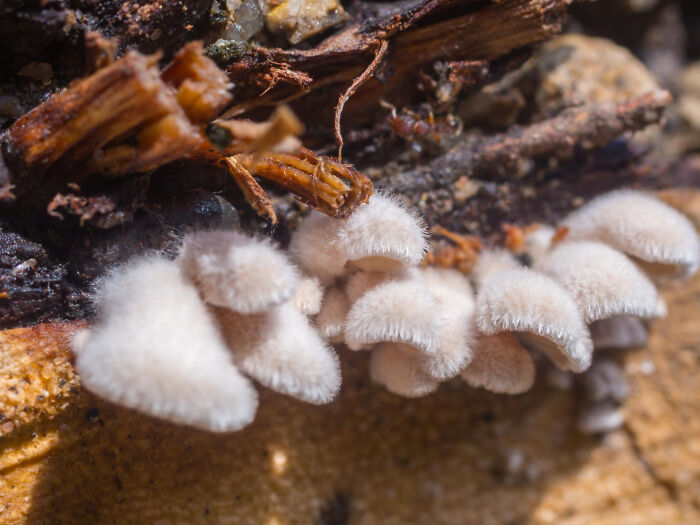 Fungus has at least 50 phrases/words they use to communicate with other fungus using electric and chemical pulses through an underground network

It should be noted right away that some of the facts and stories told in this collection are, well, a kind of beautiful exaggerations. They are essentially correct, but presented from a particular angle. For example, there is a story that some species of fungi communicate with each other by exchanging specific electrical impulses.
Such a study by Professor Andrew Adamatzky at the University of the West of England actually took place in 2022, and his team discovered that certain patterns exist in the electrical spikes between four species of fungi: enoki, split gill, ghost, and caterpillar fungi. The scientists counted nearly five dozen of these.
Can these be considered fully-fledged “words,” and can we begin to talk about “talking fungi”? Of course not. But Professor Adamatzky quite reasonably suggests that the exchange of these impulses is similar in nature to the communication inherent in other living organisms. Ain’t it fantastic anyway?
 crying is our superpower! humans are the only species who can detox cortisol through our tears. i’m not talking ‘i’m cutting an onion’ tears but tears caused by actually crying + emoting. this, in term, actually helps us release the physical symptoms of stress we carry, immediately allowing our bodies to calm down and rest 😭💪🏽

Not only crying. "Man is the only animal that can blush - or needs to." - Mark Twain
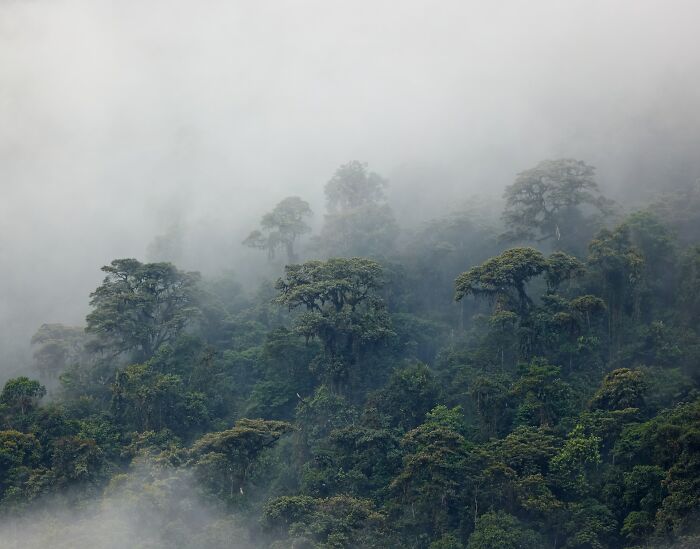 Non actually a scientific discovery, but I'm amazed about the fact that 60 % of the Amazon rainforest remains unexplored to this day 🤯 I mean, can you imagine what kind of animals and plants are there? And the people who we haven't made contact with yet?
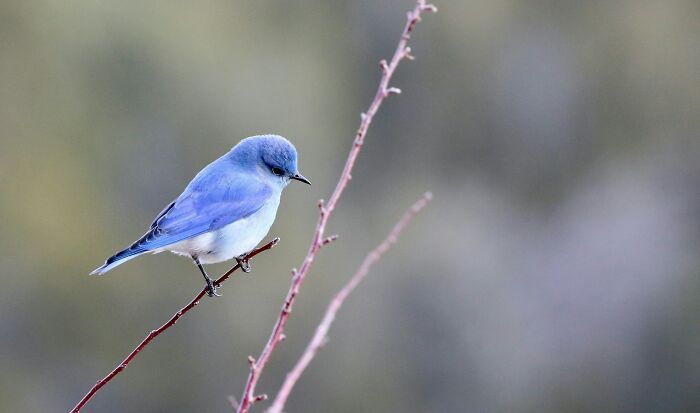 There are actually no blue birds in the world. They only look blue because the structure of their feathers bends light in a special way. The feathers themselves are usually gray or brown.
Isn´t that a generally fact, that colours appear only because of different surface structures?
Another beautiful story is the Amazon rainforest, 60% of which remains unexplored, and no one actually knows what lies beneath its lush greenery. On the other hand, how realistic is the 60% figure? Why not, for example, 50 or 90?
Well, if we consider this issue from a geographic and historical perspective, the advent of lidar technology has enabled us to peer beneath the treetops and discover several lost cities in Bolivia and Ecuador.
As for uncontacted tribes, quite a few of them are still known to science. But from a biological perspective, yes, many plant and animal species, especially small ones like insects, remain unexplored. Finally, the specific local climate and the general impenetrability of the forests greatly complicate detailed research.
But 60%? Well, we all love numbers, and this one, despite being quite vague, actually takes our imagination. We can’t actually calculate the exact percentage of historical, biological, and geographic facts that are still unknown to us, but 60% seems quite challenging.
 Your nervous system mirrors the emotional state of the people around you before you consciously realize it. Your brain is constantly reading facial expressions, tone, posture, and tension through mirror neurons and survival wiring. That’s why some people instantly calm your body while others drain you without saying a word. A dysregulated nervous system will keep pulling them back into the same reality until the body finally feels safe enough to become someone new.
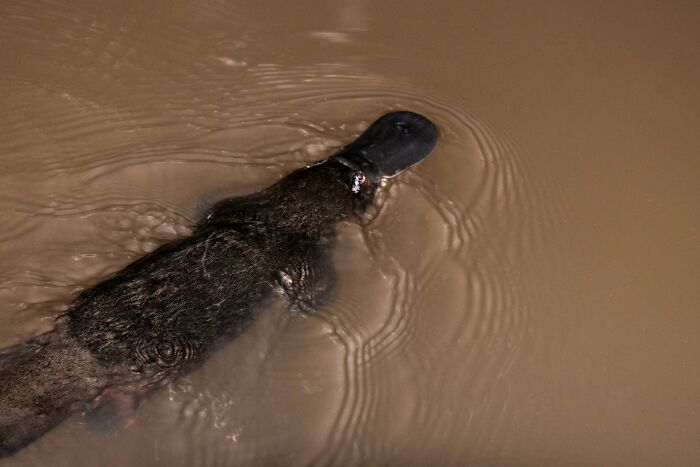 Platypuses: The only mammals that lay eggs. They are VENOMOUS. They glow under UV light. They produce milk for their babies through their skin as they don’t have n*****s. They don’t have a stomach. When they’re underwater, they close up their eyes, nose, and ears and essentially use their bill to navigate through the water. They don’t have teeth. Instead, they put rocks in their mouths to break up their food. I’m sure there’s more.
Platypuses are basically made up of all the spare parts used in other creatures. I'm sure they have secret wings and gills we haven't discovered.
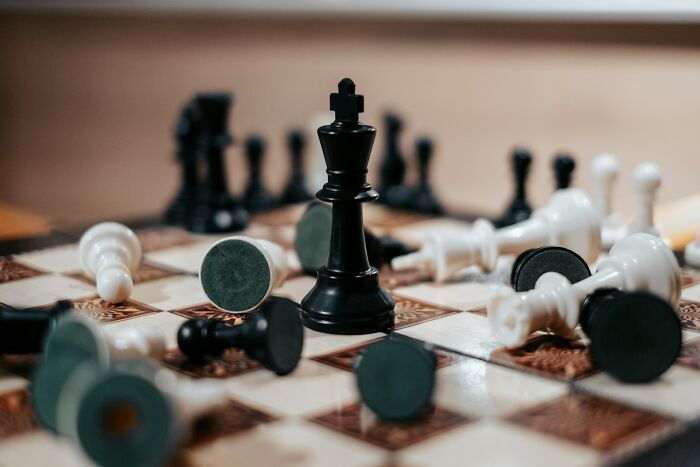 there’s more ways for a chess game to unfold than there are atoms in the observable universe
Of course, there’s no guarantee that some of the facts cited in this list won’t later be refuted by any new research. And we’re not even talking about scientific hoaxes (although that does happen). Modern science simply doesn’t stand still, and what was once an axiom may well prove untrue later.
A classic example: for nearly two thousand years, humanity was pretty much convinced that the Sun and stars revolved around a stationary Earth in the firmament. To explain the obvious inconsistencies in this concept, outstanding minds, like the ancient scholar Ptolemy, even invented additional theories.
It took the genius of Nicolaus Copernicus to make people look at the world from a different perspective – and suddenly, everything fell into place, and the additional theories invented to “fill in” the gaps turned out to be just unnecessary!
 Doesn’t sound fake but I’ve always found the surface tension of water to be fascinating because wdym I can just jump in a pool no problem but the higher I jump from it becomes a problem? If you jump from high enough the impact of the water is equivalent to concrete so many people break bones jumping into water, the same calm water people step into for a soak
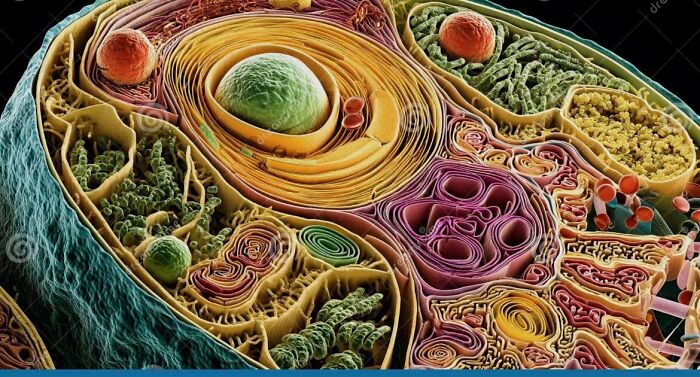 This is what a microscopic picture of the human cell looks like. Pretty neat 😊
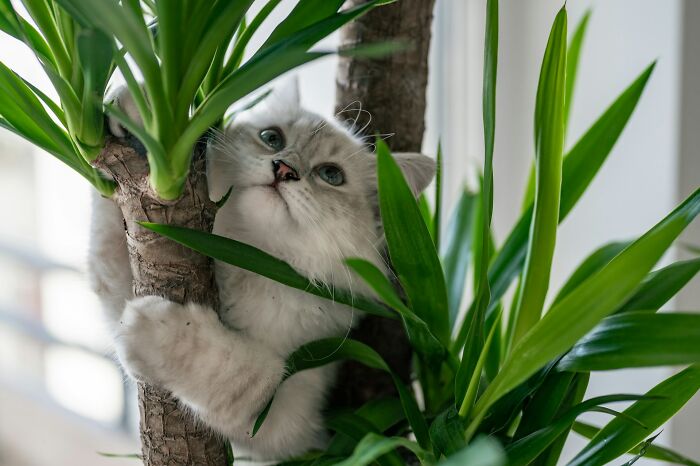 Plants make sounds that are outside our range of hearing. But not outside a cat’s range. What are the plants saying to the cats? Is this why cats knock over potted plants?

I can imagine the 'conversation'. "Who you calling fat, greeny? I'll 'ave yer roots out!"
However, sometimes scientific hoaxes do occur – as happened, for example, in 1999 with the so-called “Archaeoraptor,” supposedly an intermediate link between dinosaurs and birds discovered in China. The stunning scientific sensation turned out to be a complete dud – the scientists were simply “playing Lego” with dinosaur bones, “assembling” their “discovery” from several parts of various ancient creatures.
And sometimes, in pursuit of a scientific sensation, people deceive themselves. This happened, for example, with the “cold thermonuclear fusion” experiment conducted by Pons and Fleischmann in 1989 at the University of Utah. Alas, it was not confirmed in practice.
Well, the physicists themselves were also unsure of the results of their experiment, but the university administration was so eager to stir up the sensation that the announcement of the experiment’s results was made even before any official confirmation. Naturally, this resulted in a major scandal that partially undermined the reputation of serious science…
 That the Appalachian mountains are older than bone. Quite literally they formed before bones developed as an evolutionary feature

My favorite part of evolution is the fact that female and males (for every species mind you) evolved at exactly the same pace to ensure the survival of the species. It's almost as big of a coincidence as the sun being so much bigger than the moon but due to the distance appears to be the same size in the sky on the only life populated planet that we know of. Freaky!
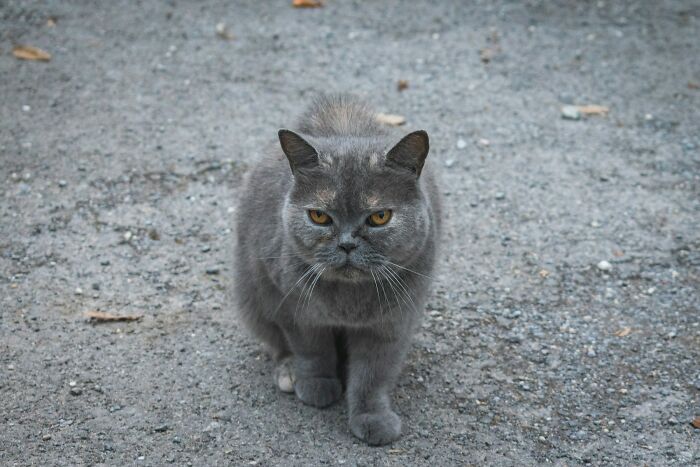 There are colors not visible to the human eye called “impossible colors”. So the color we perceive to be as gray is more than likely a beautiful color that we can’t see.
Some humans do have a 4th colour cone receptor, tetrachromacy. You would have to go to a good optometrist and have a thorough eye exam to determine if you do have this. Since it's impossible to know if you see colour the exact same as other people.
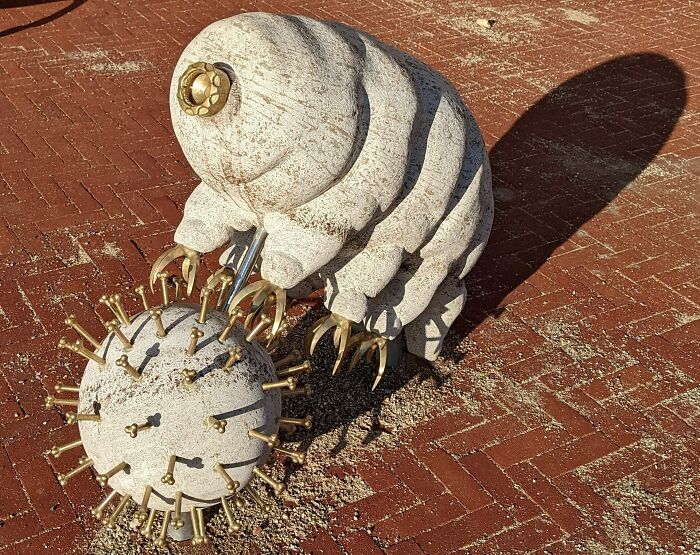 Tardigrades. Their entire existence blows my mind every time I think of them. They’re such fascinating little creatures.
In any case, we do think you’ll find this collection of scientific facts and stories interesting. Although sometimes a bit exaggerated, they still demonstrate how phenomenal and amazing the world around us and even our own bodies really are.
So now, our dear readers, please feel free to read these stories to the very end, and maybe add your own in the comments if you also have any incredible scientific facts to share!
Humans can smell geosmin — the “rain on dry earth” scent — at concentrations far lower than sharks can detect blood. Your nose is basically a rain detector.
I thought the rain smell is petrichor and geosmin is that Earthy musk that gets on people and smell it when they come inside from the cold or crisp weather.
 Approx 5% of our DNA comes from viruses that have become permanently incorporated into our genomes.
Formation of the placenta would not be possible without proteins called Syncitins, which come from these viral genes.

My gut biome changed after radiation therapy for cervical cancer, probably helped by the fact I no longer have an appendix. Foods I previously loved and ate regularly are no longer appetizing, and the foods I now crave are much healthier.
 The fact that time (the measure of atomic change) is RELATIVE. WHAT DO YOU MEAN time bends around large objects in space because it's RELATIVE to their MASS and MASS is how much they DENT space and time?! What?! (I do understand it, it's just actually MIND BOGGLING.
 No blind person has ever developed schizophrenia. At this point, researchers have determined that the correlation is scientifically significant, and statistically impossible to be deemed coincidence. Despite knowing this fact, scientist have no idea what the correlation is.
The next obvious question must be, what happens when a person with schizophrenia becomes blind? Do their symptoms and experience of the disease change in any way? Also, is this only true of people who are congenitally blind? It seems to me that being able to see at the time the condition manifests might be less important than whether one has ever experienced visual sensory input at all, because that would have implications for the structure of the brain and thought patterns even if sight had since been lost. And now I really want to know! I feel myself headed for a rabbit hole...
 Magnolias are actually one of the oldest flowering plant lineages on Earth, not a plant that failed to evolve. They are considered "living fossils" because they appeared over 95 to 100 million years ago, long before bees existed. They are pollinated by beetles because they pre-existed bees, butterflies, and moths.
 one scientific discovery that still blows my mind is that your body can actually make “fake memories” like sometimes your brain can fully convince you that something happened even when it never did. our memories are not stored like videos, the brain kinda rebuilds them every time we remember something, which means details can change without us noticing. it sounds so fake and creepy but it’s real 😭
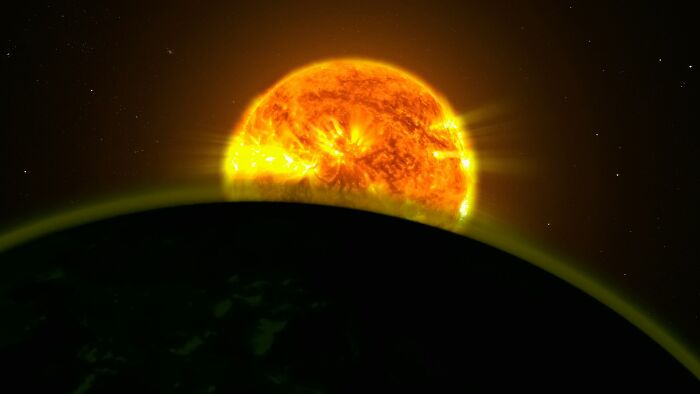 The sun is the loudest thing in the solar system. If sound could travel through empty space, it would be a constant 100dB noise like standing next to a jet engine.
Squirrels can survive a fall from any height. They have a high surface-to-weight ratio and they are able to detect and adjust their bodies rotation in a split second, and then slow their descent by extending their limbs to create drag that reduces their terminal velocity to a speed that they can survive.

It is called a nonfatal terminal velocity ... cats can do the same
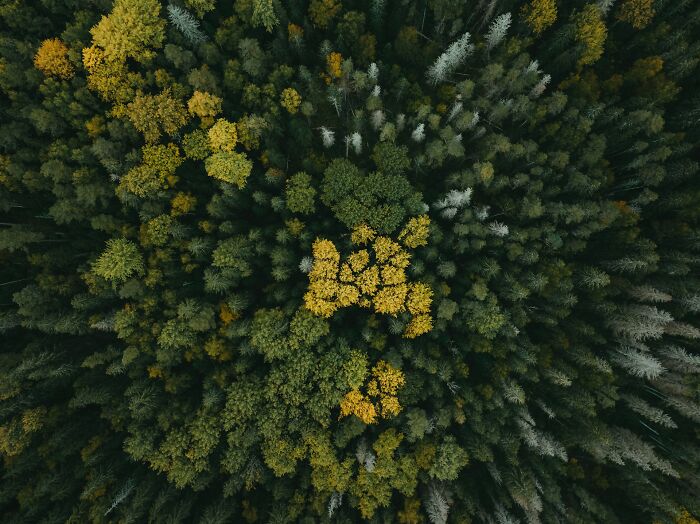 Theres more trees on earth than stars in the milky way.
And its not even close
The US national debt is so high that you would have to place 200 dollars on every star in the Milky Way.
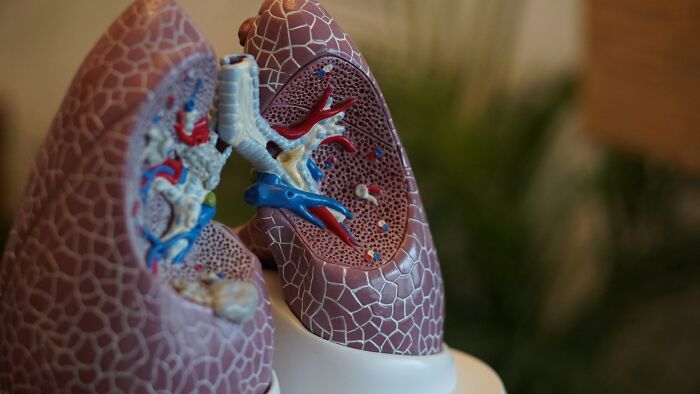 Your brain protects you from the scent of your own lungs.
 Humans produce infrared light. It’s low energy but you’re kind of like a dim star. Some of that light could have made it out of the earths atmosphere and would be traveling out into the universe. Light that left you 4.2465 years ago, could be running into Alpha Centauri, our closest star.
Humans can't actually feel wetness, we have no higroreceptors, unlike most bugs. The "wet" feeling is just an illusion that comes from temperature and touch
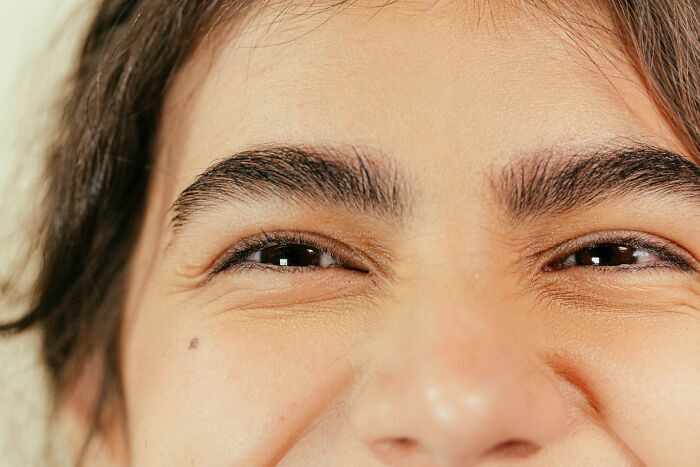 Your immune system doesn’t know your eyes exist, and if it ever finds out you can go blind.
Lymbic system sitting in a bar telling the immune system - " Eyes? Never seen such. Its only a conspiracy theory!"
 Nothing is ever really touching. Atoms in one object repel the other object creating a persistent gap. Our nervous system is just interpreting it that way
Toxoplasmosis is caused by a bacteria that, when it infects a mouse, uses MIND CONTROL to make the mouse attracted to cat urine so that they will get eaten because the bacteria can only reproduce in the cat's digestive system. Straight up makes the mouse suicidally attracted to cats so that it can hitch a ride to where it wants to go! Bananas!

That not... no. It causes a loss of aversion to predator odors and decreases their anxiety. It basically makes them unafraid of cats which increases the likelihood they will be eaten by them. And it is a protozoan parasite, not a bacteria.
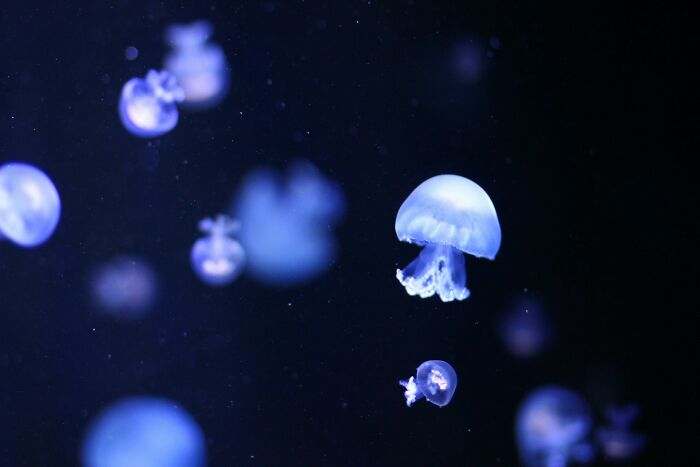 There is a jellyfish type that is immortal.
If it becomes stressed it Benjamin Buttons, and then starts to grow again.
Mood, jellyfish, mood.
If I could age in reverse based on stress, someone would need to change my diaper and give me a binky.
 You only need 23 people in a room before there's a greater than 50% chance 2 of them share a birthday
In a group of 23 people, there are 253 way to pair them up for a birthday comparison. The probability that any pair will not match is 364/365. The chance of all 253 matching failing is (364/365)^253, which is 0.499522846 or about 49.9522%. so the probability of at least one pair matching is 100% - 49.9522%, or 50.0478% - a little more than half. (Does this ignore leap years? Yes. Is the computation more complicated by including them? Also yes. Is it still 23 people? Yes again.)
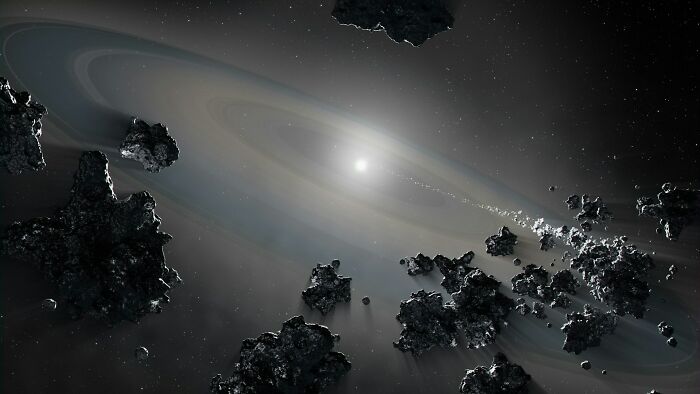 I'm excited about DNA and RNA being found on an asteroid recently. The concept of our origins being outside of our solar system, to me, means we are truly Stardust and not créate from mud by God.
Editor's note: Only fragments of the DNA were found in space, not the entire DNA.

























 No fees, cancel anytime