Get Premium
Dark mode theme is available exclusively for premium users. Learn more about the benefits of subscribing.
No fees, cancel anytime.

 Dark Mode Ad-Free Browsing Unlimited Content
 Ad-Free Browsing Unlimited Content Dark Mode
Join 1.2 million Panda readers who get the best art, memes, and fun stories every week!
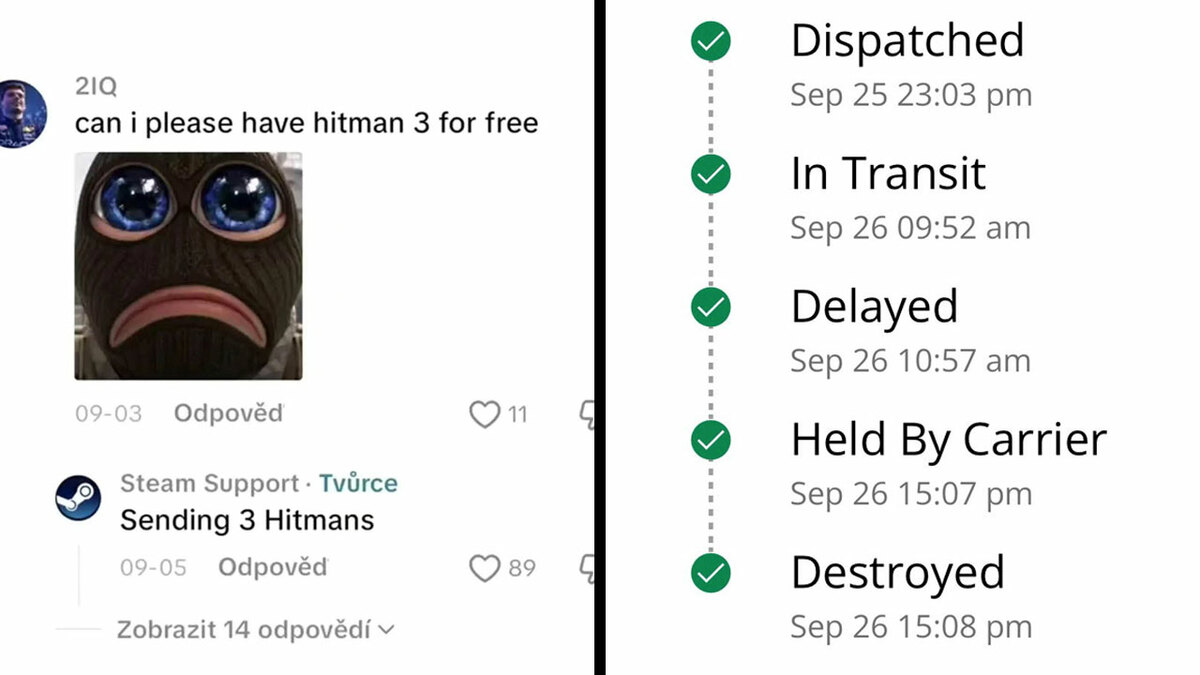
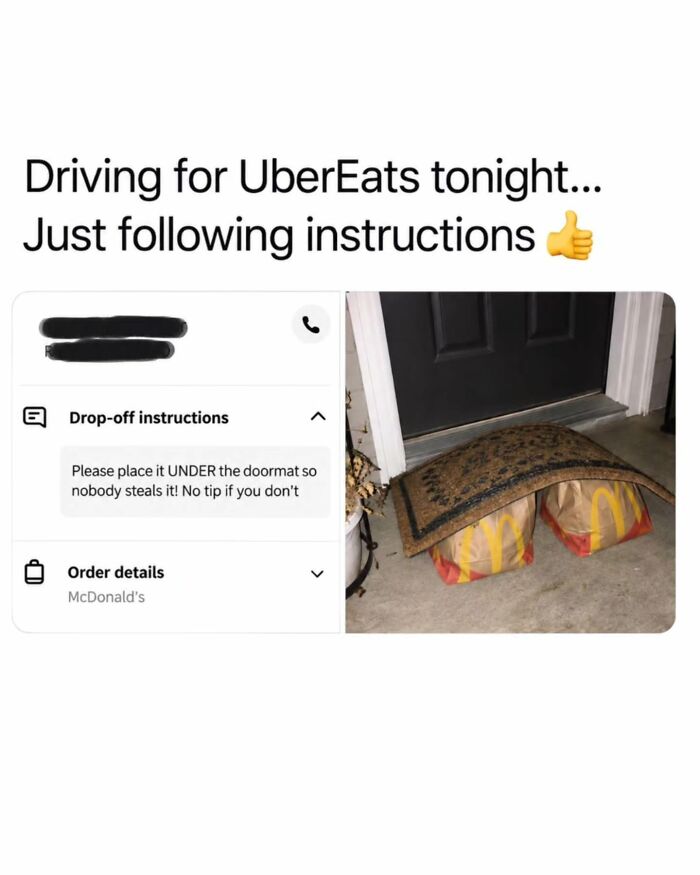
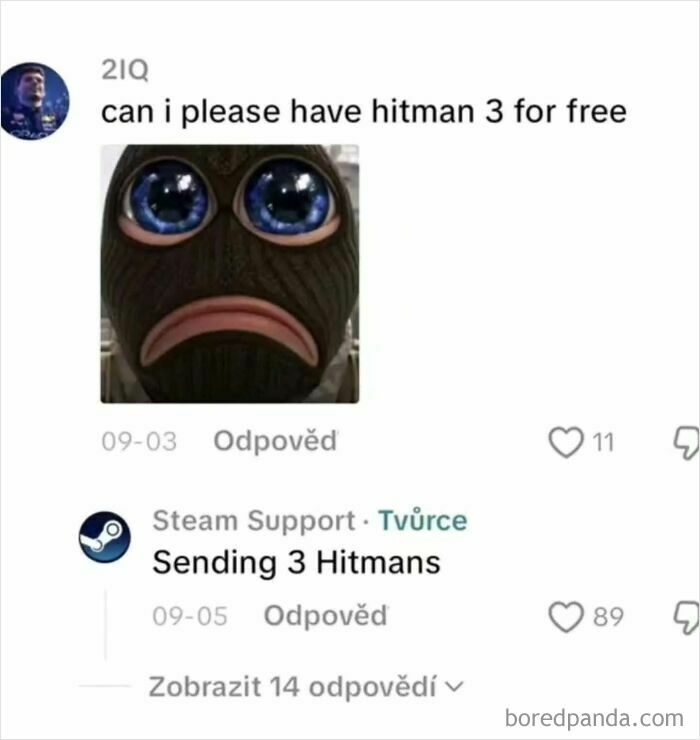
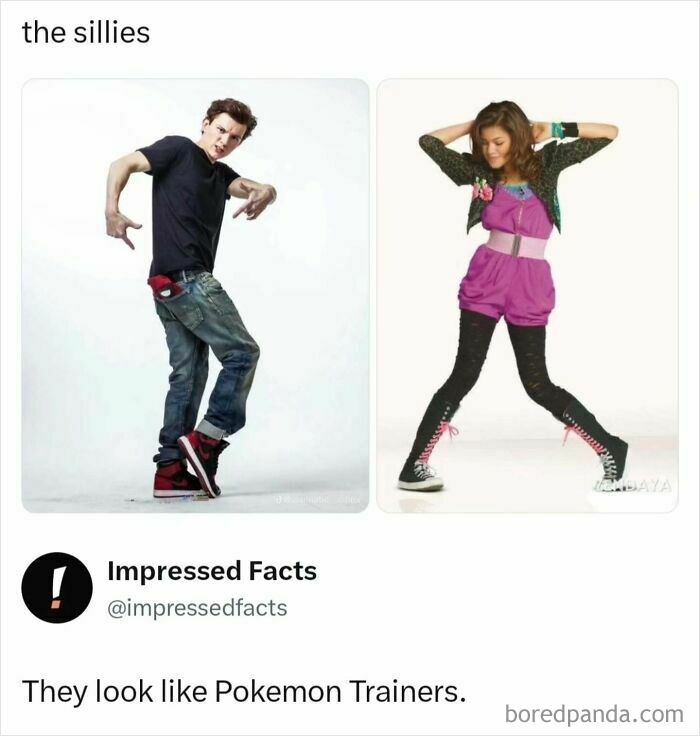
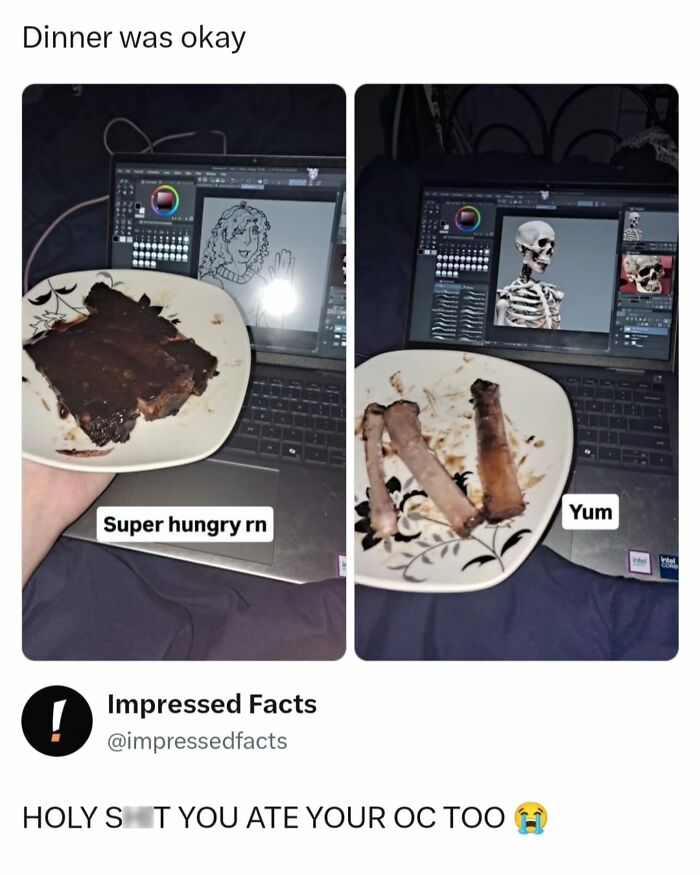
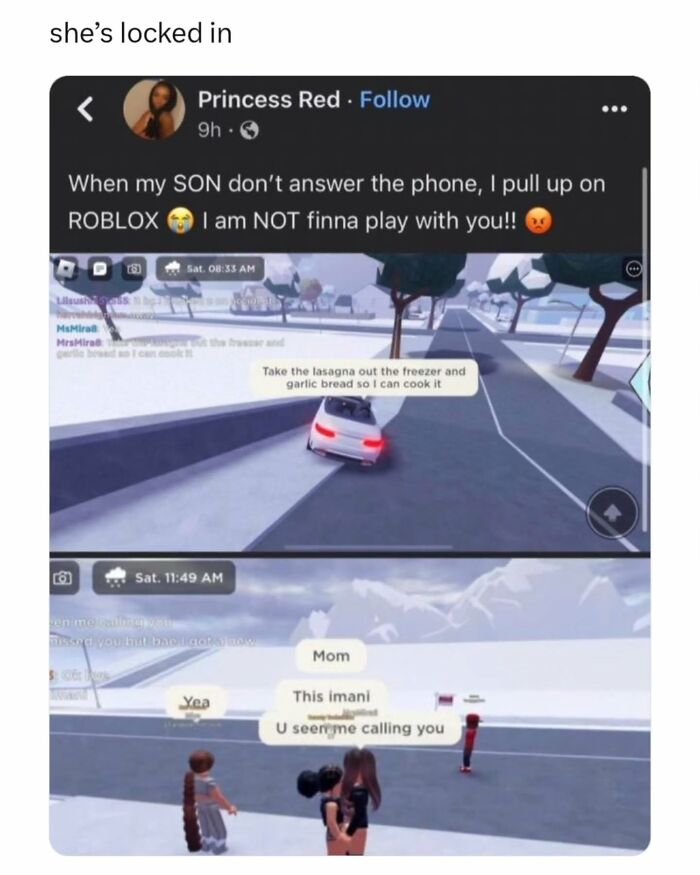
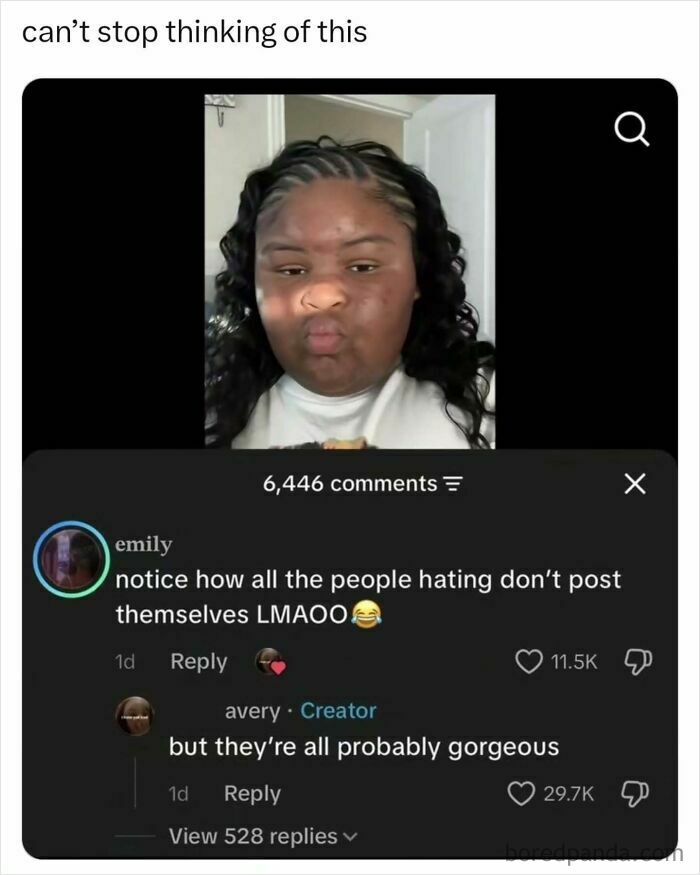
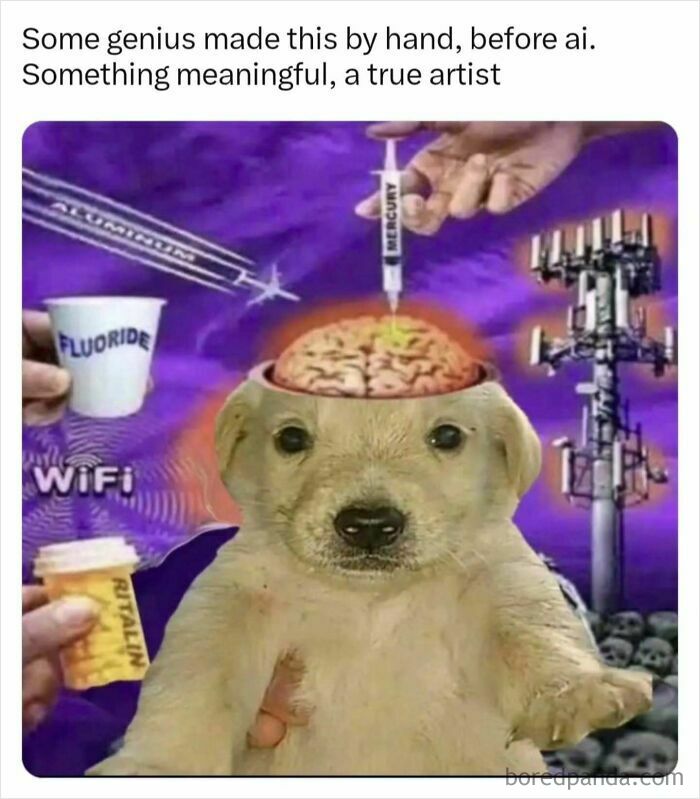
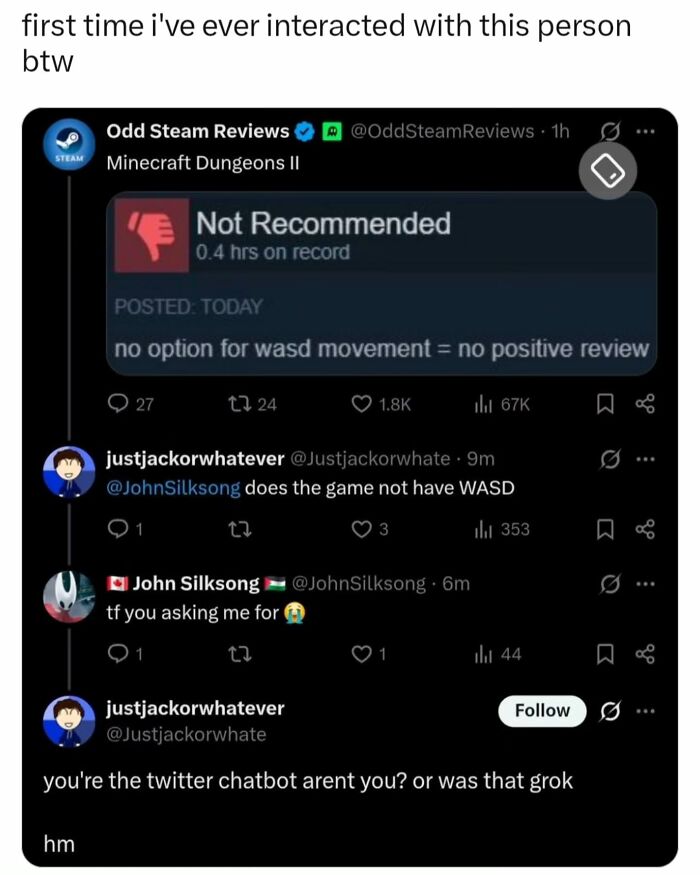
This big worldwide web of ours has given us a lot of things. For one, with a wealth of information right at our fingertips, it’s made learning something new easier than ever. But sometimes, the internet doesn’t have to teach us anything new to make a point. Sometimes, all it takes is one oddly specific observation and a funny image to have us nodding along and thinking, “Facts.”
Because that’s the thing about memes: They have a knack for taking something you’ve vaguely noticed, thought about once, or even experienced exactly zero times and presenting it with such confidence that you can’t help but agree. Is it an actual fact? Not necessarily. But is it also facts? Absolutely. From everyday observations to painfully specific hot takes, the memes from Impressed Facts turn all kinds of random internet musings into “facts”—and we’re not about to argue with them.
This post may include affiliate links.


Bill Gates: "I choose a lazy person to do a hard job. Because a lazy person will find an easy way to do it."

Fact, why make life harder than you need to 🤷♀️
Load More Replies...
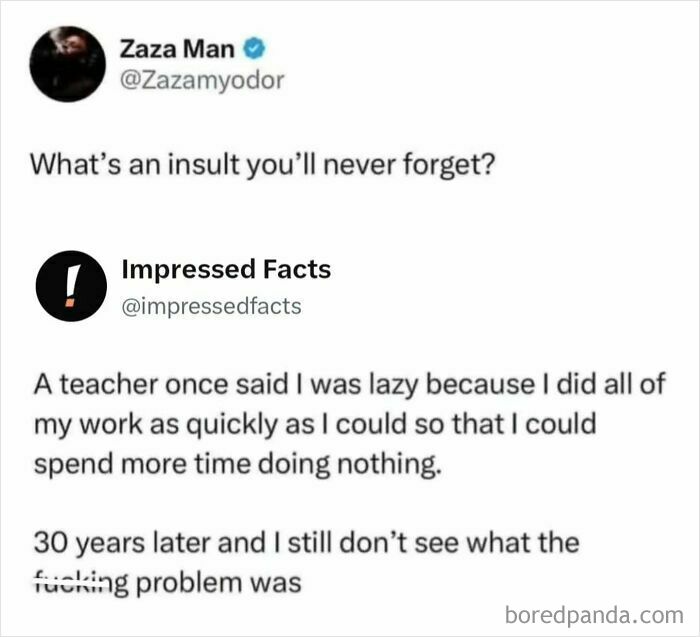
I sort of understand. I used to get criticised for not handing in enough pages, although the teacher admitted that I had covered everything

There''s some context missing. Was their work low quality for being rushed?


My English teacher said I am "stupid and should díe" just because I took my school leaving exam a year earlier than the rest of my high school class. Imagine saying that to a 17 year old. Yeah, that stuck with me to this day 13 years later.
“If you like facts mixed with memes, we’ve got you covered. We post daily fresh internet fact memes,” reads the Impressed Facts Instagram page, which has 22.2K followers. But before we get too carried away here, it’s probably worth reiterating that these memes aren’t facts in the usual sense of the word. Sure, some of them might be presented with the confidence of a peer-reviewed study, but if you’re after facts-facts, this isn’t the list for you (perhaps this one here is).
But that disclaimer matters for another reason, too. As hilarious as memes often are, they can also be little misinformation superspreaders. As philosopher Michael P. Lynch puts it, “memes are a chief source of false information on the internet.”

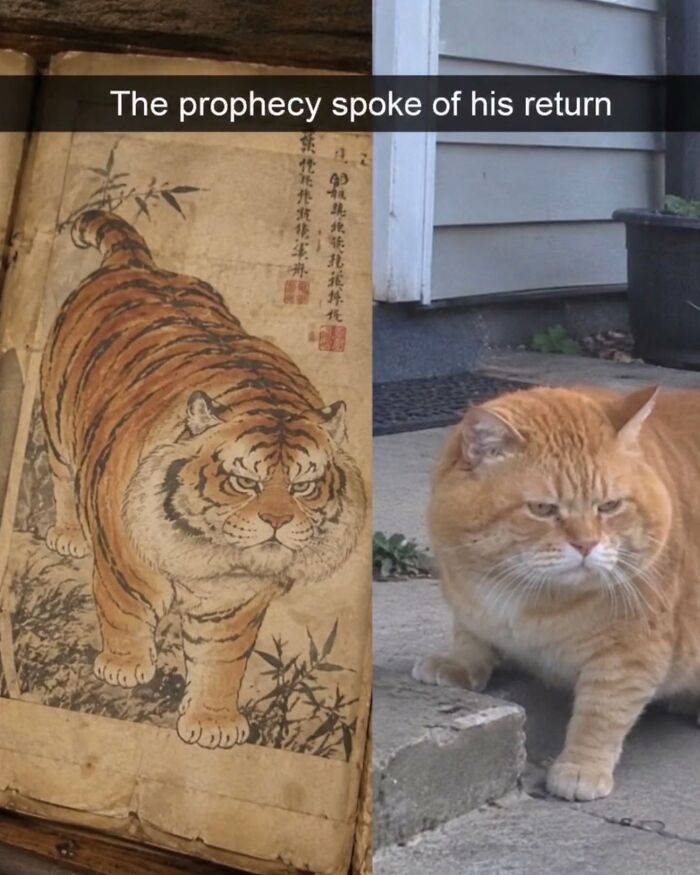
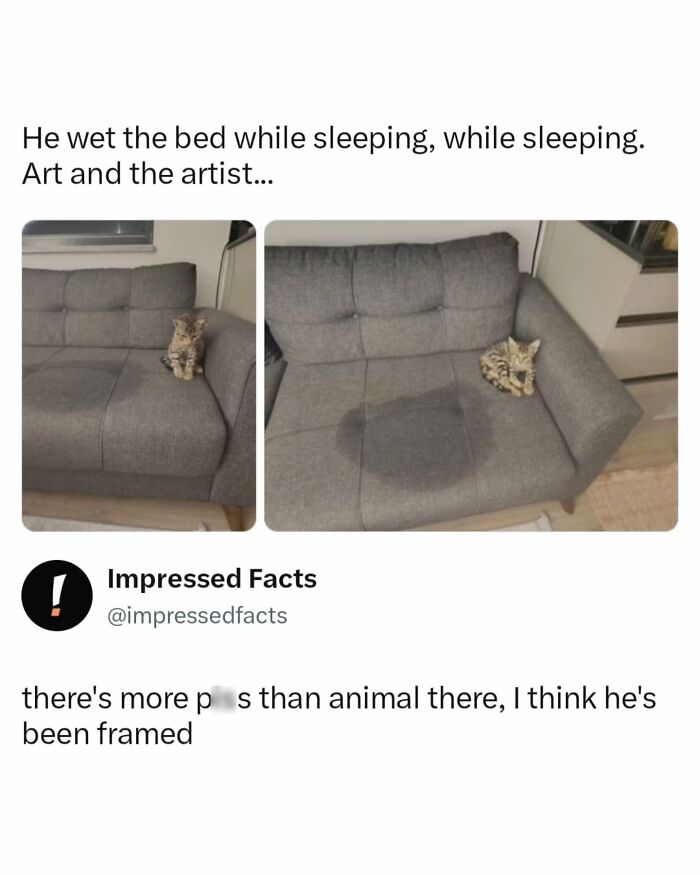
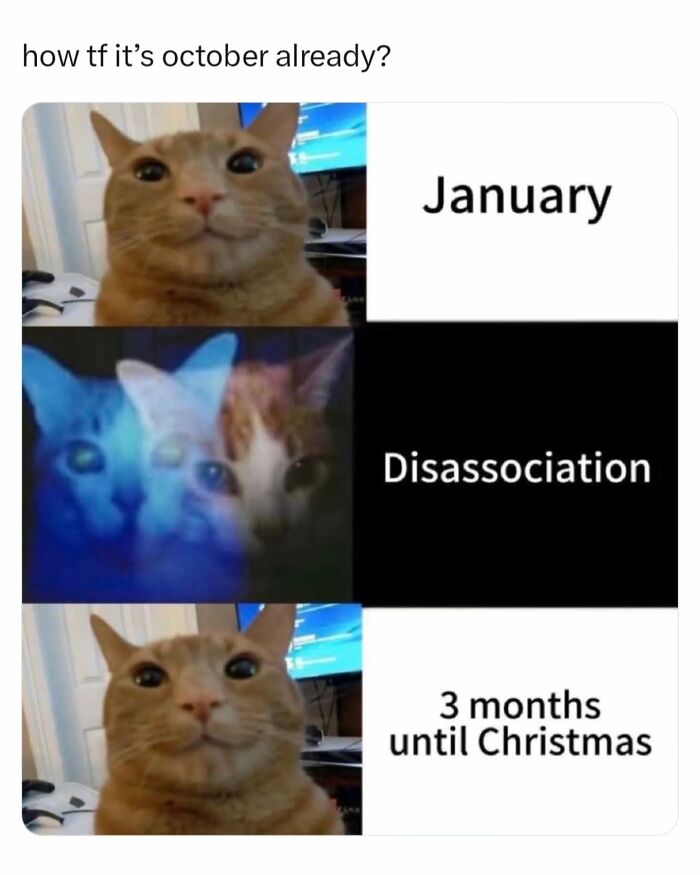
That tiny kitten never did that, who is that clown trying to fool. I've got 2 big cats (not Tiger's but Ragdolls) and together they couldn't do that.
It’s helpful to look back at the original definition of a meme to understand why. Richard Dawkins coined the term in his 1976 book The Selfish Gene, proposing the meme as a kind of cultural counterpart to the gene—a unit of information that could spread and replicate through a population via imitation. In this sense, memes could be anything from melodies and ideas to catchphrases and other bits of information that “leap from brain to brain through imitation,” as Helen Brown explained for the BBC.
Whereas Dawkins was talking about cultural ideas that could spread and replicate through imitation, what we know as memes today are somewhat more tangible. As Brown explains, we can actually observe how they “grow, spread, and mutate.” Internet memes can be copied, adapted, remixed, and given new contexts while retaining something recognizable from the original. One joke, image, phrase, or format can therefore spawn countless variations, allowing the idea behind it to spread even as the meme itself changes.
In this way, Lynch explains, memes “allow for a kind of creativity, and precisely because they allow for endless variation and tailoring to specific communities and subcommunities, participating in the memesphere allows participants to feel they are part of something larger
than themselves—and importantly, to feel like one is in on the ‘joke.’” But he says this “communal aspect” is also one reason why memes do such a good job of spreading misinformation and disinformation.
But Lynch also points to two more features, noting first how memes are often shared and reshared without attribution, meaning a claim can become detached from whoever originally created it and start to feel like something that ‘simply exists’ online: “Unmoored from the trappings of an author’s reputation or intention, they become the collective property of the culture,” as Joan Donovan put it.

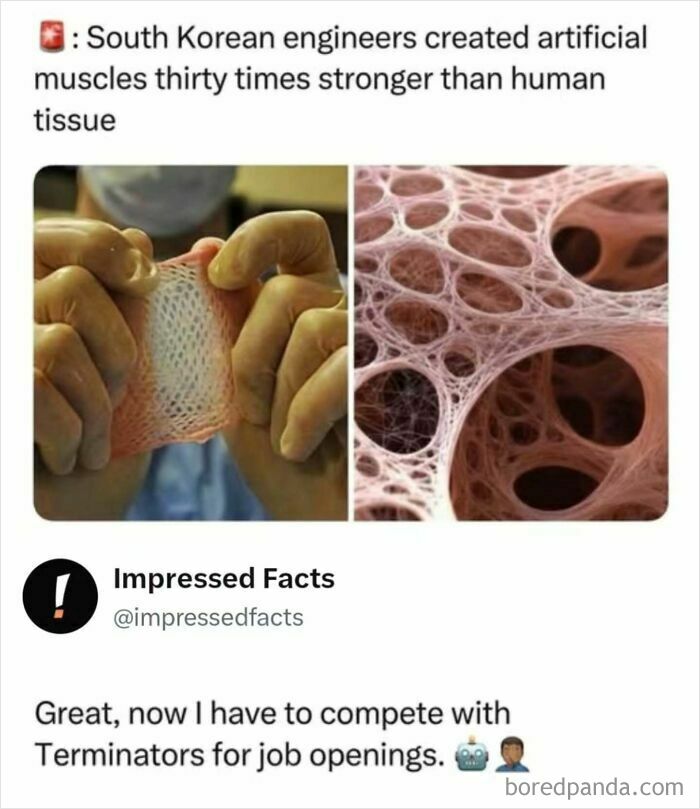
Can these be implanted into people who hate exercise? Asking for a friend. A friend who is me. It's me. I hate exercise XD
But humor is another factor. “Since humor, like outrage, travels fast on the Internet, this quality directly aids the spread of false information,” Lynch explains. A meme can be shared for a laugh rather than because someone necessarily believes its message, and this also makes it easier for questionable ideas to travel—all while giving the person sharing it an easy out: “I was just joking.”

Fortunately, the stakes are considerably lower when we’re talking about the kind of “facts” served up by Impressed Facts. Here, “internet facts” are less about presenting verified information and more about capturing the little things people notice, experience, joke about, or encounter often enough online to recognize. They’re the observations that can make you stop scrolling and think, “Actually, yes,” turning a tiny quirk of everyday life into a shared reference point.

A very, very, very introverted friend of mine got talked into accepting an invitation to a costume party. She told the host that she'd be coming as Amelia Earhart.
And perhaps that’s the appeal of these internet-born nuggets of wisdom. They take an everyday observation, a weirdly specific thought, or a familiar experience and present it with just enough confidence to make it sound like something we should all have noticed already. So no, not every “fact” you’re about to see would survive rigorous—or even the most cursory—fact-checking. But that’s not really the point. Sometimes a meme doesn’t need to teach us anything new. It just needs to put a familiar feeling, experience, or observation into a few words and make us laugh because, somehow, it’s facts.
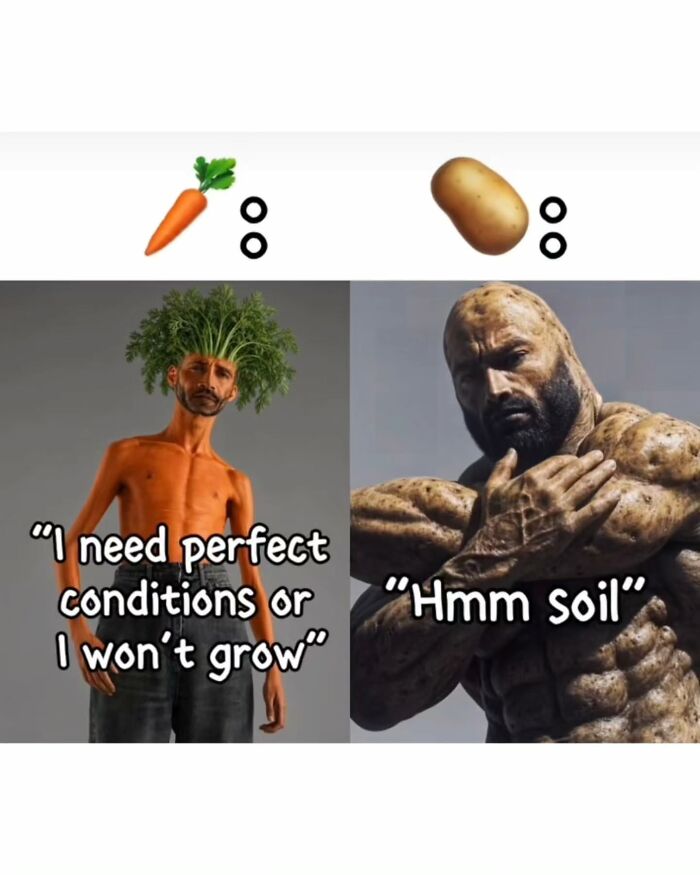
Having grown both, this is accurate. My mother has tried to rip out my red potatoes from my SIP planter about 57 times, but they keep growing back.
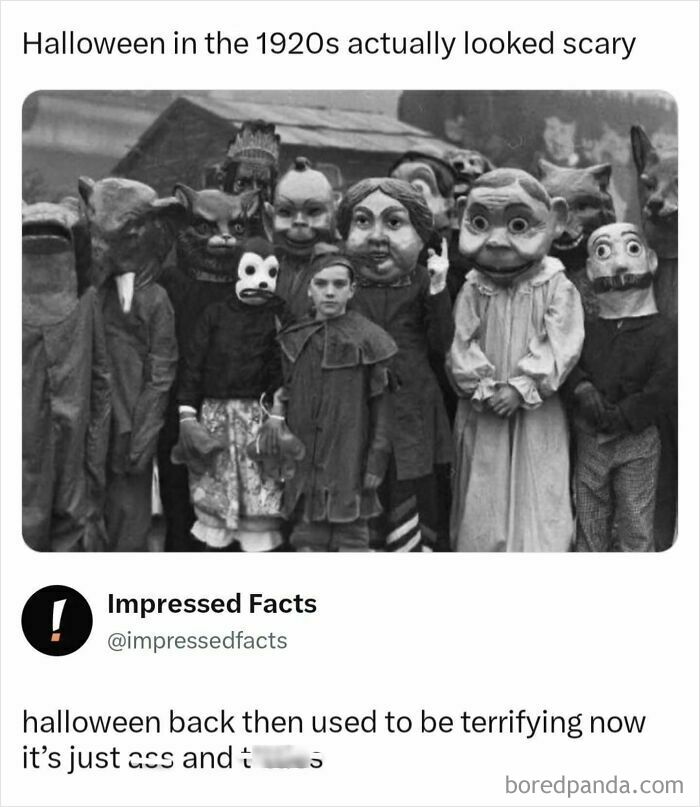
I'm going to be Barf from Spaceballs! He has an áss and títtíes, but trust me, you don't want to see them.

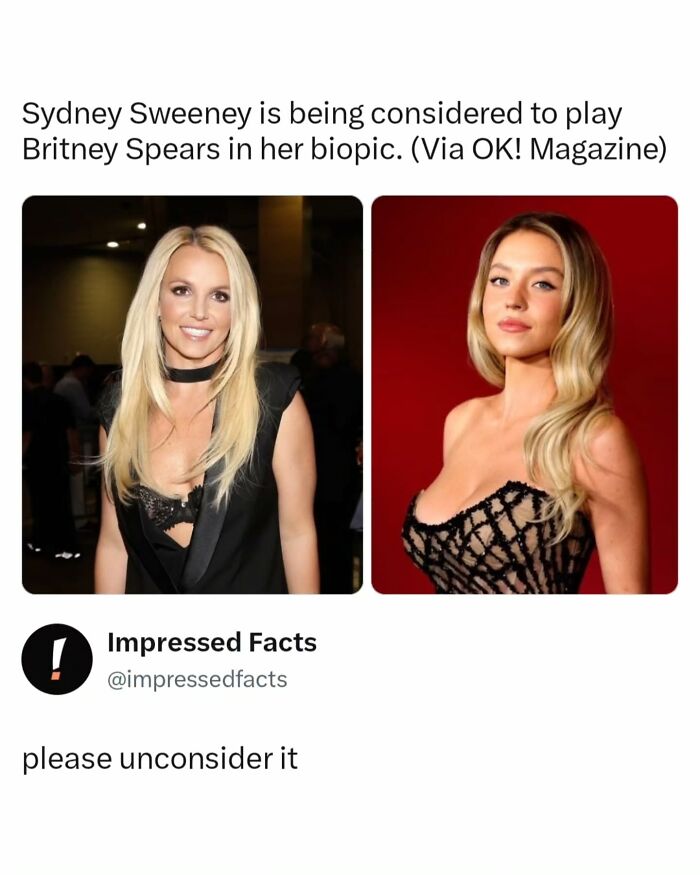
I'll never understand this hype around Sweeney. The only thing she has going on is her chest, her face always look sour and unpleasant and she became some sort of MAGA poster girl which is a reputation she seems fine with. And yet she's always peddled as some superhuman ultimate beauty.
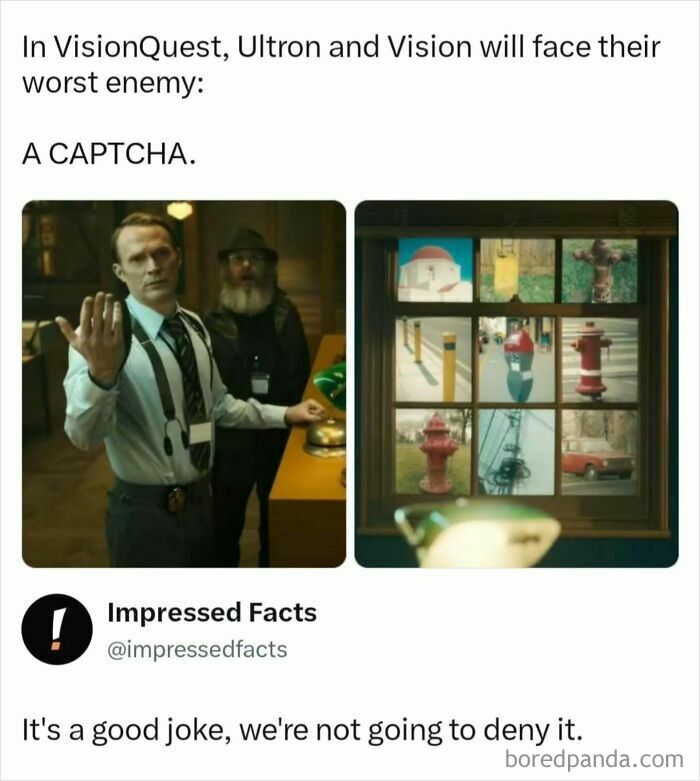
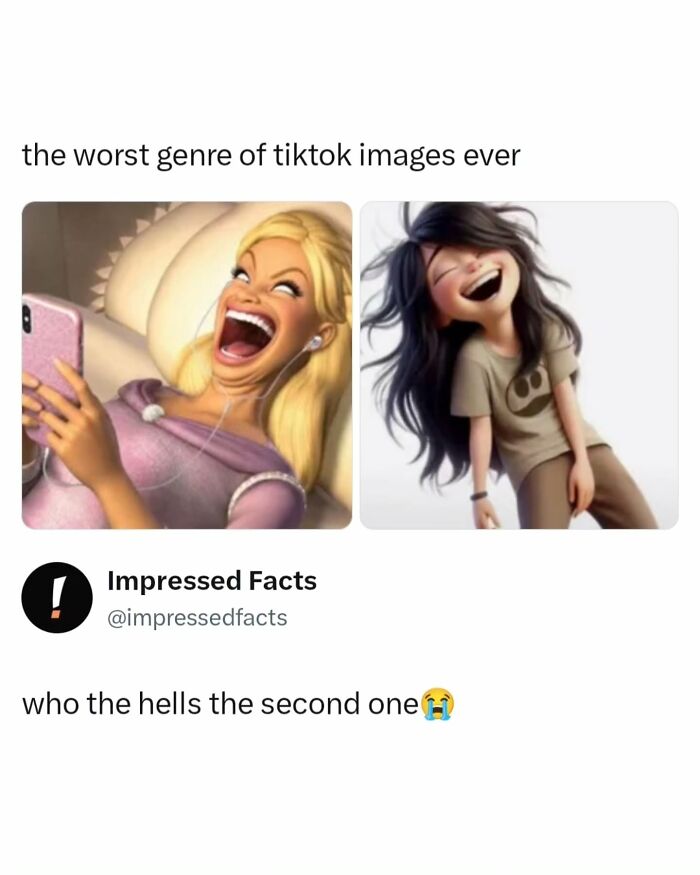
The original part is the only part that has recognizable figures. AI isn't 'artificial intelligence' , it's more like 'autocorrect interpretation'

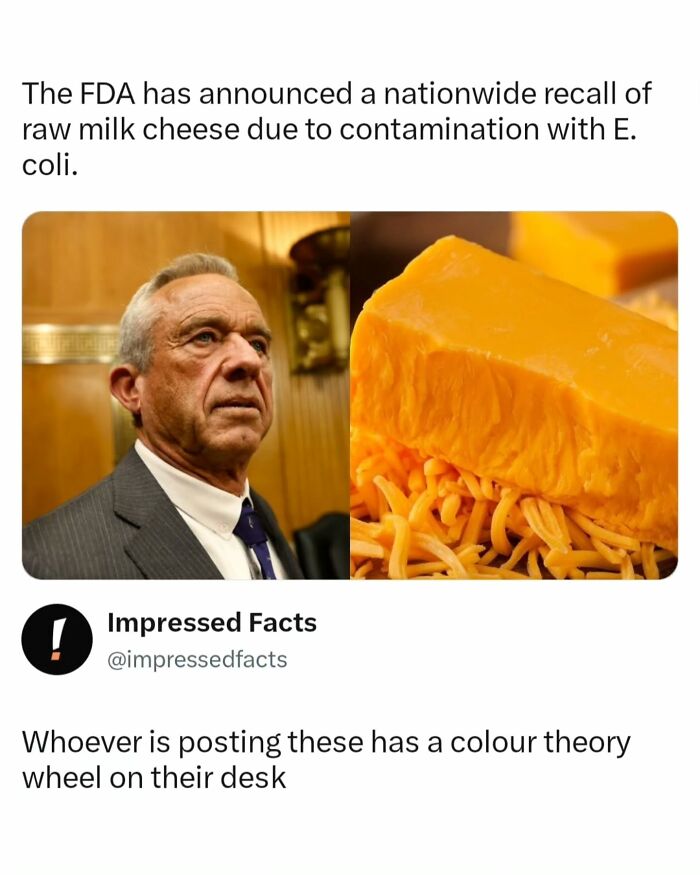
I have no idea who that is. I mean I know Homelander. I'm talking about the guy in the first pic.
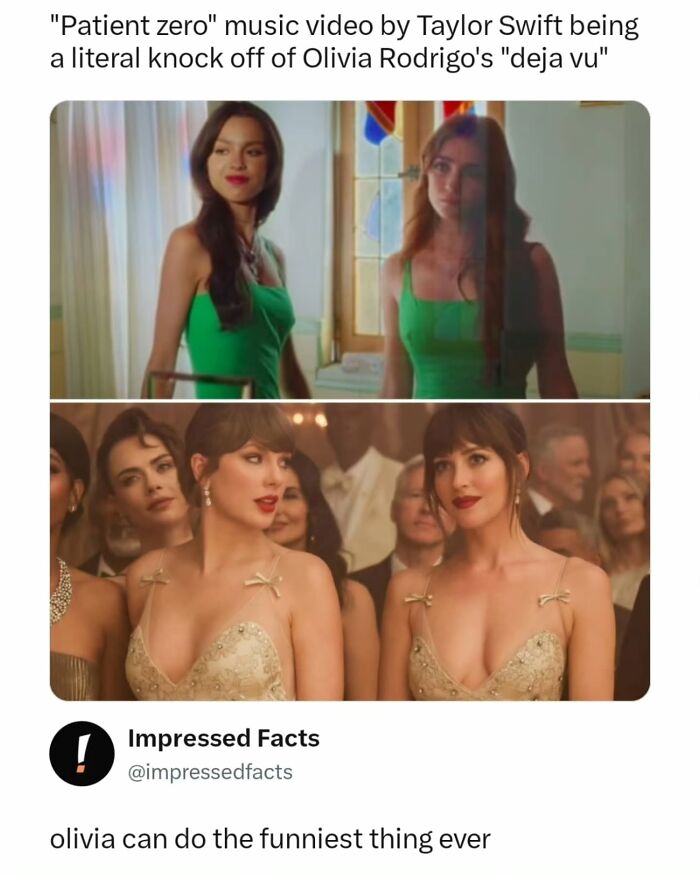
The original censoring from the original Instagram post (the white strikethroughs/redactions) plus BP's blur-style censoring is... an impressive combination XD
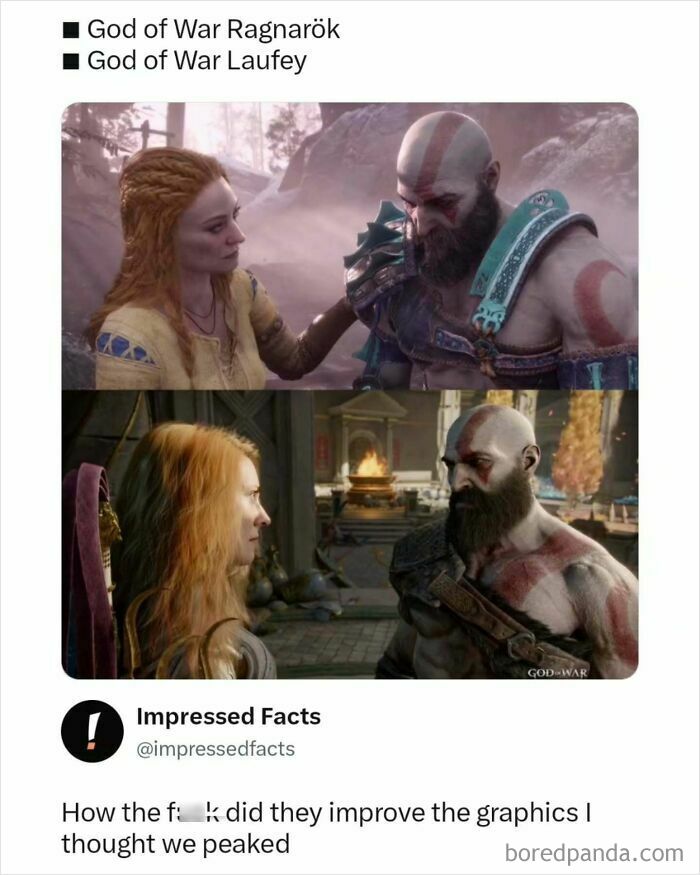
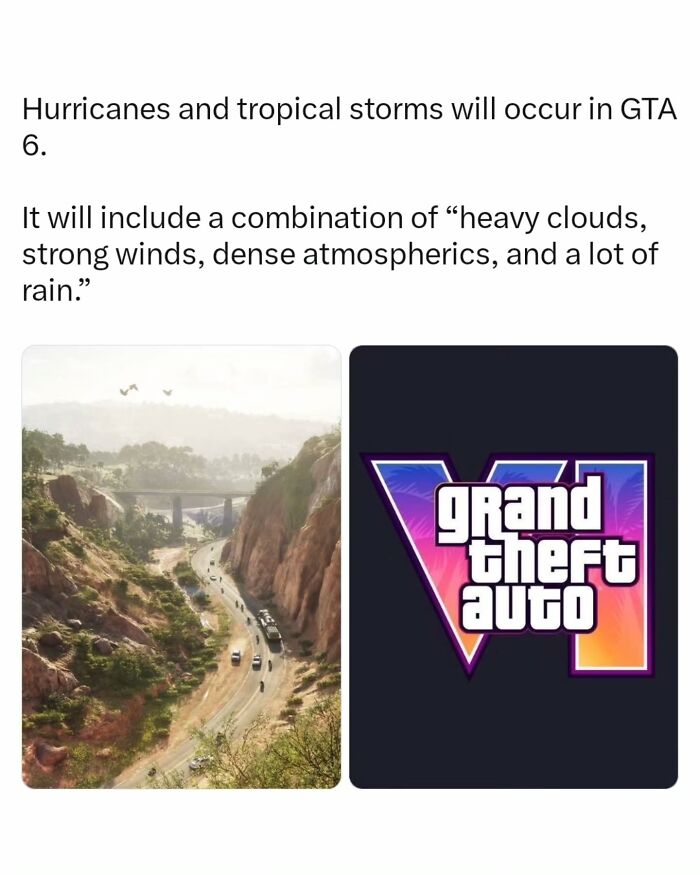
Idk but this hunt for photorealistic graphics only results in bloated games that take up 100 gigs of space and require ultra-expensive gaming machines to run half-decently. I miss the charm of those old pixelated games you can run on a dishwasher, DOOM still remains unmatched when it comes to shoㅤoters
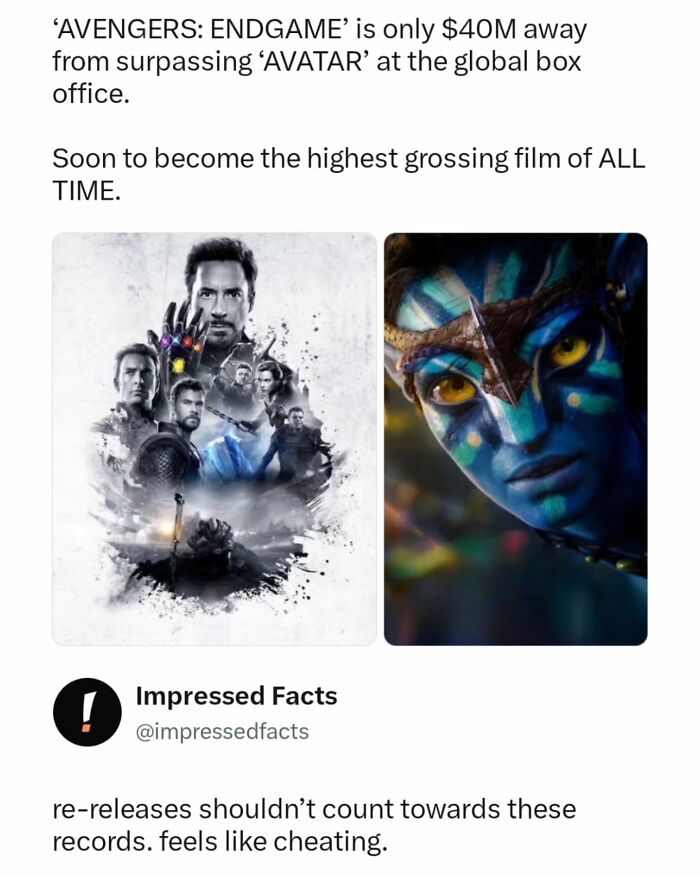
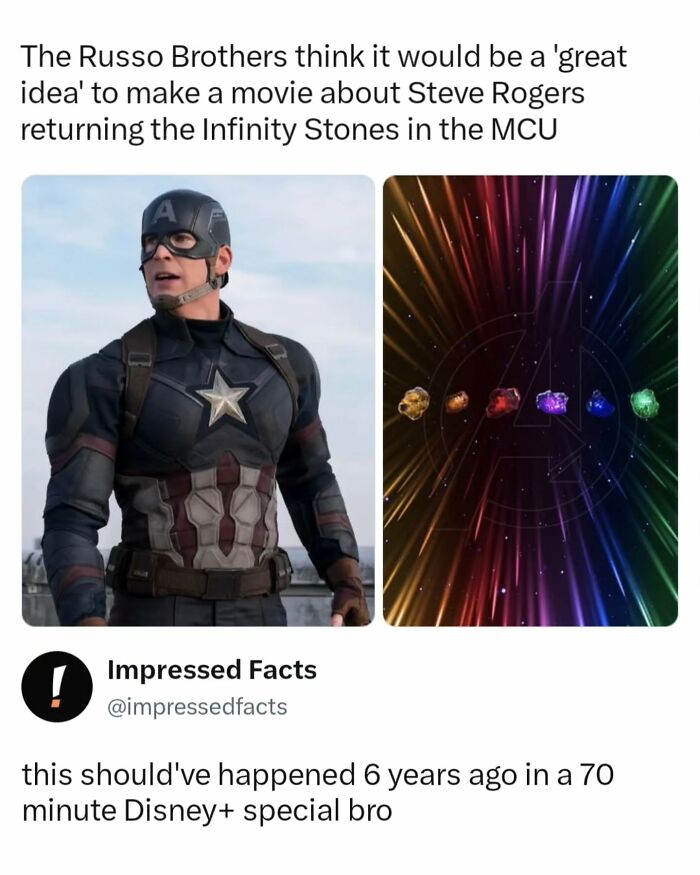
The MCU was invented for people who wanted to get into Marvel heroes without having to invest hundreds of hours into reading all those intertwined, convoluted comic sagas. Years later, the MCU recreated exactly the same problem.
Terrible Photoshops are, and shall always remain, higher-quality than any AI-generated image.

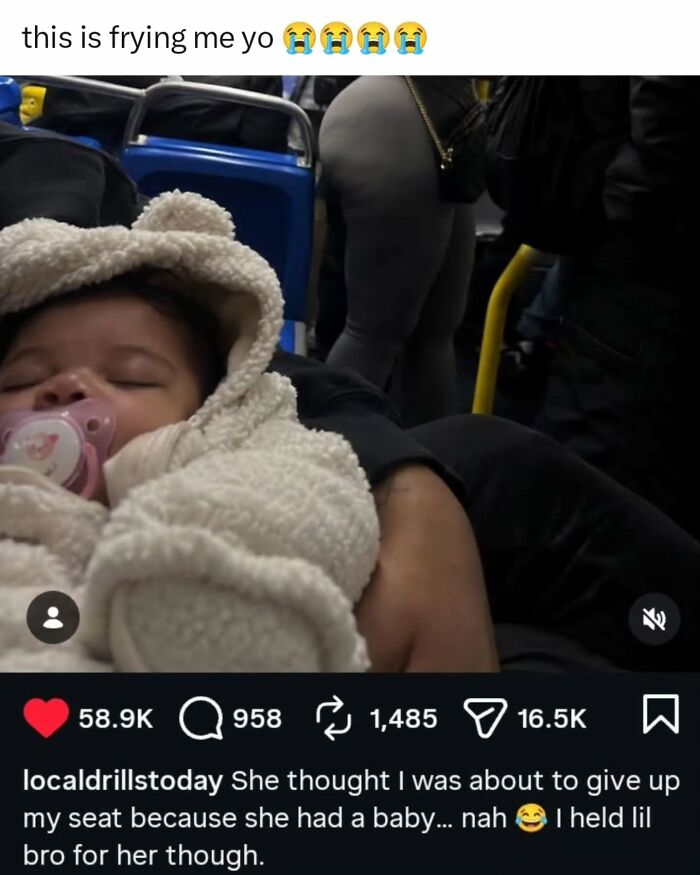
Careful. I’ve seen a woman’s post about getting a man who babysat for her into child support for assuming the fatherly role

Rough breakdown here. Posts I have no idea what they're talking about and/or who the people are ~70%, posts I think I understand the content but not the underlying reasoning ~25% Some of the others are vaguely amusing.

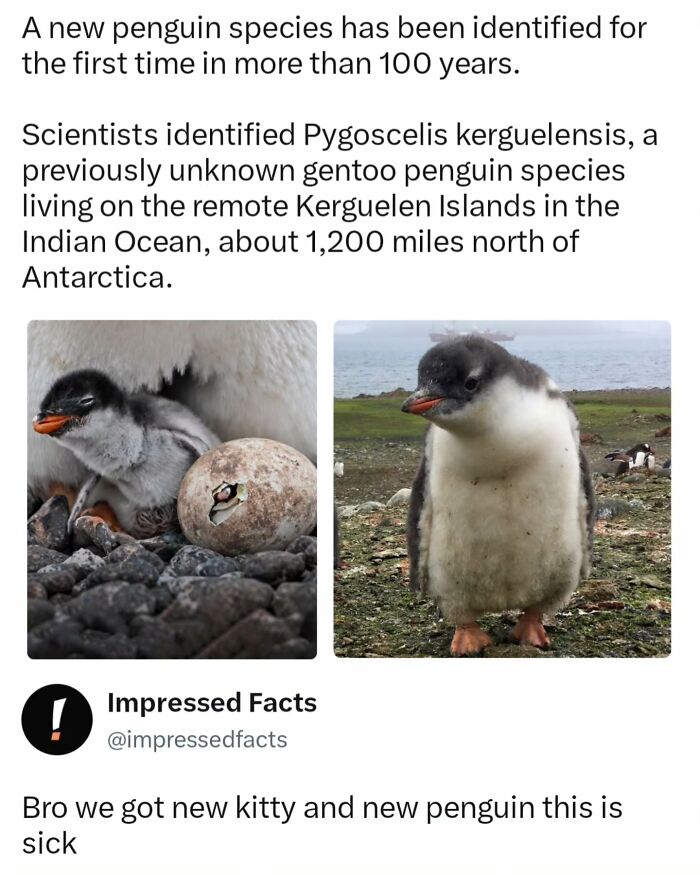
Was like 10% that was good, with nice content about animals or alike. 🐧😸
Load More Replies...
Rough breakdown here. Posts I have no idea what they're talking about and/or who the people are ~70%, posts I think I understand the content but not the underlying reasoning ~25% Some of the others are vaguely amusing.
Was like 10% that was good, with nice content about animals or alike. 🐧😸
Load More Replies... 































 No fees, cancel anytime