Get Premium
Dark mode theme is available exclusively for premium users. Learn more about the benefits of subscribing.
No fees, cancel anytime.

 Dark Mode Ad-Free Browsing Unlimited Content
 Ad-Free Browsing Unlimited Content Dark Mode
Join 1.2 million Panda readers who get the best art, memes, and fun stories every week!
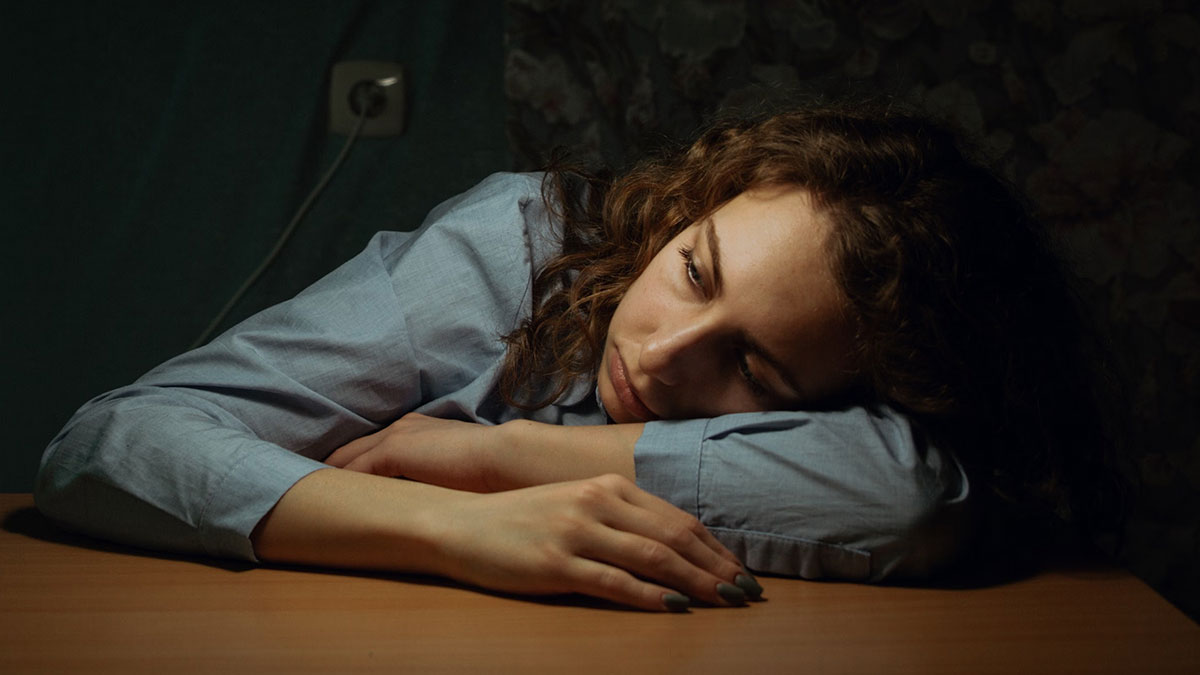
As a woman, there are few things as existentially horrifying as being told you snore. Excuse me? Me? I am a delicate and odorless creature who sleeps like a Renaissance painting, hands folded, mouth closed, emitting nothing. I do not snore. I do not have a body that does things without my permission. Whatever sound you heard was the wind, or the neighbor, or your own imagination, and I will be taking no further questions on the matter.
This particular brand of denial is not just vanity. It is, it turns out, a medically significant problem. Because while women are busy insisting they could not possibly snore, sleep apnea is dismantling their cardiovascular health, their metabolism, their mood, and their cognitive function. The doctors they visit are largely missing it, partly because the symptoms do not look like the textbook version and partly because the textbook was written almost entirely with men in mind.
Up to 90% of women with obstructive sleep apnea remain undiagnosed, a statistic so extraordinary that performance scientist Dr. Andy Galpin raised it on the Diary of a CEO podcast recently and stopped the conversation cold. The textbook sleep apnea patient is an overweight middle-aged man with a thick neck whose long-suffering partner reports that he stops breathing in the night like a faulty engine.
He is so well established in clinical imagination that he has essentially become the only patient sleep medicine knows how to find. Women, who present differently, complain differently, and whose sleep studies read differently, keep falling through the gap between what the doctor is looking for and what is actually happening. Sleep apnea is more common than breast cancer, so why is it such a taboo?
 Exclusive Content Ad-Free Browsing Dark Mode Exclusive Content Ad-Free Browsing Dark Mode








 No fees, cancel anytime