Get Premium
Dark mode theme is available exclusively for premium users. Learn more about the benefits of subscribing.
No fees, cancel anytime.

 Dark Mode Ad-Free Browsing Unlimited Content
 Ad-Free Browsing Unlimited Content Dark Mode
Join 1.2 million Panda readers who get the best art, memes, and fun stories every week!

Anyone who’s tried to lose weight knows it takes incredible discipline. Between fighting off cravings and resisting temptation at every turn, staying on track can feel like a constant battle. And when you do slip up—even just once—it can feel like you’ve undone all your progress.
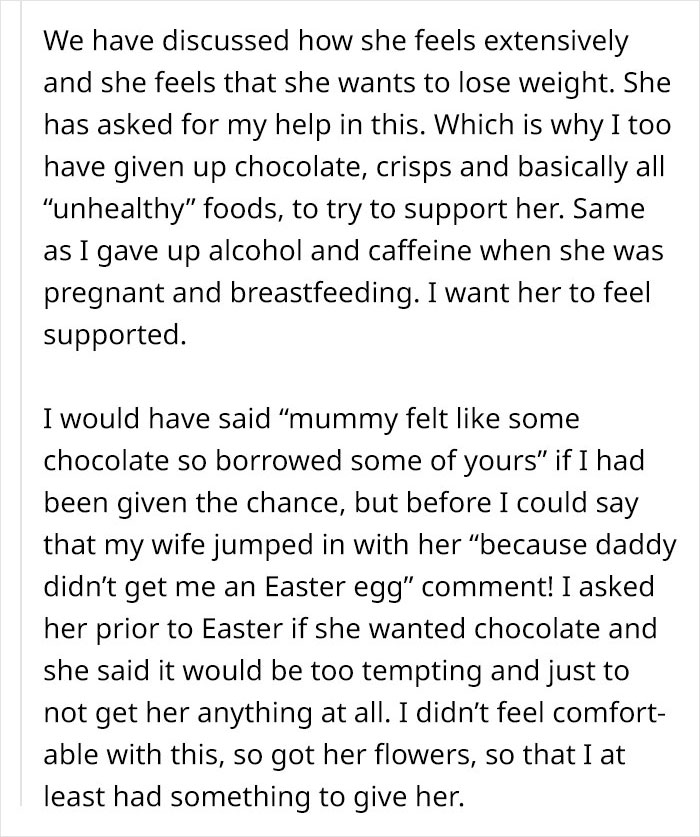
That’s exactly why people trying to get healthier need support, not judgment. But one husband missed that memo entirely when his wife ate their son’s chocolate Easter egg.
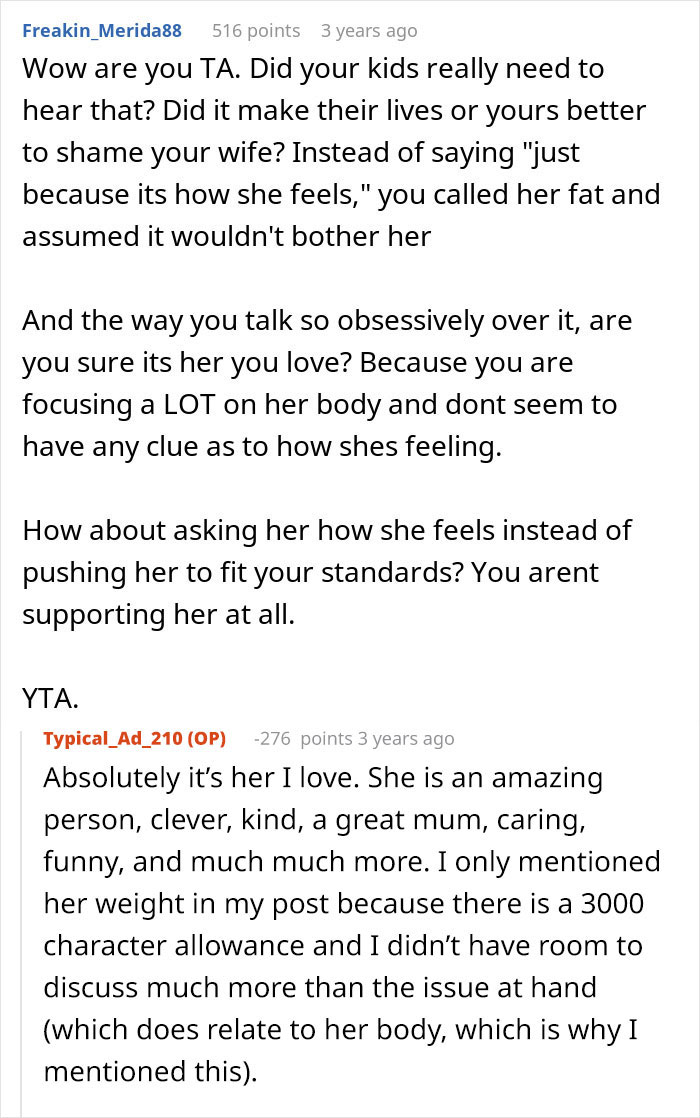
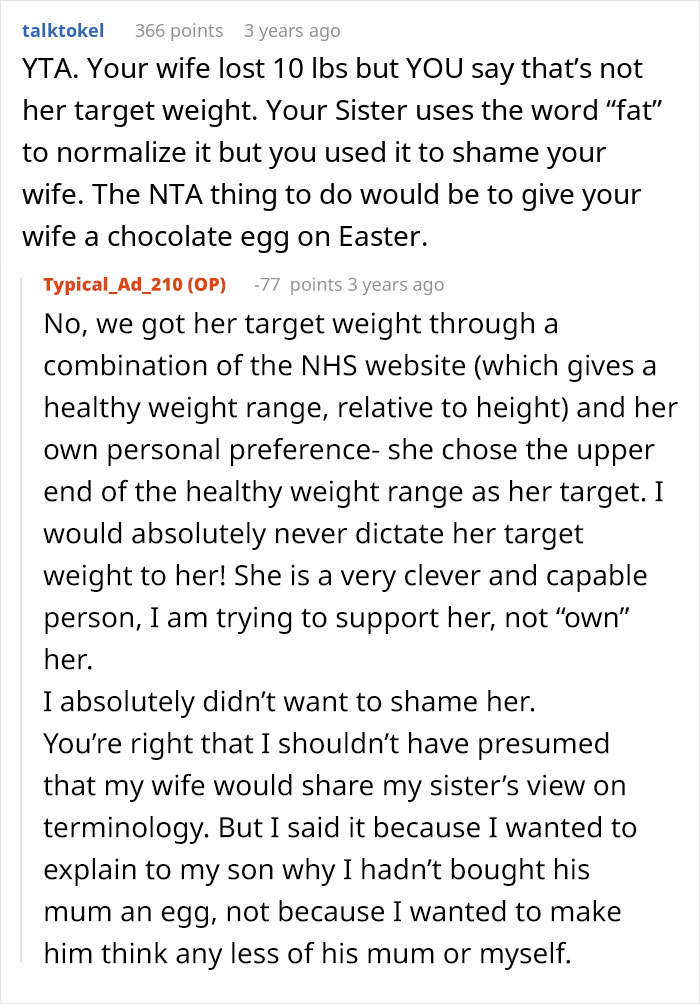
Instead of being understanding, he called her fat in front of their young children. His wife was mortified and hasn’t spoken to him since. Now he’s asking if he was really the jerk. Read the full story below.
Image credits: Andres Ayrton / Pexels (not the actual photo)
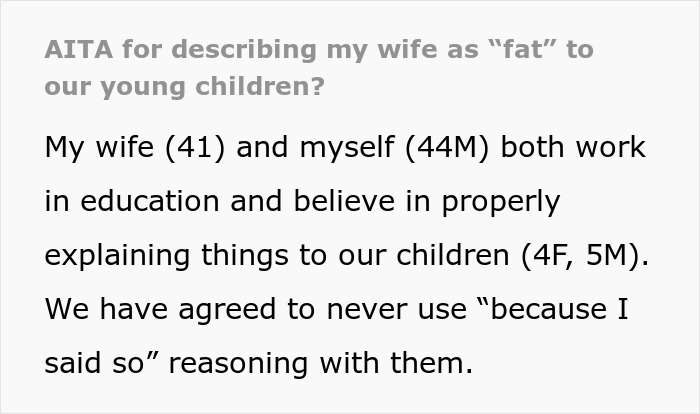
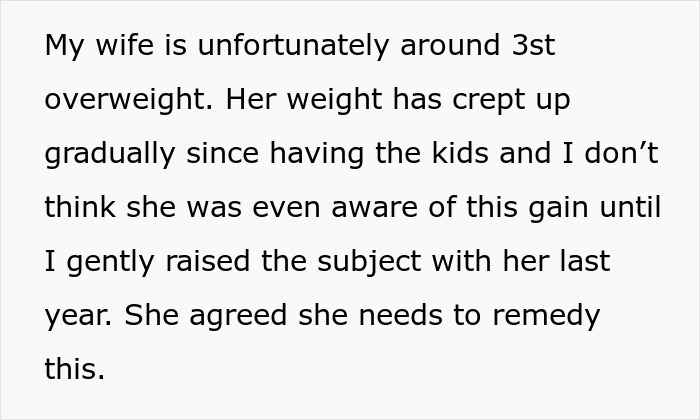
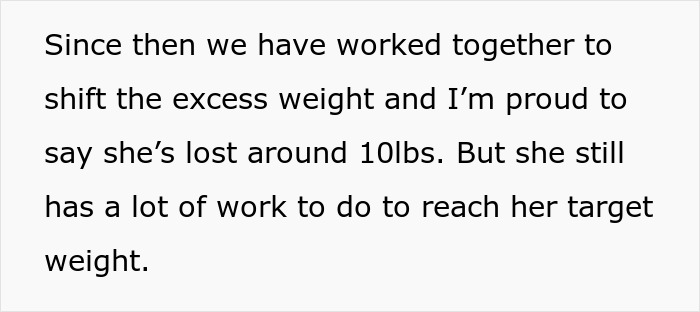
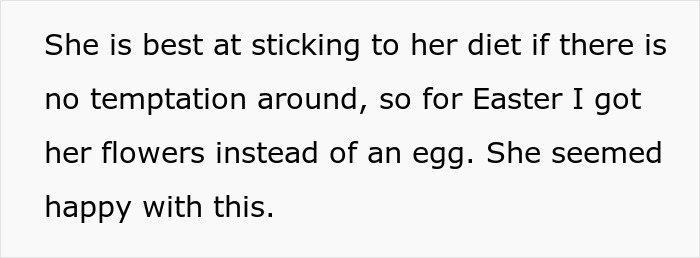
Image credits: chandlervid85 / Freepik (not the actual photo)
Image credits: Mehmet Altıntaş / Pexels (not the actual photo)
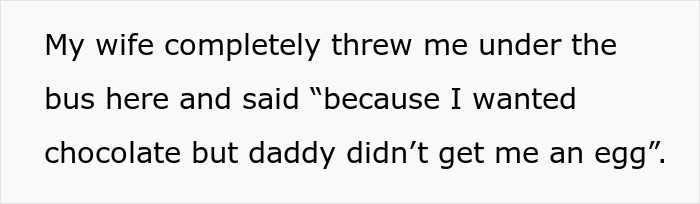
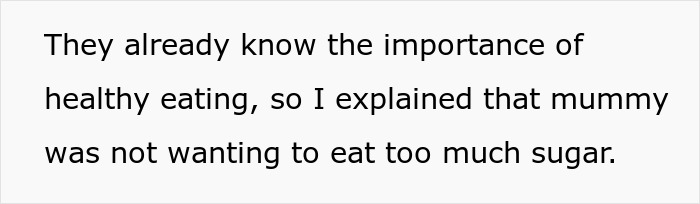
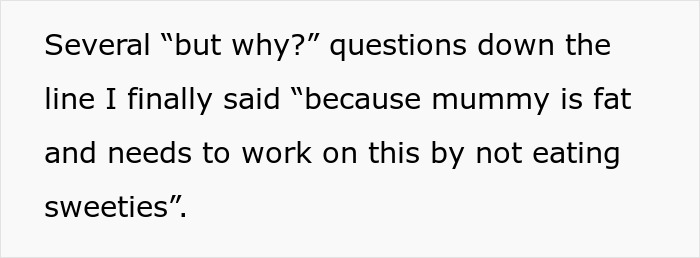
Image credits: Nataliya Vaitkevich / Pexels (not the actual photo)
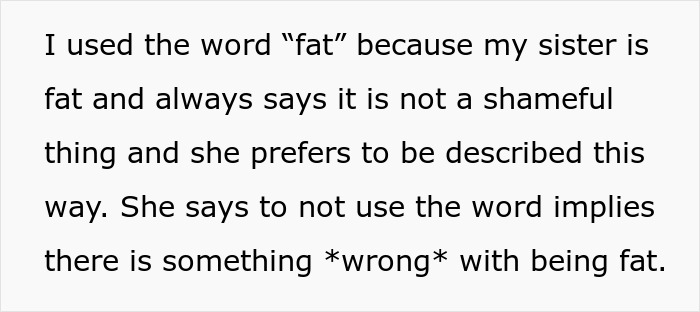
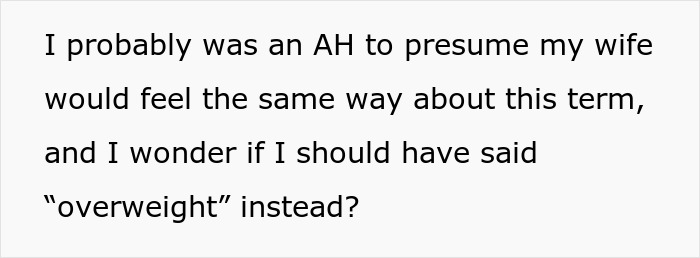
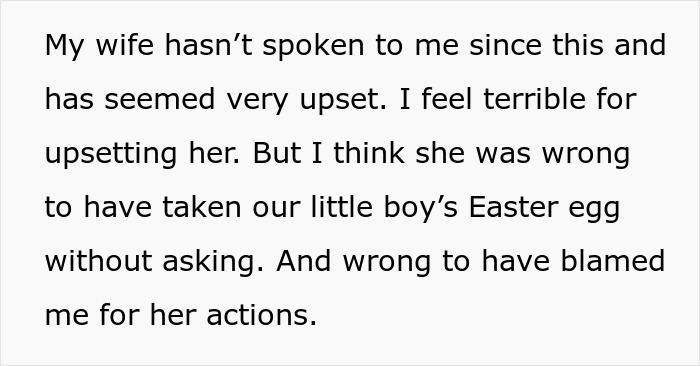
Image credits: Atlantic Ambience / Pexels (not the actual photo)
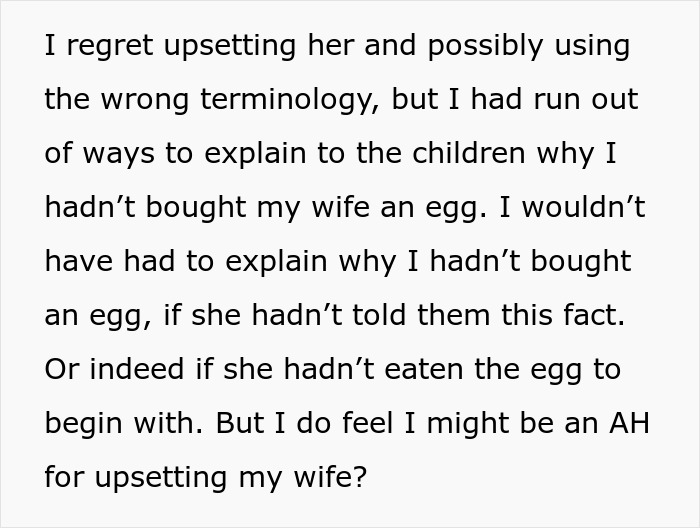
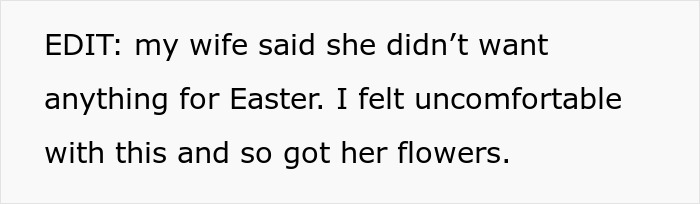
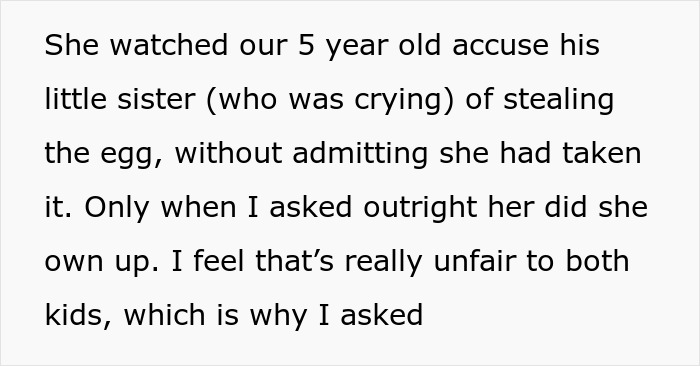
Image credits: Typical_Ad_210
Image credits: Engin Akyurt / Pexels (not the actual photo)
Fat. We all have it, and we actually need it to survive. It keeps us warm, gives us energy, and helps our bodies function properly. The word itself shouldn’t carry so much shame.
Unfortunately, it often does. It gets used as an insult or a weapon to make people feel bad about how they look. Nobody wants to be on the receiving end of that.
The man in this story may not have meant to humiliate his wife, but that does not change the fact that his words clearly hurt her. He said it in a tense family moment, and it came out feeling sudden and unnecessary.
Realistically, there were countless other ways he could have explained the situation to the children without making a single comment about her body.
He could have simply said that too much sugar is unhealthy and that their mom had been trying to cut back, but gave in because she was craving something sweet. Most kids can probably relate to that feeling.
In general, research suggests that commenting on people’s bodies is rarely helpful. Even when the intention is to encourage weight loss, those remarks often have the opposite effect and end up doing more harm than good.
One study found that people who experience weight stigma are more likely to say they eat to cope with difficult emotions. They are also more likely to avoid gyms or other fitness spaces because they felt watched or judged.
Weight stigma has also been linked to feeling less in control of eating and exercise habits. On top of that, people who experience it tend to report higher levels of overall stress.
It is also worth remembering that changes in someone’s body are not always within their control. A person may lose weight because they are depressed or grieving. They may gain it because of an illness or medication. Comments about their body can end up creating a much deeper wound than others realize.
Image credits: Andres Ayrton / Pexels (not the actual photo)
Part of the effort to make the word fat less hurtful has come from activists and advocates who are trying to reclaim it. Their goal is to make it feel more neutral, closer in tone to words like tall or short, and to take away some of the sting it has carried for so long.
The author’s sister in this story seems to agree with that idea. She uses the word freely and doesn’t think it should be shameful. But here’s the problem: just because some people have reclaimed it doesn’t mean everyone else is ready to hear it.
You can’t undo years of negative associations overnight. Plenty of folks who don’t believe in body shaming and think all body types are valid would still feel hurt if someone called them fat.
In fact, when one study asked people which terms they preferred when talking about weight, the word fat was not among the favorites, despite what many activists hope to achieve.
The researchers looked at how participants reacted to a range of terms, from chubby and plus-size to high BMI and obese. The most preferred options were weight and overweight. Terms like excess weight and higher weight were also considered okay, along with references to BMI.
The least liked terms were super obese, chubby, and extra-large. People who heard those words often said they felt contempt, anger, and disgust. The word fat triggered negative emotions too.
But even knowing which terms people prefer doesn’t mean we should freely comment on their bodies. The real lesson here is simple: unless someone asks or it’s medically necessary, it’s better not to bring up weight at all. Focus on supporting people in ways that don’t center on how they look.
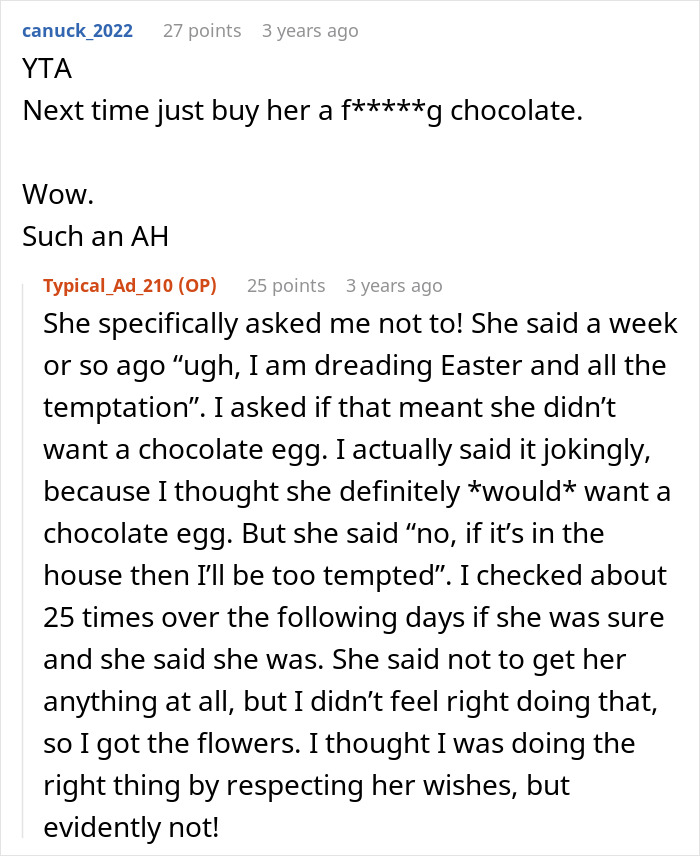
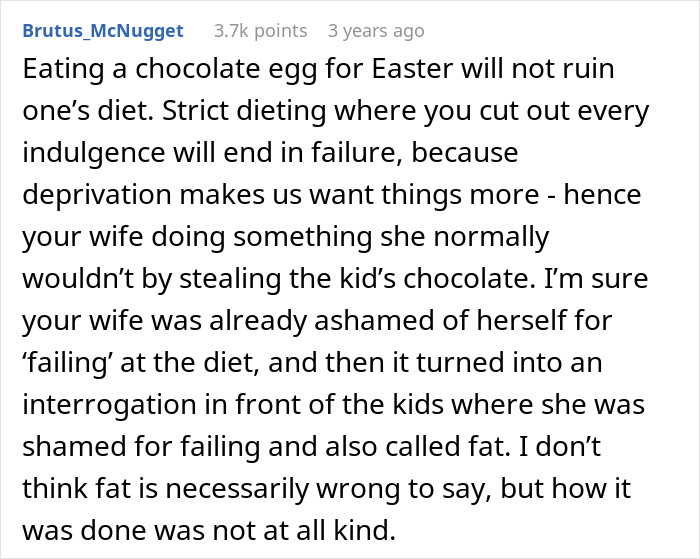
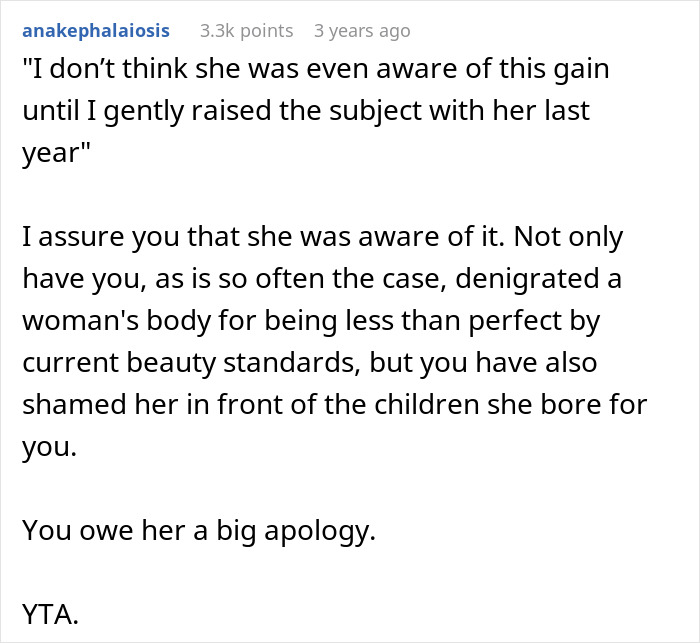

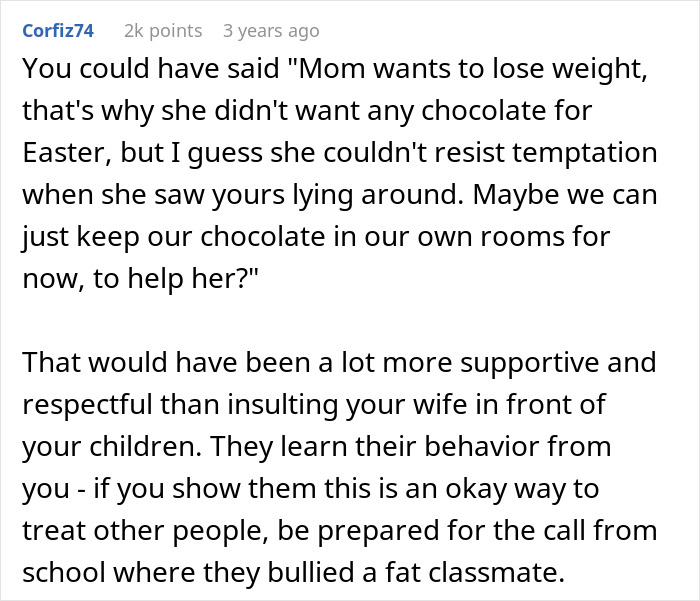
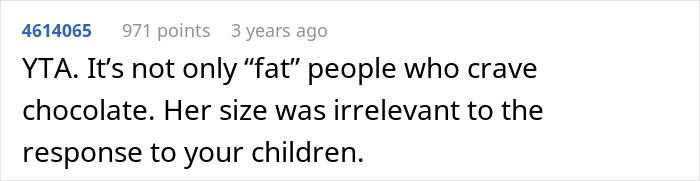
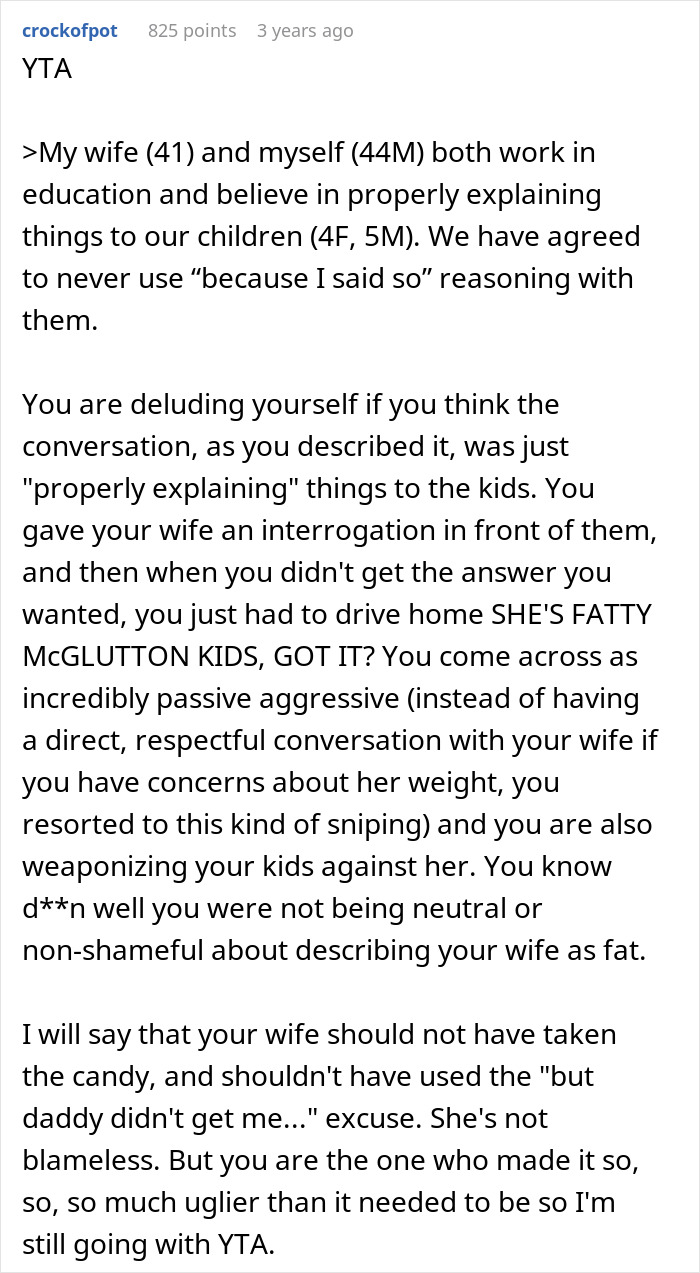
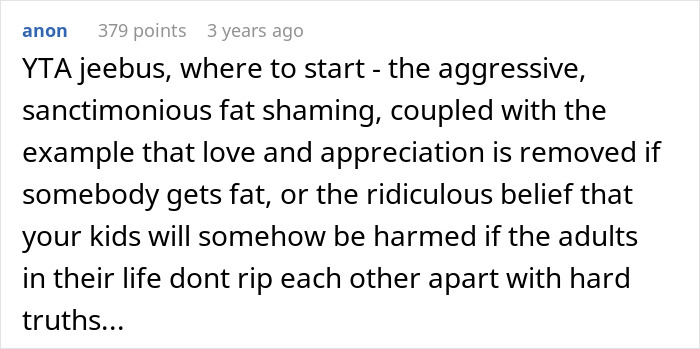
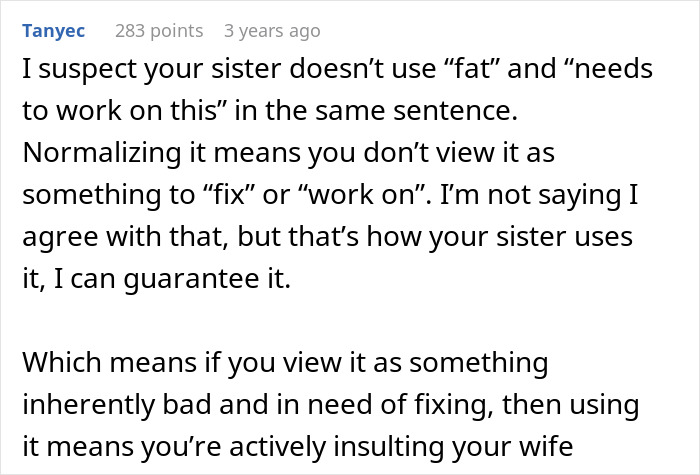
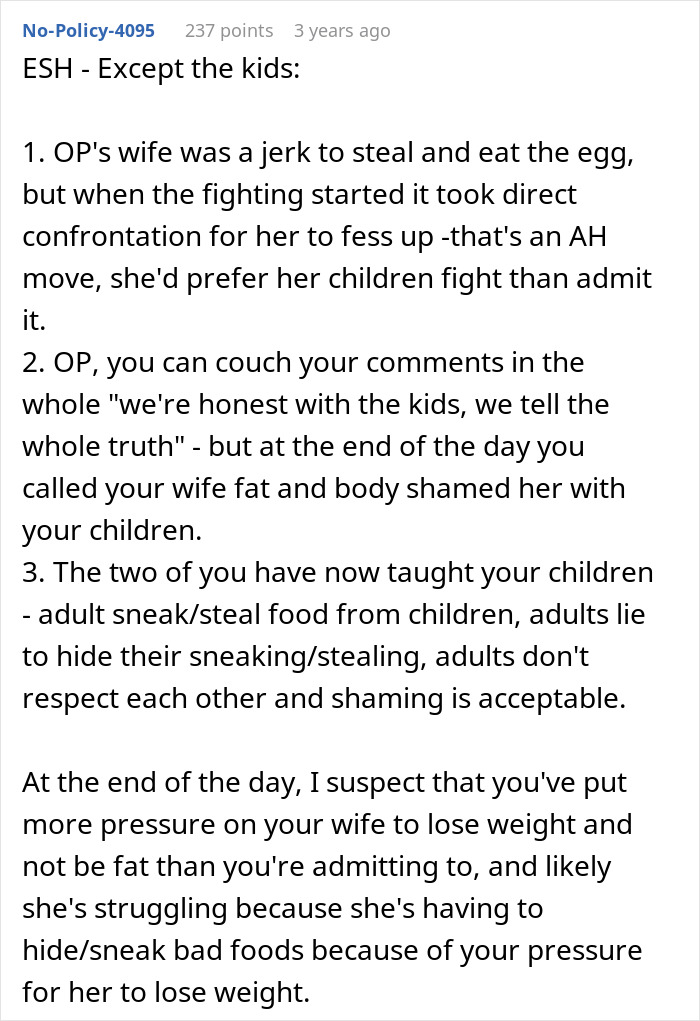
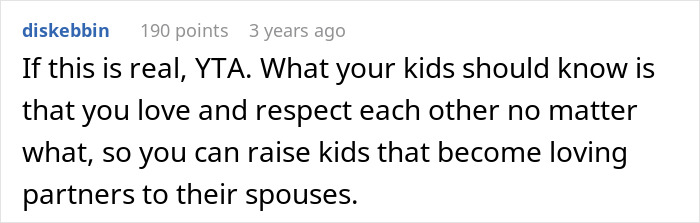
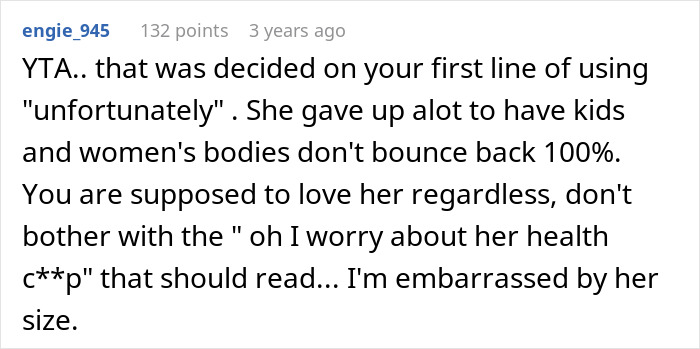
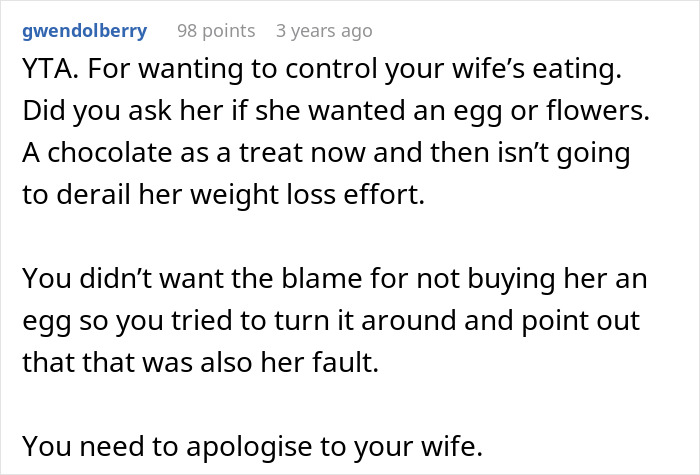

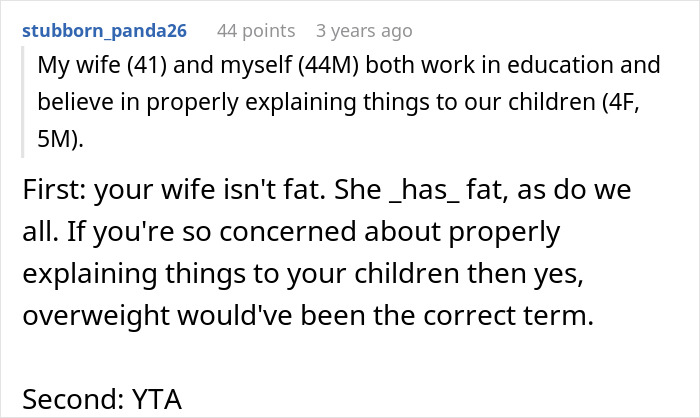
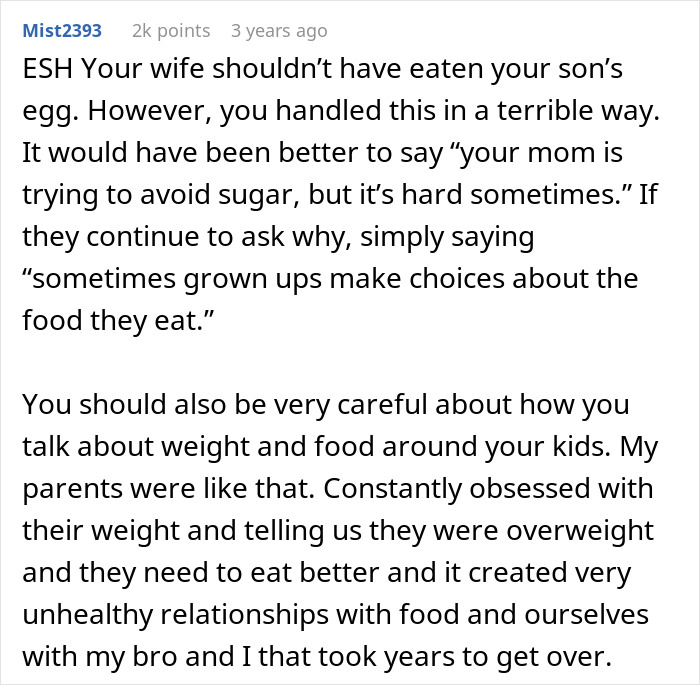
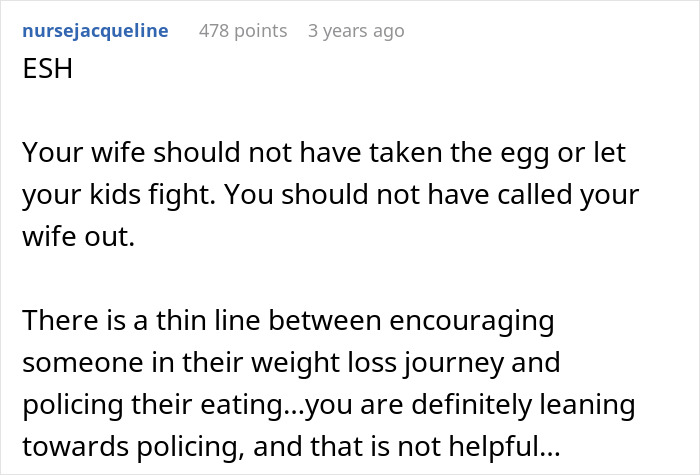
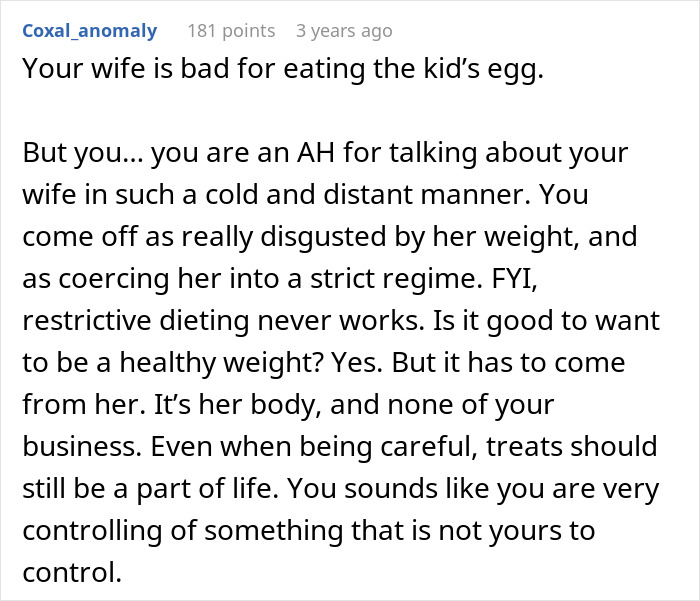
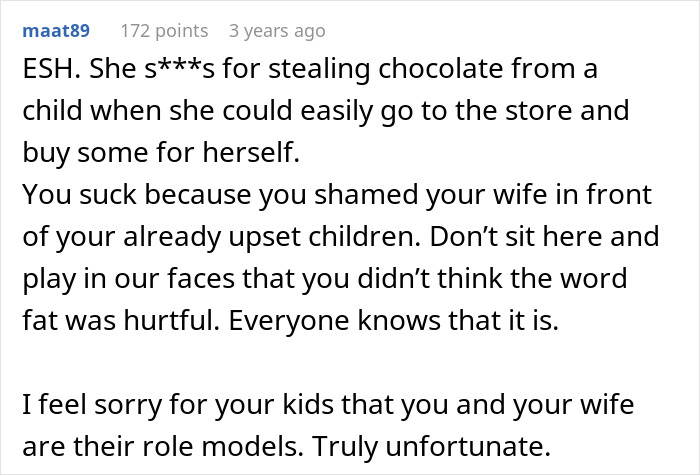
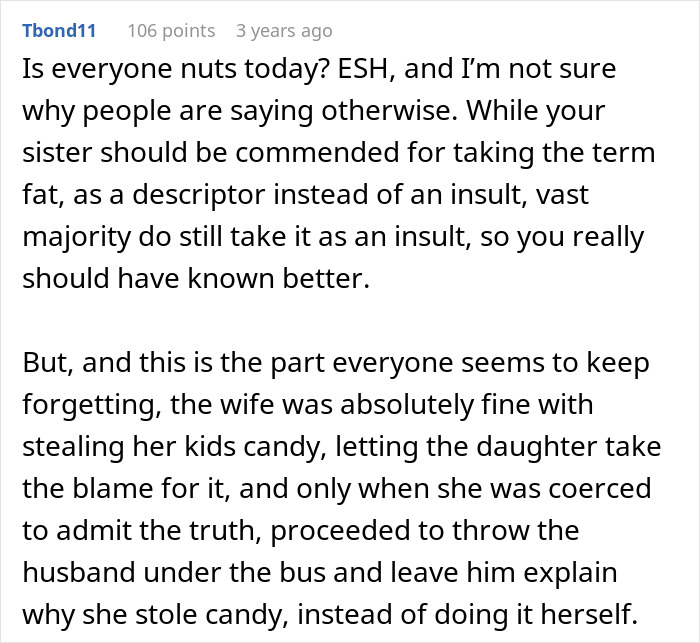
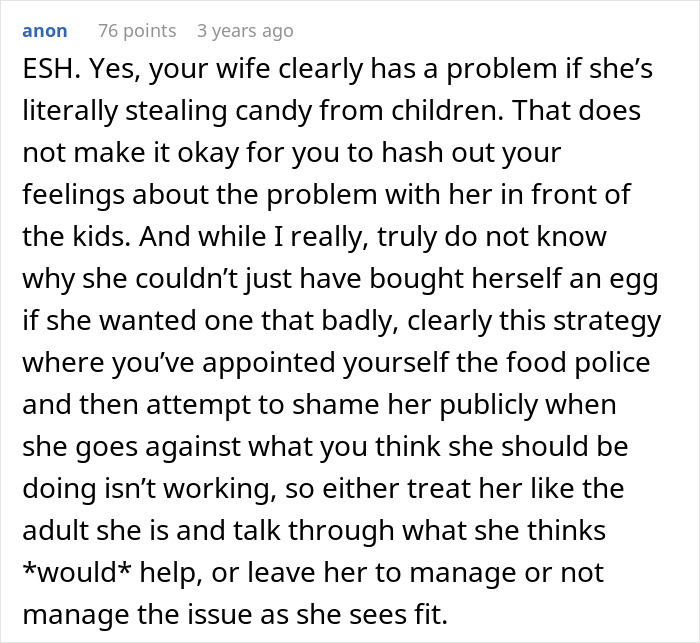
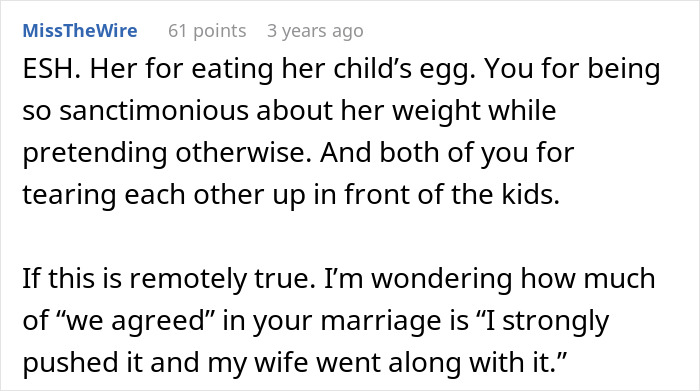
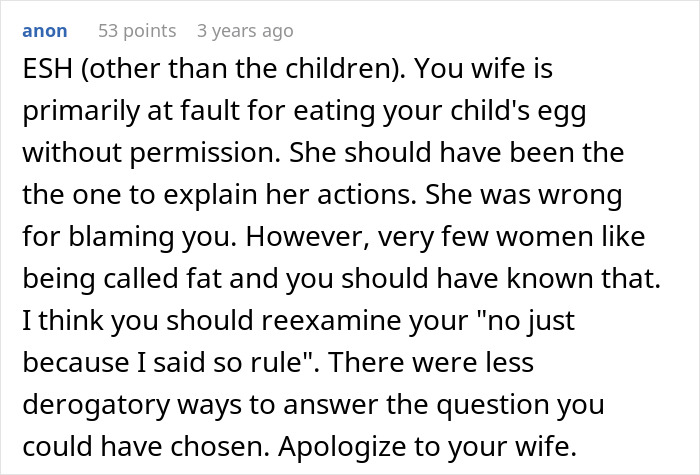
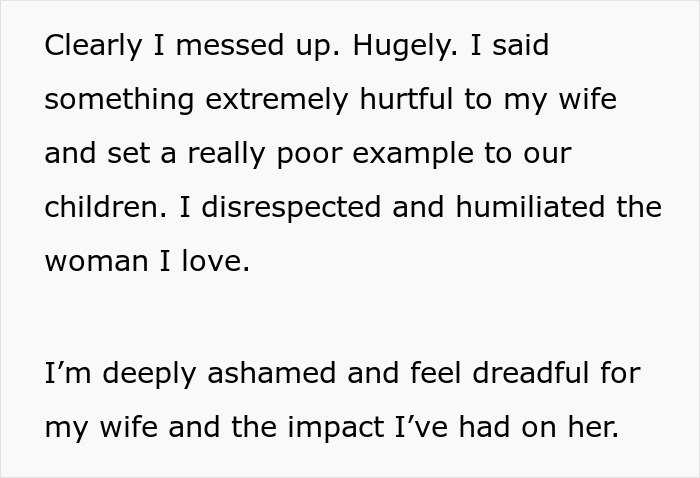
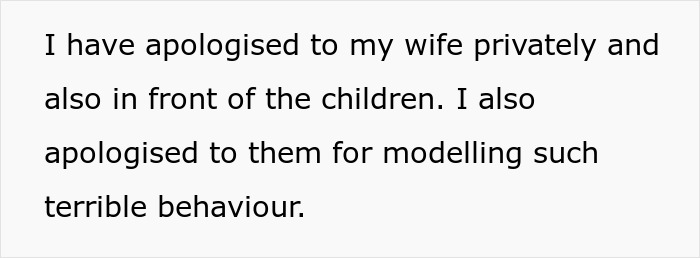
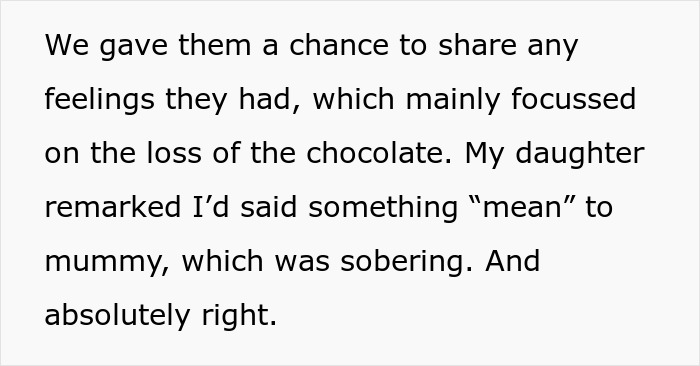
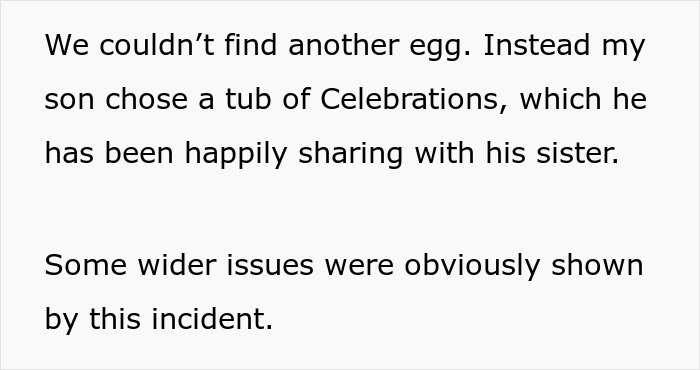
Image credits: Timur Weber / Pexels (not the actual photo)
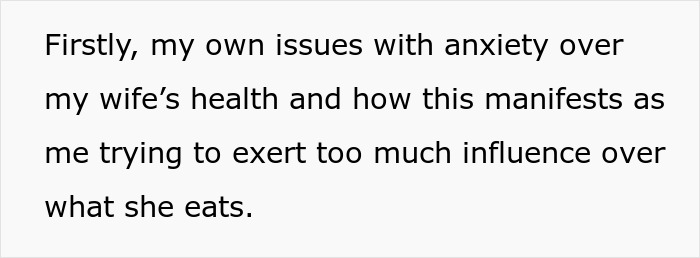
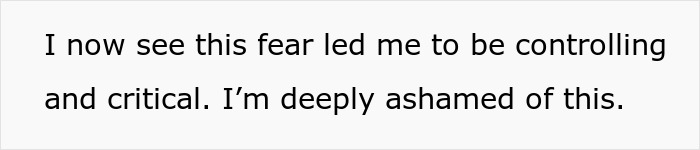
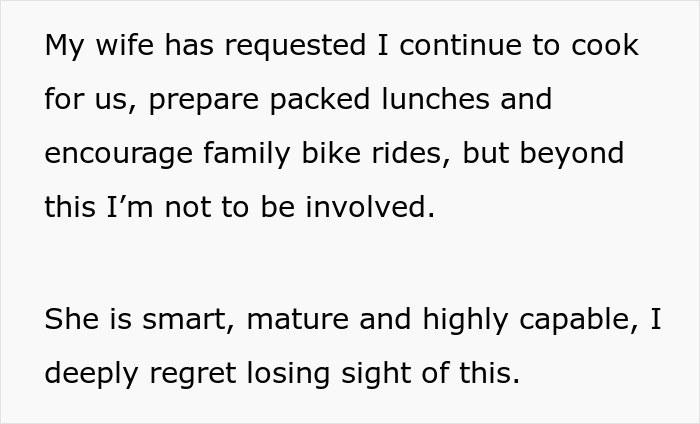
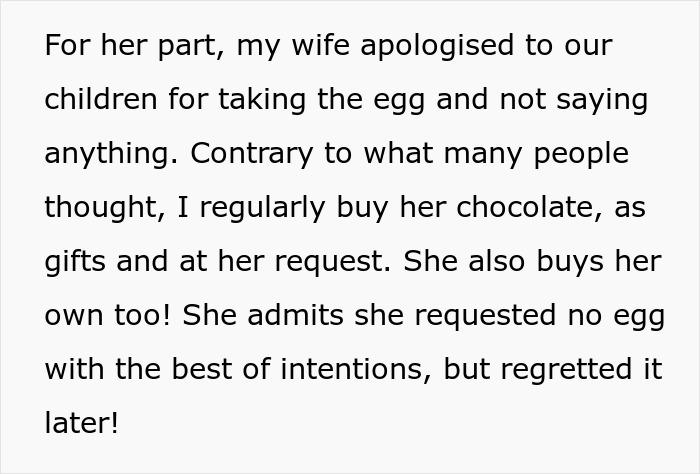
Image credits: Andres Ayrton / Pexels (not the actual photo)
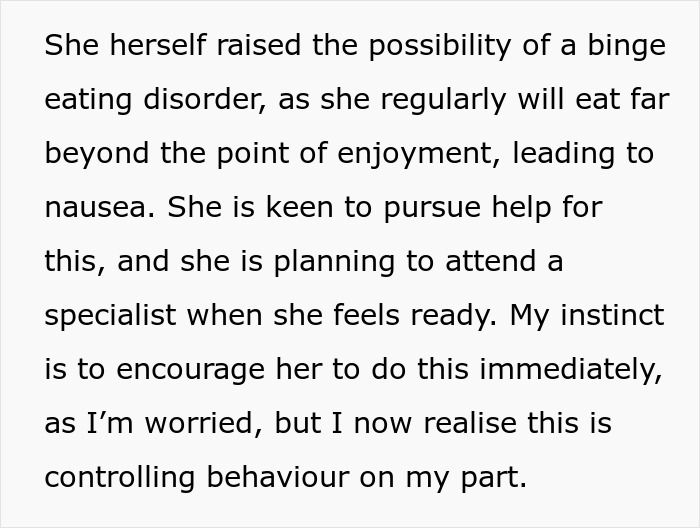
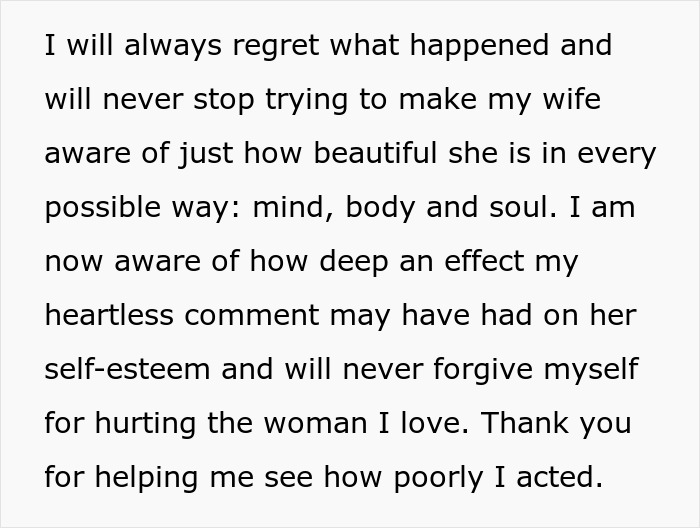
Image credits: Typical_Ad_210
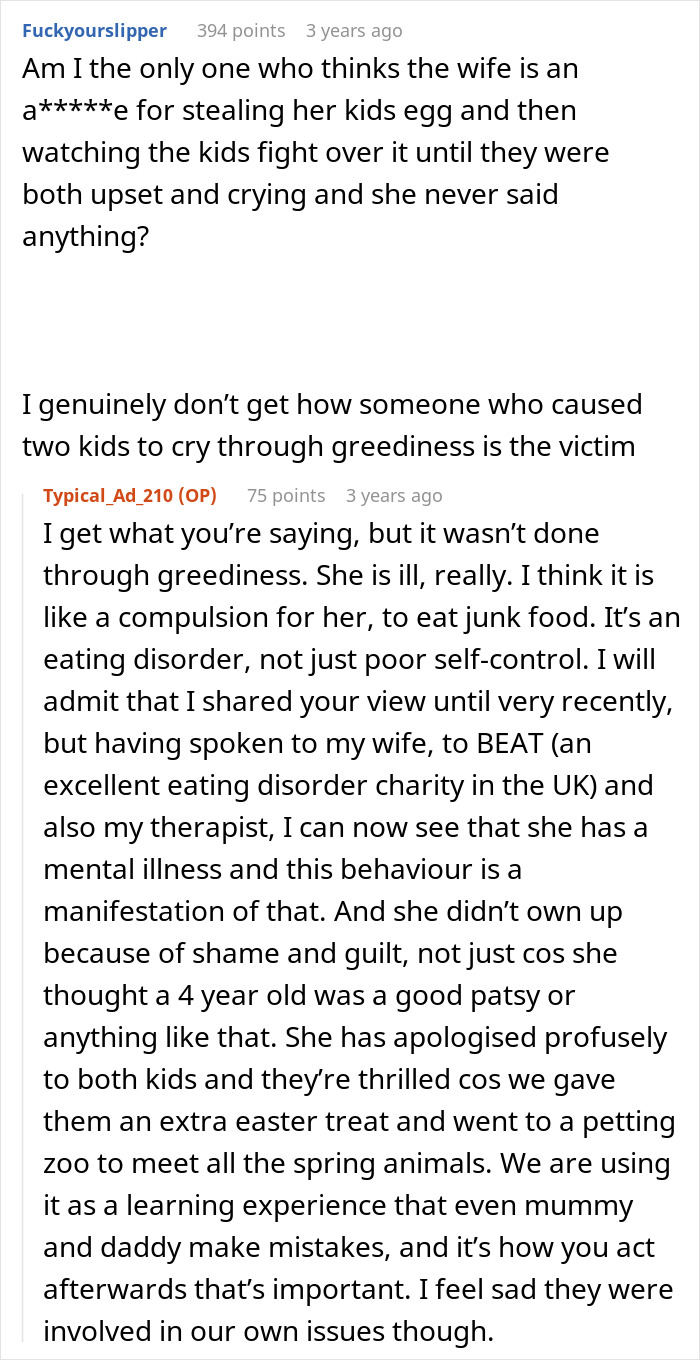
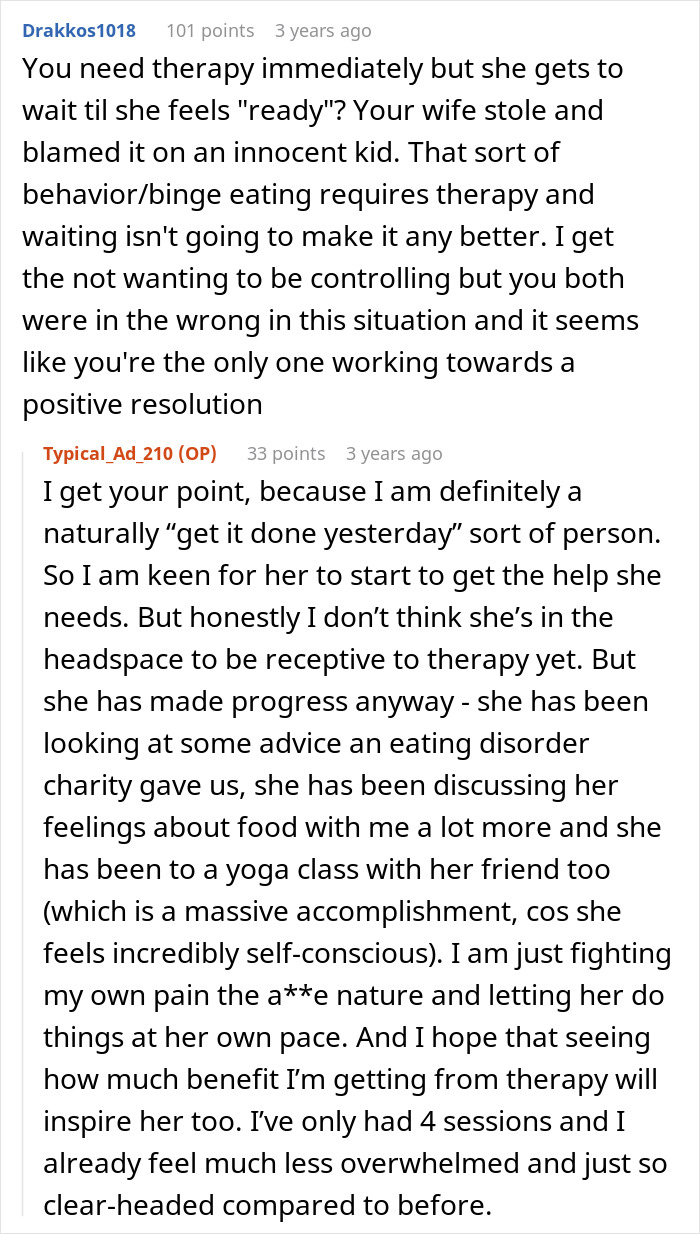
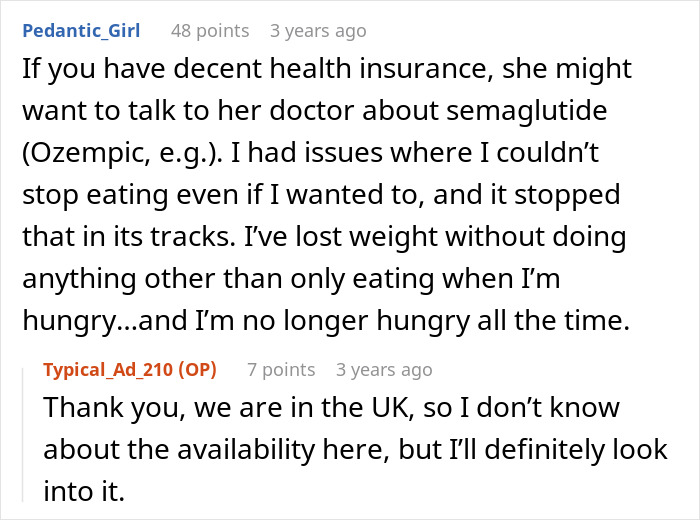
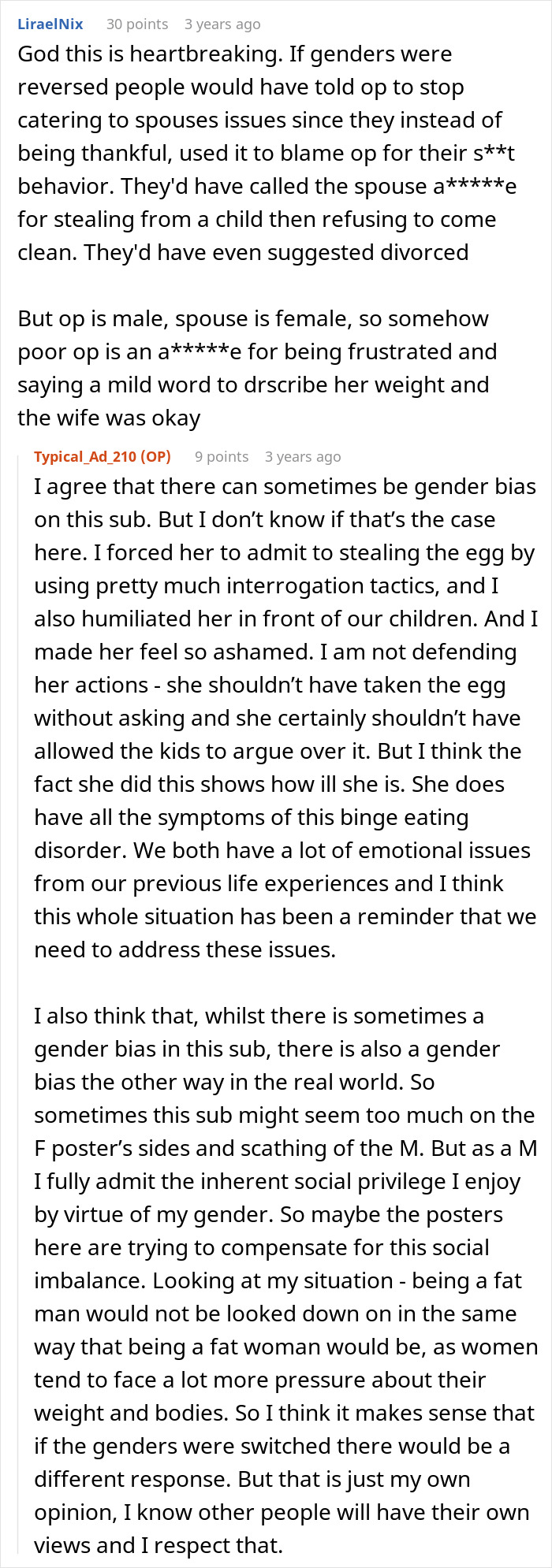
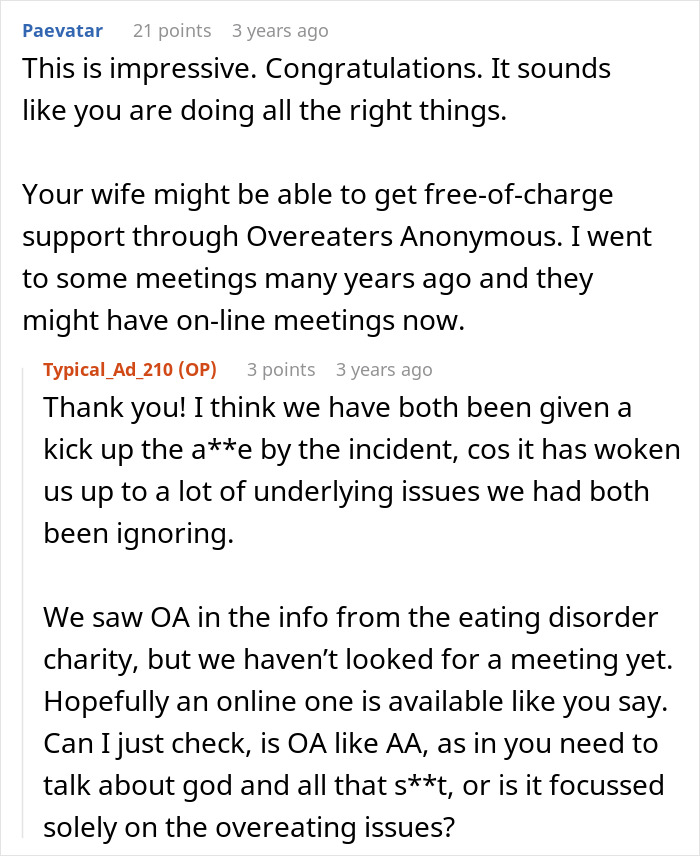
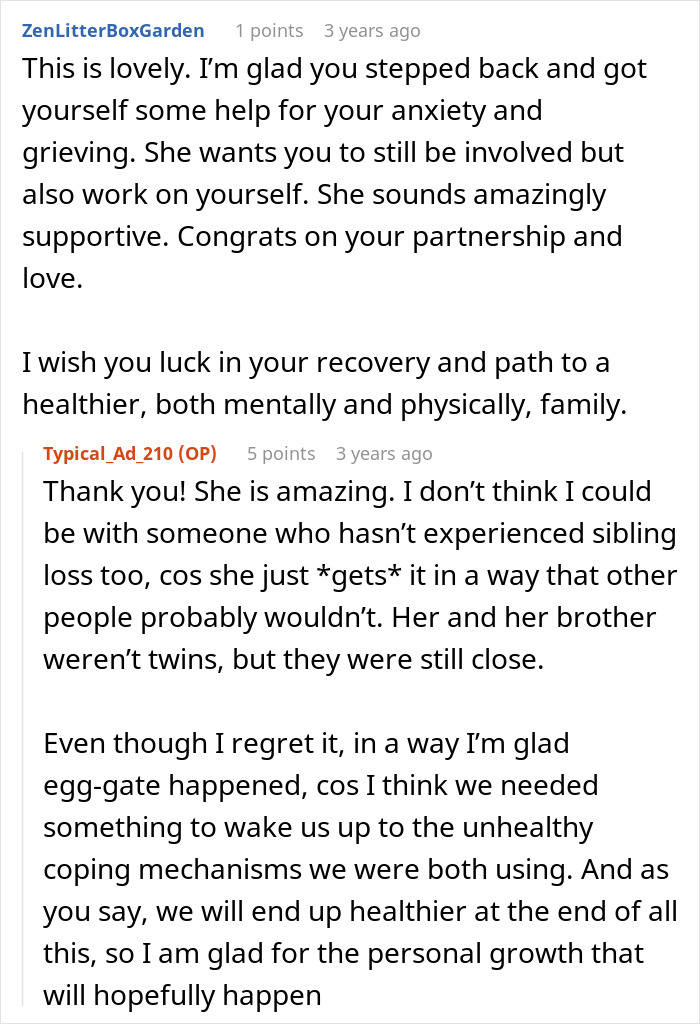

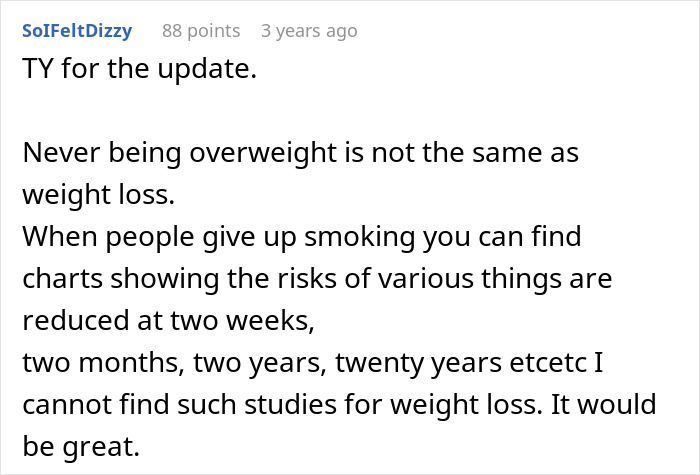
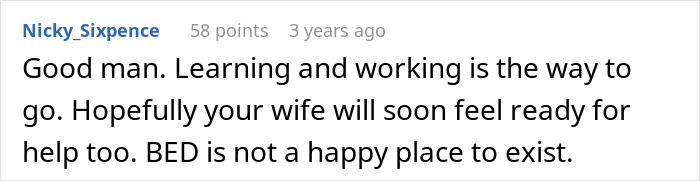

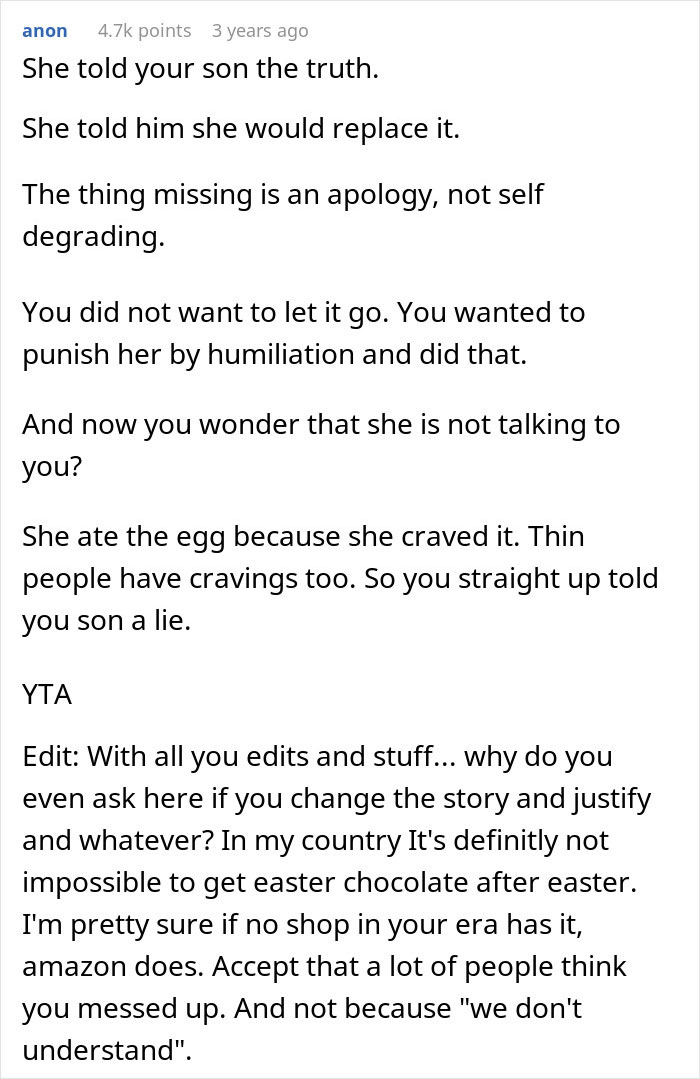
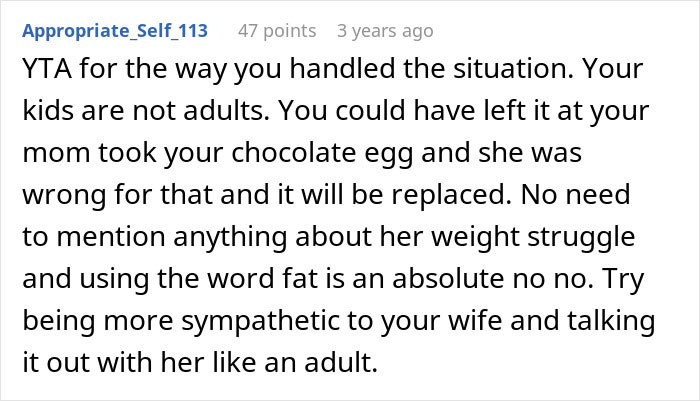
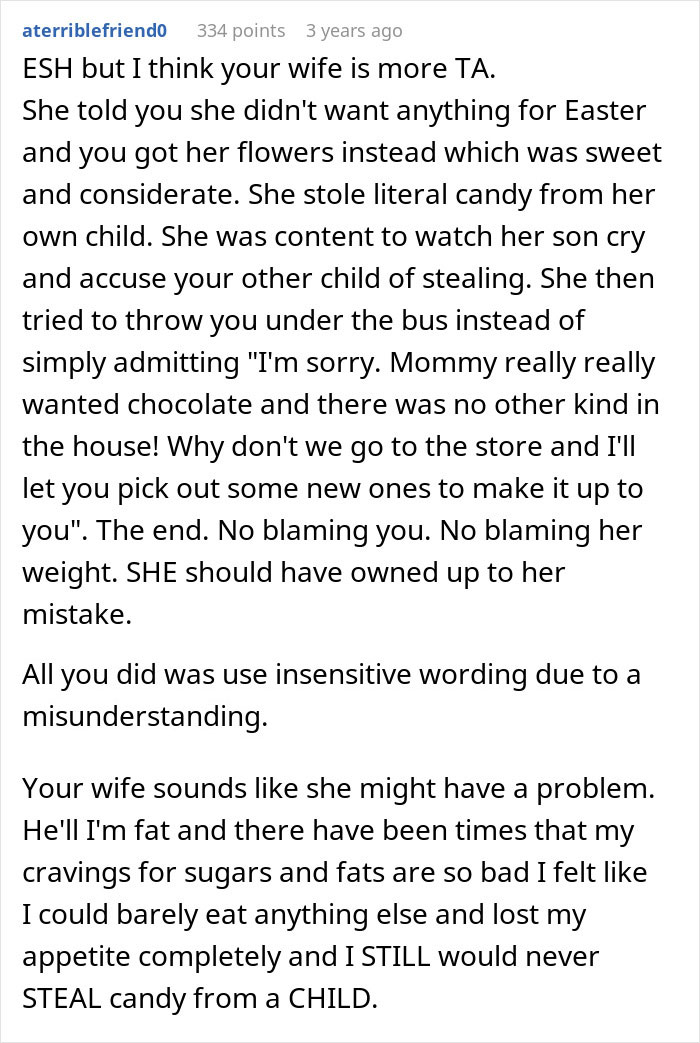
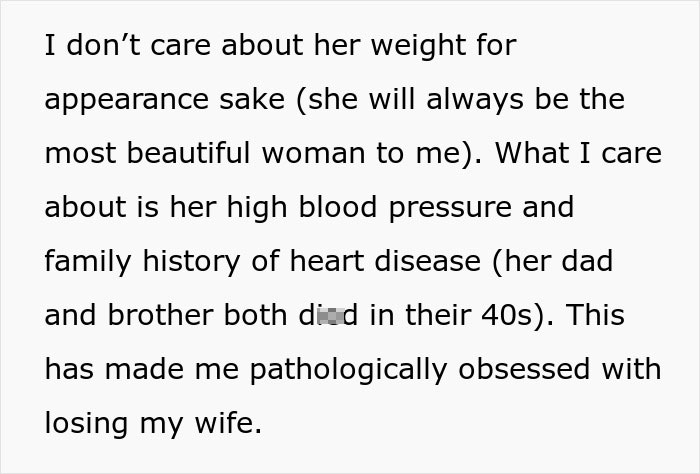
I cannot, in any world, imagine where someone thinks “So-and-so behaves this way, therefore I assume everyone does” and so says “Mom is a big giant Fatty McFatFat!” Just off the top of my small, pointy head, I can immediately think of a dozen better things to have said, NONE of which contains the word “Fat.” The very*first* thing that woulda popped into my head is “Candy isn’t very healthy for you, so Mom’s trying to avoid it.” He hard is that? I kinda hate mom for stealing candy and then letting one kid blame the other for the stolen candy, but I’m cutting her some slack as something seems to be wrong with her, but I’m not cutting ALL the slack. That was a rotten thing to do. It’s one thing to refer to the jerk wad neighbor down the street as “fat,” but it’s entirely another to teach your kids that “In this family, we teach by cutting each other down. The more it hurts, the more that’s learned! which, unfortunately, is how it was done in my home growing up. He’s gotta do better. 😰

I don't know where to think on this one. On one hand: Mama stealing the egg and letting the kids blame each other and fight was pure AH. On the other hand: Hubs fat comment is a low blow, and that is coming from a chronically overweight and shamed person. Back to the first hand: If Mama regretted not asking for an egg, she is a flaming adult and can go to the store for her own, not steal her child's. Back to the second hand: Dad really should have discussed his fears with her before the whole weight loss started. My family had been on my back for years about mine. It is only when I finally asked them to say why they were so obsessed that they sat down and said it wasn't being embarrassed by me-they didn't want to bury their daughter. Benn going to a gym at least 3x week for almost 5 months now.
I cannot, in any world, imagine where someone thinks “So-and-so behaves this way, therefore I assume everyone does” and so says “Mom is a big giant Fatty McFatFat!” Just off the top of my small, pointy head, I can immediately think of a dozen better things to have said, NONE of which contains the word “Fat.” The very*first* thing that woulda popped into my head is “Candy isn’t very healthy for you, so Mom’s trying to avoid it.” He hard is that? I kinda hate mom for stealing candy and then letting one kid blame the other for the stolen candy, but I’m cutting her some slack as something seems to be wrong with her, but I’m not cutting ALL the slack. That was a rotten thing to do. It’s one thing to refer to the jerk wad neighbor down the street as “fat,” but it’s entirely another to teach your kids that “In this family, we teach by cutting each other down. The more it hurts, the more that’s learned! which, unfortunately, is how it was done in my home growing up. He’s gotta do better. 😰
I don't know where to think on this one. On one hand: Mama stealing the egg and letting the kids blame each other and fight was pure AH. On the other hand: Hubs fat comment is a low blow, and that is coming from a chronically overweight and shamed person. Back to the first hand: If Mama regretted not asking for an egg, she is a flaming adult and can go to the store for her own, not steal her child's. Back to the second hand: Dad really should have discussed his fears with her before the whole weight loss started. My family had been on my back for years about mine. It is only when I finally asked them to say why they were so obsessed that they sat down and said it wasn't being embarrassed by me-they didn't want to bury their daughter. Benn going to a gym at least 3x week for almost 5 months now.












 No fees, cancel anytime












29
2