Get Premium
Dark mode theme is available exclusively for premium users. Learn more about the benefits of subscribing.
No fees, cancel anytime.

 Dark Mode Ad-Free Browsing Unlimited Content
 Ad-Free Browsing Unlimited Content Dark Mode
Join 1.2 million Panda readers who get the best art, memes, and fun stories every week!
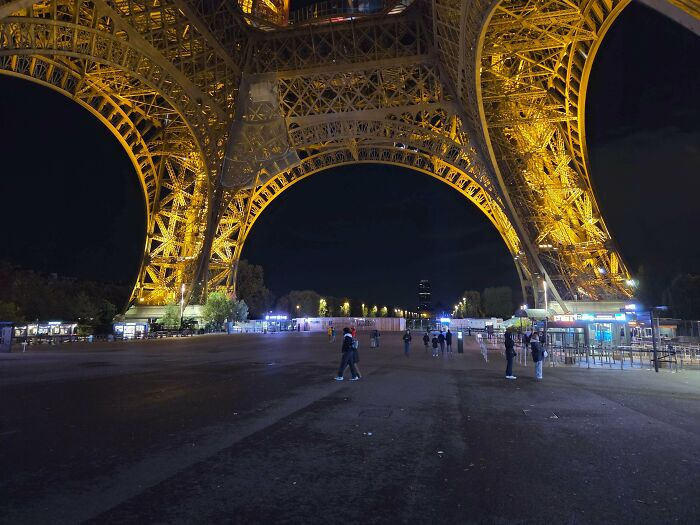
When I stood underneath the Eiffel Tower and looked up at the massive structure, the only thing I could think of was how it would feel if all that iron came crashing down on me. But sometimes, when you feel like a tiny speck of dust in front of something gigantic, destructive thoughts can’t be stopped.
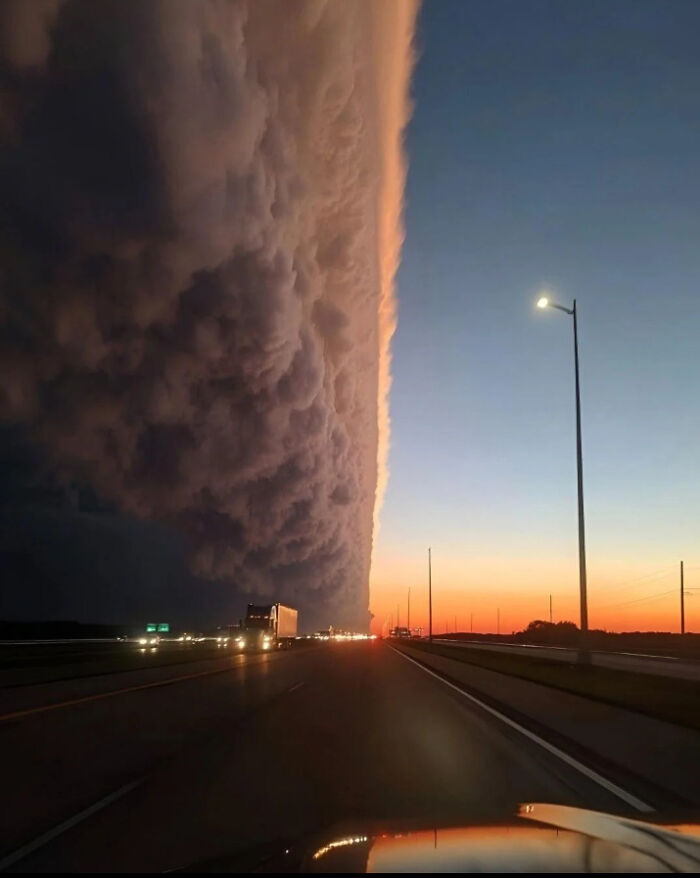
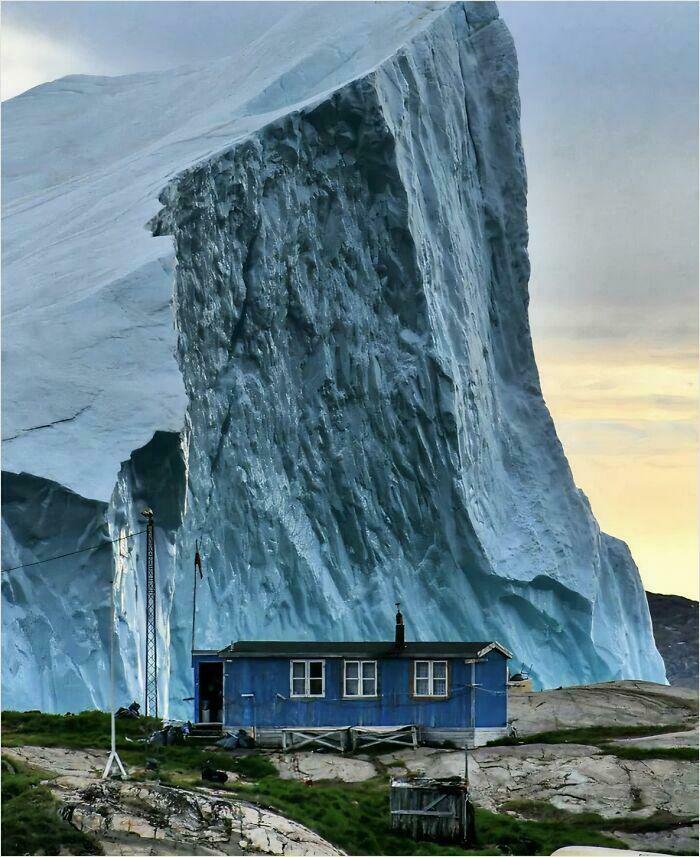
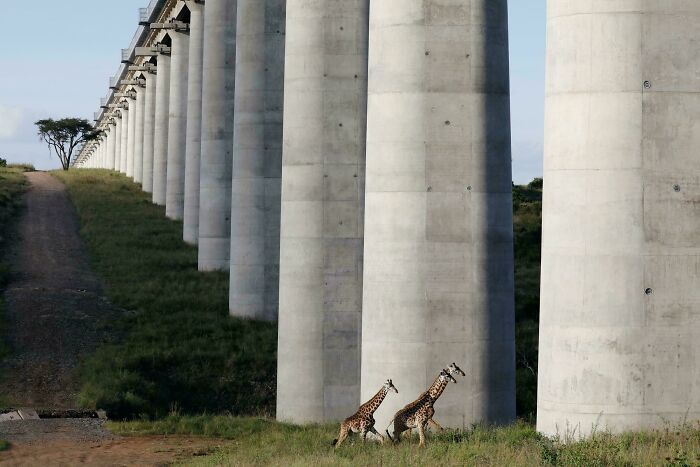
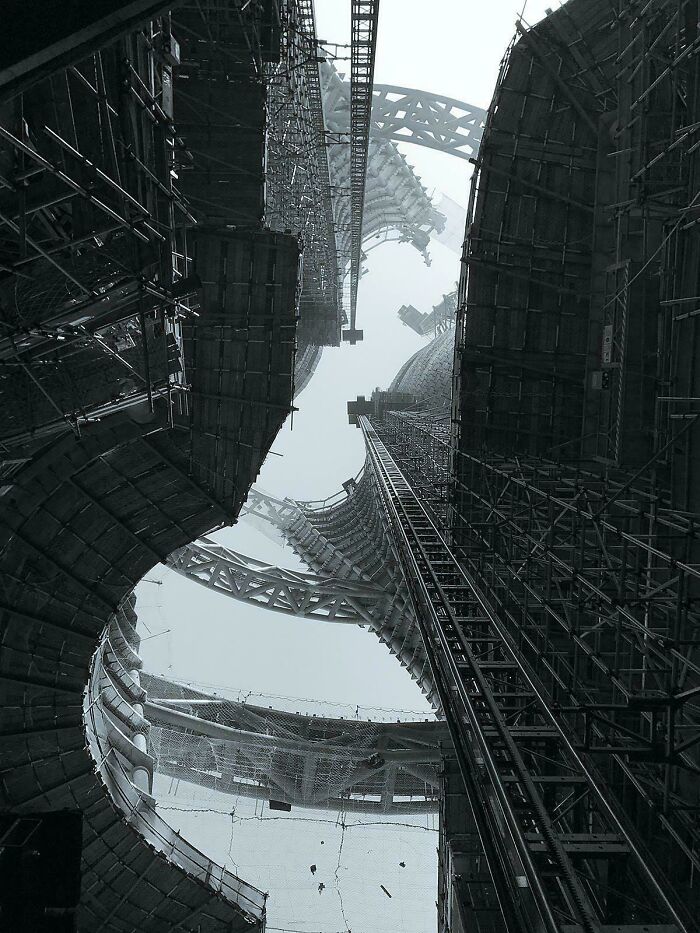
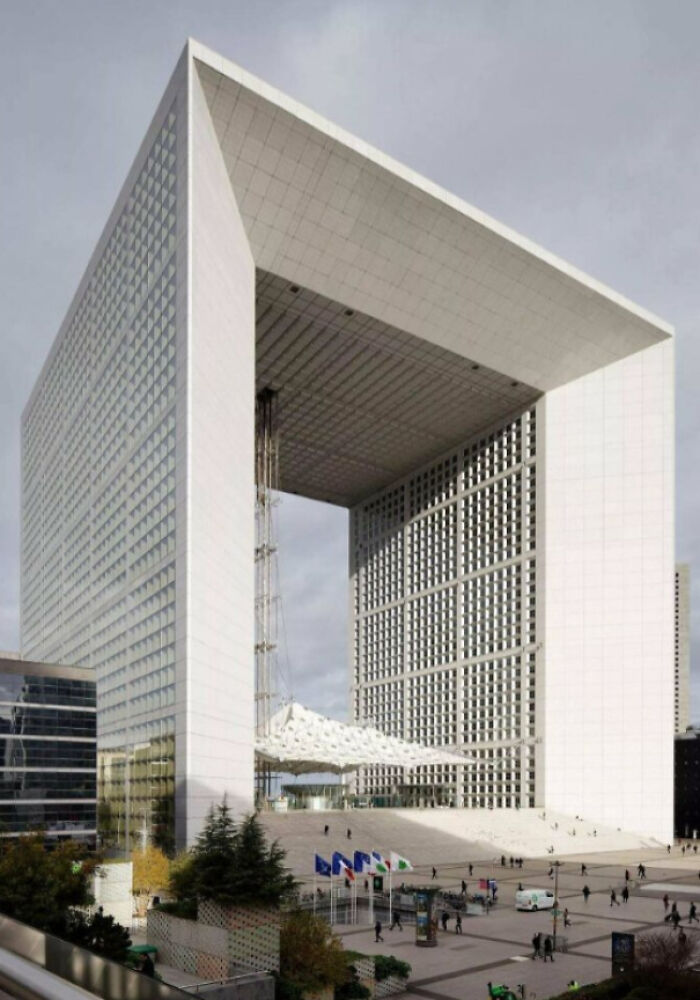
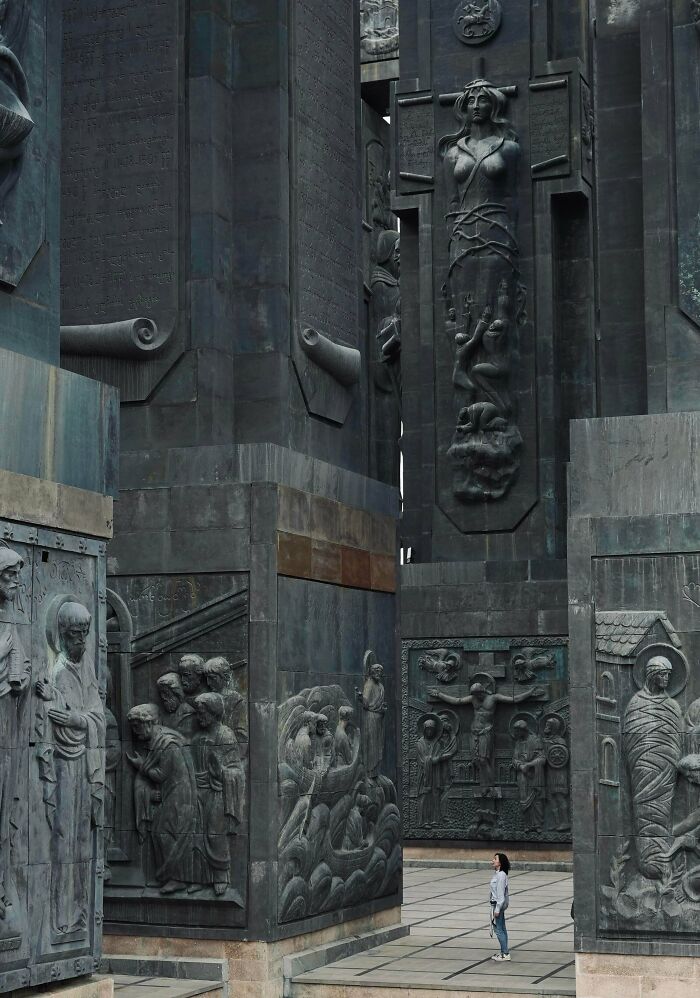
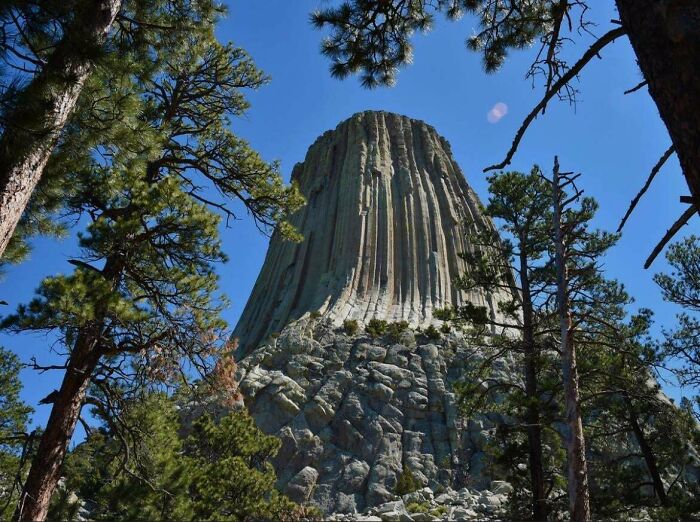
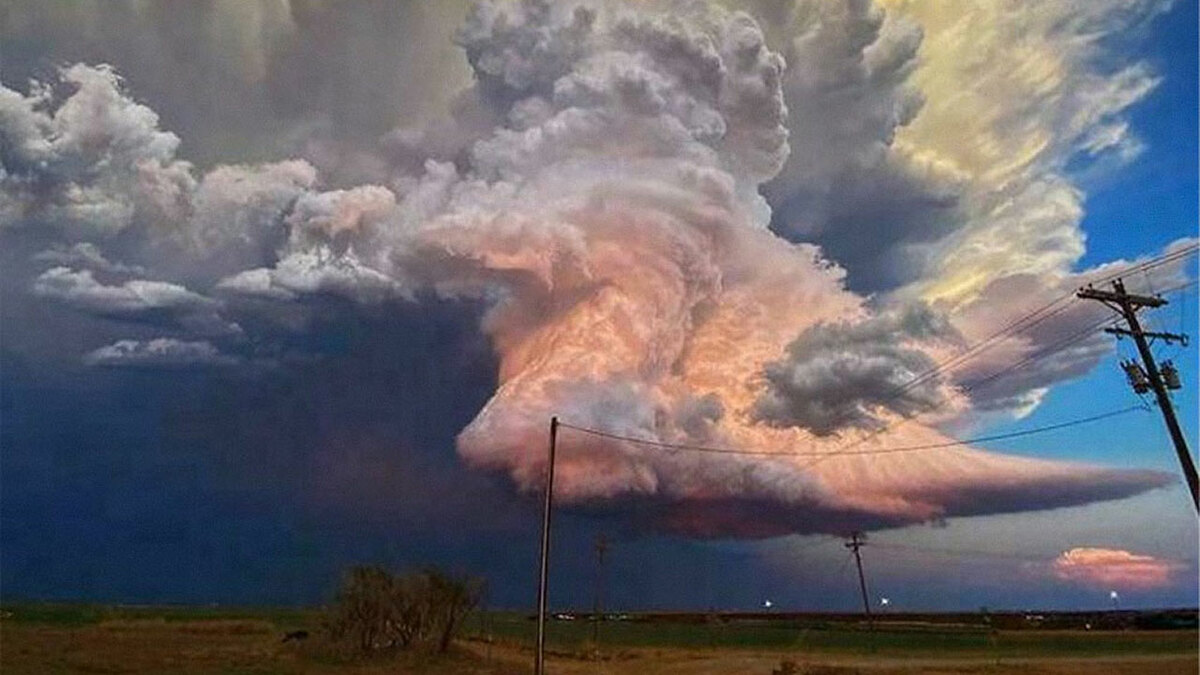
Or it’s just your megalophobia finally showing itself. This fear of huge objects might not be common, but it is very real. When netizens shared images of ginormous things that give them the heebie-jeebies, we compiled them for you. As you go through these terrifying pictures, you might also discover whether you have megalophobia or not!
This post may include affiliate links.
There are all kinds of phobias, but most of the time, we don’t even realize we have one. Research shows that 1-10% of the population experiences a specific phobia, with females several times more likely to have one than males.
Megalophobia is one such specific phobia, which is defined as an irrational and excessive fear of large objects that can occur as a result of a negative experience or due to an unknown cause. Symptoms of megalophobia include anxiety or panic attacks in the presence of large objects, but it can be treated with therapy and medication.
While megalophobia is not listed in the Diagnostic and Statistical Manual of Mental Disorders, 5th Edition (DSM-5), it is recognized as a specific phobia. People with it experience intense fear when confronted with something overwhelmingly large, whether it’s a massive object, structure, or even something natural like a giant wave or a mountain.
Unfortunately, research about megalophobia is pretty limited, which puts people who have it in a tricky spot. They might not seek help because they are unaware, or their symptoms might overlap with other conditions.
The challenging part is that experts don’t fully understand where these specific phobias come from. However, they have pieced together potential causes and contributing factors. Past traumatic experiences involving a large object or vast space can cause a lasting psychological mark. Strangely, fear can also be learned by observing others’ reactions.
Genetics might play a role, too, as some people who inherit anxiety could be vulnerable to phobias. Culture could also be an influence. After all, social stories frequently shape perception, such as portraying nature as something scary.
However, people should not take such phobias lightly, as they can hamper a person’s quality of life. People go to extreme lengths just to avoid what scares them. According to Cleveland Clinic, when people with megalophobia come across large objects, they might experience symptoms other than fear.
These include a rapid heartbeat, shortness of breath, dizziness, lightheadedness, nausea, sweating, trembling, and a strong urge to escape the situation. Going through all this can be daunting for anyone, so treatment is essential.

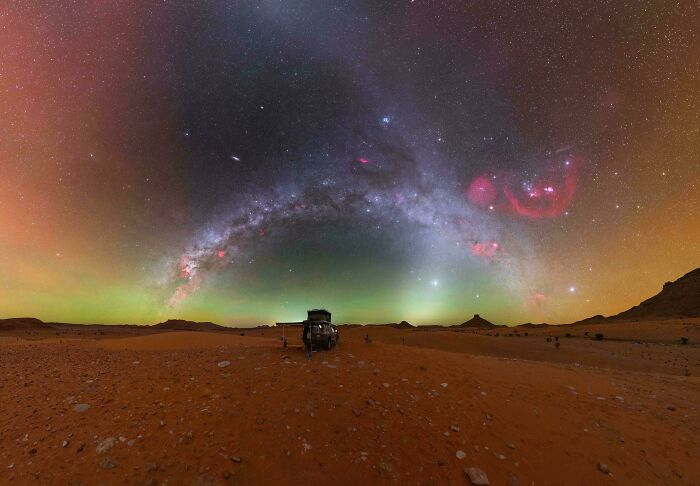
Had a flight over the sahara one night. Looked out the window and there were no lights save one in the middle of darkness.
Studies highlight that in children, specific phobias can be short-term problems that disappear within a few months. However, in adults, about 80% of new phobias become chronic (long-term) conditions that do not go away without proper treatment.
They can harm a person’s physical and mental health, especially when frequent encounters trigger severe effects. Moreover, phobias often tend to worsen over time. This can restrict a person’s daily activities and choices, affecting their life altogether. That’s why professionals encourage treatment, which can include exposure therapy and/or cognitive behavioral therapy.
While we might be aware of this concept today, philosophers identified something similar and named it “the sublime.” Records show that philosopher Edmund Burke described “certain experiences which supply a kind of thrill or shudder of perverse pleasure, mixing fear and delight.”
He focused the conversation about the sublime toward experiences caused by nature’s larger-than-life size or mystery. He claimed that these experiences aren’t just beautiful, but also terrifying because of their sheer scale or unknowable nature.
Meanwhile, philosopher Immanuel Kant shifted the analysis toward the impact and consequences of the sublime experience on consciousness. He argued that it was essentially about a negative experience of limits.
“It was a way of talking about what happens when we are faced with something we do not have the capacity to understand or control – something excessive.”
That definitely comes close to megalophobia, doesn’t it? If you think you might have it, don’t delay consulting a professional. Going through these images might help you understand whether you are afraid of such massive things. Let us know in the comments if it did. Also, if you want more such terrifying images to test yourself, check out the older post that we covered!

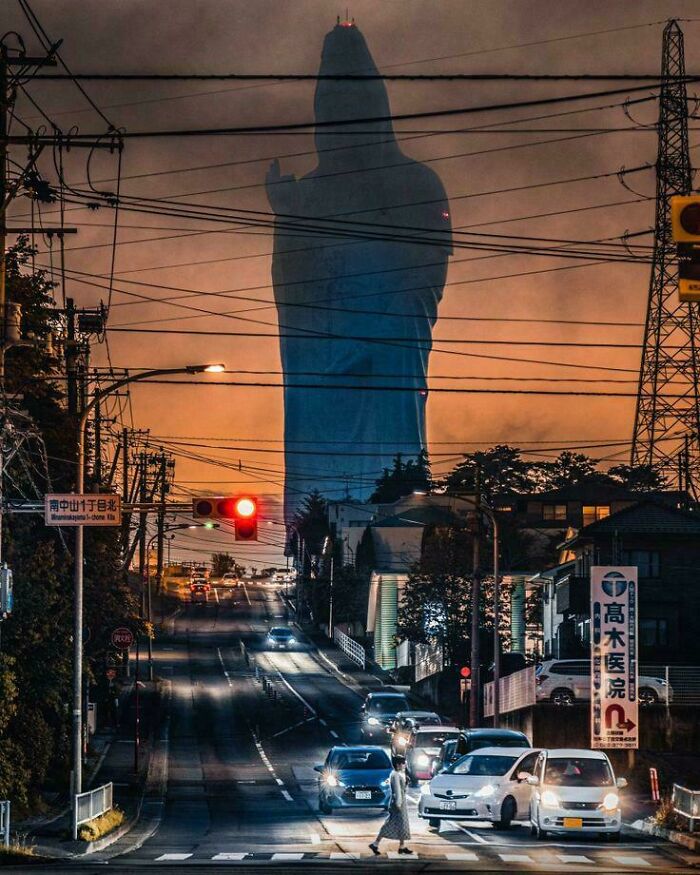
I remember when the Taliban blew up all the images of Buddha and how upset so many people were. And I just kept thinking about how the Buddha said to not make any statues of him.

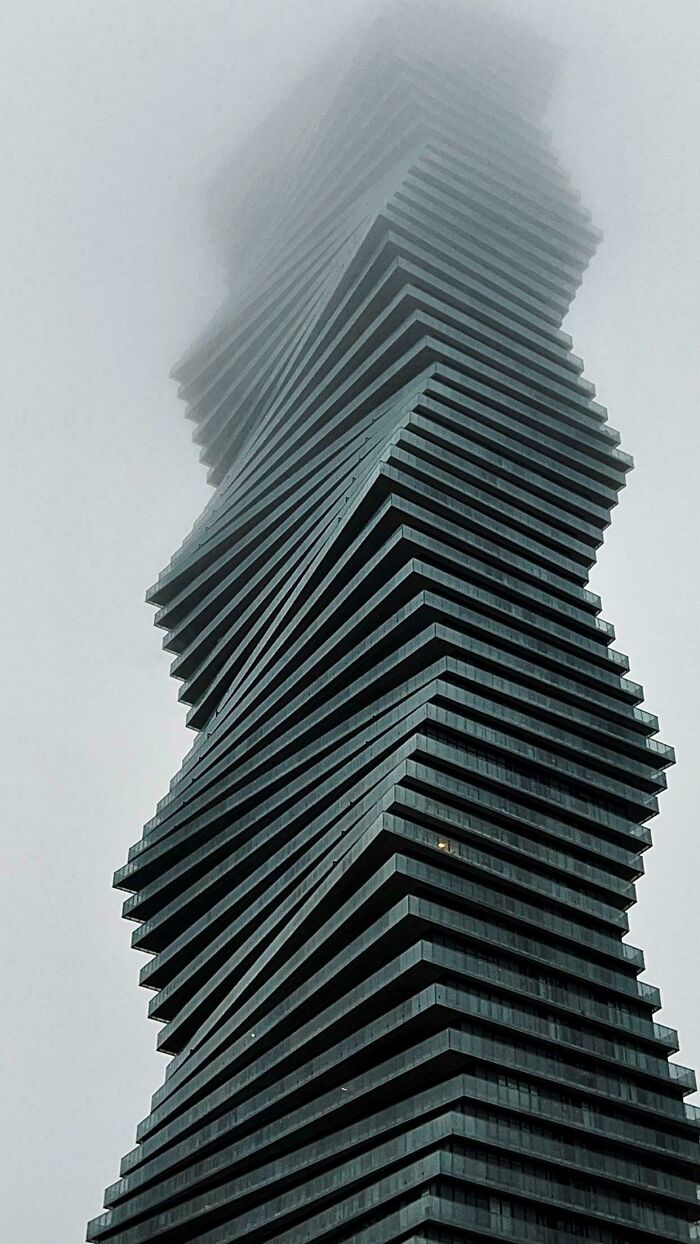
The twin M2 tower is actually 2m taller (199 vs 201m), and both are now surpassed by the M3 tower in the same development (M City Condominiums), which is not yet complete but recently topped-off at 260m, becoming the tallest building in Canada outside (though not very far outside) of the City of Toronto proper. The M3, however, does not share the disconcerting undulating structure of the first two. Five more buildings are either under construction or planned for the site, but the tallest of those is intended to reach 216m.


































 No fees, cancel anytime