Get Premium
Dark mode theme is available exclusively for premium users. Learn more about the benefits of subscribing.
No fees, cancel anytime.

 Dark Mode Ad-Free Browsing Unlimited Content
 Ad-Free Browsing Unlimited Content Dark Mode
Join 1.2 million Panda readers who get the best art, memes, and fun stories every week!
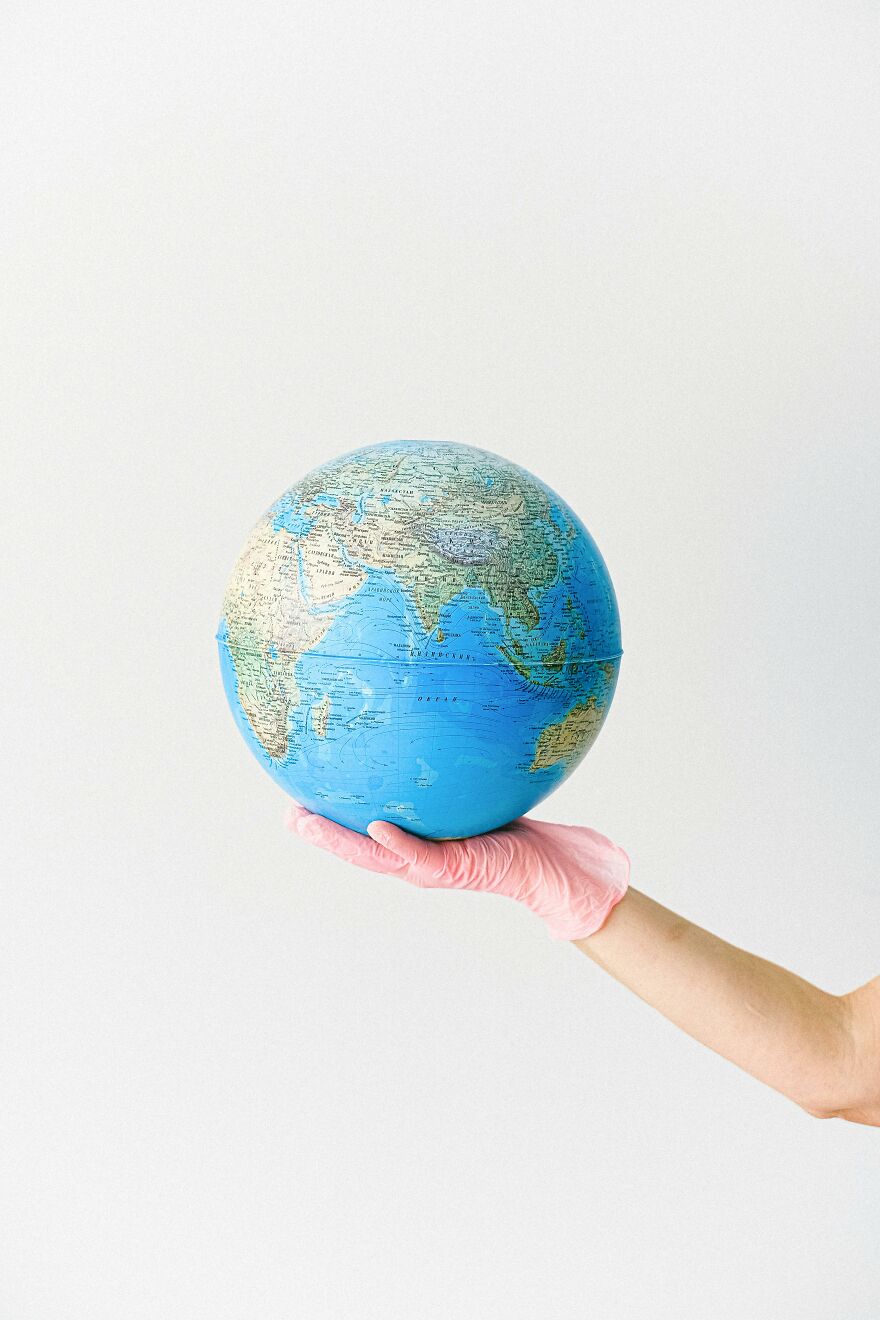
What if the Earth were actually for sale? It sounds absurd, but we decided to take the idea at face value.
If someone tried to put a price tag on Earth, what would that number even be based on? Land, oceans, ecosystems, raw materials, history, and human life all complicate the math in ways that normal economics is not built to handle.
To find a more grounded answer, we examined scientific estimates, economic frameworks, and cultural perspectives that seek to quantify Earth’s value.
The goal was not to claim the planet can truly be bought, but to see how close numbers can get when people seriously try to answer the impossible.
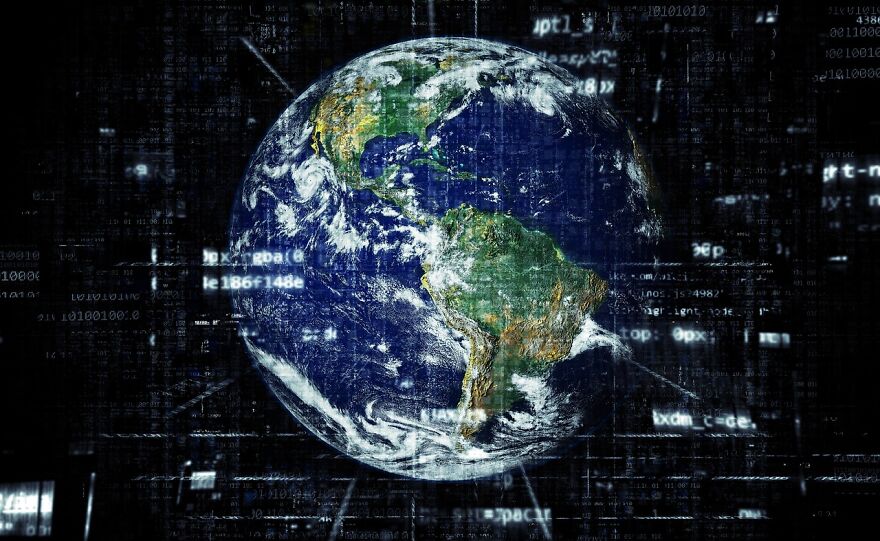
Image credits: TheDigitalArtist / Pixabay
As we tried to figure out how much the Earth might cost if it were actually for sale, the first problem we ran into was definition. Before any number can exist, you have to decide what kind of value you are even attempting to calculate.
In basic economics, market value is the price at which buyers are willing to pay for an asset under normal conditions, as explained by CFI. Stock prices and recent home sales work because there is a marketplace, comparable assets, and willing participants on both sides of the deal.
Intrinsic value takes a different approach. Instead of asking what something could sell for today, it estimates what an asset is worth in theory, based on fundamentals and long-term usefulness.
Investors use it to justify paying more or less than market price when they believe an asset is misvalued.
Image credits: Mikhail Nilov / Pexels
When we applied these ideas to Earth, the cracks showed immediately. There is no marketplace for planets, no comparable sales, and no realistic buyer pool. Even intrinsic value breaks down once you consider that Earth’s systems do not generate optional cash flows. Instead, they sustain life itself.
That is why standard valuation tools fall apart here. Trying to price a planet with a diameter of 7,926 miles using the same logic as real estate or collectibles only highlights how unsuitable those frameworks are.
This step clearly shows us that determining Earth’s cost requires something far beyond normal economics.
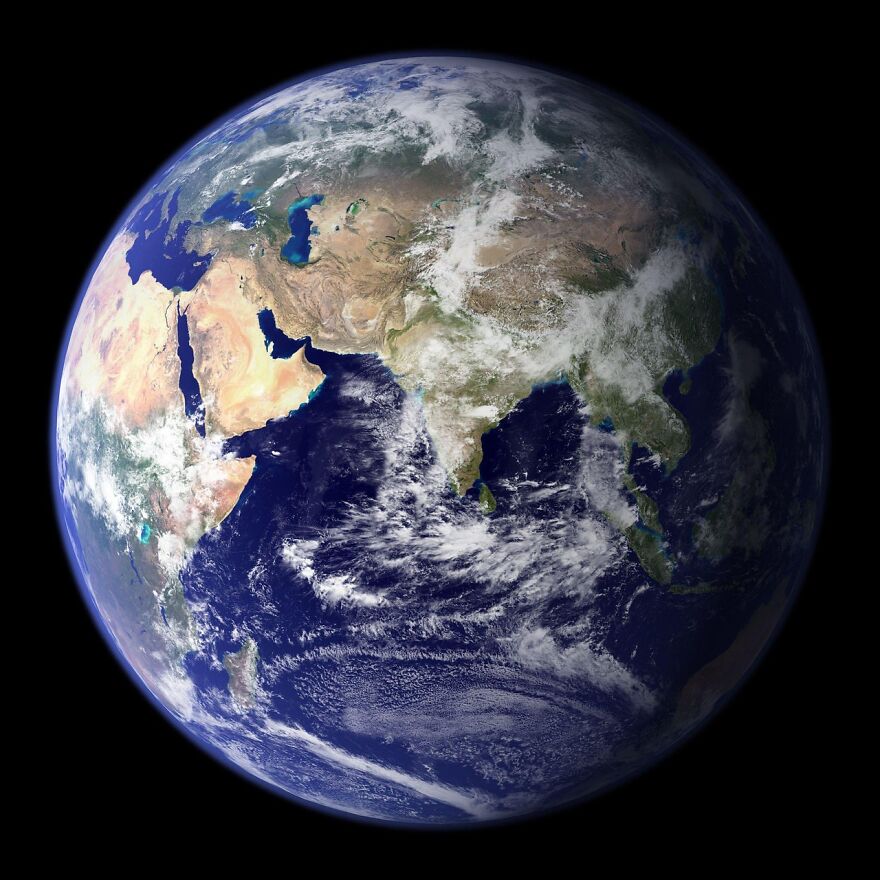
Image credits: Wikilmages / Pixabay
If the planet itself cannot be bought, could its services at least be priced, and would that get us any closer to a real number? The short answer is yes, but only in a very limited way.
A group of economists and ecologists attempted exactly that, estimating it would cost about $33 trillion every year to replace the ecosystem services Earth delivers naturally, from clean water and fertile soil to pollination and climate regulation, as detailed by AAAS.
To reach that figure, the researchers first agreed on 17 categories of planetary goods and services. They then divided Earth’s surface into 16 biomes, including oceans, estuaries, and tropical forests, and evaluated what each biome contributes.
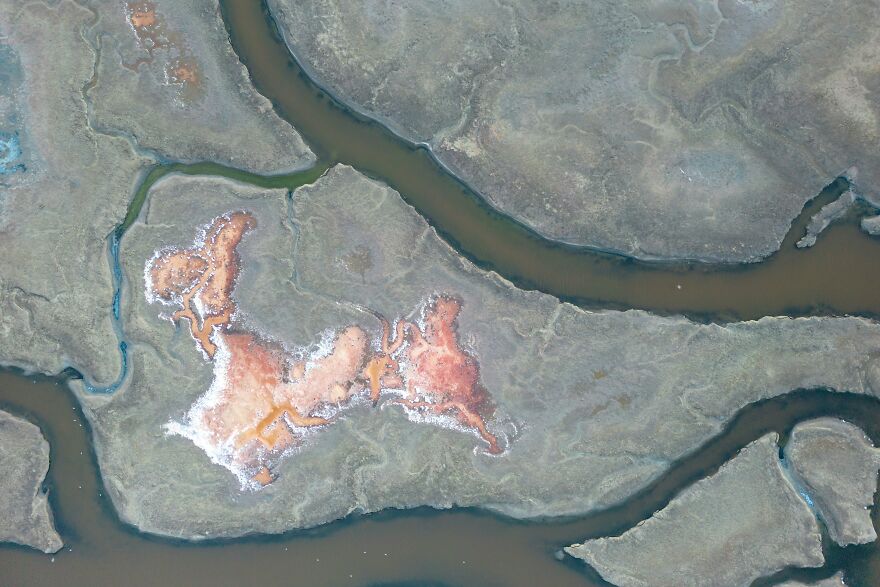
Image credits: Zetong Li / Pexels
They reviewed dozens of published studies to estimate the dollar value per hectare for each service across each biome. Adding it all together produced a number large enough to stop most price tag debates in their tracks.
Lead author Robert Costanza argued that the calculation mattered precisely because it felt uncomfortable. He noted that natural systems have real value even when no money changes hands, and that ecosystem services are so essential to human life that no realistic price could fully replace them.
For our purposes, this exercise helped set a boundary. Even the most systematic attempt to replace Earth only captures fragments of what the planet does.
Costs tied to relocating life, rebuilding biodiversity, or recreating an atmosphere quickly move beyond anything modern technology can achieve.
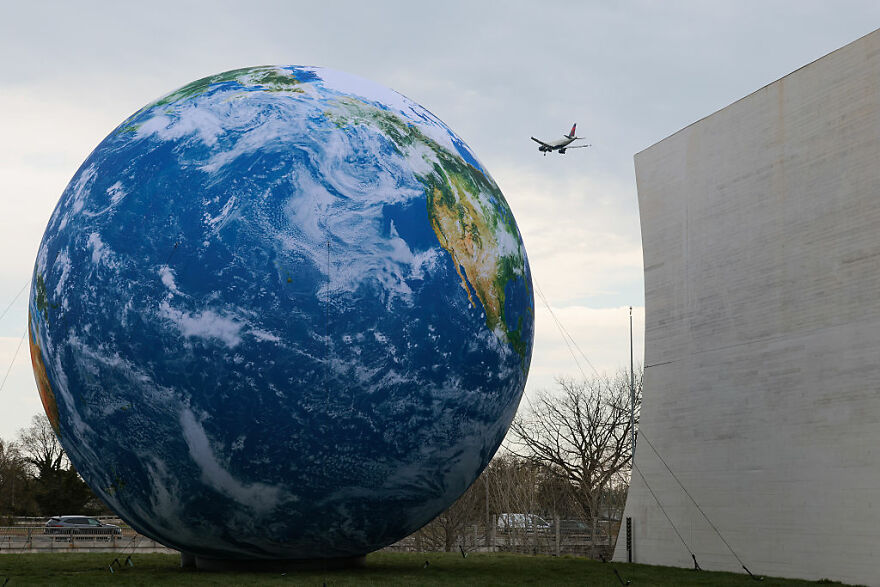
Image credits: ph.galtri / Pexels
We have to admit, this was the point where the math more or less gave up.
Even if you can assign dollar figures to land, resources, or ecosystem services, none of those methods account for the emotional and cultural weight tied to the planet itself. Earth is not just a collection of assets but the backdrop for human history, memory, and identity.
Think about what would even go into that calculation. Leonardo da Vinci’s Mona Lisa, ancient Egyptian mummies preserved across centuries, the biodiversity of the Amazon rainforest, or something as fleeting as the smell of fall leaves.
None of these fit neatly into a spreadsheet, yet removing them clearly strips away value no price model can recover.
Sadly, this step did not move us closer to a final number, but it did clarify something: any attempt to price the Earth that ignores its cultural and emotional significance is fundamentally missing the point.
Image credits: Kayla Bartkowski / Getty Images
After running into the limits of economics, replacement math, and cultural value, we looked for numbers people have seriously put forward when trying to price the Earth.
One of the most widely cited attempts came from astronomer Greg Laughlin, who in 2002 tried to assign a dollar value to Earth by factoring in its mass, age, temperature, and ability to support life.
His calculation, later highlighted by Mental Floss Magazine, landed at roughly $5 quadrillion.
Laughlin applied the same logic across the solar system, which only made Earth’s number look more absurd by comparison. Mars came in at about $16,000, while Venus was valued at one cent because its carbon dioxide-heavy atmosphere makes it effectively “useless” for life.
Even Laughlin has said the exercise was never meant to enable a sale. The point was perspective. Seeing Earth reduced to a number that large tends to make people pause and reconsider how casually they treat the only planet they have.
Fun fact: For scale, analysts once calculated it would cost about $852 quadrillion to build the Death Star from Star Wars, or roughly 13,000 times the world’s GDP, as detailed by Forbes.
Image credits: Anna Shvets / Pexels
Okay, let’s assume the price does exist. What then? Even hypothetically, selling a planet creates problems that no calculator can fix.
We ran into three “likely” scenarios: either a cartoonishly wealthy individual decides to own the planet, an alien civilization treats Earth like an auction item, or some kind of unified global authority agrees to sell the entire thing at once.
None of these scenarios survives the reality check, however. Ownership alone of something so magnificent becomes a mess. Who exactly is selling the planet, and on whose behalf?
Governance raises even bigger questions. Managing borders, resources, populations, and ecosystems across a 4.5 billion-year-old planet is not a job description that comes with a closing contract.
With this in mind, even if someone agreed on a price, the idea of Earth being bought quickly collapses under the legal, ethical, and logistical weight.
If there’s one thing we learned from this thought experiment is that no one is coming to buy the earth anytime soon.

By entering your email and clicking Subscribe, you're agreeing to let us send you customized marketing messages about us and our advertising partners. You are also agreeing to our Privacy Policy.
Thank you! You've successfully subscribed to newsletters!


It's not how much the Earth costs. It's how much we're costing the Earth.

It's not how much the Earth costs. It's how much we're costing the Earth.


 No fees, cancel anytime
 then open in external browser


 and click "Open in External Browser"









29
12