Get Premium
Dark mode theme is available exclusively for premium users. Learn more about the benefits of subscribing.
No fees, cancel anytime.

 Dark Mode Ad-Free Browsing Unlimited Content
 Ad-Free Browsing Unlimited Content Dark Mode
Join 1.2 million Panda readers who get the best art, memes, and fun stories every week!

A parent-child bond is meant to be a two-way street—filled with trust, care, and shared love. But what happens when that bond is broken? When a parent abandons a child, disappears for over a decade, and then suddenly demands something life-altering, the heart struggles to know what’s right.
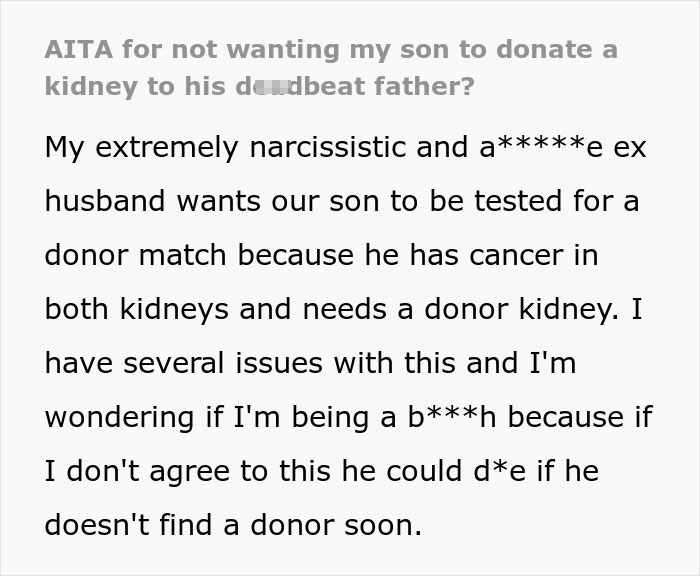
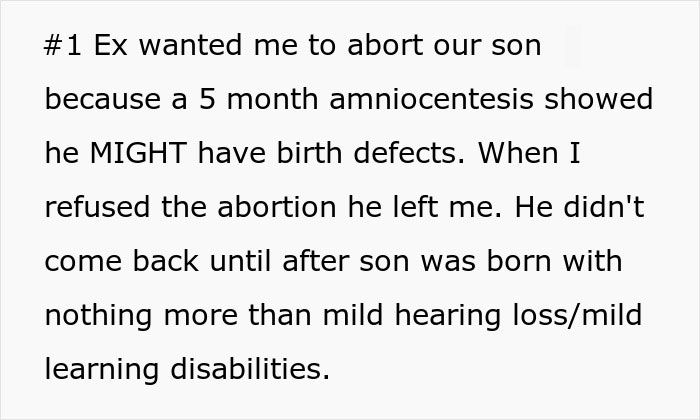
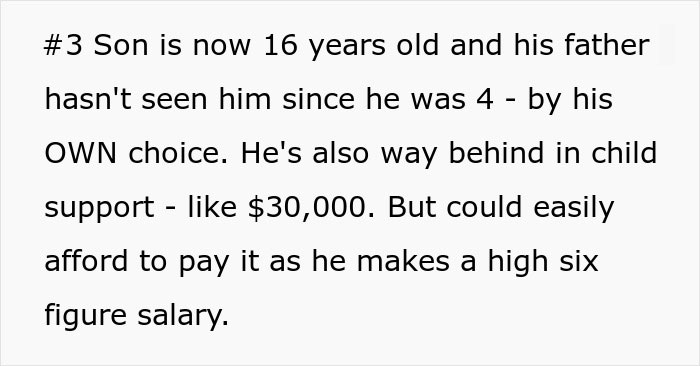
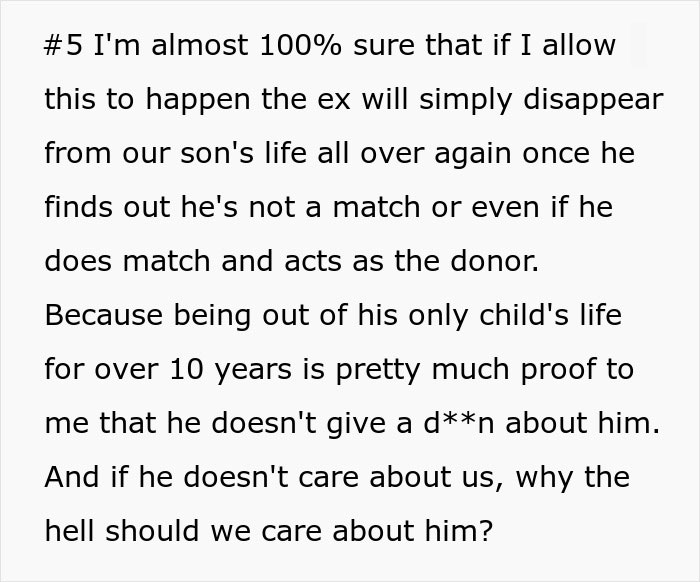
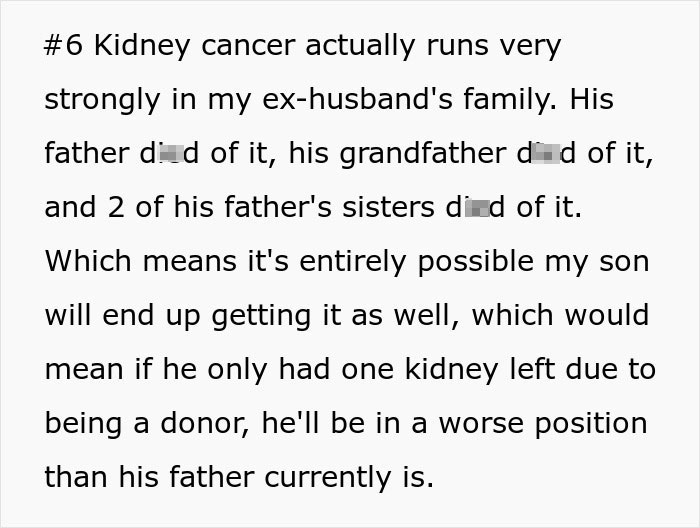
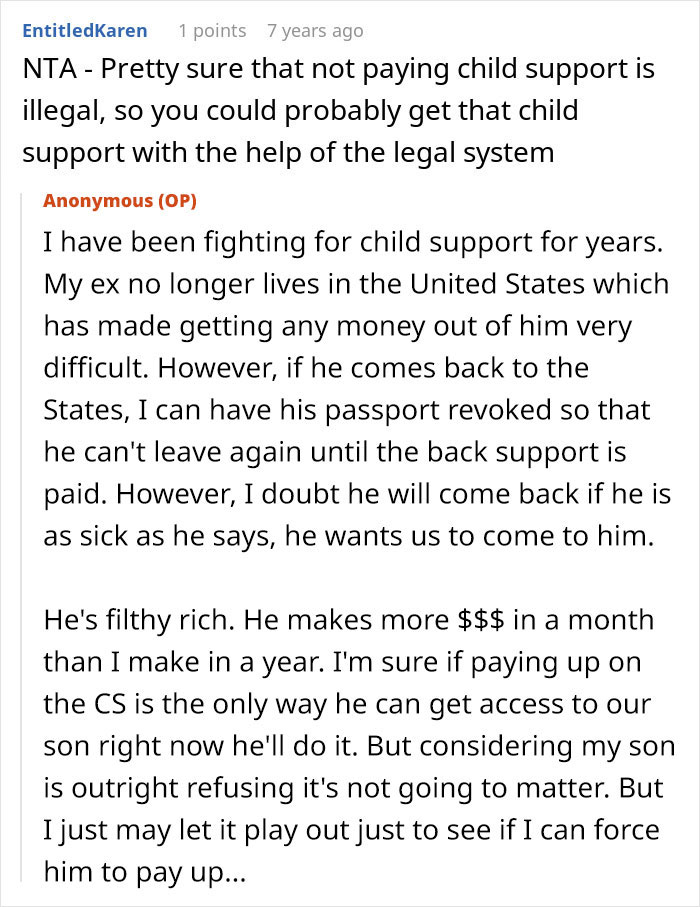
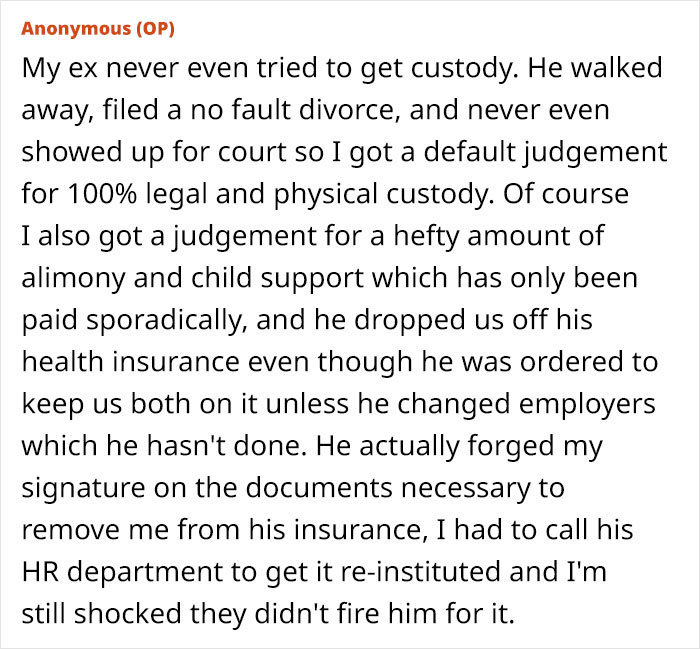
That’s the painful reality one mother is facing. Her cheating ex left their 16-year-old son behind, ignored his responsibilities, and owes tens of thousands in child support. And now, he wants their son to be tested as a kidney donor to save his own life. She knows her son owes him nothing, yet the weight of this impossible choice is crushing. Keep reading to see how she navigates this heart-wrenching dilemma.
Image credits: Getty Images / Unsplash (not the actual photo)
Image credits: Freepik (not the actual photo)
Image credits: Getty Images / Unsplash (not the actual photo)

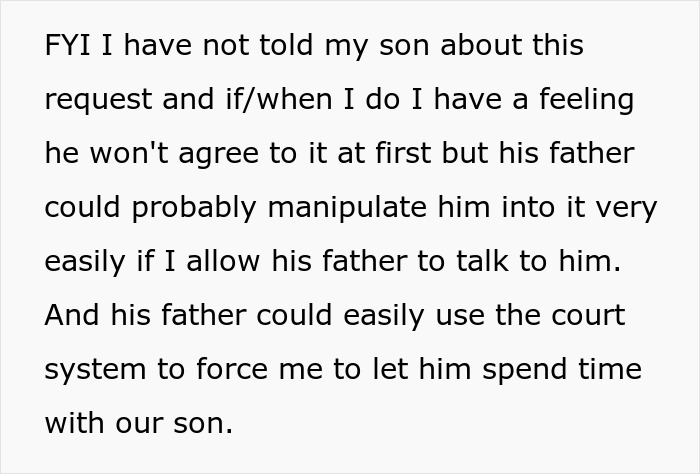
Image credits: anonymous
Image credits:cottonbro studio / Pexels (not the actual photo)
When a biological parent abandons their child, it represents one of the deepest forms of neglect. The American Psychological Association defines child neglect as “the denial of attention, care, or affection considered essential for the normal development of a child’s physical, emotional, and intellectual qualities, usually due to indifference from, disregard by, or impairment in the child’s caregivers.” Beyond missed birthdays or forgotten school events, this type of abandonment leaves a lasting emotional scar, shaping how a child sees themselves and the world. It’s not just absence; it’s a message that their needs, feelings, and very existence weren’t enough for someone who was supposed to love them unconditionally.
The impacts of a parent walking away are often not immediate; they unfold slowly, shaping childhood and echoing into adulthood. Research shows that father absence during childhood is consistently linked to higher rates of depression during adolescence and early adulthood. The timing matters: children whose fathers leave early in life face the greatest risks. These effects are not uniform; they can vary by sex, personality, and the presence of other support systems. Still, the emotional hole left by a parent’s departure rarely fades, influencing everything from relationships to self-confidence.
For children who lose a parent early in life, the emotional consequences can be severe. Studies show that early father absence is strongly associated with more pronounced and long-lasting depression trajectories, particularly during adolescence and into early adulthood. Girls, in particular, appear most affected, experiencing deeper emotional struggles when fathers leave during the earliest, most formative years. These patterns aren’t just statistics—they reflect the real pain of feeling unwanted, unseen, and unprotected at a stage when every child is trying to figure out their place in the world.
Abandonment can also shape the way children approach relationships later in life. When a parent leaves, it can foster a constant fear of being left behind, creating hyper-vigilance, insecurity, or difficulty trusting others. Children learn to brace themselves for loss, often overcompensating by holding too tightly or, conversely, distancing themselves emotionally to avoid getting hurt. This fear doesn’t disappear with age; it becomes a quiet undercurrent, influencing friendships, romantic relationships, and even interactions with their own children.
Emotional suppression is another lasting impact. Children often internalize the pain of abandonment, learning to bottle up feelings of anger, sadness, or fear. They might convince themselves that expressing vulnerability is dangerous, or that their emotions don’t matter. Over time, this can become a habit, making it difficult to process grief, confront conflict, or even acknowledge one’s own needs. The lesson learned too early in life (that their feelings are unimportant) can take decades to unlearn.
Image credits: Kindel Media / Pexels (not the actual photo)
Abandonment also disrupts assertiveness and self-expression. Some children become timid and hesitant, afraid to speak up or defend themselves, while others swing the opposite way, responding aggressively as a shield against perceived rejection. When a child internalizes the idea that they are unworthy of love and support, they struggle to navigate everyday social situations with confidence. Simple acts of self-advocacy can feel daunting, as if claiming their needs is somehow wrong or dangerous.
Perhaps most deeply, abandonment can erode self-esteem and a sense of identity. Adolescents need encouragement, validation, and unconditional support from caregivers to feel secure in themselves. When a parent leaves voluntarily, it communicates the opposite: that they are not enough. This lack of affirmation during critical developmental years can make young people question their worth, doubt their abilities, and struggle to develop a stable, positive sense of self. The emotional reverberations can last a lifetime, shaping choices, relationships, and personal goals.
In the end, parental abandonment is not just an absence; it’s a series of messages that ripple across a child’s emotional and psychological landscape. The fear, the self-doubt, and the struggle to connect are real and long-lasting. Understanding these consequences is not about blame; it’s about recognizing the weight a parent’s choices carry and why protective, consistent care is so vital. Children need to know that they are seen, valued, and loved, because when that foundation is shaken, the impact can follow them for decades.
While a parent abandoning a child can leave deep emotional scars, it’s important to acknowledge those feelings and deal with them in a healthy way. Children and teens may feel anger, sadness, or even a sense of unworthiness, and those emotions are completely valid. Processing these feelings through open conversations, supportive relationships, or professional help can make a huge difference. It’s possible to learn how to set boundaries, rebuild trust, and develop self-worth, even when someone who should have been there wasn’t. The key is understanding that being left behind does not define your value—it’s about how you choose to care for yourself and nurture your emotional health moving forward.
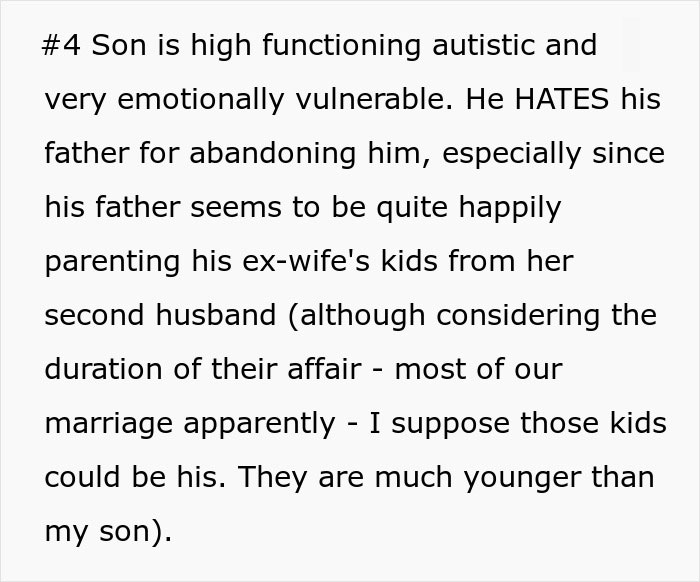
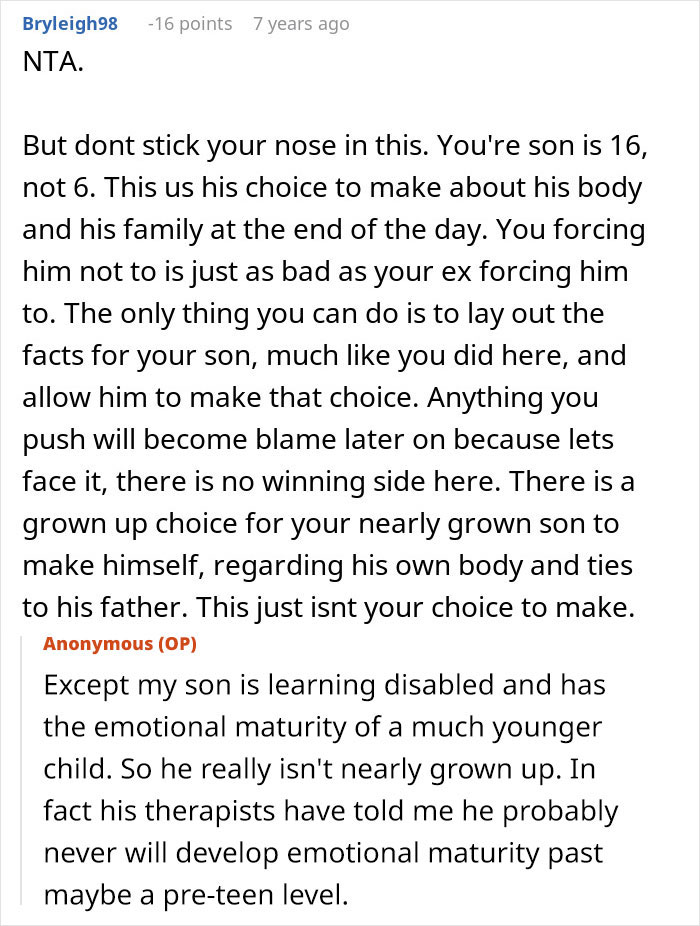
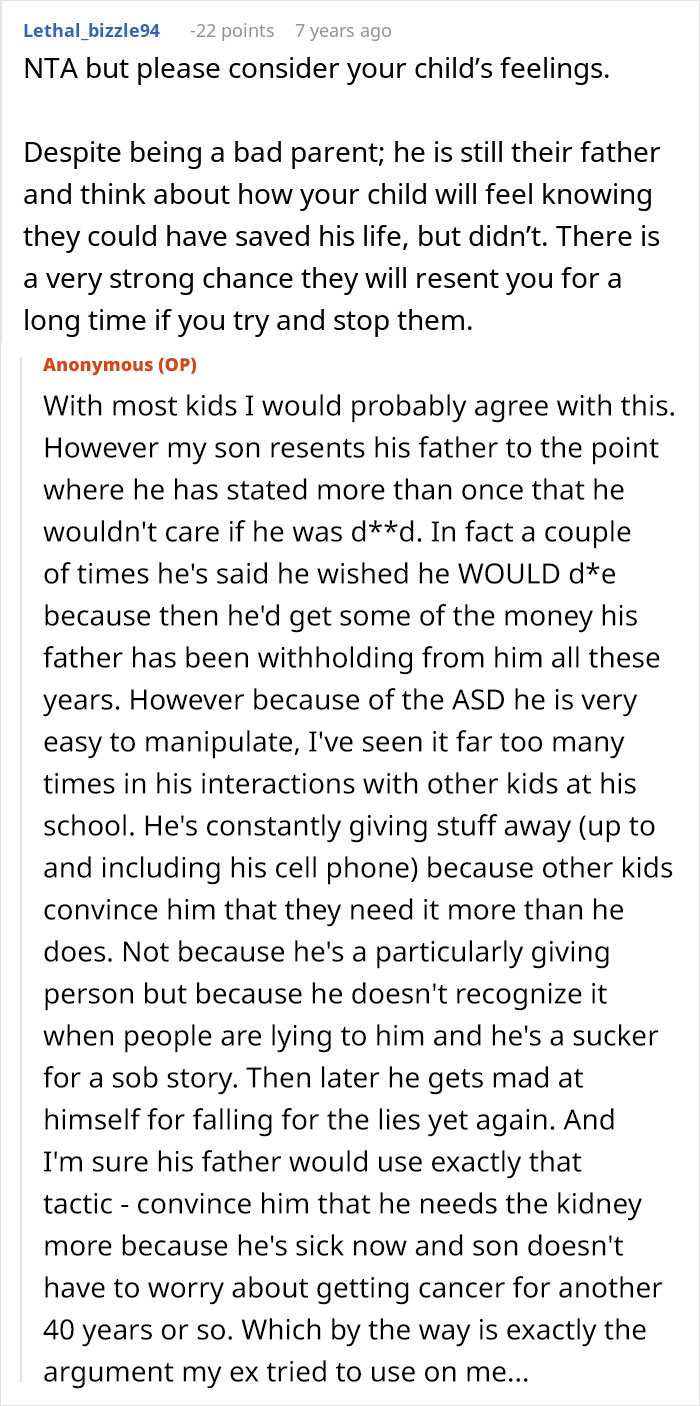
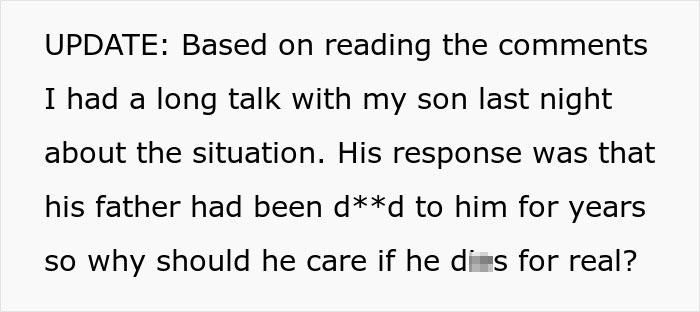
So, coming back to this particular case, it’s clear that the father, after abandoning his son for over a decade, didn’t fully grasp (or perhaps refused to see) the lasting impact his absence had. Now he’s returned, asking for something monumental: a kidney donation from the very child he left behind. Understandably, the mother is focused on protecting her son, who is emotionally vulnerable and has high-functioning autism. This situation raises difficult questions about responsibility, love, and boundaries. What are your thoughts on this situation?



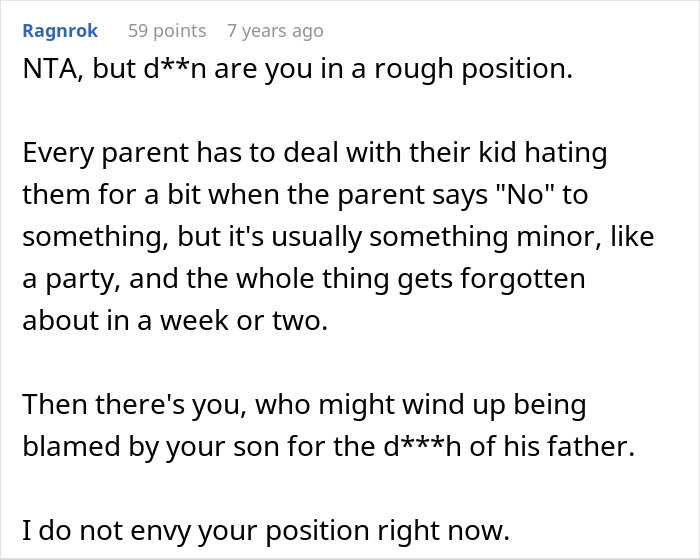

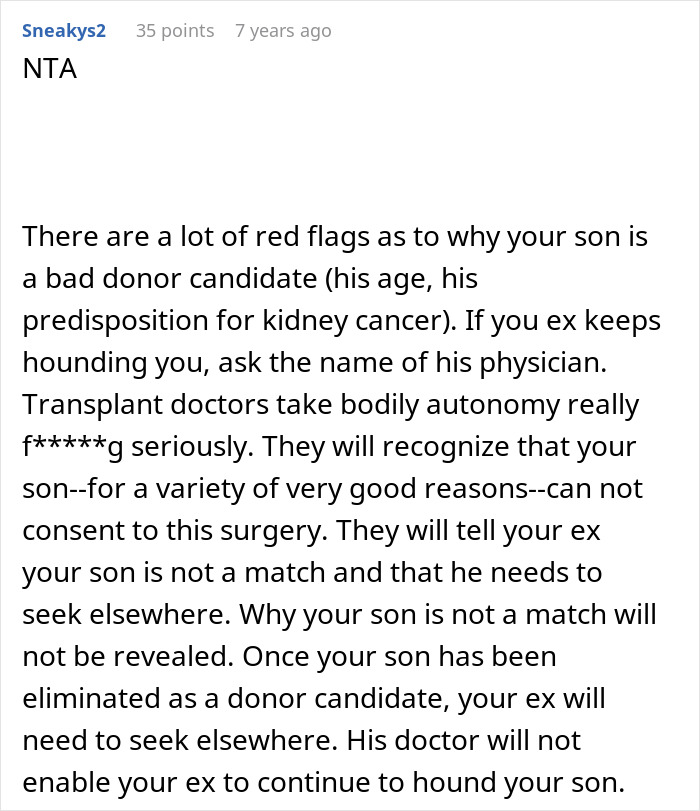

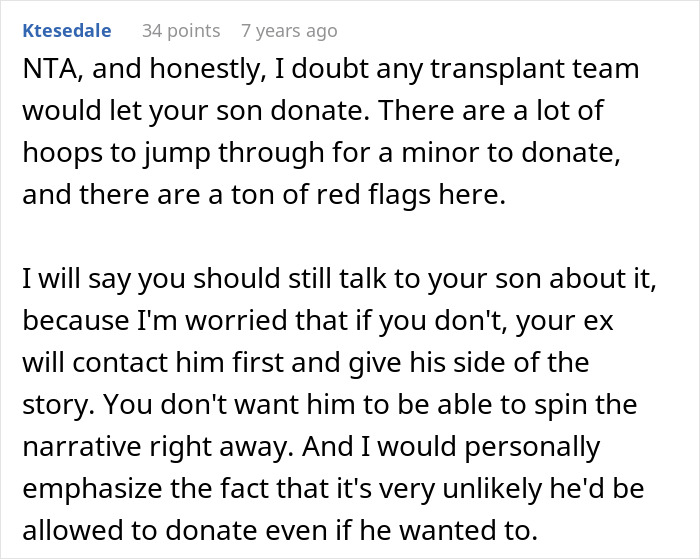
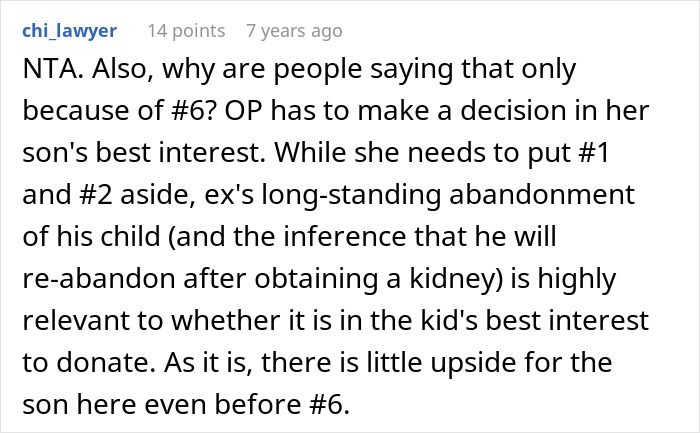

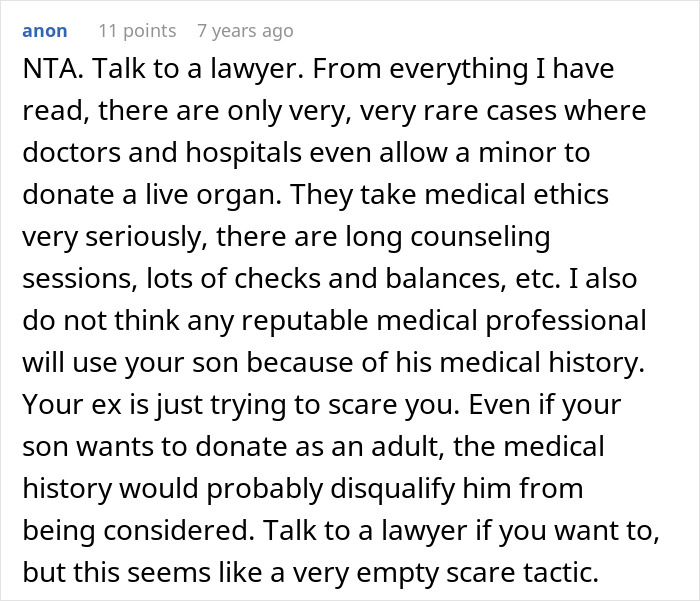





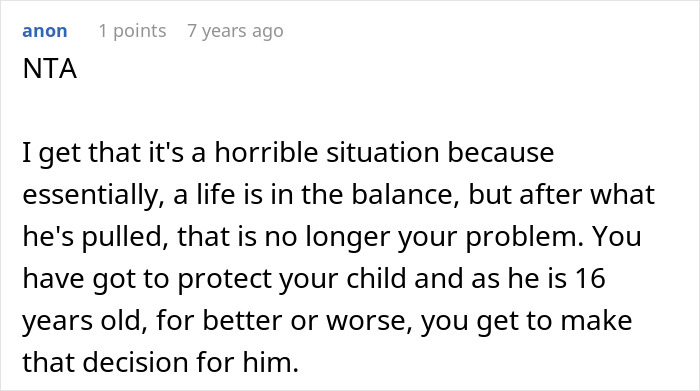


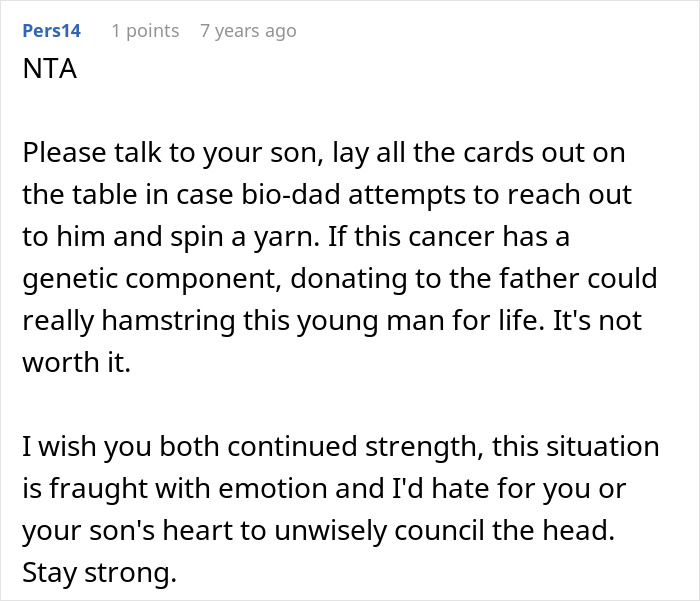
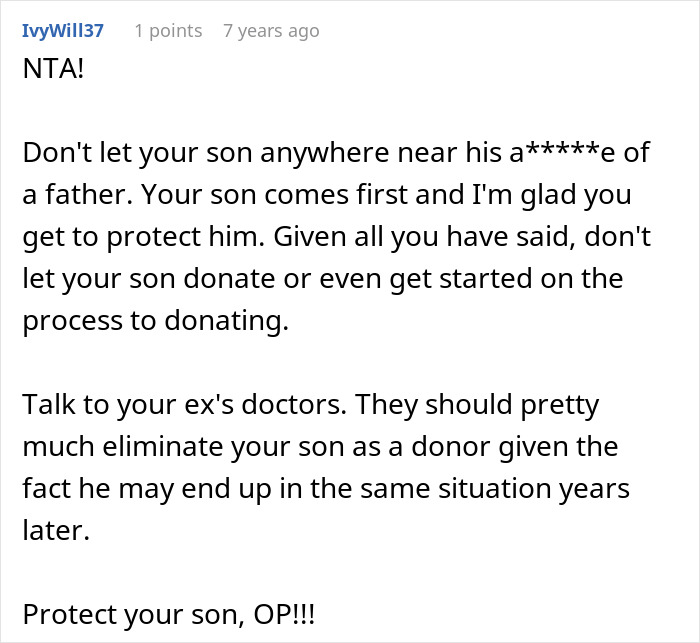
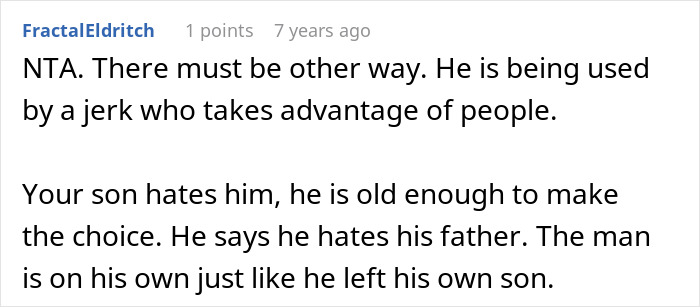
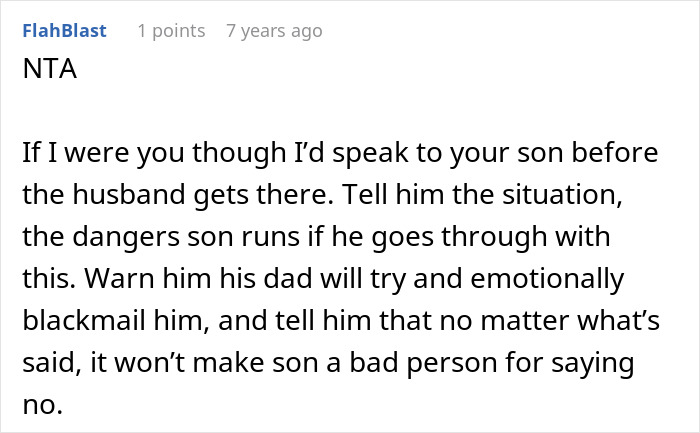
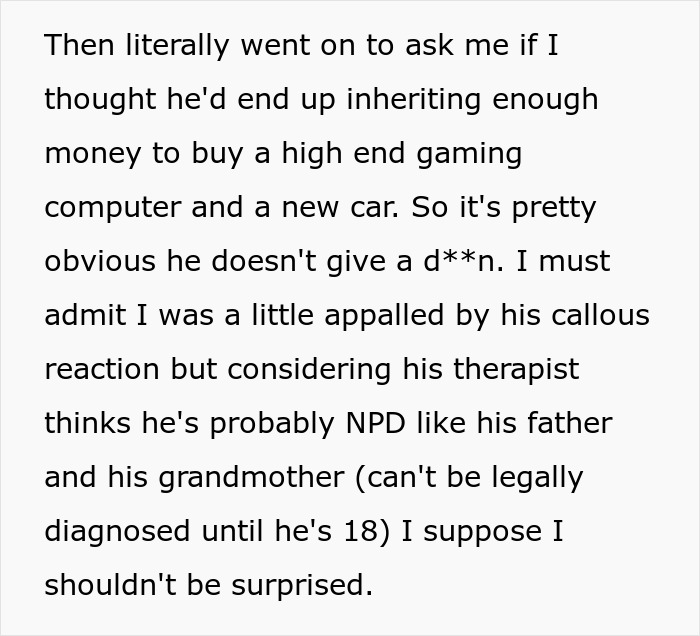
Image credits: anonymous

By entering your email and clicking Subscribe, you're agreeing to let us send you customized marketing messages about us and our advertising partners. You are also agreeing to our Privacy Policy.
Thank you! You've successfully subscribed to newsletters!





































 No fees, cancel anytime













29
2