Get Premium
Dark mode theme is available exclusively for premium users. Learn more about the benefits of subscribing.
No fees, cancel anytime.

 Dark Mode Ad-Free Browsing Unlimited Content
 Ad-Free Browsing Unlimited Content Dark Mode
Join 1.2 million Panda readers who get the best art, memes, and fun stories every week!
Amid all the headlines and chaos, one of the few things that keeps us sane is looking at photos of adorable animals. They remind us that nature is truly incredible, and there’s beauty everywhere if we look closely enough — even on the internet.
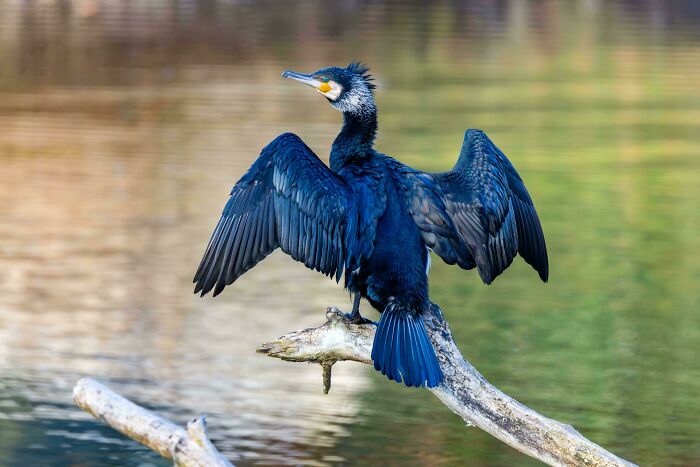
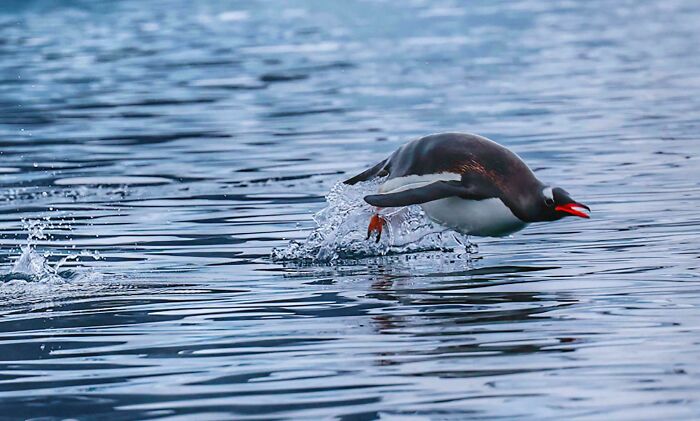
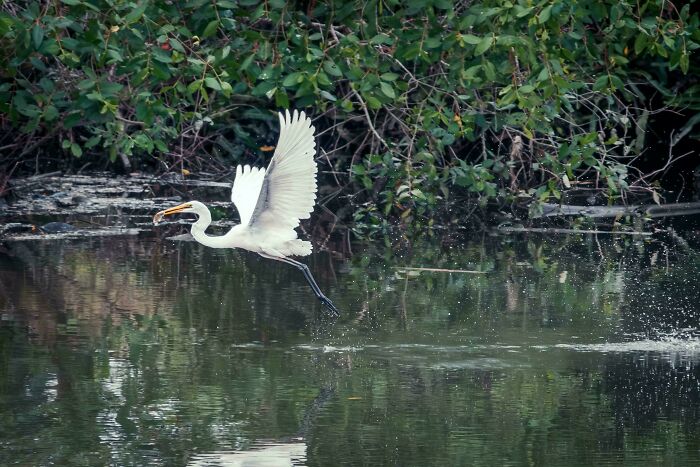
Whether it’s a great egret taking off, a cormorant soaking up the morning sun, or a penguin leaping above the Antarctic waters, it somehow makes the world feel a little lighter.
From the land, the sea, the sky… an online community regularly posts high-quality animal pics, and we’ve selected our favorites for you to see. Trust us, you won’t want to rush through these.
This post may include affiliate links.
Spending time with animals is proven to boost your mood, but even just looking at animal photos online beats aimless doomscrolling. And science backs it up.
A study found that just half an hour of watching photos and videos of animals lowered people’s anxiety, blood pressure, and heart rate.
Anxiety levels reduced by an average of 35%, with some experiencing a fall of almost 50%. Heart rates also dropped by an average of 6.5% in just 30 minutes.
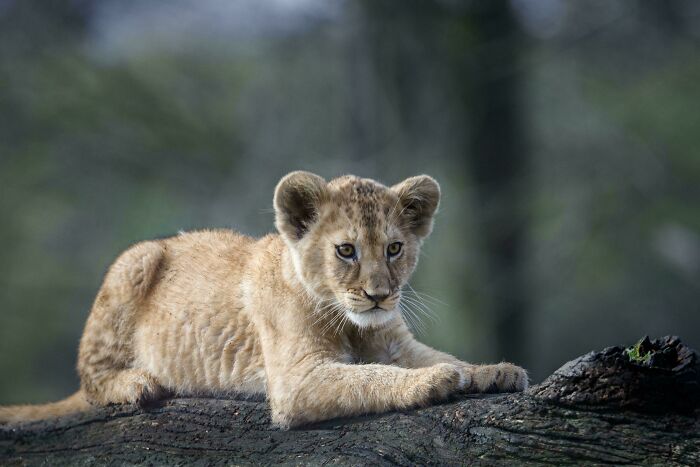
During this research, people were shown images of ducks, kittens, cats, puppies, dogs, alpacas, tiger cubs, lion cubs, baby gorillas, monkeys and quokkas.
It was found that consuming content of quokkas — mini marsupials found in Western Australia — had an immediate positive impact on participants.

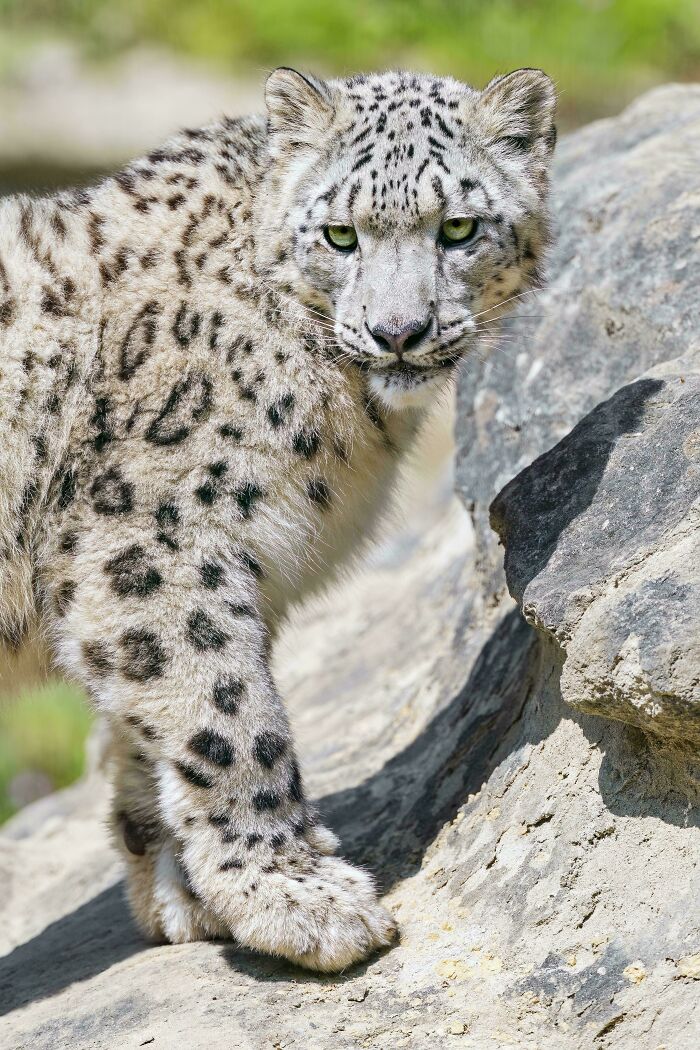
I’ve said this before, but here it is again: snow leopard is my ultimate soul animal. They are heartstoppingly beautiful, serene and strong. Seen one in a wildlife park within a 4 meters distance - I felt squeamish and my legs almost turned to spaghetti. I’ll never get over that experience and, to be honest, never even want to!
Animal photos don’t just grab your attention; they can actually make you care more about protecting wildlife.
A study published last month found that some features in wildlife images — like visible faces or cues that make you feel like you can understand what the animal is thinking or feeling — can create emotional connections.
These features can even drive people to engage online or give money to conservation.
“If you want to encourage people to protect an animal, you might depict it in a way that evokes a social or emotional connection. For instance, emphasizing facelike features or attention to the viewer,” said study coauthor Brian Knutson, a professor of psychology at the Stanford School of Humanities and Sciences.
He added: “Social media is a powerful tool for shaping public opinion and encouraging environmental behavior. Neuroscience tools could offer insights into what motivates people to support wildlife conservation efforts.”
Photography competitions like Wildlife Photographer of the Year or Nature’s Best Photography show that a single powerful image can raise awareness and even help protect endangered species.
The organizations that hold these contests fund vital conservation projects around the world.
Many winning entries also tell real stories about threats facing species and ecosystems.
The contests encourage photographers to become advocates for wildlife protection. They are usually required to submit detailed background information such as conservation status and habitat challenges.
The photograph ‘Ghost Town Visitor’ earned the prestigious title of 61st Wildlife Photographer of the Year in 2025, awarded by London’s Natural History Museum.
Photographer Wim van den Heever captured a ghostly brown hyena in the ruins of an abandoned building.
The photo is “an eerie juxtaposition of the wild reclaiming human civilization. This picture is a multi-layered story of loss, resilience and the natural world’s silent triumph, making it an unforgettable piece of wildlife and conservation photography,” said competition judge Akanksha Sood Singh.
Some of the winning images have also led to policy changes.
For example, photographers Cristina Mittermeier and Paul Nicklen captured videos and images of a starving polar bear that quickly went viral and started a global conversation about climate change. The images even led to increased funding for Arctic wildlife protection initiatives.
“We hope that our images of this… bear moved the conversation about climate change to the forefront, where it must remain until we solve this planetary problem,” says Mittermeier.
In Indonesia, a prize-winning photo showing rainforest destruction helped create a new protected area for orangutans.
Wildlife photos often go on global tours through competitions, showing up in exhibitions all over the world.
They help people understand the real issues animals face, from climate change to disappearing habitats, and get more people caring about protecting them.
What makes these pictures so incredible is that most of them capture animals in their natural habitat. They focus less on technical perfection and more on capturing authentic moments.
Even wildlife photography contests have clear rules against luring, disturbing, or stressing animals in order to get an image.
It’s this combination of patience and a keen eye for real-life moments that turns a simple photo into a powerful story.

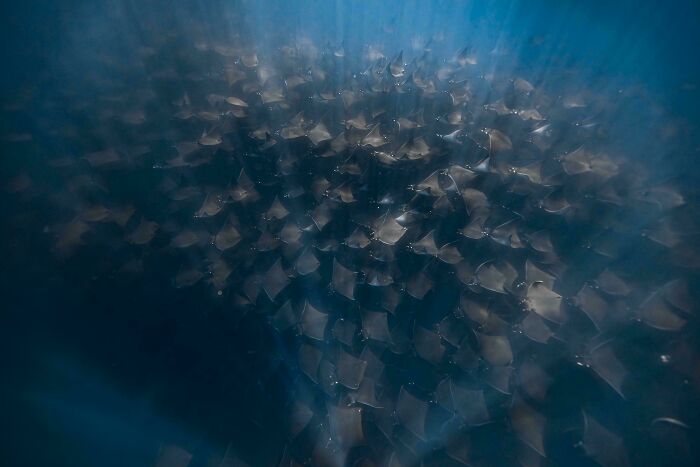
OMG. A Mobula Ray is only slightly smaller than a Manta Ray. This is huge, it must be more than 30 metres across and more than 20 metres high. Perhaps twice that.
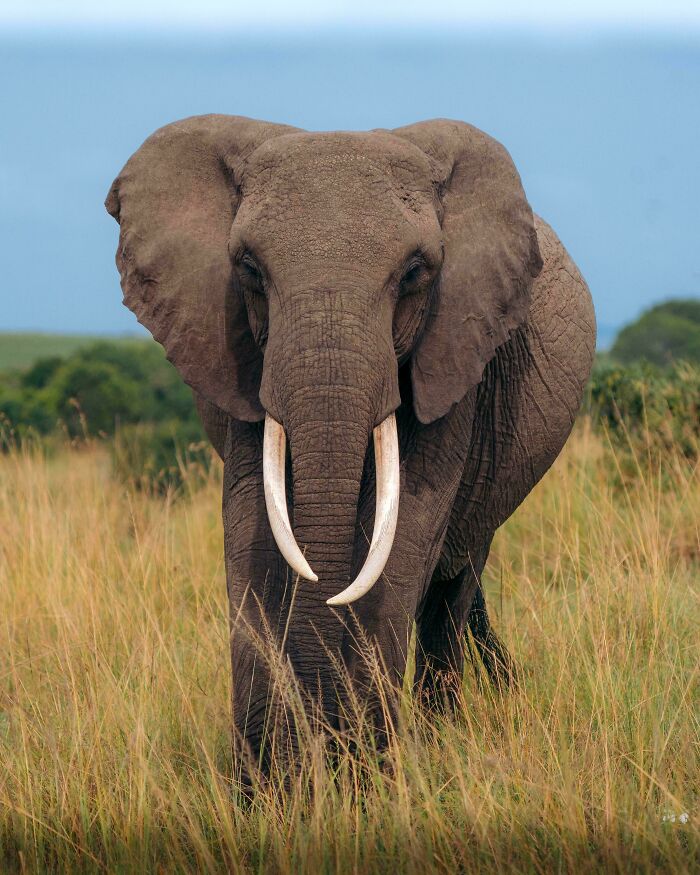
Mnemonic from me to me. African elephants have Absolutley enormous ears. Indian elephants have Itty bitty ears. You get the drift.


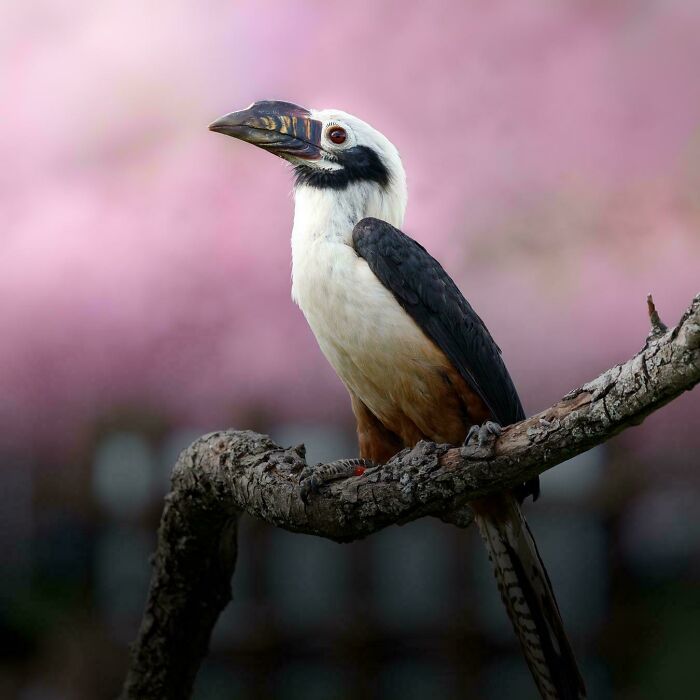
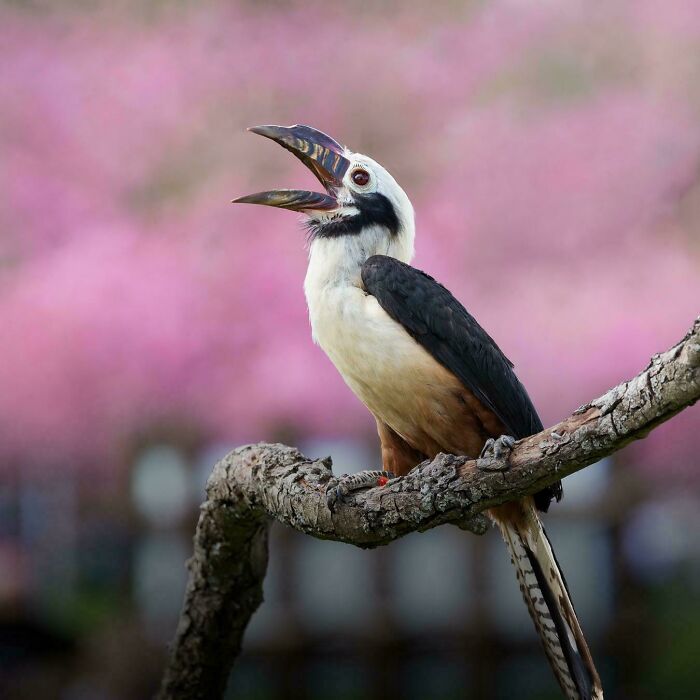
Very small casque compared to some hornbills, who have truly massive casques!

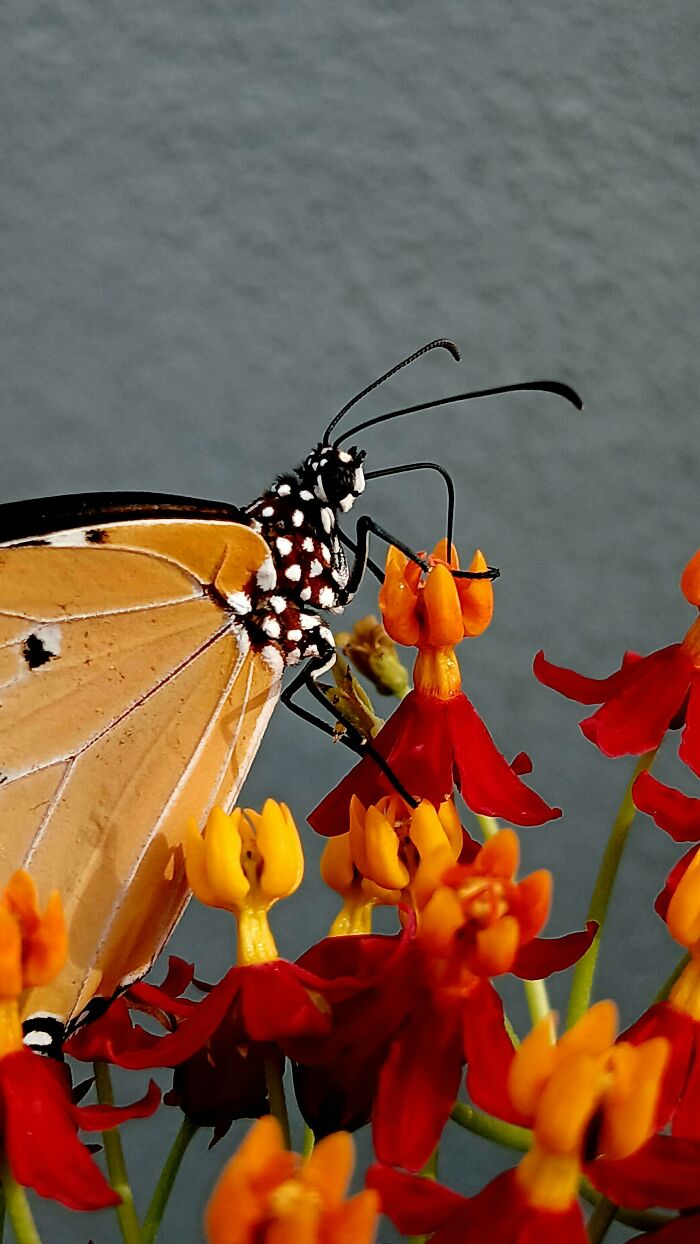
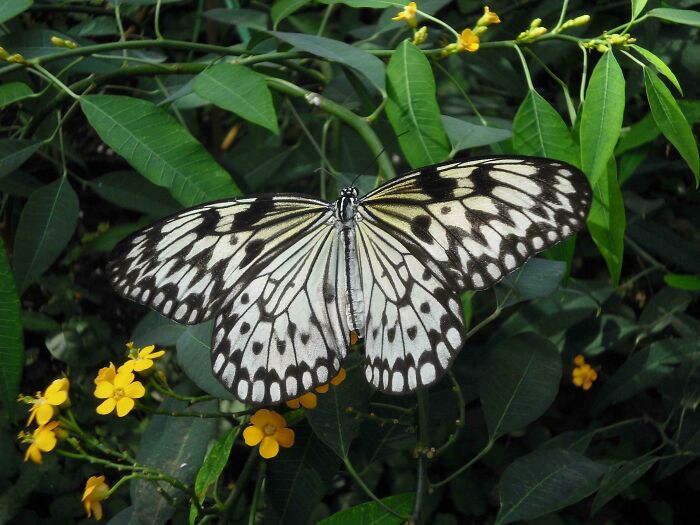
I was going to post that this is NOT a monarch, but when I was looking up images of orange butterflies with less black wing-patterning like this one, I found that it actually IS an AFRICAN monarch. Cool: learn something new every day!
Somebody's packing breakfast, second breakfast, elevensies, and luncheon.
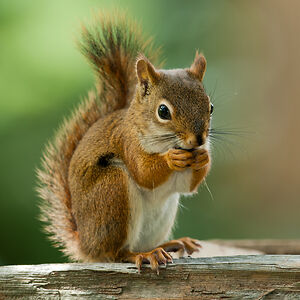
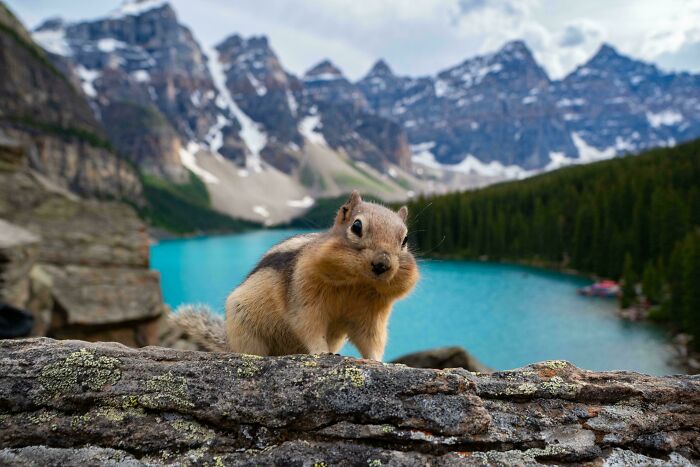
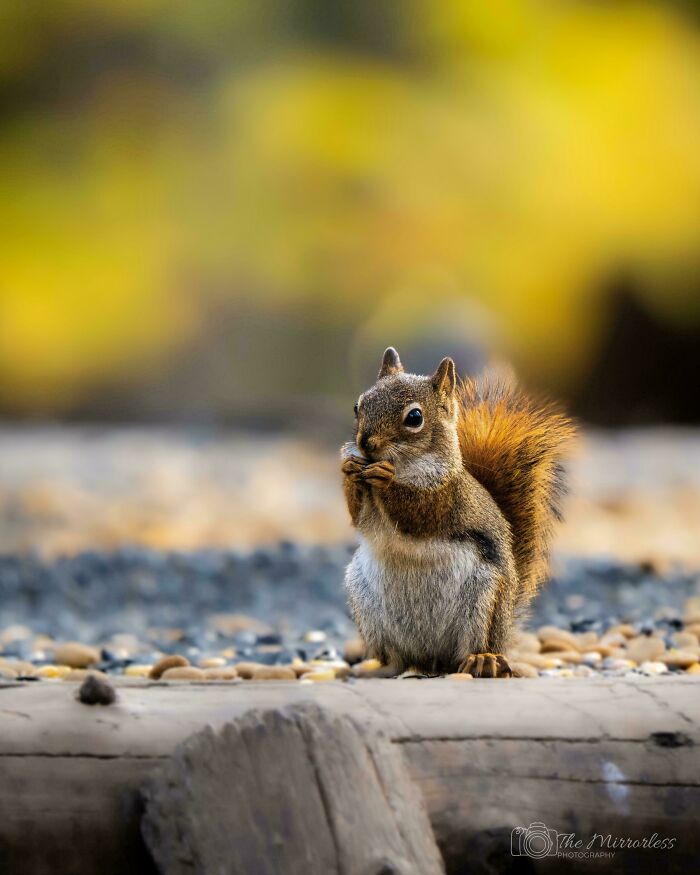
Different species than the eurasian red squirrel. They can be nasty little guys. Grey squirrels avoid them.

In ten million years, "monday morning again, time to go to work... 😶" obviously not in English though.. 🙃

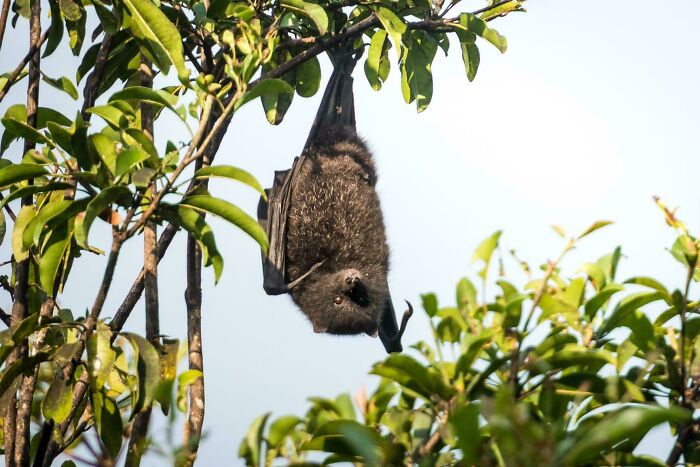
These guys are native to where I live. You can hear them calling on warm nights

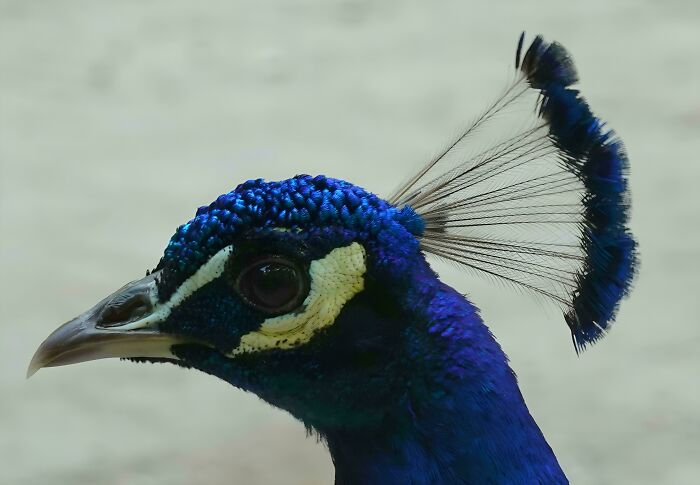
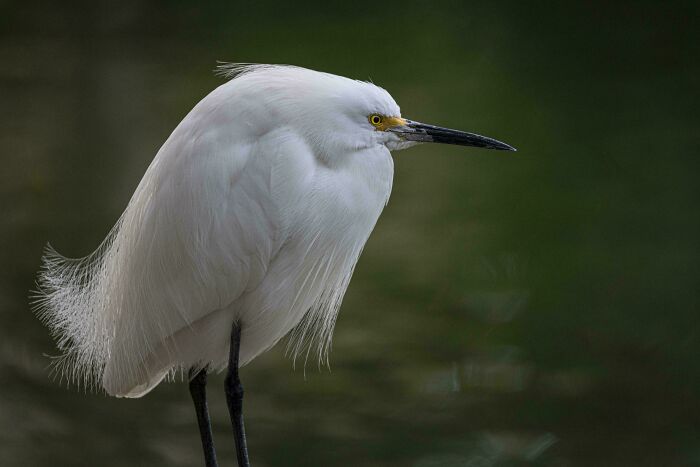
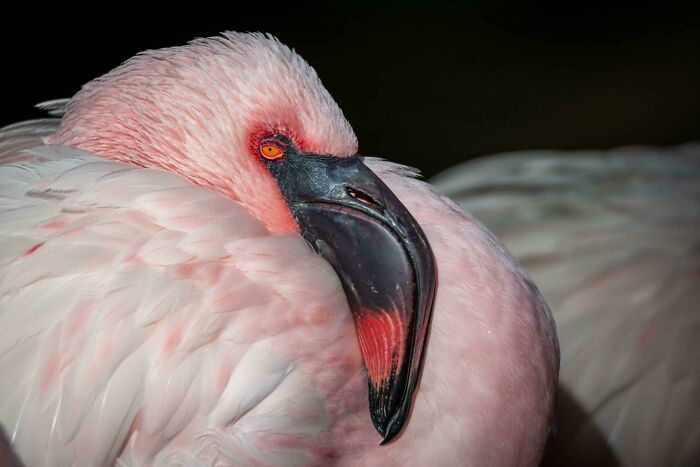
I believe this is a repeat, but it's still a lovely bird. Edit: OK, it's not a repeat, it's just a different angle.

Beautiful pictures, but BP please learn: genus and species names are conventionally written in italics, with no capital letter for the species.
They always capitalise first letter in ANY word in the titles.. (but in < i > )
Load More Replies... I wish a year had 73 months, so I can print off every one of these and use it as the picture each month. Adding to bookmarked pages.
Beautiful pictures, but BP please learn: genus and species names are conventionally written in italics, with no capital letter for the species.
They always capitalise first letter in ANY word in the titles.. (but in < i > )
Load More Replies... I wish a year had 73 months, so I can print off every one of these and use it as the picture each month. Adding to bookmarked pages.







 No fees, cancel anytime














![Toucan Enjoying The Shade In The Jungle [3024 X 4032]](https://static.boredpanda.com/blog/wp-content/uploads/2026/02/69928514e9f28_c15ssan3u8cg1-jpeg__700.jpg "Toucan Enjoying The Shade In The Jungle [3024 X 4032]")