Get Premium
Dark mode theme is available exclusively for premium users. Learn more about the benefits of subscribing.
No fees, cancel anytime.

 Dark Mode Ad-Free Browsing Unlimited Content
 Ad-Free Browsing Unlimited Content Dark Mode
Join 1.2 million Panda readers who get the best art, memes, and fun stories every week!

13submissions
1week left

Behind every chart-topping anthem lies a hidden narrative often obscured by catchy melodies and powerful vocals. While listeners frequently interpret lyrics through their own experiences, the true origins of these iconic tracks range from deeply personal tragedies to spontaneous moments.
From accidental ad-libs to secret feuds, let’s discover surprising backstories behind 20 famous songs that will forever transform how you hear them.
Click here & follow us for more lists, facts, and stories.
This post may include affiliate links.
Parton’s I Will Always Love You is often mistaken for a traditional breakup song, but it was written as a professional farewell to her mentor, Porter Wagoner.
After seven years on his television show, Parton felt ready for a solo career but struggled to deliver the news. She recalled in The Tennessean, "How am I gonna make him understand... that I have to go?"
She decided to write her way out, and when she sang it for him, Wagoner burst into tears.
Decades later, Whitney Houston’s legendary cover left Parton stunned. The latter admitted, "I almost wrecked [my car]. I couldn't believe my little country sad song could even be done like that."
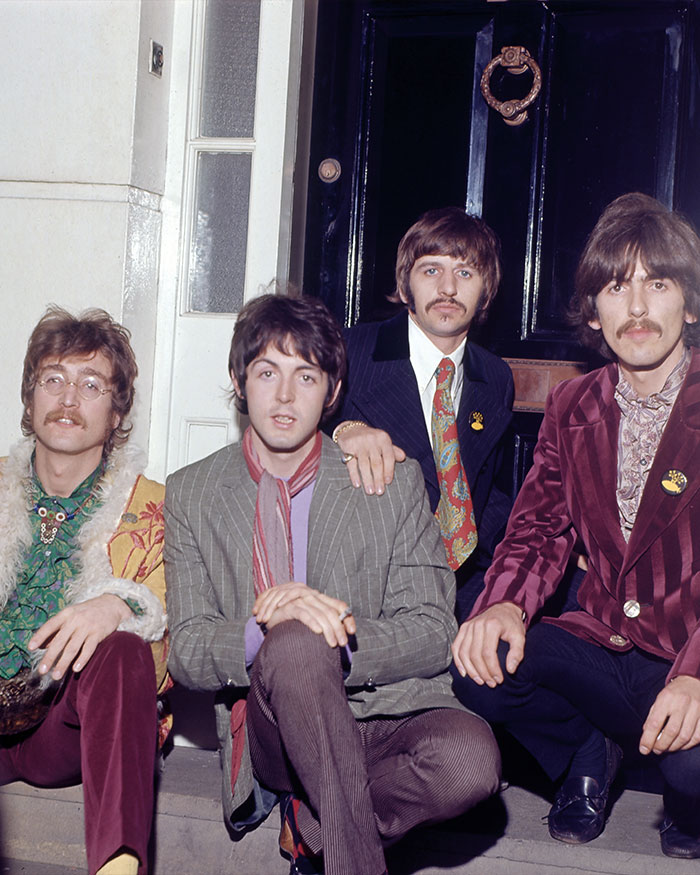
Paul McCartney wrote Hey Jude in 1968 to comfort John Lennon’s son, Julian, during his parents’ divorce.
McCartney originally titled the track, Hey Jules, explaining, "I knew it was not going to be easy for him. I always feel sorry for kids in divorces."
However, he later changed the name to Jude for a better musical flow. Interestingly, Lennon initially believed the song was written for him, interpreting the lyrics “Go out and get her” as McCartney’s subconscious approval of his relationship with Yoko Ono.
Despite its origins, the seven-minute masterpiece became a universal anthem of hope.
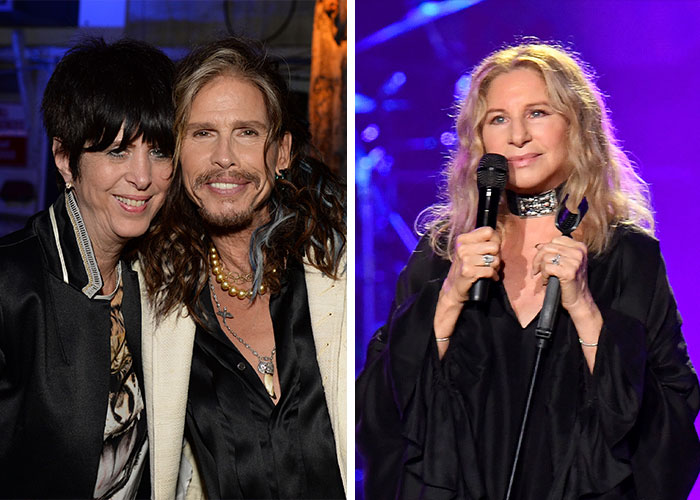
Diane Warren’s I Don’t Want to Miss a Thing was inspired by a 1998 interview between Barbara Walters and Barbra Streisand. During the segment, Streisand shared that her husband, James Brolin, once told her, "I don’t want to fall asleep 'cause then I’ll miss you."
Warren was moved by this sentiment and composed the track on her piano, though she never imagined a rock band like Aerosmith would eventually record it.
Ironically, Warren admitted she could not personally relate to the lyrics, joking that if a partner actually stayed up all night to hear her breathing, she would find it incredibly creepy.
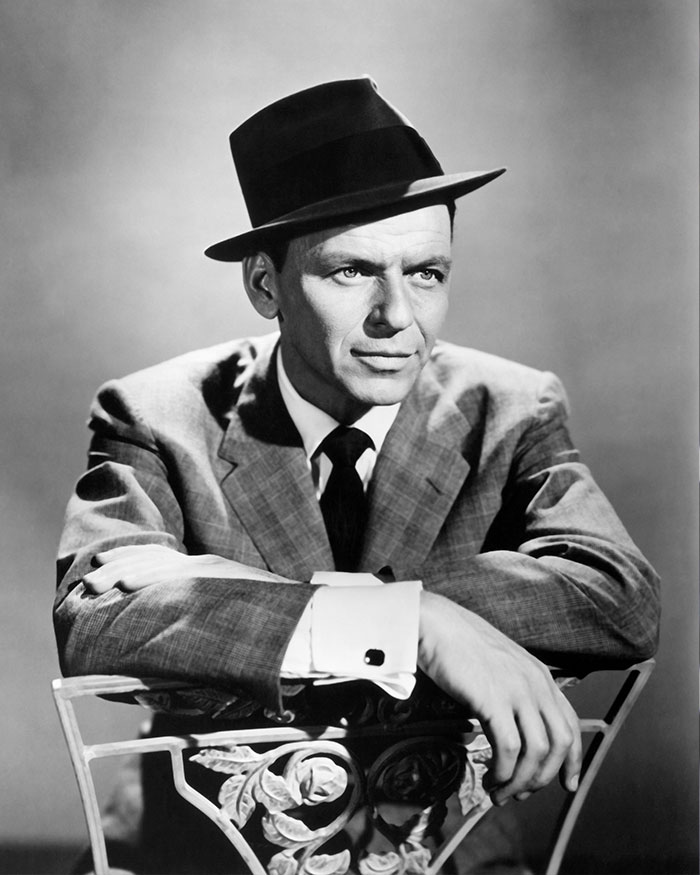
Sinatra’s iconic anthem My Way had an unexpectedly tangled origin story rooted in French pop and artistic rivalry.
The song began as “Comme d’Habitude,” written by Claude François after his breakup with singer France Gall following her Eurovision success.
Sinatra later heard the French hit and commissioned an English version, eventually bringing in Paul Anka to rework it into what became My Way.
An early songwriter on the project was David Bowie, whose drafts were rejected. After hearing the finished song later, Bowie was so frustrated that he reworked its chords into what became Life on Mars?
Harry Styles’ Falling was created in a surprisingly spontaneous manner. The singer revealed to Zane Lowe that the track took only 20 minutes to write while he was at songwriter Thomas Hull’s house.
He explained that the inspiration struck when he was preparing for a dinner out and had just stepped out of the shower.
He recalled the moment during an interview with Apple Music in 2019, "As I came out of the shower, [Hull] was playing. I went and stood next to him at the piano, just in a towel, and we just wrote the whole thing."
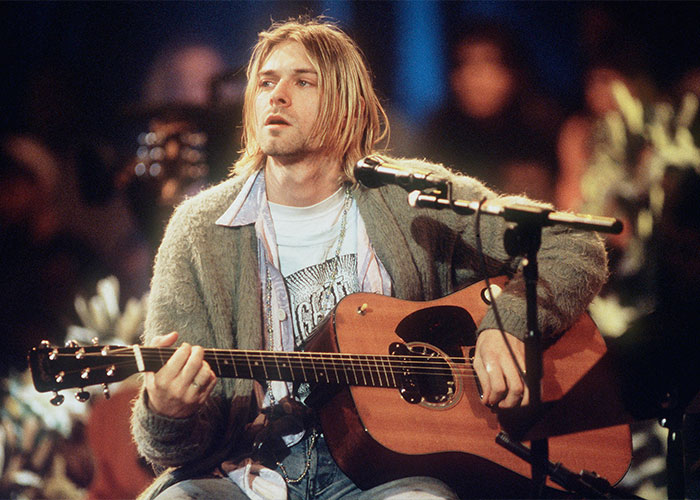
The origins of Smells Like Teen Spirit date back to a chaotic 1990 night involving Kurt Cobain and Bikini K*ll’s Kathleen Hanna.
After vandalizing what Hanna called a “fake abortion clinic,” the pair ended up at Cobain’s apartment, where Hanna spray-painted the phrase “Kurt smells like teen spirit.”
Months later, Hanna recalled Cobain telling her, “There’s a thing you wrote on my wall… It’s actually quite cool, and I want to use it,” via Rolling Stone.
Cobain later shared he was trying to write “the ultimate pop song”, drawing heavily from Pixies-style quiet-loud dynamics.
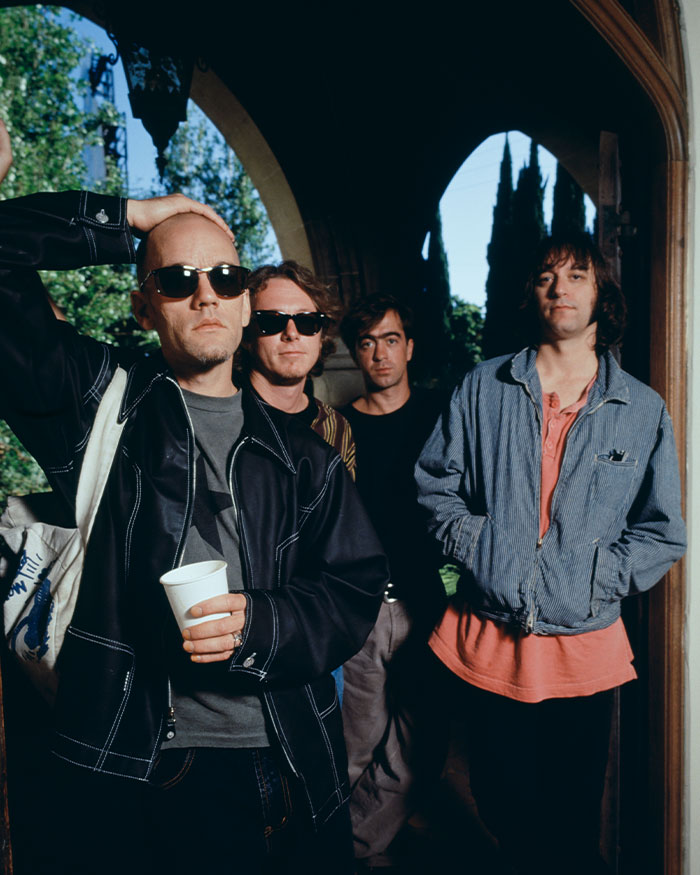
While many listeners assumed Losing My Religion was an autobiographical confession, lead singer Michael Stipe revealed that a single word change altered the song’s entire perception.
Stipe originally wrote the line as “That’s me in the corner, that’s me in the kitchen,” envisioning a shy wallflower at a party.
However, he changed “kitchen” to “spotlight”, which he said “instantly made the song about me.”
He further explained during a chat with producer Rick Rubin for the Broken Record Podcast that the track is actually about unrequited love existing only in one’s mind.
"He doesn't know whether he's said too much or hasn't said enough."
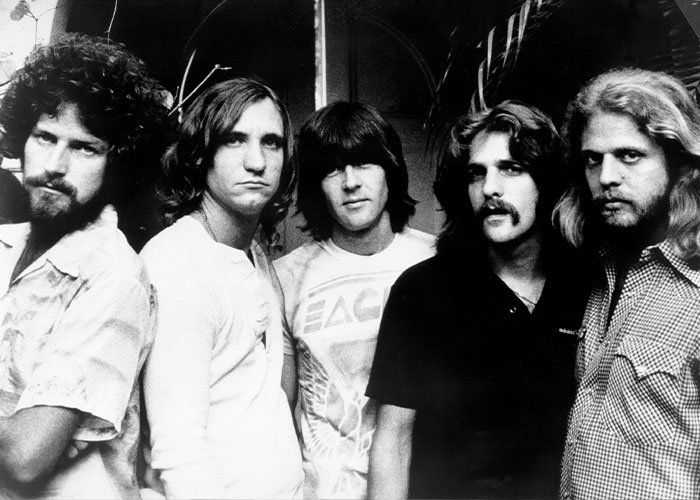
The 1976 masterpiece Hotel California has been the subject of wild urban legends involving the occult, but its true meaning is a critique of American decadence.
Don Henley clarified the song’s intent, stating in 2007, "It's a song about the dark underbelly of the American Dream, and about excess in America, which was something we knew about."
To create a cinematic, Twilight Zone atmosphere, Glenn Frey envisioned a protagonist trapped in a “disturbing web” of strange characters.
The track also featured a playful industry jab, “they stab it with their steely knives,” which was a direct response to the band Steely Dan.
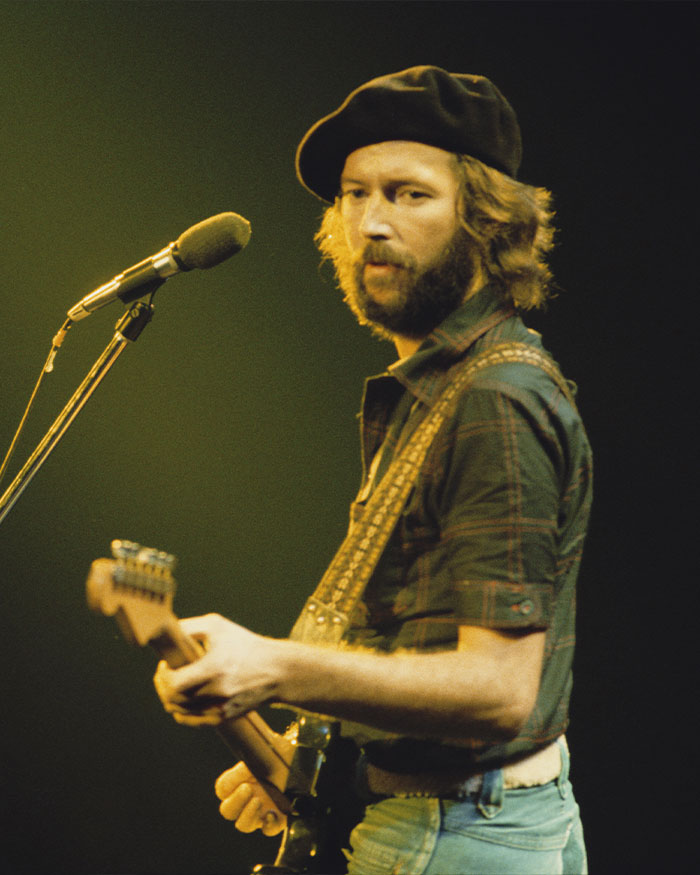
Clapton’s most haunting song Tears in Heaven was born from unimaginable loss. The track was inspired by the passing of his four-year-old son Conor, who fell from a New York City apartment window in March 1991.
Reflecting on that day, Clapton admitted, “I’ll punish myself forever about why didn’t I run? … the truth is I couldn’t. I was so frightened.”
He wrote the song for the film Rush, describing it as a way to process grief.
“It was a good opportunity for me to write about my son… and express my own feelings.” Clapton later said sharing that pain publicly became “a healing process.”
When Mars began recording When I Was Your Man, he promised it would be his last ballad.
He told Rolling Stone, “I’m never singing another ballad again,” before conceding it was “the most honest, real thing I’ve ever sang.”
The piano-led track from Unorthodox Jukebox, captured regret over a love he let slip away, built around small, missed gestures.
He later explained, “This song is about a special woman that I let slip away at one time.”
Ahead of its release, he tweeted, “I’ve never been this nervous.”
Billie Eilish’s 2024 hit Lunch catalyzed her own self-discovery. The bold, bass-heavy track compares s*xual attraction to devouring a meal, but Eilish revealed she actually began writing it before having a physical experience with a woman.
She told Rolling Stone, "I wrote some of it before even doing anything with a girl, and then wrote the rest after."
Although she had been in love with girls her entire life, the song helped her come to terms with her identity.
"That song was actually part of what helped me become who I am, to be real."
Stevie Nicks’ 2011 track Moonlight (A Vampire’s Dream) was inspired by the Twilight film saga. After watching the first two movies while on tour, Nicks became captivated by the story of Bella, Edward, and Jacob.
During an appearance on The Late Late Show With James Corden in 2016, she recalled, "I fell so in love with it that I went back to my room and I wrote this song."
Nicks also credited the franchise with saving her career during a period when she believed her time in the industry was over.
"If it hadn't been for [Twilight], I would've never made In Your Dreams.”
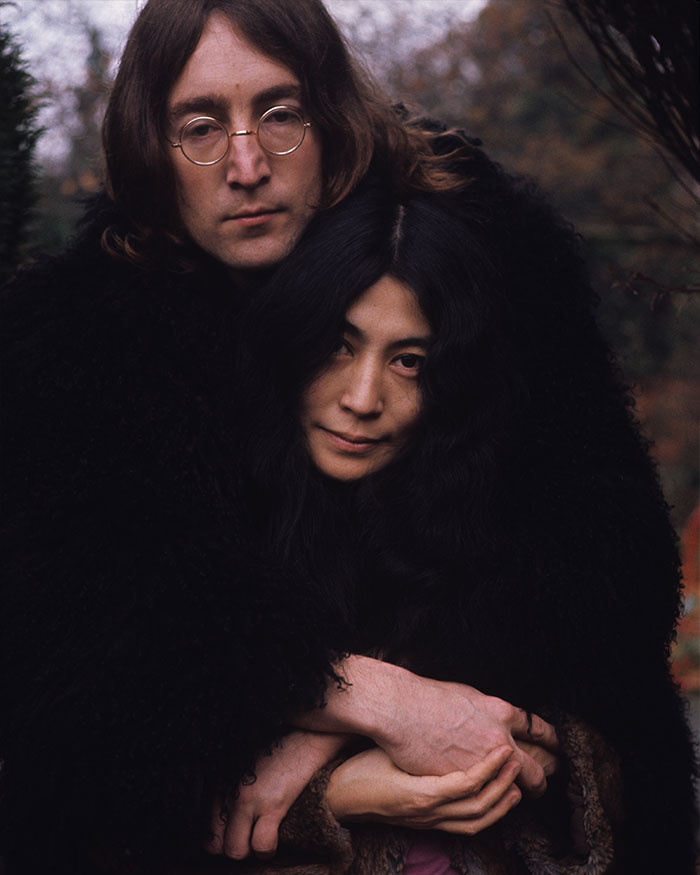
While John Lennon’s 1971 masterpiece, Imagine, is one of history’s most famous songs, Yoko Ono was denied songwriting credits for nearly five decades.
In a vintage 1980 BBC interview, Lennon confessed that the track “should be credited as a Lennon-Ono song.” He further admitted that he was “a bit more selfish” and “macho” at the time.
The lyrics of the song were heavily inspired by Ono’s 1964 poetry book, Grapefruit, which featured various “Imagine this” instructional pieces. It wasn’t until 2007 that the National Music Publishers Association officially corrected the record, recognizing Ono as a co-writer of the iconic anthem.
You might also like: Hollywood careers: 29 actors who squandered their potential



























 No fees, cancel anytime