Get Premium
Dark mode theme is available exclusively for premium users. Learn more about the benefits of subscribing.
No fees, cancel anytime.

 Dark Mode Ad-Free Browsing Unlimited Content

 Ad-Free Browsing Unlimited Content Dark Mode

Join 1.2 million Panda readers who get the best art, memes, and fun stories every week!
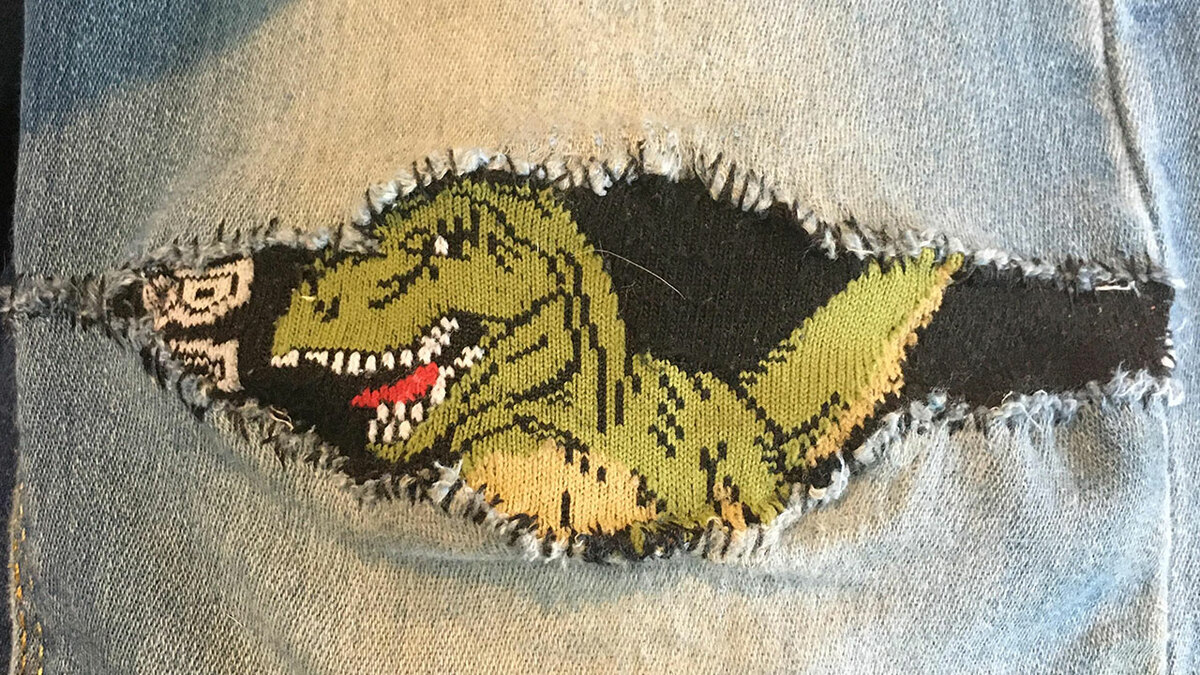
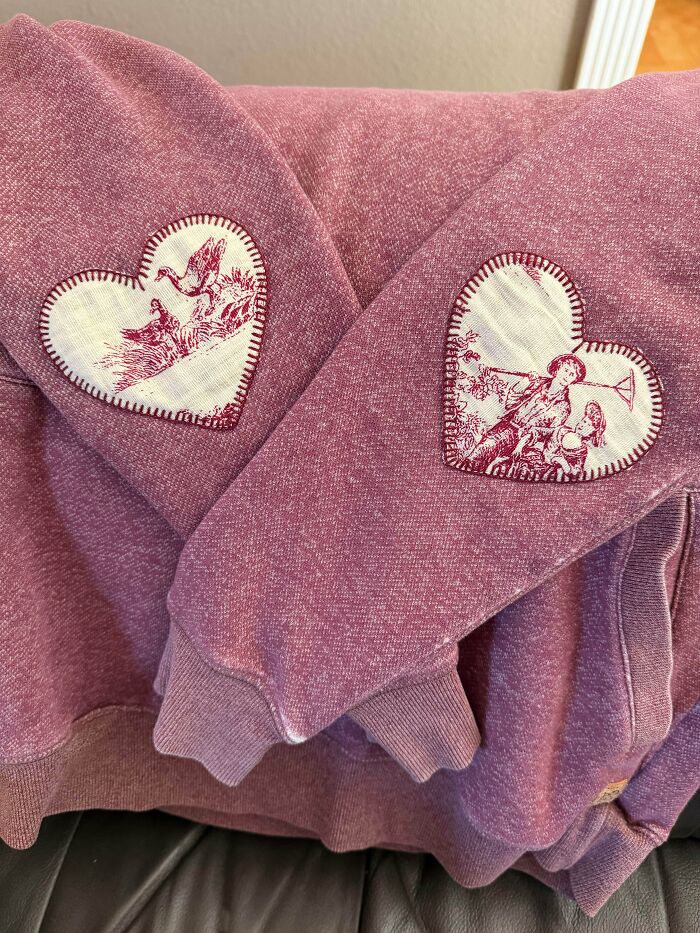
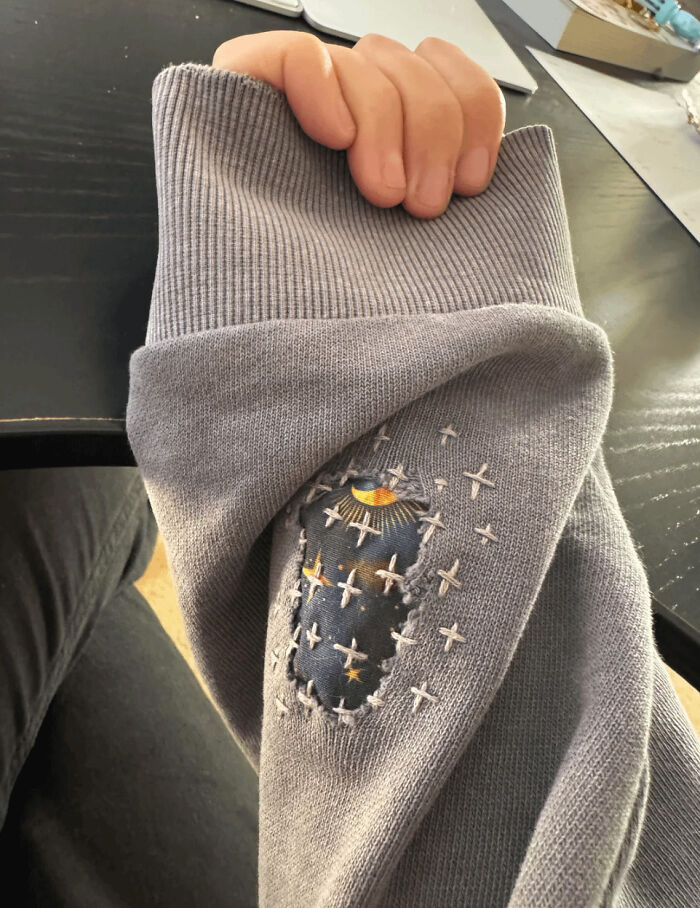
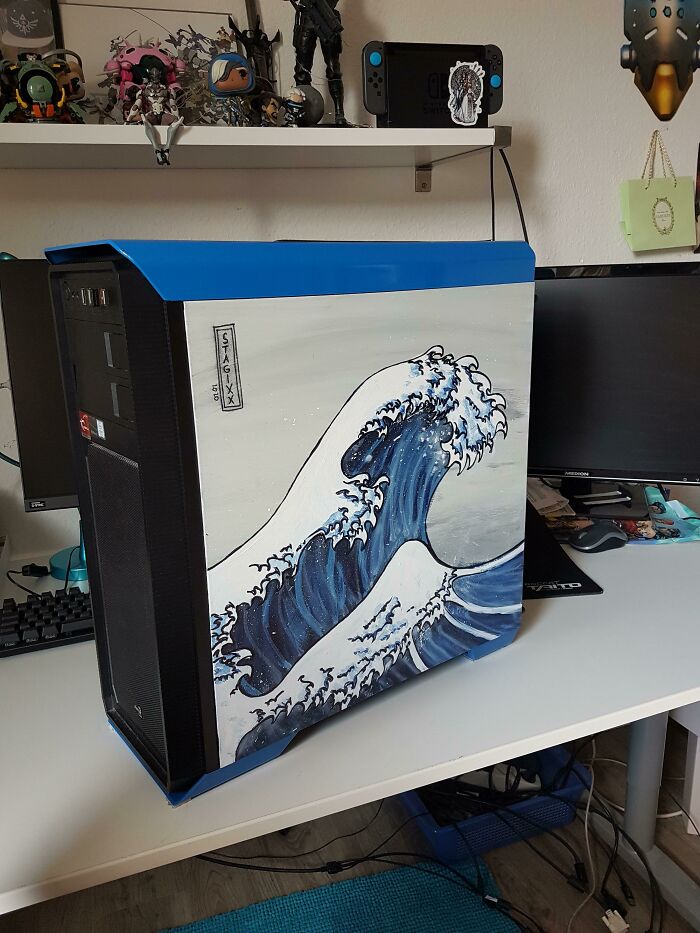
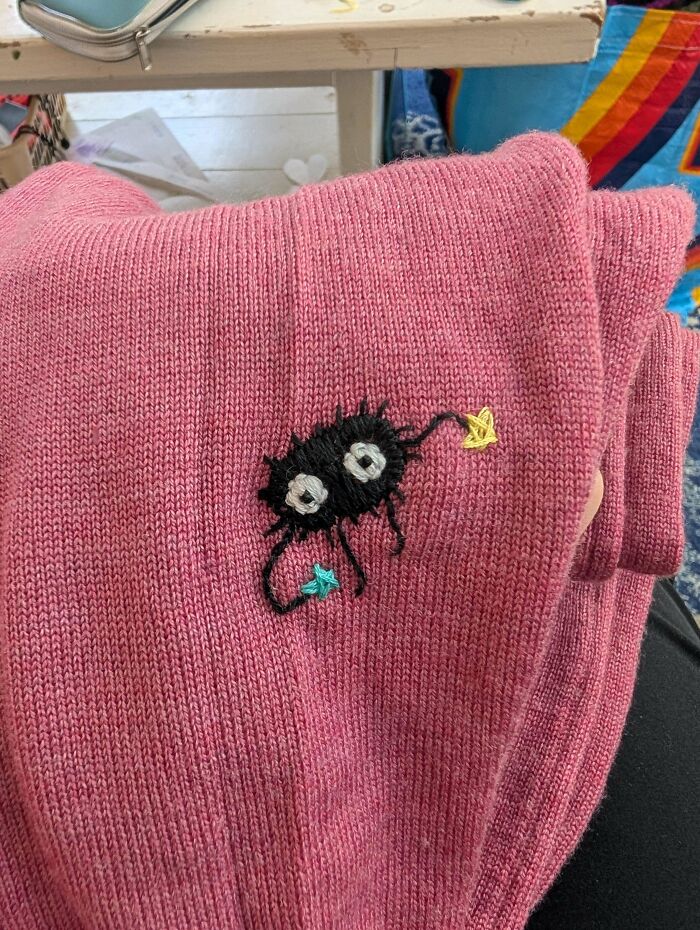
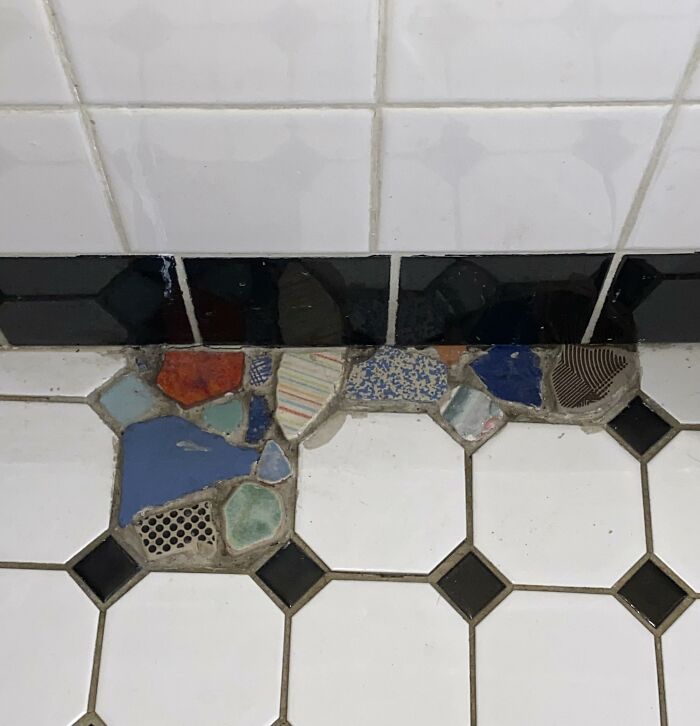
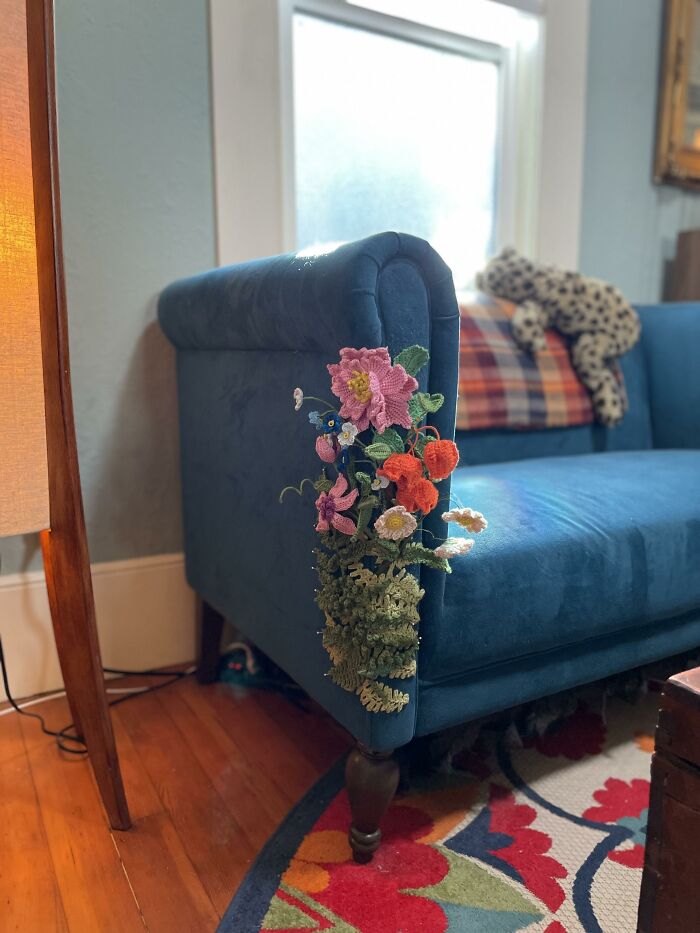
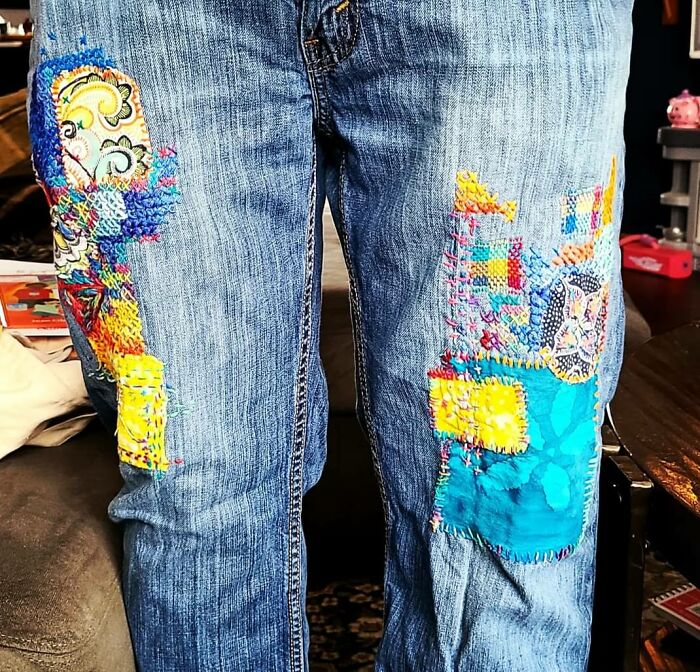
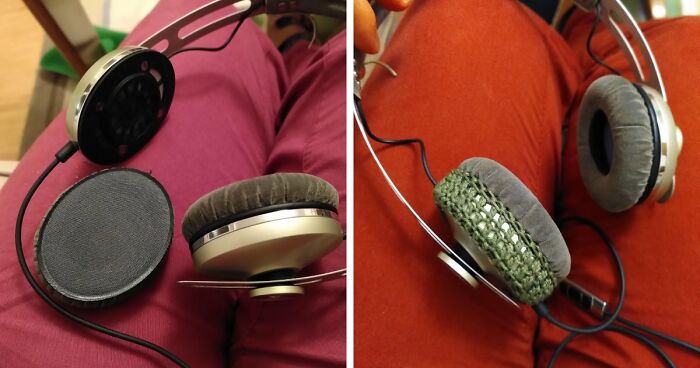
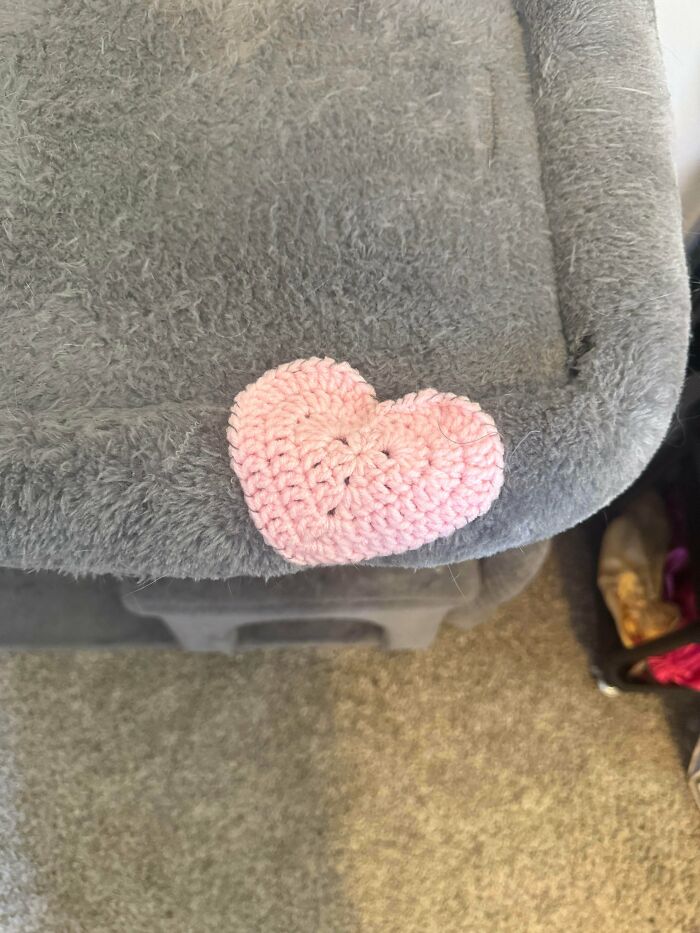
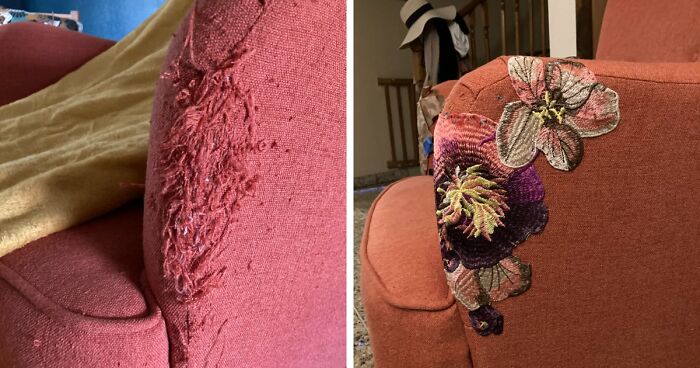
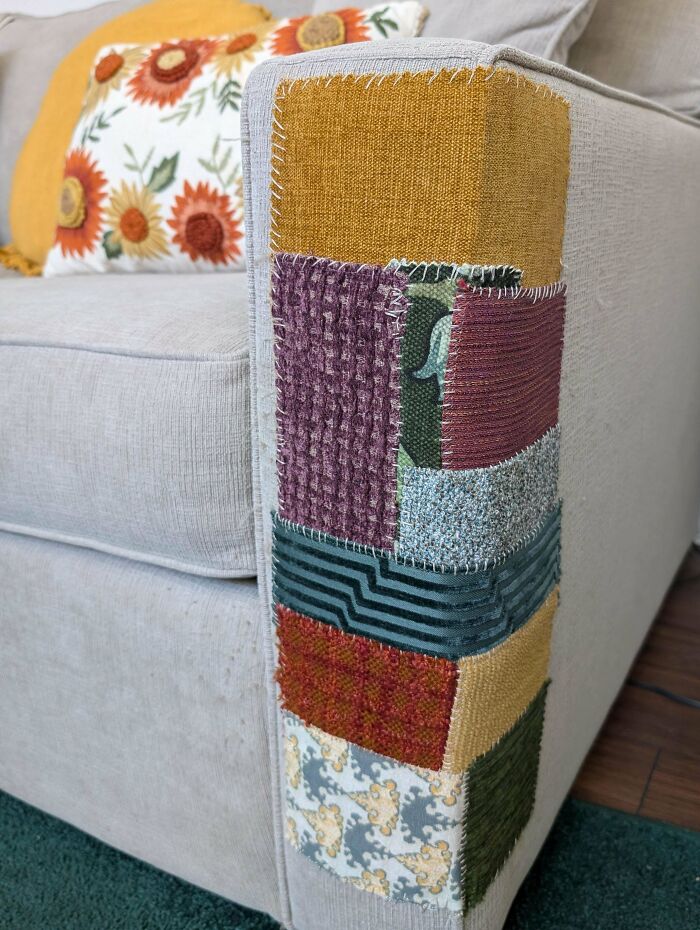
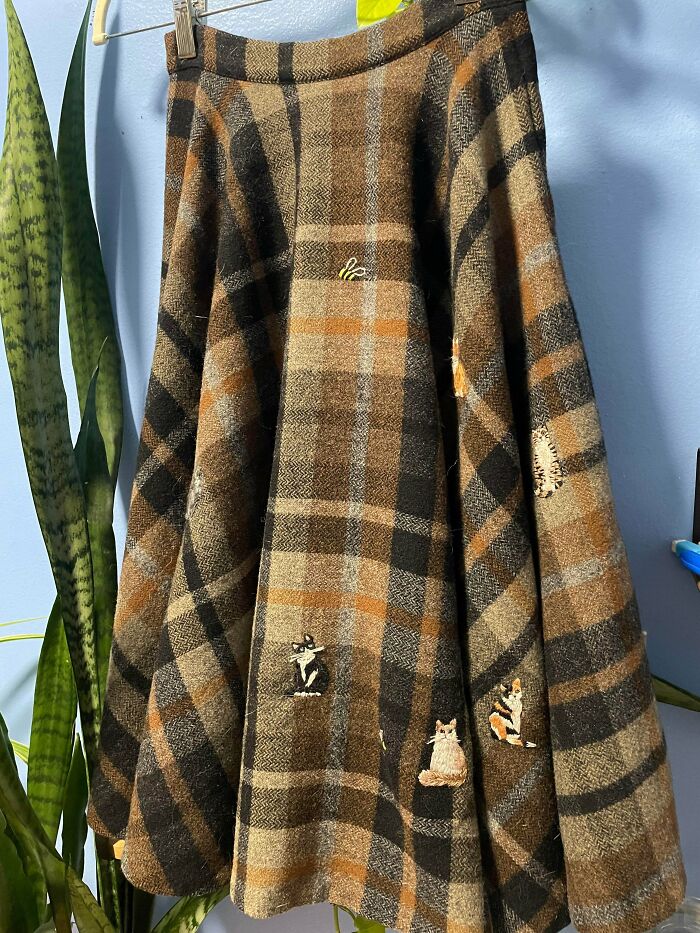
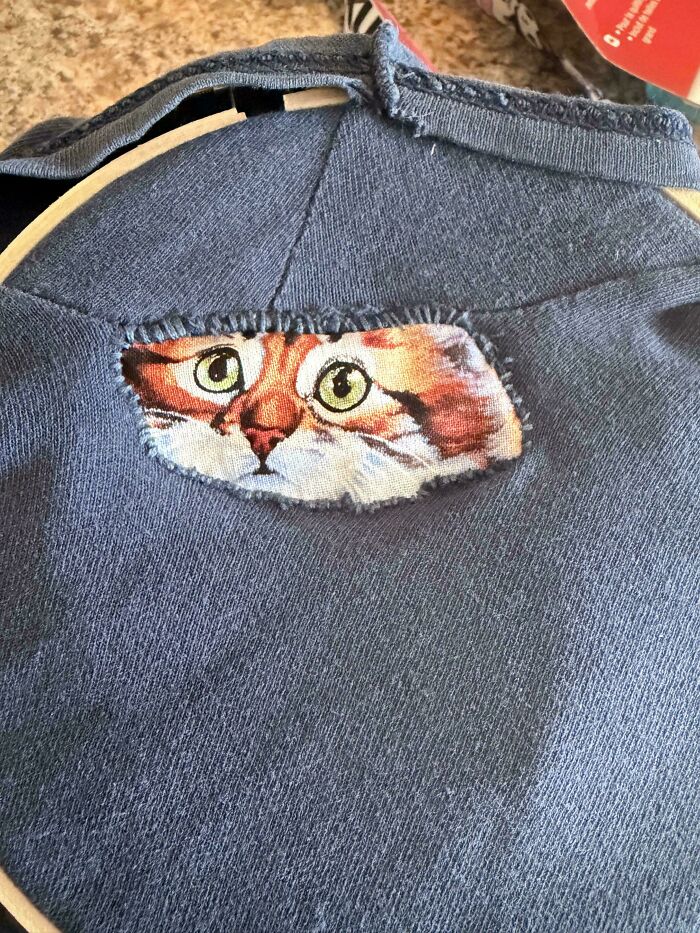
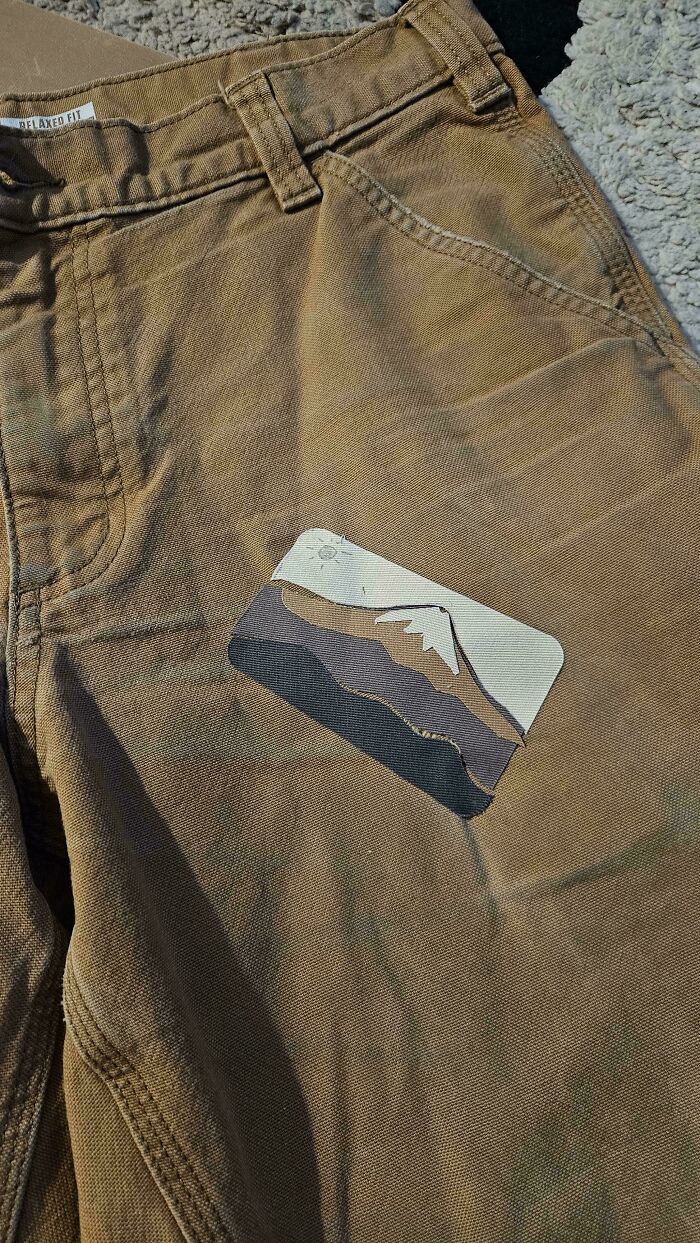
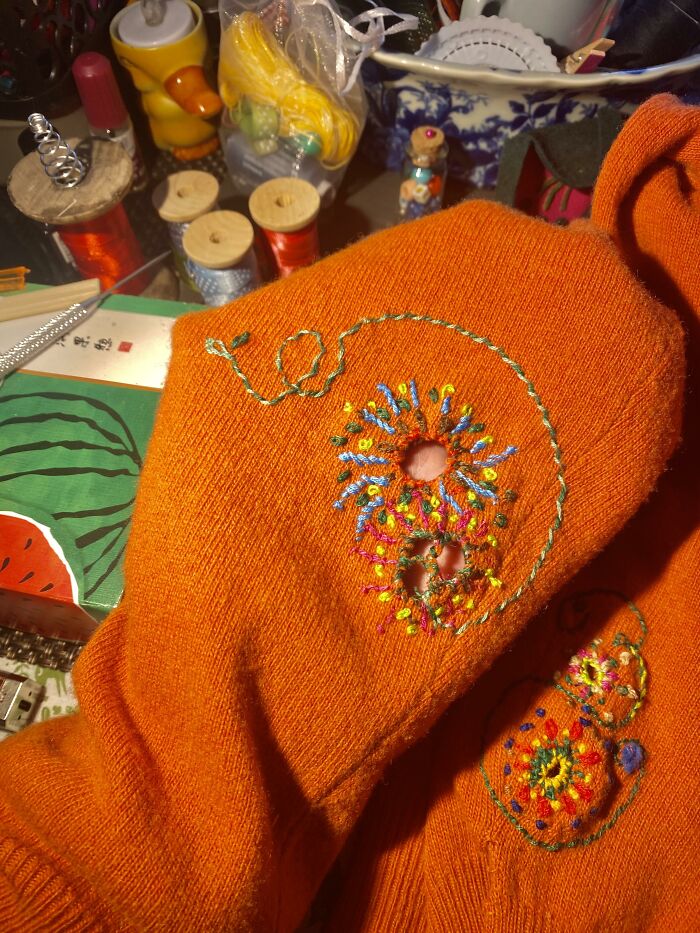
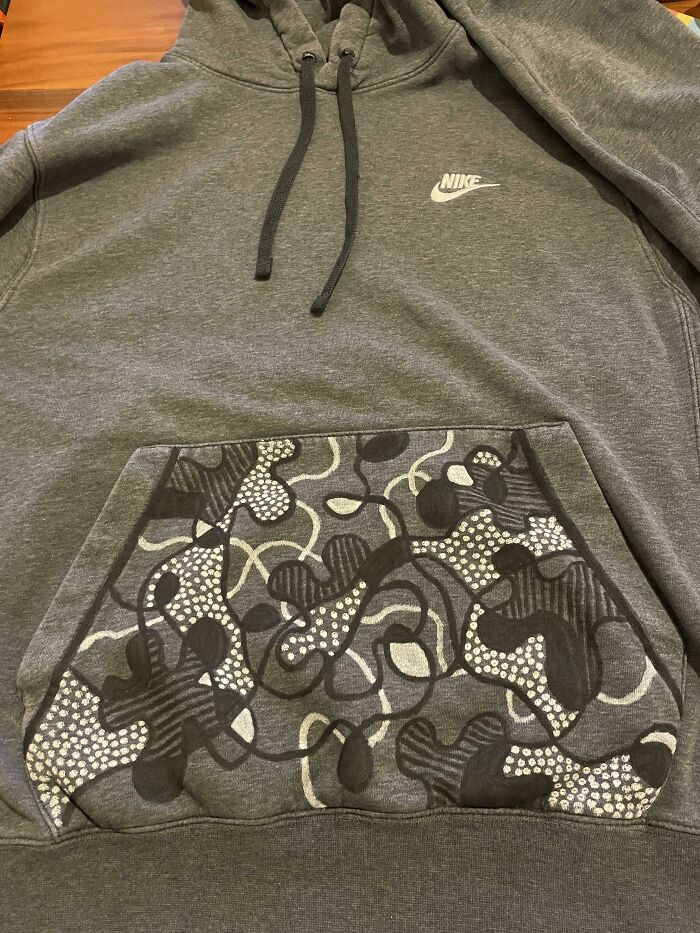
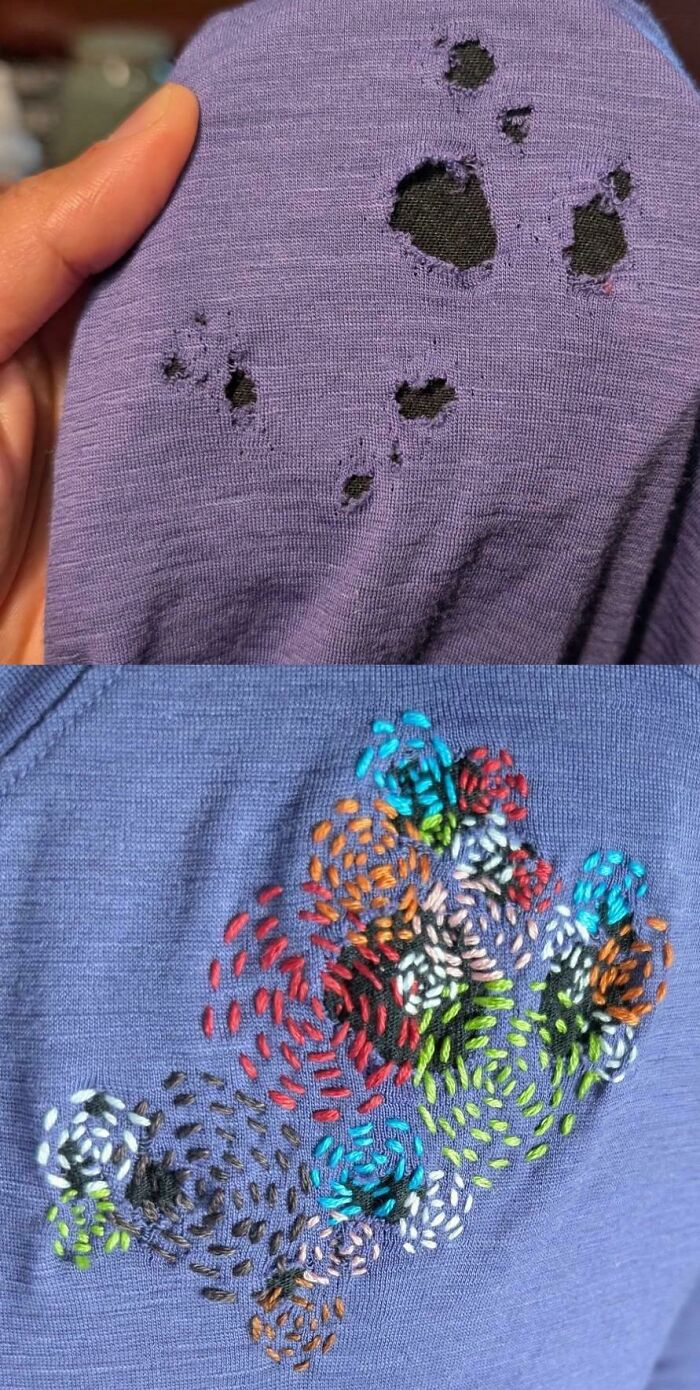
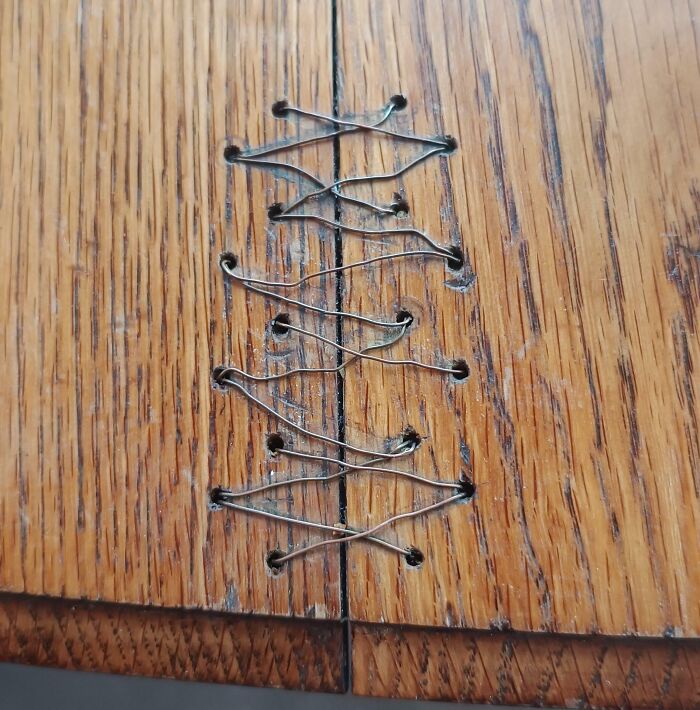
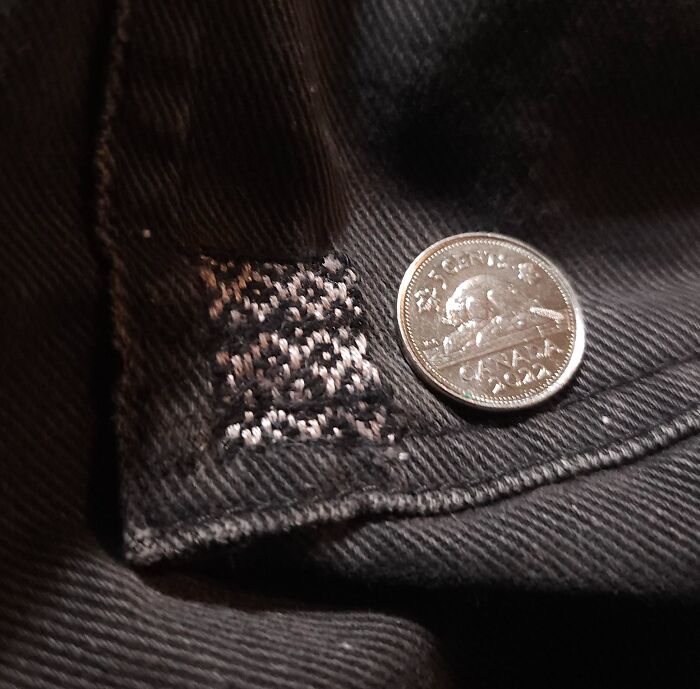
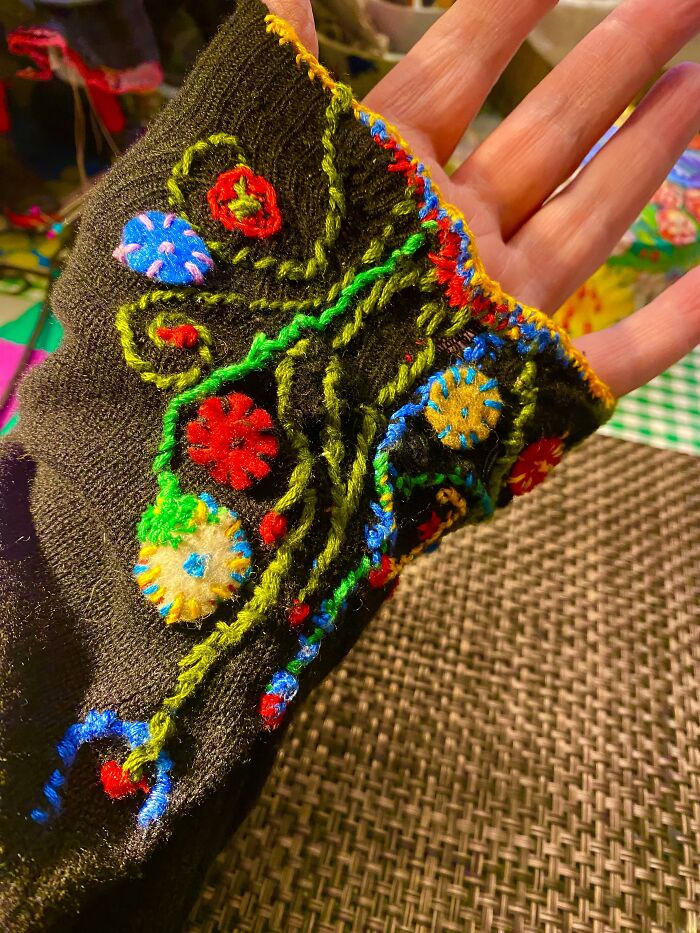
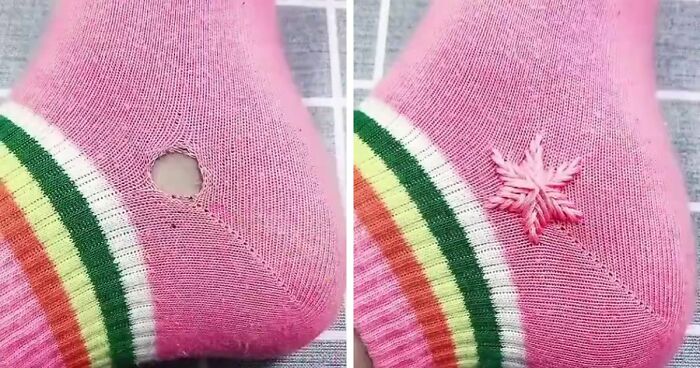
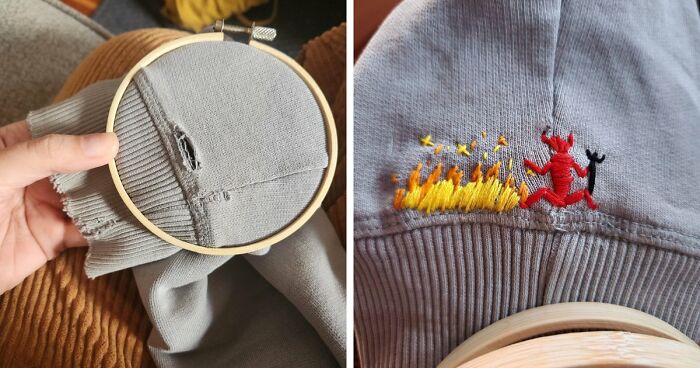
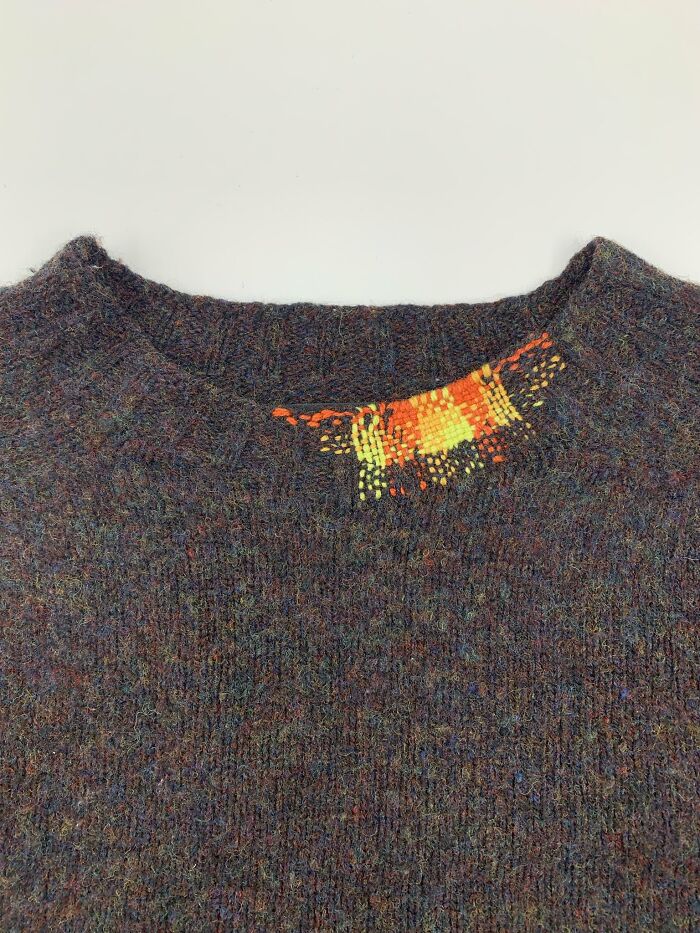
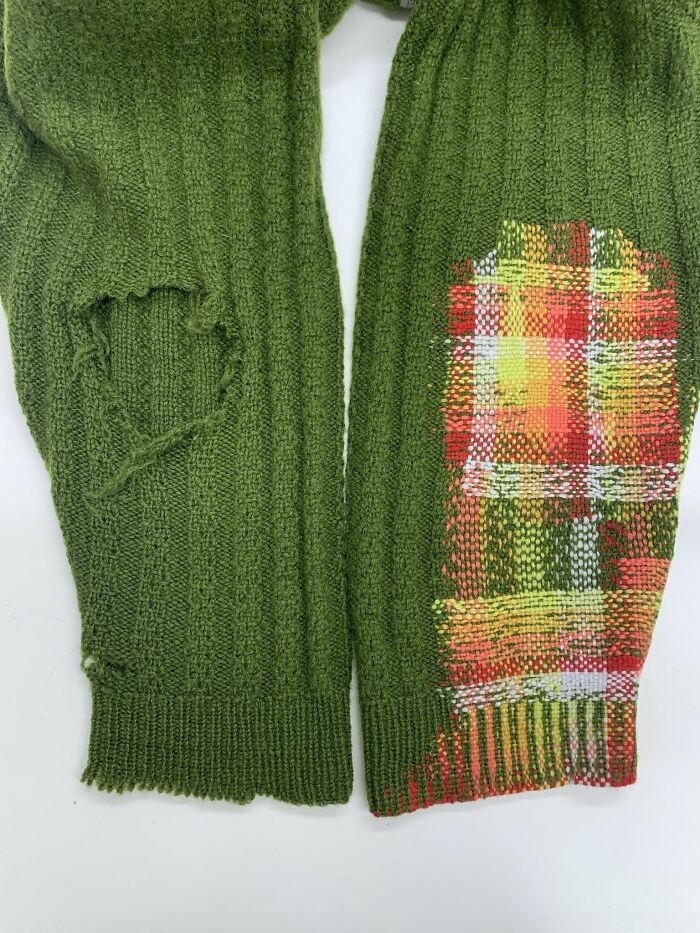
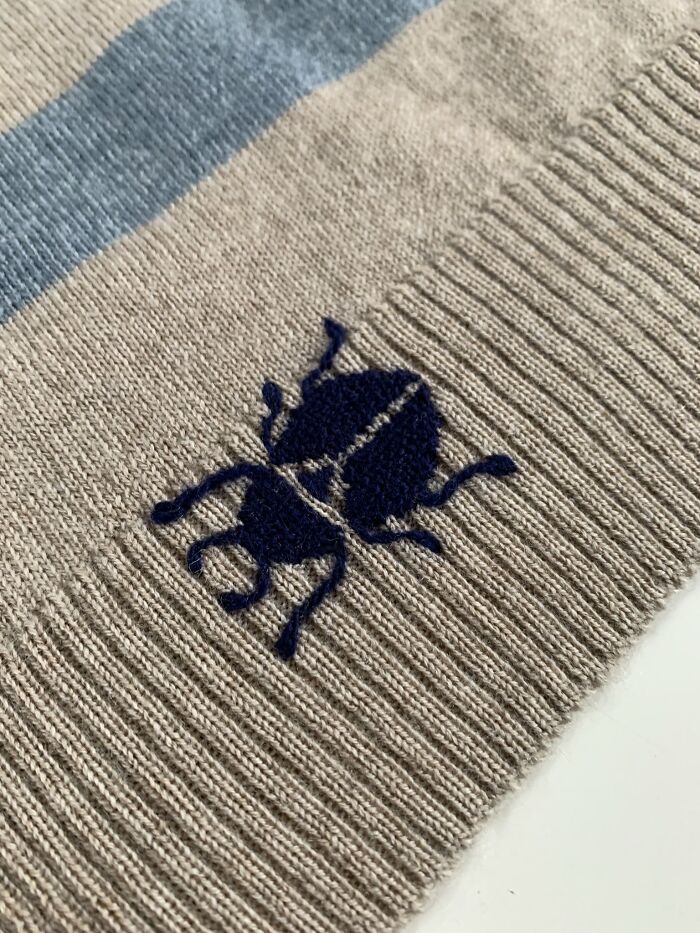
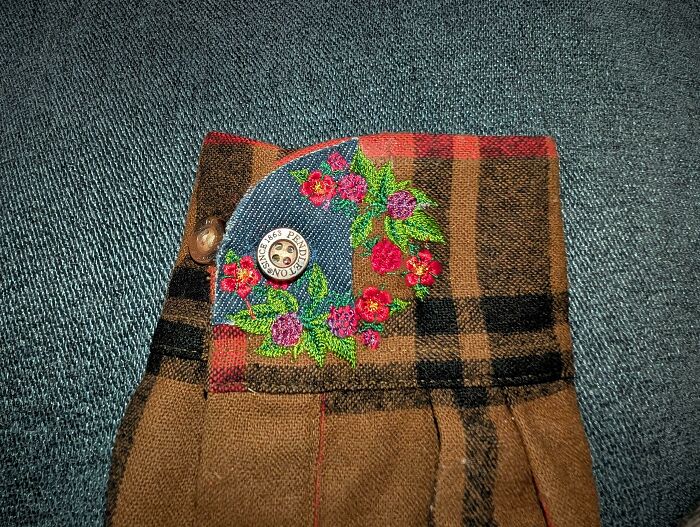
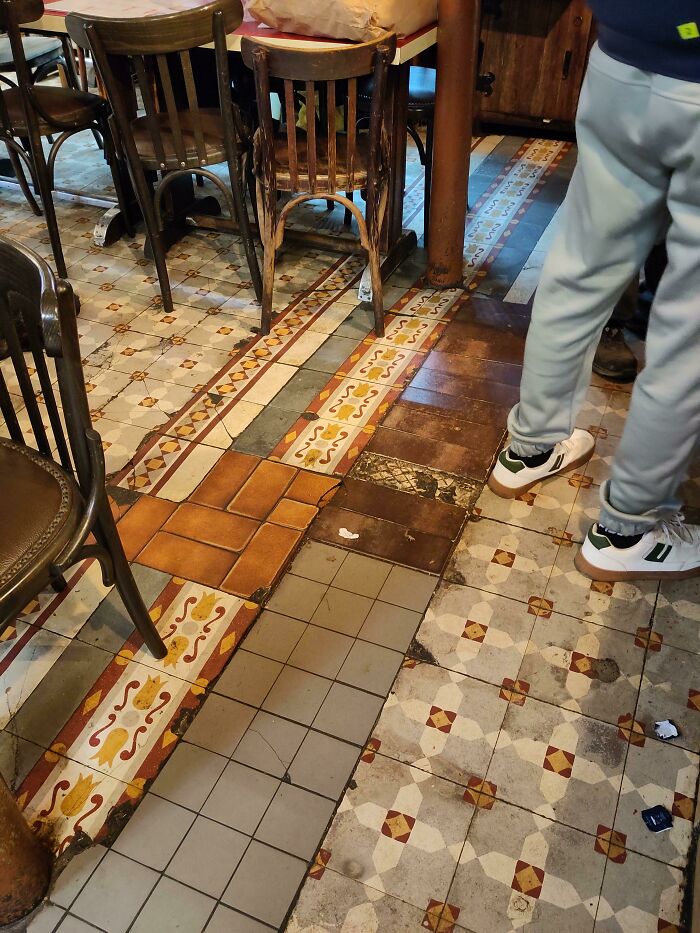
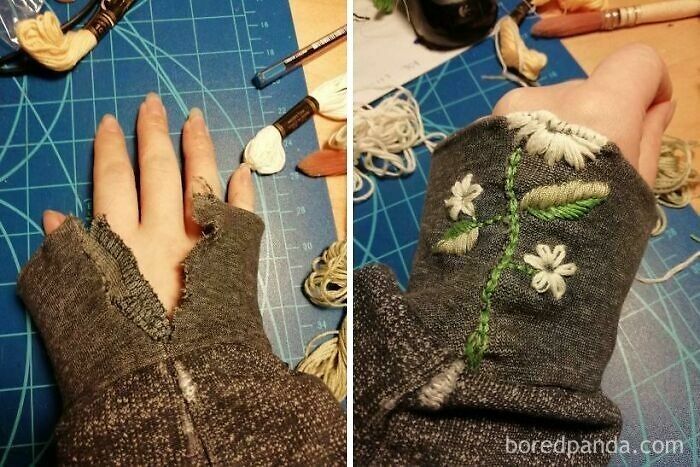
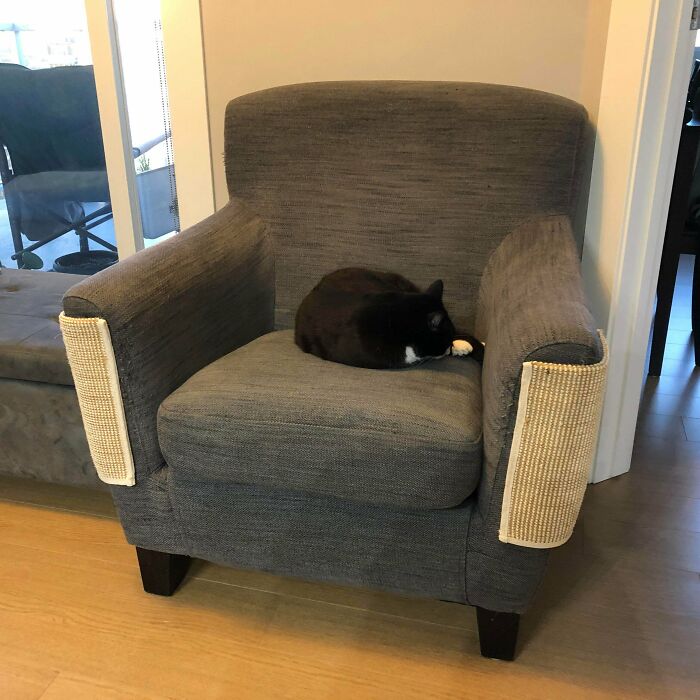
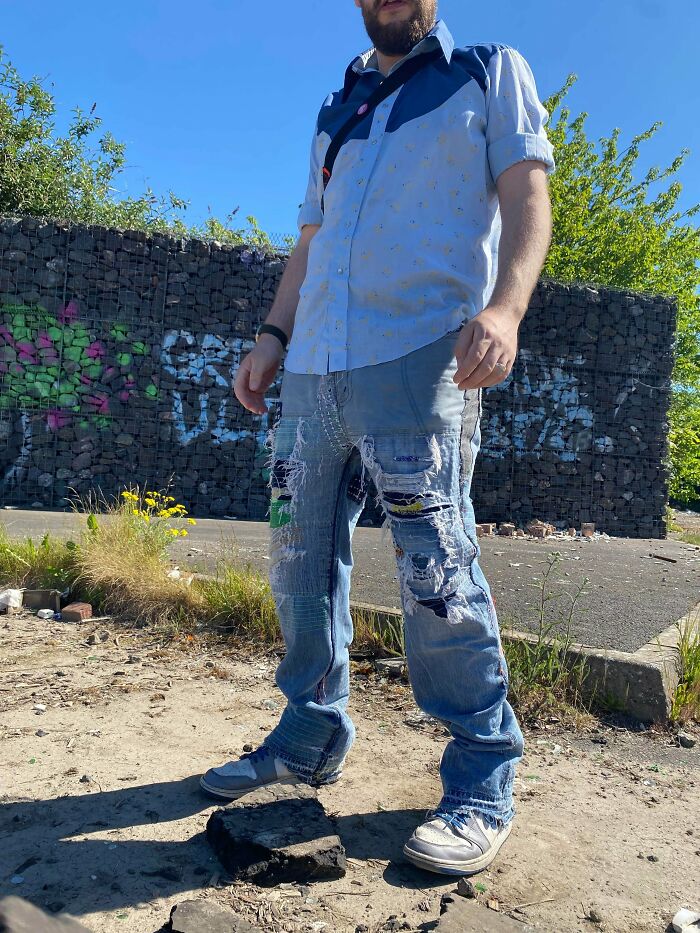
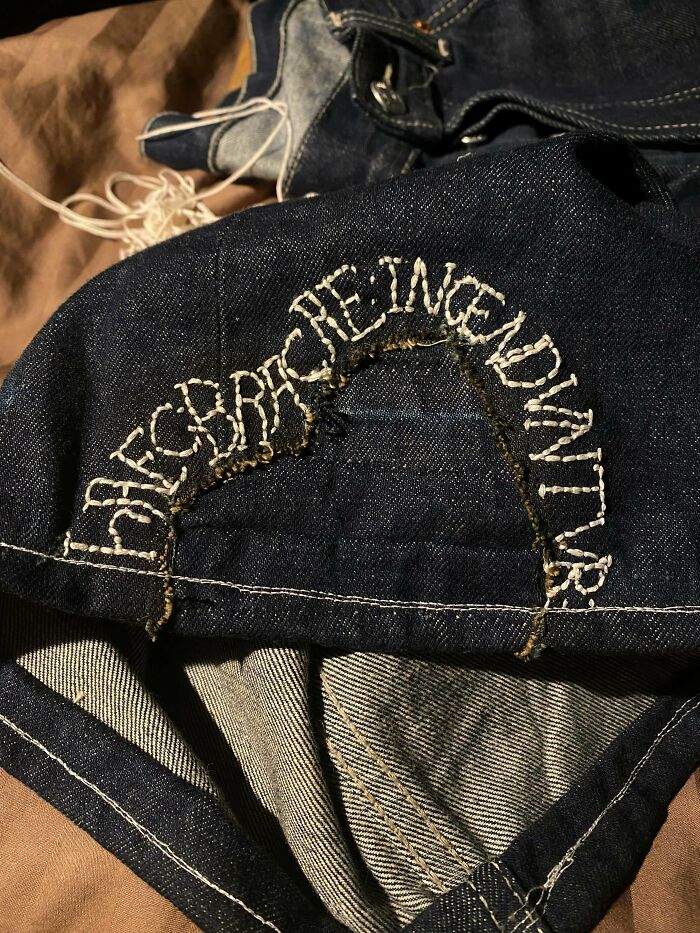
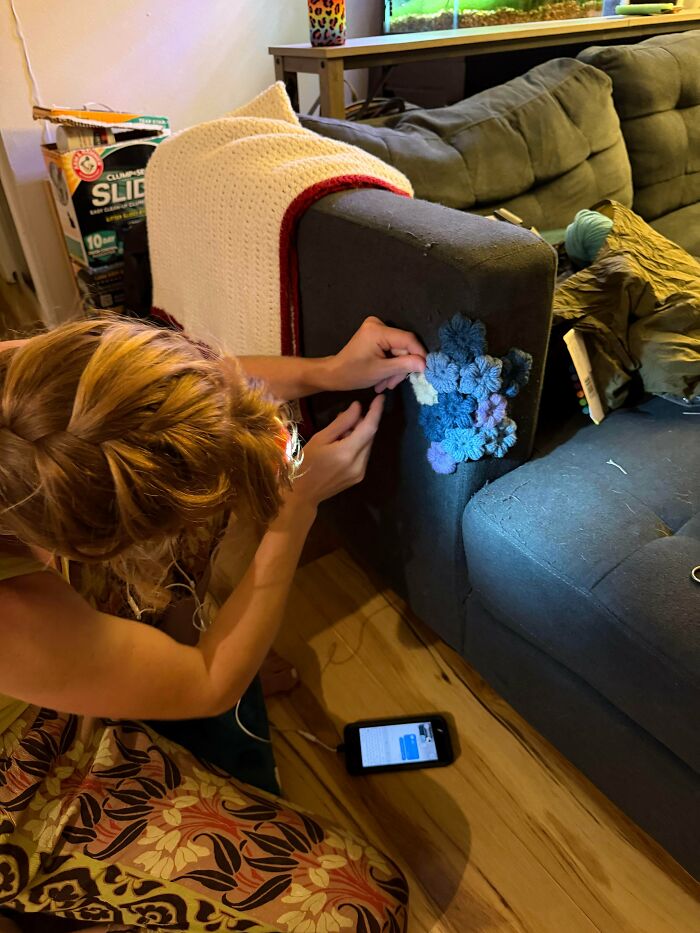
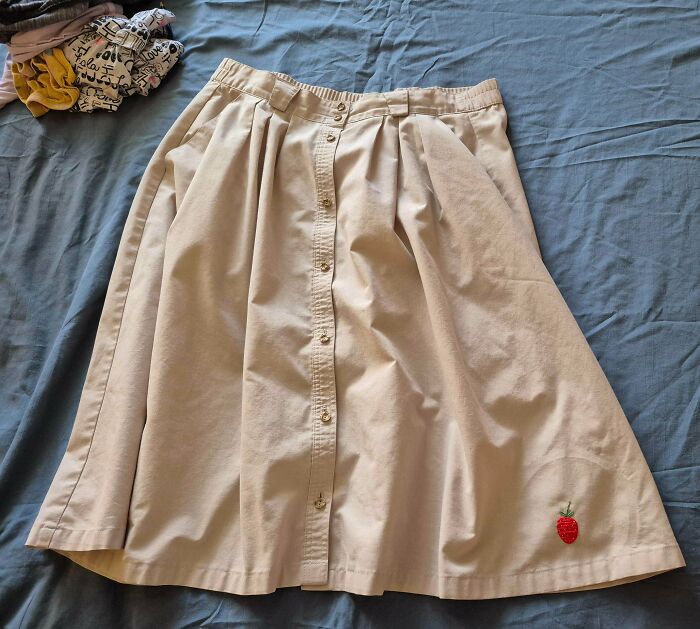
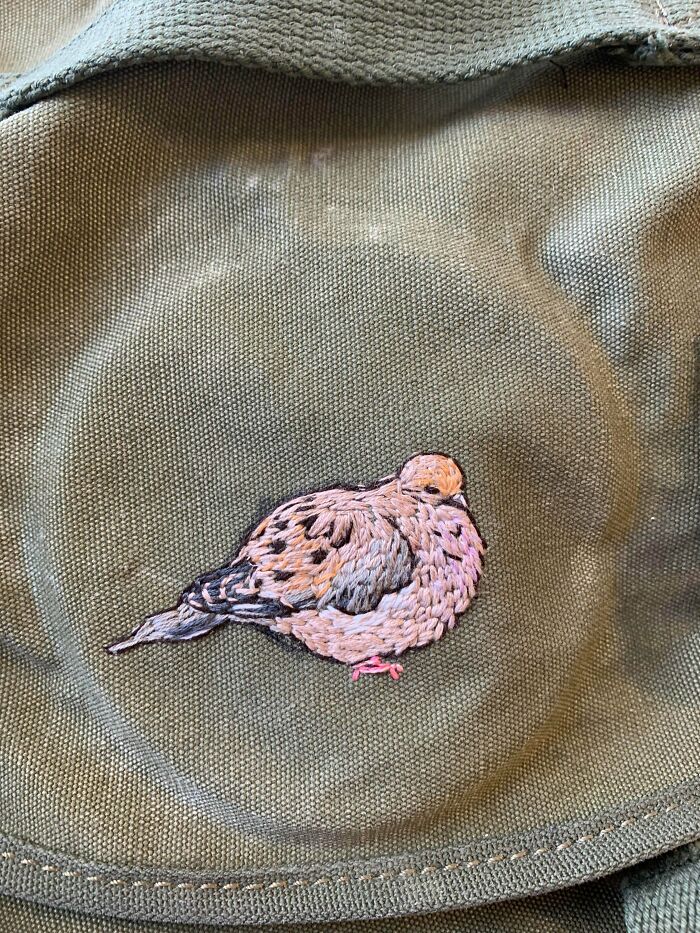
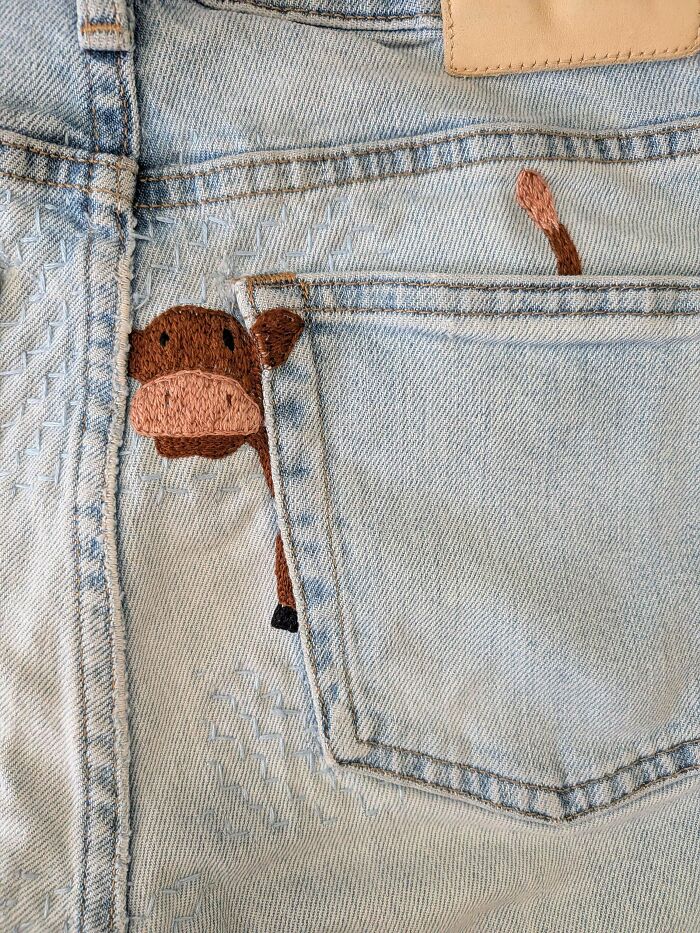
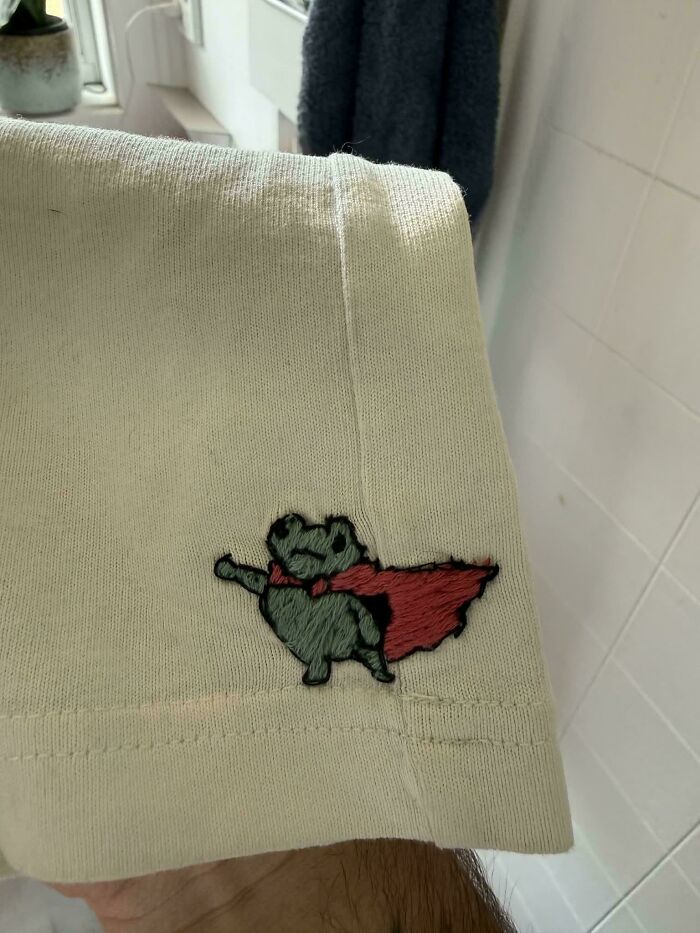
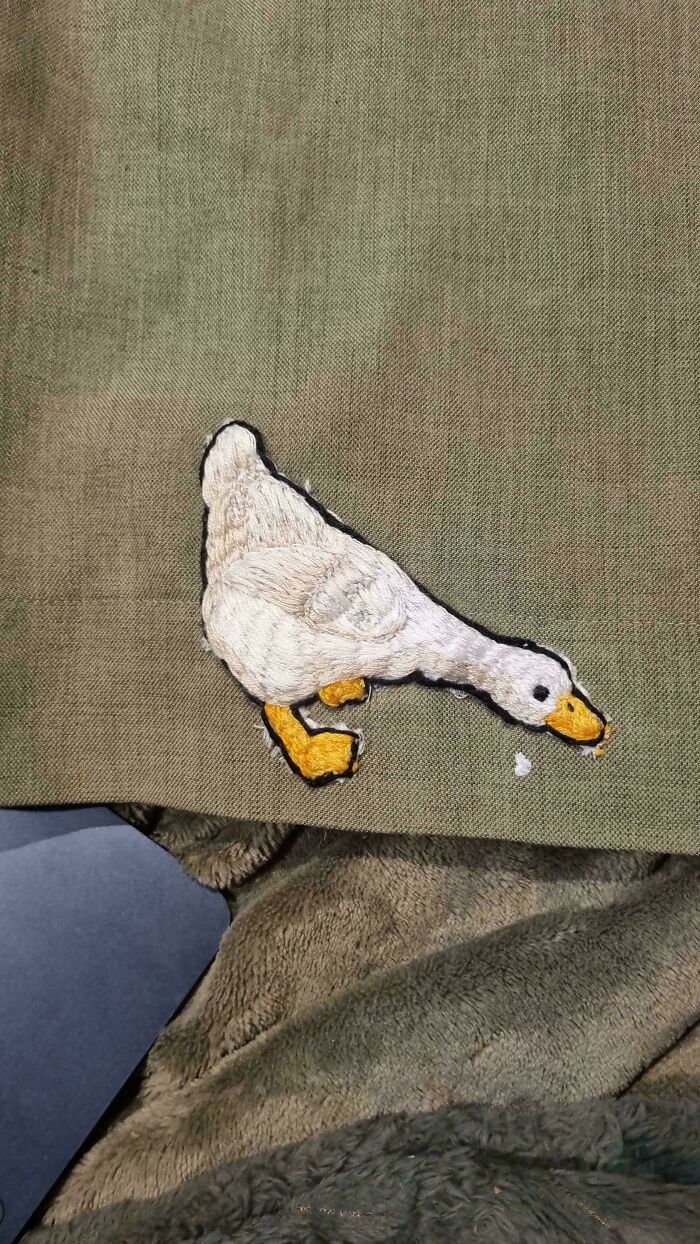
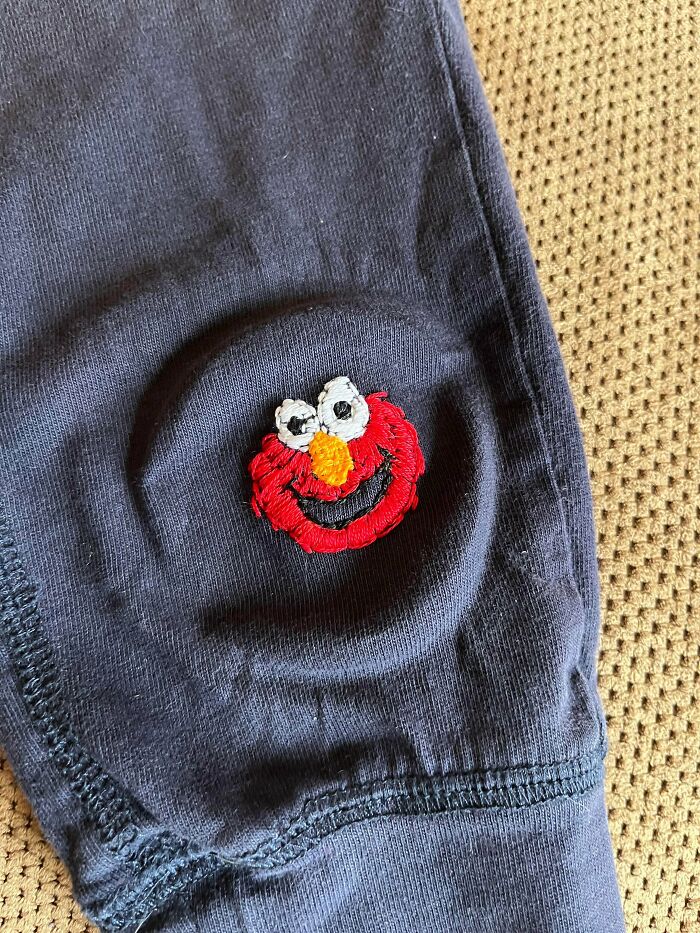
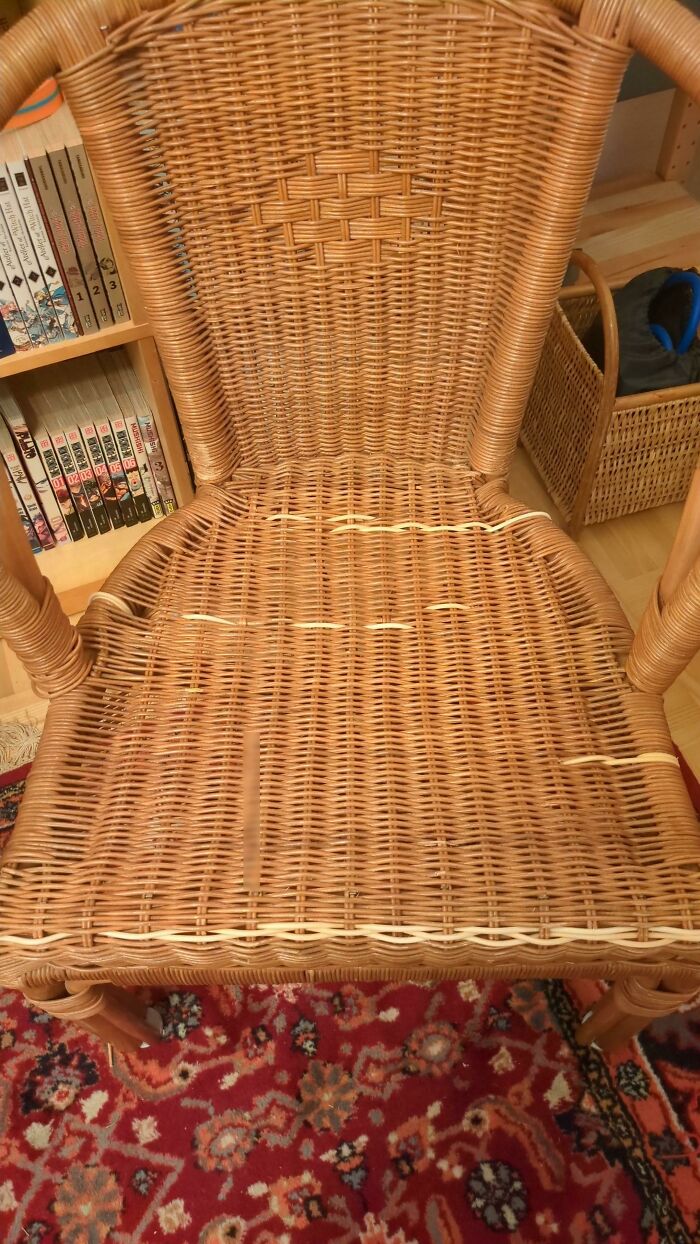
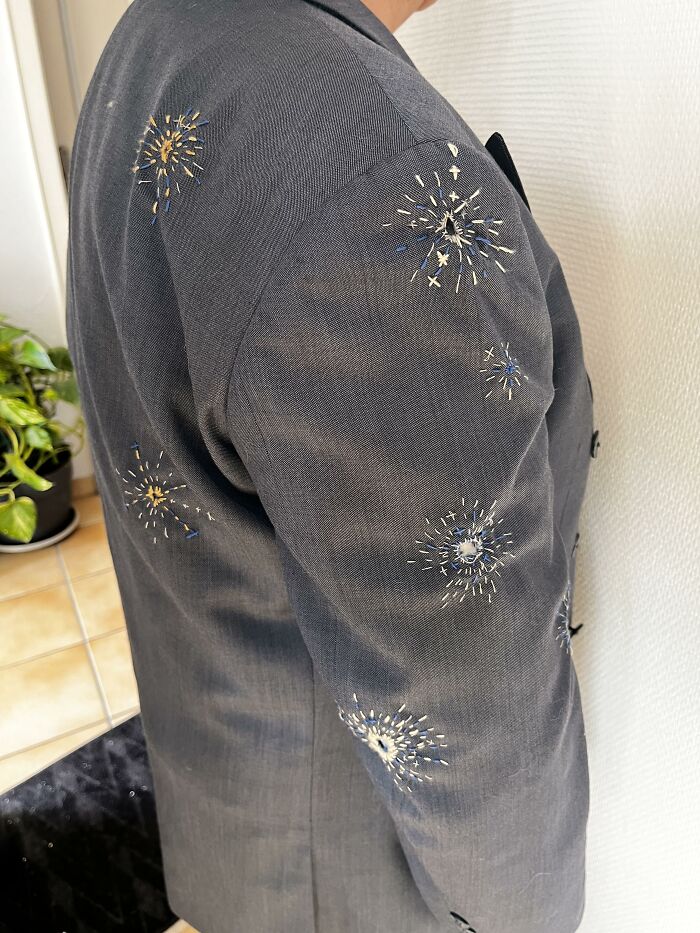
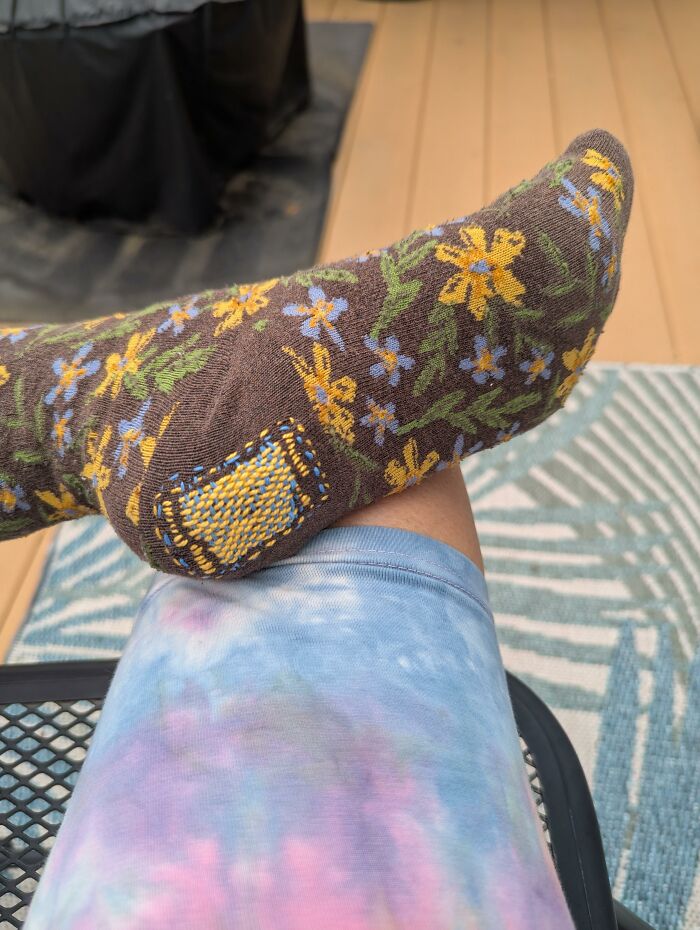
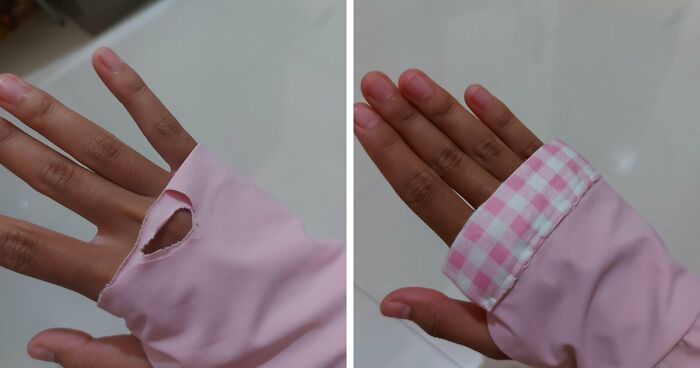
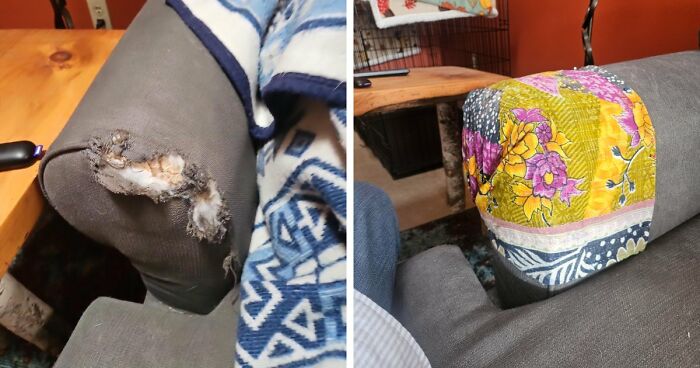
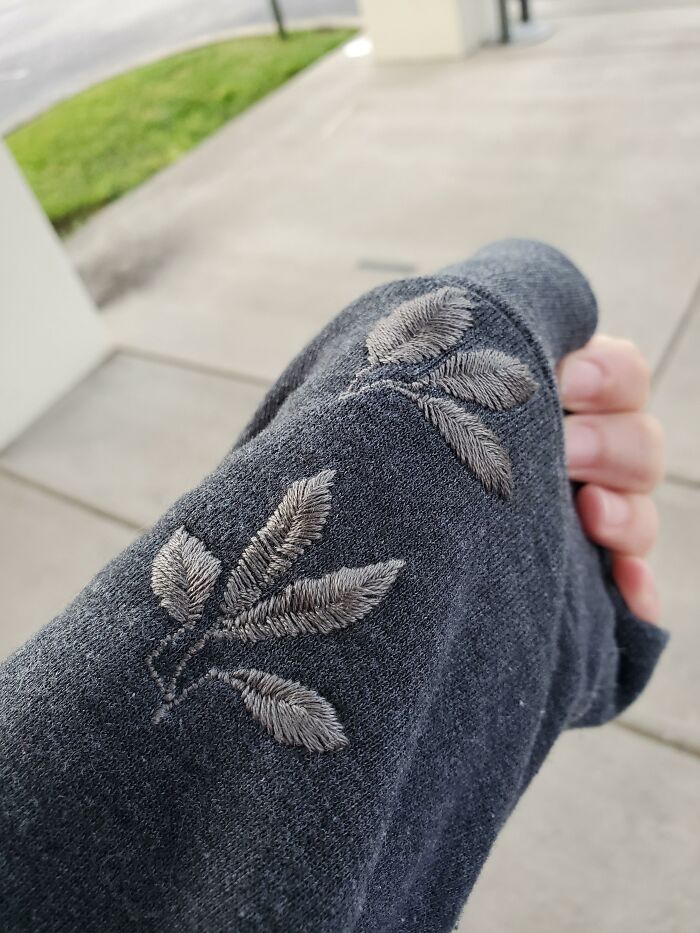
Who says broken things belong in the trash? Sometimes, all they need is a little creativity, a few tools, and someone willing to give them another shot! Think about it, pandas. We've all had a favorite pair of jeans tear, a chair lose a leg, or a beloved bag start falling apart. And usually, our first instinct is to replace it with something new. But what if fixing it could make it look even better than before? Well, some creative folks are proving that a little repair work can go a long way, and the results are seriously impressive!
Today, the Bored Panda team has rounded up some incredible handmade repairs by people who refused to give up on their broken belongings. From furniture and clothing to everyday household items, these clever fixes show that a little patience and imagination can work wonders. So, keep scrolling for some inspiration that might make you think twice before throwing something away. And hey, you might even save a few bucks along the way!
This post may include affiliate links.
“I NEED that new pastel top!” Sounds familiar, pandas? We've all been there. You spot something cute online, convince yourself it'll be perfect for your wardrobe, and before you know it, another package is on its way. But here's the thing: fast fashion has changed the way many of us shop. With new trends popping up almost every week and clothes available at surprisingly low prices, buying more has become easier than ever. Unfortunately, so has throwing things away. And behind all those trendy outfits lies an environmental problem we don't always think about.
In her book Fashionopolis: The Price of Fast Fashion and the Future of Clothes, journalist Dana Thomas explores the hidden costs of our obsession with cheap, trendy clothing. From the pollution caused by clothing production to the exploitation of garment workers and the mountains of discarded clothes ending up in landfills, she highlights how our shopping habits can affect both people and the planet. The book also explores how the fashion industry could become more sustainable, encouraging us to think differently about what we buy and how long we use it.
And the numbers are pretty alarming. According to the United Nations Environment Programme, the world generates around 92 million tonnes of textile waste every year. That's an almost unimaginable amount of discarded fabric! And we're not just talking about old T-shirts or jeans. Towels, curtains, bedsheets, carpets, and other household textiles also contribute to the problem. Think about how many clothes are produced, purchased, and eventually thrown away each year. It's a cycle that creates a lot more waste than we might realize.
But here's something interesting: textile waste doesn't just come from people clearing out their wardrobes. Businesses contribute to it, too. Clothing stores may be left with unsold stock, hotels regularly replace old towels and bedsheets, and fashion designers often end up with leftover fabric after making garments. So, what happens to all that material? And can some of it be put to better use instead of simply being discarded?
To understand this better, we spoke with Dr. Priyanka Baid, who co-owns the fashion boutique Sharanya's in Jodhpur, India. She explained that fabric waste can be difficult to avoid, especially when creating custom-made outfits. “Wastage for us is inevitable. We make customised pieces,” she shared, pointing out that the process often leaves behind extra cloth. But rather than seeing every leftover piece as something to throw away, there are opportunities to make better use of the material.
And it's not just leftover fabric that can get a second chance. Sometimes, customers already have beautiful clothes sitting in their wardrobes that they no longer wear. Take traditional Indian sarees, for example. Many are made from gorgeous fabrics and carry sentimental value, especially when they've been passed down through generations.
“We often have younger customers, especially Gen Z, who come to us with their mothers' old sarees. They love the fabric but the designs don't always match their personal style,” Priyanka shared. Instead of letting these beautiful pieces gather dust, the boutique helps customers transform them into outfits they're excited to wear.
And there's something special about giving an old garment a new look, especially when it holds precious memories. “Sometimes, it's not just about the clothes. It's about preserving something that belonged to your mother or grandmother while making it your own,” she explained. Not only does this help reduce waste, but it also creates something unique that you probably wouldn't find hanging on a store rack.
And repairing clothes can also make a difference to the environment. According to the sustainability organization WRAP, extending the active life of clothing by just nine months can significantly reduce its environmental impact. Think about it. Every time you repair a torn seam, replace a missing button, or find a new use for an old garment, you're potentially delaying the need to buy something new. These might seem like small actions, but they can help reduce the amount of clothing being discarded.
Priyanka also shared how the boutique makes use of leftover fabric instead of letting it go to waste. “We try to use even the smaller pieces of fabric that are left behind after making outfits. Sometimes, there's not enough material to create another garment, but that doesn't mean it can't be useful. We turn these scraps into things like pouches, stationery accessories, and other small handmade items,” she explained. It's a creative way to reduce waste while making something beautiful and practical out of materials that might otherwise end up in the trash.
Of course, nobody is suggesting that we should stop buying new clothes altogether or feel guilty every time we treat ourselves to something nice. Fashion is a wonderful way to express ourselves, and enjoying it isn't the problem. The bigger issue is how quickly we buy, use, and discard things. Being a little more mindful about our purchases, taking care of what we already own, and exploring repair options can help us develop more sustainable habits without giving up our personal style.
And that brings us back to today's collection, pandas! While we've talked quite a bit about clothing, these handmade repairs show that almost anything can deserve a second chance. From damaged furniture and worn-out accessories to everyday household items, people have found some wonderfully creative ways to bring their belongings back to life. Not only can these fixes save a few bucks, but they can also help reduce unnecessary waste. So, which of these repairs impressed you the most? Did any inspire you to fix something you've been meaning to throw away? Let us know in the comments below!

























 No fees, cancel anytime