Get Premium
Dark mode theme is available exclusively for premium users. Learn more about the benefits of subscribing.
No fees, cancel anytime.

 Dark Mode Ad-Free Browsing Unlimited Content
 Ad-Free Browsing Unlimited Content Dark Mode
Join 1.2 million Panda readers who get the best art, memes, and fun stories every week!
49submissions
Finished

There are over a thousand books written on parenting, but nothing can prepare you for the real thing. Magical, exhilarating, confusing, and downright funny, kids always manage to surprise their parents who can just sit back and document their own feelings for posterity.
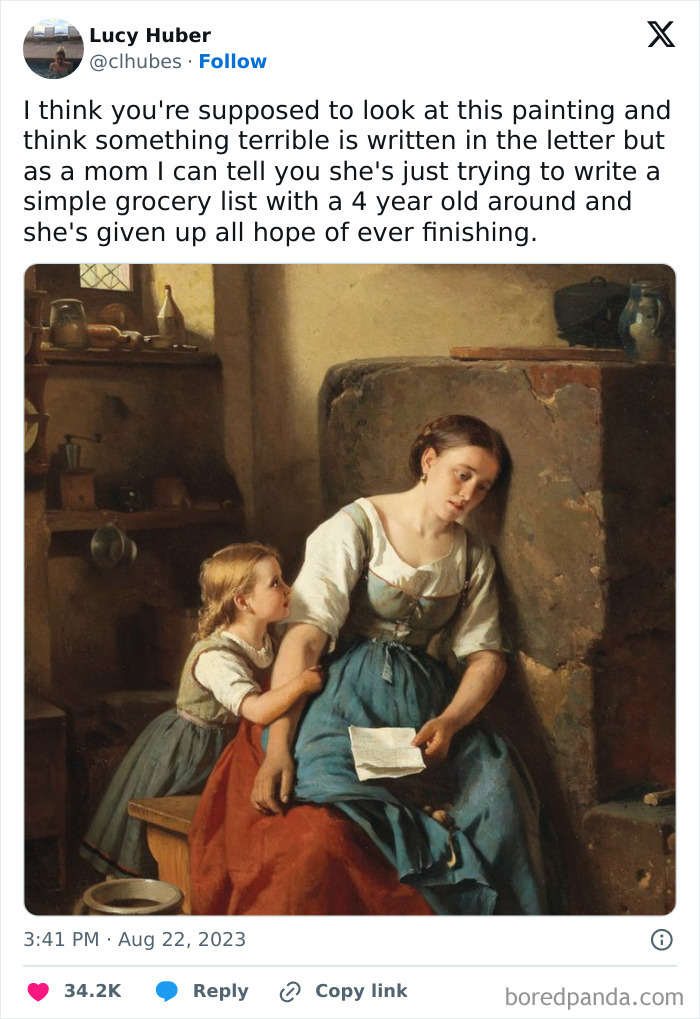
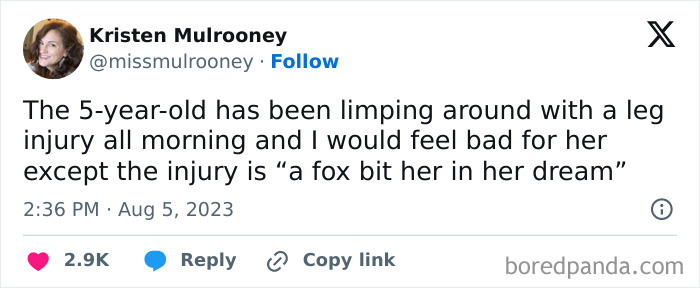
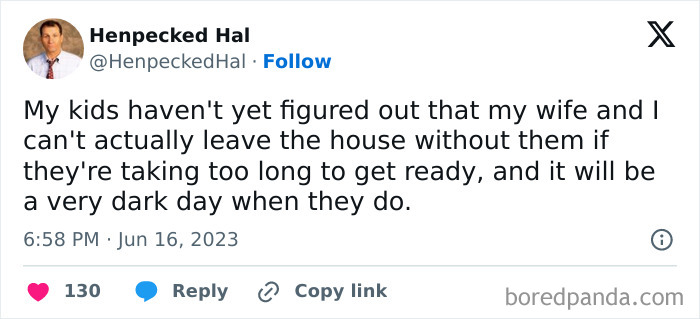
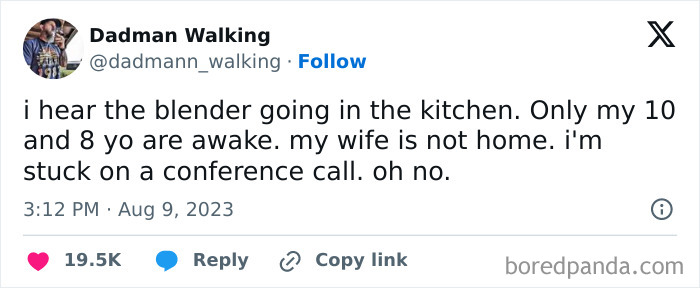
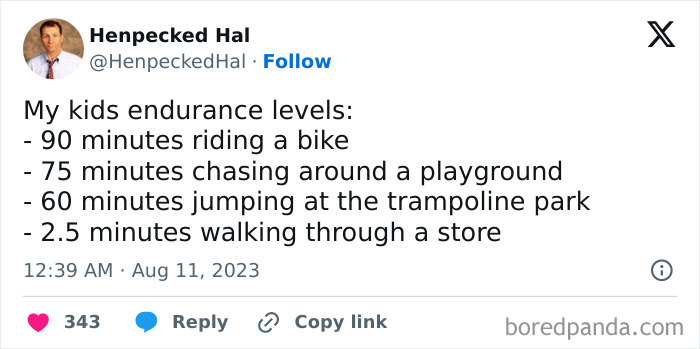
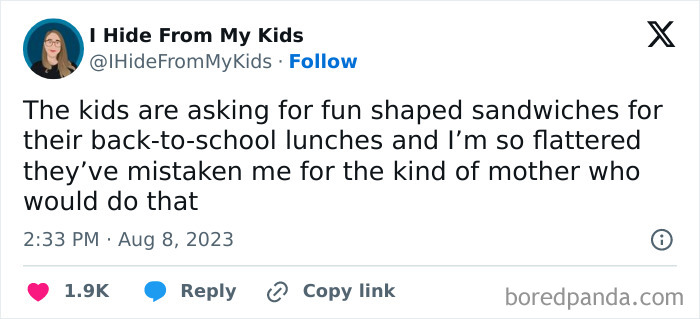
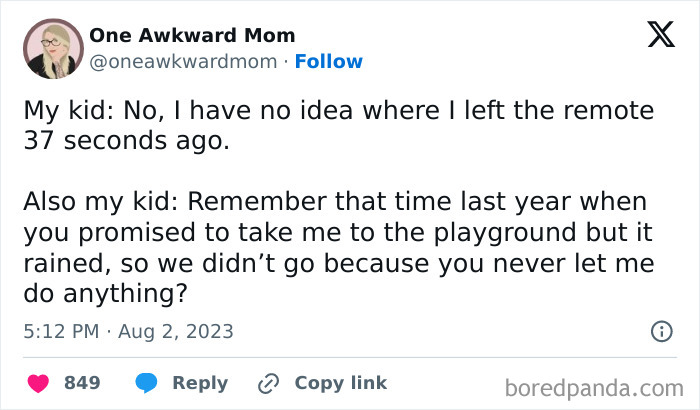
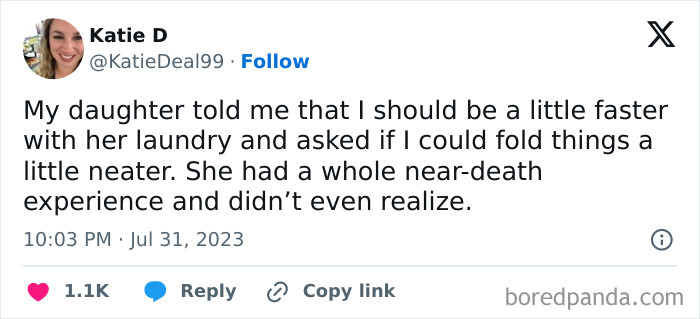
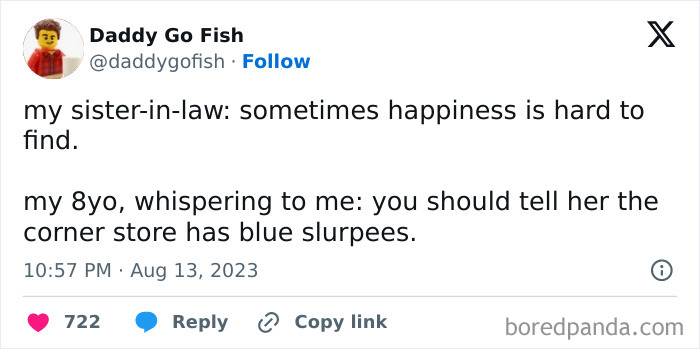
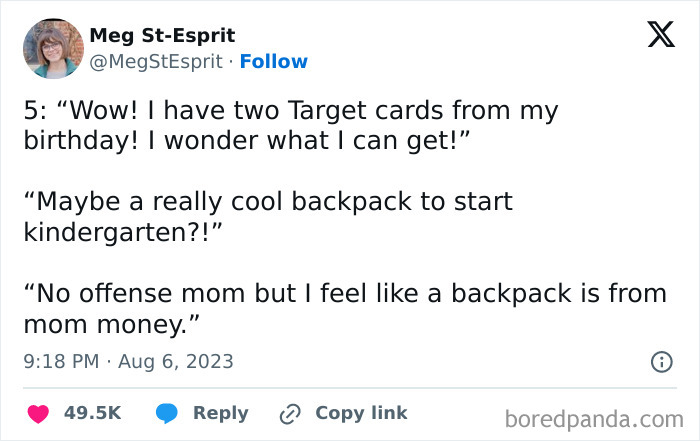
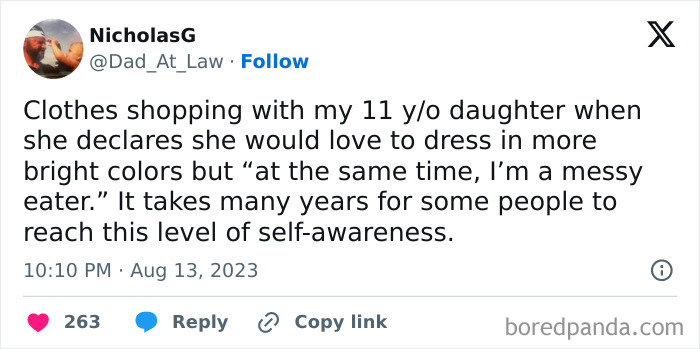
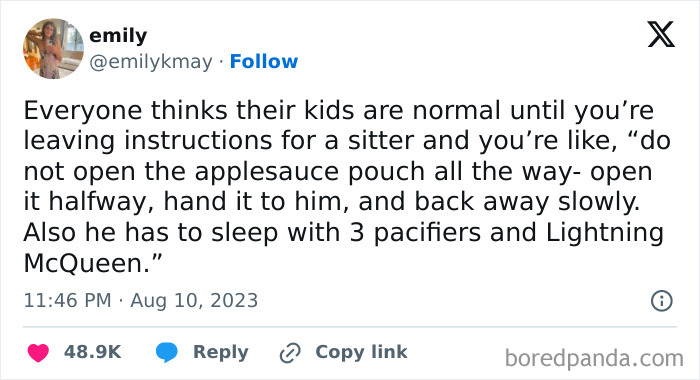
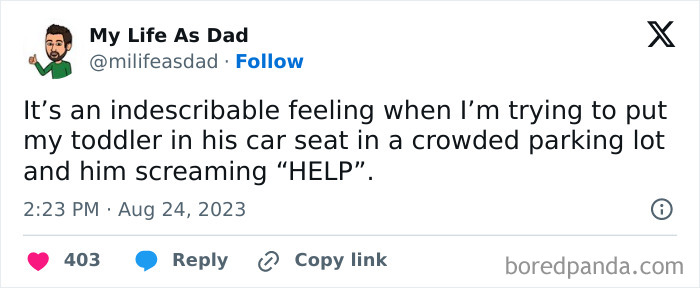
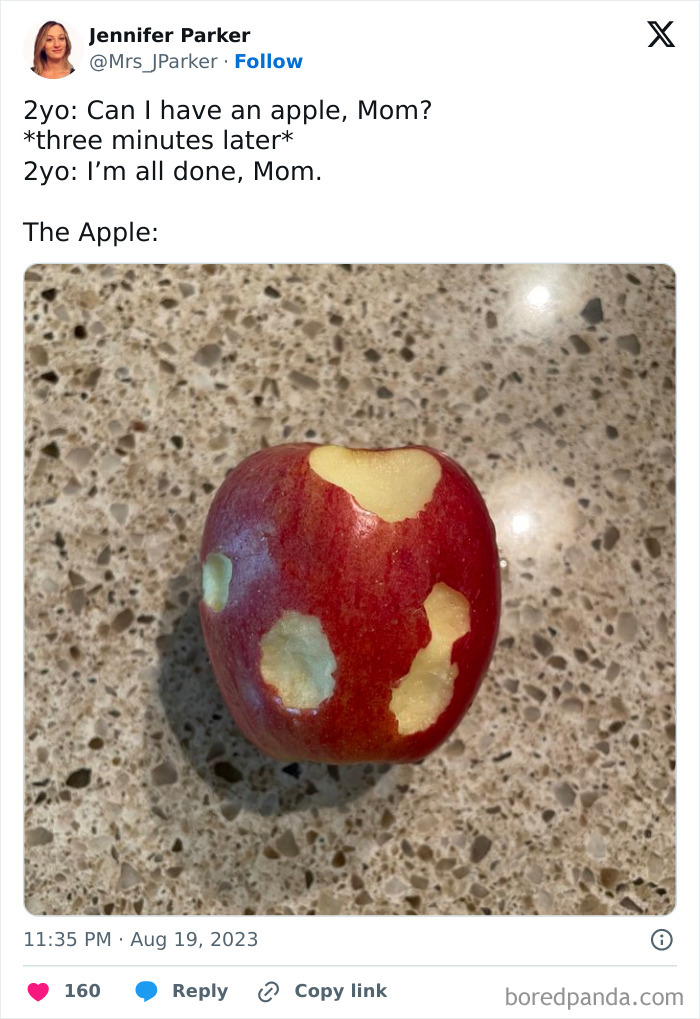
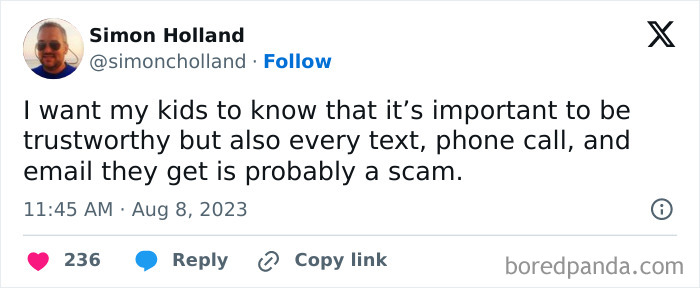
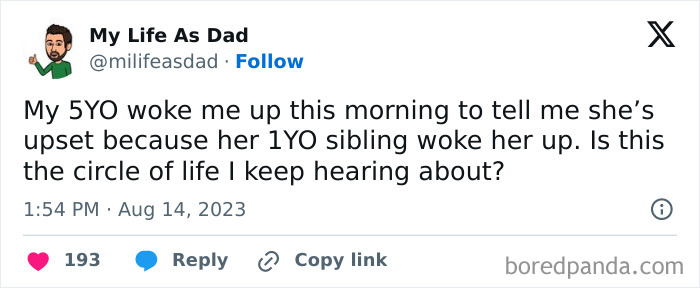
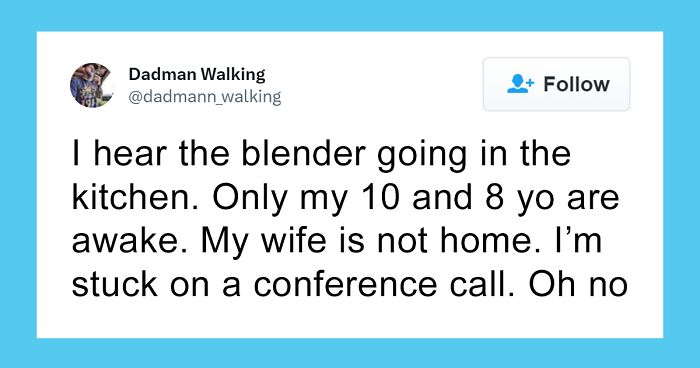
Parents on Twitter share their hilarious, relatable, and wholesome thoughts and experiences about having kids. So get comfortable as you read through, upvote your favorites, and be sure to comment your own thoughts and stories below. We got in touch with educational psychologist, best-selling author, and TODAY show contributor Dr. Michele Borba to learn a bit more about raising a child.
Click here & follow us for more lists, facts, and stories.
This post may include affiliate links.
Bored Panda got in touch with educational psychologist, best-selling author, and TODAY show contributor Dr. Michele Borba to ask some questions about parenting, particularly with troubled children, and she was kind enough to answer our questions. Firstly, we wanted to know if there were cases where a child’s bad behavior was not a result of poor parenting.
“Yes! Too many reasons for misbehavior: need for attention, boredom, fatigue, hunger, not sure of expectations/fear, or the environment doesn’t support the child,” she shared with Bored Panda.
Naturally, we wanted to hear her thoughts on what resources parents should look into if they are struggling with keeping their children in check. “We do know that parent training works, the caveats: the training needs. To understand child development the parent must be committed to learning and change. It is possible but it needs to be done in small nuggets with consistency.”
“I love the parent training approach that teaches new behavior management in chinks like a tantrum and then discuss or try to apply that one strategy at home. and then go back to learn the next and next steps. Breaking change into smaller more manageable pieces and putting each step to practice is more likely to reap positive results.”
Of course, there are, unfortunately, enough cases where the parents really are at fault, so we wanted to know what are some common mistakes new parents make when raising a child. “We forget to recognize how stress mirrors down to our children. We need to watch our own selves. Kids are copycats!” she shared.
“Too often we react, not respond, to a child’s misbehavior. Calm responses instead of reactive yelling get better results. I tell parents to watch for reoccurring problems. Or sometimes we are most likely to get upset and then plan OUR new response to our child’s misbehavior. It’s hard to think about calm responses in the heat of the moment.”
“We often don’t have a thought-out response to misbehavior that lets children know what we want them to do instead. So they continue with the same inappropriate behavior. We fail to pass on our new behavior plan on to others who care about your child or see them regularly. Grandparents, your parenting partner, the daycare workers, teachers, etc. if you all respond the same way to misbehavior the child is more likely to change their behavior. Consistency counts!”
“We forget to reinforce the child’s good attempts. “Thanks for stopping to listen,” or “I appreciate how you picked up your toys.” We’re far more likely to point out what the child is doing wrong and forget to share what we appreciate. Kids act how they see themselves. We fail to Identify the misbehavior - the aggression, talking back, rudeness, etc.”
“Watch the pattern and track it without the child knowing you’re doing it. I always suggest parents put a calendar in front of them. Then mark the time and place the behavior occurs. And what is there? Kids don’t misbehave all the time. Tune in and you'll see a pattern that you may miss. Like: It’s every day at 3. Maybe the child missed the nap. Or it’s on Tuesday and Thursday when the new daycare worker is there.”
"Who does the child not misbehave with? Watch how the adult responds to the child and adopt that response. Make sure to teach a replacer behavior. Some kids get in the habit of misbehavior. And we assume they know what to do instead. Don’t assume. For instance, Instead of their rude response, stress “please” or “thank you.” But SHOW the new behavior in a calm moment, don’t lecture or tell it. Kids learn behaviors better by showing not telling them. And then practice practice practice until the child adopts the new behavior. Sometimes we try to teach too many new behaviors and it backfires."
“If the misbehavior continues and you’re not seeing positive results, don’t wait! Seek the support of a professional in child development. And if the behavior continues every day for two weeks, spills over to other areas, or you are too concerned talk to a child psychologist or your pediatrician, don’t wait. We’re seeing an upsurge in depression and anxiety amongst even our youngest children. They won’t come and tell us they feel stress but act it out. Behavior can mean a cry for help.” Dr. Michele Borba is an educational psychologist and author of "Thrivers: The Surprising Reasons Why Some Kids Struggle and Others Shine."
You might also like: Parents share 38 mortifying things kids have done in front of strangers































 No fees, cancel anytime