ADVERTISEMENT

Love them or hate them, you definitely can’t ignore them. Puns and wordplay jokes have an undeniable ability to make people react with either a quick chuckle or a dramatic groan.
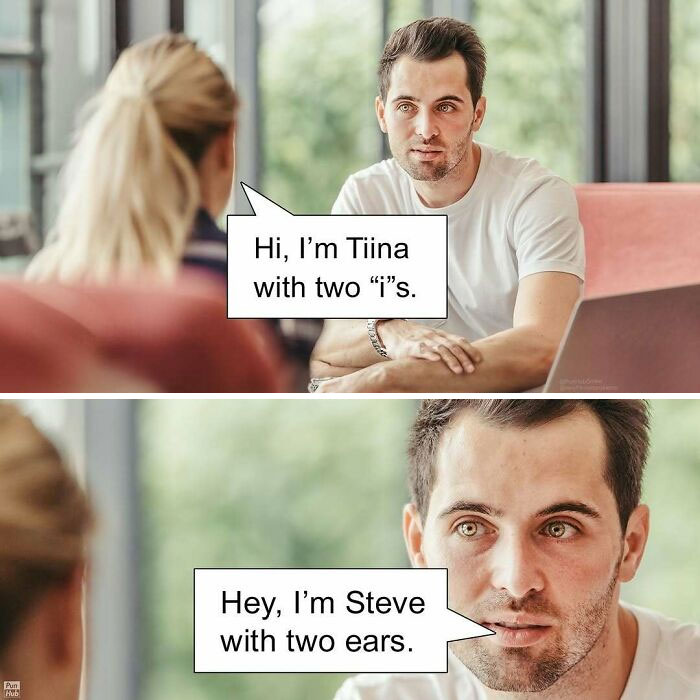
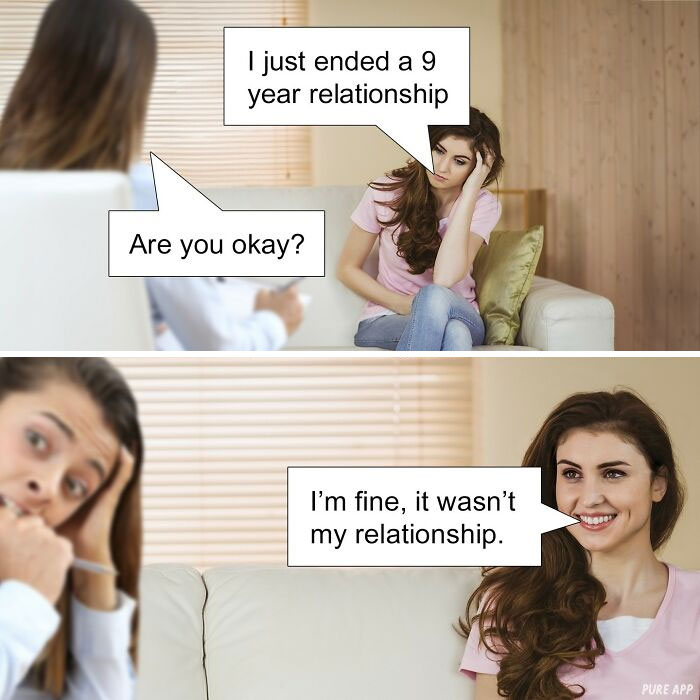
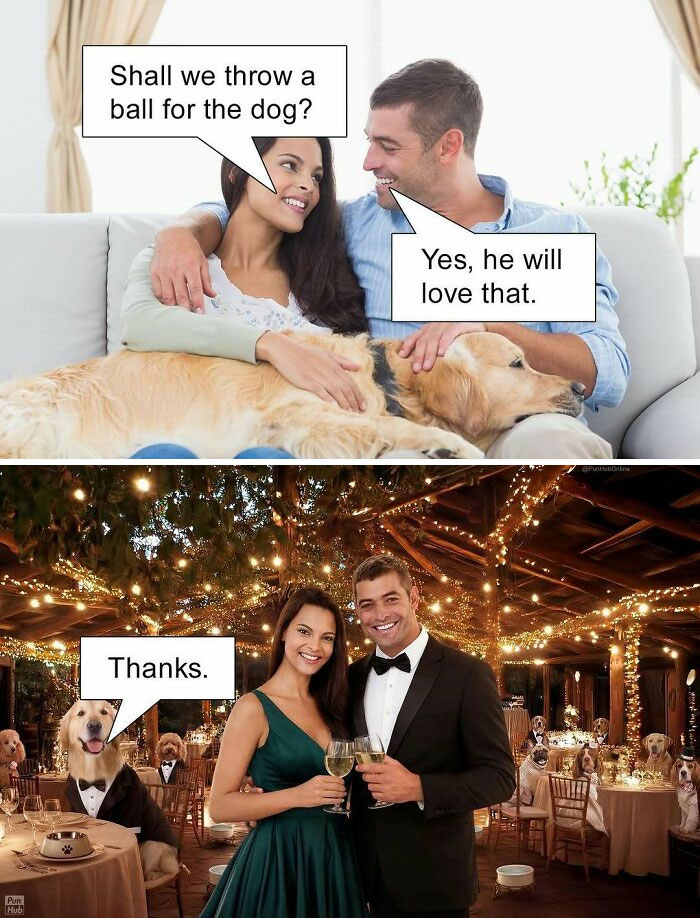
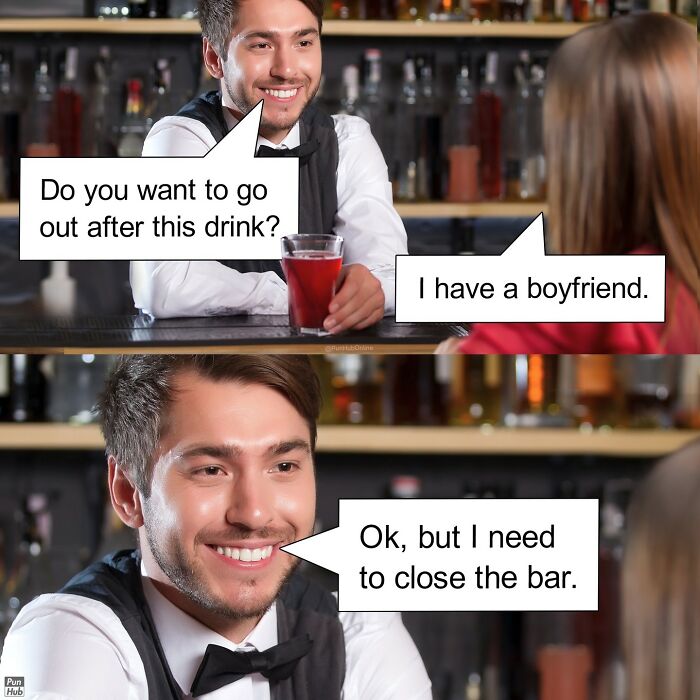
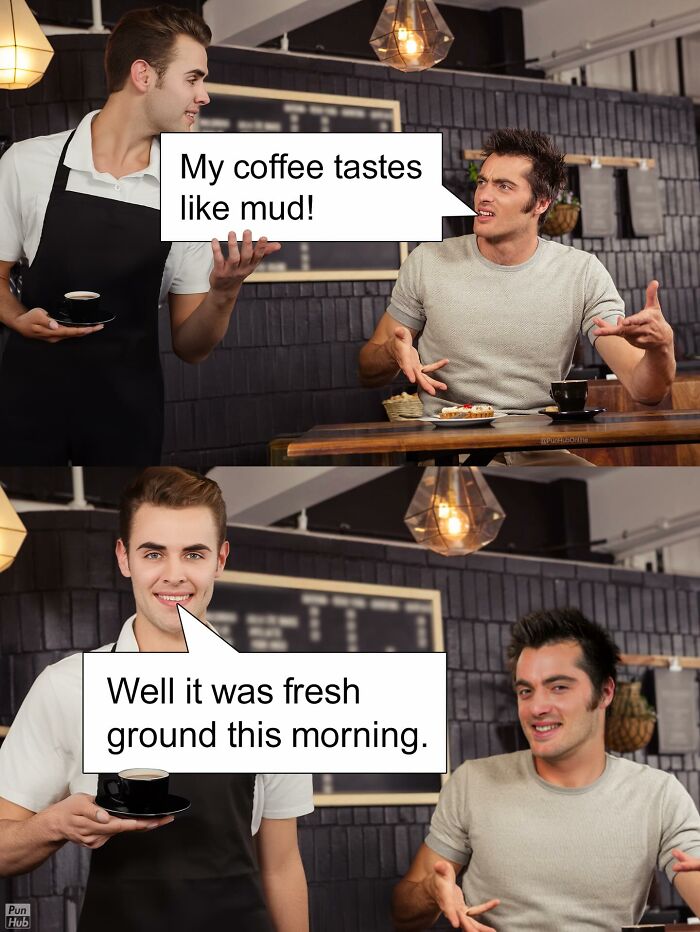
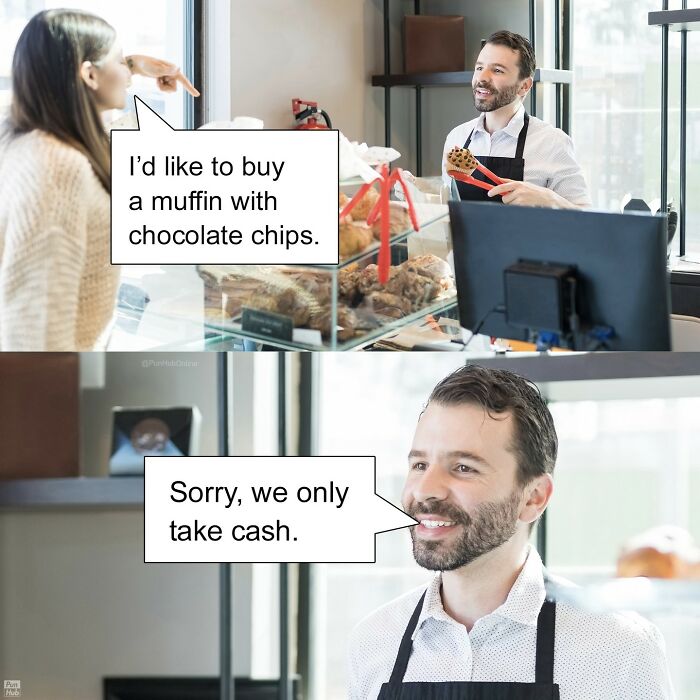
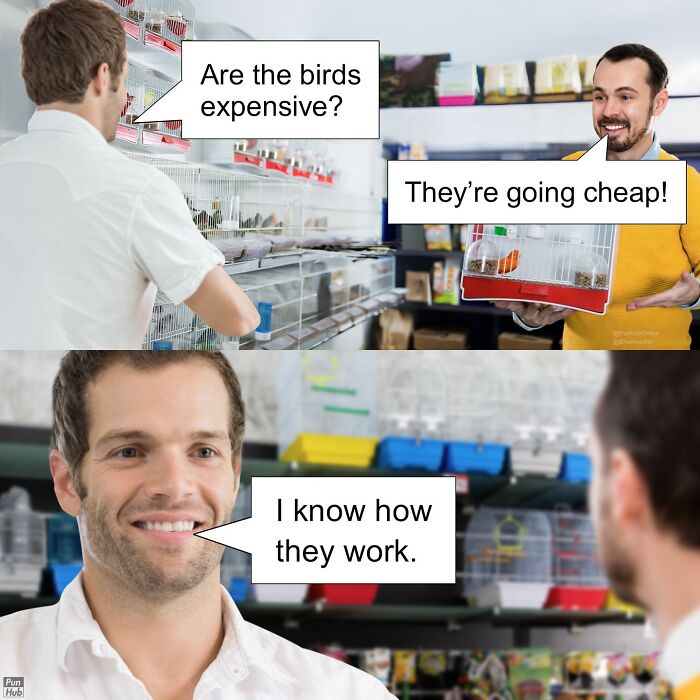
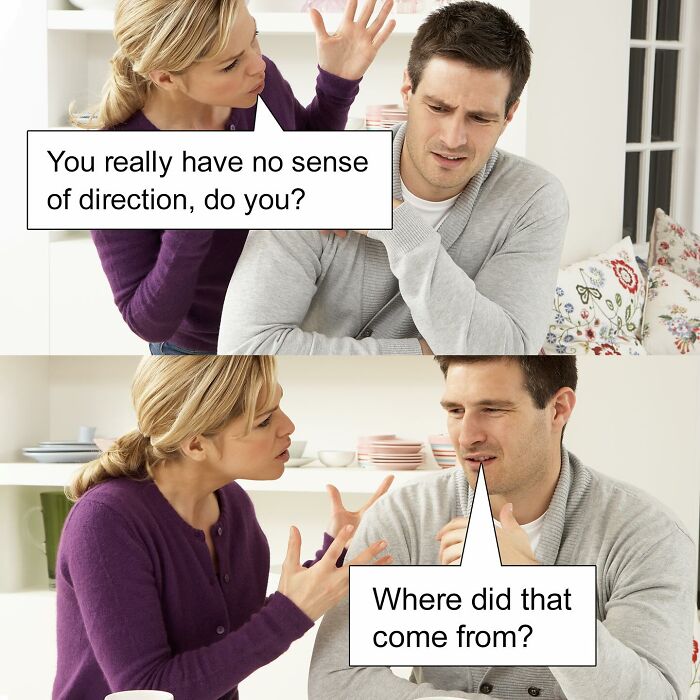
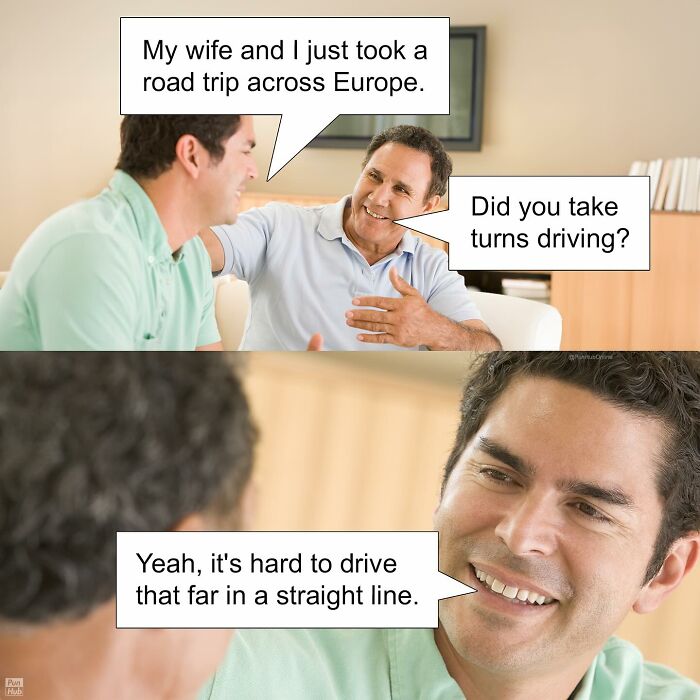
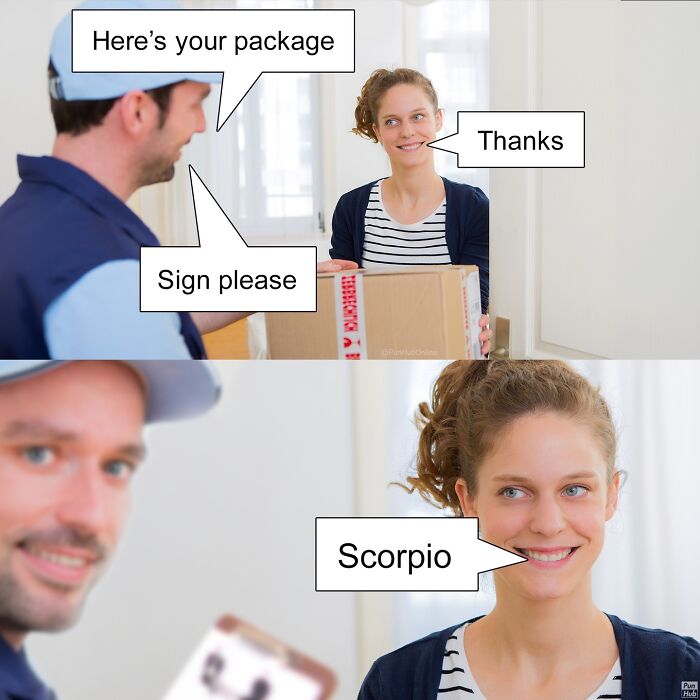
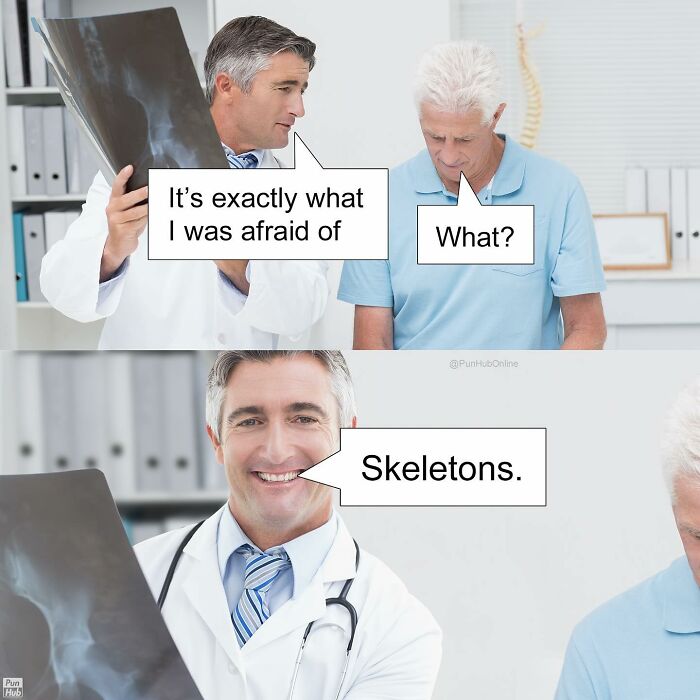
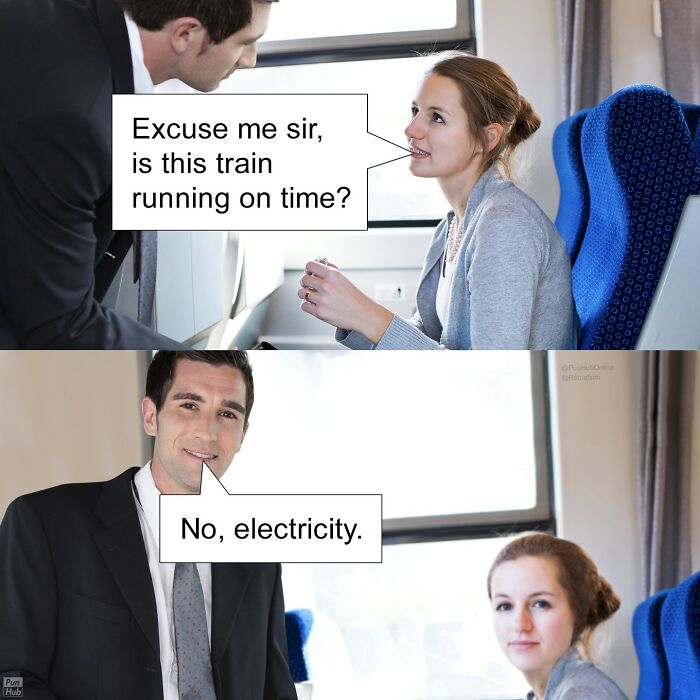
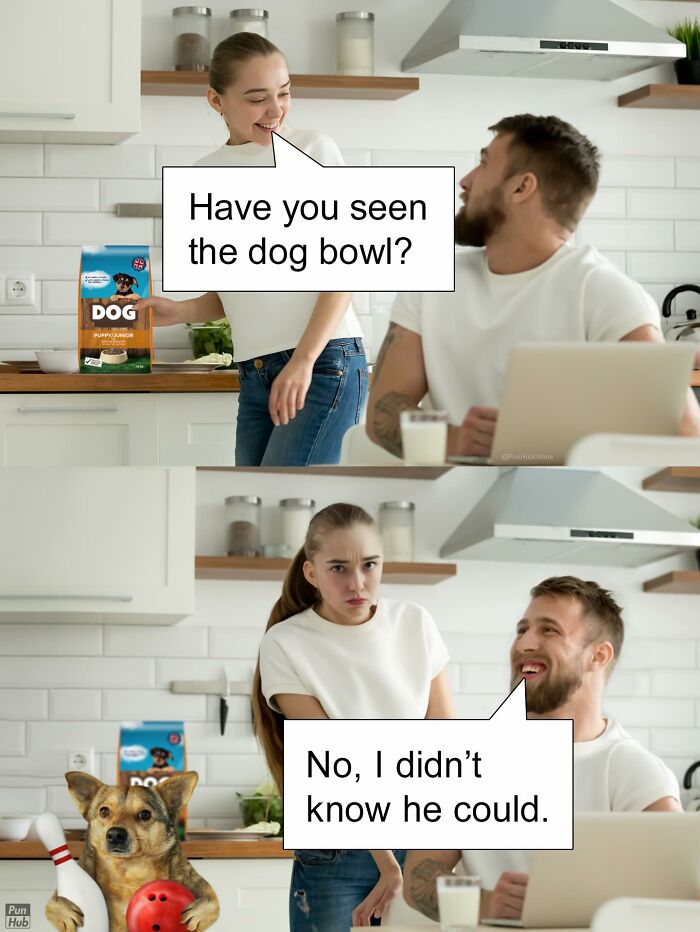
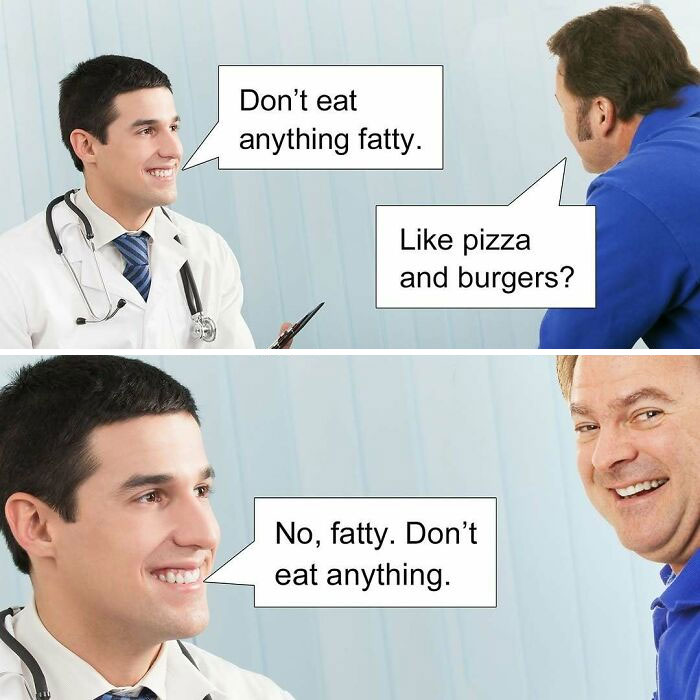
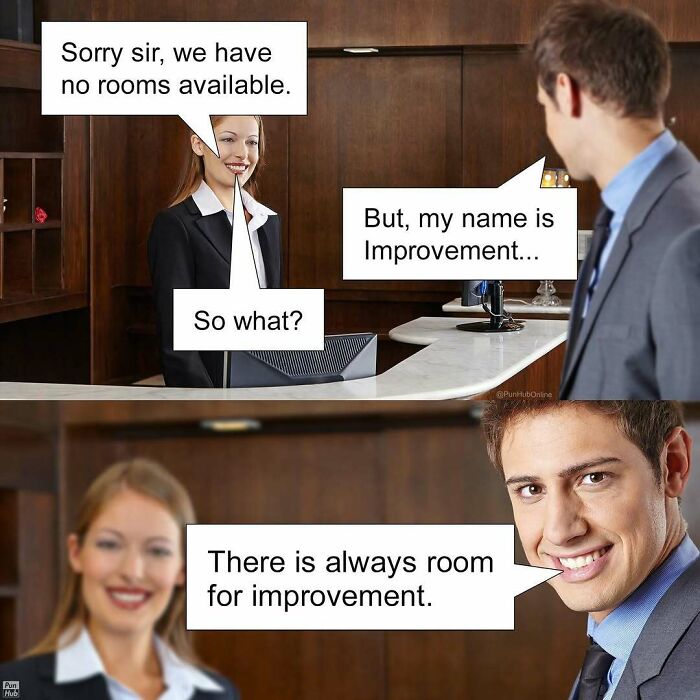
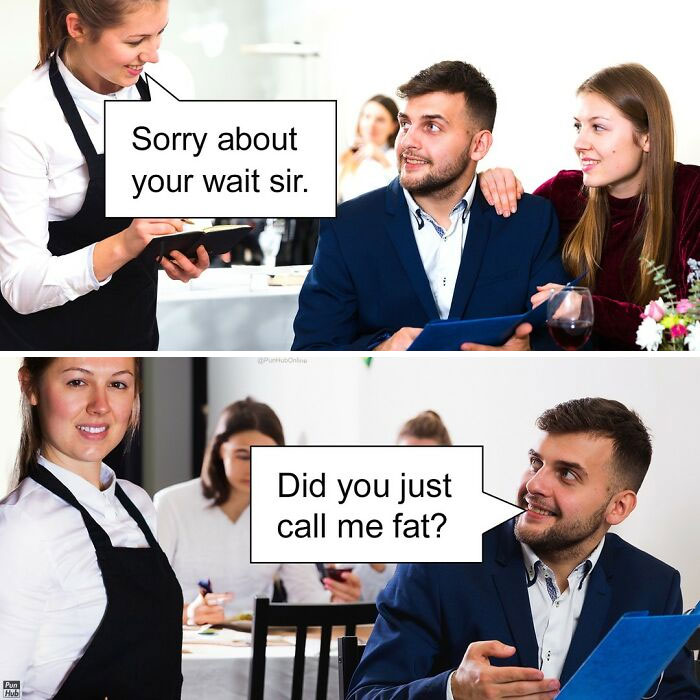
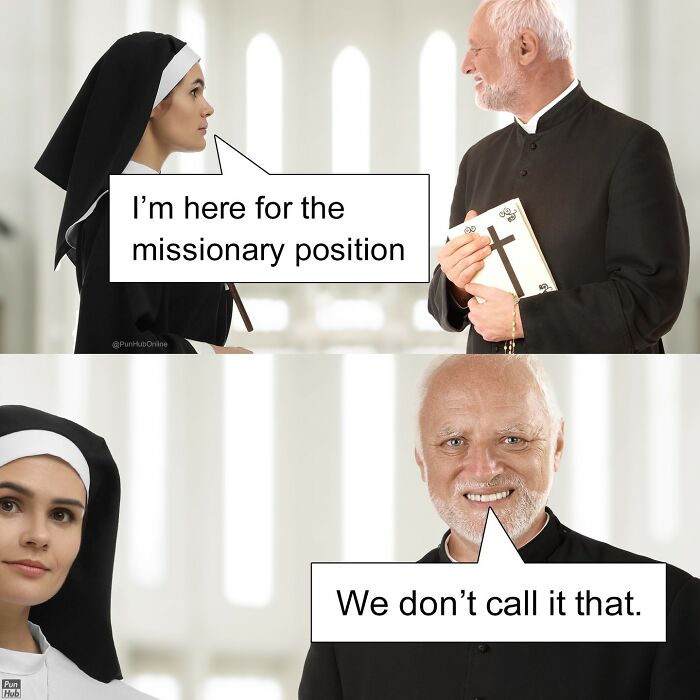
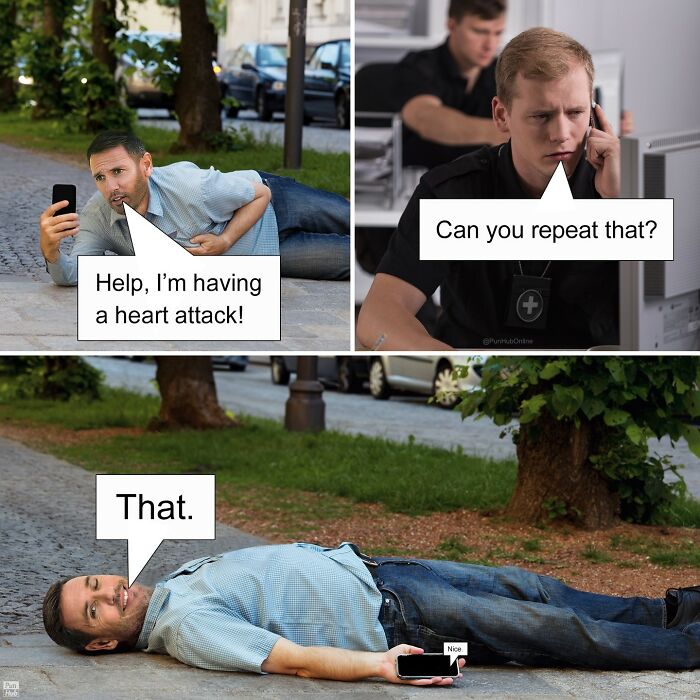
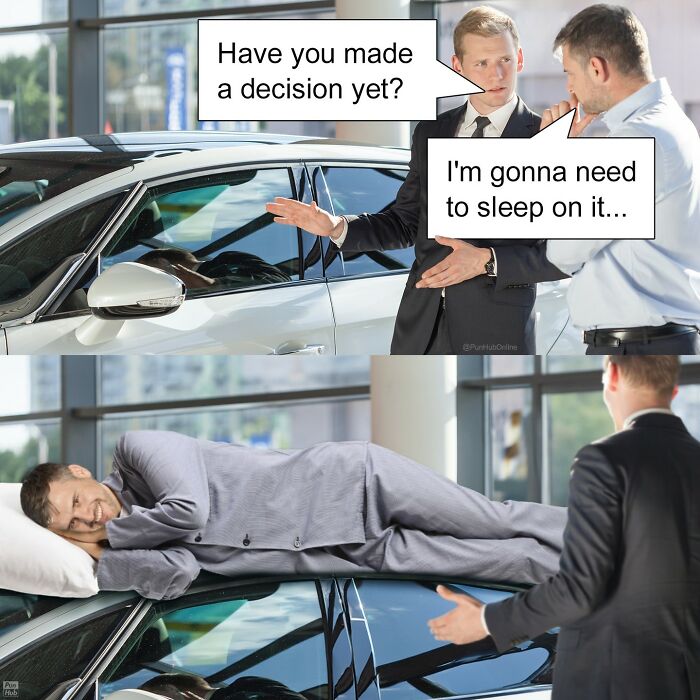
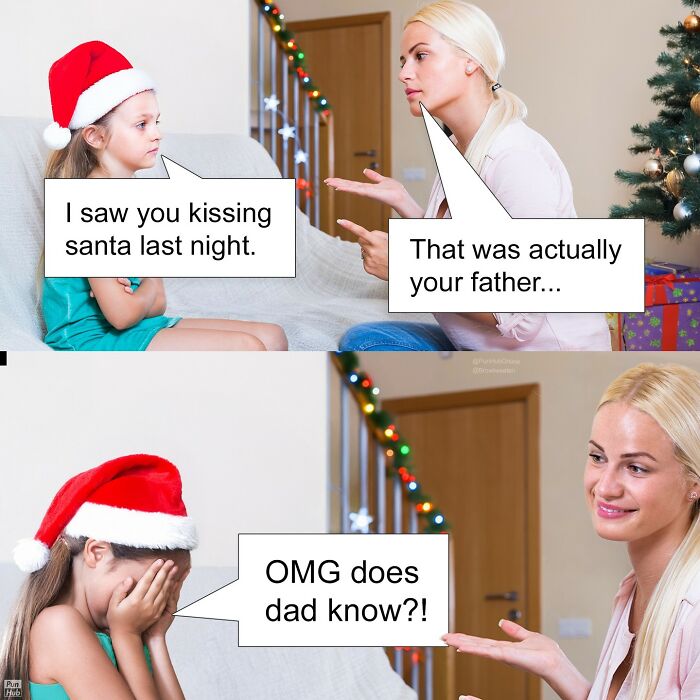
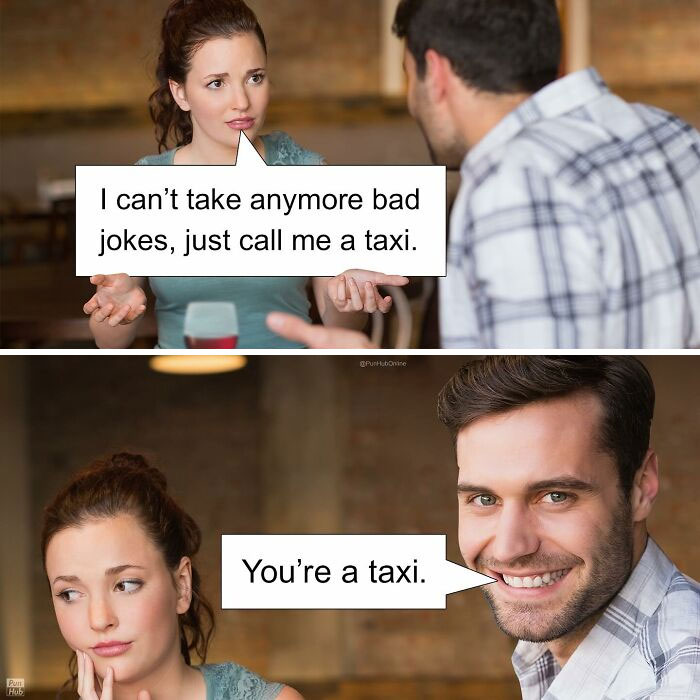
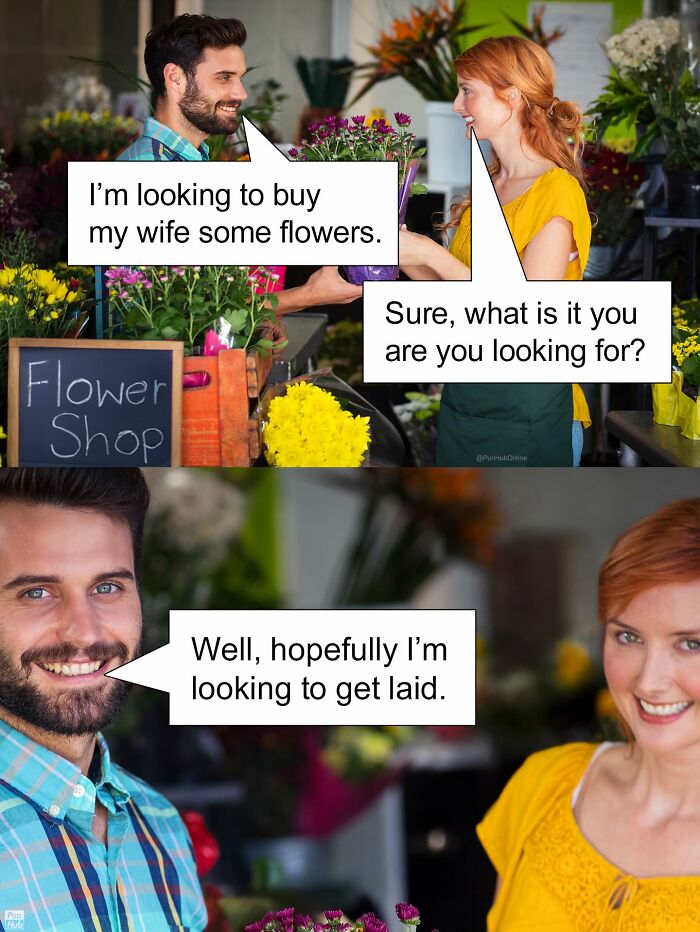
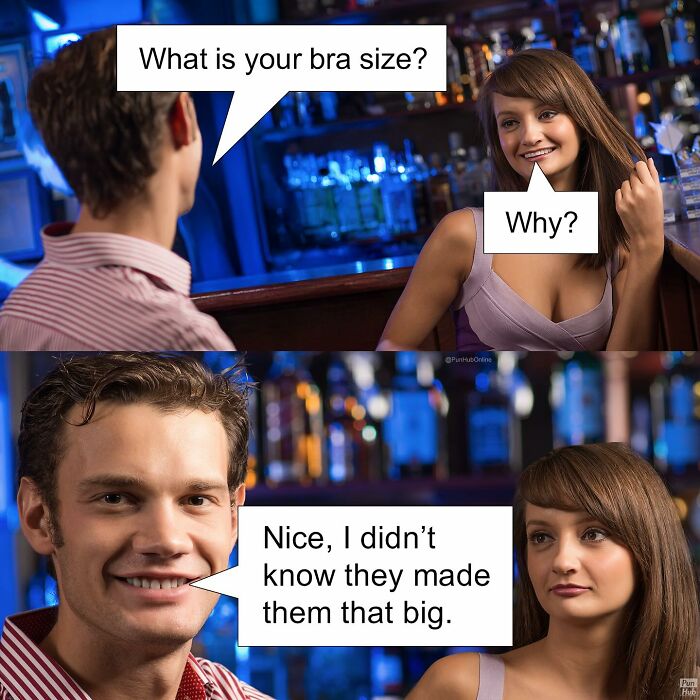
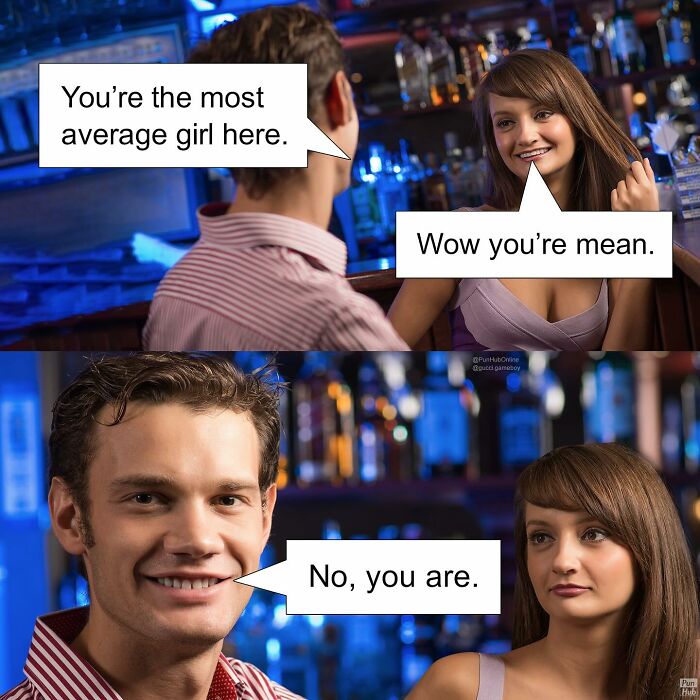
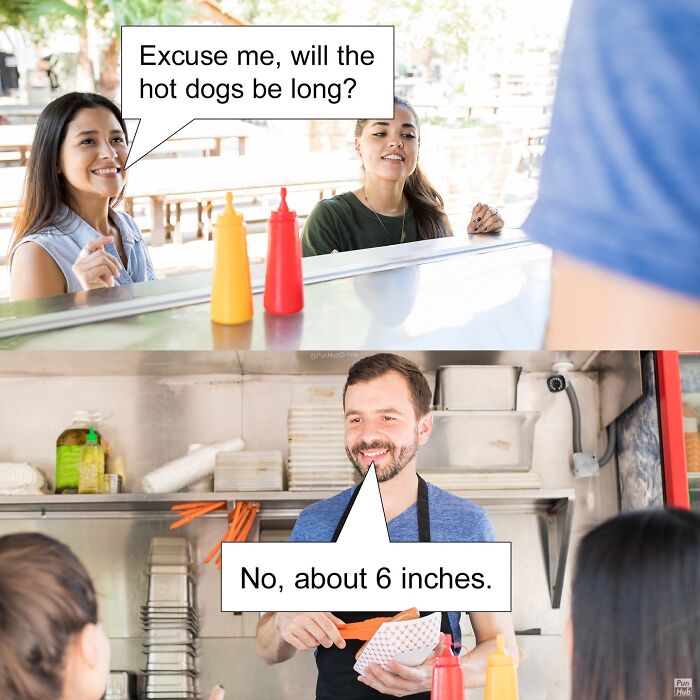
Of course, there are some pun-bearable jokes out there, but the Instagram page @punhubonline tries its best to share some truly inspired and exceptional ones.
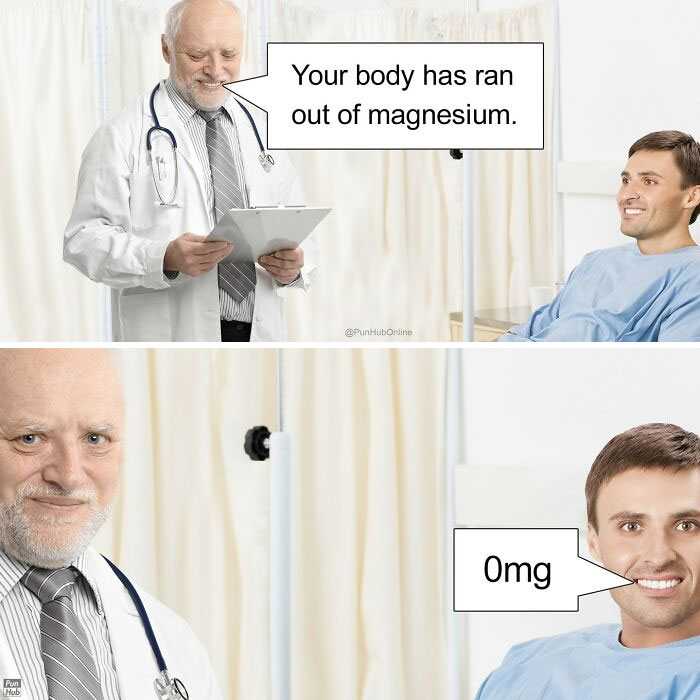
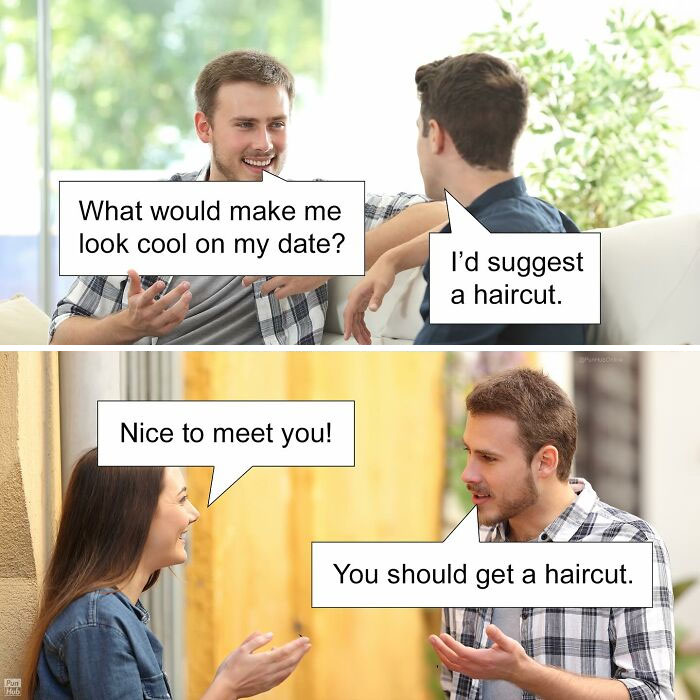
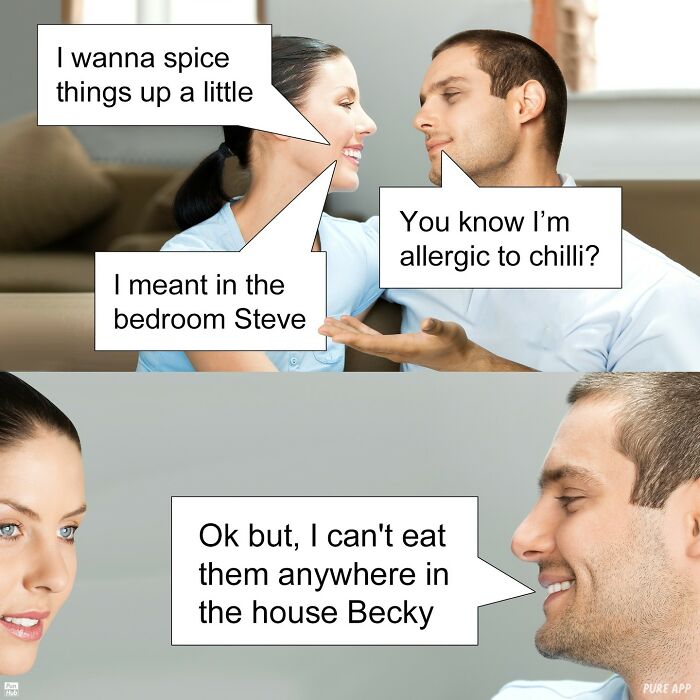
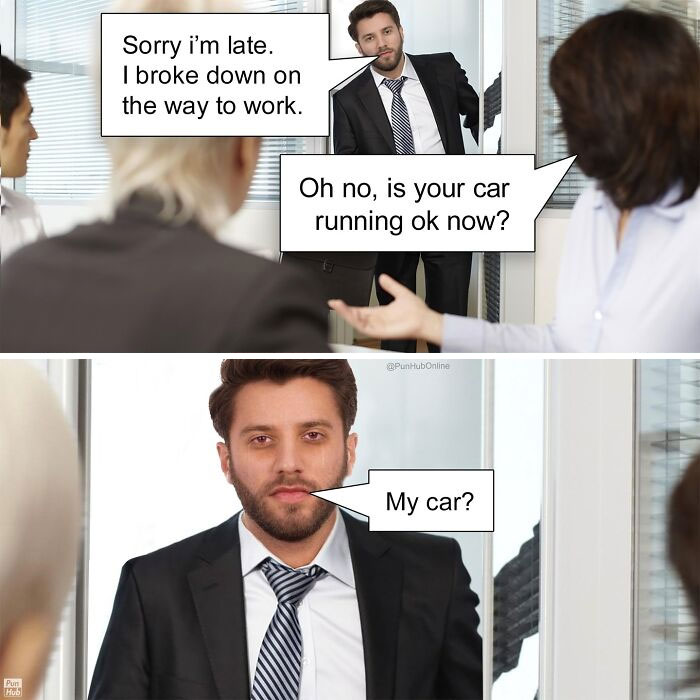
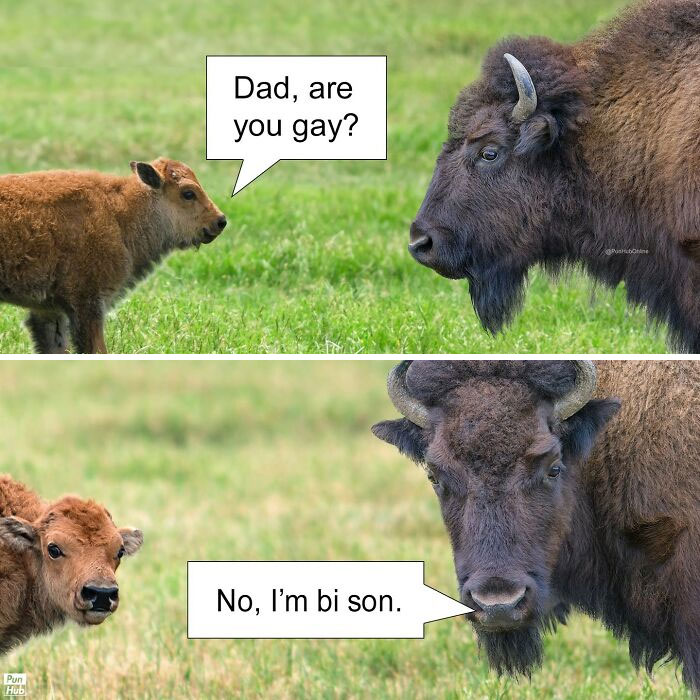
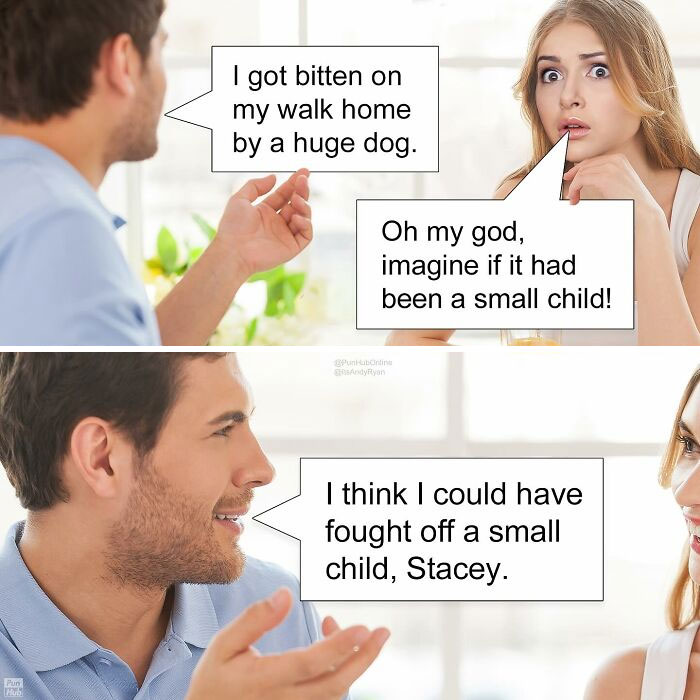
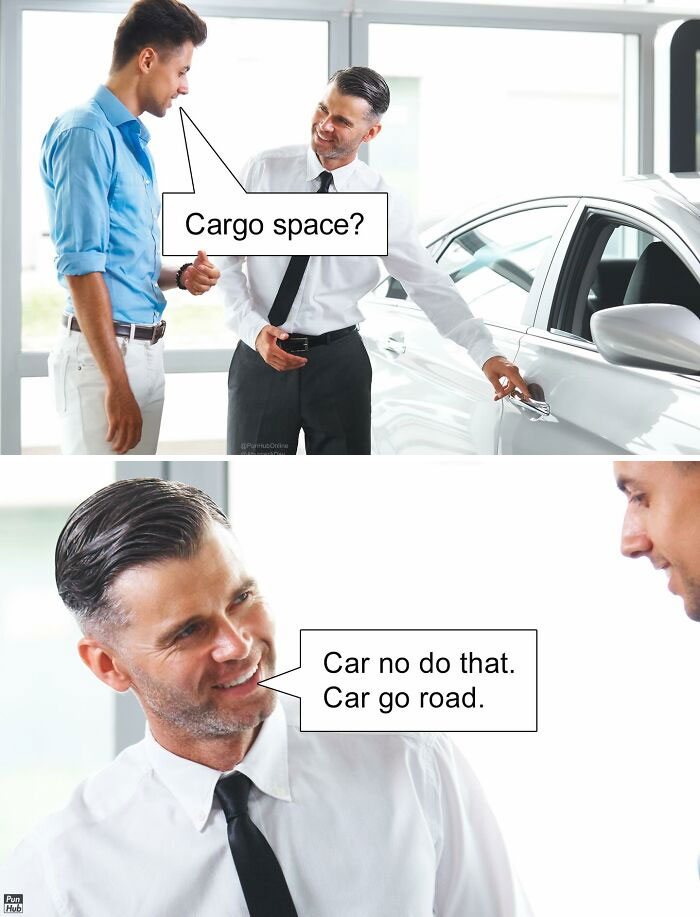
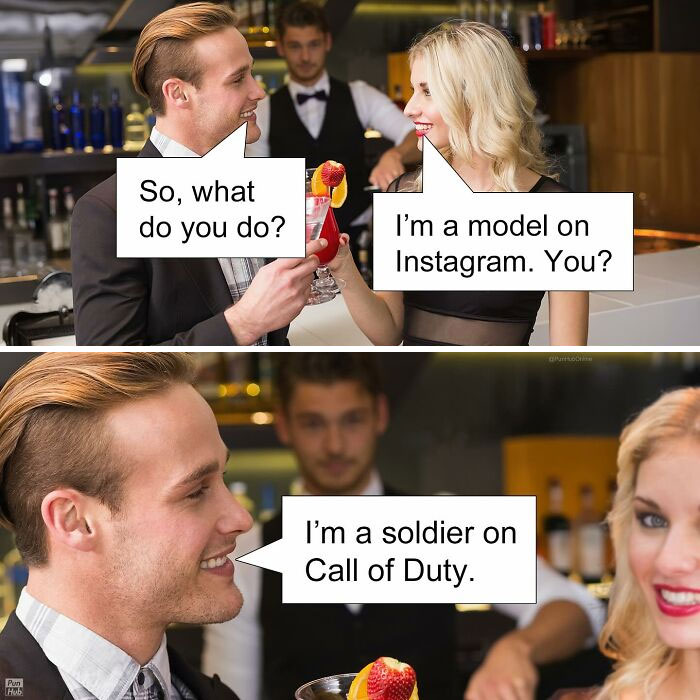
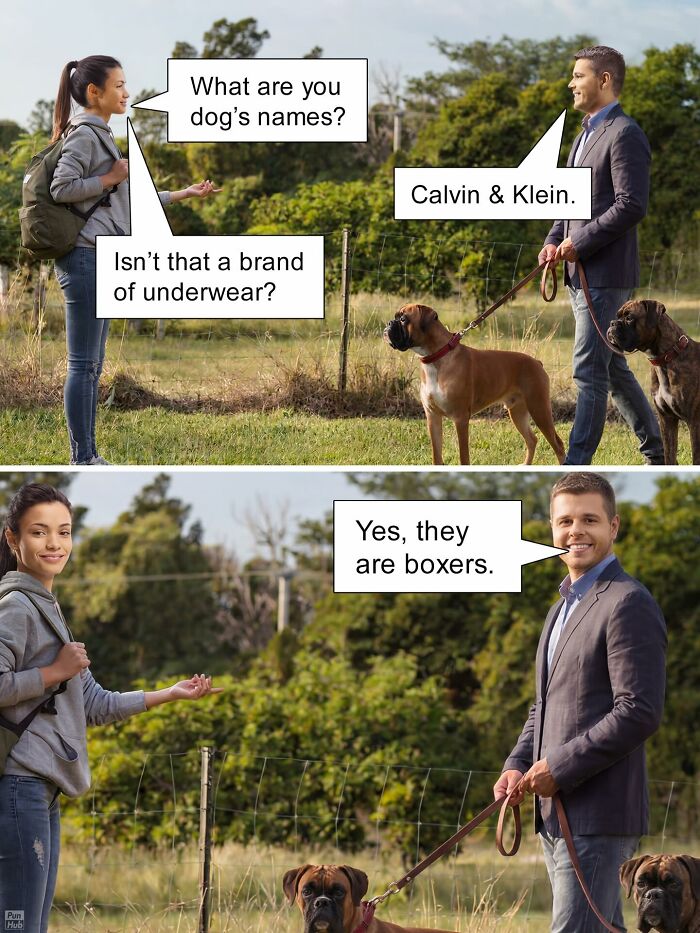
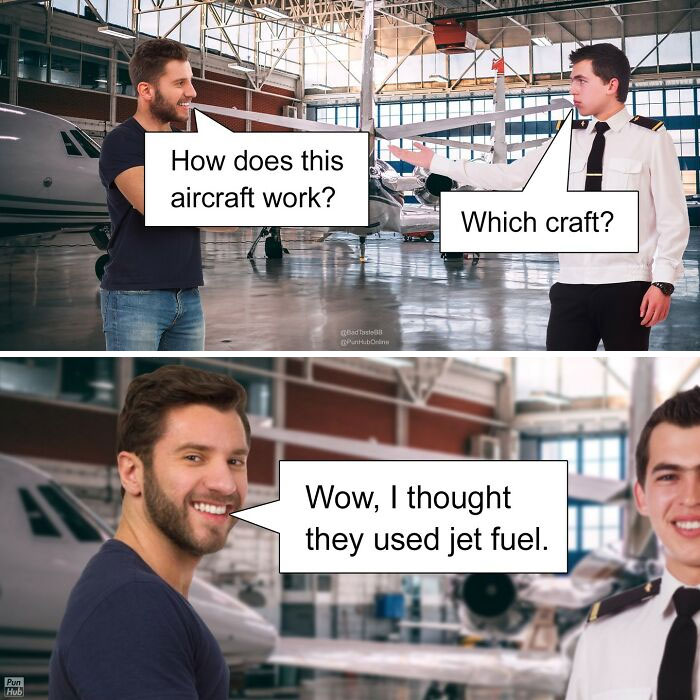
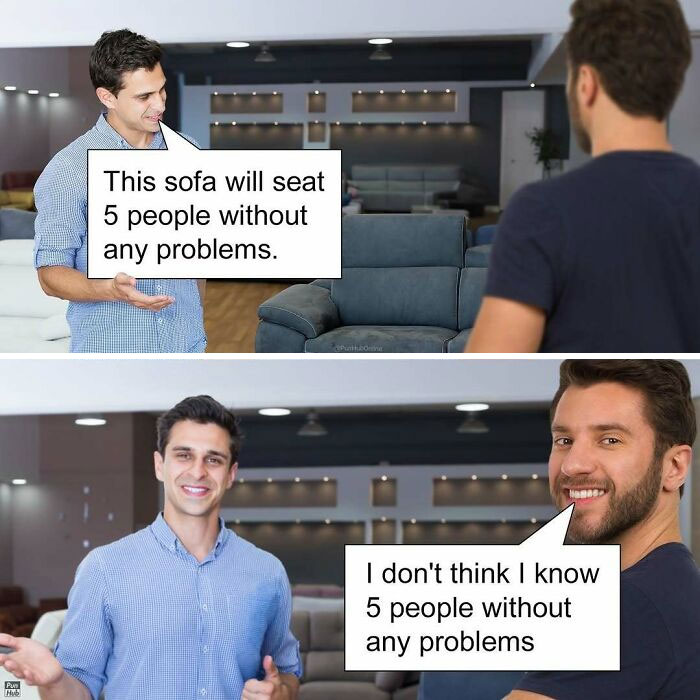
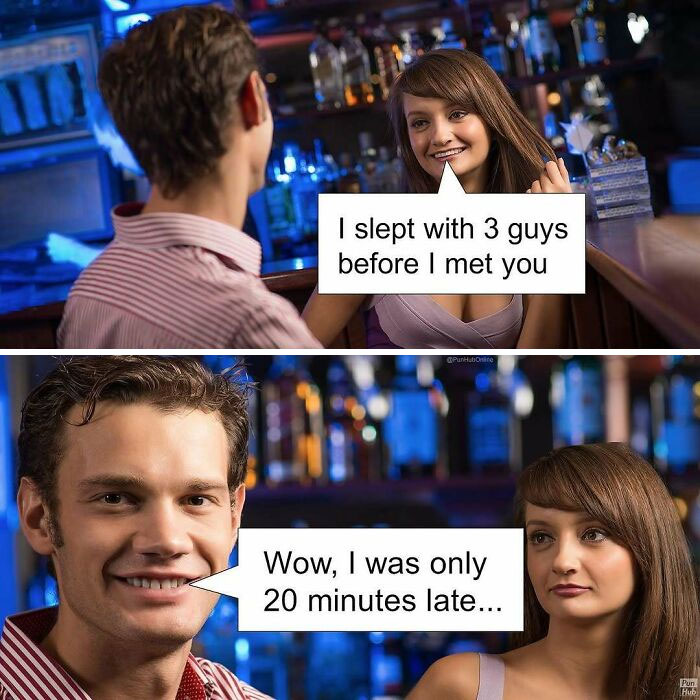
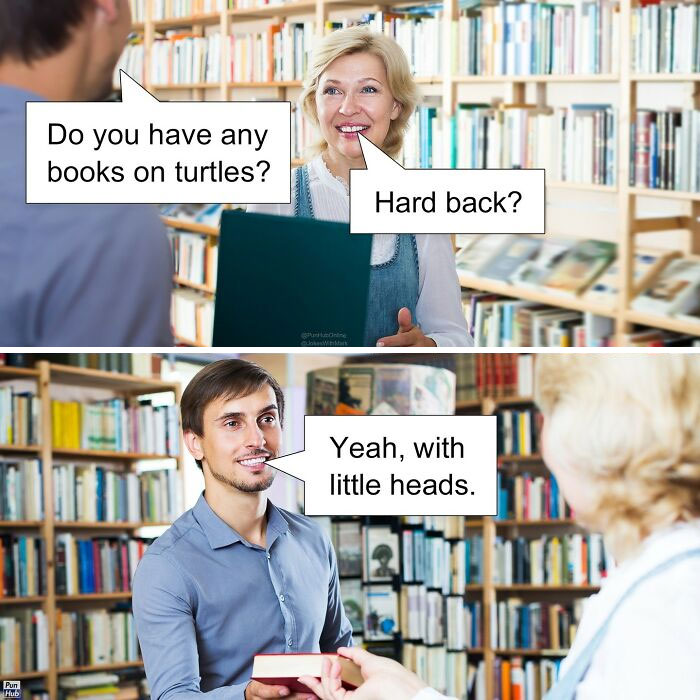
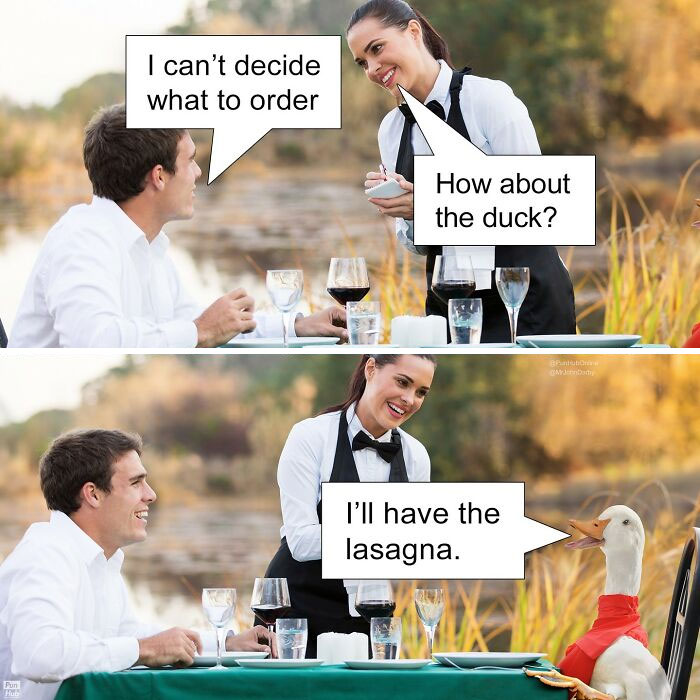
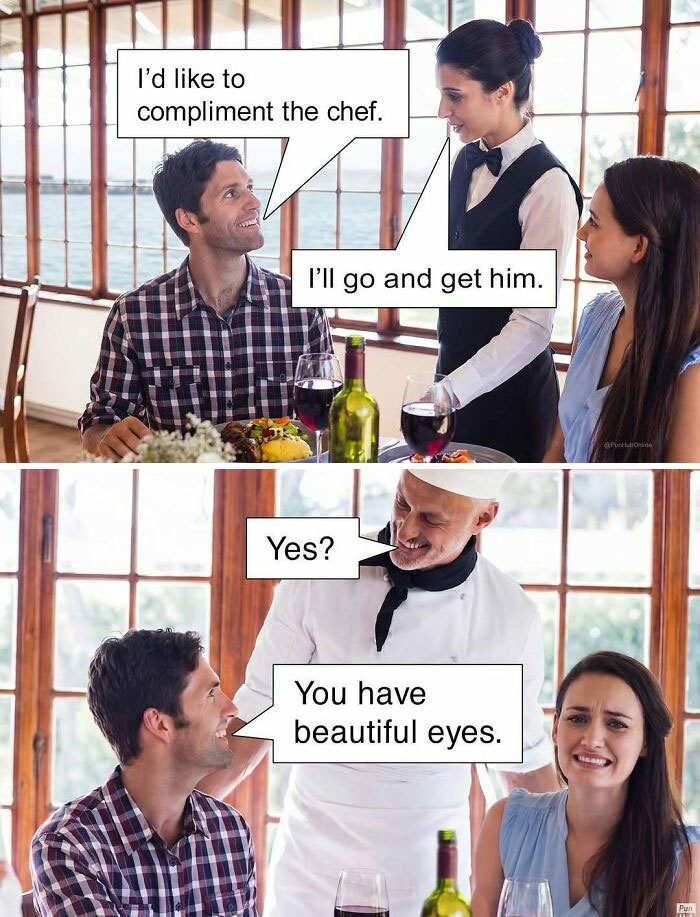
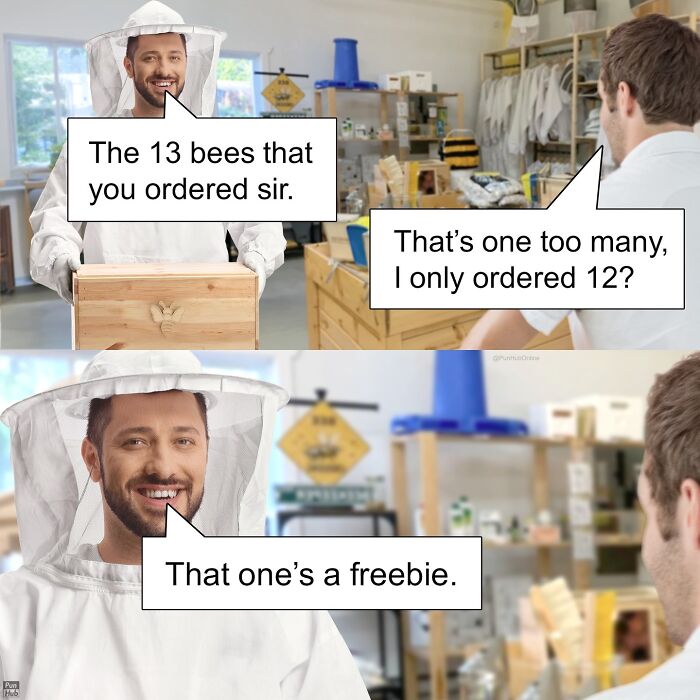
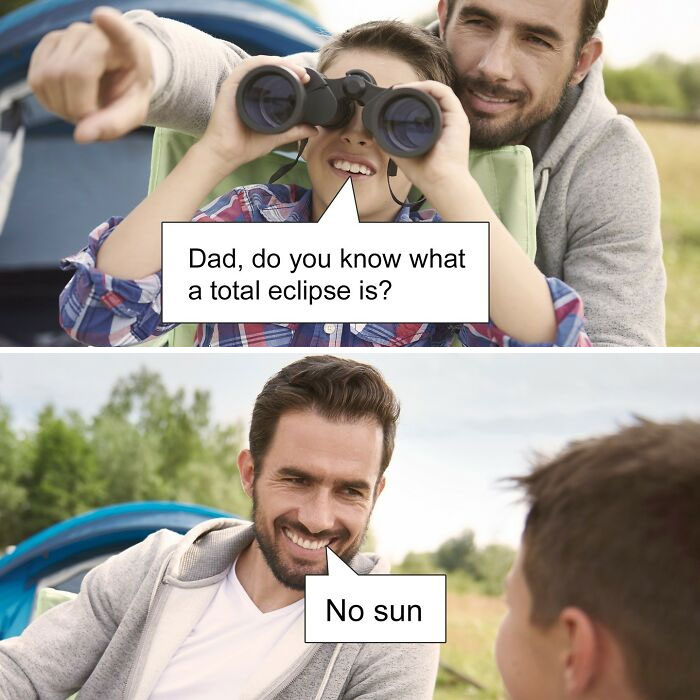
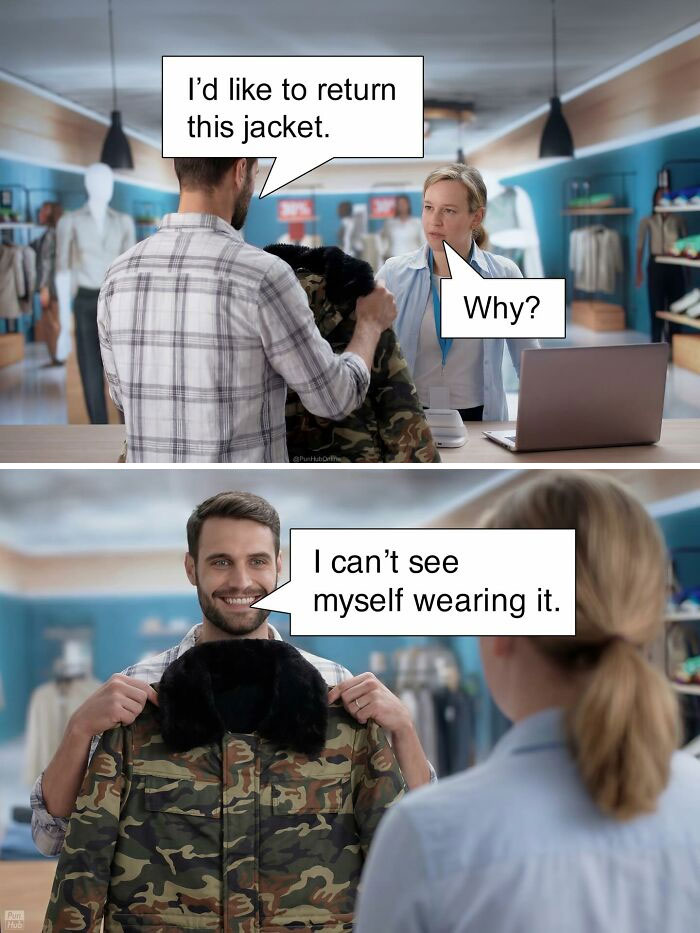
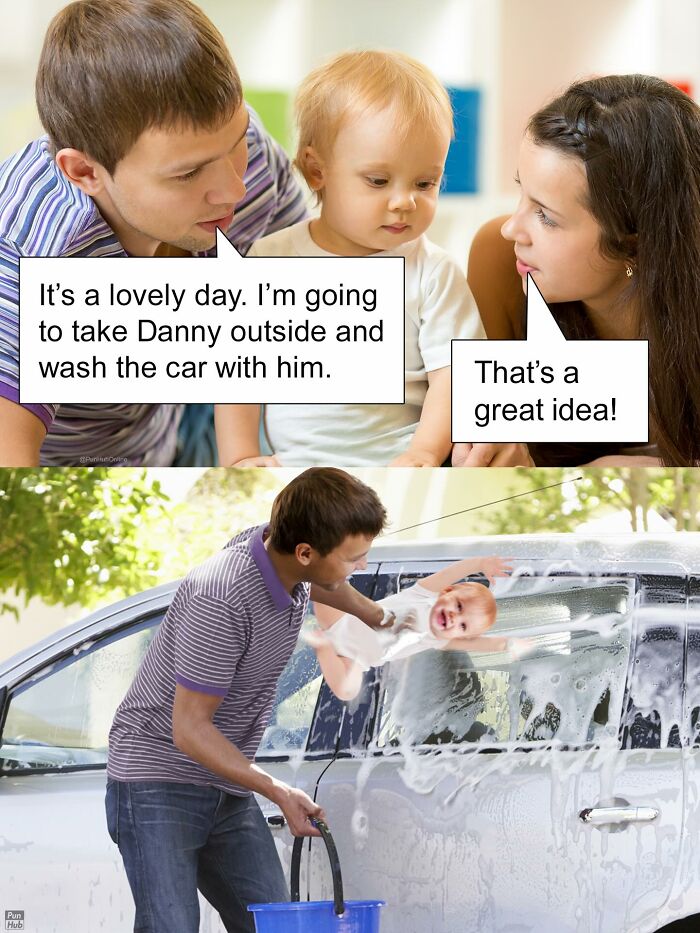
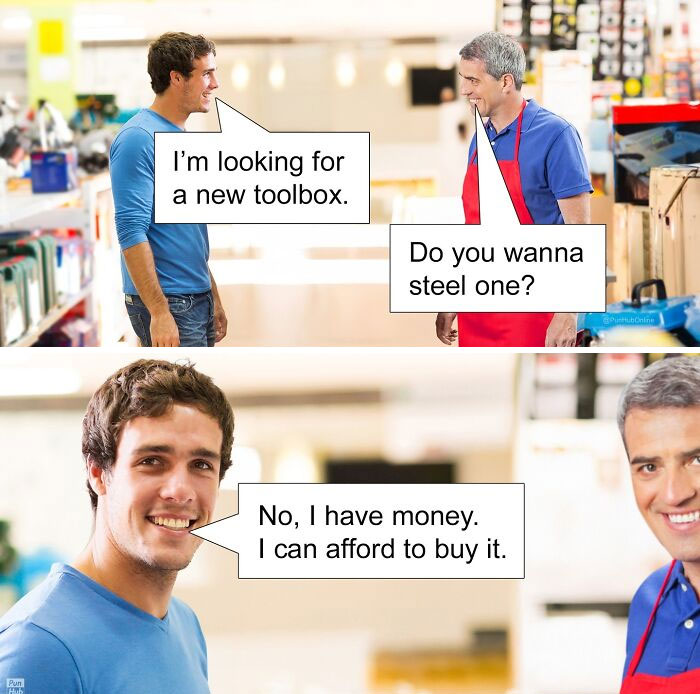
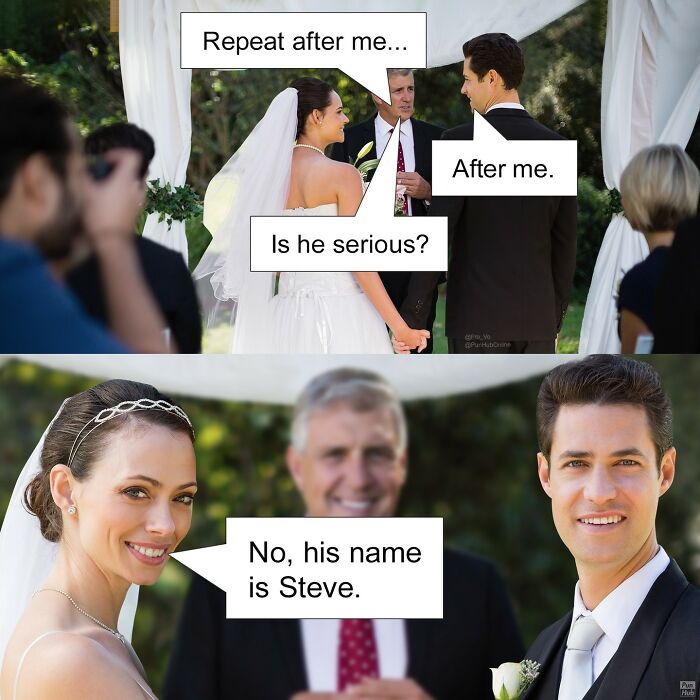
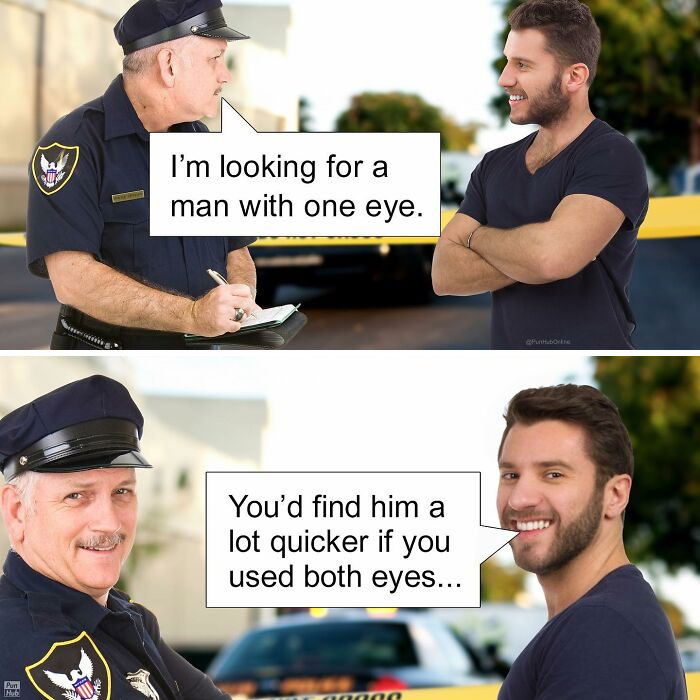
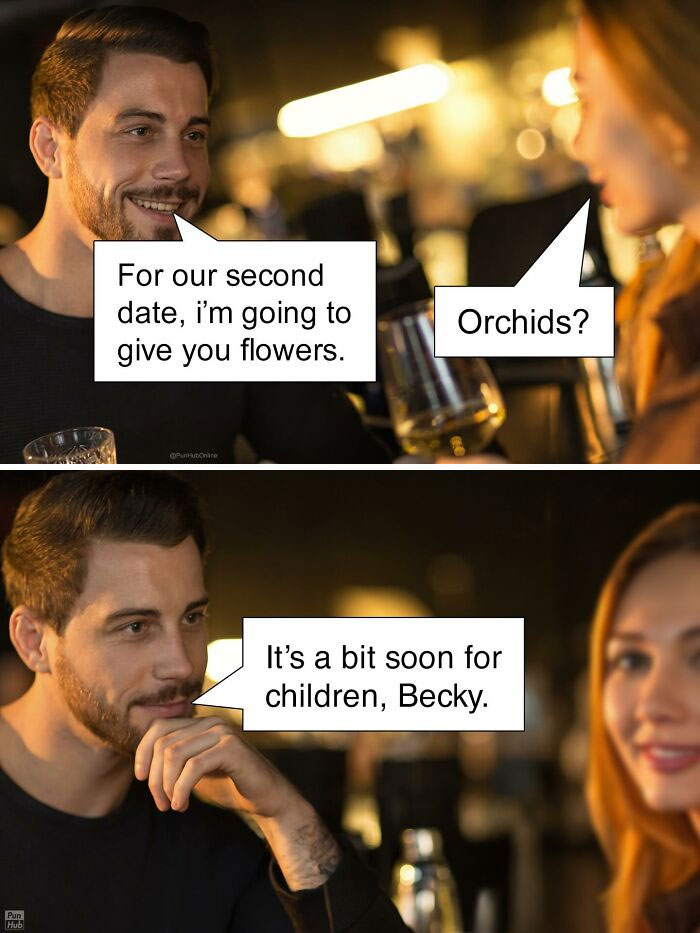
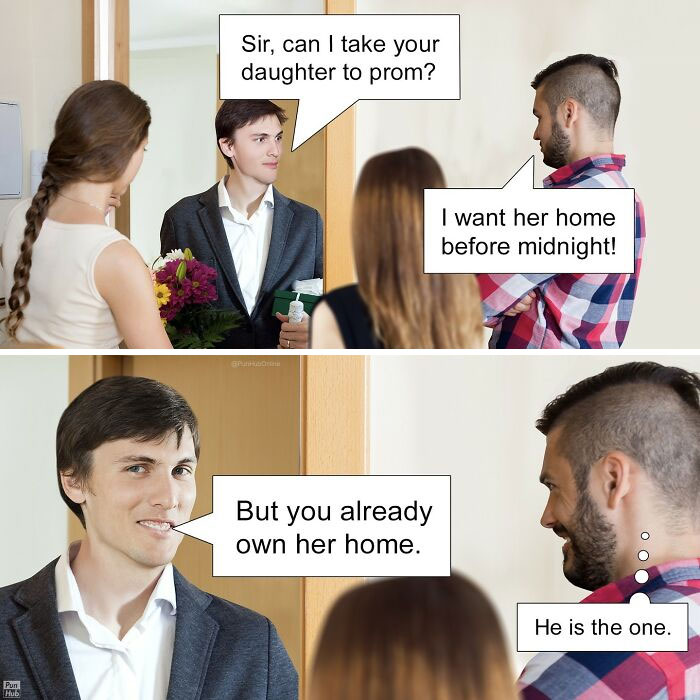
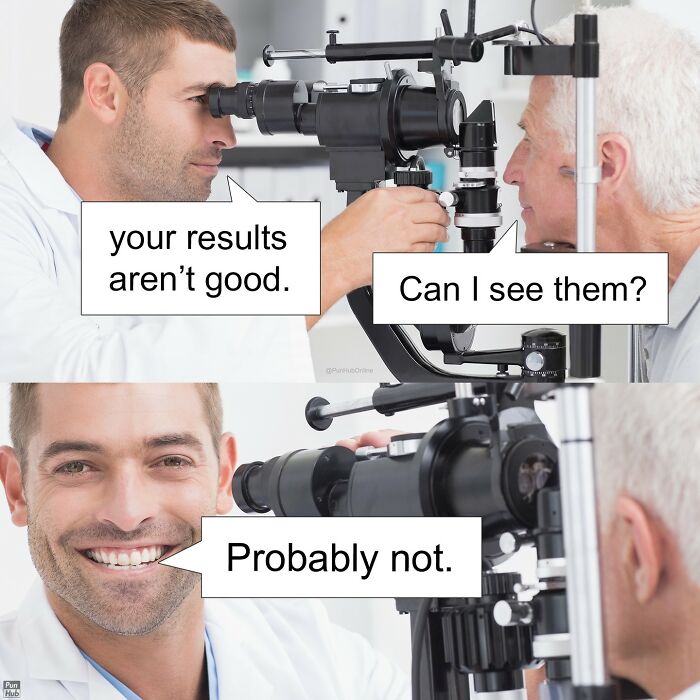
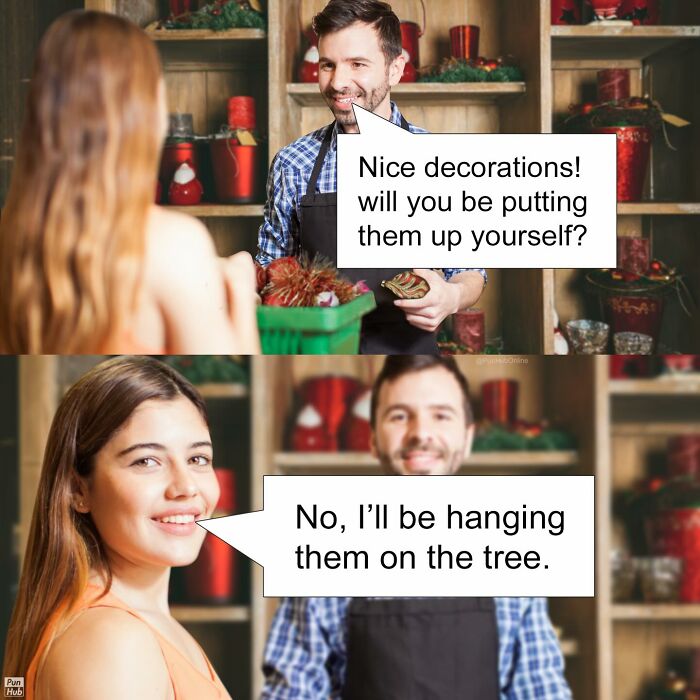
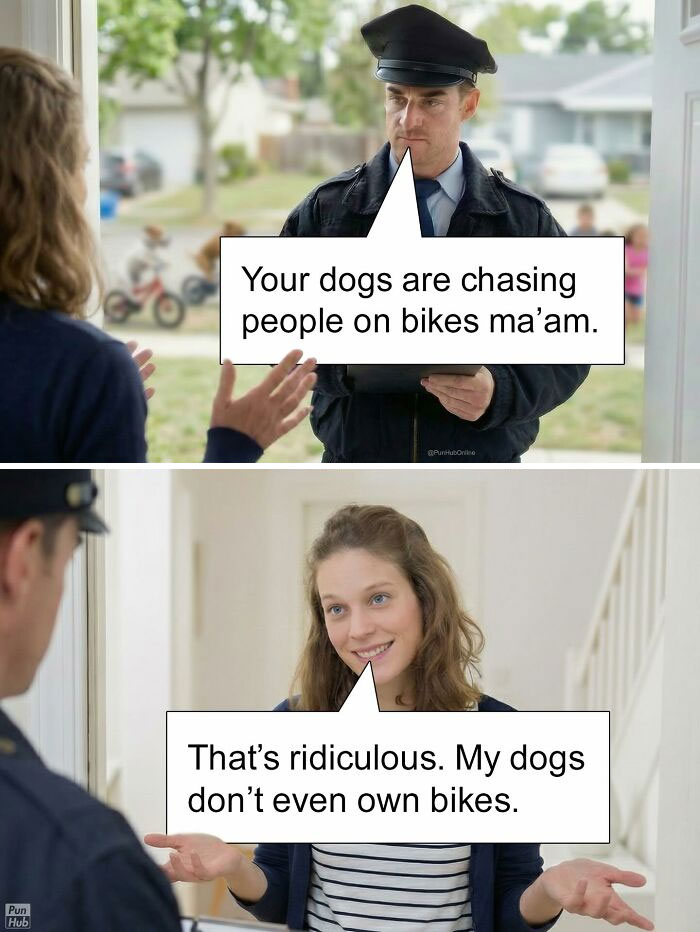
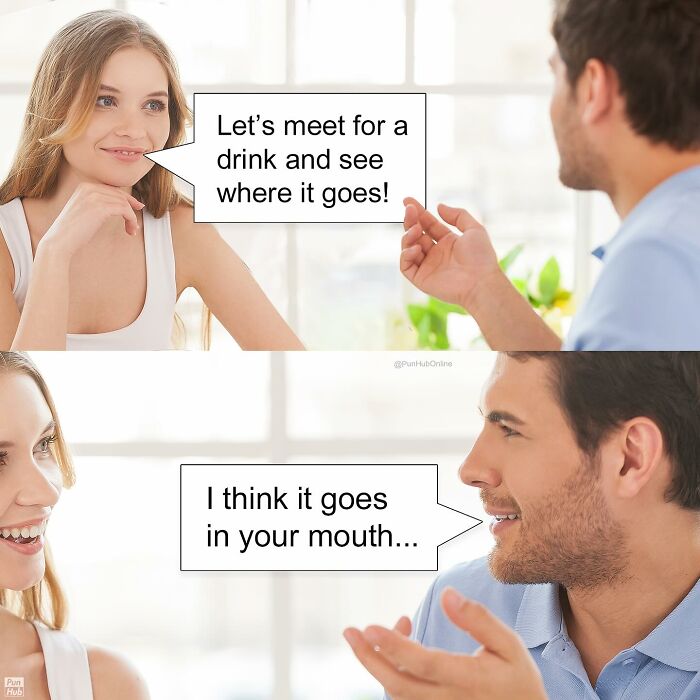
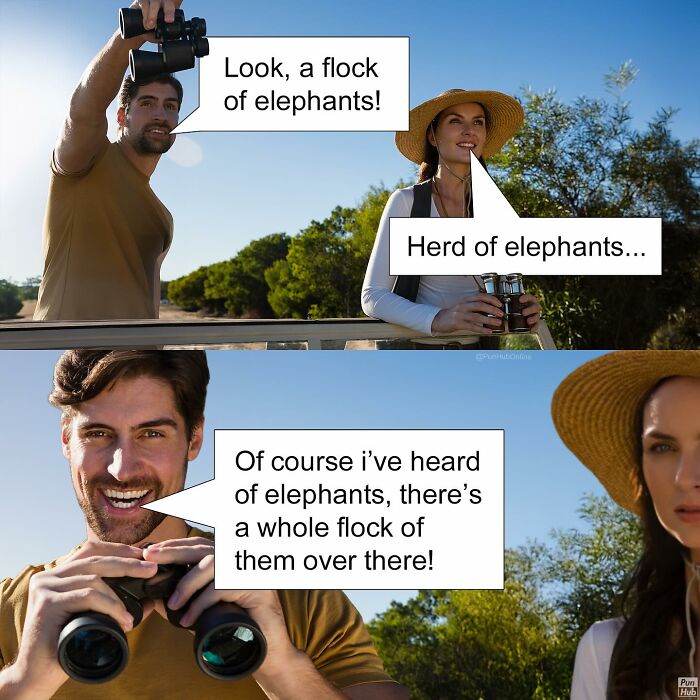
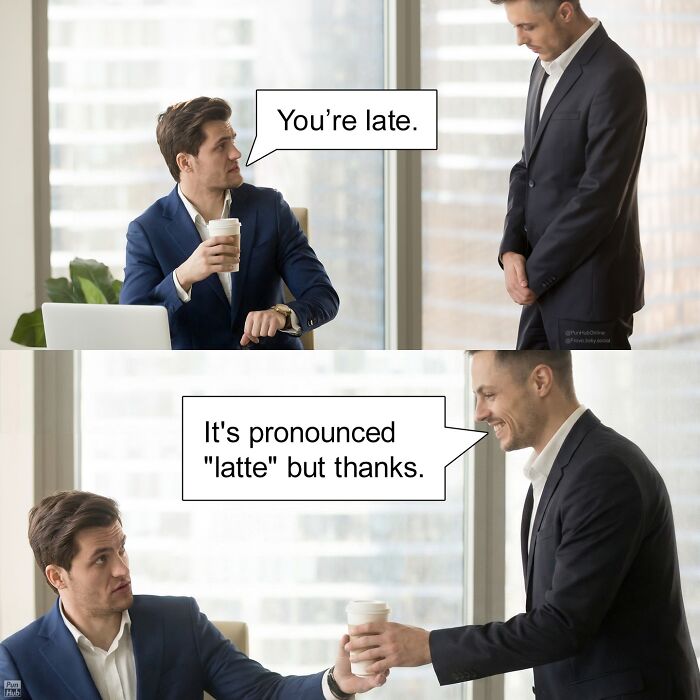
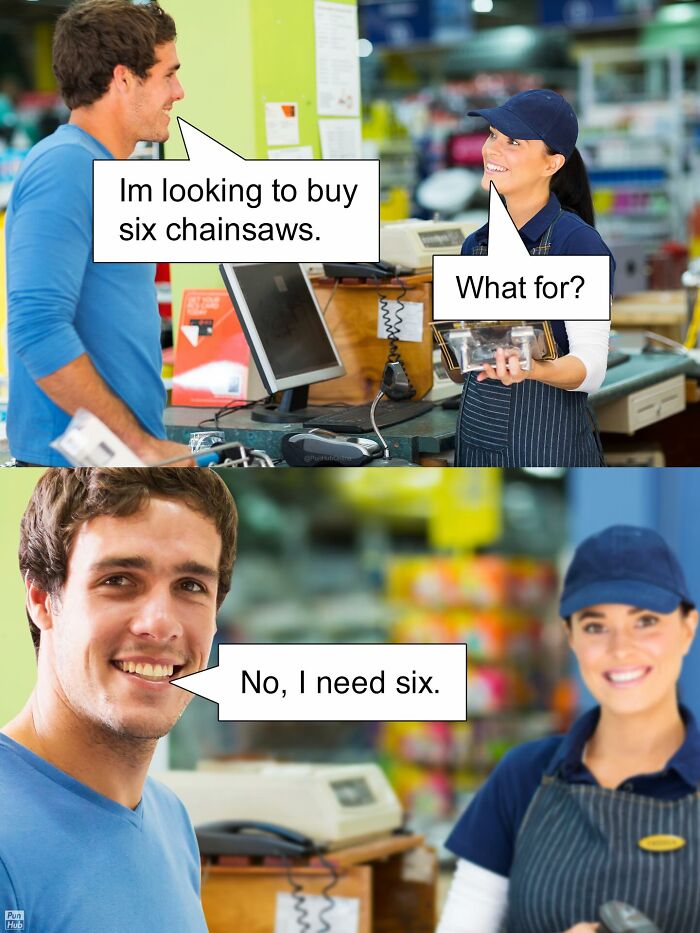
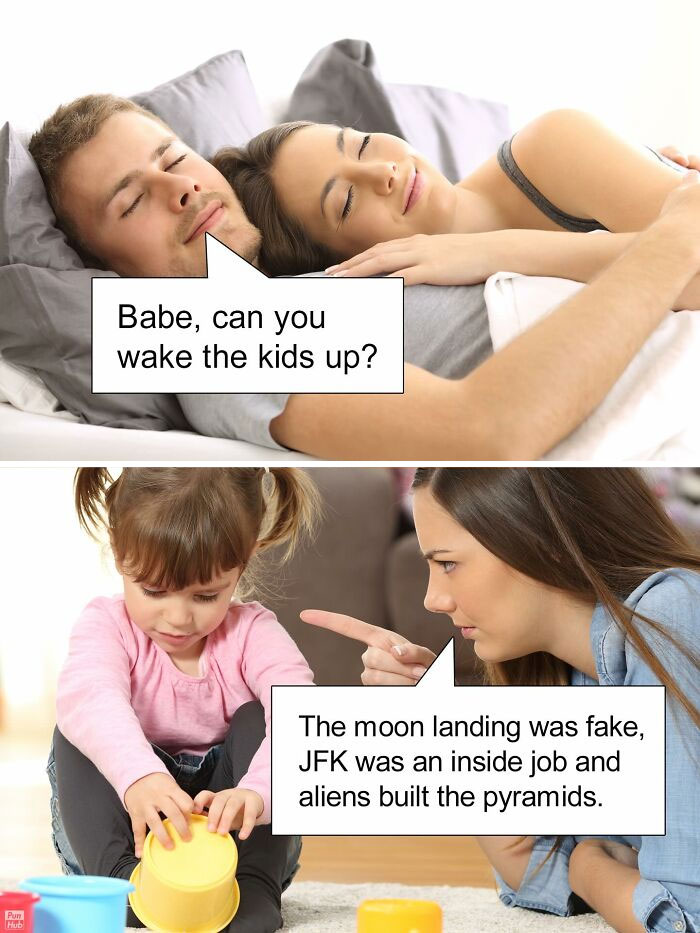
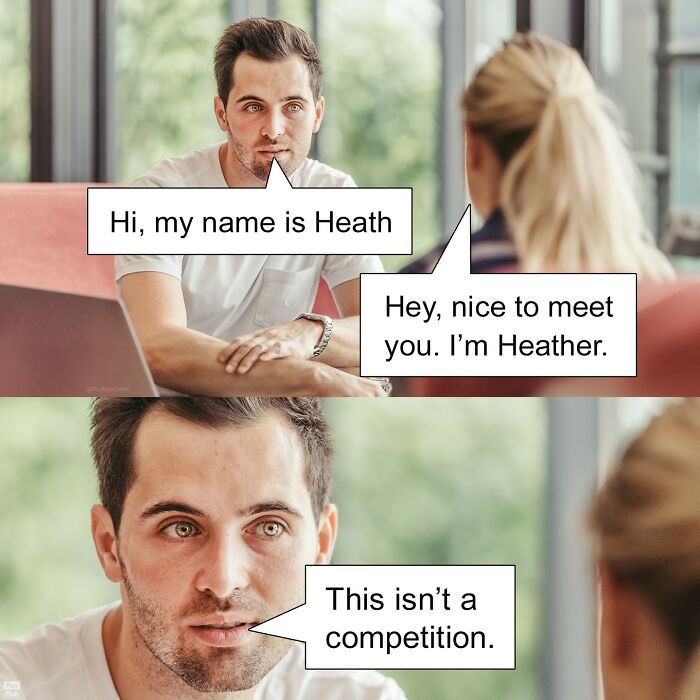
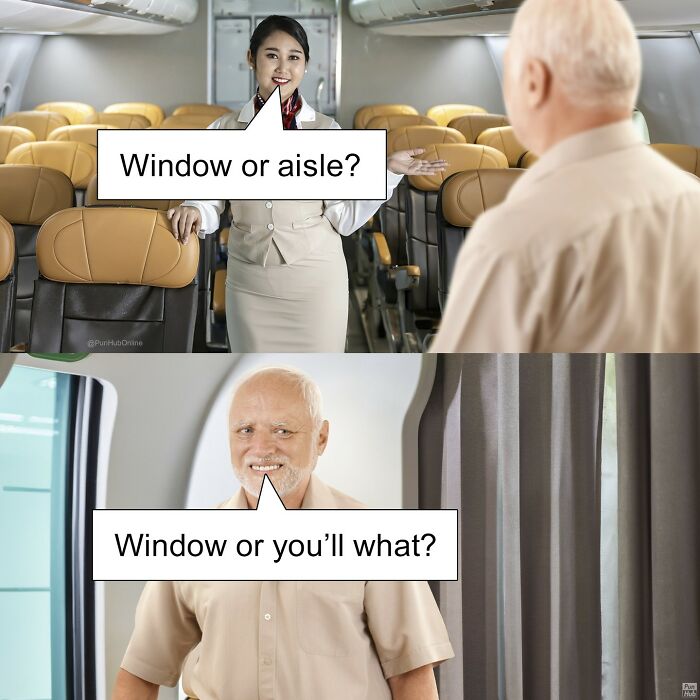
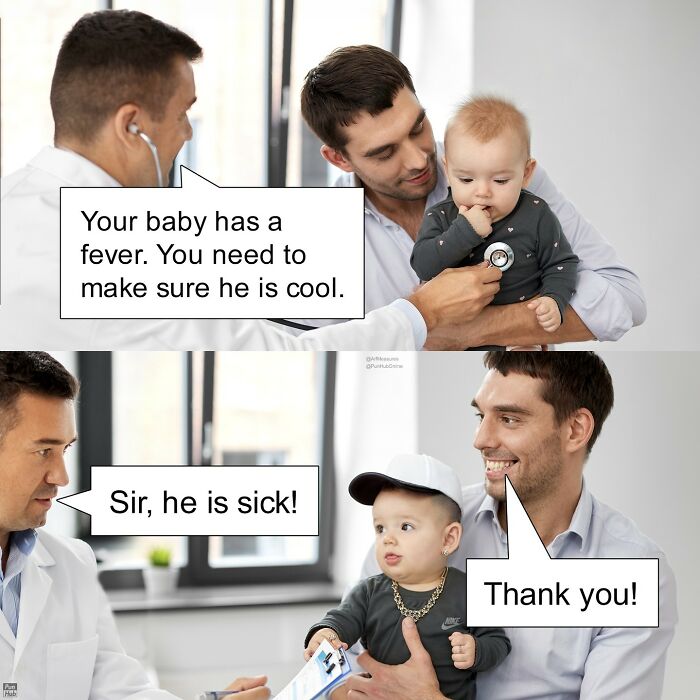
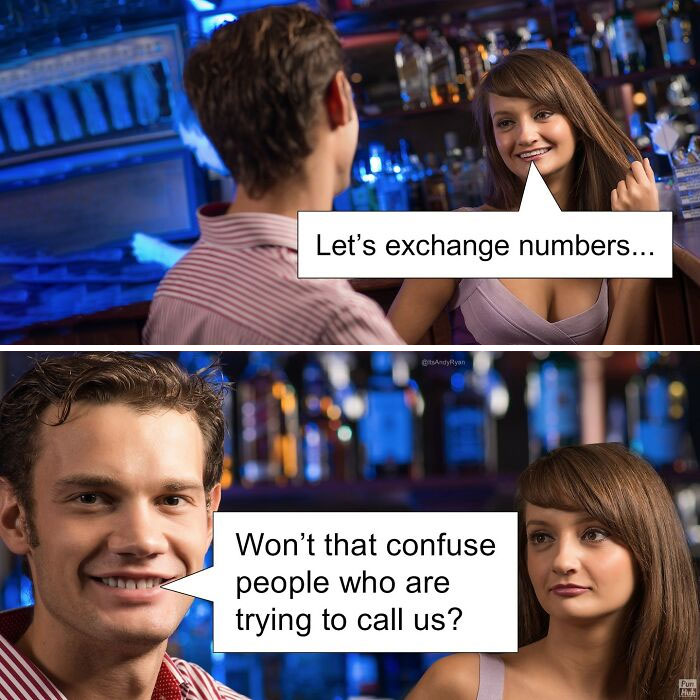
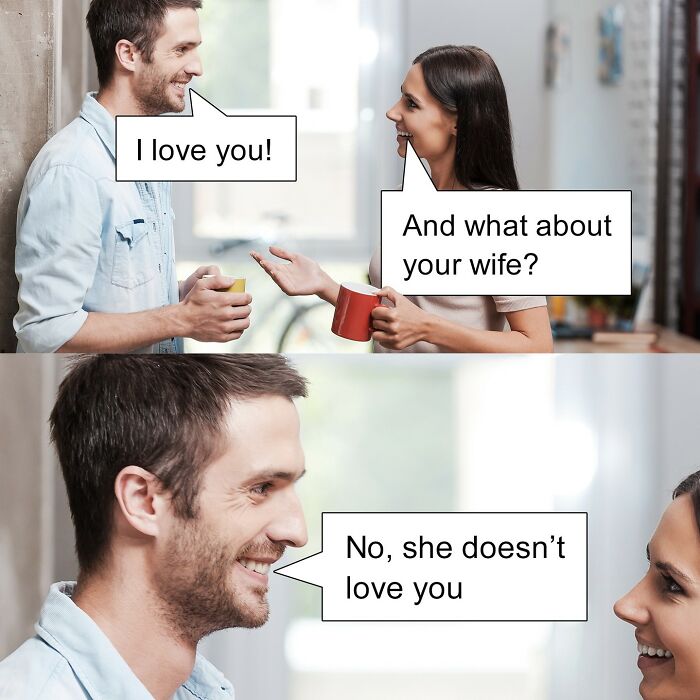
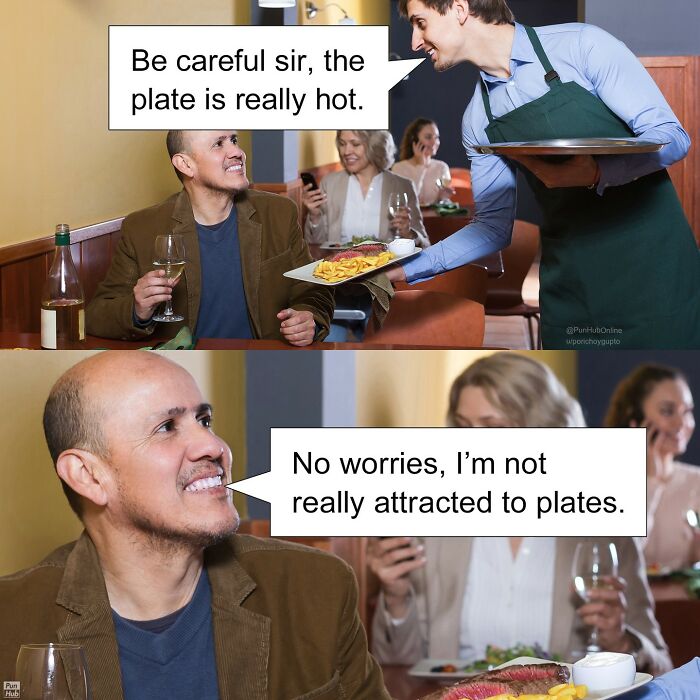
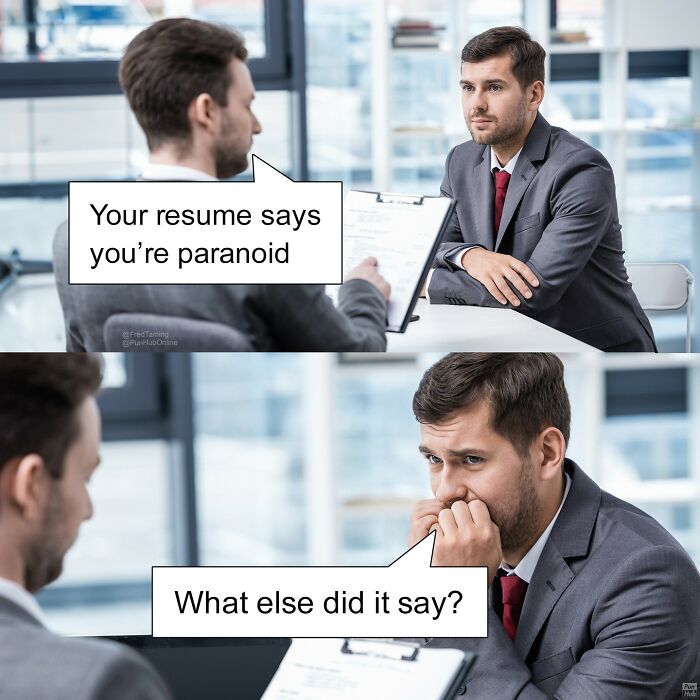
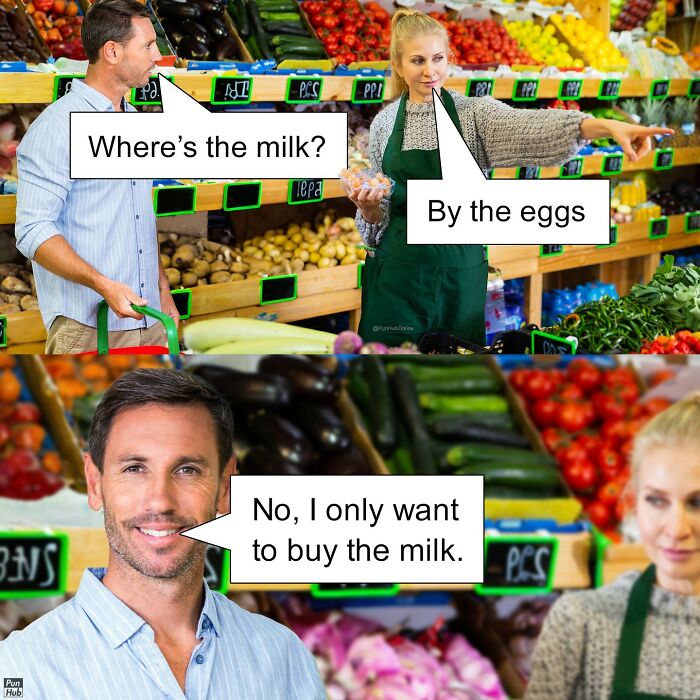
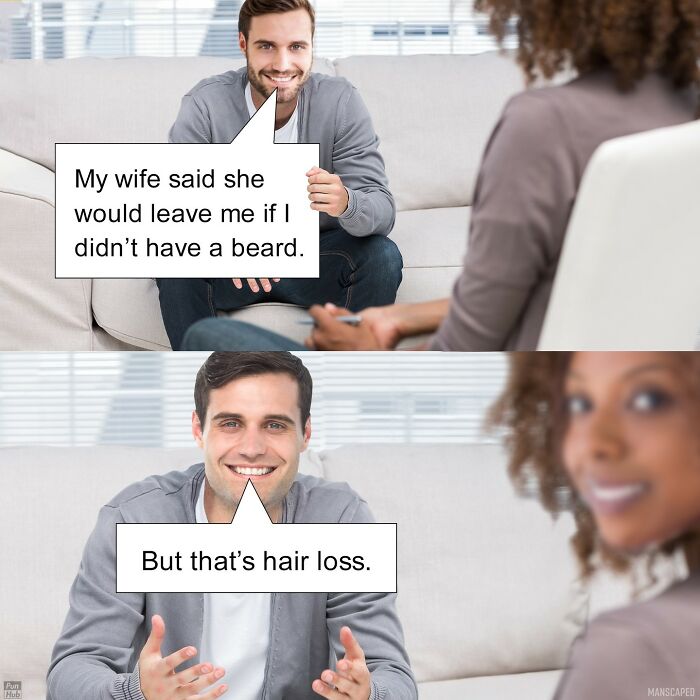
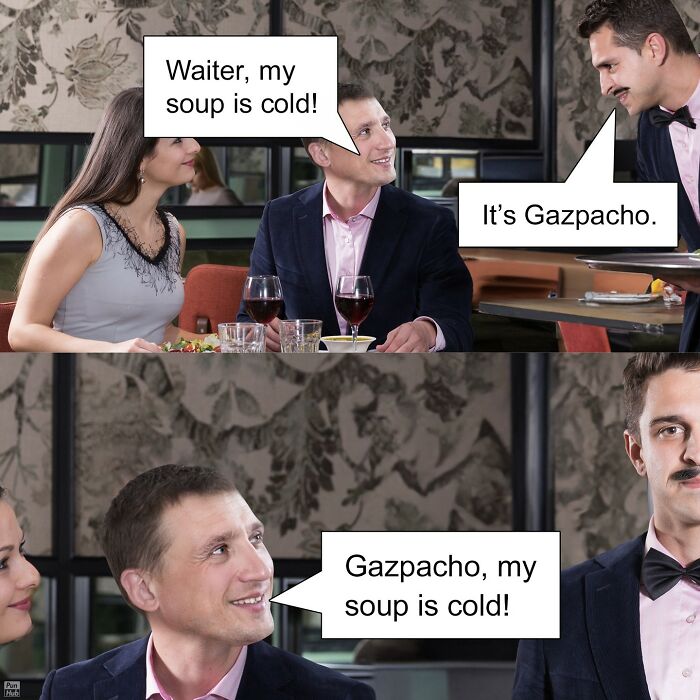
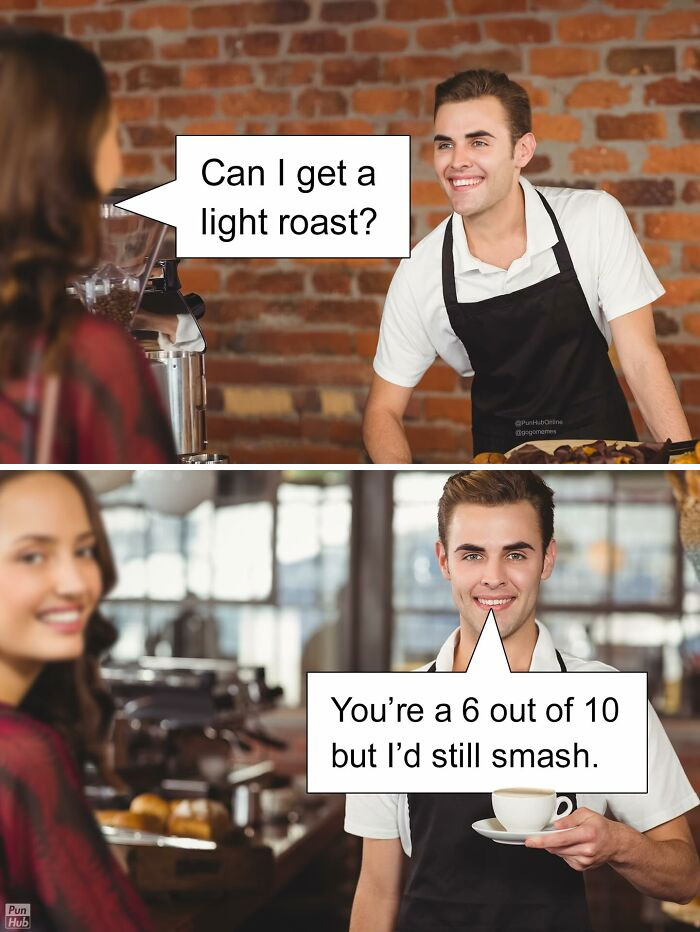
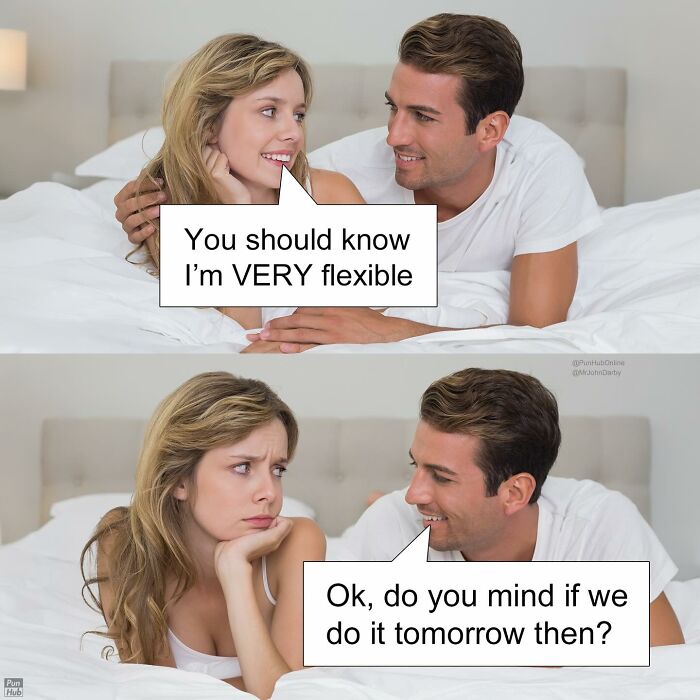
What makes this account’s posts hilarious is their brilliant use of completely generic stock images. By pairing a clever wordplay twist with a stiff, overly staged photo of smiling actors or corporate offices, they create a hilarious contrast.
Let’s unwrap the secret power behind these simple words and find out why they keep us hooked.

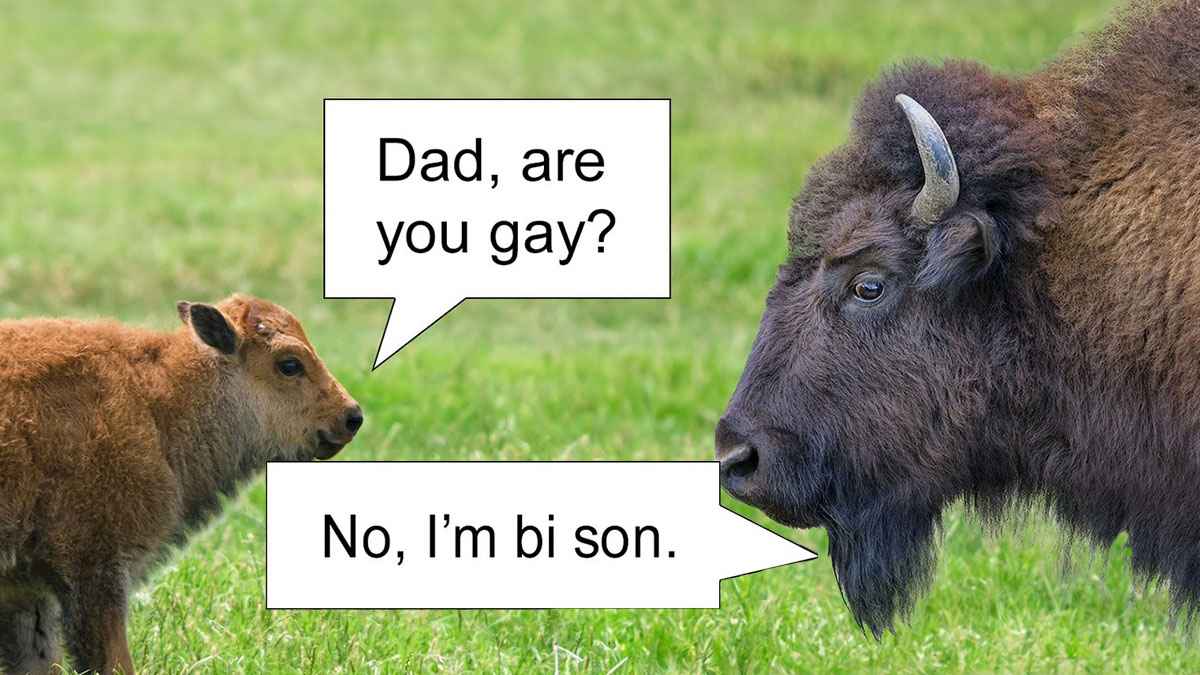
#1

Funny-Puns-Dad-Jokes-Punhubonline

punhubonline Report

Sue Denham
Community Member
42 minutes ago Created by potrace 1.15, written by Peter Selinger 2001-2017

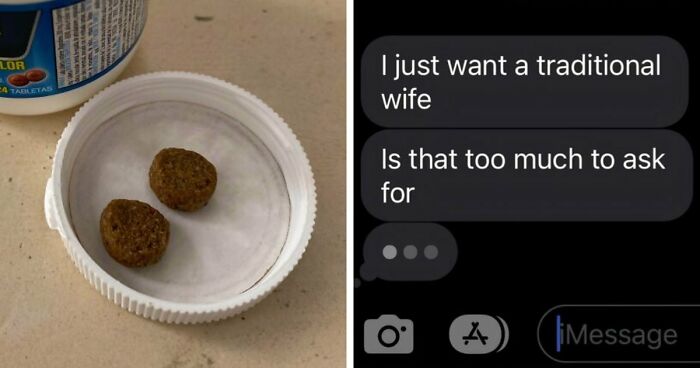
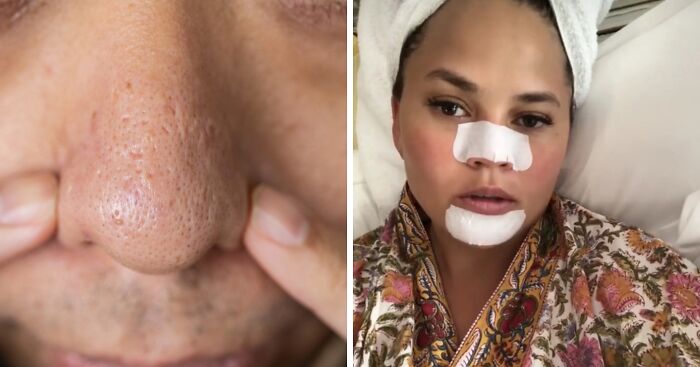
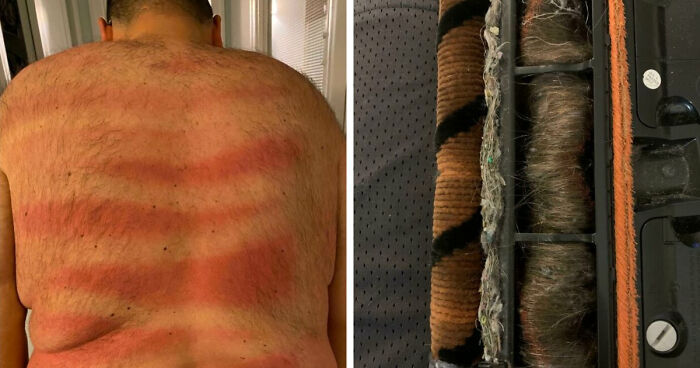
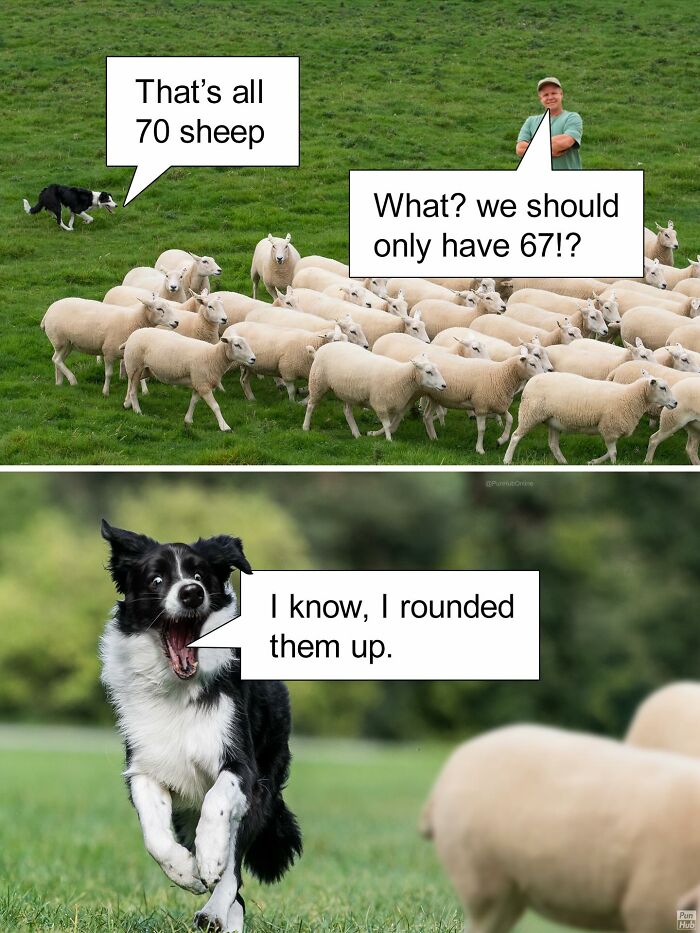
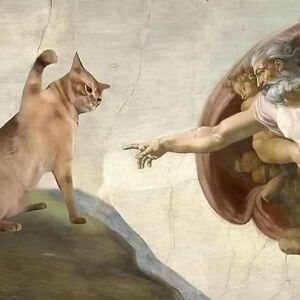
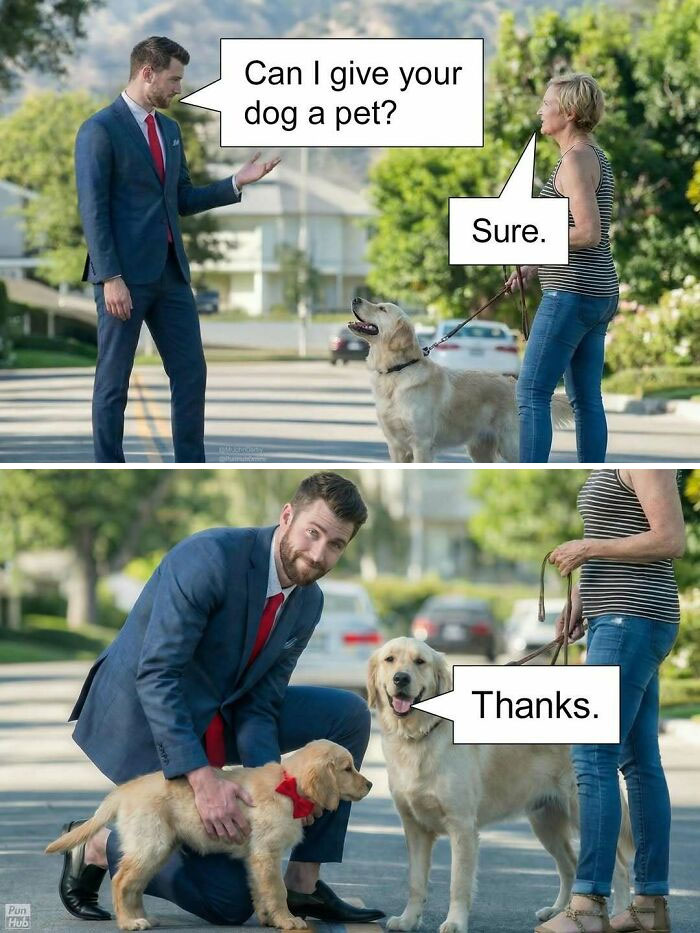
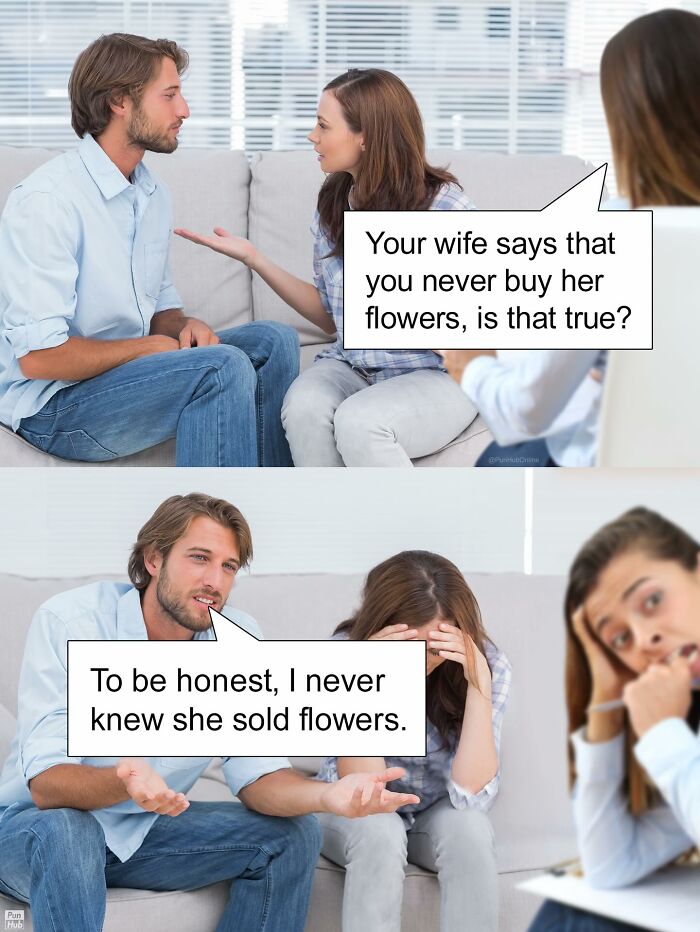
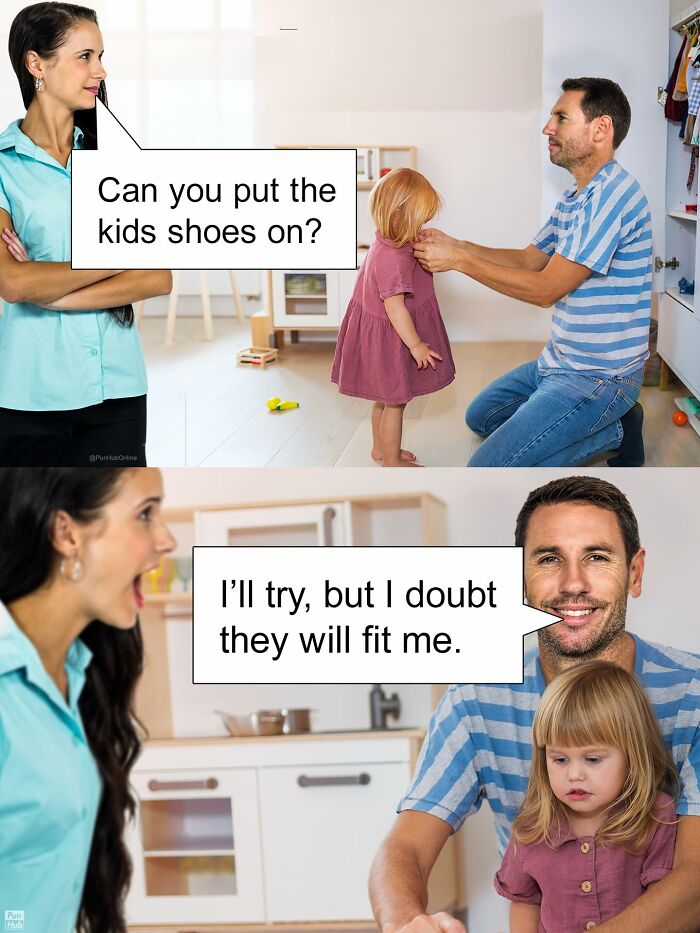
Think again, Steve, small children are utterly ferocious.

RELATED:

    Ever wonder what actually makes a pun funny to those of us who appreciate a good groaner?

    According to research, puns send the brain into absolute overdrive compared to normal jokes. Specifically, they hyper-activate the left inferior frontal gyrus (IFG) — the part of the brain that handles words with double meanings.

    ADVERTISEMENT

    Because the brain has to process two completely different ideas at the exact same time, it basically acts like a high-intensity workout for our language skills.

    The study also found that the left IFG shows stronger activity when people read funny puns than when they read regular jokes.

    ADVERTISEMENT

    Interestingly, scientists often use puns when they study humor. People don’t always laugh at them, but because puns are simple and familiar, most can still spot the humor. So the brain goes through the same humor processing.

    This happens because of a concept called the Benign Violation Theory, which is the best way to explain why humor makes people laugh.

    ADVERTISEMENT

    According to this theory, things become funny when they break normal rules or mess with language grammar (a violation), but do it in a completely harmless way (benign).

    The great thing about puns is that they are never mean or hurtful. They are the perfect example of breaking the rules in a friendly way.

    #7

    Funny-Puns-Dad-Jokes-Punhubonline

    punhubonline Report

    Oerff On Tour
    Community Member
    20 minutes ago Created by potrace 1.15, written by Peter Selinger 2001-2017

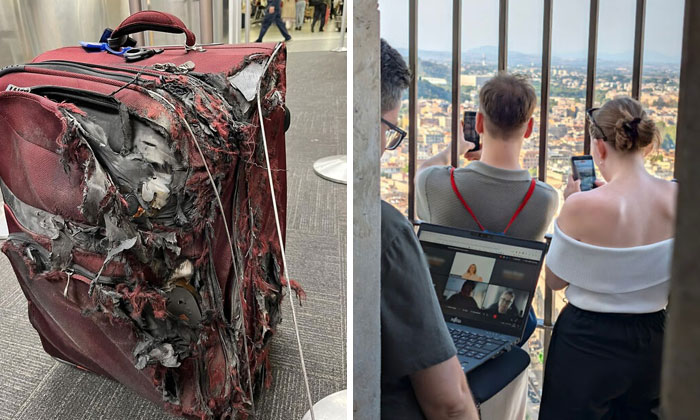
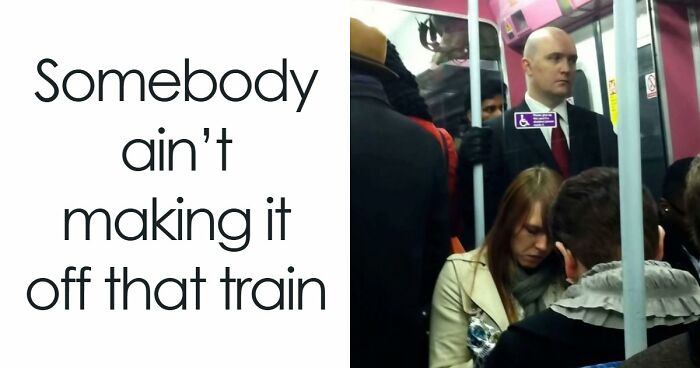
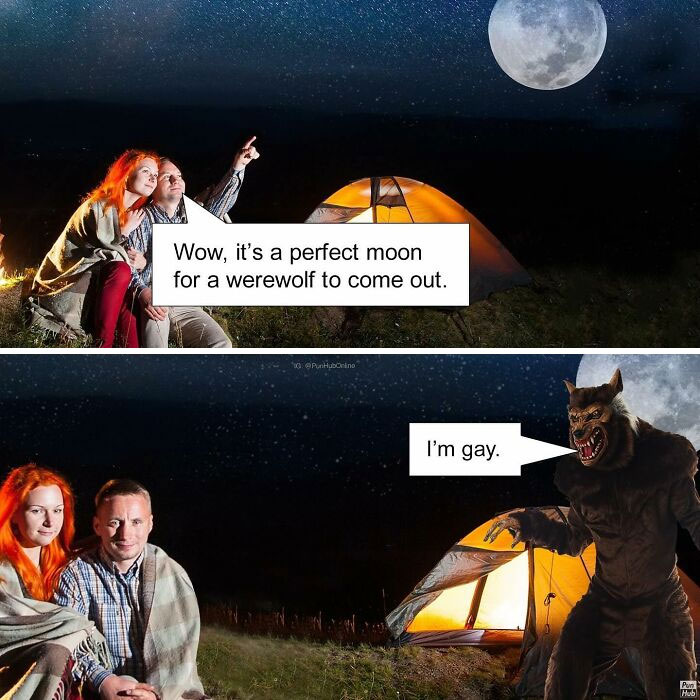
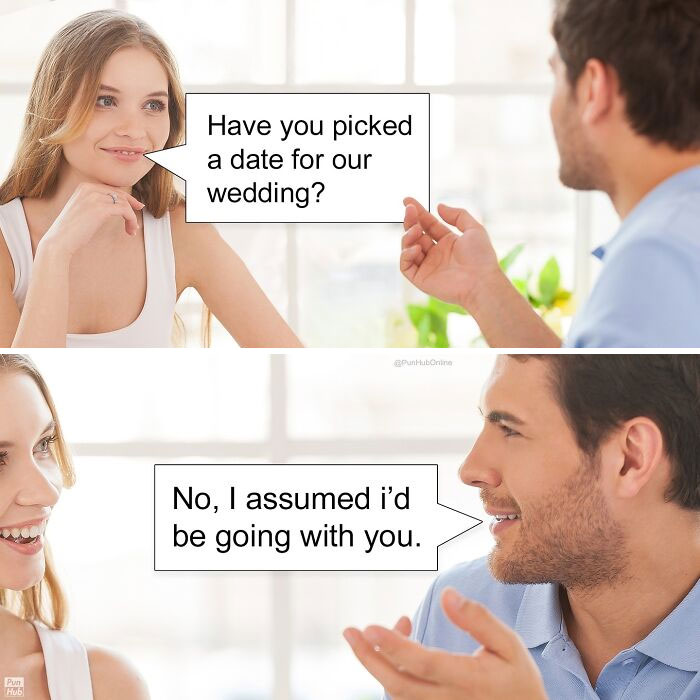
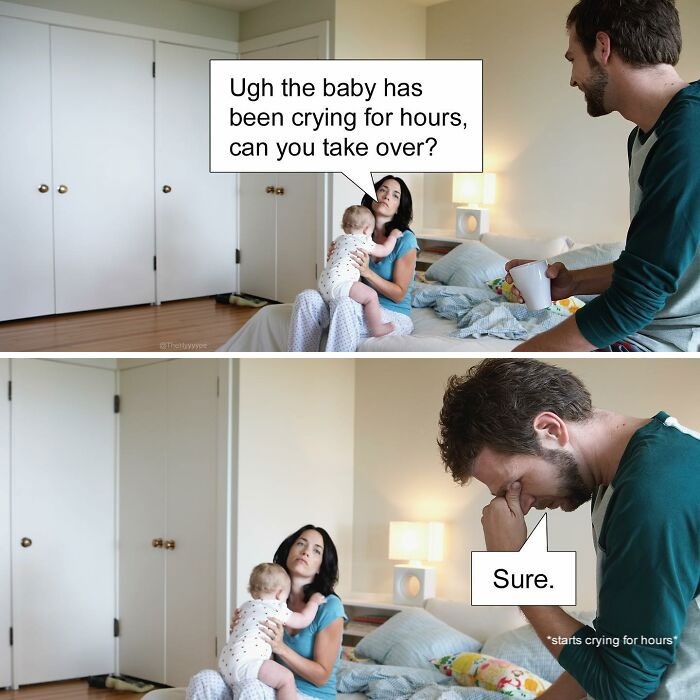
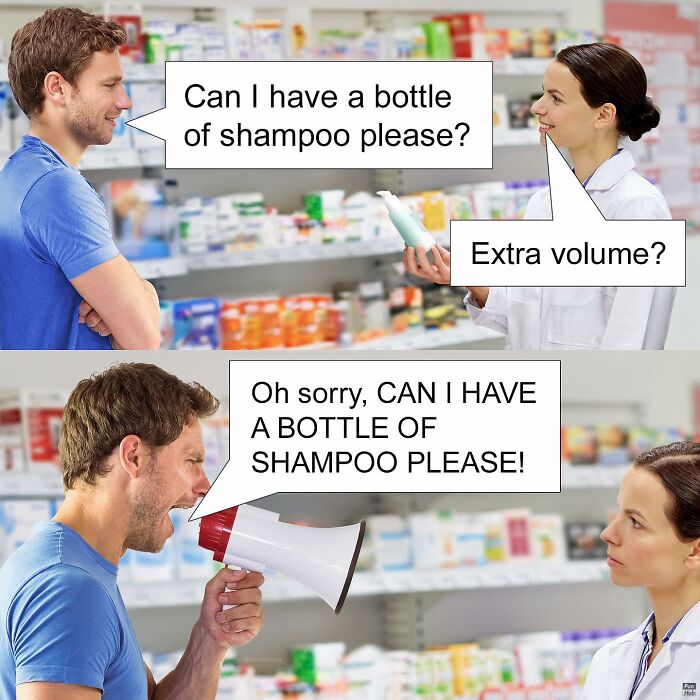
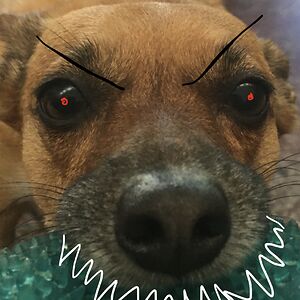
    Wonder who's the most successful 😇

    ADVERTISEMENT

    This inherently gentle nature of puns might explain why they became the ultimate staple of the modern dad joke. Because wordplay breaks linguistic rules without being inappropriate, it became the go-to tool for fathers looking to bond with their kids.

    ADVERTISEMENT

    Experts note that some fathers try to intentionally use cheesy puns to teach children how to handle mild social embarrassment. The resulting cringeworthy moments show adolescent children that social awkwardness is completely survivable. And as each joke is told, those limits are expanded.

    “To categorize dad humor as simply, bad jokes, would be a mistake. They work on at least three levels: as puns, as anti-humor, and as a kind of weaponized anti-humor when dads use them to teasingly annoy and/or embarrass their children,” says psychologist and humor researcher, Mark Hye-Knudsen.

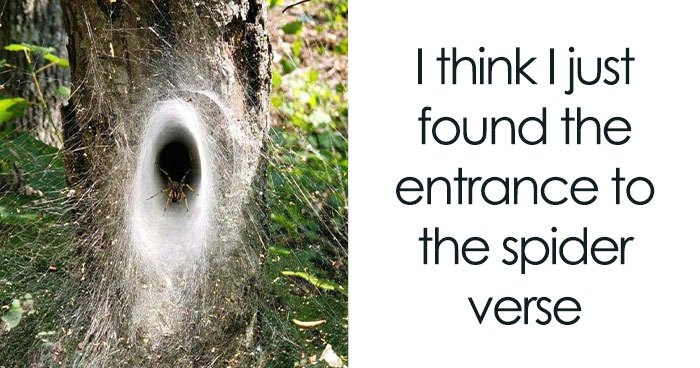
    #9

    Funny-Puns-Dad-Jokes-Punhubonline

    punhubonline Report

    Blix
    Community Member
    54 minutes ago Created by potrace 1.15, written by Peter Selinger 2001-2017

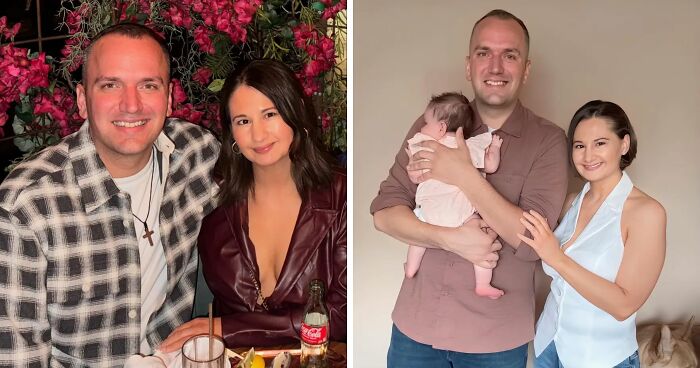
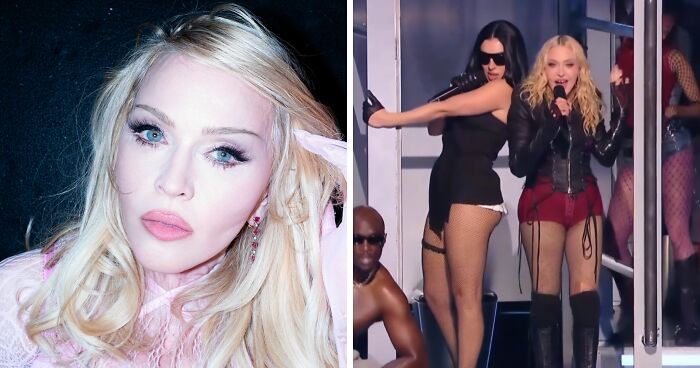
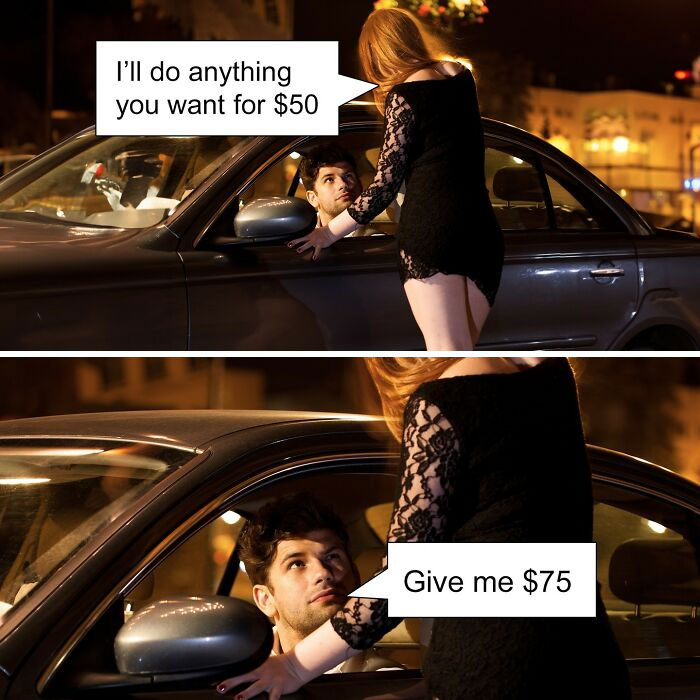
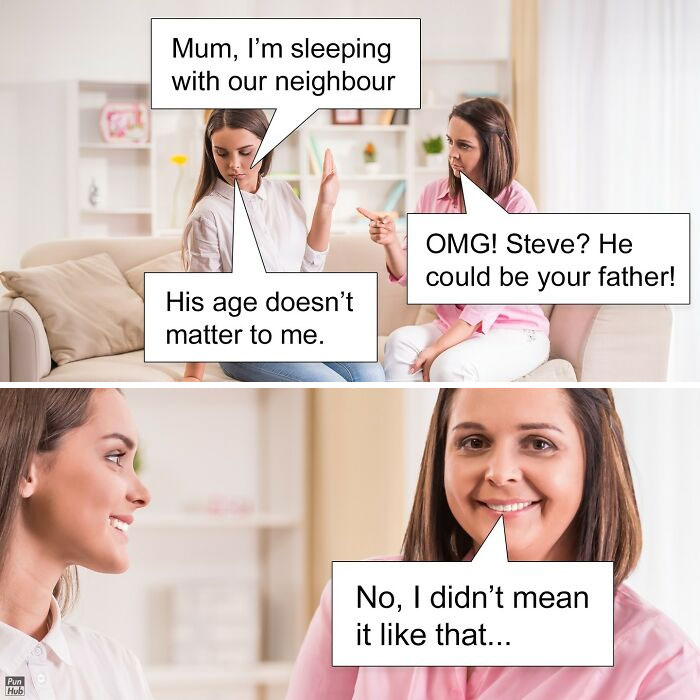
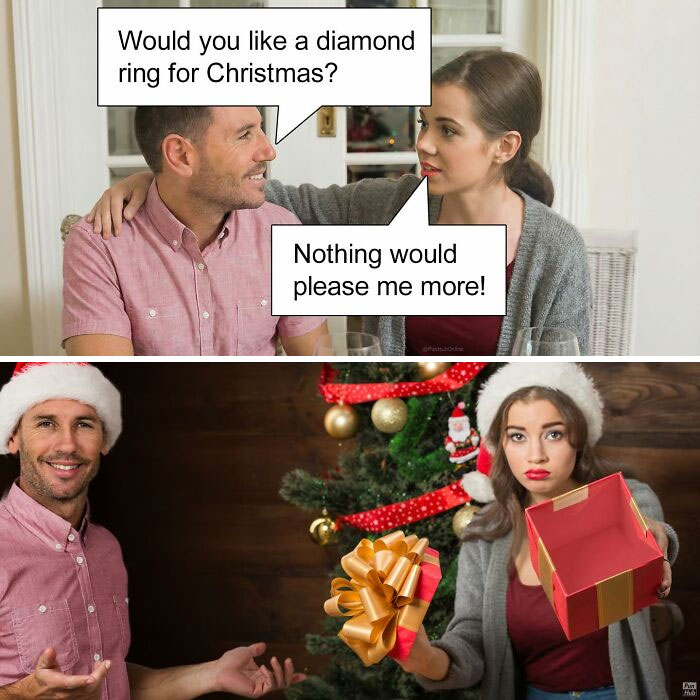
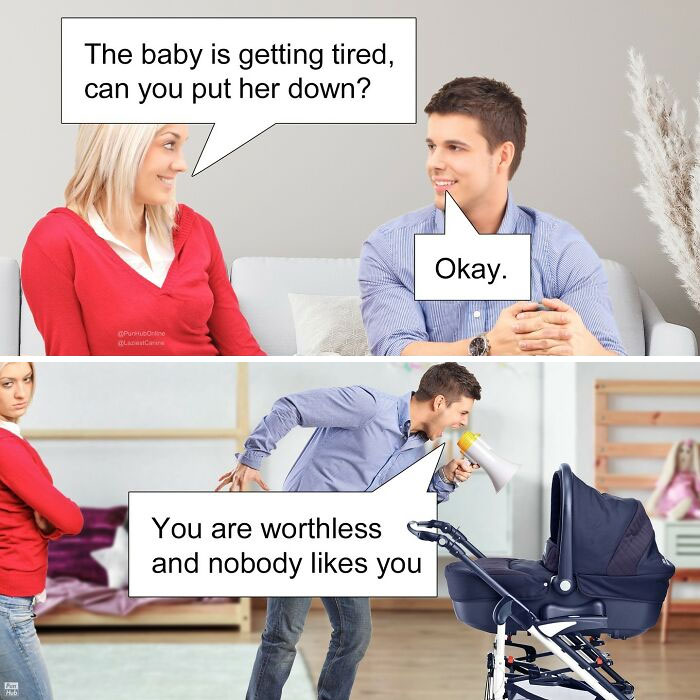
    This is this only one on this list remotely clever.

    View more comments
    ADVERTISEMENT

    William Shakespeare was a fan of puns, too. Long before modern dad jokes existed, the world’s most famous playwright was packing his plays full of clever wordplay.

    Experts believe that Shakespeare wrote thousands of puns across his masterpieces — from tragic dramas like Romeo and Juliet to comedies like A Midsummer Night's Dream. He constantly used words that sounded identical but had totally different meanings.

    He knew that double meanings made his audience pay close attention. They had to listen carefully so they wouldn’t miss the hidden jokes and clever twists.

    But over time, the power of the pun began to decline as language shifted from a spoken culture to a written one. During the Neoclassical literary movement of the 18th century, critics began to push for a very strict, dignified style of English.

    Two centuries after Shakespeare, puns were seen as the “most despised” form of humor. John Dennis, a playwright in the early 1700s, called puns “the lowest type of wit.”

    Even literary heavyweights of that era, like Samuel Johnson and John Dryden, agreed. They believed that changing a word’s meaning ruined the clarity and elegance of the written language.

    Never miss a story that brings joy to the world. Follow on Google News

    The revival of the pun began taking root during the 19th century, particularly through a major shift in children’s literature. Authors like Lewis Carroll began pushing back against the rigid moralistic and dry educational texts typical of the Victorian era.

    His book, Alice in Wonderland, is practically built on puns. By using homophones (words that sound the same) and literal interpretations of figurative language, he turned the English language into a playground of nonsense and miscommunication.

    Today, the pun is making a massive comeback. Internet humor relies almost entirely on text and silent images, like memes, rather than spoken delivery. Because of this, sarcasm and long-form jokes might sometimes get lost or misinterpreted.

    Puns, on the other hand, are completely self-contained. The humor comes from the spelling and structure of the words themselves.

    The massive success of social media pages like PunHub, which boasts over one million followers on Instagram, is a testament to just how popular this text-based wit has become.

    Spending even five minutes reading corny jokes works like a total reset button for stress.

    According to research, navigating the sudden twists in a pun acts like a quick workout for your brain’s mental flexibility.

    People who regularly enjoy this kind of lighthearted humor also experience significantly less daily anxiety.

    Just like fashion, humor trends come and go. Even if wordplay isn’t the trendiest form of comedy, it always manages to deliver a punchline — guaranteeing a reaction, whether it’s a genuine laugh or a classic eye roll.

    These jokes also prove that sometimes, the best way to connect with others is simply to refuse to play by the strict rules of prose.