Get Premium
Dark mode theme is available exclusively for premium users. Learn more about the benefits of subscribing.
No fees, cancel anytime.

 Dark Mode Ad-Free Browsing Unlimited Content
 Ad-Free Browsing Unlimited Content Dark Mode
Join 1.2 million Panda readers who get the best art, memes, and fun stories every week!
The pen is mightier than the sword. But often, only when it's powered by caffeine, procrastination and a massive looming deadline...
Writers can be a creative and witty bunch. They can also be dramatic, chaotic and a slightly unhinged. We're the type that'll spend hours turning our thoughts into sentences, rewriting them a dozen times, and then reverting back to the original.
We're also the type that will complain about having writer's block, and try to fix it by scrolling through a bunch of hilarious memes. There's a place some of us like to hang out, or procrastinate writing together. It's simply called Memes For Writers. and has almost 100,000 followers.
In our process of character building, Bored Panda has gone through all the posts on the page to select only the best. You don't even need to be a wordsmith to find many of them funny.
This post may include affiliate links.
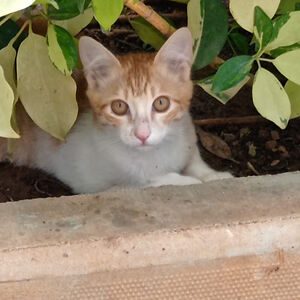
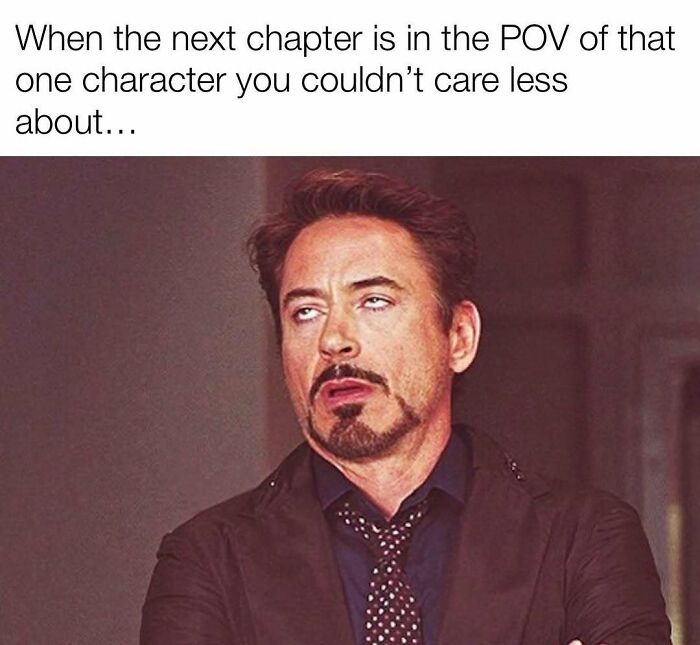
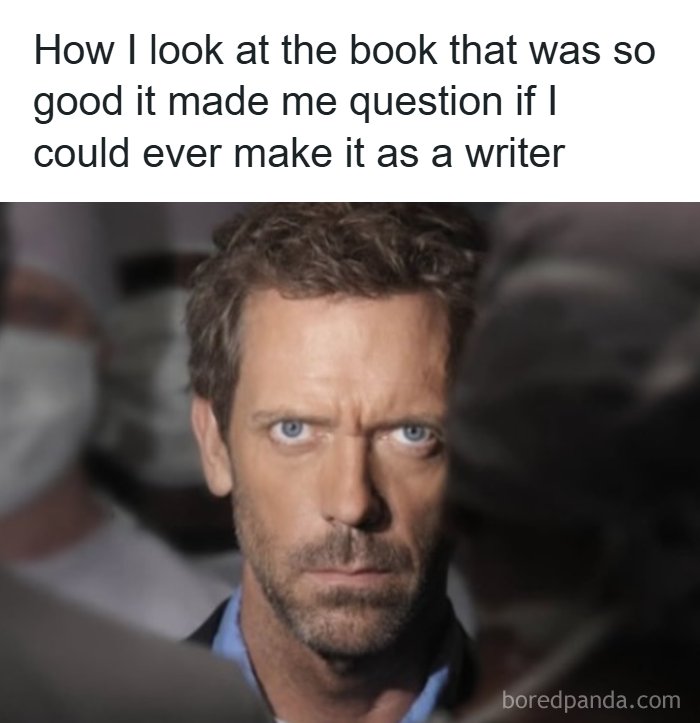
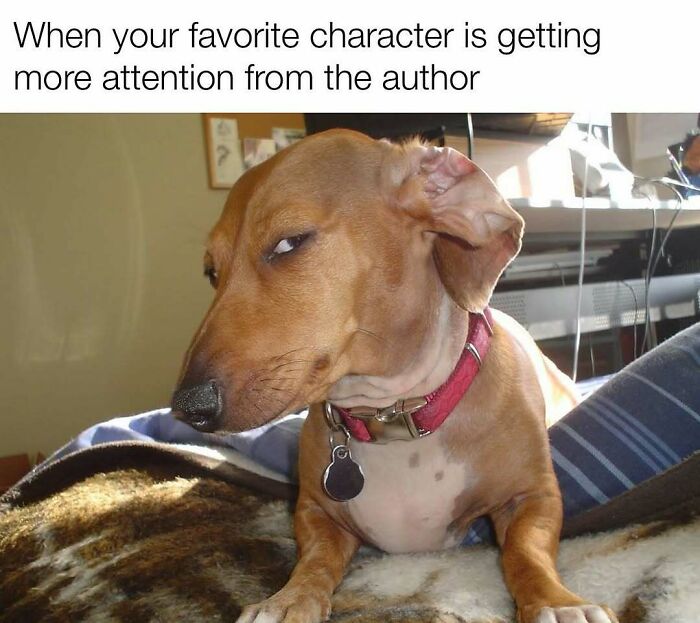
In the book Lessons In Chemistry, the dog is an intelligent creature who has a chapter in his POV. The dog also knows lots of complicated English words and can telepathically talk to foetuses. The dog was the only fun character in the whole book; the rest of the book was super cringey.
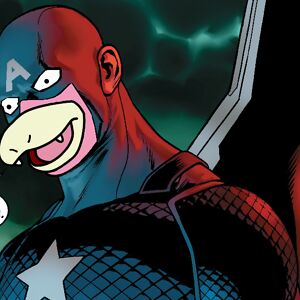
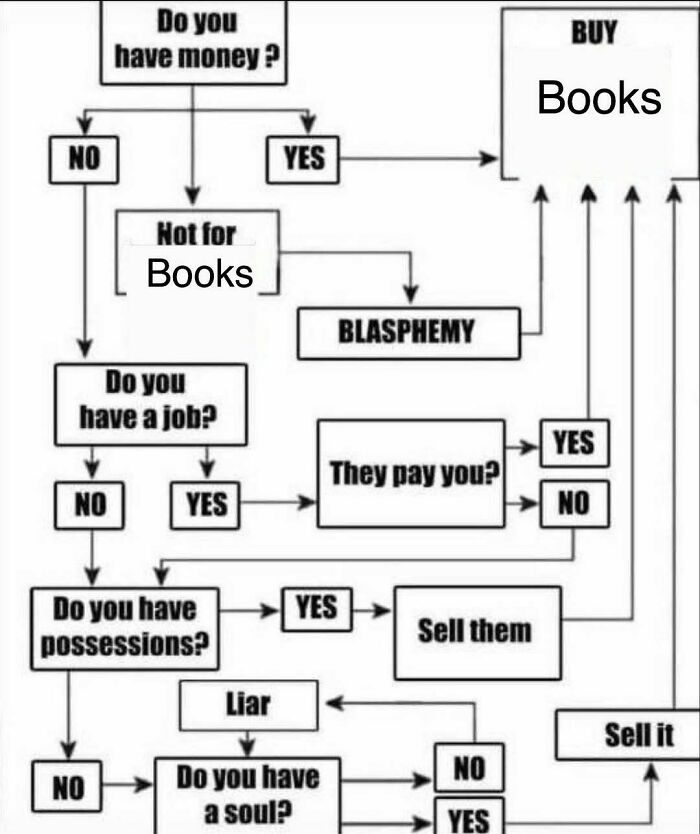
Better to lease your soul with a buy back stipulation just in case. Who wants to lose their soul for eternity over Twilight?
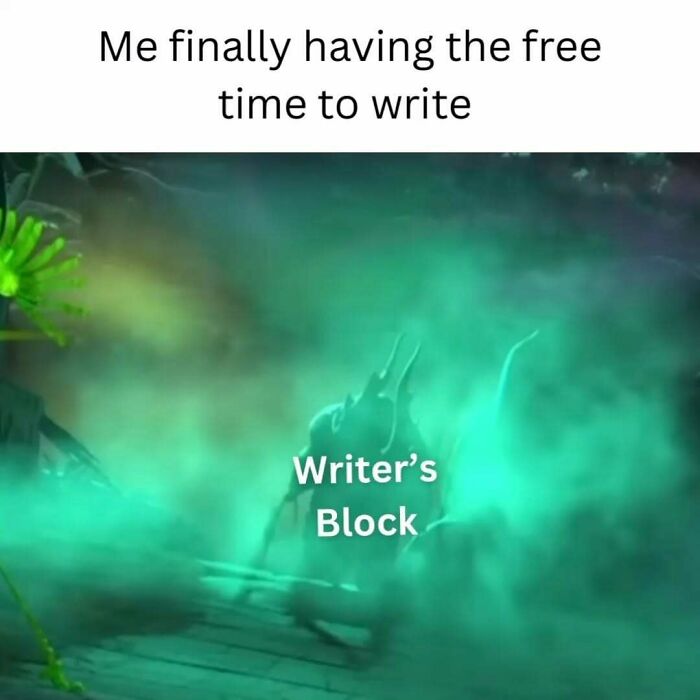
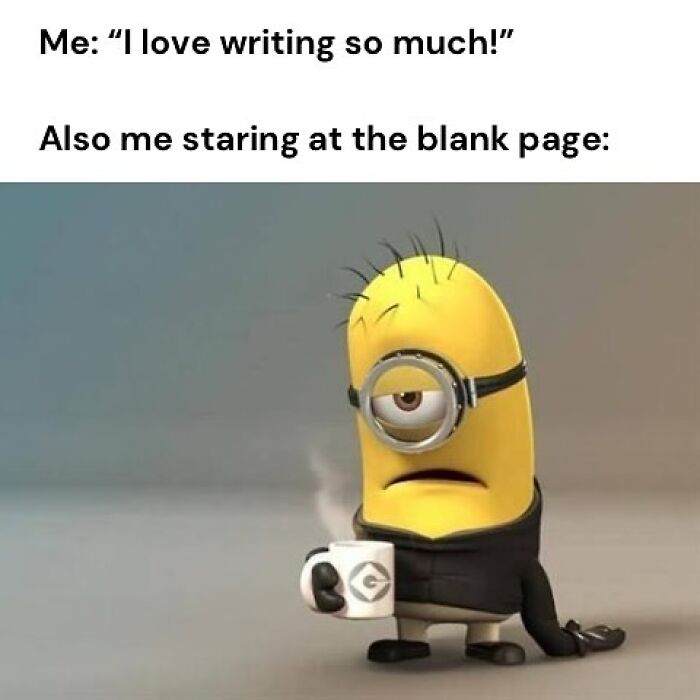
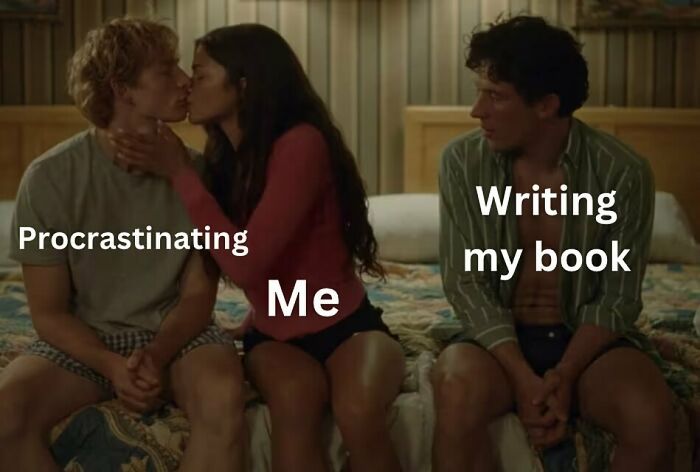
This writer has writer’s block while writing a piece about writers and writing. The irony is not lost on me at all…
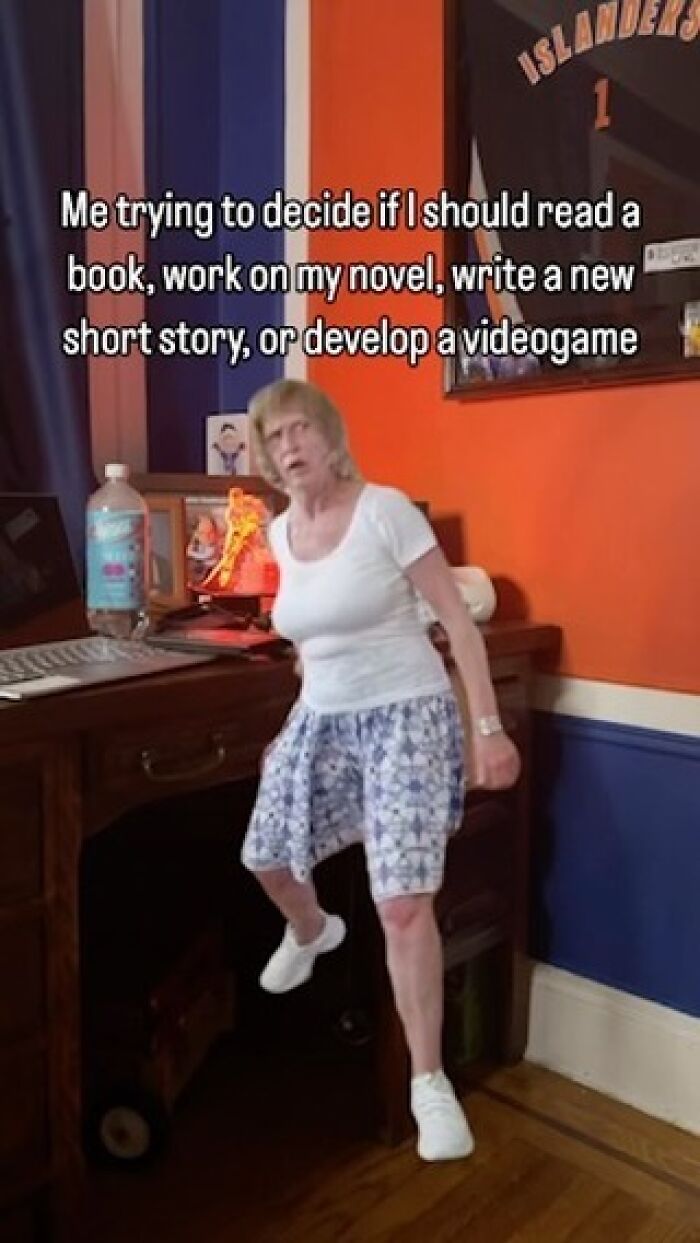
If you're lucky enough to not know what that is, think of it as "creative constipation," or when our cup of words hath runneth dry. We're stuck in blank page purgatory. And there are many reasons it might happen. One is that we simply can't decide what to write first.
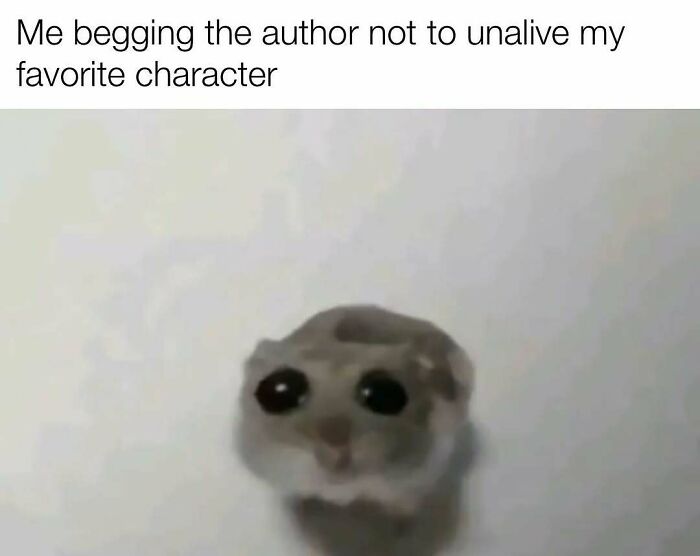
The fact that I've heard this whole "unalive" BS is slowly making its way even into published writing is scarier than any horror novel
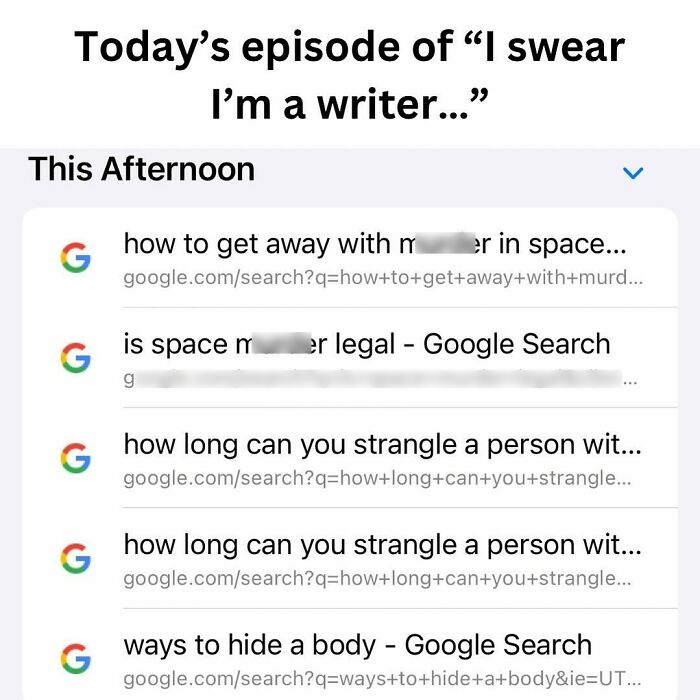
You can basically combine all three with "Accidentally open pod bay doors."
"Indecision is fear in disguise," explains Dana Shavin in an article for Writer Mag. "This is true not just in writing. Sometimes what feels like poverty of thought is actually FOMO (fear of missing out). You don’t want to work on just anything, after all – you want to work on something deeply meaningful and profoundly resonant."
Shavin writes that if you can’t figure out what that meaningful and profound thing is, you might wonder why you should begin at all. "And so, you remain shut down, seemingly at a loss for ideas," Shavin says.
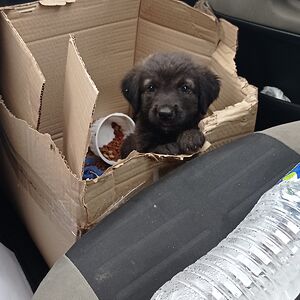
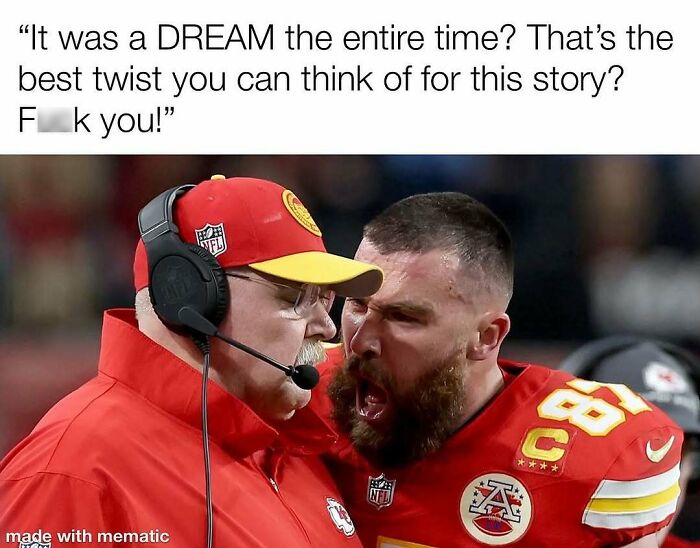
We were not allowed to start our stories with "once upon a time" or end them with "and he woke up to realize it was all a dream" in school. My favorite book series ever ends with that trope, from a very famous writer, and it's the only logical ending of the series.
Neuroscientist and author Anne-Laure Le Cunff believes there are three steps to finding your way out of writer's block. The first, she says, is to continuously collect ideas.
“Capture thoughts as they come in a note app, a voice memo, wherever is easiest for you. When you sit down to write, you’re choosing from a list instead of ideas you’re curious to explore instead of starting from scratch,” advises Le Cunff.

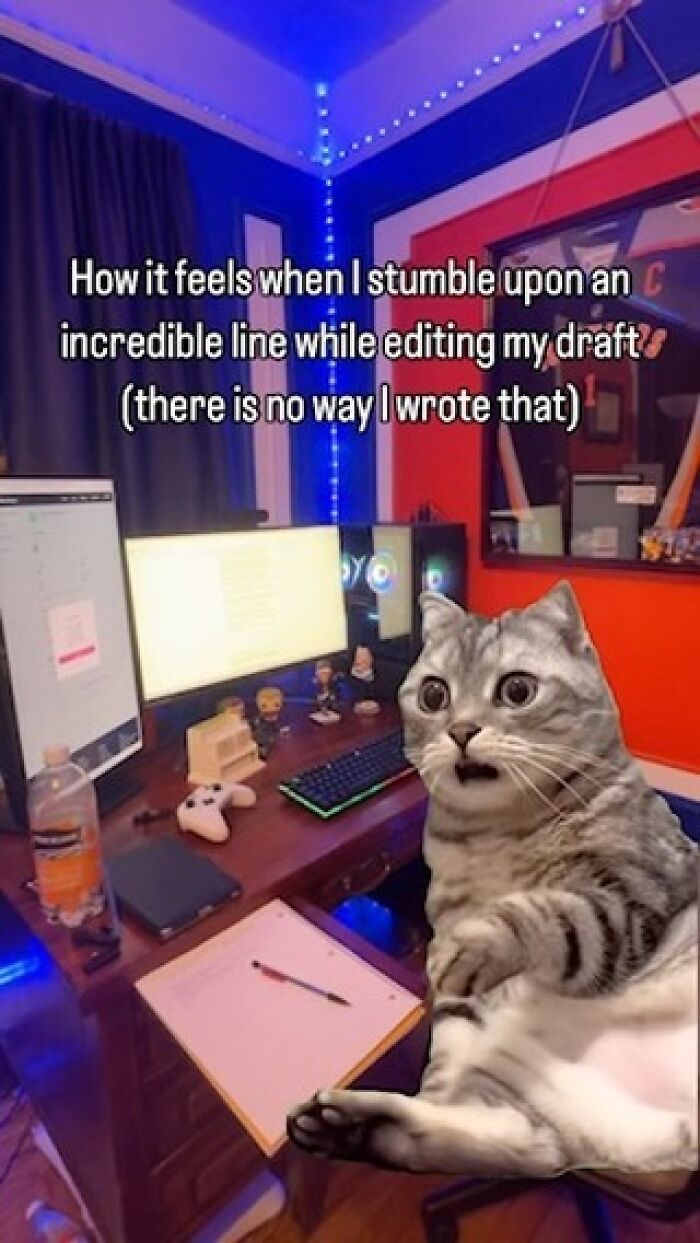
Wait pandas share your cool lines/lines that ur proud of! I'll go first: "I loathe how so many people disregard their privilege of learning as a curse or a burden. They have no idea how blessed they are." (not that good i know but this is my first draft)
The next step is to make a writing pact: a time dedicated to writing. The expert suggests picking a realistic schedule, whether it be daily, weekly, or bi-weekly, and commit to it publicly. This means telling a friend, announcing it in a group chat or on social media.
“Writing skills and confidence develop through repetition, not through waiting until you feel ready,” she told Inc.com.
Yeah, my 1st writing attempt was laughably bad and utter cringe. BUT without it, I would't be here, at a point where my submissions to publishers don't immediately end in a trashcan.
Lastly, and most importantly, she says is to lower the bar. “Write something short. Write something rough. Write something quickly during your commute," Le Cunff explains. "What you want is to keep on experimenting long enough to learn what works for you and what doesn’t.”
Shavin believes that sometimes the best inspiration comes when you let go of expectations, and go with the flow - once you get the flow flowing, of course.
Her advice is to take a piece of paper and write “10 Terrible Ideas,” then see what comes up. These can be ideas for a story, a character, an essay, a project, or whatever it is you need or want to work on.
"Then write '10 Even Worse Ideas' and see where that goes," she suggests. "Write fast without editing. Marvel at how you just came up with 20 ideas. Do any of them hold a kernel of promise? Do this several times and see where it takes you."
Shavin adds that often, all you need is to do things a little differently. For example, write in a genre you wouldn't normally write in, or come up with a character that is completely unlike your previous ones. Doing this, she says, gives you an opportunity to see your own work through another lens.

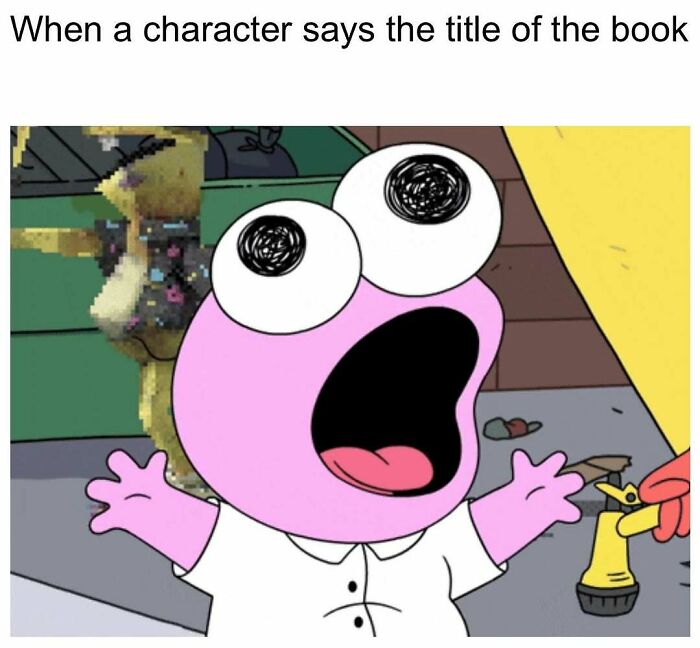
Or the title. Or the blurb on the back page. "Evans" never makes an appearance in the Agatha Christie novel "Why didn't they ask Evans?".
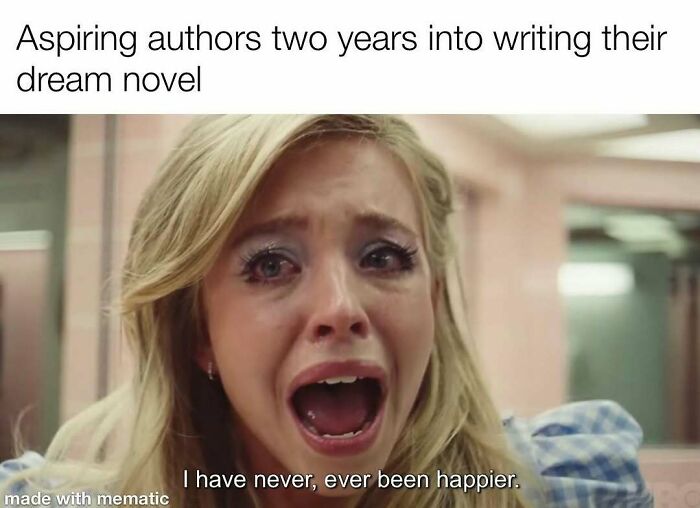
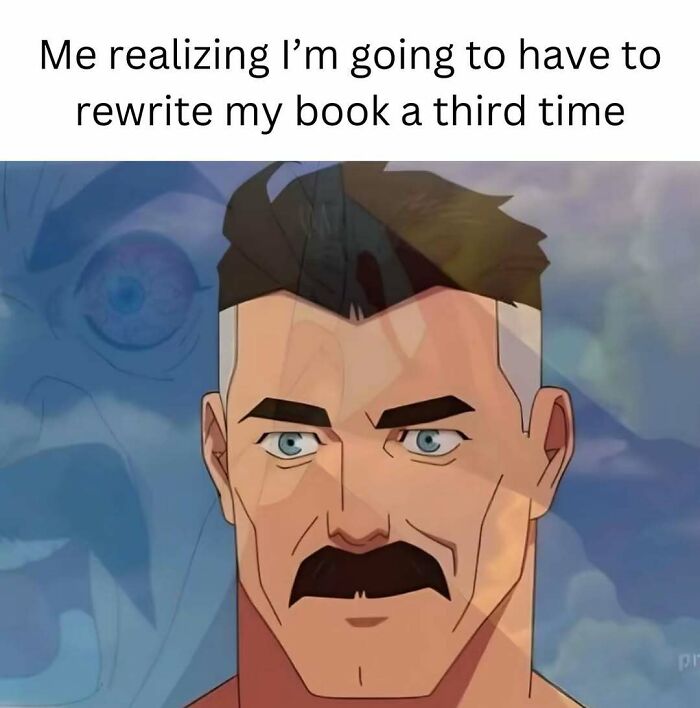
There is no real "final" draft, you just have to never look at your book again once your editor says it's ready to be published.
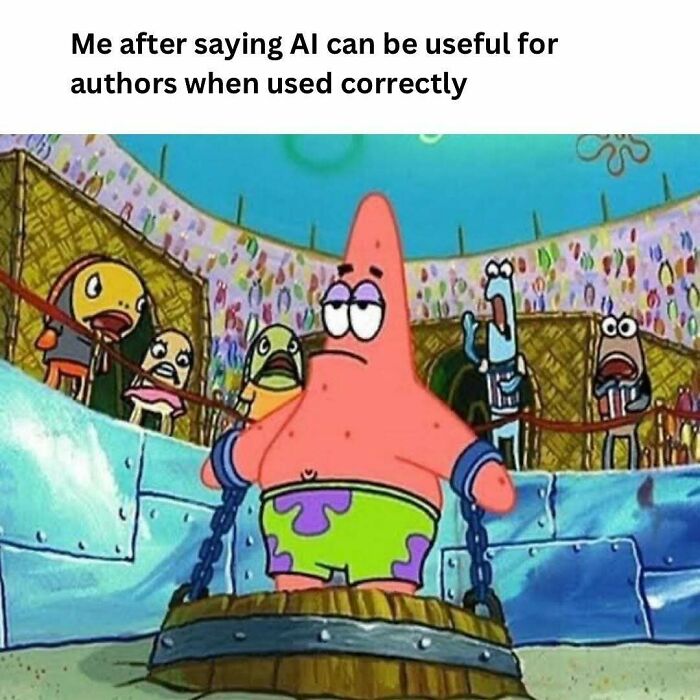
AI should ONLY ever be used for stuff finding grammar/spelling errors, NEVER for anything to do with the plot, structure, characters etc. especially not the structure, i have seen too many cases of people using AI to rip off someone else's style. preferrably AI just shouldn't be used at all but if i'm playing devil's advocate here...

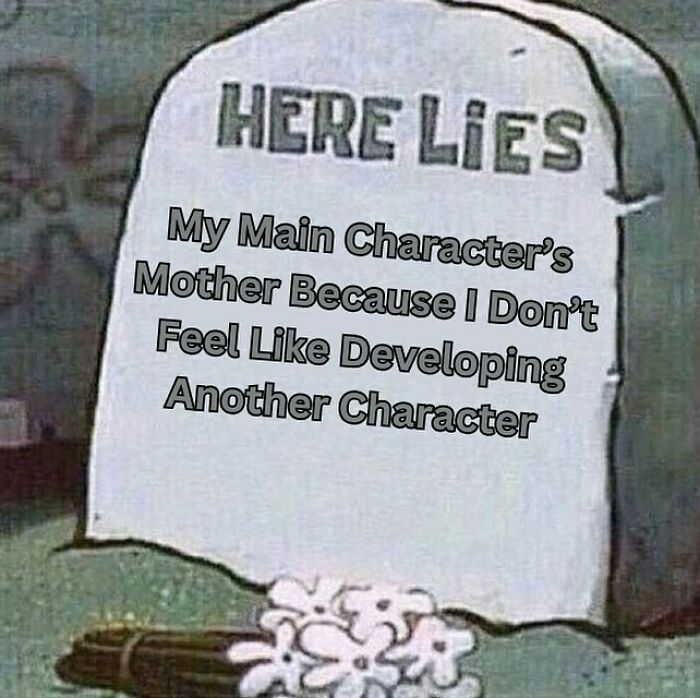
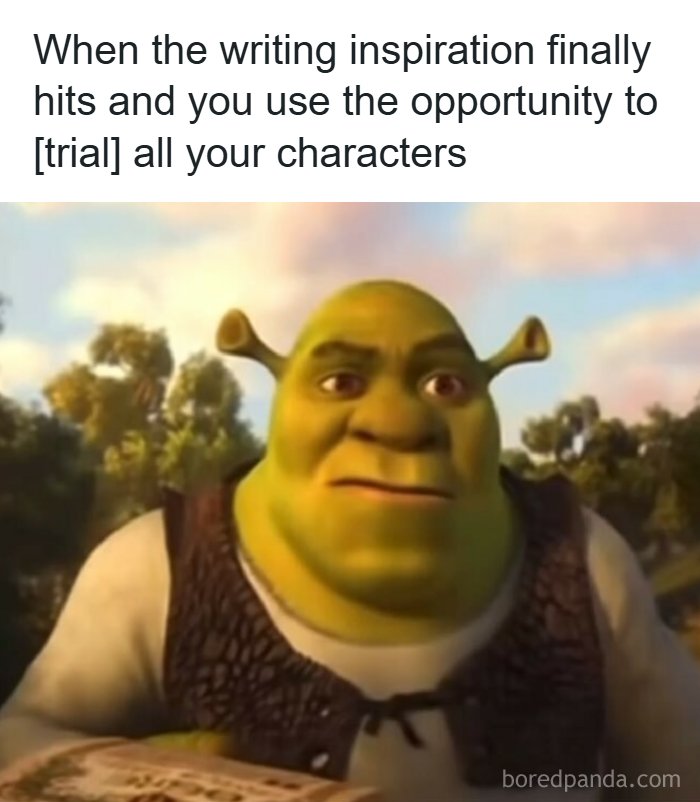
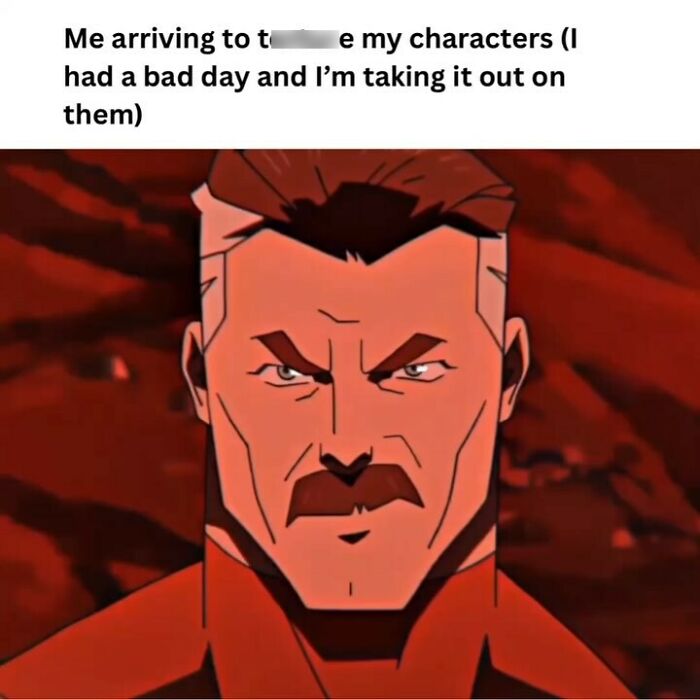
Or, you discover that character is actually more interesting than your main character and you drop everything to write 30 pages of background on him/her/them, resulting in the pressure to write a different story.
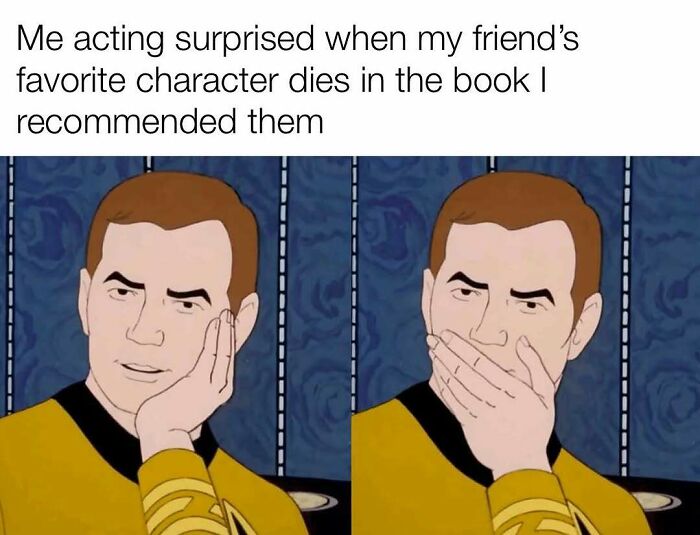
I'm actually a serial re-reader. I re-read most of my books multiple times - I've probably re-read all of Stephen King's books at least dozens of times in my lifetime XD To me, it's like visiting old friends. You do know what's going to happen in the books, of course, but if you loved the book originally and like the characters, it's like going back to a comforting, familiar place. Of course, that means you cry and your heart gets broken all over again each time you read a beloved character's deáth - looking at you, Dark Tower series XD
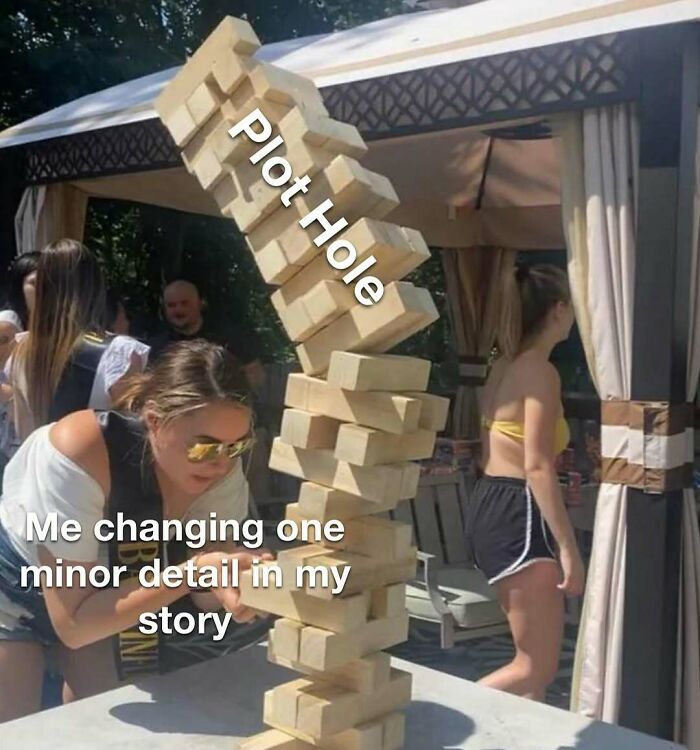
The general advice is avoid using concrete numbers (for ages, years, distance) as much as possible, because there WILL be a reader who's much more into math than you are and they WILL find holes. Be vague unless it's critical to the story.
— 'Everything in life that's any fun, as somebody wisely observed, is either immoral, illegal or fattening.'
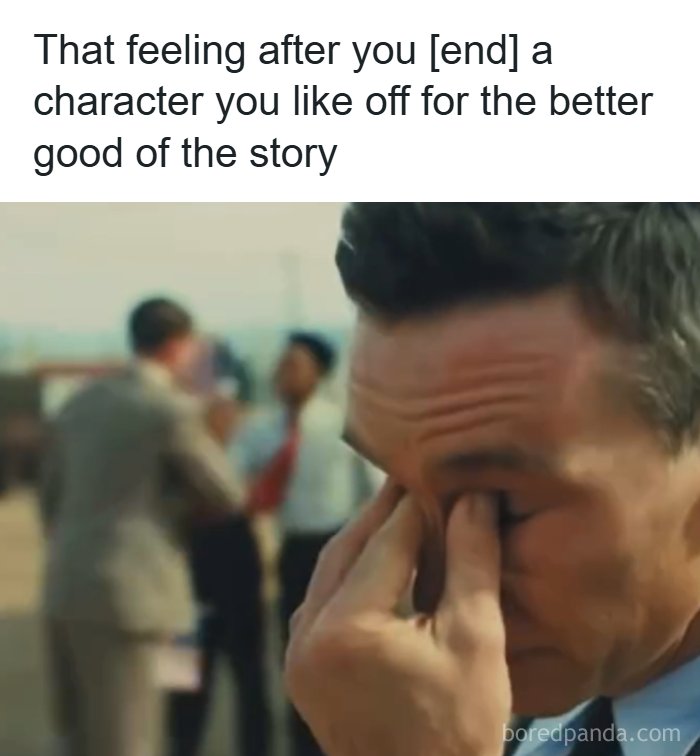
had that with a game i played recently, my favourite character finally had their story arc finish after about 8 years (which was before the game released but they were the focus character of a manga that released beforehand. its the character from my profile). anyway, that is genuinely the best feeling ever tbh
I worked for a literary agent for a time. The VAST MAJORITY of books that they agreed to represent were referrals from established authors or editors. Regular ol' writers submitting queries to the agency had those queries read first by unpaid interns (college students). If the intern didn't like your book, the agents never even saw it, it was just rejected.
If you ever feel that your story is way too unhinged to be truly popular, remember that Hitchhiker's Guide is considered a classic
[Will Poulter meme] You guys are actually able to stop thinking about writing???
Lmao I'd have a LOT to explain if I let my mom read my stuff
In my experience, some of the best ideas come from unbridled bull$hitting your way through the story
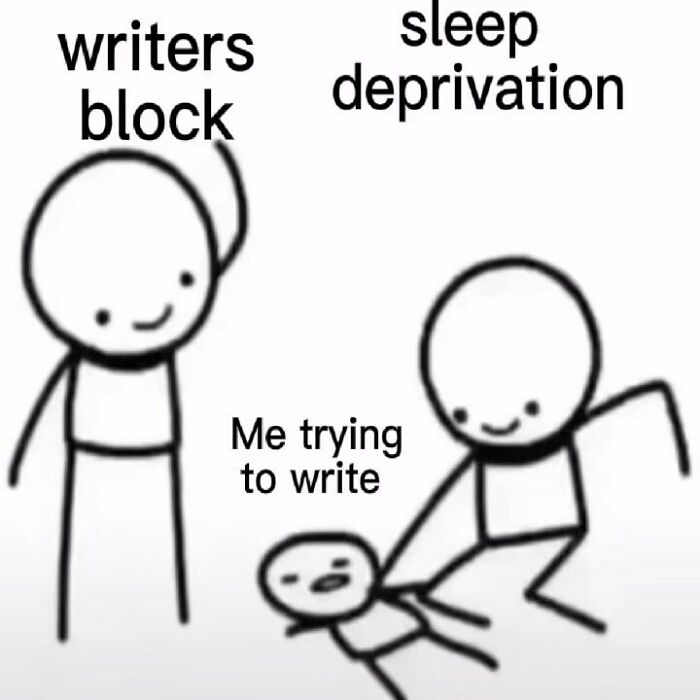
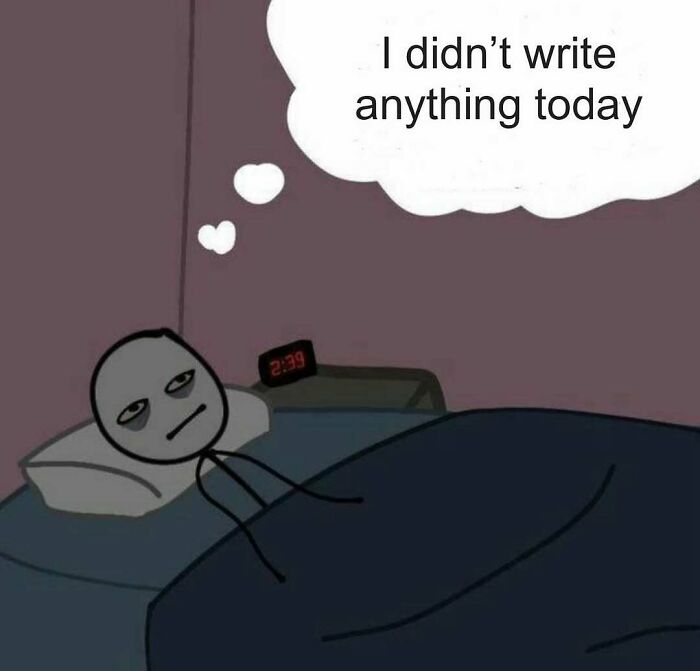
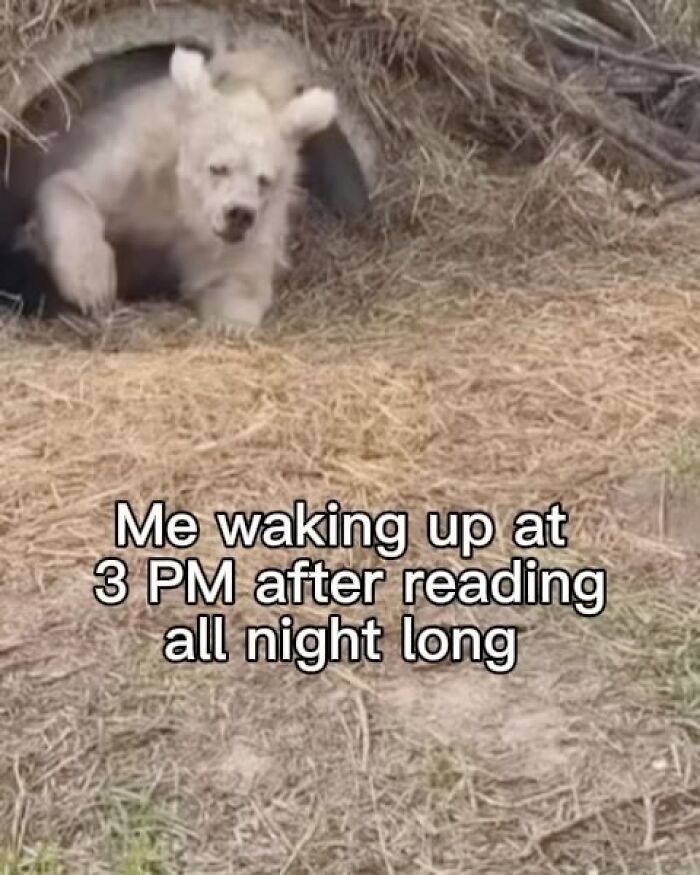
I wonder how do people do this since my brain just adamantly refuses to brain after ~1AM. It's actually easier for me to wake up at 5AM and just write.
Congrats, you've just triggered a multi-hour unskippable cutscene
The biggest monkey paw wish ever was all those writers being like "I wish my books could write themselves hahaha!" and then BOOM, generative AI 🥲
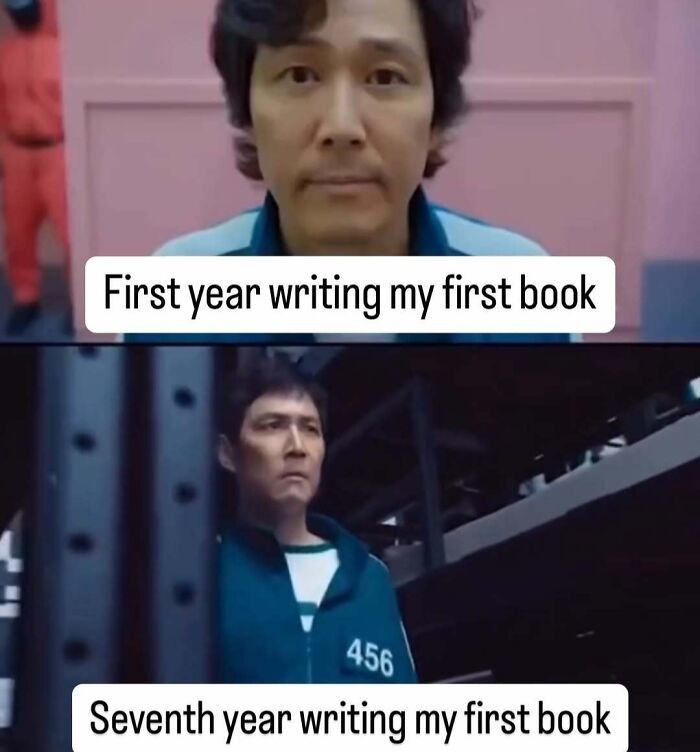
I'm up to ... I don't know, but more than 15 years. Twenty, perhaps.
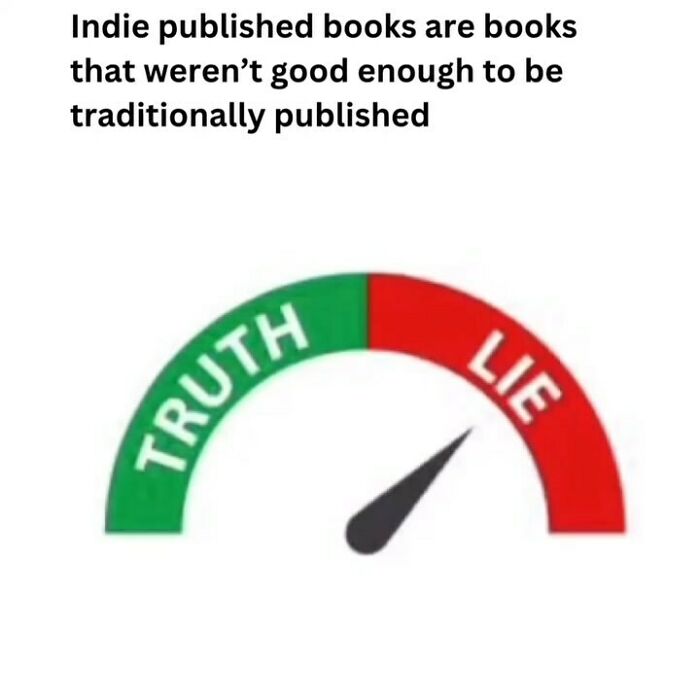
Nowadays, like 90% of books worth a d@mn are indie, as traditional publishers only publish "booktok" cr@p for quick money
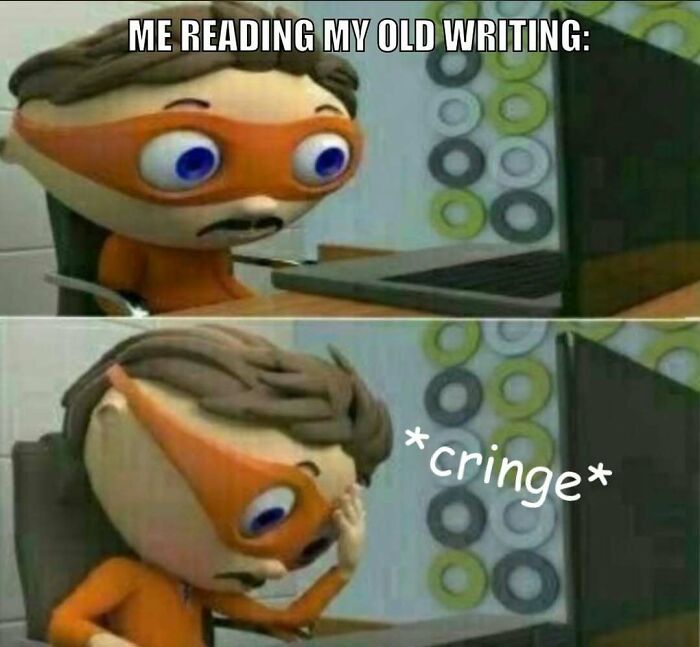
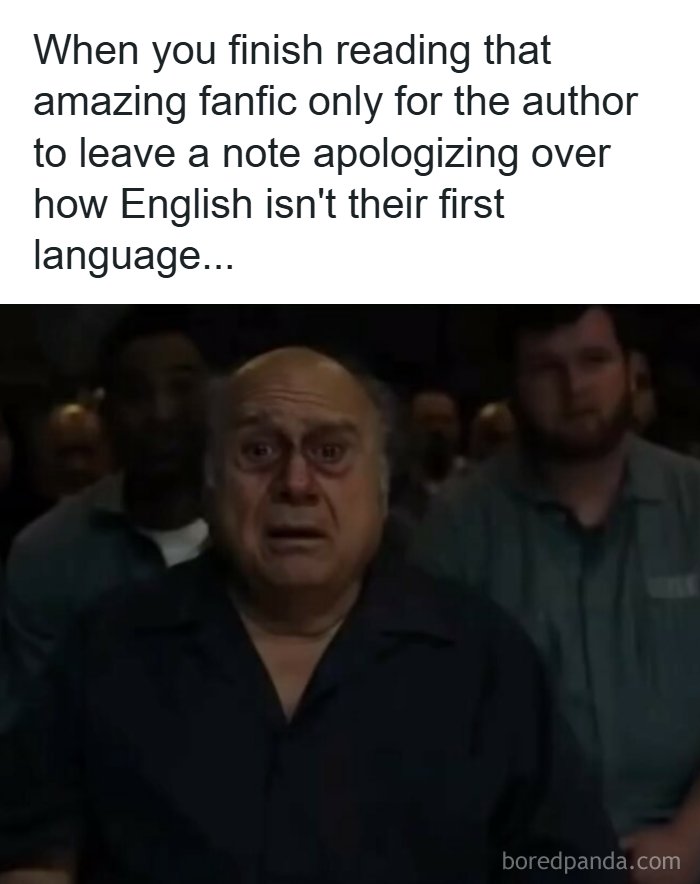
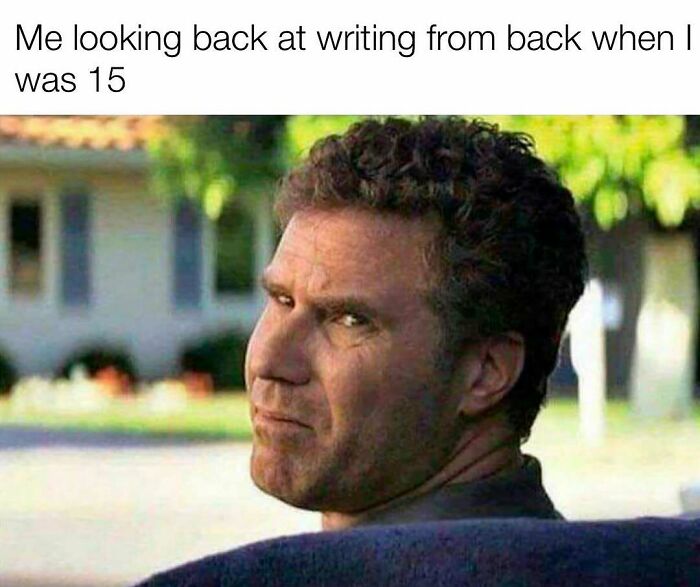
Oh lort. I really thought I was going to become a professional author when I was a kid/teen - and sometimes I find my old notebooks from those days and... whoof. "Cringe" doesn't even begin to cover it XD

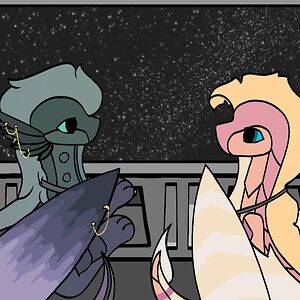
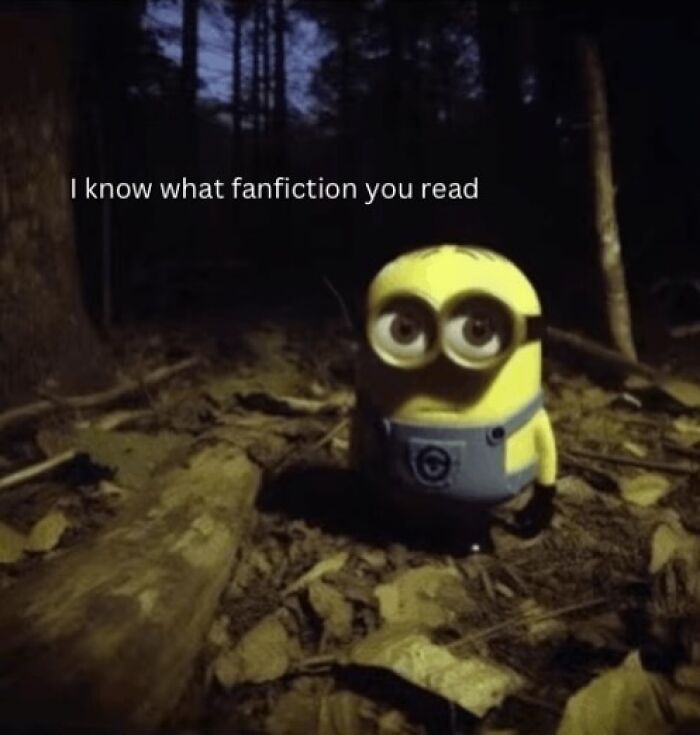
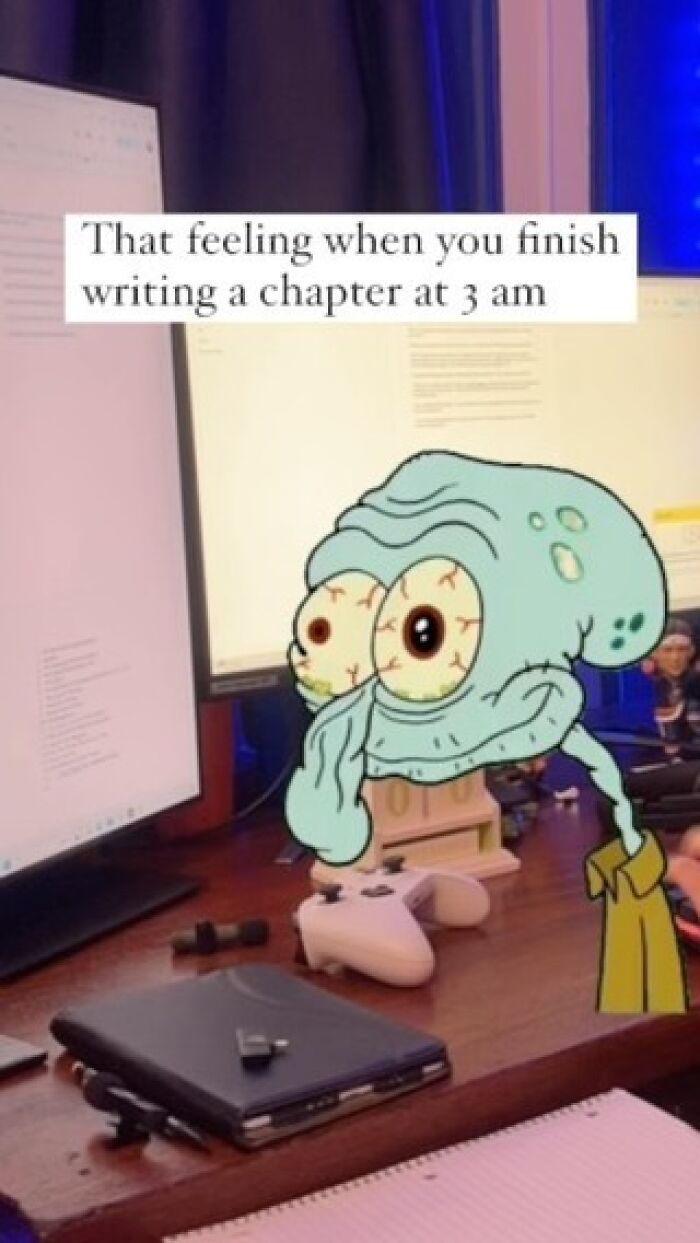
I write fanfic, and usually I'm the most productive when something is causing me stress. Yesterday I managed to finish a chapter after about two months of negotiating one of my stories, so now I just need to figure out what I'm anxious about, lol. Or I could just keep working on this fic is which the more probable result.
I write fanfic, and usually I'm the most productive when something is causing me stress. Yesterday I managed to finish a chapter after about two months of negotiating one of my stories, so now I just need to figure out what I'm anxious about, lol. Or I could just keep working on this fic is which the more probable result.








 No fees, cancel anytime