Get Premium
Dark mode theme is available exclusively for premium users. Learn more about the benefits of subscribing.
No fees, cancel anytime.

 Dark Mode Ad-Free Browsing Unlimited Content
 Ad-Free Browsing Unlimited Content Dark Mode
Join 1.2 million Panda readers who get the best art, memes, and fun stories every week!



Like an appetizer or a snack before some activity, memes are just these perfect, little bite-sized nuggets of entertainment. Of course, not all memes are created equal, so it’s important to always source them from the best pages.
The laconically named “Laughs” Instagram page is home to hilarious and random memes for anyone who needs a quick digital pick-me-up. So get comfortable as you scroll through, upvote your favorites and be sure to share your thoughts in the comments down below.
More info: Instagram
This post may include affiliate links.

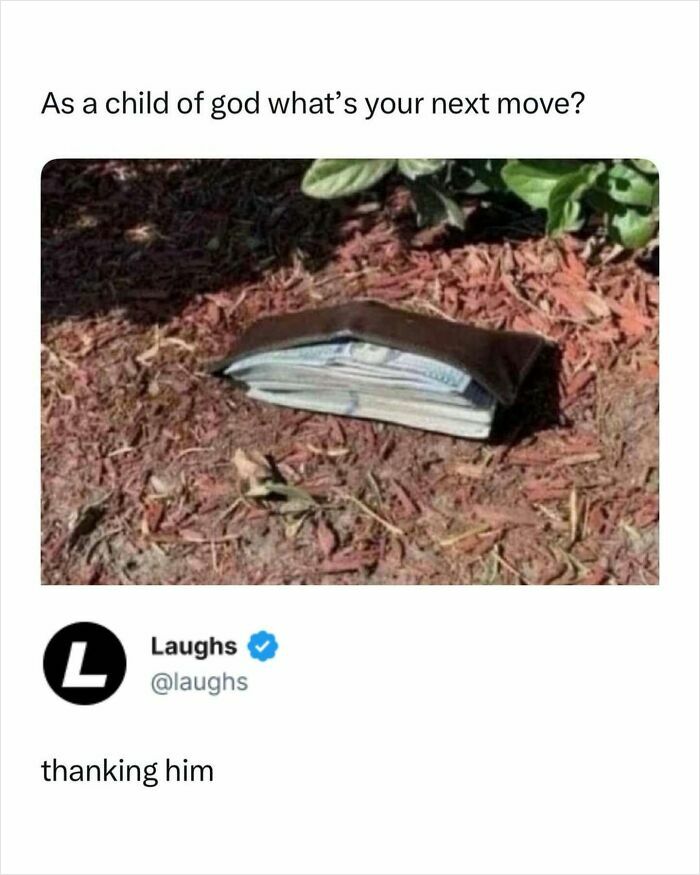
I would be wondering why that much cash is in a wallet, and avoid the obvious trap entirely.
Long before your screen was flooded with images of grumpy cats or confused actors, the word meme existed as a serious biological metaphor. It first appeared in the 1976 book titled The Selfish Gene by evolutionary biologist Richard Dawkins. Dawkins wanted a noun that described the way ideas and cultural phenomena spread through a population in a manner similar to how genes jump from body to body via sperm or eggs.
He looked to the Greek word mimeme, which translates to something that is imitated. Because he wanted a word that sounded like gene to emphasize the biological parallel, he shortened the Greek term to meme. This linguistic choice was brilliant because it captured the essence of an idea that lives and breathes through human interaction.
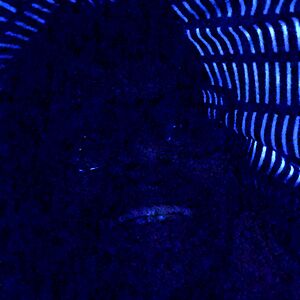
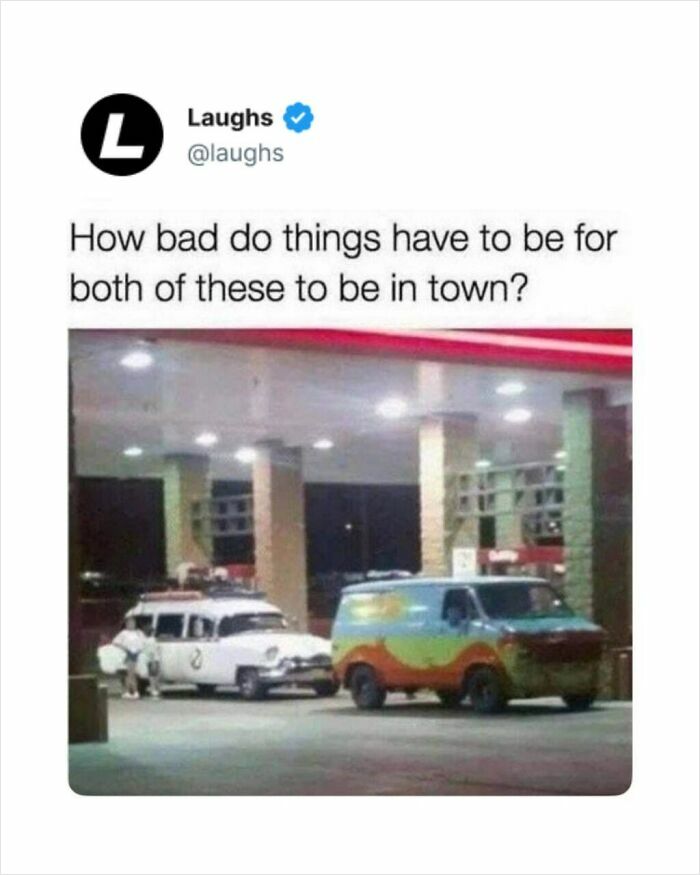
One's for dealing with real ghosts and the other for fakes
The original concept was much broader than a digital image with bold text. Dawkins viewed memes as units of culture that included everything from catchy tunes and fashion trends to the specific way people build arches or write poetry. In his view, memes compete for space in the human brain.
Just as genes undergo natural selection, memes face their own version of survival of the fittest. A catchy jingle stays in your head and you hum it to a friend, which means that specific meme has successfully replicated. If an idea is boring or useless, it simply fades away and dies out.

That's rather sweet, and the "daddest" thing I've seen in a long time :)
This process of cultural evolution suggests that our minds are essentially the host organisms for these invisible hitchhikers. The leap from the academic world to the digital realm happened faster than most people realize. As the internet began to connect people across the globe, the word found a new and incredibly fertile breeding ground.
In the early 1990s, author Mike Godwin applied the term to the way certain ideas or behaviors spread on message boards. While the biological meme could be an abstract concept like a religion or a scientific theory, the internet meme became a tangible piece of media. It was no longer just an idea in the head but a file on a server.
This shift allowed for even faster mutation. When someone takes an existing image and adds a new caption, they are essentially creating a mutation of the original meme. If the new version is funnier or more relatable, it survives and replicates while the old version might stagnate. Today, the word meme is synonymous with internet culture, but the core mechanics that Dawkins described still apply perfectly to the modern world.
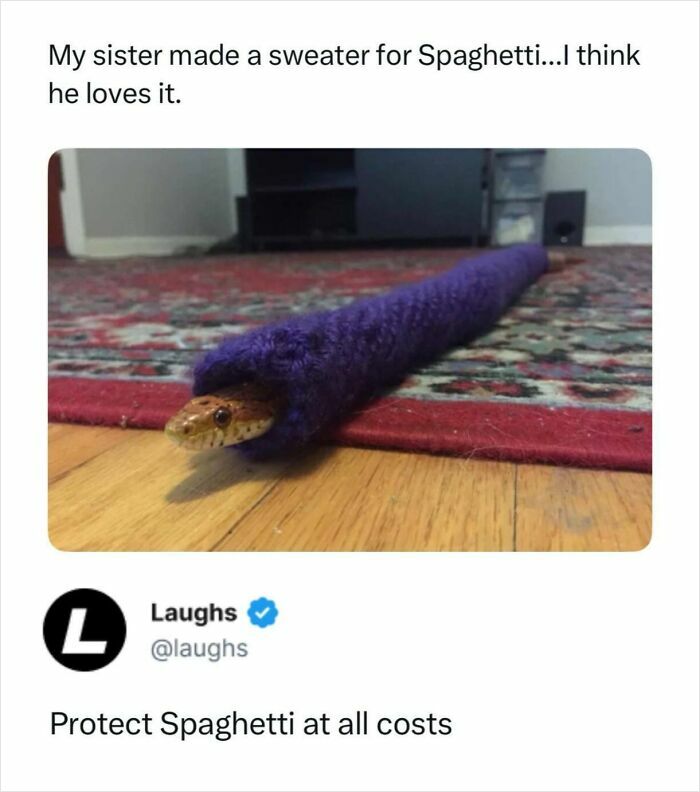
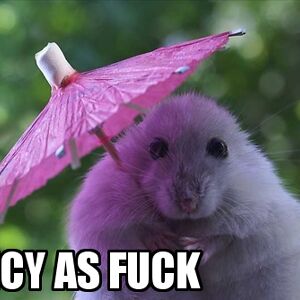
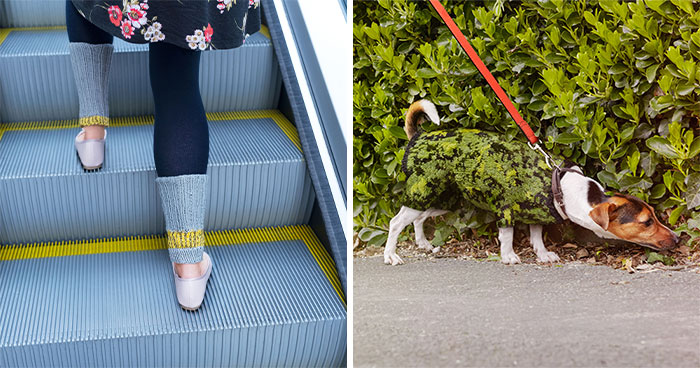
I wasn't aware of that I needed to see a picture of a danger noodle in a purple sweater today, but turns out I really did :)
A meme succeeds because it is intertextual, meaning it relies on our shared knowledge of other media to make sense. It requires a high level of fecundity, which is just a fancy way of saying it must be easy to copy and share. When you hit the share button on a social media post, you are acting as the biological vehicle for that meme. You are giving it the chance to find a new host and continue its lineage.
Why is this one last? I do like the image and the inspirational message.

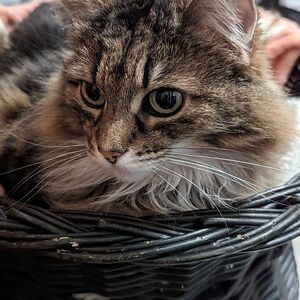
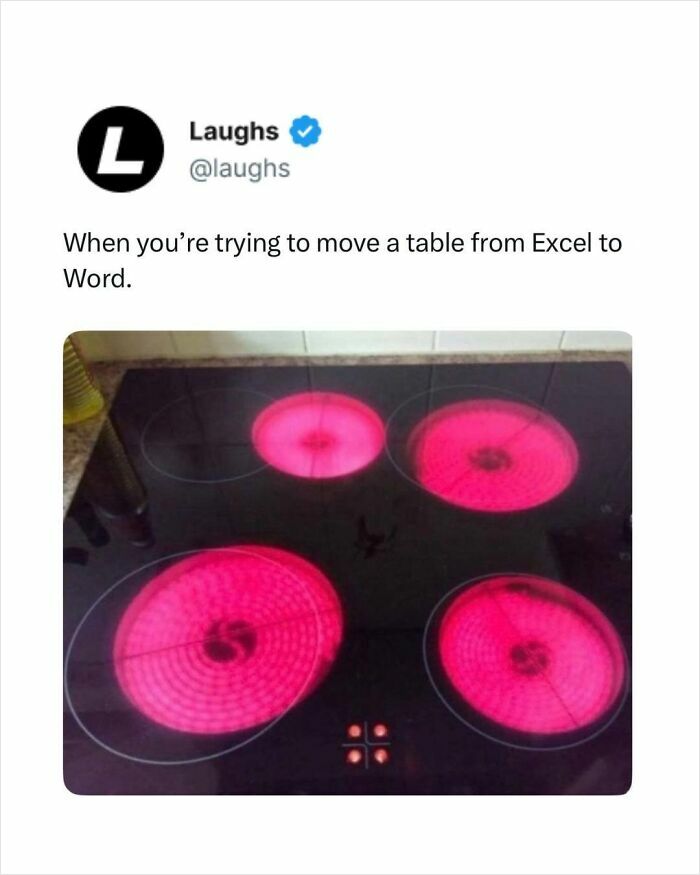
Screeeeeech!!! I would go insane every time I would use the stove big fat NOPE!
The humor often comes from the subversion of expectations, but the survival of the meme depends on its ability to stay relevant in a rapidly changing digital landscape. There is something slightly humbling about the idea that we do not just use memes, but that memes use us.

We often think of ourselves as the masters of our digital domains, yet we are frequently compelled to share things simply because they resonate with our internal programming. This brings us back to the original intent of the word. It was designed to show that information has a life of its own.
A sneeze or laughing seems to be enough to cause the same outcome...
Whether it is a complex philosophical argument or a video of a dancing baby, the meme follows the same rules of replication and selection. It is a testament to the power of human connection that a word born in a book about genetics could become the primary way we describe our collective online experience. We are the architects of this digital ecosystem, but the memes are the ones truly living in it.

And that one day is when no one is available to go out with you so at least one other person than you would see that you are not ugly all the time 🤦🏼♀️😪
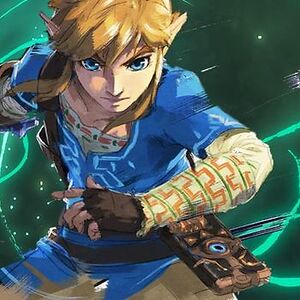
Fight or flight - but you can't fly so you cower in fear. Been there.
Youtube asking me how I rate my Ad experience. They have ignored every 'Terrible' I send..
Indeed, not a good line from annoying teens to blackmail their parents.

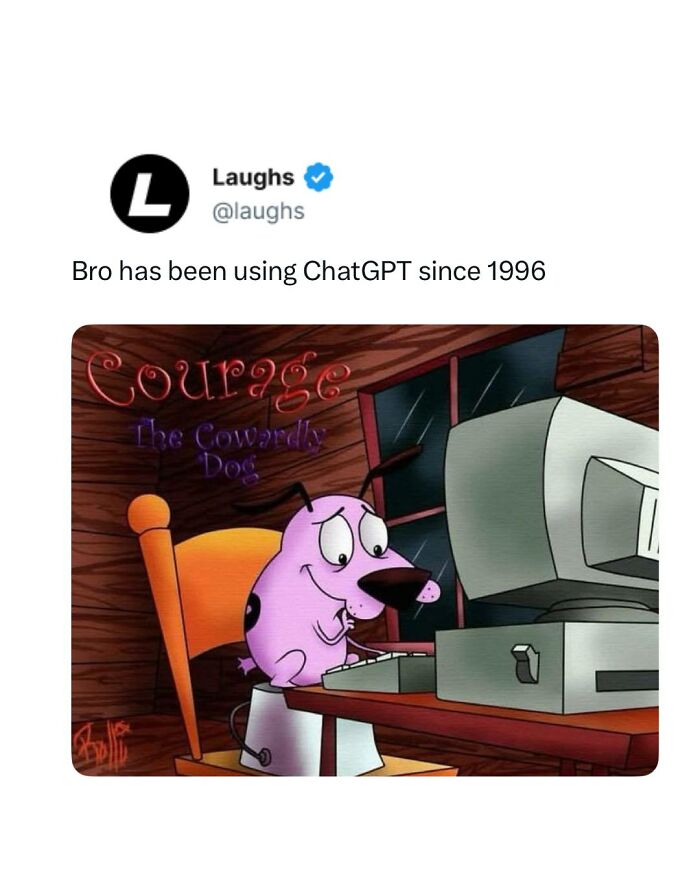
That's why he knows a bunch of things he shouldn't. Courage is an alien lightening rod.
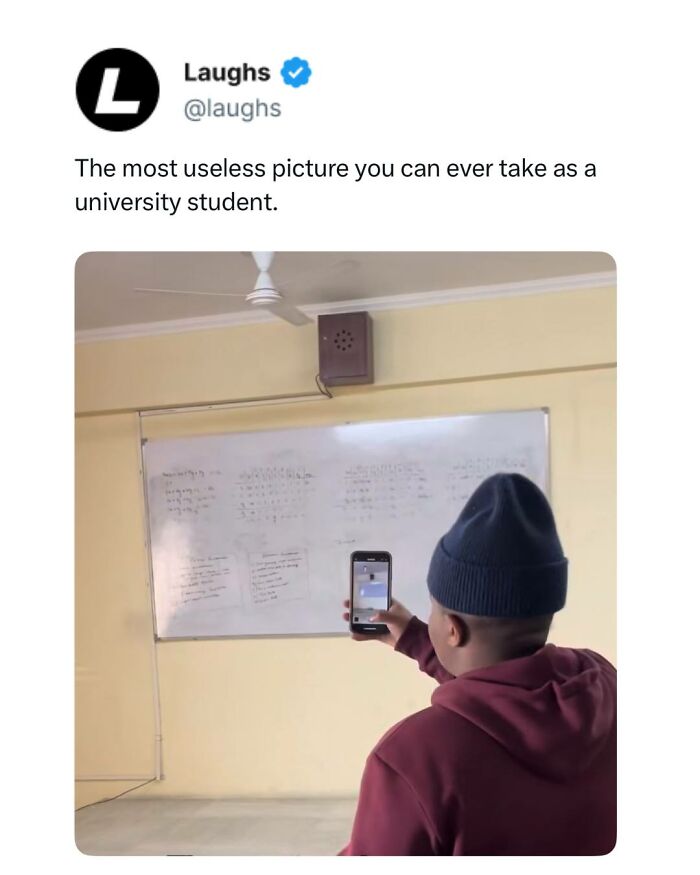
The one taking the photo of the whiteboard, or the one taking the photo of the one taking the photo of the whiteboard? Photo-ception.
Extra poll answer: I'm dealing with more than daily responsibilities right now. I may have just thrown my entire future away.
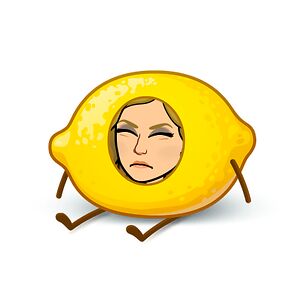
Extra poll answer: I'm dealing with more than daily responsibilities right now. I may have just thrown my entire future away.



 No fees, cancel anytime