Get Premium
Dark mode theme is available exclusively for premium users. Learn more about the benefits of subscribing.
No fees, cancel anytime.

 Dark Mode Ad-Free Browsing Unlimited Content
 Ad-Free Browsing Unlimited Content Dark Mode
Join 1.2 million Panda readers who get the best art, memes, and fun stories every week!
The internet has brought us a lot of things. Memes, virtual friendships, cat videos, and a wealth of information right at our fingertips. Gone are the days of traipsing to a library and paging through a heavy encyclopedia to find the answers to our burning questions.
Wikipedia has more than 66 million articles across 342 languages, covering everything under the sun. Over 7 million of them are in English. According to Pew Research Center, it would take someone around 38 years to read all of them. But given that a few hundred more are added every day, you'll be in your twilight years by the time you're done.
While you may think Wikipedia is the best place to get accurate information online, it’s important to note that it’s run by thousands of volunteers, and pretty much anyone can contribute. Despite dedicated editors patrolling the site, some questionable entries often slip through the cracks.
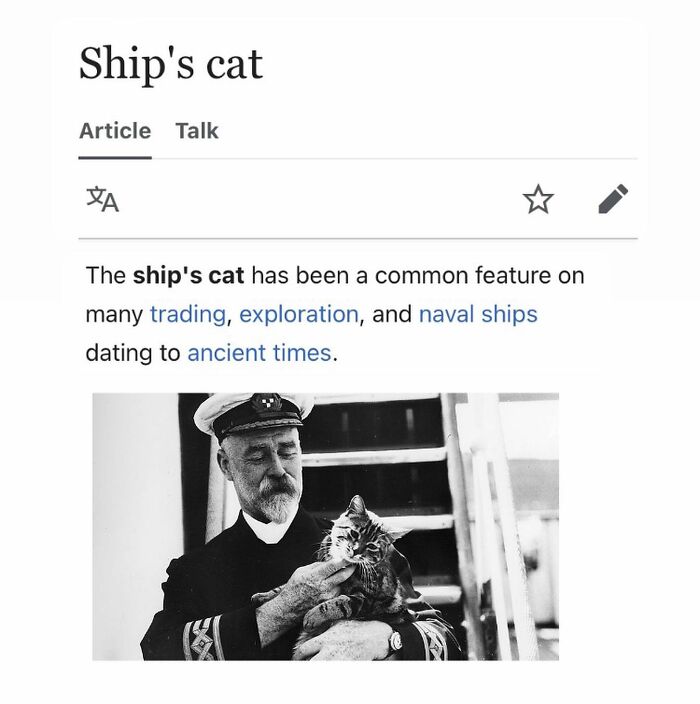
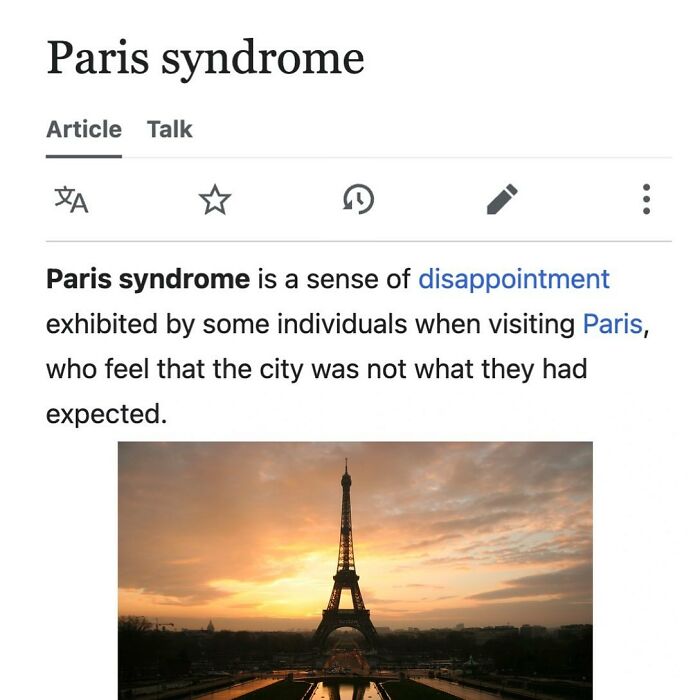
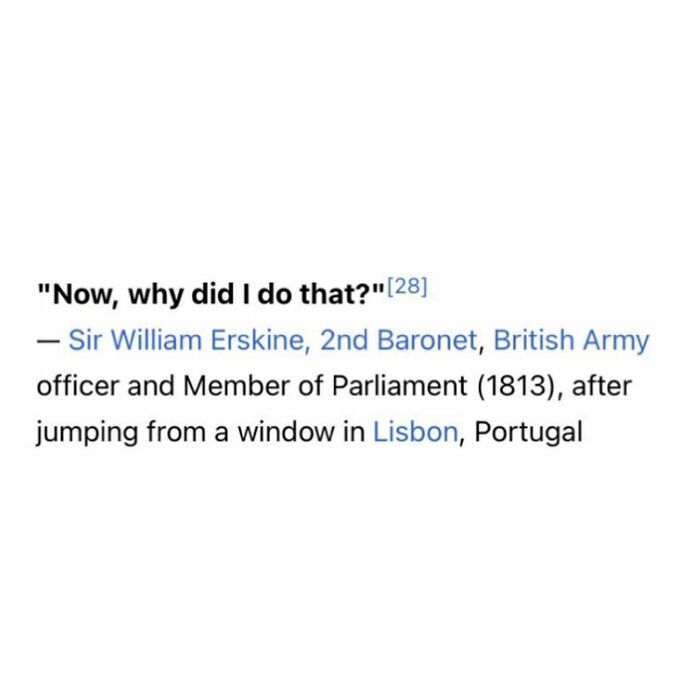
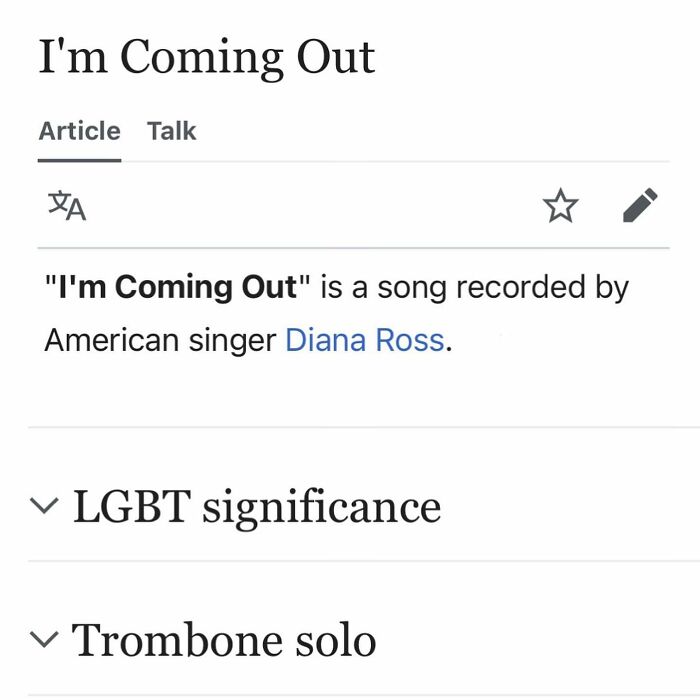
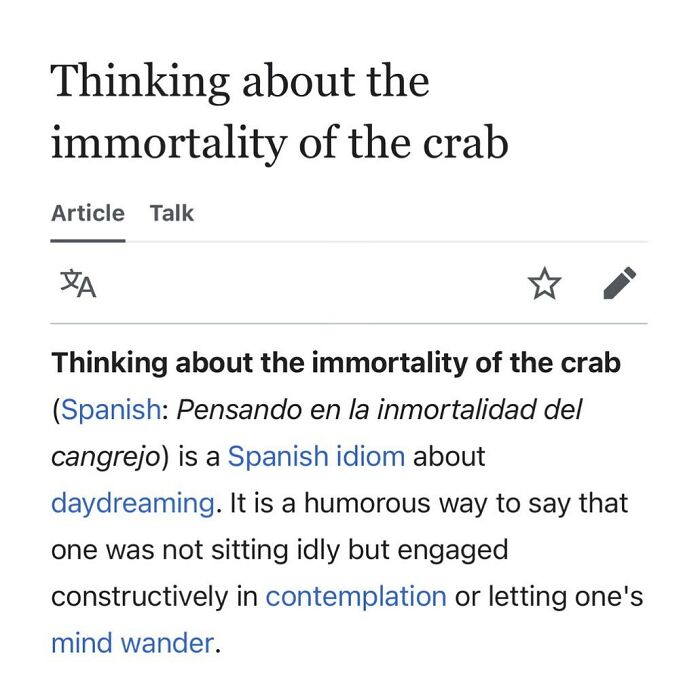
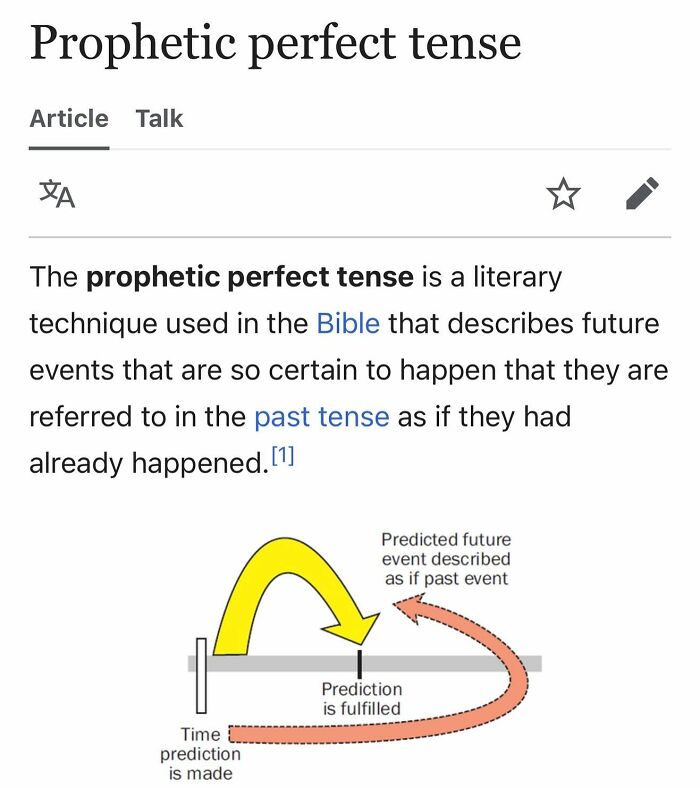
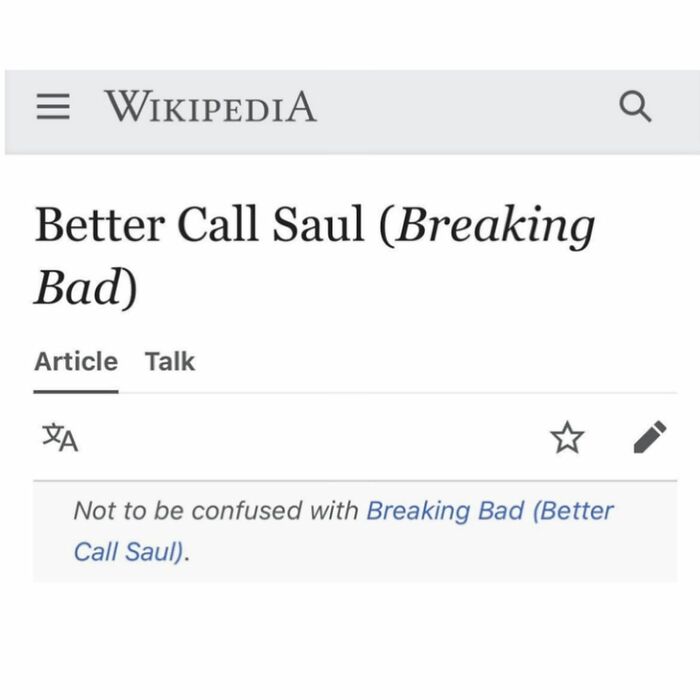
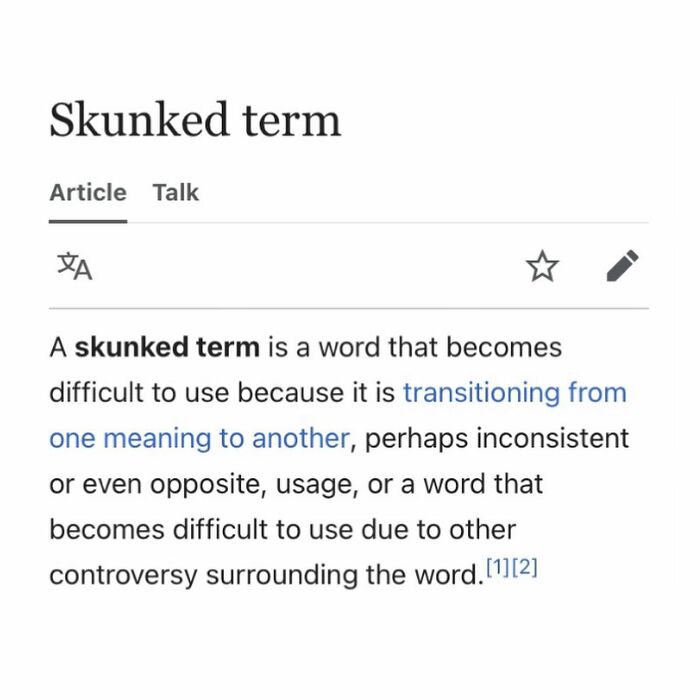
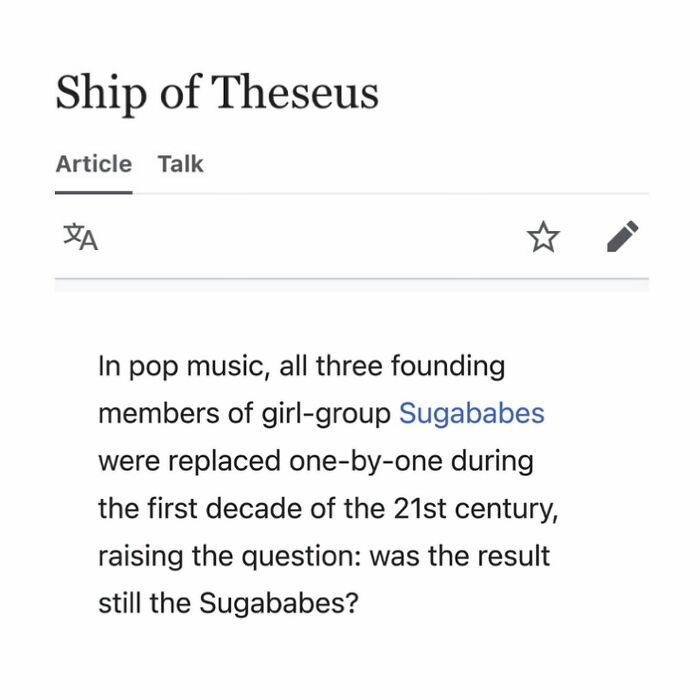
An IG account called Depths of Wikipedia is the first to note that "Wikipedia is weird!" and to drive home that point, it posts some of the most bizarre articles spotted on the page. Here are some of the funniest...
This post may include affiliate links.
It's easy to get sucked into the never-ending Wiki-hole. And with more than 7 million English articles, it's also easy to get completely lost.
What may have begun as necessary research for a school or work project can quickly spiral into an interesting 2 a.m. read about the paleontological classifications of capybaras - something you never knew you needed to know. And you probably didn't, but here we are sacrificing sleep for a deep dive into the depths of Wikipedia...
"With a total word count of over 5 billion words, it would take one person about 38 years to read every English Wikipedia article," reveals the Pew Research Center. But there are hundreds more articles added to the site every day, so that 38 years can easily increase dramatically.
Wikipedia turned 25 this year, and since its launch, the site has seen its fair share of controversies. By Wikipedia's own admission, its "open-editing model, which allows any user to edit its encyclopedic pages, has led to concerns such as the quality of writing, the amount of vandalism, and the accuracy of information on the project."
While a dedicated team of editors does police the articles, it's impossible for them to catch everything in time. And some of the stuff that slipped through the cracks has caused everything from first- and secondhand embarrassment to collective roars of laughter.
British pop star Robbie Williams was once left reeling after vandals edited his Wikipedia page with a rather bizarre and shocking addition. It claimed that the singer ate hamsters in a pub for a living “in and around Stoke.”
Then there was the Sepp Blatter incident. Someone updated the Swiss former football administrator's name to Joseph "Sepp Bellend" Blatter. "This hoax nickname added to Blatter’s entry resulted in the South African government unwittingly referring to FIFA President Sepp Blatter as a 'Bellend' — a popular British slang name for the tip of a penis," reports Memeburn.

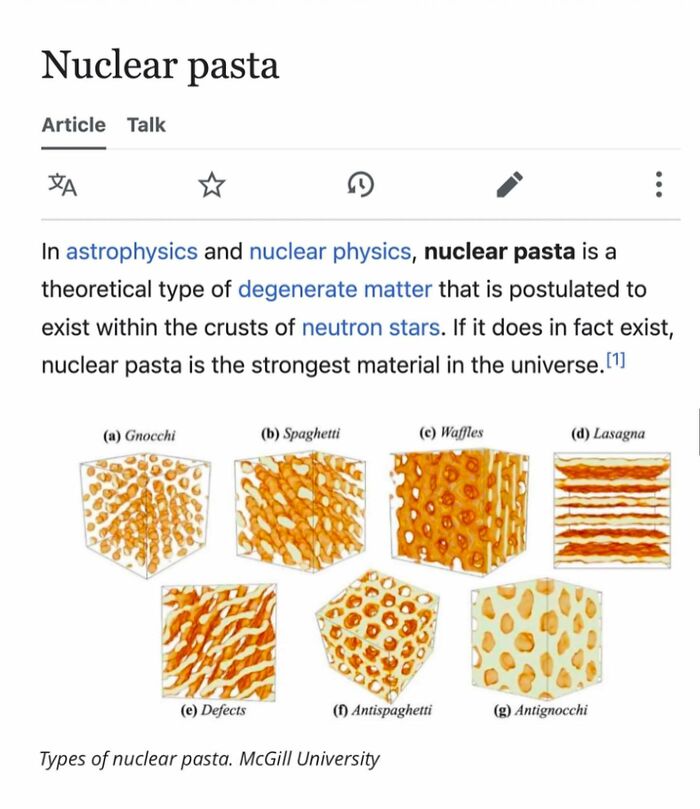
It's theorized that if you fall into a black hole, you get "spaghettified" (not as fun as it sounds).
In 2008, the Telegraph reported that an entire village had fallen victim to Wikipedia hackers. "Readers of the site have been misinformed that Denshaw is the home to an obese population of sun-starved, sheep-hurling yokels with a brothel for a pub and a lingering tapeworm infection," read the Telegraph's article.
And the hackers didn't stop there...
At the time, the Wikipedia entry claimed that Denshaw, a village on the northeastern fringe of Greater Manchester, "attracts people from many different locations mainly due to the competitive sports held in the village including rock rolling, cow shooting and sheep hurling."
It added that "Due to the complex hill formations surrounding the village, sunlight is only visible for four hours a day, some say a contributory factor in the local population's health problems such as obesity and severe malnurishment (sic)."
Wikipedia has since deleted the fake information.
Then there was the time a teacher discovered that Wikipedia's entry on Plato read that he was an ancient Hawaiian weather man and surfer, writer of Cosmo Girls, and founder of Punahou in Ancient Florida. And we just have to hope that not too many unsuspecting students got caught out while doing research for school projects.

Despite the blunders, Wikipedia still remains a hugely popular source of information for people around the world. According to Pew, the site's articles have been viewed a total of 1.9 trillion times in the past decade, or about 508 million views per day on average.
Wikipedia’s article on President Donald Trump is the most-viewed English-language page, with around 300 million views over the last decade. The site's Wikipedia: Popular Pages reveals that Trump became the first person ever to reach 200 million views, and his was the overall second most popular page only after the United States' one.

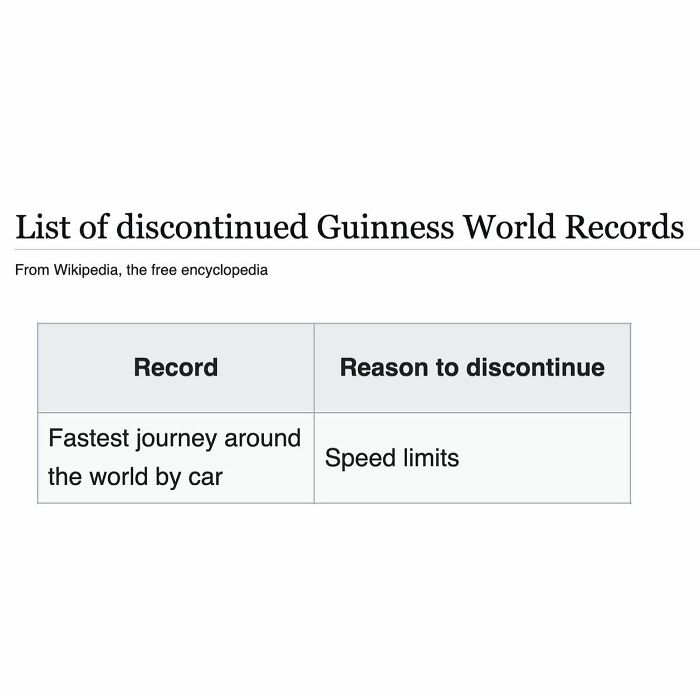
In speedrunning there are always different categories based on some restriction or another. I think this would be such a thing: fastest to drive around the world without breaking the speed limit.
"On January 20, 2021, the day he left office and refused to attend Biden's inauguration, he surpassed the United States for the all-time lead among the ranked pages in what we know as the first change of the leading page," reads Wikipedia.
"The 2021 storming of the United States Capitol gave him the decisive push," it adds. "By notable contrast, his predecessor Barack Obama did not reach the U.S. during his two terms. Joe Biden debuted on the list on November 12, 2020."
May Wikipedia continue to grow, giving us valuable information while providing some unexpected laughs and secondhand embarrassment as well.


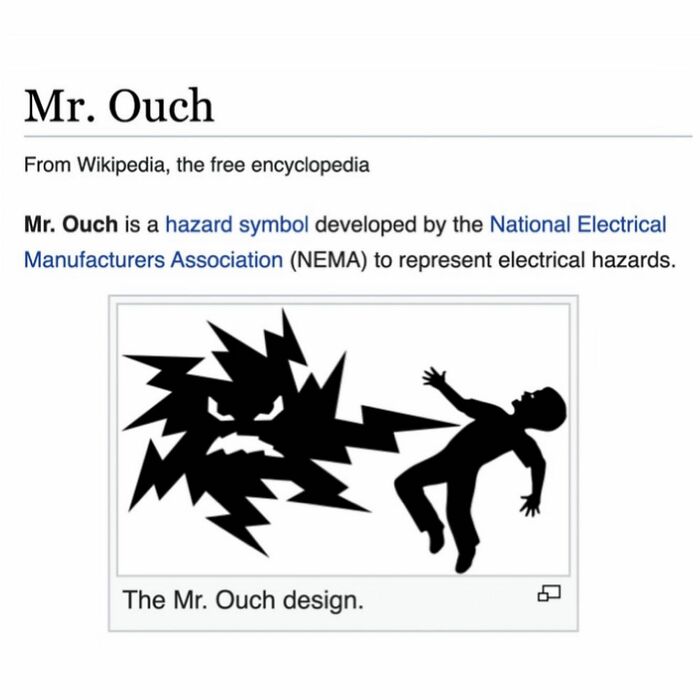
Wait, is Mr Ouch the person suffering the ouch, or the anthropomorphic electricity inflicting the ouch?
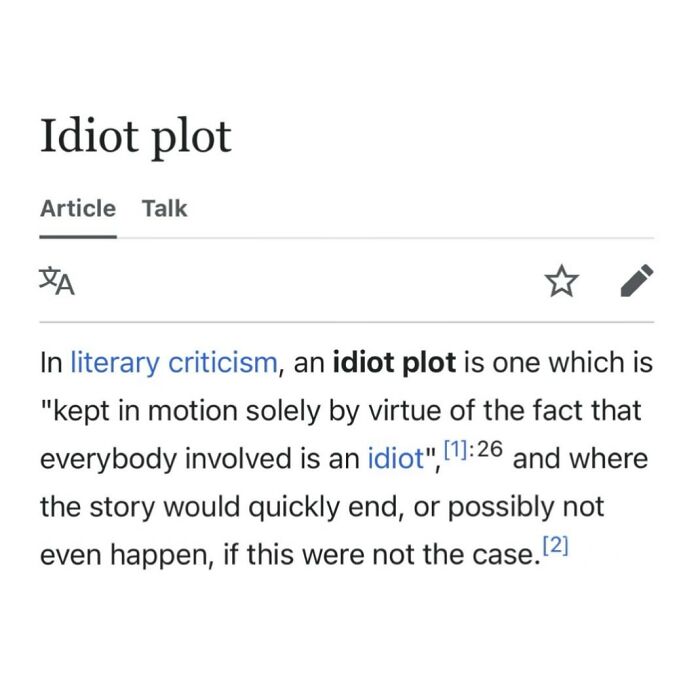
Idiot plots for humoristic purposes can be excellent though and the critics shouldn't take everything so seriously


































 No fees, cancel anytime