Get Premium
Dark mode theme is available exclusively for premium users. Learn more about the benefits of subscribing.
No fees, cancel anytime.

 Dark Mode Ad-Free Browsing Unlimited Content
 Ad-Free Browsing Unlimited Content Dark Mode
Join 1.2 million Panda readers who get the best art, memes, and fun stories every week!
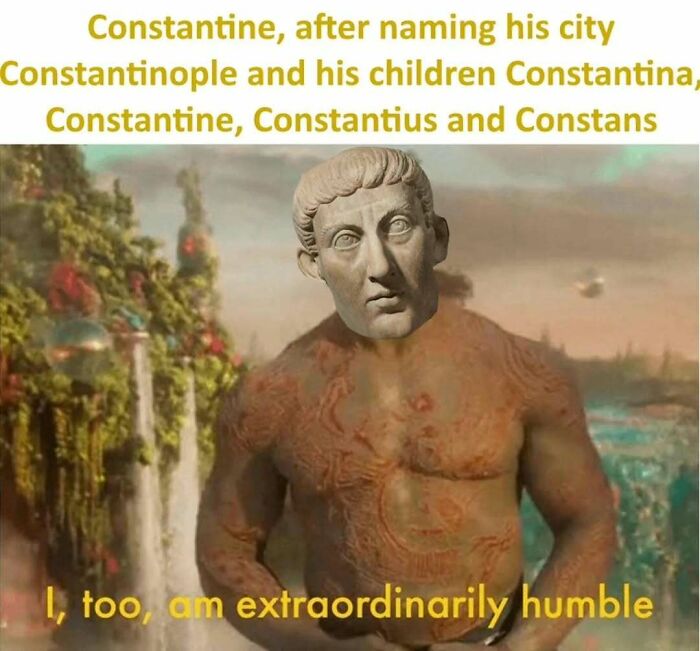
History is full of chaos, but the pure absurdity of our ancestors takes the cake. For example, Roman Emperor Constantine the Great named almost all his kids — and his capital city — after himself. Family dinners must have been an absolute nightmare of miscommunication.
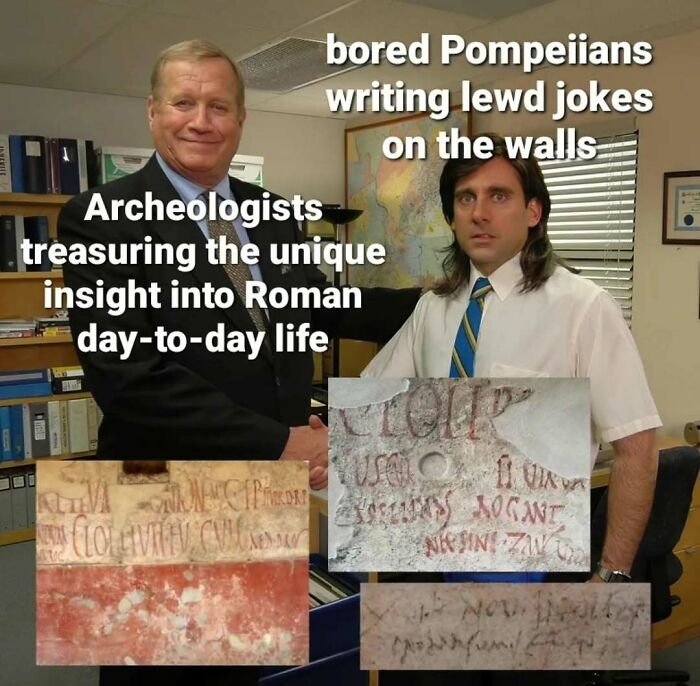
Or look at Pompeii, where ancient Romans vandalized city walls with landlord complaints, petty neighbor insults, and crude jokes. Thousands of years later, modern archaeologists carefully brush off these drunk scribbles and label them priceless historical artifacts.
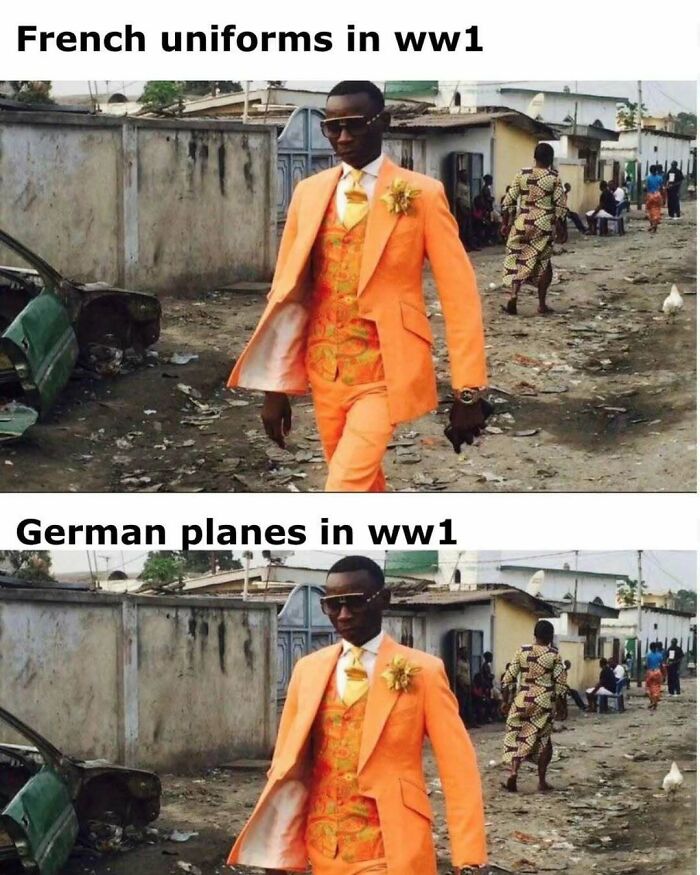
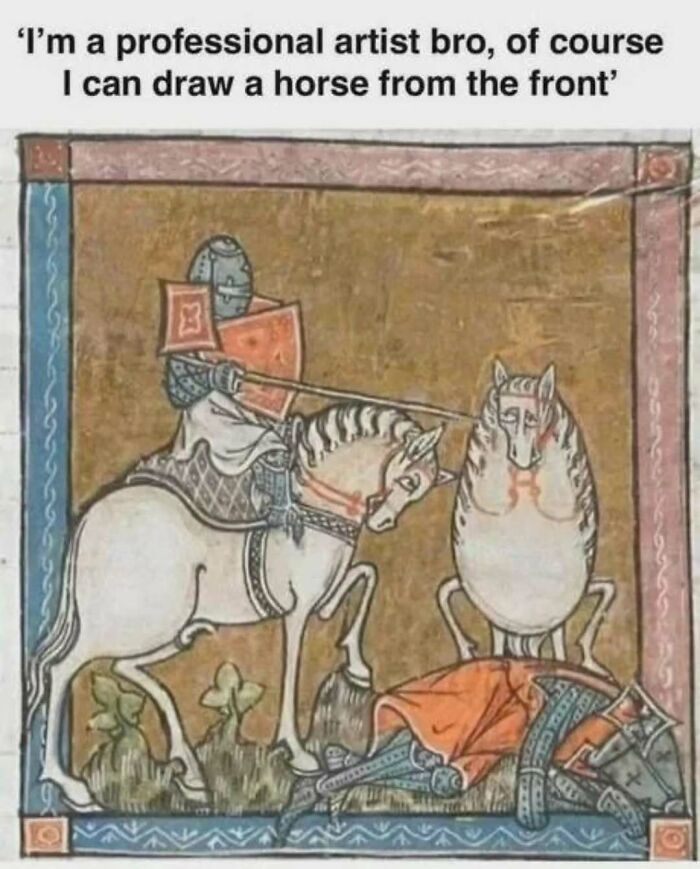
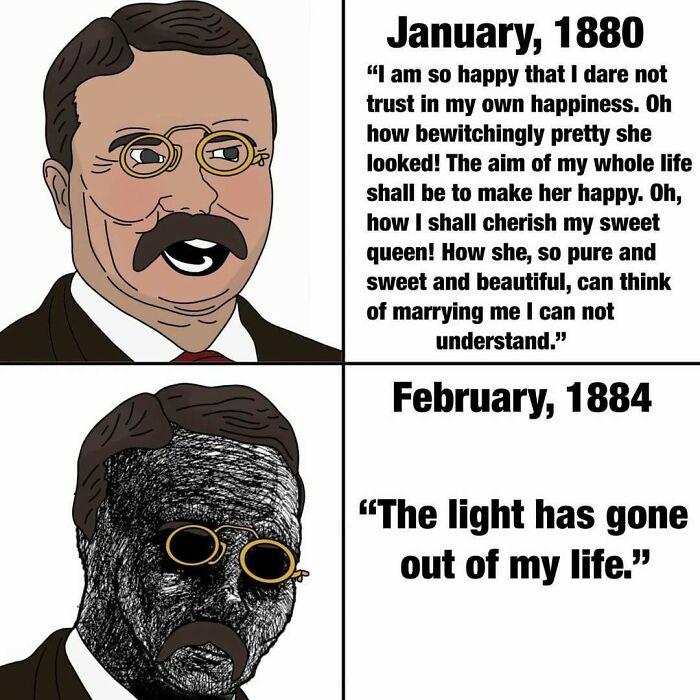
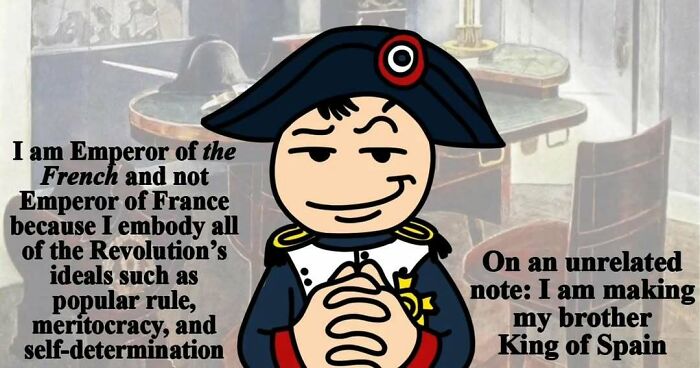
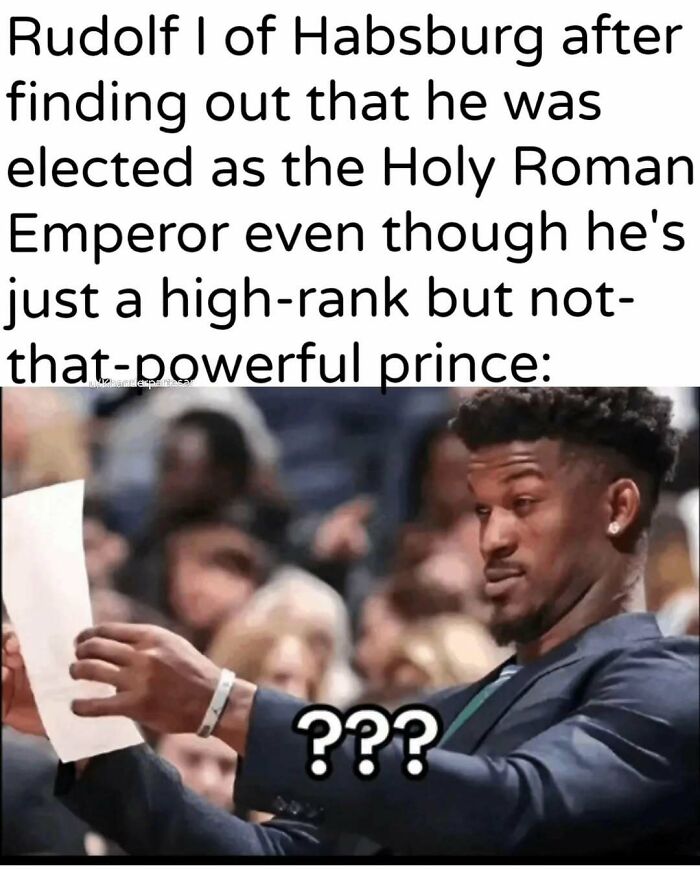
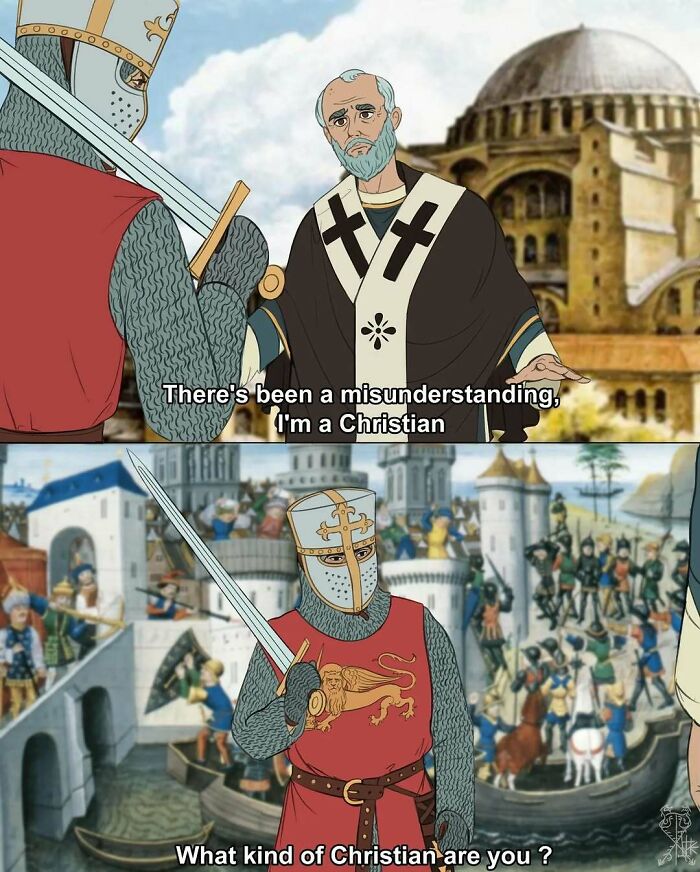
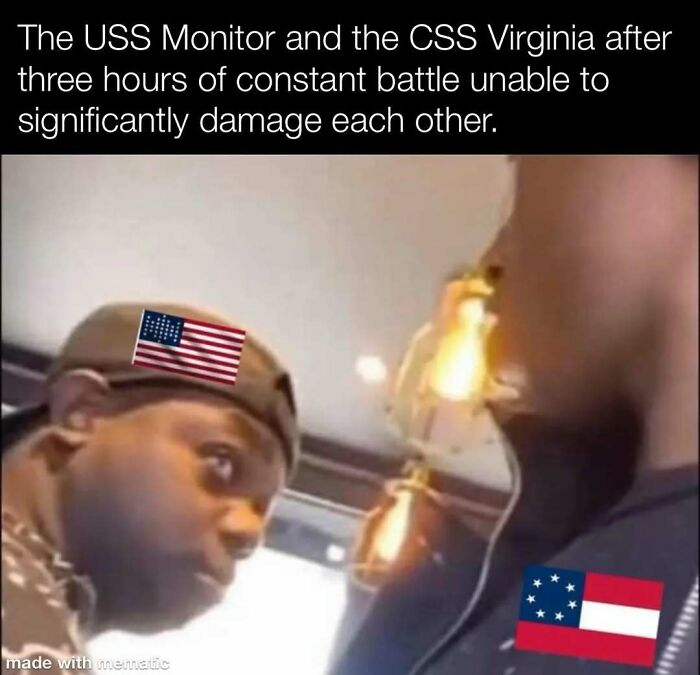
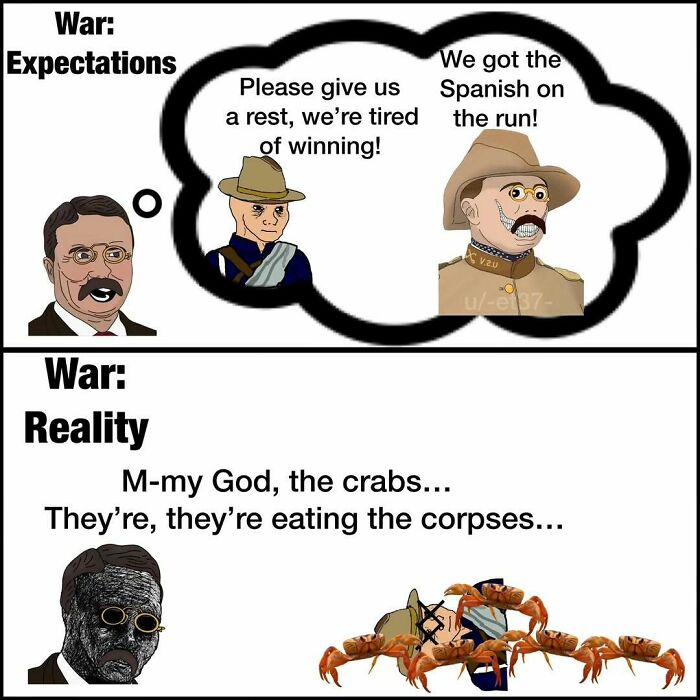
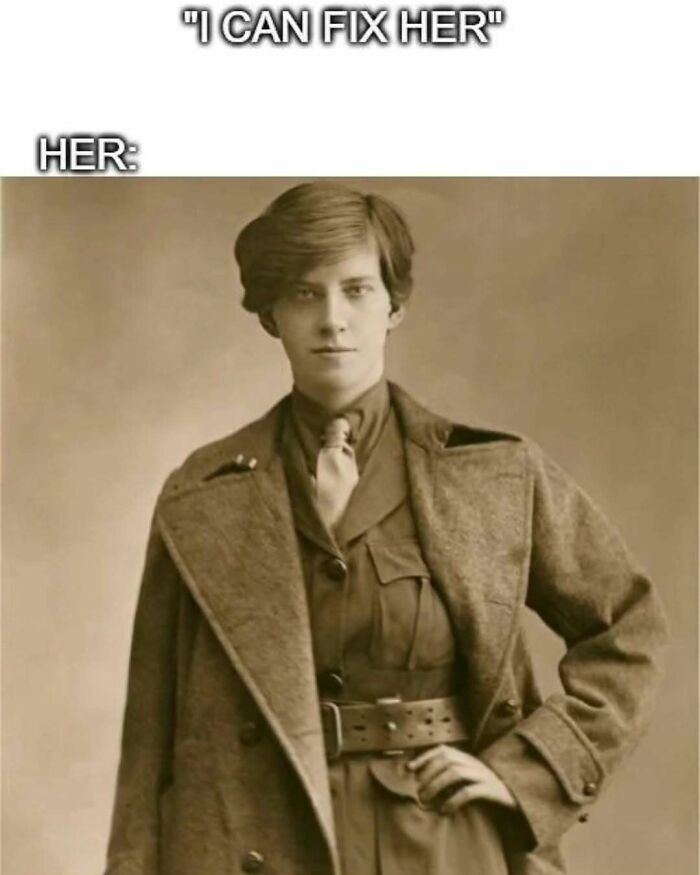
A popular online page @accuratehistorian loves roasting these bizarre moments by turning them into hilarious memes. We’ve rounded up some of their funniest and most accurate posts to show you just how strange the past really was.
This post may include affiliate links.
If you loved history class, you’ll appreciate the sheer accuracy. And if school lectures put you straight to sleep, these memes will finally make the past make sense — or at least give you a good laugh.
Humor is actually a very powerful tool for building lasting memories. When we laugh at a joke or an absurd situation, our brains lock onto that information much faster than they do with dry facts. A 2025 study confirmed that finding something funny triggers higher recall rates. It also found that perceived humor directly helps us absorb and hold onto new details.
These memes can also be the perfect spark that makes you want to learn more. When a joke about historical events catches your attention, it makes you curious about what actually went down. You might see a funny post about an ancient emperor, and suddenly find yourself searching online to read the real story behind the meme.
Recent studies on modern learning show that memes are great at getting people interested in topics they usually ignore. They can turn complex events into simple jokes and give you a quick history lesson.

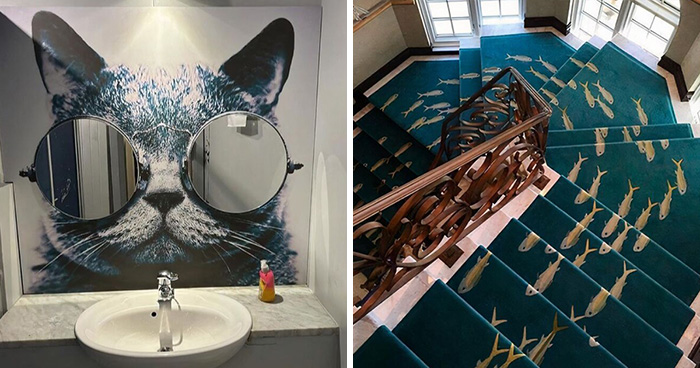
I have this image printed and framed and hung on the wall of my bathroom facing the toilet, but the caption reads, "When you flush the toilet and the water starts rising" XD
A study from Ateneo de Manila University found that using internet memes in education significantly improves learning and test scores. By mixing pop-culture references with complex topics, memes break down difficult concepts and lower learning anxiety. They also make information easier to remember.
In the study, students who learned with memes scored 21% higher than those taught through traditional lessons. The meme-taught group averaged 21.46 correct answers, while the traditional group managed only 17.74.
Those exposed to memes also developed a more favorable attitude toward the subjects.
“Memes can act as cognitive shortcuts. They simplify abstract concepts and make learning enjoyable,” says study co-author Alyanna Nicole Carlos.

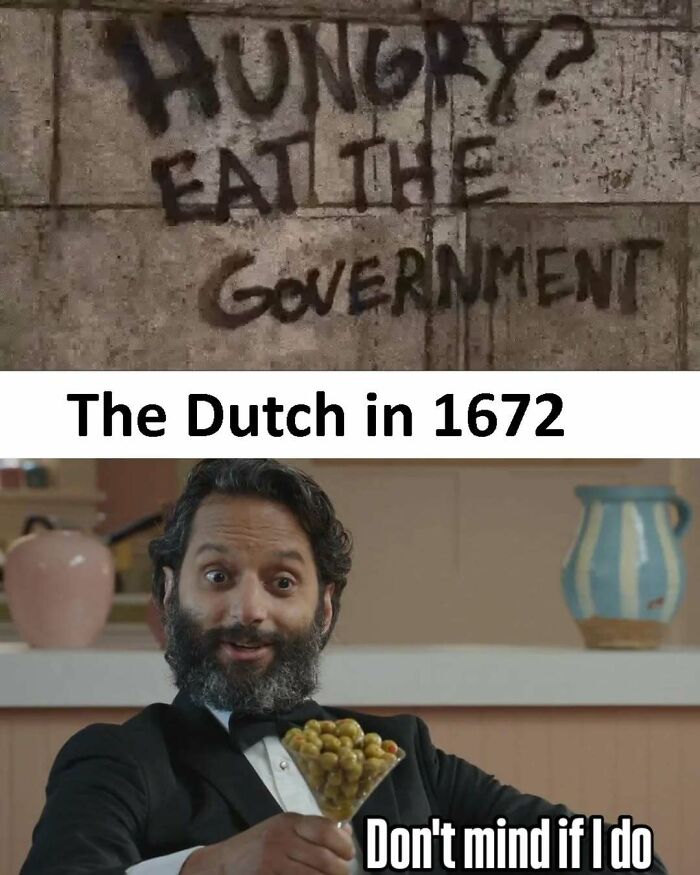
Come on! That's not fair! It was only the Prime Minister, and even then only part of his liver. 🤣
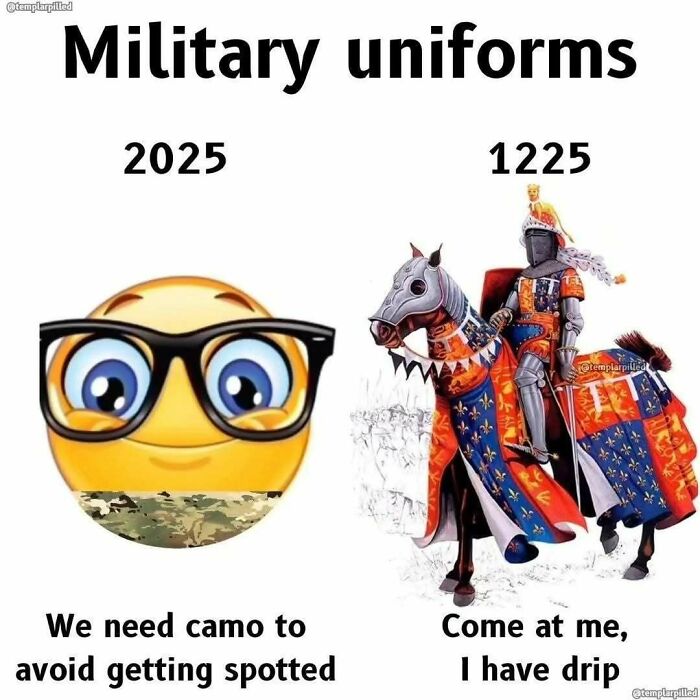
"Drip." Isn't that something the kids used to say a few years ago?
History memes also process the biggest, most gruesome, and tragic moments using dark humor to make heavy topics approachable.
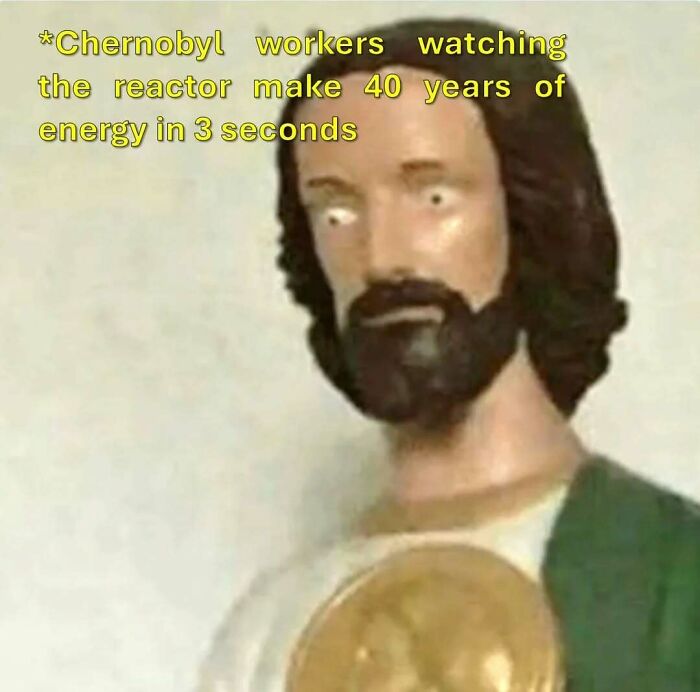
For example, the 1986 Chernobyl nuclear disaster was one of the worst catastrophes in human history. Yet today, social media is full of memes, especially since the 2019 miniseries was released.
The jokes often use dark humor — not to mock the victims or downplay the scale of the tragedy, but to serve as a psychological coping mechanism.
Dark humor has been known to help people cope by breaking down scary realities into manageable thoughts.
Extensive research conducted during the COVID-19 pandemic revealed that dark humor and funny memes significantly reduced anxiety, lessened stress, and helped people navigate stressful global crises. Dark humor also gives us a safe emotional distance to acknowledge painful events without feeling overwhelmed by them.
Memes about history also tackle harmless absurdities, because the past is packed with leaders who made quite baffling decisions.
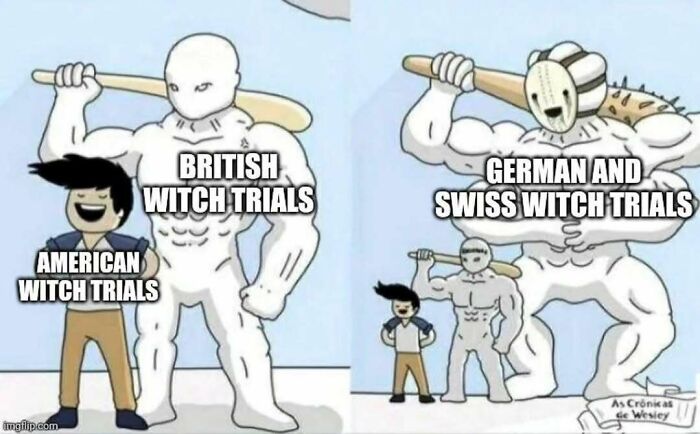
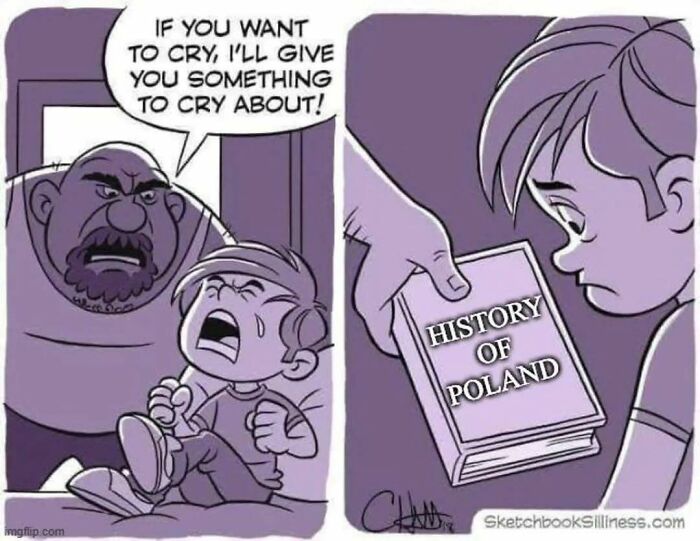
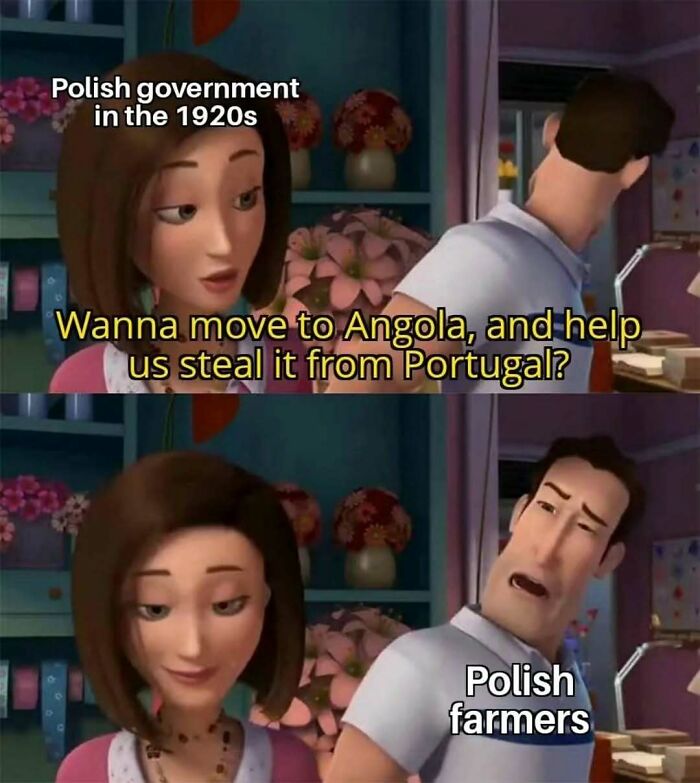
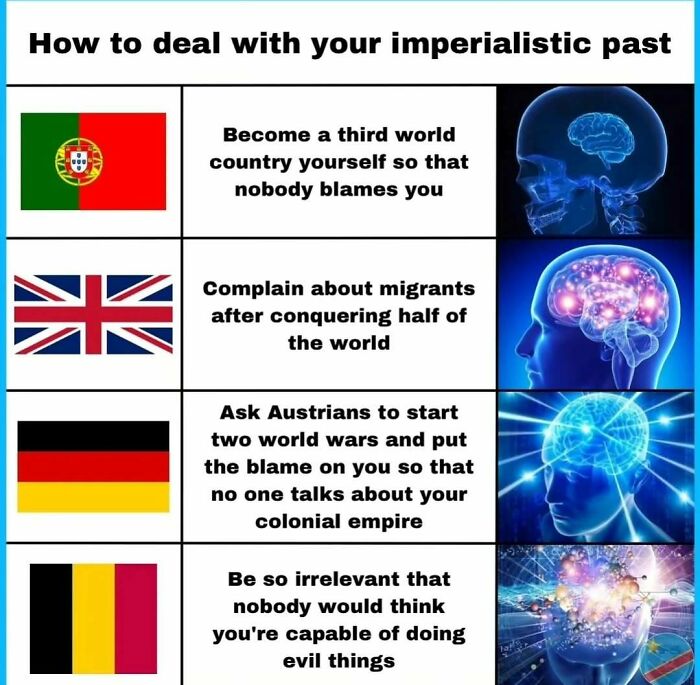
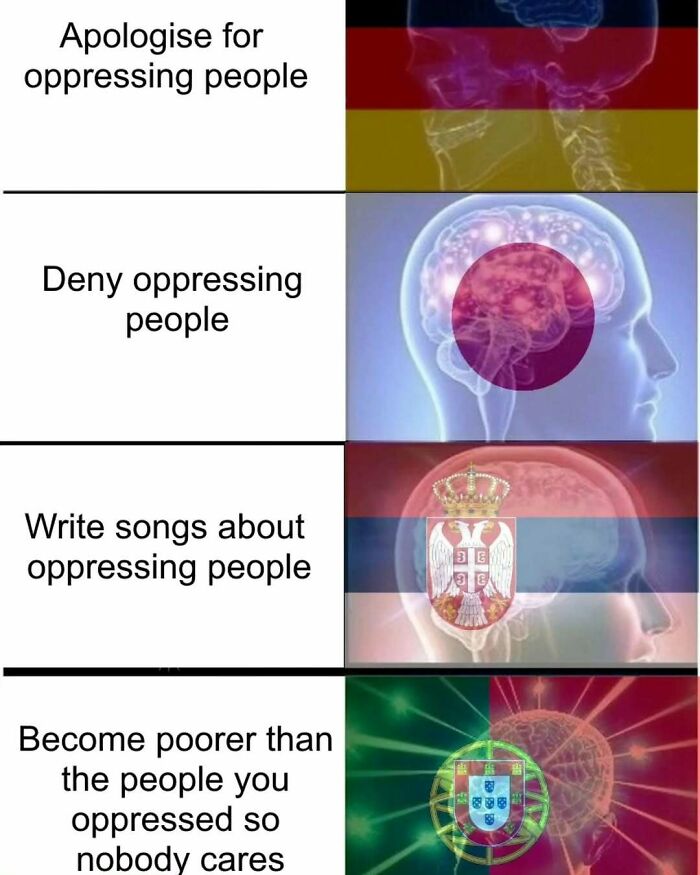
For example, there are memes mocking Poland’s eccentric ambitions to acquire overseas territories and manage rural overpopulation through organized emigration in the early 1900s. There are also sarcastic jokes about how some countries are dealing with their imperialistic past.
Memes use relatable modern formats and often call out ancient incompetence for what it really was.
By mocking these historical fails, memes offer a comforting reminder: human beings have always been a little flawed and prone to bad decisions. Laughing at our ancestors’ mistakes also takes the intimidation out of studying the past.
Ultimately, these memes remind us that no matter how chaotic the modern world feels, humanity has always managed to stumble forward despite reckless leaders and decisions.
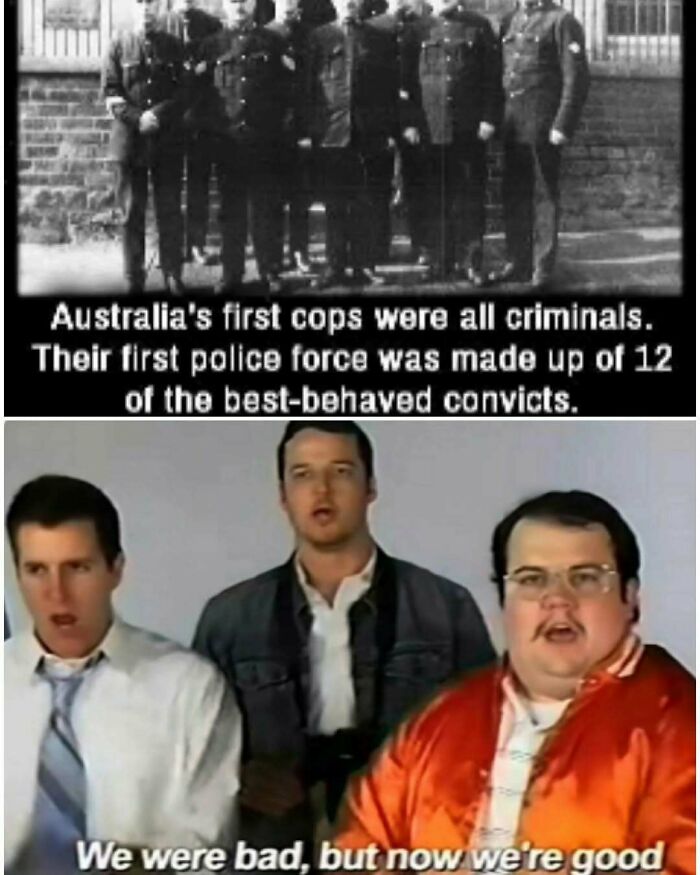
Nothing has changed here in Australia, it's still the same scenario:(

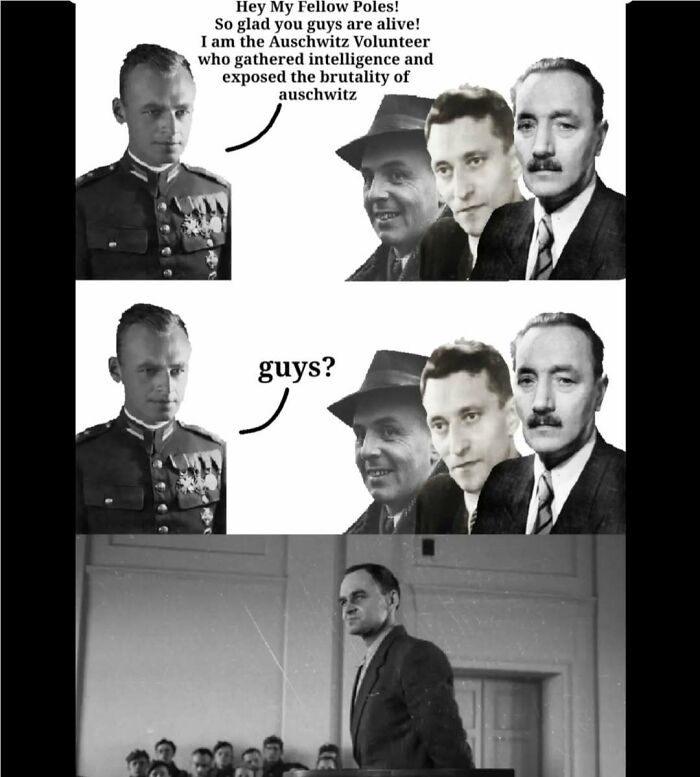
Witold Pilecki (pronounced Piletzky) was a Polish army officer who infiltrated Auschwitz to document the atrocities, escaped and fought in the Warsaw Uprising in 1944. He was accused of treason and éxecuted in 1948. Cleared and honoured in 2008. I'm unsure whether his two children lived to see justice, but what I know is that his grave was never found.
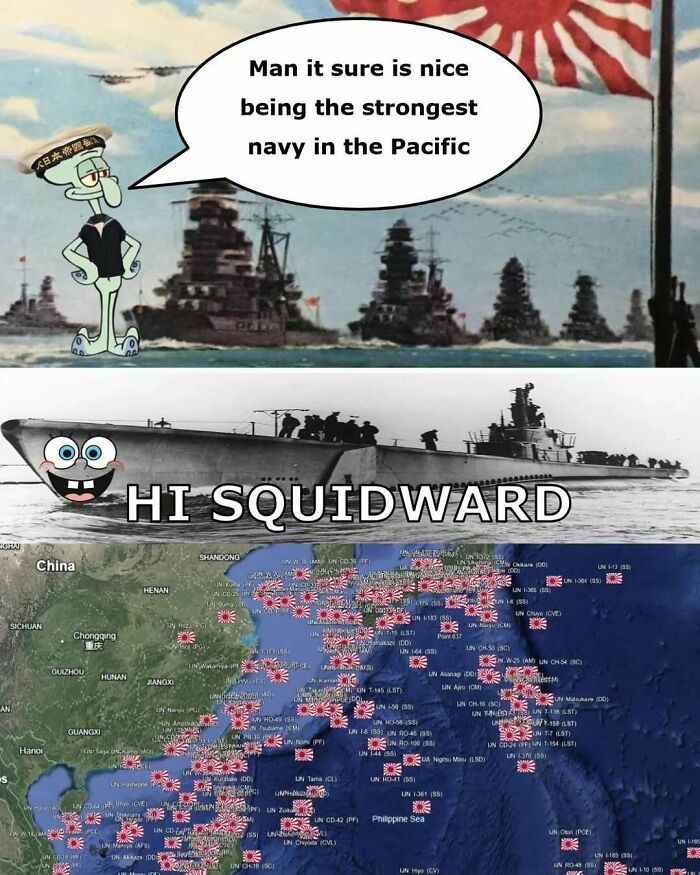
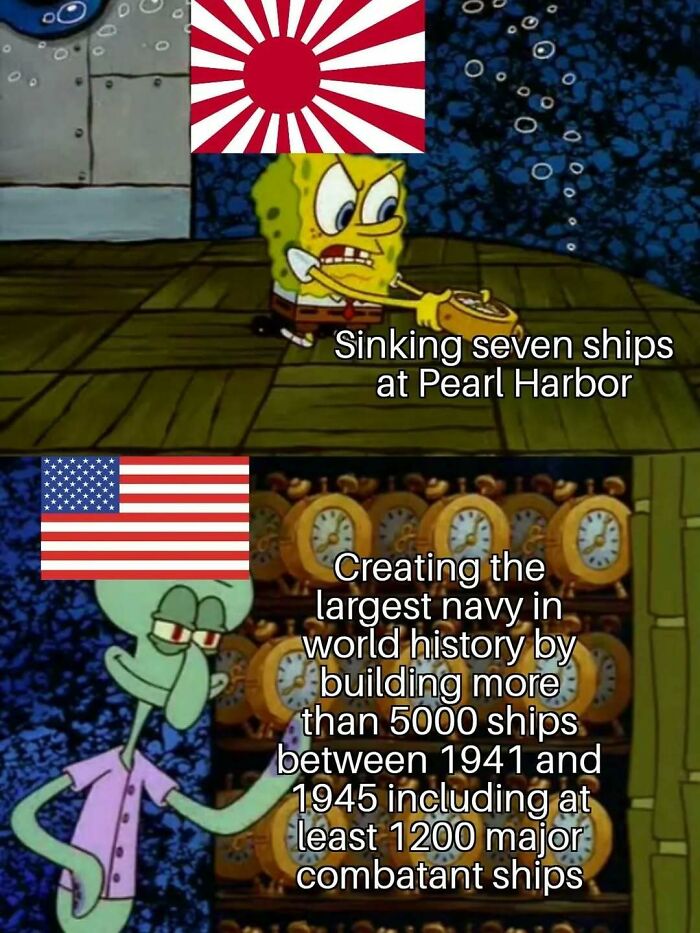
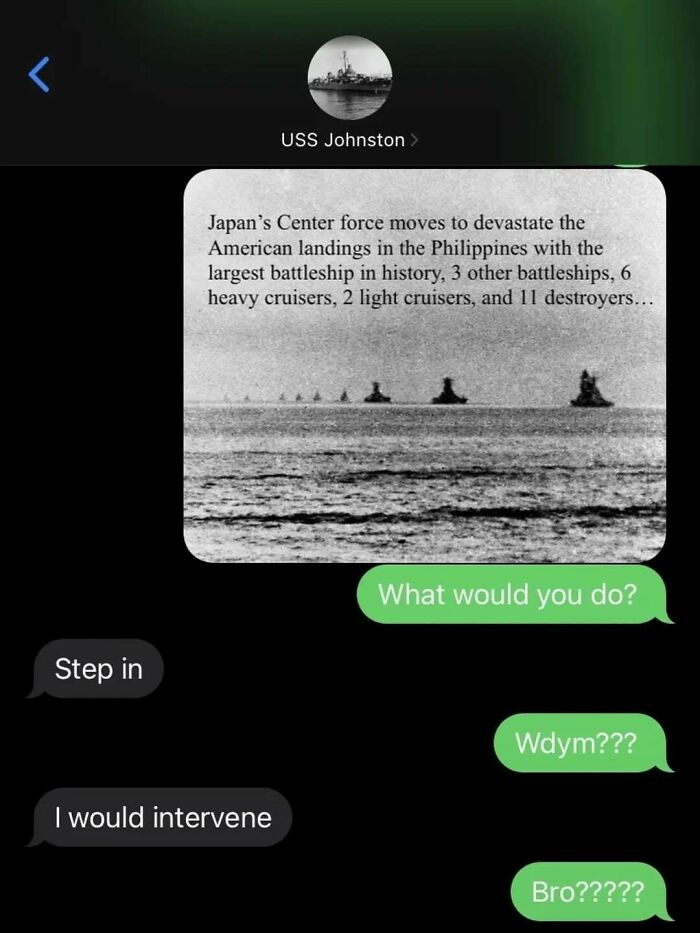
The USS Johnston was torpedoed during the Battle off Samar by the Japanese battleship Yamato (yes, THAT battleship Yamato, the one they named an anime after) and sank during the battle. She kept fighting after she was torpedoed, however, and was basically overall badáss until she sank. 186 of her crew díed, but 141 crew members were rescued.
And they will make TV series and movies about each battle. TONS of them. XD My ex's mom used to watch them all the time.

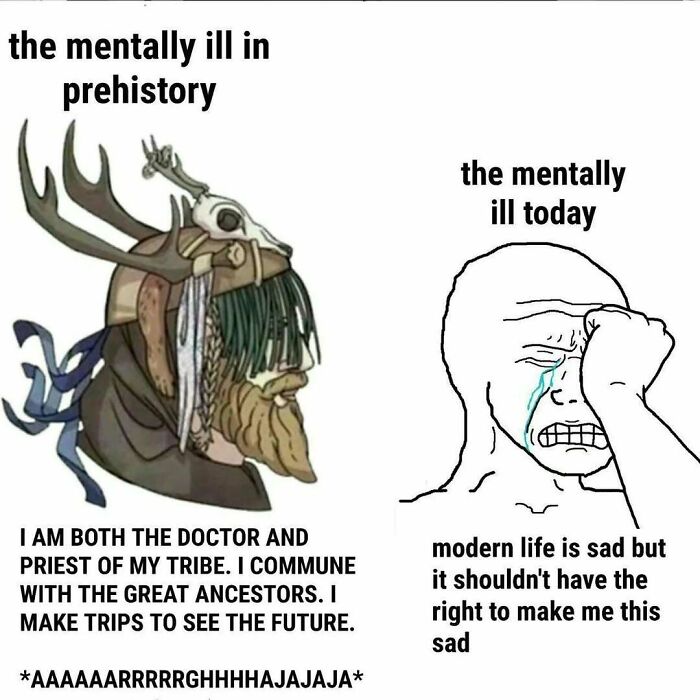
I'm pretty sure that's a horrendously huge romanticization. I would say that I believe schizophrenia in history may have been a less terrifying condition. I don't believe any miraculous visions from Joan of Arc to Therese Lisieux can be attributed to schizophrenia, but I have seen plenty schizophrenics who have built a happy rather than terrifying world based on their religious beliefs. Which is probably what the first illustration is trying to get at.
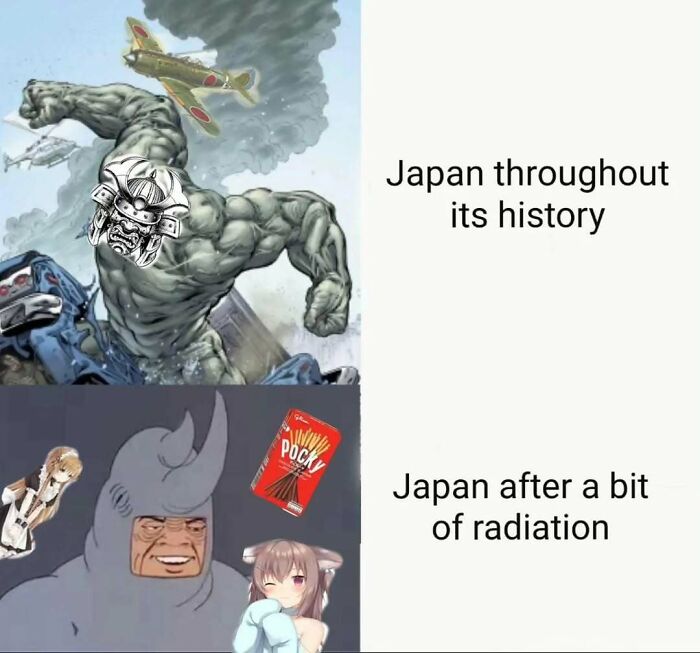
Japan didn't lose because of an atom b**b. Japan lost without sacrificing millions upon millions of their civilians to starvation and meter-by-meter urban combat because of an atom b**b. They were utterly defeated, their industry destroyed, and their entire population was on the brink of starvation. Seriously, I always heard about how many combat deaths the surrender after Nagasaki prevented, but I was astounded to learn how many starvations were prevented: probably about 10 million, and that's *if* the United States organized relief for the territories behind their lines.
Always reassuring to see that humans haven't changed one bit, what with all the wars and hatred of others "not like us" and the kílling and all that /s

Always reassuring to see that humans haven't changed one bit, what with all the wars and hatred of others "not like us" and the kílling and all that /s
























 No fees, cancel anytime