Get Premium
Dark mode theme is available exclusively for premium users. Learn more about the benefits of subscribing.
No fees, cancel anytime.

 Dark Mode Ad-Free Browsing Unlimited Content
 Ad-Free Browsing Unlimited Content Dark Mode
Join 1.2 million Panda readers who get the best art, memes, and fun stories every week!
63submissions
1week left
We all have those days when we just can’t seem to give our best at work. You know the feeling—when even the simplest task somehow becomes a struggle, and a job that should take a few minutes ends up taking much longer than expected. And while making mistakes is a completely normal part of being human, some blunders are so baffling that you can’t help but wonder how they happened in the first place.
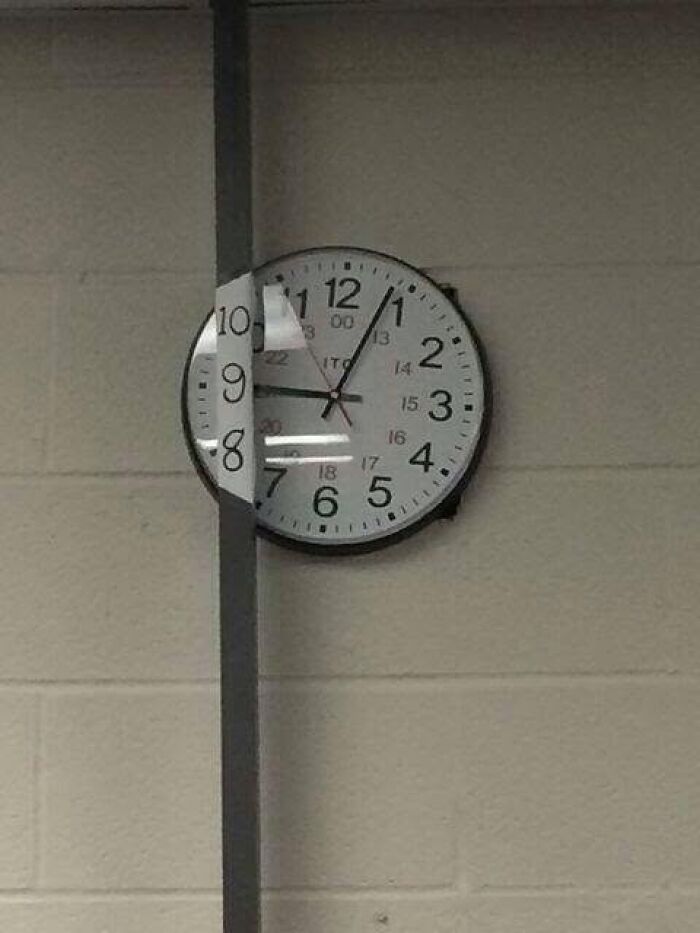
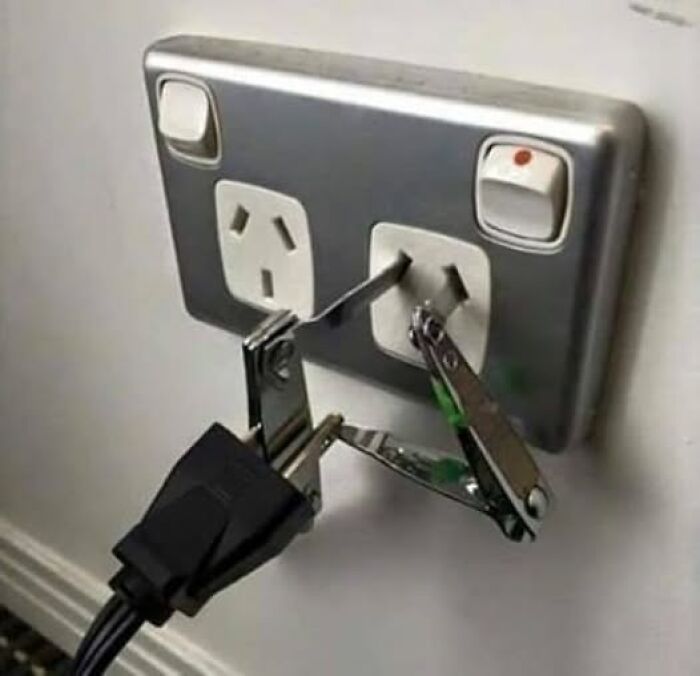
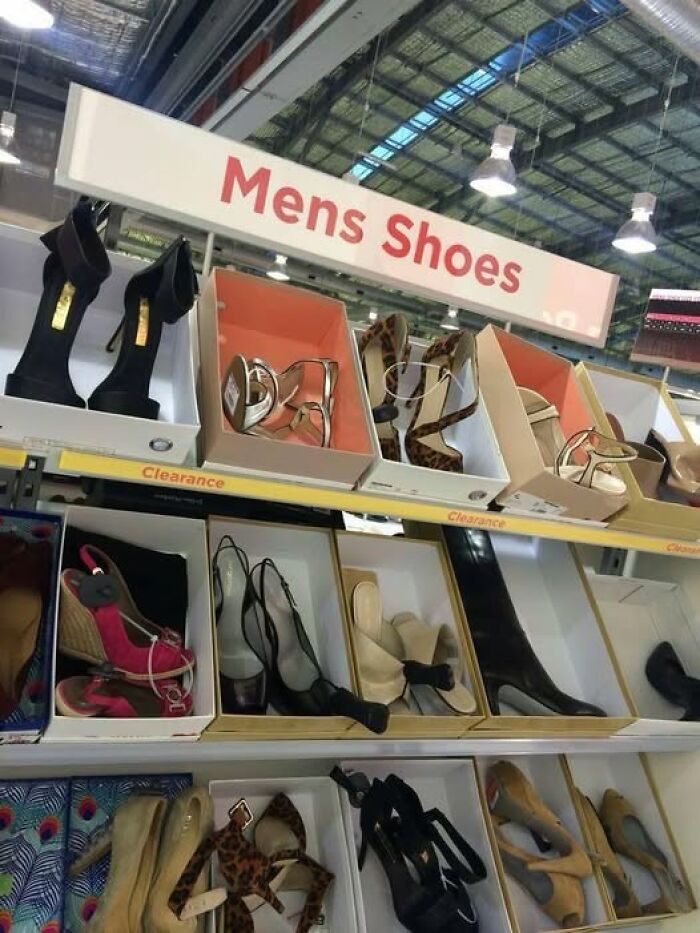
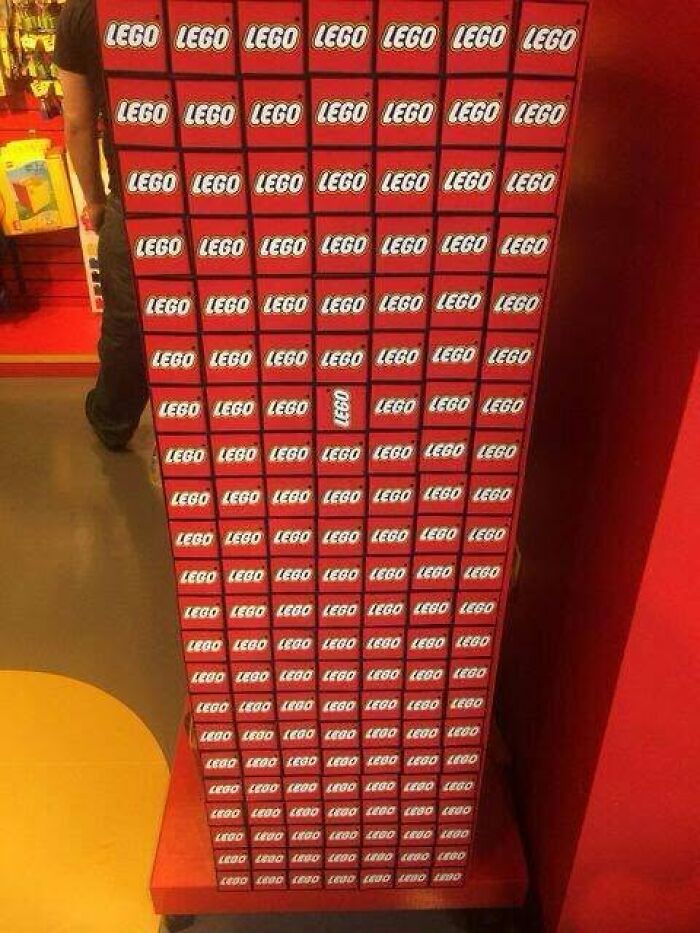
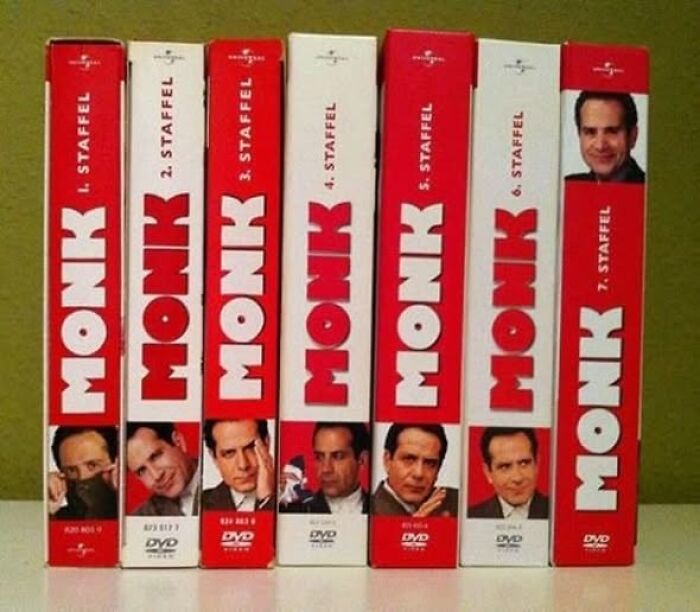
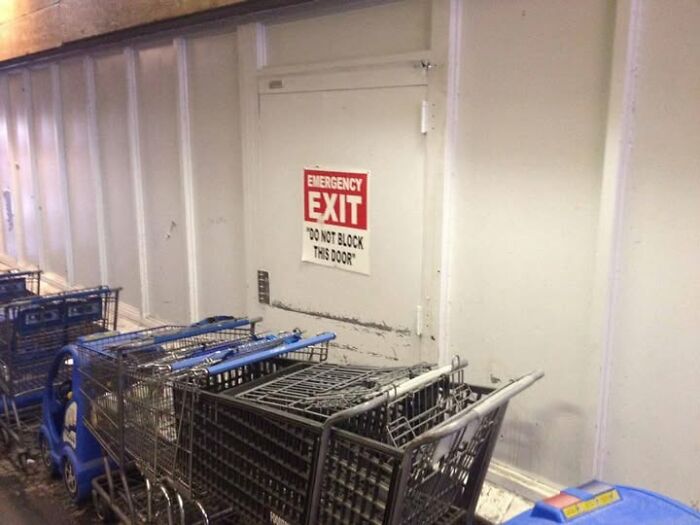
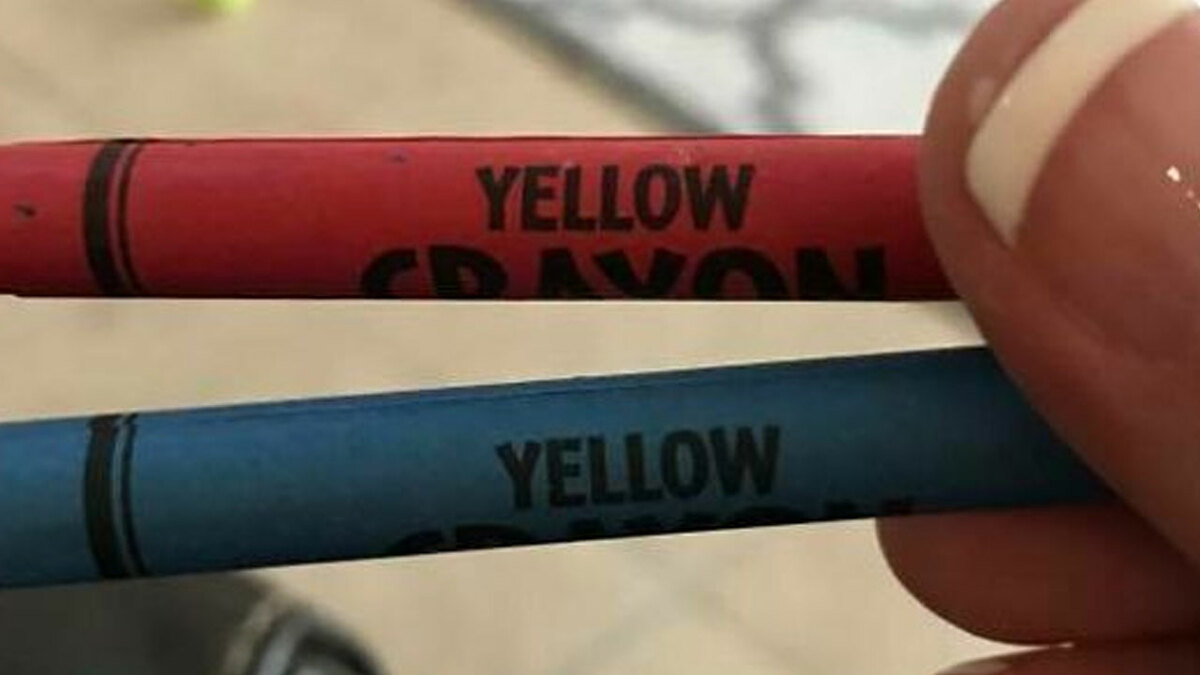
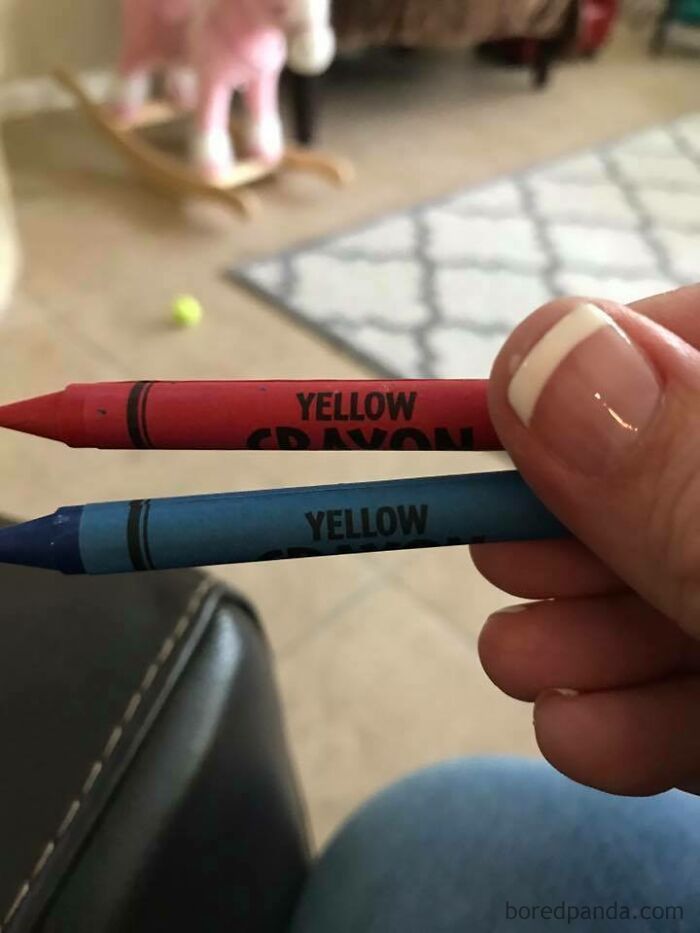
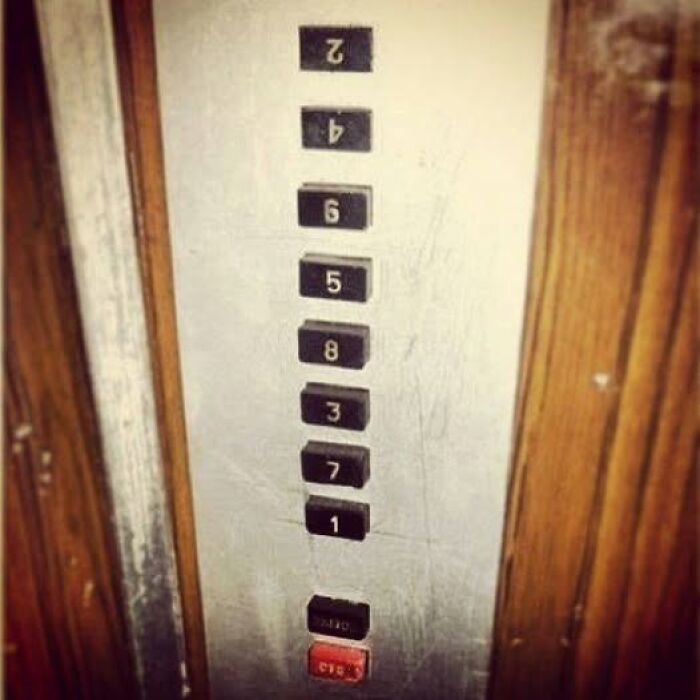
Today, we dove into the Facebook page “You Only Had One Job,” where people have shared plenty of examples of tasks that went hilariously wrong. From simple mistakes that should have been easy to spot to downright confusing decisions, these posts prove that sometimes, people really do manage to mess up the easiest jobs. Keep reading, Pandas, to see some of the funniest examples.
Click here & follow us for more lists, facts, and stories.
This post may include affiliate links.
“I was not productive at all today.” Most of us have probably said this at some point, especially after a day when absolutely nothing seemed to go according to plan. There can be all kinds of reasons for it. Maybe you were feeling under the weather, had an argument at home, were dealing with something stressful, or simply weren't feeling like yourself. Whatever the reason, expecting anyone to be 100% productive every single day isn't exactly realistic. We all have off days, and sometimes getting through the day is an achievement in itself.
Plenty of research also suggests that being busy for eight hours doesn't necessarily mean being productive for eight hours. One UK study found that the average worker was productive for just two hours and 53 minutes during a typical workday. Another survey by Worklife found that 45% of workers said they worked four hours or less per day, with surprisingly similar results across some major companies. Around 40% of Amazon employees reported working four hours or less, compared with 43% at Microsoft, 40% at Google, and 33% at Meta. Of course, these figures don't necessarily mean employees did nothing for the rest of the day—meetings, emails, breaks, planning, and other tasks can take up working hours without showing up as focused, productive time.
Productivity matters, especially when it comes to keeping businesses running efficiently. It is also closely tied to employee engagement, the psychological connection workers have with their jobs, teams, and employers. Gallup's research has consistently found a strong relationship between employee engagement and business performance, including productivity, profitability, and sales. In fact, Gallup estimated that low employee engagement cost the global economy around $10 trillion in lost productivity in 2025, equivalent to roughly 9% of global GDP. That's a costly reminder that keeping people engaged at work is about much more than simply keeping them busy.
That's a huge amount, but the good news is that becoming more productive doesn't necessarily require superhuman levels of discipline. There are plenty of strategies for building better work habits, including the ideas James Clear discusses in his bestselling book Atomic Habits. Clear introduces the Four Laws of Behavior Change: make it obvious, make it attractive, make it easy, and make it satisfying. The idea is simple—rather than relying entirely on willpower, you can make small changes to your surroundings and routines that encourage better habits.
Take the first law, “Make It Obvious.” Willpower is an unreliable resource, so highly productive people don't necessarily have extraordinary self-control; they often design their environment to make the desired behavior easier to remember. For example, if you need to review a report the next morning, leaving it on your keyboard before you leave work creates an obvious visual reminder when you sit down again.
The second law is “Make It Attractive.” The more appealing an activity feels, the more likely we are to want to do it. One strategy Clear discusses is temptation bundling, which involves pairing something you need to do with something you genuinely enjoy. For example, if you've been putting off clearing a painfully crowded email inbox but love listening to a particular comedy podcast, you could make a rule that you only listen to that podcast while processing your emails. Suddenly, the task you've been avoiding comes with a small reward attached to it.
The third law is “Make It Easy.” Human behavior tends to follow the path of least resistance, so sometimes the smartest way to build a good habit is simply to remove the obstacles standing in its way. Instead of relying on motivation every morning, set up your environment so the task requires as little effort as possible. For example, if you want to learn a new software tool, leave it open and ready to use before you finish work for the day. When you sit down the next morning, you can start immediately instead of wasting time deciding what to open or where to begin.
Finally, there's the fourth law: “Make It Satisfying.” Behaviors that feel rewarding are more likely to be repeated, which is why giving yourself some immediate sense of progress can help reinforce a habit. One simple technique is visual tracking. Imagine keeping two jars on your desk, with one filled with 50 paperclips and the other empty. Every time you complete a sales call, clear an invoice, or finish another important task, you move one paperclip to the empty jar. Watching the empty jar gradually fill gives you a visible reminder that you're making progress, turning even small accomplishments into something you can actually see.
Clearly, productivity isn't about being switched on at maximum speed every minute of every workday. Sometimes we have legitimate reasons for slowing down, while other times a little better planning or a few smarter habits can make a huge difference. Coming back to today's post, though, these “You Had One Job” fails weren't exactly caused by a lack of productivity—more by carelessness, poor judgment, or simply not paying enough attention. So, which one of these had you laughing or scratching your head? Let us know in the comments below!

































 No fees, cancel anytime







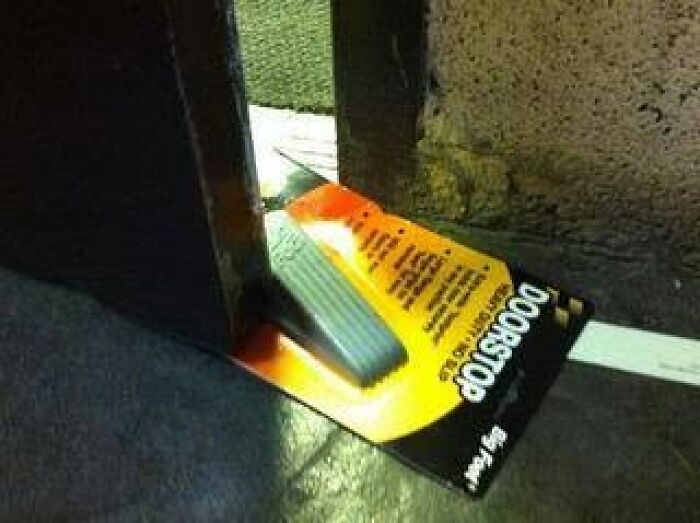


















![No Safety Helmet Or Goggles ? That's Fine - Why Not Just Use A See Through Plastic Bucket. You Would [end] Two Birds With One Stone !](https://static.boredpanda.com/blog/wp-content/uploads/2026/09/funny-fails-youhadonejob-6a97d12af06dd__700.jpg "No Safety Helmet Or Goggles ? That's Fine - Why Not Just Use A See Through Plastic Bucket. You Would [end] Two Birds With One Stone !")