Get Premium
Dark mode theme is available exclusively for premium users. Learn more about the benefits of subscribing.
No fees, cancel anytime.

 Dark Mode Ad-Free Browsing Unlimited Content
 Ad-Free Browsing Unlimited Content Dark Mode
Join 1.2 million Panda readers who get the best art, memes, and fun stories every week!
If you’re into steal deals or local secondhand finds, Facebook Marketplace is likely one of your (if not your only) go-to apps. It’s a digital flea market for pre-loved gadgets, home appliances, furniture, and other novelty items where you can also negotiate prices.
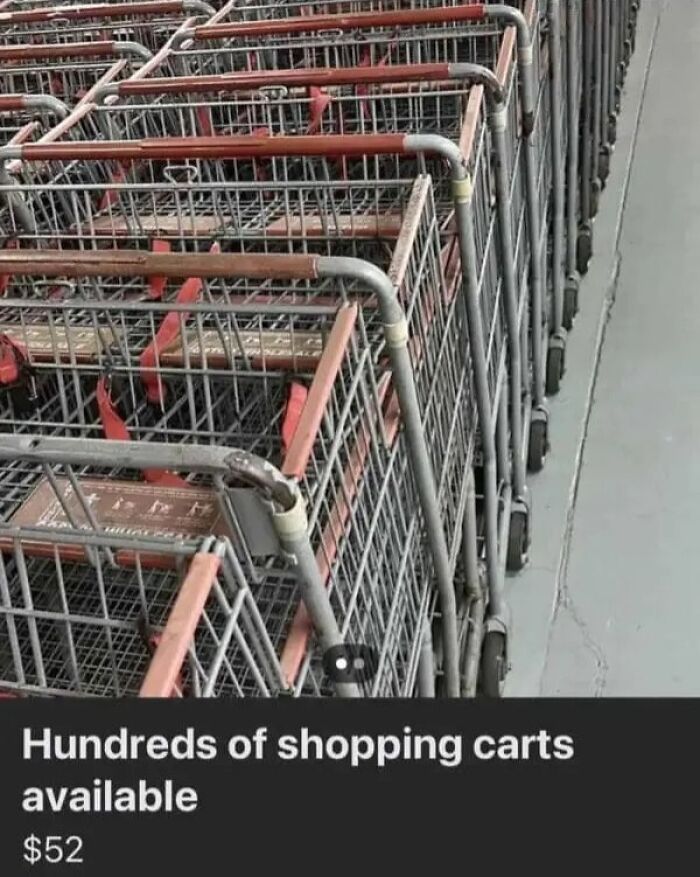
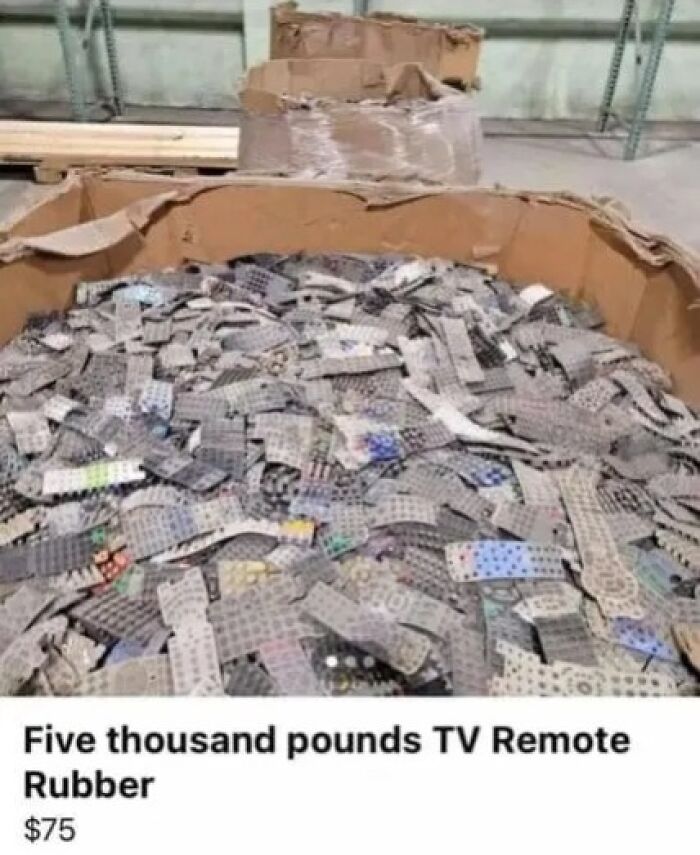
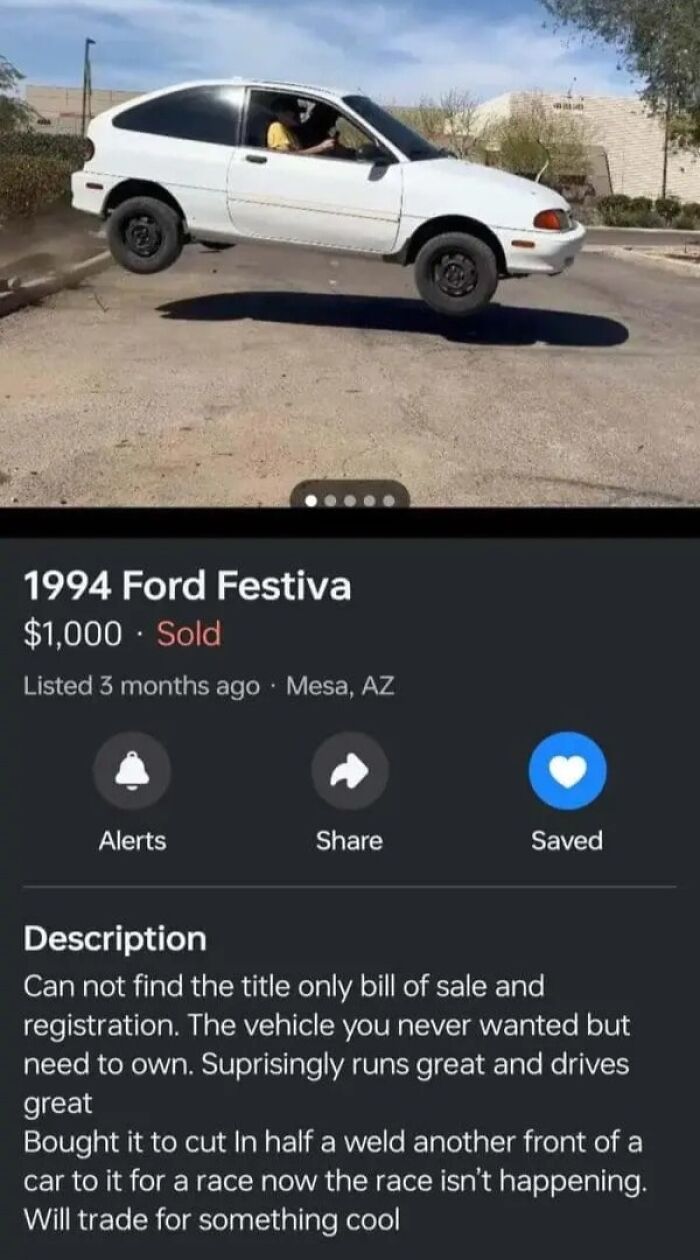
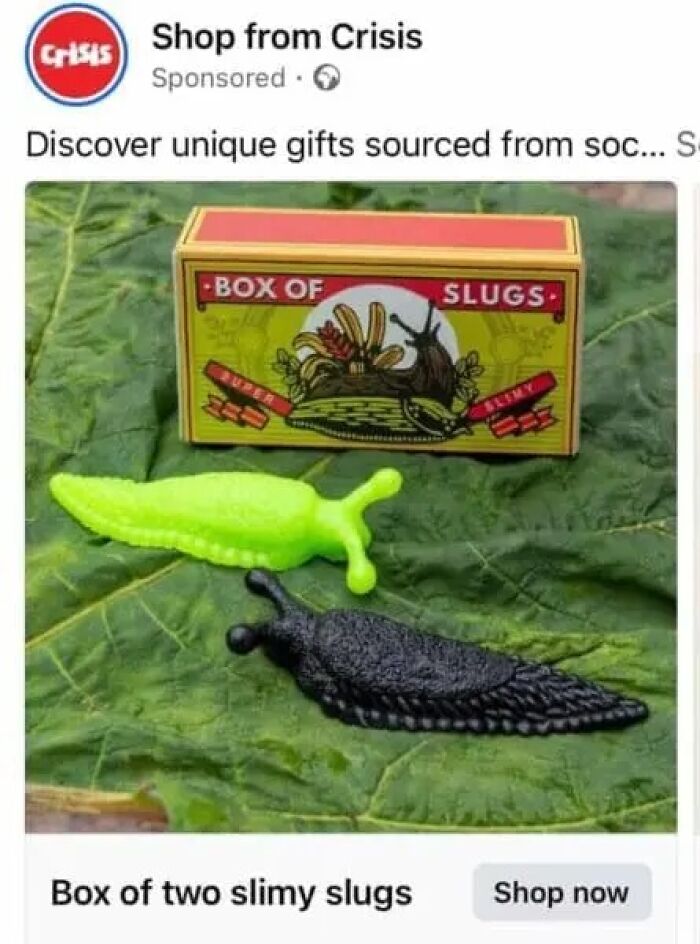
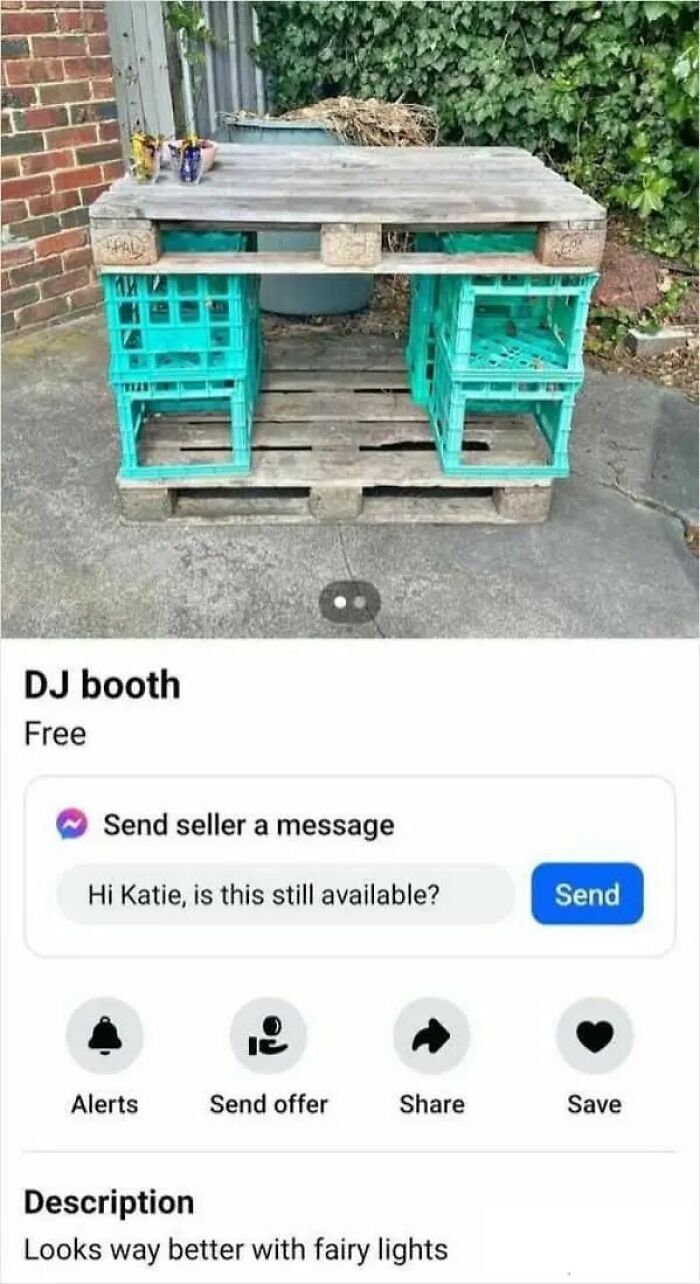
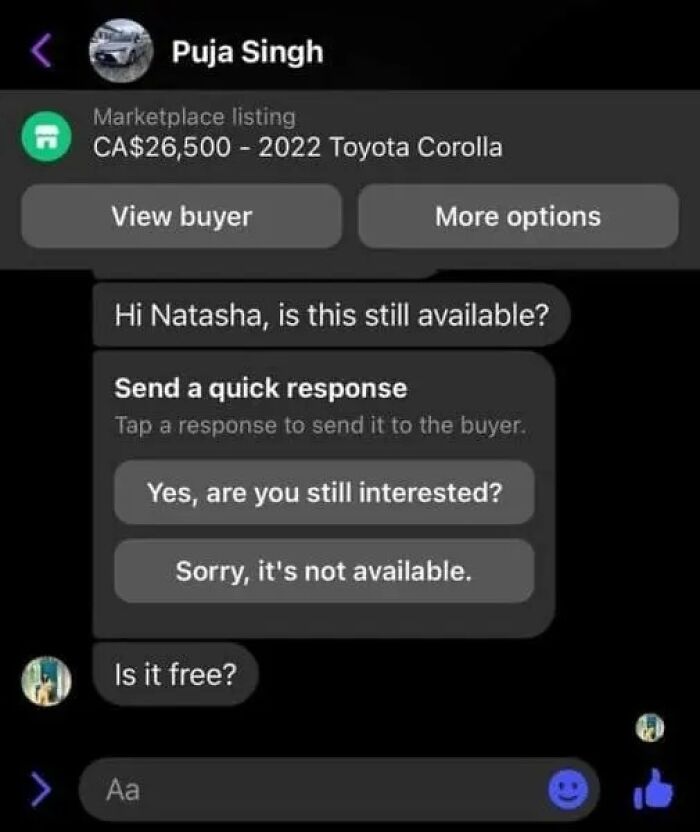
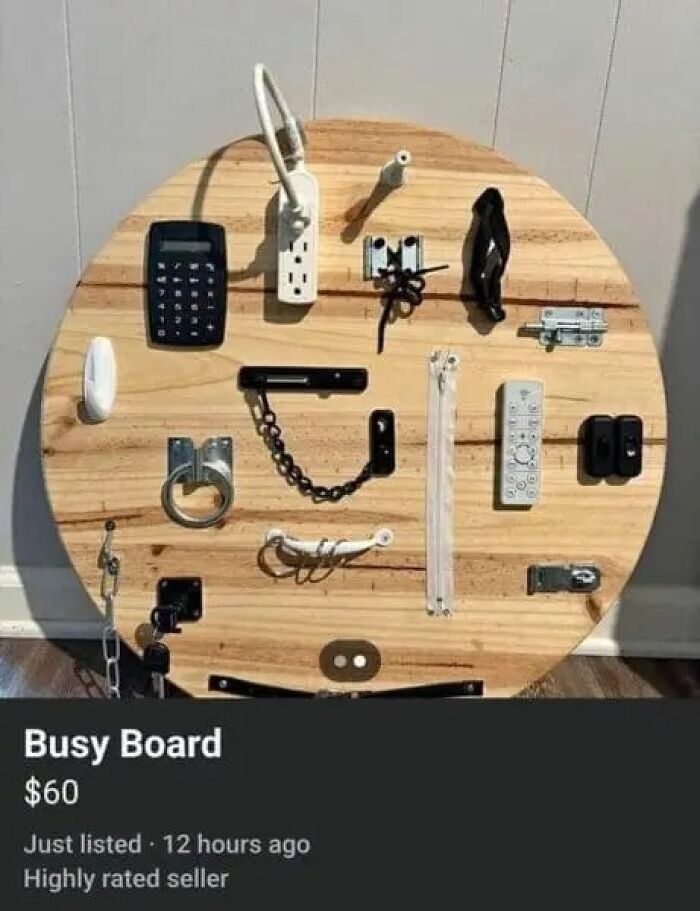
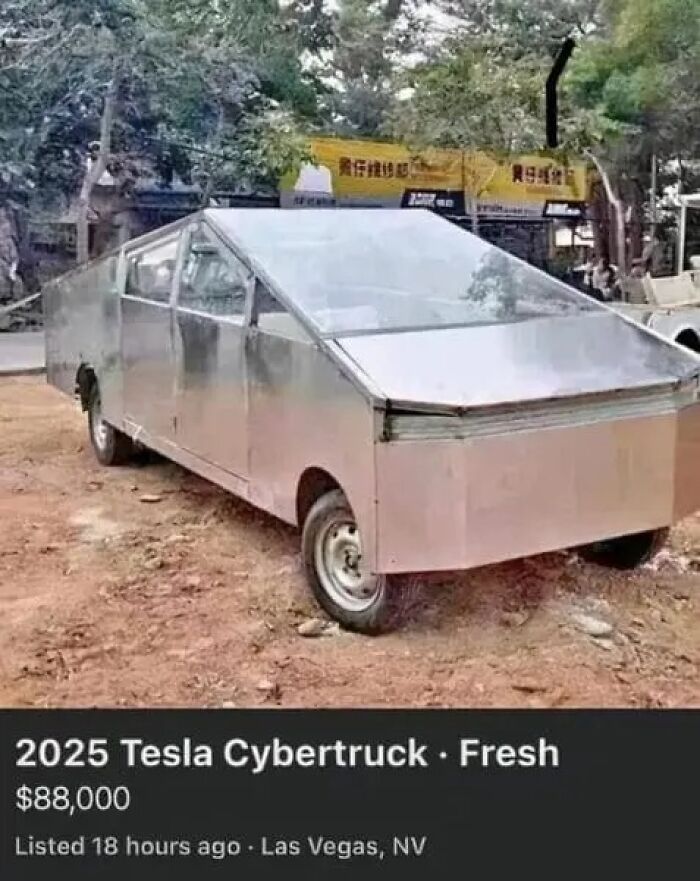
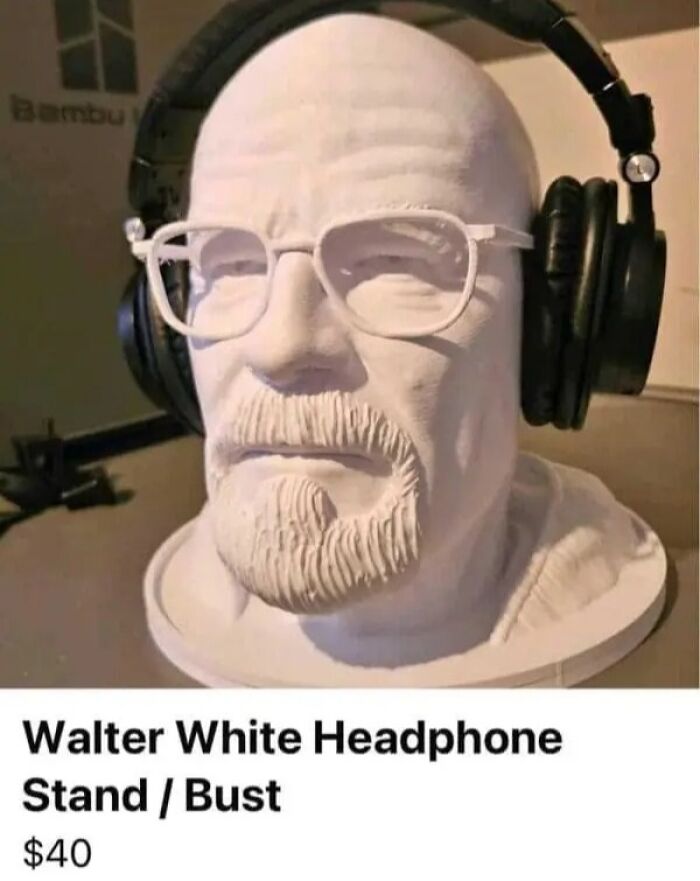
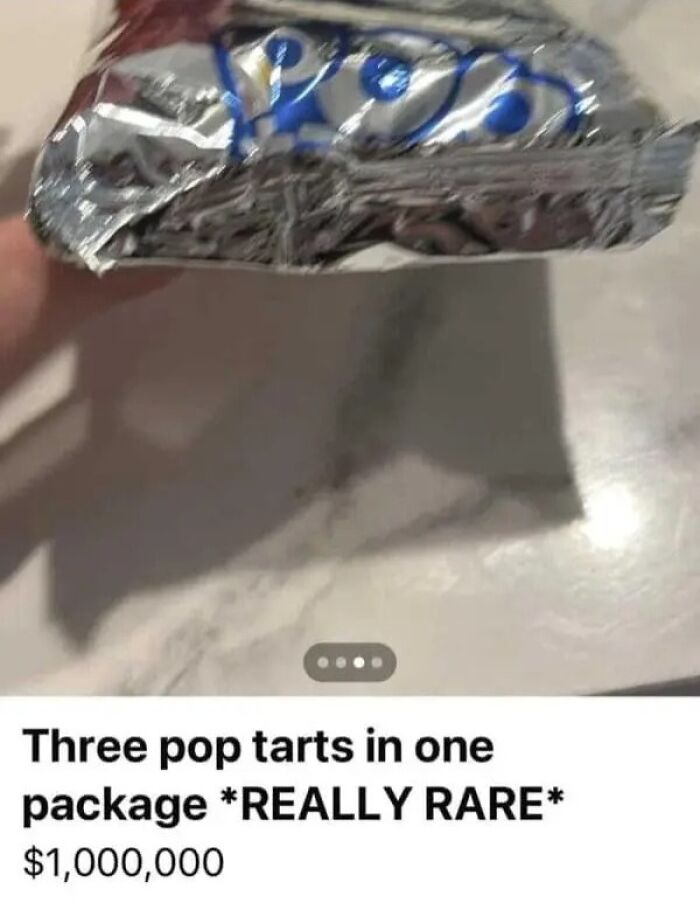
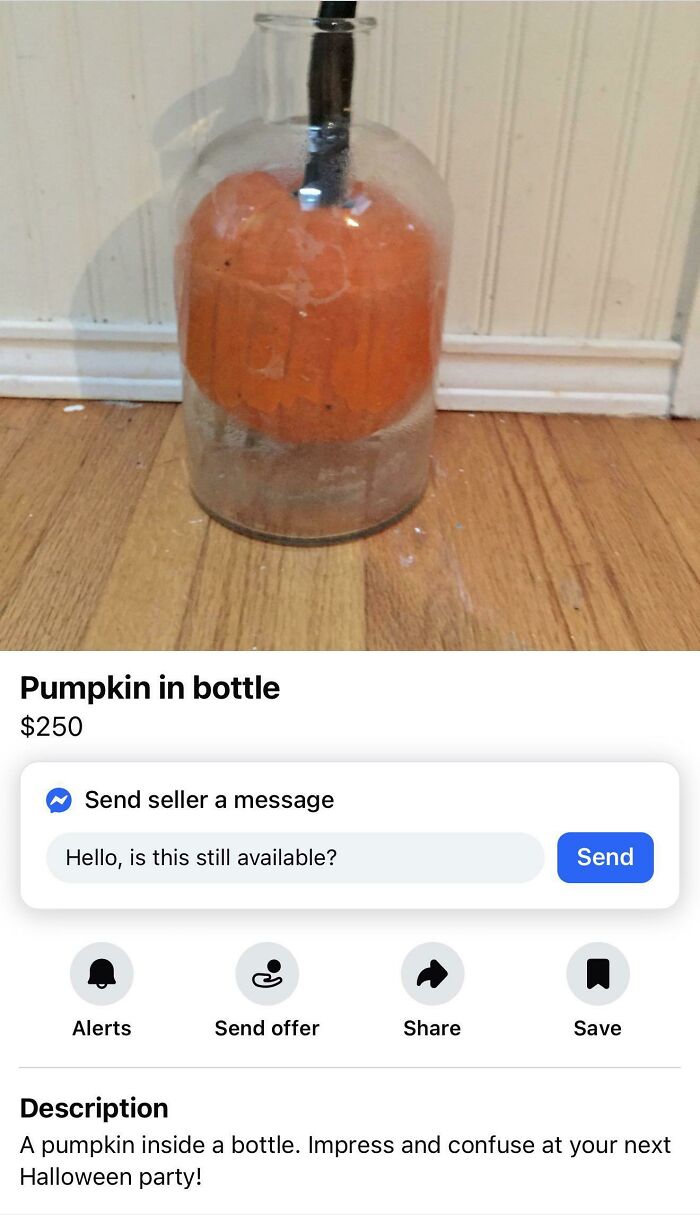
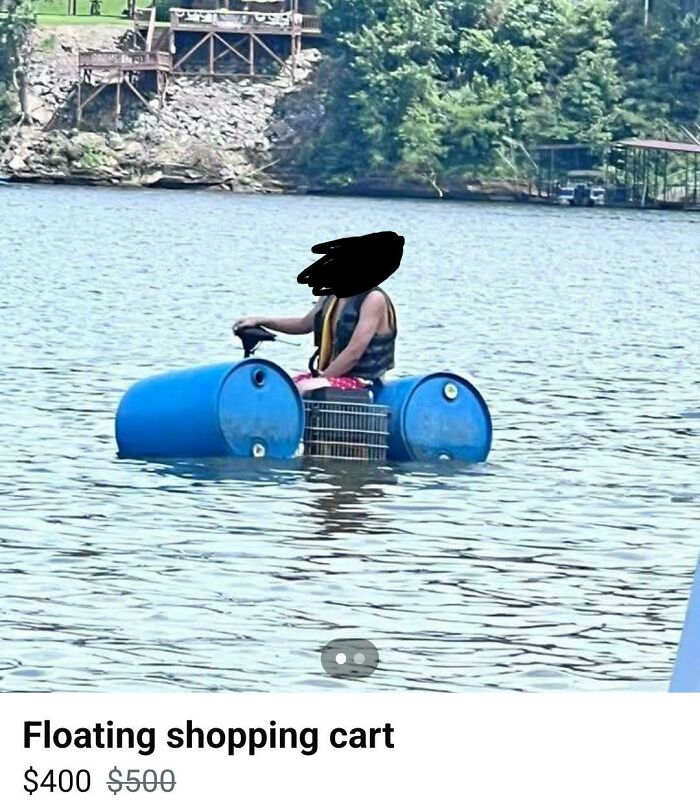
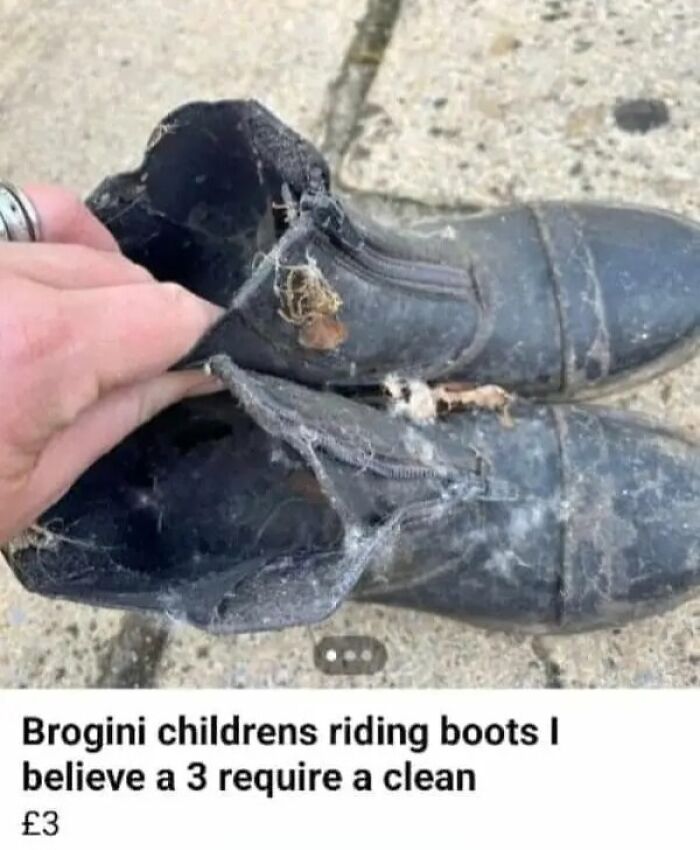
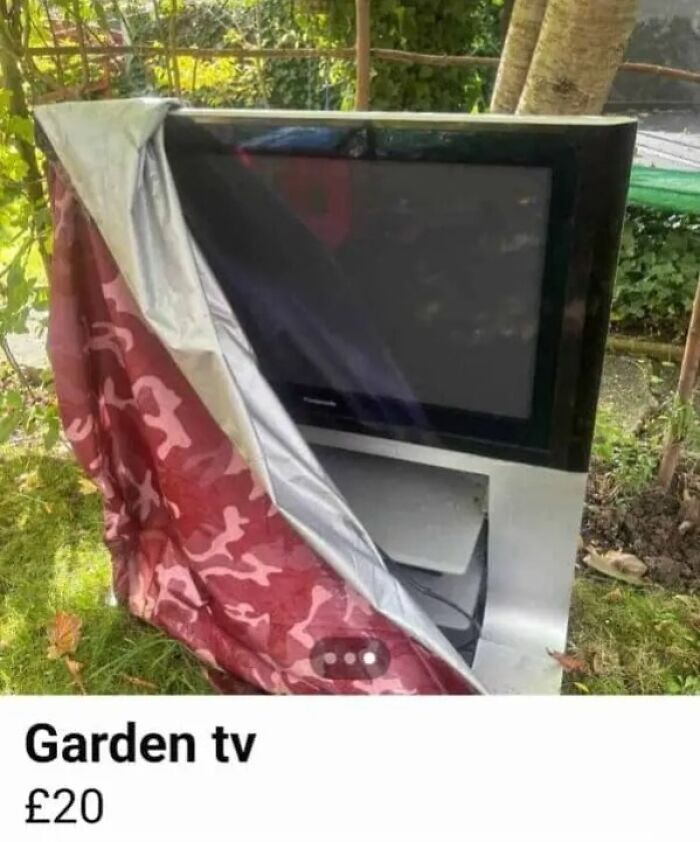
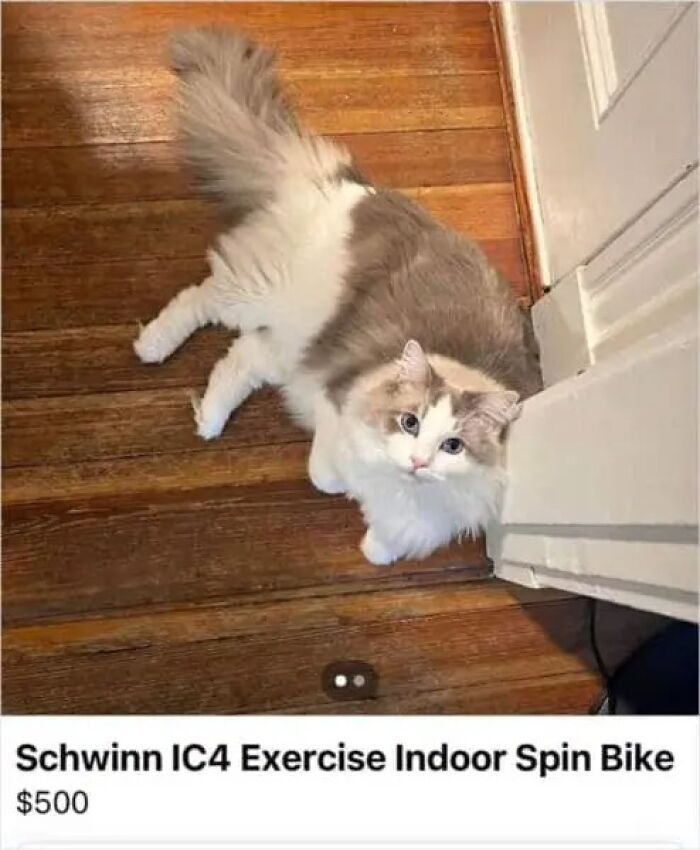
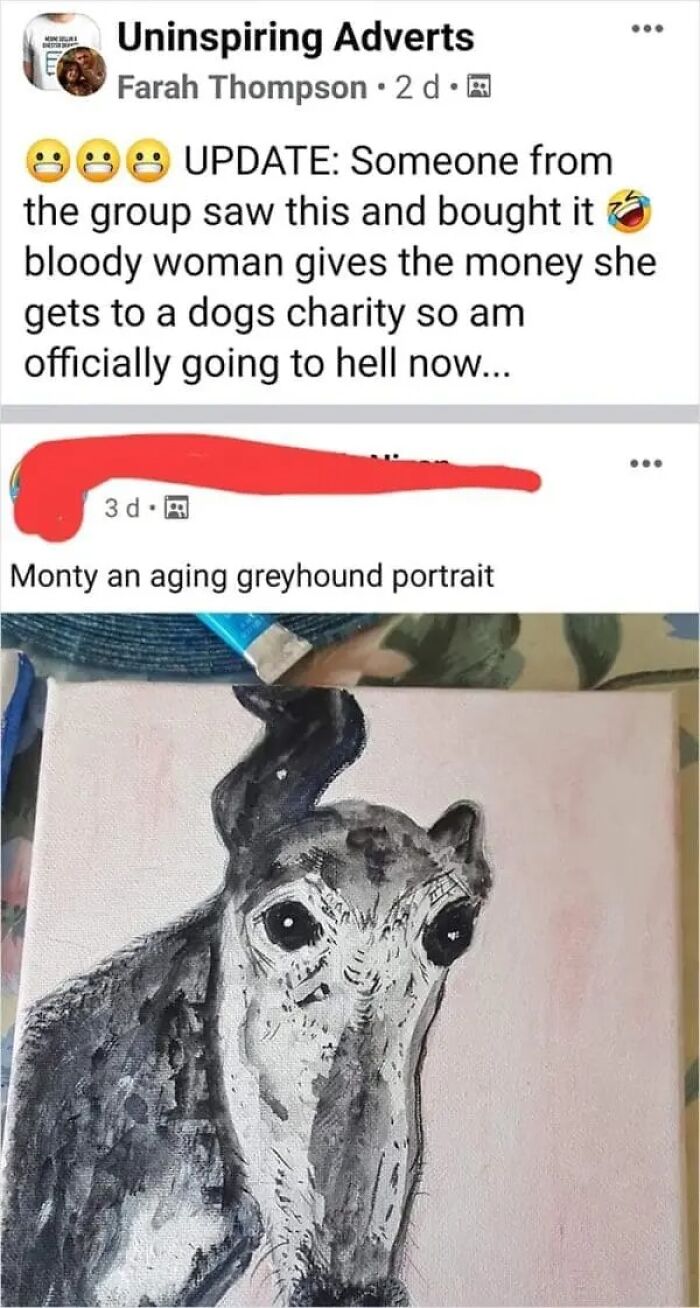
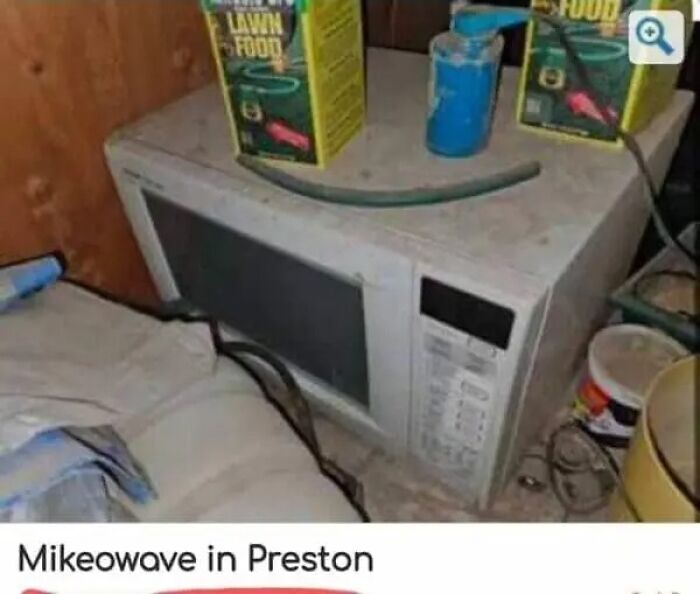
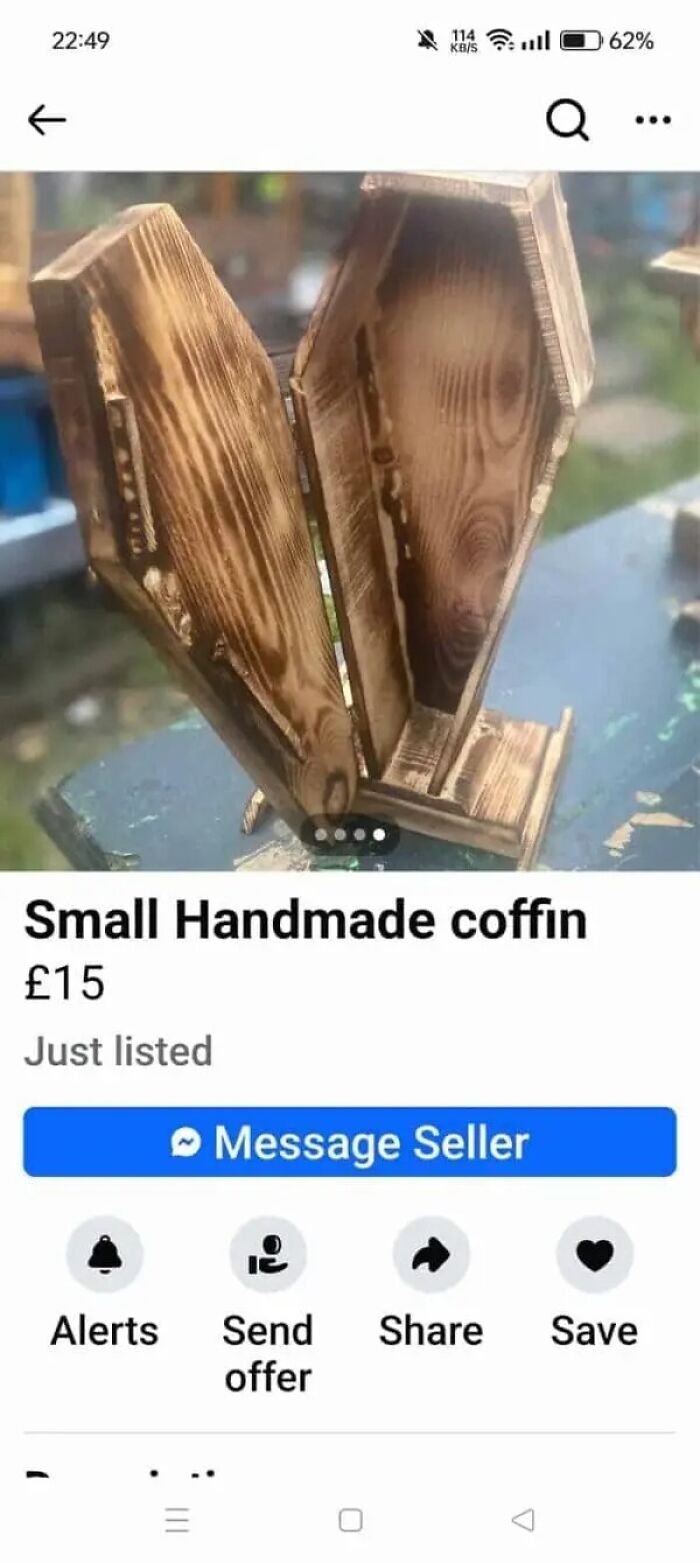
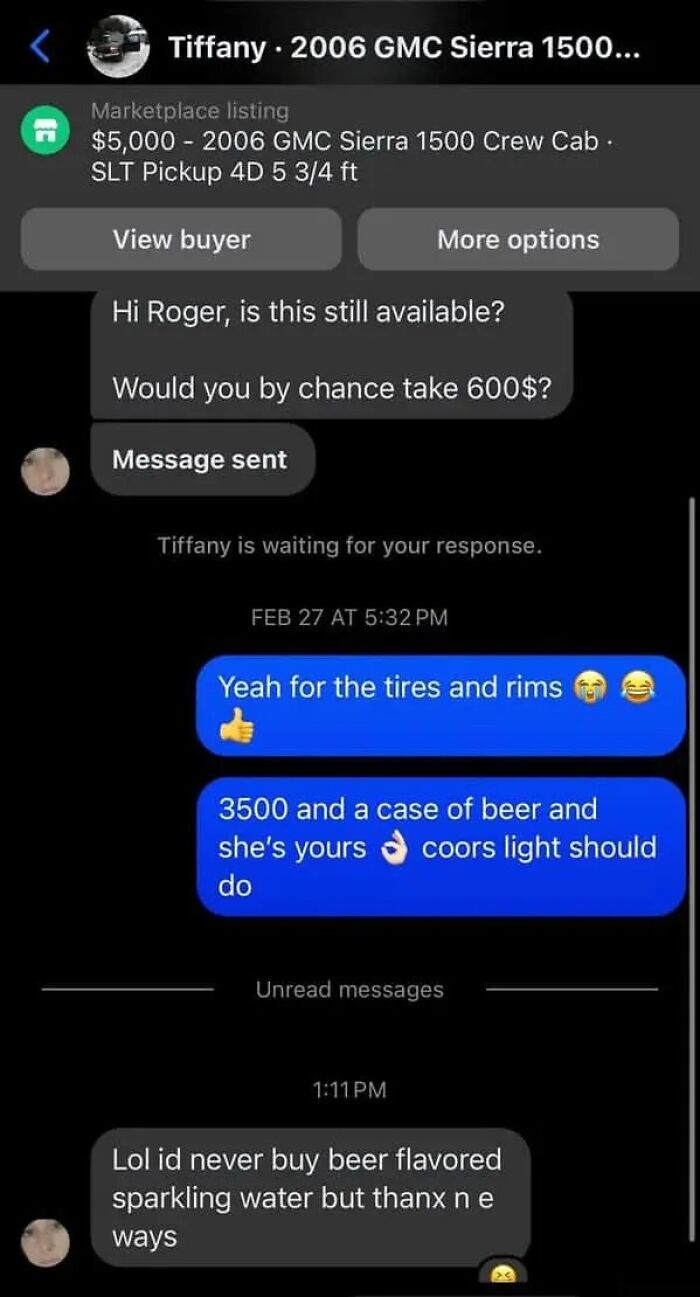
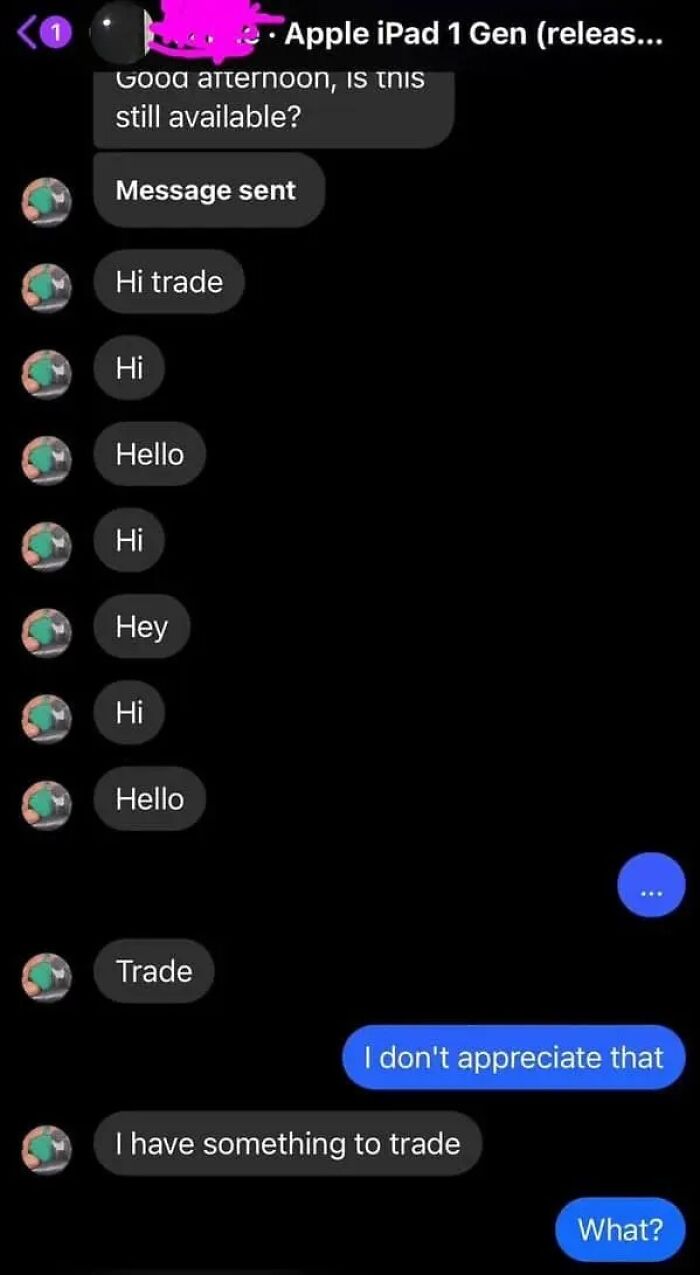
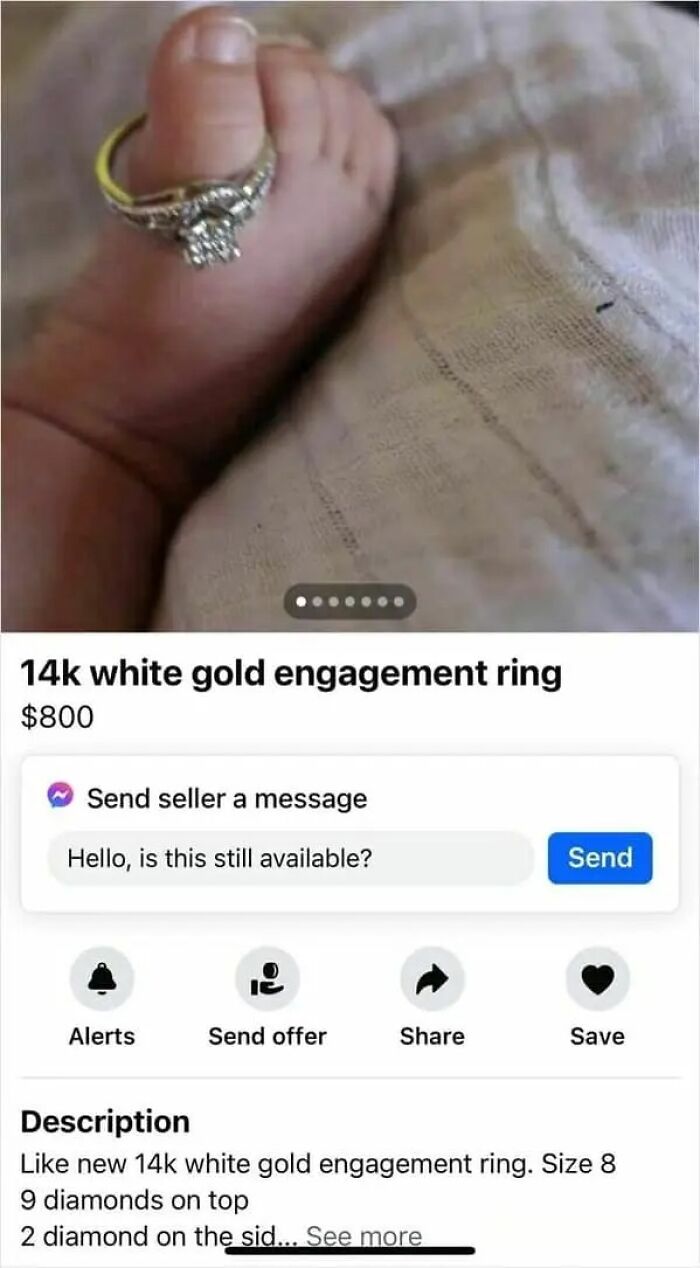
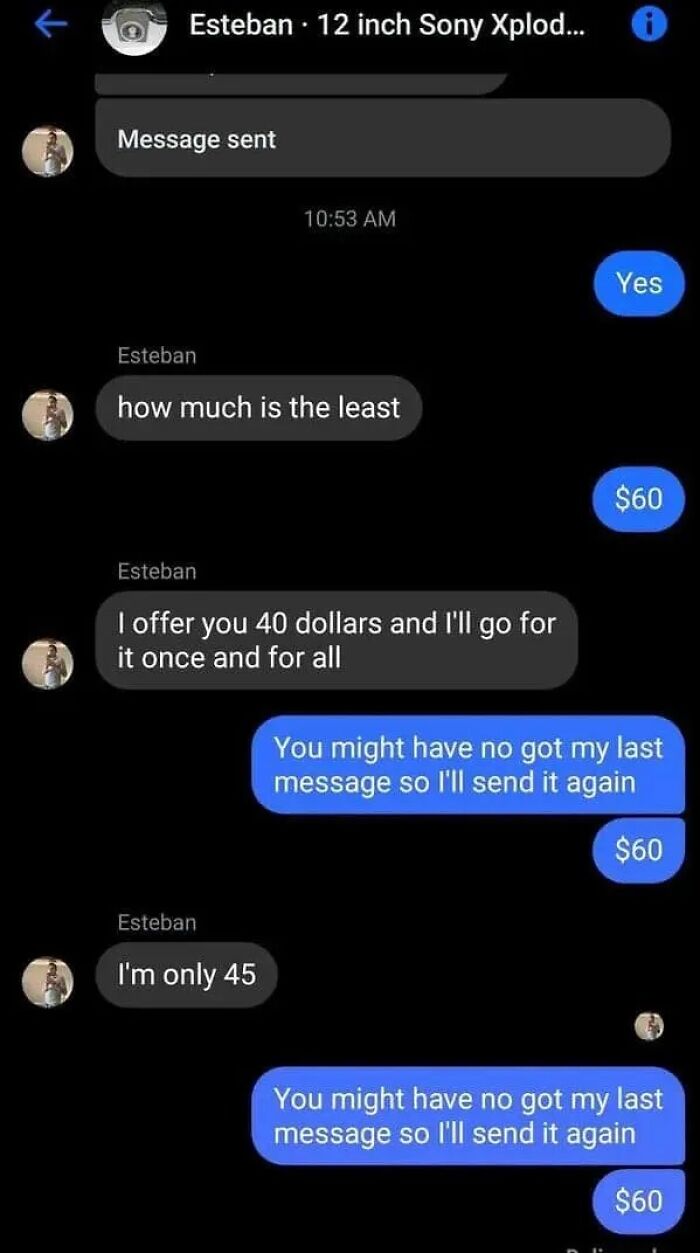
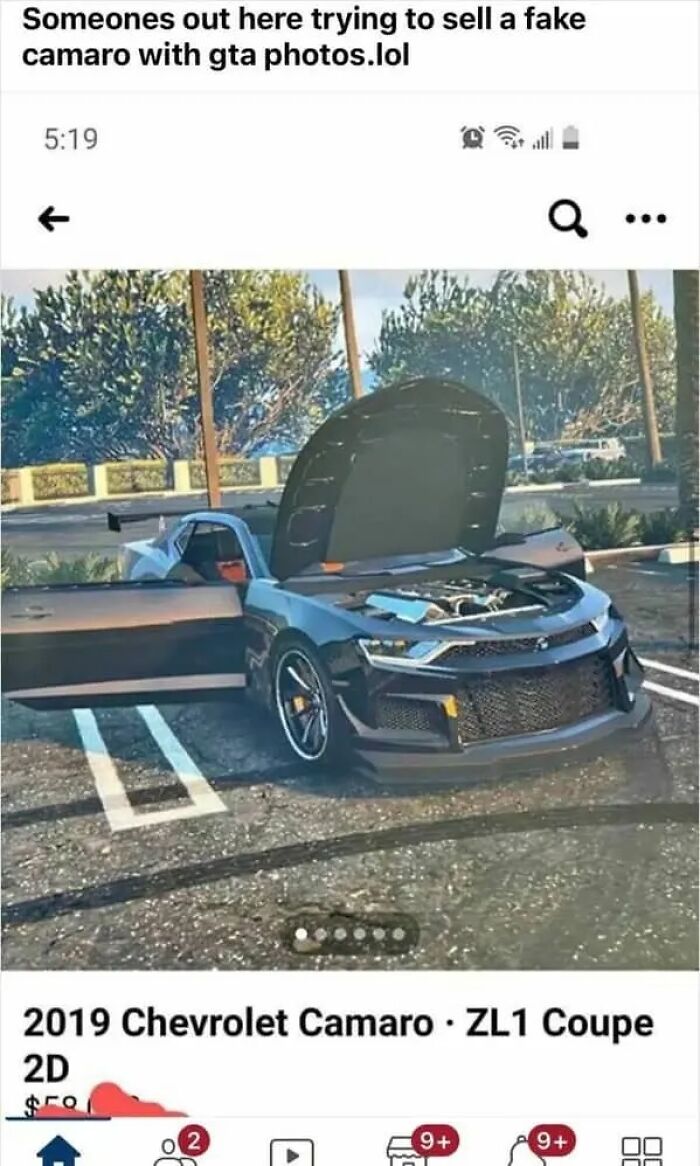
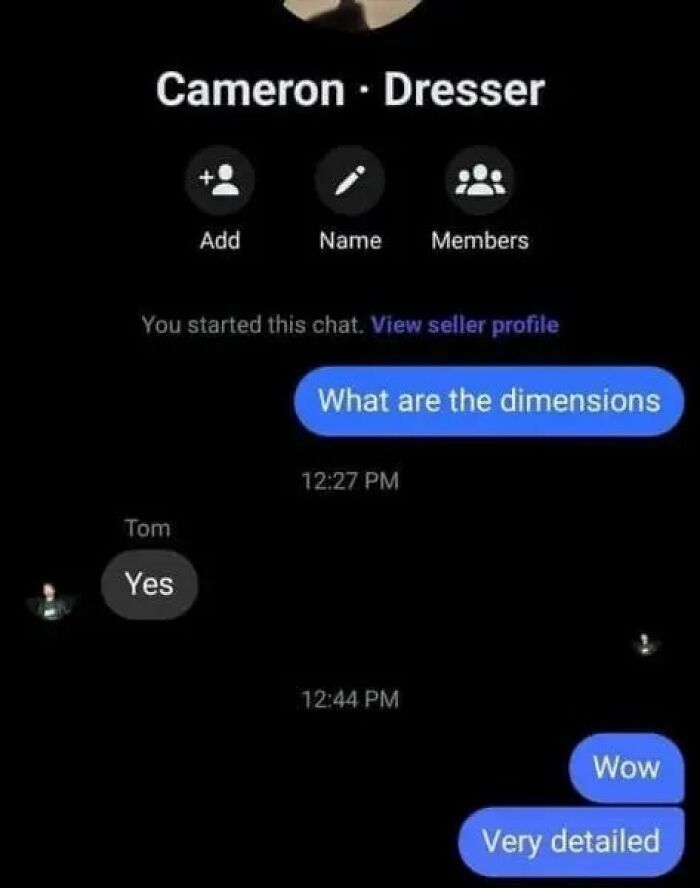
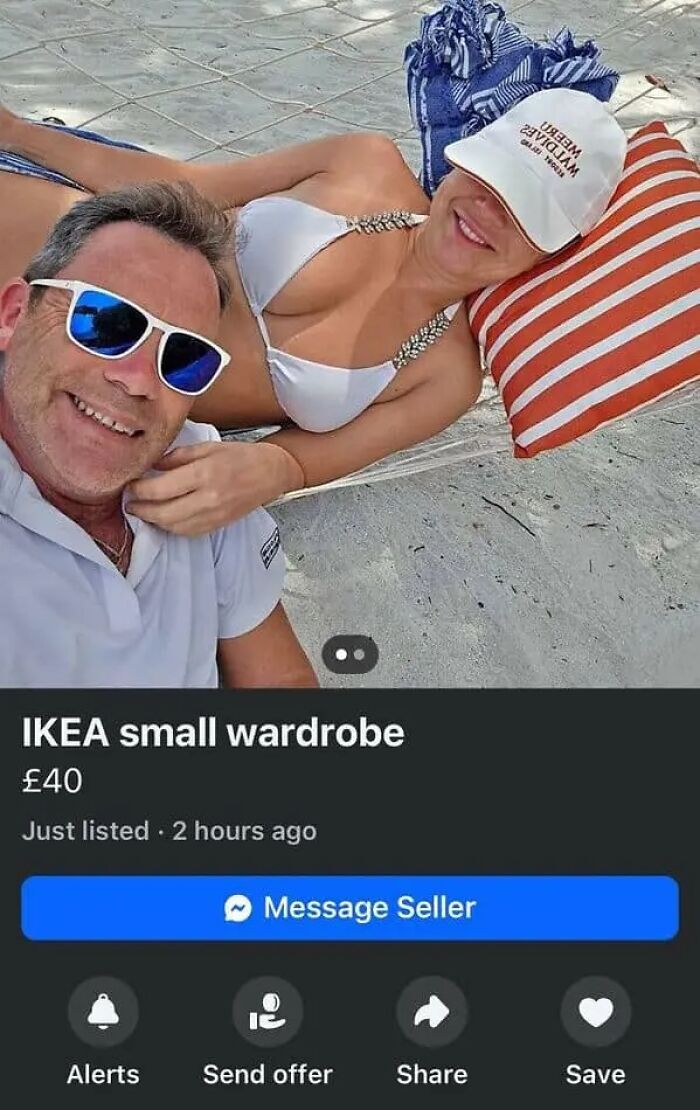
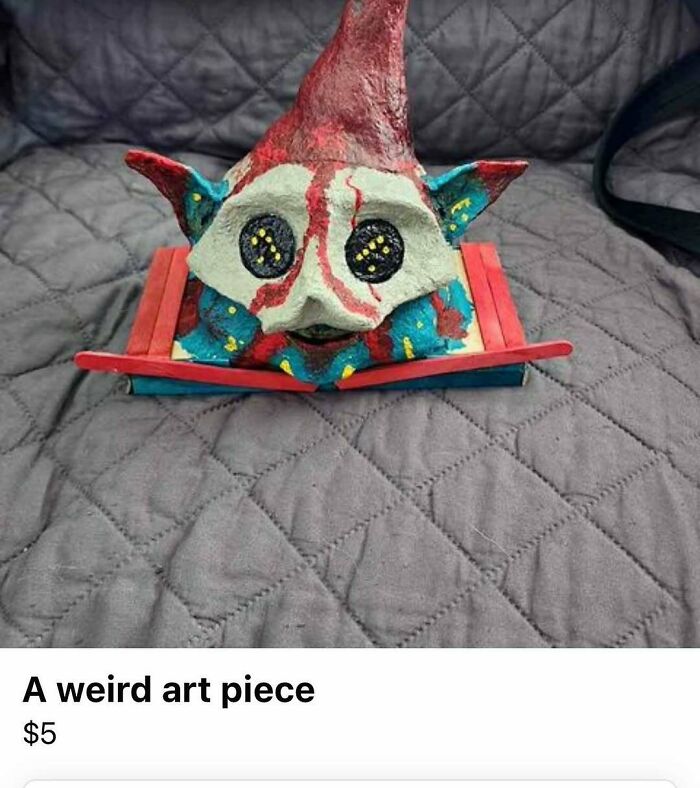
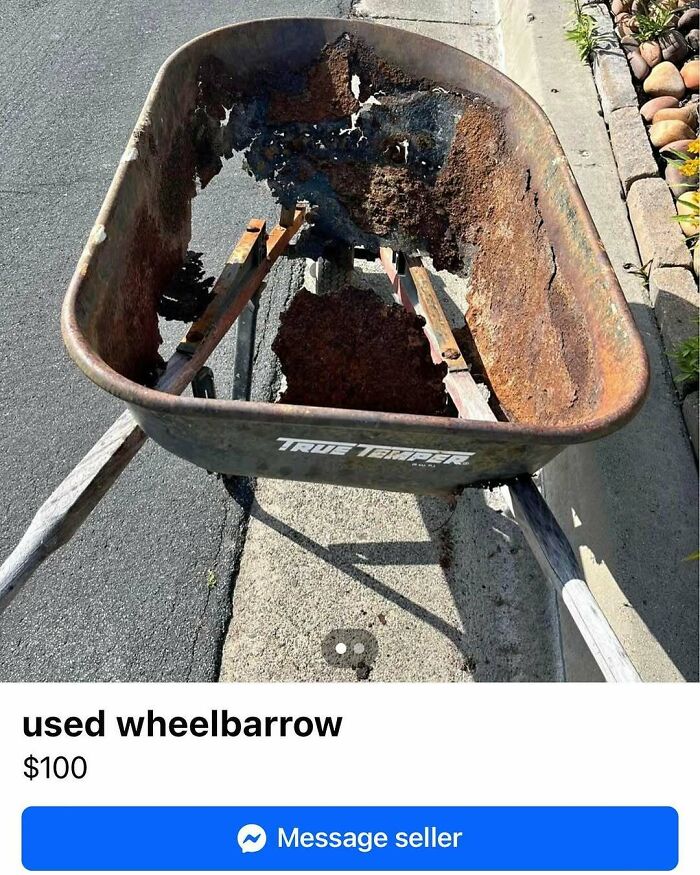
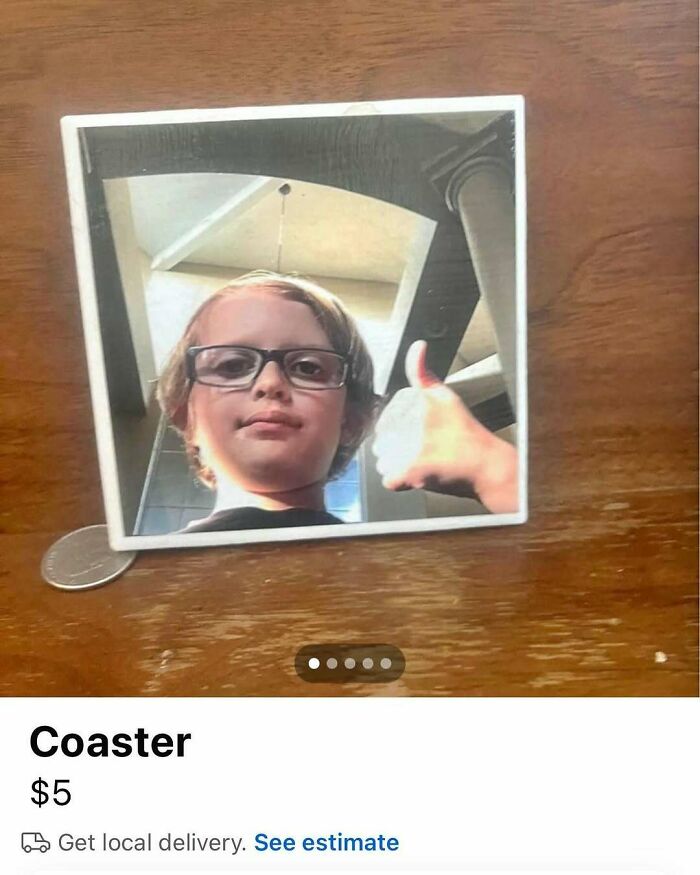
For the most part, scrolling through the platform will lead you to items worth spending good money on. But from time to time, you will come across posts that are more about providing a good laugh because of their sheer absurdity.
Here are some examples we found all over the internet. You may not be buying anything, but hey, at least you’re getting entertained.
This post may include affiliate links.

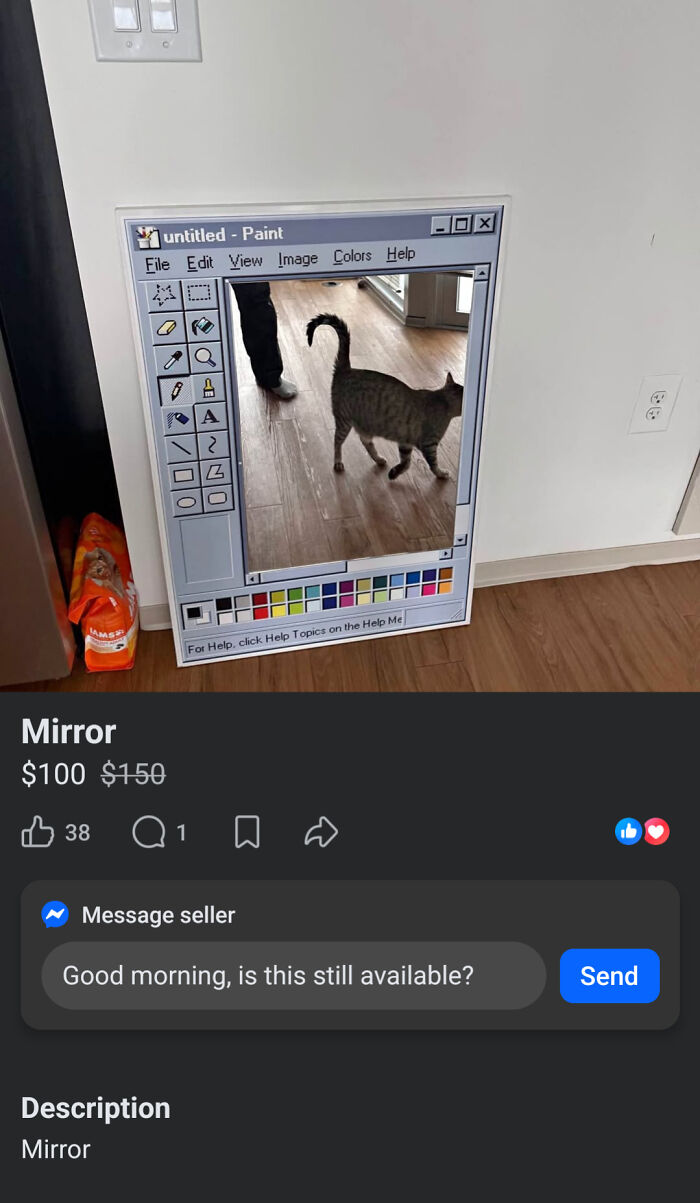
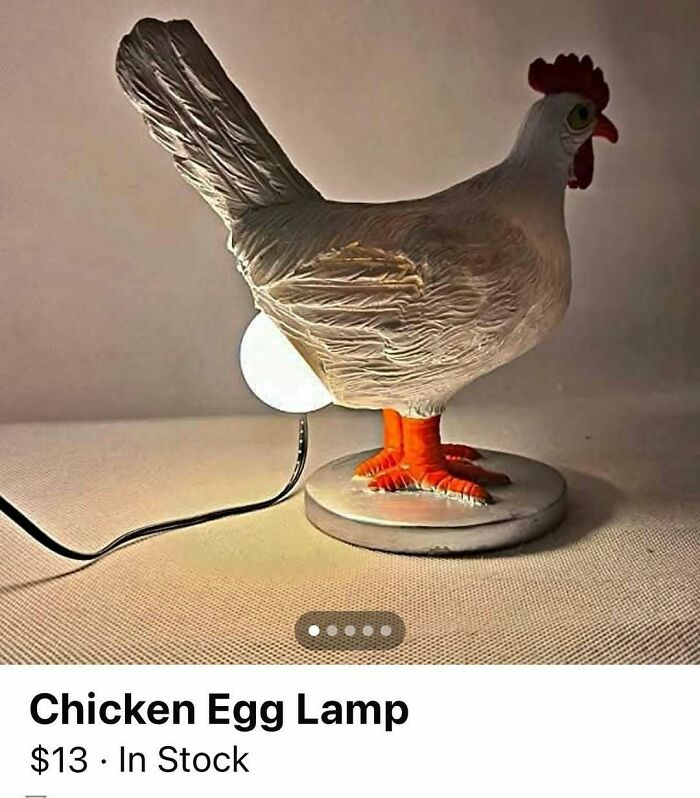
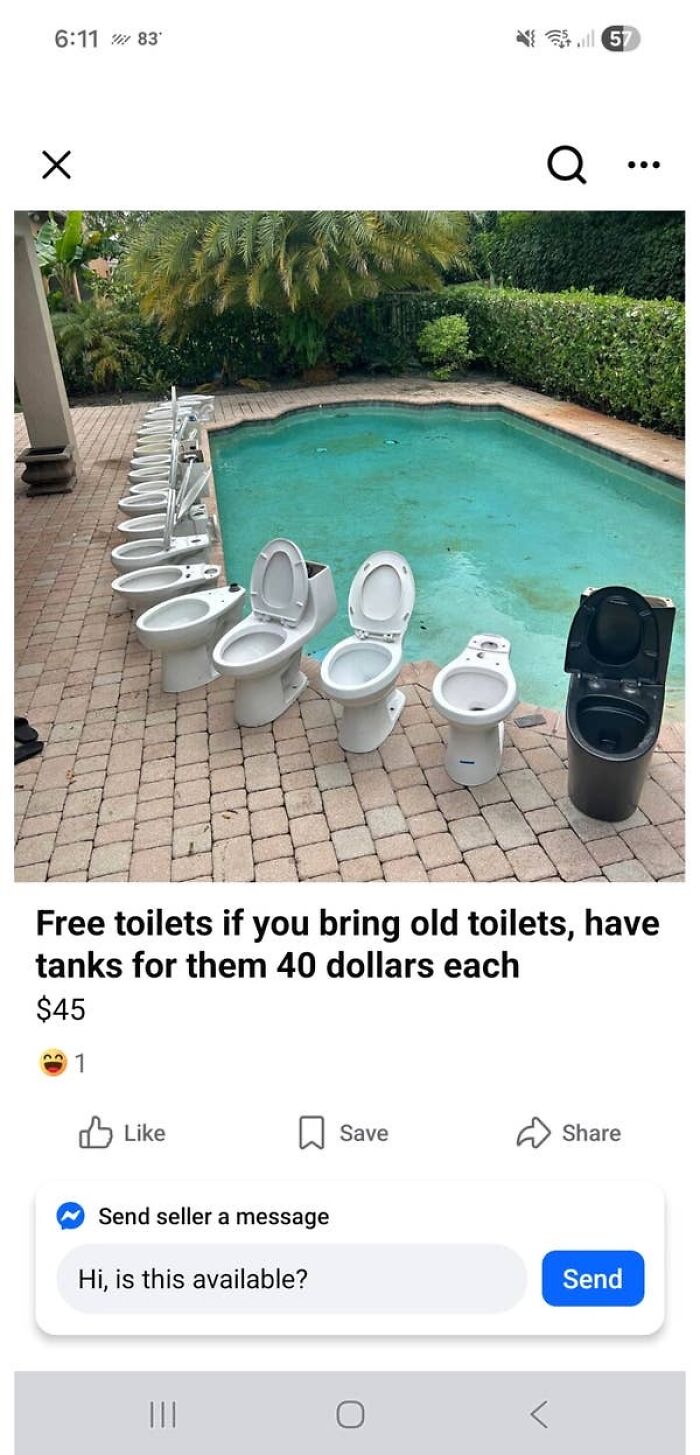
This one always makes me giggle. Surprisingly been a while since I saw it
Let’s face it: as dubious as these postings may feel, they did grab your attention because of how funny they are. And because the ad itself drew you in, there may even be a small chance for you to make a purchase out of curiosity about these novelty items.
These are just examples of how effective humor is in engaging potential buyers. Kantar Media even calls it the “most powerful creative enhancer of receptivity.”

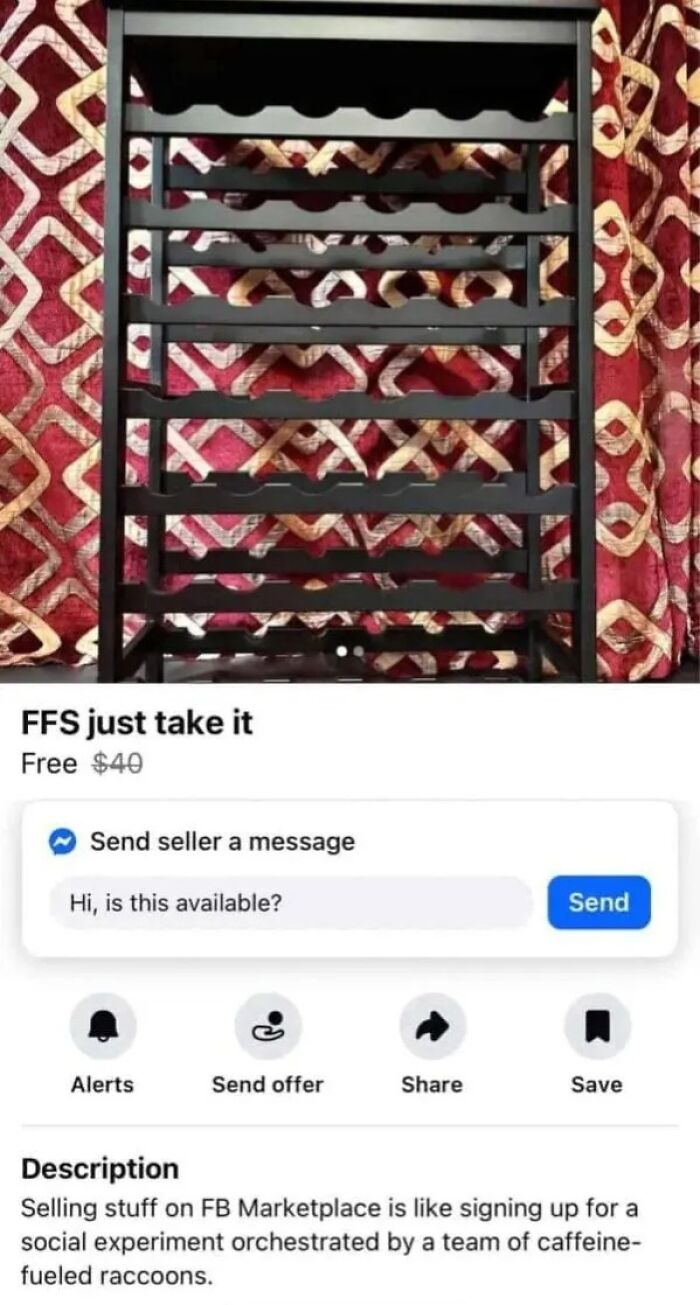
I know raccoons; I know them well. I adore and admire them and to a prudent degree remain respectfully wary. I cannot put into words just how deeply I do not want to even contemplate the prospect of a "team of caffeine-fueled raccoons." Trash-and-congealed-fast-food-grease-fueled raccoons are more than chaotic enough.
Kantar’s 2022 AdReaction study found that using humor makes ads more expressive, more involving, and more distinct. Their research also found that 37% of TV ads incorporate humor, the highest among other traditional channels.
In digital media, YouTube ads are also the most likely to use humor, at 30% compared to Facebook and Instagram ads at 24%.
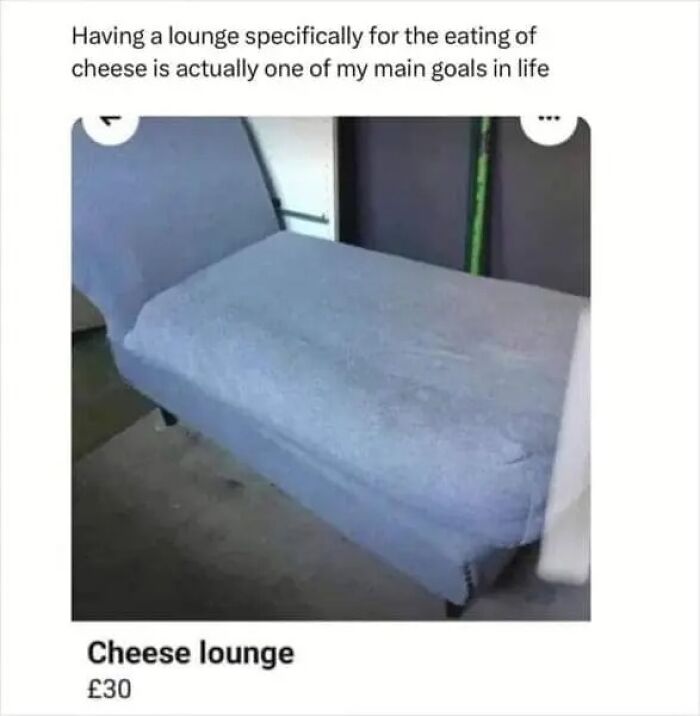
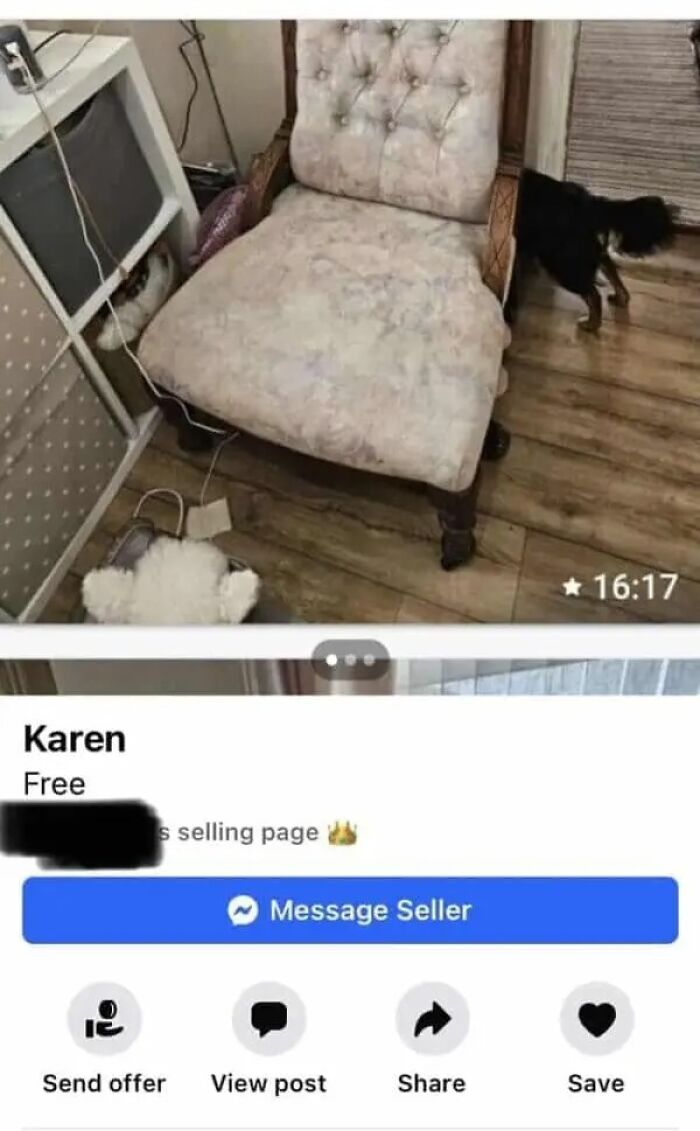
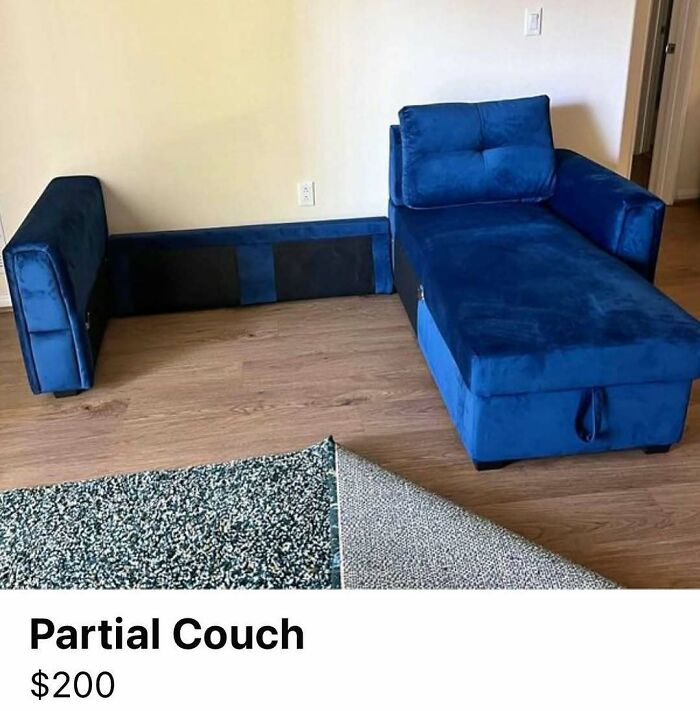
This chaise longue would work quite well in someone's cheese lounge, I'm sure.
Whether you’re a big-time brand or a random Facebook Marketplace seller, using humor to make money from your products follows the same rules. One of them is to know your audience.
As Brand Strategy and PR expert Donna Tobin tells Forbes, it’s mainly about connecting with consumers emotionally. That means ensuring your ad posts resonate with your intended audience, and doing that means knowing them well enough.
Humor is subjective. You may laugh at something until it becomes at your own expense. This is why experts like global business executive Toby Wong discourage poking fun at people and instead focus jokes on situations or things.
“While your brand may be targeting a specific audience, the general public will see it, and this could increase the risk of backlash,” Wong said.

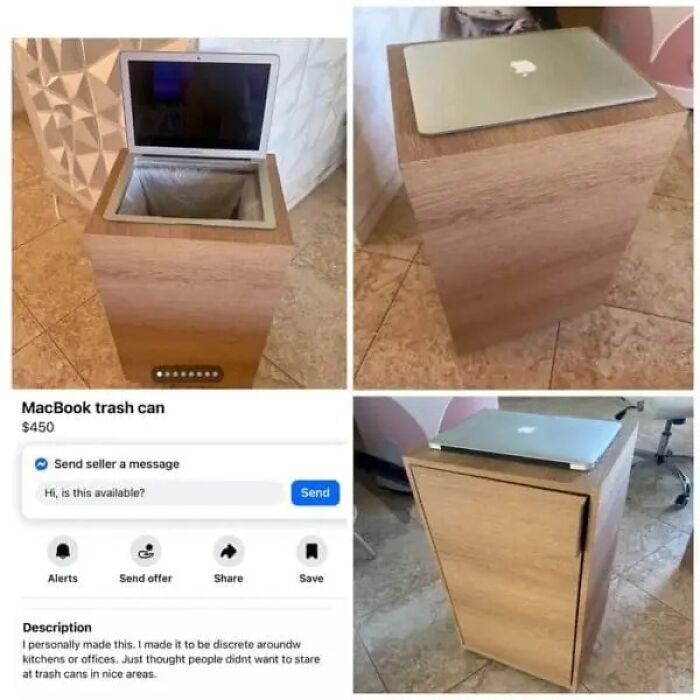
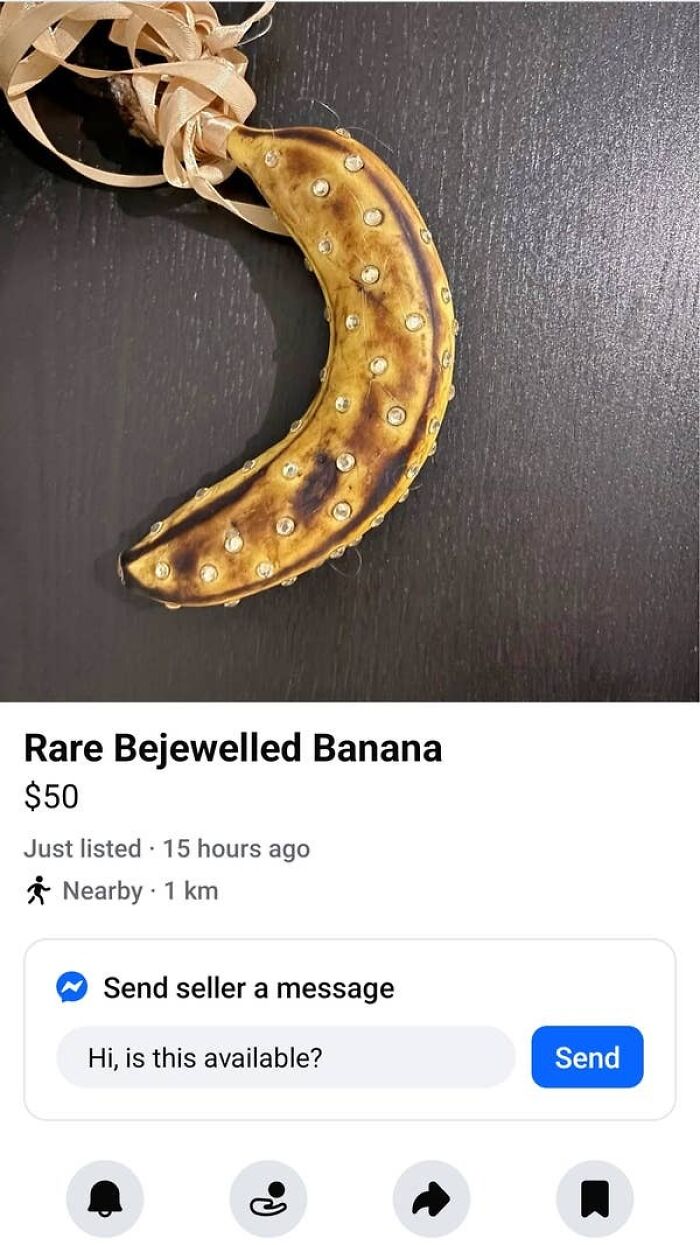
I have no use for this. So I feel like a hoarder for wanting to buy it.
Yes, humor in advertising does draw attention and engagement. But according to marketing and growth expert Rekha Thomas, the laughs should only be a means to an end. The primary goal should still be to inform and educate the audience.
“If your campaign does not achieve at least one of these additional outcomes, no matter how many laughs it gets, it's a marketing fail,” she said.
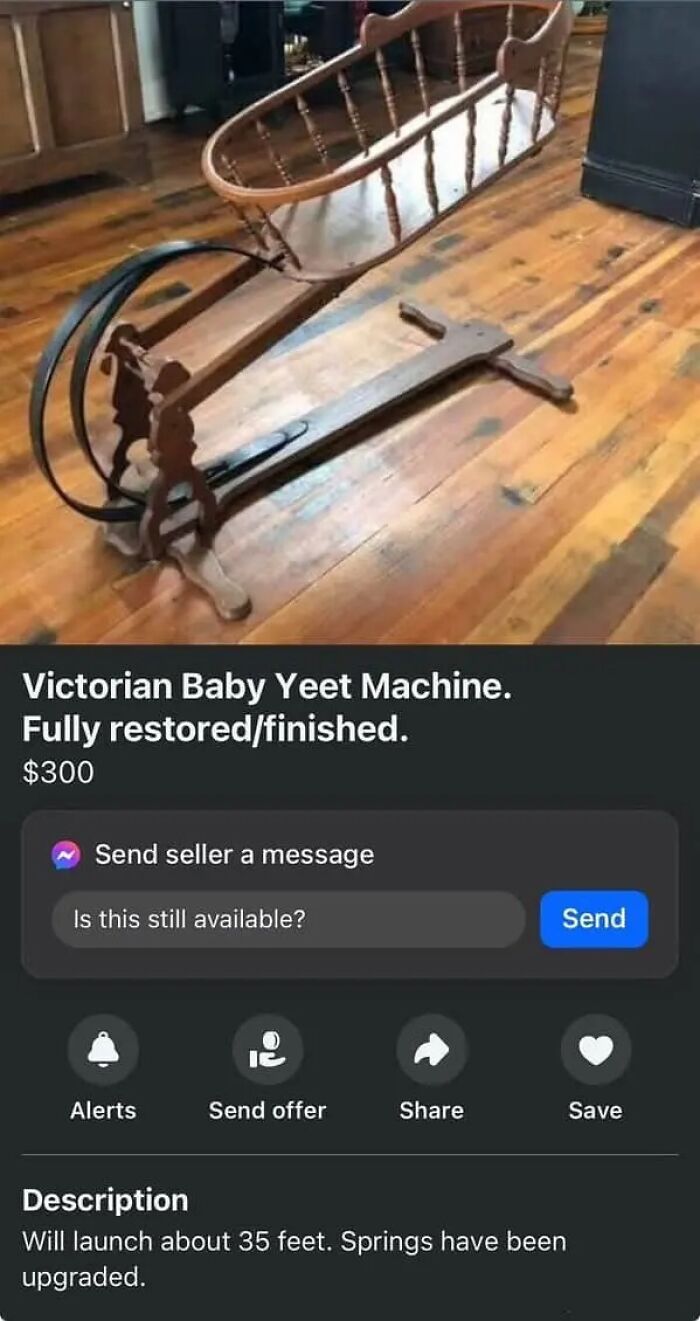
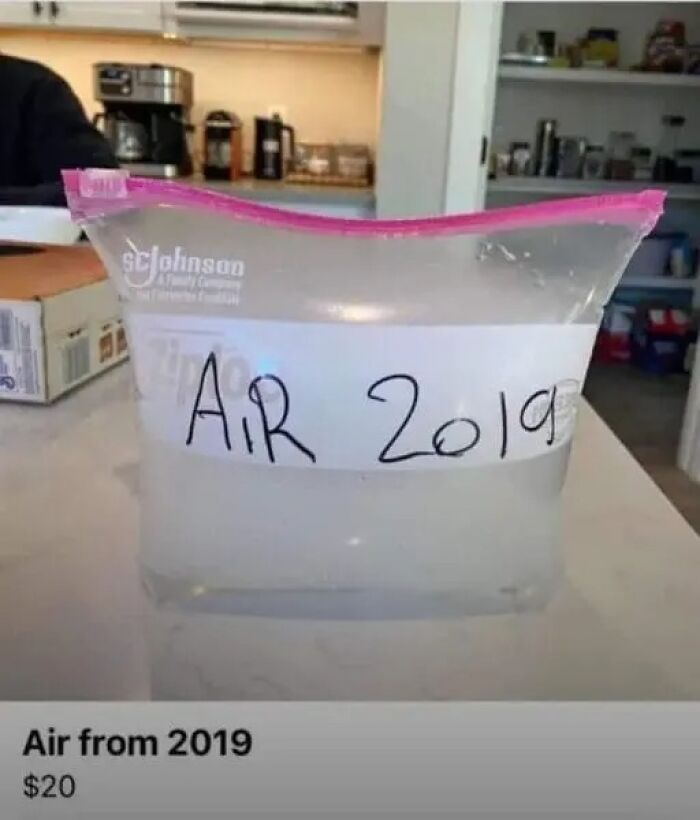
Did we not have enough airborn horrors unleashed upon the Earth in 2019?
That's the furriest bike I've ever seen. Awfully cute, though.
This is actually cool if that’s what it really is. I have no idea if it is, however 🤷🏼♀️
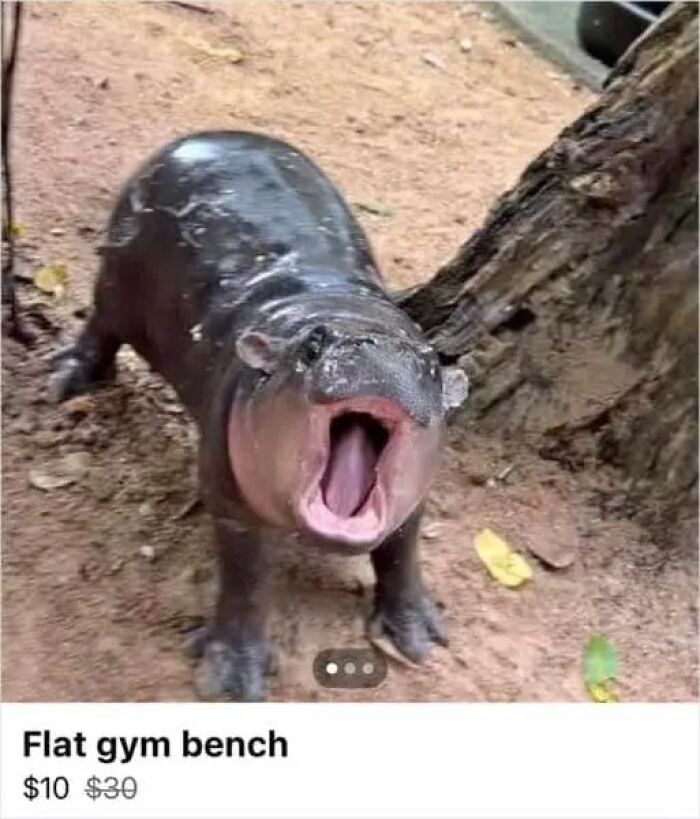
We have a brand new baby "flat gym bench" at the Toronto Zoo, born August 2nd. Her name is Maple and she is currently bonding with her mother, Kindia, in a quiet off-display area, but I am looking forward to visiting when she is ready to move into their public habitat. I haven't been for a while, so I'll have to look up other recent arrivals and plan a trip that will highlight all of my favourite endangered gym equipment species!
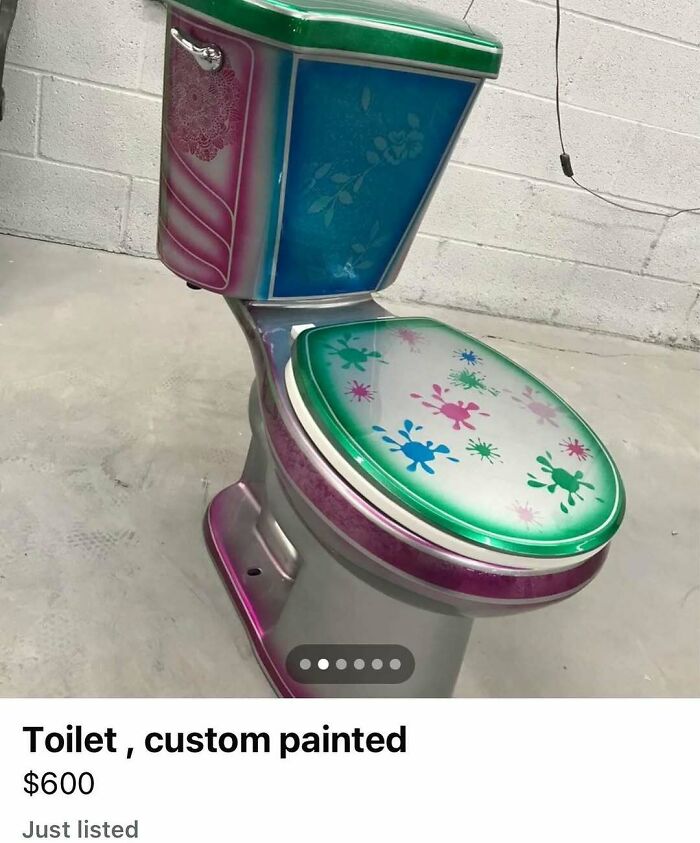
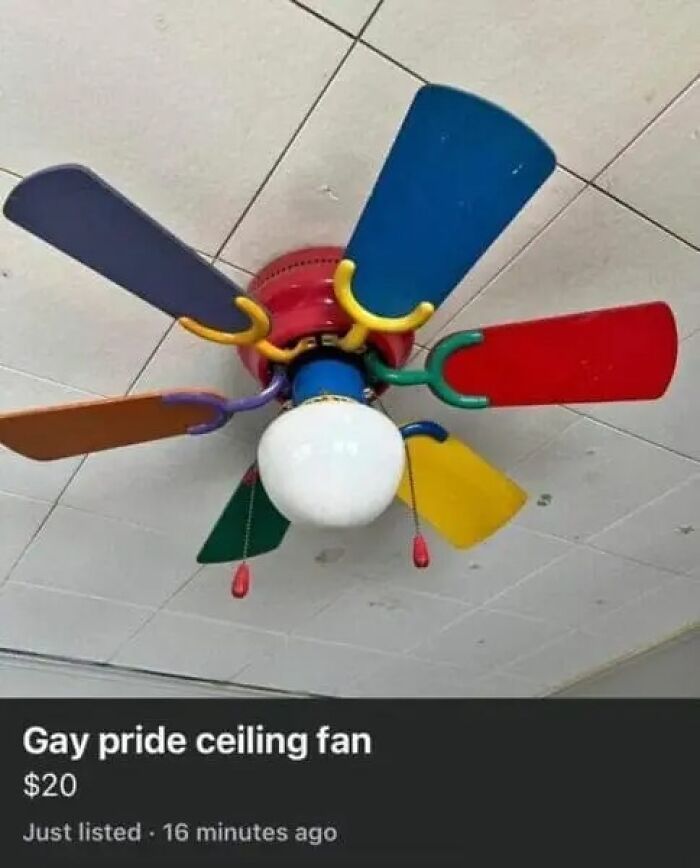
The horror of how terribly this would clash with the Pride flags in my window! With my whole rainbow-saturated neighbourhood, in fact.




















 No fees, cancel anytime