Get Premium
Dark mode theme is available exclusively for premium users. Learn more about the benefits of subscribing.
No fees, cancel anytime.

 Dark Mode Ad-Free Browsing Unlimited Content
 Ad-Free Browsing Unlimited Content Dark Mode
Join 1.2 million Panda readers who get the best art, memes, and fun stories every week!
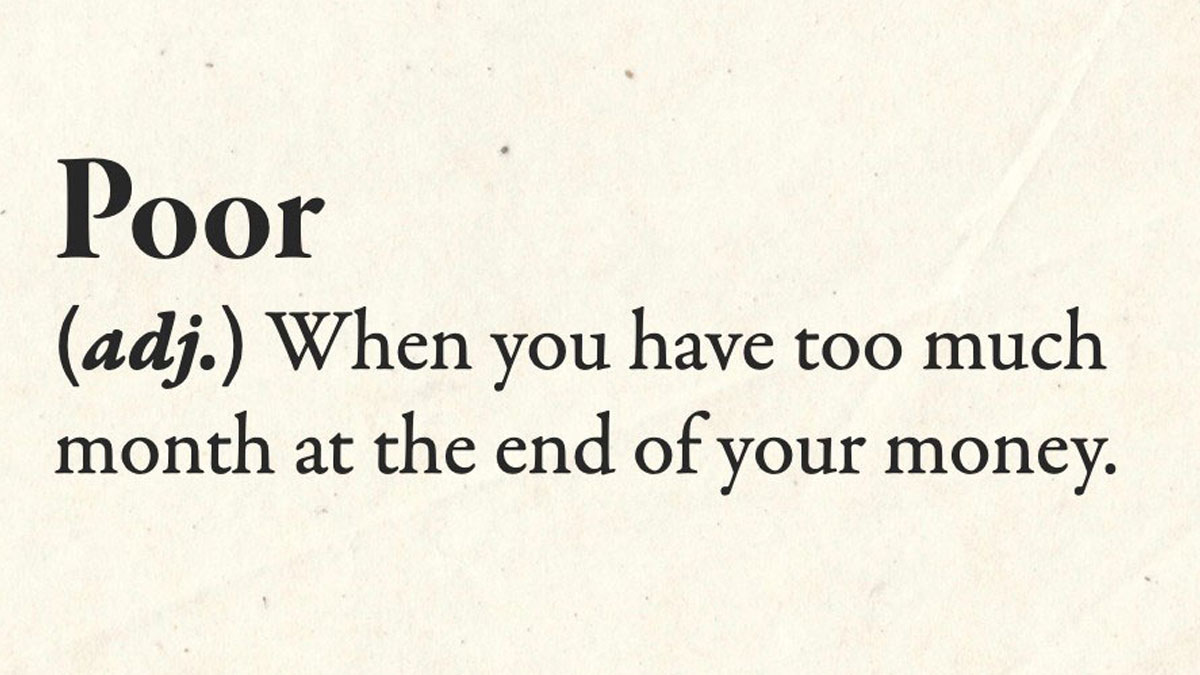
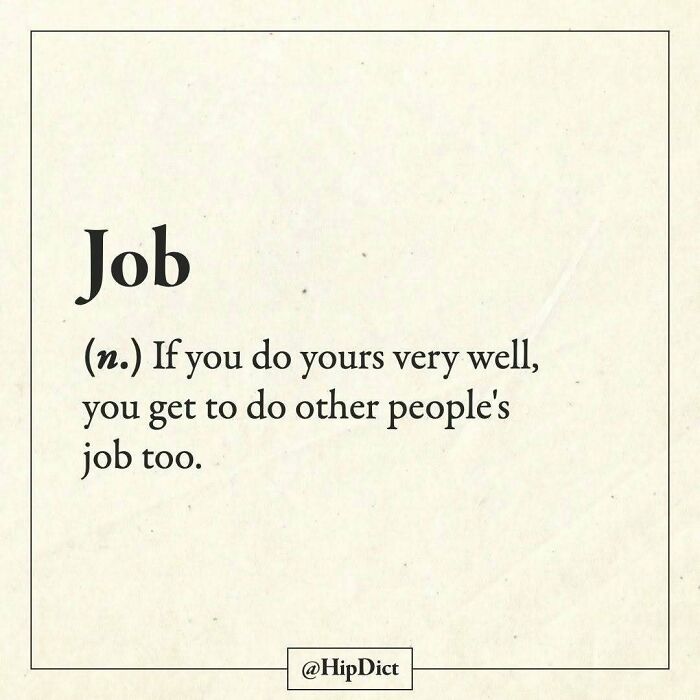
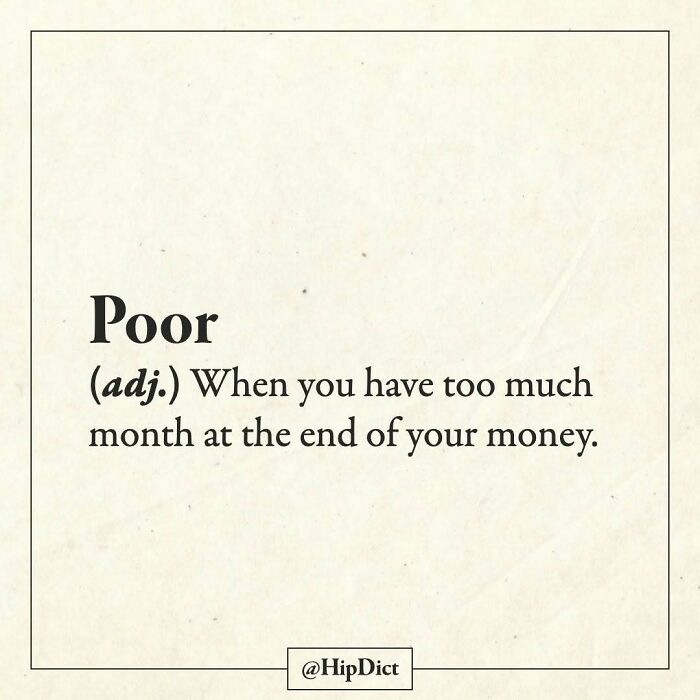
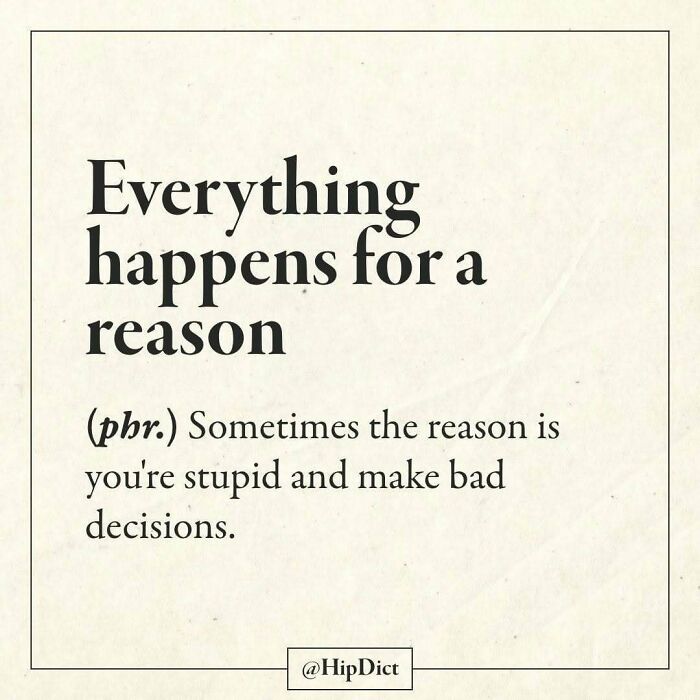
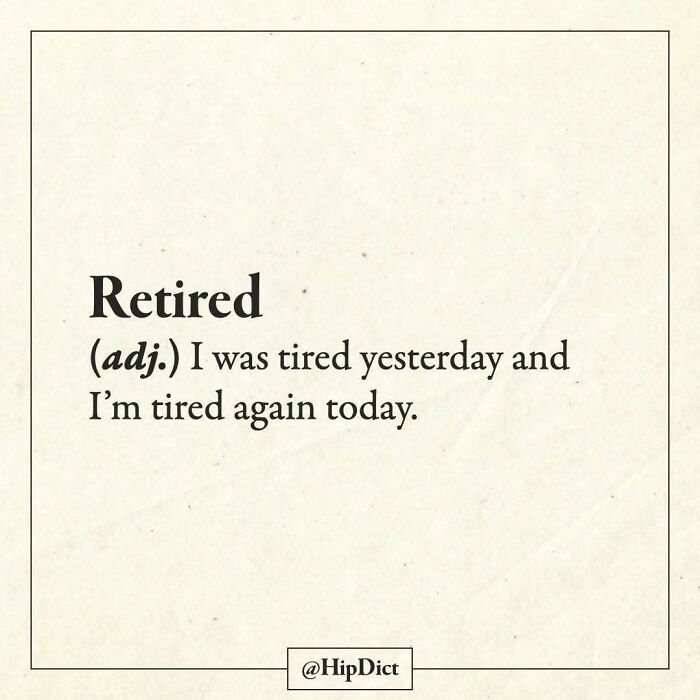
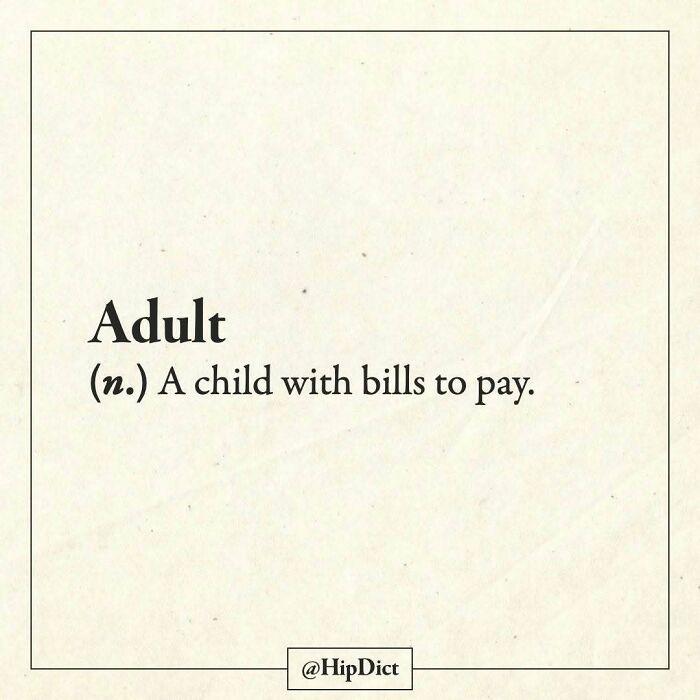
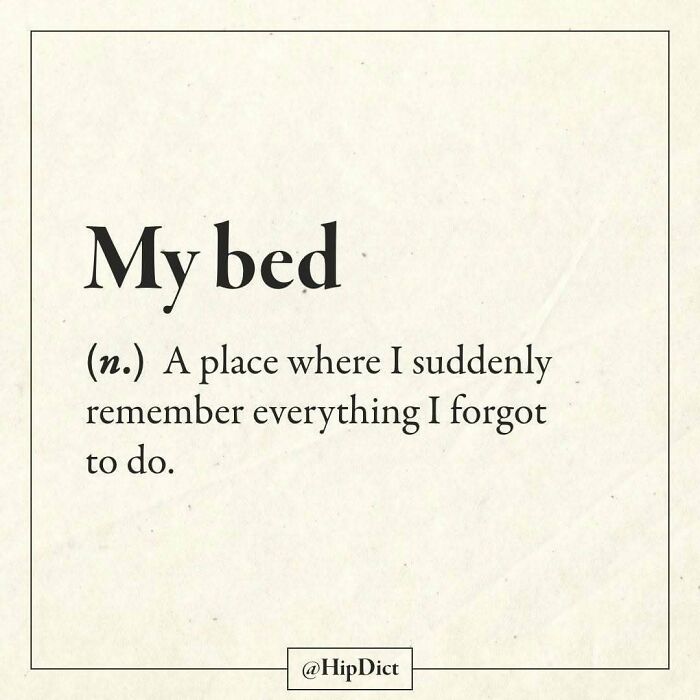
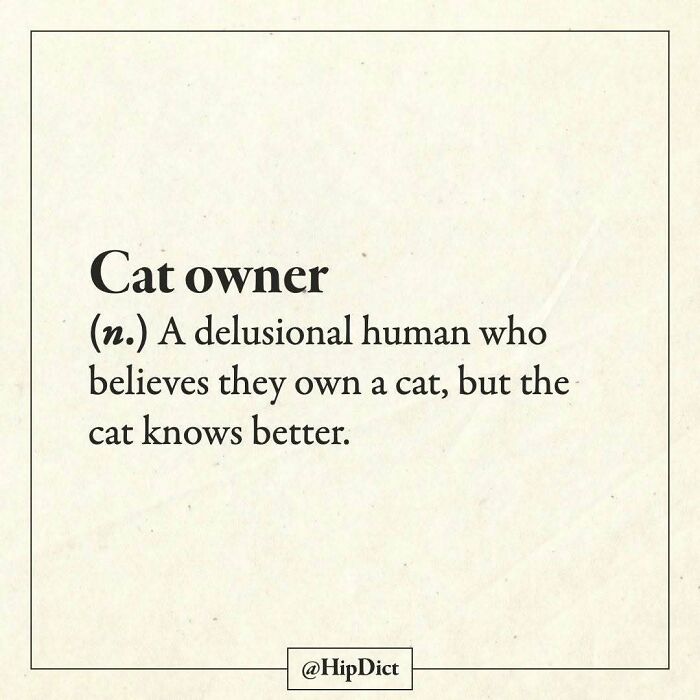
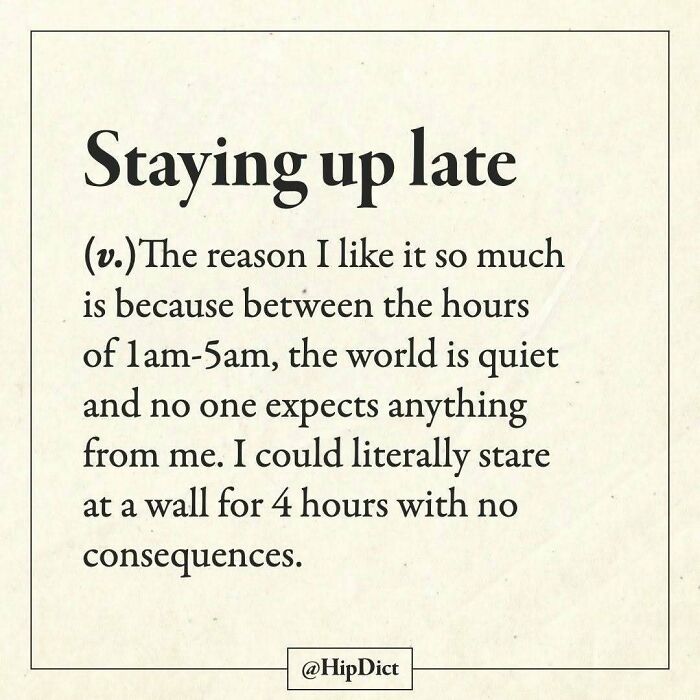
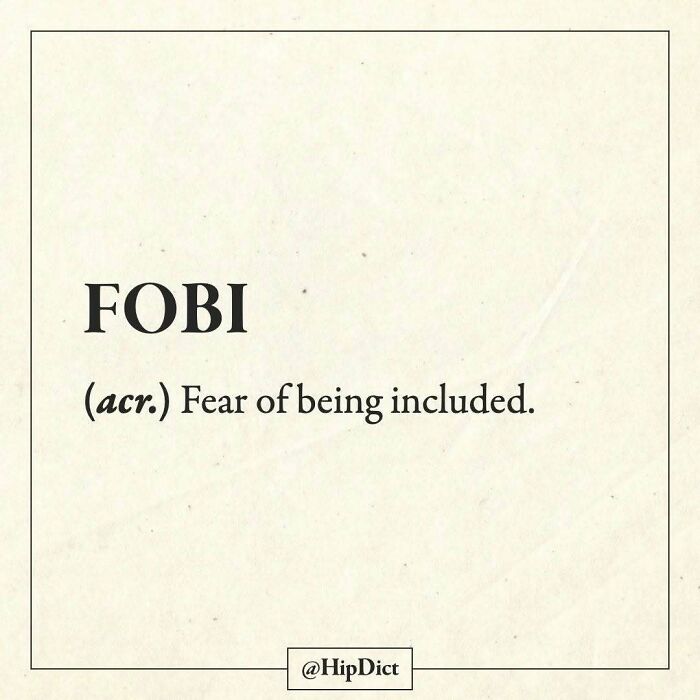
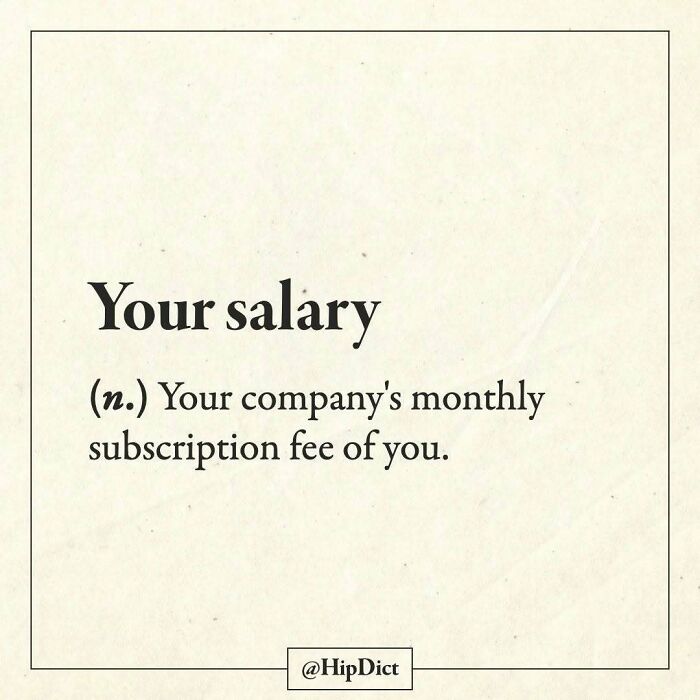
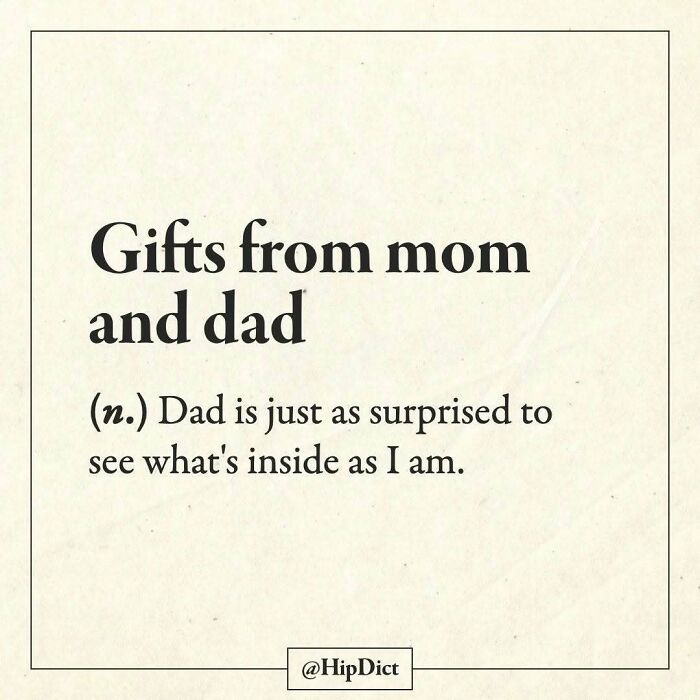
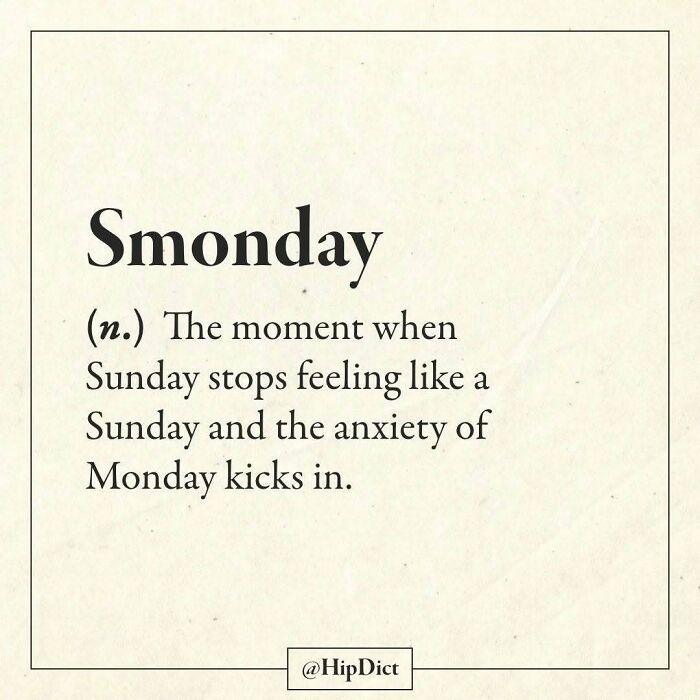
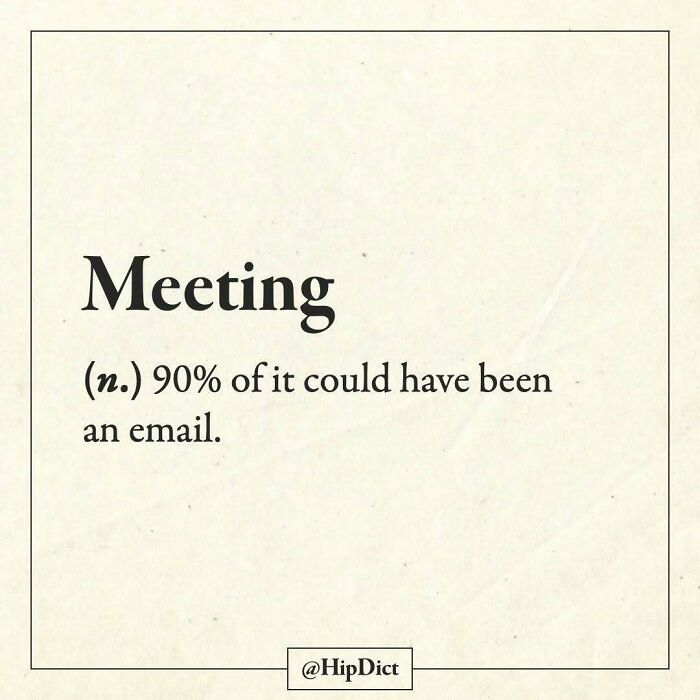
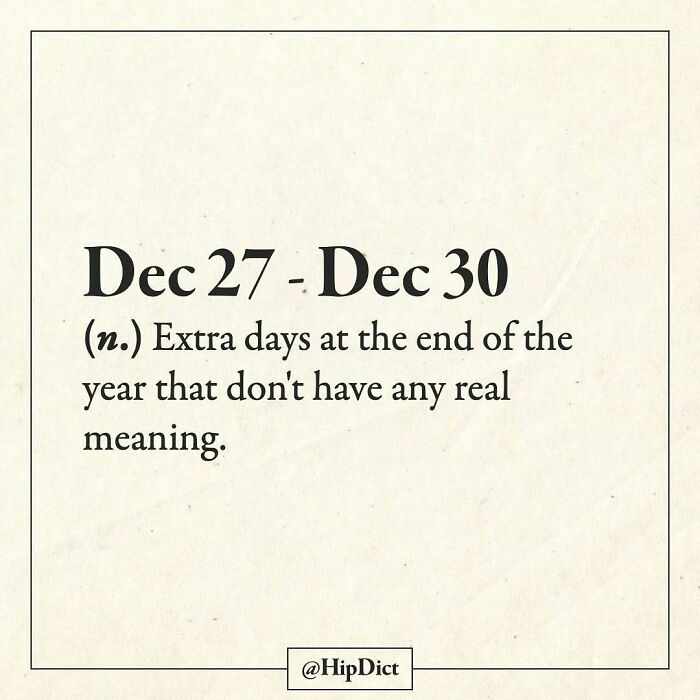
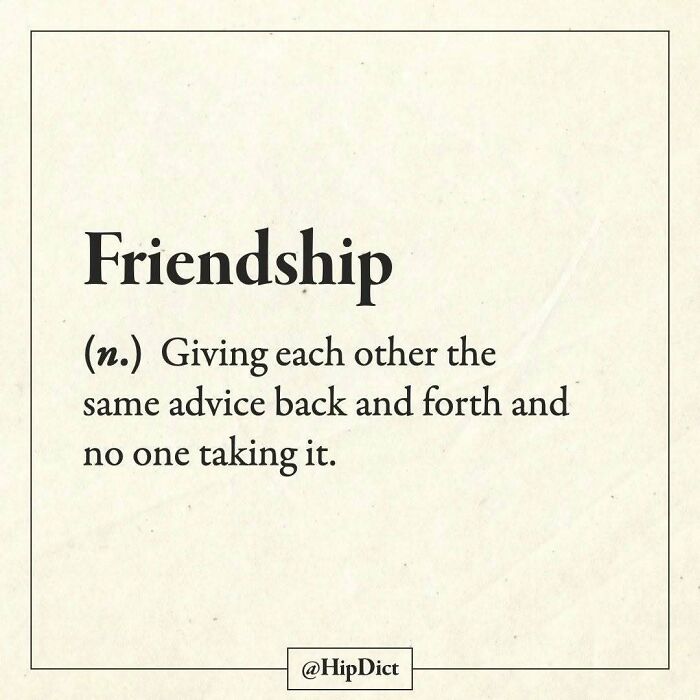
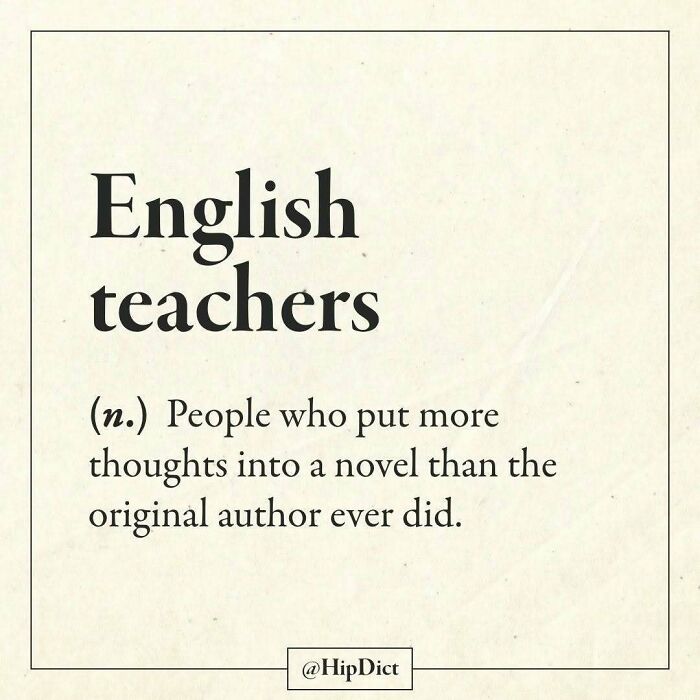
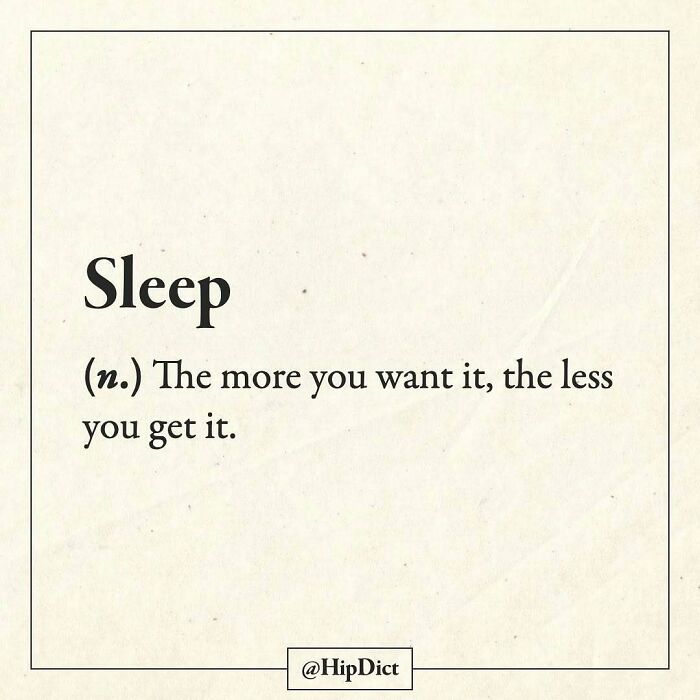
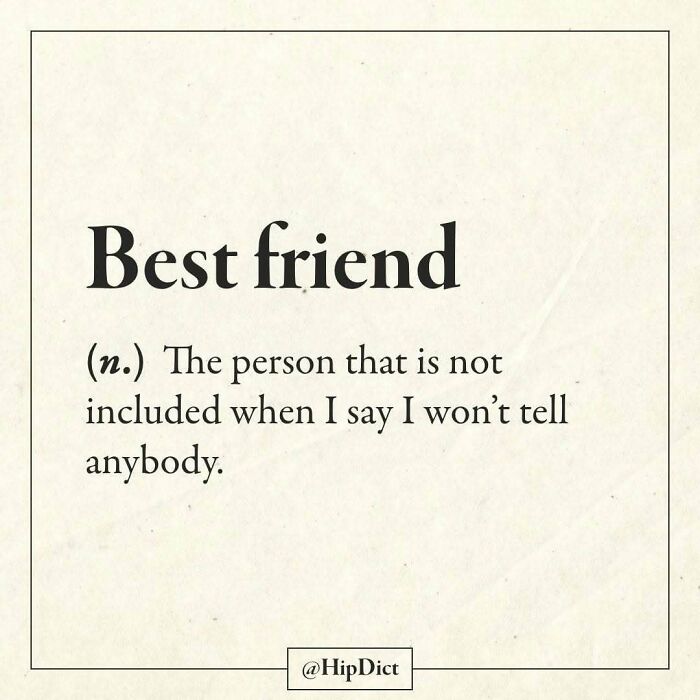
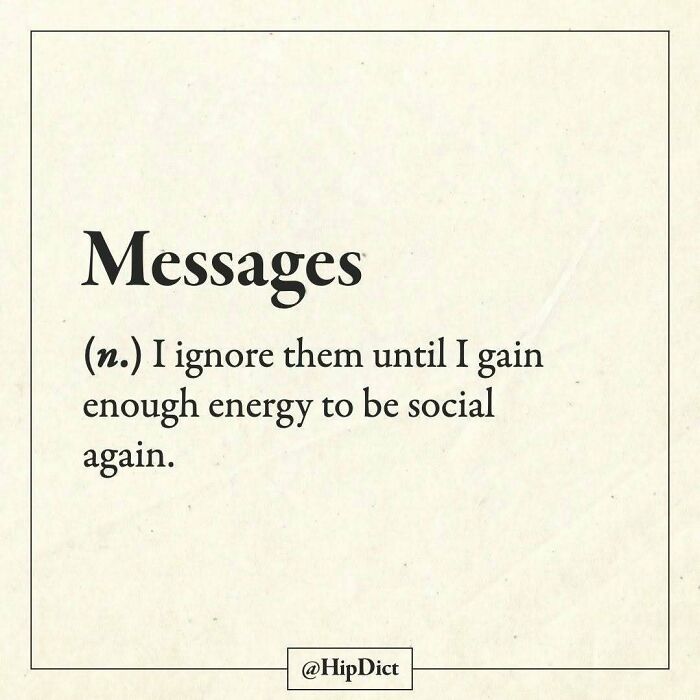
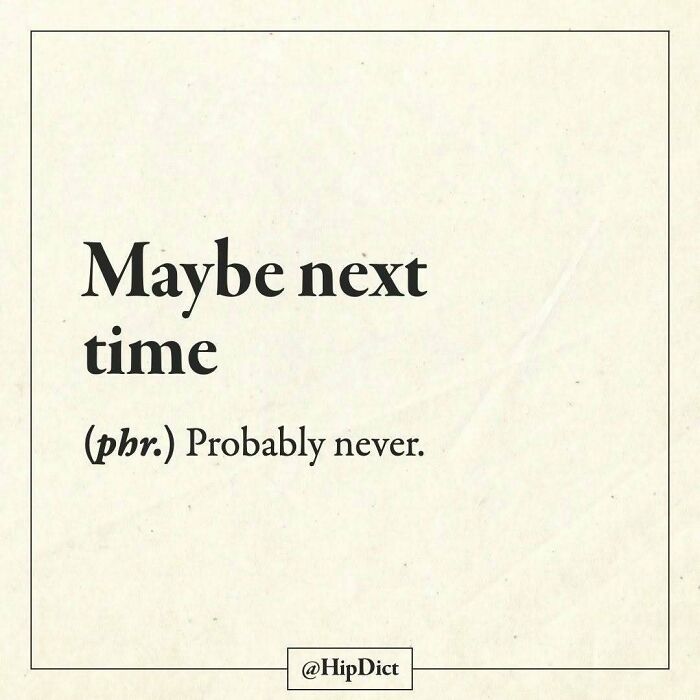
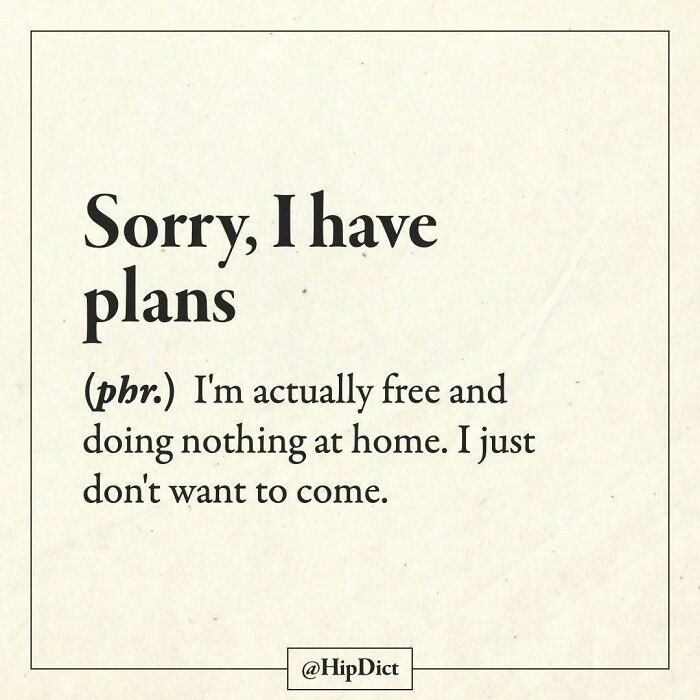
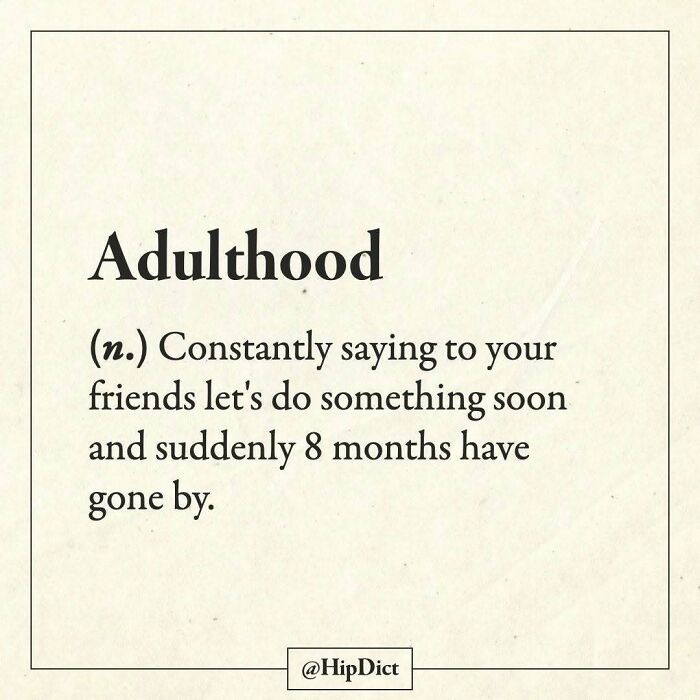
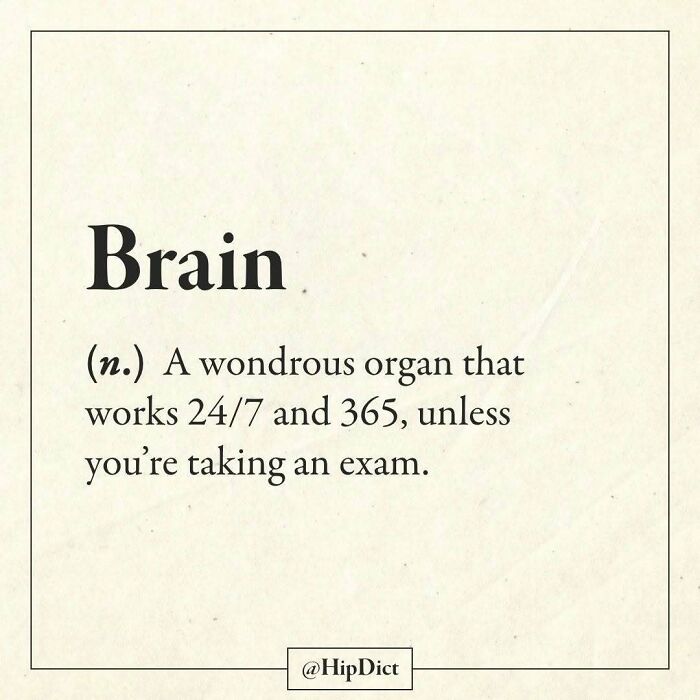
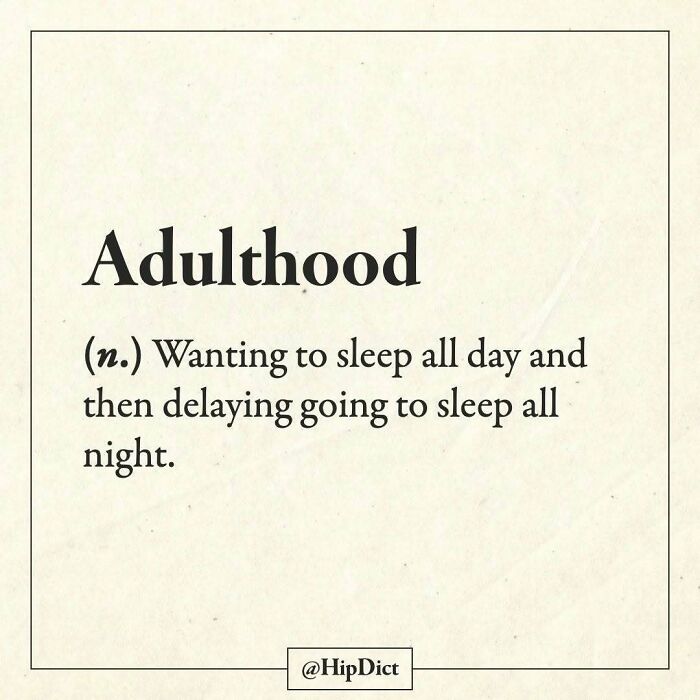
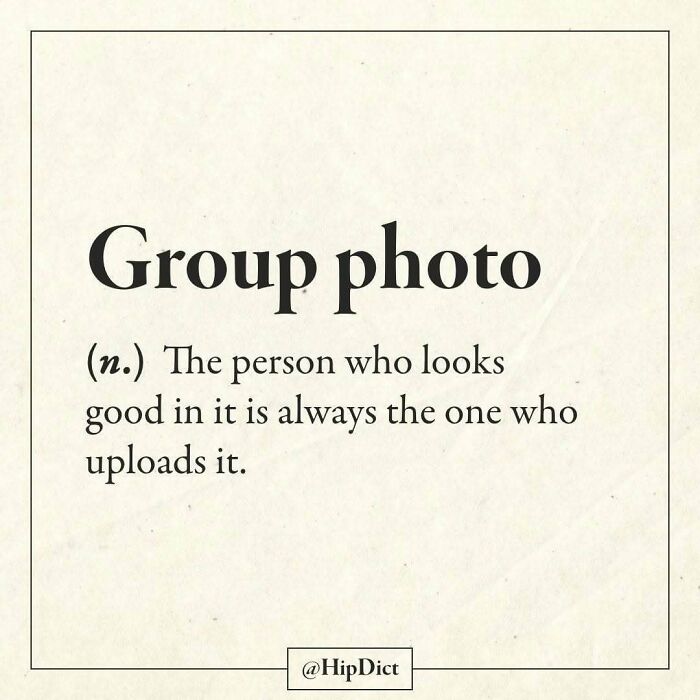
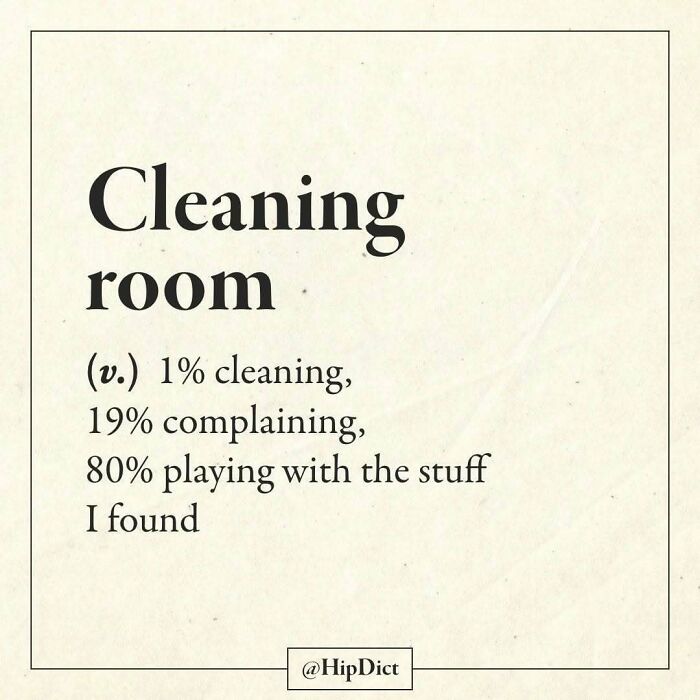
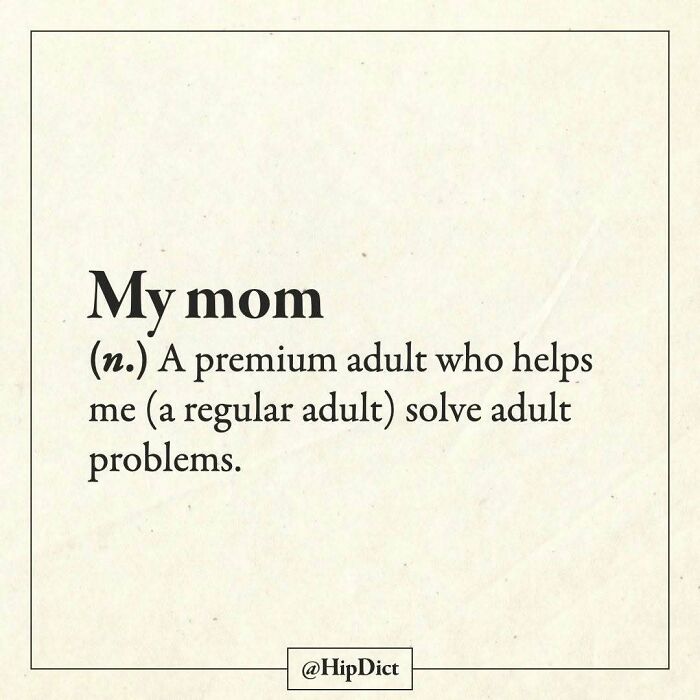
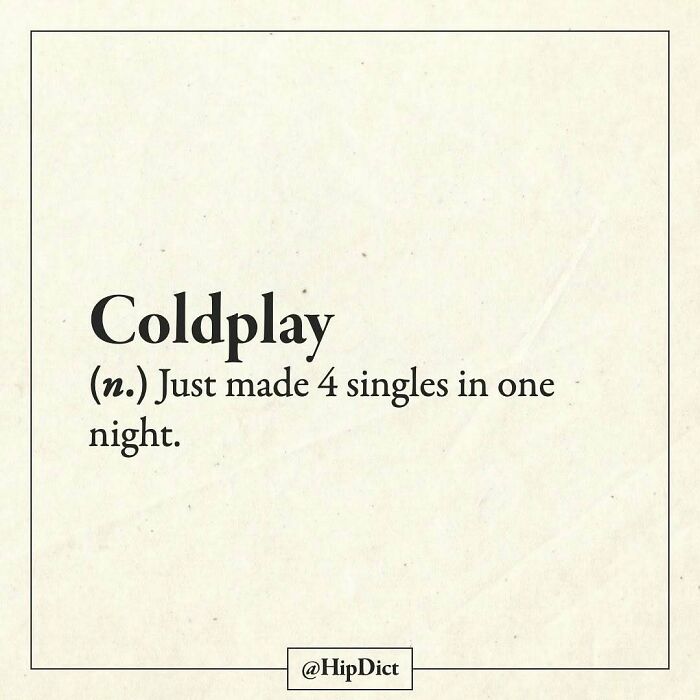
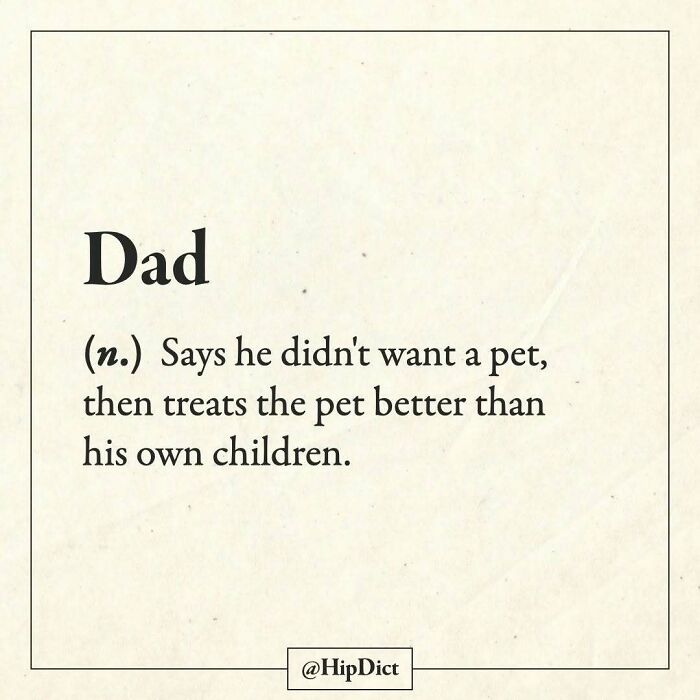
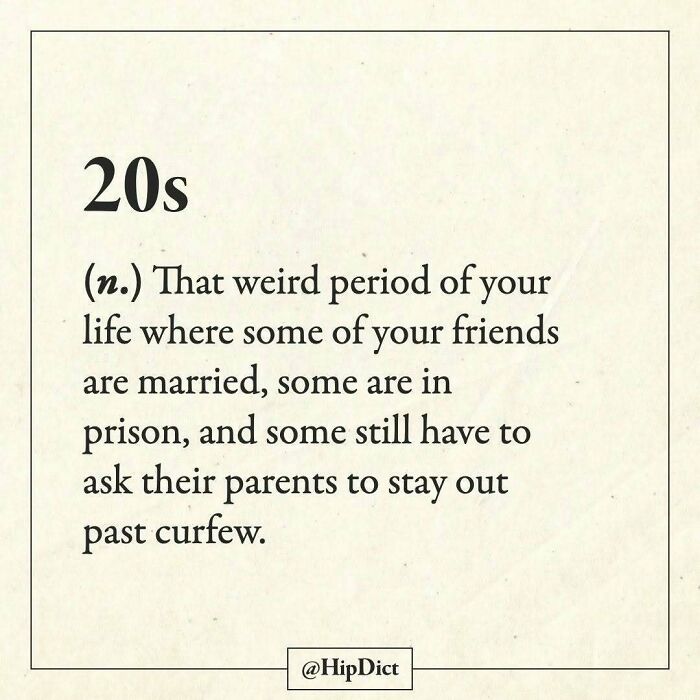
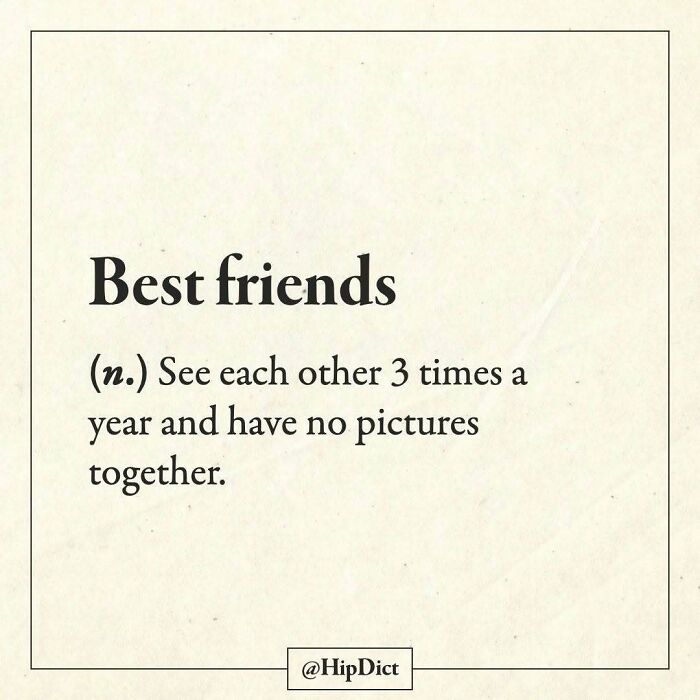
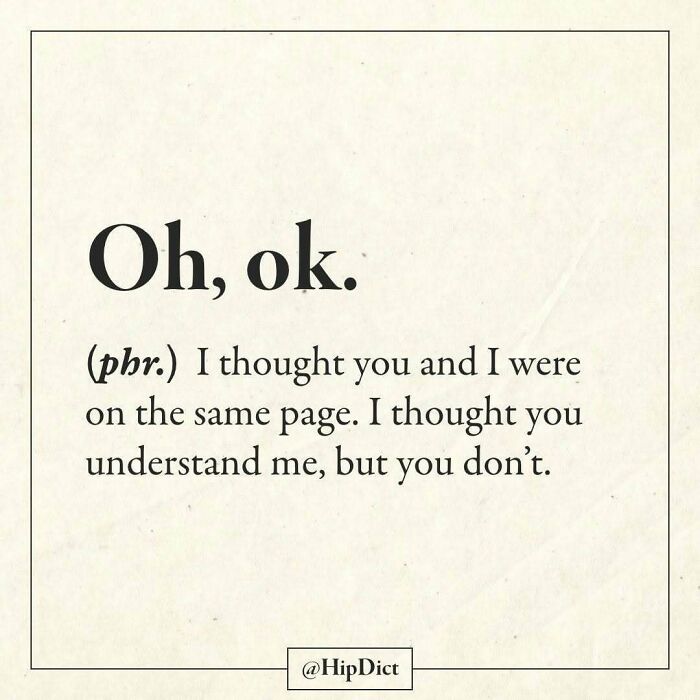
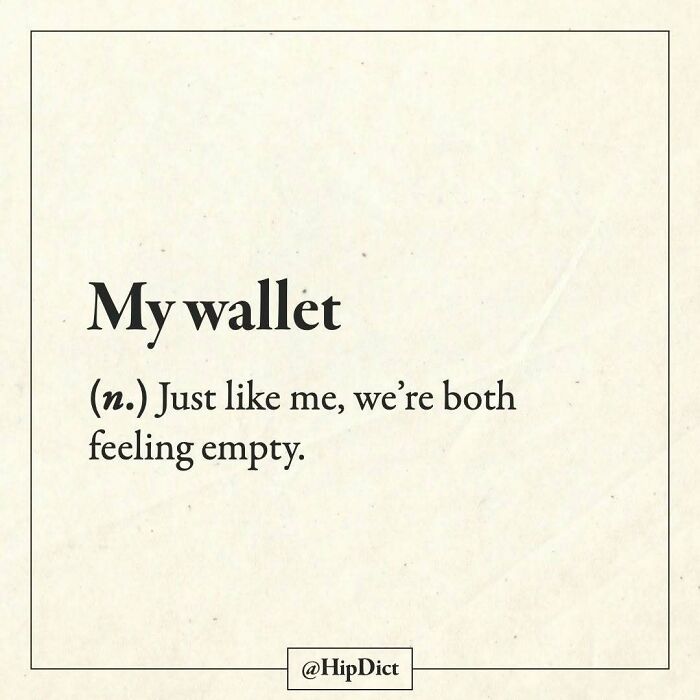
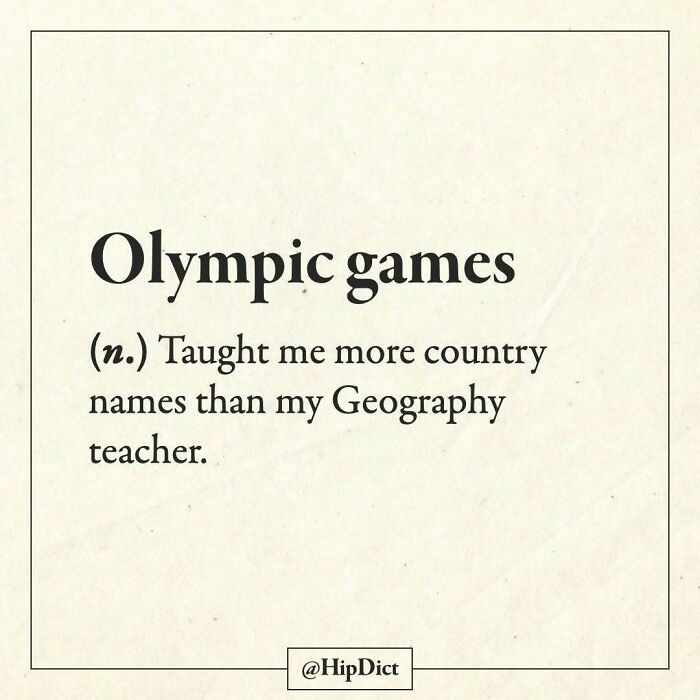
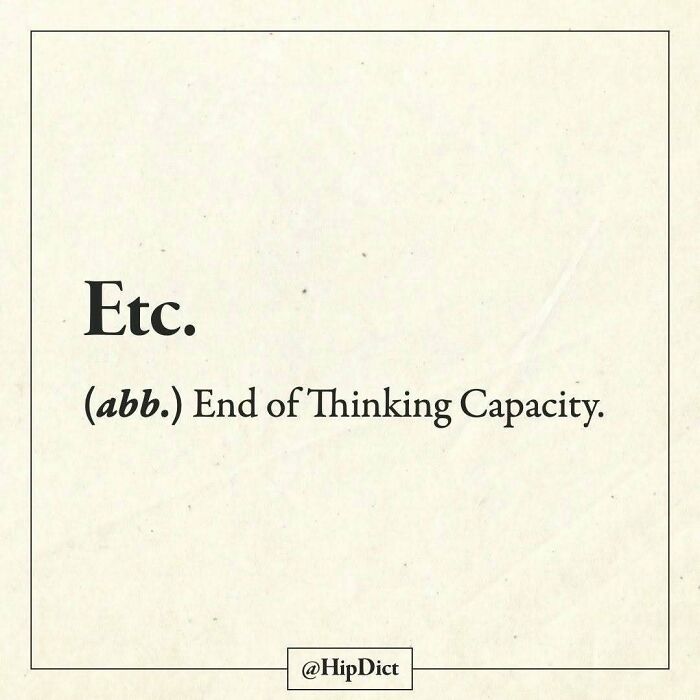
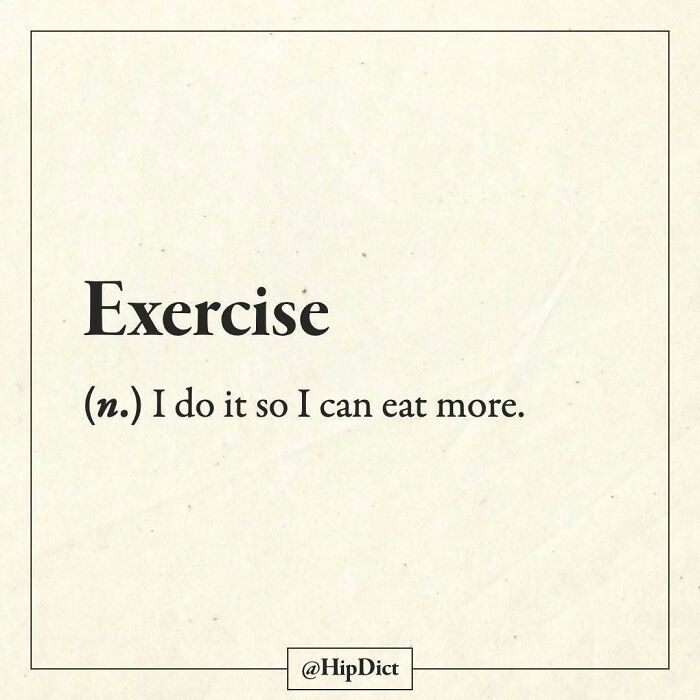
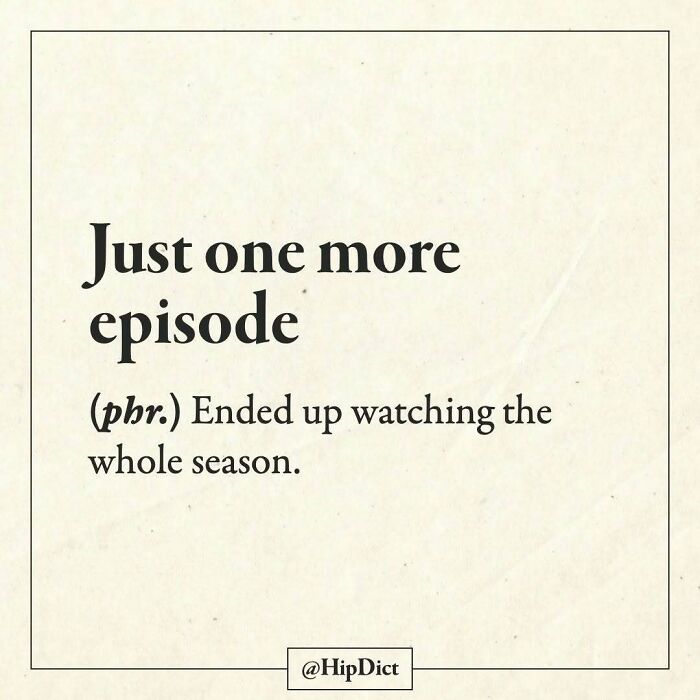
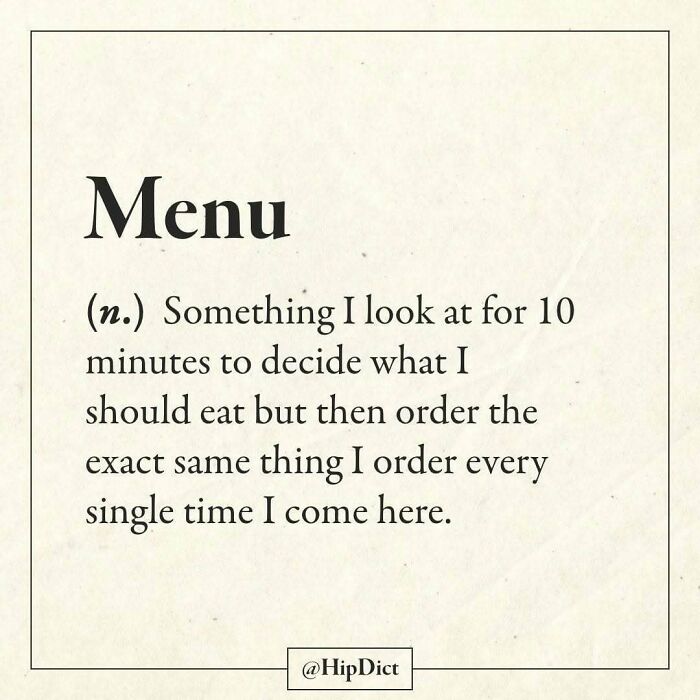
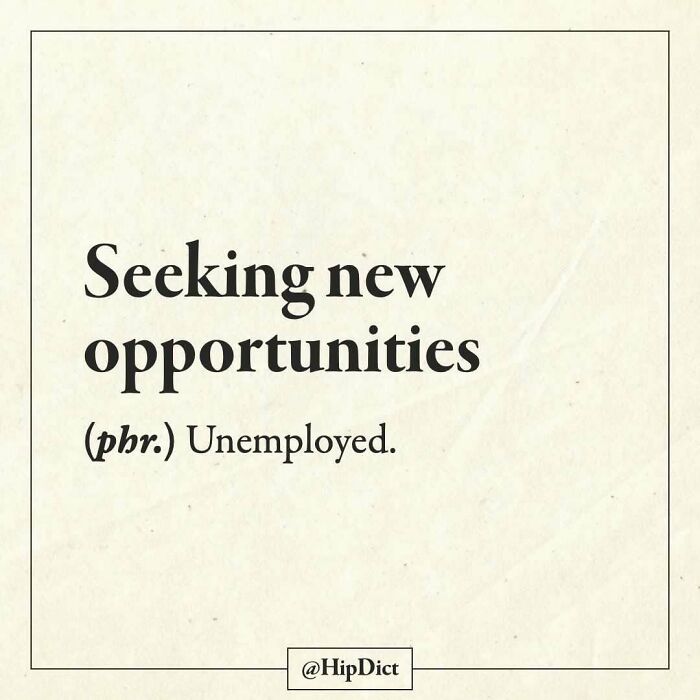
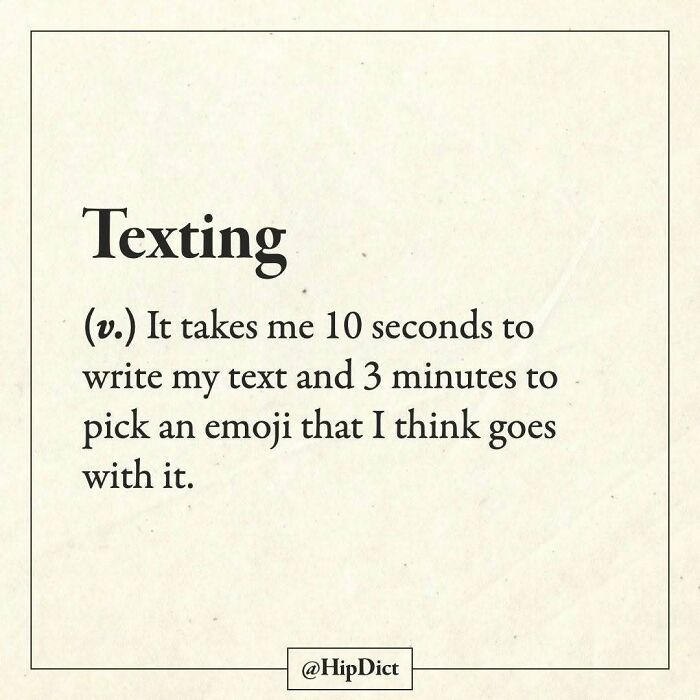
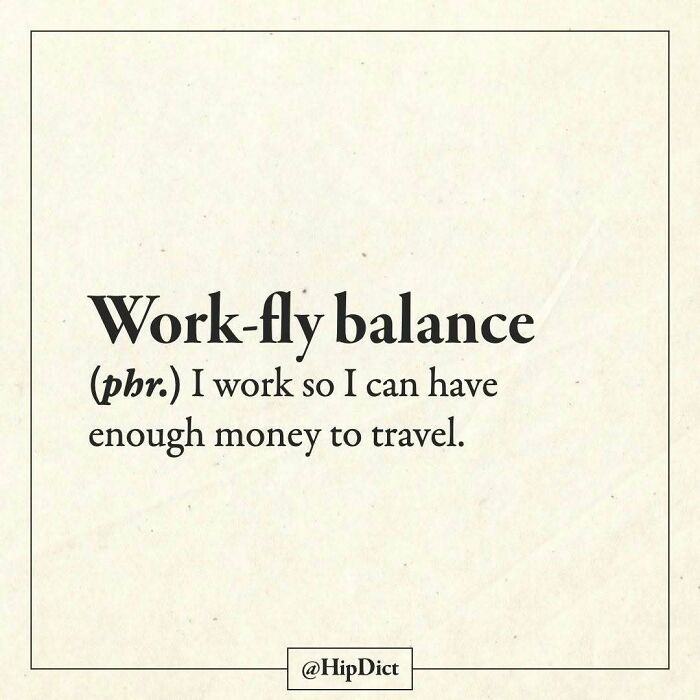
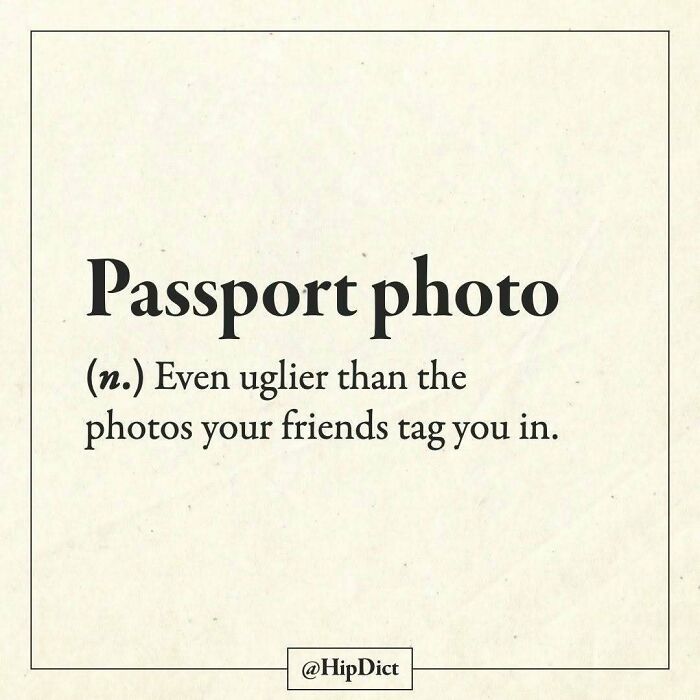
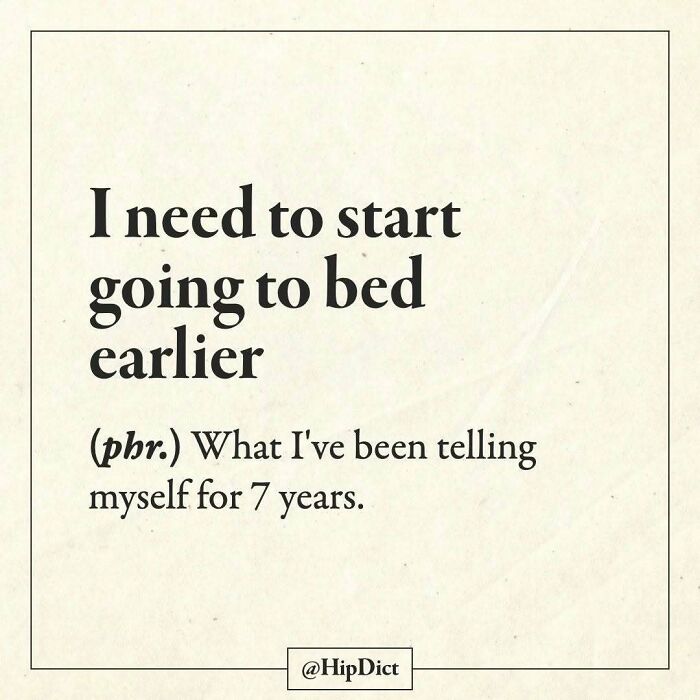
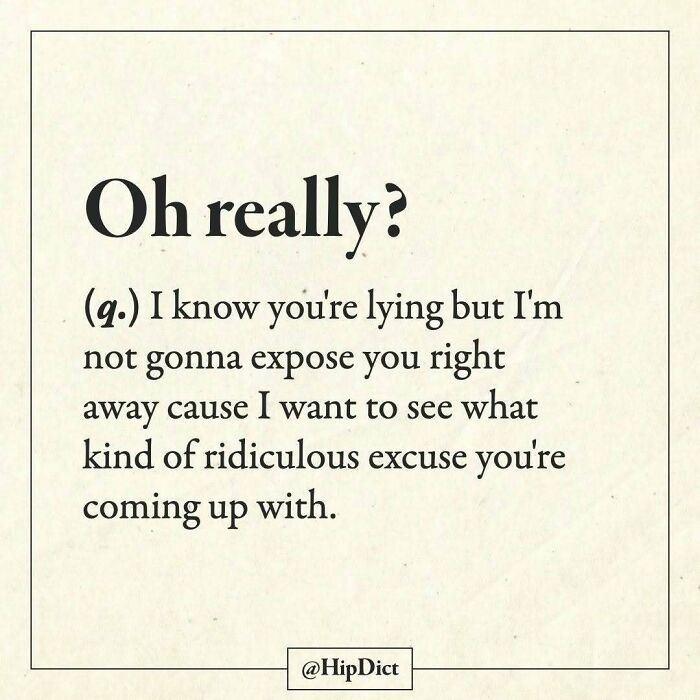
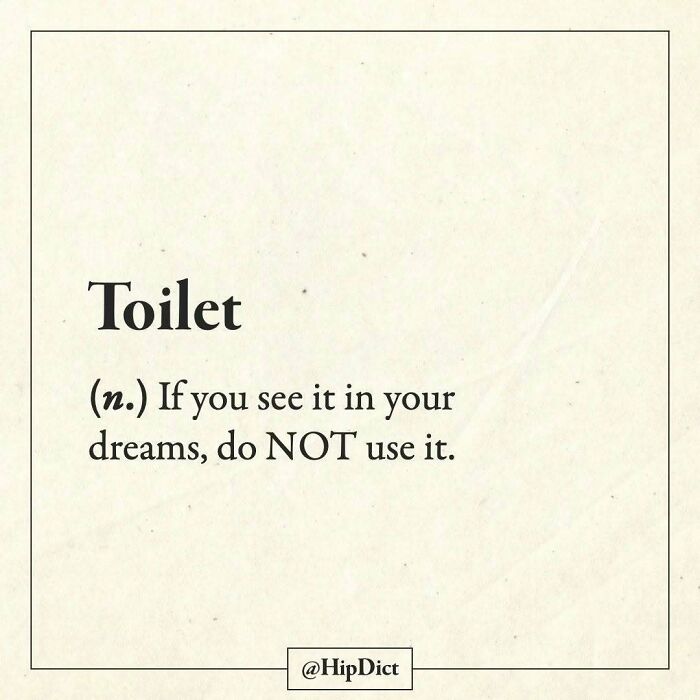
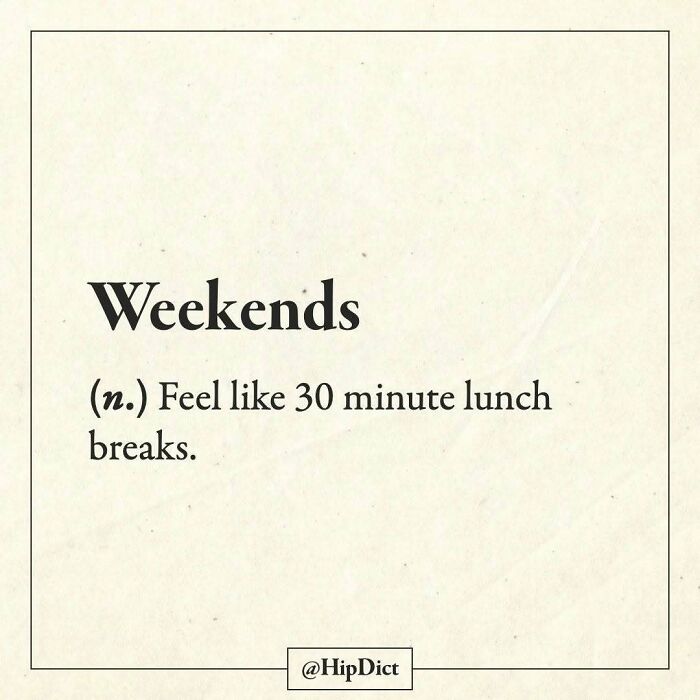
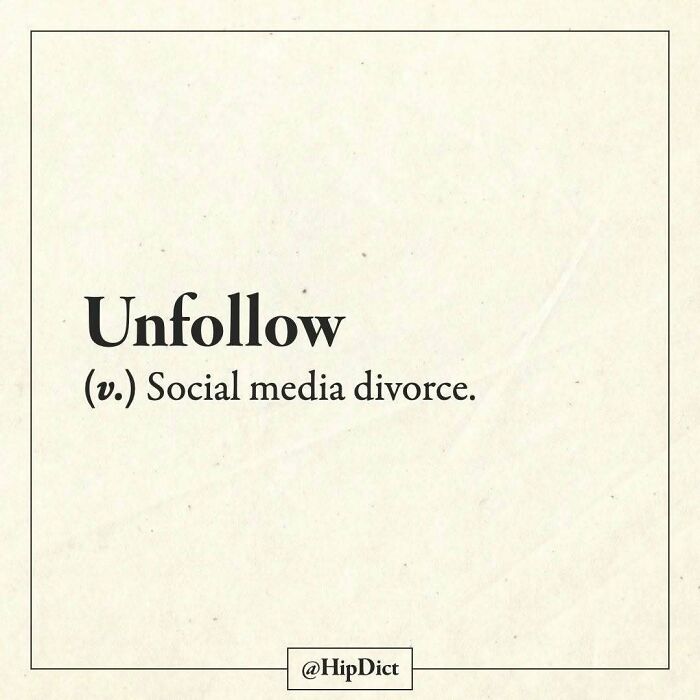
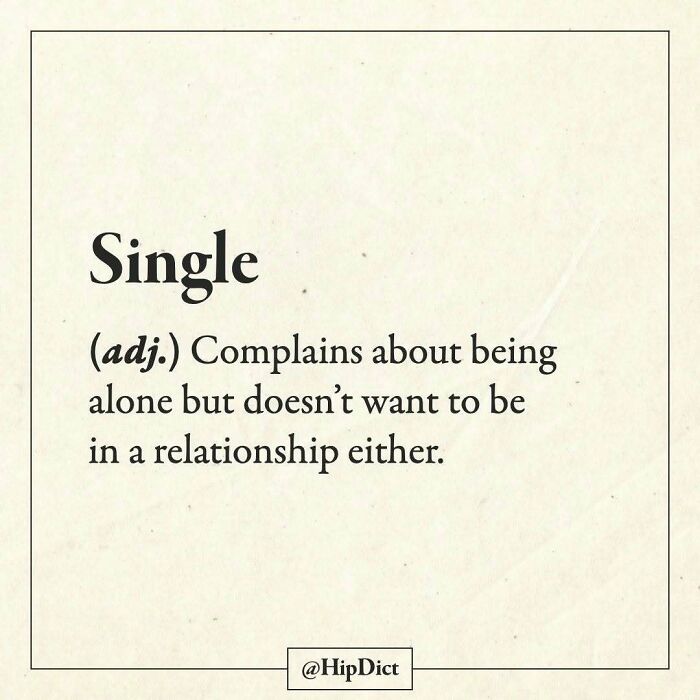
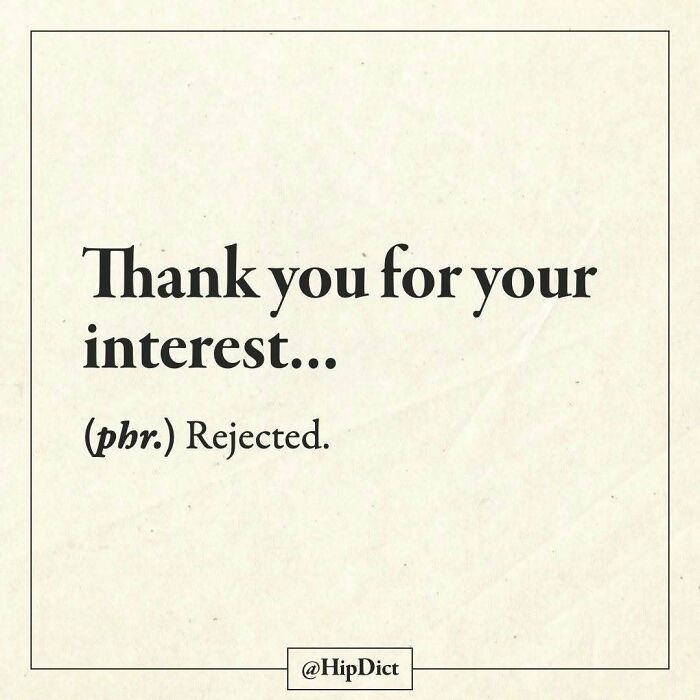
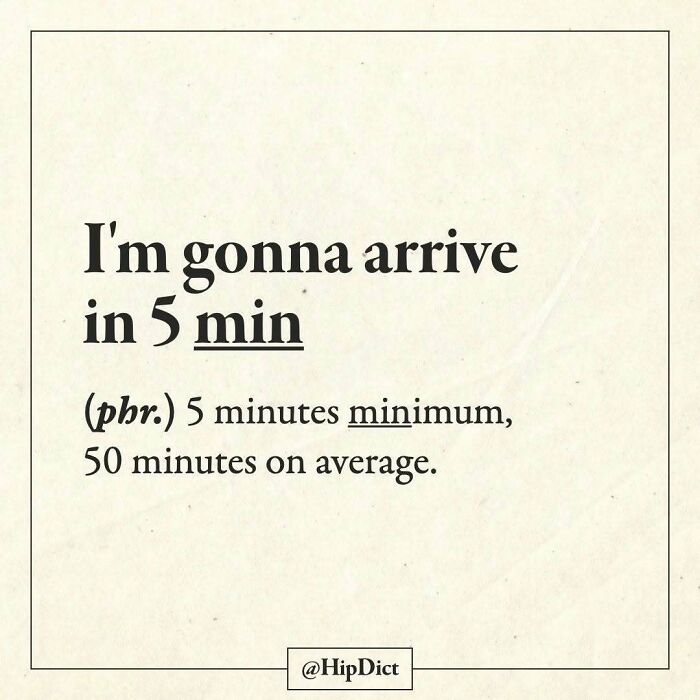
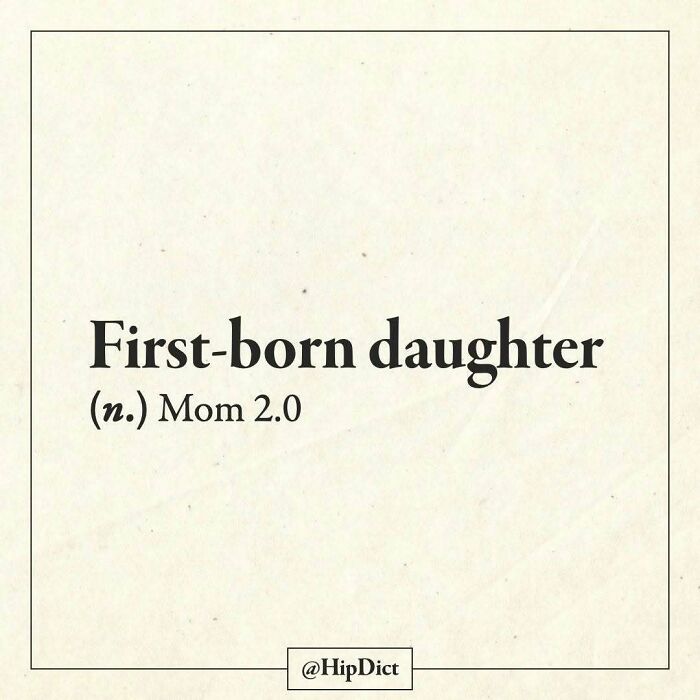
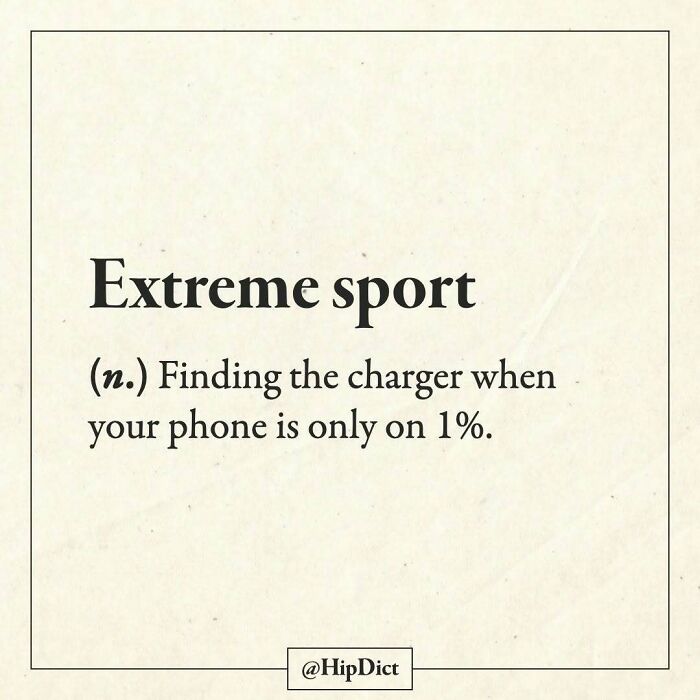
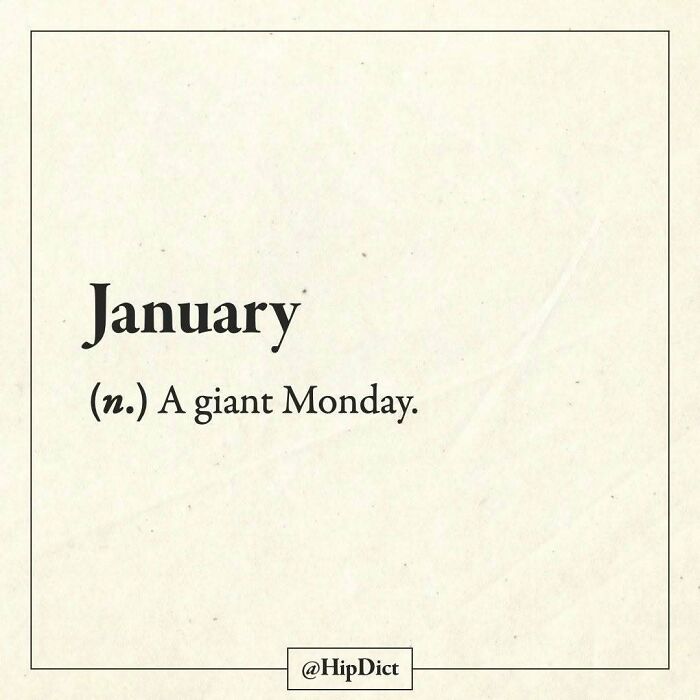
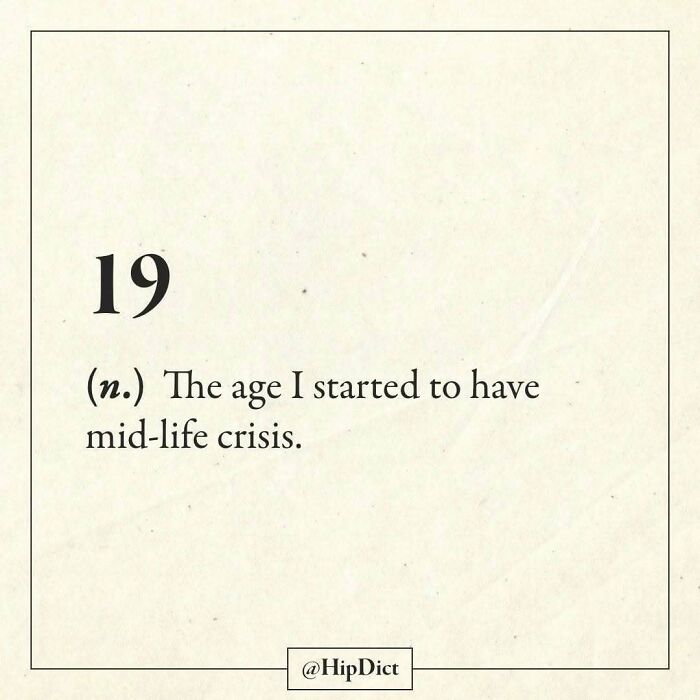
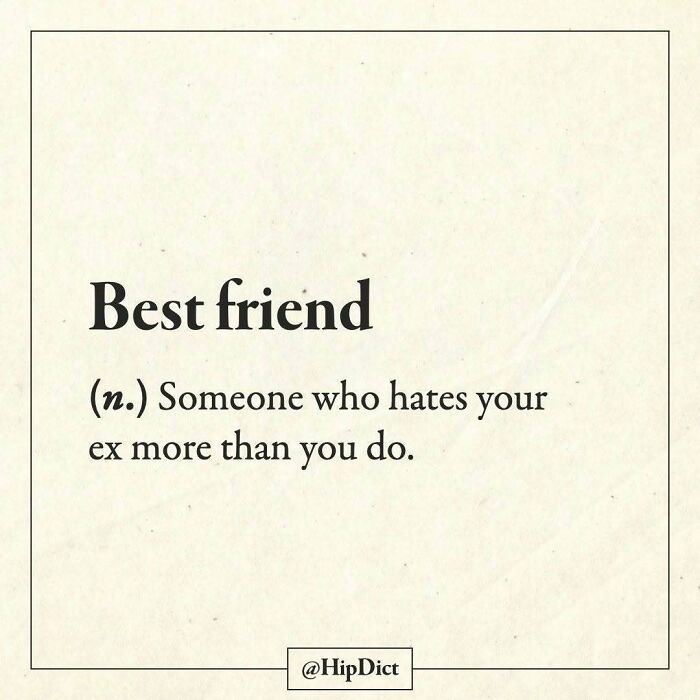
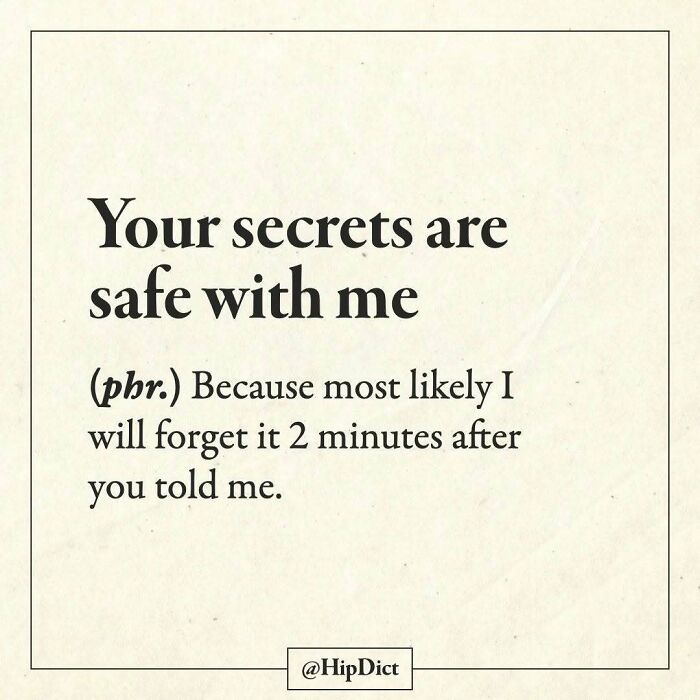
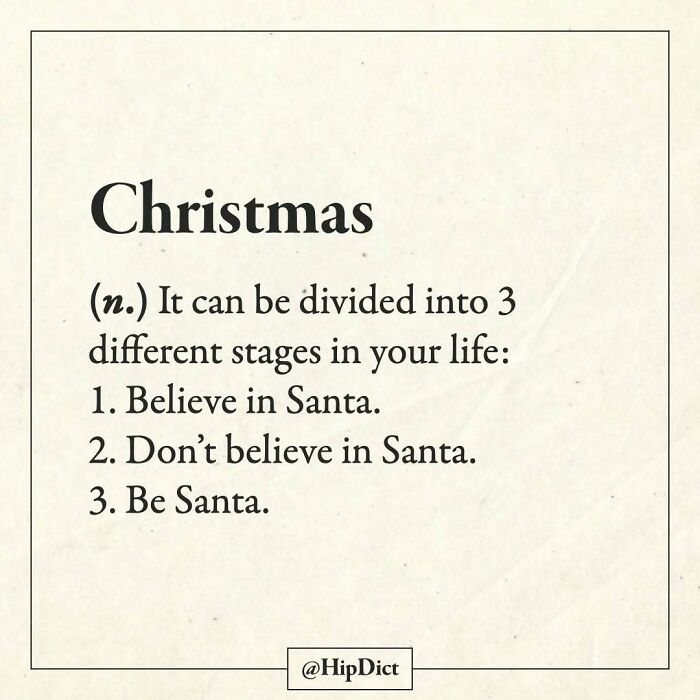
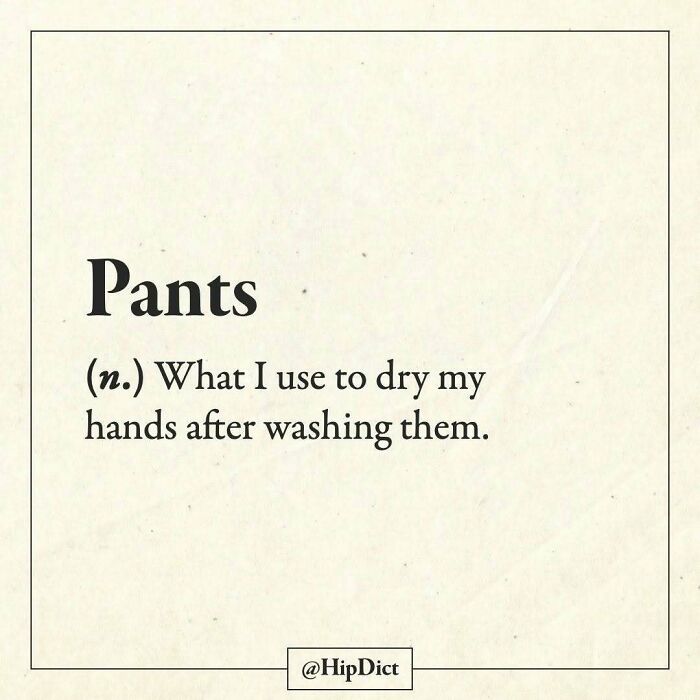
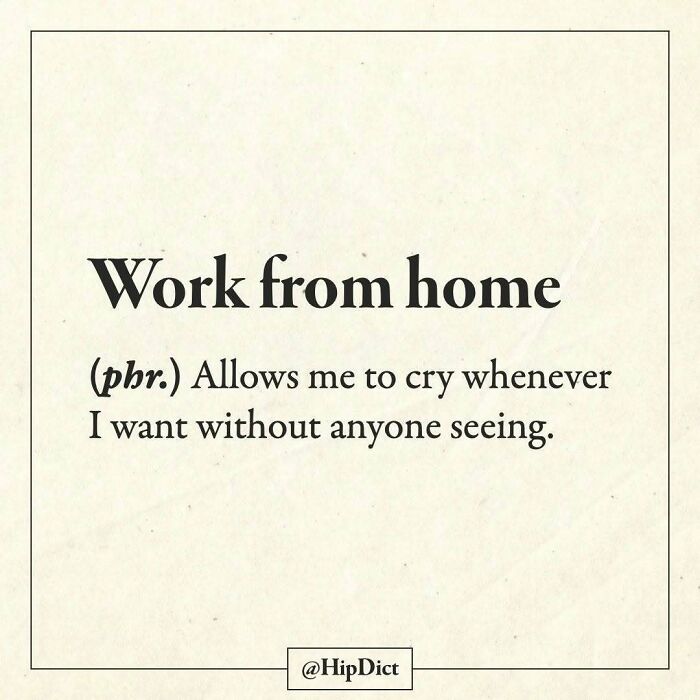
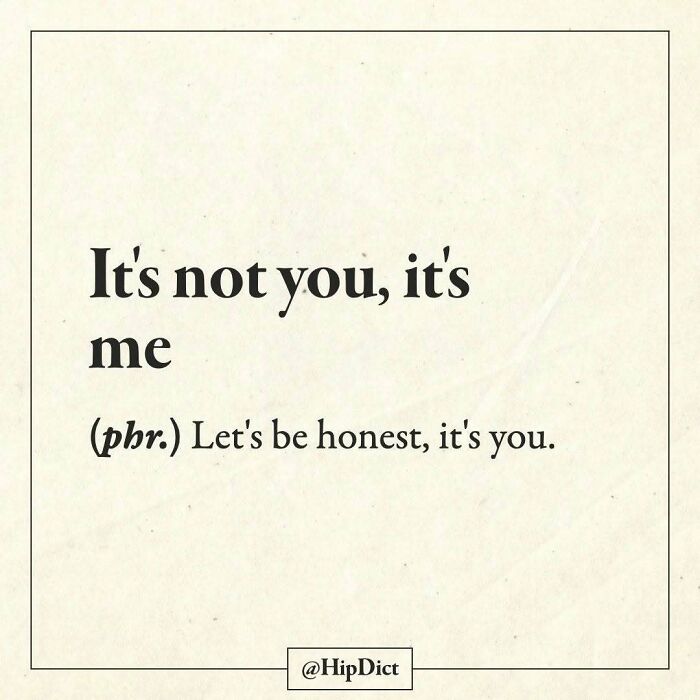
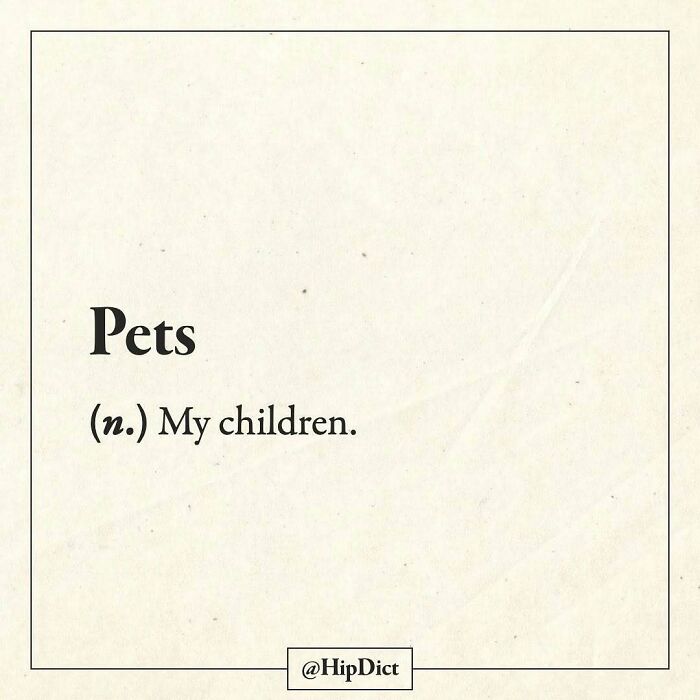
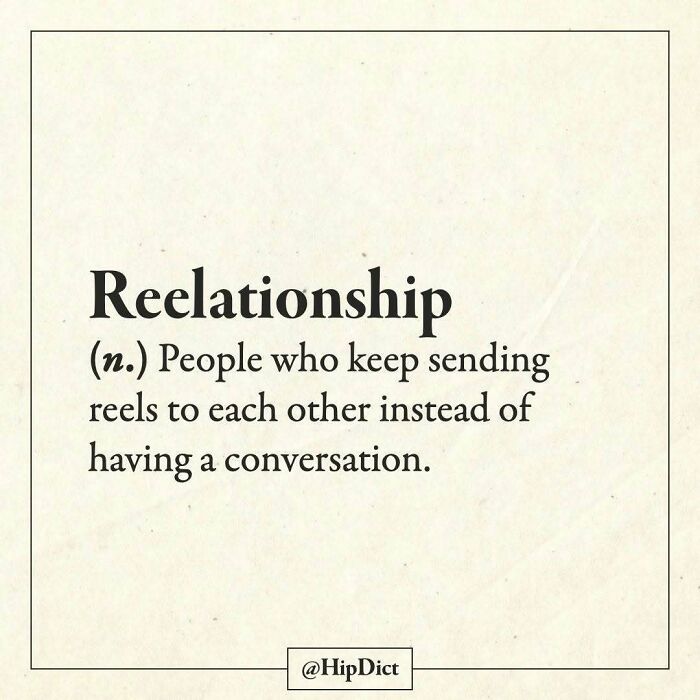
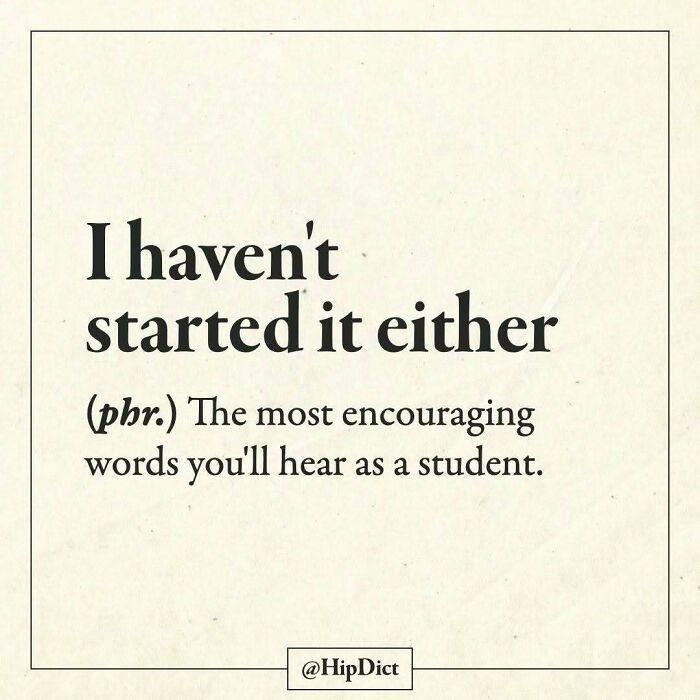
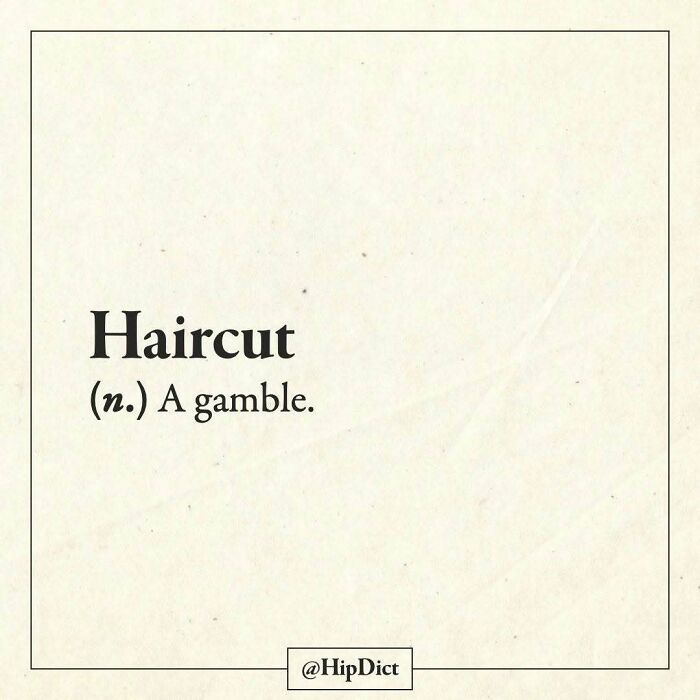
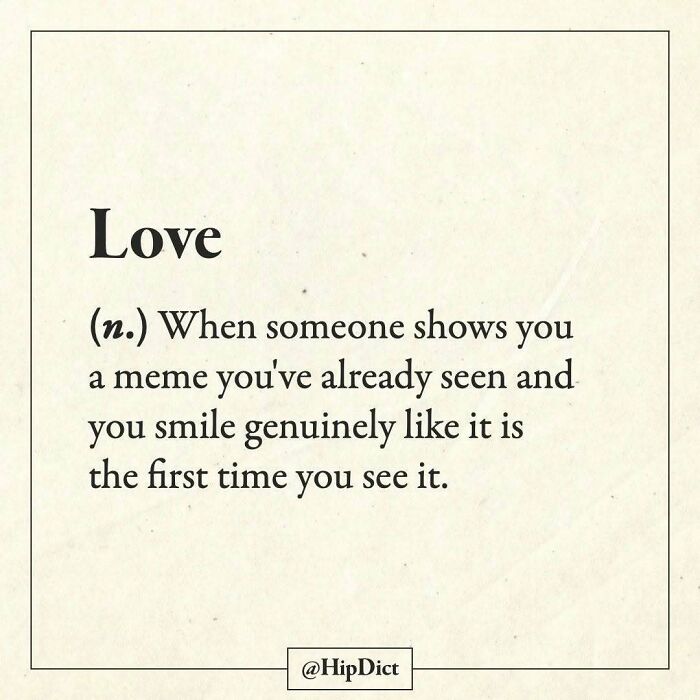
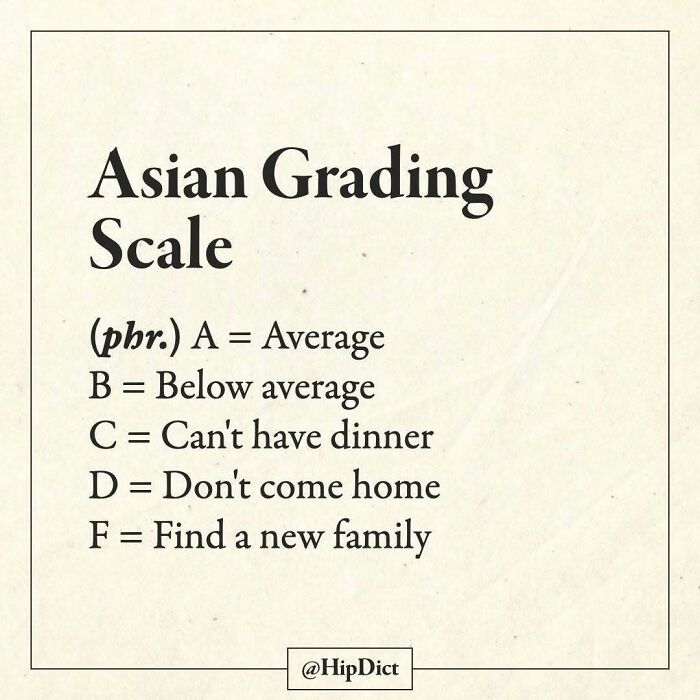
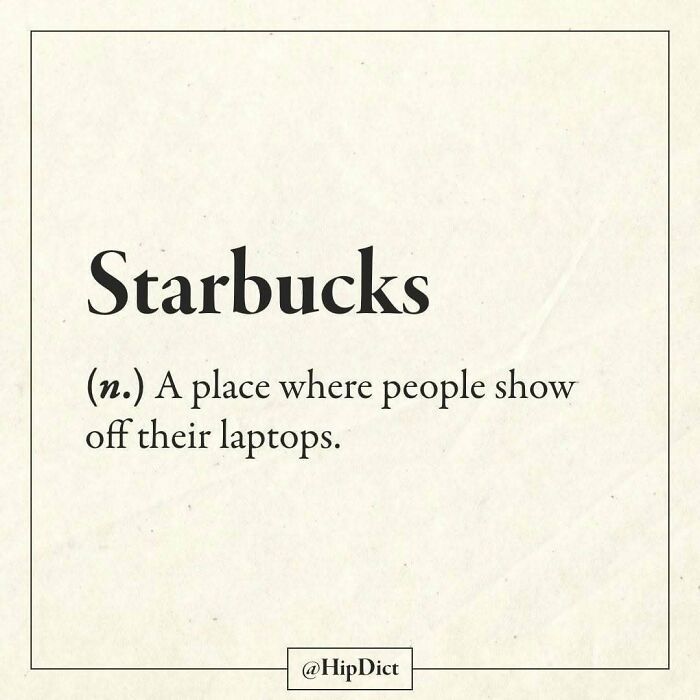
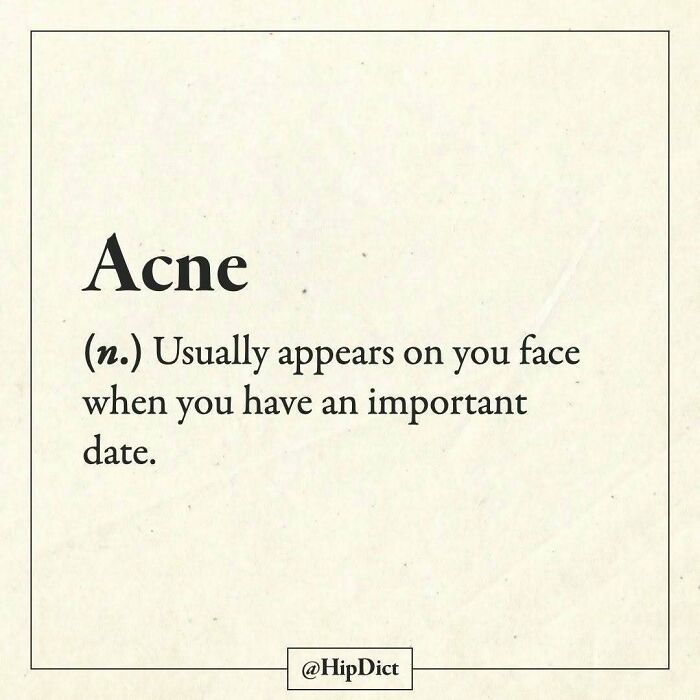
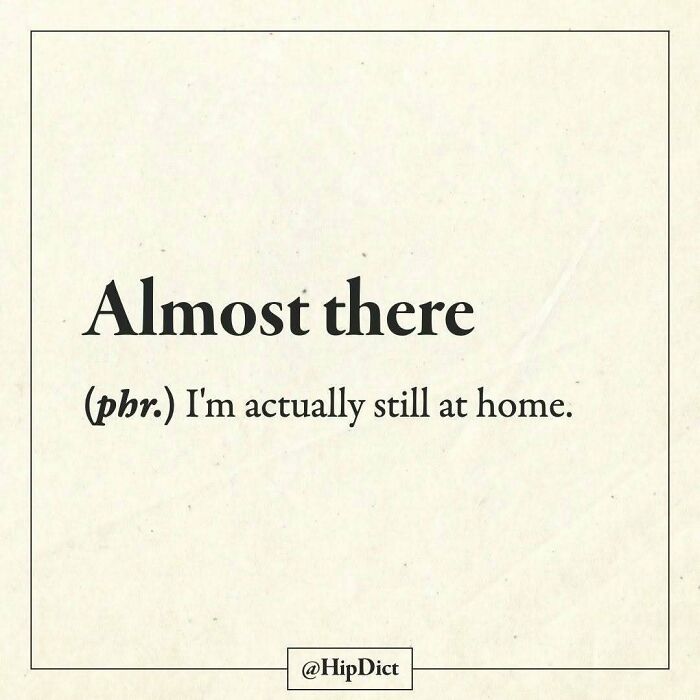
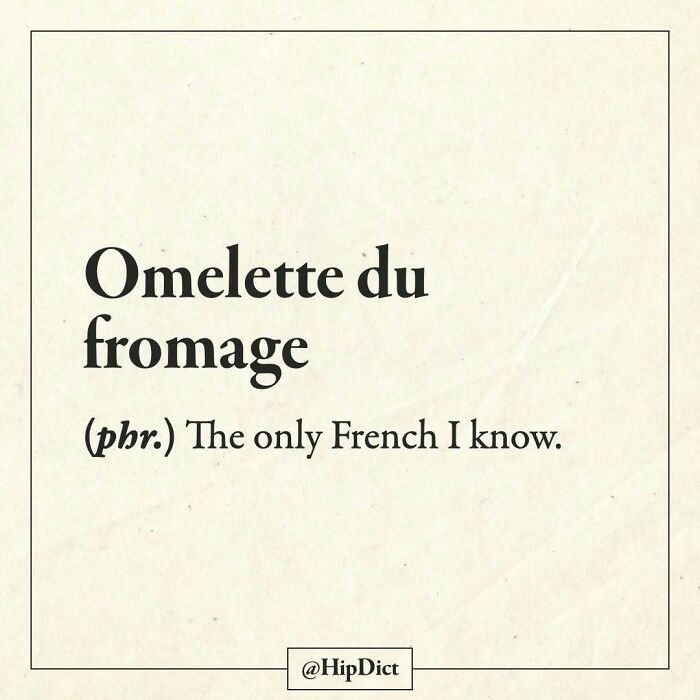
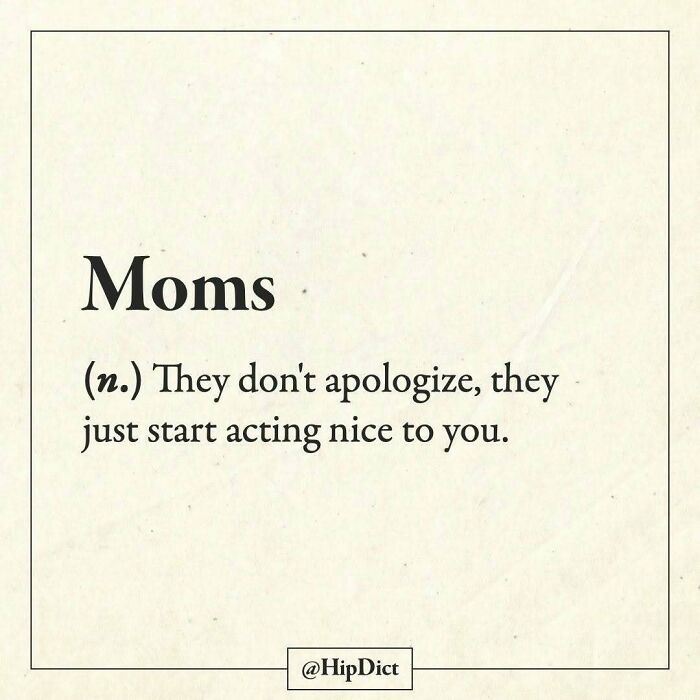
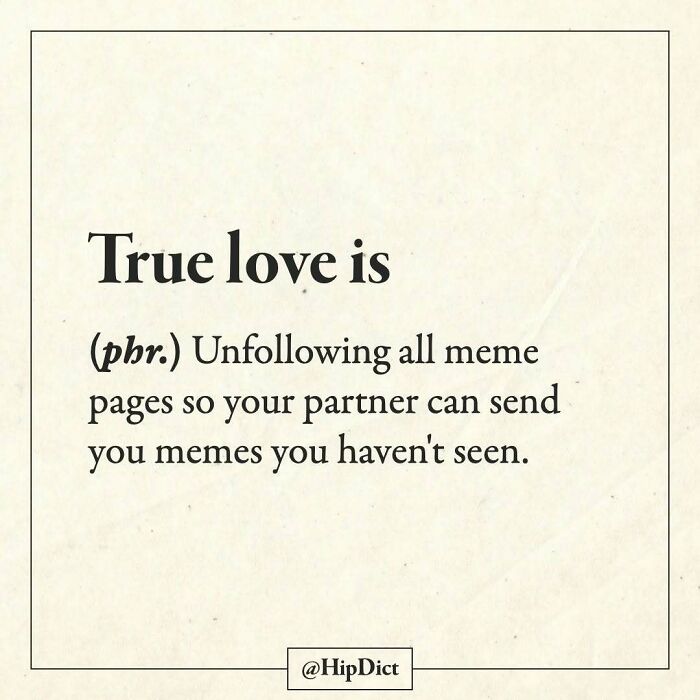
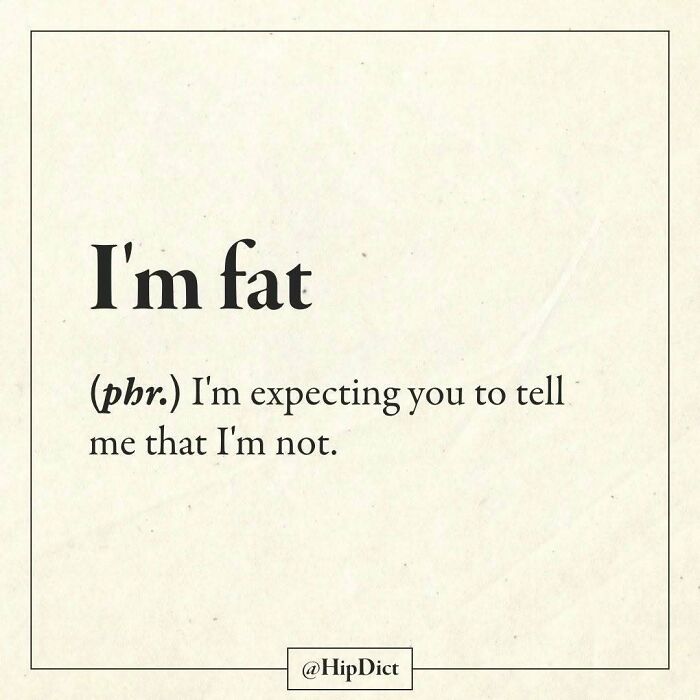
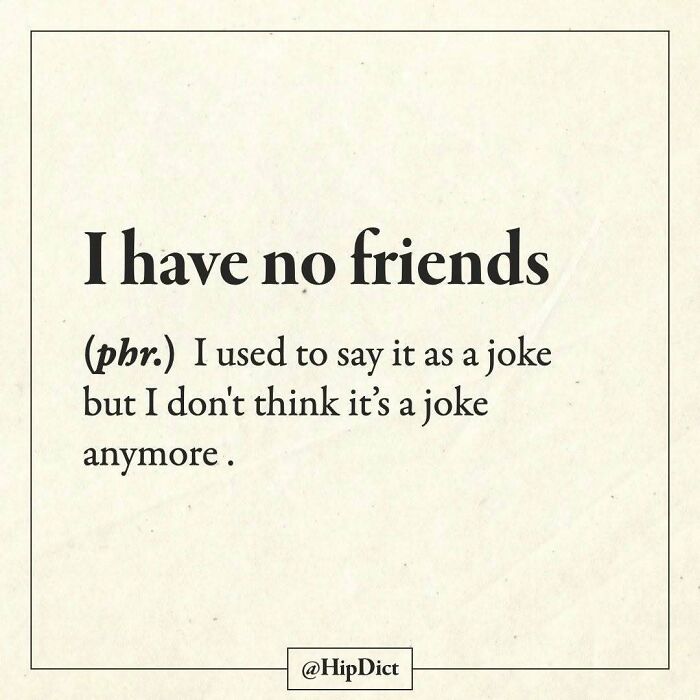
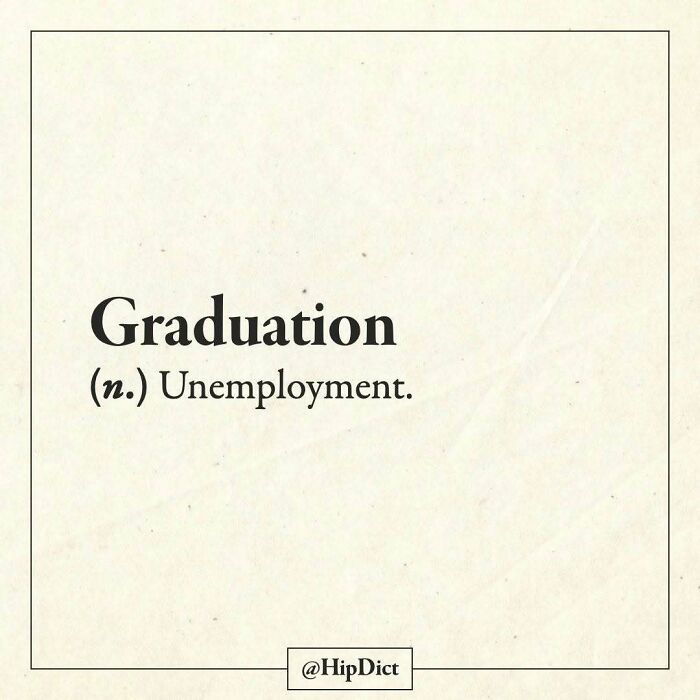
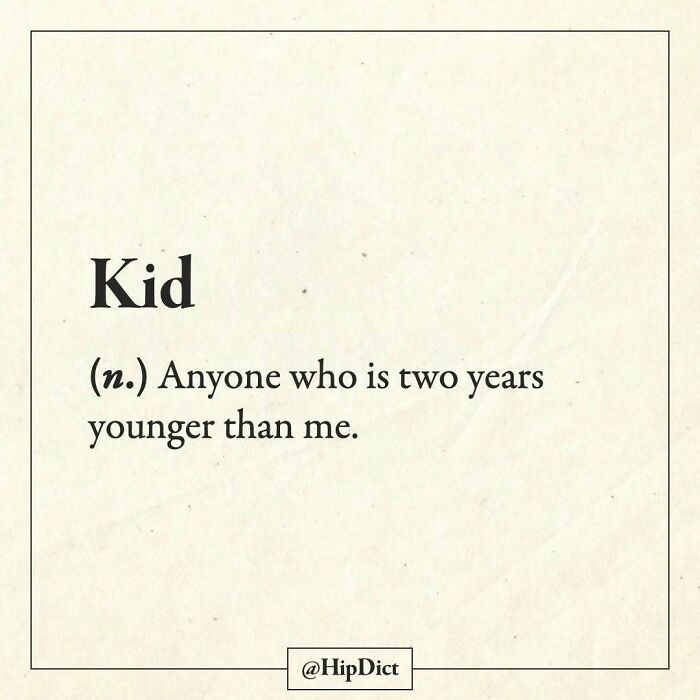
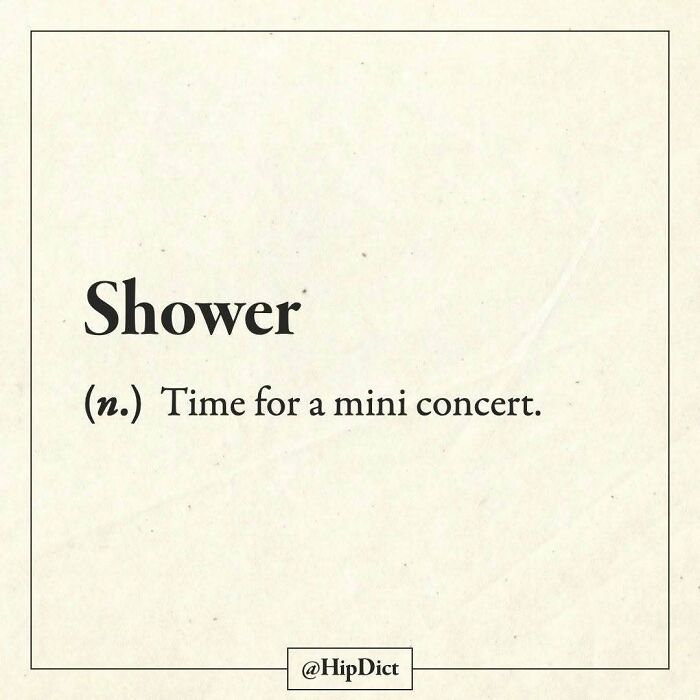
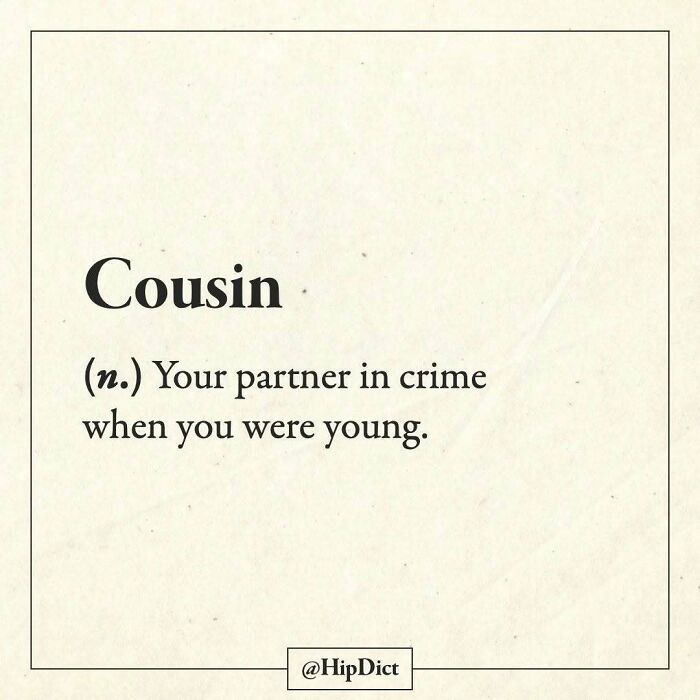
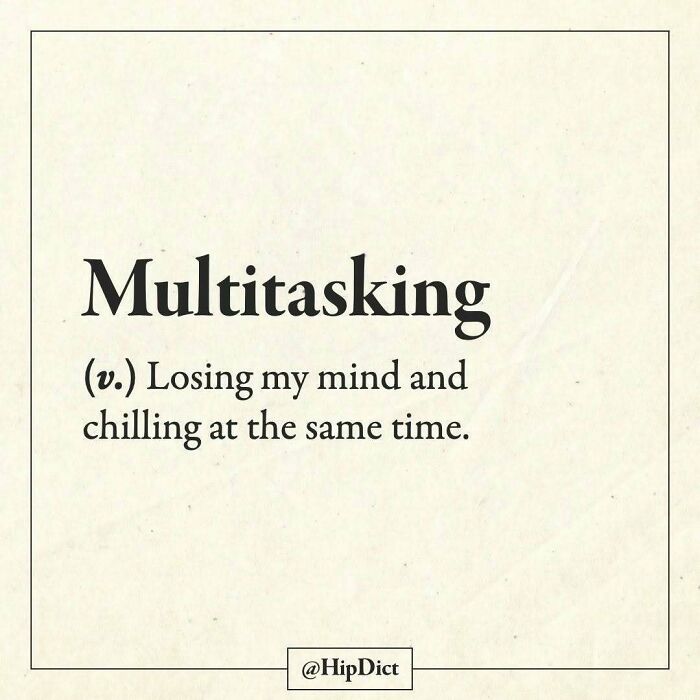
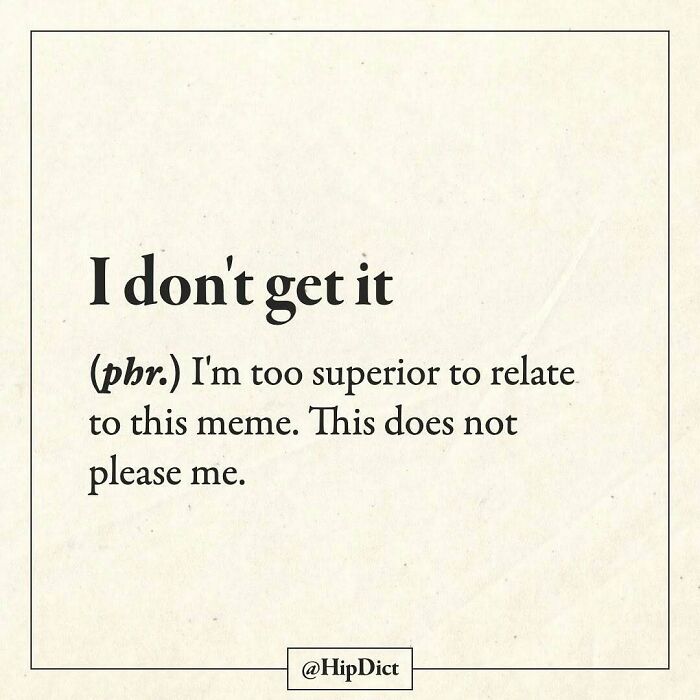
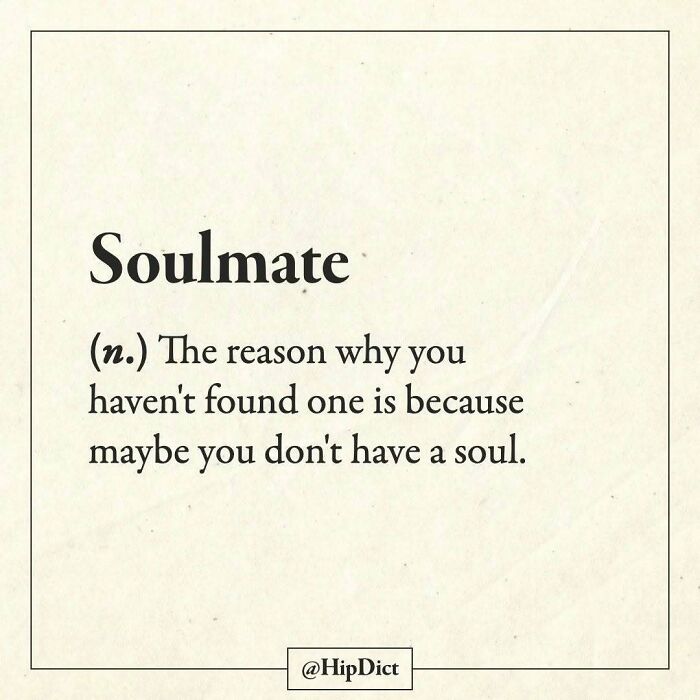
Languages never sit still. They mutate and evolve faster than many of us can keep up with on our own. English is no exception. (I mean, have you heard some of the recent slang?) Luckily, there’s a way to help each other stay up to speed. The Instagram account 'HipDict' is an open‑source dictionary that invites people to "update" the definitions of words we use in everyday life. And it works! This community‑driven approach generates many funny — and perhaps even more accurate — reinterpretations of familiar terms, exposing their hidden meanings.
More info: Instagram
This post may include affiliate links.
"Every language has its stock of basic terms and concepts. In English, words like 'table' and 'chair' seem as fixed and unchanging as the stars in the sky," says Roger Kreuz, Ph.D., a professor of psychology at The University of Memphis, where he also serves as an associate dean in the College of Arts and Sciences.
"But other terms are more like comets: they suddenly appear, cast an incandescent streak across the linguistic firmament, and then vanish. These ephemeral visitors are a language's slang terms, and thanks to the internet and social media, researchers now have unprecedented tools for studying this aspect of language evolution."
Sometimes we instinctively push back against changes in our language. That’s why Kreuz thinks it’s helpful to look at the slang of earlier decades — it reminds us just how much English has shifted over time.
"In 1901, a St. Louis newspaper published a list of synonyms for the state of being drunk. Many of these are still employed well over a century later (intoxicated; in one's cups; three sheets to the wind), while others have shifted in meaning (having a bee in one's bonnet; feeling one's oats). But a third group of terms seems to have disappeared almost completely (more sail than ballast; all mops and brooms; full of Jersey lightning)," Kreuz explains
According to the psychologist, language change is driven primarily by its younger speakers, "and in every generation, it seems, older speakers rail against newly coined terms as perversions of the pure dialect they themselves employ." Older adults, he says, forget that they were once young and luxuriated in the slang their parents and grandparents frowned upon.

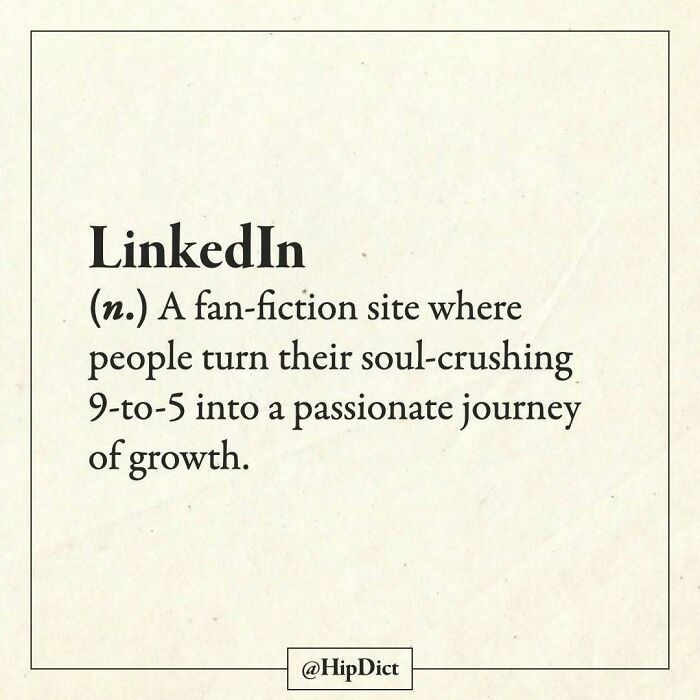
In more ways than one, LinkedIn is worse than Instagram. At least Insta doesn't pretend about what it is.
"Traditionally, slang has been the province of spoken language, and vast numbers of such terms, never recorded, have disappeared forever," Kreuz adds.
"But because so much of our communication has migrated online via social media, these ephemeral expressions are being recorded for posterity. Slang is now time-stamped, indexed, and searchable by anyone with a computer or cellphone."

Another thing that shapes how language shifts is our close relationships. Nicole Holliday, an assistant linguistics professor at Pomona College, says that people who regularly interact will often "come up with shorthand or references to previous events.”
“It’s establishing your closeness or your role in the community," she explains. "I'm in on the joke. You’re in on the joke."
It can be anything, really — from dealing with a “nosetta,” or a nosey person, to eating the worst meal of your life that tastes like “dog chow.”
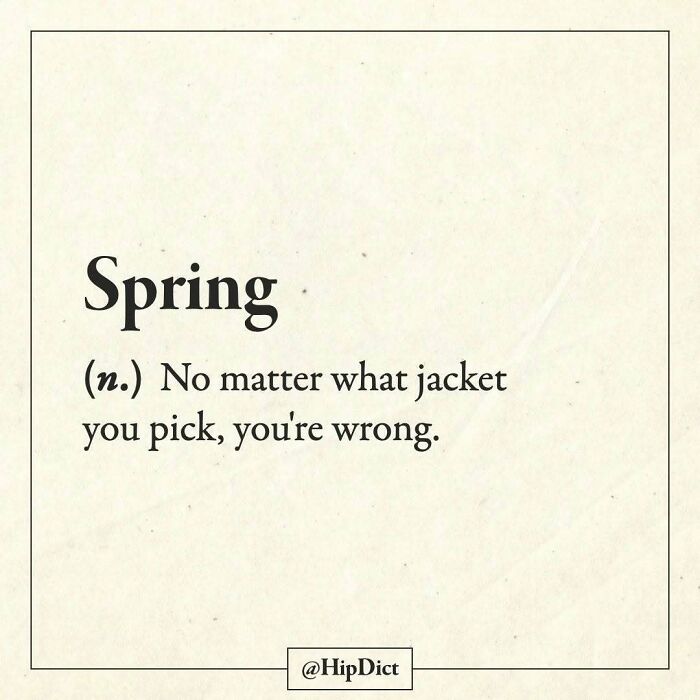
I feel this. Here in New England, we just went through months of 30° temperature swings over days and even hours.
Experts say that evolving language is often a sign of trust — for example, when followers start adopting the phrases or inside jokes of their favorite content creators. In a way, it’s like belonging to a secret club.
A BFF dictionary is a natural extension of that. It can grow over years, built from inside jokes, shared experiences, and a deep familiarity with each other.
And thanks to the internet, these little private codes don’t stay small anymore.

Friend (n.) In order to stab someone in the back you must first get behind them.
Hey, "I've been looking forward to spending that day chilling for ages" IS a plan!

Wow. The perfect description of my dad, who was also kinder to strangers than his own family.
Extreme sport. (n.) Parking, in any European city. Driving, in India.

















 No fees, cancel anytime