Get Premium
Dark mode theme is available exclusively for premium users. Learn more about the benefits of subscribing.
No fees, cancel anytime.

 Dark Mode Ad-Free Browsing Unlimited Content
 Ad-Free Browsing Unlimited Content Dark Mode
Join 1.2 million Panda readers who get the best art, memes, and fun stories every week!
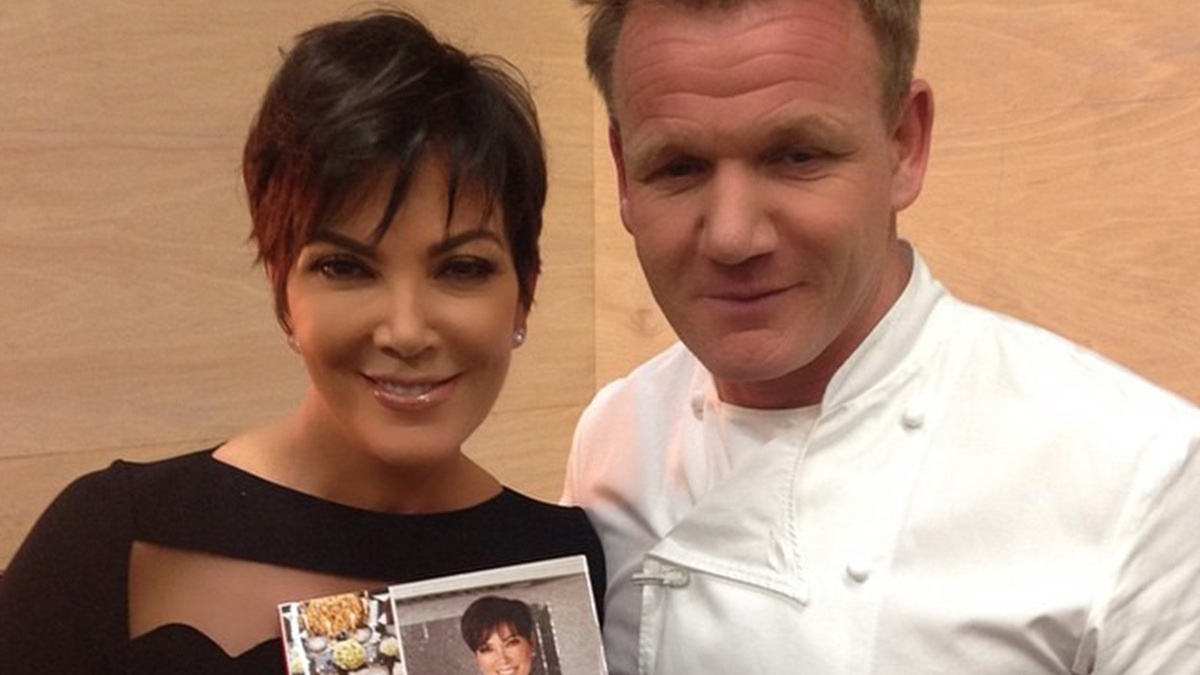
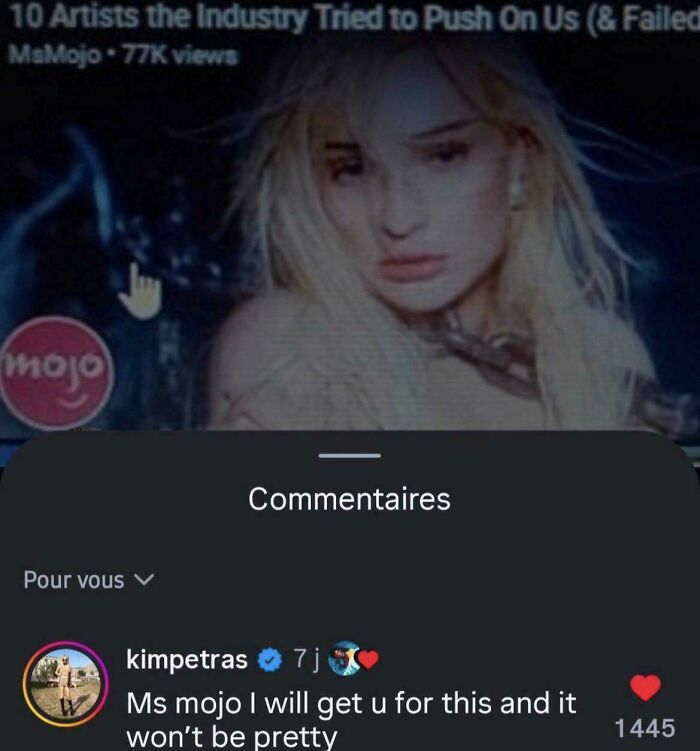
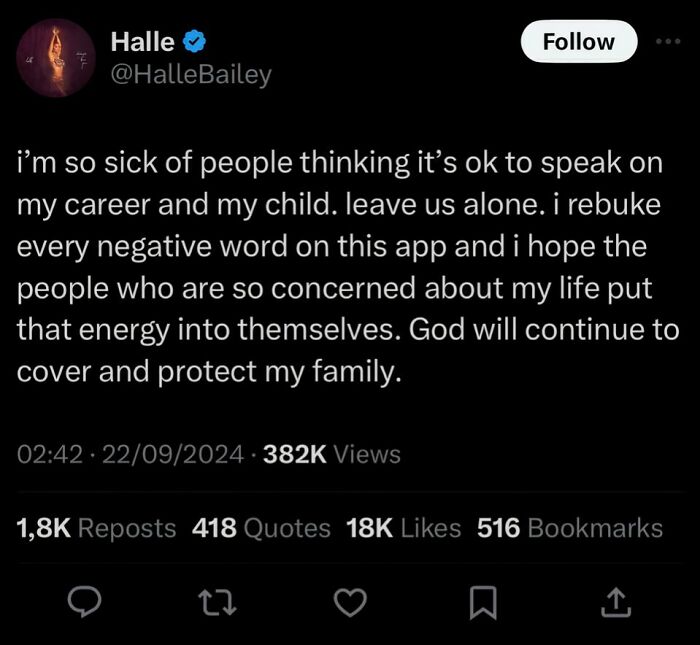
Fame used to come with a slight degree of insulation. A bad decision stayed between you, your publicist, and whoever was in the room. Then celebrities got smartphones, discovered they could talk directly to their fans without any filtering whatsoever, and the results have been spectacularly catastrophic time and time again.
The publicist exists for a reason. The reason is that famous people, left entirely to their own devices and a WiFi connection, will post things that no amount of reputation management can fully recover from. Tone-deaf statements, accidental confessions, ill-timed jokes, and the occasional complete personality reveal that nobody asked for or can unsee. The internet screenshotted all of it, and it has been waiting patiently to remind everyone, and here are the worst of them for your pure enjoyment.
This post may include affiliate links.

This was staged and everyone was confused by how poorly he acted in this clip.
The simplest explanation for why celebrities are so consistently bad at social media is that fame destroys the feedback loop that keeps most people in check. In an ordinary life, if you say something obtuse, someone tells you. A friend pushes back, a colleague pulls a face, a family member sends a text.
Famous people are surrounded by people whose income depends on their continued goodwill, which means the honest reactions stop arriving and the bad ideas stop getting intercepted. Add a platform with millions of followers generating instant validation, and the result is someone who has not received a sincere "are you sure about this?" in years, posting with complete confidence way past midnight.
The Streisand Effect is the phenomenon where attempting to suppress or delete something online draws way more attention to it than if it had been left alone entirely. It is named after the diva herself, Barbra Streisand, who in 2003 sued a photographer to remove an aerial image of her Malibu home from a coastal survey database. Before the lawsuit, the image had been downloaded six times. Within a month of the legal action, it had been viewed nearly half a million times.
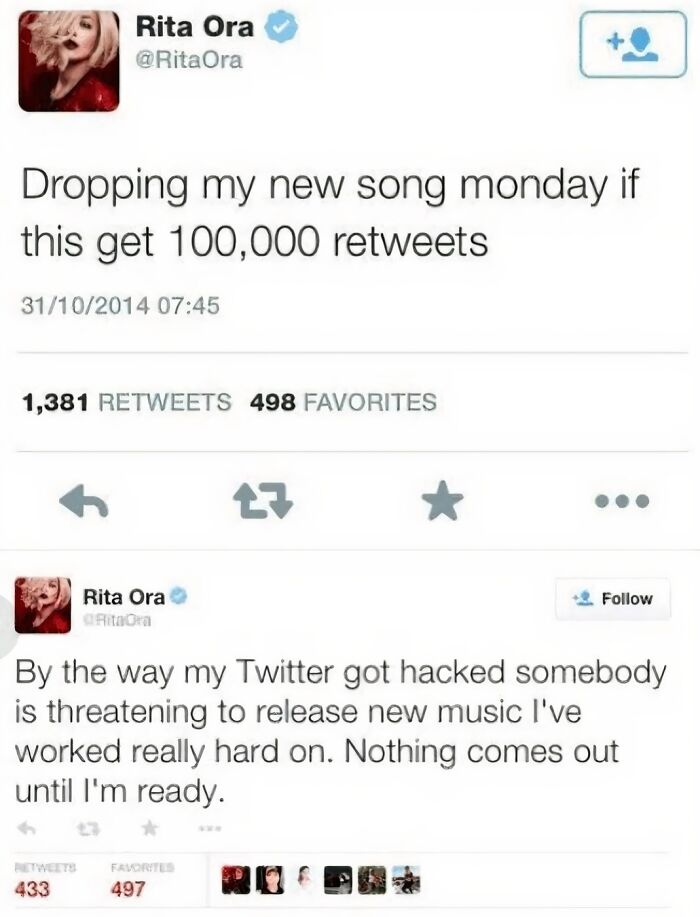
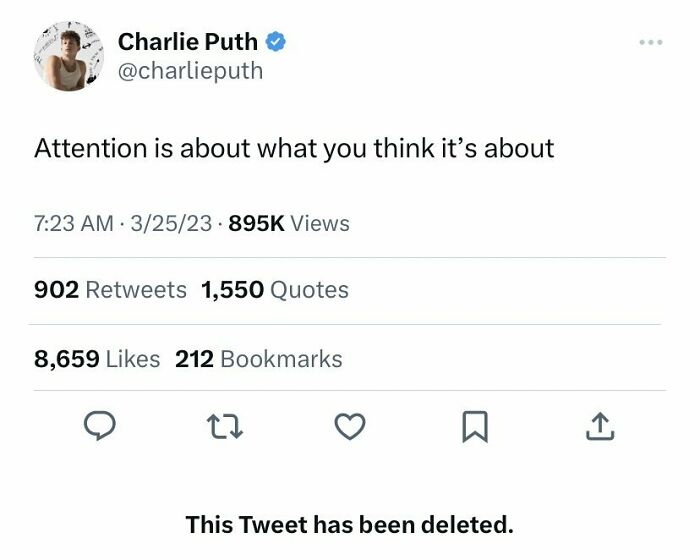
The principle applies to celebrity social media with depressing regularity, because the deleted tweet gets screenshotted before it disappears, and the statement issued to address the original problem almost always introduces new problems that did not previously exist. Every attempt to shrink the story makes it larger, and yet the response is almost never to simply stop responding, because silence reads as guilt and saying something from the heart appears to be beyond the capabilities of most crisis communications teams working in the industry these days.
When a celebrity posts something catastrophic, the response from their team follows a pattern that has become an artwork in its own right. First, silence while the team convenes. Then a statement that is carefully worded to acknowledge the situation without admitting fault, usually popping up at some obscure hour when people are not looking.
Soon follows the notes app apology, which is supposed to look as personal as possible. It is identifiable by its specific features: a white background, a wall of text, the phrase "I have been doing the work," a commitment to "listening and learning," and a conclusion that subtly reframes the original incident as a misunderstanding rather than a choice. It satisfies and convinces nobody, and it is issued anyway because the alternative is saying nothing, which reads as worse.

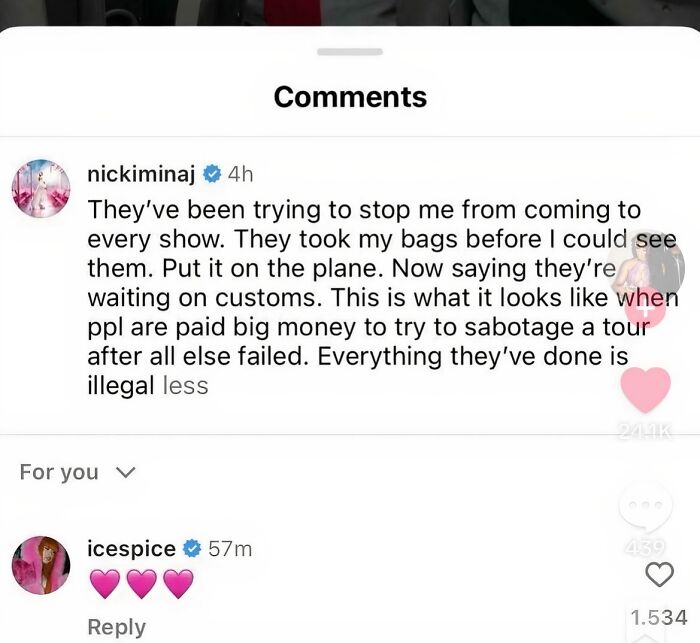
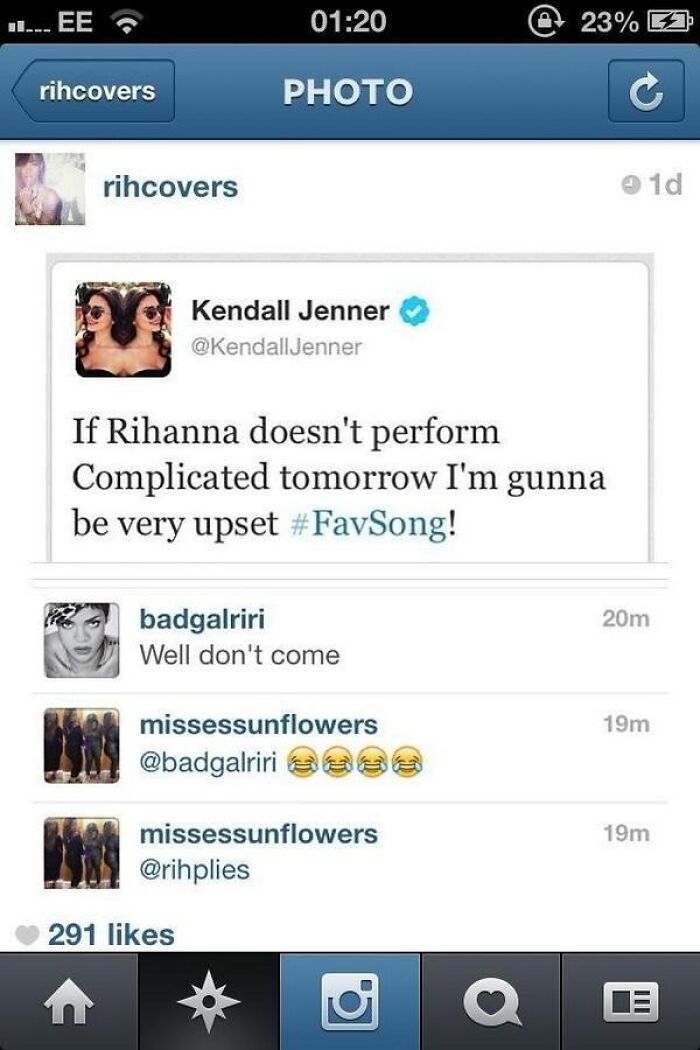
I think I would prefer a Nicki Minaj show with no Nicki Minaj.

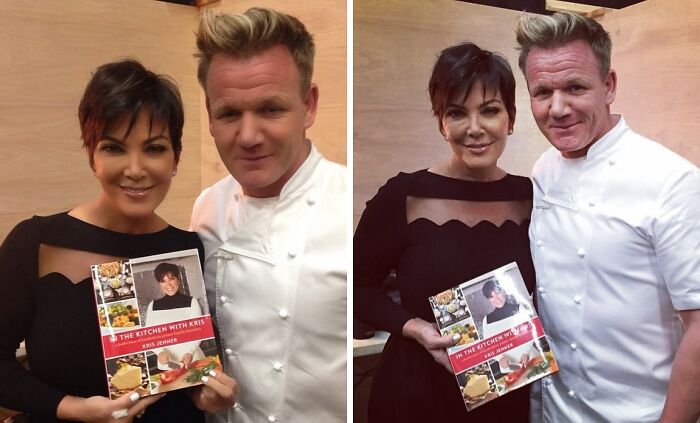
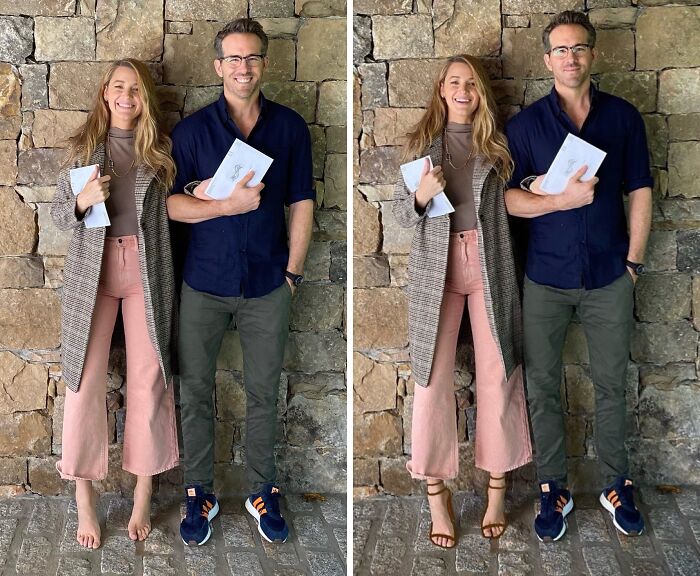
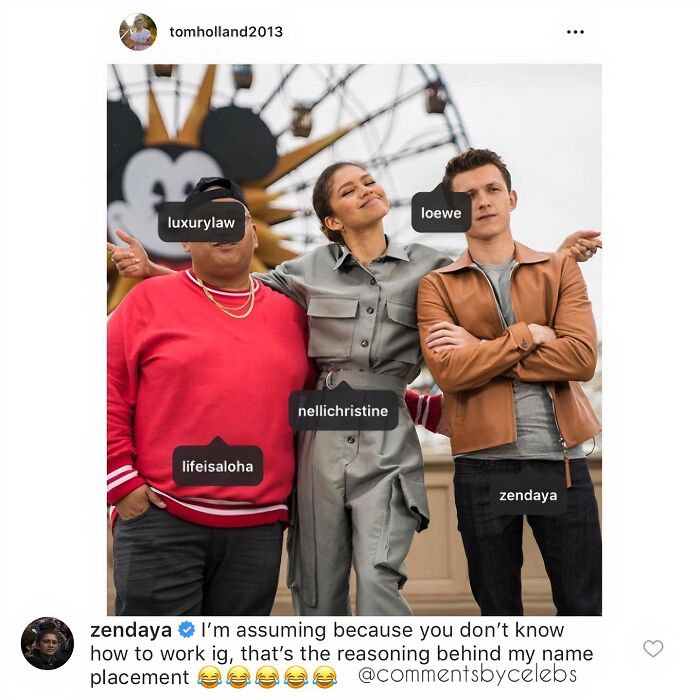
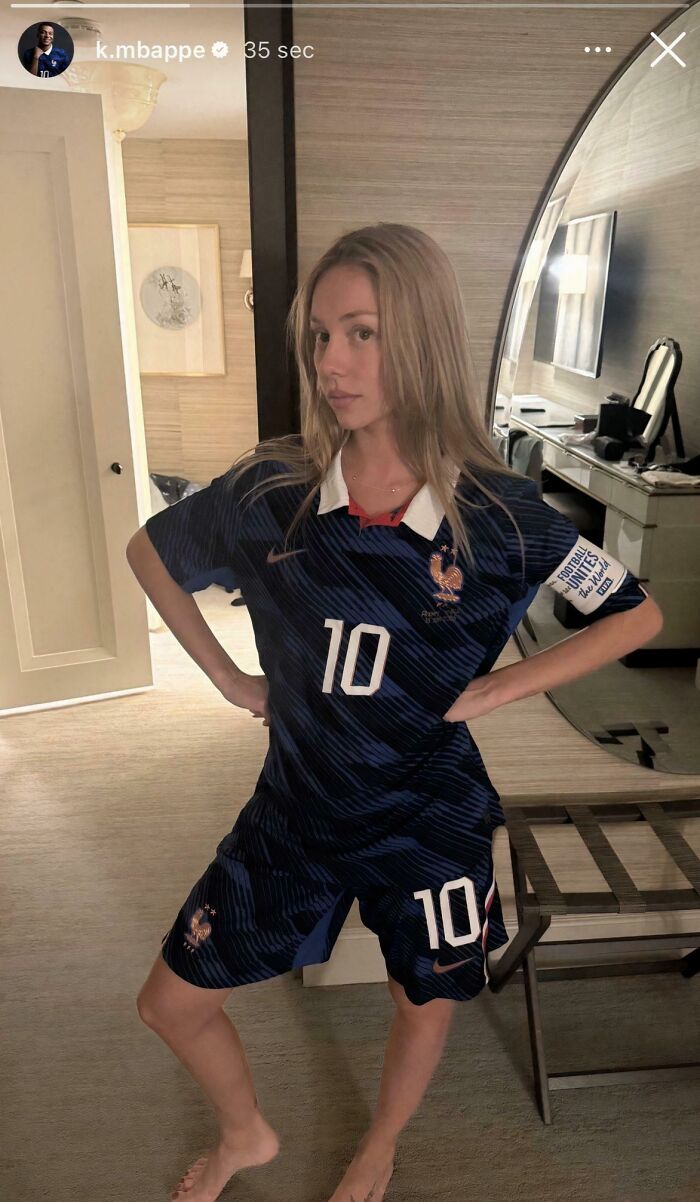
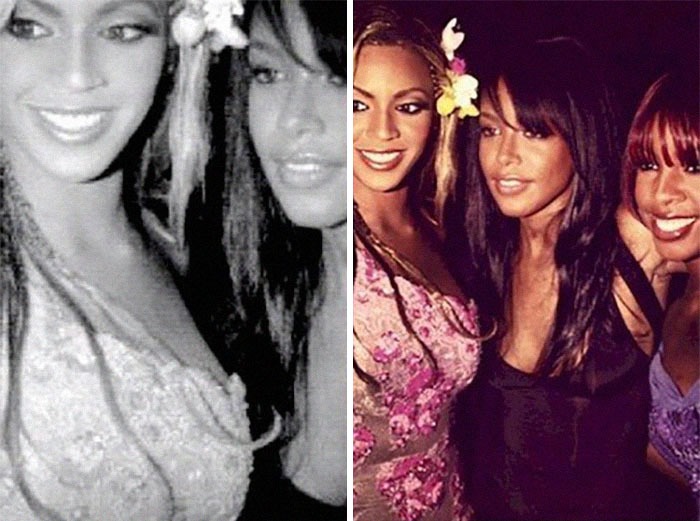
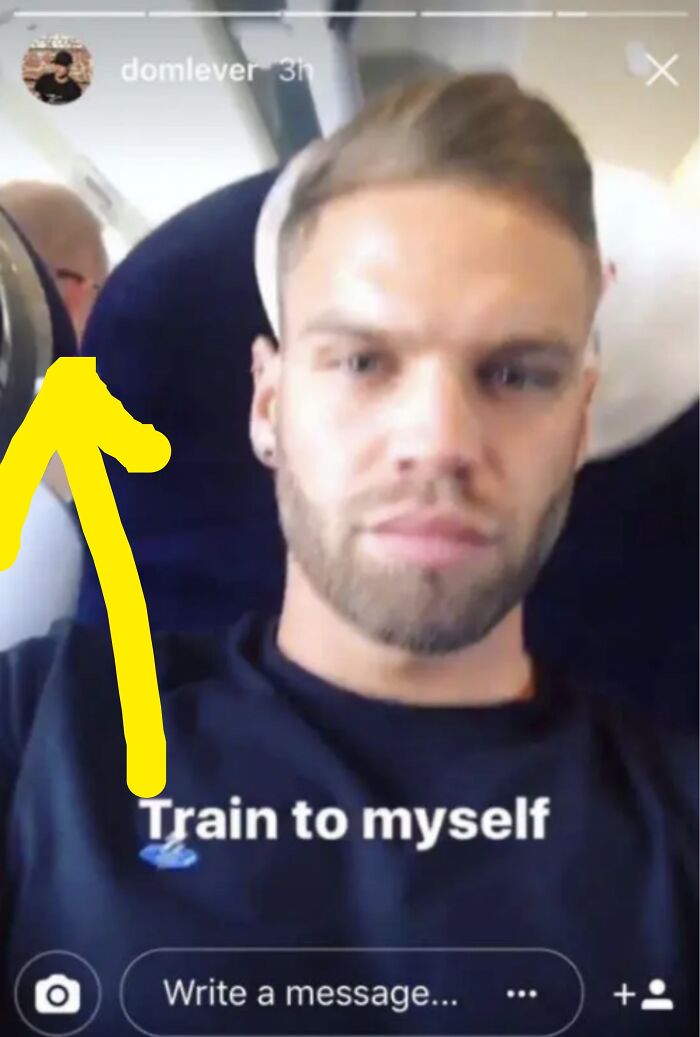
Why were her bare feet positioned as if there were shoes supporting them? I could see, maybe, trying to look taller (though she is 5'10/1.77m on her own), but when I stand on tiptoe, my feet and ankles are not that relaxed. It looks more as though shoes (maybe different shoes?) were edited out of the left-hand image.
The question of who actually recovers from a social media disaster and who does not has less to do with the severity of the post than with the size and loyalty of the existing fanbase at the time of impact. Kanye West's Twitter history is objectively one of the most extensively documented cases of public unraveling in social media history, and his career absorbed it for years before the cumulative weight became genuinely career-altering.
Justine Sacco, a PR executive who posted a racist tweet to her 170 followers before boarding a long-haul flight, landed to find herself globally trending and unemployed. The difference was the infrastructure, not the content. Fame is a form of protection until it is not, and the line between the two is drawn somewhere that nobody can see until they have already crossed it.
But it seems like the audience has been slowly logging off for a while now. A survey by EnTribe found that 51% of users simply scroll past influencer content in their feeds, and 29% actively dislike it due to constant promotion and a near-total absence of anything that feels real. Audiences are already exhausted, already skeptical, and already primed to spot the inauthenticity behind most posts.
Sinead Norenius-Raniere, VP of product and creator marketing strategy at Cision, told PR Daily that "people are feeling fatigued around the macro celebrity influencers and the constant, very high-polished sponsored ad." The irony is that the celebrities posting the most, with the biggest budgets and the most carefully managed feeds, are often the ones connecting the least.
As far back as 2011, music consumer research firm Bauer Media flagged that social media was making it too easy to follow celebrities on a minute-by-minute basis, increasing the likelihood that fans would simply get bored with them faster. Constant access turned out not to be the gift it appeared to be. Familiarity, at scale and at speed, has a ceiling, and a significant portion of celebrity social media history is the story of people hitting it.
A YouGov survey also shows us that all these celeb tweets and posts are probably just falling on deaf ears. Only 11% of Americans report ever changing their stance on an issue because of a celebrity, and only 7% have supported a political candidate because a famous person told them to. So their self-important posting is all for nothing, and the embarrassment could have been avoided had they just called it a day sooner.
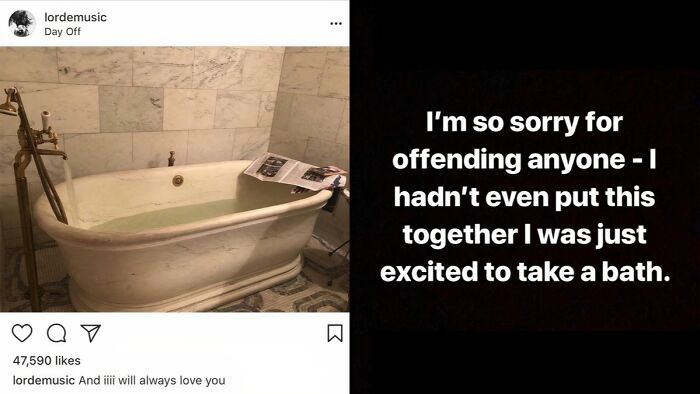
Lorde posted a picture of her bathtub with the caption “and i will always love you”. The caption is a lyric to a Whitney Houston song, and coincidentally Whitney Houston passed away in a bathtub. So everyone got mad at Lourde for posting that, but she never had bad intentions. She just really wanted a bath. So yeah lol.
What the archive of celebrity social media failures ultimately reveals is that the technology was never the problem. The problem was handing a direct line to millions of people to individuals who had spent years insulated from honest feedback, surrounded by teams with financial incentives to agree, and operating under the reasonable but incorrect assumption that their audience was on their side no matter what.
Some of them were right about that for a very long time. Some of them found out the hard way that a loyal fanbase and an unlimited posting schedule are a combination that eventually tests every relationship. The screenshots are permanent, and somewhere in a group chat right now, someone is sending a link to a post that went up in 2012 and asking if everyone else remembers this. Spoiler alert: we never forget.































 No fees, cancel anytime